首頁paradise

搜尋歷史
熱門搜尋
經銷商登入 / 註冊

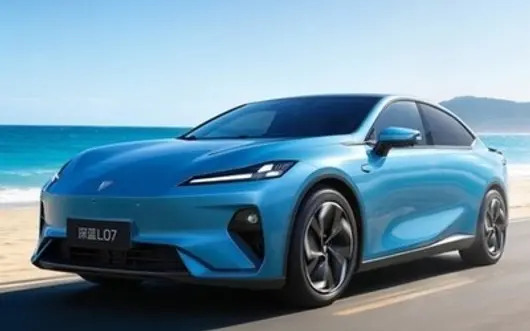
[CNMO Tech News] August 10, according to statistics compiled by blogger @EVOutbound, from 2024 to the first half of 2026, Deep Blue Cars have gone overseas for two years, covering 17 countries, with cumulative sales of 31,588 units.

Deep Blue L07
The statistics chart shows that Deep Blue's cumulative sales volume in the Thailand market is 19,235 units, accounting for up to 61% of the cumulative overseas sales volume. Specifically, sales volume in the Thailand market was 5,617 units in 2024, 7,824 units in 2025, 5,794 units in the first half of this year, with a monthly average stable at 800-1,000 units. The two models, Deep Blue L07 and S07, have successfully validated the business model in the Thailand market, and brand awareness has been initially established.

CNMO Tech learned that besides the Thailand market, the remaining overseas markets are still in the early volume expansion stage. Israel ranks second with 4,227 units (share 13%); the UK and Spain rank afterwards with 1,770 units (share 6%) and 1,753 units (share 6%) respectively. Australia and Norway cumulative sales are 1,218 units and 1,108 units, with shares of 4% each. Another 11 countries have sales volumes under 1,000 units each, presenting the characteristic of "wide country coverage, low sales per country". Worth noting is that the European markets such as Spain, UK, and Norway are gaining volume in the first half of 2026, but the absolute scale remains limited.
According to the blogger's analysis, Deep Blue adopted the "single-point breakthrough + regional replication" overseas expansion strategy, first concentrating resources to penetrate the Thailand market, then expanding outward. From the data, this strategy has been initially verified in Thailand, and the key for the follow-up lies in whether the European market can be advanced from "having sales" to "having scale".

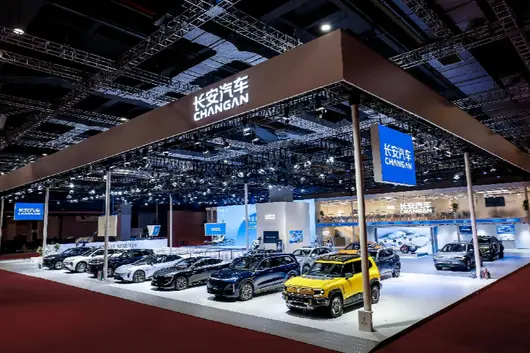
In 2026, the automotive season is halfway through, and the Chinese auto market has completed the first half amidst price wars and weak demand. While most players are still calculating how to extricate themselves from the quagmire of "trading price for volume," Changan Automobile's revealed half-year performance report demonstrates the strategic resolve and tactical flexibility of a new central state-owned automotive enterprise.

The Real Rise of the Third Pole
Looking at Changan's performance in the first half of the year, the most exciting news is undoubtedly the "unrivaled" performance of the overseas market.
402,000 units delivered overseas, a year-on-year growth of 35.1%, accounting for a share of the overall sales jumping to 33.6%. Compared to the overseas target of 750,000 units for the full year, the 53.6% completion rate makes this performance report highly valuable. In the highly competitive stock market, the overseas sector proved the foresight of Changan's internationalization strategy with high growth, becoming the strongest engine pulling the overall market.
This is not simple product export, but the qualitative change of the "Inclusive Sea" Plan from 1.0 to 2.0. The Brazil Anapolis Factory completed construction and began production in March, with an initial annual production capacity of 90,000 units; the Thailand Rayong Factory is in production, and the Deepal S05 Right-Hand Drive version officially went off the line — Changan is upgrading its overseas map from "Trade Export" to "Industrial Overseas Expansion".
More importantly, the profit logic. When the domestic car market is deeply trapped in the price war, the profit structure of the overseas market is enough to make any rational investor excited. The value of overseas business is not only reflected in sales numbers, but more significantly in the substantial improvement of Changan's global brand value. In strategic areas such as Southeast Asia and South America, Changan is accelerating the transformation from a Chinese brand to a global brand with localized production + regional customized product combinations.

New Energy Structure Adjustment, Gathering Momentum to Wait
New energy deliveries reached 456,000 units, a year-on-year increase of 5.2%. Against the backdrop of the overall market contraction, this growth rate is remarkably solid.
In the sub-brand matrix, Changan Qiyuan's breakout and Deepal's stability are equally impressive. Qiyuan delivered 173,800 units cumulatively in the first half of the year, with the AQ series growing by 102.6% year-on-year, with the Q05 continuing to dominate the compact SUV market. On Deepal's performance report of 164,200 units, overseas deliveries of 35,800 units surged 141% year-on-year. Leading the industry in overseas growth rate is the best proof of Deepal's brand power.
Avatr's performance in the first half of the year was moderate, but the real highlight is in the second half. The Avatr 07L will be the first batch to be equipped with Huawei Qiankun ADS 5, and new flagship stores will cover more than 20 cities this year — for this premiumization card, Changan plays calmly and steadily.
Changan's new energy overall target completion rate for the first half of the year is 32.5%. Seemingly leaving room, it actually lays the groundwork for the technical explosion in the second half. The Blue Whale Super Engine Hybrid technology has achieved city fuel consumption of 2.98L per 100km, with thermal efficiency near 45%; the self-developed "Tianzhu Pilot" Advanced Driver Assistance System was officially launched at the Chongqing Auto Show. The accelerated transmission of technology from the R&D end to the product end will be concentrated in the second half.

Self-Developed is the Best Trump Card
If Changan's first half is broken down, technical breakthroughs are the most worthy of emphasis.
At the Beijing Auto Show in March, the "Tianzhu Intelligence" brand was officially launched, and the "Tianzhu Pilot" Advanced Driver Assistance System made a stunning debut. This is not simple feature stacking, but the concentrated embodiment of Changan's "Full-Stack Controllable" strategy in the core track of intelligence. Industry-leading features like Tire Blowout Stabilization prove the balance capability of the technical team between underlying algorithms and engineering implementation.
The mass production deployment of the Blue Whale Super Engine Hybrid is another trump card on the electrification track. The launch of the 4th Generation Eado and CS75 PLUS marks Changan's leap from following to leading in hybrid technology. In the current booming plug-in hybrid market, this system's balance between energy efficiency and performance will form sustained competitiveness in the terminal market.

In the Second Half, Others Endure the Harsh Winter, Changan Waits for the Wind
The structural optimization of the first half has laid a springboard for the strategic focus in the second half.
The product offensive is already clear. Changan Qiyuan Q06 will be the first to be equipped with the "Tianzhu Pilot" system for mass production — this will be a milestone event for Changan's self-developed smart driving technology to go to the market on a large scale. The dense launches of more than a dozen new and facelift models will form full coverage of the mainstream price range from the product end.
The overseas offensive continues to increase. Thailand and Brazil factories are ramping up capacity, and the "Inclusive Sea" 2.0 strategy's localized layout will move from planning to substantial operation. From "Going Out" to "Going In", Changan's deep cultivation in the overseas market is entering the harvest period.
The technical offensive is gathering momentum. The technical dividends of intelligence and electrification will be more fully released in new models in the second half. With the "Tianzhu" and "Blue Whale" dual-engine drive, Changan is completing the conversion from technical reserves to market momentum.

Auto Review: Some question the overall target completion rate, ignoring the industry scale's 23.8% decline; some amplify the slowdown in new energy growth, but didn't see the technical barriers behind Blue Whale Hybrid and "Tianzhu" Smart Driving.
The goal set by Changan Automobile Chairman Zhu Huarong of 5 million units by 2030 and Global TOP 10 is destined to be a marathon. The rhythm adjustment, structure optimization, overseas breakthrough, and technical accumulation of the first half — all these work that may not seem so "sexy" is actually accumulating energy for the sprint in the second half.
For the Chinese automotive market in 2026, the elimination rounds have begun. For Changan, this automotive new central SOE that has completed an identity shift, the value of the first half is never about how much it sprinted, but about finding the right direction and solidifying its internal foundation in a great transformation. The starting gun for the second half has fired, and the triple momentum of technology, products, and globalization is converting into real market momentum.
True masters are good at adjusting posture against headwinds and finding the optimal route amidst changes. Judging from the layout of the first half, Changan's second half of 2026 is even more worth looking forward to.

In the Malaysian SUV market, many buyers compare Proton X90 and Toyota Fortuner when choosing a car. These two models are quite close in price and positioning. Today, we will make a detailed comparison from multiple aspects to help you save time on research.
Proton X90 OTR price in Malaysia is RM 106,800 - 122,800, with a total of 4 versions, including 2026 1.5T Prime X (RM 122,800), 2026 1.5T Prime (RM 116,800), 2026 1.5T Lite (RM 106,800), etc.
Toyota Fortuner OTR price in Malaysia is RM 195,880 - 241,880, with a total of 3 versions, including 2024 2.8T VRZ Diesel (RM 241,880), 2024 2.7L SRZ Petrol (RM 202,880), 2024 2.4L Standard Diesel (RM 195,880), etc.
From a price perspective, Proton X90's starting price is indeed RM 89,080 cheaper than Toyota Fortuner. If your budget is limited, Proton's entry-level version can already meet daily needs. But note, the few thousand cheaper might involve trade-offs in features, specifically depending on your needs.

Proton X90 is equipped with a 1.5L Turbo, 140 hp. Official fuel consumption 7.0 L/100km.
Toyota Fortuner is equipped with a 2.5L Diesel, 187 hp. Official fuel consumption 8.5 L/100km.
In terms of power, Toyota Fortuner's 2.5L Diesel has 47 hp more than Proton X90's 1.5L Turbo. However, for daily city driving, both cars have sufficient power and won't feel underpowered.

Proton X90 Warranty 5 years/150,000km, service interval every 10,000km or 6 months.
Toyota Fortuner Warranty 5 years/unlimited mileage, service interval every 10,000km or 6 months.

Both Proton X90 and Toyota Fortuner are mainstream choices in the Malaysian market, suitable for family use and daily commuting. If you value brand reputation and resale value more, prioritize the one with better reputation; if you care more about cost-performance and features, choose the one with richer configurations. Ultimately, it is recommended to test drive both; personal experience is the most important.

Overall, Proton X90 and Toyota Fortuner are both very good models in the Malaysian market. Which one to choose depends on your personal needs and budget. It is recommended to do your research, compare quotes from several dealerships, and then test drive to make the final decision. Buying a car is a big matter; spending time researching is never wrong.


喺馬來西亞嘅 SUV 市場,好多買家喺揀車嗰陣都會將 寶騰 X70 同 奇瑞 瑞虎 8 PHEV 嚟做比較。呢兩款車喺價位同定位上都幾近,今日我哋就從多個方面做一個詳細嘅比較,幫你省回做功課嘅時間。
寶騰 X70 喺馬來西亞嘅 OTR 落地價係馬幣 106,800 - 122,300,一共有 3 個版本,包括 1.5 公升 Standard 2WD(馬幣 106,800)、1.5 公升 Executive 2WD(馬幣 115,800)、1.5 公升 Premium 2WD(馬幣 122,300) 等。
奇瑞 瑞虎 8 PHEV 喺馬來西亞嘅 OTR 落地價係馬幣 159,750 - 159,750,一共有 2 個版本,包括 1.6 公升 Turbo Standard(馬幣 130,000)、1.6 公升 Turbo Premium(馬幣 145,000) 等。
從價錢來看,寶騰 X70 嘅起步價確實比 奇瑞 瑞虎 8 PHEV 平咗馬幣 52,950。如果你預算有限,寶騰嘅入門版已經可以满足日常需求。但都要留意,便宜嗰幾千蚊,可能喺配備上會有取舍,具體要看你嘅需求。
寶騰 X70 搭載 1.5 公升 Turbo,馬力 140 匹。官方油耗 7.0 公升/100 公里。
奇瑞 瑞虎 8 PHEV 搭載 Hybrid,馬力 170 匹。官方油耗 4.5 公升/100 公里。
動力方面,奇瑞 瑞虎 8 PHEV 嘅 Hybrid 比 寶騰 X70 嘅 1.5 公升 Turbo 多咗 30 匹馬力。不過日常喺市區開,兩款車嘅動力都夠用,唔會覺得唔夠力。
寶騰 X70 車身長 4400 毫米,行李箱 400 公升。
奇瑞 瑞虎 8 PHEV 車身長 4400 毫米,行李箱 400 公升。
兩款車嘅尺寸幾乎一樣,車內空間分別唔大。呢個級別嘅車,日常使用完全夠用。
寶騰 X70 採用前輪驅動驅動方式。
奇瑞 瑞虎 8 PHEV 採用前輪驅動驅動方式。
兩款車嘅驅動方式一樣,都係前輪驅動,日常駕駛感受唔會有太大區別。
總嘅嚟講,寶騰 X70 同 奇瑞 瑞虎 8 PHEV 都係馬來西亞市場幾唔錯嘅車型。揀邊一輛,關鍵係要睇你嘅個人需求同預算。建議大家做好功課,多比較幾間車行嘅報價,再去試駕做最終決定。買車係件大事,花啲時間做功課絕對唔會錯。

喺馬來西亞嘅 SUV 市場,好多買家喺揀車嗰陣都會拿 Proton X70 同 Toyota Yaris Cross 嚟比較。呢兩款車喺價位同定位上都幾接近,今日我哋就由多個方面嚟做一个詳細比較,幫你省晒做功課嘅時間。
Proton X70 喺馬來西亞嘅 OTR 售價係 RM 106,800 - 122,300,一共有 3 個版本,包括 1.5L Standard 2WD(RM 106,800)、1.5L Executive 2WD(RM 115,800)、1.5L Premium 2WD(RM 122,300)等等。
Toyota Yaris Cross 喺馬來西亞嘅 OTR 售價係 RM 99,900 - 109,900,一共有 2 個版本,包括 2026 1.5L Standard(RM 99,900)、2026 HEV 1.5L Standard(RM 109,900)等等。
由價錢睇,Toyota Yaris Cross 嘅起步價比 Proton X70 平咗 RM 6,900。講真,喺呢個價位段,幾千塊嘅差距其實唔算大,關鍵都係睇整體嘅性價比同長期使用成本。

Proton X70 搭載 1.5L Turbo,馬力 140 hp。官方油耗 7.0 L/100km。
Toyota Yaris Cross 搭載 1.5L 4-cyl,馬力 105 hp。官方油耗 6.0 L/100km。
動力方面,Proton X70 嘅 1.5L Turbo 比 Toyota Yaris Cross 嘅 1.5L 4-cyl 多咗 35 匹馬力,中段加速更有信心,尤其係跑高速公路超車嘅時候。不過 Toyota Yaris Cross 嘅油耗可能更抵,日常市區通勤分別唔會太大。

Proton X70 採用 FWD 驅動方式。
Toyota Yaris Cross 採用 FWD 驅動方式。
兩款車嘅驅動方式一樣,都係 FWD,日常駕駛感受唔會有太大分別。
Proton X70 保修 5 年/150,000km,保養間隔 每 10,000km 或 6 個月。
Toyota Yaris Cross 保修 5 年/無限制里程,保養間隔 每 10,000km 或 6 個月。
Proton X70 同 Toyota Yaris Cross 都係馬來西亞市場嘅主流選擇,適合家庭使用、日常通勤。如果你更重視品牌口碑同二手價,可以優先考慮口碑更好嗰款;如果你更在意性價比同配備,那就揀配備更豐富嗰款。始終建議兩款都去試駕,親身體驗先至最重要。
總體嚟講,Proton X70 同 Toyota Yaris Cross 都係馬來西亞市場幾唔錯嘅車型。揀邊輛,關鍵都係要睇你嘅個人需求同預算。建議大家做好功課,多比較幾間車行嘅報價,再去做試駕做最後決定。買車係件大事,花少少時間做功課絕對唔會錯。

In the Malaysian SUV market, many buyers compare Proton X70 and Honda WR-V when choosing a car. These two models are quite close in price and positioning. Today, we will make a detailed comparison from multiple aspects to save you time on research.
Proton X70 OTR price in Malaysia is RM 106,800 - 122,300, with a total of 3 versions, including 1.5L Standard 2WD (RM 106,800), 1.5L Executive 2WD (RM 115,800), 1.5L Premium 2WD (RM 122,300), etc.
Honda WR-V OTR price in Malaysia is RM 89,900 - 107,900, with a total of 4 versions, including 2023 1.5L V (RM 99,900), 2023 1.5L E (RM 95,900), 2023 1.5L S (RM 89,900), etc.
From the price perspective, Honda WR-V's starting price is RM 16,900 cheaper than Proton X70. Honestly, within this price segment, a difference of a few thousand is not significant; the key lies in overall value for money and long-term usage costs.

Proton X70 is equipped with 1.5L Turbo, horsepower 140 hp. Official fuel consumption 7.0 L/100km.
Honda WR-V is equipped with 1.5L 4-cyl, horsepower 105 hp. Official fuel consumption 6.0 L/100km.
In terms of power, Proton X70's 1.5L Turbo has 35 more horsepower than Honda WR-V's 1.5L 4-cyl, with more confidence in mid-range acceleration, especially when overtaking on highways. However, Honda WR-V's fuel consumption might be friendlier, and the difference in daily city commuting will not be too big.

Proton X70 safety rating is 5★ (ASEAN NCAP), active safety systems include ADAS (ACC, AEB, LKA, LDA, BSM, RCTA).
Honda WR-V safety rating is 5★ (ASEAN NCAP), active safety systems include Honda SENSING.
Both cars have the same safety rating, and safety features are quite comprehensive in this class. New car safety is not bad, no need to worry too much about this point.

Proton X70 warranty 5 Years/150,000km, maintenance interval every 10,000km or 6 months.
Honda WR-V warranty 5 Years/Unlimited Mileage, maintenance interval every 10,000km or 6 months.
Proton X70 and Honda WR-V are both mainstream choices in the Malaysian market, suitable for family use and daily commuting. If you value brand reputation and resale value more, you can prioritize the one with better reputation; if you care more about value for money and features, choose the one with richer configurations. Ultimately it is recommended to test drive both, personal experience is the most important.
In general, Proton X70 and Honda WR-V are both very good models in the Malaysian market. Which one to choose depends on your personal needs and budget. We suggest doing your research, comparing quotes from several dealerships, and then test driving to make the final decision. Buying a car is a big matter, spending time on research will never be wrong.


喺馬來西亞嘅 SUV 市場,好多買家喺揀車嘅時候都會拿 Proton X50 同 Subaru Forester 嚟比較。這兩款車喺價位同定位上都幾近,今日我就從多個方面做一個詳細嘅比較,幫你省返做功課嘅時間。
Proton X50 喺馬來西亞嘅 OTR 售價係 RM 89,800 - 113,300,合共 4 個版本,包括 1.5T Executive(RM 89,800)、1.5T Premium(RM 101,800)、1.5T Flagship(RM 113,300) 等。
Subaru Forester 喺馬來西亞嘅 OTR 售價係 RM 174,000 - 197,000,合共 3 個版本,包括 2024 2.0L S EyeSight GT Edition(RM 189,538)、2024 2.0L S EyeSight(RM 177,538)、2024 2.0L L EyeSight(RM 167,538) 等。
由價錢睇,Proton X50 嘅起步價確實比 Subaru Forester 平咗 RM 84,200。如果你預算有限,Proton 嘅入門版已經可以滿足日常需要。但要留意,平嗰幾千蚊,可能喺配備上會有取捨,具體要睇你嘅需求。

Proton X50 搭載 1.5L 4-cyl,馬力 105 hp。官方油耗 6.0 L/100km。
Subaru Forester 搭載 2.0L 4-cyl,馬力 170 hp。官方油耗 8.0 L/100km。
動力方面,Subaru Forester 嘅 2.0L 4-cyl 比 Proton X50 嘅 1.5L 4-cyl 多咗 65 匹馬力。不過日常喺市區開,兩款車嘅動力都够用,唔會覺得夠唔力。
Proton X50 車身長 4400 mm,行李箱 400 L。
Subaru Forester 車身長 4400 mm,行李箱 400 L。
兩款車嘅尺寸幾乎一樣,車內空間差別唔大。呢個級別嘅車,日常使用完全夠用。
Proton X50 同 Subaru Forester 都係馬來西亞市場嘅主流選擇,適合家庭使用、日常通勤。如果你更睇重品牌口碑同二手價,可以優先考慮口碑更好嗰一款;如果你更在意性價比同配備,那就揀配置更豐富嗰款。最終都係建議兩款都去試駕,親身體驗先係最重要。

總體嚟講,Proton X50 同 Subaru Forester 都係馬來西亞市場好好嘅車型。揀邊一輛,關鍵都係要睇你嘅個人需求同預算。建議大家做好功課,多比較幾間車行嘅報價,再去試駕做最終決定。買車係一件大事,花少少時間做功課絕對唔會錯。


喺馬來西亞嘅 SUV 市場,好多買家揀車嘅時候都會拿 Proton X50 同 Kia Sportage 來比較。呢兩部車喺價錢同定位上都幾接近,今日我哋就由多個方面做詳細比較,幫你省咗做功課嘅時間。
Proton X50 喺馬來西亞嘅 OTR 售價係 RM 89,800 - 113,300,一共有 4 個版本,包括 1.5T Executive(RM 89,800)、1.5T Premium(RM 101,800)、1.5T Flagship(RM 113,300)等等。
Kia Sportage 喺馬來西亞嘅 OTR 售價係 RM 129,639 - 179,320,一共有 4 個版本,包括 2025 1.6T DCT 4WD High(RM 179,320)、2025 1.6T DCT 2WD High(RM 159,320)、2025 2.0L AT 2WD High(RM 139,639)等等。
由價錢睇,Proton X50 嘅起步價確實比 Kia Sportage 平咗 RM 39,839。如果你預算有限,Proton 嘅入門版已經滿足日常需要。不過都要注意,便宜嗰幾千蚊,可能喺配備上有取舍,具體睇你嘅需要。
Proton X50 嘅安全评分係 5★ (ASEAN NCAP),主動安全系統包括 ADAS (ACC, AEB, LKA, LDA, BSM, RCTA)。
Kia Sportage 嘅安全评分係 5★ (ASEAN NCAP),主動安全系統包括 Drive Wise。
兩部車嘅安全評級一樣,喺呢個級距入面安全配備都算係好齊全。而家嘅新車安全性都幾好,唔使太擔心呢一點。
Proton X50 車身長 4400 mm,後備箱 400 L。
Kia Sportage 車身長 4400 mm,後備箱 400 L。
兩部車嘅尺寸幾乎一樣,車內空間差別唔大。呢個級距嘅車,日常使用完全夠用。
Proton X50 保修 5 年/150,000km,保養間隔 每 10,000km 或 6 個月。
Kia Sportage 保修 5 年/300,000km,保養間隔 每 10,000km 或 6 個月。

總體嚟講,Proton X50 同 Kia Sportage 都係馬來西亞市場幾唔錯嘅車型。揀邊一部,關鍵始終係睇你嘅個人需要同預算。建議大家做好功課,多比較幾間車行嘅報價,再去試駕做最終決定。買車係件大事,花少少時間做功課絕對無錯。

In the Malaysian SUV market, many buyers compare Proton X50 and Chery Tiggo 7 PHEV when choosing a car. These two models are quite close in price and positioning. Today we will make a detailed comparison from multiple aspects to save you time on research.
Proton X50 OTR price in Malaysia is RM 89,800 - 113,300, with 4 versions in total, including 1.5T Executive (RM 89,800), 1.5T Premium (RM 101,800), 1.5T Flagship (RM 113,300), etc.
Chery Tiggo 7 PHEV OTR price in Malaysia is RM 129,750 - 129,750, with 2 versions in total, including 2025 1.5T 90km CSH (RM 129,750), What charging methods does the Tiggo 7 PHEV support? Can it be charged using a home power socket? (RM 117,478), etc.
From a price perspective, the entry-level price of Proton X50 is indeed RM 39,950 cheaper than Chery Tiggo 7 PHEV. If your budget is limited, Proton's entry-level version can already meet daily needs. However, also note that the savings of a few thousand Ringgit might involve trade-offs in features, depending on your specific needs.
Proton X50 adopts 4WD drive mode.
Chery Tiggo 7 PHEV adopts FWD drive mode.
Proton's 4WD and Chery's FWD will offer different handling experiences, test drive comparison is recommended.
Proton X50 warranty 5 years/150,000km, maintenance interval every 10,000km or 6 months.
Chery Tiggo 7 PHEV warranty 3 years/100,000km, maintenance interval every 10,000km or 6 months.
Proton X50 and Chery Tiggo 7 PHEV are both mainstream choices in the Malaysian market, suitable for family use and daily commuting. If you value brand reputation and resale value more, you can prioritize the one with better reputation; if you care more about cost-performance ratio and features, then choose the one with richer configuration. In the end, it is recommended to test drive both models, as personal experience is most important.

Overall, Proton X50 and Chery Tiggo 7 PHEV are both very good models in the Malaysian market. Which one to choose depends mainly on your personal needs and budget. We suggest doing your homework, comparing quotes from several car dealerships, and then test driving to make the final decision. Buying a car is a big matter, spending time doing homework will never be wrong.

「長城歐拉 5 正以一車三動力嘅全能表現同自然美學,唔聲唔聲完成品牌定位嘅升維—由特定圈層嘅個性之選,進化為涵蓋家庭首購、追求品質增換購人群嘅「全民出行新選擇。」」
7 月 20-22 日長城汽車全球探索日喺保定舉辦。全球各地嘅投資者紛紛前往長城技術中心同生產基地,喺徐水專業試車場完成咗長城歐拉 5 多動力版本嘅深度試駕,從智造工藝到動態性能完成咗一次全方位嘅實地考察。隨著長城歐拉 5 喺海外總銷售額破萬,尤其喺巴西、泰國等地接連交出優異成績,再次令全球市場嘅目光聚焦喺呢款中國新車。

「年輕人嘅第一台車」呢道選擇題,曾經嘅標準答案往往係「夠用就好」——預算有限,就得喺靚度、空間、動力、品質之間反覆妥協。但長城歐拉 5 嘅出現,正用產品力悄然改寫呢個命題:邊話第一台車,唔可以全都要?
歐拉 5 熱銷嘅背後,最關鍵嘅轉變係於用戶畫像嘅急劇擴容。過去,歐拉或許被貼上特定圈層嘅標籤,但而家,隨著歐拉 5 呢類全能車型嘅走紅,佢嘅用戶池已擴展到「家庭首購」同「品質增換購」嘅廣闊人群。 剛畢業嘅年輕人揀佢作為人生第一台車,睇中係入門即高配嘅誠意;年輕家庭用佢代步出行,需要嘅係空間與能耗嘅均衡;甚至嗰啲原本開燃油車嘅用戶,都願意換購一台歐拉 5 來升級出行品質。當一款車能同時取悅呢些截然不同嘅需求,佢就已經跳出小眾敘事,成為「年輕人嘅第一台車」呢個命題下嘅普適解。
年輕人買車,第一眼嘅感覺至關重要。歐拉 5 全系採用「自然美學」設計語言,從自然中汲取靈感,用極簡圓潤嘅線條呈現最純粹嘅美感——唔堆砌鍍鉻,唔營造偽運動,唔靠誇張造型博眼球。
呢種「做減法」嘅設計哲學,反而成就咗跨越文化嘅辨識度——無論係馬德里街頭嘅駐足回眸,定係曼谷商圈嘅交車儀式。
歐拉 5 嗰種「一眼靚絕」嘅乾淨氣質,源自對全球年輕審美嘅精準洞察,擊中咗全球年輕一代追求本真、拒絕繁複嘅審美共鳴。對年輕人而言,車唔止係工具,更係自我表達,而歐拉 5 恰好踩咗喺佢哋嘅審美節奏上。
一車多動力,無需妥協嘅自由選擇真正令歐拉 5 實現「全球破圈」嘅核心武器,係「一車多動力、一車多類別」嘅產品邏輯。無論係純電版定係混動版,歐拉 5 都共享同一套設計語言、同一套智能配備、同一套舒適標準——唔因動力形式唔同而降低任何一處嘅品質。
這就意味著,年輕人完全可以按照自己嘅實際生活場景嚟揀:國內充電樁密集嘅城市用戶,純電版通勤足夠省心省錢;而喺歐洲,好多城市公共充電設施尚未完善,老城區街道狹窄、私人車位稀缺,家用充電樁安裝門檻極高,純電補能嘅唔便利恰恰成為日常出行嘅痛點,此時混動版便以無需依賴充電樁嘅從容姿態,用三擎六模全速域智能動力切換,做到省油平順兩不誤。
唔止歐洲,7 月起長城歐拉 5 即將陸續登陸澳洲、南非、印尼及中南美等地區,呢啲市場嘅基建水平同出行需求各不相同,卻同樣需要一台能靈活適配當地條件嘅產品——而呢恰恰係「一車多動力」戰略嘅前瞻性所在。歐拉 5 以同一品質標準、不同動力選擇,從容適配全球不同地區嘅差異化需求,令每一位年輕消費者都能擁有真正貼合個人生活嘅理性決定,無需為地域或基建差異而妥協。
當一台車能喺巴西 24 小時售罄,能喺泰國與日系豪強分庭抗禮,能喺歐洲老城狹窄嘅街巷中從容穿梭,佢便不再只係中國製造嘅名片,更係生而全球嘅生動註腳,歐拉 5 喺全球不同市場反復驗證同一件事:年輕人嘅第一台車,已經可以同時擁有高靚度、高品質與高自由度。
當「夠用就好」變成「按需優選」,歐拉 5 正在重新定義呢屆年輕人嘅購車標準,佢唔要求年輕人去適應車,而係令車去適配每一種生活、每一片土地。從充電樁密集嘅國內都市,到基建尚未完善嘅南美同南非,歐拉 5 以同一套美學、同一份智能、同一種品質,打破咗地域與基建嘅界限,因地制宜,令「按需選擇、自由出行」成為全球年輕人觸手可及嘅權利。
長城歐拉 5 用一個又一個真實嘅全球場景,為呢代年輕人寫下同一個答案:你值得用熱愛投票,而唔係用預算妥協。
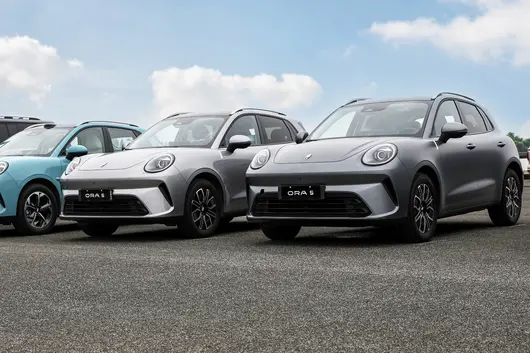

喺馬來西亞嘅 SUV 市場,好多買家喺揀車嘅時候都會拿 Perodua Aruz 同 GWM Haval H6 嚟做比較。這兩款車喺價位同定位上都幾接近嘅,今日我哋就從多個方面做一個詳細嘅比較,幫你節省做功課嘅時間。
Perodua Aruz 喺馬來西亞嘅 OTR 售價係 RM 72,900 - 77,900,一共有 2 個版本,包括 1.5L X(RM 72,900)、1.5L AV(RM 77,900)等。
GWM Haval H6 喺馬來西亞嘅 OTR 售價係 RM 139,750 - 139,750,一共有 2 個版本,包括 1.5L Turbo Standard(RM 140,000)、1.5L Turbo Premium(RM 155,000)等。
從價錢嚟睇,Perodua Aruz 嘅起步價確實比 GWM Haval H6 平咗 RM 66,850。如果你預算有限,Perodua 嘅入門版已經可以滿足日常需要。但都要注意,平嗰幾千蚊,可能喺配備上會有取捨,具體睇你嘅需求。

Perodua Aruz 嘅安全評級係 5★ (ASEAN NCAP),主動安全系統包括。
GWM Haval H6 嘅安全評級係 TBD,主動安全系統包括 Basic。
Perodua Aruz 保用 5 年/150,000km,保養間隔 每 10,000km 或 6 個月。
GWM Haval H6 保用 7 年/150,000km,保養間隔 每 10,000km 或 6 個月。
Perodua Aruz 同 GWM Haval H6 都係馬來西亞市場嘅主流選擇,適合家庭使用、日常通勤。如果你更睇重品牌聲譽同二手價,可以優先考慮聲譽更好嗰一款;如果你更在意性價比同配備,那就揀配置更豐富嗰款。最後始終建議兩款都去試駕,親身體驗先至最緊要。
總體嚟講,Perodua Aruz 同 GWM Haval H6 都係馬來西亞市場幾唔錯嘅車型。揀邊一輛,關鍵始終睇你嘅個人需求同預算。建議大家做好功課,多比較幾間車行嘅報價,再去試駕做最後決定。買車係件大事,花少少時間做功課絕對無錯。


喺馬來西亞嘅 SUV 市場,好多買家在揀車嘅時候都會拿現代帕里斯同富豪 XC90 插混嚟做比較。呢兩款車喺價位同定位上都幾接近嘅,今日我哋就從多個方面做一個詳細嘅比較,幫你省咗做功課嘅時間。
現代帕里斯喺馬來西亞嘅 OTR 售價係 RM 368,838 - 399,838,一共有 4 個版本,包括 2023 3.8L 二驅豪華 7 座位汽油(RM 399,838)、2023 2.2T 四驅行政 7 座位柴油(RM 389,838)、2023 3.8L 二驅豪華 8 座位汽油(RM 378,838) 等。
富豪 XC90 插混喺馬來西亞嘅 OTR 售價係 RM 434,888 - 434,888,一共有 2 個版本,包括 2025 2.0T 77km 高級(RM 434,888)、富豪 XC90 插混有咩安全配備?(RM 362,888) 等。
從價錢嚟睇,現代帕里斯嘅起步價確實比富豪 XC90 插混平咗 RM 66,050。如果你預算有限,現代嘅入門版已經可以滿足日常需求。但亦都要注意,平嗰幾千蚊,可能喺配備上會有取舍,具體睇你嘅需求。

現代帕里斯配備 2.0L Turbo,馬力 220 匹。官方油耗 9.5 公升/百公里。
富豪 XC90 插混配備混合動力,馬力 170 匹。官方油耗 4.5 公升/百公里。
動力方面,現代帕里斯嘅 2.0L Turbo 比富豪 XC90 插混嘅混合動力多咗 50 匹馬力,中段加速更有信心,尤其係跑高速公路超車嘅時候。不過富豪 XC90 插混嘅油耗可能更友好,日常市區通勤差別唔會太大。

現代帕里斯嘅安全評級係 待定,主動安全系統包括基本。
富豪 XC90 插混嘅安全評級係 5★ (歐洲新車安全評估),主動安全系統包括高級先進駕駛輔助系統。
安全配備方面,兩款車都拿到唔錯嘅評級。不過現代帕里斯嘅基本同富豪 XC90 插混嘅高級先進駕駛輔助系統喺功能上有啲差異,如果你比較重視主動安全嘅話,可以仔細對比一下兩者嘅功能列表。

現代帕里斯車身長 4400 mm,尾箱 400 公升。
富豪 XC90 插混車身長 4400 mm,尾箱 400 公升。
兩款車嘅尺寸幾乎一樣,車廂空間差別唔大。呢個級別嘅車,日常使用完全夠用。

現代帕里斯採用前驅驅動方式。
富豪 XC90 插混採用前驅驅動方式。
兩款車嘅驅動方式一樣,都係前驅,日常駕駛感受唔會有太大區別。

總體嚟講,現代帕里斯同富豪 XC90 插混都係馬來西亞市場好唔錯嘅車款。揀邊一輛,關鍵都係要睇你嘅個人需求同預算。建議大家做好功課,多比幾間車行嘅報價,再去試駕做最終決定。買車係件大事,花點時間做功課絕對唔會錯。


喺馬來西亞嘅轎車市場,好多買家喺揀車嘅時候都會拿本田思域 Type R 同福斯 Golf GTI 嚟做比較。呢兩款車喺價位同定位上都幾接近,今日我哋就從多個方面做一個詳細嘅比較,幫你節省咗做功課嘅時間。
本田思域 Type R 喺馬來西亞嘅 OTR 售價係 RM 399,900 - 399,900,合共有 3 個版本,包括 2023 2.0T Standard(RM 399,900)、OTR NI(RM 399,900)、沃爾沃 ES90(RM 339,888) 等。
福斯 Golf GTI 喺馬來西亞嘅 OTR 售價係 RM 256,962 - 256,962,合共有 3 個版本,包括 2025 2.0T Sepang Edition(RM 262,990)、2025 2.0T Standard(RM 256,962)、DCT(RM 219,800) 等。
從價錢睇,福斯 Golf GTI 嘅起步價比本田思域 Type R 平咗 RM 142,938。坦白講,喺呢個價位段,幾千蚊嘅差距其實唔算大,關鍵仲睇整體嘅性價比同長期使用成本。

本田思域 Type R 車身長 4450 mm,尾箱 470 L。
福斯 Golf GTI 車身長 4400 mm,尾箱 400 L。
空間方面,本田思域 Type R 嘅車身比福斯 Golf GTI 長咗 50 mm,車內坐位空間會稍為寬鬆啲,尤其係後座腳位空間。如果你經常載家人或者要放嬰兒車,大啲嘅車身確實更實用。

本田思域 Type R 保修 5 年/無限里程,保養間隔 每 10,000km 或者 6 個月。
福斯 Golf GTI 保修 3 年/100,000km,保養間隔 每 10,000km 或者 6 個月。

本田思域 Type R 同福斯 Golf GTI 都係馬來西亞市場嘅主流選擇,適合家庭使用、日常通勤。如果你更重視品牌口碑同二手價,可以優先考慮口碑更好嗰款;如果你更在意性價比同配備,嗰就揀配置更豐富嗰款。最終始終建議兩款都去試駕,親身體驗先係最重要嘅。

總括嚟講,本田思域 Type R 同福斯 Golf GTI 都係馬來西亞市場幾好嘅車型。揀邊一輛,關鍵仲係要睇你嘅個人需求同預算。建議大家做好功課,多比較幾間車行嘅報價,先去試駕做最後決定。買車係件大嚟嘅事,花少少時間做功課絕對無錯。


車型概覽

廣汽E8 PHEV 值唔值得睇,第一步唔係望牌子或者外形,而係睇佢能唔能夠配合你嘅香港日常。 呢篇會集中講版本取捨,幫你用買家角度篩走唔適合嘅選擇。
售價仍待確認,買家可以先把佢放入候選名單,等價格落實後再同同級車逐項比較。
購車價格指南
廣汽E8 PHEV 目前售價仍未清晰,較理性嘅做法係先睇版本、車身大小同動力形式,等價格落實後再決定值唔值得落訂。
如果有幾個版本可揀,可以先將 2025 2.0L 150km 前驅版(價格待確認)、2024 2.0L 150km 前驅版(價格待確認) 放喺同一張清單。日常通勤重視舒適同易用,家庭買家就要優先睇後排、尾箱同安全配置。
核心規格重點
睇 廣汽E8 PHEV 嘅規格,重點唔係背數字,而係理解佢喺香港用車場景會帶嚟咩分別。
25.57 kWh 嘅電池容量,真正意義係可以幫你估算一星期通勤同周末出車要唔要中途補電。 150 km 嘅續航參考,對住喺新界、九龍同港島之間跨區行車嘅用家會更實際。 18.8 kWh/100km 嘅耗電表現,會影響你去快充站或者屋苑充電位嘅頻率。 140 Ps / 103 kW / 134 kW、180/300 N·m 嘅輸出,令高速併線同短距離超車更有信心。
優缺點分析
廣汽E8 PHEV 嘅優點唔需要講到天花龍鳳,真正有價值係佢能唔能夠令日常用車更省心:日常能源成本有基本參考、電池同續航資訊有助安排通勤同補電、動力輸出對高速同上斜更有底氣。
要留意嘅係,要先確認屋苑、公司或常去商場嘅充電條件、香港停車場同窄路使用要留意車身闊度。呢啲唔一定係缺點,但係落訂前應該先諗清楚。
買家常見問題
買 廣汽E8 PHEV 之前,真正要問嘅唔係單一規格,而係佢可唔可以融入你每日嘅生活節奏。
常見疑問係「廣汽 GAC E8 EV 喺香港賣幾錢?」簡單講,廣汽 GAC E8 EV 喺香港嘅預計售價約由港幣 $360,000 起。 放到實際用車,就係要睇佢對通勤、泊車、家庭乘坐同長期成本有幾大幫助。
同級對比內容
將 廣汽E8 PHEV 放入同級車清單時,唔建議只用外形或者品牌光環決定。比較順序可以係:先等售價落實,再決定佢應該同邊個級距比較、再睇動力係咪足夠應付高速併線同滿載、再比較能源成本同補能便利、最後睇車身大小、座位同尾箱是否適合家人。
咁樣篩選會貼近香港買家真實生活:平日塞車、商場泊車、周末去新界、甚至一家人出入,先係一部車每日要面對嘅考驗。
用車全周期指南

擁有 廣汽E8 PHEV 最重要係先諗清楚充電節奏。屋苑、公司或者常去商場只要有穩定充電選項,電動化用車就會容易相處好多。
如果你主要喺市區行,視野、低速順滑度同泊車輔助會好影響心情;如果經常行高速或跨區,座椅舒適度、隔音同動力從容感會更重要。


"In the past, selling Toyotas, the first thing customers would say upon entering was: When can I pick up the car? Now the first thing is: Whose intelligent driving system does this car use?" This is what a Toyota 4S shop salesperson told me recently.
He entered the industry in 2018. At that time, the Camry had price markups, people queued for the Highlander, and the Alphard was like a financial product. The hardest part of selling Japanese cars was not selling the cars, but calming the customers' emotions.

But now, the one thing he does most every day is explain: 'Our cars actually use a lot of Chinese supply chains.' When he said this, his tone even sounded a bit proud.
Indeed, ten years ago, Chinese automakers were still figuring out how to make door gaps even; five years ago, Chinese new energy vehicles were completely overshadowed by the industry; and now, if Japanese cars want to do new energy well, the first thing has become: Connect to the Chinese supply chain first.
You will find that when an era truly ends, it is often not because someone fell.
Instead, people who were once high and mighty start to actively learn from you.

Recently, sales of Toyota's pure electric SUV broke ten thousand again. Many people interpret this as a 'Japanese counterattack'. But if you take this car apart to look, you will find things are not that simple.
Momenta Intelligent Driving, Hesai LiDAR, Desay SV Domain Control, FinDream Battery, CALB, Zhengli New Energy...
To put it bluntly, many so-called 'Japanese new energy vehicles' now look more and more like 'Japanese shells assembled by the Chinese supply chain'. But the issue is, this precisely shows that China's automotive industry has truly won. Because true industrial victory is never about crushing others, but even your rivals are forced to use you.
This is actually more terrifying than sales overtaking.
In the past, everyone always said Chinese automakers were 'overtaking on a curve'. Looking back now, this statement was actually too conservative. China's automotive industry isn't about overtaking at all; it's about changing the track entirely.

In the internal combustion engine era, why was the Japanese supply chain strong? Because that era competed on precision manufacturing, stable quality control, long-cycle iteration, and a closed supply system. To put it simply, it was 'slow work yields fine results'. Toyota's system was essentially the highest level of order in the industrial era.
The problem is, the new energy era is different.
Now it competes on iteration speed, software capability, cost control, supply chain collaboration, and large-scale rapid trial and error. In the past, a car model was replaced every five years; now there is an OTA update every half year; in the past, suppliers took three months to change a mold; now Chinese manufacturers take three weeks.

In the past, the strongest point of Japanese manufacturing was 'not making mistakes'. Now the strongest point of Chinese manufacturing is allowing rapid mistakes, then rapid evolution. These are two completely different industrial philosophies. So many people actually misunderstand Chinese new energy vehicles. Everyone always thinks Chinese automakers win because they are cheap. But what is truly terrifying is never the low price. It is that China now possesses 'cheap', 'good enough', and 'fast' all at once.
This is the most scary part. Because the most unsolvable thing in the industrial world is that you are cheaper than me and iterate faster than me. This is also why, today, more and more Japanese suppliers are starting to collapse. Many people see Japanese parts companies going bankrupt and think it is just a sales issue.
Actually, it's not. The real problem is that the industrial logic upon which the entire Japanese supply chain relies is starting to fail. In the past, the biggest moat for Japanese suppliers was the Keiretsu system. Toyota only used the Toyota system; Honda only supported the Honda supply chain. Denso, Aisin, Jtekt, Yazaki... the whole system was like a closed empire.
But in the new energy era, there is a particularly cruel thing: closed systems mean slow. And being slow is almost a mortal sin today.
So you will see a particularly absurd phenomenon. In the past, Chinese suppliers desperately wanted to get into the Japanese system; now Japanese automakers are coming to Chinese suppliers. Because without using the Chinese supply chain, cars simply cannot compete.
This is particularly obvious in Southeast Asia. Two years ago, many people were still discussing: 'Will Chinese cars fight fiercely with Japanese cars in Thailand?' But now it is found that it is not a 'head-to-head match'. Instead, the Chinese supply chain directly penetrated into Japanese car factories.

This is more ruthless than grabbing the market. Because grabbing the market is just grabbing sales. Grabbing the supply chain is equivalent to grabbing the industrial lifeline. In the past, one of the scariest points of Japanese manufacturing was that it controlled the Asian industrial system. Now this control is shifting. And it is shifting very quickly.
The most interesting thing is that the Japanese themselves actually realized the problem first. The Nikkei has started to frequently use words like 'Keiretsu Dissolution'. Translated, it is actually just one sentence: The core thing of the Japanese automotive industry is collapsing.
So today the most painful are no longer Japanese brands, but that group of Japanese suppliers. Because vehicle manufacturers can at least 'surrender'. The supply chain is not that easy to turn around.
Toyota can still use Chinese intelligent driving; Nissan can still accept Chinese batteries; Honda can still learn new EV brands to do cockpits. But what about those traditional suppliers?

All advantages established in the internal combustion engine era suddenly became useless. More cruelly, the most important things in the new energy era, batteries, intelligence, software, intelligent driving, China has almost occupied all of them.
So you will see a particularly darkly humorous picture. On one side, Japanese media are heartbroken over 'Japanese car soul handed over to China'; on the other side, Japanese suppliers are taking BYD orders again to stay alive. This is actually very much like dynastic transitions in history.
People of the old era will not disappear suddenly. They will first be shocked, then deny, then angry, and finally join.
Many people still think China's automotive industry is just 'new energy leading'. But I think the real change is far more than cars. Cars are just the most obvious open exam for China's manufacturing upgrade. Because cars are the crown of industry. Behind it are connected chips, materials, software, batteries, machinery, manufacturing, AI, automation, and supply chain collaboration.

Whoever wins the car has the qualification to reconstruct the next generation industrial order. And what is truly terrifying about China today is that a 'supply chain black hole effect' is starting to appear.
What is a black hole? It means all industries will eventually be sucked into it.
You make cars, you have to connect to Chinese batteries; you do intelligent driving, you have to connect to Chinese computing power; you do supply chains, you have to accept Chinese speed; you do manufacturing, you have to adapt to Chinese costs.
It is highly likely that a very realistic situation will appear in the future. Manufacturing industries that do not join the Chinese supply chain will find it harder and harder to stay at the table. This is not some nationalistic emotion. This is industrial law.
Because at the end of manufacturing development, it is no longer about single-point technology, but about who can compress the entire supply chain into 'one machine'.
And the strongest ability China has now is this. From batteries to intelligent driving, from parts to whole vehicles, from R&D to mass production, China's industry has truly formed a complete closed loop, super-large scale, super-high-speed iteration, and super-strong cost control for the first time.
This thing is what is truly making the whole world anxious today. So look back at those news of 'Japanese cars using Chinese supply chains'.
You will find that its true meaning is not 'Chinese parts entered the Japanese system'. It is that Chinese manufacturing has begun to become the global industrial system itself for the first time.

Folks, today let's talk about big news on going global—not selling cars, but selling "drivers". On June 2, WeRide and Uber jointly announced a plan: to launch the country's first commercial Robotaxi pilot service in Madrid, Spain. In other words: Spanish residents will soon be able to hail a driverless taxi via Uber. This is the first time WeRide and Uber are partnering to enter the European market. Madrid also becomes the 12th city globally where WeRide's Robotaxi arrives.
According to official news, with the support of the Madrid regional government, this service will officially launch within this year. At that time, friends in Madrid can open the Uber App and call WeRide's Robotaxi with one click. It's just like calling an ordinary ride-hailing service, the difference is the arriving car has no driver—at least initially, there is still a difference. In the initial operation phase, a professionally trained safety monitor will be on board, as it's just launched, safety comes first.
This company, WeRide, you might have heard of it, or you might not. A brief introduction: Established in 2017, it has been dedicated to Robotaxi technology R&D and commercialization. Currently, its Robotaxis cover Guangzhou, Beijing, Singapore, Abu Dhabi, Dubai, Riyadh, Zurich... plus Madrid now, totaling 12 cities. Spain is also the 5th European market WeRide has entered—previously entered Switzerland, France, Belgium, Slovakia. According to the plan agreed by WeRide and Uber in May 2025, they plan to deploy Robotaxi services in 15 new international cities within five years, deploying tens of thousands of Robotaxis globally. With the Madrid launch, the deployment in 4 cities has been completed, and 11 more will be covered successively before 2030.
To be honest, it's not the first time Chinese autonomous driving companies are going global, but the combination of Chinese technology + global mobility platform + European market is quite interesting. Madrid is one of the European Robotaxi markets with the most commercial potential, with a large population, high travel demand, and friendly local policies. Being able to take root in this market is a significant milestone for WeRide. For Uber, introducing Robotaxis is also a way to reduce costs—after all, drivers don't need salaries. For Madrid residents, hailing a taxi might be cheaper in the future.


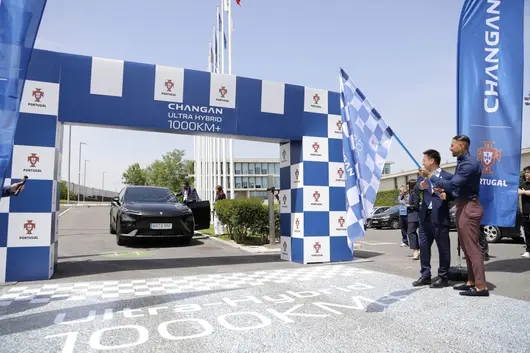
5 月 22 日,深藍汽車在葡萄牙首都里斯本宣佈,正式成為葡萄牙國家隊全球官方合作夥伴。現場,深藍汽車向球隊交付了旗下緊湊型純電 SUV 深藍 S05,並同步啟動該車型的 1000 公里歐洲長途測試。

根據官方信息,深藍 S05 近期在國內市場獲得 4 月緊湊型 SUV 銷量冠軍,並在西班牙連續兩個月位居緊湊型純電 SUV 註冊量榜首。該車還獲得了 J.D. Power 2026 中國新能源汽車新車質量研究緊湊型純電動 SUV 第一名和德國 iF 設計獎。

深藍汽車表示,其累計全球交付已突破 80 萬輛。技術方面,公司擁有原力超集電驅、金鐘罩電池等專利,並宣稱實現“百萬級電驅零過熱”和“電池零自燃”記錄。此外,深藍汽車獲得了國內首張 L3 級自動駕駛測試專用號牌。

作為長安汽車“海納百川”出海計劃的組成部分,深藍汽車目前已進入五大區域、約 100 個國家和地區。深藍 S05 已在泰國工廠投產,深藍 S07 則獲得了歐洲和澳洲的雙五星安全評級。
此次與葡萄牙國家隊的合作,被深藍汽車視為加速歐洲市場佈局的關鍵步驟。未來,品牌將繼續推進從產品出口向品牌與產業鏈輸出的轉型。