首頁mint

搜尋歷史
熱門搜尋
經銷商登入 / 註冊

車型概覽

廣汽M8 值唔值得睇,第一步唔係望牌子或者外形,而係睇佢能唔能夠配合你嘅香港日常。 呢篇會集中講充電節奏同日常通勤,幫你用買家角度篩走唔適合嘅選擇。
售價仍待確認,買家可以先把佢放入候選名單,等價格落實後再同同級車逐項比較。
購車價格指南
廣汽M8 目前售價仍未清晰,較理性嘅做法係先睇版本、車身大小同動力形式,等價格落實後再決定值唔值得落訂。
如果有幾個版本可揀,可以先將 2025 2.0T DHT版(價格待確認) 放喺同一張清單。日常通勤重視舒適同易用,家庭買家就要優先睇後排、尾箱同安全配置。
核心規格重點
睇 廣汽M8 嘅規格,重點唔係背數字,而係理解佢喺香港用車場景會帶嚟咩分別。
190 Ps / 140 kW / 134 kW、330/300 N·m 嘅輸出,令高速併線同短距離超車更有信心。 車長 5212 mm、車闊 1893 mm、車高 1823 mm、軸距 3070 mm 可以幫你預判商場停車場、屋苑車位同後排腿部空間。 混合動力專用(DHT)、前置前駆 會影響起步順滑度、濕地穩定感同長途巡航性格。
優缺點分析
廣汽M8 嘅優點唔需要講到天花龍鳳,真正有價值係佢能唔能夠令日常用車更省心:動力輸出對高速同上斜更有底氣、空間同車身尺寸方便家庭買家預判實用性。
要留意嘅係,要先確認屋苑、公司或常去商場嘅充電條件、香港停車場同窄路使用要留意車身闊度。呢啲唔一定係缺點,但係落訂前應該先諗清楚。
買家常見問題
買 廣汽M8 之前,真正要問嘅唔係單一規格,而係佢可唔可以融入你每日嘅生活節奏。
常見疑問係「廣汽 M8 於香港的落地價大約係幾多?」簡單講,廣汽 M8 於香港的落地價大約介乎 420,000–520,000 港元,視乎版本而定。 放到實際用車,就係要睇佢對通勤、泊車、家庭乘坐同長期成本有幾大幫助。
同級對比內容
將 廣汽M8 放入同級車清單時,唔建議只用外形或者品牌光環決定。比較順序可以係:先等售價落實,再決定佢應該同邊個級距比較、再睇動力係咪足夠應付高速併線同滿載、最後睇車身大小、座位同尾箱是否適合家人。
咁樣篩選會貼近香港買家真實生活:平日塞車、商場泊車、周末去新界、甚至一家人出入,先係一部車每日要面對嘅考驗。
用車全周期指南
擁有 廣汽M8 最重要係先諗清楚充電節奏。屋苑、公司或者常去商場只要有穩定充電選項,電動化用車就會容易相處好多。
如果你主要喺市區行,視野、低速順滑度同泊車輔助會好影響心情;如果經常行高速或跨區,座椅舒適度、隔音同動力從容感會更重要。


兄弟姐妹們,今日講一個出海嘅大新聞——唔係賣車,係賣「司機」。6 月 2 號,文遠知行同 Uber 聯合宣佈咗一件事:計劃喺西班牙馬德里推出該國首個商業化 Robotaxi 試點服務。意思就係:西班牙人好快就可以用 Uber 叫到一台冇司機嘅出租車。呢次係文遠知行同 Uber 第一次一齊進入歐洲市場。馬德里亦成為文遠知行 Robotaxi 駛入嘅全球第十二個城市。
官方消息話,喺馬德里自治區政府嘅支持下,呢項服務今年內就會正式啟動。到嗰陣,馬德里嘅朋友哋打開 Uber App,就有一鍵呼叫文遠知行嘅 Robotaxi。同叫普通網約車一樣,分別係嚟嘅車冇駕駛員——至少喺初期,仲係有分別嘅。運營初期,車入面會配備經過專業培訓嘅安全員,終究係剛上線,穩妥第一。
文遠知行呢間公司,你可能聽過,也可能冇聽過。簡單介紹下:2017 年成立,一直埋頭搞 Robotaxi 技術研發同商業化。而家佢嘅 Robotaxi 已經覆蓋咗廣州、北京、新加坡、阿布達比、迪拜、利雅得、蘇黎世……加埋而家嘅馬德里,一共 12 個城市。西班牙亦係文遠知行進入嘅第五個歐洲市場——之前已經入咗瑞士、法國、比利時、斯洛伐克。按照文遠知行同 Uber 喺 2025 年 5 月達成嘅規劃,佢哋要喺五年內新增 15 個國際城市部署 Robotaxi 服務,全球部署數萬輛 Robotaxi。隨著馬德里落地,目前已經完成咗 4 個城市嘅佈局,仲有 11 個會喺 2030 年前陸續覆蓋。
講真嘅,中國自動駕駛公司出海唔係頭一回,但中國技術 + 全球出行平台 + 歐洲市場呢個組合,定係好有意思。馬德里係歐洲最具商業潛力嘅 Robotaxi 市場之一,人口多、出行需求大,當地政策都好友善。喺呢個市場站穩腳根,對文遠知行嚟講係個唔小嘅里程碑。對 Uber 嚟講,引進 Robotaxi 都係為咗降低成本——終究司機唔使發人工。對馬德里市民嚟講,以後打車可能更平。


兄弟姐妹們,今日講一個出海嘅大新聞——唔係賣車,係賣「司機」。6 月 2 號,文遠知行同 Uber 聯合宣佈咗一件事:計劃喺西班牙馬德里推出該國首個商業化 Robotaxi 試點服務。意思就係:西班牙人好快就可以用 Uber 叫到一台冇司機嘅出租車。呢次係文遠知行同 Uber 第一次一齊進入歐洲市場。馬德里亦成為文遠知行 Robotaxi 駛入嘅全球第十二個城市。
官方消息話,喺馬德里自治區政府嘅支持下,呢項服務今年內就會正式啟動。到嗰陣,馬德里嘅朋友哋打開 Uber App,就有一鍵呼叫文遠知行嘅 Robotaxi。同叫普通網約車一樣,分別係嚟嘅車冇駕駛員——至少喺初期,仲係有分別嘅。運營初期,車入面會配備經過專業培訓嘅安全員,終究係剛上線,穩妥第一。
文遠知行呢間公司,你可能聽過,也可能冇聽過。簡單介紹下:2017 年成立,一直埋頭搞 Robotaxi 技術研發同商業化。而家佢嘅 Robotaxi 已經覆蓋咗廣州、北京、新加坡、阿布達比、迪拜、利雅得、蘇黎世……加埋而家嘅馬德里,一共 12 個城市。西班牙亦係文遠知行進入嘅第五個歐洲市場——之前已經入咗瑞士、法國、比利時、斯洛伐克。按照文遠知行同 Uber 喺 2025 年 5 月達成嘅規劃,佢哋要喺五年內新增 15 個國際城市部署 Robotaxi 服務,全球部署數萬輛 Robotaxi。隨著馬德里落地,目前已經完成咗 4 個城市嘅佈局,仲有 11 個會喺 2030 年前陸續覆蓋。
講真嘅,中國自動駕駛公司出海唔係頭一回,但中國技術 + 全球出行平台 + 歐洲市場呢個組合,定係好有意思。馬德里係歐洲最具商業潛力嘅 Robotaxi 市場之一,人口多、出行需求大,當地政策都好友善。喺呢個市場站穩腳根,對文遠知行嚟講係個唔小嘅里程碑。對 Uber 嚟講,引進 Robotaxi 都係為咗降低成本——終究司機唔使發人工。對馬德里市民嚟講,以後打車可能更平。


國際能源局勢持續波動,油價不斷走高,令歐洲人開始接受電動汽車,亦令中國新能源汽車品牌在歐洲見到新希望。據外媒報道,2026 年 4 月中國車企在歐洲市場整體銷量同比大增 114%,上汽集團、比亞迪和奇瑞成為大贏家。
產品熱銷同時,面對歐盟貿易壁壘與全球產能過剩現狀,中國頭部新老車企亦正在加速佈局海外生產基地,透過收購、改造歐美傳統車企閒置產能落地本地化生產。
從出口到銷售再到生產,中國新能源汽車品牌出海正在加速進階,有望進入改寫歐洲汽車產業格局的全新階段。
上汽穩、奇瑞猛,中國汽車在歐洲大賣
2026 年 5 月 22 日,歐洲汽車媒體援引當地市場研究機構 Dataforce 最新數據,4 月歐洲新車整體銷量持續復甦,同比增長 6.4%,區域車市整體保持穩步復甦態勢。
由於中東地區持續衝突,歐洲油價自 2026 年以來已上漲約 20%,因此,新能源車型成為拉動歐洲車市 4 月份增長的核心驅動力。其中,純電動汽車表現最為突出,4 月銷量同比增長 38%,創下 2026 年以來最高單月增速;插電式混動車型銷量增長 21%,油電混動車型銷量增幅亦達到 15%。
歐洲汽車用戶加速轉向新能源汽車,同樣為中國汽車品牌加速擴大歐洲市場銷量創造了絕佳增長契機。

數據顯示,2026 年 4 月中國車企在歐洲市場整體銷量翻番,同比大增 114%。其中,上汽集團 4 月份銷量為 30074 輛,穩居中國車企銷量榜首,比亞迪單月銷量為 28186 輛排名第二,奇瑞 4 月份銷量為 25656 輛,位列第三。從單月表現看,三家中國車企在歐洲市場的銷量差距亦在持續縮小。
在銷量增速方面,4 月歐洲車市增速榜單幾乎被中國品牌霸榜,零跑汽車增速高達 423%,奇瑞、比亞迪分別以 344%、125% 的同比增速緊隨其後,整體增長勢頭強勁。
其中,奇瑞則成為 4 月歐洲市場增長爆發力最猛的中國車企,相比 2025 年 4 月,奇瑞銷量增加接近 2 萬輛。Dataforce 數據顯示,奇瑞品牌 2025 年 4 月在歐洲銷量僅有 4 輛,今年 4 月已達到 5446 輛;此外,奇瑞旗下 Omoda、Jaecoo 兩個子品牌均同步發力,悉數躋身歐洲市場銷量增幅前列,其中 Omoda 增速位列歐洲第三,Jaecoo 位居第六。終端市場的表現說明,奇瑞在歐洲的佈局已進入全面發力階段。
因為與中國品牌的高速增長形成鮮明反差的是,部分歐洲本土車企及傳統汽車巨頭在 4 月遭遇銷量下滑。比如,豐田同比微跌 1%,雷諾下滑 3%,福特下跌 11%,現代降幅達 12%,高端品牌保時捷竟然也同比下滑達到 17%,三菱跌幅最為突出,達到 51%。
與中國車企零跑、東風保持密切關係的歐洲本土巨頭 Stellantis,4 月銷量雖實現 4.3% 的同比增長,但增速低於歐洲車市整體表現。該集團內部品牌表現分化顯著,零跑、菲亞特、歐寶 / 沃克斯豪爾、雪鐵龍保持銷量正增長,而寶獅、阿爾法·羅密歐則出現明顯銷量回落。
如果中國新能源汽車新老品牌能夠延續這股上升勢頭,將有望重塑歐洲市場競爭格局。
中國車企瘋狂「買買買」,但仍要過工會關
一方面,油價上漲、新能源汽車市場轉型等多重因素疊加,導致傳統汽車巨頭在歐洲市場銷量疲軟。另一方面燃油車時代遺留的製造體系亦正逐步陷入閒置或產能過剩的困境。
有諮詢機構預判,歐美大量低利用率汽車工廠未來將面臨關停或轉讓,而歐盟針對中國電動車加徵進口關稅的舉措,則進一步推動中國車企加速佈局歐洲本地化生產。
在這樣的背景下,承接、改造傳統車企工廠,已成為不少中國車企佈局海外本地化生產的核心方式。這一現象亦引發外媒關注,近日有歐洲汽車媒體就爆料稱,比亞迪正與 Stellantis 及其他歐洲車企洽談接管該地區閒置工廠。實際上,比亞迪早在 2023 年底就已宣布在匈牙利建廠,成為首個在歐盟自建乘用車工廠的中國車企。
比亞迪匈牙利工廠規劃年產能 30 萬輛,2025 年比亞迪在歐洲市場的銷量已超過 18.7 萬輛,比 2024 年同比增長超 260%。按照增速來預測,比亞迪僅靠一座匈牙利工廠將難以滿足在歐洲的汽車銷售需求,因此傳出與本土車企洽談購廠合情合理。
對歐洲市場充滿進取心的中國車企不止比亞迪。僅 2026 年 5 月一個月,就已傳出多個中國車企洽談歐洲產能合作項目的消息。比如,5 月 20 日,Stellantis 集團官宣與東風集團展開合作洽談,計劃依托法國雷恩工廠實現東風新能源車型的本地化生產。此外,零跑汽車亦透露,與 Stellantis 合資成立的零跑國際,有望收購 Stellantis 位於西班牙馬德里的工廠,快速搭建歐洲本土生產基地。
還有消息稱,吉利亦正積極推進收購福特西班牙瓦倫西亞工廠部分裝配產線;小鵬亦被曝出與大眾集團洽談,尋求收購其歐洲閒置產能。還有奇瑞與西班牙 Ebro 集團合作盤活前日產舊工廠,目前已恢復生產,奇瑞車型即將導入落地。
接手改造歐洲車企閒置產能,好處係能夠避免行業重複建設,增加歐洲當地就業機會,符合產業政策導向,同時亦能夠比完全自建工廠更節省時間提升效率。
然而,需要給中國車企提個醒係,買買買並不代表一勞永逸,背後同樣暗藏極大風險。

同樣在近日,在傳出大眾汽車集團與小鵬汽車洽談閒置產能出售消息後,大眾汽車集團工會負責人丹妮拉·卡瓦洛卡瓦洛(Daniela Cavallo)當著數萬名工人的面,炮轟集團管理層,並且強烈反對管理層與中國車企等第三方磋商讓出閒置產能。
在此壓力下,大眾汽車集團的 CEO 奧博穆(Oliver Blume)則公開表示,目前,大眾沒有與中國製造商進行任何關於使用歐洲工廠產能的談判,未來也完全沒有相關的合作計劃。
相比東南亞、中東、非洲等新興市場對中國車企的高包容度,成熟的歐洲汽車市場法規、工會、環保、就業承諾等約束條件更為嚴苛,中國車企透過收購工廠的方式落地本土化,除了要改造產線、適配供應鏈之外,更需適配當地規則、適配當地文化才能更好地生存。
當然,自建工廠可完全貼合車企自身製造標準、供應鏈體系與生產理念,自主可控性更強,但亦這更適合資金充裕、佈局節奏可控的車企去長期佈局。從這個層面來說,目前比亞迪在歐洲的產能佈局更符合長期 + 短期的配合,全球範圍內,比亞迪除了在各大主要市場洽談符合條件的舊工廠加以改造之外,已在泰國、匈牙利、土耳其等地落地至少 4 座自建整車工廠。
歐洲新能源汽車銷量大幅提升,給渴望出海的中國車企帶來發展契機,然而歐洲對中國車企收購工廠的複雜情緒,又令中國車企的歐洲之路困難重重。實際上,中國車企主導的本輪全球汽車產能重組,反映出新能源汽車時代行業話語權的結構性轉移。
燃油車時代,歐美日韓車企主導著全球汽車技術路線、產能配置與產業規則,在智能電動化浪潮下,憑藉完整的新能源供應鏈、成熟的三電與智能化技術、高效的產能體系,中國車企正在從產品出口升級為產能、技術、標準的全方位出海,有望重塑歐洲乃至全球的汽車產業格局。
(消息來源:autonews.com,reuters.com,bloomberg.com)


BYD officially released the May 2026 production and sales flash report, with new energy vehicles from all brands reaching a monthly sales volume of 383,453 vehicles, a slight increase of 0.26% year-on-year, achieving year-on-year positive growth in monthly sales after ten months; among them, passenger car deliveries reached 376,990 units, surging 19.4% month-on-month, wiping out the pain of previous model iterations, presenting a new pattern where the domestic base is stable, overseas sales are soaring, and high-end brands are scaling up across the board. Amidst the market environment of intensified competition in the domestic new energy sector, Tesla FSD entering China, and an intense launch of independent new products, it has forged a unique structural growth path.

The Dynasty and Ocean main brands combined sold 330,215 vehicles in May, accounting for over 80% of the group's total sales, remaining the stabilizer for BYD's sales volume. The full series had 8 models exceeding 20,000 units in monthly sales, covering products from 50,000 entry-level commuter to 200,000 home SUV.

Inside the Dynasty Network, the Yuan family sold 56,691 units, and the Song family 51,370 units. Both crossed the 50,000 threshold, becoming two major sales pillars for the brand, catering to home commuter and urban-rural travel needs; the Qin family followed closely with a stable performance of 28,360 units. The Han and Tang series maintained a volume in the six-thousand range, deeply cultivating the mid-to-large home sedan and SUV niche markets; the brand new model Xia is in the market cultivation phase, delivering 1,810 units monthly, with potential for steady volume growth as channels expand.
The Ocean Network's growth momentum is even more rapid, with 5 models entering the 20,000 club across the series: Sealion 42,615 units, Seal 34,117 units, Seagull 39,919 units, Dolphin 22,260 units, and Song PLUS 27,755 units. Among them, Seagull remains the best-selling entry-level commuter model thanks to its affordable pricing of 60,000-80,000. Sealion, as a new volume model, stands firm at the 40,000 level upon launch, filling the mid-size SUV product gap in the Ocean Network and perfecting the Ocean product tier layout. From commuter small cars to compact SUVs, the two main brands rely on DM-i hybrid and pure electric dual-line technologies to牢牢锁住 the mainstream home market share within 150,000 domestically.
Fang Cheng Bao Year-on-Year Surges 139.7%, Brand Upward Positioning Takes EffectThe high-end matrix of Denza, Fang Cheng Bao, and Yangwang sold a combined 46,489 vehicles in May, officially breaking away from the niche positioning to become a new pivot for BYD's brand premium and profit growth, breaking the industry curse of difficulty in high-end breakthrough for domestic brands.

The off-road brand Fang Cheng Bao sold 30,186 units monthly, surging 139.7% year-on-year, creating a new high in monthly sales since the brand launched. Its Titanium 7 model sold 18,280 units monthly, while Leopard 5 and Leopard 8 output remained stable, continuously squeezing the survival space for joint venture and imported models in the 250,000-400,000 hardcore off-road niche market.

Denza delivered 16,303 units in May, with the MPV benchmark D9 selling 6,721 units, and the Z9 series close to 6,000 units. MPV and mid-to-large sedan dual-line efforts helped them stand firm in the luxury new energy track; the million-level ultra-luxury brand Yangwang continued its steady climb, delivering 286 units that month, a year-on-year increase of 105.8%, completing market verification of the domestic brand ceiling product and forming a full price range product layout from 100,000+ home, 300,000-400,000 off-road, 500,000 luxury MPV to million-level flagship.

In May, BYD's overseas sales of passenger cars and pickup trucks reached 160,177 units, surging 80.7% year-on-year. Exports accounted for over 42% of the full series total sales, setting a new historical high for brand export and becoming the core driving force to stabilize May overall sales and achieve year-on-year positive growth.
Southeast Asia, Europe, and Latin America became the main incremental markets. Seagull, Song PLUS, and Yuan series continued to top new energy best-seller lists in multiple countries; the SHARK pickup truck exceeded 4,000 units in monthly exports for two consecutive months. Relying on the completion of localization production in Thailand, Brazil, Hungary, and Uzbekistan with four overseas vehicle factories, localized production continues to land, avoiding tariffs while rapidly penetrating terminal channels. Against the background of stock market competition in the domestic auto industry and normalized price wars, the rapidly expanding overseas market effectively counteracts sales volatility brought by domestic model iterations, officially upgrading from a supplementary market to BYD's core growth engine. As of now, BYD's global cumulative new energy vehicle sales have exceeded 16.5 million units, with the globalization map continuously broadening.
Intelligent Driving Empowers Product Iteration, H2 New Products Prepare to Surge VolumeMay marked a key node in BYD's intelligent driving landing, with the God's Eye intelligent driving system becoming a core bonus point for models: the number of vehicles with advanced intelligent driving across all brands exceeded 3.15 million, with daily road test data exceeding 200 million kilometers; that month, BYD implemented City Pilot and Smart Parking dual safety backup services, becoming the world's first auto manufacturer to achieve dual intelligent driving backups. Three days after policy implementation, the activation rate of models equipped with the God's Eye system in cities surged 50%. Intelligent driving experience upgrades directly drove in-store order conversion, solidifying product competitiveness for subsequent models to continue volume sales, and facing the intelligent driving market shock brought by FSD entering China.
From data details, BYD's cumulative sales from January to May 2026 were 1,405,039 units, down 20.32% year-on-year. The core reason is that the full series of main models were concentratedly iterated, and the capacity ramp-up of the 2nd Gen Fast Charge Blade Battery was restricted. The new Flash Charge Battery upgraded fast charging and low-temperature performance. Full series iteration models prioritized installing new batteries, but production line retrofitting dragged down capacity release. Order backlogs on popular models and delayed deliveries compressed the May delivery volume to a certain extent.
As the end of the second quarter approaches and the 2nd Gen Blade Battery capacity continues to release, coupled with new models such as Denza N8L, Fang Cheng Bao Titanium 7 Pure Electric Version, Sealion 05, and Xia L landing the market, the industry generally predicts that BYD's full brand sales in June are expected to exceed 400,000 vehicles. Relying on the four-dimension development logic of low-end volume locking share, high-end raising profit, overseas pushing volume, and intelligence improving product power, amidst the intensified new energy elimination round in the domestic market, BYD's full category layout advantage continues to amplify, securing its status as the domestic new energy leader, accelerating steadily towards global top auto manufacturers.


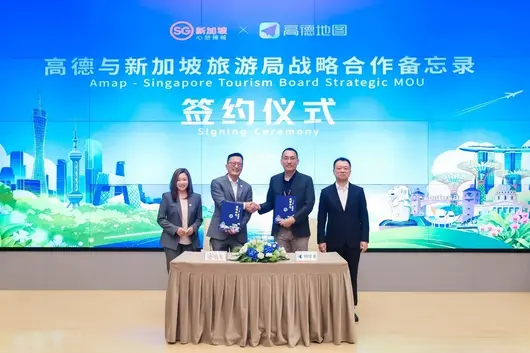
On June 2, Amap and the Singapore Tourism Board signed a strategic cooperation memorandum in Beijing. Both parties will jointly create the first overseas national tourism board co-created cultural and tourism list — "Singapore Street Ranking List", while Amap's self-developed Flight Street View technology will also launch overseas for the first time. This cooperation aims to respond to the new trend of China's outbound travel market transforming from "check-in style" to "immersive style", providing more authentic and localized destination information for independent travelers.
According to Singapore Tourism Board data, China-bound visitors to Singapore reached 3.1 million in 2025, and Amap users visiting Singapore-related locations also exceeded 3 million during the same period. After the China-Singapore visa-free policy took effect in 2024, multiple airlines added routes to Singapore in second and third-tier cities, and the outbound willingness of residents in emerging cities rose significantly. At the same time, tourists' travel preferences are also changing: During this year's May Day holiday, among the top 10 attractions in Singapore, natural ecology accounted for 5 spots. The popularity of immersive experiences such as Night Safari and Gardens by the Bay has surpassed traditional landmarks. Tourists tend to delve deeper into communities and explore stories at street corners, rather than just chasing internet-famous check-in spots.
Facing this structural change, authentic word-of-mouth recommendations from peers have become crucial. Ms. Ou Yan Mei, Director of the Singapore Tourism Board, stated that the cooperation between the two parties is not only to let more Chinese tourists discover the charm of Singapore, but also hopes to guide them to experience the stories, tastes, and culture hidden in street corners, implementing the "Singapore, It's Just Fun" marketing theme.
The core product of this cooperation, the "Singapore Street Ranking List", is based on Amap users' real on-site visit data. Currently, it includes eight sub-lists such as Must-Visit Attractions, Must-Stay Hotels, Must-Eat Restaurants, and Must-Shop Shopping, etc. The new version of the list co-built by both parties will be more vertical and segmented, covering seven travel preferences such as Photo-worthy Spots, Outdoor Healing, and Local Life, etc. The list is entirely based on real user choices for recommendations, aiming to provide trustworthy and practical content, helping tourists discover a more three-dimensional Singapore.
Amap Flight Street View technology landed in Singapore simultaneously. Based on self-developed spatial intelligence, this technology presents scenic spots, hotels, districts, and restaurants in 360-degree panoramic view, allowing tourists to intuitively judge whether the destination meets expectations before departure. Before signing, this technology has started pilot programs at major landmarks and scenic spots in Singapore. Merlion Park, Sentosa Island, Universal Studios, Gardens by the Bay, Singapore Zoo, Jewel Changi, and other spots, as well as some listed restaurants and hotels, have been covered. This is the first time this technology is applied overseas.
Amap CEO Guo Ning stated: "Authenticity is the best recommendation — this point is universal worldwide." This cooperation represents deep collaboration between a domestic travel service platform and an overseas national tourism board in terms of data sharing, content co-creation, and technology output. As China's outbound travel market accelerates its shift from group tours to independent travel, how to provide trustworthy and personalized local information has become the key for destinations to compete for tourists. The trial of the Singapore Street Ranking List provides a referenceable sample for other overseas destinations.