


首頁grass

搜尋歷史
熱門搜尋
經銷商登入 / 註冊

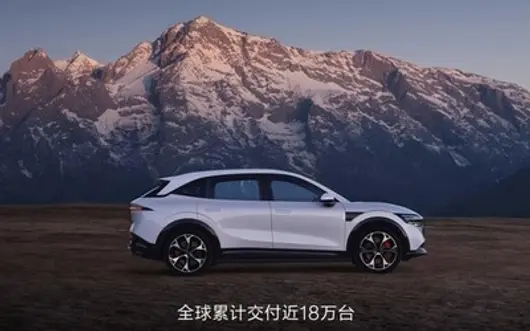
【CNMO科技消息】8月12日,极氪汽车官方宣布,旗下全球豪华SUV极氪7X在7月全球市场交付10253台,累计全球交付量已接近18万台。这一成绩的背后,是多个海外市场的强劲表现:2026年1月至7月,极氪7X在中国香港豪华SUV市场、澳大利亚中型豪华SUV市场以及马来西亚纯电豪华SUV市场均拿下销量第一。

极氪7X
极氪7X是极氪品牌旗下的一款中型纯电SUV,基于SEA浩瀚架构打造,主打豪华配置、长续航和高性能。2025年10月焕新版上市,提供后驱Max版和四驱Ultra版等配置。

极氪7X
三电系统方面,极氪7X全系搭载900V高压平台,覆盖电机、电控和热管理系统。电池方面提供两种选择:75kWh神盾金砖电池支持10分钟补能425公里,103kWh麒麟电池的CLTC续航最高可达802公里。四驱版峰值功率585kW,扭矩812N·m,0到100km/h加速仅需2.98秒,最高车速255km/h。

极氪7X
空间与舒适配置上,极氪7X后排腿部空间达1187mm,为同级最大,后备箱容积905L,全车设计了40处储物空间。车内配备后排电动躺椅、热石理疗、石墨烯加热、电动遮阳帘、16英寸中控屏以及21扬声器音响系统。

极氪7X
智能与安全层面,极氪7X标配Thor-U芯片,算力达700TOPS,配合激光雷达和千里浩瀚H7系统,支持车位到车位领航、自动泊车等15项以上功能。

喺馬來西亞嘅 SUV 市場,好多買家喺揀車嘅時候都會拿 Proton X90 同 Honda CR-V 嚟做比較。這兩款車喺價錢同定位上都幾接近,今日我哋就由多個方面做一个詳細嘅比較,幫手節省做功課嘅時間。
Proton X90 喺馬來西亞嘅 OTR 售價係 RM 106,800 - 122,800,一共 4 個版本,包括 2026 1.5T Prime X(RM 122,800)、2026 1.5T Prime(RM 116,800)、2026 1.5T Lite(RM 106,800) 等。
Honda CR-V 喺馬來西亞嘅 OTR 售價係 RM 178,200 - 195,900,一共 4 個版本,包括 2026 e:HEV 2.0L 2WD RS(RM 195,900)、2026 1.5T 4WD V(RM 181,900)、2026 e:HEV 2.0L 2WD E(RM 178,200) 等。
由價錢睇落,Proton X90 嘅起價的確比 Honda CR-V 平咗 RM 71,400。如果你預算有限,Proton 嘅入門版已經可以满足日常需求。但都要留意,平嗰幾千蚊,可能喺配備上會有取捨,具體要睇你嘅需求。

Proton X90 車身長 4400 mm,行李廂 400 L。
Honda CR-V 車身長 4500 mm,行李廂 450 L。
空間方面,Honda CR-V 嘅車身比 Proton X90 長咗 100 mm,乘坐空間更有優勢。不過 Proton X90 喺城市入面泊車會靈活啲,各有取捨。

Proton X90 採用 FWD 驅動形式。
Honda CR-V 採用 FWD 驅動形式。
兩款車嘅驅動形式一樣,都係 FWD,日常駕駛感覺唔會大有分別。

Proton X90 同 Honda CR-V 都係馬來西亞市場嘅主流選擇,適合家庭使用、日常通勤。如果你更加看重品牌聲譽同二手價,可以優先考慮聲譽更好嗰款;如果你更加在意性價比同配備,就揀配備更豐富嗰款。最後都係建議兩部都去試駕,親身體驗先係最重要嘅。

總嚟講,Proton X90 同 Honda CR-V 都係馬來西亞市場幾好嘅車型。揀邊一輛,關鍵都係要睇你嘅個人需求同預算。建議大家做好功課,多比較幾間車行嘅報價,再去試駕做最終決定。買車係件大事,花少少時間做功課絕對唔會錯。


喺馬來西亞嘅 SUV 市場,好多買家喺揀車嘅時候都會拿 Proton X70 同 Volkswagen Tiguan 嚟做比較。呢兩款車喺價位同定位上都好啱,今日我哋就從多個方面做一個詳細嘅對比,幫你慳返做功課嘅時間。
Proton X70 喺馬來西亞嘅 OTR 售價係 RM 106,800 - 122,300,一共有 3 個版本,包括 1.5L Standard 2WD(RM 106,800)、1.5L Executive 2WD(RM 115,800)、1.5L Premium 2WD(RM 122,300) 等。
Volkswagen Tiguan 喺馬來西亞嘅 OTR 售價係 RM 206,540 - 260,024,一共有 2 個版本,包括 2025 Allspace 2.0T R-Line(RM 260,024)、2025 Allspace 1.4T Elegance(RM 206,540) 等。
從價錢睇嚟,Proton X70 嘅起步價的確比 Volkswagen Tiguan 平咗 RM 99,740。如果你預算有限,Proton 嘅入門版已經可以滿足日常需求。但都要留意,平嗰幾千蚊,可能喺配備上會有取捨,具體要看你嘅需求。

Proton X70 嘅安全評級係 5★ (ASEAN NCAP),主動安全系統包括 ADAS (ACC, AEB, LKA, LDA, BSM, RCTA)。
Volkswagen Tiguan 嘅安全評級係 5★ (Euro NCAP),主動安全系統包括 IQ.Drive。
安全配備方面,兩款車都攞到唔錯嘅評級。不過 Proton X70 嘅 ADAS (ACC, AEB, LKA, LDA, BSM, RCTA) 同 Volkswagen Tiguan 嘅 IQ.Drive 喺功能上啲差異,如果你比較著重主動安全嘅話,可以仔細對比下兩者嘅功能列表。

Proton X70 車身長 4400 mm,後備箱 400 L。
Volkswagen Tiguan 車身長 4400 mm,後備箱 400 L。
兩款車嘅尺寸差唔多一樣,車內空間差別唔大。呢個級別嘅車,日常使用完全夠用。

Proton X70 同 Volkswagen Tiguan 都係馬來西亞市場嘅主流選擇,適合家庭使用、日常通勤。如果你更加著重品牌口碑同二手價,可以優先考慮口碑好嗰一款;如果你更加在意性價比同配備,那就揀配置更豐富嗰款。最後都建議兩款都去試駕,親身體驗先係最重要。
總嘅嚟講,Proton X70 同 Volkswagen Tiguan 都係馬來西亞市場好唔錯嘅車型。揀邊輛,關鍵都係睇你嘅個人需求同預算。建議大家做好功課,多比較幾間車行嘅報價,再落去試駕做最終決定。買車係件大事,花少少時間做功課絕對唔會錯。


Changan's July performance report, which stabilized the baseline of 200,000 units, still fails to bring any sense of ease.

On August 2nd, Changan Automobile disclosed July delivery data.The group delivered 207,100 units that month, roughly flat compared to the same period last year.Among them, overseas deliveries reached 82,300 units, a significant year-on-year increase of 79.1%, with six consecutive months of positive growth; New energy deliveries hit 96,500 units, a year-on-year increase of 28.8%, with penetration rate approaching 47%. The remaining domestic fuel vehicle segment is quietly shrinking.

Looking back at the first half of the year, sales-wise, cumulative deliveries reached 1.1956 million units, with only 36.2% completion of the annual target of 3.3 million units. In the past three years, the proportion of first-half sales remained stable above 46%, but this year it is at least 10 percentage points lower. For the remaining 5 months, an average of 420,000 units must be sold monthly to meet the target. Compared to the peak season of the second half of 2025, Changan's single-month peak was only around 280,000 units. This means the monthly average target for the second half needs to be nearly 50% higher than the best-selling month of last year to meet the target.
On the profit side, the attributable net profit for shareholders in the first half is expected to be between 740 million and 970 million yuan, a year-on-year decline of 58% to 68%; the net profit from the main business dropped significantly by 78% to 85%, remaining only between 230 million and 330 million yuan. Calculated by total sales volume, the non-deductible net profit per car sold is less than 30 yuan.
Changan officials attribute the reasons to exchange rate losses and raw material price hikes, but the structure is also dragging them down.
The signal on the profit side is even heavier. The earnings forecast shows that the attributable net profit for shareholders in the first half is expected to be between 740 million and 970 million yuan, a year-on-year decline of 58% to 68%; the net profit from the main business dropped significantly by 78% to 85%, remaining only between 230 million and 330 million yuan. Calculated by total sales volume, the non-deductible net profit per car sold is less than 30 yuan. Changan officials attribute the reasons to exchange rate losses and raw material price hikes, but the structure is also dragging them down.

First, the new energy sector's growth rate is lower than the industry average.In the first half of the year, new energy deliveries were 456,000 units, a year-on-year increase of only 5.2%. During the same period, Geely Auto's new energy sales increased by 9.6% year-on-year, Chery Auto's new energy sales increased by 34.2% year-on-year, while Changan clearly lagged behind. Looking at the product structure, the Qiyuan brand relies heavily on the Q05 model, selling 72,000 units in half a year, while other models such as Q07, A07, E07, etc., saw declining sales with negligible contributions; Avatr accumulated deliveries of less than 28,000 units in the first half of the year, halving year-on-year, losing 13.2 billion yuan over the four years from 2022 to 2025, and in the first half of 2026 no car model achieved monthly sales over 10,000; Deepal relies on S05 and L06, with the high-end SUV Deepal S09 monthly sales dropping to over 200 units.

Secondly, there is pressure on the fuel vehicle side.The CS75 fuel version's sales in the first half of the year dropped by more than 30%. Although the Eado managed to maintain its position on the sedan list, it relied on continuous price cuts. Several older models saw sales drop to zero. Changan actively stopped production of the Lumin priced below 50,000 yuan, an entry and exit resulting in a gap of 70,000 units.
Fortunately, the overseas side was a bright spot in the first half of the year. The situation of domestic fuel vehicle contraction and weak new energy growth is difficult to fully support with overseas legs alone. Overseas deliveries in the first half of the year reached 402,000 units, a year-on-year increase of 35.1%. Compared to Changan's own announced 2026 overseas annual sales target, the completion rate has already exceeded 53%. However, the situation of domestic fuel vehicle contraction and weak new energy growth is difficult to support solely by overseas markets.
Currently, Changan has dispatched four vice-president level executives to lead the overseas expansion. Factories in Thailand and Brazil have been put into production successively. In the second half of the year, models such as Qiyuan Q05 and Deepal S05 will be launched in multiple locations in Southeast Asia and Europe. However, overseas markets are still in the investment phase of channels and capacity, short-term profit returns are limited, and exchange rate fluctuations continue to erode book data.

Facing multiple pressures such as weak domestic business and unbalanced multi-brand operations, Changan launched the most drastic reform in recent years in April. Deepal and Avatr backend integration aims to reduce R&D and supply chain costs by 20% to 30%. The overall product lineup was cut from 63 models to 36 models, no longer pursuing scale without profit.
As Tan Benhong, Deputy Secretary of the Party Committee and Director of China Changan Automobile Group Co., Ltd., stated frankly at the mid-year communication meeting:"We have not yet fully mastered the operational capabilities of multiple brands."
The variables for the second half lie in the new vehicles.
Deepal S05 will be launched on August 6th, with a pre-sale price of 119,900 to 151,900 yuan, equipped with Tianshu Pilot + LiDAR; Changan Qiyuan Q06 comes standard with the Tianshu Pilot Intelligent Driving system across all trims, planned for launch in September, focusing on the 200,000 yuan class medium-large SUV market; Avatr 07L is positioned as a smart beauty family luxury SUV, expected to launch in the third quarter, providing both extended-range and pure electric dual power, the first batch equipped with Huawei Qiankun ADS 5 intelligent driving system, targeting the family market above 220,000 yuan.
A new vehicle list scheduled until the end of the year carries all of Changan's expectations for shifting from stability maintenance to an offensive push. Whether the integration can release system capabilities and whether the new vehicles can become blockbusters are the two key questions to break the stagnation in the second half of the year.
Source: Car Observation

喺馬來西亞嘅 SUV 市場,好多買家喺揀車嗰陣都會拿 寶騰 X70 同 奇瑞 Tiggo 7 Pro 嚟做比較。這兩款車喺價位同定位上都幾接近,今日我哋就從多個方面做一個詳細嘅比較,幫你省下做功課嘅時間。
寶騰 X70 喺馬來西亞嘅 OTR 售價係 RM 106,800 - 122,300,一共有 3 個版本,包括 1.5L Standard 2WD(RM 106,800)、1.5L Executive 2WD(RM 115,800)、1.5L Premium 2WD(RM 122,300) 等。
奇瑞 Tiggo 7 Pro 喺馬來西亞嘅 OTR 售價係 RM 123,750 - 123,750,一共有 2 個版本,包括 1.6L Turbo Standard(RM 125,000)、1.6L Turbo Premium(RM 140,000) 等。
從價錢嚟睇,寶騰 X70 嘅起步價確實比 奇瑞 Tiggo 7 Pro 平咗 RM 16,950。如果你預算有限,寶騰嘅入門版已經可以滿足日常需求。但要留意,平嗰幾千蚊,喺配備上可能會做取舍,具體要睇你嘅需求。
寶騰 X70 嘅安全評級係 5★ (ASEAN NCAP),主動安全系統包括 ADAS (ACC, AEB, LKA, LDA, BSM, RCTA)。
奇瑞 Tiggo 7 Pro 嘅安全評級係 TBD,主動安全系統包括 Basic。
安全配備方面,兩款車都拿到唔錯嘅評級。不過 寶騰 X70 嘅 ADAS (ACC, AEB, LKA, LDA, BSM, RCTA) 同 奇瑞 Tiggo 7 Pro 嘅 Basic 喺功能上有少少差異,如果你比較重視主動安全嘅話,可以仔細比較吓兩者嘅功能列表。
寶騰 X70 車身長 4400 mm,行李箱 400 L。
奇瑞 Tiggo 7 Pro 車身長 4400 mm,行李箱 400 L。
兩款車嘅尺寸幾乎一樣,車內空間差別唔大。呢個級別嘅車,日常使用完全夠用。
寶騰 X70 採用 FWD 驅動方式。
奇瑞 Tiggo 7 Pro 採用 FWD 驅動方式。
兩款車嘅驅動方式一樣,都係 FWD,日常駕駛感覺唔會冇太大分別。
總嚟講,寶騰 X70 同 奇瑞 Tiggo 7 Pro 都係馬來西亞市場好唔錯嘅車型。揀邊一輛,關鍵都要睇你嘅個人需求同預算。建議大家做足功課,多比較吓幾間車行嘅報價,再去試駕做最終決定。買車係件大事,花少少時間做功課絕對唔會錯。
喺馬來西亞嘅 SUV 市場,好多買家揀車嘅時候都會拿 寶騰 X70 同 馬自達 CX-8 做比較。這兩款車喺價位同定位上都好接近,今日我哋就由多個方面做一個詳細比較,幫你攞回做功課嘅時間。
寶騰 X70 喺馬來西亞嘅 OTR 售價係 RM 106,800 - 122,300,一共有 3 個版本,包括 1.5L Standard 2WD(RM 106,800)、1.5L Executive 2WD(RM 115,800)、1.5L Premium 2WD(RM 122,300) 等。
馬自達 CX-8 喺馬來西亞嘅 OTR 售價係 RM 165,360 - 201,360,一共有 5 個版本,包括 2025 2.5T 4WD High Plus 汽油(RM 201,360)、2025 2.2L 2WD High Plus 柴油(RM 193,123)、2025 2.5L 2WD High Plus 汽油(RM 186,360) 等。
從價錢嚟睇,寶騰 X70 嘅起步價確實比 馬自達 CX-8 平咗 RM 58,560。如果你預算有限,寶騰嘅入門版已經可以滿足日常需求。但要記住,平嗰幾千蚊,可能喺配備上會有取舍,具體要睇你嘅需求。

寶騰 X70 嘅安全評級係 5★ (ASEAN NCAP),主動安全系統包括 ADAS (ACC, AEB, LKA, LDA, BSM, RCTA)。
馬自達 CX-8 嘅安全評級係 5★ (ASEAN NCAP),主動安全系統包括 Brand ADAS。
兩款車嘅安全評級一樣,喺呢個級別入面安全配備都算好齊全。而家嘅新车安全性都唔差,唔使太擔心這一點。

寶騰 X70 保修 5 年/150,000km,保養間隔 每 10,000km 或 6 個月。
馬自達 CX-8 保修 5 年/150,000km,保養間隔 每 10,000km 或 6 個月。
兩款車嘅保養條件一樣,呢方面唔使糾結。實際保養成本仲要睇品牌嘅服務網絡同零件價格,建議去車友群問吓真實車主嘅經驗。

寶騰 X70 同 馬自達 CX-8 都係馬來西亞市場嘅主流選擇,適合家庭用車、日常通勤。如果你更重視品牌口碑同二手價,可以優先考慮口碑更好嗰一款;如果你更在意性價比同配備,嗰就揀配置更豐富嗰款。最終仲係建議兩款都去試駕,親身體驗先係最重要。
總體嚟講,寶騰 X70 同 馬自達 CX-8 都係馬來西亞市場好唔錯嘅車型。揀邊一部,關鍵仲係要睇你嘅個人需求同預算。建議大家做好功課,多比較幾間車行嘅報價,再去試駕做最終決定。買車係件大事,花少少時間做功課絕對無錯。


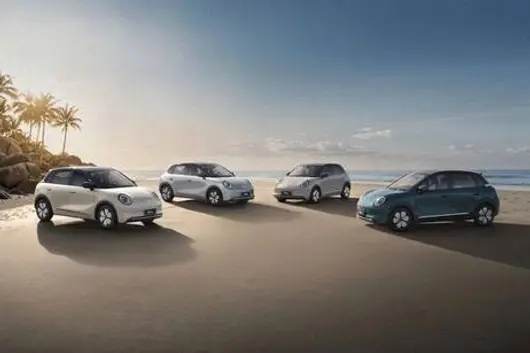
With Wuling commuter vehicle users surpassing 3 million, SAIC-GM-Wuling will hold the "Colorful Life, Unleash Fun" Hongguang MINIEV 6th Anniversary and Wuling Commuter Vehicle 3 Million User Grand Ceremony on August 7! At that time, Bingo Family Global Spokesperson Meng Ziyi will also attend in person, co-creating a grand party for the 3 million Wuling Commuter Vehicle users.


From 2017 to present, SAIC-GM-Wuling has continuously deepened its work in the commuter vehicle market, improving the product matrix step by step by launching models such as Baojun E100, E200, Hongguang MINIEV, and Bingo Family. Of course, to date, Wuling commuter vehicle sales will also break 3 million. It is most worth mentioning that the Hongguang MINIEV family, known as the "Car for the People," has attracted over 1.95 million users with its product strength of "Good-looking, Easy to Drive, Easy to Park, and Economical," winning the domestic A00-class pure electric sales champion for 71 consecutive months and firmly ranking first in global cumulative micro new energy vehicle sales. The Bingo Family also, in the guise of high-aesthetic colorful vehicles, has gained the trust of over 750,000 owners, bringing colorful travel experiences to users.

Accelerate Going Global, "Car for the People" Moves Towards the World
As a key part of Wuling's global new energy strategy, on July 29, the 5th Generation Hongguang MINIEV (Wuling Aira ev) was officially announced to launch in Indonesia at the Indonesia International Motor Show (GIIAS), with an official price starting from 155 million Indonesian Rupiah (approximately 59,615 Yuan).

As a four-door four-seat pure electric commuter vehicle, the 5th Generation Hongguang MINIEV can be the first car for college students, new professionals, and young families, and is also the top choice for mature families adding a commuter vehicle. The 5th Generation Hongguang MINIEV easily covers daily high-frequency short-distance scenarios, perfectly meeting users' demands for easy to drive, easy to park, and economical commuter vehicles. To cater to young families and new generation users, this new car also initiated a cross-boundary collaboration with Disney-Pixar's "Toy Story 5" in Indonesia, using a more trendy and fun image to let global people enjoy easy travel daily. The globalization of Hongguang MINIEV not only adds a new wing to Wuling commuter vehicle global sales, but also conveys the concept of simple commuting to a broader international market with solid product strength.
It can be said that from a sales champion to a trendy toy symbol recognized globally, Wuling commuter vehicles prove that small cars can carry myriad passions. On August 7, at Chengdu Open-Air Music Park, nearly 100 user creative cars will gather at the scene, and Wuling car owner representatives will attend this "Colorful Life" feast exclusively for them.

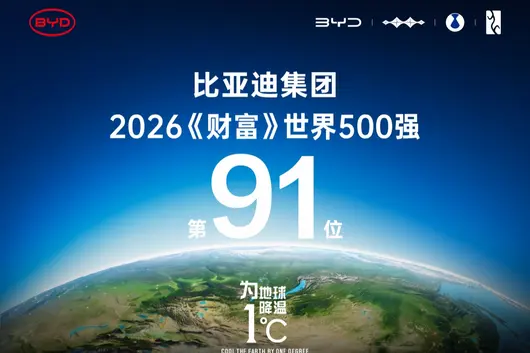
July 28, the 2026 Fortune Global 500 list was released, BYD appeared on the list for the 5th consecutive year, ranked 91st, firmly holding a position in the global top 100. This ranking is not only an affirmation of its past achievements but also marks that Chinese new energy vehicle enterprises have the core strength to compete on the same stage with world-class giants.

Looking back at 2025, BYD submitted a brilliant report card: annual revenue 804 billion yuan, net profit 32.6 billion yuan, new energy vehicle sales reached 4.6 million units, retaining the global sales champion title. Entering 2026, its momentum has not declined, sales in the first half of the year exceeded 1.8 million units, and in July it officially achieved the milestone of the 17 millionth new energy vehicle production worldwide.

Brilliant market performance is rooted in persistence in technological innovation. In 2025, BYD's R&D investment reached as high as 63.4 billion yuan, firmly ranking first among A-share listed companies. High investment brings high returns: The 2nd generation Blade Battery and Flash Charge technology released in March this year directly addressed the pain point of charging efficiency; In May, it became the first to promise to ensure safety for City Pilot, and promoted the arrival of the era of universal City Pilot, demonstrating its technical confidence and sense of responsibility as an industry leader.

The globalization strategy also ushered in a harvest period this year. After overseas sales broke through 1 million units for the first time in 2025, 780,000 units were reached in the first half of 2026, with rapid growth. From the opening of the Sky Rail in Brazil and factories achieving 100,000 units production, to the opening of the chapter of tech new luxury in the European market, to the localized deep cultivation in the Japanese and Thai markets, BYD has formed a new global pattern of "Latin America leading, Europe breakthrough, Asia multiple points blooming", with business covering 121 countries and regions globally.

While developing rapidly, BYD has always practiced sustainable development and social responsibility. As of now, its new energy vehicles have cumulatively achieved carbon emission reduction of 149 million tons, and a 3 billion yuan education charity fund has been launched, benefiting thousands of students.
From a new noble of the top 100 to firmly holding a position in the camp, BYD is steadily advancing towards the vision of "Cooling the Earth by 1°C" with the dual drive of technology and globalization.
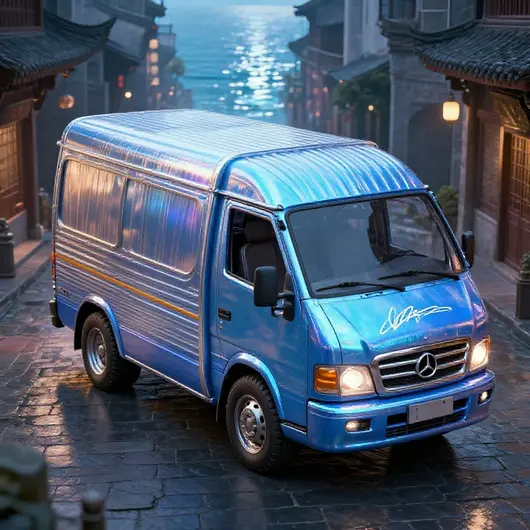
In Malaysia's SUV market, many buyers compare the Proton X70 and Honda HR-V when choosing a car. These two models are quite close in price and positioning. Today, we will make a detailed comparison from multiple aspects to help you save time on research.
The Proton X70 OTR price in Malaysia is RM 106,800 - 122,300. There are 3 versions in total, including 1.5L Standard 2WD (RM 106,800), 1.5L Executive 2WD (RM 115,800), 1.5L Premium 2WD (RM 122,300), etc.
The Honda HR-V OTR price in Malaysia is RM 115,900 - 143,900. There are 4 versions in total, including 2026 e:HEV 1.5L RS (RM 143,900), 2026 1.5T V (RM 137,900), 2026 1.5T E (RM 130,900), etc.
From a price perspective, the Proton X70's starting price is indeed RM 9,100 cheaper than the Honda HR-V. If your budget is limited, Proton's entry-level version can already meet daily needs. However, note that the few thousand ringgit cheaper might involve trade-offs in features, depending on your specific needs.

The Proton X70 is equipped with a 1.5L Turbo, producing 140 hp. Official fuel consumption is 7.0 L/100km.
The Honda HR-V is equipped with a 1.5L Turbo, producing 140 hp. Official fuel consumption is 7.0 L/100km.
Both cars use the same powertrain, so the driving experience is basically no different. Fuel consumption is also similar, so there is no need to worry too much about this point.
The Proton X70 safety rating is 5★ (ASEAN NCAP). Active safety systems include ADAS (ACC, AEB, LKA, LDA, BSM, RCTA).
The Honda HR-V safety rating is 5★ (ASEAN NCAP). Active safety systems include Honda SENSING (ACC, CMBS, LKAS, RDM).
Both cars have the same safety rating. In this class, safety features are quite comprehensive. New car safety is generally good these days, so no need to worry too much about this.
Proton X70 body length is 4400 mm, trunk 400 L.
Honda HR-V body length is 4500 mm, trunk 450 L.
In terms of space, the Honda HR-V's body is 100 mm longer than the Proton X70, offering a better advantage in passenger space. However, the Proton X70 is a bit more flexible for parking in the city. Each has its trade-offs.
Proton X70 and Honda HR-V are both mainstream choices in the Malaysia market, suitable for family use and daily commuting. If you value brand reputation and resale value more, you can prioritize the one with better reputation; if you care more about value for money and features, choose the one with richer configurations. Ultimately, it is recommended to test drive both, as personal experience is the most important.
In general, both Proton X70 and Honda HR-V are very good models in the Malaysia market. Which one to choose depends mainly on your personal needs and budget. We suggest doing your research, comparing quotes from several dealerships, and then test driving to make the final decision. Buying a car is a big matter, spending time on research will never be wrong.


In the Malaysian SUV market, many buyers compare Proton X50 and Kia Sportage when choosing a car. These two cars are quite close in price and positioning. Today, we will do a detailed comparison from multiple aspects to help you save time on research.
The OTR price of Proton X50 in Malaysia is RM 89,800 - 113,300, with a total of 4 versions, including 1.5T Executive (RM 89,800), 1.5T Premium (RM 101,800), 1.5T Flagship (RM 113,300), etc.
The OTR price of Kia Sportage in Malaysia is RM 129,639 - 179,320, with a total of 4 versions, including 2025 1.6T DCT 4WD High (RM 179,320), 2025 1.6T DCT 2WD High (RM 159,320), 2025 2.0L AT 2WD High (RM 139,639), etc.
From a price perspective, the starting price of Proton X50 is indeed RM 39,839 cheaper than Kia Sportage. If your budget is limited, Proton's entry-level version is already enough to meet daily needs. But note that the few thousand dollars difference might involve trade-offs in features, which depends on your specific needs.

Proton X50 is equipped with a 1.5L 4-cyl engine, 105 hp. Official fuel consumption 6.0 L/100km.
Kia Sportage is equipped with a 1.5L Turbo, 140 hp. Official fuel consumption 7.0 L/100km.
In terms of power, Kia Sportage's 1.5L Turbo has 35 horsepower more than Proton X50's 1.5L 4-cyl. However, for daily driving in the city, the power of both cars is sufficient and won't feel lacking.

Proton X50's safety rating is 5★ (ASEAN NCAP). Active safety systems include ADAS (ACC, AEB, LKA, LDA, BSM, RCTA).
Kia Sportage's safety rating is 5★ (ASEAN NCAP). Active safety systems include Drive Wise.
Both cars have the same safety rating. In this class, safety features are quite comprehensive. New cars nowadays generally have good safety, so there is no need to worry too much about this.

Proton X50 warranty 5 years/150,000km, maintenance interval every 10,000km or 6 months.
Kia Sportage warranty 5 years/300,000km, maintenance interval every 10,000km or 6 months.

Proton X50 and Kia Sportage are both mainstream choices in the Malaysian market, suitable for family use and daily commuting. If you value brand reputation and resale value more, prioritize the one with better reputation; if you care more about value for money and features, choose the one with richer configurations. Ultimately, it is recommended to test drive both, as personal experience is the most important.
Overall, Proton X50 and Kia Sportage are both very good models in the Malaysian market. Which one to choose depends on your personal needs and budget. We recommend doing your research, comparing quotes from several dealerships, and then test driving to make a final decision. Buying a car is a major decision, taking time to research is never wrong.


喺馬來西亞嘅 SUV 市場,好多買家喺揀車嗰陣都會拿 Proton X50 同 MG MG HS 嚟做比較。呢兩部車喺價位同定位上都幾接近嘅,今日我哋就從多個方面做一個詳細比較,幫你節省做功課嘅時間。
Proton X50 喺馬來西亞嘅 OTR 售價係 RM 89,800 - 113,300,合共 4 個版本,包括 1.5T Executive(RM 89,800)、1.5T Premium(RM 101,800)、1.5T Flagship(RM 113,300) 等。
MG MG HS 喺馬來西亞嘅 OTR 售價係 RM 130,450 - 146,450,合共 2 個版本,包括 1.5L Standard(RM 105,000)、1.5L Executive(RM 115,000) 等。
從價錢嚟睇,Proton X50 嘅起步價確實比 MG MG HS 平咗 RM 40,650。如果你預算有限,Proton 嘅入門版已經可以滿足日常需要。但都要留意,平嗰幾千蚊,可能喺配備上會有取捨,具體要睇你嘅需求。
Proton X50 配備 1.5L 4-cyl,馬力 105 hp。官方油耗 6.0 L/100km。
MG MG HS 配備 1.5L Turbo,馬力 140 hp。官方油耗 7.0 L/100km。
動力方面,MG MG HS 嘅 1.5L Turbo 比 Proton X50 嘅 1.5L 4-cyl 多咗 35 匹馬力。不過日常喺市區行,兩部車嘅動力都夠用,唔會覺得唔夠力。
Proton X50 採用 4WD 驅動方式。
MG MG HS 採用 FWD 驅動方式。
Proton 嘅 4WD 同 MG 嘅 FWD 喺操控上會有唔同感受,建議試駕比較。
Proton X50 保修 5 年/150,000km,保養間隔 每 10,000km 或 6 個月。
MG MG HS 保修 7 年/150,000km,保養間隔 每 10,000km 或 6 個月。
Proton X50 同 MG MG HS 都係馬來西亞市場嘅主流選擇,適合家庭使用、日常通勤。如果你更重視品牌口碑同二手價,可以優先考慮口碑更好嗰款;如果你更在意性價比同配備,那就揀配備更豐富嗰款。最終都建議兩部都去試駕,親身體驗先係最重要嘅。
總體嚟講,Proton X50 同 MG MG HS 都係馬來西亞市場幾唔錯嘅車型。揀邊一部,關鍵仲係要睇你嘅個人需求同預算。建議大家做足功課,多比較幾間車行之報價,再去試駕先做最終決定。買車係件大事,花少少時間做功課絕對唔會錯。

喺馬來西亞嘅 SUV 市場,好多買家喺揀車嘅時候都會拿 Proton X50 同 Mazda CX-8 嚟做比較。呢兩款車喺價位同定位上都幾接近,今日我哋就由多個方面做一個詳細嘅比較,幫你省下做功課嘅時間。
Proton X50 喺馬來西亞嘅 OTR 售價係 RM 89,800 - 113,300,一共有 4 個版本,包括 1.5T Executive(RM 89,800)、1.5T Premium(RM 101,800)、1.5T Flagship(RM 113,300)等等。
Mazda CX-8 喺馬來西亞嘅 OTR 售價係 RM 165,360 - 201,360,一共有 5 個版本,包括 2025 2.5T 4WD High Plus Petrol(RM 201,360)、2025 2.2L 2WD High Plus Diesel(RM 193,123)、2025 2.5L 2WD High Plus Petrol(RM 186,360)等等。
由價錢睇,Proton X50 嘅起步價確實比 Mazda CX-8 平咗 RM 75,560。如果你預算有限,Proton 嘅入門版已經可以滿足日常需求。不過都要留意,平嗰幾千蚊,喺配備上可能有取舍,具體要看你嘅需求。
Proton X50 搭載 1.5L 4-cyl,馬力 105 hp。官方油耗 6.0 L/100km。
Mazda CX-8 搭載 2.0L 4-cyl,馬力 170 hp。官方油耗 8.0 L/100km。
動力方面,Mazda CX-8 嘅 2.0L 4-cyl 比 Proton X50 嘅 1.5L 4-cyl 多咗 65 匹馬力。不過日常喺市區開,兩款車嘅動力都夠用,唔會覺得唔夠力。
Proton X50 車身長 4400 mm,后备箱 400 L。
Mazda CX-8 車身長 4500 mm,后备箱 450 L。
空間方面,Mazda CX-8 嘅車身比 Proton X50 長咗 100 mm,乘坐空間更有優勢。不過 Proton X50 喺城市入面停車會靈活啲,各有取舍。
Proton X50 採用 4WD 驅動方式。
Mazda CX-8 採用 FWD 驅動方式。
Proton 嘅 4WD 同 Mazda 嘅 FWD 喺操控上會有唔同感受,建議試駕比較。
總括嚟講,Proton X50 同 Mazda CX-8 都係馬來西亞市場幾唔錯嘅車型。揀邊輛,關鍵都要睇你嘅個人需求同預算。建議大家做好功課,多比較幾間車行嘅報價,先至去試駕做最終決定。買車係件大事,花少少時間做功課絕對唔會錯。

In Malaysia's SUV market, many buyers compare Proton X50 and Honda HR-V when choosing a car. These two cars are quite close in price and positioning. Today, we will make a detailed comparison from multiple aspects to help you save time on research.
Proton X50's OTR price in Malaysia is RM 89,800 - 113,300. There are 4 versions in total, including 1.5T Executive (RM 89,800), 1.5T Premium (RM 101,800), 1.5T Flagship (RM 113,300), etc.
Honda HR-V's OTR price in Malaysia is RM 115,900 - 143,900. There are 4 versions in total, including 2026 e:HEV 1.5L RS (RM 143,900), 2026 1.5T V (RM 137,900), 2026 1.5T E (RM 130,900), etc.
From a price perspective, the starting price of Proton X50 is indeed RM 26,100 cheaper than Honda HR-V. If your budget is limited, Proton's entry-level version can already meet daily needs. But note, those few thousand cheaper might involve trade-offs in features, depending on your specific needs.
Proton X50 is equipped with 1.5L 4-cyl, 105 hp. Official fuel consumption 6.0 L/100km.
Honda HR-V is equipped with 1.5L Turbo, 140 hp. Official fuel consumption 7.0 L/100km.
In terms of power, Honda HR-V's 1.5L Turbo has 35 more horsepower than Proton X50's 1.5L 4-cyl. However, for daily city driving, both cars have enough power and won't feel underpowered.
Proton X50's safety rating is 5★ (ASEAN NCAP). Active safety systems include ADAS (ACC, AEB, LKA, LDA, BSM, RCTA).
Honda HR-V's safety rating is 5★ (ASEAN NCAP). Active safety systems include Honda SENSING (ACC, CMBS, LKAS, RDM).
Both cars have the same safety rating. Safety features are quite comprehensive in this class. New cars nowadays are generally safe, so no need to worry too much about this.
Proton X50 body length 4400 mm, trunk 400 L.
Honda HR-V body length 4500 mm, trunk 450 L.
In terms of space, Honda HR-V's body is 100 mm longer than Proton X50, offering better passenger space. However, Proton X50 is a bit more flexible for parking in the city. It's a trade-off.
Both Proton X50 and Honda HR-V are mainstream choices in the Malaysian market, suitable for family use and daily commuting. If you value brand reputation and resale value more, prioritize the one with better reputation. If you care more about value for money and features, choose the one with richer configuration. Ultimately, it is suggested to test drive both. Personal experience is the most important.
Overall, Proton X50 and Honda HR-V are both very good models in the Malaysian market. Which one to choose mainly depends on your personal needs and budget. It is suggested to do your research, compare quotes from several dealerships, and then test drive to make the final decision. Buying a car is a big matter. Spending some time doing research will never be wrong.

喺馬來西亞嘅 SUV 市場,好多買家喺揀車嘅時候都會拿 Perodua Aruz 同 Chery Tiggo 7 PHEV 嚟做比較。呢兩款車喺價位同定位上都幾接近,今日我哋就從多個方面做一個詳細嘅比較,幫你節省做功課嘅時間。
Perodua Aruz 喺馬來西亞嘅 OTR 售價係 RM 72,900 - 77,900,一共有 2 個版本,包括 1.5L X(RM 72,900)、1.5L AV(RM 77,900) 等。
Chery Tiggo 7 PHEV 喺馬來西亞嘅 OTR 售價係 RM 129,750 - 129,750,一共有 2 個版本,包括 2025 1.5T 90km CSH(RM 129,750)、Tiggo 7 PHEV 支援咩充電方法?可唔可以用家居電源插座充電?(RM 117,478) 等。
由價錢睇,Perodua Aruz 嘅起步價確實比 Chery Tiggo 7 PHEV 平咗 RM 56,850。如果你預算有限,Perodua 嘅入門版已經可以滿足日常需求。但都要注意,平嗰幾千蚊,可能喺配備上有取舍,具體要睇你嘅需求。

Perodua Aruz 裝載 1.5L 4-cyl,馬力 105 hp。官方油耗 6.0 L/100km。
Chery Tiggo 7 PHEV 裝載 Hybrid,馬力 170 hp。官方油耗 4.5 L/100km。
動力方面,Chery Tiggo 7 PHEV 嘅 Hybrid 比 Perodua Aruz 嘅 1.5L 4-cyl 多咗 65 匹馬力。不過日常喺市區開,兩款車嘅動力都夠用,唔會覺得唔夠力。
Perodua Aruz 採用 FWD 驅動方式。
Chery Tiggo 7 PHEV 採用 FWD 驅動方式。
兩款車嘅驅動方式一樣,都係 FWD,日常駕駛感受唔會有太大區別。

Perodua Aruz 保修 5 年/150,000km,保養間隔 每 10,000km 或 6 個月。
Chery Tiggo 7 PHEV 保修 3 年/100,000km,保養間隔 每 10,000km 或 6 個月。

Perodua Aruz 同 Chery Tiggo 7 PHEV 都係馬來西亞市場嘅主流選擇,適合家庭使用、日常通勤。如果你更重視品牌口碑同二手價,可以優先考慮口碑更好嗰一款;如果你更在意性價比同配備,那就揀配置更豐富嗰款。最終都係建議兩款都去試駕,親身體驗先係最重要。

總體嚟講,Perodua Aruz 同 Chery Tiggo 7 PHEV 都係馬來西亞市場幾唔錯嘅車型。揀邊架,關鍵仲要睇你嘅個人需求同預算。建議大家做好功課,多比較幾間車行之報價,再去做試駕做最終決定。買車係件大事,花少少時間做功課絕對唔會錯。


In the SUV market in Malaysia, many buyers compare Perodua Aruz and Honda HR-V when choosing a car. These two models are quite close in terms of price and positioning. Today, we will make a detailed comparison from multiple aspects to help you save time on research.
The OTR price for Perodua Aruz in Malaysia is RM 72,900 - 77,900, with a total of 2 versions, including 1.5L X (RM 72,900), 1.5L AV (RM 77,900), etc.
The OTR price for Honda HR-V in Malaysia is RM 115,900 - 143,900, with a total of 4 versions, including 2026 e:HEV 1.5L RS (RM 143,900), 2026 1.5T V (RM 137,900), 2026 1.5T E (RM 130,900), etc.
Looking at the price, the starting price of Perodua Aruz is indeed RM 43,000 cheaper than Honda HR-V. If your budget is limited, Perodua's entry-level model is already sufficient for daily needs. However, be aware that the few thousand difference might involve compromises in features, depending on your needs.
Perodua Aruz safety rating is 5★ (ASEAN NCAP), active safety systems include.
Honda HR-V safety rating is 5★ (ASEAN NCAP), active safety systems include Honda SENSING (ACC, CMBS, LKAS, RDM).
The safety rating for both cars is the same. In this segment, safety features are quite comprehensive. New cars nowadays generally have good safety, so there is no need to worry too much about this.
Perodua Aruz comes with a 5-year/150,000km warranty, maintenance interval every 10,000km or 6 months.
Honda HR-V comes with a 5-year/unlimited mileage warranty, maintenance interval every 10,000km or 6 months.
Perodua Aruz and Honda HR-V are both mainstream choices in the Malaysian market, suitable for family use and daily commuting. If you value brand reputation and resale value more, consider prioritizing the one with better reputation; if you care more about cost-performance and features, choose the one with richer configurations. Ultimately, it is recommended to test drive both; experiencing it personally is the most important.
Overall, Perodua Aruz and Honda HR-V are both very good models in the Malaysian market. Which one to choose depends mainly on your personal needs and budget. It is recommended to do your research, compare quotes from multiple dealerships, and then test drive to make the final decision. Buying a car is a big matter; spending some time researching is never wrong.

As 2026 passes the halfway mark, China's car market has produced a "heaven and hell" half-year report. New energy penetration rate historically broke through 60%, but the completion rate of annual targets for most car companies is generally in the 30% to 40% range. Under pressure on the industry as a whole, SAIC Group became the only Chinese car company to break the 2 million vehicle milestone with a half-year cumulative sales of 2.045 million vehicles, taking the halfway sales crown.

This is not an isolated number. On May 28, SAIC completed the delivery of the 100 millionth vehicle, becoming the first automotive group in the history of China's automobile industry to break 100 million cumulative production and sales, making China officially a country with "100 million-level car companies," and taking the development of China's automobile industry to a new level.
The "speed" of 2.045 million vehicles in half a year and the "accumulation" of 100 million vehicles interweave, letting this 71-year-old car company stand at two unprecedented heights in 2026. But more worthy of inquiry than the numbers is: How was this 100 million accumulated? How was this 2.045 million in half a year driven out?
The Only One Breaking 2 Million in Half a Year
First, look at the "skeleton" of the half-year scorecard. In June, SAIC Group's complete vehicle sales were 395,000 units, up 8.1% year-on-year and 13.1% quarter-on-quarter; cumulative from January to June was 2.045 million vehicles. In terms of total volume, it is the only car company to break 2 million vehicles in the first half of the year, and compared to the second-place car company's 1.8085 million vehicles, the leading advantage is very obvious.
But what is truly worth noting is the internal structural changes in these 2.045 million vehicles.
Independent brand cumulative sales from January to June reached 1.469 million vehicles, up 12.6% year-on-year, accounting for 71.8% of the group's total sales, up 8.3 percentage points compared to the same period last year. In other words, for every 10 vehicles SAIC sells, more than 7 are independent brands. This number was almost unimaginable five years ago.

Looking at segments, SAIC Motor had 549,000 units in half a year, surging 49.4% year-on-year; SAIC Maxus 138,000 units, up 29.1% year-on-year; SAIC-GM-Wuling 681,000 units. IM Motors cumulative sales in the first half were 40,000 units, up 107% year-on-year. The launch of the range-extender large SUV LS8 drove the brand into a new stage of scaled growth.

The new energy sector also accelerated significantly. Cumulative new energy vehicle sales in the first half were 796,000 units, up 23.1% year-on-year. Among them, SAIC Motor new energy vehicles surged 218.1% year-on-year. The MG4 family delivered over 18,000 units in June, breaking 10,000 for 9 consecutive months; Shangjie Z7/Z7T single monthly delivery broke 10,000; Wuling Bingo Pro sales broke 30,000 units 38 days after launch.
Joint venture new energy also entered a growth channel. SAIC-GM new energy reached nearly 50,000 units in half a year, up 81.1% year-on-year; Volkswagen ID. ERA 9X delivered over 10,000 units cumulatively in two months after launch; Audi E7X delivered over 4,000 units in the first month.

The overseas market also contributed strong incremental growth. Cumulative overseas sales in the first half were 735,000 units, up 48.7% year-on-year. The MG brand's cumulative sales in Europe in the first half were nearly 190,000 units, up over 20% year-on-year, ranking as the top selling Chinese brand in Europe for 11 consecutive years.
It should be known that the total volume of China's passenger car market in the first half of this year was under pressure, down nearly 20% year-on-year, with car companies generally "shrinking". Behind SAIC's rising trend against the counter is a clear clue: SAIC's growth engine is switching from joint venture "single-core" to independent, new energy, and overseas "multi-core" drive. This is not a simple sales recovery, but a structural transformation lasting several years is entering the harvest period.
The Global Relay of 100 Million Vehicles
If the 2.045 million vehicles in half a year shows "current speed," then the cumulative 100 million vehicles tells of "the weight of time."
In 1955, Shanghai Internal Combustion Engine Parts Manufacturing Company was established. In 1958, workers hammered out the first "Phoenix" sedan in a small alley factory. In 1983, Santana went off the line, starting joint venture cooperation; Shanghai General was established in 1997; Independent brand Roewe was born in 2006; In 2016, the world's first internet car Roewe RX5 was launched; In 2020, the high-end smart electric brand IM Motors was established.
In 71 years, from "breaking zero" to "100 million vehicles," SAIC's growth trajectory almost overlaps with the evolutionary history of China's automobile industry.

The delivery ceremony on May 28 itself also carried symbolic significance. SAIC did not choose the traditional press conference format, but connected Shanghai's main venue and multiple cities such as the UK, Indonesia, and Singapore with "Global Relay Delivery", with over a dozen brands and 19 models spanning the Eurasian continent completing delivery.
The first 100 millionth delivery model was IM LS9 Hyper, equipped with full-steer-by-wire four-wheel steering, 520-line LiDAR, NVIDIA Thor chip, and all-domain 800V high-voltage platform. The car owner is Momenta CEO Cao Xudong, and Momenta is also SAIC's core strategic partner in the intelligent driving field. "Partner becoming car owner" itself is a very persuasive footnote.
Triple Genes: Breakthrough, Cooperation, Quality
Behind 100 million vehicles and 2.045 million vehicles, if only one main thread can be extracted, it might be the triple cultural genes accumulated by SAIC over 71 years: breakthrough, cooperation, quality, finally settling on SAIC's refined "Understand cars better, understand you better."
Breakthrough is carved into SAIC's bones. Hammering out the Phoenix brand by hand in 1958 was a breakthrough; launching the world's first internet car in 2016 was a breakthrough; today, mass production of semi-solid-state batteries, steer-by-wire, and AI large model landing are still breakthroughs. SAIC has cumulatively invested over 150 billion yuan in R&D over the past decade, possessing nearly 26,000 valid patents. From January to April 2026, SAIC accumulated sales of 1.302 million vehicles, ranking as the top selling Chinese car company for four consecutive months.
Cooperation is the methodology underlying SAIC. From the Santana localization community in the 1980s, to moving from "market for technology" to "technology co-creation" in the JV 2.0 era with Volkswagen, GM, and Audi; from jointly launching the Shangjie brand with Huawei, to deeply co-creating intelligent driving solutions empowering IM, Volkswagen, Audi, Buick, Cadillac and other brands; from joining hands with tech companies like Alibaba, OPPO, ByteDance, SAIC always upholds the open concept of "no technical walls, no ecological islands".

Quality is the most fundamental trust cornerstone. From the "never allow quality substitution" quality commitment during the Santana localization period, to the Magic Cube Battery's "zero spontaneous combustion" safety record, to the European E-NCAP five-star safety certification, quality is the foundation upon which 100 million vehicles were accumulated.
These three genes eventually converge into a core concept: "Understand cars better, understand you better." "Understanding cars" is the extreme pursuit of core technology, "Understanding you" is landing cutting-edge technology into beautiful mobility experiences perceivable by users.
The "Downward Shift" from 60,000 Level to 500,000 Level
The 2.045 million vehicles in the first half of the year is not "resting on past laurels", but more from "innovation". Just from the April Beijing Auto Show to now, SAIC has densely launched over 20 major new cars with a "Independent + Joint Venture + Luxury" full matrix, covering A0 level to full size, 50,000 level to 500,000 level, all technical routes of pure electric/range extender/plug-in hybrid.
In April, IM LS8 launched, full series standard with Star Super Range Extender, steer-by-wire + rear wheel steering, orders broke 8,000 units 1 hour after launch. Shangjie Z7/Z7T dual cars launched together, full series standard with Huawei Qiankun Intelligent Driving ADS 4.1 and 896-line LiDAR, June delivery broke 10,000. Buick Zhijing E7 industry first with Doubao Large Model and Qualcomm 8775 chip, orders broke 10,000 in 90 minutes after launch, first month delivery broke 10,000. 2026 MG4 launched semi-solid battery in 100,000 level market. Roewe i6 full series standard with 8155 chip and Doubao Large Model.

In May, Huajing S launched, full series standard with Huawei Qiankun Intelligent Driving ADS Pro Enhanced Version and HarmonyOS Cockpit, bringing high-level intelligent driving into 150,000 level family market. Audi E7X launched, full series standard with 900V high-voltage platform, quattro 4WD and rear wheel steering. Tiguan L ePro and Passat ePro launched simultaneously, limited-time fixed prices starting at 191,900 yuan and 169,900 yuan respectively, further improving cost-effectiveness.
In June, new Shangjie H5 launched, selling price 159,800 to 199,800 yuan, annual model change completed seven key upgrades. Wuling Star Light L Black Warrior version official images released.
In addition, ID. ERA 5S, Zhijing L7 Pure Electric Version, MG 07 completed declaration; in June, Roewe Jiayue 07, IM LS8 Pure Electric Version, ID. ERA 8X appeared successively. These models will enter the market in the second half of the year, reserving ammunition for subsequent growth.
SAIC's new cars in the first half of the year launched one "hot" after another, one of the most core reasons is the speed of technology "sinking".

In the past, words like "High-level Intelligent Driving", "AI Large Models", "Semi-solid-state Batteries" were often bound with models over 300,000. But in the first half of this year, SAIC broke this line: Roewe i6 at 60,000 level full series standard with 8155 chip and Doubao Large Model; MG4X at 90,000 level full series standard with semi-solid battery and rear drive five-link independent suspension; Buick Zhijing E7 at 150,000 level industry first with Doubao Large Model and Qualcomm 8775 chip; Shangjie at 200,000 level full series standard with Huawei ADS 4.1 and 896-line LiDAR.
Technology is no longer exclusive to high-spec models, but is becoming the "standard configuration" for the entire price band. Market orders are the most direct vote for technology value. When semi-solid batteries, AI large models, and high-level intelligent driving move from the laboratory to mass production, from high-end to universal access, SAIC is verifying a proposition: the value of technology lies not in "whether it has", but in "how many people can use it".
Standing on Two "Firsts"
Half-year 2.045 million vehicles and cumulative 100 million vehicles, the former is speed, the latter is thickness. Speed comes from the accumulation of thickness, thickness expands continuously due to speed.
From the Phoenix brand hammered out in the alley in 1958 to the 2026 IM LS9 Hyper equipped with full steer-by-wire chassis and semi-solid-state batteries; from the "Quality for Survival" of the Santana localization era to the "Tech Equity" of AI large models and high-level intelligent driving today. SAIC's 71-year trajectory is essentially a gradual progress following the times and industry development from "Making Cars" to "Making Good Cars" to "Making Cars That Understand You".

For SAIC, the 2.045 million half-year scorecard and the 100 million historical milestone together constitute two "Firsts" of 2026. But more important than the "Firsts" itself is a fact they point to: This 71-year-old car company is completing the leap from "Scale Leading" to "Quality Leading" and "Tech Equity Leading", to "User Care Leading".
So independent brand share breaking 70%, dual-wheel drive of new energy and overseas, technology moving from reserve to mass production and continuously sinking, these structural changes are the root foundation of sales figures constantly rising, and SAIC is also driving towards a faster lane for grander goals.

喺馬來西亞嘅 SUV 市場,好多買家喺揀車嘅時候都會拿 Perodua Ativa 同 Honda WR-V 嚟做比較。呢兩款車喺價位同定位上都蠻接近嘅,今日我就由多個方面做一個詳細嘅對比,幫你省咗做功課嘅時間。
Perodua Ativa 喺馬來西亞嘅 OTR 售價係 RM 62,500 - 73,400,一共有 3 個版本,包括 1.0L Turbo X(RM 62,500)、1.0L Turbo H(RM 67,300)、1.0L Turbo AV(RM 73,400) 等。
Honda WR-V 喺馬來西亞嘅 OTR 售價係 RM 89,900 - 107,900,一共有 4 個版本,包括 2023 1.5L V(RM 99,900)、2023 1.5L E(RM 95,900)、2023 1.5L S(RM 89,900) 等。
由價錢睇落,Perodua Ativa 嘅起步價真係比 Honda WR-V 平咗 RM 27,400。如果你預算有限,Perodua 嘅入門版已經可以滿足日常需求。但都要留意,平嗰幾千蚊,可能喺配備上會有取捨,具體要看你嘅需求。

Perodua Ativa 嘅安全評級係 5★ (ASEAN NCAP),主動安全系統包括 ASA 3.0 + ACC + LDA + LKA + BSM + RCTA。
Honda WR-V 嘅安全評級係 5★ (ASEAN NCAP),主動安全系統包括 Honda SENSING。
兩款車嘅安全評級一樣,喺呢個級別裡面安全配備都算給得好齊全。而家嘅新車安全性都唔差,唔使太擔心這一點。
Perodua Ativa 採用 FWD 驅動方式。
Honda WR-V 採用 FWD 驅動方式。
兩款車嘅驅動方式一樣,都係 FWD,日常駕駛感受唔會有太大分別。
Perodua Ativa 保修 5 年/150,000km,保養間隔 每 10,000km 或 6 個月。
Honda WR-V 保修 5 年/無限制里程,保養間隔 每 10,000km 或 6 個月。

總嚟講,Perodua Ativa 同 Honda WR-V 都係馬來西亞市場好唔錯嘅車型。揀邊一輛,關鍵仲係要看你嘅個人需求同預算。建议大家做好功課,多比較幾間車行嘅報價,再去試車做最終決定。買車係件大事,花少少時間做功課絕對唔會錯。


喺馬來西亞嘅 SUV 市場,好幾多買家喺揀車嘅時候都會拿 Chery Tiggo 8 同 Mitsubishi Xforce 嚟做比較。呢兩款車喺價位同定位上都相當接近嘅,今日我哋就從多個方面做一個詳細嘅對比,幫你節省做功課嘅時間。
Chery Tiggo 8 喺馬來西亞嘅 OTR 售價係 RM 129,750 - 129,750,總共有 1 個版本,包括 2026 1.6T Standard(RM 129,750) 等。
Mitsubishi Xforce 喺馬來西亞嘅 OTR 售價係 RM 109,930 - 119,930,總共有 2 個版本,包括 2026 1.5L Ultimate(RM 119,930)、2026 1.5L Urban(RM 109,930) 等。
由價錢睇落,Mitsubishi Xforce 嘅起步價比 Chery Tiggo 8 平咗 RM 19,820。講真,喺呢個價位段,幾千蚊嘅差距其實都算細,重點始終係睇整體嘅性價比同長期使用成本。

Chery Tiggo 8 配備 1.5L Turbo,馬力 140 hp。官方油耗 7.0 L/100km。
Mitsubishi Xforce 配備 1.5L Turbo,馬力 140 hp。官方油耗 7.0 L/100km。
兩款車用緊同一套動力系統,日常行起嚟嘅感覺基本無分別。油耗方面亦都相若,唔使太糾結這一點。
Chery Tiggo 8 車身長 4400 mm,行李廂 400 L。
Mitsubishi Xforce 車身長 4400 mm,行李廂 400 L。
兩款車嘅尺寸幾乎一模一樣,車內空間分別唔大。呢個級別嘅車,日常使用完全夠用。

Chery Tiggo 8 保養保修 3 年/100,000km,保養間隔 每 10,000km 或 6 個月。
Mitsubishi Xforce 保養保修 3 年/100,000km,保養間隔 每 10,000km 或 6 個月。
兩款車嘅保修條件相同,呢方面唔使糾結。實際保養成本仲要睇品牌嘅服務網絡同零件價格,建議去車友群問問真實車主嘅經驗。

總括嚟講,Chery Tiggo 8 同 Mitsubishi Xforce 都係馬來西亞市場好唔錯嘅車型。揀邊一輛,重點始終係睇你嘅個人需求同預算。建議大家做好功課,多比較幾間車行嘅報價,先去做試駕做最終決定。買車係件大事,花少少時間做功課絕對唔會錯。


喺馬來西亞嘅 SUV 市場,好多買家喺揀車嘅時候都會拿 Chery Tiggo 8 Pro 同 Hyundai Tucson 嚟做比較。呢兩款車喺價位同定位上都幾接近,今日我哋就從多個方面做一次詳細嘅比較,幫你省下做功課嘅時間。
Chery Tiggo 8 Pro 喺馬來西亞嘅 OTR 售價係 RM 159,750 - 159,750,合共有 2 個版本,包括 1.6L Turbo Standard(RM 130,000)、1.6L Turbo Premium(RM 145,000)等等。
Hyundai Tucson 喺馬來西亞嘅 OTR 售價係 RM 143,888 - 197,888,合共有 5 個版本,包括 2025 HEV 1.6T AT 2WD Prestige(RM 197,888)、2025 1.6T DCT 4WD Prestige(RM 186,888)、2025 1.6T DCT 2WD Prime(RM 164,888)等等。
由價錢睇落,Hyundai Tucson 嘅起步價比 Chery Tiggo 8 Pro 平咗 RM 15,862。講真,喺呢個價位段,千幾蚊嘅差距其實唔算大,關鍵都係睇整體嘅性價比同埋長期使用成本。

Chery Tiggo 8 Pro 採用 FWD 驅動方式。
Hyundai Tucson 採用 FWD 驅動方式。
兩款車嘅驅動方式一樣,都係 FWD,日常駕駛感受唔會有太大分別。

Chery Tiggo 8 Pro 保修 3 年/100,000km,保養間隔 每 10,000km 或 6 個月。
Hyundai Tucson 保修 5 年/300,000km,保養間隔 每 10,000km 或 6 個月。

Chery Tiggo 8 Pro 同 Hyundai Tucson 都係馬來西亞市場嘅主流選擇,適合家庭用、日常通勤。如果你更睇重品牌口碑同埋二手價,可以優先考慮口碑更好嗰款;如果你更在意性價比同配備,嗰就揀配置更豐富嗰款。最後仲係建議兩款都去試駕,親自體驗先至最重要。
總括嚟講,Chery Tiggo 8 Pro 同 Hyundai Tucson 都係馬來西亞市場幾唔錯嘅車型。揀邊一輛,關鍵仲係要睇你嘅個人需求同預算。建議大家做好功課,多比較幾間車行嘅報價,再去試駕做最終決定。買車係件大事,花少少時間做功課絕對唔會錯。


喺馬來西亞嘅汽車市場,好多買家喺揀車嘅時候都會將 Proton X50 同 Mazda CX-5 做比較。今日我哋從多個方面做一個詳細嘅對比,幫你慳咗做功課嘅時間。

Proton X50 喺馬來西亞嘅 OTR 售價係 RM 89,800 - 113,300,總共 4 個版本,包括 1.5T Executive(RM 89,800)、1.5T Premium(RM 101,800)、1.5T Flagship(RM 113,300) 等。
Mazda CX-5 喺馬來西亞嘅 OTR 售價係 RM 135,469 - 166,760,總共 3 個版本,包括 2025 2.0L AT 35th Anniversary(RM 316,154)、2025 2.0L AT(RM 296,154)、2025 2.0L MT(RM 294,154) 等。
由價錢嚟睇,Proton X50 嘅起步價確實比 Mazda CX-5 平咗 RM 45,669。如果你預算有限,Proton 嘅入門版已經可以滿足日常需要。但都要小心留意,平嗰幾千塊,可能喺配備上會有取舍,具體要睇你嘅需要。
Proton X50 搭載 1.5L 4-cyl,馬力 105 hp。官方油耗 6.0 L/100km。
Mazda CX-5 搭載 1.5L Turbo,馬力 140 hp。官方油耗 7.0 L/100km。
動力方面,Mazda CX-5 嘅 1.5L Turbo 比 Proton X50 嘅 1.5L 4-cyl 多咗 35 匹馬力。不過日常喺市區開嘅話,兩款車嘅動力都夠用,唔會覺得唔夠力。
Proton X50 嘅安全評級係 5★ (ASEAN NCAP),主動安全系統包括 ADAS (ACC, AEB, LKA, LDA, BSM, RCTA)。
Mazda CX-5 嘅安全評級係 5★ (ASEAN NCAP),主動安全系統包括。
兩款車嘅安全評級一樣,喺呢個級別入面安全配備都算好齊全。而家嘅新車安全性都唔差,唔使太擔心這一點。

Proton X50 採用 4WD 驅動方式。
Mazda CX-5 採用 FWD 驅動方式。
Proton X50 嘅 4WD 同 Mazda CX-5 嘅 FWD 喺操控上會有唔同感受,建議試駕對比。

總體嚟講,Proton X50 同 Mazda CX-5 都係馬來西亞市場幾好嘅車型。揀邊架,關鍵都要睇你個人需要同預算。建議大家做好功課,多比較幾間車行嘅報價,先至試駕做最終決定。買車係一件大事,花少少時間做功課絕對唔錯。


