


首頁food

搜尋歷史
熱門搜尋
經銷商登入 / 註冊

近日,國內購買嘅新能源汽車長時間喺境外行駛觸發安全保障策略導致車機網絡相關功能受限事件,迎來圓滿結局。

此前,該車主因車輛長期定位喺境外區域,觸發車企後台風控機制,車機影音娛樂等智能功能被臨時限制,車主將其經歷發布至社交平台後引發廣泛討論。
對此,極氪官方予以咗澄清並於 26 日凌晨迅速上線優化措施。極氪方面坦承,此次車機限制雖出於保護用戶財產安全嘅初衷,但喺用戶體驗層面確實存在改進空間,結合用戶及網友反饋,立即推進優化。
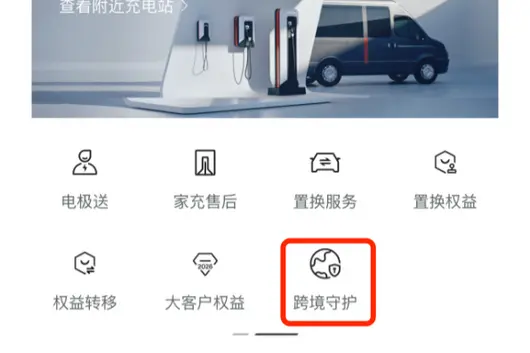
核心措施為優化出境安全保障體驗,極氪 App 端新增「跨境守護」功能入口,車主只需一鍵啟動,即可快速完成自助解鎖,簡化流程;開發中嘅「跨境守護功能開關」,其後將透過 OTA 推送。
該模組成為業界首套全方位出境安全保障系統,亦係一次用戶、網友與車企共同推動行業進步嘅典型案例。
官方快速響應,分步優化安全保障體驗據了解,該車主從河南出發自駕,駛入哈薩克後,車機彈出強提示界面,導航、影音等智能功能受限。記者核實,車輛動力、制動等核心行駛系統始終正常,冇「無法駕駛」嘅情況。目前,該車輛已完成核實,車機強提示已解除。
事件發生後,極氪虛心聆聽用戶建議、快速回應輿論訴求,分階段落實優化方案,兼顧車輛安全保障與車主使用體驗。
具體優化方案包括:第一,極氪 APP 正式上線「跨境守護」功能入口。車主只需一鍵啟動,即可快速獲取驗證碼,完成自助解鎖,簡化流程,提升回應效率。第二,開發中嘅「跨境守護功能開關」,其後將透過 OTA 推送。開關功能上線後,「跨境守護」將默認處於關閉狀態,出境前車主可根據自身需要,喺手機端手動選擇開啟或關閉。如果車主主動開啟該功能,仍可透過 APP「跨境守護」入口進行自助解鎖。第三,針對已出境或即將出境嘅用戶,極氪開放 24 小時客服熱線(400-003-6036)將提供優先接入通道。如遇解鎖失敗或緊急情況,極氪將第一时间遠程協助。
極氪方面表示,品牌堅守極致全域安全嘅初心,始終把用戶體驗同安全放喺第一位,亦始終重視每一條真實嘅聲音。未來將持續常態化收集、聆聽車主反饋,迭代優化安全風控策略與跨境出行服務流程,喺築牢財產安全、數據安全防線同優化用戶出行體驗之間,持續尋找更完美嘅平衡點。
記者調查:新能源行業普遍使用風控設計,但體驗有待完善事實上,新能源車企部署跨境風控體系,唔係多餘嘅管控手段,而係應對當下汽車跨境黑灰產、守護車主權益嘅必要保障。近年來,新能源汽車跨境盜竊、拆解走私亂象屢見不鮮。此前,某新勢力品牌旗艦車型就曾遭盜竊後被拖運至境外,車輛被快速過戶,車機賬號與備案資訊被遠程篡改,導致車主維權無門。多地也曾偵破批量新車跨境流失案件,背後正係安全防護機制缺失留下嘅安全漏洞。
行業資料顯示,車機限制本質係車企成熟嘅全球車輛安全防護策略。賓士、寶馬、保時捷、特斯拉等全球頭部車企均部署類似機制,俄烏戰爭期間,以上品牌喺缺乏備用通訊機制同智能容錯設計嘅情況下,因外部信號中斷或干擾,導致防盜系統觸發咗安全防控機制,從而強制鎖住車輛。
但長久以來,多數車企只重風控落地,輕用戶告知同體驗適配,流程唔完善、機制唔透明,導致大眾普遍產生「企業越俎代庖、過度干預物權」嘅誤解。本質上,呢類風控邏輯同 iPhone 設備定位防盜、電子圍欄鎖機機制同源,核心係兜底保障用戶財產安全,經用戶報備後即可解鎖。
行業、法律專家:安全策略、用戶隱私保護好有必冇多位汽車行業資深訪問人士表示,今次極氪嘅快速優化舉措,一定程度推動咗新能源行業安全風控體系嘅進步。
智能汽車時代,車企嘅核心責任早已唔局限喺行車操控安全,而係延伸為全域安全保障體系:既包括轉向、制動、動力等基礎行駛安全,亦涵蓋車輛財產防盜安全、車主個人資料隱私安全。極氪今次優化跨境風控規則,本質係喺安全合規底線、財產防護機制同用戶體驗之間,搵到咗最優平衡點,真正將車輛控制權交返俾用戶,實現「安全唔缺位、體驗唔打折」。
對於有人質疑,車廠有無權單方面限制車輛功能。有律師表示:車廠地理圍欄風控只限制車機娛樂、導航等附加功能,全程唔干预轉向、制動、動力等行車安全相關嘅核心硬件。車主提供護照、通關憑證、購車證明等資料完成核實後即可解鎖限制,並唔構成對財產權嘅侵犯。反過嚟,若車廠放任車輛無管控流出境外,將面臨海關高額行政處罰。
一線車主嘅真實反饋,更加印證咗行業優化嘅必要性。唔少極氪車主受訪時表示,揀極氪,正係睇中咗極致安全嘅品牌理念。業內相關人士認為,全域電子圍欄、跨境風控機制係高端豪車必備嘅安全配置,同各類數碼產品嘅防盜鎖機邏輯一致。高端豪車價值高、跨境套利空間大,完善嘅風控機制能有效避免車輛被盜竊、非法倒賣嘅風險,令日常用車、長途跨境出行更安全、更安心。
爭議背後:中國高端新能源全球化嘅必經進階從行業長遠趨勢嚟睇,今次車廠嘅升級舉措,係中國高端新能源汽車全球化嘅必經之路。當下國產高端新能源品牌加速出海,國內外懸殊嘅售價差形成巨大套利空間:極氪 009 國內售價四十餘萬元,新加坡市場超 200 萬元;極氪 9X 境外終端普遍加價 40 萬元,邁莎銳定制改裝版境外售價達 40 萬美元,折合人民幣超 270 萬元。巨大嘅價差紅利,令國產高端豪車成為跨境黑灰產、非法倒賣經銷商嘅重點覬覦目標,各類非法跨境倒賣、整車走私、零件拆解套利行為層出不窮。
與此同時,車輛定位軌跡、車載測繪地理資訊屬於國家法定重要數據,依據《數據安全法》《汽車數據安全管理若干規定(試行)》《汽車數據出境安全指引(2026 版)》《測繪法》,相關數據嚴禁違規跨境傳輸,地理圍欄風控係車廠落實國家數據安全、測繪保密嘅法定責任。且 2026 年國內實施純電動乘用車出口許可證管理制度,無正規許可車輛禁止外流,車廠風控亦係配合國家進出口監管、規避合規風險嘅必要舉措。此外,境外車機影音、流量服務涉及各地版權與屬地法規,無序開放功能亦會俾車主帶嚟合規困擾。
以全域安全著名嘅極氪品牌,被用戶譽為「公路坦氪」,不僅喺車身結構、智能避障等方面追求科技配置領先,亦喺隱私保護、防丟防盜等方面走在行業前列。但再好嘅初心,亦要避免類似「有一種冷叫做媽媽怕你冷」嘅過度保護。汽車本質上係用戶嘅財產,安全策略唔應該令用戶感覺被打擾。
今次爭議從輿情危機轉化為行業升級契機,極氪「聽勸式升級」亦為全行業做出積極示範:安全風控從來唔係多餘嘅束縛,而係中國汽車品牌全球化嘅核心底氣與必備基建。未來,隨著國產高端新能源汽車持續深耕東南亞、中東、新加坡等境外市場,行業必將參考今次優化範式,統一完善「風控兜底 + 用戶自主 + 便捷解鎖」嘅標準化體系。
回顧過去一年,極氪一步步將用戶聲音轉化為品牌進化嘅驅動力。從針對改款節奏過快問題,明確「車型改款需提前預告且一年唔超過一次」,到推出「極氪零距離」溝通機制、發布「陽光服務公約」——每一項舉措背後,都係把話語權交返俾用戶嘅誠意。正係這種唔迴避、唔推諉嘅誠懇溝通,令極氪品牌 NPS(用戶淨推薦值)大幅攀升,喺市場上形成咗強勁嘅口碑效應。今年上半年,極氪累計交付 178,370 輛,同比增長 97%,成為新勢力品牌中唯一完成全年銷量目標過半嘅企業。市場嘅認可,正係最好嘅回報。

 放大看
放大看
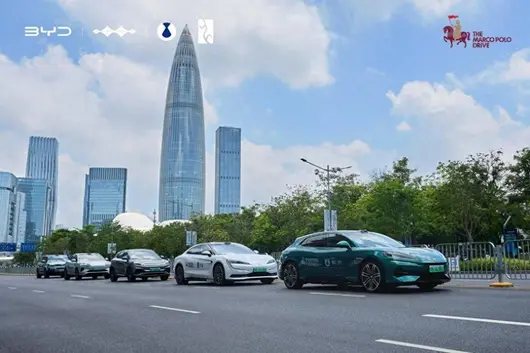
43天、15000公里,一支纯电车队横跨欧亚,最后驶进深圳湾畔。 马可波罗 新丝路把句号落在 比亚迪 全球总部,这个终点很有意味。七百五十年前,旅人靠马匹与驿站连接东西方;今天,新能源汽车和闪充网络成了新丝路上的交通工具。时代换了,彼此了解、互通有无的愿望一直都在。
7月25日,这趟由经济学家杰弗里·萨克斯和M31资本仲雷共同发起的旅程正式收官。一万五千公里的连续行驶,把车辆能力、补能效率和跨国通行条件都放到真实道路上接受检验。绿色出行最终要落到能否顺利出发、按时抵达。车队一路开回来,这份说服力比一串漂亮口号更直接。

收官当天,“科技引领 共创未来”青年论坛在南方科技大学举行。学者、企业家和高校学生坐到一起,讨论科技、人才和可持续发展。萨克斯回顾旅程时,把它视为一次技术实测,也是一场文明对话;他还为“深圳-香港-广州”创新集群登顶全球百强创新集群点赞。旅程走到最后,话题从一辆车、一条路线,延伸到了城市如何培养人才、企业怎样进入全球市场、不同国家怎么在绿色转型中合作。
我挺喜欢这种收官方式。当天没有刻意煽情,大家很快把话题交给年轻人继续讨论。华大集团尹烨谈AI时代的人才成长,比亚迪李黔分享企业进入全球100多个国家的实践,来自产业和高校的嘉宾也把深圳的创新生态讲得很具体。丝路精神在这里变成了开放、合作和长期投入。

万里丝路绿色同行因此有了更实在的分量。绿色科技能缩短地理距离,真正让连接延续下去的,依然是信任、交流和共同目标。深圳作为收官站,像一枚新的起点:从这里出发的技术正在走向全球,从万里归来的见闻也会沉淀成下一次合作。马可波罗新丝路已经收官,新丝路的故事才刚刚翻到下一页。



" 2026 China Auto Forum Hotly Discusses Intelligence and Globalization "
Author | Gong Chenyan
Editor | Li Guozheng
Produced by | Bangning Studio (gbngzs)
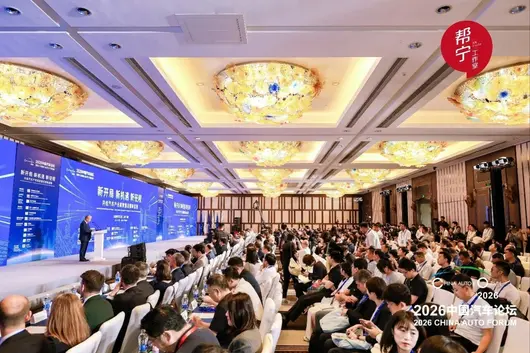
"We are in a very good era. The future of the automotive industry is extremely glorious." On July 22, at the 2026 China Auto Forum, Fu Bingfeng, Vice President and Secretary-General of the China Association of Automobile Manufacturers (abbreviated as "CAAM"), said so.
At the critical node of concluding the first half of the year and connecting the development of the whole year, the China Association of Automobile Manufacturers held this forum in Jiading, Shanghai from July 21 to 23.
This year, the forum set 1 closed-door summit, 1 main forum, 1 technology leader summit, 13 thematic forums, as well as multiple launch events. All conferences focus on hot spots and core issues of the automotive industry, explore industry development directions, and lead future industry trends.

The main forum was held on the morning of July 22. The core is to discuss how the industry can establish long-term confidence, adhere to strategic determination, and delve into long-term value to push the industry from scale expansion to high-quality development, facing challenges such as complex and changing international environment, fierce domestic market competition, and pressure on enterprise development.
Luo Junjie, Vice President of China Machinery Industry Federation, Academician of the Chinese Academy of Engineering and Professor Li Jun of the School of Vehicle and Mobility, Tsinghua University, You Zheng, Deputy General Manager and Standing Member of the Party Committee of Dongfeng Motor Group Co., Ltd., Jia Jianxu, President and Deputy Secretary of the Party Committee of SAIC Motor Corporation Limited, Wang Hui, Executive Vice President of Changan Automobile Co., Ltd., and Chairman of Avatr Technology Chongqing Co., Ltd., as well as Fu Bingfeng and other guests delivered thematic speeches at the main forum.
The high-frequency words running through this main forum are intelligence and globalization. Attendee guests believe that electrification is the entry ticket for Chinese automakers going global, while AI intelligence and self-developed capabilities are the core barriers to winning the global market. The overseas expansion model of automakers has upgraded from single product export to deep localization of the whole industry chain and system.

After entering the starting year of the 15th Five-Year Plan, the domestic car market has entered a white-hot competition of stock market, and overseas has become the core engine for the growth of China's automotive industry.
In the first half of this year, vehicle production and sales totaled 14.993 million and 15.017 million units respectively, a year-on-year decrease of 4% and 4.1% respectively, with the decline rate narrowing compared to the first 5 months. Among them, export growth exceeded expectations and formed stable support, with sales reaching 5.096 million units, an increase of 65.3% year-on-year. According to CAAM, this is the first time China's first-half exports broke through 5 million units.
A good industry ecosystem is the key guarantee for the industry to make steady and far-reaching progress.
Luo Junjie proposed in his speech that the whole industry should improve governance systems, quality systems, and self-discipline systems, compete in a standardized and orderly manner, resolutely resist chaotic phenomena such as irrational competition and blind expansion, and continue to promote quality improvement and brand cultivation actions to help create a batch of Chinese automobile brands and benchmark enterprises with global competitiveness.
|01
Overseas Partners Value Chinese Auto AI
Different from previous forums focusing on overseas sales, model supply, and channel setup, this year's meeting saw several auto company executives bring news from frontline overseas visits.
In their view, the focus of overseas clients has shifted from models and prices to automaker AI and intelligent driving layout. The industry needs to adhere to long-termism and promote overseas expansion in coordination with technology, brand, and standards to shape a new global image for Chinese automobiles.
"Whenever I go overseas, partners are not concerned about our next-generation cars, but how we layout our next-generation AI." Details of overseas visits shared by Wang Hui at the main forum sparked heated discussion at the scene.
Wang Hui returned to China one week before the meeting. In the next 3 months, he will also travel to 20 countries to carry out overseas market work. Combining frontline overseas expansion observations, Wang Hui believes that the overseas education cost for Chinese brands is decreasing significantly, and the acceptance and recognition in markets around the world have improved significantly.

"Walking into every country overseas, one can fully feel confidence, which is a very good opportunity for Chinese car brands." He said, "The overseas market is a sprint race for incremental expansion. The globalization journey of Chinese automobiles has been fully launched."
In Jia Jianxu's view, the cognitive turning point occurring in the European market more intuitively confirms the changes in overseas demand; the Chinese automotive overseas expansion model will shift from product output to synergistic output of the whole industry chain.
He stated that in May this year, the monthly registration volume of Chinese passenger cars in 31 European countries surpassed Japanese brands, which is a highly significant turning point. Chinese automakers no longer rely on price to seize the market but compete with international first-tier brands on the same stage with original technologies such as Three-Electric systems, smart cockpits, intelligent driving, etc., outputting a complete set of new energy vehicle manufacturing standards and intelligent mobility solutions.

* SAIC Motor Group President, Deputy Party Secretary Jia Jianxu
The industry's past inherent perception was that Europe favors small commuter cars, but currently, models equipped with high-level intelligent driving and large-size smart cockpits have leading sales growth. When European consumers make car purchase decisions, they no longer only weigh price and range; vehicle AI interaction and full-domain intelligent experience have become core bonus items.
Chinese automobiles are also rewriting the cooperation logic with multinational car companies.
At the meeting, Leapmotor Technology Founder, Chairman, and CEO Zhu Jiangming introduced the details of cooperation with Stellantis, stating that it broke the past inherent model of Chinese auto companies only selling whole vehicles overseas.
"We have classic cooperation cases with FAW Hongqi, FAW Besturn, and Stellantis. We provide platform solutions and core components, and their production is very fast with guaranteed quality." Zhu Jiangming said this is equivalent to bundled services, a new model for Leapmotor as a supplier, similar to the Huawei model.
This indicates that electrification is the entry ticket for Chinese automobiles to open overseas markets, but the era of simply comparing models and cost-performance has come to an end. AI intelligence and self-developed technology are the core standards for overseas companies to judge the long-term value of Chinese automakers and finalize deep cooperation.
|02
Output a Complete Set of Intelligent Car Manufacturing Solutions
Iterative demand from overseas cooperation partners is not a temporary fluctuation of short-term market preferences but a necessary trend under the dual reform of global automotive industry technology routes and overseas expansion models.
At this main forum, the judgment of auto company executives speaking is consistent: automaker competition extends from single vehicle products to a complete set of intelligent industry ecosystems; automaker overseas expansion has also upgraded from simple whole vehicle trade to a full-chain industry model where technology, capacity, and services land simultaneously.
Wang Hui introduced the transformation and development path of Changan's overseas expansion model.
"In April this year, we released the Comprehensive Global Strategy 2.0 to promote global development, upgrading from a product trade-dominated type to a comprehensive business model with coordinated manufacturing trade, investment services, and ESG construction. For this, we will focus on seven directions for comprehensive upgrades." Wang Hui said the upgrades are mainly reflected in technology, products, brands, investment, cooperation models, services, and teams.
Regarding teams, in the next 3 years, Changan's overseas staff will exceed 4,600 people, the proportion of local employees will exceed 70%, driving the total employment scale of the upstream and downstream industry chain to exceed 15,000 people. Through comprehensive dimensional upgrade in 7 directions, it aims to sprint to 1.5 to 1.8 million overseas sales in 2030.
In his speech, You Zheng proposed that the industry used to compare which company's cars run faster; in the future, it will compare which company's cars are smarter.
Facing the global market, Dongfeng Motor launched the Sky Sailing Plan, promoting comprehensive overseas expansion of products, capacity, and industry. By investing over 100 billion yuan of core resources, it will launch 55 global new energy vehicle models to meet laws, regulations, and technical requirements in various global regions, achieving over 50% localization in manufacturing. By 2030, it strives to achieve an overseas sales ratio of 40%.

* Dongfeng Motor Deputy GM, Standing Member of Party Committee You Zheng
"In the context of continuous reconstruction of global rules, only by relying on compliant, systematic layout, integrating the industry chain, innovation chain, and service chain into the local area can we achieve a leap from 'going out' to 'going in' to 'going up'."
You Zheng said, "The true test of going overseas is not whether you can 'go in', but whether you can stay locally."
Jia Jianxu also advocates that when the layout model upgrades from trade overseas to deep localization of the full value chain, Chinese enterprises should pay special attention to compliance issues.
"Going to someone's home as a guest, I think the guest must follow the host's rules; otherwise, you will be driven out by the host sooner or later. So my first advocacy is compliance. If you are non-compliant, the host definitely won't like you." Jia Jianxu reminded.
According to him, SAIC's cumulative investment has exceeded 150 billion yuan, tackling core technologies of intelligent electrification, holding over 26,000 self-developed patents. The 3rd generation electrical and electronic architecture connects intelligent driving, cockpit, and chassis full-domain control, adopting a route of self-developed foundation and open ecosystem, compatible with smart regulations and software/hardware systems of various countries.
At the same time, SAIC Group landed overseas manufacturing bases in Thailand, India, and Indonesia, supporting construction of local parts industrial parks, owning RoRo ships to connect global logistics links, achieving simultaneous overseas expansion of complete vehicles and intelligent components. It does not output vehicles separately but outputs a complete set of intelligent car manufacturing solutions.

Addressing weak charging infrastructure in Southeast Asia and long-distance travel demands in Europe, Leapmotor's self-developed direct-drive plug-in hybrid technology uses a set of underlying architectures to adapt to different global markets, directly outputting standardized intelligent power solutions to overseas auto companies, reducing partners' R&D cycles and costs, and saving thousands of yuan in parts expenditure per car for partner brands.
Facing the reconstruction of global trade rules, You Zheng suggested that the industry persist in systematic layout, brand operation, and compliant operation, jointly maintain the Chinese automotive brand image, and create a batch of world-class automotive brands.
"Going overseas is generally a market-oriented behavior. Enterprises have different tactics and layout considerations, changing endlessly, none of which can be criticized, but one point is the same: enterprises going overseas must grasp the rhythm; we must blend with the local market and economy and consider the local capacity to bear." Fu Bingfeng believes that the international market needs to be steadily developed, joint venture cooperation models need to be innovated, overseas localization operation and cross-cultural management capabilities need to be improved to achieve stable development in overseas expansion.

In Malaysia's SUV market, many buyers compare the Proton X50 and Chery Tiggo 8 when choosing a car. These two cars are quite close in price and positioning. Today we will make a detailed comparison from multiple aspects to help you save time on research.
The OTR price of Proton X50 in Malaysia is RM 89,800 - 113,300, with a total of 4 versions, including 1.5T Executive (RM 89,800), 1.5T Premium (RM 101,800), 1.5T Flagship (RM 113,300), etc.
The OTR price of Chery Tiggo 8 in Malaysia is RM 129,750 - 129,750, with a total of 1 version, including 2026 1.6T Standard (RM 129,750), etc.
In terms of price, the starting price of Proton X50 is indeed RM 39,950 cheaper than Chery Tiggo 8. If your budget is limited, Proton's entry-level version can already meet daily needs. However, be aware that the few thousand cheaper may involve trade-offs in features, depending on your specific needs.

Proton X50 is equipped with a 1.5L 4-cyl, 105 hp. Official fuel consumption is 6.0 L/100km.
Chery Tiggo 8 is equipped with a 1.5L Turbo, 140 hp. Official fuel consumption is 7.0 L/100km.
In terms of power, Chery Tiggo 8's 1.5L Turbo has 35 more horsepower than Proton X50's 1.5L 4-cyl. However, for daily driving in the city, both cars have sufficient power and won't feel underpowered.

Proton X50 body length is 4400 mm, trunk 400 L.
Chery Tiggo 8 body length is 4400 mm, trunk 400 L.
The dimensions of both cars are almost identical, and the interior space is not much different. For this class of cars, it is fully sufficient for daily use.

Proton X50 and Chery Tiggo 8 are both mainstream choices in the Malaysian market, suitable for family use and daily commuting. If you value brand reputation and resale price more, you can prioritize the one with a better reputation; if you care more about cost-performance ratio and features, choose the one with more configurations. In the end, it is recommended to test drive both, as experiencing it yourself is the most important.

Overall, Proton X50 and Chery Tiggo 8 are both very good models in the Malaysian market. Which one to choose depends mainly on your personal needs and budget. It is recommended to do your research well, compare quotes from several dealerships, and then test drive to make a final decision. Buying a car is a big deal, taking time to research will definitely not be a mistake.

In Malaysia's SUV market, many buyers compare the Proton X50 and Mazda CX-30 when choosing a car. These two cars are quite close in price and positioning. Today, we will do a detailed comparison from multiple aspects to help you save time on research.
The OTR price of Proton X50 in Malaysia is RM 89,800 - 113,300, with a total of 4 versions, including 1.5T Executive (RM 89,800), 1.5T Premium (RM 101,800), 1.5T Flagship (RM 113,300), etc.
The OTR price of Mazda CX-30 in Malaysia is RM 122,409 - 146,409, with a total of 4 versions, including 2025 2.0L High+ Premium (RM 146,409), 2025 2.0L High+ (RM 138,409), 2025 2.0L High (RM 130,409), etc.
From a price perspective, the starting price of Proton X50 is indeed RM 32,609 cheaper than Mazda CX-30. If your budget is limited, Proton's entry-level version can already meet daily needs. However, also note that the few thousand cheaper might involve trade-offs in features, depending on your specific requirements.
Proton X50 safety rating is 5★ (ASEAN NCAP), active safety systems include ADAS (ACC, AEB, LKA, LDA, BSM, RCTA).
Mazda CX-30 safety rating is 5★ (ASEAN NCAP), active safety systems include i-Activsense.
Both cars have the same safety rating, and safety features are quite comprehensive in this class. New cars nowadays have decent safety, no need to worry too much about this.
Proton X50 warranty is 5 years/150,000km, maintenance interval every 10,000km or 6 months.
Mazda CX-30 warranty is 5 years/150,000km, maintenance interval every 10,000km or 6 months.
Both cars have the same warranty conditions, no need to worry about this. Actual maintenance costs depend on the brand's service network and parts prices, suggest asking real owners in car groups for experience.
Proton X50 and Mazda CX-30 are both mainstream choices in the Malaysian market, suitable for family use and daily commuting. If you value brand reputation and resale value more, prioritize the one with better reputation; if you care more about price-performance ratio and features, choose the one with richer configuration. Ultimately, it is suggested to test drive both, experiencing it personally is the most important.

Overall, Proton X50 and Mazda CX-30 are both very good models in the Malaysian market. Which one to choose depends on your personal needs and budget. We suggest doing your homework, comparing quotes from several car dealerships, and then test driving to make the final decision. Buying a car is a big matter, spending time on research will never be wrong.

粤港澳大湾区跨境出行长期依赖埃尔法,并非单纯依附保姆车高端光环,核心依托香港运营的跨境拼车Mini Bus业态支撑。广州、深圳往返香港拼车单价仅数百元,和内地滴滴专车费用持平,客流稳定让埃尔法长期垄断跨境营运市场,如今大批车队集中置换腾势D9、大通MIFA9等国产新能源MPV,背后是运营成本、产品力、政策红利三重现实考量,结合18份行业客运数据、香港车辆登记资料可清晰看清转变逻辑。

粤港跨境拼车客流常年稳定,Mini Bus拼座模式降低出行门槛,埃尔法凭借成熟两地牌资质、维修网点遍布港深,早年是车队最优选择。但香港油价高达27港元/升,埃尔法混动每公里燃油成本约2.6元,长期营运开支居高不下;反观腾势D9、大通MIFA9纯电车型,每公里电费仅0.3元,单台车年运营能耗可节省数万港元。同时香港新能源车可享受高额首次登记税减免,国产MPV落地成本不足埃尔法一半,车队置换回本周期大幅缩短。

产品体验层面,国产新能源MPV实现全方位超越。大通MIFA9轴距3200mm,腾势D9标配云辇底盘、后排冰箱、座椅通风按摩,整车静谧性优于埃尔法混动,更适配跨境商务乘客车内办公、休息需求;智能座舱支持粤语语音、360°全景影像,应对香港狭窄坡道、狭小车位更友好,而埃尔法车机老旧、基础舒适配置多为选装,竞争力持续下滑。

客运车队以盈利为核心导向,埃尔法过往保值神话已经瓦解,二手流通价持续走低;国产新能源MPV依托大湾区完善充电网络、本地售后网点,维修配件供应效率更高,无需长时间等待进口零部件。叠加港人北上客流持续增长,乘客对静谧、低成本新能源车型接受度提升,车队批量置换国产MPV已成行业趋势,曾经垄断粤港跨境线路的埃尔法,正逐步退出营运主力阵营。
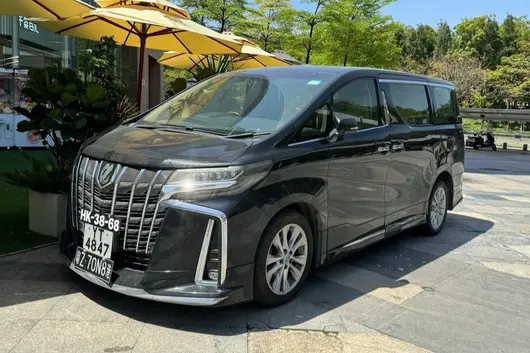

In Malaysia's SUV market, many buyers compare Perodua Aruz and Hyundai Tucson when choosing a car.
Perodua Aruz OTR price in Malaysia is RM 72,900 - 77,900, with a total of 2 versions, including 1.5L X (RM 72,900), 1.5L AV (RM 77,900), etc.
Hyundai Tucson OTR price in Malaysia is RM 143,888 - 197,888, with a total of 5 versions, including 2025 HEV 1.6T AT 2WD Prestige (RM 197,888), 2025 1.6T DCT 4WD Prestige (RM 186,888), 2025 1.6T DCT 2WD Prime (RM 164,888), etc.
From the price perspective, Perodua Aruz's starting price is indeed RM 70,988 cheaper than Hyundai Tucson. If your budget is limited, Perodua's entry-level version can already meet daily needs. But also note, those few thousand cheaper might mean compromises on features, it depends on your specific needs.

Perodua Aruz safety rating is 5★ (ASEAN NCAP), active safety systems include .
Hyundai Tucson safety rating is 5★ (ASEAN NCAP), active safety systems include SmartSense.
Both cars have the same safety rating, safety features are quite comprehensive for this class. New cars these days have decent safety, no need to worry too much about this point.
Perodua Aruz body length 4400 mm, trunk 400 L.
Hyundai Tucson body length 4400 mm, trunk 400 L.
Dimensions of both cars are almost the same, interior space difference is not large. Cars in this class are completely sufficient for daily use.

Perodua Aruz warranty 5 years/150,000km, maintenance interval every 10,000km or 6 months.
Hyundai Tucson warranty 5 years/300,000km, maintenance interval every 10,000km or 6 months.

Both Perodua Aruz and Hyundai Tucson are mainstream choices in the Malaysian market, suitable for family use, daily commuting. If you value brand reputation and resale price more, prioritize the one with better reputation; if you care more about cost-performance ratio and features, choose the one with richer configuration. Ultimately, it is recommended to test drive both, personal experience is the most important.

Overall, Perodua Aruz and Hyundai Tucson are both very good models in the Malaysian market. Which one to choose depends mainly on your personal needs and budget. We suggest doing your homework, compare quotes from several car dealerships, and then test drive to make the final decision. Buying a car is a big matter, spending some time doing homework will definitely not be a mistake.


7 月 16 日,廣汽集團喺廣州番禺傳祺工廠舉行第 3000 萬輛整車落線暨 3000 萬用戶感恩活動。董事長馮興亞將一輛右舵版傳祺 M8 PHEV 嘅車匙交付泰國動作明星 Tony Jaa,廣汽因此成為國內第五間跨過 3000 萬門檻嘅汽車集團,耗時 29 年。

3000 萬嘅結構值得拆嚟睇:廣汽從 0 到 1000 萬用咗 20 年,1000 萬到 3000 萬淨係用咗 9 年,增量主要嚟自合資(廣本、廣豐)基本盤同自主(傳祺、埃安、昊铂)放量。活動現場倒數 5 輛依次為廣本 P7、廣豐铂智 7、启境 GT7、埃安 N60、昊铂 S600,全線為新能源或智能化車型,第 3000 萬輛刻意揀選右插混 MPV,指向東南亞、中東等右舵市場。
上半年數據係呢場儀式背後嘅硬支撐:集團銷量 77.31 萬輛,同比增 2.35%;新能源汽車銷量同比增 68.8%;海外出口突破 12 萬輛,同比增 132%,其中自主品牌出口 12.15 萬輛。喺行業價格戰同合資下滑嘅雙重壓力下,廣汽靠「自主 + 新能源 + 出海」三條曲線對沖咗傳統燃油車放緩。
馮興亞重申「品質係廣汽永遠唔會讓渡嘅底線」,現場列出咗彈匣電池(累計裝車 150 萬輛、行駛超 1600 億公里)、星靈安全體系、埃安燈塔工廠、「五高一山一塵」驗證等體系能力,並宣布即日起至 8 月 31 日啟動「煥新感恩季」,六大品牌圍繞新購、置換、增購推銷補貼政策。渠道端計劃年內新增 1000 間縣域門店,「超級管家」承諾 5 秒響應、2 小時辦結,補能網絡「9 縱 10 橫」已覆蓋 213 城、自營樁超 2.7 萬根。
技術側,廣汽把籌碼壓喺星源動力(增程/插混/超級雙擎)、全固態電池中試線、夸克電驅(最高效率破 99%)、星靈架構同星河智艙,累計研發投入超 620 億元,研發團隊 6800 餘人。同華為、寧德、騰訊等綁定嘅智駕同生態合作,將成為佢哋從「造車」轉向「生態型科技公司」嘅關鍵變量。
3000 萬係規模句點,亦係轉型起點。廣汽接下來嘅考題唔係將車賣到 3000 萬零一輛,而係點樣喺合資紅利退潮後,讓自主新能源同全球化真正接住基本盤。
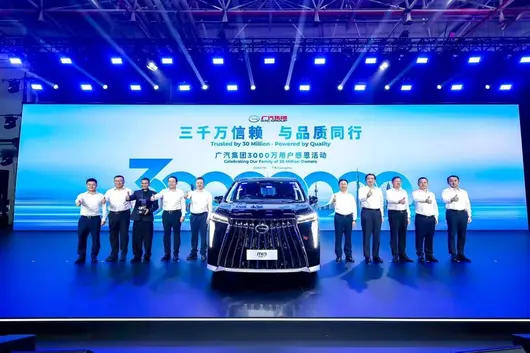

7 月 16 日,廣汽集團 3000 萬用戶感恩活動喺廣汽傳祺工廠舉行。由首輛整車下線到第 3000 萬輛交付,廣汽經歷咗 29 年發展歷程。3000 萬呢個數字背後,係廣汽長期堅守品質同安全嘅定力,係向電動化、智能化轉型嘅決心,亦係中國汽車工業由大到強、由規模擴張到價值躍升嘅一面縮影。

活動現場,廣汽全球多座生產基地同步連線,廣汽本田 P7、廣汽豐田鉑智 7、啟境 GT7、廣汽埃安 N60、廣汽昊鉑 S600 分別作為廣汽第 29999995 到第 29999999 輛車依次下線。最後,右舵版廣汽傳祺 M8 PHEV 作為第 3000 萬輛整車喺現場舞臺閃亮登場。全線新能源下線車款矩陣嘅集體亮相,成為廣汽全速推進電動化、智能化轉型嘅直觀印證。

隨後,廣汽集團董事長馮興亞將第 3000 萬輛車嘅車匙交到泰國車主 Tony Jaa 先生嘅手中,呢一刻定格唔只係一個數字,更係廣汽同全球用戶“雙向奔赴”嘅溫情見證。

呢份跨越山海嘅信任,正係廣汽喺行業變局中突圍嘅底氣。今年上半年,廣汽集團銷量 77.31 萬輛,同比增長 2.35%,其中新能源汽車銷量同比增長 68.8%;海外出口突破 12 萬輛,同比大增 132%,喺行業深度重塑期跑咗穩健嘅節奏。

“品質係廣汽永遠唔會讓渡嘅底線。”馮興亞喺總結致辭中表示。喺廣汽嘅發展中,規模增長始終都以品質為底色。由研發端到製造端,廣汽建立咗全鏈條嚴苛嘅品質管控體系:每款新車上市前均需經過高寒、高溫、高原、高濕、高腐、山區、沙塵等“五高一山一塵”極端環境測試,完成“兩冬一夏”實地路試;借助試驗場、實驗室覆蓋整車 12 個大項、1500 多項驗證子項,實現體系化品質校驗;廣汽埃安智能生態工廠作為“全球首個新能源汽車燈塔工廠”,以數字化智能製造體系保障量產品質穩定。

喺核心安全技術層面,星靈安全守護體系構建四大防護維度,八大關鍵系統採用雙冗餘設計,已守護近 200 萬用戶,規避 628 萬次潛在出行風險;彈匣電池累計裝車 150 萬輛,安全行駛里程超 1600 億公里;服務端同步加碼保障,廣汽喺行業內率先推出自主品牌“三擔責”政策,針對用戶關注嘅電池與智能駕駛輔助問題主動兜底,打消用戶用車顧慮。正係呢一道道安全防線與一項項服務承諾,撐起咗廣汽 3000 萬銷量背後嘅品牌底氣。
“用戶在意嘅,我哋放喺心入面;用戶期盼嘅,我哋全力以赴。”馮興亞表示,呢份以用戶為中心嘅理念,早已深深融入廣汽集團嘅發展基因。多年嚟,廣汽集團始終秉持“人係本、信係道、創為先”嘅企業理念,其中“人係本”嘅核心要義,正係以用戶為本。

一方面,為直面問題、傾聽用戶心聲,廣汽常態化舉辦用戶全開麥活動,將用戶請到“屋企”,面對面交流。同時,建立全流程閉環管理機制,確保每一條建議都能得到妥善處理,共性問題第一时间面向全量用戶優化。
另一方面,服務網絡同步加速滲透。喺渠道端,推進服務網絡下沉縣域,年內計劃新增建設 1000 間縣域授權門店;喺響應端,上線“超級管家”服務,實現 5 秒響應、2 小時訴求辦結,保障用戶訴求直達快辦。喺補能端,建設"9 縱 10 橫”補能網絡,已覆蓋全國 31 個省份 213 座城市,核心城區實現“直線 1 公里必有站”,自營充電樁數量超 2.7 萬根,其中超充樁突破 2 萬根,為新能源車主提供便捷嘅補能服務。
本次感恩活動嘅核心主旨正係向 3000 萬用戶嘅長期支持致以誠摯回饋與感謝。活動現場,馮興亞宣佈,即日起,廣汽正式啟動“廣汽集團 3000 萬輛下線•煥新感恩季”,廣汽本田、廣汽豐田、廣汽傳祺、廣汽埃安、廣汽昊鉑同啟境汽車六大乘用車品牌,將圍繞新購、置換到增購等分別推出特色政策,回饋每一份嘅陪伴與支持。

以 3000 萬為新嘅起點,廣汽將以創新驅動,邁向電動化與智能化嘅新旅程,讓前沿科技真正轉化為用戶可感知嘅安心同便捷。
喺動力領域,由“國家卓越工程師團隊”研發嘅星源動力,覆蓋星源增程、星源插混同星源超級雙擎三大技術,將搭載更多車款量產。每一款產品都需經過 10 萬小時台架同整車驗證,等效里程超過 1000 萬公里,確保喺全場景、全地域下,性能始終穩如磐石。

喺“三電”領域,廣汽持續攻關電池超快充、低溫續航等行業痛點,已建成全固態電池中試產線,推出極致能耗技術,量產嘅夸克電驅電機最高效率突破 99%,為行業最高水平。
喺智能網聯領域,超級大腦星靈架構持續進化,打通智能駕駛輔助、智能座艙、動力、底盤、車身、車聯網六大系統,實現“一個大腦統一指揮”,綜合性能提升 40%;星河智艙實現端雲一體,讓車成為真正“會思考、懂人心”嘅夥伴。廣汽同華為、寧德時代、滴滴、騰訊、阿里等頂尖夥伴並肩作戰,共建更強大嘅 AI 智能生態。
截至目前,廣汽集團累計研發投入超 620 億元,全球研發團隊超 6800 人。持續嘅技術投入,正推動廣汽嘅產品由代步工具向智能出行夥伴、移動智慧空間、綠色能源生態進化。
面向未來,廣汽將持續以科技創新為核心驅動,以全球化佈局為發展路徑,加速向生態型科技廣汽進階,同更多用戶一齊奔赴更智能、更綠色、更廣闊嘅未來。


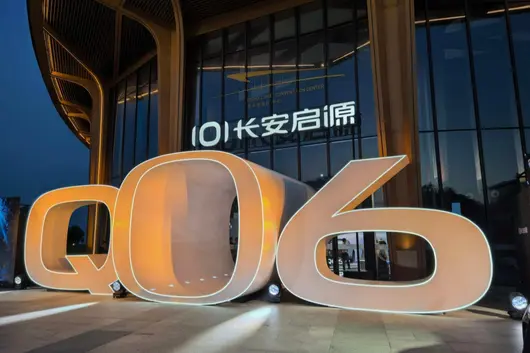
July 15, Changan Qiyuan held an event named "Global Design Showcase" in Shanghai, where its new model Q06 made its public debut. No price was announced, nor did pre-sales start; instead, it focused solely on one thing—design.
While most brands are busy piling up parameters at press conferences, Qiyuan chose to take an SUV that is not yet on the market to the design exhibition stage for a "solo walk," indicating that what Q06 wants to fight is a battle about aesthetics.And its confidence comes from a person's name: Klaus Zyciora.
Klaus Zyciora, former Head of Global Design at Volkswagen Group, core designer for Volkswagen and Porsche brands, a figure who once led the design of classic models such as Golf, Bugatti Veyron, and Volkswagen ID. Series. Since joining Changan Automobile as Vice President in October 2023, Q06 is his first mass-produced work targeting the mainstream market.
International Design Master "Enters China" Focused on Leading Changan Qiyuan
From a product level, Q06 indeed presented some design elements worth discussing.

With a length of 4837mm, a width of 1970mm, and a wheelbase of 2940mm, Q06 has already crossed the boundary of traditional compact SUVs in size, but the height of 1670mm is deliberately lowered, forming a visual proportion close to a Coupé SUV.
The 0.27Cd drag coefficient is excellent at the same level, indicating that the synergy between造型 design and engineering development is in place. In terms of proportion, the Klaus team is seriously working on a family SUV with a "sporty stance."
In addition, Qiyuan proposed a design language called "Flowing Light Aesthetics" for Q06.The beltline-less design kept the side of the car with a high level of purity, the full wheel arches shaped out the sense of power, and there were no extra decorative lines to interrupt the integrity of the body surfaces.
This "subtractive design" approach is common in luxury brands above 300,000 yuan, but in the price range of 150,000 yuan, it indeed belongs to a minority.

The interior part can better reflect the design team's intention.
All sharp edges are processed into rounded surfaces similar to pebbles, the 90.6% soft material coverage rate of the whole car, the 15.6-inch ceiling-mounted screen, and the独创 "Light Rail Piercing Building" electric sunshade are integrated on the same plane, indicating that in the two and a half years since Klaus joined, he has indeed made a fairly deep intervention in Changan's design specifications and supply chain coordination.
And in terms of underlying mechanical quality, Q06 synchronized the debut of Changan's self-developed Tianzhu Leading Ultra Intelligent Driving System, equipped with a front double wishbone aluminum suspension plus a rear five-link suspension and a dual-motor rear-wheel-drive layout that is rare in its class.
Changan Automobile Executive Vice President Yang Dayong described Q06 as a challenge to the "Impossible Triangle," meaning seeking a balance between造型, space, and handling.This is also the core value anchor Q06 is seeking for itself.
Iterating Looks into "Productivity"; Qiyuan Q06 Aims to Break the Situation
Returning to the brand level, the mission carried by Q06 has become much more complex.
From the data perspective, since Changan Qiyuan was launched in August 2023, less than three years have passed, with cumulative sales about to break 500,000 units. In the first half of 2026, deliveries exceeded 170,000 units, the AQ Series increased by 102.6% year-on-year, and the all-new Q05 has been the compact pure electric SUV sales champion for consecutive months.
However, on the other hand, its high-end product E07 sold only 802 units in the entire year of 2025, and cumulative deliveries in the first four months of 2026 were less than 200 units, almost negligible; the volume-selling Lumin Series contributed considerable figures, but prices were concentrated in the range of 30,000 to 60,000 yuan, which offers quite limited support for brand premium.

Against this background, Qiyuan chose to make Q06 focus on the design route, which is actually doing something risky but logically consistent:
In terms of price, they cannot compete with BYD; in terms of channel density, they cannot catch up with Geely Galaxy; in terms of brand volume, they cannot reach the top new forces for now. So establishing differentiated aesthetic cognition will become one of the few directions that can "move a thousand pounds with four taels".
Therefore, Klaus's joining, the design center synergy system spanning four places of China, Italy, Japan, and Germany, and the team scale covering over 900 designers in 39 countries, gave Qiyuan the capital to tell this story.
Whether these resources can be converted into end consumers' purchase decisions depends on the pricing and market performance after Q06 officially launches in September.
If it can gain a batch of loyal users in the red ocean market of compact SUVs based on design distinctiveness, then "good looks can help mainstream brands jump out of homogenized competition" will have a credible case.

Finally, there is one more point worth special attention. The all-new Q05 has already achieved a start of over 3,000 orders in three days since its launch in Thailand, while Q06 has been defined as a "global aesthetic flagship product" from the project start. Klaus's own international background and the configuration of the multicultural design team also point to this goal.
Looking at it from the background of going global, the distinctiveness and cultural penetration power of the design language might become a more effective competitive barrier than piling up parameters.After all, for overseas consumers, Chinese brands' 800V fast charging and LiDAR are not new, but a design language with distinctiveness is still a scarce item.


Exports are surging, but the domestic market is leaking.
Sales of 1.8085 million in half a year! This would be enough for any Chinese automaker to stand head and shoulders above the rest.
However, for BYD today, behind this report card is not a victory lap, but a touch of anxiety.
Just like all Chinese listed automakers, overseas performance is soaring, while the domestic market faces harsh conditions; technology keeps breaking through, but profits are bleeding non-stop.
With the "single dominance" pattern broken, how can this technology-focused new energy vehicle giant turn the tide?
01
From an absolute sales figure perspective, BYD's single-month sales of 403,500 in June make it the only automaker to break the 400,000-vehicle mark that month. Within the Chinese independent brand camp, it still firmly holds the top spot.
In the first half of this year, with sales of 1.8085 million, BYD continued to secure the champion title among independent brands; however, the luster of this "champion" has slightly faded. With a significant gap of 236,800 vehicles, BYD lost to SAIC Group and failed to retain the sales crown among Chinese listed automakers.

More critically, the signal of being overtaken by SAIC Group is far more alarming than the numbers themselves. It means BYD no longer possesses a "crushing" competitive barrier; some rivals have already found ways to crack it.
Not only that, but the footsteps of followers are constantly drawing closer. Geely and Chery achieved sales of 1.423 million and 1.2751 million respectively in the first half of the year, both maintaining positive growth. Rivals that BYD once left so far behind they couldn't even see the taillights are now appearing in its rearview mirror, closer than ever.
It cannot be ignored that while others are chasing, BYD is merely slowing the rate of decline.
Among the 18 Chinese automakers registered in "AutosKline" statistics, BYD's 15.72% year-on-year decline was only better than FAW Group, Changan Automobile, and XPeng Group.
02
Starting this year, the pattern of BYD's single dominance has been broken, replaced by the new normal of "fierce competition among rivals".
More worrying is the domestic market. In the first half of this year, BYD's domestic sales were 1.0191 million, a 39% decrease year-on-year.

Wang Chuanfu stated at the shareholder meeting in December last year, "Declining technology leadership and industry homogeneity." These few words summed up BYD's passive situation in the domestic market.
As Wang Chuanfu said, such rivals as Geely, Chery, and even SAIC Group continue to launch competitor products against BYD at the product level, whether pure electric or plug-in hybrid, almost completely erasing BYD's first-mover advantage.
However, it needs to be clarified that this 39% decline is not entirely "blood loss". The same period of 2025 saw an explosive growth in new energy vehicle penetration rates, which set a huge base. BYD is also actively undergoing structural adjustments, compressing low-profit ride-hailing and low-price orders, and tilting capacity towards high-end models and overseas markets.
Therefore, BYD's passive situation in the domestic market also has components of active contraction.
However, this passivity is now transmitting from "sales" to "profits".
03
On April 28, BYD disclosed its 2026 Q1 report: Operating revenue was 150.225 billion yuan, a 11.82% year-on-year decline; Net profit attributable to the parent company was 4.085 billion yuan, plummeting 55.38% year-on-year; Deducted non-recurring net profit was 4.148 billion yuan, a 49.24% year-on-year decline.

Behind the profit being cut in half, foreign exchange losses were also a fatal "black swan". First-quarter financial expenses reached 2.1 billion yuan, while the same period last year saw 1.908 billion yuan in foreign exchange gains. One step forward, one step back, the exchange factor alone swallowed a scissors difference of about 4 billion yuan.
In its globalization process, BYD holds a large USD exposure. A weakening dollar caused this technology-focused automaker to pay a heavy price on the financial battlefield.
What is the concept of 4 billion yuan? BYD's full-year net profit in 2025 was about 30 billion yuan; one quarter evaporated profits equivalent to over 13% of the whole year.
Of course, a weakening dollar also reduced the import costs of some raw materials (such as lithium mines, chips), but this dividend is far from enough to offset the direct impact of foreign exchange on the income statement.
At the same time, the decline in revenue and profits is also directly related to the domestic price war and falling sales.
So, where does its growth momentum come from?
04
The answer, like almost all Chinese listed automakers, still points overseas.

In the first half of this year, BYD's cumulative overseas sales reached 789,400, a year-on-year surge of 67.92%; single-month exports in June were 174,900, a year-on-year explosion of 95%, setting a new historical high.
Meanwhile, the proportion of overseas sales in total sales has broken 43%, and the completion rate of the 1.5 million overseas target for the year has reached 52.62%.
"AutosKline" believes that against the background of overall sales decline, the strong growth in the overseas market is almost the only support for listed automakers' confidence in the capital market.
From the start of production in Thailand and Uzbekistan factories, to the first car rolling off the line in Brazil, to the confirmation that the Hungary factory will start assembly in the fourth quarter, BYD is completing the qualitative change from product export to industry export.
Bank of Communications International even stated directly that "the overseas market remains one of the most certain sources of growth for BYD".
However, there is an inescapable problem. BYD's 789,400 overseas incremental volume in half a year, minus the approximately 670,000 domestic decline year-on-year, results in a net increase of only about 120,000 vehicles.

The overseas market is indeed galloping, but more so to fill the gap left by falling domestic sales. This is BYD's current most realistic situation.
Furthermore, behind the high growth overseas lie hidden worries. New regulations in Malaysia have stalled local factories, European tariff barriers remain, and the huge foreign exchange losses in the first quarter exactly exposed BYD's financial risk management shortcomings in its global layout.
These issues remind us: is the overseas market the cure or the new lesion? The answer depends on whether BYD can win on both battlefields simultaneously.
However, even if there are many uncertainties overseas, BYD still has another card in its hand—technology.
05
In March, BYD officially launched the second-generation Blade Battery and Flash Charging technology. Under normal temperature, charging from 10% to 70% takes only 5 minutes, and from 10% to 97% takes only 9 minutes. This is undoubtedly one of the most impactful technology breakthroughs in the new energy vehicle field in 2026.
With the release of the new batteries and flash charging technology, BYD's orders also exploded in growth. On the launch day of Datang EV, cumulative orders broke 150,000.

Problems emerged as well: capacity cannot keep up.
Wang Chuanfu admitted at the shareholder meeting: "This year, BYD's sales will depend on battery production volume."
Currently, the production capacity of the second-generation Blade Battery is climbing by 20,000 to 30,000 units per month, but distant water cannot solve near fire. Deliveries of popular models need to wait several months, and a large number of orders face the risk of being lost while waiting.
Technology leadership but losing to capacity ramp-up, this is a happy dilemma. Even for BYD, it is inevitable to fall into a temporary stalemate in supply chain management and mass production rhythm control. The time gap between technology launch and capacity release has discounted the first-mover advantage.
Facing triple pressure from sales, profits, and capacity, BYD's choice is, rather than passively taking a beating, to actively transform.
06
Since mid-June, BYD has launched the largest-scale whole-vehicle business organizational transformation since its inception.
The four brands—Dynasty, Ocean, Denza, and Fang Cheng Bao—are fully implementing independent operations, implementing market-based mechanisms for independent accounting and self-responsibility. Each brand calling upon group production lines, batteries, core technologies and other shared resources will be settled separately according to internal pricing mechanisms.

At the same time, the Group Engineering Research Institute has been split into five, establishing five brand-specific research institutes. This is completely different from the current industry consolidation and reorganization for mutual aid.
The core logic of this combination punch is only one—breaking the "big pot" mentality. In the past, the group's unified backup mode made each brand lack profit awareness, product homogeneity was serious, and internal resource competition was intense; now, profits go to the team, losses are borne by themselves.
However, carrying out internal partitioning on the eve of sales decline and profit cut is inevitable to experience pain. Independent accounting for each brand means a temporary decline in collaboration efficiency. If internal collaboration costs rise significantly in the short term, BYD may face the pain period of big enterprise disease.
Splitting the research institute into five, if coordination is not handled well, common platforms such as chassis and intelligent driving may face the risk of reinventing the wheel.
The effect of this transformation will not be immediate, but the direction is clear: farewell to extensive growth, return to the essence of operations.
07
After the disclosure of BYD sales data, multiple institutions released research reports. The overall view is optimistic, generally acknowledging that overseas sales exceeding expectations is the biggest highlight, and看好 flash charging technology + second-generation Blade Battery building differentiated barriers; at the same time, it is believed that the company is gradually coming out of the bottom of the fundamental situation, and domestic sales are being repaired month by month.
Among them, Oriental Securities maintained a "Buy" rating, believing that overall sales improved year-on-year and month-on-month, and overseas sales hit a new high; Huachuang Securities gave a "Strong Push" rating and raised the annual export expectation to over 1.8 million.

However, there are also different voices. CLSA lowered the full-year sales forecast from 4.9 million to 4.6 million, and the target price from 130 HKD to 120 HKD, to reflect sales lower than expected and domestic recovery slowing. However, CLSA still gave BYD a "High Confidence Outperform" rating.
This divergence essentially reflects the difference in the market's judgment on "whether BYD can stop bleeding domestically". No matter how strong the overseas market is, if the domestic market continues to lose blood, the overall growth ceiling remains clear.
Views of AutosKline:
From barbaric growth to stock competition, BYD has found incremental volume overseas, built barriers in technology, and turned the knife inward in organization. These actions show that Wang Chuanfu's team is fully aware of the problems.
But strategic clarity does not equal tactical smoothness. Shortcomings in exchange rate risk management led to 4 billion profits vanishing; ramp-up rhythm out of control, orders in hand but cars cannot be delivered; trapped in a price war quagmire, brand premium ability is being continuously diluted...
Wang Chuanfu said, "The worst time is over", but this does not mean "the good times are coming".
From hitting bottom to rebounding, there is a long road of capacity ramp-up, continuous consumption of domestic price wars, and periodic threats of foreign exchange risks in between.
SAIC, Geely, Chery... will not give BYD time to catch its breath. The competition in the second half of the year will be even more cruel.
Content is original from [AutosKline], content reference material originates from listed company announcements and industry public information (relevant companies and institutions should have the obligation to be truthful and responsible); some pictures are from the internet, copyright belongs to the original author.
This account articles, without authorization, cannot be reprinted, and will be prosecuted. At the same time, the article content does not constitute investment advice for anyone! Stock market risk is high, investment must be cautious!


In the Malaysian SUV market, many buyers compare Perodua Aruz and Chery Tiggo 7 Pro when choosing a car. These two cars are quite close in price and positioning. Today, we will make a detailed comparison from multiple aspects to help you save time on research.
The OTR price of Perodua Aruz in Malaysia is RM 72,900 - 77,900, with a total of 2 versions, including 1.5L X (RM 72,900), 1.5L AV (RM 77,900), etc.
The OTR price of Chery Tiggo 7 Pro in Malaysia is RM 123,750 - 123,750, with a total of 2 versions, including 1.6L Turbo Standard (RM 125,000), 1.6L Turbo Premium (RM 140,000), etc.
Looking at the price, the starting price of Perodua Aruz is indeed RM 50,850 cheaper than Chery Tiggo 7 Pro. If your budget is limited, Perodua's entry-level model can already meet daily needs. But also note, the cheaper options might have trade-offs in features, it depends on your specific needs.
Perodua Aruz safety rating is 5★ (ASEAN NCAP), active safety systems include.
Chery Tiggo 7 Pro safety rating is TBD, active safety systems include Basic.
Perodua Aruz adopts FWD drive mode.
Chery Tiggo 7 Pro adopts FWD drive mode.
The drive mode of both cars is the same, both are FWD, there won't be much difference in daily driving experience.
Perodua Aruz and Chery Tiggo 7 Pro are both mainstream choices in the Malaysian market, suitable for family use and daily commuting. If you value brand reputation and resale value more, you can prioritize the one with better reputation; if you care more about value for money and features, then choose the one with richer specifications. Ultimately, it is recommended to test drive both, personal experience is the most important.
Overall, Perodua Aruz and Chery Tiggo 7 Pro are both quite good models in the Malaysian market. Which one to choose depends mainly on your personal needs and budget. We recommend doing your research, compare quotes from several dealerships, and then test drive to make a final decision. Buying a car is a big deal, spending some time researching will never be wrong.

[CNMO Tech News] China's momentum in overseas markets continues to accelerate. According to the latest data released by the Australian Federation of Automobile Industries, in June of this year, cars from China topped the Australian market with sales of 46,600 units, surpassing Japan for the first time to become Australia's number one car import source country.

BYD Cars
Specific data shows that among the total sales of the Australian car market in June, China-made cars (including about 8,600 Teslas produced in Shanghai) accounted for a 35.5% market share with 46,600 units, ranking first. Japan-made cars had sales of 27,100 units, accounting for a 20.7% share, ranking second. Thailand-made cars accounted for 17.8% share with 23,300 units, ranking third. South Korea-made cars accounted for 11.3% share with 14,900 units, ranking fourth. Germany-made cars accounted for 4.4% share with 5,731 units, ranking fifth.
From a brand perspective, Toyota continued to lead the list of Australian car brand sales with monthly sales of 19,100 units, but the advantage is now very slight. Trailing closely is BYD, ranking second with sales of 18,900 units, with a difference of only 200 units between the two. Ford, Kia, and Hyundai ranked third to fifth, with monthly sales not reaching 10,000. Chinese brands in Australia have already formed a cluster effect, posing a substantial challenge to traditional Japanese and Korean brands.
Currently, more than ten Chinese car brands have entered the Australian market, including mainstream manufacturers such as Xpeng, Great Wall Motor, Chery, GAC Group, BYD, etc. With more than ten Chinese models sold in the Australian market. Data from the China Passenger Car Association shows that in May of this year, China's auto exports to Australia grew by 80% year-on-year, with an average monthly export price of $23,100. This price level indicates that Chinese cars in the Australian market do not rely solely on low-price competition, but have also established brand recognition in the mid-range market.

喺馬來西亞嘅 SUV 市場,好多買家喺揀車嘅時候都唔會唔揀 Perodua Aruz 同 Mazda CX-30 嚟做比較。這兩款車喺價位同定位上都幾接近,今日我哋就從多個方面做一個詳細比較,幫你節省咗做功課嘅時間。
Perodua Aruz 喺馬來西亞嘅 OTR 售價係 RM 72,900 - 77,900,一共有 2 個版本,包括 1.5L X(RM 72,900)、1.5L AV(RM 77,900)等。
Mazda CX-30 喺馬來西亞嘅 OTR 售價係 RM 122,409 - 146,409,一共有 4 個版本,包括 2025 2.0L High+ Premium(RM 146,409)、2025 2.0L High+(RM 138,409)、2025 2.0L High(RM 130,409)等。
從價錢睇返,Perodua Aruz 嘅起價確實比 Mazda CX-30 平咗 RM 49,509。如果你預算有限,Perodua 嘅入門版已經滿足日常需求。但都要注意,平嗰幾千蚊,可能喺配備上有取舍,具體要睇你嘅需求。
Perodua Aruz 搭載 1.5L 4-cyl,馬力 105 hp。官方油耗 6.0 L/100km。
Mazda CX-30 搭載 1.5L Turbo,馬力 140 hp。官方油耗 7.0 L/100km。
動力方面,Mazda CX-30 嘅 1.5L Turbo 比 Perodua Aruz 嘅 1.5L 4-cyl 多出 35 匹馬力。不過日常喺市區開,兩款車嘅動力都夠用,唔會覺得唔夠力。
Perodua Aruz 嘅安全評級係 5★ (ASEAN NCAP),主動安全系統包括。
Mazda CX-30 嘅安全評級係 5★ (ASEAN NCAP),主動安全系統包括 i-Activsense。
兩款車嘅安全評級一樣,喺呢個級別入面安全配備都算好齊全。而家嘅新車安全性都唔差,唔使太擔心呢一點。
Perodua Aruz 車身長 4400 mm,尾箱 400 L。
Mazda CX-30 車身長 4500 mm,尾箱 450 L。
空間方面,Mazda CX-30 嘅車身比 Perodua Aruz 長咗 100 mm,乘坐空間更有優勢。不過 Perodua Aruz 喺城市入面停車會靈活啲,各有取舍。
Perodua Aruz 同 Mazda CX-30 都係馬來西亞市場嘅主流選擇,適合家庭使用、日常通勤。如果你更加看重品牌口碑同二手價,可以優先考慮口碑更好嗰一款;如果你更加在意性價比同配備,那就揀配置更豐富嗰款。最終都係建議兩款都去試駕,親身體驗先係最重要。

總嘅嚟講,Perodua Aruz 同 Mazda CX-30 都係馬來西亞市場好唔錯嘅車型。揀邊一輛,關鍵都係要睇你嘅個人需求同預算。建議大家做好功課,多比較幾間車行嘅報價,再去試駕做最終決定。買車係件大事,花少少時間做功課絕對唔會錯。

In the Malaysia SUV market, many buyers compare Perodua Aruz and Honda WR-V when choosing a car. Both cars are quite close in price and positioning. Today, we will make a detailed comparison from multiple aspects to save you time doing research.
The OTR price of Perodua Aruz in Malaysia is RM 72,900 - 77,900, with a total of 2 versions, including 1.5L X (RM 72,900), 1.5L AV (RM 77,900), etc.
The OTR price of Honda WR-V in Malaysia is RM 89,900 - 107,900, with a total of 4 versions, including 2023 1.5L V (RM 99,900), 2023 1.5L E (RM 95,900), 2023 1.5L S (RM 89,900), etc.
From a price perspective, Perodua Aruz's starting price is indeed RM 17,000 cheaper than Honda WR-V. If your budget is limited, Perodua's entry-level version can already meet daily needs. But also note, the few thousand cheaper might involve trade-offs in features, depending on your needs.
Perodua Aruz comes with a 1.5L 4-cyl engine, 105 hp. Official fuel consumption 6.0 L/100km.
Honda WR-V comes with a 1.5L 4-cyl engine, 105 hp. Official fuel consumption 6.0 L/100km.
Both cars use the same powertrain, the driving feel is basically no difference in daily use. Fuel economy is also similar, no need to worry too much about this point.
Perodua Aruz adopts FWD drive system.
Honda WR-V adopts FWD drive system.
Both cars have the same drive system, both are FWD, there won't be a big difference in daily driving feel.
Perodua Aruz warranty 5 years/150,000km, service interval every 10,000km or 6 months.
Honda WR-V warranty 5 years/unlimited mileage, service interval every 10,000km or 6 months.

Perodua Aruz and Honda WR-V are both mainstream choices in the Malaysia market, suitable for family use, daily commuting. If you value brand reputation and resale value more, you can prioritize the one with better reputation; if you care more about cost-performance ratio and features, then choose the one with richer configurations. Ultimately it is recommended to test drive both, experiencing it personally is the most important.
Overall, Perodua Aruz and Honda WR-V are both very good models in the Malaysia market. Which one to choose, depends on your personal needs and budget. It is recommended to do your homework, compare quotes from several dealerships, then test drive to make a final decision. Buying a car is a big matter, spending some time doing research will never be wrong.

In the Malaysian SUV market, many buyers compare Perodua Aruz and Proton X70 when choosing a car. These two cars are quite similar in price and positioning. Today, we will make a detailed comparison from multiple aspects to help you save time on research.
The OTR price for Perodua Aruz in Malaysia is RM 72,900 - 77,900. There are 2 versions in total, including 1.5L X (RM 72,900), 1.5L AV (RM 77,900), etc.
The OTR price for Proton X70 in Malaysia is RM 106,800 - 122,300. There are 3 versions in total, including 1.5L Standard 2WD (RM 106,800), 1.5L Executive 2WD (RM 115,800), 1.5L Premium 2WD (RM 122,300), etc.
Looking at the price, Perodua Aruz's starting price is indeed RM 33,900 cheaper than Proton X70. If your budget is limited, Perodua's entry-level version is already sufficient for daily needs. But be aware, that few thousand difference might involve trade-offs in equipment, depending on your specific needs.
Perodua Aruz comes with 1.5L 4-cyl, 105 hp. Official fuel consumption is 6.0 L/100km.
Proton X70 comes with 1.5L Turbo, 140 hp. Official fuel consumption is 7.0 L/100km.
In terms of power, Proton X70's 1.5L Turbo has 35 more horsepower than Perodua Aruz's 1.5L 4-cyl. However, for daily city driving, the power of both cars is sufficient, and you won't feel like there is not enough power.
Perodua Aruz body length is 4400 mm, trunk is 400 L.
Proton X70 body length is 4400 mm, trunk is 400 L.
The dimensions of both cars are almost the same, with little difference in interior space. For cars in this class, daily use is fully sufficient.
Perodua Aruz uses FWD drive mode.
Proton X70 uses FWD drive mode.
Both cars have the same drive mode, both are FWD, and there won't be much difference in daily driving experience.
Overall, Perodua Aruz and Proton X70 are both very good models in the Malaysian market. Which one to choose depends mainly on your personal needs and budget. It is recommended to do your research, compare quotes from several car dealerships, and then test drive to make the final decision. Buying a car is a big matter, spending some time on research will definitely not be a mistake.
In Malaysia's SUV market, many buyers compare Perodua Ativa and Chery Tiggo Cross when choosing a car. These two models are quite close in price and positioning. Today, we will make a detailed comparison from multiple aspects to save you time on research.
The OTR price of Perodua Ativa in Malaysia is RM 62,500 - 73,400, with a total of 3 versions, including 1.0L Turbo X (RM 62,500), 1.0L Turbo H (RM 67,300), 1.0L Turbo AV (RM 73,400), etc.
The OTR price of Chery Tiggo Cross in Malaysia is RM 88,750 - 99,750, with a total of 2 versions, including 2025 HEV 1.5L CSH (RM 99,750), 2025 1.5T Standard (RM 88,750), etc.
From a price perspective, the starting price of Perodua Ativa is indeed RM 26,250 cheaper than Chery Tiggo Cross. If your budget is limited, Perodua's entry-level version can already meet daily needs. However, note that the few thousand difference might involve trade-offs in features, depending on your specific requirements.

Perodua Ativa is equipped with a 1.5L 4-cyl, 105 hp. Official fuel consumption 6.0 L/100km.
Chery Tiggo Cross is equipped with a 1.5L 4-cyl, 105 hp. Official fuel consumption 6.0 L/100km.
Both cars use the same powertrain, and the driving feel in daily use is basically the same. Fuel consumption is also similar, no need to worry too much about this point.
Perodua Ativa warranty 5 years/150,000km, maintenance interval every 10,000km or 6 months.
Chery Tiggo Cross warranty 3 years/100,000km, maintenance interval every 10,000km or 6 months.
Perodua Ativa and Chery Tiggo Cross are both mainstream choices in the Malaysian market, suitable for family use and daily commuting. If you value brand reputation and resale value more, consider the one with the better reputation first; if you care more about cost-performance ratio and features, choose the one with richer configurations. In the end, it is recommended to test drive both models, as personal experience is the most important.

In general, Perodua Ativa and Chery Tiggo Cross are both very good models in the Malaysian market. Which one to choose mainly depends on your personal needs and budget. It is recommended that everyone do their research, compare quotes from several car dealers, and then go for a test drive to make the final decision. Buying a car is a big matter, spending some time researching is never wrong.


喺馬來西亞嘅 SUV 市場,好多買家喺揀車嘅時候都會拿 Perodua Ativa 同 Chery Tiggo Cross 嚟做比較。這兩款車喺價位同定位上都幾接近嘅,今日我哋就從多個方面做一個詳細嘅比較,幫你節省做功課嘅時間。
Perodua Ativa 喺馬來西亞嘅 OTR 售價係 RM 62,500 - 73,400,合共 3 個版本,包括 1.0L Turbo X(RM 62,500)、1.0L Turbo H(RM 67,300)、1.0L Turbo AV(RM 73,400) 等等。
Chery Tiggo Cross 喺馬來西亞嘅 OTR 售價係 RM 88,750 - 99,750,合共 2 個版本,包括 2025 HEV 1.5L CSH(RM 99,750)、2025 1.5T Standard(RM 88,750) 等等。
由價錢嚟睇,Perodua Ativa 嘅起步價確實比 Chery Tiggo Cross 平咗 RM 26,250。如果你預算有限,Perodua 嘅入門版已經可以滿足日常需求。但亦要注意,便宜嗰幾千蚊,可能喺配備上會有取捨,具體要看你嘅需求。
Perodua Ativa 嘅安全評級係 5★ (ASEAN NCAP),主動安全系統包括 ASA 3.0 + ACC + LDA + LKA + BSM + RCTA。
Chery Tiggo Cross 嘅安全評級係 TBD,主動安全系統包括 Basic。
安全配備方面,兩款車都拿到唔錯嘅評級。不過 Perodua Ativa 嘅 ASA 3.0 + ACC + LDA + LKA + BSM + RCTA 同 Chery Tiggo Cross 嘅 Basic 喺功能上有些分別,如果你比較看重主動安全嘅話,可以仔細比較下兩者嘅功能列表。
Perodua Ativa 保養 5 年/150,000km,保養間隔 每 10,000km 或 6 個月。
Chery Tiggo Cross 保養 3 年/100,000km,保養間隔 每 10,000km 或 6 個月。
Perodua Ativa 同 Chery Tiggo Cross 都係馬來西亞市場嘅主流選擇,適合家庭使用、日常通勤。如果你更看重品牌口碑同二手價,可以優先考慮口碑更好嗰一款;如果你更在意性價比同配備,就揀配置更豐富嗰款。最終仍然建議兩款都去試駕,親身體驗先係最緊要嘅。
總體嚟講,Perodua Ativa 同 Chery Tiggo Cross 都係馬來西亞市場好唔錯嘅車型。揀邊一輛,關鍵始終係要看你嘅個人需求同預算。建議大家做好功課,多比較幾間車行嘅報價,再去做試駕做最終決定。買車係件大事,花啲時間做功課絕對唔會錯。

喺馬來西亞嘅 SUV 市場,好多買家喺揀車嗰陣都會拿 Perodua Ativa 同 Mazda CX-30 嚟做比較。呢兩款車喺價格同定位上都幾近嘅,今日我哋就從多個方面做一個詳細嘅對比,幫你省卻咗做功課嘅時間。
Perodua Ativa 喺馬來西亞嘅 OTR 售價係 RM 62,500 - 73,400,合共 3 個版本,包括 1.0L Turbo X(RM 62,500)、1.0L Turbo H(RM 67,300)、1.0L Turbo AV(RM 73,400)等。
Mazda CX-30 喺馬來西亞嘅 OTR 售價係 RM 122,409 - 146,409,合共 4 個版本,包括 2025 2.0L High+ Premium(RM 146,409)、2025 2.0L High+(RM 138,409)、2025 2.0L High(RM 130,409)等。
由價錢睇,Perodua Ativa 嘅入門價確實比 Mazda CX-30 平咗 RM 59,909。如果你預算有限,Perodua 嘅入門版已經可以滿足日常需求。但要留心,平嗰幾千塊,可能喺配備上要有取舍,具體睇你嘅需求。
Perodua Ativa 搭載 1.5L 4-cyl,馬力 105 hp。官方油耗 6.0 L/100km。
Mazda CX-30 搭載 1.5L Turbo,馬力 140 hp。官方油耗 7.0 L/100km。
動力方面,Mazda CX-30 嘅 1.5L Turbo 比 Perodua Ativa 嘅 1.5L 4-cyl 多咗 35 匹馬力。不過日常喺市區開,兩款車嘅動力都夠用,唔會覺得唔夠力。
Perodua Ativa 嘅安全評級係 5★ (ASEAN NCAP),主動安全系統包括 ASA 3.0 + ACC + LDA + LKA + BSM + RCTA。
Mazda CX-30 嘅安全評級係 5★ (ASEAN NCAP),主動安全系統包括 i-Activsense。
兩款車嘅安全評級一樣,喺呢個級數裏面安全配備都算好齊全。依家嘅新车安全性都唔差,唔使太擔心呢一點。
Perodua Ativa 採用 FWD 驅動方式。
Mazda CX-30 採用 FWD 驅動方式。
兩款車嘅驅動方式一樣,都係 FWD,日常駕駛感受唔會有太大分別。
總括嚟講,Perodua Ativa 同 Mazda CX-30 都係馬來西亞市場幾唔錯嘅車型。揀邊一輛,關鍵仲係睇你嘅個人需求同預算。建議大家做好功課,多比較幾間車行嘅報價,再試駕先做最終決定。買車係件大事,花少少時間做功課絕對唔會錯。

In the SUV market in Malaysia, many buyers compare Perodua Ativa and Proton X50 when choosing a car.
Perodua Ativa OTR price in Malaysia is RM 62,500 - 73,400, with a total of 3 versions, including 1.0L Turbo X (RM 62,500), 1.0L Turbo H (RM 67,300), 1.0L Turbo AV (RM 73,400), etc.
Proton X50 OTR price in Malaysia is RM 89,800 - 113,300, with a total of 4 versions, including 1.5T Executive (RM 89,800), 1.5T Premium (RM 101,800), 1.5T Flagship (RM 113,300), etc.
From a price perspective, the starting price of Perodua Ativa is indeed RM 27,300 cheaper than Proton X50. If your budget is limited, Perodua's entry-level version can already meet daily needs. But also note, the few thousand cheaper might involve trade-offs in features, depending on your needs.
Perodua Ativa uses FWD drive system.
Proton X50 uses 4WD drive system.
Perodua's FWD and Proton's 4WD will feel different in handling, test drive comparison is recommended.
Perodua Ativa warranty 5 years/150,000km, maintenance interval every 10,000km or 6 months.
Proton X50 warranty 5 years/150,000km, maintenance interval every 10,000km or 6 months.
Warranty conditions for both cars are the same, no need to worry about this aspect. Actual maintenance cost also depends on the brand's service network and parts price, it is recommended to ask real owners in car owner groups about their experience.
Both Perodua Ativa and Proton X50 are mainstream choices in the Malaysian market, suitable for family use and daily commuting. If you value brand reputation and resale value more, you can prioritize the one with better reputation; if you care more about cost-performance ratio and features, choose the one with richer configuration. Finally, it is recommended to test drive both, personal experience is the most important.
Overall, Perodua Ativa and Proton X50 are both very good models in the Malaysian market. Which one to choose depends on your personal needs and budget. It is recommended to do your research, compare quotes from several car dealers, and then test drive to make a final decision. Buying a car is a big matter, spending time doing research will never be wrong.


