首頁fish

搜尋歷史
熱門搜尋
經銷商登入 / 註冊

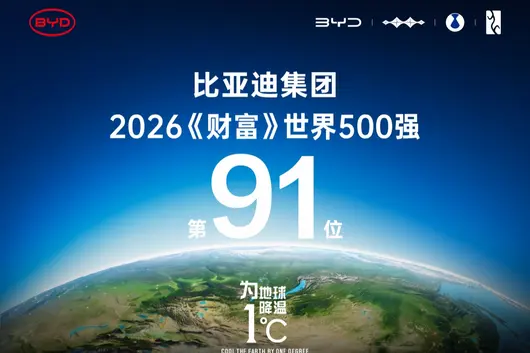
July 28, the 2026 Fortune Global 500 list was released, BYD appeared on the list for the 5th consecutive year, ranked 91st, firmly holding a position in the global top 100. This ranking is not only an affirmation of its past achievements but also marks that Chinese new energy vehicle enterprises have the core strength to compete on the same stage with world-class giants.

Looking back at 2025, BYD submitted a brilliant report card: annual revenue 804 billion yuan, net profit 32.6 billion yuan, new energy vehicle sales reached 4.6 million units, retaining the global sales champion title. Entering 2026, its momentum has not declined, sales in the first half of the year exceeded 1.8 million units, and in July it officially achieved the milestone of the 17 millionth new energy vehicle production worldwide.

Brilliant market performance is rooted in persistence in technological innovation. In 2025, BYD's R&D investment reached as high as 63.4 billion yuan, firmly ranking first among A-share listed companies. High investment brings high returns: The 2nd generation Blade Battery and Flash Charge technology released in March this year directly addressed the pain point of charging efficiency; In May, it became the first to promise to ensure safety for City Pilot, and promoted the arrival of the era of universal City Pilot, demonstrating its technical confidence and sense of responsibility as an industry leader.

The globalization strategy also ushered in a harvest period this year. After overseas sales broke through 1 million units for the first time in 2025, 780,000 units were reached in the first half of 2026, with rapid growth. From the opening of the Sky Rail in Brazil and factories achieving 100,000 units production, to the opening of the chapter of tech new luxury in the European market, to the localized deep cultivation in the Japanese and Thai markets, BYD has formed a new global pattern of "Latin America leading, Europe breakthrough, Asia multiple points blooming", with business covering 121 countries and regions globally.

While developing rapidly, BYD has always practiced sustainable development and social responsibility. As of now, its new energy vehicles have cumulatively achieved carbon emission reduction of 149 million tons, and a 3 billion yuan education charity fund has been launched, benefiting thousands of students.
From a new noble of the top 100 to firmly holding a position in the camp, BYD is steadily advancing towards the vision of "Cooling the Earth by 1°C" with the dual drive of technology and globalization.
In Malaysia's SUV market, many buyers compare the Proton X70 and Honda HR-V when choosing a car. These two models are quite close in price and positioning. Today, we will make a detailed comparison from multiple aspects to help you save time on research.
The Proton X70 OTR price in Malaysia is RM 106,800 - 122,300. There are 3 versions in total, including 1.5L Standard 2WD (RM 106,800), 1.5L Executive 2WD (RM 115,800), 1.5L Premium 2WD (RM 122,300), etc.
The Honda HR-V OTR price in Malaysia is RM 115,900 - 143,900. There are 4 versions in total, including 2026 e:HEV 1.5L RS (RM 143,900), 2026 1.5T V (RM 137,900), 2026 1.5T E (RM 130,900), etc.
From a price perspective, the Proton X70's starting price is indeed RM 9,100 cheaper than the Honda HR-V. If your budget is limited, Proton's entry-level version can already meet daily needs. However, note that the few thousand ringgit cheaper might involve trade-offs in features, depending on your specific needs.

The Proton X70 is equipped with a 1.5L Turbo, producing 140 hp. Official fuel consumption is 7.0 L/100km.
The Honda HR-V is equipped with a 1.5L Turbo, producing 140 hp. Official fuel consumption is 7.0 L/100km.
Both cars use the same powertrain, so the driving experience is basically no different. Fuel consumption is also similar, so there is no need to worry too much about this point.

The Proton X70 safety rating is 5★ (ASEAN NCAP). Active safety systems include ADAS (ACC, AEB, LKA, LDA, BSM, RCTA).
The Honda HR-V safety rating is 5★ (ASEAN NCAP). Active safety systems include Honda SENSING (ACC, CMBS, LKAS, RDM).
Both cars have the same safety rating. In this class, safety features are quite comprehensive. New car safety is generally good these days, so no need to worry too much about this.

Proton X70 body length is 4400 mm, trunk 400 L.
Honda HR-V body length is 4500 mm, trunk 450 L.
In terms of space, the Honda HR-V's body is 100 mm longer than the Proton X70, offering a better advantage in passenger space. However, the Proton X70 is a bit more flexible for parking in the city. Each has its trade-offs.
Proton X70 and Honda HR-V are both mainstream choices in the Malaysia market, suitable for family use and daily commuting. If you value brand reputation and resale value more, you can prioritize the one with better reputation; if you care more about value for money and features, choose the one with richer configurations. Ultimately, it is recommended to test drive both, as personal experience is the most important.
In general, both Proton X70 and Honda HR-V are very good models in the Malaysia market. Which one to choose depends mainly on your personal needs and budget. We suggest doing your research, comparing quotes from several dealerships, and then test driving to make the final decision. Buying a car is a big matter, spending time on research will never be wrong.


喺馬來西亞嘅 SUV 市場,好多買家喺揀車嘅時候都會拿 Proton X70 同 Honda HR-V 嚟做比較。呢兩款車喺價位同定位上都好接近,今日我哋就從多方面做一個詳細對比,幫你慳返做功課嘅時間。
Proton X70 喺馬來西亞嘅 OTR 售價係 RM 106,800 - 122,300,合共有 3 個版本,包括 1.5L Standard 2WD(RM 106,800)、1.5L Executive 2WD(RM 115,800)、1.5L Premium 2WD(RM 122,300) 等。
Honda HR-V 喺馬來西亞嘅 OTR 售價係 RM 115,900 - 143,900,合共有 4 個版本,包括 2026 e:HEV 1.5L RS(RM 143,900)、2026 1.5T V(RM 137,900)、2026 1.5T E(RM 130,900) 等。
從價格睇,Proton X70 嘅起步價確實比 Honda HR-V 平咗 RM 9,100。如果你預算有限,Proton 嘅入門版已經可以满足日常需要。但要留意,平嗰幾千蚊,可能喺配備上會有取舍,具體要睇你嘅需要。
Proton X70 配備 1.5L Turbo,馬力 140 hp。官方油耗 7.0 L/100km。
Honda HR-V 配備 1.5L Turbo,馬力 140 hp。官方油耗 7.0 L/100km。
兩部車用緊同一套動力系統,日常開落嚟嘅感覺基本冇分別。油耗方面都幾咁,唔使太糾結呢一點。
Proton X70 車身長 4400 mm,行李廂 400 L。
Honda HR-V 車身長 4500 mm,行李廂 450 L。
空間方面,Honda HR-V 嘅車身比 Proton X70 長咗 100 mm,乘坐空間更有優勢。不過 Proton X70 喺市區泊車會靈活啲,各有優缺點。
Proton X70 採用 FWD 驅動方式。
Honda HR-V 採用 FWD 驅動方式。
兩部車嘅驅動方式一樣,都係 FWD,日常駕駛感覺唔會有太大分別。
總括嚟講,Proton X70 同 Honda HR-V 都係馬來西亞市場幾不錯嘅車型。揀邊一部,關鍵仲係要睇你嘅個人需要同預算。建議大家做好功課,多比較幾間車行嘅報價,先去試駕先做最後決定。買車係件大事,花啲時間做功課絕對無錯。

喺馬來西亞嘅 SUV 市場,好多買家喺揀車嘅時候都會拿 Proton X70 同 Honda WR-V 嚟作比較。呢兩款車喺價位同定位上都幾接近嘅,今日我哋就會從多個方面做一個詳細嘅比較,幫晒你省返做功課嘅時間。
Proton X70 喺馬來西亞嘅 OTR 售價係 RM 106,800 - 122,300,一共有 3 個版本,包括 1.5L Standard 2WD(RM 106,800)、1.5L Executive 2WD(RM 115,800)、1.5L Premium 2WD(RM 122,300) 等。
Honda WR-V 喺馬來西亞嘅 OTR 售價係 RM 89,900 - 107,900,一共有 4 個版本,包括 2023 1.5L V(RM 99,900)、2023 1.5L E(RM 95,900)、2023 1.5L S(RM 89,900) 等。
由價錢睇,Honda WR-V 嘅起步價比 Proton X70 平咗 RM 16,900。講真嘅,喺呢個價位段,幾千蚊嘅差距其實唔算大,關鍵仲係睇整體嘅性價比同長期使用成本。

Proton X70 搭載 1.5L Turbo,馬力 140 hp。官方油耗 7.0 L/100km。
Honda WR-V 搭載 1.5L 4-cyl,馬力 105 hp。官方油耗 6.0 L/100km。
動力方面,Proton X70 嘅 1.5L Turbo 比 Honda WR-V 嘅 1.5L 4-cyl 多咗 35 匹馬力,中段加速更有信心,尤其係行高速公路超車嘅時候。不過 Honda WR-V 嘅油耗可能更啱用,日常市區通勤差別唔會太大。

Proton X70 車身長 4400 mm,後尾箱 400 L。
Honda WR-V 車身長 4400 mm,後尾箱 400 L。
兩款車嘅尺寸幾乎一樣,車內空間差別唔大。呢個級別嘅車,日常使用完全夠用。

Proton X70 採用 FWD 驅動方式。
Honda WR-V 採用 FWD 驅動方式。
兩款車嘅驅動方式一樣,都係 FWD,日常駕駛感受唔會有大分別。
Proton X70 同 Honda WR-V 都係馬來西亞市場嘅主流選擇,適合家庭使用、日常通勤。如果你更睇重品牌口碑同二手價,可以優先考慮口碑更好嗰一款;如果你更介意性價比同配備,嗰就揀配備更豐富嗰款。總之後建議兩款都去試駕,親身體驗先至最重要。
總體嚟講,Proton X70 同 Honda WR-V 都係馬來西亞市場幾幾好嘅車款。揀邊一輛,關鍵仲係睇你個人需求同預算。建議大家做足功課,多比較幾間車行嘅報價,再去試駕做最終決定。買車係一件大事,花少少時間做功課絕對唔會錯。


喺馬來西亞嘅 SUV 市場,好多買家喺揀車嘅時候都會用 Proton X70 同 Honda WR-V 作比較。呢兩款車喺價格同定位上頭都幾接近,今日我哋就由多個角度做一次詳細對比,幫你省返做功課嘅時間。
Proton X70 喺馬來西亞嘅 OTR 售價係 RM 106,800 至 122,300,合共有 3 個版本,包括 1.5L Standard 2WD(RM 106,800)、1.5L Executive 2WD(RM 115,800)、1.5L Premium 2WD(RM 122,300)等。
Honda WR-V 喺馬來西亞嘅 OTR 售價係 RM 89,900 至 107,900,合共有 4 個版本,包括 2023 1.5L V(RM 99,900)、2023 1.5L E(RM 95,900)、2023 1.5L S(RM 89,900)等。
由價錢睇落,Honda WR-V 嘅入手價比 Proton X70 平咗 RM 16,900。講真嘅,喺呢個價位範圍,幾千蚊嘅差距其實唔算大,關鍵都係睇整體嘅性價比同埋長遠使用成本。
Proton X70 嘅安全評級係 5★ (ASEAN NCAP),主動安全系統包括 ADAS (ACC, AEB, LKA, LDA, BSM, RCTA)。
Honda WR-V 嘅安全評級係 5★ (ASEAN NCAP),主動安全系統包括 Honda SENSING。
呢兩款車嘅安全評級一樣,喺呢個級數入面安全配備都算好齊全。而家嘅新車安全性都唔差,唔使太擔心呢一點。
Proton X70 車身長度 4400 mm,行李箱 400 L。
Honda WR-V 車身長度 4400 mm,行李箱 400 L。
呢兩款車嘅尺寸幾乎一樣,車廂空間差別唔大。呢個級數嘅車,日常使用完全夠用。
Proton X70 保修 5 年/150,000km,保養間隔 每 10,000km 或 6 個月。
Honda WR-V 保修 5 年/無限制里程,保養間隔 每 10,000km 或 6 個月。
Proton X70 同 Honda WR-V 都係馬來西亞市場嘅主流選擇,適合家庭使用、日常通勤。如果你更睇重品牌口碑同二手價,可以優先考慮口碑更好嗰一款;如果你更在意性價比同配備,就揀配置更豐富嗰款。最終都建議兩款都去試駕,親身體驗先係最重要。
總括嚟講,Proton X70 同 Honda WR-V 都係馬來西亞市場好唔錯嘅車型。揀邊一輛,關鍵都係睇你嘅個人需求同預算。建議大家做好功課,多比較幾間車行嘅報價,再去試駕先做最終決定。買車係件大事,花少少時間做功課絕對唔會錯。

文 | 螳螂觀察
作者 | 踏浪
當多數城市仲為 GDP 增速焦慮時,長沙正悄然完成一個更遠見嘅轉身——不但著眼於國內市場嘅存量博弈,仲將城市發展更深地嵌入全球產業鏈嘅齒輪之中。
長沙 2026 年二季度 GDP 發布後,各種聲音都有,有話仲可以,也有覺得唔達預期。
部分人對增速換擋嘅焦慮唔難理解,但只係死睇表層統計數據,好容易錯過長沙最核心嘅產業變化,呢座城市正喺完成一次增長動力嘅切換——當內需驅動嘅傳統引擎進入調整期,一批植根本土嘅產業巨人,早已喺全球市場打開咗更具韌性嘅增長空間。

與其糾結增速嘅短期起伏,不如打開另外幾組決定長期競爭力嘅「出海數據」。今年上半年,長沙市進出口 1535.4 億元,同比增長 12.3%。中歐班列(長沙)進出口到發 584 列,同比增長 61.33%,貨值 13.70 億美元,同比增長 39.24%。綜合呢啲數據,先至睇到一個更加真實嘅長沙速度。
一、長沙企業嘅出海到底有多猛?
長沙經濟嘅底盤,工程機械係重要一環。如今呢個底盤嘅燃料已經從國內基建切換到咗全球礦山同港口,而且唔係單個企業嘅突圍,而係整條產業集群嘅集體出海。
據長沙海關同長沙市工信局聯合發布數據,2026 年前 4 個月,長沙市工程機械出口額達 121.1 億元,同比增長 20.1%,佔湖南省工程機械出口總額嘅 91.6%,以絕對主力姿態領跑全省。其中新興市場增勢尤為迅猛,前 5 個月全省工程機械對非洲出口同比大增 85.2%、對拉美增長 43.7%,增量絕大多數來自長沙產業集群。
先看三一重工。去年公司全年海外營收 558.56 億元,佔總營收比重達 62.27%。進入 2026 年,全球化勢能持續釋放,三一重工喺高基數下依然保持強勁快跑。2026 年 5 月全球礦業大客戶峰會上,三一成套採礦裝備現場簽約金額突破 50 億元,意向訂單超百億元,眾多海外客戶用真金白銀買單,實現高端礦用裝備批量出海。

今年「三一天海藍」電動重卡斬獲超級大單,6 月份 800 餘台「三一天海藍」電動重卡發往海外,刷新咗中國新能源牽引車單次出口規模紀錄。相比 2025 年全年中國新能源牽引車出口總數嘅 877 台,呢一單嘅規模已接近去年全行業全年出口總量,成為中國新能源重卡出海進程中嘅標誌性事件。
中聯重科嘅故事同樣硬核。其境外收入佔比已逼近 60%,穩居國內裝備製造全球化第一梯隊。

2026 年開年,中聯重科總計 85 億元設備集中發往全球 40 多個國家同地區,國際訂單佔總訂單價值嘅 80% 以上,覆蓋混凝土機械、礦山機械、高空作業平台等全品類。喺土耳其重量級工程機械盛會 KOMATEK2026 上,中聯重科喺獲得超 10 億元現場簽約訂單同意向訂單。
更值得玩味係,中聯喺全球已建成 11 大海外生產基地、30 餘個海外一級業務樞紐、430 個全球業務網點、220 餘座海外備件倉,海外員工超 9000 人,其中本地僱員約 6000 人。
佢獨創嘅「航空港 + 地面部隊」海外運營模式,通過全球統一數位化管理平台實現 24 小時協同,將「本土化生產、本土化服務」做到極致。呢一模式嘅威力直接體現喺盈利能力上,毛利最高嘅高空作業機械同農業機械板塊,海外銷量增速驚人,憑藉電動化、智能化嘅技術溢價,喺歐美高端市場硬生生撕開一道口。
如果話工程機械嘅出海尚屬意料之中,咁「新三樣」嘅表現,則徹底打破咗外界對長沙「只有重工」嘅刻板認知,為城市出海補上咗第二增長曲線。
據長沙海關 2026 年上半年外貿數據,湖南省「新三樣」(電動汽車、鋰離子蓄電池、光伏產品)合計出口 119.8 億元,同比增長 35.5%;其中電動汽車出口 69.9 億元、增長 27.3%,鋰離子蓄電池出口 43.6 億元、增長 43.2%,光伏產品出口 6.3 億元、增長 105.3%。長沙作為核心生產同出口基地,貢獻咗全省過半嘅「新三樣」出口份額,係中部地區新能源產品出海嘅核心承載地。
從「工程機械」到「新三樣」,長沙企業全球化正喺為長沙嘅發展打開咗第二增長曲線。
二、一個內陸城市,點樣為自己造一個「軟港口」
長沙企業嘅全球化敘事,遠比外界想象嘅更具縱深感。
喺農業科技領域,隆平發展正悄然織就一張跨洲研發網絡。呢間脫胎於長沙嘅種業科技公司,喺南美巴西建成咗區域頂尖分子實驗室,配套 3 座種子加工廠、10 處研發站點,打造咗中國 - 巴西農業科技產業園;喺非洲,佢落地咗水稻、玉米全產業鏈經營模式,輸出良種同種植技術。從「雜交水稻出海」到「種業標準輸出」,長沙喺全球糧食安全版圖中嘅身位,遠比一個農業大市嘅標籤更具戰略價值。

喺農產品流通領域,紅星全球農批中心嘅故事同樣精彩。呢個中部規模領先嘅農產品交易集群,2025 年交易量達 696 萬噸、交易額 572 億元,輻射全國 28 个省區、全球 21 個國家同地區。今年 1 至 5 月,進口水果 44.58 萬噸,同比增長 9.2%。柬埔寨榴槤、美加車厘子、泰國釋迦等精品果品,經由呢度發往中部六省。市場嘅三期規劃中,「買全球、賣全球」嘅國際化流通格局已清晰可見——境外鮮貨直达中部,湖南特色農產品同步出海。
更基礎嘅制度性基礎設施也喺加速鋪陳。自由貿易區長沙片區已累計形成 66 項省级制度創新成果,其中 24 項喺全省複製推廣。智慧海關 55 個項目落地,通關效率提升 30%。全市外貿實績企業突破 4000 家,AEO 高級認證企業達 65 家,喺長世界 500 強企業達 201 家。呢啲數字指向同一個事實:長沙正喺從一個內陸省會,進化為一個制度型嘅開放樞紐。

可能有人會講,企業出海係當下大環境倒逼嘅無奈之舉,算唔上咩先見之明。但長沙嘅獨特之處在於,佢用長達十幾年嘅科創沉澱同持續嘅人才供給,將全球化做成咗水到渠成嘅「內需」。
其一,核心技术嘅話語權。三一、中聯喺電動化、氫能動力、無人駕駛方面嘅專利儲備,已經領先國際對手半個身位。呢係佢哋敢喺海外市場高舉高打、唔打價格戰嘅底氣。長沙擁有嘅 3 個國家級先進製造業集群,以及密集嘅高能級實驗室,構成咗最堅實嘅後盾。而「房價窪地」效應,讓企業能從容將更多利潤投入研發,形成「低成本生活 - 高投入創新」嘅獨特飛輪。
其二,工程師紅利嘅集群效應。中南大學、湖南大學、國防科技大學每年輸送以萬計嘅機械、材料、計算機人才。中聯重科 9000 名海外員工中,有大量從長沙本部派出嘅技術服務工程師。人力資本嘅厚度,構成咗長沙企業全球鋪貨、屬地運營嘅隱形護城河。
更關鍵係政府嘅角色。長沙將改革開放高地建設納入「十五五」規劃核心內容,出台年度行動方案,實施清單化閉環推進。從首創全省 QFLP 試點、開闢引進外資新通道,到建立重點外貿企業「一對一」服務機制,再到駐北上深專班精準招商,政府嘅角色更似係「生態建構者」,而非簡單嘅「政策分發者」。
呢啲令長沙嘅未來充滿想像!
三、長沙嘅硬核唔只係數據,係「不可替代性」
講咗咁多,我想落到一個最根本嘅判斷上。
評價一座城市嘅長期價值,核心指標只有一個:佢喺全球產業鏈中嘅不可替代性有多強。
舉個例子,好似以前工程機械邊個都造到,靠嘅係成本同規模優勢,呢種優勢隨時可能俾更平嘅地方搶走。
但而家情況變咗,長沙嘅工程機械集群,已經進化咗成一個極其複雜嘅生態系統。呢度不但有主機廠,仲有以千計嘅精密零部件供應商、液壓系統專家、電控系統研發團隊、國家級實驗室、職業培訓學校。呢個生態係幾十年時間、數千億投資、上百萬產業工人共同沉澱落嚟。全球任何一個地方,想喺十年內複製呢樣生態,幾乎唔可能。
而家,呢個生態又喺上面加咗一層「全球化能力」——遍布全球嘅海外基地、服務網絡、配件倉庫、客戶關係。呢兩層疊埋一齊,長沙喺全球工程機械版圖上嘅位置,已經好難被撼動。再例如北斗產業同樣如此,而長沙嘅其他產業鏈,亦正喺複製呢條路線。
呢就係我睇好長沙最底層嘅邏輯:佢嘅護城河唔係喺變淺,而係喺以肉眼可見嘅速度加深。呢種加深,唔一定會即時體現喺下一季嘅 GDP 數據入面,但佢決定咗呢座城市未來十年、二十年嘅發展上限。
呢就意味著,長沙唔再只係中國嘅一線城市,而係一個全球基礎設施供應鏈嘅關鍵樞紐。
*本文圖片均來自網絡
此內容為【螳螂觀察】原創,
僅代表個人觀點,未經授權,任何人唔得以任何方式使用,包括轉載、摘編、複製或建立鏡像。
部分圖片來自網絡,且未核實版權歸屬,不作為商業用途,如有侵犯,請作者同我哋聯絡。
•泛財經新媒體。
•微信十萬 + 曝文《「維密秀」被邊個殺死咗?》等嘅創作者;
•重點關注:新商業(含直播、短視頻等大文娛)、新營銷、新消費(含新零售)、上市公司、新金融(含金融科技)、區塊鏈等領域。

In Malaysia's SUV market, many buyers compare the Proton X50 and Chery Tiggo 8 when choosing a car. The price and positioning of these two cars are quite close. Today we will make a detailed comparison from multiple aspects to help you save time on research.
The OTR price of Proton X50 in Malaysia is RM 89,800 - 113,300, with a total of 4 variants, including 1.5T Executive (RM 89,800), 1.5T Premium (RM 101,800), 1.5T Flagship (RM 113,300), etc.
The OTR price of Chery Tiggo 8 in Malaysia is RM 129,750 - 129,750, with a total of 1 variant, including 2026 1.6T Standard (RM 129,750), etc.
From a price perspective, the starting price of Proton X50 is indeed RM 39,950 cheaper than Chery Tiggo 8. If your budget is limited, Proton's entry-level version is already sufficient for daily needs. But also note, the few thousand RM difference may involve trade-offs in features, depending on your specific needs.

Proton X50 is equipped with a 1.5L 4-cylinder, 105 hp. Official fuel consumption 6.0 L/100km.
Chery Tiggo 8 is powered by a 1.5L Turbo, 140 hp. Official fuel consumption 7.0 L/100km.
In terms of power, Chery Tiggo 8's 1.5L Turbo has 35 more horsepower than Proton X50's 1.5L 4-cylinder. However, for daily driving in the city, the power of both cars is sufficient and does not feel lacking.
Proton X50 warranty 5 years/150,000km, service interval every 10,000km or 6 months.
Chery Tiggo 8 warranty 3 years/100,000km, service interval every 10,000km or 6 months.
Both Proton X50 and Chery Tiggo 8 are mainstream choices in the Malaysian market, suitable for family use and daily commuting. If you value brand reputation and resale value more, you can prioritize the one with a better reputation; if you care more about cost-performance ratio and features, choose the one with richer configurations. Ultimately, it is recommended to test drive both, as personal experience is the most important.

In general, both Proton X50 and Chery Tiggo 8 are very good car models in the Malaysian market. Which one to choose depends on your personal needs and budget. We suggest doing your research, comparing quotes from several dealerships, and then test driving before making a final decision. Buying a car is a big deal, taking some time to do research is never wrong.


In the Malaysian SUV market, many buyers compare Proton X50 and Chery Tiggo Cross when choosing a car. These two models are quite close in terms of price and positioning. Today, we will make a detailed comparison from multiple aspects to help you save time on research.
The OTR price of Proton X50 in Malaysia is RM 89,800 - 113,300, with a total of 4 versions, including 1.5T Executive (RM 89,800), 1.5T Premium (RM 101,800), 1.5T Flagship (RM 113,300), etc.
The OTR price of Chery Tiggo Cross in Malaysia is RM 88,750 - 99,750, with a total of 2 versions, including 2025 HEV 1.5L CSH (RM 99,750), 2025 1.5T Standard (RM 88,750), etc.
In terms of price, the starting price of Chery Tiggo Cross is RM 1,050 cheaper than Proton X50. Honestly, at this price range, the difference of a few thousand is actually not significant; the key is to look at overall value for money and long-term ownership costs.
The Proton X50 body length is 4400 mm, with a trunk capacity of 400 L.
The Chery Tiggo Cross body length is 4400 mm, with a trunk capacity of 400 L.
The dimensions of the two cars are almost the same, with little difference in interior space. Cars in this class are more than sufficient for daily use.
Proton X50 warranty 5 years/150,000km, maintenance interval every 10,000km or 6 months.
Chery Tiggo Cross warranty 3 years/100,000km, maintenance interval every 10,000km or 6 months.
Both Proton X50 and Chery Tiggo Cross are mainstream choices in the Malaysian market, suitable for family use and daily commuting. If you value brand reputation and resale value more, you can prioritize the one with better reputation; if you care more about value for money and features, choose the model with richer configurations. Ultimately, it is recommended to test drive both, as personal experience is most important.

Overall, Proton X50 and Chery Tiggo Cross are both very good models in the Malaysian market. Which one to choose depends mainly on your personal needs and budget. We suggest doing your homework, comparing quotes from multiple dealerships, and then test driving to make a final decision. Buying a car is a big matter, spending time doing research will definitely not go wrong.

On July 20, Honda China's official website low-key released news: Honda and GAC formally signed a strategic renewal agreement, extending the GAC Honda joint venture cooperation term to 2038. Shareholding ratio remains unchanged at 50:50, just pushing the contract originally set to expire in 2028 back by ten years.

Some in the industry call this renewal "a strategic high-stakes gamble to defy death." For GAC Honda, 2026 is a year of "lying low and gathering strength," with no major new products to be launched all year. Only in 2027 are three new products planned — the all-new Accord, a new hybrid product equipped with Honda's ace hybrid technology, and self-developed models built on China-exclusive new energy platforms. In other words, there is at least one more year of endurance ahead.

Interestingly, on the very same day Honda renewed, another scene was unfolding across the globe — just with Chinese automakers replacing the protagonists.
Chery formally took over a Nissan factory located in Roslin, South Africa, in early July, taking on over 600 employees entirely. The work uniforms changed, and the players at the table changed. Moreover, Chery jointly launched a new production line at Nissan's old factory in Barcelona, Spain, and signed a memorandum of understanding with Nissan — the Sunderland plant in the UK will begin contract manufacturing right-hand drive vehicles for Chery starting from April 2027. This marks the first time a mainstream Japanese automaker has manufactured vehicles for Chinese autonomous brands via contract manufacturing in a core European market. Imagine this scene: Nissan's factories, Nissan's workers, will start building cars for Chery from 2027 onwards.

BYD's Szeged factory in Hungary has entered the sprint before mass production, with a total investment of about 4 billion euros, a full production capacity of 300,000 vehicles per year, and plans to mass-produce the Dolphin Surf model in the fourth quarter. Former Hungarian Foreign Minister Szijjarto even announced he joined BYD to serve as an executive — he wrote on social media: "BYD is one of the most successful enterprises in the automotive industry in the past 20 years." Leapmotor, utilizing Stellantis's vehicle factory in Zaragoza, Spain, has the all-new pure electric SUV B10 produced directly on the European assembly line. SAIC is constructing a factory in Galicia, Spain with an annual output of 120,000 vehicles. XPeng's Malacca factory in Malaysia officially put the G6 into production in June.

As of mid-2026, about ten leading Chinese automakers have expanded capacity overseas through methods such as self-construction, joint ventures, and acquiring production lines. The overseas capacity layout of Chinese new energy automakers already covers main target markets in Europe, Southeast Asia, and South America. The power battery segment is also going global — CATL, EVE Energy, and Sunwoda have all laid out battery factories in Hungary, with Sunwoda's power battery project Phase I investment being about 1.9 billion yuan.
Viewing these two sets of scenes together, there is a sense of historical cyclicality. Once, when Japanese and Korean home appliances exited, Chinese enterprises also took over production lines in a similar manner. It's just that this time the script has changed the protagonist — Japanese brands that once held absolute dominance in the Chinese market are now having their factories taken over and share snatched away by Chinese automakers in the global market.

The collective retreat of multinational giants further illustrates the depth of this structural transformation. Stellantis booked 22.2 billion euros in restructuring and electrification losses, resulting in a net loss for the year, with its stock price plummeting 23% in a single day; the Volkswagen Group plans to eliminate 50,000 jobs in Germany and close 4 German factories by 2030, with model numbers reduced by up to 50%; Mercedes-Benz's adjusted EBIT plummeted 40%, and net profit nearly halved to 5.3 billion euros; Porsche plans to lay off 3,900 people by 2029; BMW has downgraded its electric vehicle sales growth expectations. Layoffs in the European parts industry have exceeded 100,000 in the past two years.

Technology is also accelerating in sync. On July 13, the solid-state battery industry witnessed a collective surge of information: Chery's solid-state battery R&D center contract was signed and landed, Baimahu Laboratory completed trial production of 20Ah high-capacity cells, Gotion High-tech announced mass production line design is basically complete, and BYD secured a patent for double-layer coated lithium-rich manganese-based cathode material. Chery's self-developed solid-state cell energy density has reached 400Wh/kg, moving towards 600Wh/kg, with a range target exceeding 1,500 km, and special R&D funds accumulated over 10 billion yuan; Dongfeng's new generation solid-state battery has an energy density of 350Wh/kg, range breaking 1,000 km, with mass production and vehicle installation debuting on eπ 007 in the second half of the year; BYD's sulfide all-solid-state battery pilot line has started production in Pingshan, Shenzhen, with prototype test range reaching 1,218 km. China Auto News' judgment is: industrialization is still far off, but the positioning battle has arrived.

But beneath the prosperity, there are still hidden reefs. The EU's highest comprehensive tariff on Chinese EVs reached 45.3%, with plans to impose additional tariffs on plug-in hybrids; automotive-grade storage chips rose in price by 180% in the last three months, putting cost pressure on models equipped with high-level intelligent driving; German assessment data shows Chinese EVs have a depreciation rate twice that of competitors, so leasing companies dare not purchase in large quantities; NIO only sold 15 vehicles in Germany in the first half of the year, and battery swapping station construction was halted. Localized factory construction is not the endpoint — European unions demand 35-hour work weeks and equal pay for equal work; ESG compliance is the biggest hidden barrier. CATL's Hungary factory production launch was delayed due to environmental controversies.

Some in the industry say, the first half is about who can build factories overseas, the second half is about who can truly take root locally. Honda's 10-year renewal is holding the last line of defense on the old track; Chinese automakers building factories globally is sprinting the first kilometer on the new track. Two routes, two directions, two fates.
Do you think Honda's 10-year renewal is a rational choice or a helpless move? What is the biggest challenge for Chinese automakers building factories abroad? Welcome to discuss in the comments.

喺馬來西亞嘅 SUV 市場,好多買家喺揀車嘅時候都會拿 Proton X50 同 Mazda CX-8 嚟做比較。呢兩款車喺價位同定位上都幾接近,今日我哋就由多個方面做一個詳細嘅比較,幫你省下做功課嘅時間。
Proton X50 喺馬來西亞嘅 OTR 售價係 RM 89,800 - 113,300,一共有 4 個版本,包括 1.5T Executive(RM 89,800)、1.5T Premium(RM 101,800)、1.5T Flagship(RM 113,300)等等。
Mazda CX-8 喺馬來西亞嘅 OTR 售價係 RM 165,360 - 201,360,一共有 5 個版本,包括 2025 2.5T 4WD High Plus Petrol(RM 201,360)、2025 2.2L 2WD High Plus Diesel(RM 193,123)、2025 2.5L 2WD High Plus Petrol(RM 186,360)等等。
由價錢睇,Proton X50 嘅起步價確實比 Mazda CX-8 平咗 RM 75,560。如果你預算有限,Proton 嘅入門版已經可以滿足日常需求。不過都要留意,平嗰幾千蚊,喺配備上可能有取舍,具體要看你嘅需求。
Proton X50 搭載 1.5L 4-cyl,馬力 105 hp。官方油耗 6.0 L/100km。
Mazda CX-8 搭載 2.0L 4-cyl,馬力 170 hp。官方油耗 8.0 L/100km。
動力方面,Mazda CX-8 嘅 2.0L 4-cyl 比 Proton X50 嘅 1.5L 4-cyl 多咗 65 匹馬力。不過日常喺市區開,兩款車嘅動力都夠用,唔會覺得唔夠力。
Proton X50 車身長 4400 mm,后备箱 400 L。
Mazda CX-8 車身長 4500 mm,后备箱 450 L。
空間方面,Mazda CX-8 嘅車身比 Proton X50 長咗 100 mm,乘坐空間更有優勢。不過 Proton X50 喺城市入面停車會靈活啲,各有取舍。
Proton X50 採用 4WD 驅動方式。
Mazda CX-8 採用 FWD 驅動方式。
Proton 嘅 4WD 同 Mazda 嘅 FWD 喺操控上會有唔同感受,建議試駕比較。

總括嚟講,Proton X50 同 Mazda CX-8 都係馬來西亞市場幾唔錯嘅車型。揀邊輛,關鍵都要睇你嘅個人需求同預算。建議大家做好功課,多比較幾間車行嘅報價,先至去試駕做最終決定。買車係件大事,花少少時間做功課絕對唔會錯。

In Malaysia's SUV market, many buyers compare Proton X50 and Honda HR-V when choosing a car. These two models are quite close in price and positioning. Today, we will conduct a detailed comparison from multiple aspects to help you save time on research.
The OTR price of Proton X50 in Malaysia is RM 89,800 - 113,300, with a total of 4 versions, including 1.5T Executive (RM 89,800), 1.5T Premium (RM 101,800), 1.5T Flagship (RM 113,300), etc.
The OTR price of Honda HR-V in Malaysia is RM 115,900 - 143,900, with a total of 4 versions, including 2026 e:HEV 1.5L RS (RM 143,900), 2026 1.5T V (RM 137,900), 2026 1.5T E (RM 130,900), etc.
From a pricing perspective, the starting price of Proton X50 is indeed RM 26,100 cheaper than Honda HR-V. If your budget is limited, Proton's entry-level version can already meet daily needs. But be aware that the few thousand ringgit saved might come with compromises in features, depending on your specific requirements.
Proton X50's safety rating is 5★ (ASEAN NCAP), active safety systems include ADAS (ACC, AEB, LKA, LDA, BSM, RCTA).
Honda HR-V's safety rating is 5★ (ASEAN NCAP), active safety systems include Honda SENSING (ACC, CMBS, LKAS, RDM).
Both cars have the same safety rating. Safety features in this class are considered quite comprehensive. New cars nowadays generally have good safety standards, so no need to worry too much about this.
Proton X50 body length is 4400 mm, trunk 400 L.
Honda HR-V body length is 4500 mm, trunk 450 L.
In terms of space, the Honda HR-V body is 100 mm longer than Proton X50, offering more advantage in passenger space. However, Proton X50 is a bit more flexible for parking in the city, each has its trade-offs.
Proton X50 adopts 4WD drive method.
Honda HR-V adopts FWD drive method.
Proton's 4WD and Honda's FWD will have different handling experiences, test drives and comparisons are recommended.
Overall, Proton X50 and Honda HR-V are both very good models in the Malaysian market. Choosing which one depends on your personal needs and budget. We suggest doing your research, comparing quotes from several dealerships, and then test driving to make the final decision. Buying a car is a big matter, spending some time on research will definitely not be wrong.

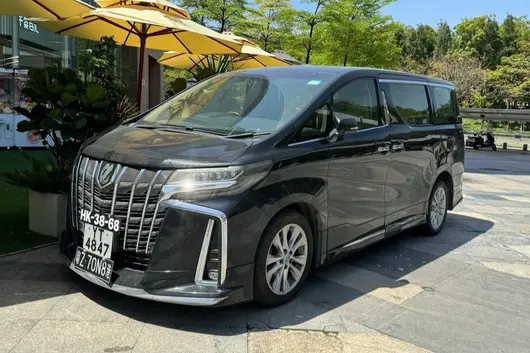
粤港澳大湾区跨境出行长期依赖埃尔法,并非单纯依附保姆车高端光环,核心依托香港运营的跨境拼车Mini Bus业态支撑。广州、深圳往返香港拼车单价仅数百元,和内地滴滴专车费用持平,客流稳定让埃尔法长期垄断跨境营运市场,如今大批车队集中置换腾势D9、大通MIFA9等国产新能源MPV,背后是运营成本、产品力、政策红利三重现实考量,结合18份行业客运数据、香港车辆登记资料可清晰看清转变逻辑。

粤港跨境拼车客流常年稳定,Mini Bus拼座模式降低出行门槛,埃尔法凭借成熟两地牌资质、维修网点遍布港深,早年是车队最优选择。但香港油价高达27港元/升,埃尔法混动每公里燃油成本约2.6元,长期营运开支居高不下;反观腾势D9、大通MIFA9纯电车型,每公里电费仅0.3元,单台车年运营能耗可节省数万港元。同时香港新能源车可享受高额首次登记税减免,国产MPV落地成本不足埃尔法一半,车队置换回本周期大幅缩短。

产品体验层面,国产新能源MPV实现全方位超越。大通MIFA9轴距3200mm,腾势D9标配云辇底盘、后排冰箱、座椅通风按摩,整车静谧性优于埃尔法混动,更适配跨境商务乘客车内办公、休息需求;智能座舱支持粤语语音、360°全景影像,应对香港狭窄坡道、狭小车位更友好,而埃尔法车机老旧、基础舒适配置多为选装,竞争力持续下滑。

客运车队以盈利为核心导向,埃尔法过往保值神话已经瓦解,二手流通价持续走低;国产新能源MPV依托大湾区完善充电网络、本地售后网点,维修配件供应效率更高,无需长时间等待进口零部件。叠加港人北上客流持续增长,乘客对静谧、低成本新能源车型接受度提升,车队批量置换国产MPV已成行业趋势,曾经垄断粤港跨境线路的埃尔法,正逐步退出营运主力阵营。

In Malaysia's SUV market, many buyers compare Perodua Aruz and Hyundai Tucson when choosing a car.
Perodua Aruz OTR price in Malaysia is RM 72,900 - 77,900, with a total of 2 versions, including 1.5L X (RM 72,900), 1.5L AV (RM 77,900), etc.
Hyundai Tucson OTR price in Malaysia is RM 143,888 - 197,888, with a total of 5 versions, including 2025 HEV 1.6T AT 2WD Prestige (RM 197,888), 2025 1.6T DCT 4WD Prestige (RM 186,888), 2025 1.6T DCT 2WD Prime (RM 164,888), etc.
From the price perspective, Perodua Aruz's starting price is indeed RM 70,988 cheaper than Hyundai Tucson. If your budget is limited, Perodua's entry-level version can already meet daily needs. But also note, those few thousand cheaper might mean compromises on features, it depends on your specific needs.

Perodua Aruz safety rating is 5★ (ASEAN NCAP), active safety systems include .
Hyundai Tucson safety rating is 5★ (ASEAN NCAP), active safety systems include SmartSense.
Both cars have the same safety rating, safety features are quite comprehensive for this class. New cars these days have decent safety, no need to worry too much about this point.
Perodua Aruz body length 4400 mm, trunk 400 L.
Hyundai Tucson body length 4400 mm, trunk 400 L.
Dimensions of both cars are almost the same, interior space difference is not large. Cars in this class are completely sufficient for daily use.

Perodua Aruz warranty 5 years/150,000km, maintenance interval every 10,000km or 6 months.
Hyundai Tucson warranty 5 years/300,000km, maintenance interval every 10,000km or 6 months.

Both Perodua Aruz and Hyundai Tucson are mainstream choices in the Malaysian market, suitable for family use, daily commuting. If you value brand reputation and resale price more, prioritize the one with better reputation; if you care more about cost-performance ratio and features, choose the one with richer configuration. Ultimately, it is recommended to test drive both, personal experience is the most important.

Overall, Perodua Aruz and Hyundai Tucson are both very good models in the Malaysian market. Which one to choose depends mainly on your personal needs and budget. We suggest doing your homework, compare quotes from several car dealerships, and then test drive to make the final decision. Buying a car is a big matter, spending some time doing homework will definitely not be a mistake.


In the SUV market in Malaysia, many buyers compare Perodua Aruz and Chery Tiggo 7 PHEV when choosing a car. The price and positioning of these two cars are quite close. Today, we will make a detailed comparison from multiple aspects to help you save time on research.
The OTR price of Perodua Aruz in Malaysia is RM 72,900 - 77,900. There are a total of 2 variants, including 1.5L X (RM 72,900), 1.5L AV (RM 77,900), etc.
The OTR price of Chery Tiggo 7 PHEV in Malaysia is RM 129,750 - 129,750. There are a total of 2 variants, including 2025 1.5T 90km CSH (RM 129,750), What charging methods does the Tiggo 7 PHEV support? Can it be charged using a home power socket? (RM 117,478), etc.
From a price perspective, the entry price of Perodua Aruz is indeed RM 56,850 cheaper than Chery Tiggo 7 PHEV. If your budget is limited, the entry-level version of Perodua is already sufficient for daily needs. But be aware, the savings of a few thousand might involve trade-offs in features, depending on your needs.
Perodua Aruz safety rating is 5★ (ASEAN NCAP), active safety systems include.
Chery Tiggo 7 PHEV safety rating is TBD, active safety systems include Basic.
Perodua Aruz uses FWD drive configuration.
Chery Tiggo 7 PHEV uses FWD drive configuration.
Both cars have the same drive configuration, both are FWD, so there won't be much difference in daily driving experience.
Perodua Aruz warranty 5 years/150,000km, service interval every 10,000km or 6 months.
Chery Tiggo 7 PHEV warranty 3 years/100,000km, service interval every 10,000km or 6 months.

Perodua Aruz and Chery Tiggo 7 PHEV are both mainstream choices in the Malaysian market, suitable for family use and daily commuting. If you value brand reputation and resale value more, you can prioritize the one with a better reputation; if you care more about cost-performance ratio and features, then choose the one with richer configuration. Ultimately, we recommend test-driving both, as personal experience is the most important.

Overall, Perodua Aruz and Chery Tiggo 7 PHEV are both excellent car models in the Malaysian market. Which one to choose ultimately depends on your personal needs and budget. We suggest doing your homework, comparing quotes from several car dealerships, and then test-driving to make the final decision. Buying a car is a big matter, spending some time doing research is never wrong.


Exports are surging, but the domestic market is leaking.
Sales of 1.8085 million in half a year! This would be enough for any Chinese automaker to stand head and shoulders above the rest.
However, for BYD today, behind this report card is not a victory lap, but a touch of anxiety.
Just like all Chinese listed automakers, overseas performance is soaring, while the domestic market faces harsh conditions; technology keeps breaking through, but profits are bleeding non-stop.
With the "single dominance" pattern broken, how can this technology-focused new energy vehicle giant turn the tide?
01
From an absolute sales figure perspective, BYD's single-month sales of 403,500 in June make it the only automaker to break the 400,000-vehicle mark that month. Within the Chinese independent brand camp, it still firmly holds the top spot.
In the first half of this year, with sales of 1.8085 million, BYD continued to secure the champion title among independent brands; however, the luster of this "champion" has slightly faded. With a significant gap of 236,800 vehicles, BYD lost to SAIC Group and failed to retain the sales crown among Chinese listed automakers.

More critically, the signal of being overtaken by SAIC Group is far more alarming than the numbers themselves. It means BYD no longer possesses a "crushing" competitive barrier; some rivals have already found ways to crack it.
Not only that, but the footsteps of followers are constantly drawing closer. Geely and Chery achieved sales of 1.423 million and 1.2751 million respectively in the first half of the year, both maintaining positive growth. Rivals that BYD once left so far behind they couldn't even see the taillights are now appearing in its rearview mirror, closer than ever.
It cannot be ignored that while others are chasing, BYD is merely slowing the rate of decline.
Among the 18 Chinese automakers registered in "AutosKline" statistics, BYD's 15.72% year-on-year decline was only better than FAW Group, Changan Automobile, and XPeng Group.
02
Starting this year, the pattern of BYD's single dominance has been broken, replaced by the new normal of "fierce competition among rivals".
More worrying is the domestic market. In the first half of this year, BYD's domestic sales were 1.0191 million, a 39% decrease year-on-year.

Wang Chuanfu stated at the shareholder meeting in December last year, "Declining technology leadership and industry homogeneity." These few words summed up BYD's passive situation in the domestic market.
As Wang Chuanfu said, such rivals as Geely, Chery, and even SAIC Group continue to launch competitor products against BYD at the product level, whether pure electric or plug-in hybrid, almost completely erasing BYD's first-mover advantage.
However, it needs to be clarified that this 39% decline is not entirely "blood loss". The same period of 2025 saw an explosive growth in new energy vehicle penetration rates, which set a huge base. BYD is also actively undergoing structural adjustments, compressing low-profit ride-hailing and low-price orders, and tilting capacity towards high-end models and overseas markets.
Therefore, BYD's passive situation in the domestic market also has components of active contraction.
However, this passivity is now transmitting from "sales" to "profits".
03
On April 28, BYD disclosed its 2026 Q1 report: Operating revenue was 150.225 billion yuan, a 11.82% year-on-year decline; Net profit attributable to the parent company was 4.085 billion yuan, plummeting 55.38% year-on-year; Deducted non-recurring net profit was 4.148 billion yuan, a 49.24% year-on-year decline.

Behind the profit being cut in half, foreign exchange losses were also a fatal "black swan". First-quarter financial expenses reached 2.1 billion yuan, while the same period last year saw 1.908 billion yuan in foreign exchange gains. One step forward, one step back, the exchange factor alone swallowed a scissors difference of about 4 billion yuan.
In its globalization process, BYD holds a large USD exposure. A weakening dollar caused this technology-focused automaker to pay a heavy price on the financial battlefield.
What is the concept of 4 billion yuan? BYD's full-year net profit in 2025 was about 30 billion yuan; one quarter evaporated profits equivalent to over 13% of the whole year.
Of course, a weakening dollar also reduced the import costs of some raw materials (such as lithium mines, chips), but this dividend is far from enough to offset the direct impact of foreign exchange on the income statement.
At the same time, the decline in revenue and profits is also directly related to the domestic price war and falling sales.
So, where does its growth momentum come from?
04
The answer, like almost all Chinese listed automakers, still points overseas.

In the first half of this year, BYD's cumulative overseas sales reached 789,400, a year-on-year surge of 67.92%; single-month exports in June were 174,900, a year-on-year explosion of 95%, setting a new historical high.
Meanwhile, the proportion of overseas sales in total sales has broken 43%, and the completion rate of the 1.5 million overseas target for the year has reached 52.62%.
"AutosKline" believes that against the background of overall sales decline, the strong growth in the overseas market is almost the only support for listed automakers' confidence in the capital market.
From the start of production in Thailand and Uzbekistan factories, to the first car rolling off the line in Brazil, to the confirmation that the Hungary factory will start assembly in the fourth quarter, BYD is completing the qualitative change from product export to industry export.
Bank of Communications International even stated directly that "the overseas market remains one of the most certain sources of growth for BYD".
However, there is an inescapable problem. BYD's 789,400 overseas incremental volume in half a year, minus the approximately 670,000 domestic decline year-on-year, results in a net increase of only about 120,000 vehicles.

The overseas market is indeed galloping, but more so to fill the gap left by falling domestic sales. This is BYD's current most realistic situation.
Furthermore, behind the high growth overseas lie hidden worries. New regulations in Malaysia have stalled local factories, European tariff barriers remain, and the huge foreign exchange losses in the first quarter exactly exposed BYD's financial risk management shortcomings in its global layout.
These issues remind us: is the overseas market the cure or the new lesion? The answer depends on whether BYD can win on both battlefields simultaneously.
However, even if there are many uncertainties overseas, BYD still has another card in its hand—technology.
05
In March, BYD officially launched the second-generation Blade Battery and Flash Charging technology. Under normal temperature, charging from 10% to 70% takes only 5 minutes, and from 10% to 97% takes only 9 minutes. This is undoubtedly one of the most impactful technology breakthroughs in the new energy vehicle field in 2026.
With the release of the new batteries and flash charging technology, BYD's orders also exploded in growth. On the launch day of Datang EV, cumulative orders broke 150,000.

Problems emerged as well: capacity cannot keep up.
Wang Chuanfu admitted at the shareholder meeting: "This year, BYD's sales will depend on battery production volume."
Currently, the production capacity of the second-generation Blade Battery is climbing by 20,000 to 30,000 units per month, but distant water cannot solve near fire. Deliveries of popular models need to wait several months, and a large number of orders face the risk of being lost while waiting.
Technology leadership but losing to capacity ramp-up, this is a happy dilemma. Even for BYD, it is inevitable to fall into a temporary stalemate in supply chain management and mass production rhythm control. The time gap between technology launch and capacity release has discounted the first-mover advantage.
Facing triple pressure from sales, profits, and capacity, BYD's choice is, rather than passively taking a beating, to actively transform.
06
Since mid-June, BYD has launched the largest-scale whole-vehicle business organizational transformation since its inception.
The four brands—Dynasty, Ocean, Denza, and Fang Cheng Bao—are fully implementing independent operations, implementing market-based mechanisms for independent accounting and self-responsibility. Each brand calling upon group production lines, batteries, core technologies and other shared resources will be settled separately according to internal pricing mechanisms.

At the same time, the Group Engineering Research Institute has been split into five, establishing five brand-specific research institutes. This is completely different from the current industry consolidation and reorganization for mutual aid.
The core logic of this combination punch is only one—breaking the "big pot" mentality. In the past, the group's unified backup mode made each brand lack profit awareness, product homogeneity was serious, and internal resource competition was intense; now, profits go to the team, losses are borne by themselves.
However, carrying out internal partitioning on the eve of sales decline and profit cut is inevitable to experience pain. Independent accounting for each brand means a temporary decline in collaboration efficiency. If internal collaboration costs rise significantly in the short term, BYD may face the pain period of big enterprise disease.
Splitting the research institute into five, if coordination is not handled well, common platforms such as chassis and intelligent driving may face the risk of reinventing the wheel.
The effect of this transformation will not be immediate, but the direction is clear: farewell to extensive growth, return to the essence of operations.
07
After the disclosure of BYD sales data, multiple institutions released research reports. The overall view is optimistic, generally acknowledging that overseas sales exceeding expectations is the biggest highlight, and看好 flash charging technology + second-generation Blade Battery building differentiated barriers; at the same time, it is believed that the company is gradually coming out of the bottom of the fundamental situation, and domestic sales are being repaired month by month.
Among them, Oriental Securities maintained a "Buy" rating, believing that overall sales improved year-on-year and month-on-month, and overseas sales hit a new high; Huachuang Securities gave a "Strong Push" rating and raised the annual export expectation to over 1.8 million.

However, there are also different voices. CLSA lowered the full-year sales forecast from 4.9 million to 4.6 million, and the target price from 130 HKD to 120 HKD, to reflect sales lower than expected and domestic recovery slowing. However, CLSA still gave BYD a "High Confidence Outperform" rating.
This divergence essentially reflects the difference in the market's judgment on "whether BYD can stop bleeding domestically". No matter how strong the overseas market is, if the domestic market continues to lose blood, the overall growth ceiling remains clear.
Views of AutosKline:
From barbaric growth to stock competition, BYD has found incremental volume overseas, built barriers in technology, and turned the knife inward in organization. These actions show that Wang Chuanfu's team is fully aware of the problems.
But strategic clarity does not equal tactical smoothness. Shortcomings in exchange rate risk management led to 4 billion profits vanishing; ramp-up rhythm out of control, orders in hand but cars cannot be delivered; trapped in a price war quagmire, brand premium ability is being continuously diluted...
Wang Chuanfu said, "The worst time is over", but this does not mean "the good times are coming".
From hitting bottom to rebounding, there is a long road of capacity ramp-up, continuous consumption of domestic price wars, and periodic threats of foreign exchange risks in between.
SAIC, Geely, Chery... will not give BYD time to catch its breath. The competition in the second half of the year will be even more cruel.
Content is original from [AutosKline], content reference material originates from listed company announcements and industry public information (relevant companies and institutions should have the obligation to be truthful and responsible); some pictures are from the internet, copyright belongs to the original author.
This account articles, without authorization, cannot be reprinted, and will be prosecuted. At the same time, the article content does not constitute investment advice for anyone! Stock market risk is high, investment must be cautious!


文|德福
1997年的珠江两岸,外界依然对这片土地能否成功孕育汽车重工业抱有重重疑虑。
把时间轴拉长,广州这座城市的汽车工业梦想可谓历经坎坷。早在1954年,广州市公众汽车修理厂的工人们在没有任何大型现代化设备的情况下,完全凭借手工敲打出了第一辆华南牌铁木结构公共汽车。此后诞生的红卫牌卡车与广州牌轿车,见证了早期工业体系的艰难探索。
到了八十年代中期,广州标致的成立一度让这里跻身国内汽车制造领域的三大三小阵营。但后续波折却留下了沉重的历史包袱,让广州汽车工业陷入低谷,甚至有人曾断言这片土壤做不成汽车重工业。广汽集团正是在这种质疑中起步,在1998年与本田签约开创了全新的合资模式,这也成为后续产能全面爆发的起点。这段历史犹如一部微缩的断代史,记录了中国现代汽车工业从纯手工敲打到组装代工,再到一步步走向自主掌握核心技术的全过程。

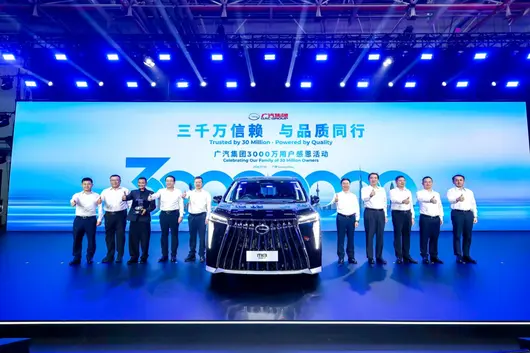
历经29年的跋涉,广汽的产能爬坡曲线展现出了极强的韧性。企业实现第一个1000万辆产量,耗费了足足20年的时间。这20年里,广汽完成了从合资引进、消化吸收到自主崛起的漫长蓄力。而从1000万辆跨越到3000万辆,这家企业仅仅用了9年时间。
这种体量上的指数级增长,底层驱动力源于企业逐步将核心前沿技术牢牢握在手中。过去9年里,全球汽车行业面临着前所未有的技术变革,新能源转型与智能化浪潮重塑了整个市场的竞争格局。广汽能够在这一周期内实现交付体量的翻倍跃升,根基完全建立在对底层核心技术的自主掌控以及对市场趋势的精准预判之上。
面对今天行业价格战加剧与出海遇阻的双重挑战,这3000万辆的基盘显得格外扎实。它标志着一家车企完成了体系能力跃迁的临界点。部分造车新势力可以在短期风口中凭借单点技术迅速冲高,要想在长达近三十年的时间跨度里持续保持增长并跨越生死线,就必须拥有穿越产业周期的底层逻辑。

向内看,广汽历经四次跨越发展,成功完成了大湾区汽车产业集群的重构与造血。作为产业链的核心中枢,这家企业依托庞大的体系能量与深厚的技术积淀,带动了上下游无数零部件供应商、软件算法团队以及新材料企业的协同跃升。
这种深度的链主带动效应,让大湾区真正拥有了先进制造业的硬核底座,彻底改变了早期只能依赖外部技术输入的被动局面。向外看,这种在国内淬炼成型的生态底座正在跨越地域限制。凭借全生命周期的技术布局与严格的全球制造标准,广汽正将自身的能力逐步转化为覆盖全球五大板块的竞争力量。
这种向内筑基与向外生长的布局,确切地反映出中国汽车产业高质量发展与全球化进阶的真实轨迹。只有扎根本土打造出具备全球竞争力的产业链集群,并在广阔的海外市场完成从单纯的产品出口到全体系本地化运营的蜕变,中国车企才能真正在世界一流阵营中站稳脚跟。广汽交出的这3000万辆答卷,为中国汽车工业走向世界提供了一个极具穿透力的样本。

向内重构产业链
从整车制造商,到大湾区的技术孵化器
广汽作为大湾区产业供应链的绝对枢纽,其跨越3000万辆的基盘早已超越了单纯的机械制造范畴,进化为一个千亿级别的产业链生态底座。
想要驱动这样一个庞然大物持续保持敏锐的活力,单靠过往的制造惯性完全行不通。2024年,广汽集团将总部搬迁至番禺,正式开启了自主品牌一体化运营的全新阶段。这场被称为番禺行动的内部战役,最核心的目的就是打破传统组织壁垒,力求更加高效地响应用户诉求,彻底完成从工程师思维向用户思维的体制跨越。
在传统的汽车研发体系里,工程师群体往往习惯于坐在实验室里对照各种硬核参数造车,产品的定义权高度集中在企业内部。面对极度内卷的存量竞争市场,广汽展现出了推倒重来的魄力。企业内部搭建“用户全开麦”平台,强制要求研发部门与产品负责人走出办公室,去一线直接倾听用户的日常用车痛点。

这项机制确保了最真实的反馈能够被精准转化为产品优化的最高优先级动作。目前,用户全开麦机制已经在传祺、埃安以及昊铂三大品牌中全面落地,并正在向全国更多城市持续下沉。
这种底层思维的转变,在现实中催生了极具冲击力的鲜活故事。譬如说一位盲订昊铂HT的车主,在一次日常的实车深度体验后,他就提出了一个关于车内氛围灯优化的细微建议。按照以往传统车企繁琐的层层审批流程,这类非安全相关的边缘意见大概率会被淹没在浩如烟海的客诉表单中。而广汽高管在深夜迅速跟进对接这个不起眼的诉求,相关功能随后在极短的时间内通过OTA升级完美落地至用户的车机中。这种打破常规的极速响应,才能让用户真切感受到了情绪价值被尊重的重量。

为了让此类快速响应机制可以常态化运行,广汽在组织架构与服务保障上动了真格。企业专门成立了独立的用户洞察部门,深入推进从发现问题到解决问题的全流程变革,从根本的组织机制上保障用户的每一个诉求都能实现件件有回应以及事事有着落。
在线上服务端口,全面上线的超级管家可以做到全天候24小时在线并严格执行5秒内响应以及2小时内解决问题的铁律。线下渠道同样在精进,综合销售服务中心正加速向全国县域市场铺展,到今年6月底已经完成600家网点认定,计划年内还要增加建立1000家县域授权门店,一步到位打通触达用户的最后一公里。

用户思维的全面觉醒,也反向倒逼着广汽的大湾区技术孵化器属性全速运转。为了满足新一代消费者对智能化极致体验的新需求,广汽必须拉动整个产业链协同作战。企业累计投入超620亿元进行自主研发,取得超2.49万件专利申请。面对复杂的智能硬件定制需求,广汽牵头抛出国内首个汽车芯片应用生态共建计划,联合了105家生态伙伴,共同完成近400款芯片的联合定义开发与应用验证。这种极其开放包容的链主姿态,让广汽得以跨越单一企业的边界。
刚刚上市不久的启境GT7正是这种体制跃迁的成果。作为广汽与华为乾崑深度联合打造的高端智能新能源产品,它敏锐捕捉到了新生代用户对于前卫设计与高阶智驾的双重渴望。这款车不仅成为首批搭载华为乾崑智驾ADS 5系统的高端智能猎装车,更以入门即满配的定价重新订立了细分市场的价值标准。

上市后短短24小时,大定订单便迅速突破5200辆,甚至吸引了众多极度看重底盘操控质感与智能体验的资深极客用户果断入手。市场用真金白银的选票证明了,正是依托番禺行动这场触及灵魂的改革,广汽真正蜕变为用户全周期同行者,从而让这3000万用户的基盘变得前所未有的坚不可摧。
跨越地域的技术转译
全矩阵战略破解全球化壁垒
大湾区内坚韧的产业链底座与用户基盘,自然化作了广汽向外突破的跳板。
强大的国内产业链实力正迅速转化为破解全球化壁垒的钥匙。今天中国车企出海面临着一个极为棘手的供需错位难题。众多国内厂家习惯于将中国市场高度成熟的纯电出行模式直接复制到海外,试图用单一的新能源产品横扫全球。
全球各个区域的能源转型节奏错综复杂。纯电路线在部分海外市场频频遭遇基础设施匮乏与政策摇摆的阻击。国内厂家溢出的纯电产能与海外真实多元的出行需求之间,存在着巨大的缝隙。依赖单一的技术路线在复杂的国际大盘中显得极其脆弱且充满风险。
面对这种错位痛点,广汽展现出了冷静的战略定力,顺势构建起覆盖燃油、油电混合、插电式混动、增程式以及纯电动全矩阵动力技术布局。这种全路线并发的能源矩阵赋予了广汽极强的抗风险能力,能够做到对全球不同地区真实需求的精准适配。

为了让这套技术矩阵在全球范围内畅通无阻,广汽在底层研发阶段就确立了极高的兼容门槛,目前其核心技术系统已经做到支持四十四种语言,并且全面满足严苛的欧七排放规范以及欧洲新车安全评鉴协会五星安全等全球最高标准。
这种全矩阵战略的精准适配能力,在高度发达的欧洲纯电市场得到了确凿验证。欧洲针对新能源车辆准入有着全球最严苛的环保与安全法规。举个例子,旅居英国的许女士作为首批登陆英国市场的埃安V车型车主,身在海外的她因国内家人长达两年安心使用广汽产品的真实口碑,果断预订了这款纯电车型。

在实车交付后的高频使用中,这款车凭借稳定扎实的续航表现与宽裕的座舱空间,彻底打消了她跨国购买中国电动车的初始顾虑。埃安V能够顺利驶上伦敦街头,恰恰证明了广汽的纯电技术架构完全具备正面应对欧洲严苛标准的技术底气,成为了广汽在纯电基建完善区域稳扎稳打的真实缩影。
视线转向基础设施截然不同的南美洲,广汽的全矩阵战略展现出了补齐市场缺口的硬核支撑力。在委内瑞拉,极端的暴雨天气频发且充电网络极度匮乏,强推纯电产品根本无法满足用户的刚性出行需求。职业棒球手Wilfredo常年需要跨城征战高强度比赛,他选择了一台广汽GS8作为核心通勤工具。

一个遭遇突发暴雨的夜晚,恶劣的天气与积水路面带来了极大的驾驶风险。凭借硬核的安全架构设计与超大内部空间,这台搭载传统燃油动力的SUV稳稳地装载着他所有比赛装备,护送他安全抵达并最终助力打出全垒打。在这些纯电基建尚未普及的区域,这台车化作长期靠谱的硬核承诺。燃油与混动车型的扎实品质,精准填补了当地市场因基建落后而产生的供需断层。
无论是在伦敦街头平顺行驶的纯电动车,还是在南美暴雨中穿梭的燃油SUV,背后都仰仗着同一套研发体系的强势输出。这种跨越能源形式的产品定义能力,源自大湾区产业链的技术外溢。通过海内外多元化真实场景的反复淬炼,广汽的研发体系已经实现了从本土适销向全球通行的视野跃迁,正凭借这套毫无死角的技术解法,一点点瓦解供需错位带来的出海壁垒。

拒绝浅层出海,长期主义重构全球版图
真正的世界一流车企走向全球,必然依赖完整工业体系的全面输出,绝对规避简单的产品倾销。今年上半年,广汽自主品牌交出了一份极具说服力的出海答卷,出口量达到12.15万辆,同比大幅增长132%。

仔细盘点区域战报,中国香港地区前五个月的电动车市占率顺利突破11%,泰国市场六月份销量环比激增207%。这些扎实的数据确凿地证明,海外市场加速蜕变为广汽的第一增长曲线。对比行业内部分把海外视为库存消化地的短视做法,广汽的全球化布局展现出极度冷静的重资产深耕逻辑。
依托One GAC 2.0战略,广汽彻底摒弃浅层贸易模式,全力践行在当地且为当地的全价值链体系出海路径。目前,企业已构建起覆盖亚太、中东、美洲、欧洲等五大板块的国际化业务网络。广汽稳扎稳打,将110个国家和地区的746家销售服务网点、7座海外生产工厂与9个海外零部件仓库连点成线。

在日益复杂的地缘经济大环境下,单纯的整车出口极易触碰重重壁垒。广汽选择了一条极为艰难却极具长期价值的破局之道,即在海外复刻大湾区的全价值链运营闭环。以准入门槛极高的欧洲市场为例,广汽稳步搭建起从本地化生产到市场终端销售的全链路运营体系,保障新能源产品稳步扎根核心国家市场。这种坚定本土扎根的策略,打造出中国汽车品牌参与世界级竞争的高质量样本。
产业链的向内重塑与体系化的向外生长,最终交汇于广汽企业文化中长期主义的具象化表达。务实低调且厚积薄发的广东精神,构成了这3000万辆最坚实可靠的品牌底色。这种精神不仅体现在对待造车品质的绝对敬畏上,更体现在面对行业浮躁内卷环境时的极度克制中。
大湾区的产业链根系扎得越深,全球化的商业枝叶自然伸展得越加繁茂。凭借这份务实的深耕,广汽始终保持着清醒的战略定力,稳步跨越了无数个残酷的产业洗牌周期。

站在交付3000万辆的全新历史坐标上,广汽清晰地锚定了2030年的宏大目标,计划全面进入全球120个国家和地区,建成超2000家海外网点,并实现年销量100万辆的战略跨越。
3000万辆的成绩与近30年的耕耘,本质上是对大湾区汽车产业链进行的一次漫长且严苛的极限压力测试。顺利通过这场测试后,广汽向全球市场确凿地证明,中国车企完全具备成体系输出高标准现代工业的能力。
在席卷全球的新能源与智能化浪潮中,广汽早已告别单纯依靠性价比拼杀的初级阶段。这家企业正携手海量生态伙伴,将大湾区的智造底座转化为普惠全球的出行红利。一家真正掌握世界级供应链生态与在地化运营能力的车企,必定会超越简单的跨国商品贸易范畴。广汽正以极具韧性的产业厚度,在世界舞台上自信地定义智能出行的中国方案,并实质性地主导全球汽车工业新版图的深刻重构。

喺馬來西亞嘅 SUV 市場,好買家喺揀車嗰陣都會用 Perodua Aruz 同 Mitsubishi Xforce 嚟作比較。呢兩部車喺價位同定位上都幾接近,今日我哋就由多個方面做一個詳細嘅對比,幫你節省做功課嘅時間。
Perodua Aruz 喺馬來西亞嘅 OTR 售價係 RM 72,900 - 77,900,總共有 2 個版本,包括 1.5L X(RM 72,900)、1.5L AV(RM 77,900) 等。
Mitsubishi Xforce 喺馬來西亞嘅 OTR 售價係 RM 109,930 - 119,930,總共有 2 個版本,包括 2026 1.5L Ultimate(RM 119,930)、2026 1.5L Urban(RM 109,930) 等。
由價錢睇,Perodua Aruz 嘅起步價確實比 Mitsubishi Xforce 平咗 RM 37,030。如果你預算有限,Perodua 嘅入門版已經可以滿足日常需求。但亦都要注意,便宜嗰幾千蚊,喺配備上可能會有所取捨,具體就要睇你嘅需求。
Perodua Aruz 搭載 1.5L 4-cyl,馬力 105 hp。官方油耗 6.0 L/100km。
Mitsubishi Xforce 搭載 1.5L Turbo,馬力 140 hp。官方油耗 7.0 L/100km。
動力方面,Mitsubishi Xforce 嘅 1.5L Turbo 比 Perodua Aruz 嘅 1.5L 4-cyl 多咗 35 匹馬力。不過日常喺市區開,兩部車嘅動力都夠用,唔會覺得唔夠力。
Perodua Aruz 嘅安全評級係 5★ (ASEAN NCAP),主動安全系統包括 。
Mitsubishi Xforce 嘅安全評級係 5★ (ASEAN NCAP),主動安全系統包括 MI-PILOT。
兩部車嘅安全評級一樣,喺呢個級別入面安全配備都算給晒好齊全。依家嘅新車安全性都唔差,唔使太擔心呢一點。
Perodua Aruz 保修 5 年/150,000km,保養間隔 每 10,000km 或 6 個月。
Mitsubishi Xforce 保修 3 年/100,000km,保養間隔 每 10,000km 或 6 個月。

總體嚟講,Perodua Aruz 同 Mitsubishi Xforce 都係馬來西亞市場幾唔錯嘅車型。揀邊一輛,關鍵都係睇你嘅個人需求同預算。建議大家做好功課,多比較幾間車行嘅報價,先至去試駕做最終決定。買車係件大事,花少少時間做功課絕對唔會錯。

喺馬來西亞嘅 SUV 市場,好多買家喺揀車嘅時候都會拿 Perodua Aruz 同 Chery Tiggo 7 PHEV 嚟做比較。呢兩款車喺價位同定位上都幾接近,今日我哋就從多個方面做一個詳細嘅比較,幫你節省做功課嘅時間。
Perodua Aruz 喺馬來西亞嘅 OTR 售價係 RM 72,900 - 77,900,一共有 2 個版本,包括 1.5L X(RM 72,900)、1.5L AV(RM 77,900) 等。
Chery Tiggo 7 PHEV 喺馬來西亞嘅 OTR 售價係 RM 129,750 - 129,750,一共有 2 個版本,包括 2025 1.5T 90km CSH(RM 129,750)、Tiggo 7 PHEV 支援咩充電方法?可唔可以用家居電源插座充電?(RM 117,478) 等。
由價錢睇,Perodua Aruz 嘅起步價確實比 Chery Tiggo 7 PHEV 平咗 RM 56,850。如果你預算有限,Perodua 嘅入門版已經可以滿足日常需求。但都要注意,平嗰幾千蚊,可能喺配備上有取舍,具體要睇你嘅需求。
Perodua Aruz 裝載 1.5L 4-cyl,馬力 105 hp。官方油耗 6.0 L/100km。
Chery Tiggo 7 PHEV 裝載 Hybrid,馬力 170 hp。官方油耗 4.5 L/100km。
動力方面,Chery Tiggo 7 PHEV 嘅 Hybrid 比 Perodua Aruz 嘅 1.5L 4-cyl 多咗 65 匹馬力。不過日常喺市區開,兩款車嘅動力都夠用,唔會覺得唔夠力。
Perodua Aruz 採用 FWD 驅動方式。
Chery Tiggo 7 PHEV 採用 FWD 驅動方式。
兩款車嘅驅動方式一樣,都係 FWD,日常駕駛感受唔會有太大區別。
Perodua Aruz 保修 5 年/150,000km,保養間隔 每 10,000km 或 6 個月。
Chery Tiggo 7 PHEV 保修 3 年/100,000km,保養間隔 每 10,000km 或 6 個月。
Perodua Aruz 同 Chery Tiggo 7 PHEV 都係馬來西亞市場嘅主流選擇,適合家庭使用、日常通勤。如果你更重視品牌口碑同二手價,可以優先考慮口碑更好嗰一款;如果你更在意性價比同配備,那就揀配置更豐富嗰款。最終都係建議兩款都去試駕,親身體驗先係最重要。
總體嚟講,Perodua Aruz 同 Chery Tiggo 7 PHEV 都係馬來西亞市場幾唔錯嘅車型。揀邊架,關鍵仲要睇你嘅個人需求同預算。建議大家做好功課,多比較幾間車行之報價,再去做試駕做最終決定。買車係件大事,花少少時間做功課絕對唔會錯。

喺馬來西亞嘅 SUV 市場,好多買家喺揀車嗰陣都會拿 Perodua Aruz 同 Chery Tiggo 7 Pro 嚟做比較。
Perodua Aruz 喺馬來西亞嘅 OTR 售價係 RM 72,900 - 77,900,合共有 2 個版本,包括 1.5L X(RM 72,900)、1.5L AV(RM 77,900) 等。
Chery Tiggo 7 Pro 喺馬來西亞嘅 OTR 售價係 RM 123,750 - 123,750,合共有 2 個版本,包括 1.6L Turbo Standard(RM 125,000)、1.6L Turbo Premium(RM 140,000) 等。
由價錢睇,Perodua Aruz 嘅起步價確實比 Chery Tiggo 7 Pro 平咗 RM 50,850。如果你預算有限,Perodua 嘅入門版已經可以滿足日常需求。但都要注意,平咗嗰幾千蚊,可能喺配備上會有取捨,具體要睇你嘅需求。
Perodua Aruz 搭載 1.5L 4-cyl,馬力 105 hp。官方油耗 6.0 L/100km。
Chery Tiggo 7 Pro 搭載 1.5L Turbo,馬力 140 hp。官方油耗 7.0 L/100km。
動力方面,Chery Tiggo 7 Pro 嘅 1.5L Turbo 比 Perodua Aruz 嘅 1.5L 4-cyl 多咗 35 匹馬力。不過日常喺市區行,兩款車嘅動力都足夠,唔會覺得唔夠力。
Perodua Aruz 保修 5 年/150,000km,保養間隔 每 10,000km 或 6 個月。
Chery Tiggo 7 Pro 保修 3 年/100,000km,保養間隔 每 10,000km 或 6 個月。
Perodua Aruz 同 Chery Tiggo 7 Pro 都係馬來西亞市場嘅主流選擇,適合家庭使用、日常通勤。如果你更重視品牌口碑同二手價,可以優先考慮口碑更好嗰款;如果你更在意性價比同配備,那就揀配置更豐富嗰款。最終都建議兩款都去試駕,親身體驗先至最重要。
總的嚟講,Perodua Aruz 同 Chery Tiggo 7 Pro 都係馬來西亞市場幾不錯嘅車型。揀邊輛,關鍵始終都要睇你嘅個人需求同預算。建議大家做足功課,多比較幾間車行嘅報價,再去試駕做最終決定。買車係件大事,花啲時間做功課絕對無錯。

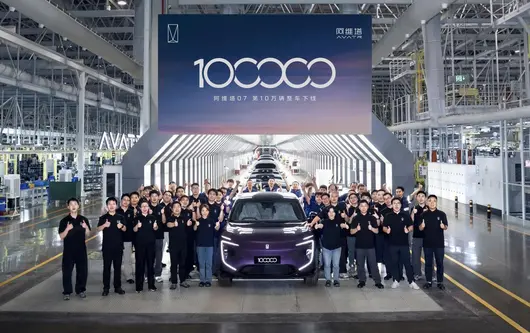
On July 8, 2026, the 100,000th Avatr 07 vehicle officially rolled off the line at the Avatr Digital Intelligence Factory. The next day, at the Avatr Experience Store in Singapore, Sir Konstantin Novoselov, a recipient of the Nobel Prize in Physics and known as the "Father of Graphene", received the car keys, becoming the 100,000th Avatr 07 owner. One is a sales milestone, the other is a genuine "top selection" by a top scientist - two major events happening in succession give Avatr 07's "going viral" this time a deeper footnote: it is not only a blockbuster at the market level, but also gained recognition from the world's top scientists at the brand value level.

The First Chinese Car for a Nobel Laureate: Why Avatr 07?
Professor Konstantin Novoselov won the 2010 Nobel Prize in Physics for his groundbreaking experiments in the field of two-dimensional graphene materials and is the youngest physics prize recipient since 1973. It is highly significant in itself that a scientist standing at the pinnacle of global research chose Avatr 07 as his first Chinese brand car.

In May this year, Professor Konstantin visited Chongqing for the first time to experience Avatr models. Avatr's highly recognizable future aesthetic original design, highly technological surround cockpit, and emotional intelligent interaction left a deep impression on him. After returning to Singapore, he ultimately chose Avatr 07 as his daily driver. At the delivery ceremony, Professor Konstantin stated: "Choosing Avatr 07 is because it perfectly fits my aesthetic standards and daily driving needs. This is my first Chinese brand car, and its innovative strength and luxury texture are both astonishing." A top scientist who deals with cutting-edge materials science every day was ultimately moved by a Chinese smart electric car - behind this, Avatr 07 truly achieved dialogue with the highest global standards in product definition and engineering implementation.

Standard Core Strength Across the Range, Supporting the Real Choice of 100,000 Users
It broke through 100,000 units less than two years after launch, and Avatr 07 has become the brand's sales mainstay. Such market performance is not accidental: The entire range is standardly equipped with Huawei Qiankun ADS intelligent driving system and HarmonyOS Cockpit HarmonySpace 5, achieving a full journey intelligent driving experience from parking spot to parking spot; The pure electric version is equipped with CATL 82.16kWh Shenxing supercharge battery, global 800V silicon carbide platform supports peak charging power of 420kW, 10 minutes can replenish 350km range; At the same time, the entire range is standardly equipped with 9 airbags, dual zero-gravity seats, Meridian audio, electric suction doors and other class-crossing configurations.
At the level of quality assurance, the Avatr Digital Intelligence Factory producing Avatr 07 is the world's first full-domain 5G Digital Intelligence AI Flexible Super Factory, certified by Huawei as a "Global Demonstration Point for Smart Factory Solutions", stamping workshop 100% automated, welding workshop 471 robots collaborate, aluminum alloy and high-strength steel proportion of the whole car exceeds 90%.
From Huawei Qiankun Intelligent Driving, HarmonyOS Cockpit, CATL Battery to top-tier smart manufacturing, Avatr 07 gathers the top capabilities of the Chinese smart electric vehicle industry chain in one, which is exactly the underlying logic of its rapid volume increase in the 250,000-level high-end market.

From 100,000 Units to Global Market, Avatr "New Luxury" Positioning Accelerates Realization
The 100,000th vehicle rolling off the line is not just the accumulation of sales figures for Avatr. Since starting overseas expansion from Thailand in 2024, Avatr has entered 43 countries and regions, and distribution outlets have increased to 95. High recognition of the Avatr brand by overseas consumers supports its average overseas selling price exceeding 300,000 yuan, achieving high-value overseas expansion and profitability. Avatr's overseas revenue in 2025 was 1.398 billion yuan, a year-on-year growth of over 5 times; Overseas sales from January to June 2026 increased by 80% year-on-year. Taking the Singapore market as an example, the starting price of Avatr 07 exceeds 1 million RMB, ranking in the core price range of local luxury brands, gaining favor from local high-net-worth populations, and becoming a Chinese brand model with high attention in the local high-end car market.
From Deputy Prime Minister of Thailand, King of Bhutan, Qatar Royal Family members, to the Nobel Prize in Physics recipient today, Avatr is continuously gaining real choices from different circles in the global high-end market. According to the plan, Avatr will enter the European market in 2026, expected to enter more than 110 countries and regions in 2030, continuously accelerating the layout of overseas sales networks.
At the same time, Avatr will also expand the product matrix - Avatr 07L will start pre-sales on July 17, positioned as a mid-to-large luxury SUV, forming positioning complementarity with Avatr 07, covering a larger user circle.

From the 100,000th vehicle rolling off the line to the Nobel laureate delivery, Avatr 07 sent a clear signal to the market with a perfect "dual event linkage": Chinese smart electric vehicle brands are establishing a true, high-value "New Luxury" brand perception in the global mid-to-high-end track with original design, core technology, and luxury texture.