首頁design

搜尋歷史
熱門搜尋
經銷商登入 / 註冊

喺馬來西亞嘅 SUV 市場,好多買家喺揀車嘅時候都會拿 寶騰 X90 同 奇瑞 Tiggo Cross 嚟做比較。呢兩部車喺車價同定位上都好接近,今日我就從多個方面做一次詳細嘅對比,幫手節省做功課嘅時間。
寶騰 X90 喺馬來西亞嘅 OTR 售價係 RM 106,800 - 122,800,合共有 4 個版本,包括 2026 1.5T Prime X(RM 122,800)、2026 1.5T Prime(RM 116,800)、2026 1.5T Lite(RM 106,800) 等。
奇瑞 Tiggo Cross 喺馬來西亞嘅 OTR 售價係 RM 88,750 - 99,750,合共有 2 個版本,包括 2025 HEV 1.5L CSH(RM 99,750)、2025 1.5T Standard(RM 88,750) 等。
從價錢睇,奇瑞 Tiggo Cross 嘅起點價比 寶騰 X90 平咗 RM 18,050。老實講,喺呢個車價段,幾千蚊嘅差距其實唔算大,關鍵依然係睇整體嘅性價比同長期使用成本。

寶騰 X90 嘅安全評級係 5★ (ASEAN NCAP),主動安全系統包括 ADAS (ACC, AEB, LKA, LDA, BSM, RCTA)。
奇瑞 Tiggo Cross 嘅安全評級係 TBD,主動安全系統包括 Basic。
安全配備方面,兩部車都取得咗唔錯嘅評級。不過 寶騰 X90 嘅 ADAS (ACC, AEB, LKA, LDA, BSM, RCTA) 同 奇瑞 Tiggo Cross 嘅 Basic 喺功能上有啲差異,如果你比較重視主動安全嘅話,可以仔細睇吓兩者嘅功能列表。

寶騰 X90 採用 FWD 驅動方式。
奇瑞 Tiggo Cross 採用 FWD 驅動方式。
兩部車嘅驅動方式一樣,都係 FWD,日常駕駛感受唔會有太大分別。

寶騰 X90 保修 5 年/150,000km,保養間隔 每 10,000km 或 6 個月。
奇瑞 Tiggo Cross 保修 3 年/100,000km,保養間隔 每 10,000km 或 6 個月。

寶騰 X90 同 奇瑞 Tiggo Cross 都係馬來西亞市場嘅主流選擇,適合家庭使用、日常通勤。如果你更重視品牌口碑同二手價,可以優先考慮口碑更好嘅嗰一款;如果你更在意性價比同配備,那就揀配備更豐富嘅嗰款。最終都係建議兩部都去試駕,親身試下先最重要。

總體嚟講,寶騰 X90 同 奇瑞 Tiggo Cross 都係馬來西亞市場幾唔錯嘅車型。揀邊一部,關鍵仲要睇你嘅個人需求同預算。建議大家做好功課,多比較幾間車行嘅報價,再去試駕做最終決定。買車係件大事,花少少時間做功課絕對唔會錯。


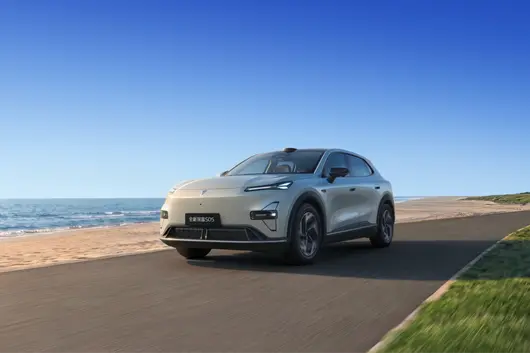
August 6, the All-New Deepal S05, a compact SUV under Deepal Auto, officially launched. This time, a total of 5 models were introduced, with a limited-time promotional price ranging from 115,900 yuan to 144,900 yuan. The new car has undergone multiple upgrades in exterior design, intelligent driving assistance, chassis handling, and cabin experience. Among them, the intelligent driving version equipped with LiDAR and a one-stage end-to-end algorithm is a key highlight.

In terms of intelligent driving assistance, the Deepal S05 Intelligent LiDAR Edition is equipped with 1 LiDAR. The entire vehicle has 27 high-perception sensors, paired with 2 Horizon Robotics J6M chips. This hardware system is combined with a one-stage end-to-end algorithm derived from Tesla, aimed at improving the vehicle's recognition and decision-making capabilities for complex road conditions.

According to official introductions, the system's recognition distance can reach 200 meters, providing more precise environmental perception in scenarios such as night, rain, and strong light. Assisted driving behavior becomes more seamless and human-like, reducing jerkiness. Its all-scenario roaming assistance function allows the vehicle to perform autonomous route finding and assisted driving on non-structured roads such as parks or country lanes even without navigation settings, covering various usage scenarios such as daily commuting and short trips.
In terms of handling and chassis, the All-New Deepal S05 comes standard with FSD+HRS high-order variable adaptive suspension across all trims. This suspension system can automatically adjust damping stiffness according to road vibration frequency through mechanical structure, softening on bumpy roads to improve comfort, and hardening during cornering or emergency braking to enhance body support. Combined with a pure electric rear-drive architecture and front MacPherson rear five-link independent suspension, the new car seeks a balance between driving comfort and handling stability to cope with common driving discomforts such as braking dive, cornering roll, and bumpy road jolts.

At the design level, the All-New Deepal S05 has been updated in both exterior and interior. The exterior continues the Star Wing design language, adding elements such as full-body light flowing trim lines and 18-inch Star Vortex sport wheels. In terms of interior, Starry Nebula Purple color is added, equipped with 256-color suspended surround ambient lighting, and material upgrades were made to areas such as the center console, improving the overall texture of the cabin.
Regarding body dimensions, the new car's length, width, and height are 4620mm, 1900mm, and 1600mm respectively, with a wheelbase of 2880mm. This wheelbase data has certain advantages in class models, providing relatively spacious legroom for rear passengers. The trunk capacity is 492L, and it has a 159L front trunk, with a total of 37 storage spaces in the whole car.
In terms of space and comfort configuration, the new car's second-row seat backrest supports 2-level adjustment, with a maximum tilt angle up to 32 degrees. Front seats integrate ventilation, heating, memory, and courtesy functions, and provide 8-point massage and 4-way lumbar support. The passenger seat is also equipped with a zero-gravity seat with electric leg rest, which can support 124-degree recline, aimed at relieving fatigue during long-distance travel.

In terms of power and range, the All-New Deepal S05 offers two range versions: 520km and 620km under CLTC conditions. The new car comes standard with CATL cells and Golden Shield Battery, and is equipped with 3C ultra-fast charging technology. Official data shows that charging SOC from 30% to 80% takes no more than 15 minutes. Additionally, the vehicle is equipped with heat pump air conditioning and Micro-core High-frequency Pulse Heating Technology to improve range performance and charging efficiency in winter low-temperature environments.

Inside the cabin, the new car is equipped with a 3nm process automotive-grade cabin chip, providing the computing power basis for the smooth operation and multi-tasking of the car system. Its DEEPAL OS 4.2 system brings new desktop interaction forms and integrates the DeepSeek R1 large model, improving voice interaction recognition rate and understanding capability. The new car is also equipped with a 50-inch AR-HUD and a 15.6-inch 2.5K resolution Sunflower central control screen.

In terms of market performance, since its launch, Deepal S05 has exceeded 250,000 cumulative global sales. From March to June this year, this model ranked first in sales in the domestic 120,000-180,000 yuan pure electric compact SUV segment for four consecutive months. In overseas markets, this model has entered 73 countries and regions including Thailand, Spain, Mexico, Saudi Arabia, etc.
In Malaysia's SUV market, many buyers compare Proton X70 and Mazda CX-30 when choosing a car. These two models are quite close in price and positioning. Today, we will make a detailed comparison from multiple aspects to help you save time on research.
The OTR price of Proton X70 in Malaysia is RM 106,800 - 122,300, with a total of 3 versions, including 1.5L Standard 2WD (RM 106,800), 1.5L Executive 2WD (RM 115,800), 1.5L Premium 2WD (RM 122,300) , etc.
The OTR price of Mazda CX-30 in Malaysia is RM 122,409 - 146,409, with a total of 4 versions, including 2025 2.0L High+ Premium (RM 146,409), 2025 2.0L High+ (RM 138,409), 2025 2.0L High (RM 130,409) , etc.
In terms of price, the starting price of Proton X70 is indeed RM 15,609 cheaper than Mazda CX-30. If your budget is limited, Proton's entry-level version can already meet daily needs. But also note, the few thousand dollars saved might involve trade-offs in specifications, depending on your specific needs.

Proton X70 features a 1.5L Turbo, 140 hp. Official fuel consumption 7.0 L/100km.
Mazda CX-30 features a 1.5L Turbo, 140 hp. Official fuel consumption 7.0 L/100km.
Both cars use the same powertrain, the driving experience is basically no difference. Fuel consumption is also similar, no need to worry too much about this point.
Proton X70 body length 4400 mm, trunk 400 L.
Mazda CX-30 body length 4500 mm, trunk 450 L.
In terms of space, Mazda CX-30's body is 100 mm longer than Proton X70, offering better seating space. However, Proton X70 is slightly more flexible for parking in the city, each has trade-offs.
Proton X70 warranty 5 years/150,000km, maintenance interval every 10,000km or 6 months.
Mazda CX-30 warranty 5 years/150,000km, maintenance interval every 10,000km or 6 months.
The warranty conditions for both cars are the same, no need to worry about this. Actual maintenance costs also depend on the brand's service network and parts prices, suggest asking real owners in car owner groups for experience.
Overall, Proton X70 and Mazda CX-30 are both very good models in the Malaysian market. Which one to choose, it depends on your personal needs and budget. We suggest doing your research, compare quotes from several car dealerships, and then go for a test drive to make a final decision. Buying a car is a big matter, spending some time doing research will definitely not be wrong.


在新能源轉型和海外需求增長的共同拉升下,皮卡市場銷量穩步增長。中國汽車流通協會乘聯分會批發數據顯示(含出口),2026 年 1-6 月我國皮卡累計銷量 34.3 萬輛,同比增長 11.9%,其中出口 18.8 萬輛,同比增長 34%,海外銷量佔比提升至 55%,已成為拉動大盤增長的重要引擎;新能源皮卡累計銷售 4.5 萬輛,同比小幅上漲 8%。

從企業表現來看,2026 年上半年皮卡銷量 TOP10 廠商分化特徵突出。長城汽車累計銷售皮卡 92512 輛,同比小幅下滑 3.9%,依舊位居行業首位;上汽大通累銷 36804 輛,同比增長 28.1%,由去年同期第三名升至第二位;長安汽車累計 35734 輛,同比增長 43.9%,排名升至行業第三;江淮、鄭州日產銷量體量相近,分列第四、第五位,其中鄭州日產以 51% 的同比增幅領跑行業前十企業。
江鈴汽車以 28704 輛位列第六,北汽福田 23288 輛排第七;比亞迪銷量 20037 輛位居第八;雷達新能源 11111 輛同比增長 40.5%,反超江西五十鈴分別佔據第九、第十席位。
對比去年同期榜單,市場位次出現明顯調整,出海佈局早、新能源產品完善企業實現快速增長,偏重國內燃油市場、轉型進度滯後品牌銷量承壓,皮卡行業競爭格局迎來結構性調整。
2026 年上半年,我國皮卡批發銷量整體走高。長城皮卡作為行業領頭羊,上半年累計銷售皮卡 92512 輛,儘管同比下滑 3.9%,仍以絕對優勢位居行業第一。作為國內皮卡的領軍品牌,長城皮卡倚靠 7 萬 -30 萬價格全系產品佈局,在商用、乘用、越野、新能源及出口領域齊頭並進,構筑起體系優勢。

排名第二的上汽大通,上半年累計銷售皮卡 36804 輛,同比增長 28.1%,由上年同期行業第三升至第二。出口優勢持續擴大是上汽大通排名躍升的關鍵,5 月皮卡出口規模達到行業第一。6 月單月銷量達 7871 輛,同比增長 83%,增速領先國內皮卡細分賽道。
長安汽車市場表現同樣亮眼,上半年累計銷售皮卡 35734 輛,同比增長 43.9%,排名由上年同期的行業第六躍居第三。3 月長安皮卡單月銷量突破 1 萬輛,同比增長 112.4%;6 月銷量達 6595 輛,同比增長 42.7%。長安獵手 K50 等新品的上市發布,疊加出口市場的持續拓展,共同推動了長安皮卡的反彈。
排名第四的江淮皮卡上半年銷量 33188 輛,同比微增 0.8%,長期深耕農林、工程商用細分賽道,存量客戶穩定,但新能源車型迭代速度偏慢,新增量支撐不足,退出行業前三。
鄭州日產位居行業第五,上半年銷量 32987 輛,同比增長 51%。品牌同步推進越野、新能源、國際化佈局,年內更新金銳騏、納瓦拉燃油車型,推出鋒坦插混、銳騏純電皮卡完善動力矩陣;新能源車型銷量漲幅突出,鋒坦系列批量出海並拿下南美多國訂單,產品與海外渠道共同拉動銷量增長。

江鈴汽車上半年銷售皮卡 28704 輛,同比增長 1.0%,排名由上年同期的行業第四降至第六。上半年江鈴先後投放全新寶典、大道兩款核心車型,但並未扭轉市場格局。全新寶典在商用工具車市場面臨價格內捲;大道系列雖產品力升級明顯,但上市時間偏晚,疊加出口表現不佳,整體銷量承壓。
北汽福田上半年銷售皮卡 23288 輛,同比增長 21.6%,排名第七。出口成為福田皮卡增長的主要驅動力,公開資料顯示,2026 年 1-5 月皮卡出口超過 1.5 萬輛,同比快速增長,重點深耕拉美、非洲、大洋洲等區域市場。
比亞迪上半年銷售皮卡 20037 輛,同比下滑 25.8%,排名由上年同期的行業第五滑落至第八。作為皮卡行業的新進入者,比亞迪此前主要依靠海外出口拉動銷量,但 2026 年以來出口市場競爭加劇,疊加其“鯊魚”皮卡尚未在國內大規模放量,導致整體銷量承壓。不過從新能源維度看,比亞迪依然是皮卡市場的重要力量,6 月新能源皮卡海外銷量達 4000 輛,在新能源皮卡細分領域保持領先。

吉利旗下的雷達新能源汽車,上半年銷售皮卡 11111 輛,同比增長 40.5%,反超江西五十鈴升至行業第九。今年上半年,吉利雷達推出金剛 EV 純電皮卡,面向農林、城鄉配送等商用場景全國多地鋪貨,同步佈局泰國、菲律賓海外市場,實現了細分市場份額持續走高。
江西五十鈴上半年銷售皮卡 11008 輛,同比微降 0.8%,退居行業第十。江西五十鈴依靠柴油硬派皮卡穩住工程、越野類固定客戶,但發展存在多重製約:整車迭代更新節奏偏慢,新能源車型落地進度滯後同行,同時產品定價缺乏競爭力,缺少有效增量支撐,整體增長空間難以打開。


喺馬來西亞嘅 SUV 市場,好多買家喺揀車嘅時候都會拿 Proton X70 同 Honda WR-V 嚟做比較。呢兩部車喺價位同定位上都好接近,我哋今日就從多個方面做個詳細比較,幫你省回做功課嘅時間。
Proton X70 喺馬來西亞嘅 OTR 售價係 RM 106,800 - 122,300,總共有 3 個版本,包括 1.5L Standard 2WD(RM 106,800)、1.5L Executive 2WD(RM 115,800)、1.5L Premium 2WD(RM 122,300)等。
Honda WR-V 喺馬來西亞嘅 OTR 售價係 RM 89,900 - 107,900,總共有 4 個版本,包括 2023 1.5L V(RM 99,900)、2023 1.5L E(RM 95,900)、2023 1.5L S(RM 89,900)等。
由價錢睇嚟,Honda WR-V 嘅起價比 Proton X70 平咗 RM 16,900。老實講,喺呢個價位段,幾千塊嘅差距其實唔算大,關鍵仲係睇整體嘅性價比同長期使用成本。

Proton X70 嘅安全評級係 5★ (ASEAN NCAP),主動安全系統包括 ADAS (ACC, AEB, LKA, LDA, BSM, RCTA)。
Honda WR-V 嘅安全評級係 5★ (ASEAN NCAP),主動安全系統包括 Honda SENSING。
兩部車嘅安全評級一樣,喺呢個級別入面安全配備都算好齊全。而家嘅新車安全性都唔差,唔使太擔心呢一點。
Proton X70 採用 FWD 驅動方式。
Honda WR-V 採用 FWD 驅動方式。
兩部車嘅驅動方式一樣,都係 FWD,日常駕駛感受唔會有太大分別。

Proton X70 同 Honda WR-V 都係馬來西亞市場嘅主流選擇,適合家庭用途、日常通勤。如果你更睇重品牌口碑同二手價,可以優先考慮口碑更好嗰一款;如果你更在意性價比同配備,那就揀配備更豐富嗰款。最終都建議兩部都去試駕,親身體驗先至最重要。
總體嚟講,Proton X70 同 Honda WR-V 都係馬來西亞市場幾唔錯嘅車型。揀邊一輛,關鍵仲係睇你嘅個人需求同預算。建議大家做足功課,多比較幾間車行嘅報價,先去試駕做最終決定。買車係件大事,花少少時間做功課絕對唔會錯。


喺馬來西亞嘅 SUV 市場,好多買家喺揀車嘅時候都會拿 Proton X50 同 Hyundai Tucson 做比較。呢兩款車喺價位同定位上都幾接近,今日我哋就從多個方面做一個詳細嘅對比,幫你省返做足功課嘅時間。
Proton X50 喺馬來西亞嘅 OTR 售價係 RM 89,800 - 113,300,合共有 4 個版本,包括 1.5T Executive(RM 89,800)、1.5T Premium(RM 101,800)、1.5T Flagship(RM 113,300)等等。
Hyundai Tucson 喺馬來西亞嘅 OTR 售價係 RM 143,888 - 197,888,合共有 5 個版本,包括 2025 HEV 1.6T AT 2WD Prestige(RM 197,888)、2025 1.6T DCT 4WD Prestige(RM 186,888)、2025 1.6T DCT 2WD Prime(RM 164,888)等等。
由價錢睇,Proton X50 嘅起步價確實比 Hyundai Tucson 平咗 RM 54,088。如果你預算有限,Proton 嘅入門版已經可以滿足日常需求。不過亦要留意,平啲嗰幾千蚊,可能喺配備上要有所取捨,具體就睇你嘅需求。

Proton X50 嘅安全評級係 5★ (ASEAN NCAP),主動安全系統包括 ADAS (ACC, AEB, LKA, LDA, BSM, RCTA)。
Hyundai Tucson 嘅安全評級係 5★ (ASEAN NCAP),主動安全系統包括 SmartSense。
兩款車嘅安全評級一樣,喺呢個級別入面安全配備都算好齊全。依家嘅新車安全性都唔錯,唔使太擔心呢一點。
Proton X50 採用 4WD 驅動方式。
Hyundai Tucson 採用 FWD 驅動方式。
Proton 嘅 4WD 同 Hyundai 嘅 FWD 喺操控上會有唔同感受,建議試駕比較。
Proton X50 保修 5 年/150,000km,保養間隔 每 10,000km 或 6 個月。
Hyundai Tucson 保修 5 年/300,000km,保養間隔 每 10,000km 或 6 個月。

總體嚟講,Proton X50 同 Hyundai Tucson 都係馬來西亞市場都好唔錯嘅車型。揀邊一輛,關鍵仲要睇你嘅個人需求同預算。建議大家做足功課,多比較幾間車行嘅報價,先去試駕先做最後決定。買車係件大事,花少少時間做足功課絕對唔會錯。


In Malaysia's SUV market, many buyers compare Perodua Aruz and Subaru Crosstrek when choosing a car. These two models are quite close in price and positioning. Today we will make a detailed comparison from multiple aspects to help you save time on research.
The OTR price of Perodua Aruz in Malaysia is RM 72,900 - 77,900, with a total of 2 versions, including 1.5L X (RM 72,900), 1.5L AV (RM 77,900), etc.
The OTR price of Subaru Crosstrek in Malaysia is RM 145,000 - 160,000, with a total of 1 version, including 2.0L e-Boxer (RM 150,000), etc.
Looking at the price, the starting price of Perodua Aruz is indeed RM 72,100 cheaper than Subaru Crosstrek. If your budget is limited, Perodua's entry-level version can already meet daily needs. But be aware that the few thousand ringgit saved might involve trade-offs in features, which depends on your needs.

Perodua Aruz is equipped with a 1.5L 4-cyl, 105 hp. Official fuel consumption 6.0 L/100km.
Subaru Crosstrek is equipped with a 1.5L Turbo, 140 hp. Official fuel consumption 7.0 L/100km.
In terms of power, Subaru Crosstrek's 1.5L Turbo has 35 more hp than Perodua Aruz's 1.5L 4-cyl. However, for daily driving in the city, both cars have sufficient power and won't feel sluggish.
Perodua Aruz safety rating is 5★ (ASEAN NCAP), active safety systems include .
Subaru Crosstrek safety rating is 5★ (Euro NCAP), active safety systems include EyeSight.

Perodua Aruz body length 4400 mm, trunk 400 L.
Subaru Crosstrek body length 4400 mm, trunk 400 L.
The dimensions of both cars are almost the same, and the interior space difference is not significant. For a car of this class, daily use is completely sufficient.

Perodua Aruz warranty 5 years/150,000km, maintenance interval every 10,000km or 6 months.
Subaru Crosstrek warranty 3 years/100,000km, maintenance interval every 10,000km or 6 months.

Overall, Perodua Aruz and Subaru Crosstrek are both very good models in the Malaysian market. Which one to choose mainly depends on your personal needs and budget. We suggest doing your research, comparing quotes from several dealerships, and test driving before making a final decision. Buying a car is a big matter, spending time on research will definitely not be wrong.


作者 | 郭月
编辑 | 志豪
9大新势力月销超3万台。
车东西7月1日消息,就在今天,14家车企交出6月销量成绩单。划分阵营来看,新势力阵营(含生态联盟)整体增长强劲,共有9家新势力月交付量突破3万台,其中零跑、鸿蒙智行、蔚来集团位列前三,分别交付新车9.34万台、5.06万台和4.06万台。
具体来看,零跑6月销量同比暴涨95%,突破9万台大关,刷新单月交付纪录;鸿蒙智行月交付超5万台,环比增长10%,创年内新高;蔚来集团月交付量同比增长超六成,交付4.06万台,同样创下年内新高。
同比销量增长较大的还有极氪,6月交付3.52万台同比翻番,小鹏则成为当月新势力中环比增速最快的车企之一,交付4.01万台,环比增长25%,同比增长16%。
值得注意的是,这些高增长品牌的共性并非仅有爆款车型——海外市场拓展已成为它们销量攀升的重要引擎。
与此同时,理想、昊铂埃安、深蓝、小米这4家新势力月交付量也超过3万台,整体格局稳中有变。
传统车企方面,比亚迪6月销量直接飙至40万辆,同、环比增长5%,这里面出口销量达到17.49万辆创新高。
奇瑞集团6月销量为25.66万辆,其中奇瑞出口销量为19.11万辆,再创中国汽车纪录,比亚迪奇瑞在出口销量方面追得很紧。吉利6月销量达到24.08万辆,同、环比变化不大,海外出口销量超10.2万辆再创新高。

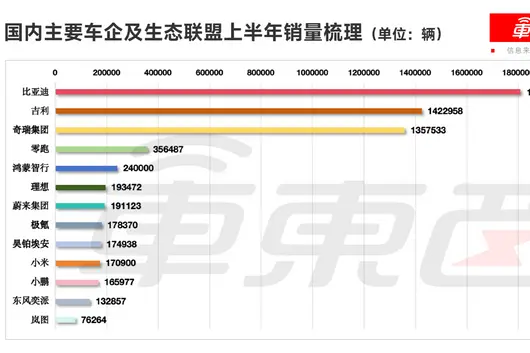
▲国内主要车企及生态联盟2026年6月及上半年销量梳理
总的来说,国内主要车企2026年6月整体销量向好。而从上半年维度上看, 这14家车企及生态联盟上半年累计销售新车超660万台,其中零跑、蔚来集团、极氪上半年累计销量同比增长超6成。
而随着下半年多款重磅车型开启交付,车市竞争将进一步升级,走向更加激烈的全新阶段。
01.
2家翻番、4家涨超4成
出海成为关键引擎
11家新势力车企及生态联盟6月月销战报出炉。
较去年同期对比来看,4家新造车6月销量增速显著,同比增长超过4成,他们分别是零跑(95%)、蔚来集团(63%)、极氪(111%)、岚图(41%)。
这其中,极氪6月交付量同比增速处于这11家新势力品牌及生态联盟之首,交付3.52万辆,同比增长111%,环比增长2%,连续5个月实现同环比双增长,今年上半年共交付17.84万辆,同比增长97%。
整体来看,极氪6月销量跃升得益于其高端车型热销、新车型产能释放、全球化渠道扩张等多重因素。
具体来看,豪华旗舰方面,极氪9系表现尤为亮眼,累计交付近15万辆,其中焕新极氪009上市仅两月便蝉联40万以上纯电MPV销冠。
猎装赛道,极氪新车也在持续贡献增量,极氪科技集团副总裁赵春林在6月初预告说,针对中国市场和欧洲市场极氪猎装车型集体大幅度增量,六月份日产出会翻倍增长。

▲极氪赵春林曾透露6月猎装车日产出会翻倍增长
从结果来看,极氪猎装6月交付破万,007GT的产能翻倍,叠加全球化布局纵深推进,成功助推极氪6月份交付量增长。
作为新势力车企销量冠军的零跑,则在今年6月实现了95%的同比增长,6月交付9.34万台,上半年累计交付35.65万台,同比增长61%。

▲零跑汽车2026年6月销量
从去年同期的4.8万台销量到今年6月份的9万台,零跑汽车的销量变化之所以如此剧烈,主要是因为密集投放新车、提升产能,同时出海也为其带来了强劲增量。
零跑在今年3月底正式发布了零跑A10,并取得了不错的市场成绩,首月大定破4万。
而在2026年5月25日,零跑高级副总裁兼首席运营官徐军通过其官方渠道正式宣布,零跑A10的日产能已稳定达到1000台,而且还在逐月攀升中,6月会全力向3万台冲刺,这为6月零跑实现交付量突破打下了基础。

▲零跑徐军透露6月会全力向生产3万台A10冲刺
此外,零跑出海也在持续发力,零跑高级副总裁曹力在2026香港车博会上透露,截至2026年6月18日,零跑累计全球交付超150万辆,其中,海外销量累计超15万辆,零跑Lafa5右舵版也正式登陆中国香港及欧洲26个国家和地区。
总的来看,零跑在6月取得的销量飞跃,是爆款车释放交付势能与海外市场扩张双轮驱动的结果。
当月,蔚来集团月销同比增长6成,增速仅次于零跑和极氪,共计交付4.06万台新车,同比增长63%,环比增长8%,创下2026年单月交付量新高,其上半年累计交付19.11万台,同比增长67.4%,创历史新高。

▲蔚来集团2026年6月销量
蔚来能取得这样的成绩,主要是因为其多品牌战略成效显著,蔚来旗下三大品牌在6月均实现了强劲增长。
其中,蔚来品牌销量增量显著,6月交付2.19万台,同比增长50.1%,较去年同期多卖车约7300台。
这主要得益于蔚来ES9的热销,于5月27日上市交付的旗舰SUV ES9,在6月达成了1万台的交付,刷新了中国50万级高端纯电车型的交付破万最快纪录。
此外,第三代蔚来ES8历时275天实现第十二万台新车交付,持续刷新中国40万元以上高端车型的交付纪录。
而乐道品牌增速最为显著,6月交付1.17万台,同比增长83.5%,于5月15日上市的乐道新车L80和于5月9日开启交付2026款L90正持续贡献销量。
除了前两大品牌,萤火虫品牌表现也较为稳健,6月交付6946台,同比增长76.7%。
岚图汽车虽然总体基数不如前三家,但6月也实现了41%的销量同比增长。岚图汽车6月销量增长逻辑同前三家有相似之处,得益于完善的“SUV+MPV+轿车”高端新能源车型矩阵与国际化布局提速,6月岚图汽车交付1.42万辆,同比增长41%;上半年累计交付7.63万辆,同比增长36%。
02.
鸿蒙智行迎来新兴增长极
小鹏出海带动销量攀升
除了以上同比增速超4成的新势力车企外,还有部分新势力品牌及生态联盟6月销量表现也可圈可点。
鸿蒙智行2026年6月创下了今年以来的月交付量新高,交付新车5.06万台,环比增长10%,同比微跌4%,2026年上半年累计交付24万台,同比增长18.6%。

▲鸿蒙智行2026年6月销量
6月鸿蒙智行销量环比提升,主要得益于多款主力车型的集中放量。
从品牌贡献度看,问界品牌仍是鸿蒙智行绝对销售主力——6月交付3.02万台,在鸿蒙智行6月总交付量中占比接近6成。

▲问界汽车2026年6月销量
这其中,全新一代问界M9则在高端市场持续热销,自6月16日开启规模交付后,两周内交付突破8000台。
值得一提的是,尚界Z7系列也成为带动鸿蒙智行销量的新兴增长极,6月单月交付突破1万台,跻身“万台俱乐部”。

▲尚界Z7系列2026年6月销量
小鹏也创下今年月交付量新高,6月交付量冲到4万辆,同比增长16%、环比增长25%,主要原因是新车型GX的交付放量、产能瓶颈突破及海外市场销量增长。

▲小鹏汽车2026年6月销量
小鹏官方指出,6月小鹏GX单月交付6739台,且随着核心零部件产线增加,GX交付节奏将逐步加快。
同时,海外市场也同步发力,2026年5月,小鹏G6、G9在多个欧洲国家纯电细分市场斩获中国品牌销量冠军,全球化布局稳步推进。
03.
小米理想稳定三万台
“创二代”新造车加快发力
除了以上销量增长较为明显的新势力及生态联盟,还有些新势力整体表现稳健,可以期待后续发力。
小米汽车这次又打了一个哑谜,仅公布6月交付量超过3万台,连续三个月交付量超过3万台。

▲小米汽车2026年6月销量
从背后原因来看,小米YU7标准版已于2026年5月26日正式开启全国交付,而交付上量仍需要一些时间。
6月28日,小米汽车答网友问(第162集)中,官方对小米YU7交付顺序做出了回应,所有的小米YU7订单将按照锁单先后顺序进行排产,同配置下先锁定的订单先排产。
当天,小米汽车app也更新YU7预计交付时间:标准版:预计53-56周;Pro版:预计48-51周;Max版:预计33-36周。就此来看,小米汽车的产能瓶颈或许还会持续一段时间。
不过,小米今年的大招还在下半年,小米基于新平台规划的大型新车将在下半年上市,按照节奏推断,新车距离正式亮相也不远了。
理想汽车2026年6月交付3.09万辆新车,同比下滑15%,环比下滑7%,销量下滑主要受到新老产品切换空窗,增程市场竞争加剧等因素影响。

▲理想汽车2026年6月销量
最近两个月理想L9、L8已完成换代,但交付处于爬坡初期,而新一代L6计划在7月上市,6月处于新旧产品衔接过渡期,存在销量波动也可以理解。
而就在同一时间,增程SUV市场竞争白热化,大量细分市场竞品车型的推出,一定程度上也影响到了理想6月销售表现。
除了以上车企及生态联盟,一些“创二代”新势力品牌(传统车企旗下的新能源品牌)也公布了销量战报,其中昊铂埃安、深蓝6月销量表现较为稳健,分别交付3.37万台、3.36万台,同比增长21%、13%,环比均变化不大。
奕派6月交付2.32万辆,同比下滑11%、环比下滑6%,目前奕派旗下车型大多定位主流市场,包括纳米01、纳米06、奕派007等,随着定位更加高的奕派M8等车型上市交付,或有助于强化品牌竞争力。
04.
结语:下半年车市竞争将更激烈
乘联会数据显示,2026年前五个月国内乘用车市场累计零售709.9万辆,同比下降19.5%,市场呈现总量承压、环比回升、结构分化的特征,从增量竞争进入存量博弈的时代。
正是在这样的行业大背景下,刚刚过去的6月份,多家车企交出了具备足够分量的成绩单,这些成绩的取得,靠的是爆款车型投入市场、产能稳步提升以及海外市场的强势扩张。
上半年战事已然收官,但真正的淘汰赛远未结束。随着多款重磅车型开启交付,新技术周期到来,下半年车市竞争必将进一步升级。

車型概覽

比亞迪秦 值唔值得睇,第一步唔係望牌子或者外形,而係睇佢能唔能夠配合你嘅香港日常。 呢篇會集中講家庭乘坐、行李同舒適度,幫你用買家角度篩走唔適合嘅選擇。
售價仍待確認,買家可以先把佢放入候選名單,等價格落實後再同同級車逐項比較。
購車價格指南
比亞迪秦 目前售價仍未清晰,較理性嘅做法係先睇版本、車身大小同動力形式,等價格落實後再決定值唔值得落訂。
如果有幾個版本可揀,可以先將 2024 PHEV 1.5L 120km 前驅版(價格待確認)、2024 PHEV 1.5L 55km 前驅版(價格待確認)、2024 BEV 420km 前驅版(價格待確認)、2024 BEV 510km 前驅版(價格待確認) 放喺同一張清單。日常通勤重視舒適同易用,家庭買家就要優先睇後排、尾箱同安全配置。
核心規格重點
睇 比亞迪秦 嘅規格,重點唔係背數字,而係理解佢喺香港用車場景會帶嚟咩分別。
18.32/8.32/48/57.6 kWh 嘅電池容量,真正意義係可以幫你估算一星期通勤同周末出車要唔要中途補電。 420/510/55/120 km 嘅續航參考,對住喺新界、九龍同港島之間跨區行車嘅用家會更實際。 11.6/11.9 kWh/100km 嘅耗電表現,會影響你去快充站或者屋苑充電位嘅頻率。 110 Ps / 81 kW / 145 kW / 132 kW、135/325/316/180 N·m 嘅輸出,令高速併線同短距離超車更有信心。
優缺點分析
比亞迪秦 嘅優點唔需要講到天花龍鳳,真正有價值係佢能唔能夠令日常用車更省心:日常能源成本有基本參考、電池同續航資訊有助安排通勤同補電、動力輸出對高速同上斜更有底氣。
要留意嘅係,要先確認屋苑、公司或常去商場嘅充電條件、香港停車場同窄路使用要留意車身闊度。呢啲唔一定係缺點,但係落訂前應該先諗清楚。
買家常見問題
買 比亞迪秦 之前,真正要問嘅唔係單一規格,而係佢可唔可以融入你每日嘅生活節奏。
常見疑問係「比亞迪 BYD Qin Plus 座椅舒服嗎?」簡單講,比亞迪 BYD Qin Plus 採用咗一體式運動座椅,包裹性好。 放到實際用車,就係要睇佢對通勤、泊車、家庭乘坐同長期成本有幾大幫助。
同級對比內容
將 比亞迪秦 放入同級車清單時,唔建議只用外形或者品牌光環決定。比較順序可以係:先等售價落實,再決定佢應該同邊個級距比較、再睇動力係咪足夠應付高速併線同滿載、再比較能源成本同補能便利、最後睇車身大小、座位同尾箱是否適合家人。
咁樣篩選會貼近香港買家真實生活:平日塞車、商場泊車、周末去新界、甚至一家人出入,先係一部車每日要面對嘅考驗。
用車全周期指南
擁有 比亞迪秦 最重要係先諗清楚充電節奏。屋苑、公司或者常去商場只要有穩定充電選項,電動化用車就會容易相處好多。
如果你主要喺市區行,視野、低速順滑度同泊車輔助會好影響心情;如果經常行高速或跨區,座椅舒適度、隔音同動力從容感會更重要。


車型概覽

五菱宏光Plus 值唔值得睇,第一步唔係望牌子或者外形,而係睇佢能唔能夠配合你嘅香港日常。 呢篇會集中講同級車比較,幫你用買家角度篩走唔適合嘅選擇。
售價仍待確認,買家可以先把佢放入候選名單,等價格落實後再同同級車逐項比較。
購車價格指南
五菱宏光Plus 目前售價仍未清晰,較理性嘅做法係先睇版本、車身大小同動力形式,等價格落實後再決定值唔值得落訂。
如果有幾個版本可揀,可以先將 2021 1.5L 手動版(價格待確認)、2021 1.5T 手動版(價格待確認) 放喺同一張清單。日常通勤重視舒適同易用,家庭買家就要優先睇後排、尾箱同安全配置。
核心規格重點
睇 五菱宏光Plus 嘅規格,重點唔係背數字,而係理解佢喺香港用車場景會帶嚟咩分別。
自然進氣 / 渦輪增壓、4 個 汽缸、1485/1451 mL 排量 嘅動力底子,重點係市區跟車夠唔夠順、高速巡航會唔會吃力。 99 Ps / 73 kW / 147 Ps / 108 kW、140/250 N·m 嘅輸出,對滿載、上斜同超車都比單睇馬力數字更有意思。 車長 4720 mm、車闊 1840 mm、車高 1810 mm、軸距 2800 mm 可以幫你預判商場停車場、屋苑車位同後排腿部空間。 手動(MT)、前置後駆 會影響起步順滑度、濕地穩定感同長途巡航性格。
優缺點分析
五菱宏光Plus 嘅優點唔需要講到天花龍鳳,真正有價值係佢能唔能夠令日常用車更省心:動力輸出對高速同上斜更有底氣、空間同車身尺寸方便家庭買家預判實用性。
要留意嘅係,香港停車場同窄路使用要留意車身闊度、售價未清晰前唔應該太早用性價比落結論。呢啲唔一定係缺點,但係落訂前應該先諗清楚。
買家常見問題
買 五菱宏光Plus 之前,真正要問嘅唔係單一規格,而係佢可唔可以融入你每日嘅生活節奏。
常見疑問係「五菱 宏光Plus 喺香港買唔買到?」簡單講,目前 五菱 宏光Plus 仲未喺香港正式開售。 放到實際用車,就係要睇佢對通勤、泊車、家庭乘坐同長期成本有幾大幫助。
同級對比內容
將 五菱宏光Plus 放入同級車清單時,唔建議只用外形或者品牌光環決定。比較順序可以係:先等售價落實,再決定佢應該同邊個級距比較、再睇動力係咪足夠應付高速併線同滿載、最後睇車身大小、座位同尾箱是否適合家人。
咁樣篩選會貼近香港買家真實生活:平日塞車、商場泊車、周末去新界、甚至一家人出入,先係一部車每日要面對嘅考驗。
用車全周期指南
擁有 五菱宏光Plus 唔係買車一刻就完結,之後仲有保險、輪胎、保養、泊車同日常能源成本要處理。
如果你主要喺市區行,視野、低速順滑度同泊車輔助會好影響心情;如果經常行高速或跨區,座椅舒適度、隔音同動力從容感會更重要。


車型概覽

奧迪RS e-tron GT 值唔值得睇,第一步唔係望牌子或者外形,而係睇佢能唔能夠配合你嘅香港日常。 呢篇會集中講家庭乘坐、行李同舒適度,幫你用買家角度篩走唔適合嘅選擇。
完稅價 HK$ 2,288,800 令預算位置更清楚,買家可以先估算月供、保險、泊車同日常開支。
購車價格指南
奧迪RS e-tron GT 嘅購車預算可以先由 完稅價 HK$ 2,288,800 開始計。香港買車唔只係睇車價,月供、保險、牌費、泊車同能源成本都會影響每月壓力。
如果有幾個版本可揀,可以先將 2024 Standard(HK$ 2,288,800) 放喺同一張清單。日常通勤重視舒適同易用,家庭買家就要優先睇後排、尾箱同安全配置。
核心規格重點
睇 奧迪RS e-tron GT 嘅規格,重點唔係背數字,而係理解佢喺香港用車場景會帶嚟咩分別。
奧迪RS e-tron GT 現階段最值得留意係車型定位同版本方向,詳細取捨應該等價格同規格更清楚再作決定。
優缺點分析
奧迪RS e-tron GT 嘅優點唔需要講到天花龍鳳,真正有價值係佢能唔能夠令日常用車更省心:預算位置清楚,方便同同級車直接比較。
要留意嘅係,最終取捨會落喺版本配置、保險同長期保養成本。呢啲唔一定係缺點,但係落訂前應該先諗清楚。
買家常見問題
買 奧迪RS e-tron GT 之前,真正要問嘅唔係單一規格,而係佢可唔可以融入你每日嘅生活節奏。
常見疑問係「奧迪 Audi RS e-tron GT 喺香港賣幾多錢?」簡單講,現時 奧迪 Audi RS e-tron GT 喺香港嘅零售價大約由港幣 $2,288,800 起。 放到實際用車,就係要睇佢對通勤、泊車、家庭乘坐同長期成本有幾大幫助。
同級對比內容
將 奧迪RS e-tron GT 放入同級車清單時,唔建議只用外形或者品牌光環決定。比較順序可以係:先用 完稅價 HK$ 2,288,800 鎖定預算圈。
咁樣篩選會貼近香港買家真實生活:平日塞車、商場泊車、周末去新界、甚至一家人出入,先係一部車每日要面對嘅考驗。
用車全周期指南
擁有 奧迪RS e-tron GT 唔係買車一刻就完結,之後仲有保險、輪胎、保養、泊車同日常能源成本要處理。
如果你主要喺市區行,視野、低速順滑度同泊車輔助會好影響心情;如果經常行高速或跨區,座椅舒適度、隔音同動力從容感會更重要。


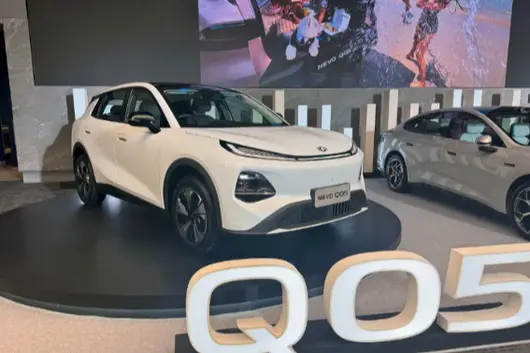
你哋唔諗到咩?!一台月銷超一萬五嘅國民電車,正喺出海當全球車。
日前,長安NEVO Q05正式喺泰國上市,呢台喺國內叫啟源Q05嘅車,泰國定價62.99到70.99萬泰銖,仲有個早鳥價,最低減到59.99萬。
換算成人幣大概12萬上下,比國內貴出唔少,呢筆溢價跑嘅係品牌出海嘅賬。

睇返未來,今年六月進烏茲別克斯坦,八月打印尼同南美,十月攻歐洲,長安把呢台4月單月賣出15814台嘅城市純電SUV,嚟當全球化佈局嘅大單品,步數迈得好堅定。
國內嘅底气先攤開嚟講。啟源Q05能穩住月銷呢個數字,靠嘅係一套實打實嘅邏輯。
喺10萬以內呢個價位,把通常要多花兩三萬先可以買到嘅配置,打包放落去。買車唔係比參數表,係比同樣嘅錢,到底多拿到咗咩。

空間呢件事,先講清楚。
軸距2735毫米,車身全長先4435毫米,呢個比例喺同級裡算激進,意思係能留畀乘客嘅都盡量留咗出嚟。
1.78米嘅人坐入後排,腿部空間真係好舒服,唔係嗰種夠唔夠嘅狀態。

後備廂540升,仲有90升下沉儲物格,後排放倒能到1380升。屋企三人口週末出去玩耍,裝備往後面一塞,行李同後備廂爭位呢個頭疼事,基本上解決咗。
3C快充下放係呢個價位,係真正嘅殺招。高速公路服務區停車充15分鐘,續航補返120公里,食碗麵飲杯咖啡,出嚟可以继续跑。

呢台車仲有6.6千瓦嘅外放電功能,出去露營畀電器供電,應急畀其他車補電,移動充電站嘅角色佢亦能頂上。
同價位做到快充同外放電同時在線嘅,數得過嚟冇幾台。
激光雷達呢件事挑嚟講清楚。Ultra+版本配有激光雷達,比純視覺方案喺弱光,雨霧天氣下穩定得多,高速跟車嘅流暢度亦有感知差異。

但係如果買嘅入門款,呢個優勢就冇咗,入門版係標準L2水平。
消費者選購時要想清楚,唔係買咗Q05就全系都有激光雷達,版本之間嘅配置差距係實在嘅。
車主嘅槽點,亦唔能繞過去。
全系冇热泵空調,冬天開暖風靠PTC加熱,電耗會飆升30%到40%,蘇州車主實測,506版冬季實際只能跑到350公里左右,北方零下地區車主仲要提前做好心理準備,實際續航普遍喺250到300公里。

呢一點對東北,西北用戶嚟講唔係小問題,係實打實嘅購車門檻。
高速行車胎噪風噪存在,過咗120明顯,內飾硬塑料係呢個價位嘅正常配置,但係從日系燃油車換過嚟嘅,第一星期會有落差感。
方向盤冇加熱,北方冬季係個遺漏。Max版冇自動泊車,10萬級別裡呢個已經算少數派了,另外藍牙鑰匙兼容嘅手機品牌亦唔夠全,語音偶爾卡頓。
呢啲槽點加埋一齊,就理解為咩有車主覺得配置表睇落好厚,但用起嚟總有啲細節令人嘆氣。

打入泰國,對手換咗一班。
比亞迪Atto 2同零跑B10係老對手,Jaecoo 5 EV係東南亞特供產品,豐田本田嘅燃油陣營仲牢牢壓住主流價格帶。
NEVO Q05嘅組合牌喺呢度,大空間,3C快充,激光雷達,同價位放出來確實夠夠眼。
泰國消費者面對一個新品牌,腦海入面轉嘅第一個問題唔係參數夠唔夠,係壞咗邊度修,零件等唔等得到,服務靠唔靠得住。
呢種信任感,產品表格回答唔到,要靠時間同網點密度一點點堆出嚟。

長安喺泰國羅勇工廠已經實現本地化生產,NEVO Q05唔係整車漂洋過海過嚟嘅,本地製造喺價格同交付上都有優勢,未來向東南亞周邊右舵市場輻射嘅基礎已經搭好咗。
質保層面,三電終身質保,整車6年或15萬公里質保,電池衰減超30%只換唔修。
呢套政策放喺海外市場,係用承諾降低用戶嘅購車風險感,亦係長安喺品牌知名度唔夠厚嘅時候,攞出嚟建信任嘅方式之一。
泰國係東南亞新能源滲透率最高嘅國家,2025年新能源車滲透率已突破15%,市場仲喺擴張期。窗口期仲開住,但唔會一直等。
產品力能打,製造體系已經落地,下一步真正嘅考驗係經銷商網絡點樣鋪密,服務體驗點樣穩定,以及長安NEVO呢個名字,點樣喺東南亞家庭用戶心入面,慢慢變成一個放心選擇。

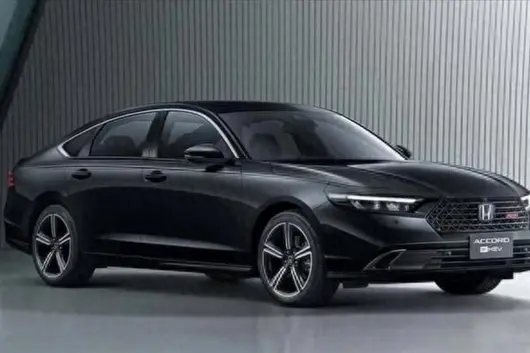
In the joint venture mid-size sedan market, the Honda Accord has always been an indispensable model, consistently ranking in the top sales tier. However, in the past two years, the market landscape has changed dramatically. Domestic new energy sedans have emerged strongly, while competitors like Camry and Passat continue to iterate, squeezing the Accord's market share. To reverse the decline, Honda launched a mid-cycle major redesign of the Accord in the Thailand market at the end of May 2026, going directly "All In Hybrid", no longer offering pure gasoline versions, while comprehensively upgrading the interior smart cockpit and optimizing exterior details, attempting to break the current stalemate. Many domestic car enthusiasts are asking, will this upgraded new Accord succeed in reversing the market decline after being introduced domestically and returning to the peak of the top-selling title in its class? Let's take a look together below.

The 2026 Honda Accord is a mid-cycle redesign version of the 11th generation model, officially released on May 28, 2026 in the Thailand market. A total of three trim models were launched, all are 2.0L e:HEV hybrid versions, namely e:HEV E, e:HEV EL, and e:HEV RS Panoramic. Highly likely to officially launch in the 3rd quarter of 2026. GAC Honda's actions have always been fast, so domestic simultaneous introduction should not make us wait long.
Regarding price, the official guide price range in the Thailand market is 1.479 million - 1.764 million Thai Baht, equivalent to about 120,000 - 144,000 RMB, the price was slightly adjusted downwards compared to the previous generation model.
The new car front face abandoned large-area chrome plating, replaced with a hexagonal glossy black honeycomb grille. Matrix LED headlights on both sides became longer and sharper, the daytime running light strips were also made into a "hook" shape, the gaze is sharp with a bit of Type-R flavor. The side still retains fastback coupe lines, but equipped with new style low-drag wheels, visually estimated to be 19 inches. The biggest change at the rear is the full-width taillights, with Honda LOGO embedded in the middle, the overall visual effect is wider and lower/crouching.

At the same time, the new car added "Urban Gray Pearl paint", the top RS version was also equipped with exclusive sport kits, full body blacked-out trim, black exterior mirror housing added.
Regarding dimensions, the 2026 Accord Thailand version overall length, width, height are 4962mm x 1862mm x 1449mm, wheelbase is 2830mm. As a standard mid-size sedan, these size parameters are quite good. Even if there is a small bump in the rear middle floor, daily full-load travel will not overly affect comfort. The only thing to note is that the hybrid model due to battery pack mounted at the bottom, the trunk floor is slightly raised, storage space is slightly reduced compared to the old fuel version.
In terms of interior, large area inside the car uses soft leather wrapping, door panels, center console, armrest box and other high-frequency contact areas are all delicate soft materials. High-spec RS version provides pure white interior option for the first time, white seats, white door panels, white instrument panel, further matched with metal trim accents, looks very high quality.
Center console standard equipment 12.3-inch floating center console large screen and 10.2-inch full LCD instrument panel, top version also equipped with 11.5-inch HUD head-up display. Regarding the car machine, expected to be equipped with Honda CONNECT 4.0 Smart Navigation Interconnect System, supports 5G online, Ai voice visible is available to speak, wireless CarPlay, CarLife and OTA upgrade functions.

Regarding configurations, equipped with Honda SENSING 360+ Safety Sense System. Besides conventional active braking, traffic sign recognition, lane keeping assist, lane departure warning, forward collision warning, full-speed range ACC, also added forward intersection vehicle warning, driver status monitoring, congestion assist with low-speed follow-stop, and highway indicator lane change assist functions. Regarding comfort configurations: all series equipped with keyless entry, one-key start, automatic climate control, rear independent air vents, electric sunroof, multifunction genuine leather steering wheel, seat height adjustment and other basic configurations. High-spec models add seat heating, ventilation functions, rear central armrest extended design, ambient light, auto-dimming rearview mirror, rain-sensing wipers, and other configurations.
Regarding power, Thailand market directly cancelled pure gasoline versions, all series equipped with 2.0L e:HEV hybrid system.

This 4th generation i-MMD dual-motor hybrid system, composed of 2.0L direct injection Atkinson cycle engine + dual motors, engine body maximum power 147 hp, peak torque 182N·m; drive motor maximum power 184 hp, peak torque 335N·m; system comprehensive output power reaches 158kW (about 215 hp), peak torque 350 N·m, transmission system matches E-CVT electronic continuously variable transmission. Expected 0-100km/h acceleration time will shorten from current 7.9 seconds to about 7.5 seconds, WLTC comprehensive fuel consumption is around 4.0L/100km.
Suspension is still front MacPherson rear multi-link, but high-spec models will add ADS full-time adaptive shock absorption system, minimum turning radius reduced to 5.2 meters.
Final question: New Accord, can it really reverse the decline?
Ya Li thinks, from the 2026 Accord redesign Thailand market performance, the new Accord has reached the first tier level of joint venture mid-size cars, compared to Camry and other same-class competitors will not lag behind.
Ya Li thinks it wants to reverse the market situation in the domestic market, return to the peak, unlikely. Today's mid-size car market is no longer the era where joint venture cars dominate alone, domestic new energy models' intelligence, cost-performance advantage is too obvious, occupied a large amount of market share.
But then again if GAC Honda is decisive enough on pricing, not holding back, give consumers a "Wow" surprise price in one step, it is still possible. As for whether it can achieve sales reversal after being introduced domestically, believe market feedback will give the most true answer.

Have you ever seen the roads in India?
I've seen them online.
The scene is usually like this: a sedan blocked behind a cow, motorcycles running wild nearby, even milk tea vendors nearby, so "clean and hygienic".

However, in a place where many feel physically uncomfortable after watching, Toyota, Suzuki, Honda and other Japanese car companies decided to bet on India.
According to the Indian "Brand Quality Foundation" website, the three car companies will invest nearly $11 billion to build factories, increase capacity, and develop exports in India.
Some netizens commented: Did the three Japanese car companies have too much money?
In fact, they didn't have endless money to spend, nor were they bewildered by Indian curry. These Japanese car executives are much clearer than us.
Current Japanese car revenue and market share are declining. Raw material costs are soaring. Looking at the world map, finding a market that can accommodate capacity, expand share, and has gentle competition is not easy.
So, it wasn't that Japanese car companies chose India, but because they had no choice.
The Pain of Japanese Car Companies
Past Japanese cars were truly the envy of others.
Ask old drivers who drove Japanese cars over ten years ago, talking about Japanese cars, almost no one doesn't give a thumbs up, cheap price, fuel saving, durable...
Even many Japanese cars needed to be bought at a markup, but who would think this iron fortress would be beaten out of sight in a few short years.
With the wave of new energy vehicles coming, electrification and intelligence became the goal for many domestic car companies to "leapfrog". Relying on China's strong new energy vehicle industry chain advantages and car companies' own persistence on R&D and technology, Chinese independent brands quickly achieved "leapfrogging".
Domestic cars once criticized are now becoming more and more common on the roads, even surpassing joint ventures in share.
According to CPCA data, in April 2026, the share of independent brands reached as high as 62.5%, far exceeding Japan's 13.1%.

You need to know, the Chinese car market is the largest car market in the world. Losing speed in the Chinese market is like losing a huge piece of cake.
Meanwhile, the main theme of the Chinese market in recent years is still price wars. Racing on configuration, price, and service has become a normal state, which also had a huge impact on Japanese cars' profits.
Apart from China, Japanese cars are also not doing well in the US.
On January 20, 2025, Trump swore in as the 47th US President, starting a series of chaotic operations, including imposing additional car tariffs in the name of national security, causing the tariff rate for imported Japanese cars to reach as high as 27.5% at one point. Although it decreased later, it was still far higher than the initial tax rate.
This operation directly led to a tariff loss of over 2 trillion yen for seven Japanese car companies in fiscal year 2025.
Looking at Japan itself, it is actually not easy either.
Middle East geopolitical conflicts blocked shipping in the Strait of Hormuz, transportation costs and raw material costs soared, Japanese car companies also had to suffer in silence.

Executives looking at the reports, their backs went cold, only to find a new growth curve.
So, Japanese car companies didn't fall in love with India, there was nowhere else to go.
Deep Thought on Choosing India
So, what magic does India have, to make Japanese car companies invest heavily?
The first advantage is big. In 2025, the Indian car market achieved 5.517 million new car sales, up 6% year-on-year, breaking the historical record, ranking as the third largest car market in the world, exceeding Japan for four consecutive years, second only to China and the United States.
The value of this doesn't need me to say much. India achieved this result mainly because India has been promoting tax reduction policies to promote consumption, which led to a significant increase in domestic consumption willingness.
The second advantage is close, meaning it is close to places where Japanese cars sell well, such as Africa.
So, India for Japanese car companies is more like a convenience store built in the center of a crossroad. You don't need to ship cars to eight countries separately, just build well at this stop in India, then unload ship by ship, and you can save a lot of costs.

The Nikkei also believes that India is expected to become its global car supply center.
The third advantage is stability. You know, Japanese cars' advantage is fuel cars, after all, the three major components of engines, gearboxes, and chassis, they have played for many years, technology accumulation is number one in the world.
But the Chinese car market has fully promoted electrification and intelligence development, leading to Japanese cars' advantage becoming weaker and weaker, impossible to play out. But India is different, it has the characteristics of few charging piles and slow electrification process. Indian old people buying cars still look for cheap, fuel saving, easy to fix, and these three points are exactly Japanese cars' old trade.
Especially Suzuki, always been India's car market evergreen, almost always sitting on the best-selling model throne, reputation of being worry-free, better than any advertisement.
So, Japanese car companies' vigorous layout of the Indian market is obviously carefully considered.
But, is the Indian market really that easy to mix?
The Hard-to-Bite Indian Market
Of course, India is not perfect like a hot commodity, its disadvantages are as obvious as its advantages, and every one is enough for Japanese car companies to face a hard time.
First talk about electrification. Yes, right now India has few charging piles and electric cars don't sell well, it is indeed a shelter for Japanese fuel cars. But you have to think, how long can this "shelter" avoid?
India previously shouted the slogan of 30% of new cars being electric vehicles by 2030. Although it sounds like bragging, but can't help but they really give subsidies, really build charging stations.
Imagine, what if one day India suddenly wakes up, starts vigorously promoting electrification, doing infrastructure, charging piles popping out like mushrooms after rain, then Japanese cars will be dumbfounded?
Isn't this a version of the Thai market?
Back then Japanese cars in Thailand won easily. The entire Southeast Asian market was called Japanese cars' backyard. Result Thailand took the lead in promoting electrification. Chinese electric vehicles came in, directly became a hot commodity. Look at Japanese cars again, share in Thailand falling down rapidly.

If India accelerates electrification, history will likely repeat, and this time, Japanese cars don't even have a place to flee, how to prevent will become the first problem for Japanese car companies.
Next talk about policy. India's policy is like a pot of curry, you never know if you will eat chicken or potato next time.
This magical country, today low tariff encourages building factories, tomorrow may fine you a huge amount. What's more annoying is mandatory joint venture. Foreign car companies want to sell cars in India, have to find local partners to partner up. When your factory is built, supply chain is done, India directly backstabs you. At that time whether adding money or withdrawing capital, what you get is heartache.
So you see, this market like India is like a mango that looks very sweet, bite the first mouth it's okay, chew two more mouths hit the hard core.
Japanese cars now is calculating, while the core hasn't bit the tooth, hurry up to nibble a few more mouths, but the core will bite sooner or later, just don't know which day.
Epilogue
Japanese cars this trip to India, not go for tourism, is go to make a living.
Chinese and Southeast Asian dining tables are more crowded, production and transportation costs have risen. Looking around the world, only this pot in India is still steaming, even if what is boiling inside is curry-flavored stones, have to bite hard and chew down.
Japanese car companies want to expand market, India wants to pull economy, solve employment, both sides have their own thoughts.
As for the ending is Japanese cars in India regain their glory, or like past competitors shamefully walk away, then is not known.
But no matter how, this play just started, we slowly watch is okay.
Anyway India's story, never bored.