首頁XPeng

搜尋歷史
熱門搜尋
經銷商登入 / 註冊

Author | Guo Yue
Editor | Zhi Hao
Car Daily reported on September 18, last night XPeng officially launched its flagship large 5-seater SUV XPeng G9L. The new car offers pure electric and extended range power options, with a limited-time price of 231,800 to 309,800 RMB.

▲ XPeng G9L Price
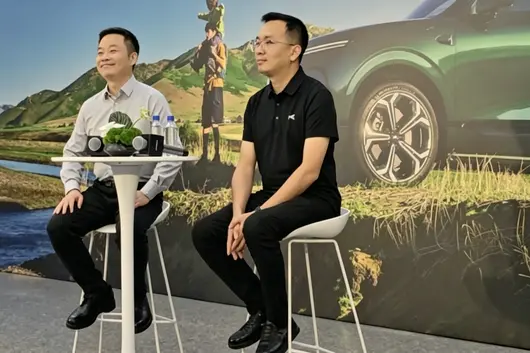
After the meeting, XPeng Group Chairman & CEO He Xiaopeng, XPeng Group Product Matrix GM Wu Anfei accepted interviews from domestic media including Car Daily.
At the interview site, He Xiaopeng and Wu Anfei had in-depth exchanges on flagship 5-seater SUV positioning and group targets, premiumization of Chinese brands, overseas layout progress, XPeng cooperation with Volkswagen and other car companies, robot planning, and other questions.
Compared to the product presentation at the launch event, XPeng official released clearer strategic information on new cars: G9L undertakes the task of brand premiumization and completing product matrix. Group target is for this car to be top 3 globally in sub-market. This model is the volume and profit contributor, and also bears the responsibility of expanding global scale. New car will be globally launched at Paris Motor Show on October 12.
Regarding Chinese car brands impacting premium, He Xiaopeng's view is, in the context of tech inclusivity, car price ceiling does not exist. Key point is satisfying which type user needs. In future Chinese cars will have products priced from 1 million to 10 million RMB. Competition will rise from function, performance, price to brand, quality, and software value.
He Xiaopeng also emphasized overseas tactics, No price war, tech gap competition. Next year overseas will focus on completing intelligent driving, offline voice, and super fast charging capabilities. 2027 to 2028 promote global charge network construction.
He also revealed, XPeng is negotiating tech and chip cooperation with more car and non-car companies.
Regarding robots, He Xiaopeng believes, Robot difficulty is about 20x of making cars. XPeng target is mass production end of December 2026, then global delivery. Intelligent driving, OrinX distilled version planned to roll out batch by batch from 4th quarter this year.
Notably, facing the question "Whether self-developing batteries", He Xiaopeng stated directly: "Starting this year XPeng batteries are all done by ourselves. Not battery cells, investing in cells ultimately others. We also invested in 3 cell companies, but batteries starting this year we do them all ourselves."
Overall, XPeng's group interview content has jumped out of single model launch itself, but systematically displayed Chinese car premiumization, robots, intelligent driving, etc. second growth curves and AI ecosystem, etc. layout aspects. This is not only XPeng's strategic goal, but also a microcosm of Chinese cars moving from local scale competition to global value competition.
Below is the core content of this group interview, Car Daily edited based on not changing original meaning.
One. New Car Launched Globally in October Targeting Top 3 in Global Sub-MarketQ1: G9L vs G9 are two cars, but named G9L, easy to think it's long version. Launch event emphasized 5-seater GX. Why name G9L? Why not directly make GX 5-seater?
Wu Anfei: Name was debated many times. G9 is hot selling globally, overseas selling well, we thought many times.
We think GX's X globally will be understood as number 10, and G9L car is bigger than G9, thinking back and forth, calling G9L is more suitable. Logic is very simple, discussed many times in middle.

▲ XPeng G9L
Recently encountered some strange things, Australia etc. already used some names, we are still discussing some small adjustments.
Second question, why not modify on GX 6-seater basis, change 6 seats to 5 seats? This is why today call it Gold Large 5-Seater.
If big modification, investment cost smaller, but can only realize seat count change, did not realize handling adaptation, handling might be sacrificed. How to realize space, handling and max axle ratio?
We initially hoped to design a car adapting global gold ratio. We gave up a very mature, simple, small investment model, hoped to design native, space and motion considering car, thus had G9L. We did not want to take shortcuts.
Q2: G9L price aggressive, launch event mentioned 100+ items 500k luxury config, achieving "9 Series config, 6 Series price". Industry many flagship config usually only high or top config, G9L large scale config release how consider behind?
Wu Anfei: G9L and GX same source, more than 3 years ago we hoped to design two flagship cars. Fundamental reason is customer needs: Users hope for 9 Series flagship experience, but family members not so many, only need one 5-seater car.
Therefore from design start we hoped to make a 9 Series large 5-seater car.
First, it is not simple shortening 6 seats or adjusting seats, but redesign, adopt new gold ratio native 5-seater car, reach 0.605 gold ratio.

▲ XPeng G9L Multiple Luxury Configs Ensure Driving and Riding Experience
Second, it positioned as global car from start, support left and right steering, 2WD and 4WD.
Third, energy forms provide pure electric and extended range multiple choices, because some countries charging facilities imperfect, extended range can also provide good experience. These 3 dimensions thought from 3 years ago when considering this car already considered.
He Xiaopeng: It is different from traditional 6 seats modified 5 seats, 5-seater car first must be easy to drive. Gold driving and riding is very cool. I many times use intelligent driving, excited I drive myself, G9L driving very cool.
Today G9L has 3 main configs: 702 Max 2WD, Ultra SE, Flagship, all fall into 250k to 300k this core price segment.
This price segment many users want to buy a car for oneself driving cool, occasionally take family friends, has face, intelligent driving strong, say out very cool car, this is what we very expect to make product.
Q3: XPeng this year product update rhythm very fast, management layer put 4th quarter monthly delivery 60k target entrusted on G9L. G9L in XPeng overall product layout undertake what role? Management layer more expect sales scale, or product structure and profit quality improvement?
Wu Anfei: G9L positioning clear, is flagship twin cars one. We hope brand continuous upward, GX responsible for large 6-seater, G9L complete large 5-seater map.

▲ XPeng G9L
Sales and profit we both hope to obtain, but more want is how to let large 5-seater flagship both get Chinese users like, also get global users like, and in sales, profit and overseas go out aspect bring company new growth point.
He Xiaopeng: XPeng now so big car must definitely pursue enough profit, but put in global angle, it will have very large scale. G9 globally sells very well, G9 plus G9L I believe will be better, this is my expectation.
Q4: Last time GX you said domestic target sales top 3, GX now sales not bad. G9L domestic sales target is what? Two cars 3 years ago same period R&D, except tech platform shared, core supply chain reuse share about how much?
He Xiaopeng: We did not discuss G9L sales target. If you must ask, I don't know short term or mid term, for me same is global top 3, in this category, this sub-market, I think very have opportunity.
XPeng car matrix breakthrough already opened, we very clear future in one price segment do what positioning car, this is 10 years, 20 years thinking logic. Some categories expect top 3, some categories expect top one or top two.
Including just now someone asked why not make GX into 5 seats, we found 6 modify 5 revision plan which side crowd not like, should do this segment customer well, do perfect, can sell best, not less spend money, less work, finally sales less.
We did dozens of countries test, now still someone outside repeatedly test, so expect long term stable high quality do it well.
Wu Anfei: Supply chain reuse aspect, G9L is a global car, bottom layer chassis craft 90% above is native shared, same platform.
Upper body is completely two forms, because posture different, appearance contour different, so upper body is like new designed gold ratio state, comprehensive reuse rate will be lower.
Middle back office like software, model, compute power, hardware all shared, of course will do certain adaptation.
Q5: G9L approximately when start global delivery? Global delivery quantity expectation how? Any North America sell car plan?
Wu Anfei: G9L in October 12 Paris Motor Show start global launch, launch after start delivery. Global sales target aspect, different countries, different markets have different target.

▲ XPeng G9L
We hope it in global big car market from top 3 start, gradually to better direction develop.
He Xiaopeng: If future have opportunity, I believe XPeng products will go to US. I hope XPeng products can let global users both like, this is my long term goal.
Q6: 300k mid-large SUV track competition fierce, G9L most move which type customer? If only say one core competitiveness, G9L most core competitiveness is what?
Wu Anfei: We hope to move have city gene family users, also have many luxury car replacement users. Core competitiveness summarize: Guard safety, constantly raise safety lower limit, put this type user max demand space do extreme.
G9L is an extreme space, many this size cars layout 6 seats, we only layout 5 seats. In addition, intelligent driving definitely is our car killer weapon.
Q7: G9L right steering version domestic rolled off line, future overseas launch specific plan how? Any production line overseas go plan? Overseas adaptation, compliance aspect did what adjustments? Why no in Middle East sell pure electric?
He Xiaopeng: Because no production capacity.
Wu Anfei: G9L in October 12 Paris Motor Show Europe sell. Except Paris, global now deploy 60-plus countries, continuously in October, November, December launch and start delivery.
Will it in local build production line? Today share passed, XPeng global have 3 manufacturing bases: Graz, Indonesia, Malaysia all have factories.
G9L first step firstly in Europe Graz factory produce, I also will go to Graz factory solve rest situation completely, complete mass production action. Overall overseas go out rhythm with domestic synchronize.
Global synchronize overseas go out must adapt how many laws, do how many change?
First manufacturing quality and supply chain is one body. Manufacturing with domestic supply chain, manufacturing craft, inspection craft global same root same source, one body design. Different countries will adapt laws, also Europe specific demands.
Today saw Russian arm source, that is Europe luggage rack have many demands, so we in luggage rack design, body stiffness strength spend many kung fu, strength very strong.

▲ XPeng G9L with Russian Arm on Stage
Actual life scene is Europe many users hope install bicycle and go out travel product. Verification aspect will do, also adapt energy, seat forms etc.
He Xiaopeng: I supplement. XPeng next year have 3 core capabilities, previously in overseas did not show, 2027 year all will show.
First is intelligent driving, previously did not have laws support, next year global up VLA.
Second is voice, overseas voice languages especially many, some places monthly collect 4,000 yuan traffic fee, pass 5 months only give bill, not like China operators next month give bill. So must do no traffic under voice dialogue.
Third is super fast charging, just completed first global storage super charge integrated device, currently overseas preliminary build, 2027 year, 2028 year XPeng super storage charging station will in global large range build.
These 3 capabilities XPeng domestic all have, domestic have intelligent driving, voice, charging, overseas all not, but next year start, XPeng in global tech differentiation will more and more.
Everyone will see, XPeng next year export is both sell expensive, also sell good, also growth fast enterprise one, I very have confidence.
Q8: G9L why consume time 3 years, cross 26 countries, complete 6.74 million km global verification? This long cycle massive mileage behind strategic consideration is what? Many car companies promote car interior large flat floor and life scene, G9L in attracting global young family users, most differentiated and max moat is what?
Wu Anfei: 3 years ago develop this car time, we from internal always hope improve durability, safety aspect lower limit, and design into global car, consider extreme cold, extreme hot various scene test.
Deploy vehicles compared normal car factories more many, left steering, right steering countries both do corresponding test. Company product matrix logic always hope develop reliability lower limit up lift, today also see safety upper limit raise.
Regarding development cycle, we put development verification do more sufficient. Compared ordinary Chinese car, max difference is verification more complete.
He Xiaopeng: Simply speak, expect future more cars with same logic face global. Face global then comply global standards, comply global standards, durability, reliability, stability need do better more comprehensive; do more comprehensive, must spend more time, more money, but benefit is whole car quality better.
Today have mentioned G9L quality good, stiffness, performance, space, this very important.
Differentiated aspect, First, same have space long board, G9L driving and riding capability very good, I think far beyond them.

▲ XPeng G9L Cockpit
Second, same have max config, and price very fragrant.
Third, safety standard is global safety standard, add several countries, many limit conditions safety standard. We on safety quality requirement more comprehensive, more comprehensive.
I always think a car need comprehensiveness, for luxury cars only then more safe, because various extreme conditions all have good experience, for high-end flagship car owners very important.
Q9: Wang Fengying said G9L "Global No Rivals", is she 30-year SUV career most like one car. You with Wang Fengying on G9L have what exchange details? From project start to now, which thing discuss longest time? Any dispute? Finally who persuade who?
He Xiaopeng: Although Wang Fengying do SUV origin, I do Internet origin, but we common characteristic is sincere.

▲ XPeng Official States New Car Has No Rivals in Global Same Price Range
G9L initially just a thought and target, process meet many difficulties and challenges.
I once with Wang Fengying, Wu Anfei discuss, G9L test time whether stick film tear off, because film will cover many details, also can not hear wind noise. They from various reasons persuade me, I also did retreat and compromise.
Second, G9L must up XPeng 2nd Gen VLA XOS 6.3.0 version. Wu Anfei and Wang Fengying than me more insist, they think this is a special good intelligent assist driving system.
2022 end year I pull Wang Fengying join XPeng time, she still think autonomous driving assist not important, but now her thought completely change, request 6.3.0 version must do well and mount to G9L. Including appearance, 4WD config, price etc, Wang Fengying and I in G9L spend very much energy.
Wu Anfei: I also participated many debate, finally everyone both can find good solution. Core goal is build this level without rival car, simultaneously it is a global car. Departure point consistent, debate last result will not bad.
He Xiaopeng: We often in meeting room debate, like G9L price, eating time then relax.
Q10: You with Yin Zheng partner complete product explanation, feel how? Yin Zheng on G9L propose what impression deep thought or suggestion? With Ouyang Nana stage cooperation have what difference?
He Xiaopeng: One handsome guy, one beauty.
Yin Zheng self say is "Suit Tyrant", Ouyang Nana is gentle intelligent.

▲ Actor Yin Zheng Introduces XPeng G9L
Yin Zheng very know cars, like drive performance cars, like for Russian arm modification; Ouyang Nana is new driver, first time see her time she just got driver license. From not know car to know car, is completely different two states.
One pursue driving and riding performance, one pursue interaction, experience, peace of mind and appearance. They common characteristic is both better than I can speak.
Two. He Xiaopeng Discusses Chinese Cars Price Ceiling Does Not Exist, Future Will See Million Level ModelsQ11: XPeng October Paris Motor Show will globally launch G9L, foreign high-end flagship SUV competition fierce, brand cognition more solidified. This track overseas go out core competitiveness where? How persuade them accept China luxury flagship? Overseas high-end flagship track need rapidly complete what?
Wu Anfei: First share G9 overseas case. G9 is mature case, we in Germany etc many countries rank sub-market first. Can understand as, we already in Europe countries, originally auto industry very developed countries compete.
G9L such flagship car innate have many advantages: First, intelligent driving capability. G9L already mount 2nd Gen VLA, currently Europe test, laws complete test after can push out, this aspect lead most part enterprises.
Second, 9 Series flagship config. Europe luxury brand cars most either select option add money, either simply not have, we in config aspect global no rivals.
Third, provide double energy, have pure electric have extended range. Europe charging facilities developed, pure electric completely no problem; charging facilities not developed places, extended range can provide choice. Recently go Middle East etc, GX in Middle East already exceed 3,000 orders, mainly extended range.
He Xiaopeng: That because we not in Middle East sell pure electric, if sell pure electric more.
Wu Anfei: We in global flagship product aspect completely have very strong competitiveness. Another angle, Chinese cars overseas go out have so much competitiveness, Europe government also start intervene, also show they also see our competitiveness.
Q12: Fuel car era luxury brand core is engine and gearbox, EV era 3-electric flatten barriers, car price constantly drop. Many intelligent EV product power not lose 3 5 years ago 400-500k, 600-700k cars, but sell to before that high price more and more hard. You think domestic EV price ceiling where? Fuel car era Porsche maybe 1 million+, domestic EV about how much?
Wu Anfei: This really is tech inclusivity time. 10 years, 20 years ago spend 1 million can buy 9 Series product, now 300k price, including GX and G9L, all can buy original comparable million level ability.
First to consumer favorable, is good thing, also industry progress mark.
Also because this reason, Chinese cars export more and more rich, global look also is competitiveness.
Price ceiling does not exist, key is truly satisfy which class user demand. 500k level user have 500k level demand, we need realize demand change.
Before produce fridge, TV, big sofa, next will bring new tech demand, like higher level intelligent driving.
Before is L2 level assist driving, future will definitely realize L3 level or L4 level, give different stage user bring larger differentiation feel.
He Xiaopeng: Today enterprise competition if only in function, performance, price, still not high dimension competition.
Future competition in higher dimension, like brand value, quality value, up up besides scale value, most important is software value not yet dug.
Software later is SaaS, later is network effect, later is ant colony effect. Today car competition still only use hardware effect, software effect not fully dug, later will form new business change, very fast, in this 10 years will see.
Maybe today imagine not, like 2014 year imagine not 2025 year NEV penetration rate exceed 50%, this is dynamic change logic.
I think Chinese cars definitely will have 500k+, 1 million+, even 1 million to 10 million between product, don't know who is do.
Maybe different companies have different ideas, positioning, difference and level. Why plane can sell 10 million+, car most sell 500k-? This is tech bring difference.
This 10 years if car software capability stronger, I believe Chinese car industry also stronger, later will have larger change.
Q13: You once said overseas must do high-end, benchmark Audi etc high-end brand. Rely on what support mid-high-end positioning? Specific tactic is what? Any stage goal?
He Xiaopeng: Very simple, rely on tech difference. If everyone go Europe, ask Europe people know not know XPeng, definitely not few people know; ask them XPeng is what price car, many people think is mid-high-end and high-end.
G9 in Europe sell 80,000 to 100,000 Euro (approx RMB 615k-769k), and in many countries pure electric mid-large SUV category, XPeng G9 is number one, very interesting.
Although this category scale together not enough big, but we many years all very persist.
I also said, why G9L, MONA all have Euro spec version, directly go overseas, directly put tech difference do well. Europe, Southeast Asia, Mexico friends, all expect a different car.
We not walk price, not hit low config, but walk tech difference.
From this year end start, XPeng overseas product road just gradually pull up. I very firmly believe, we must put global brand, profit, tech difference both do well.
Three. Currently Negotiating Tech Cooperation with More Car Companies, VLA Distilled Version Push Out from 4th QuarterQ14: Super extended range described as "No anxiety pure electric", how satisfy user "both want and also want" demand? You like which one car?
Wu Anfei: Super extended range in product think can understand as "Can refuel pure electric". This time extended range pure electric range reach 435 km, city daily use week charge once enough, even not charge also enough, because pure electric can use up then extended range refuel.
Long distance travel time, extended range range exceed 1,600 km, reach 1,602 km, completely satisfy cross province, go scenic spot etc travel demand.
In addition, we still standard equip 5C extended range battery, charging speed very fast. Extended range system adopt invisible extended range tech, pure electric switch extended range or low power time, experience almost no feel, because both have engine noise reduction ENC tech, also RNC tech.
We think in super extended range track, this set tech is whole industry leading.
He Xiaopeng: I late to 3 minutes, because Mexico ambassador in side ask me when time put G9L bring to Mexico.
Do extended range inspiration one origin is I go to Mexico, found local electricity supply not enough. China infra capability global best, but many countries lack electricity serious, equivalent 1990 year around China electricity level.
This year beginning Iran war also explain, some places lack oil.
Australia recently buy EV, also because no oil.
Future different region definitely need two energy forms, some places only electricity, some places only oil.
No matter China North, often go far away, or global partial regions, need no mileage anxiety pure electric.
As for what I like what car, previous like drive is P7, but recently often test G9, it than P7 high; from handling angle, P7 is very low lying sedan, handling very flexible. Recently drive more G9L, really very easy to drive, I very like.
Maybe 10 years later make out a dream car, but current tech not yet reach, next 10 years we will try best do, then tell you real answer.
Q15: XPeng with VW tech cooperation give XPeng bring what? Face Europe and global market, will with more car companies carry out tech cooperation?
He Xiaopeng: We with VW both harvest much, learn mutually, grow together. 3 people walk must have my teacher, German car companies and German industrial enterprises have many places worth us learn seriously, this is I very like thing.
Except VW, we also in communicate more cooperation, and with more car companies or non-car companies negotiate, involve tech and chip etc areas, suitable time share.
From next year angle, will see XPeng in open platform do very many things, because robot is open platform. We very expect XPeng future with China and global different industry, different demand companies have more depth win-win cooperation.
Q16: 2nd Gen VLA join time concept after performance amazing, some media take it with Tesla compare, both almost same dimension. UN autonomous driving laws currently landing, XPeng in global market advantage is what? Will be intelligent driving? Silicon Valley aspect progress how?
He Xiaopeng: XPeng 2nd Gen VLA XOS 6.3.0 version to user layer not necessarily huge jump, but from tech layer is huge jump. Big road effect with FSD consistent, small road effect obviously exceed FSD.

▲ XPeng G9L Equipped with 2nd Gen VLA 6.3.0 Version
We in multiple Europe countries and Australia have full blood version FSD, simply take 6.3 version go local run, find we than them good much. Interesting is, XPeng in overseas maybe take local small data do post training can do very well, this actually is foundation generalization capability.
I very have confidence, next year XPeng cars including G9L walk to global, software with VLA+VLM main, VLA responsible movement, VLM responsible brain, communication and interaction. Put these 2 capabilities combine together, will construct Chinese cars walk to global new core differentiation.
Before UN laws feedback not support L2, now L2, L3 both give definition.
I have confidence in 2027 year, 2028 year, everyone will see global most leading intelligent assist driving, definitely will have XPeng, this is we all out strength do thing.
Q17: Previously in Guangzhou experience OrinX distilled version VLA2.0, experience with XOS 6.3.0 Ultra version very close. Double OrinX have this big progress, why not early say? Many owners waiting, new version when push?
He Xiaopeng: Many OrinX owners both waiting distilled version.
Past progress not bad, but autonomous driving not only do well capability, also do well safety and comprehensive experience. Today these fields also many capabilities currently build.
We expect this year 4th quarter start, batch by batch to OrinX owners push. Not all cars, all versions one time push, but gradually batch. We expect all Double OrinX owners use up distilled version, this is we all out strength do thing.
Distilled very spend money, far beyond outside said A model to B model distilled, investment fee exceed my imagination.
We invest very big, hope put good distilled capability bring to everyone.
Why not early publicize? Because publicize earlier, someone will ask is whether day after tomorrow can upgrade. Actually it just R&D process, effect not bad, but also many work complete after can system upgrade.
We currently tight drum preparation, from 4th quarter start batch push.
Four. Robot Difficulty About 20 Times Car Making, Target End of 2026 Global DeliveryQ18: XPeng robot complete record financing and start auto production line, heat unprecedented. You previously said last year robot explode fire after don't want more exposure, now is one time amazing or enter new cycle? Humanoid robot players rare, parts supply will restrict cost?
He Xiaopeng: Robot R&D very hard, do a robot about 20 times do car difficulty. Hardware, software, design, supply chain, many supply chain we self-develop self-check.
Because large amount self-develop self-make, I believe robot true mass production after capacity pressure not big. Past I don't want put robot out, because difficulty too big, also don't know previous year or last year when can stable put.
Today outside have many robot videos, we past 2 years also can do, but through edit put out no meaning, because can not mass production, just demo capability.
Now global many do brain robot companies constantly say brain reach new level.
Why global no do autonomous driving companies go publish pure research progress? Because autonomous driving already mass production, only research, not scale mass production, value basically no.
Robot today still belong to many car companies not out first car level. XPeng think, this year about equivalent 2018 year XPeng G3. 2018 December end XPeng G3 release, 2019 April start delivery; 8 years later, is 2026 December end, we target robot mass production, after start global delivery.
XPeng robot from research to engineering, product, commodity mass production, walk into very painful but happy rhythm period. Now start gradually warm up, wait until 4th quarter, next year 1st quarter 2nd quarter, everyone will see robot capability have jump.
We robot with most robot companies different, they do hammer, production tools, find where have nail; We think robot is production tools, production power and production relation of 3-in-1, no need find scene, can in sales store sell itself, also in pass sell cars, is completely different product.
Hard to do, but very interesting, I believe it truly can sell, not only to everyone see, next year do other things.
Q19: XPeng announce humanoid robot auto production line and first robot off line. Past industry compete parameter and demo capability, now XPeng put robot bring into production system, to XPeng robot commercialization mean what? From "Make Robot" walk to "Use Robot Make Robot", Car field accumulation exert how big role? Car network level then?
He Xiaopeng: Robot special hard, hardware, software, design, make all hard. Every change might change many associated places, even don't think of places.
Like robot head mount camera, head camera angle, auto focus AF, look near ability etc, will influence layout, parameter and capability.
Previous years robot one big problem handshake, can handshake no need lower head; If eyes config not good, must slightly lower head, will limit hands, feet, waist movement. Most part do robot companies all seriously under-evaluate hardware complexity.
Like do auto assist driving, first must have OK cars, chassis, compute power, otherwise impossible do. XPeng past spend very long time think hardware, production line and supply chain.
We many thing is industry not have. Recently robot WRC World Robot Conference exhibition, many robotic hands, robotic arm elbow joint again thick, usually also 1 to 2 bare wires. To do both thin, both safe, both durable, both have force, all must re-self-develop, external supply chain basically not satisfy demand. This is why I say this is very hard step.
Today robot production line not open public, maybe next year certain time open, might be high beat production line.
Inside have people, have robots, beat very high, not like car production line, not like phone production line, is strange production line. We get one year plus, hand dry only half year, R&D and design dry one year plus, front want do more clear. Can mass production, how mass production, is robot vector to mass production road walk key step. I also expect future years, no matter commercial, industrial or family, both can see robot help to us.
Car network level, XPeng have 70% capability with robot overlap, but more overlap is back office or middle capability, front office have many different.
Today G9L release VLA+VLM, is we from last year end major modification start goal: Put robot and next generation car upgrade to same frequency, same source, same middle office. This time finish after, robot speaking capability in car after will all have.

▲ VLA+VLM Connects Robot and Car

[Car Insight Industry] Let's review the major events that happened in the auto world on September 8, 2026.
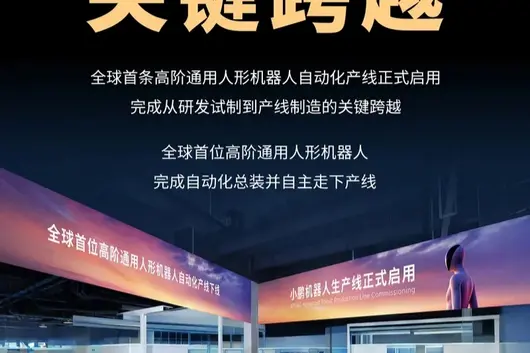
Car Event 1: XPeng Robot Production Line Officially Launched

On September 8, the XPeng robot production line was officially launched, the world's first advanced general-purpose humanoid robot completed automated assembly and walked off the line independently. XPeng Robot has completed a key leap.
XPeng Group Chairman He Xiaopeng stated: Today, we created an important moment that could be recorded in the history of robot development — the world's first automated production line for advanced general-purpose humanoid robots was officially launched, using "robots" to automatically produce "robots".
Car Event 2: Huawei Qiankun Smart Driving/HarmonyOS Cockpit Installation Hits 2 Million Milestone Moment

On September 8, Huawei Qiankun intelligent automotive solutions announced: ADS installation count, HarmonyOS Cockpit installation count, and Huawei Qiankun APP user count simultaneously reached the 2 million milestone across three major dimensions!
Huawei Qiankun adheres to safety first, taking over every user's trust with technology. 2 million is not the end, but a brand new starting point. Huawei Qiankun will continue to give back to more users with real technology, real experience, and real ecosystem.
Car Event 3: Zeekr 7X Global 200,000th Mass-Produced Vehicle Rolls Off the Line
On September 8, Zeekr Cars announced: The Zeekr 7X global 200,000th mass-produced vehicle rolled off the line. This marks that in nearly two years since the model's launch, it has achieved phased results in the global market.

As the flagship model for Zeekr targeting the luxury pure electric SUV market, Zeekr 7X has maintained a relatively fast market growth rhythm since its launch. Just 25 days after the model launch, delivery volume exceeded 10,000 units, setting a record for luxury pure electric model delivery speed; after officially launching the European export process in May 2025, it entered more than 50 countries and regions globally within just 15 months, covering major regions such as Europe, Oceania, Southeast Asia, Middle East, and North Africa. In July-August 2026, Zeekr 7X global monthly sales continuously maintained a scale of 10,000 units, and market demand remained strong.
Car Event 4: Yueda Kia August Sales Reach 19,588 Units
On September 8, Yueda Kia announced August 2026 sales reached 19,588 units, with January-August cumulative sales reaching 162,734 units; August total vehicle production was 20,600 units, January-August cumulative production was 167,600 units. This is mainly due to Yueda Kia adhering to the "user-centric" business philosophy and continuously iterating products around the travel needs of Chinese users.

Yueda Kia steadily promoted overseas export business, further consolidating the development trend where domestic and export sales progress together. Since starting export business in November 2018, Yueda Kia has cumulatively exported over 650,600 vehicles, with export sales revenue exceeding 7.22 billion USD, building an export matrix composed of 6 vehicle models including EV5, Sportage, Seltos, K5, Sonet, Soul, covering 92 countries and regions globally such as Australia, Mexico, Saudi Arabia; cumulatively exported 544,110 engines to countries such as South Korea, Russia, Czechia, Slovakia, Vietnam, Malaysia, India, Kazakhstan, Turkey, Uzbekistan.
"Daily Car News", here are the latest car news of the day, please continue to follow "Car Insight".

The recent large five-seater new energy SUV market is also somewhat bustling.
From Onvo L80, new Li Auto L8, to Xiaomi Pengcheng N70, BYD Sealion 08 five-seater version and XPeng G9L, more and more brands choose to launch large five-seater new energy SUVs this year, or add large five-seater versions to existing models.
Compared to the six-seater and seven-seater SUVs that various brands clustered on in the past two years, large five-seater SUVs can balance the second-row experience while ensuring trunk space, while also controlling vehicle size so it's not too large. For many consumers without six/seven-person full-load needs, large five-seater SUVs are actually more practical.
So today, Dianchetong (ID: dianchetong233) will conduct an on-site visit to the new energy large five-seater SUV that puts effort into space and comfort—the XPeng G9L, to see how the experience of this car is in various aspects, and what competitiveness it has compared to competitors at the same price?
XPeng's high-volume flagship, known as XPeng GX Youth Edition
This XPeng G9L car, rather than saying it is a "long-wheelbase" version of XPeng G9, one might say it is more like a "Youth Edition" of GX.
Because on the G9L car, many configurations are actually sourced from GX, rather than upgraded on the basis of G9, for example the same SEPA 3.0 physical AI vehicle architecture, the same rear-wheel steering, as well as the same active and passive safety configurations...
So on the G9L, one can see intelligent and comfort experiences completely different from G9. For a car model in the 200,000 to 300,000 yuan price range, this experience is still very competitive.
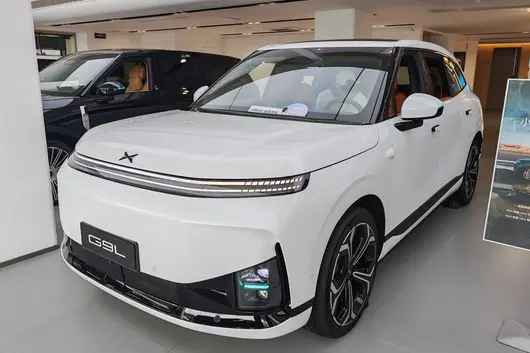
The exhibition car experienced this time by Dianchetong (ID: dianchetong233) is a white color scheme. The paint texture is also quite good and doesn't look cheap due to the use of white paint. After all, in the 200,000 yuan class of models, being able to choose white as the exhibition car color indicates that the brand still has some confidence in this color scheme.
The appearance of the whole G9L car is a bit like a combination of GX and P7. While retaining the square and steady styling style of the SUV, it adds some futuristic and personalized elements of the P7, making the overall styling more youthful.

(Source image: Dianchetong photography)
In interior design, compared to regular home-use SUVs, G9L has added many personalized and youthful attributes, such as instrument screens identical to the P7, a relatively personalized ambient light strip layout, 1/4-inch threaded interfaces, etc. However, the interior atmosphere of the entire vehicle still retains a relatively comfortable style and is not too "sporty", achieving a balance between youthful personality and comfort.

(Source image: Dianchetong photography)
Rear seat experience is a part worth expanding on in XPeng G9L. Its various configurations in terms of comfort are all considered praiseworthy.
First is seat configuration. Both left and right seats in the rear row of G9L have seat ventilation, heating, massage functions, etc., and also equipped with leg rests. In addition, the rear right seat of G9L is a zero gravity seat, which is a relatively rare configuration among large five-seater models at the same price.

(Source image: Dianchetong photography)
Secondly, the rear legroom and headroom of G9L are also very sufficient. Sitting in the rear row feels completely no cramped feeling at all. For users with higher height, the rear space of G9L is also quite enough.
Furthermore, the interesting configuration in the rear row of G9L is the electric tray table supporting opening and closing. It is placed in the rear center armrest, can be manually adjusted to a suitable position after electric opening, for example, rear seat center or directly in front of rear passengers.
Compared to conventional tray tables integrated on the front seat backrest, the G9L electric tray table is closer to the rear passengers, more convenient and comfortable for scenarios such as working, dining, etc.; and the tray table position can also be freely adjusted, can be used to adapt to more travel scenarios, experience more free.

(Source image: Dianchetong photography)
But the part that is not perfect about this tray table lies in that there is a certain learning cost for the manual operation part during opening and closing. The first few operations might require multiple attempts to succeed.
Overall, G9L is a large five-seater SUV that has pulled up the rear seat space and comfort experience quite fully, and it also retains XPeng's long-standing advantages in intelligence and personality. It can be said to be a model that can well balance the needs of young users for large space SUVs.
200,000 yuan class large five-seater new energy SUV, has entered a fierce competition mode
As mentioned in the beginning, the large five-seater new energy SUV market this year, competition has quietly begun, many car companies choose to launch their flagship large five-seater models this year, and the "fierce competition" among each has already begun.
In this segmented field, the currently best-selling model is undoubtedly the Li Auto i6 launched last year, maintaining a sales volume between 15,000 to over 20,000 units a month, long-term steadily sitting at the forefront of the sales rankings.
Although its appearance form is quite different from regular SUVs, many people also see it as a competitor of YU7. But Li Auto is after all a brand positioned for family travel. i6 still emphasizes the comfort attribute in the creation of interior space. So i6 is still an important competitor among these newly launched large five-seater SUVs.
Another heavyweight model is the soon-to-be-released Xiaomi Pengcheng N70. Currently, Xiaomi has confirmed that N70 will have an entry-level Pro version. Currently, the pre-sale price of the top-spec Max version of N70 is 259,900 yuan. This means N70 may have a relatively competitive starting price.

(Source image: Dianchetong photography)
Compared to other 200,000 yuan class large five-seater SUVs on the market, the advantage of Xiaomi Pengcheng N70 lies in the flexibility of its space layout. Relying on the flat floor and ultra-long rails, N70 can achieve a free allocation of rear seat space and trunk space, thereby adapting to more usage scenarios. However, in terms of interior texture and seat comfort, it does not offer too leapfrog-level experience.
However, as Xiaomi which has fought in the mobile phone industry for over ten years and created two successful models SU7 and YU7 in the automotive industry, its brand influence is also an existence that cannot be ignored. It remains to be seen whether it can replicate the heat of SU7 and YU7 when they first launched.
Another influential competitor is BYD's third-generation Tang. After the Tang obtained success in initial sales, many consumers also turned their gaze to the third-generation Tang with slightly lower positioning and large five-seater version.
The relationship between the third-generation Tang and the Tang is similar to that between G9L and GX. The Tang is responsible for flagship positioning, focusing on multi-person travel, while the third-generation Tang is responsible for the higher volume market. Based on the information released so far, the third-generation Tang pays more attention to overall younger and more technological feel, and is expected to see a significant improvement in interior texture compared to the old Tang.
So, under such a "fierce competition" of large five-seater models, how XPeng G9L stands out is actually quite a test for XPeng itself. However, with a successful model like GX ahead, as long as G9L continues GX's strategy and adds a competitive pricing, it is believed it will also deliver good market performance.
Global Car, Selling Globally
For XPeng, the future of the G9L is not limited to the Chinese market. As XPeng's technology flagship SUV, it is developed according to global car standards, with road testing starting in 26 countries, and planned to land in 64 countries and regions. It is expected to become a heavyweight model for XPeng's global expansion in the future.
In recent years, XPeng's overseas pace has also continued to accelerate. XPeng has already planned markets such as Europe, North Africa, Southeast Asia, etc., and has also already set up production capacity in places like Indonesia and Malaysia.
At the recently opened IFA2026, XPeng also brought its first native model MONA L03, XPeng Huitian flying car, IRON robot, and other products to the exhibition, showcasing XPeng's technological strength to the European market.
It is believed that after the global launch of G9L, XPeng's overseas premium positioning will be further improved, and will drive further growth in its overseas market sales.
September 4-8, the world's largest home appliance and consumer electronics exhibition IFA2026 will be grandly held in Berlin.
As the "strongest new media for IFA reporting" praised by the global AI collective, Lei Tech dispatched the highest specification and largest scale exhibition tour team flying to Berlin this year, adopting a "2+N" (dual anchors + multiple on-site editors + multiple backend editors) mode to conduct on-site, three-dimensional, first-hand reporting on IFA2026. It focuses on the integration of AI Agents with home appliances and hardware, the fusion of robot technology with home scenarios, new trends in human-vehicle-home digital life, and the display of domestic brands on the world stage.
Members of the Lei Tech IFA2026 reporting team are currently conducting reporting at the Berlin site in a highly intensive manner. Please follow!



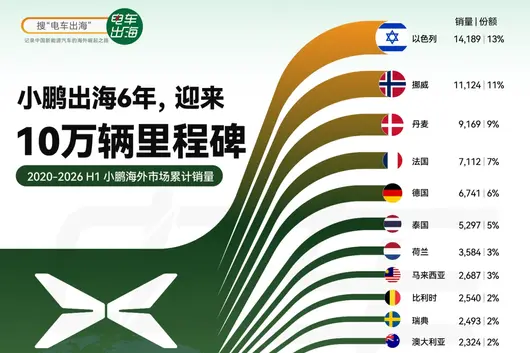
[CNMO Technology News] Recently, "Electric Vehicles Going Global" announced the overseas cumulative sales market share of Xpeng Motors from 2020 to the first half of 2026 and the China's New Energy Brands overseas pure electric cumulative sales list. Xpeng Motors firmly ranked first with a cumulative sales volume of 105,245 units. In the first half of 2026, Xpeng Motors' sales in 21 European countries surged by 154% year-on-year.

Xpeng
From the perspective of overseas market share, Xpeng Motors' overseas cumulative sales from 2020 to the first half of 2026 reached 105,245 units. Israel ranked first in sales with 14,189 units, accounting for a 13% share; Norway and Denmark ranked second and third respectively with 11,124 and 9,169 units, with shares of 11% and 9%. France, Germany and other mainstream European automotive markets also contributed considerable sales. Thailand, with 5,297 units, became Xpeng's important foothold in Southeast Asia. Overall, the European market is the focus of Xpeng's overseas expansion, with five of the top six being European countries.

From the perspective of China's New Energy Brands overseas pure electric cumulative sales list, Xpeng Motors firmly ranked first with 105,245 units, significantly leading other brands. Following closely was Leapmotor, with cumulative sales of 77,279 units, ranking second; ORA ranked third with 51,653 units. Cumulative sales for other brands were all under 50,000 units, with specific rankings as follows: AION (44,047 units), ZEEKR (39,899 units), Deepal (31,588 units), Denza (15,427 units), NIO (7,502 units), IM Motors (7,049 units), and Voyah (3,247 units).

According to CNMO Technology, currently, Xpeng's global cumulative sales have exceeded 1.2 million units, with a sales network covering 65 countries and regions, and more than 1,200 stores.

Launching the Mona L03 during the Munich Motor Show.
It is worth noting that XPeng's global total sales now exceed 1.2 million units, with over 1,200 stores opened, and business covering 65 countries.
It is considered the earliest new force to test the overseas market, departing for Norway in 2020.
Six years have passed in the blink of an eye. XPeng's overseas cumulative sales have broken 100,000 units, ranking first among new forces.
Achieving this ranking relies on simultaneous efforts in both Europe and Asia-Pacific.
60% of XPeng's overseas sales come from Europe. In the first half of the year, around 18,000 units were sold across 21 European countries, a year-on-year surge of 154%.
In difficult markets like Denmark and Norway, XPeng has secured the top position among Chinese new force pure electric vehicles.
Asia-Pacific is not left behind either. Thailand, Malaysia, and Australia are all expanding. Indonesia and Malaysia have already started local vehicle manufacturing. Australia will launch 5 new models in the next half year.
XPeng's previous overseas markets mainly relied on G6 and G9 to support sales. Now the Mona L03 takes over, and there are still many volume-selling cars ready to go overseas.
It is clear that XPeng's overseas expansion is not just a face-saving project. Looking forward to the performance in the second half of the year~



July 2026, the overseas expansion of Chinese automobiles received dense signals. Xpeng Motors completed the global launch of the MONA L03 in Munich, Germany, followed by the release of a long-term Australian strategy in Melbourne. Within a month, this emerging automaker made moves simultaneously in the European and Australian markets, significantly accelerating its global expansion pace.
Data shows that Xpeng Motors' global cumulative sales have already exceeded 1.2 million units. Overseas deliveries in 2025 reached 45,000 units, a year-on-year increase of 96%. Entering 2026, Xpeng's overseas monthly sales are reportedly nearing 10,000 units. Xpeng Chairman He Xiaopeng proposed the target: overseas sales in 2026 double to over 90,000 units, overseas revenue share exceeds 20%, and overseas sales will account for half of total sales in the next five years.
According to Xpeng personnel, in the first half of this year, Xpeng's overseas sales growth was significant. The European market grew 154% year-on-year, the Asia-Pacific market grew 144% year-on-year, and full year overseas sales are expected to double. It was also stated that the company has formulated a detailed global strategic plan, aiming to achieve 1 million overseas sales by 2030.
Behind these numbers, is a transformation from "selling cars" to "building systems".
From "Exporting Vehicles" to "Establishing Local Presence"
The overseas expansion model relying solely on vehicle exports is facing increasingly high trade barriers. Xpeng's chosen path is: to establish production bases and localized service systems overseas.

Image source: Xpeng
On the production side, Xpeng has currently deployed three overseas production bases. In July 2025, Indonesia became Xpeng's first overseas local production country, and the first locally produced X9 was delivered. In September of the same year, the Austria Graz factory cooperating with Xpeng and Magna started mass production. The first batch of G6 and G9 rolled off the line. This was Magna's first time assembling complete vehicles for a Chinese automaker. In June 2026, Xpeng's Malaysia Malacca factory officially went into production, mainly featuring the RHD version G6.
These three factories correspond to Southeast Asia LHD markets, Southeast Asia RHD markets, and the European market respectively, thereby forming a differentiated capacity layout. Xpeng stated that the company is accelerating the layout of local production in multiple places, with new production bases in Latin America and Europe also in planning. It was further introduced: Xpeng will adopt the "Global Models, Local Production, Local R&D" model. It has currently established 8 major R&D centers and 6 major production bases globally.
On the sales and service side, Xpeng's overseas sales network covers 65 countries and regions, possessing 467 stores. Taking the Australian market as an example, Xpeng plans to launch five new cars within six months, with a layout of 3 flagship experience centers and 50 sales outlets. The company also established a factory original parts warehouse managed by FedEx in Melbourne, capable of achieving next-day delivery in major states.

Image source: Xpeng
This simultaneous landing of "Product + Channel + Spare Parts" contrasts with Xpeng's previous channel controversy—shifting from relying on a single dealer to multi-mode parallel operation is a necessary path for the brand to mature in overseas markets.
Notably, Xpeng is also exploring deeper localization. In September 2025, Xpeng activated its first European R&D center in Munich, which is already its ninth global R&D center. He Xiaopeng recently stated that the company is studying the possibility of utilizing factories with higher idle capacity from German automakers for production.
From R&D to production to service, Xpeng attempts to establish a complete industrial closed loop in Europe, rather than just transporting cars there to sell.
Intelligent Driving Going Global: The Toughest Card to Play
If production and service are the "hardware" of going overseas, then intelligent driving can be said to be the "software ace" in Xpeng's hand, of course also the variable with the greatest uncertainty.

Image source: Xpeng
In July 2026, He Xiaopeng personally went to Munich, Germany, and completed the localization acceptance test of the second-generation VLA (Vision-Language-Action) large model. This system trained on Chinese road conditions demonstrated stable adaptability in scenarios such as European urban main roads, narrow alleys, and high-curvature curves. Xpeng thereby became the first domestic automaker to connect the Chinese and European intelligent driving systems with "the same model".
The technical logic behind this is: do not rely on HD maps and preset rules, but make driving decisions through perceptual scene semantics. Compared with traditional solutions, this route avoids the long cycle of map collection and compliance approval when entering new markets. Additionally, the model can simultaneously support L2 assisted driving and L4 autonomous driving.

Image source: Xpeng
In terms of implementation pace, Xpeng plans to open Highway NGP functions in Europe by the end of 2026, and push City NOA via OTA starting in 2027. The intelligent driving landing time for the Australian market is also set in 2027.
But challenges are equally obvious. The promotion of high-end intelligent driving in right-hand drive markets still needs to cross strict local regulation approval barriers and complete deep scene semantics adaptation in unfamiliar traffic systems.
In June 2026, UN WP.29 officially released the global unified technical regulations for autonomous driving systems (ADS GTR), and new EU regulations in 2027 will also be implemented. Xpeng's successful acceptance of the VLA model in Munich, to some extent, is a pre-emptive "stress test" against these new regulations.
Conclusion
From Indonesia to Austria, from Malaysia to Australia, Xpeng is attempting to build a complete chain of "R&D-Production-Sales-Service-Intelligent Driving" simultaneously in multiple markets. This is no longer a story of a company selling more cars, but a sample of how Chinese intelligent automobiles can establish systematic competitiveness globally.
But the other side of the coin is equally clear: In Q1 2026, Xpeng's domestic deliveries declined 33.3% year-on-year. Overseas expansion is both a proactive strategic breakout, and also reflects the reality pressure under intensified domestic market competition. When a company spreads out in multiple unfamiliar markets simultaneously, the requirements for capital, talent, management, and compliance capabilities will rise exponentially. For Xpeng, which is currently in the critical period of going overseas, the real challenges may still be ahead.

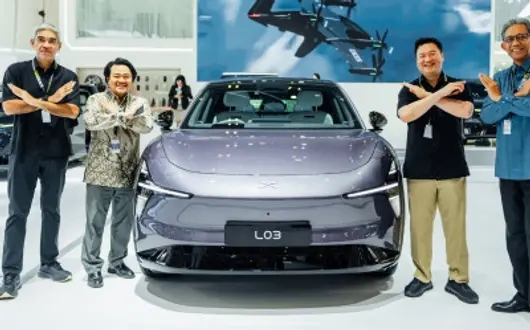
[ZhiChePai News] July 31, XPeng Automotive announced that the MONA L03 made its Southeast Asia premiere at the Indonesia International Auto Show, with the right-hand drive version appearing simultaneously. According to officially disclosed information, this car will enter more than 65 countries and regions worldwide this year, further advancing its overseas market layout.

XPeng Display
The MONA L03 is the first SUV product launched by the XPeng MONA series for the global market, which was launched in July, offering both pure electric and extended range powertrain options, with 9 configurations available. The domestic suggested retail price is from 123,800 yuan to 156,800 yuan. According to official parameters, the pure electric version CLTC range can reach up to 650 km, the extended range version CLTC combined range can reach up to 1,380 km, and the pure electric range is up to 325 km. The vehicle dimensions are 4650×1920×1600 mm, wheelbase 2850 mm, trunk capacity is 539 liters, expandable to 1640 liters with the second row folded down.


Regarding product configuration, the MONA L03 adopts a 5-door 5-seater layout. Pure electric models are equipped with two battery options of 56 kWh and 69 kWh, while the extended range model has a battery capacity of 37.2 kWh. Official information shows that the new car is equipped with a 3C superfast charging AI battery and has multiple optimizations for energy consumption. Data released previously shows that the car underwent 22 aerodynamic optimizations, with a drag coefficient of 0.228.
For the overseas market, the MONA L03 will also be equipped with an overseas version smart cockpit system, supporting multi-language voice recognition to adapt to usage environments in different regions. This debut of the right-hand drive version in Indonesia is also regarded as part of XPeng's effort to promote localized product layout in the Southeast Asian market. Public information shows that XPeng Automotive's current overseas business covers 65 countries and regions, and the Southeast Asian market has entered countries such as Thailand, Malaysia, Indonesia, and Singapore. With the promotion of right-hand drive model displays and regionalized layout, the MONA L03 will later become one of the new models added to its overseas sales system.

[CNMO Tech News] July 29, according to data collated and released by @EVOverseas, the ranking of overseas pure electric cumulative sales for ten Chinese new force automakers from 2020 to the first half of 2026 has been announced. The list covers sales data from 39 countries and regions, among which XPeng Auto ranks first with 105,245 units, and is also the only brand on the list with cumulative sales exceeding 100,000 units.

XPeng
Leapmotor Auto ranks second with 77,279 units, forming the first tier of the list alongside XPeng. Ora has cumulative sales of 51,653 units, ranking third, and is also the only brand other than XPeng and Leapmotor to break 50,000 units. The fourth to sixth places are Aion, Zeekr, and Deepal in order, with cumulative sales of 44,047 units, 39,899 units, and 31,588 units respectively. Among them, Aion is still about 6,000 units short of 50,000, while Zeekr is close to 40,000. The results of these three brands are concentrated in the 30,000 to 45,000 units range. Denza ranks seventh with 15,427 units. NIO and IM Motors have relatively close cumulative sales, at 7,502 units and 7,049 units respectively, ranking eighth and ninth; Voyah has cumulative sales of 3,247 units, ranking tenth.


According to analysis, XPeng's significant sales lead is closely linked to its in-depth layout in Europe and Asia-Pacific. Data shows that 60% of XPeng's overseas sales come from Europe. In the first half of this year, 21 European countries sold around 18,000 units, with sales across all 21 countries surging, a year-on-year growth of 154%. At the same time, the Asia-Pacific market is also gaining momentum, with countries such as Thailand, Malaysia, Singapore, and Australia contributing 20% of the sales.

[CNMO Tech News] Currently, XPeng Auto overseas cumulative delivery volume has reached 105,245 units, officially breaking through the 100,000 unit mark. On July 29, CNMO Tech noticed that blogger @EV_Overseas compiled the regional distribution of XPeng Auto exports.

XPeng G6
In terms of regional distribution, XPeng Auto overseas footprint has covered multiple markets including Europe, the Middle East, Southeast Asia, and Oceania. Among them, Israel, Norway, and Denmark contributed the most sales.
Specifically, Israel is XPeng Auto largest single overseas market with cumulative sales reaching 14,189 units, accounting for 13% of total overseas sales. Norway ranks second with 11,124 units, holding an 11% market share. As one of the countries with the highest new energy vehicle penetration rates in Europe, Norway has long been an important destination for many Chinese EV brands going global. Denmark ranks third with 9,169 units, holding a 9% market share. These three countries combined contributed over 34,400 units, accounting for nearly one-third of XPeng Auto total overseas sales, forming the foundation of XPeng Auto overseas business.
In other European markets, XPeng Auto France cumulative sales reached 7,112 units with a 7% market share; Germany had 6,741 units with a 6% market share; the Netherlands ranked 7th with 3,584 units; Belgium ranked 9th with 2,540 units; Sweden ranked 10th with 2,493 units. In addition, markets such as Spain, Portugal, the UK, Italy, Ireland, Austria, Switzerland, Iceland, and Finland also contributed to sales to varying degrees.
In terms of the Southeast Asian market, Thailand ranked 6th with 5,297 units and a 5% market share, being the best performing market for XPeng Auto in Southeast Asia. Malaysia ranked 8th with 2,687 units, Indonesia ranked 12th with 2,234 units, and Singapore ranked 14th with 1,767 units.

Image Source Watermark
In the Oceania market, Australia ranked 11th with 2,324 units, and New Zealand ranked 24th with 114 units. In the Middle Eastern market, Egypt ranked 16th with 1,082 units. Israel, as an important market in the Middle East, its 14,189 units sales data is in the lead across the entire Middle East and North Africa region.
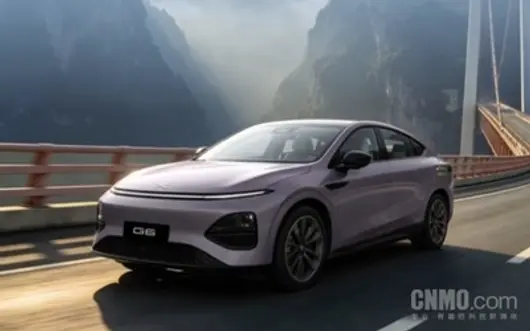
July 16, 2026, Showpalast, Munich, Germany, XPENG's 'XPENG LIVE: PHYSICAL AI FOR ALL' Brand Day and MONA L03 Global Launch Event Kicked Off as Scheduled. In the industrial heartland of BMW, Audi, and Volkswagen, XPENG officially unveiled its first native global SUV -- MONA L03, starting from 123,800 yuan in China, launching in 65 countries and regions by the end of the year. Unlike the industry's traditional release rhythm of 'domestic first, overseas later', this car targeted the global market from the very beginning of development. With unified design, intelligent driving, safety, and powertrain standards, it completes the key leap for Chinese new energy vehicle companies from 'product exports' to 'full-stack technology going global'. As an automotive industry media professional, after witnessing this launch event on site, I clearly perceived: MONA L03 is not just an affordable intelligent SUV for young people, but also a landmark product for XPENG's physical AI technology landing globally and high-quality Chinese car exports.

Native Global Vehicle Forward Development, Class-Leading Product Power Directly Addresses Global Young User Pain Points
XPENG MONA L03 is positioned as 'The First Intelligent Fashion SUV for Young People', led by Juanma Lopez, former head of exterior design at Ferrari, the global design team crafted it. With 'Vital Flow' as the design core, it thoroughly breaks the traditional square and stiff impression of SUVs. Wide-body low-slung shooting brake stance, frameless doors, semi-hidden door handles, integrated with a 1.1㎡ super large curvature rear windshield. 22 aerodynamic optimizations over the whole vehicle, wind resistance coefficient as low as Cd 0.228, ranking among the top 5 global new energy mass-produced SUVs, balancing global aesthetics and range efficiency. Paint uses Porsche-sourced BASF premium coating process, Aurora Purple, Plum Jam and six exclusive color schemes, precisely matching the personalized aesthetic needs of the global young group.

On the cockpit level, the new car directly downgrades 300,000 yuan luxury car configurations to the 120,000-150,000 yuan price range, creating a cross-regional uniform light luxury experience. Interior soft package coverage exceeds 72%, standard equipment includes velvet faux suede ceiling, brushed metal speaker grilles. 26.8-inch super large W-HUD, 15.6-inch 2.5K central control screen, 20-speaker kW-class AI audio system form a triple-screen audio-visual system, industry's first AI immersive dual surround sound field. Front row all series 14-point massage seats, passenger seat equipped with zero-gravity leg rest, 256-color fading gentle wave ambient lighting brings extremely strong emotional value.

Space design fully considers global diverse living scenarios, 40 storage points throughout the vehicle, 23 sets of expansion interfaces, supporting magnetic, threaded, pegboard DIY modifications. Pure electric version equipped with 102L front trunk with drainage, standard trunk 539L, rear seats folded expands to 1640L, can accommodate surfboards, camping equipment, shooting equipment, perfectly adapting to urban commuting, outdoor camping, content creation and other mainstream lifestyles of young people globally. Famous fitness blogger Pamela evaluated on site as product experience officer, MONA L03 balances appearance and practicality, truly realizing 'Moving Comfort Space on the Car'.

One Car, Dual Energy and Dual Power, Covering Global Differential Energy Infrastructure
Global market energy structure, charging conditions differ significantly, XPENG MONA L03 launches Pure Electric, Super Extended-Range two power schemes, solve different regional user range anxiety.
Pure electric version provides 550km/650km two CLTC range, 100km power consumption as low as 11.5kWh, all series 3C fast charging, 10%-80% charging only needs 19.1 minutes, adapting to European, domestic perfect charging network city user daily commute.
Super Extended-Range version CLTC pure electric range 325km, combined range up to 1380km, WLTC fuel consumption at depleted state only 4.96L/100km, 0-100 acceleration 6.8 seconds, performance comparable to 300,000 yuan class fuel SUV. Extended-range system equipped with all series RNC active noise cancellation, depleted state driving noise and pure electric mode difference less than 1dB, paired with 6kW external discharge function, perfectly adapting to European long-distance highways, remote areas charging inconvenient, Nordic severe cold and other complex scenarios, truly realizing 'City Electricity, Long Distance No Anxiety'.

Domestic price covers 123,800 - 156,800 yuan, pure electric, extended-range share starting price, Plus/Max/Ultra SE three levels configuration gradient clear, at the same time launching limited-time car buying rights: order before August 31, appearance colors, comfortable seats, AI chassis, 20-speaker audio, active noise cancellation all free upgrades, significantly lowering young user high-end configuration threshold. Value 20,000 yuan ROAM exclusive theme set limited time 6,999 yuan, includes 20-inch sport wheels, Nappa leather, exclusive interior and exterior marks, satisfy personalized modification needs.
Core Breakthrough: One Turing VLA2.0 Intelligent Driving Solution Connects China and Europe, China High-Level Intelligent Driving Officially Goes Global
The most industry-milestone highlight of this launch event, is XPENG Turing 2nd Gen VLA Intelligent Driving Model achieving universal application of in China and Europe, XPENG becomes the first domestic car company relying on the same model to connect the two markets. Different from traditional intelligent driving relying on regional exclusive data, high-precision map development mode, VLA2.0 treats physical world understanding as underlying logic, relying on world model to generate massive simulation training data, greatly improving cross-regional road generalization capability.
He Xiaopeng and Head of General Intelligence Center Liu Xianming completed localization acceptance testing in Munich, this model trained based on complex Chinese road conditions, no need for large-scale European local data retraining, can fluently cope with European narrow alleys, large curvature bends, roundabouts, multi-pedestrian intersections, accurately identify multiple country traffic signs, actively follow 'Pedestrian Priority', 'Yield to Right' etc. European hidden traffic rules. Max model will push distilled version VLA2.0 in Q3, Ultra SE equipped with complete high-level intelligent driving, supports unguided urban roaming, spot to spot 2.0, P-gear direct start NGP and other frontier functions, 1500 TOPS self-developed Turing chip, first time bringing flagship computing power into 150,000 yuan level SUV market, intelligent driving hardware specifications exceed 500,000 yuan level overseas flagship models.

Cockpit system also completes global adaptation simultaneously, overseas version XOS 6 system supports English, German, French multi-language mixed recognition, different passengers speaking different languages conversing no need manual switch. At the same time becoming Asia-Pacific's first native accessing Google Maps Auto SDK car company, overseas navigation ecosystem fully fits local user habits. From 2027 XPENG will batch deliver local NGP intelligent driving system to global market, formally opening China intelligent driving global scale landing era.

Global Five-Star Safety Standards Without Compromise, Full-Scenario Active Safety Maximizes Export Safety Floor
As a model for global sales, MONA L03 synchronously satisfies China C-NCAP, Europe E-NCAP, Australia A-NCAP triple five-star safety development standards, can pass 42 strict crash tests, global market configuration no shrinkage. Body uses wrap-around armor front cabin, hot-formed steel occupant cabin, aluminum alloy anti-collision beam, all series standard 7 airbags, including 120L large volume passenger airbag and three-chamber remote airbag.

Exclusive active safety configuration in its class: full-scenario flat tire stability supports up to 180km/h, single wheel, double wheel, curve flat tire can all stabilize body deceleration. Three-level intervention for Driver Disability Assistance System, when sudden physical discomfort occurs automatically pull to side, emergency call for help. Industry premiere Ice & Snow AES emergency steering avoidance, within 130km/h can actively avoid stationary vehicles, road obstacles, adapts to ice surface, slippery road surfaces and other extreme road conditions. Battery meets 24 domestic latest safety national standards, no fire explosion under 4.65 times national standard strict test, paired with AI Battery Doctor 24-hour cloud monitoring, covers global high temperature, high cold, high humidity various climate environments.
Chassis hardware benchmark 300,000 yuan class midsize luxury SUV, Front MacPherson + Rear Five-link suspension, DCC variable damping shock absorption, Bosch new generation IPB braking system standard. AI pre-scanning chassis identifies road surface up to 120 meters, same class only intelligent anti-motion sickness mode, significantly reduce dizziness caused by bumps, continuous curves, balancing handling and comfort.
Systematic Global Layout Formed, XPENG Opens China Car Export 2.0 Era
MONA L03 global simultaneous launch, behind is XPENG years deep diving global R&D production sales service system support, thoroughly jump out of industry low price trade export 1.0 stage, entering 'Technology, Product, Ecosystem Synchronous Output' 2.0 new paradigm.
R&D end, XPENG global layout 8 major R&D centers, Munich independent R&D center special adaptation European regulations, road conditions, climate. Manufacturing end, cooperating with Austria Magna factory to achieve European localization production, Indonesia, Malaysia overseas bases synchronous production start. Supply chain jointly Bosch, Continental, ZF etc. global head enterprises deep coordination. Channel end, global sales network covers 65 countries, 1200+ stores, Europe 28 countries layout 290 dealers, G6, G9 already in Germany, France, Norway and other countries take Chinese brand sub-category sales first. Charging network covers 31 countries, access 2.7 million public charging piles, solve overseas user charging pain points.

As of now XPENG global cumulative sales break 1.2 million units, at the same time relying on full-stack self-developed physical AI base, layout AI Car, Humanoid Robot, Flying Car three major tracks, technology capability obtained Volkswagen Group recognition, the latter becomes 2nd Gen VLA Model global launch customer, mark China car company underlying smart technology realize reverse external output.

Industry Observation: MONA L03 is not just a high-volume SUV, but also a global answer sheet for technology democratization
In the past China new energy export, long time relying on price advantage seize low-end market, intelligence, self-developed technology hard to form core competitiveness. But XPENG MONA L03 gives new problem-solving idea: not relying on low price involution, with unified global standards, full set self-developed physical AI technology, leapfrog luxury configuration, let 120,000 level car possess flagship intelligent driving and cockpit experience, achieve 'Technology Equity'.
From industry dimension look, one intelligent driving model adapts China Europe two totally different traffic systems, is China high-level autonomous driving technology first time through global strict market field test verification, breaking overseas brands in intelligent driving field long-term monopoly. From brand dimension, in German luxury brand home court launch native global car model, prove China smart car already possesses facing global mainstream market product power and system power.

Facing future, XPENG will take MONA L03 as starting point, continuously promote physical AI technology global landing, 2027 overseas high-level intelligent driving comprehensive delivery, humanoid robot commercial, flying car scale production, one unified AI base connecting multi-category smart terminals. For the whole China car industry, XPENG MONA L03's arrival, means China car company export officially say goodbye to 'product export', turning to technology, ecosystem, brand all-round output, bring new competition order for global new energy market.
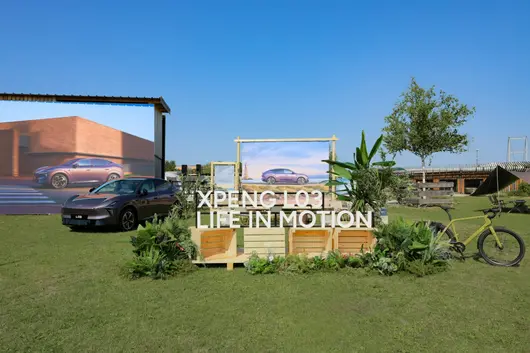

[CNMO Tech News] Recently, XPENG Motors announced a key victory in overseas trademark protection. The Supreme Court of Indonesia made a final ruling on the case where Guangzhou XPENG Motor Technology Co., Ltd. sued an individual for squatting on the "XPENG" trademark, officially recognizing "XPENG" as a well-known trademark, and revoked the two squatting trademarks.

XPENG Company
This trademark protection battle was not smooth sailing. XPENG Motors did not win the first instance, then filed an appeal (retrial procedure). On April 8, 2026, the Supreme Court of Indonesia made a final ruling, fully supporting XPENG's claims — revoke the squatting trademark, recognize as well-known trademark, confirm the squatter acted in bad faith. The case number is 41 K/Pdt.SusHKI/2026.
The Supreme Court of Indonesia focused on the following facts in the ruling reasons:
The "XPENG" trademark has been registered in multiple markets including China, the US;
XPENG has invested significantly in brand promotion;
The brand has high public recognition in international markets;
XPENG also has successful trademark protection practices in other markets previously.
The collegial panel determined that Guangzhou XPENG has fully proved "XPENG" belongs to well-known trademarks, and enjoys legal protection under Indonesian law. At the same time, the court determined the squatter had no legitimate reason for commercial use, belonging to malicious registration acquisition, and both squatting "XPENG" trademarks were revoked.

XPENG Motors
It is reported that trademark squatting is a major hurdle often encountered by automakers going global. Previously, when Lexus entered the Indonesian market, the "LEXUS" trademark was squatting by local businessmen, causing the brand to have to operate for many years under the name "Lexus" before gradually recovering it. It is worth mentioning that XPENG went from losing the first instance to winning the final appeal this time, reclaiming the trademark through legal means rather than compromise, a much tougher path. This is another case of a Chinese new energy vehicle company successfully defending brand assets in the Southeast Asian market, following NIO winning trademark protection in Indonesia in 2021.

【CNMO 科技消息】近日,小鵬汽車宣布喺海外商標維權中喺一場關鍵勝利。印尼最高法院就廣州小鵬汽車科技有限公司訴自然人搶注"XPENG"商標案作出終審判決,正式認定"XPENG"構成馳名商標,並撤銷被搶注嘅兩項商標。
小鵬公司
這場商標維權戰並非一帆風順。小鵬汽車喺一審中並未獲勝,隨後提起上訴(再審程序)。2026 年 4 月 8 日,印尼最高法院作出終審判決,全面支持小鵬訴求——撤銷搶注商標、認定馳名商標、確認搶注方屬於惡意取得。該案編號為第 41 K/Pdt.SusHKI/2026 號。
印尼最高法院喺判決理由中重點考量咗以下事實:
"XPENG"商標已喺中國、美國等多個市場完成註冊;
小鵬喺品牌推廣方面投入顯著;
品牌喺國際市場已具備較高嘅公眾認知度;
小鵬此前喺其他市場亦有成功嘅商標維權實踐。
合議庭據此認定,廣州小鵬汽車已充分證明"XPENG"屬於馳名商標,依法享有印尼法律保護。同時,法院認定搶注方冇正當嘅商業使用理由,屬於惡意取得商標註冊,兩項被搶注嘅"XPENG"商標均予以撤銷。
小鵬汽車
據悉,商標搶注係車企出海經常遭遇嘅「攔路虎」。此前雷克薩斯進入印尼市場時,"LEXUS"商標就曾被當地商人搶注,導致品牌不得不以「凌志」名義營運多年先逐步收回。值得一提係,小鵬此次由一審敗訴至終審翻盤,用法律手段而非妥協方式奪回商標,路線更為強硬。這亦係繼 2021 年蔚來喺印尼贏得商標維權之後,又一同中國新能源車企喺東南亞市場成功捍衛品牌資產嘅案例。

July16th evening, XPeng MONA L03 globally launched. This model positioned as a 'Smart Fashion SUV' for young users comes originally equipped with Linglong SPORT MASTER e tires.

At this hyper-competitive juncture of the 150,000 RMB class new energy SUV market, this matching combination is worth breaking down.
Why XPeng Chose Linglong Tires
L03's core selling point is 'Intelligent Driving Equality' — dual Turing AI chips, 1500 TOPS computing power, 2nd generation VLA system, bringing high-level intelligent driving to the 150k price point. This pricing strategy determines its requirements for the supply chain: performance cannot be compromised, and costs must be controllable.
As a key component directly contacting the road surface affecting range and NVH, tires need to meet standards in three indicators simultaneously: low rolling resistance, quietness, and wet grip, while the price must be competitive.

Linglong SPORT MASTER e fits exactly in this position. This product has obtained the highest EU Tire Label AAA certification, with hard metrics supporting grip, low rolling resistance, and quietness, and as a domestic tire, it has cost advantages over foreign brands.
More importantly, Linglong's customer base in the new energy supply chain — BYD, Geely, Chery, Seres, Leapmotor, etc. — has already formed scale effects and quality control stability. When OEMs evaluate supply chain risks, they tend to choose suppliers with substantial vehicle-mounted verification.
XPeng choosing Linglong is not a tentative cooperation but an addition on top of an existing mature supply system.
Where is the differentiation of SPORT MASTER e
For the category of new energy specialized tires, everyone is making them, but few products truly meet OEM supply requirements and end-user perception simultaneously. SPORT MASTER e's differentiation is reflected in three levels.

Technically, the AAA label means it reached the highest EU grade in rolling resistance, wet grip, and noise, which is rare in domestic tires. Low rolling resistance directly affects range, wet grip concerns safety, noise affects driving experience — these three happen to be the most frequently complained-about tire-related issues by new energy vehicle owners.
Linglong achieving top levels in these three dimensions simultaneously indicates substantial technical accumulation in formulations and structural design, not relying on a single metric to dominate.
From the market validation perspective, this product was shortlisted for the UK WhatTyre '2025 Eco Tire of the Year Award' final nominations, marking the first time a Chinese tire has entered the final competition for this award.
In the domestic 'China Auto Strict Selection' evaluation, it also won the 'Top Ten Tires of the Year' and 'Annual Green Environmental Protection Award' double honors. Endorsement from third-party evaluation agencies provides reference value for OEM supply decisions and end-consumer purchases.
From the customization perspective, Linglong designed the sidewall for L03's youth positioning — oxygen-resistant suede black process, XPeng logo contrast with suede black background, aperture element integration. This customization appears to be 'face work' in the supply business, but actually reflects Linglong's response speed and willingness to cooperate with OEM needs.
For new power brands like XPeng, the unity of detail texture is part of the brand tone. Linglong willing to invest in this indicates the supply relationship between both sides is not a simple buy-sell but involves a certain depth of synergy.
Linglong's Position in the New Energy Supply Track
Linglong has ranked first globally in new energy supply tire sales for consecutive years. This 'first place' is not supported by a single client but by coverage — layout in both economy and mid-to-high-end segments.
In the list of supply car companies, there are traditional domestic brands(BYD, Geely, Chery), also joint ventures(Dongfeng Nissan, GAC Honda), and new forces(Seres, Leapmotor). The diversity of the customer structure reduces the risk of single-client dependency.

Looking deeper, Linglong's overseas capacity layout is becoming the second growth curve for new energy supply business. China's new energy complete vehicle export growth is very fast, June exports increased by 152.7% year-on-year. Tires as supply components going overseas with complete vehicles is a confirmed increment.
Linglong has ready-made capacity overseas, no need to ship from domestic. Against the background of increasingly complex international trade barriers, this is a substantial competitive advantage.
Several Judgments at the Industry Level
This supply indicates many issues behind it. The first judgment is that the competition for domestic new energy supply tires is shifting from 'who can do it' to 'who can do it stably'. OEM requirements for tires are no longer 'just needs to fit', but finding a balance point between rolling resistance, quietness, wet grip, durability, and cost.
Suppliers able to meet these conditions simultaneously will gain more supply share. The share of leading enterprises like Linglong, Sailun, and Zhongce in the new energy supply field will continue to increase.
The second judgment is that customization is becoming standard for supply business. OEMs attach increasing importance to the visual unity between tires and complete vehicle design. Details like sidewall logo, tread design, and color matching are shifting from 'bonus items' to 'basic items'. Tire enterprises capable of providing customized services will hold advantages in supply bidding.

The third judgment is that overseas capacity is becoming a moat for supply business. As EU anti-dumping measures land and US trade reviews on Southeast Asian tires continue, tire enterprises with capacity overseas can not only serve Chinese complete vehicle exports but also directly meet localization supply needs of overseas OEMs. Linglong's bases in Thailand and Serbia have taken the first move in this round of competition.
Whether XPeng MONA L03 can stand firm in the 150k level market depends on product power and delivery capability. But in this supply link, Linglong has played its cards correctly. What remains to be seen is whether this set of SPORT MASTER e tires can build a reputation in end-user actual use, and whether Linglong can extend XPeng as a client from domestic supply to overseas supply.
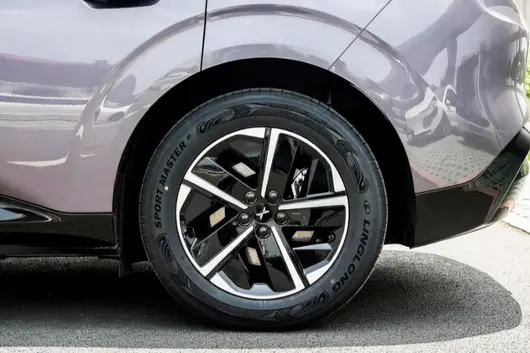

Author | Guo Yue
Editor | Zhihao
He Xiaopeng: Not only looking at scale but also long-term development, three new cars queued up in the second half of the year, welcoming the strongest sales growth.
CarDaily reported on May 28. Just now, Xpeng Group Chairman and CEO He Xiaopeng spent most of the time on the first-quarter earnings conference call responding to Xpeng's business layout in intelligent cars, Robotaxi, humanoid robots, and other aspects.
Regarding new cars, three new cars will be released globally in the second half of this year, and Xpeng will welcome the strongest sales growth curve in history.
Regarding overseas business, in April this year, Xpeng's overseas sales volume broke through 6,000 units for the first time, with a goal to continue exceeding 10,000 units per month in the fourth quarter. Starting from the second quarter, the revenue contribution from international business is expected to exceed 20%.
Regarding Robotaxi, the Xpeng GX fleet has already started small-scale L4 testing. Xpeng's goal is to start Robotaxi demonstration operation services in Guangzhou in the third quarter of this year. After the second-generation VLA lands overseas, Xpeng will also actively explore deploying affordable Robotaxis in both domestic and overseas markets.
Regarding humanoid robots, the software and hardware R&D progress of Xpeng's new generation IRON humanoid robots for mass production version is proceeding smoothly, planned to debut officially in the third quarter of this year. Xpeng aims to achieve mass production of high-end humanoid robots by the end of this year, first trial commercialized in Xpeng stores, and delivered to Chinese and overseas commercial customers starting next year.
Starting next year, humanoid robot hardware revenue and AI model revenue will become one of the important drivers of Xpeng Group's revenue and gross profit growth.
Just today, Xpeng Group released the Q1 2026 financial report.

▲ Xpeng Q1 2026 Financial Data
Specifically, Xpeng's Q1 2026 delivery volume reached 62,700 units, a year-on-year decline of 33%, total revenue of 13.03 billion Yuan, a year-on-year decline of 17.6%; gross margin improved year-on-year by 5 percentage points to 20.6%, net loss increased to 1.78 billion Yuan. These performances are partly due to the continued increase in R&D investment. In the first quarter of this year, its R&D expenses were 2.91 billion Yuan, a year-on-year increase of 46.8%, and further increased compared to the 2.87 billion Yuan in the fourth quarter of last year.
Regarding Q1 performance, He Xiaopeng stated that Xpeng did not just focus on scale when the market challenge was downward, but focused more on the balance between sales volume and operating quality and long-term development. He is very confident that the sales volume of every quarter in the rest of this year will grow significantly quarter-on-quarter.
As of the time of reporting, Xpeng Group's US stock price was reported at $16.845 (approximately 114.2 RMB) / share, up 2.4%, with a market cap of $16.124 billion (approximately 109.3 billion RMB).

▲ Xpeng Group US Stock Price as of Publication Time
01.
He Xiaopeng 11 Questions Show Determination:
New Cars, Robotaxi, and Robots Will All Be Globalized Well
On the Xpeng Group earnings conference call held tonight, Xpeng Group Chairman and CEO He Xiaopeng and Executive Vice Chairman and Co-President Brian Gu provided detailed responses on the key focus and planning for future development.

▲ Xpeng Group Chairman and CEO He Xiaopeng (right in picture), Executive Vice Chairman and Co-President Brian Gu (left in picture)
Below is the main content of this conference call, edited by CarDaily without changing the original meaning:
Q1: After the new model GX was on the market for a week, the response was enthusiastic. What is the current total order volume? What is the single-unit gross margin level? What is the expectation for its monthly sales target?
He Xiaopeng: As of now, the order performance of GX has exceeded our expectations, and the situation is very good. We observed some interesting data: First, the waiting time for the pure electric flagship model has exceeded 30 weeks, and orders for the flagship version are still growing rapidly.

▲ Xpeng GX
From the order structure, in the early stage of GX launch, the flagship version accounted for more than 80% of the share, and it is still the model with the highest sales proportion. At the same time, the sales proportion of GX's Max version is less than 5%, lower than our initial expectations.
In terms of powertrain type, the initial order volume of the extended-range version was lower than the pure electric version, but it is now gradually moving closer to the pure electric version, especially after we strengthened marketing in areas where we were originally not good at marketing, such as the north and west, this trend is more obvious.
For GX, our primary task is to push for capacity ramp-up to the fullest extent, while adhering to providing high-quality service and quality, ensuring GX can achieve long-term stable delivery. I am most concerned about the sustained performance of GX.
As a flagship model of Xpeng, GX's gross margin is very good. Previously, when I communicated with the media, I mentioned that if there is only one SKU, the gross margin may not meet expectations; but in reality, GX's gross margin is better than our overall gross margin level.
I also want to add a point: Starting from this year, all new cars of Xpeng will focus on two new priorities. First, how to pursue commercial quality in commercial configuration and commercial pricing. Second, we do not pursue an initial sales surge followed by a decline, but pursue a more stable sales performance.
To this end, we have established a new system in supply chain management, modularization, ramp-up processes, and supply chain security.
I believe that starting from GX, we will be able to better balance business benefits and scale, achieving more stable long-term sales.
Q2: What are the plans for Robotaxi business operations domestically and going global? Has the recent tightening of domestic regulations affected business progress? How do you view the potential impact of B-side business on Xpeng's C-side passenger vehicle sales?
He Xiaopeng: We noticed the recent tightening of domestic regulations on autonomous driving, but this has not affected our overall pace.
From my perspective, the real business opportunity for Robotaxi will arrive in 2028. Currently, Xpeng is trying to run through this model both domestically and globally, landing and implementing the VLA 2.0 system in China and overseas.
In China, we will conduct rapid R&D and testing through existing models and plan to launch an economy vehicle for Robotaxi scenarios in 2027.
Regarding the business model, I want to emphasize two points: First, we only provide products and offer a commission model, not participating in operations directly, so we will have a large number of partners. Second, the main battlefield for Robotaxi is the global market, and I believe the global market has huge business value.
Regarding your concern about the impact of B-side Robotaxi on C-side sales, I want to add a few points of view.
First, Robotaxi testing at the current stage is actually having a positive impact on the C-side, because the future VLA system will provide various different intelligent assisted driving strategies.
Secondly, as policies and regulations gradually relax and commercial operation gradually lands, Robotaxi vehicles will gradually separate from C-side vehicles, forming a second independent vehicle track, becoming a new type of transportation tool.
Q3: In the second half of this year to about a year in the future, what important trends and changes will the VLA 2.0 OTA bring?
He Xiaopeng: I think that within this year, Xpeng's VLA capabilities will experience two important nodes.

▲ Xpeng VLA 2.0 Push First Month Assisted Driving Mileage Proportion Breaks 50%
The first node may appear in the third quarter of this year.
In the past period, Xpeng VLA mainly focused on engineering, safety, and basic customer experience, without focusing on improving performance upper limits. In the third quarter of this year, we will greatly improve the performance upper limit of VLA. The user experience will manifest as vehicles being smarter, having stronger generalization capabilities, and greatly reducing the disengagement rate.
The second node is the end of this year.
We hope to fuse VLA and VLM capabilities through organizational mergers. At that time, vehicles will not only have the "driver ability" of autonomous driving but also possess language communication capabilities, and even lay the foundation for future "car butler" capabilities.
We believe this will be the preliminary form of L5 level capabilities. We hope to gradually achieve this goal.
Q4: What differentiation advantages does the humanoid robot have in hardware costs in the next year? What is the business model overseas?
He Xiaopeng: The mass production version of IRON is designed according to automotive-grade safety and reliability. Recently, we have completed the development of self-developed dexterous hands. Flexibility has significantly improved, while costs have significantly decreased.
In the process of robot mass production, we encountered many challenges different from car mass production. For example, the hardware of current humanoid robots does not fully consider safety, reliability, stability, and maintainability—it does not follow automotive-grade standards.

▲ Xpeng Plans to Mass Produce Humanoid Robots by the End of 2026
In addition, many energy groups have not considered how to scale, how to solve supply chain yield rate and quality issues, nor have they considered whether the underlying architecture of hardware and software should be placed locally or in the cloud, and if placed in the cloud, how to solve a series of issues such as data privacy, traffic, computing power, latency, etc.
For this reason, we have become a robot company that almost self-develops core hardware and software in full-stack (except for battery cells) since the beginning of last year. This enables us to achieve high integration.
I believe the initial hardware cost structure of robots will be close to a car, but in the long run, we will gradually obtain more economical scale solutions. But today, the robot's cost structure is very close to a car.
Regarding overseas markets, just like our car business, our robots have considered globalization from the first product.
The sales logic of robots may be more adaptable globally than in China, and acceptance among grassroots employees overseas is higher.
We have done a lot of work on how hardware meets overseas policies and how software and data meet local regulations.
For example, Xpeng's current VLA data processing volume is about 200 million Tokens per hour. If the robot model is placed in the cloud, it is estimated that 500 million to 1 billion Tokens per hour will be required, and traffic costs may exceed 100GB. Therefore, completely relying on cloud computing power is not feasible.
We comprehensively considered overseas hardware, software, data privacy, comprehensive usage costs, and commercial logic from the beginning. As domestic business advances, we hope to see new changes in robot business overseas next year as well.
Q5: Besides Guangzhou, can you reveal the Robotaxi city expansion plan and timeline as well as progress in applying for the corresponding license?
He Xiaopeng: Currently, our Robotaxi business only considers Guangzhou. We have already obtained the Guangzhou testing operation license and hope to run through the complete technology, product, and business model in Guangzhou first.
Afterwards, we will find more partners domestically and overseas for them to operate locally.
Since announcing this plan, we have received a large number of requests from overseas and some domestic partners. They are very interested in observing our overall progress in the next year.
After we launch economy vehicles suitable for Robotaxi scenarios and better overall solutions in 2027, I believe everyone will see our continuous improvement in Robotaxi commercialization capabilities.

▲ Xpeng Will Launch Three Robotaxis in 2026
Q6: What are the guidance for vehicle gross margin and company overall gross margin in the second quarter?
Brian Gu: Our overall gross margin in the first quarter is very close to the fourth quarter of last year. We indeed observed a trend of rising raw material costs, some of which have been reflected in the first quarter. We expect these cost factors to continue in subsequent quarters of this year.
In the second quarter, we launched the full-size SUV GX, and delivery will start in subsequent quarters. GX's gross margin is at the highest level in our entire product portfolio.
From the product structure perspective, we expect to see better model combinations in the second quarter and the second half of the year. Comprehensive factors, we expect the company's total gross margin in the second quarter to maintain a level roughly similar to the first quarter.
Q7: Can you talk about the growth catalysts for the overseas market, as well as sales and profit contributions in the next three years? Also, which model's profit is better, export or local production?
He Xiaopeng: The overseas market is one of the most important strategic directions for Xpeng. I hope that in the next five years, the sales volume of the overseas market will account for half of our total sales volume. At that time, the revenue and profit contribution from overseas will exceed domestic.
I am very confident that as Xpeng launches multiple global models in the second half of this year, Xpeng's globalization speed will be significantly improved in the next two years.
Whether in hardware, AI software, channels, services, or supercharging capabilities, we will make huge investments overseas, and overseas profit performance will also be very good.
Our R&D investment in cars this year is mainly concentrated in the overseas market. Therefore, I am very confident about achieving accelerated growth in the overseas market in the next three years.
Brian Gu: I will add a few points. First, from the latest international sales figures, overseas sales volume has accounted for nearly 20% of our total sales volume. And last year, international sales volume accounted for about 10% of the global total sales volume.
Second point, even when facing some tariff issues and cost increases this year, the single-vehicle profit of our international business is still significantly better. The contribution of international business to our profit is very considerable.
We expect this growth momentum to last throughout the year. I believe maintaining the proportion of overseas sales volume at around 20% throughout the year is sustainable. Of course, the Chinese market itself is also expected to have significant growth.
Regarding going global, we are increasing overseas localization investments. The overseas market will make an important contribution to the company's overall momentum and profitability.
Q8: In this year and next year, what proportion of models is expected to be produced in local factories? Will this proportion differ across different regions?
Brian Gu: Currently, we have two factories in Southeast Asia, located in Indonesia and Malaysia, mainly serving the local markets. In addition, we cooperate with Magna in Austria to produce vehicles for the European market.
These three manufacturing bases will increase capacity this year, and there will be new models produced in those local markets.
For Southeast Asian countries, localized production mainly satisfies local market demands; while the Austria factory serves the European market.
I expect most of our European sales will come from localized production. In other regions where manufacturing facilities have not been established, we will continue to maintain the current business model.
As we improve sales and market share in these large markets, we are actively exploring ways to increase localized production capabilities to meet localization content rules and gradually move towards a deeper localized production model.
Q9: Can you give a few specific examples to explain the commercial functions and application scenarios of Xpeng robots in its own stores and customer stores? What is the price strategy for sales to the outside? Since its cost structure is close to a car, can the sales strategy also be analogous to cars?
He Xiaopeng: Our robots are different from most robots. We hope it is used in an environment interacting with humans. Therefore, we first consider commercial environments, and the initial application scenarios are tour guide, sales guide.

▲ Xpeng New Generation IRON Service Scenario
Whether in China or overseas, robots can introduce products in stores, for example, introducing vehicles in our stores. Although the final transaction may still need to be handled by humans, company introduction, product introduction, performance explanation, and other work can be assisted by robots.
Based on the fact that tour guiding and sales guiding have been verified in a large number of jobs globally, we hope to expand to deeper scenarios of sales retail, such as cashier positions. The number of cashier and retail sales positions is very large globally.
Therefore, from the commercialization path perspective, Xpeng will focus on deepening from the sales guide perspective, while we will open up a lot of cooperation.
If our partners have different job requirements, they can generate data with us, perform pre-training and post-training, and thus generate different models. These models can be placed on our external cooperation platform for users to download and activate.
Regarding future commercialization pricing, we are still discussing. But it can be seen that our robots are very similar to cars, so their sales price will certainly be more expensive than an ordinary car.
There will be good gross margins on hardware in the early stage. At the same time, our robots also have a large amount of data processing in the cloud, so we hope to take a faster step in software charging.
We believe that break-even targets can be achieved within a few months in the overseas market, while it may take slightly longer in the domestic market.
Therefore, we are constantly thinking about the commercial logic of robots from the perspective of how customers use them, why they buy them, and how they get value.
Q10: Can you share your thoughts on the evolution of the group's long-term business model? How do you view the timing of revenue generation from various strategic sectors, as well as changes in the medium-to-long-term revenue structure?
He Xiaopeng: At the current stage, the group's main revenue source is certainly scale effects, mainly from hardware; if looking at the ecosystem, it is system effects.
But looking globally, very few car manufacturers can build a software platform on top of the scale effect of hardware to form the next level of network effects - that is, achieve software charging and multi-sided network effects.
Further back, with the rise of overall intelligent AI capabilities, there will also be ant colony effects. Just like ant colonies, forming new synergy between centralized and decentralized.
These three effects will gradually overlap. Each effect involves different competitive barriers and corresponds to different business logic.
Q11: How is the service revenue trend this year? Is there a possibility for technical licensing or technical services with our partners to expand overseas?
Brian Gu: We continue to maintain the previous guidance: In 2026, the total revenue from technology, services, and IP licensing will be roughly the same as in 2025.
Starting from the second quarter of this year, we will scale up delivery of Turing Chips to partners.

▲ Xpeng Turing Chip Obtained Volkswagen Confirmation
We continue to believe that achieving technology commercialization and monetization through such cooperation is a very attractive business model for us.
Given that Xpeng internally possesses a large amount of proprietary technology, we hold a very open attitude towards expanding such technology commercialization opportunities.
02.
Gross Margin Growth Highlights Operating Resilience
Expected Delivery Volume and Revenue to Increase Significantly in Second Quarter
From the Q1 2026 financial report of Xpeng Group, the total revenue of Xpeng Group in Q1 2026 was 13.03 billion Yuan, down 17.6% compared to Q1 2025, and down 41.4% compared to Q4 2025.

▲ Xpeng Q1 2026 Financial Data
Among them, Xpeng's automotive sales revenue in Q1 2026 was 11.0 billion Yuan, down 23.5% compared to the same period of Q1 2025, and down 42.3% compared to Q4 2025.
Regarding net loss, its net loss in Q1 2026 was 1.78 billion Yuan. In Q1 2025, this figure was 660 million Yuan. Net profit in Q4 2025 was 380 million Yuan.
Regarding gross margin, Xpeng Group's gross margin in Q1 2026 was 20.6%, exceeding Li Auto (7.9%) and NIO (19.0%), with automotive gross margin at 12.1%. In comparison, it was 10.5% in the same period of Q1 2025, and 13.0% in Q4 2025.

▲ Xpeng Q1 2026 Gross Margin Steady
As of Q1 2026, Xpeng's cash on hand was 42.09 billion Yuan.
For the second quarter of this year, Xpeng Group expects delivery and revenue scale to achieve significant increases.

▲ Xpeng Q2 2026 Performance Guidance
Regarding delivery volume, the official forecast expects vehicle deliveries for the quarter to reach 100,000-106,000 units, with a year-on-year change of approximately -3.08% to 2.73%, and a quarter-on-quarter growth of approximately 59.54% to 69.11%.
Regarding revenue, the official forecast expects total revenue for the quarter to be 19.6 billion to 20.8 billion Yuan, with a year-on-year increase of 7.25% to 13.82%, and a quarter-on-quarter increase of 50.38% to 59.59%.
Brian Gu stated: "We will accelerate the large-scale commercialization of Physical AI applications with company-level strategic priority."
03.
Conclusion: Xpeng Accelerates Towards the End Game of Physical AI
From the information disclosed in the Q1 2026 financial report and conference call, Xpeng is on the eve of Physical AI applications moving from mass production landing to explosive scale growth.
Its Physical AI layout is welcoming a historic breakthrough in commercialization mass production: The proportion of second-generation VLA smart driving mileage broke through 50%, the first full-stack self-developed Robotaxi has rolled off the production line, the humanoid robot goal is to mass produce by the end of the year, flying cars are entering the eve of mass production. Multiple business lines are simultaneously approaching explosive scale growth, jointly building a solid foundation for Xpeng to move towards the era of Physical AI.
Under this circumstance, Xpeng Group's gross margin still maintained at a high level of 20.6%, showing strong operating resilience. From the obvious rebound in delivery guidance in the second quarter, Xpeng is expected to welcome strong sales growth.
With VLA architecture iteration, the successive landing of multiple new cars and robot products, Xpeng is expected to build a more complete business ecosystem in the fields of intelligent mobility and embodied intelligence. Its future development potential is worth continuous observation.
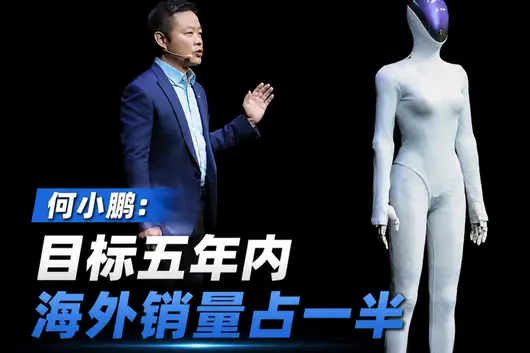

"Xpeng GX sales data is at least exceeding my expectations, perhaps the product matrix head's expectations might be even higher." On May 21, He Xiaopeng, Chairman and CEO of Xpeng Group, stated that Xpeng GX large orders reached 24,863 units in 12 hours since launch, with two purchased by himself.
On May 20, Xpeng Auto's first all-size new tech flagship SUV — Xpeng GX went heavy launch. The new car is positioned as a new tech flagship facing the physical AI era, launching pure electric and super extended range dual power systems, limited-time equity price starting from 269,800 yuan.
He Xiaopeng stated: "Regarding the pricing of GX, we went through multiple rounds of fierce discussions, and ultimately gave a very sincere price based on ensuring a certain profit." Xpeng Group Product Matrix General Manager Wu Anfei revealed: "From a product power perspective, Xpeng GX targets 'Series 9' SUVs, but from a pricing perspective, Xpeng GX targets 'Series 8' SUV products."

With the announcement of Xpeng GX large order data, Xpeng Group's stock price also surged on May 21. As of the close on May 21, Xpeng Group Hong Kong stock price rose 4.57%, quoted at 60.6 HKD/share, with intraday gains exceeding 8% at one point.
As the culmination of Xpeng's 12 years of technical accumulation, GX integrates three core technologies: Robotaxi intelligent driving, flying car safety redundancy, and embodied intelligence chip architecture, directly addressing seven industry pain points — large cars should be easy to drive, interior has quality but not showy, driving is enjoyable, safe enough, low energy consumption, smart enough, sufficient space. The entire series is standard-equipped with over 100 leading technologies at the 500,000 level, redefining the 300,000 level flagship standard.
Xpeng GX body size reaches 5,265×1,999×1,800mm, wheelbase 3,115mm, imposing presence. Universal Sky-Ground front and rear through lights paired with aerospace-grade ceramic 24K gold logo, identification maxed out; four-door electric doors support anti-clamp anti-drop, active obstacle avoidance, designed for next-gen unmanned driving. Exterior offers Peak White, Polar Black, Fjord Gray, Danxia Red, Cloud Desert Gold (Matte), Kunlun Cloud Realm (Silver Grey Bi-color) 6 color schemes, among which Matte Cloud Desert Gold uses BASF top matte clearcoat, paint film quality benchmarked against ultra-luxury brands.
To solve the pain points of difficult turning and parking for large cars, GX full series standard-equipped rear-wheel steering, achieving 5.4m minimum turning radius, flexibility comparable to A0-class sedans, turning and parking calmly. At the same time equipped with million-pixel AI digital projection headlights, possessing 1.3 million pixel-level precise shading capability, can achieve following distance warning, driving intention projection, welcome light carpet, etc.; UWB key links electric side steps, sensing welcome from 3.5 meters away, matched with industry-leading 6 sets of external microphones and 2 external interactive speakers, external voice vehicle control is convenient, ritual sense full.
Xpeng upholds the "Technology Luxury" concept, rejecting piled-up flashy configurations, carrying hardcore technology with simple design. Interior offers Dawn White, Forest Mist Purple, Platinum Brown three color schemes, utilizing a star-soft translucent leather craftsmanship where ambient lighting is hidden beneath the leather. When lit, it shines like a galaxy; when off, it blends seamlessly.

In terms of space, GX creates a cross-level experience of "First row beyond Series 7, Second row Maybach, Third row Alphard". 180mm ultra-wide second-row central aisle + 1,324mm open height, elderly and children pass freely; Third row is the widest in class, and is the only third row in class that can lie flat, seats support 0-180 degrees backrest and headrest electric stepless adjustment, full heating function, equal rights with first and second row.
Storage capabilities are equally impressive; with 6 people fully loaded, the trunk capacity reaches 673 L (best in class). After folding the third row in a 50:50 independent electric manner, it can switch between a large five-seat or super large four-seat mode, with a maximum expansion capacity of 1,748 L, easily accommodating large items. Additionally, there are 62 high-precision storage spaces throughout the car plus 3,180W of interior power supply, suitable for diverse scenarios like outdoor office work and travel photography.
As the first mass-produced Robotaxi model featuring full-stack self-developed technology, GX is equipped with the Turing AI chip across the series, offering up to 3,000 TOPS computing power. Empowering the second-generation VLA intelligent driving system, it achieves a leap from "having roads to travel" to "traveling even where there are no roads". Capabilities such as navigation-free roaming in park garages and starting from a standstill in all scenarios lead the class.
Regarding safety, GX adopts a 16,000T front-and-rear integrated die-casting "Castle Body" with a torsional stiffness of 56,000 Nm/deg, capable of withstanding a 720° five-link chain extreme collision test. It covers 11 airbags across all three rows and debuts the "All-Weather, All-Scenario Steady Ride System," which automatically executes "Warning - Lane Change - Parking - Help Call," protecting the whole family during travel.
In terms of power and range, pure electric four-wheel drive version CLTC range 750 km, energy consumption 15.2 kWh/100km, 5C supercharge 12 minutes recharge 525 km; Super Extended Range version comprehensive range 1,585 km, zero to hundred acceleration 4.98 seconds, balancing long range and strong power.

Xpeng GX takes "Dedicated to all people struggling for themselves and for the era" as the core proposition, accurately anchoring user groups balancing family responsibility and self pursuit. In the large six-seat SUV red ocean market, GX jumps out of traditional "configuration piling" logic, taking Physical AI technology as the core, achieving "Easy to drive, easy to use, safe, smart" full dimension breakthrough, ending high-end SUV "Trade-off Difficulty".
From industry layout perspective, GX is not only a key model for Xpeng brand upward, but also an important landing carrier for its transformation from car company to "Physical AI Company". As of now, Xpeng has built 9 major R&D centers globally, R&D personnel ratio over 40%, and started localization production projects in Indonesia, Austria, Malaysia, globalization strategy continues to advance.
In the future, Xpeng GX will, with high-level technology standard across series, cross-level product power and sincere pricing, reconstruct the 300,000 level flagship SUV value benchmark, accompany users carrying worries and love, calmly rushing to mountains and seas, exploring infinite boundaries of life.
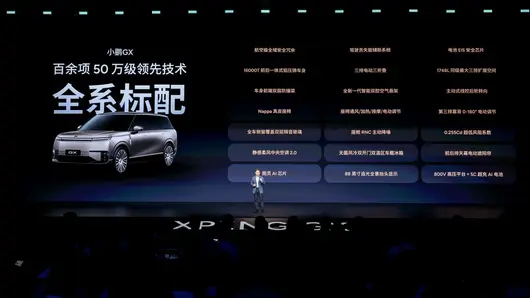

[CNMO Tech News] Recently, XPeng Auto completed a controlling acquisition of EIDO, an electric vehicle manufacturing entity under Indonesia's Eraya Group, holding a 90.1% stake. According to disclosure documents from the Indonesia Stock Exchange, this marks a key breakthrough for XPeng in achieving local production in Southeast Asia's largest automotive market.

It is reported that this acquisition deepens the cooperation between the two parties. As early as July 2025, XPeng established its first overseas production base relying on the EIDO factory, with the first vehicle off the line being the XPeng X9, with a monthly capacity of about 800 units at that time. By acquiring controlling equity, XPeng will fully master the production leadership of the base, paving the way for subsequent expansion and the introduction of more models.
Domestically, XPeng has built three major production bases in Guangzhou, Zhaoqing, and Wuhan, with a total capacity of about 420,000 units; after the second phase of the Guangzhou factory is put into operation, 300,000 additional annual capacity will be added. The overseas layout is being promoted using an "asset-light contract manufacturing" model: Cooperation with Magna in Austria has already started in 2025; Cooperation with Handal Indonesia Motor in Indonesia started in March of the same year; Cooperation with EPMB Group in Malaysia is expected to start mass production in 2026.
According to the plan, XPeng will further expand its overseas manufacturing capabilities in Europe, Southeast Asia, and Latin America starting from 2026. This controlling stake in Indonesia's EIDO is an important milestone for the implementation of its global production strategy.
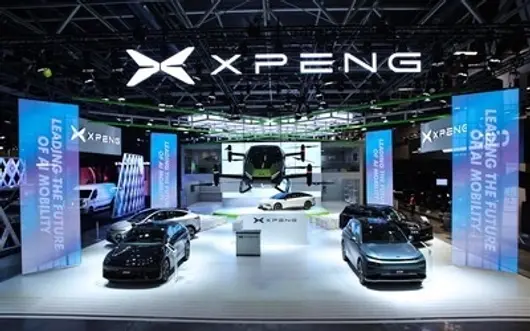

Let's talk about XPeng today.
On May 28, XPeng also released its Q1 financial report.
Let's get straight to the main point.
XPeng's Q1 delivery volume was62,683 units.

By comparison, NIO was 83,465 units, Li Auto was 95,142.
Whether compared to itself or against NIO and XPeng, this is not a good result.
Because in Q1, neither NIO nor Li Auto had new cars or revised models to fill the gap, relying purely on existing product matrices.
XPeng is different, XPeng launched many revised models:
In January, one-time launch of 4 main models: 2026 Model P7+, 2026 Model G7, 2026 Model G6 Pure Electric Version, 2026 Model G9 Pure Electric Version.
In March, X9 Pure Electric Version, G6 Super Extended Range Version, P7 New Model Launched.
Six models completed new launches and revisions in Q1.
It was an aggressive product rollout strategy.
But even so, sales were average.
Until April, 2026 Model MONA M03 launched for delivery, sales rose again.
XPeng's explanation is: Q1 was affected by fluctuations in the domestic new energy market, the company not only focuses on scale, but more on the balance between sales and operational quality.

XPeng's Q1 gross margin was 12.1%, by comparison, the same period in 2025 was 10.5%, and the fourth quarter of 2025 was 13.0%.
Regarding automotive gross margin, Li Auto Chairman Li Xiang has a viewpoint: Product stable gross margin should be stable at 15%-25%, longest will not be lower than 15% gross margin.
Although Li AutoQ1did not do well either, vehicle gross margin was only 6.1%.
But for now, XPeng's vehicle gross margin is not high, also related to its low sales, scale effect cannot be utilized.
So, the blood-making ability provided by the main business of automotive sales is relatively limited.
However, XPeng's Q1 gross margin was 20.6%, by comparison, the same period in 2025 was 15.6%, and the fourth quarter of 2025 was 21.3%.
This is because XPeng's service and other businesses (R&D technical services, software licensing) gross margin is very high, reaching 66.5%.
Although revenue was only 2.03 billion yuan, far less than car sales 11.0 billion yuan, but it still pulled up the overall gross margin.

Last year Q4, XPeng achieved single quarter profitability (net profit exceeded 380 million yuan), but regretfully not maintained.
This year Q1, XPeng net loss was 1.78 billion yuan ($260 million), by comparison, the same period in 2025 was loss 660 million yuan, and the fourth quarter of 2025 was revenue 380 million yuan.
Operating loss was 1.87 billion yuan ($270 million), by comparison, the same period in 2025 was 1.04 billion yuan, and the fourth quarter of 2025 was 40 million yuan.
Q1 R&D expense was 2.91 billion yuan ($420 million), compared to the same period in 2025's 1.98 billion yuan increased by 46.8%, and compared to the fourth quarter of 2025's 2.87 billion yuan increased by 1.1%.
Yearly increase mainly due to company expanding product portfolio to support future growth, new models and AI related technology development corresponding expenses increased.
Q1 Selling, general and administrative expense was 1.88 billion yuan ($270 million), compared to the same period in 2025's 1.95 billion yuan decreased 3.2%, and compared to the fourth quarter of 2025's 2.79 billion yuan decreased 32.5%. Yearly and quarterly decrease mainly due to commission paid to franchise stores decreased.
As for cash reserves, still 42.09 billion yuan, ammunition sufficient.
However, from Q2, XPeng's situation will start to slowly improve.
Reason is, there are new hit models supplementing: XPeng M03 and XPeng GX.
First is April 2026 Model M03 launched, live up to expectations, still stable maintain hit performance, 37 minutes confirmed orders broke 10,000, April retail 13,595 units, brought new sales increment.
Besides this car, XPeng full-size high-end flagship XPeng GX launched on May 20, limited time right price269,800-349,800 yuan(Pure Electric + Extended Range total 8 configurations).
Already definitely a big hit, especially top-spec models, already hot to a mess:

Especially XPeng GX Pure Electric Version, on May 23 delivery cycle was 20-24 weeks, now already changed to 30-34 weeks.
Known so far is: In initial orders flagship version proportion exceeded 80%, currently still mainstay. Max version proportion below 5%, below expectations.
Extended range version initially demand not as good as pure electric, but gradually approaching, especially after strengthened marketing in North District, West District.
We hope GX can become top 3 or even head of high-end big 6-seat market above 300,000 yuan.
GX as flagship model, gross margin is very good, most SKU gross margin performance all higher than expectations.
So, with this car's mass delivery, this year June, or even next, this car will contribute considerable sales revenue, and also will drive XPeng vehicle gross margin improvement.

However, must say although has XPeng GX high gross margin model improving product structure, but raw material rise pressure (memory chips and batteries), this part pressure will still continue to subsequent quarters.
Q2 XPeng expected delivery volume 100,000 to 106,000 units, compared to Q1 increased about 59.54% to 69.11%.
Total revenue will be 19.6 billion yuan to 20.8 billion yuan, compared to Q1 increased about 50.38% to 59.59%.
As for total gross margin, expected to be roughly flat with first quarter.
In view of XPeng new high-end flagship XPeng GX opened a good start.
Next, XPeng performance very worth expecting.
First is new models.
This year second half XPeng still has three new models will launch for delivery.
XPeng G9L: XPeng G9 Long Version.
G9L positioning will be between G9 and GX, mid-large 6-seat luxury household SUV.
XPeng G9: 4891×1937×1670mm, wheelbase 2998mm
XPeng G9L: 5120×1999×1782/1788/1795
XPeng GX: 5265×1999×1800mm, wheelbase 3115mm,
XPeng G9L on G9 basis made lengthened, same pure electric/extended range dual power, as for other aspect configurations, personal feel will align with GX, common name cookie-cutter.

So, this car's configuration, space and many product competitiveness certainly not bad.
Now new energy cars want to win in intense competition, core is《Tech Jungle》many times emphasized strategy: Dimensional Strike + Differentiated Competition.
This is also now new energy cars getting bigger reason.
So, G9L subsequent should replace G9 position, so most critical is pricing, XPeng G9 price is 248,800-278,800 yuan.
G9L wants to move volume, pricing and SKU need to seriously consider.
If set well, then another hit booked.
Besides G9L, XPeng MONA sequence SUV models also finally coming, will fill XPeng missing in 150,000 yuan SUV models.
MONA L03:
L03 positioning compact coupé SUV,4650 /1920/1600mm, wheelbase 2850mm(Axle Length Class-Leading), same pure electric + extended range dual energy, 83kW (249 hp) permanent magnet synchronous single motor.

Pure electric version provide 505km (56kWh), 650km (69kWh) two range specifications.
Extended range version 37.2kWh Lithium Iron Phosphate;CLTC Pure Electric Range 257km, Combined Range > 1000km.
If can give a good price, then basically can continue current M03 hit momentum.
As for launch release time, user in XPeng Auto VP Yu Tao comment section asked July can receive car, his response is: No problem, place order at night no pressure.
So L03 high probability July will launch.
L05: 5-seat mid-size household SUV
In some sense can see as one size bigger L03.

L05 Length×Width×Height: 4870/1930/1636mm, wheelbase 2940mm.
Compare XPeng brand G6.
XPeng G6: 4758/1920/1650mm, wheelbase 2890mm.
So, L05 whether seating or cargo performance, will be better than G6.
G6 selling price is 176,800-186,800 yuan.
Considering MONA series more affordable positioning, L05 must be cheaper than G6, and will also eat into considerable G6 market share.
(If appear pricing reversal, then I definitely this car last sales definitely fail)
For MONA these two SUVs, I still very expect.
However still that sentence, whether G9L, L03 or L05, final decide whether can big sell core factor still pricing, configuration, XPeng must treat cautiously.
If this block no mistakes, then second half XPeng sales performance very worth expecting.
XPeng second generation VLA progress still very worth expecting.
First technical aspect, second generation VLA brought two new capabilities:
1、Second generation VLA No Navigation Campus / Underground Garage Roam, achieve intelligent driving from With Road to Even without Road
2、Domestic First Full Scene Stationary Start (Public Roads, Campus, Underground Garage, P Gear status can stationary start), everywhere can drive, greatly increase intelligent driving usage rate
These two function's carry not only intelligent driving function's supplement, means XPeng will Full Scene 0 Speed Start, No Navigation Roam Pass, Urban NOA, Highway NOA, Spot to Spot link thoroughly connect, form a complete seamless end-to-end experience loop.
Achieve intelligent driving from With Road to Even without Road, and will bring intelligent driving experience continuity quality change, truly do everywhere can drive.
This capability form already and Tesla in North America realized Full Scene FSD very close.

And, second generation VLA push first month, intelligent driving mileage proportion industry first break 50%, become industry first cross this node intelligent driving system, mark high-level intelligent driving from Geek Tasting formally enter Mass Daily, High Frequency Usage stage.
Regarding intelligent driving mileage, domestic intelligent driving head company Horizon Robotics Founder&CEO Yu Kai has a viewpoint: Intelligent driving mileage proportion break 50% after, user to intelligent driving reliance will become irreversible.
So, with more large amount model's delivery and more intelligent driving mileage usage, XPeng intelligent driving will receive not small progress and growth.
This is not over yet.
This year Q3 (August), XPeng VLA will迎来 a wave of update, greatlyimprove model capability upper limit, smarter, generalization capability stronger, greatly reduce takeover rate.
This year end, XPeng will achieve first realizeVLA+VLM Fusion, besides autonomous driving haveLanguage Communication Capability, for future Car Butler (L5 level) capability lay foundation.
When autonomous driving can based on L2 level hardware realize perfect L4 software capability, entire business form and business model will produce huge change.
Can expect is, XPeng in intelligent driving aspect competitive capability will get further enhanced, and this reversely will promote XPeng product sales growth, form a positive cycle.

As for Robotaxi, currently XPeng is in Guangzhou get license and operate.
XPeng's planning is in Guangzhou take technology, product, business model run through after, then with domestic and foreign more partners carry out local operations.
XPeng's Robotaxi strategy has two points: First, only do product and take commission, not directly do operations, so will have many partners; Second, XPeng thinks global Robotaxi has huge business value.
He Xiaopeng indicates: Domestic recent autonomous driving regulation tightening did not affect our rhythm, we think 2028 after will be Robotaxi huge business opportunity, currently according to steps in sea inside out preparation.
XPeng current plan is use existing models in domestic and international market heavily deploy and test V2.0.

Using current models carry out rapid research and development and experiment, and will in 2027 launch economy models to do well Robotaxi demonstration and commercial verification, Robotaxi commercial capability will continuously improve.
Regarding Robotaxi test and R&D to Consumer Side business also bring positive impact (feedback), because V2.0 can derive multiple intelligent driving strategies (such as speed mode, less takeover mode).
Future, when policy gradually relax, Robotaxi enter scaled commercial operation, it may with Consumer Side market gradually separate, become second vehicle track, become a new type tool.
As for technology licensing service, this year Q2 start, XPeng already start to partners Volkswagen massively deliver Turing chips, 2026 from technology, service and IP licensing total revenue will be same as 2025.
Overseas market has always been XPeng core strategy one.
From latest month data look, XPeng International business revenue contribution already close to 20% (last year whole year about 10%), proportion significantly improve.
Although have tariff etc cost pressure, but international business brought gross margin and net profit contribution still very substantial.
This year second half, with this year second half 4 models global launched, 2027-2028 XPeng globalization speed will greatly improve, growth momentum will continue, whole year international revenue contribution will stable at 20% around.
Of course consider international instability, XPeng also increase local investment production (such as in Austria with Magna cooperation), to ensure have capability meet European and global market growth expectation.

Currently we in Southeast Asia (Indonesia, Malaysia) have two factories, mainly meet local market; in Austria with Magna cooperation production supply Europe. These three places capacity this year will improve, and produce new models. For Southeast Asian countries, production mainly face local market; Austria factory then serve Europe. Expect wein Europe sell most vehicles will realize local production. In no production facilities other regions, we will maintain current export mode. With in some large markets sales and share growth, we are actively seek improve capacity and localization rate method, to meet local content rules.
He Xiaopeng for overseas market expectation is: Hope future 5 years, overseas market sales account for half, revenue and profitexceed half.
Finally, come to summarize.
Although XPeng Q1 performance flat, but still that sentence, look car company how to look not only past, but also look long-term potential.
Now, with GX, G9L and MONA sequence new cars successively debut, XPeng already laid out strongest product matrix.
Additionally, VLA intelligent driving enter mass popularization stage, overseas business also slowly grow into new business growth pole.
XPeng already preliminarily form Hit Models + Intelligentization + Globalization three-wheel drive new layout.

Next half year, dense new car release will be test this layout quality touchstone.
For XPeng, next question is: How to use well technology this sharp blade, in wider global market, win matching business results (that is scale and profit)?
Second half, market will use orders and margin to vote, await XPeng reverse situation.
End.