


首頁VW Tiguan

搜尋歷史
熱門搜尋
經銷商登入 / 註冊

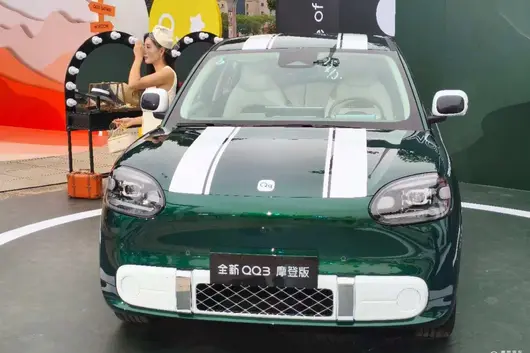
On September 22, the all-new Chery QQ3 Modern Edition officially launched, with an official guide price of 88,900 RMB, an add-on purchase price of 86,900 RMB, and a trade-in price of 83,900 RMB. As an official modification special edition of the QQ3 family, the Modern Edition takes the Neo-Retro Modern design language as its core, making a systematic upgrade to exterior, interior, and detail quality.

Meanwhile, the all-new QQ3 has broken the 10,000-unit monthly sales mark for 5 consecutive months since its launch in March 2026. August sales reached 19,103 units, a 64.07% month-over-month increase. A classic IP that once defined the "National Compact Car" is rediscovering its rhythm in the all-electric era.
So, where exactly is the "Modern" in the Modern Edition?
The most intuitive change in the all-new QQ3 Modern Edition comes from a shift in design language. Building on the all-new QQ3's square-and-round aesthetics, it introduces the Neo-Retro Futurism design concept, fusing classic automotive elements with contemporary craftsmanship. The body dimensions are 4229x1812x1573mm, with a wheelbase of 2700mm, maintaining the standard size of a compact all-electric vehicle.

Exclusive exterior configurations include Time Badge wheels, Wind Trail racing stripes, Golden Era grille, Gilded Chrome trim, and Retro White front and rear bumpers, raising the vehicle's recognizability clearly to a higher level than the standard version. For color schemes, two exclusive colors are offered: "Modern Era" and "Anne Pearl". Effort was also made in paintwork, using 6-layer 2K high-quality paint from brands like Kansai and PPG.
The direction for interior upgrades is "moving high-end custom details into small cars." The Modern Edition brings a new "Cloud Velvet Beige" cabin color scheme. The center console panel, door inserts, and seats incorporate houndstooth custom textures, while seats and the center armrest box are accented with Modern color-blocking webbing. The headliner, A/B pillars, and sun visors are upgraded to velvet wrapping, feeling significantly more delicate than the standard version.
The logic behind this is clear: the cabin quality of compact all-electric vehicles has long been criticized as "cheap". The Modern Edition attempts to address this issue by changing fabrics and textures.

Intelligent configurations continue the all-new QQ3's basic architecture. A 15.6-inch 2.5K center screen paired with a Qualcomm 8155 automotive-grade chip, embedded with the Carmind large model, supports AI natural language interaction, smart vehicle control, and route planning.
For parking, it offers 540-degree panoramic imaging, 12 ultrasonic radars, and 100+ all-scenario automatic parking. L2-level assisted driving covers 15 functions including cruise control, collision warning, and lane assist. OTA upgrade capabilities are continuously being delivered; updates pushed in August added functions like outside voice vehicle control and 540-degree panoramic AVM Rainy Night Mode.
Regarding power and chassis, the Modern Edition adopts a rear-motor rear-wheel-drive layout with a 90kW motor and CLTC range of 420km. The Rhino Battery is standard across the range, with fast charging from 30% to 80% in as fast as 16.5 minutes, and 6.6kW external discharge is standard.
The chassis combines front MacPherson and rear multi-link independent suspension, not common in compact cars at this level. The 5.2-meter turning radius also retains city maneuverability.
On safety, 5 longitudinal and 8 transverse cage-style body high-strength steel accounts for 82%, hot-formed steel accounts for 16%, integrated hot-formed door ring strength reaches 1300MPa, equipped with 6 airbags and 6-dimensional electric safety certification.
Overall, the Modern Edition's positioning is not a volume-selling version, but the "quality anchor" of the QQ3 family. It uses a complete set of exterior kits and interior upgrade solutions to bring the price to 88,900 RMB, tentatively testing the quality ceiling of compact all-electric vehicles.
From National Compact Car to Monthly Sales Breaking 10,000, What Did QQ3 Do Right?
To understand the all-new QQ3's market performance today, one must first return to its starting point.
In 2003, the first-generation Chery QQ launched at a price of less than 50,000 RMB. In an era dominated by Jetta, Fukang, and Santana, it broke the dull black, white, and gray landscape of the Chinese car market with bright colors and a "smiling" front face.
Before the production ceased in 2014, the QQ series cumulative sales exceeded 1.6 million units, selling well in over 100 countries and regions both domestically and internationally, becoming an early sample of Chinese car brand IP operation. The significance of QQ was not how advanced the technology was, but that it allowed ordinary families to feel for the first time that owning a car was feasible.
On March 30, 2026, the all-new QQ3 returned in an all-electric identity. Blind orders broke 10,000 within 20 minutes, accumulating 27,319 units in 3 hours. This opening shows that the appeal of nostalgia still exists. However, whether a car can stand firm depends on product power after nostalgia is realized.
The all-new QQ3's approach is to keep the QQ brand's accessible genes while pushing space, intelligence, and safety configurations to the front of their class. A 2700mm wheelbase, 70L electric front trunk, Qualcomm 8155 chip, L2-level assisted driving, and rear multi-link independent suspension, these configurations placed on an all-electric small car with a starting price under 60,000 RMB indeed form differentiated product cognition.

Sales data also confirms this. April deliveries 13,612 units, May 10,425 units, June 10,524 units, August further surged to 19,103 units, of which 13,911 units domestically, 5,192 units overseas.
Simultaneous volume release domestically and overseas indicates that QQ3's product definition not only caters to domestic users' demand for "premium small cars" but also found acceptance in markets like Southeast Asia. Thailand and Indonesia pre-sales cumulative orders quickly broke 20,000, and early feedback from overseas markets is positive.
The reason for breaking 10,000 units in monthly sales for 5 consecutive months can be broken down into three levels. Product level: The all-new QQ3 provided targeted solutions for the core pain points of compact all-electric vehicles — if space is insufficient, lengthen the wheelbase; if intelligence is weak, upgrade to 8155 and large screens; if safety is questionable, respond with high-strength steel and 6-dimensional electric safety certification.
Pricing level: The main price range of 58,900 to 78,900 RMB attracted first-time and add-on buyers who are price-sensitive but have quality requirements with a configuration combination that is "sufficient and exceeds expectations."
Brand level: 1.54 million cumulative sales and 20-plus years of national recognition lowered the threshold for new users to understand this car and gave existing users an emotional connection point.
The launch of the Modern Edition is an upward trial on this basis. It does not bear the volume sales task, but its existence will affect the position of the entire QQ3 product lineup in the user's mind — when a compact all-electric car is willing to put effort into paint, headliner fabric, and interior textures, the user's default expectation for small cars is also being slowly raised. This might be more meaningful than selling a few thousand more units in a single month.
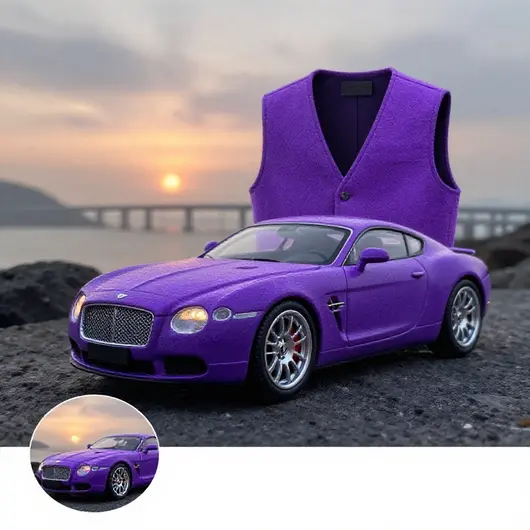
In Malaysia's SUV market, many buyers compare Honda CR-V and Mazda CX-9 when choosing a car.
The OTR selling price of Honda CR-V in Malaysia is RM 178,200 - 195,900, with a total of 4 versions, including 2026 e:HEV 2.0L 2WD RS (RM 195,900), 2026 1.5T 4WD V (RM 181,900), 2026 e:HEV 2.0L 2WD E (RM 178,200), etc.
The OTR selling price of Mazda CX-9 in Malaysia is RM 328,810 - 345,810, with a total of 2 versions, including 2023 2.5T 4WD (RM 345,810), 2023 2.5T 2WD (RM 328,810), etc.
From a price perspective, Honda CR-V's starting price is indeed RM 150,610 cheaper than Mazda CX-9. If your budget is limited, Honda's entry-level version is sufficient for daily needs. But note, the few thousand cheaper might have trade-offs in features, depending on your needs.

Honda CR-V is powered by a 2.0L 4-cyl, with 170 hp. Official fuel consumption is 8.0 L/100km.
Mazda CX-9 is powered by a 2.0L Turbo, with 220 hp. Official fuel consumption is 9.5 L/100km.
In terms of power, Mazda CX-9's 2.0L Turbo has 50 more horsepower than Honda CR-V's 2.0L 4-cyl. However, for daily city driving, the power of both cars is sufficient and won't feel lacking.

Honda CR-V body length is 4500 mm, trunk 450 L.
Mazda CX-9 body length is 4500 mm, trunk 450 L.
The dimensions of both cars are almost the same, and the interior space difference is not significant. For cars of this class, they are fully sufficient for daily use.

Honda CR-V uses FWD drive configuration.
Mazda CX-9 uses FWD drive configuration.
Both cars have the same drive configuration, both are FWD, and there won't be a big difference in daily driving experience.

Both Honda CR-V and Mazda CX-9 are mainstream choices in the Malaysian market, suitable for family use and daily commuting. If you value brand reputation and resale value more, you can prioritize the one with better reputation; if you care more about value for money and features, choose the one with richer configuration. Ultimately, it is recommended to test drive both, as personal experience is the most important.

Overall, Honda CR-V and Mazda CX-9 are both very good models in the Malaysian market. Which one to choose mainly depends on your personal needs and budget. It is recommended to do your homework, compare quotes from several dealerships, and then test drive to make the final decision. Buying a car is a big matter, spending some time doing homework will definitely not be wrong.

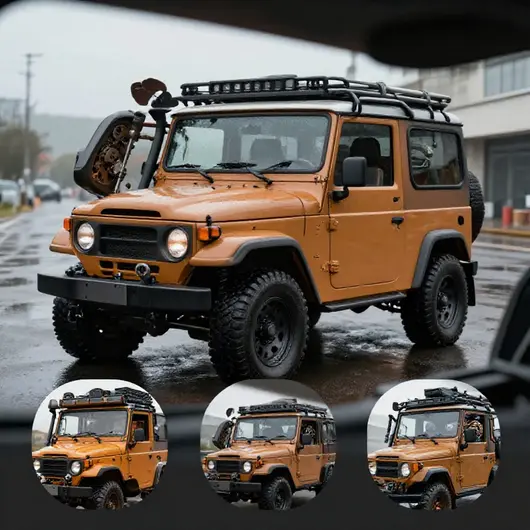
In the Malaysian SUV market, many buyers compare Honda HR-V and Mazda CX-5 when choosing a car. These two cars are quite close in price and positioning. Today, we will make a detailed comparison from multiple aspects to help you save time on research.
The OTR price of Honda HR-V in Malaysia is RM 115,900 - 143,900, with a total of 4 versions, including 2026 e:HEV 1.5L RS (RM 143,900), 2026 1.5T V (RM 137,900), 2026 1.5T E (RM 130,900), etc.
The OTR price of Mazda CX-5 in Malaysia is RM 135,469 - 166,760, with a total of 3 versions, including 2025 2.0L AT 35th Anniversary (RM 316,154), 2025 2.0L AT (RM 296,154), 2025 2.0L MT (RM 294,154), etc.
From a price perspective, the starting price of Honda HR-V is indeed RM 19,569 cheaper than Mazda CX-5. If your budget is limited, Honda's entry-level version can already meet daily needs. But be aware, the few thousand cheaper might involve trade-offs in features, depending on your needs.

Honda HR-V is equipped with 1.5L Turbo, 140 hp. Official fuel consumption 7.0 L/100km.
Mazda CX-5 is equipped with 1.5L Turbo, 140 hp. Official fuel consumption 7.0 L/100km.
Both cars use the same powertrain system, the driving experience is basically the same. Fuel consumption is also similar, no need to worry too much about this point.

Honda HR-V safety rating is 5★ (ASEAN NCAP), active safety system includes Honda SENSING (ACC, CMBS, LKAS, RDM).
Mazda CX-5 safety rating is 5★ (ASEAN NCAP), active safety system includes.
Both cars have the same safety rating, safety features are quite comprehensive in this class. New cars nowadays have good safety, no need to worry too much about this point.

Honda HR-V body length 4500 mm, trunk 450 L.
Mazda CX-5 body length 4500 mm, trunk 450 L.
Both cars are almost the same size, interior space difference is not large. Cars in this class are completely sufficient for daily use.

Honda HR-V uses FWD drive system.
Mazda CX-5 uses FWD drive system.
Both cars have the same drive system, both are FWD, daily driving experience will not differ too much.

Overall, Honda HR-V and Mazda CX-5 are both very good models in the Malaysian market. Which one to choose mainly depends on your personal needs and budget. It is recommended to do your homework, compare quotes from several dealers, and test drive to make a final decision. Buying a car is a big matter, spending time on research will never be wrong.


喺馬來西亞嘅 SUV 市場,好多買家喺揀車嘅時候都會拿本田 WR-V 同奇瑞 Tiggo 9 嚟做比較。呢兩款車喺價位同定位上都幾接近,而家我哋就從多個方面做一個詳細嘅比較,幫你省返做功課嘅時間。
本田 WR-V 喺馬來西亞嘅 OTR 售價係 RM 89,900 - 107,900,一共有 4 個版本,包括 2023 1.5L V(RM 99,900)、2023 1.5L E(RM 95,900)、2023 1.5L S(RM 89,900) 等。
奇瑞 Tiggo 9 喺馬來西亞嘅 OTR 售價係 RM 166,800 - 179,800,一共有 1 個版本,包括 2026 2.0T Standard(RM 179,750) 等。
從價格嚟睇,本田 WR-V 嘅起步價確實比奇瑞 Tiggo 9 平咗 RM 76,900。如果你預算有限,本田嘅入門版已經可以滿足日常需要。但都要注意,平嗰幾千蚊,可能喺配備上會有取捨,具體要看你嘅需求。

本田 WR-V 搭載 1.5L 4-cyl,馬力 105 hp。官方油耗 6.0 L/100km。
奇瑞 Tiggo 9 搭載 2.0L 4-cyl,馬力 170 hp。官方油耗 8.0 L/100km。
動力方面,奇瑞 Tiggo 9 嘅 2.0L 4-cyl 比本田 WR-V 嘅 1.5L 4-cyl 多咗 65 匹馬力。唔過日常喺市區開,兩款車嘅動力都够用,唔會覺得唔夠力。

本田 WR-V 車身長 4400 mm,行李廂 400 L。
奇瑞 Tiggo 9 車身長 4400 mm,行李廂 400 L。
兩款車嘅尺寸幾乎一樣,車內空間分別唔大。呢個級別嘅車,日常使用完全够用。

本田 WR-V 同奇瑞 Tiggo 9 都係馬來西亞市場嘅主流選擇,適合家庭使用、日常通勤。如果你更睇重品牌口碑同二手價,可以優先考慮口碑更好嗰款;如果你更在意性價比同配備,那就揀配置更豐富嗰款。最終都係建議兩款都去試駕,親身體驗先至最重要。

總括嚟講,本田 WR-V 同奇瑞 Tiggo 9 都係馬來西亞市場幾唔錯嘅車款。揀邊一部,關鍵都係要看你嘅個人需求同預算。建議大家做好功課,多比較幾間車行嘅報價,再去試駕先至做最終決定。買車係件大事,花少少時間做功課絕對唔會錯。


August 21, the 2026 Chengdu International Auto Show officially opened. Deepal Auto showcased its full lineup and announced the launch of the all-new Deepal G318. The new car offers Huawei ADS and Tianzhu Pilot two intelligent assisted driving systems, launching in three configurations: 4WD Comfort Tianzhu Edition, 4WD Comfort ADS Edition, 4WD Air Suspension ADS Edition. The limited-time discounted price ranges from 196,800 Yuan to 236,800 Yuan. Placing an order now enjoys eight gift packages worth up to 44,159 Yuan. On the same stage, the new special edition of Deepal L06 also made its debut, further strengthening the sports-oriented product layout.

The all-new Deepal G318 targets family users' "90% city relaxed commuting, 10% outdoor wild roaming" real travel needs, redefining box-style vehicle standards with "9 Cities 1 Wild". As the only 200,000-class box-style vehicle equipped with Huawei ADS Dual Intelligence, the new car brings Huawei ADS 5 Pro and HarmonySpace 5 cockpit to this price range for the first time, making high-end intelligent experience an everyday reality accessible to urban families.

At the intelligent driving level, the all-new Deepal G318 is equipped with Huawei ADS 5 Pro, supporting City Pilot NCA, Highway Pilot NCA, and全域 Intelligent Parking Assist. Its 27-sensor fusion perception system works in coordination with the WEWA 2.0 architecture, capable of autonomously handling complex urban high-frequency scenarios such as island passage, unprotected left turns, narrow lane anti-scratch, and anti-queue jumping during congestion. In terms of safety, the in-cabin LiDAR can maintain stable perception in environments like rain, tunnels, dim light, and backlit conditions, detecting 30cm x 30cm small obstacles up to 116 meters in advance. It is installed inside the cabin, with no wind resistance, no obstruction, and is not easily dirty. The industry-first 360-degree Anti-Collision System CAS integrates 24 active safety capabilities into every planning and decision, achieving class-leading cross-generation leadership in 4 major core safety scenarios, mitigating driving risks in advance.

For the cockpit part, the HarmonySpace 5 cockpit brings a seamless phone-vehicle interconnection experience. After users log in with the same Huawei account, the phone automatically connects when near the car system, ensuring connected handover of content across devices. The 15.6-inch Huawei Smart Screen possesses 3D real-time vehicle control capability, offering smooth operation; the voice system is based on the MoLA large model architecture, supporting mixed commands and 10 major dialects including Sichuanese and Cantonese. The Navigation Agent can understand vague expressions like "that coffee shop next to the airport" and automatically correct slips of the tongue and plan routes.

Regarding chassis and space, the all-new Deepal G318 is equipped with the only "Air Suspension + CDC + Magic Carpet" comfort three-piece set in its class. With double wishbone and multi-link independent suspension, it adapts to changing urban and suburban road conditions with millisecond-level damping adjustment. The body length exceeding 5 meters and long wheelbase bring spacious space. The rear seats can be folded completely flat to form a 1.8-meter large bed. Regarding power, the new car has a maximum horsepower of 450, peak torque of 552 Nm, and 0-100 acceleration in the 5-second class. With dual motors true 4WD, two differential locks, and ET Full Terrain System, it also possesses relaxed passing capability on unpaved roads.

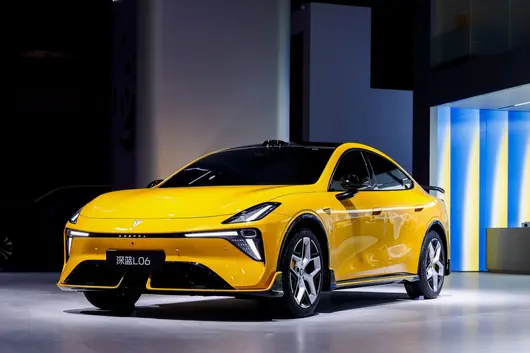
The new special edition of Deepal L06 made its debut on the same stage. This version is equipped with a track-tuned racing kit, covering the three-dimensional air blade on the front of the car, integrated front splitter, side skirt air blade decorative parts, and a carbon fiber fixed large rear wing. The vehicle's maximum downforce reaches 1000N, balancing daily comfort and track posture. Deepal L06, relying on the magnetorheological suspension from a 3 million RMB Ferrari and newbie-friendly intelligent assisted driving, has already formed stable sales momentum in the 150,000-class market: July sales reached 7,267 units, breaking 5,000 units for 5 consecutive months, and ranking number one among new energy mid-size cars within 200,000 for consecutive months.


Regarding the full lineup, the all-new Deepal S05 has been fully available in stores since its refreshed launch on August 6. It brings LiDAR, one-piece end-to-end algorithm, 3nm automotive-grade cockpit chip, FSD+HRS high-end variable adaptive suspension, and other configurations to the mainstream home market. The limited-time discounted price starts from 115,900 Yuan, with a free gift package worth up to 38,360 Yuan. This car has entered 73 countries and regions globally, with cumulative users exceeding 250,000, and has won honors such as the German iF Design Award and Thailand Car of the Year. The all-new Deepal S07 achieves LiDAR intelligent assisted driving coverage with pure electric and extended range dual power, bringing 300,000-class intelligent driving capabilities down to the 150,000-class market. The Huawei ADS solution achieves full coverage of city pilot and full-dimensional protection of highway scenarios. In addition, Deepal S09 and Deepal L07 target family business and mid-size sedan sub-segments respectively.


In terms of market performance, in January-July 2026, Deepal Auto's global cumulative sales reached 193,369 units, a year-on-year increase of 13.48%; overseas cumulative sales reached 44,508 units, a year-on-year increase of 87.48%. As of July, Deepal Auto's global cumulative sales have exceeded 910,000 units, and it is expected to steadily move towards one million users this year. Currently, Deepal Auto has deployed in over 100 countries and regions globally.

Regarding core technology, Deepal Hyper Electric Drive has cumulative over one million units produced in 45 months, with system assembly operating efficiency of 94.13%; the Golden Bell Battery won the National Second Prize of Science and Technology Progress twice, achieving 600,000 kilometers of degradation-free perception, protecting over 2.1 million users; the Micro-core High-frequency Pulse Heating Technology won the China Patent Gold Award. In the second half of the year, Deepal pure electric models will successively be equipped with the 800V high-voltage platform, supporting 6C ultra-fast charging, with 10 minutes to replenish energy from 30% to 80%.

In the exhibition booth interaction session, "King of Comedy Season 2" Stand-up Champion Zhai Jianing joined hands with the car brand for the first time to serve as the all-new Deepal G318 Smart Experience Officer, presenting product highlights in the form of stand-up comedy. The Deepal exhibition booth also set up L3 autonomous driving Q&A, Honor of Kings competition, user co-creation handmade zone, blind box lottery, and bullet screen interaction, etc., making the technology demonstration more engaging.

Panda Review:
The launch of the all-new Deepal G318 can be seen as a precise redefinition by Deepal Auto of family travel needs. It did not continue to simply stack parameters on the traditional hard-core off-road track, but with the clear positioning of "9 Cities 1 Wild", pulled the box style back from outdoor symbols to urban daily life. At the same time, with configurations such as Huawei ADS Dual Intelligence, Air Suspension + CDC + Magic Carpet, 450 horsepower power, it builds differentiated value in the 200,000-class market. The Deepal L06 special edition further strengthens the young sports label. Against the background of intelligent and electrification technology continuous downward release, Deepal Auto converts high-end experience into product power perceivable by family users with the "Technology Equity" strategy, which may be the key path for it to hit the one million users goal.

喺馬來西亞嘅 SUV 市場,好多買家喺揀車嘅時候都會拎 Proton X90 同 Hyundai Tucson 嚟做比較。呢兩款車喺價錢同定位上都幾近,今日我哋就從多個方面做一個詳細比較,幫手節省你做功課嘅時間。
寶騰 X90 喺馬來西亞嘅 OTR 售價係 RM 106,800 - 122,800,一共有 4 個版本,包括 2026 1.5T Prime X(RM 122,800)、2026 1.5T Prime(RM 116,800)、2026 1.5T Lite(RM 106,800) 等。
現代 Tucson 喺馬來西亞嘅 OTR 售價係 RM 143,888 - 197,888,一共有 5 個版本,包括 2025 HEV 1.6T AT 2WD Prestige(RM 197,888)、2025 1.6T DCT 4WD Prestige(RM 186,888)、2025 1.6T DCT 2WD Prime(RM 164,888) 等。
由價錢嚟睇,寶騰 X90 嘅起步價確實比 Hyundai Tucson 平咗 RM 37,088。如果你預算有限,寶騰嘅入門版已經可以滿足日常需要。但都係要留神,平嗰幾千蚊,可能喺配備上會有取捨,具體要睇你嘅需要。

寶騰 X90 搭載 1.5L Turbo,馬力 140 hp。官方油耗 7.0 L/100km。
現代 Tucson 搭載 1.5L Turbo,馬力 140 hp。官方油耗 7.0 L/100km。
兩款車用嘅係同一套動力系統,日常開嚟嘅感受基本無分別。油耗方面都係差唔多,唔使太糾結呢一點。
寶騰 X90 車身長 4400 mm,行李箱 400 L。
現代 Tucson 車身長 4400 mm,行李箱 400 L。
兩款車嘅尺寸幾乎一樣,車內空間分別唔大。呢個級別嘅車,日常使用完全足夠用。
寶騰 X90 同 Hyundai Tucson 都係馬來西亞市場嘅主流選擇,適合家庭用途、日常通勤。如果你更睇重品牌口碑同二手價,可以優先考慮口碑更好嗰一款;如果你更在意性價比同配備,就揀配置更豐富嗰款。最後都係建議兩款都去試駕,親身體驗先係最重要。

總括嚟講,寶騰 X90 同 Hyundai Tucson 都係馬來西亞市場幾唔錯嘅車型。揀邊輛,關鍵都係要睇你嘅個人需要同預算。建议大家做好功課,多比較幾間車行嘅報價,再去做試駕做最終決定。買車係件大事,花少少時間做功課絕對無錯。


喺馬來西亞嘅 SUV 市場,好多買家喺揀車嘅時候都會拎 Proton X90 同 Chery Tiggo 7 PHEV 嚟比較。呢兩款車喺價位同定位上都幾接近,今日我哋就從多方面做一個詳細嘅比較,幫你省咗做功課嘅時間。
Proton X90 喺馬來西亞嘅 OTR 售價係 RM 106,800 - 122,800,一共有 4 個版本,包括 2026 1.5T Prime X(RM 122,800)、2026 1.5T Prime(RM 116,800)、2026 1.5T Lite(RM 106,800) 等。
Chery Tiggo 7 PHEV 喺馬來西亞嘅 OTR 售價係 RM 129,750 - 129,750,一共有 2 個版本,包括 2025 1.5T 90km CSH(RM 129,750)、邊種充電方式係支持噉?可唔可以用家用電源插座充電?(RM 117,478) 等。
從價錢嚟睇,Proton X90 嘅起跳價確實比 Chery Tiggo 7 PHEV 平咗 RM 22,950。如果你預算有限,Proton 嘅入門版已經可以應付日常需要。但都要留意,平嗰幾千蚊,可能喺配備上會有取舍,具體要看返你嘅需要。
Proton X90 搭載 1.5L Turbo,馬力 140 hp。官方油耗 7.0 L/100km。
Chery Tiggo 7 PHEV 搭載 Hybrid,馬力 170 hp。官方油耗 4.5 L/100km。
動力方面,Chery Tiggo 7 PHEV 嘅 Hybrid 比 Proton X90 嘅 1.5L Turbo 多咗 30 匹馬力。不過日常喺市區開,兩款車嘅動力都夠用,唔會覺得唔夠力。
Proton X90 嘅安全評級係 5★ (ASEAN NCAP),主動安全系統包括 ADAS (ACC, AEB, LKA, LDA, BSM, RCTA)。
Chery Tiggo 7 PHEV 嘅安全評級係 TBD,主動安全系統包括 Basic。
安全配備方面,兩款車都拿到唔錯嘅評級。不過 Proton X90 嘅 ADAS (ACC, AEB, LKA, LDA, BSM, RCTA) 同 Chery Tiggo 7 PHEV 嘅 Basic 喺功能上有些差異,如果你比較睇重主動安全嘅話,可以仔細比較吓兩邊嘅功能清單。
Proton X90 車身長 4400 mm,行李廂 400 L。
Chery Tiggo 7 PHEV 車身長 4400 mm,行李廂 400 L。
兩款車嘅尺寸幾乎一樣,車內空間差別唔大。呢個級別嘅車,日常使用完全夠用。

Proton X90 同 Chery Tiggo 7 PHEV 都係馬來西亞市場嘅主流選擇,適合家庭使用、日常通勤。如果你更睇重品牌口碑同二手價,可以優先考慮口碑更好嗰一款;如果你更在意性價比同配備,那就揀配置更豐富嗰款。最終都係建議兩款都去試駕,親身體驗先係最重要嘅。

總體嚟講,Proton X90 同 Chery Tiggo 7 PHEV 都係馬來西亞市場好唔錯嘅車型。揀邊一輛,關鍵都係睇你嘅個人需要同預算。建議大家做好功課,多比較幾間車行嘅報價,再去做試駕做最終決定。買車係件大事,花點時間做功課絕對唔會錯。

喺馬來西亞嘅 SUV 市場,好多買家喺揀車嘅時候都會將 寶騰 X90 同 奇瑞 Tiggo 7 Pro 做比較。呢兩款車喺價位同定位上都幾近啲,今日我哋就從多個方面做個詳細比較,幫你節省做功課嘅時間。
寶騰 X90 喺馬來西亞嘅 OTR 售價係 RM 106,800 - 122,800,一共有 4 個版本,包括 2026 1.5T Prime X(RM 122,800)、2026 1.5T Prime(RM 116,800)、2026 1.5T Lite(RM 106,800) 等。
奇瑞 Tiggo 7 Pro 喺馬來西亞嘅 OTR 售價係 RM 123,750 - 123,750,一共有 2 個版本,包括 1.6L Turbo Standard(RM 125,000)、1.6L Turbo Premium(RM 140,000) 等。
從價錢來看,寶騰 X90 嘅起步價確實比 奇瑞 Tiggo 7 Pro 平咗 RM 16,950。如果你預算有限,寶騰嘅入門版已經可以滿足日常需要。但都要注意,平嘅嗰幾千蚊,可能喺配備上要有取捨,具體就要睇你嘅需求。
寶騰 X90 嘅安全評級係 5★ (ASEAN NCAP),主動安全系統包括 ADAS (ACC, AEB, LKA, LDA, BSM, RCTA)。
奇瑞 Tiggo 7 Pro 嘅安全評級係 TBD,主動安全系統包括 Basic。
安全配備方面,兩款車都拿到唔錯嘅評級。不過寶騰 X90 嘅 ADAS (ACC, AEB, LKA, LDA, BSM, RCTA) 同 奇瑞 Tiggo 7 Pro 嘅 Basic 喺功能上有啲分別,如果你比較重視主動安全嘅話,可以仔細對比下兩者嘅功能列表。
寶騰 X90 車身長 4400 mm,後尾箱 400 L。
奇瑞 Tiggo 7 Pro 車身長 4400 mm,後尾箱 400 L。
兩款車嘅尺寸幾近一樣,車內空間差別唔大。呢個級別嘅車,日常使用完全夠用。
寶騰 X90 採用 FWD 驅動方式。
奇瑞 Tiggo 7 Pro 採用 FWD 驅動方式。
兩款車嘅驅動方式一樣,都係 FWD,日常駕駛感受唔會有太大分別。
總體嚟講,寶騰 X90 同 奇瑞 Tiggo 7 Pro 都係馬來西亞市場幾好嘅車型。揀邊一部,關鍵仲要睇你嘅個人需要同預算。建議大家做好功課,多比較幾間車行嘅報價,再去試駕先做最後決定。買車係件大事,花少少時間做功課絕對唔會錯。

In the Malaysian SUV market, many buyers compare Proton X90 and Mazda CX-8 when selecting a car. These two cars are quite similar in price and positioning. Today we will conduct a detailed comparison from multiple aspects to help you save time on research.
Proton X90 OTR price in Malaysia is RM 106,800 - 122,800, there are 4 versions in total, including 2026 1.5T Prime X (RM 122,800), 2026 1.5T Prime (RM 116,800), 2026 1.5T Lite (RM 106,800) etc.
Mazda CX-8 OTR price in Malaysia is RM 165,360 - 201,360, there are 5 versions in total, including 2025 2.5T 4WD High Plus Petrol (RM 201,360), 2025 2.2L 2WD High Plus Diesel (RM 193,123), 2025 2.5L 2WD High Plus Petrol (RM 186,360) etc.
From a price perspective, Proton X90's starting price is indeed RM 58,560 cheaper than Mazda CX-8. If your budget is limited, Proton's entry-level version can already meet daily needs. But be aware, the cheaper difference of a few thousand might involve trade-offs in features, depending on your specific needs.
Proton X90 is equipped with 1.5L Turbo, 140 hp. Official fuel consumption 7.0 L/100km.
Mazda CX-8 is equipped with 2.0L 4-cyl, 170 hp. Official fuel consumption 8.0 L/100km.
In terms of power, Mazda CX-8's 2.0L 4-cyl has 30 more horsepower than Proton X90's 1.5L Turbo. However, daily driving in the city, both cars' power is sufficient, will not feel underpowered.
Proton X90 body length 4400 mm, trunk 400 L.
Mazda CX-8 body length 4500 mm, trunk 450 L.
Regarding space, Mazda CX-8's body is 100 mm longer than Proton X90, passenger space is more advantageous. However, Proton X90 will be slightly more flexible for parking in the city, each has trade-offs.
Proton X90 adopts FWD drive mode.
Mazda CX-8 adopts FWD drive mode.
Both cars have the same drive mode, both are FWD, daily driving feel will not differ too much.

Proton X90 and Mazda CX-8 are both mainstream choices in the Malaysian market, suitable for family use, daily commute. If you value brand reputation and resale price more, prioritize the one with better reputation; if you care more about value for money and features, choose the model with richer configuration. Ultimately, it is recommended to test drive both, personal experience is the most important.
Overall, Proton X90 and Mazda CX-8 are both very good models in the Malaysian market. Which one to choose mainly depends on your personal needs and budget. We suggest doing your research, compare quotes from multiple dealerships, then test drive to make the final decision. Buying a car is a big matter, spending some time on research will definitely not be wrong.

中国汽车在欧洲,正在发生一件比“卖了多少辆”更耐人寻味的事。
2026年春天,巴塞罗那。前曼城主帅瓜迪奥拉走进比亚迪门店,提走一辆海狮07 EV。不是什么商务合作,就是单纯买车。他的球员凯尔·沃克、菲尔·福登,也先后被曝光是比亚迪车主。
几个月后,2026年夏天,另一段视频在海外社交平台爆了。身高2.11米的NBA球星“字母哥”坐进一辆中国A0级纯电小车,轻松跷起二郎腿,脱口而出:“So smart, so mini, so cute, so big。”一个两米多的壮汉,在一辆中国小车里喊so big。

而德国顶级改装品牌MANSORY——过去只改奔驰、宝马和保时捷的“欧洲豪车整容院”——在极氪9X五座版上市仅一天后,宣布首批采购200辆,用于全球定制销售。
三件事,三个圈层:球星、教练、改装厂。看似无关,却指向同一个事实——中国汽车在欧洲,正在完成一次最重要的身份转换。越来越多站在聚光灯下的人,开始主动选择中国品牌。
比亚迪海豹在西班牙卖4.699万欧元;奇瑞欧萌达9在意大利为5.19万欧元;仰望U8在欧洲定价超过130万元人民币,基本都已经和BBA一个等级。
过去我们卖的是“便宜”,今天卖的是“值这个价”。过去进的是低端市场,今天冲的是欧洲汽车工业最核心、利润最高,也最难啃的高端市场。
一场关于中国汽车全球价值跃迁的故事,才刚刚开始。
中国汽车,成为欧洲街景
走在德国街头,中国车的“在场”正变得越来越具体。某次在一个景区,比亚迪、奇瑞、吉利的车型已并肩而立——就与德系品牌列在一起。
今年5月,吉利、上汽、比亚迪、奇瑞、零跑5家中国车企在欧洲合计销售13.84万辆乘用车,首次超过丰田、日产、本田、马自达、铃木、三菱6家日系车企13.04万辆的总销量;6月,中国车企继续扩大领先优势,单月销量达到17.16万辆,比日系高出约1.3万辆,市场份额提升至12.2%。
整个上半年,五家中国车企累计在欧洲销售约79.2万辆汽车,占据约11%的市场份额。根据Dataforce最新数据,2026年6月,中国品牌插混车型已经拿下欧洲34%的市场份额,意味着欧洲每卖出3辆插混车,就有1辆来自中国品牌。
中国品牌也再也不被看作是便宜的标签。法国汽车媒体《L'Argus》将腾势称作“中国版保时捷”,德国《焦点》周刊则直言,中国品牌正以“高质高价”进入奔驰、宝马的大本营。

为什么能发生这样的变化?不是欧洲消费者变了,而是豪华汽车的评价体系变了。
在西班牙或者奥地利,一个普通家庭拿出的购车预算通常在3万到4万欧元之间。过去,如果拿着这笔钱走进欧洲本土汽车品牌的展厅,现实往往是骨感的。奥地利市场的汽车销售负责人Matthias对此深有体会:在欧洲,这个价位能选择的电动车数量不多,更要命的是,你只能买到一辆裸配的车。
过去一百多年,欧洲豪华品牌定义的是机械时代的豪华:发动机、底盘、操控、工艺和品牌历史,共同构成一辆豪华车的价值。进入新能源汽车时代,消费者更看重的却是另一套能力——智能座舱、辅助驾驶、OTA升级,以及车辆持续进化的能力。
而这,恰恰是中国新能源汽车最擅长的赛道。
中国市场激烈竞争倒逼技术快速迭代。800V高压平台、激光雷达、高阶辅助驾驶、智能语音、座椅按摩、车载冰箱等曾经属于百万级豪车的配置,被迅速下放到主流车型,而且大多是标配,而非加价选装。
相比之下,欧洲豪华品牌长期依赖成熟的选装体系维持高利润率,消费者买到的往往只是“基础版”,想要更好的体验,就需要不断加钱。
两套商业逻辑在此正面相撞。当同样的预算可以买到更先进的技术、更完整的配置和更智能的交互时,“豪华”的标尺已然位移。过去,国外品牌卖的是品牌溢价;今天,中国品牌卖的是技术溢价。过去,豪华代表身份;今天,豪华更意味着体验。
真正越洋的,不只是配置单
如果说销量证明中国汽车进入了欧洲,那么产业体系,才决定中国汽车能否留在欧洲。
过去二十多年,中国车企的出海逻辑很简单:国内研发、国内制造,再把整车运到海外销售。欧洲只是市场,不是阵地。而今天,这套逻辑正在被彻底改写。越来越多中国企业开始把工厂建到欧洲,把研发放到欧洲,把供应链扎进欧洲,把整个产业体系嵌入欧洲汽车工业。
说得更直白一点,中国企业已经不满足于“把车卖过去”,而是开始走进欧洲汽车工业的腹地。
吉利就是一个典型案例。2026年7月,吉利投资2.21亿欧元,拿下福特西班牙瓦伦西亚工厂34%的股权。这座始建于1976年的老工厂,曾是福特在美国之外最大的生产基地,累计生产汽车超过1100万辆。但随着欧洲汽车工业调整,工厂一度陷入低负荷运行,50万辆的年产能,实际产量却不足10万辆。吉利没有选择另起炉灶,而是接过这座老牌工厂,计划于2028年投产新能源车型。签约当天,西班牙首相桑切斯亲自出席,因为所有人都明白,这不仅意味着一家工厂重获新生,更意味着当地汽车产业链和数千个就业岗位得以延续。

奇瑞则与西班牙EV Motors合作,让已经停摆的日产巴塞罗那Zona Franca工厂重新点亮生产线,以EBRO品牌生产新能源汽车。
制造只是第一步,更深层的竞争发生在研发。例如长城汽车就在慕尼黑设立欧洲总部,统筹整个欧洲大陆市场的研产销。比亚迪在匈牙利投资40亿欧元建设欧洲超级工厂的同时,也设立了欧洲总部和研发中心,把产品开发、本地法规适配和技术研发直接放到欧洲完成。
真正决定一场产业竞争能否长期持续的,是整车,更是供应链。
作为全球动力电池龙头,宁德时代正在把新能源汽车最核心的产业链环节扎根欧洲。2025年在香港完成二次上市后,宁德时代将大部分资金投入匈牙利电池生产基地建设。未来,这里生产的动力电池不仅将供应中国品牌,也将进入奔驰、宝马、大众等欧洲主流车企的供应体系。

这背后的意义远比一座电池工厂更大。当奔驰、宝马等开始使用中国制造的动力电池,当越来越多欧洲车企离不开中国供应链,中国企业在欧洲扮演的角色,就不再只是竞争者,而是整个新能源汽车产业链的重要参与者。
与此同时,中国品牌也在加速完善欧洲市场的商业网络。岚图等品牌不断扩大销售和服务体系,覆盖德国、法国、西班牙、意大利等核心市场,越来越多欧洲大型汽车经销集团开始主动申请代理中国品牌。

所以,这已经不是几家中国车企的出海故事。
真正进入欧洲的,也不仅仅是一辆辆中国汽车,而是一整套围绕智能化、电动化、供应链效率和用户体验建立起来的新工业体系。当中国企业开始在欧洲建工厂、做研发、掌握供应链、完善渠道,它们竞争的就不再是一款产品,而是一整个产业生态。
老钱未退,新贵未立
中国汽车闯荡欧洲的今天,像极了当年欧洲车驶入中国时的镜像。几十年前,我们是考场外的学生,默认欧洲才是标准答案、才是满分卷。如今,考场换了位置,交卷的人也开始互换。
然而,这条出海之路远非坦途。一个看似矛盾的现实是:中国车已经拿到了欧洲市场的入场券,却尚未拿到长期饭票。
从本质上看,当前中国品牌在海外市场仍未摆脱以“性价比”换取份额的思维惯性。数据显示,中国汽车在欧洲的平均售价仍比同级德系品牌低20%至30%;即便腾势、仰望等高端品牌定价已对标传统豪华阵营,也并未完全获得同等的品牌认可度。
更深层的挑战在于,欧洲从来不是一个统一市场,而是由数十个消费习惯、产业基础和品牌文化截然不同的板块拼接而成。赢下巴伐利亚的展厅,不等于赢下巴尔干的街头。

当我们把视角从挪威、荷兰等新能源渗透率较高的市场,扩大到整个欧洲大陆,便会看到另一番景象:在波兰、捷克、斯洛伐克等中东欧国家,街头最常见的依然是斯柯达、大众、雷诺等传统品牌,中国汽车的存在感依然稀薄。
而且,欧洲绝不会让你那么轻易地“走进去”,还能“走上去”。
品牌壁垒,体现在那些看不见的地方,中国汽车在海外的合规成本正在快速攀升。中国汽车技术研究中心首席专家王军雷在2026中国汽车论坛上披露,近一年来针对中国车企的海外诉讼数量大幅上涨。4G/5G标准必要专利持有方向整车企业收取高额许可费,单车成本可能增加20至32美元,行业每年因此需支付约40亿元的专利许可费。欧盟有GDPR、155/156法规、AI法案,美国有网联车辆供应链禁令,巴西和土耳其对永久漫游设置法律红线。
比市场份额更紧迫的,是一个中国汽车绝对不能在海外重演的问题——内卷外溢。

把国内几大出口集团的产品矩阵摆在一起,会发现重合度高度惊人,走量主力都是SUV、价格带都集中在10万—20万之间。产品本身拉不开差距时,只能比谁更便宜。这样带来的结果是没有定价权、没有利润、没有估值。这是一条完整的传导链,也是所有内卷行业都逃不过的估值陷阱。
中国贸促会汽车行业委员会会长王侠也强调,海外市场应该成为品牌增值的新高地,而不是新的价格战战场。企业必须尽快实现从“卖出去”到“融进去”的战略转变,与当地实现项目共建、价值共享、风险共担,而非简单地将国内的低价竞争模式复制到海外。
产品可以一年一迭代,品牌却只能一代人一代人地建立。
中国汽车已经证明,自己有能力敲开欧洲的大门;下一步需要证明的,是能否成为欧洲消费者长期信赖的品牌。只有当中国品牌真正跨过这最后一道门槛,欧洲汽车市场的竞争格局,才会迎来真正意义上的改写。


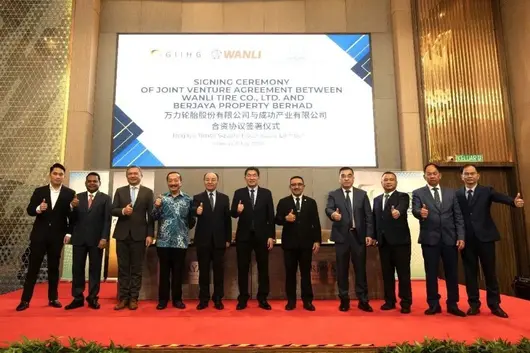
7 月 6 日,廣州工控旗下萬力輪胎在吉隆坡與馬來西亞成功集團成功產業正式簽約,落地 3.2 億美元智能化合資工廠,標誌著品牌東盟佈局全面升級。
這並非個案,近一年來,萬力、浦林成山、青島福臨、肇慶駿鴻、新大陸橡膠等一眾國內輪胎企業密集落子馬來西亞。
重磅簽約落地!萬力聯手馬來巨頭開啟出海新局
萬力輪胎本次簽約儀式規格極高,中馬兩國政企高層、外交使節、行業領袖共同見證,是本年度中馬輪胎產業合作標杆事件。
根據協議,雙方將在雪蘭莪州共建高性能綠色橡膠輪胎生產基地,項目占地 67.9 英畝,規劃年產 120 萬條全鋼子午線輪胎、500 萬條半鋼子午線輪胎。

作為萬力全球生產網絡的核心出口樞紐,該項目定位全球領先的智能綠色工廠,不僅將完善品牌海外產能佈局,還將為馬來西亞創造超 1000 個優質就業崗位,通過專業技能培訓助力當地人才培育與製造業升級,實現雙向共生共贏。
廣州工控王福鑄直言,此次簽約實現集團東盟佈局從“單點突破”到“多樞紐聯動”的跨越。
全員扎堆佈局!多巨頭落地,馬來輪胎產業陣型成型
萬力的重磅落地,只是中資輪胎入局馬來西亞的縮影。短短一年,頭部上市企業、實力派民企相繼落地大型項目,徹底改寫東南亞輪胎產業格局。
01
青島福臨:建成馬來最大中資輪胎基地
今年 6 月,青島福臨金馬橡膠二期智能工廠正式投產,總投資約 8.18 億元人民幣,整體年產輪胎突破 700 萬條,是目前馬來西亞規模、產能體量最大的中資輪胎生產基地。

02
浦林成山:27.6 億重金佈局
2024 年 11 月,浦林成山斥資 3.8 億美元(約 27.6 億元人民幣)落地馬來西亞吉打橡膠城,項目占地超 600 畝,聚焦高端智能綠色輪胎生產。一期達產後可年產 660 萬條各類輪胎,預計 2026 年下半年試產,2027-2028 年全面釋放產能。

03
投資持續加碼,出海梯隊全面擴容
民營輪胎企業也在加速入局:肇慶駿鴻投資 20 億元落地馬來輪胎項目,規劃年產 650 萬條輪胎;山東新大陸橡膠投資 6.3 億元,落地子午線輪胎生產項目,持續完善海外產能佈局。
扎堆馬來核心邏輯:關稅 + 區位雙重紅利
國內輪胎企業集體重倉馬來西亞,並非盲目跟風,而是貼合全球貿易變局的精準佈局,核心優勢十分突出。
關稅紅利是首要驅動力量。2025 年美國與東南亞五國達成差異化關稅協議,馬來西亞輸美輪胎關稅降至 19%,大幅規避了中國直出的高額貿易壁壘,有效降低出口成本。即便當地強化原產地核查,依舊擋不住企業本地化建廠的佈局熱潮。

同時,馬來西亞坐擁東盟核心區位優勢,港口航運成熟、陸路交通通達,可同時覆蓋東盟本土市場與歐美、中東等全球核心市場,是搭建韌性全球供應鏈的優質戰略支點。此外,當地橡膠產業根基深厚、產業工人充足,疊加持續優化的外資經商環境,產業集群效應持續凸顯,進一步夯實了投資價值。
短板明顯!招商政策競爭力不及泰越
雖然佈局熱度高漲,但馬來西亞外資激勵政策存在明顯短板,制約產業承接力度。稅收方面,當地 PS 先鋒計劃僅普通項目 5 年 70% 所得稅豁免,高新技術方可全額免稅;而越南最長 4 年全免、5-9 年減半,泰國最高可享 15 年全額免稅,政策更簡單、力度更大。

關稅豁免層面,泰、越合規企業可直接免征生產設備、原材料進口關稅,而馬來西亞優惠僅限少數特殊行業與項目,覆蓋範圍窄、門檻高。整體政策偏保守繁瑣,若後續完成優化,馬來西亞有望承接更大規模輪胎產業轉移。
從早期扎堆泰柬,到如今集體佈局馬來西亞,中國輪胎出海路徑愈發成熟。以萬力輪胎重磅簽約為起點,中國輪胎的馬來西亞佈局時代正式到來。

喺馬來西亞嘅 SUV 市場,好多買家在揀車嘅時候都會拿 Proton X70 同 Volkswagen Tiguan 來做比較。兩款車喺價位同定位上都幾接近,今日我就從多個方面做一個詳細嘅比較,幫你省下做功課嘅時間。
Proton X70 喺馬來西亞嘅 OTR 售價係 RM 106,800 - 122,300,一共有 3 個版本,包括 1.5L Standard 2WD(RM 106,800)、1.5L Executive 2WD(RM 115,800)、1.5L Premium 2WD(RM 122,300) 等。
Volkswagen Tiguan 喺馬來西亞嘅 OTR 售價係 RM 206,540 - 260,024,一共有 2 個版本,包括 2025 Allspace 2.0T R-Line(RM 260,024)、2025 Allspace 1.4T Elegance(RM 206,540) 等。
由價錢睇,Proton X70 嘅起步價確實比 Volkswagen Tiguan 平咗 RM 99,740。如果你預算有限,Proton 嘅入門版已經可以滿足日常需求。但都要注意,平嗰幾千蚊,可能喺配備上有取舍,具體要睇你嘅需求。

Proton X70 搭載 1.5L Turbo,馬力 140 hp。官方油耗 7.0 L/100km。
Volkswagen Tiguan 搭載 2.0L 4-cyl,馬力 170 hp。官方油耗 8.0 L/100km。
動力方面,Volkswagen Tiguan 嘅 2.0L 4-cyl 比 Proton X70 嘅 1.5L Turbo 多咗 30 匹馬力。唔過日常喺市區開,兩款車嘅動力都夠用,唔會覺得唔夠力。

Proton X70 嘅安全評級係 5★ (ASEAN NCAP),主動安全系統包括 ADAS (ACC, AEB, LKA, LDA, BSM, RCTA)。
Volkswagen Tiguan 嘅安全評級係 5★ (Euro NCAP),主動安全系統包括 IQ.Drive。
安全配備方面,兩款車都拿到唔錯嘅評級。不過 Proton X70 嘅 ADAS (ACC, AEB, LKA, LDA, BSM, RCTA) 同 Volkswagen Tiguan 嘅 IQ.Drive 喺功能上有些差異,如果你比較看重主動安全嘅話,可以仔細對比下兩者嘅功能列表。

Proton X70 車身長 4400 mm,行李箱 400 L。
Volkswagen Tiguan 車身長 4400 mm,行李箱 400 L。
兩款車嘅尺寸幾乎一樣,車內空間差別唔大。呢個級別嘅車,日常使用完全夠用。
Proton X70 保修 5 年/150,000km,保養間隔 每 10,000km 或 6 個月。
Volkswagen Tiguan 保修 3 年/100,000km,保養間隔 每 10,000km 或 6 個月。
總體來講,Proton X70 同 Volkswagen Tiguan 都係馬來西亞市場好唔錯嘅車型。揀邊一輛,關鍵都要睇你個人需求同預算。建議大家做好功課,多比較幾間車行嘅報價,再去試駕做最終決定。買車係件大事,花少少時間做功課絕對唔會錯。


In Malaysia's SUV market, many buyers compare Proton X70 and GWM Haval H6 when choosing a car. These two cars are quite close in price and positioning, so today we will make a detailed comparison from multiple aspects to help you save time on research.
The OTR price of Proton X70 in Malaysia is RM 106,800 - 122,300, with a total of 3 versions, including 1.5L Standard 2WD (RM 106,800), 1.5L Executive 2WD (RM 115,800), 1.5L Premium 2WD (RM 122,300) etc.
The OTR price of GWM Haval H6 in Malaysia is RM 139,750 - 139,750, with a total of 2 versions, including 1.5L Turbo Standard (RM 140,000), 1.5L Turbo Premium (RM 155,000) etc.
From a price perspective, Proton X70's starting price is indeed RM 32,950 cheaper than GWM Haval H6. If your budget is limited, Proton's entry-level version is already sufficient for daily needs. However, note that the few thousand difference in price may involve trade-offs in features, depending on your specific needs.
Proton X70 is equipped with 1.5L Turbo, 140 hp. Official fuel consumption 7.0 L/100km.
GWM Haval H6 is equipped with Hybrid, 170 hp. Official fuel consumption 4.5 L/100km.
In terms of power, GWM Haval H6's Hybrid has 30 more horsepower than Proton X70's 1.5L Turbo. However, for daily city driving, both cars have sufficient power, you won't feel underpowered.
Proton X70's safety rating is 5★ (ASEAN NCAP), active safety systems include ADAS (ACC, AEB, LKA, LDA, BSM, RCTA).
GWM Haval H6's safety rating is TBD, active safety systems include Basic.
Regarding safety features, both cars received good ratings. However, Proton X70's ADAS (ACC, AEB, LKA, LDA, BSM, RCTA) and GWM Haval H6's Basic have some functional differences. If you value active safety, you can compare their feature lists carefully.
Proton X70 body length 4400 mm, trunk 400 L.
GWM Haval H6 body length 4400 mm, trunk 400 L.
The dimensions of both cars are almost the same, with little difference in interior space. Cars of this level are completely sufficient for daily use.
Proton X70 warranty 5 years/150,000km, maintenance interval every 10,000km or 6 months.
GWM Haval H6 warranty 7 years/150,000km, maintenance interval every 10,000km or 6 months.
Overall, Proton X70 and GWM Haval H6 are both very good models in the Malaysian market. Which one to choose depends on your personal needs and budget. We recommend doing your research, compare quotes from several dealerships, and then test drive to make the final decision. Buying a car is a big matter, spending time doing research will never go wrong.

喺馬來西亞嘅 SUV 市場,好多買家喺揀車嘅時候都會拿 Proton X70 同 MG MG HS 嚟做比較。呢兩款車喺價位同定位上都好接近嘅,今日我哋就從多個方面做一次詳細嘅比較,幫你節省做功課嘅時間。
Proton X70 喺馬來西亞嘅 OTR 售價係 RM 106,800 - 122,300,一共 3 個版本,包括 1.5L Standard 2WD(RM 106,800)、1.5L Executive 2WD(RM 115,800)、1.5L Premium 2WD(RM 122,300) 等。
MG MG HS 喺馬來西亞嘅 OTR 售價係 RM 130,450 - 146,450,一共 2 個版本,包括 1.5L Standard(RM 105,000)、1.5L Executive(RM 115,000) 等。
從價錢嚟睇,Proton X70 嘅起步價真係比 MG MG HS 平咗 RM 23,650。如果你預算有限,Proton 嘅入門版已經可以滿足日常需要。但都要留意,平啲嘅幾千蚊,可能會喺配備上有取捨,具體要睇你嘅需要。
Proton X70 搭載 1.5L Turbo,馬力 140 hp。官方油耗 7.0 L/100km。
MG MG HS 搭載 1.5L Turbo,馬力 140 hp。官方油耗 7.0 L/100km。
兩款車用嘅係同一套動力系統,日常行落嚟嘅感覺基本冇分別。油耗方面都差唔多,唔使太糾結呢一點。
Proton X70 嘅安全評級係 5★ (ASEAN NCAP),主動安全系統包括 ADAS (ACC, AEB, LKA, LDA, BSM, RCTA)。
MG MG HS 嘅安全評級係 TBD,主動安全系統包括 Basic。
安全配備方面,兩款車都拿到唔錯嘅評級。不過 Proton X70 嘅 ADAS (ACC, AEB, LKA, LDA, BSM, RCTA) 同 MG MG HS 嘅 Basic 喺功能上有啲分別,如果你比較睇重主動安全嘅話,可以仔細比較下兩者嘅功能列表。
Proton X70 車身長 4400 mm,行李廂 400 L。
MG MG HS 車身長 4400 mm,行李廂 400 L。
兩款車嘅尺寸差唔多,車內空間分別唔大。呢個級別嘅車,日常使用完全夠用。
Proton X70 保養保修 5 年/150,000km,保養間隔 每 10,000km 或 6 個月。
MG MG HS 保養保修 7 年/150,000km,保養間隔 每 10,000km 或 6 個月。
總體嚟講,Proton X70 同 MG MG HS 都係馬來西亞市場好好嘅車款。揀邊一輛,關鍵仲要睇你嘅個人需要同預算。建議大家做好功課,多比較幾間車行嘅報價,先去試駕先做最終決定。買車係件大事,花啲時間做功課絕對無錯。


