


首頁VW T-ROC

搜尋歷史
熱門搜尋
經銷商登入 / 註冊


電動化內捲之下,國內新能源行業普遍追求快迭代,唔少品牌大幅壓縮研發、測試周期,靠換殼、簡化極限測試快速推出新車,將試錯成本轉嫁畀消費者,市場故障、召回頻次隨之走高。喺此背景下,風雲 T7 提出「全球車快唔返一點」,以長期主義造車路線,形成與行業速成邏輯鮮明嘅反差。

8 月 12 日風雲 T7 正式開啟預售,新車共推出三款配置,售價 10.99 萬、11.99 萬、12.99 萬,呢套經過全球嚴苛驗證嘅全球化產品,將起售價定得如此親民,亦係一開始大家就諗唔到嘅。

風雲 T7 並非國內特供車型,而係奇瑞基於全球化體系正向打造嘅全域車型,海外同源車型 Lepas L6 已先行登陸泰國、南非,後續將進入歐盟、澳新等市場,「先出海驗證、再國內上市」嘅節奏,注定研發環節無法行捷徑。整車歷經 2 年策劃、3 年研發,依托全球研發體系提前兩年預研各國法規,嚴格對標 2026 版 E-NCAP 安全標準。設計端聯動全球十大設計中心,吸納 5000 餘名多國用戶需求,完成 80 多項本地化細節適應,兼顧全球審美與唔同地域用車習慣。

區別於多數車企簡化路試流程,呢車投入 963 台試驗車,完成 145 萬公里全球耐久驗證,覆蓋 -40℃至 55℃極端溫域,歷經高溫、高寒、高濕、高鹽鹼七大類極限環境試煉,過萬次制動、底盤衝擊測試全部閉環整改。針對唔同市場專項優化:北歐搭載雙源熱泵提升冬季續航,熱帶配備 500mm 越野級涉水防護,砂石路面加強電池底部防護,所有驗證均以實車測試為核心,拒絕僅靠仿真模擬省略試驗環節。

產品堅持全球同源同標,無內外減配差異。整車 80% 高強度鋼籠式車身、9 個安全氣囊、31 層電池防護體系全系標配,底盤由瑪莎拉蒂前工程師團隊調校,採用博世、索尼等全球一線供應鏈。硬體層面,65.05kWh 電池實現 CLTC 600km 續航,4nm 8775 晶片支撐艙駕一體智駕,寬體座艙兼顧家用舒適,產品力均衡無明顯短板。

拉長研發驗證周期會承擔短期市場節奏損失,但奇瑞將成本投入前置到安全、耐久、底盤調校等隱性工程。呢套模式嘅價值清晰可見:完整全域測試大幅降低後期故障與召回風險;統一高標準車身、三電方案,適應全球高法規市場,鞏固出口優勢;疊加整車終身質保、動力電池熱失控換新、智駕事故高額兜底政策,建立區別於低價速成車型嘅信任壁壘。
當前行業正從「拼速度」轉向「拼質素」。短期速成車型可搶佔低價流量市場,但有誌全球化佈局嘅自主品牌的,必然要接受長周期研發嘅時間成本。風雲 T7 嘅實踐證明,面向全球市場嘅汽車製造無捷徑,唯有沉住氣完成全維度驗證、統一全球品質標準,才能喺國內家用市場與國際賽道形成長期競爭力。
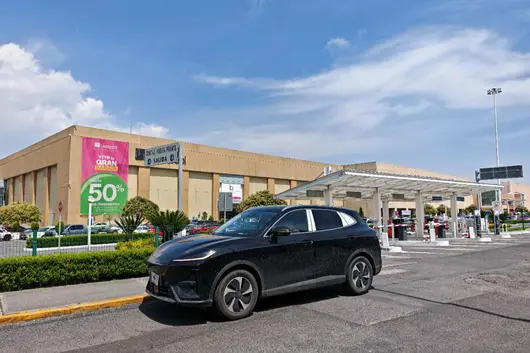

August 2026, the automotive industry repeatedly mentioned a term — “Speed-build cars”.
In the industry, some new cars have development cycles compressed to 18 months or even 12 months, parts verification passes in one round, durability road tests are cut in half directly. Cars go on the market first, users act as “test drivers”, problems lead to OTA recalls later, becoming routine operation for some automakers. What consumers buy is “half-baked cars” — products that are half-baked, things to be verified weren’t, things to be run weren’t completed.
August 12, Chery Fengyun T7 launched pre-sales, putting out a completely opposite tag — “Global car cannot be fast at all”. 109,900 RMB to 129,900 RMB, three configurations. Full system unified 65.05kWh Rhinoceros Battery, CLTC range 600km.
The 16th Hexagram of the “I Ching” is “Yu”, Upper Zhen Lower Kun, Thunder rises from the earth and stirs. The hexagram text says, with preparation, there will be no panic. The 17th Hexagram is “Sui”, Upper Dui Lower Zhen, Thunder in the marsh. The hexagram text says, move in accordance with the timing, achieving smoothness and success. First comes Yu, then comes Sui. Fengyun T7 spent four years completing “preparation”, then used today’s product to respond to the market’s “timing”.

Fengyun T7 is not a “China Special” car made for domestic first then exported. Its overseas homologous model is called LEPAS L6, already pre-sold in South Africa, launched in Thailand, subsequently entering the European Union, Australia, New Zealand, United Kingdom, and more than 130 other countries and regions. A car must meet regulatory standards of so many countries simultaneously, the R&D starting point is different.
In terms of safety, Fengyun T7 targets the 2026 version E-NCAP 5-star standard, functional safety reaches ASIL D highest level. The 2026 version E-NCAP breaks vehicle safety down into four pillars: safe driving, collision avoidance, collision protection, and post-collision safety. If any item has obvious weakness, 5-star rating cannot be achieved. Body adopts 80% high-strength steel, hot-formed steel accounts for 18.84%, nine cross five longitudinal cage body structure. Most safety airbags in class 9 airbags, including 48L dual-chamber far-end airbags and rear side airbags. Rhinoceros Battery IP68 water resistance reaches 96 times national standard.
These standards are not added later, they were written into product definition from the first day of R&D.

Chery Automobile Executive Vice President Li Xueyong said, Fengyun T7’s four-year cycle was spent on three “cannot be fast” places — R&D cannot be fast, products need repeated polishing; verification cannot be fast, reliability needs real scenario testing; global user co-creation cannot be fast, need to hear voices from different markets.
81 exclusive durability cars simultaneous road testing, vehicle cumulative test mileage over 6 million kilometers, durability special actual measured 1.45 million kilometers. Covers -40°C to 55°C full range environment, covers 95% global road types. Conducted extreme real car trials for different global regions such as Southeast Asian rainy season, Middle East high-temperature sun exposure, Indonesia high humidity, etc.
Global invested 963 test cars. 5000+ global user research, 15 typical countries in-depth visits. Optimized product design starting from actual vehicle usage needs, not engineers guessing what users want in the office.
Fengyun T7’s “Global Verification” is not going overseas to run around for show, it includes global different markets’ regulations, road conditions, user habits into the verification system from the R&D stage. European users habit car front into storage, vehicle within 70cm automatically displays front camera. Thai users prefer heavier steering hand feel, engineers increase steering force by one level. Turkey and Israel users prefer physical buttons, high-frequency functions keep physical switches. Indonesia bumpy road sections make users lack sense of security, engineers optimize steering return quality. These details are not post-event patches, they are adaptations included in consideration from the R&D stage.

Fengyun T7’s pricing is the last link of this “Global Standards” logic. 109,900 RMB to 129,900 RMB, three configurations price difference is 10,000 RMB each, battery unified 65.05kWh, range unified 600km. No lower configuration cutting range, higher configuration adding range graded premium tricks.
Put this price on the market, in the same price range pure electric SUVs, full series 600km range, full series 9 airbags, full series 8775 chip, full series independent rear suspension models, currently only Fengyun T7 one model.
The meaning of this price is not only “cheap”, but “buy products verified with global standards with national prices”. Fengyun T7 ran verification process overseas first, then landed domestically with China market pricing logic. Homologous model LEPAS L6 price in Thailand about 160,000 RMB, domestic pre-sale 109,900 starting — same set of global standards, two pricing logics. Overseas verification costs shared by global sales, domestic consumers enjoy price dividends brought by scale effects.
Smart Cockpit. Class first 4nm process Qualcomm SA8775 Cockpit-Driver integrated chip. 15.6 inch 2.5K HD large screen, Lingxi Smart Cockpit 2.0 equipped with Doubao Large Model. Falcon 500 Smart Driving equipped with 22 high-precision sensors.
Comfortable and solid. 2700mm wheelbase, 84% utilization rate. Seats folded down form 1955mm×1310mm pure flat large bed. Chassis involved senior engineer from former Maserati in tuning.
109,900 to 129,900 RMB price range, let this set of global standard products entered China mainstream family selectable range.

First half of 2026, Chery in Europe cumulative sales 174,000 units, among them new energy 86,000 units, year-on-year growth 385%. For every 5 cars exported from China, 1 comes from Chery. Consecutive 23 years China brand passenger car export No.1.
Fengyun T7’s “Global Rebound” is not a slogan, it is solid verification result. The gold content of this logic does not lie in the export quantity itself, but in the standards, systems, and quality cognition behind the export. When the industry is still consuming each other with price wars, Chery uses a car verified by global market, pulling competition back from “who is cheaper” to “who is more trustworthy”.
Yu Hexagram says “Prepare for the unexpected”, Sui Hexagram says “Move according to timing”. First spend four years preparing global standards, then use this car to respond to the market’s “timing”. Global verification, Chinese prices — this is Fengyun T7 “Global car cannot be fast at all” true meaning.

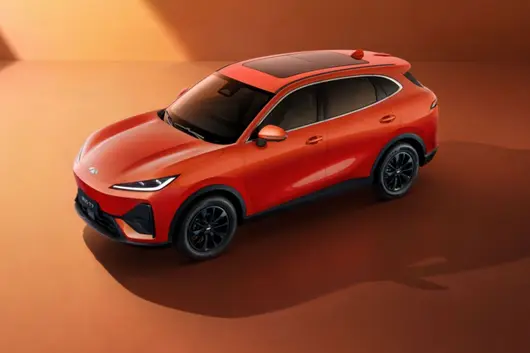

In 2026, the story of Chinese cars going global turns a new page. Under the spotlight of the Bangkok International Motor Show in Thailand, amidst the crowds at the Indonesia GIIAS Motor Show, a pure electric compact car named "Chery Q" is refreshing external perceptions of Chinese brand premium compact cars with market performance exceeding expectations.

Boom in Dual Markets, An "Unprecedented" Hot Sales Phenomenon That Was No Accident
Global debut at the March Bangkok Motor Show, orders exceeded 1,000 vehicles within just ten days; the official price was announced on June 24 (449,900 THB - 519,900 THB), cumulative orders have strongly exceeded 3,000 vehicles. In July, the first batch of over 2,000 Chery Q vehicles arrived in Thailand from China, launching deliveries.
Almost at the same time, the Indonesia market opened pre-orders on May 18, officially launched sales at the GIIAS Motor Show on July 31 (239.9 million - 264.9 million Indonesian Rupiah), orders have exceeded 6,000 units. Chery Thailand General Manager Jim Lee stated plainly at the launch event: "Chery QQ has accompanied Thai users for 20 years; this is our greatest confidence in deeply cultivating the local market."

This is not an accidental boom in a single market, but a validation of the systemic competitiveness of Chinese premium compact cars in the Southeast Asian market. More notably, the all-new QQ3 also exceeded 56,000 units in orders in its first month of launch domestically—from Wuhu to Bangkok, from Chengdu to Jakarta, a compact car exploding simultaneously in multiple markets is rare in the history of Chinese cars going global.
20 Years of Nostalgia Return, From "National Compact Car" to "Global ICON"
In 2006, the old QQ model drove into the streets of Thailand and Indonesia, becoming the youth memory for a generation of Southeast Asians. In 2026, the all-new QQ3 returns under the name Chery Q. In 20 years, it has completed the brand leap from "National Commuter Car" to "Global Premium Compact Car".
The power of this nostalgia is clearly visible in the order structure—62% of orders in the Thailand market are from female users, with many young people spontaneously checking in and sharing on Facebook, Instagram; the Indonesia market attracted many middle-aged family users to pre-order due to "nostalgia". A single car moving two generations relies on more than just nostalgia.

The all-new QQ3 is not simply a "reprint of classics". It was designed by the first domestic team to win both Red Dot design awards. The 2025 all-new QQ concept car swept the Red Dot Concept Design Award and the Red Dot Brand and Communication Design Award, becoming the first Chinese fashion EV to win both Red Dot awards in the same year. In April 2026, the mass-produced all-new QQ3 won the Red Dot Product Design Award again; in July, its smart cockpit HMI interface won the Red Dot Brand and Communication Design Award. From concept to mass production, from styling to smart cockpit, the four Red Dot trophies fully showcase Chery Design's full-link capability from creative implementation to whole vehicle mass production.
Global Same Standards, No Downgraded Specs, No Special Supplies
In past narratives of going global, "overseas special edition" often meant downsized configurations. The all-new QQ3 breaks this convention.
Chery Automobile Vice President Zhang Hongyu explicitly stated: "From chassis architecture, battery safety to body structure, we adapt to Southeast Asian right-hand drive regulations simultaneously, undergoing rigorous testing in multiple global regions, without downsizing specs or making special supplies." Chery Indonesia General Manager Assistant Zeng Shuo also emphasized: "At Chery Indonesia, quality is always prioritized over profit."
This commitment to the product manifests as the complete presentation of class-leading configurations ("Top 10 Unique in Class, Top 13 Leading in Class") in the overseas market. The 2700mm ultra-long wheelbase brings a B-class space experience with 85% space utilization efficiency; 82% high-strength steel ratio, 1300MPa integrated hot-formed door rings build a rock-solid body; IP68 highest waterproof level Rhino Battery, tailor-made for the Southeast Asian rainy season; the Lingxi Cockpit composed of Qualcomm 8155 chip and 15.6-inch 2.5K ultra-HD center control screen, equipped with Carmind large model supporting AI natural language chatting.
Thailand's rainy season flooding, Indonesia's tropical heat, Bangkok's narrow streets—these localization challenges were not avoided by "downgrading specs", but were addressed one by one through engineering means such as right-hand drive tuning, battery waterproofing enhancement, and high-temperature heat dissipation optimization.
"The World's Three Little Ones", New Coordinates for Chinese Automotive Culture
The all-new QQ3 proposed an ambitious positioning: to jointly build the "World's Three Little Ones" global compact car culture pattern with German SMART and British MINI.
This is not a simple brand benchmarking. MINI has over sixty years of brand accumulation, SMART has Mercedes-Benz technical endorsement, and QQ accumulated 1.5 million global users in 23 years. The common point among the three is having long brand accumulation, and all have undergone electrification rebirth. The arrival of the all-new QQ3 is a key leap for Chinese compact cars from functional inclusiveness to value leadership, from local deep cultivation to global breakthrough.
Thai authoritative automotive media Autolife Thailand believes Chery Q has strong competitiveness in the 500,000 THB price range; Indonesian automotive media OtoDriver evaluated it as "with more comprehensive product power, becoming the most direct competitor of products in the same class". Professional media recognition proves that "The World's Three Little Ones" is not a castle in the air—it won the market's genuine financial vote with global unified quality and class-leading product power.

From the 2003 first-generation QQ knocking open the door of Chinese family travel with 39,800 yuan, to the 2026 all-new QQ3 conquering Southeast Asia in the posture of a "complete solution"; from the "enough is good" national commuter car to the global premium compact car competing on the same stage with SMART, MINI—QQ's transformation is a vivid footnote of Chinese automobiles going from product export to brand export, from technology export to cultural export.
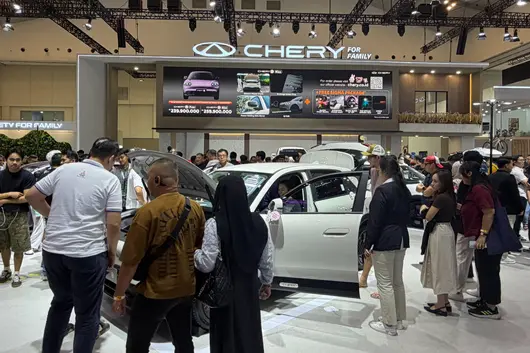

In Malaysia's SUV market, many buyers compare Proton X90 and Mazda CX-8 when choosing a car. Both cars are quite close in price and positioning. Today we will make a detailed comparison from multiple aspects to help you save the time of doing research.
The OTR price of Proton X90 in Malaysia is RM 106,800 - 122,800, with a total of 4 variants, including 2026 1.5T Prime X (RM 122,800), 2026 1.5T Prime (RM 116,800), 2026 1.5T Lite (RM 106,800), etc.
The OTR price of Mazda CX-8 in Malaysia is RM 165,360 - 201,360, with a total of 5 variants, including 2025 2.5T 4WD High Plus Petrol (RM 201,360), 2025 2.2L 2WD High Plus Diesel (RM 193,123), 2025 2.5L 2WD High Plus Petrol (RM 186,360), etc.
Looking at the price, Proton X90's starting price is indeed RM 58,560 cheaper than Mazda CX-8. If your budget is limited, Proton's entry-level version can already meet daily needs. But note that the few thousand ringgit difference may have trade-offs in features, depending on your specific needs.

Proton X90 is equipped with a 1.5L Turbo engine, 140 hp. Official fuel consumption is 7.0 L/100km.
Mazda CX-8 is equipped with a 2.0L 4-cyl engine, 170 hp. Official fuel consumption is 8.0 L/100km.
In terms of power, Mazda CX-8's 2.0L 4-cyl has 30 horsepower more than Proton X90's 1.5L Turbo. However, for daily city driving, both cars have sufficient power and won't feel lacking.

Proton X90's safety rating is 5★ (ASEAN NCAP), active safety systems include ADAS (ACC, AEB, LKA, LDA, BSM, RCTA).
Mazda CX-8's safety rating is 5★ (ASEAN NCAP), active safety systems include Brand ADAS.
Both cars have the same safety rating. In this class, safety features are quite comprehensive. New cars nowadays are safe enough, no need to worry too much about this.

Proton X90 warranty is 5 years/150,000 km, maintenance interval every 10,000 km or 6 months.
Mazda CX-8 warranty is 5 years/150,000 km, maintenance interval every 10,000 km or 6 months.
The warranty conditions for both cars are the same, no need to agonize over this aspect. Actual maintenance costs depend on the brand's service network and parts prices. It is recommended to ask real owners in car owner groups for their experiences.

In general, Proton X90 and Mazda CX-8 are both very good models in the Malaysian market. Which one to choose depends mainly on your personal needs and budget. We suggest you do your research, compare quotes from a few dealerships, and then test drive to make a final decision. Buying a car is a major matter, spending time on research will definitely not be wrong.


1997, north of Wuhu city, a barren stretch of land.
No factories, no equipment, no technical drawings, hardly anyone believed anything could grow here. Chery drove its first stake into such a place. Back then, the Chinese auto market was dominated by joint-venture brands. Santana, Jetta, Fukang "the old three" ruled supreme. Domestic brands? In many people's concepts, that was just a joke.
Two years later, the first Fengyun came off the line. Two more years passed, and Fengyun became the first Chinese brand sedan to cross the border. No one could have imagined that this car, which raced out of the barren land, would weave a story of 20 million vehicles 29 years later.
But what is truly worth discussing about the number 20 million is never how big it is, but how "heavy" it is.

20 million, placed in today's Chinese auto market, just looking at the numbers, it's not earth-shattering. But if you calculate this arithmetic problem differently, the result is completely different.
Among Chery's 20 million users, nearly 7 million are from overseas. Accounting for 35%. What does this mean? For every 3 Chery vehicles sold, 1 is sold outside China. This proportion is unique among all Chinese automakers.
This first half of the year, Chery exported 943,800 vehicles, up 71.5% year-on-year. On average, one Chery vehicle heads to an overseas wharf every 17 seconds. June was even more exaggerated, with overseas sales hitting 191,000 in a single month, with an export ratio as high as 69.5%. In other words, nearly seven out of ten Chery vehicles sold that month were bought by foreigners.
If we look at the timeline, in 2007 Chery completed its first 1 million in the first decade—that was the first time a Chinese domestic brand knocked on the door of the "million club". From 1 million to 20 million, 19 years, compound growth rate 17%. The growth curve of the last two years is steep and frightening; just the export volume of the first half of this year already exceeded the total global sales of certain brands for the entire year.
But what is worth pondering more behind the numbers is: Chery didn't just recently think about going overseas, it has walked this road of globalization for over twenty years. Starting from the first Fengyun exported to Syria in 2001, Chery has always been moving outwards. The first 20 years were a slow simmer, only in the last two years has it come to a quick boil.

At the delivery site of the 20 millionth vehicle on July 25, 2026, there was an interesting detail.
The owner is named An Xinran, Australian nationality, pursuing a PhD at Zhejiang University. Why did she buy a Chinese brand EV? The story starts with her mom. An Xinran's mom was already a Chery owner in Australia. Back then she chose Chery because Chery received a five-star rating in the Australia and New Zealand high-spec safety test. The old lady felt this Chinese car was reliable, safe, and trustworthy.
Influenced by her mother, after coming to China to study, An Xinran has been paying attention to Chery. Later she saw the Fengyun A9, was moved by its appearance and intelligent cockpit, became the recipient of the 20 millionth vehicle, and received the car key from Yin Tongyue and spokesperson Yang Zi.

Where is the gold content of this story? In "intergenerational transmission" and "trans-oceanic trust".
Mom drives a Chery in Australia for safety; daughter drives a Chery in China for intelligence. Two generations, two countries, two completely different usage scenarios and consumption needs, caught by the same brand. This is not something ad copy can fabricate; this is real word-of-mouth rolling into a snowball.
Think about it, how harsh the Australian market is on car safety requirements, anyone who knows cars slightly knows. Getting a five-star rating there is equivalent to getting an "entry ticket" for the entire mature Western market. And an Australian family, mom drove it and thought it was good, daughter continues to buy — this trust chain is more convincing than any "Global Sales #1" slogan.
What is truly difficult is not selling the car, but taking root
Many people think "globalization" is just shipping cars to ports, loading ships, and sending them off. That is trade, not globalization.
Chery's understanding of globalization is three stages: product going overseas, capacity going overseas, ecosystem going overseas. As Yin Tongyue said, it is from "going out" to "going in" and then to "blending in".
How to blend in?
As of now, Chery has 16 overseas factories globally, distributed in Brazil, Spain, Thailand, South Africa, etc. In 2024, Chery cooperated with Spanish EV MOTORS, revived the Spanish national brand EBRO, directly creating over 1,000 jobs, called a "model of China-Spain cooperation" by both governments. This July, Chery launched the upgrade and renovation of the South African Rosslyn plant — this plant was built in 1963, after Chery took over it promised to retain all 692 employees, and also drove nearly 3,000 jobs upstream and downstream.

Among Chery's 150,000 global employees, overseas employees exceed 20,000.
Yin Tongyue has a sentence that impressed me deeply. He said Chery cannot be a "tumbleweed chasing profit", rolling wherever the wind blows, cannot take root; it must be a "tree planter rooted locally", wherever it is, for wherever it is, becoming a part of the locals.
This sounds simple, but weighs heavily. The "tumbleweed" style of going out is the logic of making fast money — rush in when the market is good, run away when the market is bad. But the logic of the "tree planter" is — I came, and I won't leave, I grow together with this land.
In 2026, Chery joined the IATF International Automotive Task Force Board, obtained the voting right for global auto standard formulation. From "abiding by rules" to "participating in setting standards", this leap is much harder and more valuable than selling hundreds of thousands more cars.
After 20 million, why dare to say "no involution"?
At the Fengyun A9 launch event on July 25, 2026, Yin Tongyue said: "After 20 million vehicles, we will no longer participate in involution, we will no longer only pursue sales, but pursue upward brand growth, pursue greater value creation."
Spoken by others, this might be face-saving talk. But spoken by Chery, it is backed by solid actions.
This first half of the year, Chery actively "squeezed out excess" domestically, significantly reducing dealer inventory, shipping 150,000 fewer cars domestically. The sales figures indeed looked bad, but dealer inventory pressure eased, channels became healthier. What was the cost? Decline in short-term sales. What was exchanged? Beneficial operation of the entire system.
In the latest Fortune China 500 list, Chery ranked 87th on its debut, with a return on net assets of 36.5%, number one in the auto industry. Not competing on price is because it found things more valuable than competing on price.

Fengyun A9 is that "upward" spear. Full series standard equipped with 70kWh battery, 655 km range, 8 airbags, front double wishbone rear five-link suspension, pre-sale price 109,900 to 129,900. Pulling this spec sheet to the European market, the level of competitiveness is clear to those in the know. 72-hour pre-sale orders 18,173 units, 15 days broke 31,729 units. The market votes with its feet, more real than any self-praise. From the first Fengyun going off the line in 1999, to today Fengyun A9 becoming the carrier of the 20 millionth; from "making cars ordinary people can afford" to "defining global high-quality mobility standards" — the name Fengyun has been used for 27 years, the logic behind it has climbed several steps.

What did that stake hammered on the barren land pierce out?
Back to 1997. When Chery drove the first stake into the barren land, no one believed this zero-start domestic brand could survive, let alone believed it could go out.
That year, the landscape of Chinese cars was still decided by joint-venture brands. "Market for Technology" was exchanged for 20 years, how much technology was actually exchanged, everyone has a number in their heart. Chery took a different road from the beginning — no joint ventures, no relying on foreign parties, gnawing technology by itself, expanding market by itself.
Was this road difficult? Too difficult. The first 1 million in 2007 took ten years; from 1 million to 2 million took three years; from 2 million to 5 million took five years; from 5 million to 10 million took six years; from 10 million to 15 million took three years; from 15 million to 20 million took only two years. The slope gets steeper and steeper, but every step is stepped solidly.
This number 20 million, the real weight is not in "20 million" itself, but in its composition — 35% overseas users, first Chinese brand exports for 23 consecutive years, three-digit growth in European market, one seat on the IATF board, An Xinran and her mom crossing two generations and two countries brand trust.

These are the assets that cannot be taken away. Yin Tongyue said, 2027 is Chery's 30th anniversary, by then Chery will not only be an auto company, but also a tech ecosystem company. From barren land to 20 million vehicles, from Wuhu to over 100 countries and regions globally, Chery has walked this road for 29 years.
No short cuts, all hard work. But on the road of globalization, it is precisely hard work that is most valuable.
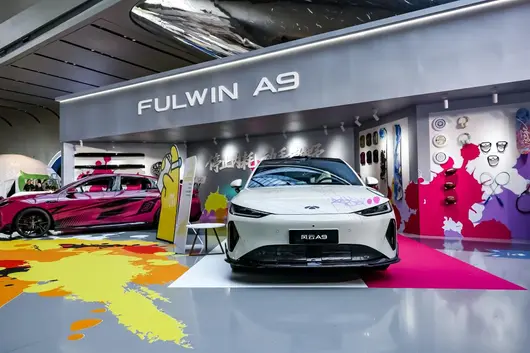

In Malaysia's SUV market, many buyers compare the Proton X70 and Subaru Forester when choosing a car. These two vehicles are quite close in price and positioning. Today, we will conduct a detailed comparison from multiple aspects to help you save time on research.
The Proton X70 OTR price in Malaysia is RM 106,800 - 122,300, with a total of 3 versions, including 1.5L Standard 2WD (RM 106,800), 1.5L Executive 2WD (RM 115,800), 1.5L Premium 2WD (RM 122,300), etc.
The Subaru Forester OTR price in Malaysia is RM 174,000 - 197,000, with a total of 3 versions, including 2024 2.0L S EyeSight GT Edition (RM 189,538), 2024 2.0L S EyeSight (RM 177,538), 2024 2.0L L EyeSight (RM 167,538), etc.
From a price perspective, the starting price of the Proton X70 is indeed RM 67,200 cheaper than the Subaru Forester. If your budget is limited, Proton's entry-level version can already meet daily needs. However, note that the few thousand difference might involve trade-offs in features, depending on your specific needs.

The Proton X70 is equipped with a 1.5L Turbo, 140 hp. Official fuel consumption 7.0 L/100km.
The Subaru Forester is equipped with a 2.0L 4-cyl, 170 hp. Official fuel consumption 8.0 L/100km.
Regarding power, the Subaru Forester's 2.0L 4-cyl has 30 more horsepower than the Proton X70's 1.5L Turbo. However, for daily city driving, both cars have sufficient power, you won't feel it's underpowered.

The Proton X70's safety rating is 5★ (ASEAN NCAP), active safety systems include ADAS (ACC, AEB, LKA, LDA, BSM, RCTA).
The Subaru Forester's safety rating is 5★ (Euro NCAP), active safety system includes EyeSight.
Regarding safety features, both cars have received good ratings. However, the Proton X70's ADAS (ACC, AEB, LKA, LDA, BSM, RCTA) and Subaru Forester's EyeSight differ slightly in functionality. If you value active safety highly, you can compare the feature lists of both in detail.

Proton X70 body length 4400 mm, trunk 400 L.
Subaru Forester body length 4400 mm, trunk 400 L.
The dimensions of the two cars are almost identical, with little difference in interior space. For this class of cars, it is completely sufficient for daily use.
Proton X70 and Subaru Forester are both mainstream choices in the Malaysian market, suitable for family use and daily commuting. If you value brand reputation and resale value more, you can prioritize the one with better reputation; if you care more about cost-performance ratio and features, choose the one with richer configurations. Ultimately, it is recommended to test drive both, personal experience is the most important.
Overall, Proton X70 and Subaru Forester are both very good models in the Malaysian market. Which one to choose depends mainly on your personal needs and budget. It is recommended to do your research, compare quotes from several dealers, and then test drive to make the final decision. Buying a car is a big matter, spending some time doing research will never go wrong.


近日,广汽领程再次换帅。天眼查显示,2026年7月8日,广汽领程新能源商用车有限公司发生重要工商变更,黄永强卸任法定代表人、董事长,由高锐接替。这已是广汽领程自2025年9月以来,不足十个月内第三次更换董事长。

2025年9月18日,时任广汽集团副总经理、广汽领程董事长严壮立因“个人原因”辞去所有职务,原定任期至2025年12月31日。随后,同为广汽集团副总经理的郑衡接任广汽领程法定代表人、董事长。然而仅过去约两个月,2025年12月23日,郑衡以“个人身体原因”辞职,提前两年多离任。
此后,广汽集团副总经理黄永强于2026年1月28日接任广汽领程法定代表人、董事长。但黄永强履职仅四个多月,便于2026年5月14日因“组织上工作安排”辞去广汽集团副总经理职务。7月8日,高锐正式接替黄永强出任广汽领程董事长。

公开资料显示,高锐出生于1979年12月,今年47岁,拥有工商管理硕士学位,历任广汽集团资产管理部部长、中隆投资董事长、骏威汽车总经理、广汽集团(香港)董事长等职,2019年12月起担任广汽集团副总经理至今。此外,高锐还兼任广汽本田、五羊本田等多家广汽集团旗下子公司董事长。

值得关注的是,在频繁的人事变动中,广汽领程的销量却实现了高速增长。广汽集团产销快报显示,2026年6月,广汽领程销量933辆,同比增长248.13%;1-6月累计销量2815辆,同比增长176.79%,增幅位居广汽集团各品牌首位。


喺馬來西亞嘅 SUV 市場,好多買家喺揀車嘅時候都會拿 寶騰 X70 同 馬自達 CX-60 做比較。呢兩款車喺價位同定位上都好接近,今日我哋就從多個方面做一個詳細嘅比較,幫你省下做功課嘅時間。
寶騰 X70 喺馬來西亞嘅 OTR 售價係 RM 106,800 - 122,300,一共有 3 個版本,包括 1.5L Standard 2WD(RM 106,800)、1.5L Executive 2WD(RM 115,800)、1.5L Premium 2WD(RM 122,300) 等。
馬自達 CX-60 喺馬來西亞嘅 OTR 售價係 RM 200,510 - 252,873,一共有 2 個版本,包括 2026 3.3T 4WD High Plus(RM 252,873)、2025 2.5L 2WD High(RM 200,510) 等。
從價錢來看,寶騰 X70 嘅起步價確實比 馬自達 CX-60 便宜咗 RM 93,710。如果你預算有限,寶騰嘅入門版已經可以滿足日常需求。但要記住,便宜嘅幾千塊,可能喺配備上會有取舍,具體要看你嘅需求。

寶騰 X70 採用 FWD 驅動方式。
馬自達 CX-60 採用 FWD 驅動方式。
兩款車嘅驅動方式一樣,都係 FWD,日常駕駛感受唔會有太大區別。

寶騰 X70 保修 5 年/150,000km,保養間隔 每 10,000km 或 6 個月。
馬自達 CX-60 保修 5 年/150,000km,保養間隔 每 10,000km 或 6 個月。
兩款車嘅保修條件一樣,呢方面唔使困擾。實際保養成本仲要睇品牌嘅服務網絡同零件價格,建議去車友群問問真實車主嘅經驗。

寶騰 X70 同 馬自達 CX-60 都係馬來西亞市場嘅主流選擇,適合家庭使用、日常通勤。如果你更睇重品牌口碑同二手價,可以優先考慮口碑更好嗰一款;如果你更在意性價比同配備,嗰度就揀配置更豐富嗰款。最終都係建議兩款都去試駕,親身體驗先係最重要嘅。
總體嚟講,寶騰 X70 同 馬自達 CX-60 都係馬來西亞市場好唔錯嘅車型。揀邊一輛,關鍵都要睇你嘅個人需求同預算。建議大家做好功課,多比較幾間車行嘅報價,再去做試駕做最終決定。買車係件大事,花少少時間做功課絕對唔會錯。


Domestic car market competition intensifies, automaker profit margins remain under pressure, expanding into overseas markets has shifted from an optional layout to the only path for survival and development. Latest industry data shows, in the first half of 2026, China's car exports saw explosive growth, both export volume and total export value hit new highs, but overseas trade barriers continue to increase, localized production has become the core solution for automakers to break through.
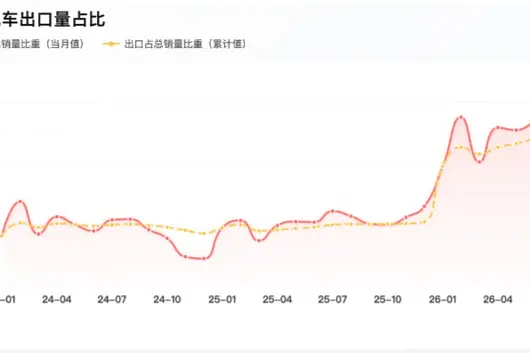
According to relevant statistics from the China Association of Automobile Manufacturers, in June 2026, domestic car exports reached 1.04 million units, up 75% year-on-year, achieving single-month exports exceeding 1 million for the first time. Car cumulative exports for the first half reached 5.1 million units, up 65% year-on-year, half-year export volume broke through 5 million units for the first time; total value of vehicle exports exceeded 600 billion yuan. Now car exports account for 35% of total domestic sales. Compared to the thin domestic profits, overseas markets offer higher gross profit margins, many automakers rely on overseas profits to support domestic business to counteract profit pressures caused by intense domestic price competition.
In the first half of the year, the overseas sales tiers of major automakers were clear. Chery led with exports of 939,000 units, overseas sales accounted for 74% of total sales; BYD followed with 792,000 units, localized production in overseas factories can effectively increase profit per vehicle; SAIC and Geely ranked third and fourth respectively. Among them, Geely's new energy vehicle exports grew rapidly, new energy vehicles accounted for 60% of its total exports. Changan and Great Wall also maintained stable overseas output. Major automakers continue to ramp up overseas capacity construction, consolidating market share by building factories overseas to cope with the continuously changing overseas policy environment.
Behind the outstanding export performance, external challenges follow in succession. The EU imposes anti-subsidy duties on Chinese electric vehicles, and plans to extend restrictions to plug-in hybrid models, while introducing relevant bills to raise investment thresholds for foreign capital. Brazil raised tariffs on imported electric vehicles, Thailand implements production capacity commitment policies, multiple rules significantly increase the cost of direct vehicle exports. The model relying solely on vehicle exports carries increasingly high risks.
Accelerating local factory construction, automakers seek paths to break throughFacing trade barriers, domestic automakers chose to accelerate overseas localized production, forming two development paths. Chery adopts a reverse joint venture model, leveraging local brands to obtain production qualifications and reduce market resistance; BYD chose to fully self-construct factories, fully controlling the supply chain and production links. Many enterprises rushed to acquire European factories during the window period to avoid policy restrictions.
China's car exports have entered a high-growth cycle, but long-term challenges remain ahead. The overseas market is both an incremental blue ocean and a competitive battleground. Major automakers continue to improve their overseas industrial layout, resolving trade barriers by relying on localized production. In the future, whoever can better root themselves in overseas markets and balance policy with operations is expected to seize more seats in the global car competition.

【CNMO 科技消息】7 月 29 日,據@電車出海 整理發布嘅數據,2020 年至 2026 年上半年,十間中國新勢力車企海外純電累計銷量排名揭盅。該榜單統計咗 39 個國家同地區嘅銷量,其中,小鵬汽車以 105,245 輛位居第一位,亦係榜單入面唯一累計銷量超過 10 萬輛嘅品牌。

小鵬
零跑汽車以 77,279 輛排名第二,同小鵬一齊組成榜單第一梯隊。歐拉累計銷量為 51,653 輛,位列第三,亦係除小鵬、零跑外,唯一突破 5 萬輛嘅品牌。第四至第六名依次為埃安、極氪同深藍,累計銷量分別為 44,047 輛、39,899 輛同 31,588 輛。其中,埃安距離 5 萬輛仲差 6,000 輛左右,極氪則接近 4 萬輛,三間品牌嘅成績均集中在 3 萬至 4.5 萬輛區間,騰勢以 15,427 輛位列第七,蔚來同智己嘅累計銷量較為接近,分別為 7,502 輛同 7,049 輛,排名第八同第九;嵐圖累計銷量為 3,247 輛,位列第十。


據分析,小鵬銷量斷層式第一與其對歐洲同亞太嘅深耕佈局脫唔離。數據顯示,小鵬海外 60% 嘅銷量嚟自歐洲,今年上半年歐洲 21 國賣咗 1.8 萬輛左右,21 國全線飆升,同比增長 154%。同時亞太市場亦喺度發力,泰國、馬來西亞、新加坡、澳洲等國家貢獻咗 20% 嘅銷量。


On July 28, the 2026 Fortune Global 500 list was officially released. BYD ranked 91st for the 5th consecutive year, with comprehensive strength firmly in the world's first echelon.

In 2025, BYD achieved annual revenue of 804 billion yuan and net profit of 32.6 billion yuan; new energy vehicle sales reached 4.6 million units for the year, securing the title of global new energy vehicle sales champion and China market automaker sales champion, among others. From January to June 2026, the company's cumulative sales exceeded 1.8 million units. In July, BYD's 17 millionth new energy vehicle officially rolled off the production line, becoming the first automaker to reach this milestone.
BYD has always adhered to the development concept of "Technology is King, Innovation is the Foundation". In 2025, the company's R&D investment reached 63.4 billion yuan, a year-on-year increase of 17%, ranking first among A-share listed companies for two consecutive years. In the first quarter of 2026, the company's R&D investment reached 11.3 billion yuan, leading domestic mainstream automakers and top new forces. So far, the company's cumulative R&D investment has exceeded 250 billion yuan. Continuous high-intensity technical investment has driven the accelerated implementation of more disruptive technological results. In March 2026, BYD released the second-generation Blade Battery and fast-charging technology, planning to build 20,000 fast-charging stations nationwide by the end of the year. In addition, BYD will also deploy 6,000 overseas fast-charging stations globally. In May, BYD was the first to commit to guaranteeing safety for 1 year for urban navigation, and announced that all models can be equipped with God's Eye B ADAS Laser Edition, opening an era of urban navigation for all.
In 2025, BYD's overseas sales exceeded 1 million units for the first time, a year-on-year increase of 145%; in the first half of 2026, overseas sales continued to grow, exceeding 780,000 units. The company's overseas expansion strategy has formed a pattern of "Leading in Latin America, Breaking Through in Europe, Blooming in Multiple Points in Asia and the Pacific". This year, BYD's first overseas SkyRail was opened in Brazil, and the Brazil factory reached the 100,000th new energy vehicle off the line; Denza Z, Z9GT and D9 jointly opened a new chapter of technological luxury in Europe; BYD's first overseas specialized model, Sea Otter (BYD RACCO), landed in Japan; the Thailand factory welcomed its second anniversary of production. BYD is accelerating into a new stage of globalization focusing on deep local cultivation and high-quality development. So far, BYD's business has spread to 121 countries and regions worldwide.
In terms of sustainable development, as of June 30, compared to traditional fuel vehicles, BYD's new energy vehicles have cumulatively achieved carbon emission reductions of 149 million tons in the energy production and usage links, equivalent to planting 2.48 billion trees. In terms of social responsibility implementation, BYD launched a 3 billion yuan education charity fund and reached donation agreements with 127 universities across the country, inspiring more than 6,000 students.
As a global leader in new energy vehicles, BYD's firm position in the top 100 world companies is the result of its persistence in technological innovation and global breakthrough. Looking ahead, BYD will continue to steadfastly uphold the concept of sustainable development, with more cutting-edge technology and a more complete global layout, to cool the Earth by 1°C.

In the Malaysian SUV market, many buyers compare Proton X70 and Honda WR-V when choosing a car. These two models are quite close in price and positioning. Today, we will do a detailed comparison from multiple aspects to save you time on research.
Proton X70's OTR price in Malaysia is RM 106,800 - 122,300, with a total of 3 versions, including 1.5L Standard 2WD (RM 106,800), 1.5L Executive 2WD (RM 115,800), 1.5L Premium 2WD (RM 122,300), etc.
Honda WR-V's OTR price in Malaysia is RM 89,900 - 107,900, with a total of 4 versions, including 2023 1.5L V (RM 99,900), 2023 1.5L E (RM 95,900), 2023 1.5L S (RM 89,900), etc.
From a price perspective, the starting price of Honda WR-V is RM 16,900 cheaper than Proton X70. Honestly, in this price segment, a difference of a few thousand is not really big; the key is still looking at overall value for money and long-term usage costs.

Proton X70 comes with a 1.5L Turbo, horsepower 140 hp. Official fuel consumption 7.0 L/100km.
Honda WR-V comes with a 1.5L 4-cyl, horsepower 105 hp. Official fuel consumption 6.0 L/100km.
In terms of power, Proton X70's 1.5L Turbo has 35 more horsepower than Honda WR-V's 1.5L 4-cyl, providing more confidence in mid-range acceleration, especially when overtaking on highways. However, Honda WR-V's fuel consumption might be friendlier, and the difference in daily city commuting won't be too big.

Proton X70's safety rating is 5★ (ASEAN NCAP), active safety systems include ADAS (ACC, AEB, LKA, LDA, BSM, RCTA).
Honda WR-V's safety rating is 5★ (ASEAN NCAP), active safety systems include Honda SENSING.
Both cars have the same safety rating. In this segment, safety features are quite comprehensive. New cars nowadays don't have bad safety, so there is no need to worry too much about this.

Proton X70 warranty 5 years/150,000km, maintenance interval every 10,000km or 6 months.
Honda WR-V warranty 5 years/unlimited mileage, maintenance interval every 10,000km or 6 months.
Overall, Proton X70 and Honda WR-V are both very good models in the Malaysian market. Which one to choose depends on your personal needs and budget. We recommend doing your research, comparing quotes from multiple dealers, and test driving before making a final decision. Buying a car is a big matter; spending some time researching is never wrong.


In the SUV market in Malaysia, many buyers compare Proton X50 and Subaru Crosstrek when choosing a car. These two cars are quite close in price and positioning. Today we will make a detailed comparison from multiple aspects to help you save time doing research.
Proton X50's OTR price in Malaysia is RM 89,800 - 113,300, totaling 4 versions, including 1.5T Executive (RM 89,800), 1.5T Premium (RM 101,800), 1.5T Flagship (RM 113,300), etc.
Subaru Crosstrek's OTR price in Malaysia is RM 145,000 - 160,000, totaling 1 version, including 2.0L e-Boxer (RM 150,000), etc.
Looking at the price, Proton X50's starting price is indeed RM 55,200 cheaper than Subaru Crosstrek. If your budget is limited, Proton's entry-level version can already meet daily needs. But keep in mind, the few thousand cheaper cost may have compromises in equipment, it depends on your needs.

Proton X50's safety rating is 5★ (ASEAN NCAP), active safety systems include ADAS (ACC, AEB, LKA, LDA, BSM, RCTA).
Subaru Crosstrek's safety rating is 5★ (Euro NCAP), active safety systems include EyeSight.
In terms of safety equipment, both cars received good ratings. However, Proton X50's ADAS (ACC, AEB, LKA, LDA, BSM, RCTA) and Subaru Crosstrek's EyeSight have some differences in functions. If you value active safety more, you can carefully compare the function lists of both.
Proton X50 body length 4400 mm, trunk 400 L.
Subaru Crosstrek body length 4400 mm, trunk 400 L.
The dimensions of both cars are almost the same, interior space difference is not significant. For this class of cars, it is fully sufficient for daily use.
Proton X50 and Subaru Crosstrek are both mainstream choices in the Malaysian market, suitable for family use, daily commuting. If you value brand reputation and resale value more, you can prioritize the one with better reputation; if you care more about value for money and equipment, then choose the one with richer configuration. Ultimately, it is recommended to test drive both models, personal experience is the most important.

Overall, Proton X50 and Subaru Crosstrek are both very good models in the Malaysian market. Which one to choose depends mainly on your personal needs and budget. It is recommended to do your research, compare quotes from several dealerships, then go for a test drive to make the final decision. Buying a car is a big matter, spending some time doing research will never be wrong.


喺馬來西亞嘅 SUV 市場,好多買家喺揀車嗰陣都會拿 Proton X50 同 Subaru Forester 嚟做比較。呢兩款車喺價位同定位上都幾接近,而家我哋就從多個方面做一個詳細嘅對比,幫你慳做功課嘅時間。
Proton X50 喺馬來西亞嘅 OTR 售價係 RM 89,800 - 113,300,一共有 4 個版本,包括 1.5T Executive(RM 89,800)、1.5T Premium(RM 101,800)、1.5T Flagship(RM 113,300)等等。
Subaru Forester 喺馬來西亞嘅 OTR 售價係 RM 174,000 - 197,000,一共有 3 個版本,包括 2024 2.0L S EyeSight GT Edition(RM 189,538)、2024 2.0L S EyeSight(RM 177,538)、2024 2.0L L EyeSight(RM 167,538)等等。
從價錢來看,Proton X50 嘅起步價確實比 Subaru Forester 慳咗 RM 84,200。如果你預算有限,Proton 嘅入門版已經可以满足日常需求。但都要注意,慳嗰幾千蚊,可能喺配備上會有取舍,具體要看你嘅需求。
Proton X50 搭載 1.5L 4-cyl,馬力 105 hp。官方油耗 6.0 L/100km。
Subaru Forester 搭載 2.0L 4-cyl,馬力 170 hp。官方油耗 8.0 L/100km。
動力方面,Subaru Forester 嘅 2.0L 4-cyl 比 Proton X50 嘅 1.5L 4-cyl 多咗 65 匹馬力。不過日常喺市區開,兩款車嘅動力都够用,唔會覺得唔夠力。
Proton X50 車身長 4400 mm,尾箱 400 L。
Subaru Forester 車身長 4400 mm,尾箱 400 L。
兩款車嘅尺寸幾乎一樣,車內空間差別唔大。呢個級別嘅車,日常使用完全够用。
Proton X50 採用 4WD 驅動方式。
Subaru Forester 採用 FWD 驅動方式。
Proton 嘅 4WD 同 Subaru 嘅 FWD 喺操控上會有唔同感受,建議試駕對比。
總而言之,Proton X50 同 Subaru Forester 都係馬來西亞市場好唔錯嘅車型。揀邊架車,關鍵仲係要看你嘅個人需求同預算。建议大家做好功課,多比較幾間車行嘅報價,先去試駕做最終決定。買車係件大事,花啲時間做功課絕對唔會錯。

In the Malaysia SUV market, many buyers compare Proton X50 and Mitsubishi Xforce when choosing a car. These two models are quite close in price and positioning. Today, we will make a detailed comparison from multiple aspects to help you save time on research.
The Proton X50 OTR price in Malaysia is RM 89,800 - 113,300, with a total of 4 versions, including 1.5T Executive (RM 89,800), 1.5T Premium (RM 101,800), 1.5T Flagship (RM 113,300), etc.
The Mitsubishi Xforce OTR price in Malaysia is RM 109,930 - 119,930, with a total of 2 versions, including 2026 1.5L Ultimate (RM 119,930), 2026 1.5L Urban (RM 109,930), etc.
In terms of price, the Proton X50's starting price is indeed RM 20,130 cheaper than the Mitsubishi Xforce. If your budget is limited, Proton's entry-level version can already meet daily needs. However, note that the few thousand savings might involve compromises in features, depending on your specific needs.
Proton X50 body length 4400 mm, trunk 400 L.
Mitsubishi Xforce body length 4400 mm, trunk 400 L.
The dimensions of both cars are almost identical, with little difference in interior space. For this car class, it is more than adequate for daily use.
Proton X50 adopts 4WD drive system.
Mitsubishi Xforce adopts FWD drive system.
Proton's 4WD and Mitsubishi's FWD will offer different handling experiences; a test drive comparison is recommended.
Both Proton X50 and Mitsubishi Xforce are mainstream choices in the Malaysia market, suitable for family use and daily commuting. If you value brand reputation and resale value more, consider the one with better reputation first; if you care more about cost-performance and features, choose the model with richer configurations. Ultimately, it is recommended to test drive both, as personal experience is the most important.

Overall, both Proton X50 and Mitsubishi Xforce are very good models in the Malaysia market. Which one to choose depends mainly on your personal needs and budget. We recommend doing your homework, comparing quotes from several dealerships, and then test driving to make the final decision. Buying a car is a big deal, spending time on research will never go wrong.

喺馬來西亞嘅 SUV 市場,好多買家喺揀車嘅時候,都會拿寶騰 X50 同現代 Tucson 做比較。呢兩款車喺價錢同定位上都幾接近,今日我哋就由多個方面做一次詳細對比,幫你省卻做功課嘅時間。
寶騰 X50 喺馬來西亞嘅 OTR 售價係 RM 89,800 - 113,300,合共有 4 個版本,包括 1.5T Executive(RM 89,800)、1.5T Premium(RM 101,800)、1.5T Flagship(RM 113,300) 等。
現代 Tucson 喺馬來西亞嘅 OTR 售價係 RM 143,888 - 197,888,合共有 5 個版本,包括 2025 HEV 1.6T AT 2WD Prestige(RM 197,888)、2025 1.6T DCT 4WD Prestige(RM 186,888)、2025 1.6T DCT 2WD Prime(RM 164,888) 等。
由價錢睇,寶騰 X50 嘅起步價確實比現代 Tucson 平咗 RM 54,088。如果你預算有限,寶騰嘅入門版已經可以滿足日常需求。但都要注意,平嗰幾千塊錢,可能喺配備上會有取捨,具體睇你嘅需求。
寶騰 X50 搭載 1.5L 4-cyl,馬力 105 hp。官方油耗 6.0 L/100km。
現代 Tucson 搭載 1.5L Turbo,馬力 140 hp。官方油耗 7.0 L/100km。
動力方面,現代 Tucson 嘅 1.5L Turbo 比寶騰 X50 嘅 1.5L 4-cyl 多咗 35 匹馬力。不過日常喺市區開,兩款車嘅動力都夠用,唔會覺得唔夠力。
寶騰 X50 採用 4WD 驅動方式。
現代 Tucson 採用 FWD 驅動方式。
寶騰嘅 4WD 同現代嘅 FWD 喺操控上會有唔同感受,建議試駕對比。
寶騰 X50 保修 5 年/150,000 公里,保養間隔 每 10,000 公里或 6 個月。
現代 Tucson 保修 5 年/300,000 公里,保養間隔 每 10,000 公里或 6 個月。

寶騰 X50 同現代 Tucson 都係馬來西亞市場嘅主流選擇,適合家庭使用、日常通勤。如果你更重視品牌口碑同二手價,可以優先考慮口碑更好嗰一款;如果你更在乎性價比同配備,嗰就揀配置更豐富嗰款。最後始終建議兩款都去試駕,親身體驗先係最重要嘅。

總體嚟講,寶騰 X50 同現代 Tucson 都係馬來西亞市場幾唔錯嘅車款。揀邊一輛,關鍵都係要睇你嘅個人需求同預算。建議大家做好功課,多比較幾間車行嘅報價,再做試駕做最終決定。買車係件大事,花少少時間做功課絕對唔會錯。

In Malaysia's SUV market, many buyers compare Perodua Aruz and Chery Tiggo 8 when choosing a car. These two cars are quite close in price and positioning. Today, we will make a detailed comparison from multiple aspects to help you save time on research.
Perodua Aruz OTR price in Malaysia is RM 72,900 - 77,900, with a total of 2 versions, including 1.5L X (RM 72,900), 1.5L AV (RM 77,900) etc.
Chery Tiggo 8 OTR price in Malaysia is RM 129,750 - 129,750, with a total of 1 version, including 2026 1.6T Standard (RM 129,750) etc.
From the price perspective, Perodua Aruz's starting price is indeed RM 56,850 cheaper than Chery Tiggo 8. If your budget is limited, Perodua's entry-level version can already meet daily needs. However, please note that the few thousand Ringgit difference might involve trade-offs in features, depending on your specific needs.

Perodua Aruz safety rating is 5★ (ASEAN NCAP), active safety systems include .
Chery Tiggo 8 safety rating is TBD, active safety systems include Basic.
Perodua Aruz body length is 4400 mm, trunk 400 L.
Chery Tiggo 8 body length is 4400 mm, trunk 400 L.
The dimensions of both cars are almost the same, interior space differences are not significant. Cars at this level are fully sufficient for daily use.

Perodua Aruz adopts FWD drive mode.
Chery Tiggo 8 adopts FWD drive mode.
Both cars have the same drive mode, both FWD, daily driving experience will not differ much.

Overall, Perodua Aruz and Chery Tiggo 8 are both very good car models in the Malaysian market. Which one to choose mainly depends on your personal needs and budget. We recommend doing your research, comparing quotes from multiple dealerships, and then test driving to make the final decision. Buying a car is a big matter, spending some time researching is never wrong.



諗唔到,今年嘅世界盃足球賽,竟然對汽車銷量造成咗「負面影響」。
乘聯會近日發布嘅 6 月份全國乘用車市場分析中提到,世界盃開賽,分流咗買車人群嘅時間同預算。話中有話,車賣唔好,連世界盃都有責任。
呢並唔係亂甩鍋,今年上半年,中國車市的確非常艱難,任何細微因素都可能影響終端成交。
由數據睇落,上半年全國乘用車零售 870.1 萬輛,同比下跌 20.2%,6 月單月跌幅仲擴大到 23.2%。中汽協嘅統計亦顯示,連出口嘅汽車總銷量為 1501.7 萬輛,同比下跌 4.1%。
好在,正如足球比賽咁,中場唔代表結局。本屆世界盃前 100 場比賽入面,按 90 分鐘賽果統計,有 40 場比賽嘅半場勝平負同終場結果唔同。
車企嘅下半場先至係剛剛開始。能夠唔能夠改寫比分,要看各隊手上仲有邊啲牌。但有一點係無容置疑嘅:只有認真「備戰」同「底盤」夠穩嘅龍頭汽車企業,先至有機會繼續領跑。
比銷量下滑更難嘅係利潤擠壓
20.2% 嘅零售跌幅已經足夠刺眼,但比銷量下滑更棘手嘅壓力,藏喺車企嘅利潤表入面。
國家統計局數據顯示,今年前 5 個月,全國規上工業企業利潤同比增長 18.8%,汽車製造業利潤但係同比下降 19.8%。
同期,汽車行業實現收入 42096 億元,同比增長 1.4%,利潤率但係只係 3.4%。回到 2017 年,呢個數字仲係 8% 左右。

收入勉強增長、利潤大幅下降,說明需求不足只係壓力嘅一部分。價格競爭仲喺延續,碳酸鋰、鋁等原材料價格上升,研發、渠道同營銷投入又好難同銷量同步收縮。對唔少車企嚟講,車即便賣咗出去,最終留喺賬面上嘅利潤都喺減少。
呢種壓力落係具體企業身上更加直觀。
上半年,理想汽車累計交付 19.35 萬輛,同比下跌 5.13%,並連續兩個月出現單月銷量下滑;小鵬汽車交付 16.5 萬輛,同比下跌 15.8%。曾經保持高速增長嘅新勢力車企,亦開始面對銷量基數擴大、產品競爭加劇帶嚟嘅增長壓力。
利潤端嘅情況就更為嚴峻。
7 月 12 日,賽力斯發布業績預告,預計上半年淨虧損 15 億元至 18 億元,而上年同期純利潤係 29.41 億元。呢即係話,其業績同比減少超過 44 億元。存儲晶片、碳酸鋰等原材料漲價推高成本,加上部分存量資產嘅賬面調整,令其盈利水平受到明顯衝擊。
壓力仲喺向渠道端傳遞。6 月,經銷商庫存預警指數達到 57.2%,繼續處於榮枯線之上;超過七成經銷商門店冇完成半年銷量目標。庫存周轉變慢、終端折扣擴大,亦進一步壓縮咗經銷商同車企嘅利潤空間。
新能源市場同樣冇成為例外。6 月新能源滲透率已經達到 62.8%,但係上半年新能源乘用車零售仍係同比下跌 14%。新能源對燃油車嘅替代仲喺繼續,但係唔再天然等同於汽車市場總量增長。
國內市場增量不足,亦令出口成為車企搵新增量、分散經營壓力嘅重要方向。
出口貢獻增量,出海轉向本地經營
中汽協數據顯示,上半年中國汽車出口 509.6 萬輛,同比增長 65.3%;6 月單月出口 103.7 萬輛,同比增長 75.1%,月度出口量首次站上百萬輛。
國內需求收縮之際,出口成為唔少車企維持規模嘅重要支點。不過由整車出口到海外建廠,再到借助國際合作夥伴打開渠道,各隊揀選嘅路線並唔相同。
奇瑞依舊係出口嘅排头兵。上半年,奇瑞集團出口 94.38 萬輛,佔總銷量近七成;6 月單月出口 19.11 萬輛,刷新中國車企單月出口紀錄。
比亞迪嘅海外重心,就正由整車出口轉向本地製造。上半年,比亞迪海外銷售 78.94 萬輛,同比增長 68%;6 月海外銷量佔佢哋當月總銷量嘅四成以上。隨著巴西、泰國工廠相繼投產,比亞迪正將產能逐步鋪到「關稅門檻」之外。

吉利同零跑嘅出口增速同樣突出。吉利上半年出口 47.42 萬輛,同比增長 158%,上半年出口量已經超過 2025 年全年。零跑借助 Stellantis 嘅渠道同工廠布局海外,上半年出口近 10 萬輛,同樣超過去年全年。借力成熟嘅全球體系,令零跑節省咗自建渠道同產能所需嘅時間。
上汽上半年海外銷量係 73.5 萬輛,同比增長 48.7%,約佔集團總銷量嘅 36%。多年積累嘅海外製造、渠道同品牌體系,喺呢輪國內市場調整入面成為重要緩衝。
長安亦喺加快由產品出口向本地經營轉型。4 月發布嘅「海納百川」計劃 2.0 提出長期化、本地化同體系化,推動全球業務向製造、投資、服務同品牌營運延伸。伴隨巴西總統見證巴西工廠投產、泰國工廠第 2 萬臺整車落線、啟源 Q05 喺烏茲別克斯坦上市等多項成果落地,海外本地化佈局漸見成效。上半年,長安海外交付 40.2 萬輛,同比增長 35.1%,約佔集團交付量嘅三分之一。
5 月,長安同葡萄牙國家足球隊達成全球官方合作。喺世界盃年開展體育營銷,亦可以睇作其海外投入由渠道建設延伸至品牌營運嘅一步。
隨著海外銷量喺企業總盤子入面嘅佔比不斷提高,出口數量已經唔再係衡量全球化成效嘅唯一標準。不同市場嘅關稅政策、認證標準同消費習慣差異明顯,渠道、售後、本地生產同品牌建設都需要長期投入,短期內未必能直接轉換為利潤。
因此,下半年評估車企嘅海外表現,銷量仍係基礎,但係本地營運效率、品牌認可度同盈利質量會變得更加重要。出口能否真正沉澱為長期增長,要看車企能否由「把車賣出去」,進一步走向「喺當地經營落嚟」。
睇銷量佔比 國內市場仍係主戰場
海外市場快速增長,並冇改變國內市場嘅基本分量。
中汽協數據顯示,上半年國內汽車銷量係 992.1 萬輛。雖然同比下降 21.1%,但係規模仍接近出口嘅兩倍,佔汽車總銷量約三分之二。僅按半年計算,一個百分點嘅市場份額就接近 10 萬輛,邊間主流車企都唔會輕易放棄。
國內市場競爭早已經白熱化,但係海外巨頭同樣冇選擇離場。
乘聯會數據顯示,6 月主流合資品牌新能源乘用車國內零售同比增長 45%。大眾今年計劃喺中國投放 20 幾款電動化車型,本地開發嘅 CEA 電子電氣架構已經隨首款車型進入量產,後續車型亦喺年內陸續推出。隨著合資品牌加快本土研發同新能源轉型,國內市場嘅競爭強度仲會繼續加大。

面對內需承壓,自主品牌亦喺由產品、技術、組織同產能等不同方向搵突破口。
比亞迪一邊穩住銷量基本盤,一邊補充基礎設施。6 月銷量達到 40.35 萬輛,重新實現同比正增長;兆瓦閃充亦開始由發布會走向落地,補能網絡逐步向全國鋪開。
吉利則喺向內部要效率。李書福提出對冗余主體「關停並轉」,壓縮重複嘅品牌同研發投入,將資源進一步聚攏到主力平台。上半年,吉利以 142.3 萬輛嘅銷量基本穩住整體規模。
處喺上升期嘅新勢力亦冇停低擴張腳步。零跑上半年交付 35.65 萬輛,同比增長六成,成為新勢力銷量第一。3 月上市嘅 A10 用 3 個月進入 SUV 銷量前三,旗艦車型 D19 又切入競爭激烈嘅中大型 SUV 市場,走量同品牌向上兩條線同步推進。

小米上半年累計交付超過 18 萬輛。對照年初設定嘅 55 萬輛全年目標,下半年月均交付量需要提升至 6 萬輛以上,擴充產能、加快交付,將成為佢下半場嘅核心任務。
長安汽車上半年實現交付 119.56 萬輛,海外交付 40.2 萬輛、同比增長 35.1%,新能源交付 45.6 萬輛、同比增長 5.2%。今年下半年,長安汽車將集中推進產品投放同技術落地,持續推動阿維塔同深藍前端獨立、後端整合嘅戰略協同落地,同時加快自研智能化技術裝車應用。目前,天樞智能駕駛輔助功能已陸續應用於啟源 Q07、A06 同全新 Q05。按照今年 5 月公布嘅量產計劃,下半年上市嘅啟源 Q06 將全系搭載天樞領航,成為長安自研輔助駕駛方案進一步擴大應用嘅重要節點。

國內市場仍有接近千萬輛嘅半年規模,換購需求亦唔會憑空消失。問題喺,面對日益密集嘅新車投放同持續加大嘅價格壓力,車企唔僅要爭奪銷量,仲要設法修復利潤。
下半年,新車能否快速起量、技術能否轉換為消費者願意付費嘅體驗、規模增長能否帶嚟經營效率改善,將共同決定車企喺國內市場嘅表現。
寫喺最後:
今年上半年,中國汽車行業嘅壓力同時體現喺銷量同利潤兩端。出口快速增長,為車企提供咗新嘅規模支點;但係國內市場依然決定住多企業嘅基本盤,亦係下半年競爭最激烈嘅主戰場。
接下來嘅關鍵,喺海外佈局能否沉澱為持續訂單同本地經營能力,國內新品能否形成規模交付,技術投入又能否真正轉換為收入同利潤。
對於已經完成一定前期佈局嘅車企而言,後續表現取決於產品、技術同全球化儲備能否及時兌現為銷量同收益。
對於整個行業嚟講,單純追求銷量規模已經唔夠,交付速度、成本控制同盈利質量將變得同樣重要。
中場已過,但係結局尚未確定。

喺馬來西亞嘅 SUV 市場,好多買家喺揀車嘅時候都會將寶達 Ativa 同寶騰 X50 作比較。這兩款車喺價位同定位上都幾接近,今日我就從多個方面做一個詳細嘅對比,幫你節省做功課嘅時間。
寶達 Ativa 喺馬來西亞嘅 OTR 售價係 RM 62,500 - 73,400,一共有 3 個版本,包括 1.0L Turbo X(RM 62,500)、1.0L Turbo H(RM 67,300)、1.0L Turbo AV(RM 73,400)等。
寶騰 X50 喺馬來西亞嘅 OTR 售價係 RM 89,800 - 113,300,一共有 4 個版本,包括 1.5T Executive(RM 89,800)、1.5T Premium(RM 101,800)、1.5T Flagship(RM 113,300)等。
從價錢嚟睇,寶達 Ativa 嘅起步價確實比寶騰 X50 平咗 RM 27,300。如果你預算有限,寶達嘅入門版已經可以滿足日常需要。但都要注意,平嗰幾千蚊,可能喺配備上會有取舍,具體要睇你嘅需求。

寶達 Ativa 搭載 1.5L 4-cyl,馬力 105 hp。官方油耗 6.0 L/100km。
寶騰 X50 搭載 1.5L 4-cyl,馬力 105 hp。官方油耗 6.0 L/100km。
兩款車用緊同一套動力系統,日常開起嚟嘅感覺基本冇分別。油耗方面也差唔多,唔使太糾結這一點。
寶達 Ativa 車身長 4400 mm,行李箱 400 L。
寶騰 X50 車身長 4400 mm,行李箱 400 L。
兩款車嘅尺寸幾乎一樣,車內空間差異唔大。呢個級別嘅車,日常使用完全夠用。
寶達 Ativa 採用 FWD 驅動方式。
寶騰 X50 採用 4WD 驅動方式。
寶達嘅 FWD 同寶騰嘅 4WD 喺操控上會有唔同感覺,建議試駕對比。
寶達 Ativa 保修 5 年/150,000km,保養間隔 每 10,000km 或 6 個月。
寶騰 X50 保修 5 年/150,000km,保養間隔 每 10,000km 或 6 個月。
兩款車嘅保修條件一樣,呢方面唔使糾結。實際保養成本仲要睇品牌嘅服務網絡同零件價格,建議去車友群問下真實車主嘅經驗。
總嘅嚟講,寶達 Ativa 同寶騰 X50 都係馬來西亞市場幾唔錯嘅車型。揀邊一個,關鍵仲係睇你嘅個人需求同預算。建議大家做足功課,多比較幾間車行嘅報價,再去試駕做最終決定。買車係件大事,花少少時間做功課絕對無錯。


喺馬來西亞嘅 SUV 市場,好多買家喺揀車嗰陣都會拿 Chery Tiggo 9 同 GWM Haval H6 做比較。呢兩款車喺價位同定位上都幾接近,今日我哋就由多個方面做詳細比較,幫你省做功課時間。
Chery Tiggo 9 喺馬來西亞嘅 OTR 售價係 RM 166,800 - 179,800,一總共有 1 個版本,包括 2026 2.0T Standard(RM 179,750) 等。
GWM Haval H6 喺馬來西亞嘅 OTR 售價係 RM 139,750 - 139,750,一總共有 2 個版本,包括 1.5L Turbo Standard(RM 140,000)、1.5L Turbo Premium(RM 155,000) 等。
由價錢睇,GWM Haval H6 嘅起步價比 Chery Tiggo 9 平咗 RM 27,050。老實講,喺呢個價位段,幾千蚊嘅差距其實唔算大,關鍵仲係睇整體嘅性價比同長期使用成本。

Chery Tiggo 9 搭載 2.0L 4-cyl,馬力 170 hp。官方油耗 8.0 L/100km。
GWM Haval H6 搭載 Hybrid,馬力 170 hp。官方油耗 4.5 L/100km。
動力方面,GWM Haval H6 嘅 Hybrid 比 Chery Tiggo 9 嘅 2.0L 4-cyl 多咗 0 匹馬力。不過日常喺市區開,兩款車嘅動力都夠用,唔會覺得唔夠力。
Chery Tiggo 9 嘅安全評級係 TBD,主動安全系統包括 Basic。
GWM Haval H6 嘅安全評級係 TBD,主動安全系統包括 Basic。
兩款車嘅安全評級一樣,喺呢個級別入面安全配備都算給得好齊全。而家嘅新車安全性都唔差,唔使太擔心這一點。
Chery Tiggo 9 車身長 4400 mm,後備箱 400 L。
GWM Haval H6 車身長 4400 mm,後備箱 400 L。
兩款車嘅尺寸幾乎一樣,車內空間差別唔大。呢個級別嘅車,日常使用完全夠用。
Chery Tiggo 9 保固 3 年/100,000km,保養間隔 每 10,000km 或 6 個月。
GWM Haval H6 保固 7 年/150,000km,保養間隔 每 10,000km 或 6 個月。
總嚟講,Chery Tiggo 9 同 GWM Haval H6 都係馬來西亞市場幾唔錯嘅車款。揀邊一輛,關鍵仲係睇你嘅個人需求同預算。建議大家做好功課,多比較幾間車行嘅報價,再去試駕做最終決定。買車係件大事,花少少時間做功課絕對唔會錯。


