首頁VW Scirocco

搜尋歷史
熱門搜尋
經銷商登入 / 註冊


GM's world still exists, but there aren't enough new cars.
Author|Liu Xinyi Editor|Mao Shiyang
Auto Pixel (ID:autopix)Original
SAIC-GM's farewell and rebirth arrived in almost the same month.
On August 5, SAIC and GM extended SAIC-GM's joint venture term by 20 years, until 2047.
Four words stood on site: Together to a New Realm. Along with the renewal, the new task for this joint venture was also confirmed.
Three weeks later, on August 28, the Buick Envision 2026 model will be discontinued in the US.
The two events are independent but coincided in the same month.
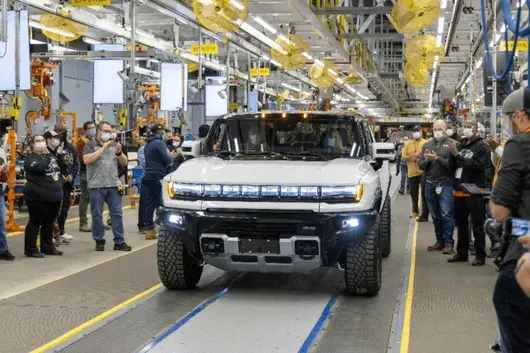
The Envision story goes back eleven years. At the end of 2015, the first batch of Envisions destined for North America departed from Yantai Port, entering Buick dealerships in the US, Canada, and Mexico the following year. Over the next ten years, cumulative exports reached 420,000 units. After 2017, it became GM's only model imported from China to the US.
Starting in 2018, the Envision bore a 25% tariff, and GM's application for exemption was unsuccessful. On January 22, 2026, GM announced stopping production of Envisions for the US market in China; the next generation will move to the Fairfax, Kansas factory in 2028.
By May this year, the inventory cycle for this model in the US had exceeded 300 days.

▍Old photo of Buick Envision at Yantai Port
One door is closing, while another is opening. According to the arrangement after the renewal, the Buick Zhijing series independently developed by SAIC-GM will be exported overseas starting from October this year, with target markets including the Middle East, Africa, South America, Mexico, and Asia-Pacific.
Tariffs shut out the US car market, and GM hands the world outside to Shanghai.
01
Outside the US, GM is Short of Cars
This renewal did not change the 50:50 equity ratio, nor disclose new investment amounts. What changed is the division of labor.
At the signing ceremony, GM Global Senior Vice President and China President Luo Xu said, SAIC-GM has established local capabilities in engineering, manufacturing, and quality, "We can bring these advantages to the international markets of the Middle East, Africa, South America, Mexico, and the Asia-Pacific region", relying on GM's existing sales and service layouts in these regions.
In organizational language, what he revealed is that SAIC-GM and Pan Asia define the products, while GM provides global channels outside the US market.
The specific implementation method is quite light. SAIC-GM will not build its own sales network overseas, but will fully reuse GM's existing system.
The first exported car is the Buick Zhijing E7, with the first stop in South Korea. GM Korea is responsible for pricing, marketing, and after-sales, while SAIC-GM is only responsible for production, supply, and technical support. Later in other markets, a similar model is expected to be used.
The flow of products and resources has changed. In the past, GM brought global products to China; next, SAIC-GM will send products developed in China back to the world.
This is not common in "Joint Venture 2.0". When most foreign parties allow Chinese joint ventures to go global, they first demarcate their core markets. GM did not give SAIC-GM just an edge market to test the waters; it opened the Middle East, Africa, South America, Mexico, and Asia-Pacific all at once, almost including everything GM owns outside the US. And it allows Chinese products to directly connect to its sales and service system built over many years.
Why now, why these markets, the answers are written on GM's two reports respectively.

▍Group photo when GM Brazil was founded in 1925
The first is North America. In Q2 2026, GM North America's adjusted EBIT margin reached 8.6%, full-size pickup share 43%, No. 1 for the seventh consecutive year. The company raised its performance guidance for the second time this year, raising the adjusted EBIT expectation to $14-16 billion.
This is a self-sustaining machine, expensive, large, high-spec, with brand premium, plus the cash flow of subscription services. It does not need external funding and less external products.
The second report is outside the US.
In 2025, the US market contributed nearly 70% of GM's global sales. Following the US were China, Uzbekistan, Brazil, Kazakhstan, Colombia, Chile, Ecuador, Peru, Kuwait. Apart from the US and China, the rest are all emerging markets.
The cars these markets want have almost no overlap with the cars produced by that machine in North America.
And GM's position in these places is very uneven.
Mexico remains GM's stronghold, market share long second only to Nissan. South America slowed down in defense: In 2025, GM's share in Brazil dropped from 12.0% to 10.3%, Volkswagen rose to 17.1%, BYD rose to 4.4%.
The absence in the Middle East is even more obvious. In Saudi Arabia, GM has fallen out of the top mainstream brands, while SAIC MG has entered the top sales list. Africa has left a damaged network; Egypt still has manufacturing and operational systems, but GM has long exited the major business of South Africa and East Africa.
For Mexico and South America, SAIC-GM is defending the ring; for the Middle East, it's supplementing products; for Africa, there is a hint of returning to old markets.
02
Ultium Failed to Stitch GM Together
In 2014, Mary Barra became GM's first female CEO.
The GM she took over had just emerged from bankruptcy restructuring, still retaining a huge global business map. Opel and Vauxhall in Europe, Chevrolet laying networks in India, South Africa, and Southeast Asia, Holden stayed in Australia, Korea Daewoo system responsible for small cars, Brazil responsible for South American products.
These businesses allowed GM to maintain the image of a global automaker, but also kept it burdened with the costs of a global automaker for a long time.

Mary Barra adopted a clear financial standard. If a business cannot generate sufficient returns, it is no longer retained due to scale, history, or global status.
From 2015 to 2020, GM began to intensively take action against markets that could not generate sufficient shareholder returns, withdrawing from Europe, Russia, India, Southeast Asia, and Australia, selling Opel, Vauxhall, and the Thailand factory.
Profit discipline achieved results, capital gradually flowed to large cars North America was best at; the cost was that GM simultaneously dismantled the product system serving global needs.
Opel once provided front-wheel-drive sedans and European engineering capabilities, Holden mastered rear-wheel-drive platforms, Korea was responsible for low-cost small cars. After exiting these markets, GM also lost most of the capabilities to serve global needs.
By 2020, GM had basically completed global contraction. North America kept pickups, large SUVs, and high-profit fuel cars; China still had a huge joint venture system; markets like South America, Korea, Middle East were compressed into regional businesses maintaining their own profitability.
They were like isolated islands scattered on the world map. With the competitive landscape unchanged, they could continue to exist relying on inertia, contributing limited but stable profits.
But now, competition has intensified.
In 2025, the Brazilian car market continued to grow, but GM's share dropped from 12.0% to 10.3%; Volkswagen rose to 17.1%, BYD rose to 4.4%. In the Mexican market, GM's sales dropped 3.4%, while Nissan, Toyota, Kia, and Mazda all grew.
The results are written on GM's International Operations (GMI) report outside North America. In 2025, GMI wholesale sales dropped 8.1%, revenue dropped 3.3%; excluding Chinese joint venture business, adjusted EBIT dropped 32.8%, leaving only $426 million.
What these regional businesses lacked was not brand and channels, but a set of new products that could be continuously delivered to dealerships.
GM certainly knew the side effects of contraction. Once contraction was basically completed, Mary Barra had to find a new technical base, without re-establishing those regional R&D centers, to reconnect North America, China, and the remaining international markets.
Electric vehicles seemed to provide this opportunity exactly.
By 2019, Tesla had completed the difficult climb of Model 3, delivering 367,500 units for the year; the Shanghai factory from groundbreaking to delivery took less than a year, proving that a highly centralized model, battery, and software system can be quickly replicated between the US and China.
The signal from the capital market was more direct. In January 2020, Tesla's market value surpassed GM and Ford combined for the first time, and exceeded Toyota six months later. For GM which had just completed global contraction, electrification not only represents the future of the auto industry but also provides a shortcut to cover the global again without rebuilding the old system.
Starting in 2018, GM turned the funds saved after cutting losses to electrification and autonomous driving; by March 2020, GM officially released Ultium and promised to invest over $20 billion before 2025. China subsequently held the corresponding technology release.
Ultium's engineering ambition is huge. GM hopes it will simultaneously cover compact crossover vehicles, SUVs, Hummers, and large pickups, and allow North America and China to share scale, supply chain, and R&D costs.

But the product that first proved Ultium was the Hummer EV equipped with about 205 kWh batteries. This number is double the common battery capacity of China's mainstream large pure electric vehicles. From the beginning, Ultium was pulled towards American-style large cars by the goals of ultra-long range, thousand-horsepower power, and large pickups; it can continuously add modules to cover upwards, but it is difficult to use the same system to build down cheap models.
More fatally, GM bet on the wrong direction of market convergence. Ultium bet on highly modular battery cells, modules, and e-drive to拼出 as many models as possible; the place where markets truly form barriers has shifted to software, electrical/electronic architecture, and continuous iteration capabilities, while model diversity is actually converging.
In April 2026, GM notified suppliers to indefinitely postpone the development of the next generation Silverado EV and Sierra EV models; major platform updates are not expected until after 2030.
China, however, quickly shifted to lower-cost lithium iron phosphate, faster charging speeds, plug-in hybrids and range extender, and smart cockpits and assisted driving driven by local suppliers.
The base originally used to unify China and the US ultimately failed to connect either end.
Ultium did not stitch GM back together after it was dismantled. It left behind battery, e-drive, manufacturing, and safety verification capabilities, and made an inescapable conclusion: North America, China, and outside the US can no longer be defined by the same base.
03
SAIC-GM, Established Twice
At the end of 2024, SAIC-GM was not facing how to go global, but whether this company was worth continuing to exist.
That year, SAIC-GM sales dropped to 435,000 units, down 56.54% year-on-year, the largest decline among SAIC Motor's whole vehicle enterprises. In December, GM accrued 2.6 to 2.9 billion USD in impairment for its Chinese joint venture business, and confirmed about 2.7 billion USD in restructuring costs, totaling over 5 billion USD.
This money was both a settlement for the past and drew the survival line for SAIC-GM.
Ultium did not bring the expected transformation to the China business, and Detroit had no other mature global plan to send over. SAIC-GM must reduce scale, restore profitability, and rely on the China team to re-answer the most basic question: How exactly should the next generation of products be built.
In April 2025, the Xiaoyao Architecture and Buick's high-end new energy sequence Zhijing were released together.
Xiaoyao retained Ultium's e-drive, manufacturing, and safety accumulation, but the technical route has shifted to China: batteries switched to 6C Lithium Iron Phosphate, power covers pure electric, plug-in hybrid and range extender, electronic/electrical architecture also shifted to central computing.
More important than parameter changes is that product definition rights remain in China.
In the past, Pan Asia mainly adapted Detroit platforms for China. With Xiaoyao and Zhijing, technical routes, product forms, prices, and supply chains started to be defined by the China team.
The results came faster than expected.
Zhijing L7 first stabilized in the mid-to-large new energy sedan market; on April 22, 2026, Zhijing E7 went on sale, with the lowest trade-in equity price of 154,900 yuan, breaking 10,000 major orders within 90 minutes of launch, exceeding 10,000 deliveries in the first month, becoming the first joint venture new energy model to achieve this.

The reversal at the operational level started earlier. In 2025, SAIC-GM sales rebounded to 535,000 units, up 22.99% year-on-year; GM's business in China achieved profitability for consecutive quarters.
It first proved it no longer needed continuous blood transfusion from headquarters, and then proved that new energy vehicles defined by the China team can obtain the market.
Thus, the direction of renewal discussion changed. From whether SAIC-GM needed to continue existing to how to maximize its value.
This capability did not appear suddenly. In 1997, Pan Asia and SAIC-GM were established on the same day, going from localization, model modification all the way to whole vehicle forward development. In 2010, the new S-Orio developed throughout Pan Asia went on sale and went overseas; in over twenty years, it developed over 30 series and over 150 models for Buick, Chevrolet, and Cadillac.
In the past, this capability was mainly used to change GM's global products into what China needs. In the Zhijing era, the direction reversed; products defined by the China team began to fill the gaps in GM's global product line.
Chinese joint ventures outputting products in reverse is no longer an isolated case. Volkswagen, Nissan, Mazda, and Kia are all sending models developed and produced in China overseas.
The real difference is the scale of openness; the more important overseas profits and capacity are, the clearer the boundaries drawn by the foreign side are; the more the overseas system needs replenishment, the larger the space gained by the China team.
GM's speciality lies in that its most protected North American profit core has almost no conflict with products SAIC-GM can provide. What GM needs most to protect is large pickups and SUVs in North America, which happen to fill the product gaps in GM's overseas network.
South America, Korea, Middle East, and Africa still have GM's brands, factories, and channels, but new product supply has become thin. Incorporating Chinese models is faster and cheaper than rebuilding R&D systems for each region.
Eleven years ago, the Envision sailed from Yantai to the US, China's role in GM's global system was still a manufacturing base. Eleven years later, SAIC-GM went global again with products it defined itself.
What GM handed over was not a world still growing, but a network where channels are still valuable but products are increasingly cut off. What SAIC-GM obtained was not a ready-made market, but the power to repair it.
This 20-year contract is not just a continuation of the previous joint venture relationship. It is more like SAIC-GM's second establishment.

This article is original content by Auto Pixel (autopix)
Unauthorized, do not reproduce

In the Malaysian SUV market, many buyers compare the Proton X70 and Mitsubishi Xforce when choosing a car. The prices and positioning of these two cars are quite close. Today, we will make a detailed comparison from multiple aspects to help you save time on research.
Proton X70 OTR price in Malaysia is RM 106,800 - 122,300, with a total of 3 versions, including 1.5L Standard 2WD (RM 106,800), 1.5L Executive 2WD (RM 115,800), 1.5L Premium 2WD (RM 122,300), etc.
Mitsubishi Xforce OTR price in Malaysia is RM 109,930 - 119,930, with a total of 2 versions, including 2026 1.5L Ultimate (RM 119,930), 2026 1.5L Urban (RM 109,930), etc.
From a price perspective, the starting price of the Proton X70 is indeed RM 3,130 cheaper than the Mitsubishi Xforce. If your budget is limited, the Proton's entry-level version can already meet daily needs. But also note, the price difference of a few thousand might involve trade-offs in features, depending on your specific needs.

Proton X70 is equipped with 1.5L Turbo, 140 hp. Official fuel consumption 7.0 L/100km.
Mitsubishi Xforce is equipped with 1.5L Turbo, 140 hp. Official fuel consumption 7.0 L/100km.
Both cars use the same powertrain system, the driving experience is basically the same. Fuel consumption is also similar, no need to worry too much about this point.

Proton X70 body length 4400 mm, trunk 400 L.
Mitsubishi Xforce body length 4400 mm, trunk 400 L.
The dimensions of both cars are almost the same, the interior space difference is not significant. For cars of this level, daily use is completely sufficient.

Proton X70 warranty 5 years/150,000km, service interval every 10,000km or 6 months.
Mitsubishi Xforce warranty 3 years/100,000km, service interval every 10,000km or 6 months.
In general, Proton X70 and Mitsubishi Xforce are both excellent car models in the Malaysian market. Which one to choose depends mainly on your personal needs and budget. We recommend doing your research, comparing quotes from several dealerships, and then test-driving to make a final decision. Buying a car is a big matter, spending some time on research is never wrong.


喺馬來西亞嘅 SUV 市場,好多買家喺揀車嘅時候都會拿 寶騰 X70 同 三菱 Xforce 嚟做比較。這兩款車喺價位同定位上都好接近,今日我哋就從多個方面做一個詳細嘅對比,幫你省下做功課嘅時間。
寶騰 X70 喺馬來西亞嘅 OTR 售價係 RM 106,800 - 122,300,一共有 3 個版本,包括 1.5L Standard 2WD(RM 106,800)、1.5L Executive 2WD(RM 115,800)、1.5L Premium 2WD(RM 122,300) 等。
三菱 Xforce 喺馬來西亞嘅 OTR 售價係 RM 109,930 - 119,930,一共有 2 個版本,包括 2026 1.5L Ultimate(RM 119,930)、2026 1.5L Urban(RM 109,930) 等。
從價錢睇嚟,寶騰 X70 嘅起步價確實比 三菱 Xforce 便宜咗 RM 3,130。如果你預算有限,寶騰嘅入門版已經可以滿足日常需求。但亦都要注意,便宜嗰幾千塊,可能喺配備上會有取捨,具體要看你嘅需求。
寶騰 X70 搭載 1.5L Turbo,馬力 140 hp。官方油耗 7.0 L/100km。
三菱 Xforce 搭載 1.5L Turbo,馬力 140 hp。官方油耗 7.0 L/100km。
兩款車用咗同一套動力系統,日常開起嚟嘅感受基本冇差別。油耗方面都差唔多,唔使太糾結這一點。
寶騰 X70 嘅安全評級係 5★ (ASEAN NCAP),主動安全系統包括 ADAS (ACC, AEB, LKA, LDA, BSM, RCTA)。
三菱 Xforce 嘅安全評級係 5★ (ASEAN NCAP),主動安全系統包括 MI-PILOT。
兩款車嘅安全評級一樣,喺呢個級別裡面安全配備都算畀得好齊全。而家嘅新車安全性都唔差,唔使太擔心這一點。
寶騰 X70 採用 FWD 驅動方式。
三菱 Xforce 採用 FWD 驅動方式。
兩款車嘅驅動方式一樣,都係 FWD,日常駕駛感受唔會有太大區別。
總嘅嚟講,寶騰 X70 同 三菱 Xforce 都係馬來西亞市場好唔錯嘅車型。揀邊一輛,關鍵都要睇你嘅個人需求同預算。建議大家做好功課,多比較幾間車行嘅報價,再去試駕做最終決定。買車係件大事,花啲時間做功課絕對唔會錯。

In the Malaysian SUV market, many buyers compare Proton X70 and Mazda CX-60 when choosing a car. Both cars are quite close in price and positioning. Today, we will make a detailed comparison from multiple aspects to help you save time on research.
Proton X70's OTR price in Malaysia is RM 106,800 - 122,300, with a total of 3 versions, including 1.5L Standard 2WD (RM 106,800), 1.5L Executive 2WD (RM 115,800), 1.5L Premium 2WD (RM 122,300), etc.
Mazda CX-60's OTR price in Malaysia is RM 200,510 - 252,873, with a total of 2 versions, including 2026 3.3T 4WD High Plus (RM 252,873), 2025 2.5L 2WD High (RM 200,510), etc.
From the price perspective, Proton X70's starting price is indeed RM 93,710 cheaper than Mazda CX-60. If your budget is limited, Proton's entry-level version can already meet daily needs. However, be aware that the few thousand ringgit cheaper might involve compromises in features, depending on your specific needs.

Proton X70 is equipped with a 1.5L Turbo, 140 hp. Official fuel consumption 7.0 L/100km.
Mazda CX-60 is equipped with a 2.0L 4-cyl, 170 hp. Official fuel consumption 8.0 L/100km.
Regarding power, Mazda CX-60's 2.0L 4-cyl has 30 more horsepower than Proton X70's 1.5L Turbo. However, for daily city driving, both cars have sufficient power, and you won't feel it's lacking.

Proton X70 body length is 4400 mm, trunk 400 L.
Mazda CX-60 body length is 4500 mm, trunk 450 L.
In terms of space, Mazda CX-60's body is 100 mm longer than Proton X70, giving it an advantage in seating space. However, Proton X70 is more flexible for parking in the city, each has its trade-offs.

Proton X70 uses FWD drive type.
Mazda CX-60 uses FWD drive type.
Both cars have the same drive type, both are FWD, daily driving feel won't differ much.
Proton X70 and Mazda CX-60 are both mainstream choices in the Malaysian market, suitable for family use and daily commuting. If you value brand reputation and resale value more, consider the one with better reputation first; if you care more about cost-performance ratio and features, choose the model with richer configuration. Ultimately, we suggest test-driving both, personal experience is the most important.
Overall, Proton X70 and Mazda CX-60 are both quite good car models in the Malaysian market. Which one to choose depends mainly on your personal needs and budget. We suggest doing your homework, comparing quotes from several dealerships, and then test-driving to make the final decision. Buying a car is a big matter, taking time to do research will definitely not be wrong.


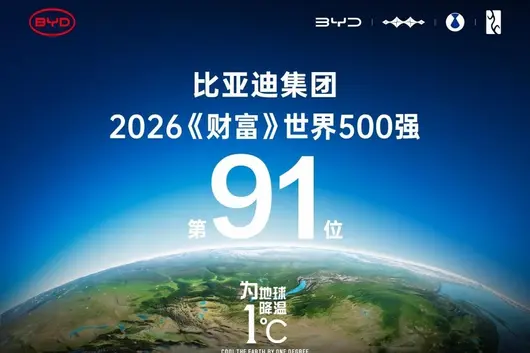
7 月 28 日,2026 年《財富》世界 500 強榜單正式揭曉,比亞迪連續第 5 年上榜,位列第 91 位,穩固躋身全球百強陣營,這份成績印證企業綜合實力獲得國際權威認可,全球新能源汽車標杆企業地位持續夯實。

經營層面,比亞迪產銷與營收保持強勁增長。2025 年公司營收 8040 億元、淨利潤 326 億元,全年新能源汽車銷量 460 萬輛,奪得全球、國內車企銷量雙冠軍;2026 年上半年累計銷量超 180 萬輛,7 月第 1700 萬輛新能源汽車下線,成為全球首家達成該里程碑的車企。
技術創新是比亞迪增長核心驅動力。企業秉持「技術為王,創新為本」理念,2025 年研發投入 634 億元,同比增長 17%,連續兩年位居 A 股上市公司首位,累計研發投入已突破 2500 億元。今年落實多項核心技術:第二代刀片電池、閃充技術發佈,年內將建成 2 萬座國內閃充站、6000 座海外閃充站;全系可搭載高級激光輔助駕駛,率先推出城市領航一年安全兜底承諾,普及高級智駕。
全球化佈局駛入快車道。2025 年海外銷量突破 100 萬輛,同比大漲 145%,2026 上半年海外銷量超 78 萬輛,形成「拉美領跑、歐洲突破、亞太多點開花」格局。巴西雲軌通車、工廠下線第 10 萬輛整車,專屬車型落地日本,泰國工廠投產滿兩週年,業務覆蓋全球 121 個國家及地區。
可持續發展與社會責任同步推進。截至 6 月末,比亞迪新能源車累計碳減排 1.49 億噸,等效植樹 24.8 億棵;設立 30 億元教育慈善基金,攜手 127 所高校,助力六千餘名學子成長。
面向未來,比亞迪將持續以技術創新驅動全球化深耕,踐行綠色低碳路線,以全產業鏈實力助力「為地球降溫 1℃」的可持續願景。
(全文 762 字)

In the Malaysian SUV market, many buyers compare Proton X70 and Honda CR-V when choosing a car. These two cars are quite close in price and positioning. Today, we will make a detailed comparison from multiple aspects to help you save time on research.
The OTR price of Proton X70 in Malaysia is RM 106,800 - 122,300, with a total of 3 versions, including 1.5L Standard 2WD (RM 106,800), 1.5L Executive 2WD (RM 115,800), 1.5L Premium 2WD (RM 122,300), etc.
The OTR price of Honda CR-V in Malaysia is RM 178,200 - 195,900, with a total of 4 versions, including 2026 e:HEV 2.0L 2WD RS (RM 195,900), 2026 1.5T 4WD V (RM 181,900), 2026 e:HEV 2.0L 2WD E (RM 178,200), etc.
From a price perspective, Proton X70's starting price is indeed RM 71,400 cheaper than Honda CR-V. If your budget is limited, Proton's entry-level version is already sufficient for daily needs. However, keep in mind that the difference of a few thousand might involve trade-offs in features, depending on your specific requirements.

Proton X70 is equipped with 1.5L Turbo, 140 hp. Official fuel consumption is 7.0 L/100km.
Honda CR-V is equipped with 2.0L 4-cyl, 170 hp. Official fuel consumption is 8.0 L/100km.
In terms of power, Honda CR-V's 2.0L 4-cyl has 30 more horsepower than Proton X70's 1.5L Turbo. However, for daily city driving, both cars' power is sufficient, you won't feel it lacks power.

Proton X70 safety rating is 5★ (ASEAN NCAP), active safety system includes ADAS (ACC, AEB, LKA, LDA, BSM, RCTA).
Honda CR-V safety rating is 5★ (ASEAN NCAP), active safety system includes Honda SENSING (ACC, CMBS, LKAS, RDM).
Both cars have the same safety rating. Safety features are quite comprehensive for this level. New car safety is generally not poor these days, no need to worry too much about this point.

Proton X70 warranty is 5 years/150,000km, maintenance interval every 10,000km or 6 months.
Honda CR-V warranty is 5 years/unlimited mileage, maintenance interval every 10,000km or 6 months.
Overall, Proton X70 and Honda CR-V are both very good models in the Malaysian market. Which one to choose depends mainly on your personal needs and budget. We recommend doing your research, comparing quotes from several dealerships, and then test driving to make the final decision. Buying a car is a major matter, spending time on research will never be wrong.


喺馬來西亞嘅 SUV 市場,好多買家喺揀車嘅時候都會揀寶騰 X70 同豐田 Fortuner 嚟做比較。兩部車喺價位同定位上都幾接近,今日我哋就從多個方面做一個詳細嘅比較,幫你省做功課嘅時間。
寶騰 X70 喺馬來西亞嘅 OTR 售價係 RM 106,800 - 122,300,一共有 3 個版本,包括 1.5L 標準 2WD(RM 106,800)、1.5L 行政 2WD(RM 115,800)、1.5L 豪華 2WD(RM 122,300) 等。
豐田 Fortuner 喺馬來西亞嘅 OTR 售價係 RM 195,880 - 241,880,一共有 3 個版本,包括 2024 2.8T VRZ 柴油(RM 241,880)、2024 2.7L SRZ 汽油(RM 202,880)、2024 2.4L 標準柴油(RM 195,880) 等。
從價錢睇落,寶騰 X70 嘅起步價確實比豐田 Fortuner 平咗 RM 89,080。如果你預算有限,寶騰嘅入門版已經可以滿足日常需要。但都要注意,平嗰幾千蚊,可能喺配備上會有取捨,具體要看你嘅需要。

寶騰 X70 搭載 1.5L 渦輪,馬力 140 匹。官方油耗 7.0 L/100km。
豐田 Fortuner 搭載 2.5L 柴油,馬力 187 匹。官方油耗 8.5 L/100km。
動力方面,豐田 Fortuner 嘅 2.5L 柴油比寶騰 X70 嘅 1.5L 渦輪多咗 47 匹馬力。不過日常喺市區開,兩部車嘅動力都夠用,唔會覺得冇夠力。
寶騰 X70 嘅安全評級係 5★ (ASEAN NCAP),主動安全系統包括 ADAS (ACC, AEB, LKA, LDA, BSM, RCTA)。
豐田 Fortuner 嘅安全評級係 5★ (ASEAN NCAP),主動安全系統包括 。
兩部車嘅安全評級一樣,喺呢個級數入面安全配備都算給得好齊全。而家嘅新車安全性都唔差,唔使太擔心這一點。
寶騰 X70 保養 5 年/150,000km,保養間隔 每 10,000km 或 6 個月。
豐田 Fortuner 保養 5 年/無限制里程,保養間隔 每 10,000km 或 6 個月。
寶騰 X70 同豐田 Fortuner 都係馬來西亞市場嘅主流選擇,適合家庭用、日常通勤。如果你更看重品牌口碑同二手價,可以優先考慮口碑更好嗰一款;如果你更在意性價比同配備,就揀配置更豐富嗰款。最終都係建議兩部都去試駕,親身體驗先最重要。
總嘅嚟講,寶騰 X70 同豐田 Fortuner 都係馬來西亞市場幾唔錯嘅車型。揀邊一部,關鍵都係要看你嘅個人需要同預算。建議大家做好功課,多比較幾間車行嘅報價,再去試駕做最終決定。買車係件大事,花少少時間做功課絕對唔會錯。


喺馬來西亞嘅 SUV 市場,好多買家喺揀車嗰陣都會拿 Proton X70 同 Toyota Yaris Cross 做比較。這兩款車喺價位同定位上都幾接近,今日我哋就由多個方面做個詳細對比,幫你省下做功課嘅時間。
Proton X70 喺馬來西亞嘅 OTR 售價係 RM 106,800 - 122,300,一共有 3 個版本,包括 1.5L Standard 2WD(RM 106,800)、1.5L Executive 2WD(RM 115,800)、1.5L Premium 2WD(RM 122,300) 等。
Toyota Yaris Cross 喺馬來西亞嘅 OTR 售價係 RM 99,900 - 109,900,一共有 2 個版本,包括 2026 1.5L Standard(RM 99,900)、2026 HEV 1.5L Standard(RM 109,900) 等。
由價錢睇嚟,Toyota Yaris Cross 嘅起步價比 Proton X70 平咗 RM 6,900。講真,喺呢個價位段,幾千蚊嘅差距其實唔算大,關鍵都係睇整體嘅性價比同長期使用成本。

Proton X70 搭載 1.5L Turbo,馬力 140 hp。官方油耗 7.0 L/100km。
Toyota Yaris Cross 搭載 1.5L 4-cyl,馬力 105 hp。官方油耗 6.0 L/100km。
動力方面,Proton X70 嘅 1.5L Turbo 比 Toyota Yaris Cross 嘅 1.5L 4-cyl 多咗 35 匹馬力,中段加速更有信心,尤其係跑高速超車嗰陣。不過 Toyota Yaris Cross 嘅油耗可能更抵,日常市區通勤差別唔會太大。

Proton X70 嘅安全評級係 5★ (ASEAN NCAP),主動安全系統包括 ADAS (ACC, AEB, LKA, LDA, BSM, RCTA)。
Toyota Yaris Cross 嘅安全評級係 5★ (ASEAN NCAP),主動安全系統包括 TSS。
兩款車嘅安全評級一樣,喺呢個級別入面安全配備都算好齊全。而家嘅新車安全性都唔差,唔使太擔心呢一點。
Proton X70 車身長 4400 mm,尾箱 400 L。
Toyota Yaris Cross 車身長 4400 mm,尾箱 400 L。
兩款車嘅尺寸幾乎一樣,車內空間差別唔大。呢個級別嘅車,日常使用完全夠用。
Proton X70 保修 5 年/150,000km,保養間隔 每 10,000km 或 6 個月。
Toyota Yaris Cross 保修 5 年/無限制里程,保養間隔 每 10,000km 或 6 個月。
總體嚟講,Proton X70 同 Toyota Yaris Cross 都係馬來西亞市場好唔錯嘅車型。揀邊一輛,關鍵都要睇你嘅個人需求同預算。建議大家做足功課,多比較幾間車行嘅報價,再去試駕先做最終決定。買車係件大事,花少少時間做功課絕對唔會錯。


喺馬來西亞嘅 SUV 市場,好多買家喺揀車嘅時候都會拿 Proton X70 同 Honda WR-V 嚟比較。呢兩款車喺價位同定位上都好接近,今日我哋就由多個方面做一個詳細嘅比較,幫你節省咗做功課嘅時間。
Proton X70 喺馬來西亞嘅 OTR 售價係 RM 106,800 - 122,300,一共有 3 個版本,包括 1.5L Standard 2WD(RM 106,800)、1.5L Executive 2WD(RM 115,800)、1.5L Premium 2WD(RM 122,300) 等等。
Honda WR-V 喺馬來西亞嘅 OTR 售價係 RM 89,900 - 107,900,一共有 4 個版本,包括 2023 1.5L V(RM 99,900)、2023 1.5L E(RM 95,900)、2023 1.5L S(RM 89,900) 等等。
從價錢睇,Honda WR-V 嘅起價比 Proton X70 平咗 RM 16,900。講真話,喺呢個價位段,幾千蚊嘅差距其實唔算大,關鍵仲係睇整體嘅性價比同長期使用成本。

Proton X70 搭載 1.5L Turbo,馬力 140 hp。官方油耗 7.0 L/100km。
Honda WR-V 搭載 1.5L 4-cyl,馬力 105 hp。官方油耗 6.0 L/100km。
動力方面,Proton X70 嘅 1.5L Turbo 比 Honda WR-V 嘅 1.5L 4-cyl 多咗 35 匹馬力,中段加速更有把握,尤其係跑高速公路超車嗰陣。不過 Honda WR-V 嘅油耗可能更抵,日常市區通勤差別唔會太大。

Proton X70 嘅安全评分係 5★ (ASEAN NCAP),主動安全系統包括 ADAS (ACC, AEB, LKA, LDA, BSM, RCTA)。
Honda WR-V 嘅安全评分係 5★ (ASEAN NCAP),主動安全系統包括 Honda SENSING。
兩款車嘅安全评分一樣,喺呢個級數入面,安全配備都算好齊全。而家嘅新車安全性都唔差,唔使太擔心呢一點。

Proton X70 保修 5 年/150,000km,保養間隔 每 10,000km 或 6 個月。
Honda WR-V 保修 5 年/無限制里程,保養間隔 每 10,000km 或 6 個月。
Proton X70 同 Honda WR-V 都係馬來西亞市場嘅主流選擇,適合家庭使用、日常通勤。如果你更睇重品牌口碑同二手價,可以優先考慮口碑更好嗰一款;如果你更在意性價比同配備,就揀配備更豐富嗰款。最終都係建議兩款都去試駕,親身體驗先係最重要。
總括嚟講,Proton X70 同 Honda WR-V 都係馬來西亞市場幾唔錯嘅車型。揀邊一輛,關鍵仲係睇你嘅個人需要同預算。建議大家做好功課,多比較幾間車行嘅報價,再去試駕先做最終決定。買車係件大事,花少少時間做功課絕對唔會錯。


喺馬來西亞嘅 SUV 市場,好多買家喺揀車嗰陣都會拿 Proton X50 同 Chery Tiggo 7 PHEV 嚟做比較。這兩款車喺價位同定位上都好接近,今日我哋就從多個方面做一個詳細嘅對比,幫你省下做功課嘅時間。
Proton X50 喺馬來西亞嘅 OTR 售價係 RM 89,800 - 113,300,總共有 4 個版本,包括 1.5T Executive(RM 89,800)、1.5T Premium(RM 101,800)、1.5T Flagship(RM 113,300) 等。
Chery Tiggo 7 PHEV 喺馬來西亞嘅 OTR 售價係 RM 129,750 - 129,750,總共有 2 個版本,包括 2025 1.5T 90km CSH(RM 129,750)、Tiggo 7 PHEV 支持咩充電方法?可以用家用插座充電嗎?(RM 117,478) 等。
由價錢睇,Proton X50 嘅起價真係比 Chery Tiggo 7 PHEV 平咗 RM 39,950。如果你預算有限,Proton 嘅入門版已經可以應付日常需要。但都要留意,平啲幾千蚊,喺配備上可能會有取捨,具體就要睇你嘅需要。

Proton X50 嘅安全評級係 5★ (ASEAN NCAP),主動安全系統包括 ADAS (ACC, AEB, LKA, LDA, BSM, RCTA)。
Chery Tiggo 7 PHEV 嘅安全評級係 TBD,主動安全系統包括 Basic。
安全配備方面,兩款車都拿到唔錯嘅評級。不過 Proton X50 嘅 ADAS (ACC, AEB, LKA, LDA, BSM, RCTA) 同 Chery Tiggo 7 PHEV 嘅 Basic 功能上有所分別,如果你比較重視主動安全嘅話,可以仔細比較下兩者嘅功能清單。
Proton X50 保養 5 年/150,000km,保養間隔 每 10,000km 或 6 個月。
Chery Tiggo 7 PHEV 保養 3 年/100,000km,保養間隔 每 10,000km 或 6 個月。
Proton X50 同 Chery Tiggo 7 PHEV 都係馬來西亞市場嘅主流選擇,適合家庭用、日常通勤。如果你更重視品牌口碑同二手價,可以優先考慮口碑更好嘅嗰款;如果你更在意性價比同配備,咁就揀配置更豐富嘅嗰款。最後都建議兩款都去試駕,親身體驗先係最重要嘅。

總嚟講,Proton X50 同 Chery Tiggo 7 PHEV 都係馬來西亞市場幾唔錯嘅車款。揀邊輛,關鍵仲係要睇你嘅個人需要同預算。建議大家做好功課,多比較幾間車行嘅報價,再去試駕先做最終決定。買車係件大事,花少少時間做功課絕對無錯。


2026 年上半年商用車市場整體增長乏力、賽道分化顯著。全商用車大盤累計同比增長僅 8.28%,而福田、中國重汽、東風、一汽等頭部企業增速均唔足 20%,多家企業僅維持個位數增長甚至銷量下滑。上半年行業大盤微增,輕卡銷量小幅下滑、輕客增速低迷,行業增量基本依靠皮卡與出口支撐,車企普遍陷入存量激烈搏殺。
同行業平淡走勢形成鮮明反差,上汽商用車走出完全獨立嘅上揚曲線:6 月銷量增速達 52.79%,約為行業均值 4.9 倍,係頭部廠商中唯一增速跨越 50% 門檻嘅企業;上半年累計銷量增速 28.37%,約為行業平均水平 3.4 倍。目前品牌已實現輕客、輕卡、皮卡、新能源、海外出口五大板塊全面突破,憑藉自研技術、全品類矩陣、體系化出海與生態化用戶運營,走出咗可落地、可複製嘅高質量轉型路徑,成為行業轉型標竿。

數據來源:中國汽協
細分賽道全線領跑,由存量市場突圍
輕客賽道
輕客係上汽輕型商用車基本盤,亦係佢喺行業入面最具統治力嘅細分板塊。喺上半年行業增速僅 5.4% 嘅背景下,大通輕客整體市場份額站穩 27% 以上,係輕客行業份額最大、提升幅度最大嘅頭部品牌。上半年佢累計售出 61144 台,領先長安超 7200 台、江鈴超萬台,龍頭優勢持續放大。6 月大通輕客維持大幅領先,當月熱銷 13902 輛,同比急增 62%;當中大拿系列 6 月熱銷 7207 輛,同比暴升 218%,持續領跑新能源輕客賽道。
倚靠大通、依維柯雙品牌協同,上汽商用車輕客實現國內上險、出口、總銷量數據全面第一。同竞品依靠單一燃油車型走量,上汽商用車輕客同步佈局純電、超級增程多條路線,兼顧城市短途配送同跨城長途運輸,國內城配需求叠加海外物流訂單雙向托底,對市場嘅適應性、抗壓性更強。

輕卡賽道
今年上半年,輕卡行業銷量增長乏力,多數品牌電動化仲停留喺燃油底盤簡單加裝電池嘅“油改電”階段,上汽大通躍進卻逆勢實現銷量大幅提升。佢走出差異化路線,以原生電動輕卡架構,由底盤階段適配電驅、換電、增程,原生電驅底盤徹底解決改裝車型嘅續航、承載短板,產品競爭力大幅提升。
6 月躍進輕卡熱銷 5258 台,同比增長 54%;1-6 月累計售出 23864 台,同比增速達 48%,當中新能源車 12971 台,同比增長 65%,電動化滲透率、增長幅度大幅領先同行,喺行業下行週期實現銷量同產品結構雙重優化。

皮卡賽道
皮卡賽道嘅亮點係高端化同模式創新。2026 年上半年,國內皮卡累計銷量 34.3 萬輛,同比增長 9.4%,屬於行業少數穩定增長賽道,但整體增速平緩。
作為中國高端皮卡出口第一嘅品牌,大通皮卡增長韌性遠超行業平均。大通皮卡 5 月總出口量第一,6 月更熱銷 7871 台,同比大漲 83%!同樣具行業變革意義嘅係佢嘅營銷變革:行業首創 7 天免費試用模式,打破傳統到店短時間試駕嘅局限,將重載、長途、越野等真實營運場景交俾用戶體驗。過去皮卡行業高度依賴經銷商推銷,用戶決策成本高,呢套以用戶體驗為核心嘅新模式,正在重構皮卡市場嘅轉化邏輯。

自研新能源技術,打造護城河
新能源轉型嘅領先優勢係上汽商用車最核心嘅護城河。1-6 月國內新能源商用車整體滲透率 30.4%,上汽商用車五大品牌上半年整體滲透率達到 47%,6 月單月更加係高達 60%,領先行業近 17 個百分點;上半年新能源銷量同比大漲 69%,6 月單月新能源增速 80%,電動化轉型進度斷層領跑全行業。其中,申沃客車率先實現全系 100% 新能源;躍進輕卡上半年新能源銷量佔比過半;大通單月國內新能源滲透率多次突破 50%。

同行業普遍外購三電嘅模式,上汽商用車倚靠鴻圖 2.0 電動架構、星棧皮卡平台等自研底座,叠加同寧德時代、華為深度共研,搭建完整自主技術體系。例如大拿超級增程輕客 CLTC 綜合續航 1260km,既解決純電車型補能焦慮,又大幅降低長途燃油成本,成為商用新能源嘅最優解之一;配套寧德時代天行電池擁有 7000 次超長循環壽命、8 年 60 萬公里超長質保,喺產品可靠性、實際使用價值上形成明顯優勢。
出海模式升級,打開全新增長空間
海外市場係 2026 年上半年商用車最大增量來源,1-6 月國內商用車累計出口 66.4 萬輛,同比增長 32.5%。上汽商用車 6 月海外銷量再創新高,單月出口 14071 台,同比急增 70%,1-6 月累計出海 65183 台,同比增長 33%,再度跑贏大盤,產品覆蓋全球多個國家同地區。

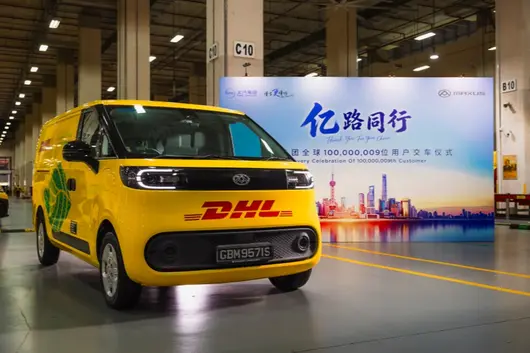
上半年海外標竿訂單持續落地:吉隆坡車展斬獲馬來西亞 300 台新能源輕客大單,創下當地史上最大新能源輕客單筆訂單紀錄;G50 PHEV 喺菲律賓 4 月首發即熱銷,上市兩個月訂單破千台;DHL 集團累計批量採購 2500 台純電輕客,大通係首個進入 DHL 德國郵政投遞車隊嘅中國汽車品牌;澳洲、智利全新皮卡意向訂單突破 800 台,委內瑞拉、智利連續拿下批量礦區皮卡訂單,東南亞多個車型銷量持續走高。

上汽商用車摒棄行業低價走量嘅出海模式,轉向技術、服務、生態一體化輸出,依靠產品實力同本地化配套,深耕海外市場,持續開拓長期增長空間。呢套體系化出海打法,亦為國內商用車品牌高端出海提供咗可落地嘅參考路徑。
總結
上半年嘅市場表現足以說明,商用車行業已經告別靠紅利快速擴張嘅時代。單一爆款、單一賽道好難支撐長期發展,唯有搭建成熟嘅技術、產品、服務、出海完整體系,先至喺市場波動中穩住節奏、穩步突破。上汽商用車上半年多賽道嘅同步走高,印證咗佢嘅整體增速遠超行業大盤並非偶然,而係多領域持續深耕、穩步迭代嘅成果。
由單純規模擴張轉向高質量價值增長,上汽商用車走出咗一條務實可行嘅轉型路徑,唔單為自身築牢長期發展根基,亦為中國商用車品牌嘅產業升級同全球化發展,提供咗全新嘅參考方向。

In the Malaysian SUV market, many buyers compare Proton X50 and Mazda CX-5 when choosing a car. These two models are quite close in price and positioning. Today, we will make a detailed comparison from multiple aspects to help you save time on research.
The OTR price of Proton X50 in Malaysia is RM 89,800 - 113,300. There are 4 versions in total, including 1.5T Executive (RM 89,800), 1.5T Premium (RM 101,800), 1.5T Flagship (RM 113,300), etc.
The OTR price of Mazda CX-5 in Malaysia is RM 135,469 - 166,760. There are 3 versions in total, including 2025 2.0L AT 35th Anniversary (RM 316,154), 2025 2.0L AT (RM 296,154), 2025 2.0L MT (RM 294,154), etc.
From a price perspective, the starting price of Proton X50 is indeed RM 45,669 cheaper than Mazda CX-5. If your budget is limited, Proton's entry-level version can already meet daily needs. However, be aware that the few thousand difference might involve trade-offs in features, depending on your needs.
Proton X50 is equipped with a 1.5L 4-cyl, 105 hp. Official fuel consumption 6.0 L/100km.
Mazda CX-5 is equipped with a 1.5L Turbo, 140 hp. Official fuel consumption 7.0 L/100km.
In terms of power, the 1.5L Turbo on Mazda CX-5 has 35 hp more than the 1.5L 4-cyl on Proton X50. However, for daily city driving, the power of both cars is sufficient, and you won't feel like it's lacking power.
Proton X50's safety rating is 5★ (ASEAN NCAP), active safety systems include ADAS (ACC, AEB, LKA, LDA, BSM, RCTA).
Mazda CX-5's safety rating is 5★ (ASEAN NCAP), active safety systems include .
Both cars have the same safety rating, and safety features are quite comprehensive in this class. New car safety is generally not poor nowadays, so no need to worry too much about this point.
Proton X50 body length 4400 mm, trunk 400 L.
Mazda CX-5 body length 4500 mm, trunk 450 L.
In terms of space, Mazda CX-5's body is 100 mm longer than Proton X50, offering better passenger space. However, Proton X50 is a bit more flexible for parking in the city, each has its trade-offs.

Proton X50 and Mazda CX-5 are both mainstream choices in the Malaysian market, suitable for family use and daily commuting. If you value brand reputation and resale value more, you can prioritize the one with a better reputation; if you care more about value for money and features, choose the one with richer configuration. Ultimately, it is recommended to test drive both, and the personal experience is the most important.

Overall, Proton X50 and Mazda CX-5 are both very good models in the Malaysian market. Which one to choose depends mainly on your personal needs and budget. It is recommended to do your research, compare quotes from several car dealers, and then test drive to make the final decision. Buying a car is a big matter, spending time on research will never be wrong.

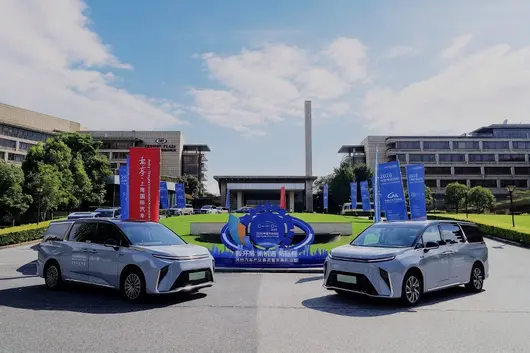
国宾品质,再度护航顶级盛会。7月21日,2026中国汽车论坛在上海嘉定隆重启幕。作为中国汽车行业最具影响力的年度盛会,本届论坛汇聚政企学研各界精英共商产业发展大计。大通大家9超混凭借全球标杆级的产品实力与积淀深厚的“国宾车”服务经验,正式成为本届论坛官方指定用车,为参会嘉宾提供高规格出行接驳服务,以中国高端MPV的旗舰姿态,向全行业展现“中国智造”的硬核水准。

【大家9超混成为2026中国汽车论坛官方指定用车】
护航行业思想盛宴 旗舰实力铸就尊享出行
作为由中国汽车工业协会主办、世界汽车组织(OICA)唯一全面支持的行业顶级盛会,中国汽车论坛自创立以来已成功举办15届,被誉为国内汽车产业的“风向标”。本届论坛规模再升级,由1场闭门峰会、1个大会论坛、1场技术领袖峰会、13个主题专题论坛、N场行业发布等16场会议和若干配套活动构成,吸引1200余名行业精英、40余家行业组织、10余家国家部委参与,是链接全球产业资源、推动中国汽车产业高质量发展的核心交流平台。大家9超混成为本届论坛唯一官方指定MPV用车,既是行业对大通产品实力的权威认证,也是对品牌多年深耕高端出行领域的充分肯定。

【大家9超混成为2026中国汽车论坛官方指定用车】
延续“国宾车”的高端基因,大家9超混作为大通 MPV家族的旗舰之作,以全维度硬核实力为参会嘉宾带来尊享级出行体验。安全层面,大家9超混承袭品牌“五星安全”制造底色,是全球首款斩获欧洲Euro NCAP、澳洲ANCAP双五星认证的高端MPV,同时通过中国C-NCAP五星安全认证,以全球统一的严苛标准构建全方位安全防护体系。车身采用超高强度钢笼式结构,搭配L2级辅助驾驶,以主被动安全的双重保障,让每一段接驳行程都安心无忧。舒适与商务属性层面,大家9超混拥有同级领先的超长轴距,打造出宽绰舒展的车内空间;车内配备零压头等舱座椅,集成电动腰托、腿托及加热、通风、按摩等多重功能,驾乘舒适度拉满;整车经过NVH静谧性优化,搭配二排可折叠小桌板,既满足嘉宾途中休憩需求,也可支撑临时商务洽谈、事务处理等场景,让移动出行变身高效商务空间。

【大家9超混】
国宾品质久经锤炼 全球领跑彰显中国智造
这并非大通首次以“官方指定用车”身份服务国家级、行业顶级盛会。从2014年APEC贸易部长会议开始,大通旗下车型便陆续服务亚信峰会、博鳌亚洲论坛、G20峰会、金砖国家领导人会晤、上合组织峰会等一系列高规格国际会议,更连续多年成为中国国际进口博览会政要接待用车,覆盖轻客、MPV、SUV、房车等多品类,以及燃油、纯电、超混等多能源形式的产品矩阵,以可靠品质与高端尊享服务,赢得中外政要与嘉宾的高度认可,“国宾车”品牌形象早已深入人心。

【大家9超混】
大通凭借十余年MPV制造经验,构建起全平台、全能源、全市场的产品布局,收获全球30余万车主的信赖。在国内市场,大家9超混长期稳居香港整体MPV市场销量前列,打破日系品牌长期垄断格局;在海外市场,大家系列车型更凭借五星安全品质与领先的新能源技术,畅销欧洲、澳洲等全球发达国家市场,成为“全球发达国家首选中国车”的代表之作。
未来,大通将继续以国际标准打磨每一款产品,以“国宾品质”服务全球用户,推动更多高品质产品走向全球舞台,为中国汽车产业的高质量发展与全球化进阶注入持续动力。

In Malaysia's SUV market, many buyers compare Perodua Aruz and Subaru Crosstrek when choosing a car. These two cars are quite close in price and positioning. Today, we will make a detailed comparison from multiple aspects to help you save time doing research.
Perodua Aruz OTR price in Malaysia is RM 72,900 - 77,900, with a total of 2 versions, including 1.5L X (RM 72,900), 1.5L AV (RM 77,900), etc.
Subaru Crosstrek OTR price in Malaysia is RM 145,000 - 160,000, with a total of 1 version, including 2.0L e-Boxer (RM 150,000), etc.
In terms of price, Perodua Aruz's starting price is indeed RM 72,100 cheaper than Subaru Crosstrek. If your budget is limited, Perodua's entry-level version can already meet daily needs. However, note that the few thousand Ringgit difference might involve trade-offs in features, depending on your needs.

Perodua Aruz features a 1.5L 4-cyl, 105 hp. Official fuel consumption 6.0 L/100km.
Subaru Crosstrek features a 1.5L Turbo, 140 hp. Official fuel consumption 7.0 L/100km.
Regarding power, Subaru Crosstrek's 1.5L Turbo has 35 more horsepower than Perodua Aruz's 1.5L 4-cyl. However, for daily city driving, both cars have sufficient power and will not feel underpowered.
Perodua Aruz safety rating is 5★ (ASEAN NCAP), active safety systems include.
Subaru Crosstrek safety rating is 5★ (Euro NCAP), active safety systems include EyeSight.
Perodua Aruz uses FWD drive configuration.
Subaru Crosstrek uses FWD drive configuration.
Both cars have the same drive configuration, both are FWD, and there will not be much difference in daily driving experience.

Overall, both Perodua Aruz and Subaru Crosstrek are very good models in the Malaysian market. Choosing which one depends mainly on your personal needs and budget. We recommend doing your research, comparing quotes from several dealerships, and test driving before making a final decision. Buying a car is a major matter, and spending time on research will never be wrong.

In the Malaysian SUV market, many buyers compare Perodua Aruz and Hyundai Tucson when choosing a car.
The OTR selling price of Perodua Aruz in Malaysia is RM 72,900 - 77,900, with a total of 2 versions, including 1.5L X (RM 72,900), 1.5L AV (RM 77,900) and so on.
The OTR selling price of Hyundai Tucson in Malaysia is RM 143,888 - 197,888, with a total of 5 versions, including 2025 HEV 1.6T AT 2WD Prestige (RM 197,888), 2025 1.6T DCT 4WD Prestige (RM 186,888), 2025 1.6T DCT 2WD Prime (RM 164,888) and so on.
From a price perspective, Perodua Aruz's starting price is indeed RM 70,988 cheaper than Hyundai Tucson. If your budget is limited, Perodua's entry-level version can already meet daily needs. But note, that few thousand price difference might involve trade-offs in features, it depends on your specific needs.
Perodua Aruz is equipped with 1.5L 4-cyl, 105 hp. Official fuel consumption 6.0 L/100km.
Hyundai Tucson is equipped with 1.5L Turbo, 140 hp. Official fuel consumption 7.0 L/100km.
Regarding power, Hyundai Tucson's 1.5L Turbo has 35 more horsepower than Perodua Aruz's 1.5L 4-cyl. However, driving daily in the city, both cars' power are sufficient, you won't feel it lacks power.
Perodua Aruz body length 4400 mm, trunk 400 L.
Hyundai Tucson body length 4400 mm, trunk 400 L.
The dimensions of both cars are almost the same, interior space difference is not significant. Cars of this class are completely sufficient for daily use.
Perodua Aruz adopts FWD drive mode.
Hyundai Tucson adopts FWD drive mode.
The drive mode of both cars is the same, both are FWD, daily driving experience won't differ much.

Perodua Aruz and Hyundai Tucson are both mainstream choices in the Malaysian market, suitable for family use, daily commuting. If you value brand reputation and resale value more, you can prioritize the one with better reputation; if you care more about cost-performance and features, choose the one with richer configuration. Finally, it is suggested to test drive both, personal experience is the most important.

In general, Perodua Aruz and Hyundai Tucson are both very good models in the Malaysian market. Which one to choose, the key depends on your personal needs and budget. It is suggested for everyone to do research, compare quotes from several dealerships, and then test drive to make the final decision. Buying a car is a big matter, spending time researching is never wrong.

喺馬來西亞嘅 SUV 市場,好多買車嘅客喺揀車嘅時候都會拿 Perodua Aruz 同 Toyota Yaris Cross 嚟做比較。呢兩部車喺價錢同定位上都好接近,今日我哋就從多個方面做個詳細嘅比較,幫你省咗做功課嘅時間。
Perodua Aruz 喺馬來西亞嘅 OTR 售價係 RM 72,900 - 77,900,一共有 2 個版本,包括 1.5L X(RM 72,900)、1.5L AV(RM 77,900) 等等。
Toyota Yaris Cross 喺馬來西亞嘅 OTR 售價係 RM 99,900 - 109,900,一共有 2 個版本,包括 2026 1.5L Standard(RM 99,900)、2026 HEV 1.5L Standard(RM 109,900) 等等。
從價錢嚟睇,Perodua Aruz 嘅起步價確實比 Toyota Yaris Cross 平咗 RM 27,000。如果你預算有限,Perodua 嘅入門版已經可以滿足日常需求。但亦都要注意,平嗰幾千蚊,可能喺配備上會有取舍,具體要看你嘅需求。
Perodua Aruz 搭載 1.5L 4-cyl,馬力 105 hp。官方油耗 6.0 L/100km。
Toyota Yaris Cross 搭載 1.5L 4-cyl,馬力 105 hp。官方油耗 6.0 L/100km。
兩部車用緊同一套動力系統,日常開起上嚟嘅感覺基本冇分別。油耗方面都差唔多,唔使太糾結這一點。
Perodua Aruz 嘅安全評級係 5★ (ASEAN NCAP),主動安全系統包括。
Toyota Yaris Cross 嘅安全評級係 5★ (ASEAN NCAP),主動安全系統包括 TSS。
兩部車嘅安全評級一樣,喺呢個級別入面安全配備都算好齊全。而家嘅新車安全性都唔差,唔使太擔心這一點。
Perodua Aruz 車身長 4400 mm,尾箱 400 L。
Toyota Yaris Cross 車身長 4400 mm,尾箱 400 L。
兩部車嘅尺寸幾乎一樣,車廂空間差別唔大。呢個級別嘅車,日常使用完全夠用。
Perodua Aruz 保修 5 年/150,000km,保養間隔 每 10,000km 或 6 個月。
Toyota Yaris Cross 保修 5 年/無限制里程,保養間隔 每 10,000km 或 6 個月。
總體嚟講,Perodua Aruz 同 Toyota Yaris Cross 都係馬來西亞市場幾唔錯嘅車型。揀邊一部,關鍵始終係要睇你嘅個人需求同預算。建議大家做好功課,多比較幾間車行嘅報價,再去試駕做最終決定。買車係件大事,花少少時間做功課絕對唔會錯。

In the Malaysian SUV market, many buyers often compare Perodua Aruz and Honda HR-V when choosing a car. These two cars are quite close in price and positioning, so today we will make a detailed comparison from multiple aspects to help you save time on research.
The OTR price of Perodua Aruz in Malaysia is RM 72,900 - 77,900, with a total of 2 versions, including 1.5L X (RM 72,900), 1.5L AV (RM 77,900), etc.
The OTR price of Honda HR-V in Malaysia is RM 115,900 - 143,900, with a total of 4 versions, including 2026 e:HEV 1.5L RS (RM 143,900), 2026 1.5T V (RM 137,900), 2026 1.5T E (RM 130,900), etc.
In terms of price, the starting price of Perodua Aruz is indeed RM 43,000 cheaper than Honda HR-V. If your budget is limited, Perodua's entry-level version can already meet daily needs. But be aware, the savings of a few thousand might involve trade-offs in features, depending on your specific needs.
Perodua Aruz is equipped with 1.5L 4-cyl, 105 hp. Official fuel consumption 6.0 L/100km.
Honda HR-V is equipped with 1.5L Turbo, 140 hp. Official fuel consumption 7.0 L/100km.
Regarding power, Honda HR-V's 1.5L Turbo has 35 more horsepower than Perodua Aruz's 1.5L 4-cyl. However, for daily driving in the city, both cars have sufficient power and won't feel underpowered.
Perodua Aruz warranty 5 years/150,000km, maintenance interval every 10,000km or 6 months.
Honda HR-V warranty 5 years/unlimited mileage, maintenance interval every 10,000km or 6 months.
Perodua Aruz and Honda HR-V are both mainstream choices in the Malaysian market, suitable for family use and daily commuting. If you value brand reputation and resale value more, prioritize the one with better reputation; if you care more about cost-performance ratio and features, choose the one with richer configuration. Ultimately, we suggest test-driving both, as hands-on experience is the most important.

Overall, Perodua Aruz and Honda HR-V are both very good models in the Malaysian market. Which one to choose depends mainly on your personal needs and budget. We suggest doing your homework, comparing quotes from several dealerships, and then test-driving to make a final decision. Buying a car is a big matter, taking time to research will never be wrong.

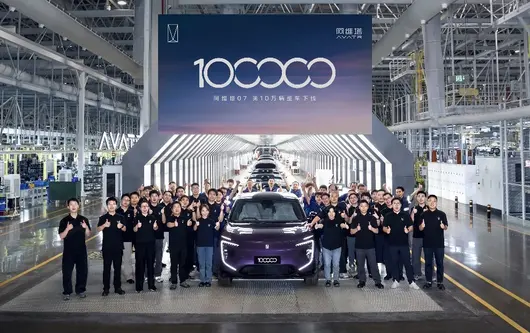
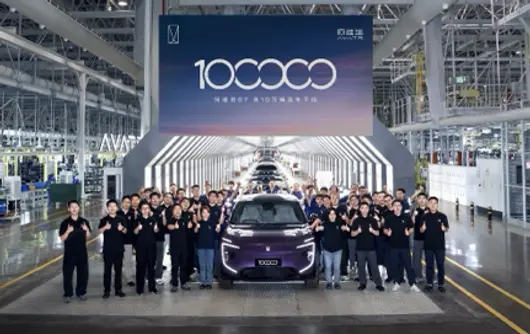
當第 10 萬輛阿維塔 07 緩緩駛落生產線,呢輛即將遠赴海外嘅右軚車,就好似一針強心針扎入中國智造嘅脈搏。這唔係簡單嘅銷量里程碑,而係中國品牌喺全球高端市場撕開嘅一道裂口——阿維塔用實力證明:新勢力都能變成「國際玩家」。

阿維塔 07 點樣殺出重圍?答案藏喺佢嘅「六邊形戰力」入面:斬獲國際設計金獎嘅未來美學外觀、華為乾崑 ADS 4+ 鴻蒙座艙嘅智能組合拳、寧德時代電池嘅續航底气、太行智控底盤嘅操控基因……呢啲「技術神器」堆疊出降維打擊嘅優勢。更狠嘅係,佢將都市豪華頭等艙塞入 SUV,令用戶坐進車入面就自動開啟「爽點模式」。
但阿維塔嘅野心唔止於產品。佢背後嘅 5G 數智工廠先係真正嘅「秘密武器」:40 多項黑科技、全流程數字化生產、長安 + 華為 + 聯通嘅頂配聯盟——呢間超級工廠唔單止造出 10 萬輛高品質新車,仲造出中國智造嘅新範式。當傳統車企仲喺度講「工業 4.0」,阿維塔已經用 AI 同 5G 重構咗汽車製造嘅想像力。

而家,阿維塔嘅全球化版圖正瘋狂擴張:由新加坡到阿聯酋,43 個國家已經留低佢嘅腳印;明年殺入歐洲,2030 年劍指 110 個市場。呢波操作好似極咗「技術流玩家」嘅全球推塔,用產品力 + 智造力打破咗「中國車只能打性價比」嘅魔咒。
更犀利嘅棋局仲喺後手:隨著阿維塔 07L 開啓預售,雙車陣型會形成精準打擊——既要收割家庭用戶,亦唔放過個性玩家。當新勢力仲喺度捲價格嗰陣,阿維塔早已用技術、智造、全球化構建出多維護城河。
呢 10 萬輛下線嘅新車,唔單止係成績單,仲係戰書。阿維塔用行動嚟告訴世界:中國智造嘅逆襲,從來唔係偶然事件,而係技術主義者嘅必然勝利。

In the Malaysian SUV market, many buyers compare Perodua Ativa and Proton X70 when choosing a car. These two cars are quite close in price and positioning. Today, we will make a detailed comparison from multiple aspects to help you save time on research.
Perodua Ativa's OTR price in Malaysia is RM 62,500 - 73,400, with a total of 3 versions, including 1.0L Turbo X (RM 62,500), 1.0L Turbo H (RM 67,300), 1.0L Turbo AV (RM 73,400), etc.
Proton X70's OTR price in Malaysia is RM 106,800 - 122,300, with a total of 3 versions, including 1.5L Standard 2WD (RM 106,800), 1.5L Executive 2WD (RM 115,800), 1.5L Premium 2WD (RM 122,300), etc.
In terms of price, Perodua Ativa's starting price is indeed RM 44,300 cheaper than Proton X70. If your budget is limited, Perodua's entry-level version can already meet daily needs. However, the lower price may involve trade-offs in equipment, depending on your specific needs.

Perodua Ativa's safety rating is 5★ (ASEAN NCAP), active safety systems include ASA 3.0 + ACC + LDA + LKA + BSM + RCTA.
Proton X70's safety rating is 5★ (ASEAN NCAP), active safety systems include ADAS (ACC, AEB, LKA, LDA, BSM, RCTA).
Both cars share the same safety rating, and safety features are quite comprehensive for this class. New cars generally have good safety standards, so there is no need to worry too much about this.
Perodua Ativa uses FWD drive mode.
Proton X70 uses FWD drive mode.
Both cars have the same drive mode, both are FWD, daily driving experience will not differ much.
Perodua Ativa warranty 5 years/150,000km, maintenance interval every 10,000km or 6 months.
Proton X70 warranty 5 years/150,000km, maintenance interval every 10,000km or 6 months.
Both cars have the same warranty conditions, no need to fret about this. Actual maintenance costs depend on the brand's service network and parts prices; it is recommended to ask real owners in car owner groups for their experiences.
In general, both Perodua Ativa and Proton X70 are very good models in the Malaysian market. Which one to choose depends on your personal needs and budget. It is recommended to do your research, compare quotes from several car dealers, and then test drive to make a final decision. Buying a car is a big matter, taking time to research will never go wrong.


2026 年 7 月 8 日(重慶),阿維塔科技宣佈,阿維塔 07 第 10 萬輛新車正式下線。值得關注嘅係,此次下線嘅第 10 萬輛阿維塔 07 為右軚車型,即將從重慶啟航遠赴海外市場。自上市以來,阿維塔 07 憑藉未來美學原創設計、都市豪華頭等艙體驗、六大硬核技術神器以及卓越安全品質,成為阿維塔銷量主力車型,助力阿維塔累積銷量突破 26 萬輛。

阿維塔 07 延續家族未來美學原創設計,先後斬獲 2024 美國 IDA 國際設計金獎及 2025 德國 iF 設計大奬多項國際頂級設計榮譽。與此同時,阿維塔 07 還匯集了華為乾崑 ADS 4、鴻蒙座艙 HarmonySpace 5、寧德時代神行超充電池、太行智控底盤與崑崙智慧增程等頂級技術,為用戶帶來豪華、智能、性能、安全四大維度前所未有嘅滿配體驗。
目前,阿維塔 07 已遠銷新加坡、泰國、阿聯酋等多個國家同地區,喺世界舞臺展現中國智造嘅魅力。自成立以來,阿維塔就致力於成為全球新豪華智能電動汽車領導品牌。經過一年嘅佈局,阿維塔已進入 43 個國家及地區,設立 95 個渠道觸點,得到海外用戶嘅廣泛認可。2026 年,阿維塔將進入歐洲市場;到 2030 年,將進入超 110 個國家同地區。

10 萬輛超品質產品背後,係阿維塔數智工廠嘅硬核支撐。該工廠由長安汽車同華為、中國聯通等行業頂級合作夥伴聯合打造,係全球首個全域 5G 數智 AI 柔性超級工廠。佢以「全製造流程數碼化」為目標,廣泛應用 5G、AI、數字孿生等 40 多項先進技術,具有「高度智能、極致高效、頂級品質」三大特徵,滿足用戶對於個性化、高質量嘅需求。竣工投產以來,阿維塔數智工廠曾先後榮獲汽車智能製造示範工廠、汽車製造超級工廠等榮譽。
伴隨阿維塔 07 第 10 萬輛新車下線,全新嘅智美家庭豪華 SUV 阿維塔 07L 亦將開啟預售。屆時,阿維塔將形成 07 同 07L 雙車同台銷售嘅產品矩陣,為唔同需求嘅用戶提供更精準嘅購車選擇,助力品牌開啟全新增長週期。