首頁VW Passat

搜尋歷史
熱門搜尋
經銷商登入 / 註冊

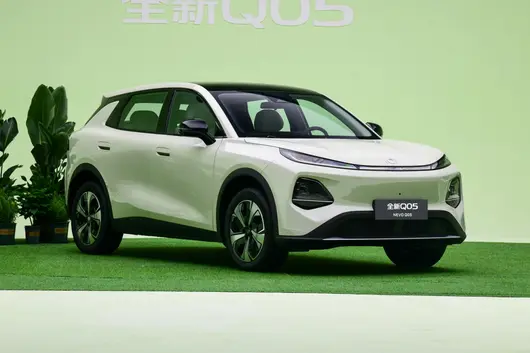
唔知有幾多朋友最近期關注 10 萬內純電 SUV 市場?近段時間睇嚟,呢個細分市場好熱鬧。就講長安啟源全新 Q05 同零跑 A10,上個月銷量分別達 15814 輛同 14372 輛,全部挺進 2026 年 4 月銷量排行全品類前 10,長安啟源全新 Q05 甚至奪得緊緊湊型純電 SUV 市場嘅銷冠。

(長安啟源全新 Q05)
值得留意係,兩款大熱門產品亮點亦唔少,9 萬級可以得到 500km+嘅續航,零跑 A10 甚至配備激光雷達,有高級智駕輔助需求嘅朋友嚟講,呢架車吸引力的確唔低。但係喺價格上,同為高配嘅長安啟源全新 Q05 506Max+ 同零跑 A10 505 激光雷達版,終端價格分別係 9.59 萬同 8.68 萬,手握 9 萬左右預算嘅朋友都可以考慮。明顯係,又去到決賽圈二揀一環節。
 (零跑 A10)
如果對預算比較敏感,咁喺長安啟源全新 Q05 同零跑 A10 之間,後者可能更受歡迎,畢竟終端價格實打實平咗幾千元。而且,高配 A10 配有激光雷達,市區/高速情況均能啟動領航輔助駕駛,呢個就係佢嘅優勢所在。當然,如果預算允許,揀長安啟源全新 Q05 高配,都有帶激光雷達嘅高級輔助駕駛。
 (長安啟源全新 Q05)
但既然係買車前嘅橫評,唔少全方位對比。首先從尺寸睇,作為緊湊型 SUV,長安啟源全新 Q05 長寬高分別係 4435*1855*1595mm,軸距為 2735mm。而零跑 A10 車型級別就係小型 SUV,長寬高分別係 4270*1810*1635mm,軸距為 2605mm。
 (零跑 A10)
如果只係考慮代步、通勤,零跑 A10 嘅細個嘅略有優勢,方便行街串巷。但實際上,好多人買車都要兼顧家用,10 萬內預算也多以剛需用車群體為主。既然係剛需,且有家用需求,嗰空間自然唔好掉鏈子。
 (長安啟源全新 Q05)
 (零跑 A10)
講返日常家庭出行嚟講,兩車之間 130mm 軸距差異,直接反映喺後排體驗。坐入長安啟源全新 Q05 後排,腿部空間平整兼寬敞,一齊坐 3 位成年人都唔會太擠;但係坐入零跑 A10 後排,無論坐寬定係腿部空間都會細少少。媽咪喺後排照顧孩子,長安啟源全新 Q05 後排更加寬敞嘅空間會更加方便佢操作,孩子都能有更大嘅活動空間。
 (長安啟源全新 Q05)
 (零跑 A10)
除咗空間,通勤黨同家庭用戶對舒適配置都比較關注。睇嚟對比,兩車都有配電動尾門、無匙進入、自適應遠近光等外部配置。但係從車廂內睇,零跑 A10 副駕無法電動調節,後排靠背都唔支援角度調節,同埋缺少後排空調出風口、車內 PM2.5 過濾裝置等。
 (長安啟源全新 Q05)
 (零跑 A10)
反觀長安啟源全新 Q05,除咗副駕支持電動調節,前排仲集成咗加熱/通風/按摩/副駕腿托功能,對比零跑 A10 只提供前排座椅加熱,佢嘅品質無疑更上一層樓。包括後排乘員都有少少照顧,例如靠背角度可調、配有後排空調出風口、後排中央扶手/杯架等,更加適合家人同行呢類場景。
 (長安啟源全新 Q05)
 (零跑 A10)
除咗舒享體驗,行駛系統嘅對比我哋都唔好忽略。首先從大家關注嘅續航睇,長安啟源全新 Q05 同零跑 A10 分別搭載 51.9kWh、53kWh 電池,CLTC 純電續航做到 506km、505km,差異大可忽略。但從電芯供應鏈睇,前者出自寧德時代,後者就係國軒高科/江蘇正力,若論品牌含金量,“寧王”順位自然靠前,更值得信賴。另外,兩車都有全球品質,按照全球嚴苛嘅標準打造,零跑 A10 符合國內、歐盟雙標準,長安啟源全新 Q05 已經喺泰國上市,未來仲會相繼落地多個國家地區,最終開拓歐洲區域,此外仲有央企背書,質量品質都好可靠。
因為本文討論嘅係 A10 嘅 505 版本,採用電池液冷技術,溫控較好,而如果係 403 版本,採用成本低嘅風冷技術,散熱效果較差。呢點上,全新 Q05 做得更好,入門就採用電池直冷技術,高配用嘅係液冷技術,能更好地實現熱管理,保證電池安全。
 (長安啟源全新 Q05)
 (零跑 A10)
動力方面,長安啟源全新 Q05 同零跑 A10 都係前置單電機佈局,電機最大動力輸出分別係 120kW/190N·m、90kW/150N·m,0-100km/h 加速時間分別做到 8.9 秒同 10.6 秒。坦率嚟講,兩款車喺純電陣營加速性能都中規中矩;但係相對嚟講,長安啟源全新 Q05 嘅 8 秒級零百加速,喺山路行駛、高速超車等情況下會比零跑 A10 更加分。
 (長安啟源全新 Q05)

(零跑 A10)
總結嚟講,零跑 A10 505 激光雷達版優勢突出:價格更低、智駕輔助覆蓋範圍更廣,適合預算優先 + 科技嘗鮮嘅消費者。而長安啟源全新 Q05 更強調“全面”二字:加少少預算同樣可以獲得高級輔助駕駛,而且尺寸更大、舒適配置更高、採用頭部電芯供應鏈,動力亦更強,綜合表現更全能。總括嚟講,預算 9 萬級追求面面俱到嘅家用體驗,長安啟源全新 Q05 506Max+ 更加值得考慮。

Halfway through 2026, the NEV penetration rate in China's auto market continues to climb, with almost all major automakers reducing fuel vehicle R&D and accelerating electrification transitions.
However, real sales data presents a different picture: From January to May this year, domestic fuel passenger car cumulative sales reached 3.87 million units, accounting for a still-high 52%. More than 25,000 fuel vehicles are still being delivered to users daily, with over 200 million fuel vehicles running on roads nationwide.
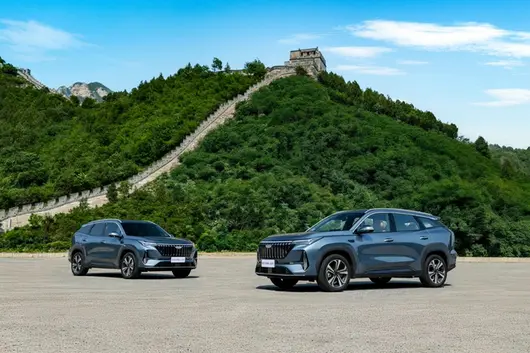
In this "unpromising" market, a fuel SUV presented a report card no one could ignore—4th Gen Boyue L, dominating the sales chart for all-brand fuel SUVs for 5 consecutive months in 2026, claiming A-class fuel SUV sales champion for 11 consecutive months, with monthly sales exceeding 30,000 units, meaning a new owner chooses it every 1.08 minutes.

While most automakers choose to reduce fuel vehicle R&D and accelerate the "stop fuel" transition, Geely took a different path: Persisting in a "Multi-Energy Parallel" strategy, continuously injecting smart fresh blood into fuel vehicles. The dominance of 4th Gen Boyue L is a victory of strategic patience.
Persist in doing difficult but correct things
For the past two to three years, almost all traffic, capital, and public opinion have flowed towards new energy, with many automakers explicitly announcing schedules to stop selling fuel vehicles, with fuel vehicle R&D budgets significantly cut.
But Geely's choice was completely different. In Geely's view, fuel vehicles, hybrids, and pure electric vehicles are not replacement relationships, but long-term coexistence relationships. Over 200 million fuel vehicles in domestic inventory, nearly 10 million annual fuel new vehicle demands, these figures behind are countless real users' travel necessities, not a market that can be easily "skipped". So Geely did not follow the trend to "abandon oil for electricity", but proposed a "Multi-Energy Parallel" strategy—no matter which energy form, Geely will do it the best.
This stability requires huge courage and resource support. Relying on five global R&D centers, Xingrui Intelligent Computing Center 2.0, and industry-leading large AI models, Geely systematically empowered fuel vehicles with intelligent capabilities originally belonging to electric vehicles. GEEA 3.0 Electronic and Electrical Architecture, Xingrui AI-Drive Digital Tuning Technology, FlymeAuto Smart Cockpit... these technologies sounding like "new forces" were used by Geely without hesitation on the 4th Gen Boyue L.

Data doesn't lie. Currently, Geely's L2 and above assisted driving vehicle inventory exceeds 7.5 million units, cumulative assisted driving mileage exceeded 10 billion kilometers, with a significant portion coming from fuel vehicle users. This means Geely not only didn't abandon fuel vehicles, but instead relied on the huge fuel vehicle user group to build China's leading smart driving data pool for automakers.
Conversely, some automakers in the industry rushing to reduce fuel vehicle business and promote stop-sale plans, faced many challenges such as user group continuity and single technical route during transition. Geely proved with action: Not following trends, not having weaknesses, doing every technical route well is the greatest respect for users.
How to concentrate the release of "Multi-Energy" advantages?
Strategic stability must ultimately land on products. The reason 4th Gen Boyue L can dominate against the trend is because it is no longer a "traditional fuel vehicle", but an "all-rounder" gathering the best of Geely's multi-energy technology system.

First look at smart driving. 4th Gen Boyue L Small Blue Light Edition is equipped with Qianli Haohan H3 Assisted Driving Solution, becoming the only fuel SUV within 120,000 yuan equipped with high-end smart driving. This system is based on Horizon Journey J6M high computing power chip, computing power reaches 128 TOPS, matching 3 millimeter-wave radars, 11 high-sensitivity cameras and 12 ultrasonic radars, can achieve Highway and Elevated High-level Navigation Assisted Driving (HNOA), Urban Congestion Cruise (ICC), Multi-scenario Parking Assist and other functions. Pure Visual Map-Free Solution covers 380,000 km highway and 30,000 km elevated roads nationwide, can drive new roads, can drive with network.
User feedback data is more intuitive: Small Blue Light Edition smart driving activation rate is as high as 75%, single user longest assisted driving mileage exceeded 50,000 kilometers, single vehicle cumulative parking times up to 2,091 times. From "curious try" to "can't leave daily", Boyue L truly brought fuel vehicle smart driving experience into users' lives.

Second look at smart cockpit. FlymeAuto system standard on all series, along with Huawei HarmonyOS, Xiaomi HyperOS known as three giants of domestic cockpits. 15.4-inch 2.5K HD Full Screen, 16-speaker FlymeSound audio (1000W independent amplifier, 7.1.2 surround sound), 25.6-inch AR-HUD head-up display... these configurations put on any 200,000 yuan level new energy vehicle are not out of place, but Boyue L brought them to the 120,000 yuan level fuel vehicle market.
More importantly, based on GEEA 3.0 Electronic and Electrical Architecture, Boyue L supports full-domain FOTA upgrade, often used often new like electric vehicles. Users don't need to worry "become outdated after buying home", because its intelligence will evolve with OTA.

Mechanical quality is equally not vague. CMA Global Premium Architecture is same source as Volvo, Lynk & Co, brought 79 km/h Moose Test score and 35.8-meter racing-grade braking distance. 2.0TD engine max power 160kW, peak torque 325 N·m, 0-100 km/h acceleration 7.4 seconds, fuels with 92 octane gasoline can be used, usage cost is 8% lower than peer models.
In space, 84.27% same class maximum space utilization rate, 2,785 mm wheelbase, flat rear floor, let family sit comfortably; 650L super large trunk plus two-layer magic partition, snowboards, strollers can be easily loaded.

4th Gen Boyue L fully transplanted pure electric intelligence, architecture, experience originally belonging to pure electric onto fuel vehicles, letting users enjoy the cutting-edge product power of the times without changing energy habits. This is the power of Multi-Energy Strategy—not betting on one road, but letting every road lead to good products.
The secret of Boyue Family 10 years long success
Stretching the timeline, you will find that since Boyue Family 1st Gen model launch in 2016, after 9 years 4 iterations, global cumulative sales exceeded 2.4 million units. It took 25 months to exceed 500,000 units, 52 months to reach 1 million units, 82nd month to exceed 1.5 million units, 99th month to exceed 1.8 million units, February 2025 to exceed 2 million units, now standing at the high ground of 2.4 million units. In China SUV market, models capable of maintaining such long-period, high-intensity hot sales momentum are few.
So, why was Boyue able to and how could it cross the cycle?

1st Gen Boyue "Hello, Boyue" pioneered China's SUV smart connectivity, letting voice interaction no longer be a plot in sci-fi movies; 2nd Gen Boyue focused on smart safety, changed AEB Pre-collision System from luxury car patent to standard of people's cars; 3rd Gen Boyue based on CMA Architecture, first brought NOA Highway Navigation Assist into fuel vehicle field, broke monopoly of "High-end Smart Driving = Electric Vehicles"; to 4th Gen Boyue L, directly opened "Fuel Vehicle AI Intelligence Equality Era", GEEA 3.0 Architecture, Xingrui AI-Drive, FlymeAuto... every generation upgrade, Boyue was not following trends, but doing out things users "want but haven't spoken" in advance.
Behind this capability is Geely's deep insight into user needs and long-termism of technical investment. Boyue Family has now received true choice of 2.4 million users, these users come from over 60 countries and regions. In Belarus, Malaysia, Boyue achieved localized production, becoming China's first SUV model realizing product, technology, management full export. In Costa Rica, Moldova and other countries, Boyue ranks first in Chinese brand sub-market. It can be said, it has become a true Chinese SUV global name card.

Back to "Multi-Energy Strategy", Boyue Family's long success, precisely proves Geely strategy's foresight. When other automakers all "stop fuel", Boyue kept deepening in fuel vehicle market, won users' long-term trust with generations of evolution. January to May 2026 fuel SUV sales champion, not a surprise from the sky, but the result of Geely persisting for ten years like one day, the result of those abandoned fuel vehicle users voting with feet.
More importantly, fuel vehicle business's steady performance, provided continuous cash flow and user data for Geely's huge R&D investment in electrification, intelligence. 7.5 million smart driving vehicles, 10 billion kilometers driving mileage, these data feed back Geely's AI algorithms and smart driving models, letting every Geely car, no matter burning oil or electricity, get smarter the further it drives. From this meaning, cannot say "Multi-Energy" is conservative, rather it is a more advanced offensive posture.

At the crossroads of industrial transformation, following trends betting is easy, staying focused is hardest. Users never care what name your energy strategy is called, only care if your car is easy to drive, easy to park, easy to use. Geely proved, as long as products are strong enough, fuel vehicles can also become leaders of the times.
Dominating charts for 5 months might just be the start, with 4th Gen Boyue L continuing hot sales, overseas market accelerating expansion, and Geely in intelligence, global field continuous deepening, Boyue Family's legendary story, is still accelerating上演。And that phrase "Oil vs. Electric debate will end, standards for good cars will never go out of date", maybe that is the best annotation for this era.