


首頁Toyota Supra

搜尋歷史
熱門搜尋
經銷商登入 / 註冊

喺馬來西亞嘅 SUV 市場,好多買家喺揀車嗰陣都會拿 Honda WR-V 同 MG MG HS 嚟做比較。呢兩部車喺價位同定位上都好相近,而家我哋就從多個方面做一個詳細嘅對比,幫你省咗做功課嘅時間。
Honda WR-V 喺馬來西亞嘅 OTR 售價係 RM 89,900 - 107,900,一共有 4 個版本,包括 2023 1.5L V(RM 99,900)、2023 1.5L E(RM 95,900)、2023 1.5L S(RM 89,900)等。
MG MG HS 喺馬來西亞嘅 OTR 售價係 RM 130,450 - 146,450,一共有 2 個版本,包括 1.5L Standard(RM 105,000)、1.5L Executive(RM 115,000)等。
從價錢嚟睇,Honda WR-V 嘅起步價確實比 MG MG HS 平咗 RM 40,550。如果你預算有限,Honda 嘅入門版已經可以滿足日常需要。但要亦都要注意,平嗰幾千蚊,可能喺配備方面會有取捨,具體睇你嘅需要。

Honda WR-V 嘅安全評級係 5★ (ASEAN NCAP),主動安全系統包括 Honda SENSING。
MG MG HS 嘅安全評級係 TBD,主動安全系統包括 Basic。
安全配備方面,兩部車都拿到唔錯嘅評級。不過 Honda WR-V 嘅 Honda SENSING 同 MG MG HS 嘅 Basic 喺功能上有些差異,如果你比較看重主動安全嘅話,可以仔細對比一下兩者嘅功能清單。

Honda WR-V 車身長 4400 mm,行李廂 400 L。
MG MG HS 車身長 4400 mm,行李廂 400 L。
兩部車嘅尺寸幾乎一樣,車內空間差別唔大。呢個級別嘅車,日常使用完全足夠。

Honda WR-V 同 MG MG HS 都係馬來西亞市場嘅主流選擇,適合家庭使用、日常通勤。如果你更看重品牌口碑同二手價,可以優先考慮口碑更好嘅嗰一款;如果你更介意性價比同配備,那就揀配置更加豐富嘅嗰款。最終都係建議兩部車都去試駕,親身體驗先至係最重要嘅。
總體嚟講,Honda WR-V 同 MG MG HS 都係馬來西亞市場幾唔錯嘅車型。揀邊一輛,關鍵都要睇你嘅個人需要同預算。建議大家做好功課,多比較幾間車行嘅報價,再去試駕做最終決定。買車係件大事,花少少時間做功課絕對唔會錯。


【2026年8月21日成都】第二十九届成都国际汽车展览会正式启幕,小鹏集团以物理AI为核心,携多款量产车型与人形机器人、分体式飞行汽车等前沿科技产品集体亮相,完整展示企业在智能出行领域的全链条布局。本次车展以“AI改变世界”为主题,小鹏在发布会现场正式发布G9L、X9、MONAM03三款车型全新选装套件;备受市场关注的小鹏G9L展车现已铺至全国门店,消费者可实地看车体验。

作为西南地区规模最大的汽车行业盛会,成都车展历来是车企观察区域消费市场的重要窗口。本届小鹏展台阵容丰富,除G9L、GX、X9、MONAL03主力车型之外,新一代IRON人形机器人,生态伙伴汇天的“陆地航母”分体式飞行汽车一并登台,把汽车、人形智能硬件、低空出行的技术成果带到观众面前,展台现场人流络绎不绝,G9L与GX两款旗舰车型,更是吸引大量观展市民驻足观摩。

2026年是小鹏推动AI智驾技术落地的关键一年。产品层面,小鹏已经搭建起覆盖年轻消费群体到多成员家庭的完整AI汽车矩阵。其中小鹏GX自上市两个月,累计交付已经突破15000台。这款车型整合了飞行汽车安全冗余、Robotaxi智驾、具身智能软硬件多项技术成果,市场反响不俗。海外市场同样收获积极反馈,尚未公布售价的前提下,在阿联酋拿到超2000台意向订单,本月首批300台整车已经启动发运,正式迈出出海步伐。

定位黄金大五座科技旗舰的小鹏G9L,自开启预售便热度居高不下。从后台订单数据看,该车型在西南区域订单占比创下小鹏品牌历史新高,超级增程版本选购比例达到82%。“宽敞、舒适、质感出众、安全性强”,是西南消费者选择G9L最看重的几点。为满足高阶用户的个性化改装需求,小鹏推出G9L黑金套件,官方指导价15000元,车展限时优惠10000元。套件细节用料考究,车辆前后车标采用太空陶瓷基底搭配24K真金镀层,辅以抗指纹纳米涂层,配套专属22英寸黑金轮毂与极夜黑车漆,进一步拔高整车气场。目前G9L展车已经抵达全国220家线下门店,意向用户可就近预约看车。

小鹏X9作为全球续航领先的大七座MPV,全球累计交付量突破6万台,今年7月拿下泰国、中国香港地区豪华纯电MPV销量第一名,得到海内外家庭用户认可。针对MPV用户既追求家用舒适,又希望车辆外观更具运动感的需求,小鹏X9推出黑武士套件,全套售价8800元,包含星刃运动轮毂、极夜黑车漆,星舰尾翼支持单独选装,单价1298元。整套套件跳出传统MPV的保守设计,兼顾家庭乘坐温暖属性与驾驶者对酷感外观的追求。

面向年轻消费市场的MONA系列,上市两年来总交付31万台,MONAM03连续23个月守住10‑20万纯电轿车销量榜首位置。本次车展,小鹏为该车带来罗兰紫、牛油果绿两套主题套装,限时优惠价5499元。套装不只是更换车漆颜色,同步配备19英寸同色五辐轮毂,内饰升级气宇灰配色以及Nappa真皮座椅,车机搭载专属“拾光漫游”主题,从外到内完成全套个性化升级,契合年轻人彰显自我的消费偏好。

不止产品输出,小鹏的全球化进程已经从单纯产品出海,转向技术、研发、运营体系的全方位向外拓展。第二代VLA智驾系统正在欧洲开展道路测试,Robotaxi、人形机器人等创新业务,也在筹划海外落地路径。公开数据显示,小鹏全球累计销量已经突破120万台,业务触及68个国家及地区,线下门店数量超1200家;小鹏超快充网络落地31个国家和地区,可对接充电桩数量超290万根,为海外新能源车主补齐补能配套。

小鹏方面表示,未来企业将持续加码物理AI技术研发,把实验室中的前沿技术落地到真实出行场景,面向全球用户打造更加安全智能的出行解决方案。
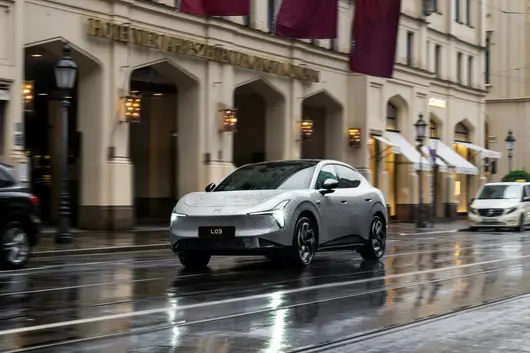

In the Malaysian SUV market, many buyers compare Honda WR-V and Toyota Corolla Cross when choosing a car. These two cars are quite close in price and positioning. Today, we will do a detailed comparison from multiple aspects to help you save time on research.
The OTR price of Honda WR-V in Malaysia is RM 89,900 - 107,900. There are 4 variants in total, including 2023 1.5L V (RM 99,900), 2023 1.5L E (RM 95,900), 2023 1.5L S (RM 89,900), etc.
The OTR price of Toyota Corolla Cross in Malaysia is RM 133,800 - 148,800. There are 3 variants in total, including 2026 HEV 1.8L GR Sport (RM 148,800), 2026 HEV 1.8L Standard (RM 140,800), 2026 1.8L Standard (RM 133,800), etc.
From a price perspective, the Honda WR-V's starting price is indeed RM 43,900 cheaper than the Toyota Corolla Cross. If your budget is limited, Honda's entry-level version can already meet daily needs. But be aware, the few thousand bucks saved, there might be trade-offs in features, it depends on your specific needs.
Honda WR-V's safety rating is 5★ (ASEAN NCAP), active safety systems include Honda SENSING.
Toyota Corolla Cross's safety rating is 5★ (ASEAN NCAP), active safety systems include TSS (PCS, LDA, ACC, LTA).
Both cars have the same safety rating, safety features in this segment are considered quite complete. New cars nowadays are not lacking in safety, no need to worry too much about this point.
Honda WR-V body length 4400 mm, trunk 400 L.
Toyota Corolla Cross body length 4400 mm, trunk 400 L.
Both cars are almost the same size, interior space difference is not big. For this class of cars, daily use is completely sufficient.
Honda WR-V warranty 5 years/unlimited mileage, maintenance interval every 10,000km or 6 months.
Toyota Corolla Cross warranty 5 years/unlimited mileage, maintenance interval every 10,000km or 6 months.
Both cars have the same warranty conditions, no need to hesitate on this aspect. Actual maintenance costs depend on the brand's service network and parts prices, suggest asking real owners in car owner groups for experience.

In general, Honda WR-V and Toyota Corolla Cross are both very good models in the Malaysian market. Which one to choose mainly depends on your personal needs and budget. It is recommended to do your research, compare quotes from several car dealerships, and then go for a test drive to make the final decision. Buying a car is a big thing, spending time on research will never be wrong.

你有無發現,而家買純電 SUV,越嚟越唔知點揀?
數據一個比一個靚,續航越標越長,晶片運算能力越堆越高。可係睇車嗰陣銷售講到天花龍咁,真係用到嗰陣——冬天續航打對折、夏天電池發燙、開咗兩年就異響不斷。點解?因為有啲車係「速成」嘅:開發週期由 36 個月壓縮到 18 個月甚至更短,用模擬數據取代實車路測、刪減極限工況驗證。行業質量問題數量上升,2025 年每百輛車故障數比前一年多咗 16 個。堆參數易,堆品質難。
不過純電賽道嘅競爭邏輯而家變咗。行業已經進入下半場,唔再單純比拼續航幾長、晶片幾快,重心轉咗向產品穩定性、可靠性同品質感。邊個能讓用戶長期用得安心,邊個先可以笑到最後。
嗰陣,一向被叫「老實理工男」嘅奇瑞,帶住風雲 T7 嚟咗。
呢台車由研發之初就鎖定咗全球標準、全球實測、全球用戶、全球耐久、全球質造五大體系。2 年策劃、3 年研發,5000 多組全球用戶調研、15 個典型國家深度走訪。唔係國內造好先改一改賣到國外,而係先讓全球用戶「驗貨」——同源車型已經喺南非預售、泰國上市。奇瑞連續 23 年出口第一、2000 萬全球用戶背書,呢套全球化體系,唔係一日建成嘅。
驗證環節更見真章。81 台專屬耐久車同步路試,整車累計測試超 600 萬公里,耐久專項實測 145 萬公里。覆蓋東南亞雨季、中東高溫暴曬、北歐極寒,-40℃到 55℃全域適應。德國高速彎道、墨西哥鵝卵石路、南非非鋪裝路面,全球 95% 以上嘅複雜路況都跑過一遍。呢樣唔係實驗室度算出嚟嘅,係一公里一公里跑出來嘅。

全系 600 公里續航 30%-80% 快充只需 22 分鐘;80% 高強鋼 +9 安全氣囊,對標 2026 版 E-NCAP 五星標準;4nm 8775 艙駕一體晶片 +15.6 吋 2.5K 大屏幕;2700mm 軸距 + 純平大床模式。呢啲配置,喺 10.99 萬到 12.99 萬嘅預售價入面,誠意已經好清楚咗。
講到底,一台車唔係用三年嘅,係要陪一個家庭行五年、八年、十年嘅。參數會過時,但品質唔會。風雲 T7 用一套完整嘅全球驗證閉環,由根源上解決咗你對電車可靠性、環境適應性、長期耐用性嘅所有焦慮。一台真正經過全球千錘百煉嘅純電 SUV,先值得全家長期信賴。
等咗好耐。去門市親身試下啦,呢台車值得。
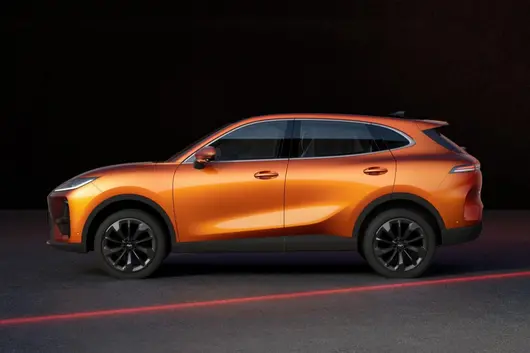

喺馬來西亞嘅 SUV 市場,好多買家喺揀車嗰陣都會拎本田 WR-V 同馬自達 CX-30 黎做比較。呢兩款車喺價位同定位上都幾接近,今日我哋就由多個方面做一個詳細嘅比較,幫你省下做功課嘅時間。
本田 WR-V 喺馬來西亞嘅 OTR 售價係 RM 89,900 - 107,900,一共有 4 個版本,包括 2023 1.5L V(RM 99,900)、2023 1.5L E(RM 95,900)、2023 1.5L S(RM 89,900)等。
馬自達 CX-30 喺馬來西亞嘅 OTR 售價係 RM 122,409 - 146,409,一共有 4 個版本,包括 2025 2.0L High+ Premium(RM 146,409)、2025 2.0L High+(RM 138,409)、2025 2.0L High(RM 130,409)等。
從價錢睇落,本田 WR-V 嘅入門價確實比馬自達 CX-30 平咗 RM 32,509。如果你預算有限,本田嘅入門版已經可以满足日常需要。但亦都要留意,平嗰幾千塊,可能喺配備上會有取舍,具體就要睇你嘅需求。
本田 WR-V 載 1.5L 4-cyl,動力 105 hp。官方油耗 6.0 L/100km。
馬自達 CX-30 載 1.5L Turbo,動力 140 hp。官方油耗 7.0 L/100km。
動力方面,馬自達 CX-30 嘅 1.5L Turbo 比本田 WR-V 嘅 1.5L 4-cyl 多咗 35 匹。不過日常喺市區行,兩款車嘅動力都夠用,唔會覺得唔夠勁。
本田 WR-V 嘅安全評級係 5★ (ASEAN NCAP),主動安全系統包括本田 SENSING。
馬自達 CX-30 嘅安全評級係 5★ (ASEAN NCAP),主動安全系統包括 i-Activsense。
兩款車嘅安全評級一樣,喺呢個級數入面安全配備都算好齊全。而家嘅新車安全性都唔差,唔使太擔心這一點。
本田 WR-V 採用 FWD 驅動方式。
馬自達 CX-30 採用 FWD 驅動方式。
兩款車嘅驅動方式一樣,都係 FWD,日常駕駛感受唔會有太大分別。

總體嚟講,本田 WR-V 同馬自達 CX-30 都係馬來西亞市場好唔錯嘅車款。揀邊輛,關鍵都係要睇你嘅個人需要同預算。建議大家做足功課,多比較間間車行嘅報價,然後先至去試駕做最後決定。買車係件大事,花少少時間做功課絕對唔會錯。

In the SUV market in Malaysia, many buyers compare Proton X90 and Kia Sportage when choosing a car. These two models are quite close in price and positioning. Today, we will make a detailed comparison from multiple aspects to help you save the time and effort of research.
The OTR price of Proton X90 in Malaysia is RM 106,800 - 122,800, with a total of 4 versions, including 2026 1.5T Prime X (RM 122,800), 2026 1.5T Prime (RM 116,800), 2026 1.5T Lite (RM 106,800), etc.
The OTR price of Kia Sportage in Malaysia is RM 129,639 - 179,320, with a total of 4 versions, including 2025 1.6T DCT 4WD High (RM 179,320), 2025 1.6T DCT 2WD High (RM 159,320), 2025 2.0L AT 2WD High (RM 139,639), etc.
From a price perspective, the starting price of Proton X90 is indeed RM 22,839 cheaper than Kia Sportage. If your budget is limited, Proton's entry-level version can already meet daily needs. But also note that the few thousand difference in price might involve compromises in features, depending on your specific needs.

Proton X90 is equipped with a 1.5L Turbo, 140 hp. Official fuel consumption 7.0 L/100km.
Kia Sportage is equipped with a 1.5L Turbo, 140 hp. Official fuel consumption 7.0 L/100km.
Both cars use the same powertrain system, the driving experience is basically the same in daily use. Fuel consumption is also similar, no need to worry too much about this.

Proton X90's safety rating is 5★ (ASEAN NCAP), active safety systems include ADAS (ACC, AEB, LKA, LDA, BSM, RCTA).
Kia Sportage's safety rating is 5★ (ASEAN NCAP), active safety systems include Drive Wise.
Both cars have the same safety rating, and the safety features in this class are quite comprehensive. New cars nowadays are not lacking in safety, no need to worry too much about this.

Proton X90 body length 4400 mm, trunk 400 L.
Kia Sportage body length 4400 mm, trunk 400 L.
Both cars are almost the same size, little difference in interior space. Cars in this class are more than enough for daily use.

Proton X90 warranty 5 years/150,000km, maintenance interval every 10,000km or 6 months.
Kia Sportage warranty 5 years/300,000km, maintenance interval every 10,000km or 6 months.

Overall, Proton X90 and Kia Sportage are both very good models in the Malaysian market. Which one to choose mainly depends on your personal needs and budget. We suggest doing your research well, compare quotes from several dealerships, and then test drive to make the final decision. Buying a car is a big deal, spending time on research will definitely not be wrong.


In the Malaysian SUV market, many buyers tend to compare the Proton X90 and Hyundai Tucson when choosing a vehicle. Both cars are quite close in price and positioning, so today we will make a detailed comparison from multiple aspects to save you time on research.
The Proton X90 OTR price in Malaysia is RM 106,800 - 122,800, with a total of 4 versions, including 2026 1.5T Prime X (RM 122,800), 2026 1.5T Prime (RM 116,800), 2026 1.5T Lite (RM 106,800), etc.
The Hyundai Tucson OTR price in Malaysia is RM 143,888 - 197,888, with a total of 5 versions, including 2025 HEV 1.6T AT 2WD Prestige (RM 197,888), 2025 1.6T DCT 4WD Prestige (RM 186,888), 2025 1.6T DCT 2WD Prime (RM 164,888), etc.
From a price perspective, the Proton X90's starting price is indeed RM 37,088 cheaper than the Hyundai Tucson. If your budget is limited, the Proton entry-level version is already sufficient for daily needs. But keep in mind, that savings of a few thousand might mean trade-offs in features, depending on your specific needs.
The Proton X90 is equipped with a 1.5L Turbo, 140 hp. Official fuel consumption is 7.0 L/100km.
The Hyundai Tucson is equipped with a 1.5L Turbo, 140 hp. Official fuel consumption is 7.0 L/100km.
Both cars use the same powertrain system, the driving feel is basically the same for daily use. Fuel consumption is also similar, no need to worry too much about this.
The Proton X90 safety rating is 5★ (ASEAN NCAP), active safety systems include ADAS (ACC, AEB, LKA, LDA, BSM, RCTA).
The Hyundai Tucson safety rating is 5★ (ASEAN NCAP), active safety system includes SmartSense.
Both cars have the same safety rating, safety features are quite comprehensive in this class. New car safety is generally good nowadays, no need to worry too much about this.
Proton X90 warranty is 5 years/150,000km, service interval every 10,000km or 6 months.
Hyundai Tucson warranty is 5 years/300,000km, service interval every 10,000km or 6 months.

Overall, Proton X90 and Hyundai Tucson are both very good models in the Malaysian market. Which one to choose mainly depends on your personal needs and budget. We recommend doing your research, comparing quotes from multiple dealerships, and test driving to make the final decision. Buying a car is a big matter, spending time on research will never be wrong.

喺馬來西亞嘅 SUV 市場,好多買家喺揀車嘅時候都係會拿 Proton X90 同 Hyundai Tucson 嚟做比較。呢兩款車喺價位同定位上都好接近,今日我哋就由多個方面做一個詳細嘅比較,幫你節省做功課嘅時間。
Proton X90 喺馬來西亞嘅 OTR 售價係 RM 106,800 - 122,800,總共 4 個版本,包括 2026 1.5T Prime X(RM 122,800)、2026 1.5T Prime(RM 116,800)、2026 1.5T Lite(RM 106,800) 等。
Hyundai Tucson 喺馬來西亞嘅 OTR 售價係 RM 143,888 - 197,888,總共 5 個版本,包括 2025 HEV 1.6T AT 2WD Prestige(RM 197,888)、2025 1.6T DCT 4WD Prestige(RM 186,888)、2025 1.6T DCT 2WD Prime(RM 164,888) 等。
由價格睇,Proton X90 嘅起價確實比 Hyundai Tucson 平咗 RM 37,088。如果你預算有限,Proton 嘅入門版已經可以滿足日常需要。但都要注意,平少少嘅幾千蚊,可能喺配備上會有取捨,具體要睇你嘅需要。
Proton X90 嘅安全評級係 5★ (ASEAN NCAP),主動安全系統包括 ADAS (ACC, AEB, LKA, LDA, BSM, RCTA)。
Hyundai Tucson 嘅安全評級係 5★ (ASEAN NCAP),主動安全系統包括 SmartSense。
兩款車嘅安全評級一樣,喺呢個級別裡面安全配備都算好齊全。而家嘅新車安全性都唔差,唔使太擔心呢一點。
Proton X90 車身長度 4400 mm,行李箱 400 L。
Hyundai Tucson 車身長度 4400 mm,行李箱 400 L。
兩款車嘅尺寸幾近一樣,車內空間分別唔大。呢個級別嘅車,日常使用完全夠用。
Proton X90 保修 5 年/150,000km,保養間隔 每 10,000km 或 6 個月。
Hyundai Tucson 保修 5 年/300,000km,保養間隔 每 10,000km 或 6 個月。
總括嚟講,Proton X90 同 Hyundai Tucson 都係馬來西亞市場幾唔錯嘅車款。揀邊一款,關鍵仲係要睇你嘅個人需要同預算。建議大家做好功課,多比較幾間車行嘅報價,再去試駕做最終決定。買車係件大事,花少少時間做功課絕對唔會錯。

In the Malaysian SUV market, many buyers compare Proton X90 and GWM Haval H6 when choosing a car. The price and positioning of these two cars are quite close. Today, we will make a detailed comparison from multiple aspects to help you save time on research.
Proton X90 OTR price in Malaysia is RM 106,800 - 122,800, with a total of 4 versions, including 2026 1.5T Prime X (RM 122,800), 2026 1.5T Prime (RM 116,800), 2026 1.5T Lite (RM 106,800), etc.
GWM Haval H6 OTR price in Malaysia is RM 139,750 - 139,750, with a total of 2 versions, including 1.5L Turbo Standard (RM 140,000), 1.5L Turbo Premium (RM 155,000), etc.
From the price perspective, Proton X90's starting price is indeed RM 32,950 cheaper than GWM Haval H6. If your budget is limited, Proton's entry-level version is already sufficient for daily needs. However, also note that the few thousand yuan cheaper may involve trade-offs in features, depending on your specific needs.
Proton X90 is equipped with 1.5L Turbo, horsepower 140 hp. Official fuel consumption 7.0 L/100km.
GWM Haval H6 is equipped with Hybrid, horsepower 170 hp. Official fuel consumption 4.5 L/100km.
In terms of power, GWM Haval H6's Hybrid has 30 more horsepower than Proton X90's 1.5L Turbo. However, for daily city driving, the power of both cars is sufficient and does not feel weak.
Proton X90 body length 4400 mm, trunk 400 L.
GWM Haval H6 body length 4400 mm, trunk 400 L.
The dimensions of both cars are almost the same, interior space differences are not significant. For this class of cars, daily use is fully sufficient.
Proton X90 and GWM Haval H6 are both mainstream choices in the Malaysian market, suitable for family use and daily commuting. If you value brand reputation and resale value more, you can prioritize the one with better reputation; if you care more about cost-performance ratio and features, then choose the one with richer configuration. Ultimately, it is recommended to test drive both, personal experience is the most important.
Overall, Proton X90 and GWM Haval H6 are both very good car models in the Malaysian market. Which one to choose depends mainly on your personal needs and budget. It is recommended to do your homework, compare quotes from several dealers, and then test drive to make the final decision. Buying a car is a big matter, spending some time doing research will definitely not be wrong.

In July 2026, the Chinese passenger car market submitted a report card that presented an extreme contrast. Data from the China Passenger Car Association shows that retail sales of passenger cars in China were only 1.461 million units in July, a year-on-year decline of 20.9%.

The chill of the overall market did not hide structural highlights, with new energy vehicle penetration rate climbing to 65.1%, domestic brands taking the lead strongly, while the joint venture camp launched a long-overdue 'counterattack' in the new energy sector.
BYD: The '400,000-Level' Leader
On the July car manufacturer wholesale sales list, BYD firmly held the top spot with an absolute advantage of 410,612 units. This figure is not only 2.6 times that of Geely Automobile in second place, but also means that BYD's monthly wholesale sales have exceeded the 400,000-unit mark.

At the model level, BYD Yuan UP ranked first with 63,258 units, and the Song family ranked second with 61,012 units in wholesale sales. More worth noting is that BYD also performed strongly in the new energy export sector, with 173,721 units exported in July, almost equivalent to the combined export volume of Chery and Tesla China. From the Dynasty Series to the Ocean Series, from Denza to Fang Cheng Bao, BYD solidified its absolute leading position in the new energy market with its 'dual drive' strategy of pure electric and plug-in hybrid.
Exports Become Core Growth Engine, Domestic Brands Open a Second Battlefield
If BYD's dominant lead is 'to be expected', then the real highlight for domestic brands in July lies in the full-scale explosion of the second growth curve of exports.

Chery Group is undoubtedly the most dramatic protagonist of this month. Relying on the record of breaking 200,000 units in monthly exports for the first time, Chery exceeded Geely Automobile with sales of 261,900 units, ranking second among car manufacturers. The export volume of 202,500 units, a year-on-year increase of 70.1%, not only broke the monthly export record for Chinese brands, but also made Chery the first Chinese car manufacturer to break 200,000 units in monthly exports. On average, a 'Made by Chery' drives overseas every 16 seconds. More worth noting is that among the 203,000 units of export sales, the proportion of new energy vehicles has climbed to 41%, and Chery's overseas story is upgrading from 'fuel cars going global' to 'new energy cars going global'.
Geely Automobile staged a growth miracle. Exports in July were 106,700 units, surging 202% year-on-year, breaking the 100,000-unit mark for two consecutive months. Among them, new energy exports were 62,604 units, with a year-on-year increase of up to 616%, showing an astonishing speed in promoting export electrification. At the same time, the Zeekr brand, with 35,800 units and a year-on-year growth of 111%, became the biggest highlight within the group. Driving exports and high-endization with two wheels, Geely is attempting to replicate its domestic new energy leadership advantage in the overseas market.

SAIC Group is also not to be overlooked. New energy sales in July reached 176,700 units, surging 50.67% year-on-year; export and overseas base sales were 141,700 units, with a year-on-year increase of 72.55%. Against the background of overall sales increasing slightly by 0.32%, new energy and exports almost supported all of SAIC's incremental growth. The transformation determination of traditional giants is evident from the numbers.
Passenger car exports in July reached 918,000 units, an 87.8% year-on-year increase, accounting for 41% of total manufacturer sales. When domestic market retail sales declined by 20.9% year-on-year, exports have become a key support to hedge against weak domestic demand. BYD, Chery, Geely, Changan, and SAIC, domestic brands are opening a second battlefield in the overseas market, and this might be the chapter worth writing most about the car market in July.
Reshaping the New Forces Landscape: Leapmotor 'One Against Three'
The biggest surprise in July came from the new forces camp. Leapmotor Auto jumped to the third place among car manufacturers with a global delivery volume of 101,267 units, an increase of 102% year-on-year, becoming the first domestic new car-making brand to break 100,000 units in monthly deliveries.

What does this number mean? During the same period, NIO delivered 35,934 units, XPeng delivered 38,027 units, and Li Auto delivered 30,468 units, totaling about 104,000 units for the three. Leapmotor alone was almost equivalent to the sum of the three 'NIO, XPeng, and Li Auto'. In the 100,000 to 200,000 yuan mainstream price range, Leapmotor proved the breakout ability of new forces through scale. Overseas layout is advancing synchronously; Leapmotor B10 and C10 have officially landed in the Indonesian market and launched local KD assembly production.
Joint Venture Camp: Early Signs of New Energy 'Counterattack'
Joint venture brands, which had long been 'silent' on the new energy track, finally bared their fangs of counterattack in July. Although the penetration rate of new energy vehicles for mainstream joint venture brands only rose to 13.7%, the new energy wholesale sales of SAIC-GM, GAC Toyota, and Volkswagen Anhui all broke the 10,000-unit mark, respectively 12,662 units, 12,002 units, and 10,079 units. In the HEV market, FAW Toyota and GAC Toyota sold 34,883 units and 24,495 units respectively, showing steady performance.

More worth noting is that international oil prices surged significantly in July due to navigation blockage in the Strait of Hormuz, and domestic refined oil prices were increased by nearly 985 yuan/ton in two rounds cumulatively. This directly increased the cost of using fuel vehicles, objectively creating an external push for joint venture brands' new energy transition. As joint venture car companies intensively launch new energy new products, this 'counterattack' has just begun.
Conclusion
In July, the Chinese car market completed a new round of reshaping under overall pressure. BYD built a moat with 400,000 units-level monthly sales, Leapmotor announced the arrival of the scale era for new forces in the form of top three, and the new energy counterattack of joint venture brands indicates that competition in the second half will be more intense. When new energy penetration rate breaks through 65%, the winning move of the market has changed from 'whether to transform' to 'how fast and how thoroughly to transform'. This smokeless war is far from the endgame.
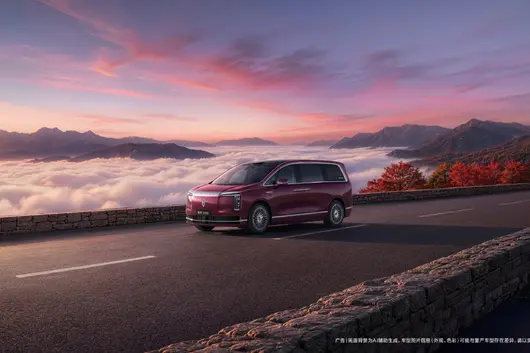

In 2026, the domestic 100,000-130,000 Yuan pure electric compact SUV segment has entered a stage of fierce competition. BYD, Changan, AION, Leapmotor, and other brands continue to compete in the market with price and configuration. Most models rely on low-spec reductions and graded range control to manage costs. A common issue exists across the industry: "entry-level range缩水 (shortened), high-end safety configurations selectively downgraded, after-sales service responsibilities ambiguous". On August 12, Chery Fengyun T7 officially opened pre-sale, with pricing from 109,900-129,900 Yuan, full series 600km CLTC range, benchmarking E-NCAP 5-Star global safety system, plus double guarantees + double lifetime benefits. With a differentiated approach of "Global Standard National Pricing", it provides a brand new solution for the involution-driven 100,000-level pure electric market. Relying on Chery's 23-year accumulation of globalization technology and reverse outbound R&D path, Fengyun T7 steps out of the short-term price war. With full-link global verification and six major balanced rigid needs product power, it redefines the value benchmark for household pure electric SUVs.

I. Industry Pain Points Highlighted: 100,000-level Pure Electric Trapped in "Cost Compromise" Vicious Circle
The current mainstream 100,000-level pure electric SUV competition logic is highly similar: grabbing traffic with low-price entry models, but the entry version universally compresses range, simplifies body steel, and cuts smart driving sensors, forming a "high-low spec split" product stratification strategy. Data shows that in the August 2026 80,000-120,000 Yuan pure electric SUV retail list, most models' entry-level CLTC range centers on the 430-510km interval. To get 600km long range requires an extra payment of over 20,000 Yuan, forming a natural range threshold. On the safety level, high-strength steel ratio of same-price models is universally 70%-75%, airbag quantity is mostly 6-7 units, hidden configurations such as battery waterproofing and low-temperature thermal management are significantly scaled back; on the after-sales end, industry battery warranties are mostly limited to non-external damage, smart driving accident responsibility division is ambiguous, and users' long-term car anxiety cannot be fundamentally resolved.


At the same time, the new energy market "hasty car building" phenomenon is prominent. Many new products have an R&D cycle of less than two years, only completing basic tests for domestic road conditions, lacking global extreme condition verification such as high temperature, high humidity, and extreme cold. Vehicle durability and climate adaptability have shortcomings. In contrast, overseas markets EU E-NCAP and ASEAN strict regulations propose hard requirements for body structure, battery protection, and low-range range. Dual standards execution for domestic and overseas models also makes domestic family users hard to enjoy manufacturing quality synchronized with global standards. Against this industry background, Fengyun T7's "Slow work makes good cars" R&D concept perfectly hits the dual pain points of quality and equality that have long existed in the market.
II. Global Homologous R&D: Reverse Overseas Trial, Creating Household Pure Electric without Internal/External Dual Standards
Different from the industry's conventional process of "domestic launch first, then adapt overseas", Fengyun T7 adopts a born-global reverse outbound R&D path. The whole vehicle is synchronized to adapt to regulations in multiple regions including China, Southeast Asia, Middle East, and Europe. Domestic and overseas unified manufacturing, verification, and material standards are applied, rejecting internal/external dual standards. The R&D cycle is as long as 5 years, 2 years planning, 3 years vehicle R&D. 81 units of exclusive durability cars are invested in. Whole vehicle cumulative test mileage exceeds 6 million km, 1.45 million km special durability actual test. High temperature scorching in Middle East, Indonesia rainy season high humidity, Nordic minus 30°C extreme cold, South America steep slope road conditions are completed with full scenario extreme trials. This strict verification system is an input intensity that most same-price competitors do not possess.

In the safety architecture, Fengyun T7 directly benchmarks the 2026 version E-NCAP 5-Star standard. The whole vehicle 80% high-strength steel, 18.84% hot-formed steel builds a nine-horizontal five-vertical cage body. 9 airbags include 48L dual-cavity far-end airbags that are only equipped in high-end models. Rhino battery carries 6D立体 protection. IP68 waterproof level reaches 96 times the national standard, able to calmly cope with urban waterlogging and outdoor wading scenarios, perfectly adapting to domestic rainy and wading road conditions. Compared to peer models' universally 70% high-strength steel ratio and 6 airbag configuration, Fengyun T7 achieves safety hardware non-differential downgrading in the 100,000-price segment, breaking the industry implicit rule of "Low price low-spec safety".
On the chassis level, it is polished by an international team led by Maserati front chassis tuning experts. 50.8:49.2 golden weight distribution balances urban commute and long-distance highway stability. Relying on Chery independent R&D dual-axis K&C test bench 26-year technology accumulation, it solves household pure electric common problems of steering floating and excessive cornering overhang. This global chassis tuning capability is a direct landing of Chery's overseas market technology accumulation for many years. It also gives Fengyun T7 a differentiated advantage in driving control texture.

III. Six Major Rigid Needs Balanced Implementation, Breaking Industry Grading Traps with Configuration Parity
Fengyun T7's core differentiated competitiveness lies in full series configuration parity. It does not rely on high-low spec split to create price differences. It achieves non-scaling delivery surrounding six core rigid needs of family users, directly hitting the "entry-level specs severely reduced" industry common disease of current household pure electric.
In the travel rigid need dimension, full series uniformly mounts 65.05kWh Rhino battery, CLTC standard 600km range. Actual range breaks through 667km, achieving "Reverse Labeling Practice". 30%-80% fast charge only needs 20 minutes. Whole-domain integrated dual-source wide heat pump air conditioning supports -30°C to 55°C stable operation. Northern winter low-temperature range decay control is better than peer models. Full series standard AGS smart front grille optimizes energy consumption. No longer appear "low-spec no heat pump, range shrinkage" situations. Directly give 600km long range at 109,900 Yuan entry price. Compared to Yuan PLUS, Leapmotor B10 and other peer models' entry 430km range, forming a sharp product advantage.

On smart rigid needs, full series standard 4nm process 8775 cabin-drive integrated chip. 72 TOPS computing power, 80ms ultra-fast response. 15.6 inches 2.5K HD large screen, wireless full-platform mobile phone interconnection, Lingxi Cockpit 2.0 six major scene modes are all downgraded; Falcon 500 smart driving system carries 22 units high-precision sensors. Supports 300+ full-scenario automatic parking. Dead end roads, cross-floor, trace reverse parking and other practical functions are full series standard. High-end smart driving functions are not bound to medium-high spec models.
Comfort rigid needs balance household and outdoor scenarios. 4570x1852x1694mm body size matches 2700mm wheelbase. In-car delivery rate 84%. Rear pure flat floor, 911mm leg space. Trunk extends to 1550L to form 1955mm pure flat large bed. 9-layer cloud-feel seats ventilation heating full series standard. 38 storage spaces in the whole car, roof load-bearing rivet rings. Adapt to camping, multi-person travel diverse family needs. Balance daily commute and outdoor expansion dual scenarios.

Looks, peace of mind two rigid needs are also done in full-line unification: 6 factory paint colors synchronize overseas weather resistance standards. Two environmental protection interior fabrics resist aging and fading; industry scarce "Two Big Guarantees + Two Big Lifetime Rights" sets no version threshold. Paying 1,000 Yuan deposit is enough to enjoy. Power battery thermal runaway compensation same-model new car, smart driving accident up to 5 million compensation two big guarantees. Match with whole-vehicle lifetime warranty, 666 Yuan lifetime basic maintenance package. Form a complete guarantee loop from purchasing car, using car to failure claims. Relieves users' battery, maintenance, smart driving three core anxieties by systemizing industry scattered after-sales promises.
IV. Market Value Inspiration: 100,000-level Pure Electric Competition Shifts from Price War to Value War
Fengyun T7's 109,900 Yuan start pre-sale pricing, plus global standards, full series parity, full-cycle guarantee protection, transmits a clear industry signal: The competition in 100,000-150,000 Yuan household pure electric market is about to shift from pure price killing to technical, quality, after-sales comprehensive value battle.

Previously industry price wars mostly reduced safety, range, smart hardware as the price. Short-term pulls sales volume, but long-term overdraws user trust. While Fengyun T7 relies on Chery global supply chain, whole-vehicle self-research technology, overseas market scale amortization R&D costs. It achieves "High-end standard downwards into mainstream price point". It proves car makers do not need to swap low price for reducing specs. Relying on full-stack self-research and global system, cost and product power can be balanced.
For Chery Fengyun brand, Fengyun T7 is its key layout in pure electric track. Relying on family user base accumulated by Fengyun series hybrid models, filling the 100,000-level pure electric SUV segment blank. At the same time, relying on global homologous product power support to overseas synchronous launch rhythm, strengthening Chery new energy reverse outbound product matrix. Looking at the industry, Fengyun T7's appearance may force peer competitors to adjust product strategies. Reduce high-low spec configuration split. Increase basic investment in safety, range, after-sales protection. Promote overall quality upgrade of household pure electric market.
Conclusion
Under the new energy industry fully entering "China Time" 100,000-level household pure electric SUV is the market capacity largest, user needs most pragmatic segment track. Fengyun T7 with long-termism car building thinking, abandons industry hasty tracks. With global unified R&D verification standards, full series non-differential six major rigid needs configuration, complete guarantee-style car usage protection, recalibrates 100,000-level pure electric SUV value baseline. This pre-sale is not only a new car market appearance. It is also a domestic brand on mainstream household track, with global technology accumulation rewarding domestic consumers once industry demonstration. It also provides a quality parity brand new development path for homogenization-involution pure electric market.
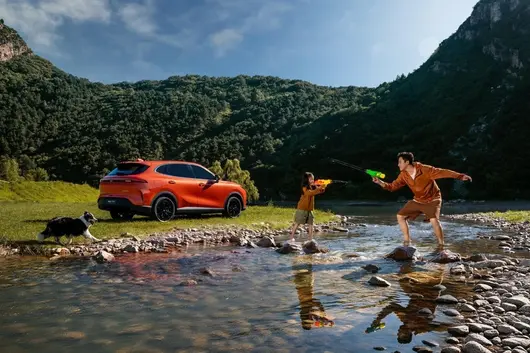

8 月 12 日,奇瑞風雲 T7 正式展開預售。三款車款,10.99 萬到 12.99 萬。呢個價格擺喺 10 萬級純電 SUV 市場唔算驚爆,但結合配置單嚟睇,就非常有睇點嘅。
全系 600km 續航、65.05kWh 大電池、4nm 艙駕一體 8775 芯片、靈犀智艙 2.0、80% 高強度鋼車身、9 安全氣囊、瑪莎拉蒂前底盤專家調校等等。

更值得注意嘅係呢台車嘅「來頭」。
風雲 T7 係先賣去海外、再返到國內嘅,同源車型 Lepas L6 已經喺南非、泰國上市,獲得海外用戶認可。用奇瑞嘅話說係「生而全球,淬鍊而歸」。
"慢"出嚟嘅底氣而家市場,開發要快、上市要快、迭代要快。
有些品牌由立项到上市壓縮到一年半以內,恨不得半年就推一款新車。
風雲 T7 就係對标 2026 版 E-NCAP 五星安全標準設計、功能安全 ASILD 最高等級。2 年策劃,3 年研發,共投入 81 台專屬耐久車同步路試,整車累計測試里程超 600 萬公里,耐久專項實測 145 萬公里。
同時,仲針對東南亞雨季、中東高溫暴曬、印尼高濕等多個全球不同地域進行極限實車試煉。
三年,600 萬公里。這就是「慢功造好車」最直接嘅註腳。
2026 年嘅汽車市場,新車發布節奏越來越快,有些品牌恨不得半年就推一款新車。風雲 T7 花咗三年,呢個投入力度,值得讚賞。

「全球車」唔係貼個標籤就算,佢代表研發週期更長、驗證標準更嚴、成本投入更高。
為咗更好嘅安全,風雲 T7 車身採用 80% 高強度鋼、18.84% 熱成型鋼打造九橫五縱籠式車身,採用 shotgun 結構、雙框副車架+Pack 防撞樑,鋼筋鐵骨保障乘員艙安全,前面 9 條 + 側面 6 條碰撞傳力路徑最大化分散碰撞能量,留存乘員生存空間。
除此之外,仲搭載咗 9 個安全氣囊,包含 48L 雙腔遠端氣囊同後排側氣囊,360°全方位保護乘員安全。風雲 T7 全系搭載犀牛電池,超强 6D 防護構築電池安全堡壘全方位抵禦擠壓、穿刺、衝擊,為動力電池構建多層立體安全屏障。
面對夏季暴雨頻繁,犀牛電池 IP68 防水為國標 96 倍,無懼雨季內澇、路面積水、戶外涉水,有效防止電池進水短路隱患。
一台車全給齊咗奇瑞把風雲 T7 嘅產品力總結成咗六個詞,分別係顏值、安全、續航、智能、舒享、安心。
顏值依托奇瑞 10 大全球設計中心,5000 餘名海内外用戶全程共創。同源車型 Lepas L6 亮相米蘭設計週收獲國際認可。
續航全系標配 65.05kWh 犀牛電池,CLTC 續航 600km,實測 667km+,「反向虛標」。
30% 充到 80% 只需 20 分鐘。全域一體化熱管理雙源寬熱泵空調 + 高壓 PTC,-30°C 到 55°C 超寬溫域穩定運轉,北方冬季亦能放心開。AGS 智能進氣格柵全系標配,14 項低風阻優化,高低速能耗更穩定。
智能化層面,風雲 T7 搭載艙駕一體 8775 芯片,該芯片 4nm 製程,72TOPS 高算力,響應仅需 80ms,開機提速 33%。

座艙搭載 15.6 吋 2.5K 高清大屏,仲有 CarPlay、HUAWEI HiCar、CarLink 無線連接,覆蓋市面 99% 以上手機投屏。而靈犀智艙 2.0 內置小憩、露營、寵物、醒神等六大場景模式。
獵鷹 500 駕駛輔助系統配備 22 顆高精度傳感器,300+ 全場景自動泊車,斷頭路泊車、一鍵循跡倒車、跨樓層泊車等都能實現。
舒適層面,風雲 T7 尺寸為 4570×1852×1694mm 車身,2700mm 軸距,84% 得房率,後排 911mm 腿部空間。後排放倒拓展 1955mm 純平大床。
9 層雲感座椅,三檔加熱 + 吸風式通風,-20℃環境下 5 分鐘速加熱至 30℃。底盤採由由瑪莎拉蒂前底盤調校專家領帥嘅國際化底盤團隊傾力打磨,50.8:49.2 黃金軸荷比能够有效抑制轉向推頭、甩尾現象,提升過彎穩定性與直線行駛循跡性。
安心剛需就係 2 終身 +2 兜底。

兩大兜底:
①動力電池安全兜底:因動力電池自身原因導致整車發生熱失控損毀,奇瑞將賠付同款新車或唔低於原車配置新車;
②輔助駕駛兜底:自購車之日起一年內,喺「泊車場景」、「智能領航場景」判定為「智能駕駛輔助系統原因」導致事故,造成車上人員傷害與第三者損失賠償嘅,最高賠償 500 萬。
兩大終身權益:
①整車終身質保:價值 10000 元整車終身質保(含三電),易損件、特殊件除外;
②終身保養套餐:666 元購價值 3999 元終身基礎保養套餐(1 次/年)。
結語:風雲 T7 呢套配置組合擺喺 10 萬級市場,確實好有誠意。更加重要嘅係,一台「反向虛標」嘅全球車,經過全球市場淬鍊,回到中國。呢個路徑本身,就係對品質最好嘅背書。
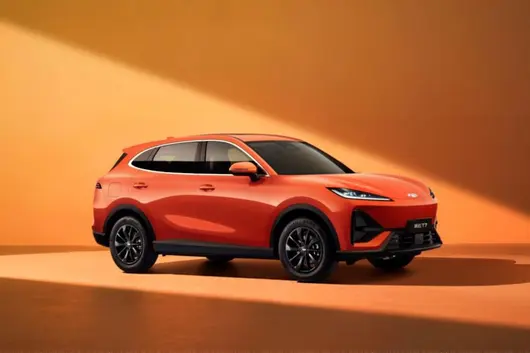


8 月 12 日,奇瑞風雲 T7 正式開啟預售,預售價 10.99 萬元至 12.99 萬元。這款定位全球品質嘅純電動 SUV,在十萬級家用市場投下咗一枚重磅炸彈——將原本只屬於 20 萬元以上高端車型嘅跨樓層記憶泊車,下放咗入全系標配嘅清單入面。
停車難嘅痛點,從來唔單止係「技術問題」
商場多層地庫繞咗一圈又一圈搵唔到泊位、大型小區立體車庫上下樓層掹動、窄泊位停進去人卻下唔到——呢啲場景對於新手司機、媽咪、女性用戶嚟講,幾乎係家常便飯。而市場上面,跨樓層記憶泊車呢類高階功能長期俾鎖定喺 20 萬 + 嘅高端純電車型上面,十萬級家用 SUV 大多只係提供單層基礎泊車。
風雲 T7 要做嘅,就係打破呢道價格壁壘。
獵鷹 500:一套「睇得遠、睇得清、測得準」嘅感知體系
支撐風雲 T7 泊車自由嘅,係獵鷹 500 駕駛輔助系統。整車搭載 3 顆毫米波雷達、7 個高性能攝像頭、12 個超聲波雷達,合共 22 顆高精度傳感器。呢套感知網絡構築咗 360 度全域感知能力,令車輛能夠準確識別周圍環境。
喺呢基礎上,風雲 T7 實現咗最長 2 公里、無樓層限制嘅跨樓層記憶泊車。無論係商場多層地庫嘅跨層通行,定係大型小區立體車庫嘅上下樓層挪車,車輛都能夠自動完成泊入。
更加難得嘅係300+ 全場景自動泊車——行業覆蓋最齊嘅泊車能力,斷頭路泊車、一鍵循跡倒車、異形窄泊位都唔係問題。新車停窄泊位唔慌,老司機遇異形泊位更加從容,真正同「停車難」告別。
8775 芯片:座艙駕一體嘅運算底座
泊車自由背後,係風雲 T7 同級首發嘅 4nm 工藝座艙駕一體 8775 芯片。呢顆芯片擁有 72TOPS NPU 運算力、1.3TFLOPS GPU 運算力、230K CPU 運算力,同同級 5-7nm 工藝芯片相比運算力更高。
4nm 製程帶來嘅唔單止係運算力優勢——系統響應延遲低至 80ms,啟動速度提升 33%。座艙駕硬件融合冗余,座艙娛樂同智駕安全兼顧。一顆芯片同時負責兩套系統,避免車機卡頓、智駕運行唔流暢嘅問題。
配合端到端座艙行泊一體算法,高速 NOA、跨層泊車、全場景自動泊車實現流暢協同。
靈犀智艙 2.0:座艙體驗同樣越級

智能唔止於駕駛。風雲 T7 搭載 15.6 吋 2.5K 高清大屏幕,1000nit 高亮度加 3A 防護塗層,防眩光、抗反射、抗指紋。靈犀智艙 2.0 融合豆包大模型,帶嚟小奇同學、東北阿嬸、抬杠大師、口語老師、故事大王、職業辯手六大真人感陪伴體驗。全品牌手機直連支援 CarPlay、HiCar、CarLink,覆蓋市面 99% 以上手機投屏。
小憩、醒神、哨兵、寶寶、寵物、露營六大場景模式一鍵即享。
全球品質:唔係「堆配置」,係「經得起驗證」
風雲 T7 嘅智能配置並非簡單堆砌。作為一款全球車型,其同源車型 Lepas L6 已率先喺南非、泰國上市。研發週期長達 5 年——2 年策劃、3 年研發。投入 81 台專屬耐久試驗車,整車累計測試超 600 萬公里,耐久專項驗證 145 萬公里。
測試覆蓋 -40℃至 55℃全球極端溫域、100+ 極限路況,完成東南亞雨季涉水、中東高溫暴曬、北歐極寒等 7 大類極限環境專項驗證。10000+ 制動專項、19000+ 滿打轉向專項驗證,所有問題閉環處理。
正如奇瑞汽車執行副總裁李學用所講:「汽車唔係快消品,關係到千萬家庭嘅安全,扛住係全球唔同路況、氣候、習慣嘅考驗,有啲時間真係唔敢省。」
安全兜底:用家敢用、安心用
高階智駕功能再強,用家唔敢用都係白搭。風雲 T7 推出行業少有嘅輔助駕駛兜底權益:购车一年內,喺泊車場景或智能領航場景中,若事故判定由智能駕駛輔助系統引發,車內人員損傷及第三方損失最高可獲 500 萬元賠償保障。同時搭配動力電池安全兜底——若因電池自身原因導致熱失控損毀,品牌賠償同款或同配置新車。
呢種將技術自信轉化為實質性保障嘅做法,旨在降低用家使用高階智駕嘅心理門檻。
最後講句
從跨樓層記憶泊車到 300+ 全場景自動泊車,從 4nm 座艙駕一體芯片到 500 萬智駕兜底保障,風雲 T7 喺 10.99 萬起嘅價位上,把以往只喺 20 萬以上車型先至見到嘅智駕體驗,變成咗普通家庭可觸達嘅標配。
這唔係簡單嘅配置下放,而係一次關於「智駕平權」嘅認真實踐。對於每天面對商場地庫、小區立體車庫、窄泊位挑戰嘅家庭用戶嚟講,風雲 T7 帶來嘅或許正係嗰個期待已久嘅答案——泊車自由,唔使昂貴。
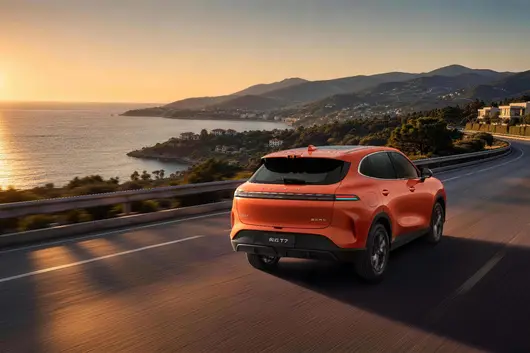

喺馬來西亞嘅 SUV 市場,好多買家喺揀車嗰陣都會拎 Proton X90 同 Chery Tiggo 8 Pro 嚟做比較。呢兩款車喺價位同定位上都好接近,而家我哋就由多個方面做一個詳細比較,幫你省咗做功課嘅時間。
Proton X90 喺馬來西亞嘅 OTR 售價係 RM 106,800 - 122,800,總共有 4 個版本,包括 2026 1.5T Prime X(RM 122,800)、2026 1.5T Prime(RM 116,800)、2026 1.5T Lite(RM 106,800)等等。
Chery Tiggo 8 Pro 喺馬來西亞嘅 OTR 售價係 RM 159,750 - 159,750,總共有 2 個版本,包括 1.6L Turbo Standard(RM 130,000)、1.6L Turbo Premium(RM 145,000)等等。
睇返價錢,Proton X90 嘅起步價的確比 Chery Tiggo 8 Pro 平咗 RM 52,950。如果你預算有限,Proton 嘅入門版已經可以滿足日常需求。不過都要留意,平嘅嗰幾千蚊,可能喺配備方面會有取舍,具體要睇你嘅需求。
Proton X90 嘅安全評級係 5★ (ASEAN NCAP),主動安全系統包括 ADAS (ACC, AEB, LKA, LDA, BSM, RCTA)。
Chery Tiggo 8 Pro 嘅安全評級係 TBD,主動安全系統包括 Basic。
安全配備方面,兩款車都拿到唔錯嘅評級。不過 Proton X90 嘅 ADAS (ACC, AEB, LKA, LDA, BSM, RCTA) 同 Chery Tiggo 8 Pro 嘅 Basic 喺功能上有啲差異,如果你比較重視主動安全嘅話,可以仔細比較下兩者嘅功能列表。
Proton X90 保修 5 年/150,000km,保養間隔 每 10,000km 或 6 個月。
Chery Tiggo 8 Pro 保修 3 年/100,000km,保養間隔 每 10,000km 或 6 個月。
Proton X90 同 Chery Tiggo 8 Pro 都係馬來西亞市場嘅主流選擇,適合家庭使用、日常通勤。如果你更重視品牌口碑同二手價,可以優先考慮口碑更好嗰一款;如果你更重視性價比同配備,就揀配備更豐富嗰款。最終都建議兩款都去試駕,親身體驗先至係最重要嘅。
總括嚟講,Proton X90 同 Chery Tiggo 8 Pro 都係馬來西亞市場好唔錯嘅車款。揀邊一輛,關鍵始終都要睇你嘅個人需求同預算。建議大家做好功課,多比較幾間車行嘅報價,再嚟試駕先至做最終決定。買車係一件大事,花少少時間做功課絕對唔會錯。

In the Malaysia SUV market, many buyers compare Proton X90 and Toyota Yaris Cross when choosing a car. These two cars are quite close in price and positioning, today we will do a detailed comparison from multiple aspects to help you save time doing research.
The OTR price of Proton X90 in Malaysia is RM 106,800 - 122,800, there are 4 versions in total, including 2026 1.5T Prime X (RM 122,800), 2026 1.5T Prime (RM 116,800), 2026 1.5T Lite (RM 106,800), etc.
The OTR price of Toyota Yaris Cross in Malaysia is RM 99,900 - 109,900, there are 2 versions in total, including 2026 1.5L Standard (RM 99,900), 2026 HEV 1.5L Standard (RM 109,900), etc.
From the price perspective, the starting price of Toyota Yaris Cross is RM 6,900 cheaper than Proton X90. Honestly, in this price segment, a few thousand difference is actually not big, the key is still to look at the overall value for money and long-term usage cost.
Proton X90 body length 4400 mm, trunk 400 L.
Toyota Yaris Cross body length 4400 mm, trunk 400 L.
The dimensions of the two cars are almost the same, the difference in interior space is not big. Cars in this class are fully sufficient for daily use.
Proton X90 adopts FWD drive mode.
Toyota Yaris Cross adopts FWD drive mode.
The drive mode of the two cars is the same, both are FWD, the daily driving experience will not be much different.
Proton X90 and Toyota Yaris Cross are both mainstream choices in the Malaysia market, suitable for family use, daily commuting. If you value brand reputation and resale value more, you can prioritize the one with better reputation; if you care more about value for money and features, then choose the one with richer configuration. Finally, it is recommended to test drive both models, hands-on experience is the most important.

Overall, Proton X90 and Toyota Yaris Cross are both very good models in the Malaysia market. Which one to choose depends on your personal needs and budget. It is recommended to do your research, compare quotes from several dealerships, and then go test drive to make the final decision. Buying a car is a major matter, spending some time doing research will never be wrong.

In Malaysia's SUV market, many buyers compare Proton X90 and Honda WR-V when choosing a car. These two cars are quite close in price and positioning. Today, we will make a detailed comparison from multiple aspects to help you save time on research.
The OTR price of Proton X90 in Malaysia is RM 106,800 - 122,800, with a total of 4 versions, including 2026 1.5T Prime X (RM 122,800), 2026 1.5T Prime (RM 116,800), 2026 1.5T Lite (RM 106,800), etc.
The OTR price of Honda WR-V in Malaysia is RM 89,900 - 107,900, with a total of 4 versions, including 2023 1.5L V (RM 99,900), 2023 1.5L E (RM 95,900), 2023 1.5L S (RM 89,900), etc.
From a price perspective, the starting price of Honda WR-V is RM 16,900 cheaper than Proton X90. Honestly, within this price range, a difference of a few thousand is not significant; the key is still to look at overall value for money and long-term usage costs.
Proton X90 is equipped with 1.5L Turbo, 140 hp. Official fuel consumption 7.0 L/100km.
Honda WR-V is equipped with 1.5L 4-cyl, 105 hp. Official fuel consumption 6.0 L/100km.
Regarding power, Proton X90's 1.5L Turbo has 35 more horsepower than Honda WR-V's 1.5L 4-cyl, offering more confidence in mid-range acceleration, especially when overtaking on highways. However, Honda WR-V's fuel consumption might be friendlier, and there won't be a huge difference in daily city commuting.
Proton X90's safety rating is 5★ (ASEAN NCAP), active safety systems include ADAS (ACC, AEB, LKA, LDA, BSM, RCTA).
Honda WR-V's safety rating is 5★ (ASEAN NCAP), active safety systems include Honda SENSING.
Both cars have the same safety rating, and safety features are quite comprehensive within this class. New cars nowadays are safe enough, no need to worry too much about this.
Proton X90 adopts FWD drive mode.
Honda WR-V adopts FWD drive mode.
Both cars have the same drive mode, both are FWD, so there won't be much difference in daily driving experience.
Both Proton X90 and Honda WR-V are mainstream choices in the Malaysian market, suitable for family use and daily commuting. If you value brand reputation and resale value more, you can prioritize the one with better reputation; if you care more about value for money and features, choose the one with richer configuration. Ultimately, it is recommended to test drive both, as personal experience is the most important.
Overall, both Proton X90 and Honda WR-V are very good models in the Malaysian market. Which one to choose mainly depends on your personal needs and budget. We recommend doing your research, comparing quotes from several car dealerships, and then test driving to make the final decision. Buying a car is a big matter, spending time on research will never be wrong.

喺馬來西亞嘅 SUV 市場,好多買家喺揀車嗰陣都會拎 Proton X90 同 Honda HR-V 嚟比較。呢兩款車喺價位同定位上都幾接近,今日我哋就從多個方面做一個詳細嘅比較,幫你慳啲做功課嘅時間。
Proton X90 喺馬來西亞嘅 OTR 售價係 RM 106,800 - 122,800,一共有 4 個版本,包括 2026 1.5T Prime X(RM 122,800)、2026 1.5T Prime(RM 116,800)、2026 1.5T Lite(RM 106,800) 等。
Honda HR-V 喺馬來西亞嘅 OTR 售價係 RM 115,900 - 143,900,一共有 4 個版本,包括 2026 e:HEV 1.5L RS(RM 143,900)、2026 1.5T V(RM 137,900)、2026 1.5T E(RM 130,900) 等。
由價錢嚟睇,Proton X90 嘅起步價確實比 Honda HR-V 平咗 RM 9,100。如果你預算有限,Proton 嘅入門版已經可以滿足日常需求。但都要注意,平嗰幾千蚊,可能喺配備上會有取舍,具體要看你嘅需求。
Proton X90 車身長 4400 mm,行李廂 400 L。
Honda HR-V 車身長 4500 mm,行李廂 450 L。
空間方面,Honda HR-V 嘅車身比 Proton X90 長咗 100 mm,乘坐空間更有優勢。不過 Proton X90 喺城市入面泊車會靈活啲,各有取舍。
Proton X90 採用 FWD 驅動方式。
Honda HR-V 採用 FWD 驅動方式。
兩款車嘅驅動方式一樣,都係 FWD,日常駕駛感受唔會有太大區別。
Proton X90 同 Honda HR-V 都係馬來西亞市場嘅主流選擇,適合家庭使用、日常通勤。如果你更睇重品牌口碑同二手價,可以優先考慮口碑更好嗰款;如果你更在意性價比同配備,就揀配置更豐富嗰款。最終都係建議兩款都去試駕,親身體驗先係最重要嘅。

總嚟講,Proton X90 同 Honda HR-V 都係馬來西亞市場幾唔錯嘅車型。揀邊輛,關鍵始終都係睇你嘅個人需求同預算。建議大家做好功課,多比較幾間車行嘅報價,先至去試駕做最終決定。買車係件大事,花啲時間做功課絕對唔會錯。

In the Malaysian SUV market, many buyers compare Proton X70 and Hyundai Tucson when choosing a car. These two models are quite close in price and positioning, so today we will make a detailed comparison from multiple aspects to help you save time on research.
Proton X70 has an OTR price in Malaysia of RM 106,800 - 122,300, with a total of 3 versions, including 1.5L Standard 2WD (RM 106,800), 1.5L Executive 2WD (RM 115,800), 1.5L Premium 2WD (RM 122,300), etc.
Hyundai Tucson has an OTR price in Malaysia of RM 143,888 - 197,888, with a total of 5 versions, including 2025 HEV 1.6T AT 2WD Prestige (RM 197,888), 2025 1.6T DCT 4WD Prestige (RM 186,888), 2025 1.6T DCT 2WD Prime (RM 164,888), etc.
From a price perspective, Proton X70's starting price is indeed RM 37,088 cheaper than Hyundai Tucson. If your budget is limited, Proton's entry-level version is already sufficient for daily needs. However, keep in mind that saving a few thousand might mean trade-offs in features, depending on your specific requirements.
Proton X70's safety rating is 5★ (ASEAN NCAP), active safety systems include ADAS (ACC, AEB, LKA, LDA, BSM, RCTA).
Hyundai Tucson's safety rating is 5★ (ASEAN NCAP), active safety systems include SmartSense.
Both cars have the same safety rating; safety features within this class are quite comprehensive. New cars nowadays generally have good safety, so there is no need to worry too much about this point.

Proton X70 uses the FWD drive system.
Hyundai Tucson uses the FWD drive system.
Both cars share the same drive system, both are FWD, so there will not be much difference in daily driving experience.

Proton X70 and Hyundai Tucson are both mainstream choices in the Malaysian market, suitable for family use and daily commuting. If you value brand reputation and resale price more, you can prioritize the one with better reputation; if you care more about value for money and features, then choose the one with richer configuration. Ultimately, it is recommended to test drive both, as hands-on experience is the most important.
In general, Proton X70 and Hyundai Tucson are both quite good car models in the Malaysian market. Which one to choose depends mainly on your personal needs and budget. We recommend doing your research, comparing quotes from several dealerships, then going for a test drive to make a final decision. Buying a car is a big matter, spending some time on research will definitely not be wrong.


August 4, GAC Group released the July 2026 production and sales summary. Data shows, this July, GAC Group's monthly car production was 103,284 units, down 19.62% YoY; sales were 112,934 units, down 5.48% YoY; Jan-July cumulative production was 900,062 units, down 3.24% YoY; cumulative sales were 886,019 units, up 1.28% YoY.
The new energy segment remains the core driving force. In July, the group's new energy vehicle sales were 51,520 units, up 54.20% YoY; cumulative sales for the first 7 months reached 311,678 units, a YoY increase of 66.20%, with new energy penetration rate rising from about 28% last year to about 35%. Additionally, the combined proportion of fuel-saving and new energy vehicles has risen to 63.96%.

Image Source: GAC Group
Domestic Brand Growth Leads, Joint Venture Camp Shows Divergence
Domestic brands have become the main growth pole of GAC Group. Jan-July, GAC's domestic brand cumulative sales exceeded 400,000 units, up 33.31% YoY; July single-month sales exceeded 54,200 units, up 19.91% YoY.
GAC AION July sales were 28,807 units, up 36.37% YoY; Jan-July cumulative sales 210,386 units, up 62.08% YoY. AION Y series monthly sales maintained over 10,000 level; AION V series listed for two months cumulative deliveries broke 12,000 units, occupying 73.3% share in the 100,000-150,000 RMB class LIDAR smart driving pure electric SUV market. In July, AION officially released the new Ray series models, Hyper S600 also started deliveries simultaneously.
GAC Trumpchi July sales were 22,739 units, down 5.57% YoY, but Jan-July cumulative sales still reached 187,112 units, up 9.83% YoY. This month Trumpchi Wish S7 PHEV launched for sale, fifth-generation GS4 entered the market with starting price of 79,800 RMB.
The high-end smart electric brand Qijing Automotive co-created by GAC and Huawei Kunlun, first model GT7 listed at end of June, July started user delivery, first month sales 2,658 units. Nationwide over 90 cities have established nearly 300 stores, second model GX7 planned release within the year, product matrix gradually taking shape.
Regarding the joint venture sector, GAC Toyota July sales were 46,500 units, down 19.84% YoY; Jan-July cumulative sales 402,500 units, basically flat YoY. Camry, Highlander, Sienna three flagship models July combined sales 22,843 units, accounting for 49% of Toyota brand sales that month. Toyota bZ series new energy vehicles July sales 12,002 units, proportion over 25%, among which Toyota bZ 3X monthly sales 9,546 units, ranking at the forefront of joint venture NEV sales for consecutive months.
GAC Honda July sales were 11,686 units, down 27.11% YoY; Jan-July cumulative sales 80,004 units, down 53.13% YoY. In terms of residual value, Accord ranked first among joint venture mid-size sedans with 55.90% three-year residual value, Breeze ranked second among joint venture compact SUVs with 58.19% three-year residual value.
Worth mentioning, in July, GAC Honda cumulative sales broke 11 million units, both shareholders signed extension agreement extending cooperation period to 2038, and plan to launch 5 new cars in the next two years, including two localized new energy vehicles and iterative hybrid products.
Exports Up 130% YoY, Investment and Charging Ecology Advance Simultaneously
Export business continues high growth trend. July, GAC domestic brand export volume 23,575 units, up 119% YoY; Jan-July cumulative exports 145,000 units, YoY increase reached 130%, already exceeding total export volume of 2025 full year.

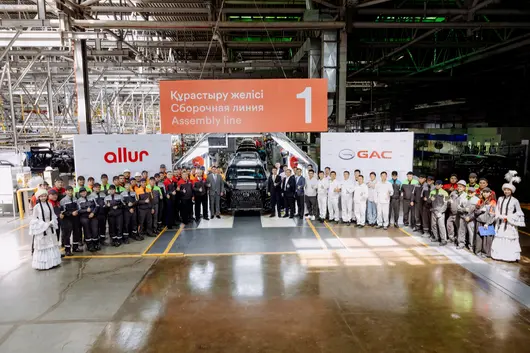
GAC GS8 rolled off production line at Kazakhstan production base; Image Source: GAC Group
Looking by region, July Americas market terminal sales up 139% YoY, Uruguay, Costa Rica, Colombia, Brazil markets sales all achieved multiple-fold growth, GAC simultaneously approved to join Brazil "Green Mobility and Innovation Plan". CIS region terminal sales up 112% YoY, global 7th KD factory put into production in Kazakhstan, GS8 model rolled off line. Asia-Pacific market terminal sales up 78% YoY, Thailand Rayong factory cumulative roll-off total vehicles over 10,000; Philippines multiple new cars completed introduction. Middle East and Africa region terminal sales up 51% YoY, July officially entered Morocco market, first batch launched three SUVs, covering fuel, hybrid, plug-in hybrid. Europe side, in Greece pure electric passenger car market, GAC market share increased to 7.7%, ranked second, multiple countries models in launch preparation phase.
As of now, GAC international business has covered 110 countries and regions globally, built 6 overseas production factories, 9 overseas parts warehouses and over 746 sales service outlets, planned to expand to 1000 outlets within the year.
At the industrial chain investment level, GAC Group continues layout around chips, autonomous driving, embodied intelligence, aerospace and other fields. July 27, GAC invested in 2021 domestic DRAM storage chip company CXMT listed on STAR Market, created A-share annual and STAR Market largest fundraising record. Same month, early invested SiC power device manufacturer Basic Semiconductor, autonomous driving company Momenta both listed on HKEX, navigation positioning chip manufacturer Herun Electronics ChiNext IPO accepted.
As of now, GAC has invested in including Horizon Robotics, Yixin Semiconductor, Pony.ai, WeRide, Qingtao Energy etc. over 140 enterprises, accumulated cultivating at least 48 invested enterprises successfully listed.
Charging infrastructure construction accelerating simultaneously. GAC "9 Vertical 10 Horizontal" charging network has covered 31 provinces 213 cities nationwide, achieved core urban area "straight 1 km must have station" density; self-operated charging piles over 27,000, among which supercharging piles broke 20,000. In addition, multiple charging pile products first obtained 3C certification, covering public fast charging, heavy truck charging, destination slow charging etc. scenarios.
According to plan, second half of this year GAC will launch Trumpchi first hard-core off-road SUV, AION new pure electric coupé, Qijing GX7 etc. multiple new models. Facing industry stock competition intensified and new energy penetration rate continuous climbing trend, GAC Group is simultaneously advancing "Stabilize Joint Venture, Strengthen Domestic Brand, Expand Ecology" three major tasks, with overseas expansion and industrial chain deep layout solidify mid-to-long term competitiveness foundation.

In the Malaysian SUV market, many buyers compare Proton X70 and Chery Tiggo 7 PHEV when choosing a car. These two models are quite close in price and positioning. Today we will make a detailed comparison from multiple aspects to help you save time on research.
The OTR price of Proton X70 in Malaysia is RM 106,800 - 122,300. There are a total of 3 versions, including 1.5L Standard 2WD (RM 106,800), 1.5L Executive 2WD (RM 115,800), 1.5L Premium 2WD (RM 122,300), etc.
The OTR price of Chery Tiggo 7 PHEV in Malaysia is RM 129,750 - 129,750. There are a total of 2 versions, including 2025 1.5T 90km CSH (RM 129,750), What charging methods does the Tiggo 7 PHEV support? Can it be charged using a home power socket? (RM 117,478), etc.
From the price perspective, the starting price of Proton X70 is indeed RM 22,950 cheaper than Chery Tiggo 7 PHEV. If your budget is limited, Proton's entry version can already meet daily needs. But also note that the difference of a few thousand might involve trade-offs in features, depending on your needs.

Proton X70 is equipped with 1.5L Turbo, 140 hp. Official fuel consumption 7.0 L/100km.
Chery Tiggo 7 PHEV is equipped with Hybrid, 170 hp. Official fuel consumption 4.5 L/100km.
In terms of power, the Hybrid of Chery Tiggo 7 PHEV has 30 more horsepower than the 1.5L Turbo of Proton X70. However, for daily city driving, both cars have enough power and won't feel lacking.

Proton X70 body length 4400 mm, trunk 400 L.
Chery Tiggo 7 PHEV body length 4400 mm, trunk 400 L.
The dimensions of both cars are almost the same, with little difference in interior space. Cars of this level are more than enough for daily use.

Proton X70 adopts FWD drive mode.
Chery Tiggo 7 PHEV adopts FWD drive mode.
Both cars have the same drive mode, both FWD, daily driving experience will not be much different.
Proton X70 and Chery Tiggo 7 PHEV are both mainstream choices in the Malaysian market, suitable for family use and daily commuting. If you value brand reputation and resale value more, you can prioritize the one with a better reputation; if you care more about cost-performance and features, choose the one with richer configuration. Finally, it is recommended to test drive both, as personal experience is the most important.
Overall, Proton X70 and Chery Tiggo 7 PHEV are both very good car models in the Malaysian market. Choosing which one depends mainly on your personal needs and budget. It is recommended to do your homework, compare quotes from several car dealers, and then test drive to make a final decision. Buying a car is a big matter, spending time doing homework will never go wrong.


