首頁Toyota Supra

搜尋歷史
熱門搜尋
經銷商登入 / 註冊

In the Malaysian SUV market, many buyers compare Honda CR-V and Mazda CX-60 when choosing a car. These two cars are quite close in price and positioning. Today we will do a detailed comparison from multiple aspects to help you save time on research.
The OTR price of the Honda CR-V in Malaysia is RM 178,200 - 195,900, with a total of 4 versions, including 2026 e:HEV 2.0L 2WD RS (RM 195,900), 2026 1.5T 4WD V (RM 181,900), 2026 e:HEV 2.0L 2WD E (RM 178,200), etc.
The OTR price of the Mazda CX-60 in Malaysia is RM 200,510 - 252,873, with a total of 2 versions, including 2026 3.3T 4WD High Plus (RM 252,873), 2025 2.5L 2WD High (RM 200,510), etc.
In terms of price, the starting price of the Honda CR-V is indeed RM 22,310 cheaper than the Mazda CX-60. If your budget is limited, Honda's entry-level version can already meet daily needs. However, you should also note that the few thousand dollars cheaper may involve compromises on features, which depends on your specific requirements.

The safety rating of the Honda CR-V is 5★ (ASEAN NCAP), and active safety systems include Honda SENSING (ACC, CMBS, LKAS, RDM).
The safety rating of the Mazda CX-60 is 5★ (Euro NCAP), and active safety systems include i-Activsense Pro.
Regarding safety features, both cars have received good ratings. However, there are some differences in functions between the Honda CR-V's Honda SENSING (ACC, CMBS, LKAS, RDM) and the Mazda CX-60's i-Activsense Pro. If you value active safety, you can compare the function lists of both in detail.

The Honda CR-V adopts FWD drive mode.
The Mazda CX-60 adopts FWD drive mode.
Both cars have the same drive mode, which is FWD, and there won't be much difference in daily driving feel.

The Honda CR-V comes with a 5-year/unlimited mileage warranty, maintenance interval is every 10,000km or 6 months.
The Mazda CX-60 comes with a 5-year/150,000km warranty, maintenance interval is every 10,000km or 6 months.

Both the Honda CR-V and Mazda CX-60 are mainstream choices in the Malaysian market, suitable for family use and daily commuting. If you value brand reputation and resale value more, you can prioritize the one with better reputation; if you care more about cost-performance ratio and features, choose the one with richer configuration. Ultimately, it is recommended to test drive both, as experiencing it yourself is most important.

Overall, both the Honda CR-V and Mazda CX-60 are very good models in the Malaysian market. Choosing which one depends on your personal needs and budget. We recommend doing your research, comparing quotes from several dealerships, and then test driving to make the final decision. Buying a car is a major matter, spending time on research is never wrong.


喺馬來西亞嘅 SUV 市場,好多買家喺揀車嘅時候都會拿本田 CR-V 同馬自達 CX-8 嚟做比較。這兩款車喺價位同定位上都幾咁接近,今日我就從多個方面做一個詳細嘅對比,幫你節省咗做功課嘅時間。
本田 CR-V 喺馬來西亞嘅 OTR 售價係 RM 178,200 - 195,900,一共有 4 個版本,包括 2026 e:HEV 2.0L 2WD RS(RM 195,900)、2026 1.5T 4WD V(RM 181,900)、2026 e:HEV 2.0L 2WD E(RM 178,200) 等。
馬自達 CX-8 喺馬來西亞嘅 OTR 售價係 RM 165,360 - 201,360,一共有 5 個版本,包括 2025 2.5T 4WD High Plus Petrol(RM 201,360)、2025 2.2L 2WD High Plus Diesel(RM 193,123)、2025 2.5L 2WD High Plus Petrol(RM 186,360) 等。
從價錢睇,馬自達 CX-8 嘅起步價比本田 CR-V 平咗 RM 12,840。老實講,喺呢個價位段,幾千蚊嘅差距其實唔算大,重點仲係睇整體嘅性價比同長期使用成本。
本田 CR-V 嘅安全評級係 5★ (ASEAN NCAP),主動安全系統包括本田 SENSING (ACC, CMBS, LKAS, RDM)。
馬自達 CX-8 嘅安全評級係 5★ (ASEAN NCAP),主動安全系統包括 Brand ADAS。
兩款車嘅安全評級一樣,喺呢個級別裡面安全配備都算好齊全。而家嘅新車安全性都幾唔錯,唔使太擔心這一點。
本田 CR-V 採用 FWD 驅動方式。
馬自達 CX-8 採用 FWD 驅動方式。
兩款車嘅驅動方式一樣,都係 FWD,日常駕駛感覺唔會有太大分別。
本田 CR-V 同馬自達 CX-8 都係馬來西亞市場嘅主流選擇,適合家庭用、日常通勤。如果你更睇重品牌口碑同二手價,可以優先考慮口碑更好嗰一款;如果你更在意性價比同配備,那就揀配置更豐富嗰款。最終都係建議兩款都去試駕,親自體驗先係最重要。

總體嚟講,本田 CR-V 同馬自達 CX-8 都係馬來西亞市場幾唔錯嘅車型。揀邊一輛,關鍵仲係要睇你嘅個人需求同預算。建議大家做好功課,多比較幾間車行嘅報價,先去試駕做最後決定。買車係件大事,花少少時間做功課絕對唔會錯。
In the Malaysian SUV market, many buyers compare Honda CR-V and Toyota Fortuner when choosing a car. These two cars are quite close in price and positioning. Today we will do a detailed comparison from multiple aspects to save you time on research.
Honda CR-V OTR price in Malaysia is RM 178,200 - 195,900, with 4 versions, including 2026 e:HEV 2.0L 2WD RS (RM 195,900), 2026 1.5T 4WD V (RM 181,900), 2026 e:HEV 2.0L 2WD E (RM 178,200) etc.
Toyota Fortuner OTR price in Malaysia is RM 195,880 - 241,880, with 3 versions, including 2024 2.8T VRZ Diesel (RM 241,880), 2024 2.7L SRZ Petrol (RM 202,880), 2024 2.4L Standard Diesel (RM 195,880) etc.
From the price perspective, Honda CR-V's starting price is indeed RM 17,680 cheaper than Toyota Fortuner. If your budget is limited, Honda's entry-level version can meet daily needs. However, also note that the savings of a few thousand RM may involve trade-offs in equipment, depending on your needs.
Honda CR-V equipped with 2.0L 4-cyl, horsepower 170 hp. Official fuel consumption 8.0 L/100km.
Toyota Fortuner equipped with 2.5L Diesel, horsepower 187 hp. Official fuel consumption 8.5 L/100km.
In terms of power, Toyota Fortuner's 2.5L Diesel has 17 more hp than Honda CR-V's 2.0L 4-cyl. But for daily city driving, power from both cars is sufficient, you won't feel lacking in power.
Honda CR-V safety rating is 5★ (ASEAN NCAP), active safety systems include Honda SENSING (ACC, CMBS, LKAS, RDM).
Toyota Fortuner safety rating is 5★ (ASEAN NCAP), active safety systems include .
Both cars have the same safety rating, safety equipment is quite complete in this class. New car safety is not bad, no need to worry too much about this.
Honda CR-V warranty 5 years / unlimited mileage, maintenance interval every 10,000 km or 6 months.
Toyota Fortuner warranty 5 years / unlimited mileage, maintenance interval every 10,000 km or 6 months.
Warranty conditions for both cars are the same, no need to hesitate on this. Actual maintenance cost depends on brand service network and parts price, suggest asking real owners in car owner groups for experience.

Overall, Honda CR-V and Toyota Fortuner are both very good models in the Malaysian market. Choosing which one depends on your personal needs and budget. Suggest doing research, compare quotes from multiple dealerships, then test drive to make final decision. Buying a car is a big matter, spending time on research will not be wrong.

In the Malaysian SUV market, many buyers compare the Honda CR-V and Toyota Fortuner when choosing a car.
The OTR price of the Honda CR-V in Malaysia is RM 178,200 - 195,900, with a total of 4 versions, including 2026 e:HEV 2.0L 2WD RS (RM 195,900), 2026 1.5T 4WD V (RM 181,900), 2026 e:HEV 2.0L 2WD E (RM 178,200), etc.
The OTR price of the Toyota Fortuner in Malaysia is RM 195,880 - 241,880, with a total of 3 versions, including 2024 2.8T VRZ Diesel (RM 241,880), 2024 2.7L SRZ Petrol (RM 202,880), 2024 2.4L Standard Diesel (RM 195,880), etc.
In terms of price, the Honda CR-V's starting price is indeed RM 17,680 cheaper than the Toyota Fortuner. If your budget is limited, Honda's entry-level version can already meet daily needs. However, be aware that the few thousand difference might involve trade-offs in features, depending on your specific needs.
The Honda CR-V safety rating is 5★ (ASEAN NCAP), active safety systems include Honda SENSING (ACC, CMBS, LKAS, RDM).
The Toyota Fortuner safety rating is 5★ (ASEAN NCAP), active safety systems include .
The safety ratings for both cars are the same. Safety features in this class are quite comprehensive. New car safety is generally not poor these days, so no need to worry too much about this.
Honda CR-V body length is 4500 mm, trunk 450 L.
Toyota Fortuner body length is 4400 mm, trunk 400 L.
In terms of space, the Honda CR-V body is 100 mm longer than the Toyota Fortuner, making the interior seating space slightly more spacious, especially the rear legroom. If you often carry family members or need to fit a stroller, the larger body is indeed more practical.
Honda CR-V warranty is 5 years/unlimited mileage, maintenance interval every 10,000km or 6 months.
Toyota Fortuner warranty is 5 years/unlimited mileage, maintenance interval every 10,000km or 6 months.
The warranty conditions for both cars are the same, no need to fuss about this. Actual maintenance costs depend on the brand's service network and parts prices, suggest asking real owners in car clubs for their experience.
Both the Honda CR-V and Toyota Fortuner are mainstream choices in the Malaysian market, suitable for family use and daily commuting. If you value brand reputation and resale value more, prioritize the one with better reputation; if you care more about value for money and features, choose the one with richer configuration. Ultimately, it is recommended to test drive both models; personal experience is the most important.
Overall, the Honda CR-V and Toyota Fortuner are both very good models in the Malaysian market. Choosing which one depends mainly on your personal needs and budget. We recommend doing your research, compare quotes from multiple dealerships, and then test drive to make the final decision. Buying a car is a big deal, spending time researching will never go wrong.

In Malaysia's SUV market, many buyers compare the Honda CR-V and Toyota Corolla Cross when choosing a car. These two vehicles are quite close in price and positioning. Today, we will conduct a detailed comparison from multiple aspects to help you save time on research.
The Honda CR-V OTR selling price in Malaysia is RM 178,200 - 195,900, with a total of 4 versions, including 2026 e:HEV 2.0L 2WD RS (RM 195,900), 2026 1.5T 4WD V (RM 181,900), 2026 e:HEV 2.0L 2WD E (RM 178,200), etc.
The Toyota Corolla Cross OTR selling price in Malaysia is RM 133,800 - 148,800, with a total of 3 versions, including 2026 HEV 1.8L GR Sport (RM 148,800), 2026 HEV 1.8L Standard (RM 140,800), 2026 1.8L Standard (RM 133,800), etc.
From a price perspective, the starting price of the Toyota Corolla Cross is RM 44,400 cheaper than the Honda CR-V. To be honest, in this price range, a difference of a few thousand is not really significant; the key lies in the overall value and long-term usage costs.
The Honda CR-V features a 2.0L 4-cyl engine with 170 hp. Official fuel consumption is 8.0 L/100km.
The Toyota Corolla Cross features a 1.5L Turbo engine with 140 hp. Official fuel consumption is 7.0 L/100km.
In terms of power, the Honda CR-V's 2.0L 4-cyl has 30 more horsepower than the Toyota Corolla Cross's 1.5L Turbo, providing more confidence in mid-range acceleration, especially when overtaking on highways. However, the Toyota Corolla Cross might have more favorable fuel consumption, and the difference in daily city commuting won't be too large.
Honda CR-V body length is 4500 mm, boot capacity 450 L.
Toyota Corolla Cross body length is 4400 mm, boot capacity 400 L.
In terms of space, the Honda CR-V body is 100 mm longer than the Toyota Corolla Cross, providing slightly more interior passenger space, especially rear seat legroom. If you frequently carry family members or need to fit a stroller, a larger body is indeed more practical.
The Honda CR-V uses FWD drive.
The Toyota Corolla Cross uses FWD drive.
Both cars have the same drive mode, both are FWD, so there won't be much difference in daily driving experience.

Honda CR-V warranty is 5 years/unlimited mileage, maintenance interval is every 10,000km or 6 months.
Toyota Corolla Cross warranty is 5 years/unlimited mileage, maintenance interval is every 10,000km or 6 months.
Both cars have the same warranty conditions, no need to worry about this. Actual maintenance costs also depend on the brand's service network and parts prices; it is recommended to ask real owners in car owner groups for their experience.

Overall, both the Honda CR-V and Toyota Corolla Cross are very good models in the Malaysian market. Which one to choose mainly depends on your personal needs and budget. It is recommended to do your research, compare quotes from multiple car dealerships, and then go for a test drive to make the final decision. Buying a car is a big matter, spending some time doing research will definitely not go wrong.

喺馬來西亞嘅 SUV 市場,好多揀車嘅買家都會拿 Honda CR-V 同 Toyota Fortuner 嚟比較。呢兩款車喺價位同定位上都幾接近,今日我哋就從多個方面做一個詳細嘅對比,幫你省咗做功課嘅時間。
Honda CR-V 喺馬來西亞嘅 OTR 售價係 RM 178,200 - 195,900,一共有 4 個版本,包括 2026 e:HEV 2.0L 2WD RS(RM 195,900)、2026 1.5T 4WD V(RM 181,900)、2026 e:HEV 2.0L 2WD E(RM 178,200) 等。
Toyota Fortuner 喺馬來西亞嘅 OTR 售價係 RM 195,880 - 241,880,一共有 3 個版本,包括 2024 2.8T VRZ Diesel(RM 241,880)、2024 2.7L SRZ Petrol(RM 202,880)、2024 2.4L Standard Diesel(RM 195,880) 等。
從價錢嚟睇,Honda CR-V 嘅起步價確實比 Toyota Fortuner 平咗 RM 17,680。如果你預算有限,Honda 嘅入門版已經可以滿足日常需求。但都要注意,平嗰幾千蚊,喺配備上可能有取舍,具體要看你嘅需求。
Honda CR-V 搭載 2.0L 4-cyl,馬力 170 hp。官方油耗 8.0 L/100km。
Toyota Fortuner 搭載 2.5L Diesel,馬力 187 hp。官方油耗 8.5 L/100km。
動力方面,Toyota Fortuner 嘅 2.5L Diesel 比 Honda CR-V 嘅 2.0L 4-cyl 多咗 17 匹馬力。不過日常喺市區開,兩款車嘅動力都夠用,唔會覺得唔夠力。
Honda CR-V 車身長 4500 mm,後備箱 450 L。
Toyota Fortuner 車身長 4400 mm,後備箱 400 L。
空間方面,Honda CR-V 嘅車身比 Toyota Fortuner 長咗 100 mm,車內坐位空間會稍微寬裕啲,尤其係後座腿部空間。如果你經常載家人或者需要放嬰兒車,大啲嘅車身確實更實用。
Honda CR-V 同 Toyota Fortuner 都係馬來西亞市場嘅主流選擇,適合家庭使用、日常通勤。如果你更睇重品牌口碑同二手價,可以優先考慮口碑更好嗰一款;如果你更在意性價比同配備,那就揀配置更豐富嗰款。最後都建議兩款都去試駕,親身體驗先係最重要嘅。
總體嚟講,Honda CR-V 同 Toyota Fortuner 都係馬來西亞市場好唔錯嘅車型。揀邊一輛,關鍵仲係要看你嘅個人需求同預算。建議大家做好功課,多比較幾間車行嘅報價,再去試駕做最後決定。買車係件大事,花少少時間做功課絕對唔會錯。

In the SUV market in Malaysia, many buyers compare Honda HR-V and Subaru Forester when choosing a car. The two models are quite close in price and positioning. Today, we will make a detailed comparison from multiple aspects to save you time doing research.
Honda HR-V's OTR price in Malaysia is RM 115,900 - 143,900, with a total of 4 versions, including 2026 e:HEV 1.5L RS (RM 143,900), 2026 1.5T V (RM 137,900), 2026 1.5T E (RM 130,900), etc.
Subaru Forester's OTR price in Malaysia is RM 174,000 - 197,000, with a total of 3 versions, including 2024 2.0L S EyeSight GT Edition (RM 189,538), 2024 2.0L S EyeSight (RM 177,538), 2024 2.0L L EyeSight (RM 167,538), etc.
From a price perspective, the starting price of the Honda HR-V is indeed RM 58,100 cheaper than the Subaru Forester. If your budget is limited, Honda's entry-level version can already meet daily needs. However, note that the few thousand ringgit difference might involve trade-offs in features, depending on your specific needs.

The safety rating of Honda HR-V is 5★ (ASEAN NCAP), and active safety systems include Honda SENSING (ACC, CMBS, LKAS, RDM).
The safety rating of Subaru Forester is 5★ (Euro NCAP), and active safety systems include EyeSight.
Regarding safety features, both cars have received good ratings. However, there are some differences in functionality between Honda HR-V's Honda SENSING (ACC, CMBS, LKAS, RDM) and Subaru Forester's EyeSight. If you value active safety highly, you can compare the feature lists of both carefully.

Honda HR-V body length is 4500 mm, trunk 450 L.
Subaru Forester body length is 4400 mm, trunk 400 L.
In terms of space, the Honda HR-V body is 100 mm longer than the Subaru Forester, so the interior seating space is slightly more spacious, especially the rear legroom. If you often carry family members or need to place a stroller, the larger body is indeed more practical.
Honda HR-V warranty 5 years/unlimited mileage, maintenance interval every 10,000km or 6 months.
Subaru Forester warranty 3 years/100,000km, maintenance interval every 10,000km or 6 months.

Overall, Honda HR-V and Subaru Forester are both very good models in the Malaysian market. Which one to choose depends mainly on your personal needs and budget. It is recommended to do your homework, compare quotes from several car dealerships, and test drive before making a final decision. Buying a car is a big matter, spending some time researching will never be wrong.


黑芝麻智能被曝换CMO,最抢眼的三个字,是“小鹏系”。据i黑马9月8日报道,杨宇欣近期离职,接任者为小鹏汽车前自动驾驶运营高级专家钱蓓;报道同时称,黑芝麻智能尚未作进一步说明。一张新名片,能不能帮助芯片公司打开更多车企的门?
这件事值得看,但先别急着把“小鹏背景”换算成“小鹏订单”。人员履历能够带来经验,却不能替代客户的采购决定。对一家芯片公司,最难的往往也正是最后这段路。
这个CMO岗位,不只是负责热闹
按照i黑马披露的履历,杨宇欣2016年曾代表中科创达投资黑芝麻智能,2019年正式加入,负责业务拓展、市场推广及生态合作。他与这家公司的关系,早于一份普通的高管聘书。
这里的CMO,不宜简单理解成“负责宣传的人”。把芯片介绍给车企是一回事,让客户愿意投入开发资源、推动项目量产,是另一回事。前者可以在发布会上完成,后者要经过产品适配、验证和持续服务。
黑芝麻智能在CES 2024的企业发布中,展示的已经不只是芯片,还包括域控制器、软件和工具链等配套能力。这个产品组合本身就在说明:客户买的不是一颗孤零零的芯片,而是一套能装进项目、能够继续开发的基础。
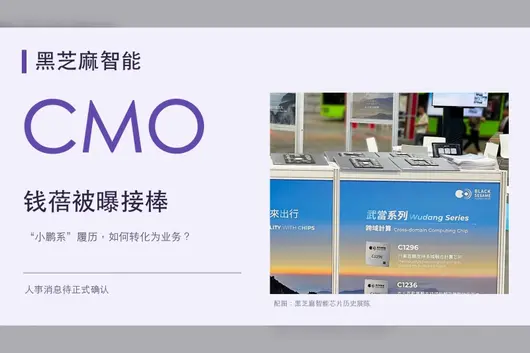
黑芝麻智能在CES 2024的展台及产品展示,历史活动资料图。

“小鹏系”,不等于“小鹏订单”
钱蓓被报道的履历标签,是自动驾驶运营,而不是单纯的品牌传播。倘若接任消息得到正式确认,值得观察的是,她会怎样把主机厂一侧的项目经验,带到供应商一侧的客户沟通与业务推进中。
供应商习惯强调自己能做什么,车企更关心这些能力能否赶上车型节点、适配现有方案,以及出了问题谁来解决。两边都在谈技术,实际关心的次序却未必相同。能够把这层差异讲明白、推进下去,才是相关经验的价值。
不过,懂客户与拿订单,之间仍隔着技术评估、商务条件和采购流程。仅凭前员工加入一家供应商,就推导出原雇主将扩大采购、已经形成新的战略合作,显然少了关键证据。
黑芝麻智能在2025香港国际汽车及供应链博览会上展示华山、武当系列产品,历史活动资料图。
人事传闻能带来一轮关注,产品是否合用才决定合作能走多远。黑芝麻智能需要兑现的,仍然是芯片、软件、服务和项目交付,而不是把一份漂亮履历写进下一张海报。
机器人,也不是换人之后才有的故事

这次消息另一个容易被过度解读的地方,是公司的业务方向。黑芝麻智能早在2025年的新加坡Asia Tech x展会上,就已展示面向机器人等场景的计算能力;2026年4月,杨宇欣接受《每日经济新闻》采访时,也已谈到具身智能业务。
因此,不能把已经展开的机器人布局,倒过来写成潜在人事调整的结果。时间顺序不能颠倒,业务转向也不能靠一则人事消息来“补剧情”。
黑芝麻智能华山A2000家族官方产品图节选。
更实际的问题是,汽车与机器人这些不同客户,能否复用已有技术,又分别需要补上哪些交付能力。市场部门面对的任务越复杂,就越不能只靠一个新概念来概括所有业务。
杨宇欣是否离任、钱蓓的具体职务与分工,仍应以正式信息为准。但这场讨论提醒了行业:国产芯片的下一段竞争,不只发生在算力参数里,也发生在客户愿不愿意用、能否持续用的日常工作中。名片可以很快换好,信任却要靠一个个项目积累。
关注自主汽车网,我们继续追踪黑芝麻智能相关人事消息,以及汽车和机器人业务如何从产品展示走向实际交付。


喺馬來西亞嘅 SUV 市場,好多買家喺揀車嗰陣都會拿本田 HR-V 同現代 Tucson 嚟比較。呢兩款車喺價錢同定位上都相當接近,今日我哋就由多個角度做個詳細對比,幫你節省做功課嘅時間。
本田 HR-V 喺馬來西亞嘅 OTR 售價係 RM 115,900 - 143,900,總共有 4 個版本,包括 2026 e:HEV 1.5L RS(RM 143,900)、2026 1.5T V(RM 137,900)、2026 1.5T E(RM 130,900)等。
現代 Tucson 喺馬來西亞嘅 OTR 售價係 RM 143,888 - 197,888,總共有 5 個版本,包括 2025 HEV 1.6T AT 2WD Prestige(RM 197,888)、2025 1.6T DCT 4WD Prestige(RM 186,888)、2025 1.6T DCT 2WD Prime(RM 164,888)等。
單睇價錢,本田 HR-V 嘅起步價確實平咗現代 Tucson RM 27,988。如果你預算有限,本田嘅入門版已經可以滿足日常需要。但都留意,平嗰幾千蚊,可能喺配備上要取捨,具體就要睇你嘅需要。
本田 HR-V 配備 1.5L Turbo,馬力 140 hp。官方油耗 7.0 L/100km。
現代 Tucson 配備 1.5L Turbo,馬力 140 hp。官方油耗 7.0 L/100km。
兩款車用緊同一套動力系統,日常開落去嘅感覺基本冇乜分別。油耗方面都差唔多,唔使太糾結呢一點。
本田 HR-V 嘅安全評級係 5★ (ASEAN NCAP),主動安全系統包括本田 SENSING (ACC, CMBS, LKAS, RDM)。
現代 Tucson 嘅安全評級係 5★ (ASEAN NCAP),主動安全系統包括 SmartSense。
兩款車嘅安全評級一樣,喺呢個級別入面安全配備都算好齊全。而家嘅新車安全性都唔差,唔使太擔心呢一點。
本田 HR-V 採用 FWD 驅動方式。
現代 Tucson 採用 FWD 驅動方式。
兩款車嘅驅動方式一樣,都係 FWD,日常駕駛感覺唔會有太大分別。

總體嚟講,本田 HR-V 同現代 Tucson 都係馬來西亞市場好唔錯嘅車型。揀邊一輛,關鍵仲係要睇你嘅個人需要同預算。建議大家做好功課,多比較幾間車行嘅報價,先至去試駕做最終決定。買車係件大事,花少少時間做功課絕對唔會錯。

In the Malaysian SUV market, many buyers compare the Honda HR-V and Mitsubishi Xforce when choosing a car. These two vehicles are quite close in terms of price and positioning. Today, we will conduct a detailed comparison from multiple aspects to help you save time on research.
The Honda HR-V OTR price in Malaysia is RM 115,900 - 143,900, there are 4 versions in total, including 2026 e:HEV 1.5L RS (RM 143,900), 2026 1.5T V (RM 137,900), 2026 1.5T E (RM 130,900), etc.
The Mitsubishi Xforce OTR price in Malaysia is RM 109,930 - 119,930, there are 2 versions in total, including 2026 1.5L Ultimate (RM 119,930), 2026 1.5L Urban (RM 109,930), etc.
In terms of price, the Mitsubishi Xforce entry price is RM 5,970 cheaper than the Honda HR-V. Honestly, in this price segment, a difference of a few thousand is actually not significant; the key is still looking at the overall value for money and long-term running costs.
The Honda HR-V safety rating is 5★ (ASEAN NCAP), active safety systems include Honda SENSING (ACC, CMBS, LKAS, RDM).
The Mitsubishi Xforce safety rating is 5★ (ASEAN NCAP), active safety systems include MI-PILOT.
Both cars have the same safety rating, and safety features are quite comprehensive within this class. Current new cars generally have good safety, so there is no need to worry too much about this.
The Honda HR-V adopts FWD drive mode.
The Mitsubishi Xforce adopts FWD drive mode.
Both cars use the same drive mode, both are FWD, so there shouldn't be a big difference in the daily driving experience.
Both the Honda HR-V and Mitsubishi Xforce are mainstream choices in the Malaysian market, suitable for family use and daily commuting. If you value brand reputation and resale value more, prioritize the one with a better reputation; if you care more about value for money and features, choose the model with richer specifications. Ultimately, it is recommended to test drive both models, as personal experience is the most important.

Overall, both the Honda HR-V and Mitsubishi Xforce are excellent models in the Malaysian market. Which one to choose depends mainly on your personal needs and budget. We suggest doing your homework, comparing quotes from several dealerships, and then test driving to make a final decision. Buying a car is a major decision; taking the time to research will never be wrong.
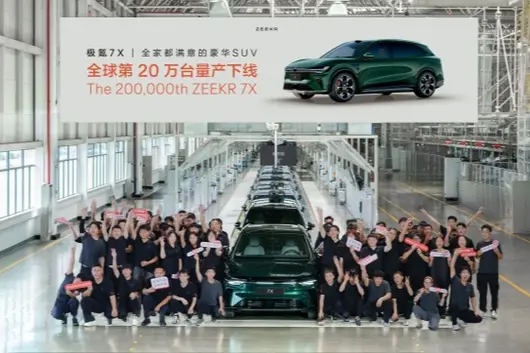
9月8日,极氪宣布,极氪7X全球第20万台整车在宁波梅山智慧工厂量产下线。从上市后快速破万的交付速度,到15个月覆盖50余个国家和地区的全球化节奏,再到保值率数据在同级车型中表现突出,该节点既是极氪7X市场认可度的集中体现,也反映出中国豪华纯电SUV在全球市场的稳步成长。

20万台量产落地 全球化市场稳步扩容
宁波梅山智慧工厂是极氪核心生产基地之一,承担着极氪7X等多款车型的全球供应任务。此次第20万台整车下线,标志着极氪7X在量产规模与市场交付能力上进入全新阶段。

作为极氪面向豪华纯电SUV市场的主力车型,极氪7X自上市起便保持较快的市场增长节奏。车型上市仅25天,交付量便突破一万台,刷新豪华纯电车型交付速度纪录;2025年5月正式启动欧洲出海进程后,仅用15个月时间就进入全球50多个国家和地区,覆盖欧洲、大洋洲、东南亚、中东、北非等主要区域。2026年7-8月,极氪7X全球单月销量连续保持万辆规模,市场需求持续旺盛。
在区域市场表现上,极氪7X已在中国香港、澳大利亚、马来西亚、墨西哥、埃及等多个市场跻身中型豪华纯电SUV销量前列。其中澳大利亚市场增速尤为显著,成为当地豪华纯电市场增长较快的车型之一;在韩国市场预售首月订单突破千台,中高配车型占比达94%;在中东市场,车型凭借性能表现通过极端环境验证,获得当地高端用户认可。

产品标准层面,极氪7X按照全球统一标准开发,相继获得中国C-NCAP、欧洲Euro NCAP、澳大利亚A-NCAP三地五星安全认证,是全球较早完成105km/h后碰测试的中型SUV,同时还曾创下电车漂移最窄间隙的吉尼斯纪录,产品性能得到多维度验证。从品牌整体交付数据来看,极氪8月交付新车36981辆,同比增长109.8%,连续7个月实现同环比双增长;2026年1-8月累计交付超25.1万辆,已超过2025年全年交付总量,为极氪7X的市场推进提供了稳固的品牌支撑。
在下线仪式现场,极氪品牌生产制造负责人赵春林表示:“20万台是里程碑,但绝不是终点。我们会继续用全球标准造好每一台极氪车,回馈来自全球各地的每一份信任。”据介绍,后续随着更多国际市场的开拓与产品矩阵的持续完善,极氪7X将以第20万台为新起点,进一步扩大全球市场覆盖。
不
保值率表现亮眼 重塑纯电车型价值认知
在销量规模增长之外,极氪7X的保值率表现近期受到市场广泛关注,其数据表现对“电车保值率普遍低于油车”的行业固有认知形成了一定冲击。
据中国汽车流通协会精真估最新报告,极氪7X位列热销新能源中型SUV一年保值率中国品牌车型第一,高达为72.5%;保值榜数据显示,极氪7X位居20万以上在售纯电SUV三年保值率第一,统计范围覆盖全部品牌与车身尺寸级别。

横向对比来看,杰兰路监测数据显示,极氪7X一年车龄保值率优于同价位自主纯电SUV;对比20-30万级主流中型燃油SUV普遍63%-70%的一年保值率,同样具备一定优势。以终端成交价格计算,极氪7X新车终端成交价231800元,一年车龄二手车成交价约213800元,一年折损仅1.8万元,折价幅度小于宝马i5、奔驰EQE等同价位豪华品牌纯电车型。
产品沟通层面,极氪于9月3日提前公布2027款极氪7X更新计划,新车将于第四季度上市,新增内外饰配色及85kWh金砖电池版本,具体配置、价格将在上市时公布。现款车型同步推出“5年0息金融方案”“1万元尾款减免”“甄选礼”三选一限时购车权益。
业内分析认为,车型保值率表现突出,主要得益于定价体系稳定、产品品质经过大规模市场验证、保有量持续提升以及品牌服务体系完善等多重因素。在当前新能源市场价格波动较大的背景下,稳定的残值表现能够有效降低用户全生命周期用车成本,提升购车决策的确定性。

In the SUV market in Malaysia, many buyers compare Honda HR-V and MG MG HS when choosing a car. These two cars are quite close in price and positioning. Today, we will make a detailed comparison from multiple aspects to help you save time on research.
The OTR price of Honda HR-V in Malaysia is RM 115,900 - 143,900, with a total of 4 versions, including 2026 e:HEV 1.5L RS (RM 143,900), 2026 1.5T V (RM 137,900), 2026 1.5T E (RM 130,900) etc.
The OTR price of MG MG HS in Malaysia is RM 130,450 - 146,450, with a total of 2 versions, including 1.5L Standard (RM 105,000), 1.5L Executive (RM 115,000) etc.
From a price perspective, the starting price of Honda HR-V is indeed RM 14,550 cheaper than MG MG HS. If your budget is limited, Honda's entry-level version can already meet daily needs. However, note that the few thousand yuan cheaper may involve trade-offs in features, it depends on your specific requirements.
Honda HR-V safety rating is 5★ (ASEAN NCAP), active safety systems include Honda SENSING (ACC, CMBS, LKAS, RDM).
MG MG HS safety rating is TBD, active safety systems include Basic.
Regarding safety features, both cars have received good ratings. However, there are some differences in functionality between Honda HR-V's Honda SENSING (ACC, CMBS, LKAS, RDM) and MG MG HS's Basic. If you value active safety more, you can compare the feature lists of both in detail.
Honda HR-V body length 4500 mm, trunk 450 L.
MG MG HS body length 4400 mm, trunk 400 L.
Regarding space, the Honda HR-V body is 100 mm longer than the MG MG HS, making the interior seating space slightly more spacious, especially the rear legroom. If you often carry family or need to fit a stroller, the larger body is indeed more practical.
Honda HR-V and MG MG HS are both mainstream choices in the Malaysian market, suitable for family use and daily commuting. If you value brand reputation and resale value more, you can prioritize the one with better reputation; if you care more about cost-performance ratio and features, choose the one with richer configurations. Ultimately, it is recommended to test drive both, as personal experience is the most important.
Overall, Honda HR-V and MG MG HS are both very good models in the Malaysian market. Which one to choose depends on your personal needs and budget. It is recommended to do research, compare quotes from several dealerships, and then test drive to make a final decision. Buying a car is a big matter, spending some time doing research will never be wrong.

喺馬來西亞嘅 SUV 市場,好多買家喺揀車嗰陣都會拎 Honda HR-V 同 Chery Tiggo 9 嚟做比較。
Honda HR-V 喺馬來西亞嘅 OTR 售價係 RM 115,900 - 143,900,一總共有 4 個版本,包括 2026 e:HEV 1.5L RS(RM 143,900)、2026 1.5T V(RM 137,900)、2026 1.5T E(RM 130,900) 等。
Chery Tiggo 9 喺馬來西亞嘅 OTR 售價係 RM 166,800 - 179,800,一總共有 1 個版本,包括 2026 2.0T Standard(RM 179,750) 等。
從價錢來看,Honda HR-V 嘅起步價確實比 Chery Tiggo 9 平咗 RM 50,900。如果你預算有限,Honda 嘅入門版已經可以滿足日常需求。但都要留意,平嗰幾千蚊,可能喺配備上有取舍,具體要看你嘅需求。
Honda HR-V 車身長 4500 mm,行李箱 450 L。
Chery Tiggo 9 車身長 4400 mm,行李箱 400 L。
空間方面,Honda HR-V 嘅車身比 Chery Tiggo 9 長咗 100 mm,車內乘坐空間會稍微寬鬆啲,尤其係後座腿部空間。如果你經常載家人或者需要放嬰兒車,大一點嘅車身確實更實用。
Honda HR-V 保養 5 年/無限里程,保養間隔 每 10,000km 或 6 個月。
Chery Tiggo 9 保養 3 年/100,000km,保養間隔 每 10,000km 或 6 個月。
Honda HR-V 同 Chery Tiggo 9 都係馬來西亞市場嘅主流選擇,適合家庭使用、日常通勤。如果你更睇重品牌口碑同二手價,可以優先考慮口碑更好嗰一款;如果你更在意性價比同配備,就揀配置更豐富嗰款。最終都係建議兩款都去試車,親身體驗先係最重要嘅。

總括嚟講,Honda HR-V 同 Chery Tiggo 9 都係馬來西亞市場幾唔錯嘅車款。揀邊一個,關鍵都係要睇你嘅個人需求同預算。建議大家做功課做好啲,多比較幾間車行嘅報價,先去試車先做最終決定。買車係件大事,花少少時間做功課絕對唔會錯。

In Malaysia's SUV market, many buyers compare the Honda HR-V and Chery Tiggo 8 Pro when choosing a car. These two models are quite close in price and positioning, so today we will make a detailed comparison from multiple aspects to help you save time on research.
The OTR price of Honda HR-V in Malaysia is RM 115,900 - 143,900, with a total of 4 versions, including 2026 e:HEV 1.5L RS (RM 143,900), 2026 1.5T V (RM 137,900), 2026 1.5T E (RM 130,900), etc.
The OTR price of Chery Tiggo 8 Pro in Malaysia is RM 159,750 - 159,750, with a total of 2 versions, including 1.6L Turbo Standard (RM 130,000), 1.6L Turbo Premium (RM 145,000), etc.
From a price perspective, the entry price of the Honda HR-V is indeed RM 43,850 cheaper than the Chery Tiggo 8 Pro. If your budget is limited, Honda's entry-level version can already meet daily needs. However, note that the difference of a few thousand might involve trade-offs in features, it depends on your specific needs.
The safety rating of Honda HR-V is 5★ (ASEAN NCAP), active safety systems include Honda SENSING (ACC, CMBS, LKAS, RDM).
The safety rating of Chery Tiggo 8 Pro is TBD, active safety systems include Basic.
In terms of safety features, both cars have received good ratings. However, there are some functional differences between the Honda HR-V's Honda SENSING (ACC, CMBS, LKAS, RDM) and the Chery Tiggo 8 Pro's Basic. If you value active safety, you can compare the feature lists of both closely.
Honda HR-V uses FWD drive system.
Chery Tiggo 8 Pro uses FWD drive system.
The drive system for both cars is the same, both are FWD, there will not be much difference in daily driving experience.
Honda HR-V and Chery Tiggo 8 Pro are both mainstream choices in the Malaysia market, suitable for family use and daily commuting. If you value brand reputation and resale value more, you may prioritize the one with better reputation; if you care more about cost-performance ratio and features, then choose the one with richer configurations. In the end, it is recommended to test drive both models, as personal experience is the most important.
In general, Honda HR-V and Chery Tiggo 8 Pro are both very good models in the Malaysia market. Which one to choose mainly depends on your personal needs and budget. It is recommended to do your research, compare quotes from several dealerships, and then test drive to make the final decision. Buying a car is a major matter, spending time on research will definitely not be a mistake.

In the Malaysian SUV market, many buyers compare Honda HR-V and Chery Tiggo 8 when choosing a car. These two models are quite close in price and positioning. Today, we will make a detailed comparison from multiple aspects to save you time doing research.
The OTR selling price of Honda HR-V in Malaysia is RM 115,900 - 143,900, with a total of 4 versions, including 2026 e:HEV 1.5L RS (RM 143,900), 2026 1.5T V (RM 137,900), 2026 1.5T E (RM 130,900), etc.
The OTR selling price of Chery Tiggo 8 in Malaysia is RM 129,750 - 129,750, with a total of 1 version, including 2026 1.6T Standard (RM 129,750), etc.
Looking at the price, the starting price of Honda HR-V is indeed RM 13,850 cheaper than Chery Tiggo 8. If your budget is limited, Honda's entry-level version can already meet daily needs. But you should also note that the lower price might involve compromises in features, it depends on your needs.
The safety rating of Honda HR-V is 5★ (ASEAN NCAP), active safety systems include Honda SENSING (ACC, CMBS, LKAS, RDM).
The safety rating of Chery Tiggo 8 is TBD, active safety systems include Basic.
In terms of safety features, both cars have received decent ratings. However, there are some differences in function between Honda HR-V's Honda SENSING (ACC, CMBS, LKAS, RDM) and Chery Tiggo 8's Basic. If you value active safety more, you can carefully compare the function lists of both.
Honda HR-V body length 4500 mm, trunk 450 L.
Chery Tiggo 8 body length 4400 mm, trunk 400 L.
In terms of space, the Honda HR-V body is 100 mm longer than the Chery Tiggo 8, the interior passenger space will be slightly more spacious, especially the rear seat legroom. If you often carry family or need to put in a stroller, a larger body is indeed more practical.
Honda HR-V uses FWD drive type.
Chery Tiggo 8 uses FWD drive type.
The drive type of both cars is the same, both are FWD, there will not be much difference in daily driving experience.

Overall, Honda HR-V and Chery Tiggo 8 are both very good models in the Malaysian market. Which one to choose depends on your personal needs and budget. It is recommended to do your research, compare quotes from several dealerships, and then test drive to make a final decision. Buying a car is a big matter, spending some time on research will definitely not be wrong.

In the Malaysian SUV market, many buyers compare Honda HR-V and Chery Tiggo 7 Pro when choosing a car. These two cars are quite close in price and positioning. Today, let's do a detailed comparison from multiple aspects to help you save time on research.
The OTR price of Honda HR-V in Malaysia is RM 115,900 - 143,900, with a total of 4 versions, including 2026 e:HEV 1.5L RS (RM 143,900), 2026 1.5T V (RM 137,900), 2026 1.5T E (RM 130,900), etc.
The OTR price of Chery Tiggo 7 Pro in Malaysia is RM 123,750 - 123,750, with a total of 2 versions, including 1.6L Turbo Standard (RM 125,000), 1.6L Turbo Premium (RM 140,000), etc.
From a price perspective, Honda HR-V's starting price is indeed RM 7,850 cheaper than Chery Tiggo 7 Pro. If your budget is limited, Honda's entry-level version is already sufficient for daily needs. However, note that the few thousand cheaper might involve trade-offs in features, depending on your specific requirements.
Honda HR-V is equipped with 1.5L Turbo, 140 hp. Official fuel consumption 7.0 L/100km.
Chery Tiggo 7 Pro is equipped with 1.5L Turbo, 140 hp. Official fuel consumption 7.0 L/100km.
Both cars use the same powertrain system, and the driving experience daily is basically no difference. Fuel consumption is also similar, no need to worry too much about this point.
Honda HR-V's safety rating is 5★ (ASEAN NCAP), active safety systems include Honda SENSING (ACC, CMBS, LKAS, RDM).
Chery Tiggo 7 Pro's safety rating is TBD, active safety systems include Basic.
Regarding safety features, both cars have received good ratings. However, there are some differences in function between Honda HR-V's Honda SENSING (ACC, CMBS, LKAS, RDM) and Chery Tiggo 7 Pro's Basic. If you value active safety, you can compare the feature lists of both carefully.
Honda HR-V body length 4500 mm, trunk 450 L.
Chery Tiggo 7 Pro body length 4400 mm, trunk 400 L.
In terms of space, Honda HR-V's body is 100 mm longer than Chery Tiggo 7 Pro, interior seating space will be slightly more spacious, especially rear legroom. If you often carry family or need to put a stroller, a slightly larger body is indeed more practical.
Honda HR-V warranty 5 years/unlimited mileage, maintenance interval every 10,000km or 6 months.
Chery Tiggo 7 Pro warranty 3 years/100,000km, maintenance interval every 10,000km or 6 months.
Overall, Honda HR-V and Chery Tiggo 7 Pro are both very good models in the Malaysian market. Which one to choose depends on your personal needs and budget. It is recommended to do your homework, compare quotes from several car dealerships, and then test drive to make a final decision. Buying a car is a big matter, spending some time on research will never be wrong.

On September 4, GAC Group released its August production and sales announcement. Cumulative sales from January to August reached 1.0126 million units, maintaining positive year-on-year growth. New energy vehicles totaled 368,200 units, a significant 63.06% increase year-on-year; energy-saving vehicles reached 288,700 units, a 3.30% year-on-year growth. The sales share of energy-saving and new energy vehicles rose to 64.86%, a significant increase of over 14 percentage points year-on-year.

Independent brands continue to lead the way. From January to August, sales exceeded 461,500 units, a significant 31.44% year-on-year increase, with growth rates maintaining double-digits for 6 consecutive months. In August, independent brands contributed 61,378 units, a 20.43% year-on-year increase, with sales share rising to 48.49%, approaching half of the total market.
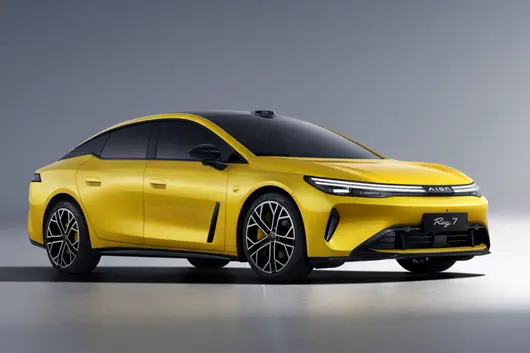
Hyper Aion BU August sales reached 33,694 units, a 38.56% year-on-year increase, with growth rates maintaining double-digits for 6 consecutive months; from January to August, approximately 244,100 units were sold, a significant 58.37% year-on-year increase. Aion i60 August terminal sales exceeded 11,000 units, staying above 10,000 for consecutive months, ranking firmly at the forefront of the A-class dual-power SUV segment; Aion N60 secured the sales champion title in the 100,000 to 130,000 RMB LiDAR SUV category for 4 consecutive months. Aion cooperated with Huawei's intelligent electric vehicle product line, debuting the new model Ray7. The new luxury smart sports SUV Hyper S600 began hot delivery simultaneously, with launch rights prices starting from 179,900 RMB.
GAC Trumpchi August sales 26,584 units, month-on-month growth 16.91%, January to August 213,700 units, year-on-year growth 8.47%. SUV family monthly sales 17,813 units, year-on-year growth 22.3%. The first all-scenario smart enjoyment hard-core SUV "Yue 7" opened pre-sales on September 2, with cumulative orders from the priority access plan exceeding 15,000 units by the end of August. Trumpchi M8 produced the 500,000th unit, global MPV users surpassed 900,000, solidifying the status of "China's MPV Expert".

Qijing is a high-end smart car brand created by GAC in partnership with Huawei Qiankun. Cumulative sales from July to August were nearly 4,000 units. GAC Group Chairman Feng Xingya met with Huawei founder Ren Zhengfei again to reach an important consensus; Qijing moved from "direction consensus" to "deepening development". The second strategic model, spacious five-seat smart versatile SUV Qijing GX7, opened pre-sales on September 4, featuring the industry's first 20-second one-key pure-flat large bed technology, L3 autonomous driving architecture, the only one in its class with 4 LiDARs, standard CATL battery, comprehensive range exceeding 1,500 kilometers.
GAC Toyota January to August cumulative sales exceeded 450,000 units, August 52,700 units, month-on-month growth 13.33%. Camry, Highlander, and Sienna top three flagship models monthly sales 23,540 units, accounting for 44.7%. Bomi 3X sales have firmly stayed at the forefront of joint-venture new energy vehicles for multiple months. On August 19, the 2027 model Camry equipped with a new smart cockpit and AI voice large model went on sale.
GAC Honda August sales 12,080 units, month-on-month growth 3.4%. The company is undergoing major strategic upgrades, planning to comprehensively promote localization around R&D definition, industrial ecosystem, channel network, and business structure, planning 5 new models for the next two years, including two localized new energy vehicle models.
Overseas business becomes the "first growth curve". August independent brand exports nearly 27,000 units, year-on-year growth 177%; January to August cumulative exports 172,000 units, year-on-year growth 136%. Africa becomes the fastest-growing overseas market, terminal sales increased by 881% year-on-year; Ethiopia, Côte d'Ivoire, South Africa, Libya all grew by multiples. Americas market terminal sales increased 93% year-on-year; Uruguay, Costa Rica, Brazil, Colombia continued to grow by multiples. Europe terminal sales grew 93% month-on-month; UK, Portugal, Poland increased by 89%, 167%, 33% respectively, same month GAC sales ranked second in Greece pure EV market. Southeast Asia terminal sales increased 24% year-on-year; Philippines grew nearly three times; Singapore, Thailand, Indonesia double-digit growth. Middle East market cumulative users surpassed 100,000.
Localization production and channel construction accelerate. August cooperation reached with Anlujie in Egypt, achieving a key leap from exports to localized production; simultaneously landed in West Africa Ghana, launching multiple models including Trumpchi M8, Aion i60, Aion V. In Europe, signed with car retailer Yinzhi Jie in Romania, accelerating Eastern European channel layout. Australia-wide dealer conference held in August, integrating channel resources to accelerate Australian market expansion.

In the Malaysian SUV market, many buyers compare Honda HR-V and Mazda CX-8 when choosing a car. These two cars are quite close in price and positioning. Today, we will make a detailed comparison from multiple aspects to help you save time doing research.
Honda HR-V OTR price in Malaysia is RM 115,900 - 143,900, with a total of 4 versions, including 2026 e:HEV 1.5L RS (RM 143,900), 2026 1.5T V (RM 137,900), 2026 1.5T E (RM 130,900), etc.
Mazda CX-8 OTR price in Malaysia is RM 165,360 - 201,360, with a total of 5 versions, including 2025 2.5T 4WD High Plus Petrol (RM 201,360), 2025 2.2L 2WD High Plus Diesel (RM 193,123), 2025 2.5L 2WD High Plus Petrol (RM 186,360), etc.
From the price perspective, Honda HR-V's starting price is indeed RM 49,460 cheaper than Mazda CX-8. If your budget is limited, Honda's entry-level version can already meet daily needs. However, note that the few thousand cheaper may have trade-offs in equipment, specifically depending on your needs.
Honda HR-V is equipped with a 1.5L Turbo, 140 hp. Official fuel consumption 7.0 L/100km.
Mazda CX-8 is equipped with a 2.0L 4-cyl, 170 hp. Official fuel consumption 8.0 L/100km.
In terms of power, Mazda CX-8's 2.0L 4-cyl has 30 more horsepower than Honda HR-V's 1.5L Turbo. However, for daily city driving, the power of both cars is sufficient and does not feel underpowered.
Honda HR-V's safety rating is 5★ (ASEAN NCAP), active safety systems include Honda SENSING (ACC, CMBS, LKAS, RDM).
Mazda CX-8's safety rating is 5★ (ASEAN NCAP), active safety systems include Brand ADAS.
Both cars have the same safety rating, and in this class, safety features are quite comprehensive. New cars nowadays generally have good safety, so there is no need to worry too much about this.
Honda HR-V body length is 4500 mm, trunk 450 L.
Mazda CX-8 body length is 4500 mm, trunk 450 L.
The dimensions of both cars are almost the same, and the interior space difference is not significant. For cars in this class, daily use is fully sufficient.
Honda HR-V uses FWD drive system.
Mazda CX-8 uses FWD drive system.
Both cars have the same drive system, both are FWD, and the daily driving experience will not differ too much.
Overall, Honda HR-V and Mazda CX-8 are both very good models in the Malaysian market. Which one to choose depends mainly on your personal needs and budget. It is recommended to do your homework, compare quotes from several car dealers, and then test drive to make the final decision. Buying a car is a major matter, taking time to do research will definitely not be wrong.
In the Malaysian SUV market, many buyers compare the Honda HR-V and Mazda CX-60 when choosing a car. These two models are quite close in price and positioning. Today, we will make a detailed comparison from multiple aspects to help you save time on research.
The Honda HR-V OTR price in Malaysia is RM 115,900 - 143,900, with a total of 4 versions, including 2026 e:HEV 1.5L RS (RM 143,900), 2026 1.5T V (RM 137,900), 2026 1.5T E (RM 130,900) etc.
The Mazda CX-60 OTR price in Malaysia is RM 200,510 - 252,873, with a total of 2 versions, including 2026 3.3T 4WD High Plus (RM 252,873), 2025 2.5L 2WD High (RM 200,510) etc.
From a price perspective, the starting price of the Honda HR-V is indeed RM 84,610 cheaper than the Mazda CX-60. If your budget is limited, Honda's entry-level version can already meet daily needs. But also note that the few thousand cheaper might have trade-offs in features, it depends on your specific needs.
The Honda HR-V is equipped with a 1.5L Turbo, 140 hp. Official fuel economy is 7.0 L/100km.
The Mazda CX-60 is equipped with a 2.0L 4-cyl, 170 hp. Official fuel economy is 8.0 L/100km.
In terms of power, the Mazda CX-60's 2.0L 4-cyl has 30 more horsepower than the Honda HR-V's 1.5L Turbo. However, for daily city driving, the power of both cars is sufficient and won't feel lacking.
Honda HR-V body length is 4500 mm, trunk 450 L.
Mazda CX-60 body length is 4500 mm, trunk 450 L.
The dimensions of both cars are almost the same, and the interior space difference is not significant. Cars of this level are more than enough for daily use.
Honda HR-V adopts FWD drive configuration.
Mazda CX-60 adopts FWD drive configuration.
Both cars have the same drive configuration, both are FWD, and there will not be a big difference in daily driving experience.
The Honda HR-V and Mazda CX-60 are both mainstream choices in the Malaysian market, suitable for family use and daily commuting. If you value brand reputation and resale value more, you can prioritize the one with better reputation; if you care more about cost-performance ratio and features, then choose the one with richer configurations. In the end, it is recommended to test drive both, experiencing it personally is the most important.
Overall, the Honda HR-V and Mazda CX-60 are both quite good models in the Malaysian market. Which one to choose mainly depends on your personal needs and budget. We suggest doing your homework, comparing quotes from several car dealerships, and then test driving to make the final decision. Buying a car is a big matter, spending some time on research will definitely not be wrong.


Author: Wang Shanshan
Braking is not admitting defeat; it is changing lanes. "Cannot live in past success," does not deny the past, but sees the future clearly.
Cars are not FMCG and should not chase short-term quick gains. But the reality is, the competition in the entire industry has degenerated into a racing game. Capital pressure, traffic frenzy, constantly squeezing automakers' development cycles. When everyone is accelerating, someone choosing to decelerate becomes an outlier.
Recently, the Chery Fengyun T7 went on sale. Chery Automobile Executive Vice President Li Xueyong went on stage and his first sentence silenced the venue for a few seconds: "Global cars, they can't be rushed."

In the current automotive industry, this sentence is almost going against everyone. Vehicle development cycles have been compressed from 48 months to 26 months, and bugs that should have been solved in the lab were directly handed over to owners for road testing. Chery took a completely opposite path. The Fengyun T7 underwent 2 years of planning and 3 years of R&D, completing 1.45 million kilometers in durability special testing. The homologous model Lepas L6 was launched in Thailand and pre-sold in South Africa first, refining the overseas market before returning to the domestic market, taking a non-mainstream "reverse listing" path.
This new car that chose to "make it slowly" tore open the most core proposition for Chery: When the entire industry is desperately stepping on the gas, why did Chery hit the brakes?
Why Step on the Brakes After 20 Million Units?
A month ago, on July 25, Chery's global cumulative sales broke through 20 million units. For any automaker, this is a moment worthy of a grand celebration. But Chery's celebration exuded abnormality from start to finish.
Not immersed in the number frenzy, Yin Tongyue said a paragraph of words publicly: "After 20 million, we will no longer participate in involution, no longer only pursue sales, but pursue brand moving upmarket, pursue more technical breakthroughs, and pursue greater improvement in customer satisfaction."

From an outsider's perspective, Chery which has been sprinting all the way seems to have no need to adjust. From 960,000 units in 2021 to 2.8 million units last year, the growth curve is pretty enough. But Yin Tongyue almost stepped on the brakes and turned the steering wheel.
Subsequently, Chery Automobile Executive Vice President Zhang Guozhong spoke even more transparently: "Chery cannot live in past success experiences. Facing rapid industry changes, some need minor adjustments, some even need restructuring, only in this way can we adapt to the development of the next cycle."
He gave an example. A few years ago, the industry mainstream judgment on future energy structure was hybrid 4, pure electric 3, fuel 3, but now pure electric growth speed and market share have long far exceeded initial expectations. "Such consumption trend changes come very fast and fierce. In the past, we thought Falcon 500 intelligent driving was enough, but starting from the second quarter, consumers want higher-order versions like Falcon 700 or even 900 more."

Changes come too fast. If Chery still clings to 20 years of past success experiences—continuing to rely on fuel vehicle dividends, continuing to prioritize sales, continuing to use past product definition logic to cope with the market—it is very likely to fall behind in the next cycle.
What Did We Do Right in the Past 20 Years?
To understand why Chery needs to "brake", we must first understand how Chery "ran" to today.
Chery's rise was itself a resistance to industry prejudices. In the 1990s, two phrases were popular in the Chinese automotive circle: Without joint ventures there is no way to live; do not talk about independent R&D until you reach the million unit scale. Chery simply did not believe it.
In 1999, the first independently developed engine ignited successfully. In December of the same year, the first "Fengyun" went off the line. Without joint venture endorsement and without existing systems, Chery hard-chewed core components like engines, transmissions, and chassis from scratch, becoming the first Chinese brand automaker to master core "three major components" technology. This persistence in independent technology R&D allowed Chery to dodge many automakers' "strangled throat" crises.

This road was walked correctly. In 2007, Chery became the first domestic brand to accumulate sales exceeding one million units. The QQ achieved a sales legend of 1.4 million units, allowing ordinary families to drive private cars. The Tiggo series, relying on high cost-performance and low maintenance costs, quickly expanded scale, accumulated massive users and a complete supply chain, completing the most critical initial accumulation for the enterprise.
The smartest move Chery made was stepping out of the country early. In 2001, the first batch of Fengyun exported to Syria, ranking first in Chinese brand passenger car exports continuously for 23 years. When all domestic brands squeezed in the domestic market for fierce close-quarters combat, Chery quietly paved global channels. Overseas markets have always been Chery's cornerstone; when domestic price wars don't make money, overseas markets provide stable financial support and hedge risks.

In summary, Chery's past success logic is not complicated: Use independent R&D to stabilize the chassis, use cost-performance to expand sales, use overseas to stabilize the core base.
This play style worked time and time again over the past 20 years. But now, the halo is dimmed.
Why Not Live in the Past?
The most fundamental change in the industry is: shifting from incremental expansion to stock competition. The extensive growth model of diluting costs by scale and exchanging price for volume has reached its end; industry profit margins dropped to 1.5%, even showing selling more means losing more. Desperately chasing sales is no longer making big and strong, but inefficient internal friction.
Another change is sector switching. What Chery is best at is hardware R&D and power technology in the fuel vehicle era. But the current competition core is electrification, intelligence, and software experience. In the past, we compared whether cars were durable enough and if power was strong enough; now we compare whether intelligent driving is easy to use and if the car system is smooth enough. Chery's steadily iterating pace was steady in the fuel vehicle era, but in the new energy era, it is slow.

There is another reality shortcoming: brand constraints. Relying on cost-performance to start is Chery's advantage, but also its biggest burden. In the minds of most consumers, Chery is "affordable family car", not associated with words like high-end, value, and premium. 20 million accumulated users are mostly affordable users, difficult to form brand premium. Without brand height, one can only be trapped in the low-end price band to fight.
What is harder to change than products and markets is organizational inertia. A play style successful for twenty years, enterprises will definitely form mental rigidity. Fuel vehicle experience, old project processes, sales-only evaluation methods, will be unconsciously applied to new energy and new models. This is the terrible thing about path dependency—experience that once led you to the peak will become walls trapping you. Zhang Guozhong said "some need minor changes, some need restructuring", the changes are not only cars, but the entire enterprise's thinking and system.
After Saying Goodbye to Shadows, Where Will Chery Go?
Restructuring has begun. The most intuitive signal is that in the past few years Chery did not shy away from holding many launches, 189 events were held in 2025, but since this year, media visits to Wuhu decreased by more than half.
Another manifestation is in sales. In the first half of the year, Chery issued 150,000 fewer cars domestically, actively squeezing out "water", significantly reducing dealer inventory, domestic retail about 412,800 units, down 36.4% year-on-year. This is growing pains, and also a necessary cost to repair the terminal price system. And overseas, 200,000 units monthly sales are becoming normal, July overseas sales share has quietly reached 70%.

Changes have begun to happen. On September 1, August sales data showed Chery single-month sales 280,128 units, among which exports 196,984 units, domestic sales 83,144 units. Compared to July exports first breaking 200,000 units, domestic sales about 74,000 units data, August domestic sales month-on-month rose by nearly 10,000 units. After continuous contraction for several months, the domestic core base showed signs of recovery.
Between one down and one up, Chery is completing a switch in development logic. In Zhang Guozhong's words, "No internal stability, no external strength", Chery is no longer solely reliant on the domestic fuel vehicle market, but has constructed two new growth curves: "Overseas + New Energy".
Internally, the brand matrix enters an integration period. Chery recently adjusted the reporting lines of the Exeed business unit, strategic center turning comprehensively to overseas; the Zhiji brand turned from pursuing single product explosion to "long-distance thinking". Although multi-brand same source overlap problems are not fundamentally resolved, actions to streamline SKUs and clarify positioning have been initiated. In new energy, gross margin in the first half of the year rose significantly from 5.2% to 12.8%, saying goodbye to low price volume, entering scale profitability cycle.

The listing path of the Fengyun T7 happens to illustrate this new logic. One car debuted first at Milan Design Week, then launched in South Africa and Thailand, accepted overseas consumer and market testing, refined and then returned to domestic—"Global cars, can't be rushed". Not competing with the industry on new speed, using product strength verified by the global market to speak.
Auto Times says:
The catch-up racing among Chinese brands continues to add intensity. BYD overseas sales in July reached 179,800 units, Geely raised export target to 920,000 units and impact million scale, Great Wall set 600,000 units target. Chery's first-mover advantage is being diluted, window of opportunity is narrowing.
Wanting to cross the cycle, Chery's path is already clear: Globalization shifting from "sell more" to "earn steady"; open both-way technical feedback channels between domestic and overseas; domestic market no longer blindly rush wholesale volume, focusing on product value competition. The core task of the domestic market is to become a test bed for intelligent new technologies, complete verification before feeding back global models.

For Chery, crossing 20 million units is not the destination, but a watershed. The braking Yin Tongyue stepped on is not admitting defeat, but changing lanes. Zhang Guozhong said "Cannot live in past success", not denying the past, but seeing the future clearly.
When noise subsides, this enterprise that walked out of Wuhu small huts, still uses near-stubborn simplicity ways, to walk a farther road.