


首頁Toyota Starlet

搜尋歷史
熱門搜尋
經銷商登入 / 註冊

以前車企造車三年磨一劍,但而家車企造車速度越來越快,有些車企甚至一年磨三劍,「速成車」泛濫,消費者變成咗受害者小白鼠。
而堅持長期主義造車理念嘅奇瑞,三年磨一劍,如今造出咗一款「慢」車——風雲 T7。

第一,慢喺研發。風雲 T7 歷經 3 年長周期研發,依托奇瑞 1+7+N 全球研發體系打磨,可謂慢工出細活。
第二,慢喺設計。風雲 T7 由全球百餘名設計師協同設計,並匯聚全球 1000+ 用戶深度共創,盡力搵到消費者審美同需求嘅最大公約數。
第三,慢喺標準。按照史上嘅最嚴苛 2026 版 E-NCAP 標準設計,完成安全駕駛、碰撞規避、碰撞保護,以及碰撞後安全四大維度安全測試,全套評測安全合規驗證。
第四,慢喺驗證。喺研發過程中,歷經全球高溫、高寒、高原、高濕、高鹽鹼等,多種極限環境測試。全球累計投入 963 台試驗車,耐久測試車輛累計 145 萬公里驗證,覆蓋亞歐非美全球多個國家同地區,多氣候、多路況嘅嚴苛測試,充分驗證產品可靠性同環境適應能力。

值得一提的是,風雲 T7 唔單止係奇瑞累計 2000 萬輛車後嘅第一台新車,而且係一台不折不扣嘅全球車型。
其同源車型 Lepas L6 此前已喺南非預售發布,泰國 7 月已上市,8 月印尼,9 月歐盟,10 月澳大利亞、新西蘭、英國、以色列等,持續推進上市節奏。
8 月 12 日,全球品質純電 SUV 風雲 T7,喺國內正式開啟預售。
本次預售發布會以「慢功造好車,久等咗」為主題,傳遞風雲 T7 秉持長期主義嘅造車理念,以全球標準打磨產品、紮實造品質全球車嘅堅守,亦道出品牌對用戶長久期待嘅真誠感恩。
新車共推出 3 款版型,預售指導價格為 10.99 萬元至 12.99 萬元,且享受 7 重購車權益。

而家全球汽車產業邁入「中國時間」,中國新能源智造持續領跑海外市場。依托奇瑞 23 年全球化技術積澱,風雲 T7 走出反向出海試煉路線,拒絕行業速成造車思路,以全鏈路全球嚴苛標準打磨整車實力。
圍繞品質生活六大核心新剛需,將顏值剛需、安全剛需、出行剛需、智能剛需、舒享剛需、安心剛需融為一體,打造全球品質純電 SUV,適配通勤、遠途、戶外、多人出行等多元場景。
顏值剛需丨全球審美融合東方雅韻,長效質感在線依托奇瑞 10 大全球設計中心,5000 餘名海外用戶全程共創,同源車型 Lepas L6 亮相米蘭設計周收穫國際認可,風雲 T7 融匯全球審美,顏值持久在線。
御風前臉、風塑綢緞車身、天際霞光尾門,平衡國際簡約審美與東方雅致氣韻。整車漆面標準同步海外嚴苛耐候要求,提供赤焰橙、山煙紫、雲粉米、流光銀、青竹灰、墨石黑 6 款配色。

內飾分溫暖黑棕、極夜黑曜兩種風格,雲翼環抱座艙搭配大面積軟包覆,鵝卵石懸浮揚聲器、菱格縫紉細節精緻;所有內飾皮革、密封條、塑料件唔易硬化褪色,常年使用依舊新穎耐睇,兼顧顏值同質感。

風雲 T7 對標 2026 版 E-NCAP 五星安全標準設計、功能安全 ASIL D 最高等級。2 年策劃,3 年研發,共投入 81 台專屬耐久車同步路試,整車累計測試里程超 600 萬公里,耐久專項實測 145 萬公里,同時針對東南亞雨季、中東高溫暴曬、印尼高濕等多種全球多地域進行極限實車試煉。
車身採用 80% 高強度鋼、18.84% 熱成型鋼打造九橫五縱籠式車身,採用 Shotgun 結構、雙框副車架+Pack 防撞梁,鋼筋鐵骨保障乘員艙安全,前面 9 條 + 側面 6 條碰撞傳力路徑最大化分散碰撞能量,留存乘員生存空間;除此之外,仲搭載咗 9 個安全氣囊,包含 48L 雙腔遠端氣囊同後排側氣囊,360°全方位保障乘員安全。
風雲 T7 全系搭載犀牛電池,超強 6D 防護構築電池安全堡壘全方位抵禦擠壓、穿刺、衝擊,為動力電池構建多層立體安全屏障。面對夏季暴雨頻繁,犀牛電池 IP68 防水為國標 96 倍,無懼雨季內澇、路面積水、戶外涉水,有效防止電池進水短路隱患。
出行剛需 | 全系 600km 續航平權,適配全球多元氣候工況基於全球多地域能源與氣候需求,風雲 T7 實現續航配置全系平權,全系標配大容量犀牛電池 65.05kWh,CLTC 600km 續航,實測續航 667+km,「反向虛標」解決焦慮。電池 30% 充到 80% 只需 20 分鐘,一杯咖啡時間即可再次出發。

風雲 T7 搭載全域一體化熱管理雙源寬熱泵空調 + 高壓 PTC,北方用戶冬季都能放心開。-30°C-55°C 超寬溫域穩定運轉,低溫環境製熱更省電、高溫環境散熱更高效。配合全系標配嘅 AGS 智能進氣格柵同 14 項低風阻優化,高低速能耗更穩定。
智能剛需 | 艙駕一體 8775 芯片 一半懂你一半護你新能源時代,無智能唔有品質。風雲 T7 搭載艙駕一體 8775 芯片,做到艙駕雙優,兩大域無縫協同,一半懂你,一半護你。該芯片具備 4nm 製程,72TOPS 高算力,響應只需 80ms,開機提速 33%,開機速度更快、螢幕操作更滑順,智能交互響應更迅捷。
智能座艙方面,15.6 吋 2.5K 高清大屏畫面細膩真實,防眩光、抗反射、抗指紋,CarPlay、HUAWEI HiCar、CarLink 無線連接,覆蓋市面上 99% 以上手機投屏,上車即可實現無縫互聯。
靈犀智艙 2.0 帶嚟全能陪伴嘅夥伴,擁有小奇同學、東北老姨、抬杠大師、口語老師、故事大王、職業辯手六大真人感陪伴體驗。內置小憩、露營、寵物、醒神等六大場景模式,令車真正成為懂你嘅移動空間。

風雲 T7 搭載獵鷹 500 駕駛輔助系統,集成 3 顆毫米波雷達、7 個高性能攝像頭、12 個超聲波雷達,總計 22 顆高精度傳感器(3R7V12U),睇得遠、睇得清、測得準。
能夠 300+ 全場景自動泊車,行業覆蓋最全。斷頭路泊車、一鍵循跡倒車、跨樓層泊車等都能實現,從此告別「停車難」,實現泊車自由。
舒享剛需 | 超大座艙空間 大師級底盤調校穩穩出行整車尺寸 4570×1852×1694mm,軸距 2700mm,車內得房率 84%,後排純平地台,同級領先嘅 911mm 腿部空間,後排放倒拓展 1955mm 純平大床,常規后备箱 450L、拓展至 1550L,充足載貨空間適配戶外穿越、多人結伴出行。

9 層雲感座椅,軟而唔塌,久坐唔累,另外座椅仲有通風加熱功能。加熱方面,實現 3 檔溫控調節,-20℃環境下,5 分鐘速加熱至 30℃,快速溫暖全身;座椅通風採用吸風設計,夏天後背唔悶汗,滿足用戶嘅舒適需求。
細節方面,風雲 T7 同樣可圈可點。
全車 38 處巧思儲物空間,收納有序,盡享精緻生活。四個最大承重 300kg 嘅鉚環同兩個最大承重 3kg 嘅掛鉤,露營裝備、大件貨物都能牢牢固定。

舒適驾乘,離唔開出色底盤嘅加持。風雲 T7 底盤由瑪莎拉蒂前底盤調校專家領軍嘅國際化底盤團隊傾力打磨,50.8:49.2 黃金軸荷比能有效抑制轉向推頭、甩尾現象,提升過彎穩定性與直線行駛循跡性。
早在 2009 年,奇瑞就自主設計咗中國第一台地面移動型雙軸 K&C 試驗台。26 年嘅設計功底賦能底盤性能,帶嚟更卓越嘅驾乘質感體驗。
安心剛需 | 2 終身權益 + 2 兜底權益,全周期用車無憂奇瑞唔單止為用戶帶嚟硬實力嘅產品,更站喺用戶角度,全盤考量購車之後嘅全周期用車體驗,直面大家對於車輛故障、後期養車成本等實際顧慮。為此風雲 T7 推出兩大兜底保障、兩項終身權益,從購車到長期使用全程守護。
兩大兜底:①動力電池安全兜底:因動力電池自身原因導致整車發生熱失控損毀,奇瑞將賠償同款新車或唔低於原車配置新車;②輔助駕駛兜底:自購車之日起一年內,喺「泊車場景」、「智能領航場景」判定為「智能駕駛輔助系統原因」導致事故,造成車上人員傷害與第三者損失賠償嘅,最高賠償 500 萬。
兩大終身權益:①整車終身質保:價值 10000 元整車終身質保(含三電),易損件、特殊件除外;②終身保養套餐:666 元購價值 3999 元終身基礎保養套餐(1 次/年)。

從全球標準研發、全球審美設計、全球工藝製造,到全球路況驗證,風雲 T7 以全鏈路全球品質,树立起純電 SUV 嘅價值標竿。
佢歷盡世界淬鍊,最終奔赴中國用戶,以顏值、出行、安全、智能、舒享、安心六大剛需嘅全滿足,回應品質家庭嘅所有期待。
風雲 T7,唔單止係一臺凝結全球技術與品質嘅座駕,更加係全球標準同中國家庭需求深度共鳴嘅時代之選。
風雲 T7 三年磨一劍,呢「慢」裡藏住對用戶嘅敬畏,對品質嘅苛求,更加係一家中國車企走向全球嘅底氣。
奇瑞以「慢」為進,用全球驗證嘅硬實力,為風雲 T7 寫下最踏實嘅注腳。這柄磨礪三載嘅利劍,正載住中國匠心,駛向全球多個國家同地區。
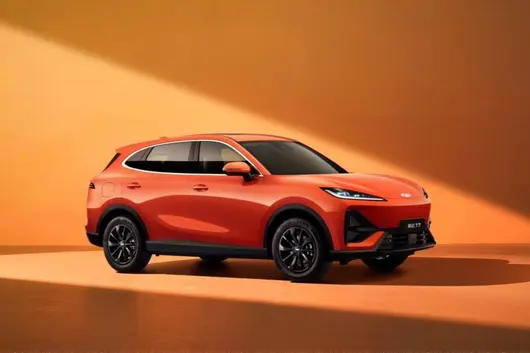

In the Malaysian SUV market, many buyers compare the Proton X90 and Mazda CX-60 when choosing a car. These two cars are quite close in price and positioning. Today, we will make a detailed comparison from multiple aspects to help you save time on research.
The OTR price of Proton X90 in Malaysia is RM 106,800 - 122,800, with a total of 4 versions, including 2026 1.5T Prime X (RM 122,800), 2026 1.5T Prime (RM 116,800), 2026 1.5T Lite (RM 106,800), etc.
The OTR price of Mazda CX-60 in Malaysia is RM 200,510 - 252,873, with a total of 2 versions, including 2026 3.3T 4WD High Plus (RM 252,873), 2025 2.5L 2WD High (RM 200,510), etc.
From a price perspective, the starting price of Proton X90 is indeed RM 93,710 cheaper than Mazda CX-60. If your budget is limited, Proton's entry-level version can already meet daily needs. However, keep in mind that the few thousand cheaper difference might involve trade-offs in features, depending on your specific needs.

Proton X90 comes equipped with a 1.5L Turbo, 140 hp. Official fuel consumption 7.0 L/100km.
Mazda CX-60 comes equipped with a 2.0L 4-cyl, 170 hp. Official fuel consumption 8.0 L/100km.
Regarding power, the Mazda CX-60's 2.0L 4-cyl has 30 more horsepower than the Proton X90's 1.5L Turbo. However, for daily city driving, both cars have sufficient power and won't feel underpowered.

Proton X90 safety rating is 5★ (ASEAN NCAP), active safety systems include ADAS (ACC, AEB, LKA, LDA, BSM, RCTA).
Mazda CX-60 safety rating is 5★ (Euro NCAP), active safety systems include i-Activsense Pro.
In terms of safety features, both cars received good ratings. However, the Proton X90's ADAS (ACC, AEB, LKA, LDA, BSM, RCTA) and Mazda CX-60's i-Activsense Pro have some differences in functions. If you value active safety, you can compare the function lists of both.

Proton X90 adopts FWD drive system.
Mazda CX-60 adopts FWD drive system.
The drive systems of both cars are the same, both are FWD, so there won't be much difference in daily driving experience.

Overall, both Proton X90 and Mazda CX-60 are very good models in the Malaysian market. Which one to choose depends on your personal needs and budget. It is recommended to do your homework, compare quotes from several car dealers, and then test drive to make a final decision. Buying a car is a big matter, taking time to do homework is never wrong.


喺馬來西亞嘅 SUV 市場,好多買家喺揀車嘅時候都會拎 Proton X90 同 Honda CR-V 做比較。呢兩部車喺價位同定位上都幾接近,今日我哋就從多個方面做個詳細嘅比較,幫你省下做功課嘅時間。
Proton X90 喺馬來西亞嘅 OTR 售價係 RM 106,800 - 122,800,合共有 4 個版本,包括 2026 1.5T Prime X(RM 122,800)、2026 1.5T Prime(RM 116,800)、2026 1.5T Lite(RM 106,800)等等。
Honda CR-V 喺馬來西亞嘅 OTR 售價係 RM 178,200 - 195,900,合共有 4 個版本,包括 2026 e:HEV 2.0L 2WD RS(RM 195,900)、2026 1.5T 4WD V(RM 181,900)、2026 e:HEV 2.0L 2WD E(RM 178,200)等等。
睇返價錢,Proton X90 嘅起步價確實比 Honda CR-V 平咗 RM 71,400。如果你預算有限,Proton 嘅入門版已經可以滿足日常需要。不過要留意,嗰幾千元,可能喺配備上會有取舍,具體要看你嘅需要。
Proton X90 嘅安全評級係 5★ (ASEAN NCAP),主動安全系統包括 ADAS (ACC, AEB, LKA, LDA, BSM, RCTA)。
Honda CR-V 嘅安全評級係 5★ (ASEAN NCAP),主動安全系統包括 Honda SENSING (ACC, CMBS, LKAS, RDM)。
兩部車嘅安全評級一樣,喺呢個級距入面安全配備都算好齊全。而家嘅新車安全性都唔差,唔使太擔心呢一點。
Proton X90 車身長 4400 mm,后备厢 400 L。
Honda CR-V 車身長 4500 mm,后备厢 450 L。
空間方面,Honda CR-V 嘅車身比 Proton X90 長咗 100 mm,乘坐空間更有優勢。不過 Proton X90 喺市區停車會靈活啲,各有優缺。
Proton X90 採用 FWD 驅動方式。
Honda CR-V 採用 FWD 驅動方式。
兩部車嘅驅動方式一樣,都係 FWD,日常駕駛感覺唔會有太大分別。

總體嚟講,Proton X90 同 Honda CR-V 都係馬來西亞市場幾唔錯嘅車型。揀邊一部,關鍵仲要睇你嘅個人需要同預算。建議大家做好功課,多比較幾間車行嘅報價,再去做試駕同做最終決定。買車係一件大事,花少少時間做功課絕對唔會錯。

From the green belt to the bamboo cicada, the 'hidden war' between Chinese automakers has gone public.
Regarding the 'Bamboo Cicada' incident that has caused a storm in the industry, on August 5, official media 'Zhejiang Propaganda' published an article like this: 'Four Thoughts on the Bamboo Cicada Incident.'

The article states: The stronger the enterprise, the greater its tolerance for discussion. In the 'Bamboo Cicada' incident, many netizens participated in the discussion by releasing videos, etc. This was not to deny Huawei's technical strength, nor was it to question China's technological innovation, but rather grassroots expression centered around certain communication symbols of enterprises. This expression is more about exploring the boundary between commercial rights protection and internet meme culture, reflecting higher scrutiny standards for behavior of top enterprises, and is a soft form of public opinion feedback.
But what netizens worry about is: If various jokes and teasing are considered attacks, and if brand dignity is equated to 'cannot be discussed', then the margin for error for online expression will continue to be compressed, derivative creation and memes will be easily over-interpreted, and making statements will become increasingly restrained.
Zhejiang Propaganda also specifically mentioned: High-profile expression must withstand scrutiny. Zhejiang Propaganda pointed out: For example, Huawei Executive Director and Terminal BG Chairman Richard Yu stated at a press conference that whether within 5 million or 10 million, AITO M9 is the most powerful SUV among currently launched models on Earth, hands down.
'Most Powerful' 'Hands down' such unreserved statements, indeed tend to be amplified in communication. When an enterprise emphasizes its own advantages with absolute language, consumers will naturally ask: Why is it the 'most powerful'? What is the standard? Once a disconnect appears between communication expression and user actual feelings, the rhetoric originally used to build trust may become a target for netizen jokes or even sarcasm.
After Zhejiang Propaganda published this article, it immediately triggered an uproar. Surprisingly, 'Half-Month Talk', a magazine under Xinhua News Agency, reprinted the article verbatim. Does this mean official media collectively stepped in to criticize Harmony Intelligent Mobility's 'dominance'?
Regarding the so-called 'Bamboo Cicada' incident, the AI software Doubao gave such an explanation:
In the December 2023 AITO M9 press conference, Richard Yu said the hit line 'Best SUV within 10 million', and the audience on site let out continuous 'Wow' sounds of surprise, becoming a network meme circulated for years in the auto circle.
In July 2026, some netizens accidentally found that the wawa sound emitted by the Bamboo Cicada rotating is highly similar to the collective surprise sound of the audience at the press conference. Many bloggers started making derivative short videos: the screen shows hand-cranking the Bamboo Cicada, the soundtrack is the original press conference audio, and the caption plays on the meme: Best toy within 10 million, leading by shaking.
At that time, it was widely rumored online that Harmony Intelligent Mobility legal department complained and took down videos as soon as they saw Bamboo Cicada videos, even videos that only posted Bamboo Cicada without any follow-up interpretation were also complained and taken down. Public opinion was immediately in an uproar.
How real is the situation? On August 4, a Harmony Intelligent Mobility spokesperson issued a statement:
For a long time, malicious editing, impersonation of relevant executive voices, using AI to defame portraits, false attribution, slander, etc., content infringing on personal legal rights has been continuously existing on the network. We have always conducted daily evidence collection and complaints in accordance with the law. This complaint is part of daily rights protection work, targeting specific infringing content, not targeting the 'Bamboo Cicada' toy. As of the evening of August 4, a total of 56,000+ relevant online information was monitored. We actually initiated complaints against 171 specific infringing content items, and the platform feedback indicated 144 were taken down.

The Harmony Intelligent Mobility spokesperson clearly pointed out in the statement that complaints were initiated against only 171 items, and the platform feedback indicated 144 were taken down. In other words, among these 171 videos, at least 84% of videos were judged as non-compliant by the platform. Then, where did the information spread on the internet that Harmony Intelligent Mobility complains whenever seeing Bamboo Cicada come from?
Even more shocking is, regarding the same event, official media showed divergence, with high tension between them. On the evening of August 5, 'Jiangsu News', also an official media, published an article like this: Those advising Huawei to be generous, are you suitable?
Jiangsu News stated: It is quite rare that when Huawei is maliciously attacked and takes rights protection action voluntarily, someone still jumps out to advise it — large enterprises should be generous, only listening seriously to advice is true confidence, etc., with an air of teaching large enterprises how to do things,
Essentially, it is a posture of justifying black traffic, guiding public opinion with words that seem rational, neutral, and objective on the surface, but actually blur legal boundaries, affect market judgment, and damage the business environment, which is a bit inappropriate.
Since 'Jiangsu News' mentioned in the article 'Someone jumps out to advise it — large enterprises should be generous', which is highly related to what was mentioned in 'Zhejiang Propaganda' article 'The stronger the enterprise, the greater its tolerance for discussion', outsiders widely speculate that Jiangsu News is directly 'retorting' against relevant figures represented by the 'Zhejiang Propaganda' article.
Official media directly stepping in to 'fight', this is a rare thing in the past car circle.
Coincidentally, on July 30, Xiaomi Auto held the Xiaomi Pengcheng Technology Launch Event, when Xiaomi Company founder Lei Jun announced the price of Xiaomi's new car N90 Max, he specially said such a sentence: 'I can assertively say that N90 Max is one of the best models among Range Extender SUVs within 500,000 yuan.' What is interesting is, when Lei Jun mentioned 'models' here, he intentionally made a longer pause, and then added words like 'one of'.
After the Xiaomi Pengcheng Technology Launch Event, on August 3, Xiaomi PR Head Xu Jieyun posted a Weibo like this: 'Encourage real awesome, strike down exaggerating awesome', presumably alluding to the industry 'exaggerated marketing' phenomenon. The two events happened one after the other, since it coincided with the escalation of the Harmony Intelligent Mobility 'Bamboo Cicada' incident, triggering extensive discussion in the industry.

Is this Xiaomi intentionally targeting Huawei?
It is not an isolated incident. As early as September 16, 2025 at the Harmony Intelligent Mobility Stelato S9T New Product Launch Event, Huawei's Richard Yu publicly said such a paragraph: 'You say our cars are racing for two-second acceleration performance, or three-second acceleration performance, this is meaningless, you know? What is truly important is safety. Drifting directly on the road, drifting to other lanes, drifting to the green belt. Everyone thinks drifting is a very impressive performance, on highways, in city roads, you simply cannot drift easily, drifting will only bring traffic accidents. You think drifting in the city is how cool, I say that is the most stupid behavior, safety is the most important.'
Since Xiaomi SU7 Max version and SU7 ULTRA version both have extremely strong acceleration capabilities, and frequently there are incidents of Xiaomi SU7 running onto green belts in folklore, some netizens called Xiaomi SU7 'Green Belt God of War', and Xiaomi also specifically debunked rumors for this. In such a background, Richard Yu's paragraph is generally interpreted by the industry as alluding to Xiaomi.
Added to that in the early years Lei Jun had publicly called out to 'Defeat Huawei'. No matter what background this sentence was based on, at first glance, this information undoubtedly conveyed the signal to people that Xiaomi and Huawei are 'arch enemies'.
This time Bamboo Cicada incident, Zhejiang Propaganda, Jiangsu News stepped in turn, standing at completely opposite positions to comment on the same thing, which is truly rare.
What felt unexpected was, on August 6, a netizen posted a Lianhe Zaobao article, Lianhe Zaobao stated in the article: 'Facing the huge Chinese public opinion market, using power to pressure netizens is actually the lower strategy, ignoring it is the middle strategy, being able to like Lei Jun turn positive communication through self-mockery or other techniques is the upper strategy'. From Lianhe Zaobao's viewpoint, its stance of praising Xiaomi and mocking Huawei is obvious. This again triggered an uproar in domestic public opinion.

From multiple angles, the hidden struggle between Huawei and Xiaomi seems to be upgrading. Our view is: Two top enterprises hidden struggle, and duration is prolonged, is both a manifestation of the industry competition becoming fierce, and also caused by the objective factors of industry high-speed development. In such a scenario, whether it is Huawei or Xiaomi, remaining restrained in public opinion, maintaining high standards in products, ensuring legal compliance in marketing communication, or perhaps is the way to solve mutual respect.


In the Malaysian SUV market, many buyers compare the Proton X70 and Chery Tiggo 8 PHEV when choosing a car. Both cars are quite close in price and positioning. Today we will make a detailed comparison from multiple aspects to help you save time on research.
The Proton X70 OTR price in Malaysia is RM 106,800 - 122,300, with a total of 3 versions, including 1.5L Standard 2WD (RM 106,800), 1.5L Executive 2WD (RM 115,800), 1.5L Premium 2WD (RM 122,300) etc.
The Chery Tiggo 8 PHEV OTR price in Malaysia is RM 159,750 - 159,750, with a total of 2 versions, including 1.6L Turbo Standard (RM 130,000), 1.6L Turbo Premium (RM 145,000) etc.
From a price perspective, the starting price of the Proton X70 is indeed RM 52,950 cheaper than the Chery Tiggo 8 PHEV. If your budget is limited, Proton's entry-level version can already meet daily needs. But keep in mind, the cheaper few thousand might have trade-offs in features, it depends on your specific needs.
Proton X70 safety rating is 5★ (ASEAN NCAP), active safety systems include ADAS (ACC, AEB, LKA, LDA, BSM, RCTA).
Chery Tiggo 8 PHEV safety rating is TBD, active safety systems include Basic.
Regarding safety features, both cars received good ratings. However, the Proton X70's ADAS (ACC, AEB, LKA, LDA, BSM, RCTA) and Chery Tiggo 8 PHEV's Basic have some differences in functions. If you value active safety, you can carefully compare the feature lists of both.
Proton X70 adopts FWD drive mode.
Chery Tiggo 8 PHEV adopts FWD drive mode.
Both cars have the same drive mode, both are FWD, daily driving experience will not be much different.
Proton X70 warranty is 5 years/150,000km, maintenance interval is every 10,000km or 6 months.
Chery Tiggo 8 PHEV warranty is 3 years/100,000km, maintenance interval is every 10,000km or 6 months.
Proton X70 and Chery Tiggo 8 PHEV are both mainstream choices in the Malaysian market, suitable for family use and daily commuting. If you value brand reputation and resale value more, you can prioritize the one with better reputation; if you care more about cost-performance ratio and features, then choose the one with richer configuration. Ultimately, it is recommended to test drive both, experiencing it yourself is the most important.
Overall, Proton X70 and Chery Tiggo 8 PHEV are both very good car models in the Malaysian market. Which one to choose depends on your personal needs and budget. We suggest you do your homework, compare quotes from several car dealers, and then test drive to make a final decision. Buying a car is a big matter, spending some time doing homework will never be wrong.

In Malaysia's SUV market, many buyers compare the Proton X70 and Chery Tiggo 8 PHEV when choosing a car. These two cars are quite similar in price and positioning. Today we will make a detailed comparison from multiple aspects to help you save time on research.
The OTR price for Proton X70 in Malaysia is RM 106,800 - 122,300, with a total of 3 variants, including 1.5L Standard 2WD (RM 106,800), 1.5L Executive 2WD (RM 115,800), 1.5L Premium 2WD (RM 122,300), etc.
The OTR price for Chery Tiggo 8 PHEV in Malaysia is RM 159,750 - 159,750, with a total of 2 variants, including 1.6L Turbo Standard (RM 130,000), 1.6L Turbo Premium (RM 145,000), etc.
From a price perspective, Proton X70's starting price is indeed RM 52,950 cheaper than Chery Tiggo 8 PHEV. If your budget is limited, Proton's entry-level version can already meet daily needs. But also note, the few thousand ringgit difference, there might be trade-offs in features, specifically depends on your needs.
Proton X70 uses FWD drive type.
Chery Tiggo 8 PHEV uses FWD drive type.
Both cars have the same drive type, both are FWD, daily driving experience will not differ too much.
Proton X70 warranty 5 years/150,000km, service interval every 10,000km or 6 months.
Chery Tiggo 8 PHEV warranty 3 years/100,000km, service interval every 10,000km or 6 months.
Proton X70 and Chery Tiggo 8 PHEV are both mainstream choices in the Malaysian market, suitable for family use, daily commuting. If you value brand reputation and resale value more, you can prioritize the one with better reputation; if you care more about cost-performance and features, then choose the one with richer configuration. Ultimately, it is recommended to test drive both models, personal experience is the most important.
In general, Proton X70 and Chery Tiggo 8 PHEV are both very good models in the Malaysian market. Which one to choose, key still depends on your personal needs and budget. We recommend everyone do their research, compare quotes from several car dealers, then test drive to make the final decision. Buying a car is a big deal, spending time on research is never wrong.
In the SUV market in Malaysia, many buyers compare the Proton X70 and Chery Tiggo 7 Pro when choosing a car.
The OTR price of Proton X70 in Malaysia is RM 106,800 - 122,300, with a total of 3 versions, including 1.5L Standard 2WD (RM 106,800), 1.5L Executive 2WD (RM 115,800), 1.5L Premium 2WD (RM 122,300), etc.
The OTR price of Chery Tiggo 7 Pro in Malaysia is RM 123,750 - 123,750, with a total of 2 versions, including 1.6L Turbo Standard (RM 125,000), 1.6L Turbo Premium (RM 140,000), etc.
From a price perspective, the starting price of Proton X70 is indeed RM 16,950 cheaper than Chery Tiggo 7 Pro. If your budget is limited, Proton's entry-level version can already meet daily needs. But be aware, the few thousand cheaper may involve compromises on equipment, depending on your needs.
Proton X70 is equipped with 1.5L Turbo, 140 hp. Official fuel consumption 7.0 L/100km.
Chery Tiggo 7 Pro is equipped with 1.5L Turbo, 140 hp. Official fuel consumption 7.0 L/100km.
Both cars use the same powertrain, the driving feel is basically the same in daily use. Fuel economy is also similar, no need to worry too much about this point.
The safety rating of Proton X70 is 5★ (ASEAN NCAP), active safety systems include ADAS (ACC, AEB, LKA, LDA, BSM, RCTA).
The safety rating of Chery Tiggo 7 Pro is TBD, active safety systems include Basic.
In terms of safety features, both cars have received good ratings. However, there are some differences in functionality between Proton X70's ADAS (ACC, AEB, LKA, LDA, BSM, RCTA) and Chery Tiggo 7 Pro's Basic. If you value active safety more, you can compare the feature lists of both carefully.
Proton X70 warranty is 5 years/150,000km, service interval every 10,000km or 6 months.
Chery Tiggo 7 Pro warranty is 3 years/100,000km, service interval every 10,000km or 6 months.
Both Proton X70 and Chery Tiggo 7 Pro are mainstream choices in the Malaysian market, suitable for family use and daily commuting. If you value brand reputation and resale value more, you can prioritize the one with better reputation; if you care more about cost-performance and equipment, choose the one with richer configuration. Ultimately, it is recommended to test drive both, as personal experience is the most important.
In general, Proton X70 and Chery Tiggo 7 Pro are both quite good car models in the Malaysian market. Which one to choose depends mainly on your personal needs and budget. It is recommended that everyone do their research, compare quotes from several car dealers, and then test drive to make a final decision. Buying a car is a big matter, taking some time to do research will never be wrong.

In the Malaysian SUV market, many buyers compare the Proton X70 and Chery Tiggo 7 Pro when choosing a car. The prices and positioning of these two cars are quite similar. Today, we will make a detailed comparison from multiple aspects to help you save time on research.
The OTR price of the Proton X70 in Malaysia is RM 106,800 - 122,300, with a total of 3 versions, including 1.5L Standard 2WD (RM 106,800), 1.5L Executive 2WD (RM 115,800), 1.5L Premium 2WD (RM 122,300), etc.
The OTR price of the Chery Tiggo 7 Pro in Malaysia is RM 123,750 - 123,750, with a total of 2 versions, including 1.6L Turbo Standard (RM 125,000), 1.6L Turbo Premium (RM 140,000), etc.
From the price perspective, the starting price of the Proton X70 is indeed RM 16,950 cheaper than the Chery Tiggo 7 Pro. If your budget is limited, the Proton entry-level model can already meet daily needs. But you should also note that the few thousand cheaper may involve trade-offs in specifications, it depends on your specific needs.
The Proton X70 is equipped with 1.5L Turbo, 140 hp. Official fuel consumption is 7.0 L/100km.
The Chery Tiggo 7 Pro is equipped with 1.5L Turbo, 140 hp. Official fuel consumption is 7.0 L/100km.
Both cars use the same powertrain, the driving experience in daily use is basically the same. Fuel consumption is also similar, no need to worry too much about this point.
The Proton X70 body length is 4400 mm, trunk 400 L.
The Chery Tiggo 7 Pro body length is 4400 mm, trunk 400 L.
The dimensions of the two cars are almost the same, the interior space difference is not large. For this class of cars, it is completely sufficient for daily use.
Proton X70 warranty 5 years/150,000km, maintenance interval every 10,000km or 6 months.
Chery Tiggo 7 Pro warranty 3 years/100,000km, maintenance interval every 10,000km or 6 months.
In general, Proton X70 and Chery Tiggo 7 Pro are both very good models in the Malaysian market. Which one to choose, the key is to look at your personal needs and budget. We suggest everyone do research, compare quotes from multiple dealerships, and then go for a test drive to make the final decision. Buying a car is a big matter, spending time on research will never be wrong.

喺馬來西亞嘅 SUV 市場,好多人揀車嘅時候都拿 Proton X70 同 Chery Tiggo Cross 做比較。呢兩款車喺價錢同定位上都幾接近,今日我哋就由多個方面做詳細比較,幫你省返做功課嘅時間。
Proton X70 喺馬來西亞嘅 OTR 售價係 RM 106,800 - 122,300,一共有 3 個版本,包括 1.5L Standard 2WD(RM 106,800)、1.5L Executive 2WD(RM 115,800)、1.5L Premium 2WD(RM 122,300) 等。
Chery Tiggo Cross 喺馬來西亞嘅 OTR 售價係 RM 88,750 - 99,750,一共有 2 個版本,包括 2025 HEV 1.5L CSH(RM 99,750)、2025 1.5T Standard(RM 88,750) 等。
由價錢睇,Chery Tiggo Cross 嘅起步價比 Proton X70 平咗 RM 18,050。坦白講,喺呢個價錢段,幾千蚊嘅差距其實唔算大,關鍵仲係睇整體嘅性價比同長期使用成本。

Proton X70 車身長 4400 mm,行李廂 400 L。
Chery Tiggo Cross 車身長 4400 mm,行李廂 400 L。
兩部車嘅尺寸幾乎一樣,車內空間差別唔大。呢個級別嘅車,日常使用完全夠用。

Proton X70 採用 FWD 驅動方式。
Chery Tiggo Cross 採用 FWD 驅動方式。
兩部車嘅驅動方式一樣,都係 FWD,日常駕駛感受唔會有太大分別。

Proton X70 同 Chery Tiggo Cross 都係馬來西亞市場嘅主流選擇,適合家庭使用、日常通勤。如果你更睇重品牌口碑同二手價,可以優先考慮口碑更好嗰款;如果你更在意性價比同配備,就揀配置更豐富嗰款。最終仲係建議兩部車都去試駕,親身體驗先係最重要嘅。
總括嚟講,Proton X70 同 Chery Tiggo Cross 都係馬來西亞市場好唔錯嘅車型。揀邊一部,關鍵仲係睇你嘅個人需求同預算。建議大家做好功課,多比較幾間車行嘅報價,再去試駕先做最終決定。買車係件大事,花少少時間做功課絕對唔會錯。


In Malaysia's SUV market, many buyers compare Proton X70 and Mazda CX-60 when choosing a car. These two models are quite close in price and positioning, today we will do a detailed comparison from multiple aspects to help you save time on research.
Proton X70 OTR price in Malaysia is RM 106,800 - 122,300, with a total of 3 versions, including 1.5L Standard 2WD (RM 106,800), 1.5L Executive 2WD (RM 115,800), 1.5L Premium 2WD (RM 122,300), etc.
Mazda CX-60 OTR price in Malaysia is RM 200,510 - 252,873, with a total of 2 versions, including 2026 3.3T 4WD High Plus (RM 252,873), 2025 2.5L 2WD High (RM 200,510), etc.
In terms of price, Proton X70's starting price is indeed RM 93,710 cheaper than Mazda CX-60. If your budget is limited, Proton's entry-level version can already meet daily needs. However, also note that the price difference of a few thousand might involve compromises in equipment, it depends on your specific needs.
Proton X70 is equipped with 1.5L Turbo, 140 hp. Official fuel consumption 7.0 L/100km.
Mazda CX-60 is equipped with 2.0L 4-cyl, 170 hp. Official fuel consumption 8.0 L/100km.
In terms of power, Mazda CX-60's 2.0L 4-cyl has 30 more horsepower than Proton X70's 1.5L Turbo. However, for daily city driving, both cars have sufficient power and won't feel underpowered.

Proton X70's safety rating is 5★ (ASEAN NCAP), active safety systems include ADAS (ACC, AEB, LKA, LDA, BSM, RCTA).
Mazda CX-60's safety rating is 5★ (Euro NCAP), active safety systems include i-Activsense Pro.
In terms of safety features, both cars have received good ratings. However, Proton X70's ADAS (ACC, AEB, LKA, LDA, BSM, RCTA) and Mazda CX-60's i-Activsense Pro have some differences in functionality. If you value active safety, you can compare the function lists of both closely.

Proton X70 warranty 5 years/150,000km, maintenance interval every 10,000km or 6 months.
Mazda CX-60 warranty 5 years/150,000km, maintenance interval every 10,000km or 6 months.
Both cars have the same warranty conditions, no need to worry about this. Actual maintenance costs also depend on the brand's service network and parts prices, it is suggested to ask real owners in car owner groups for experience.
Overall, Proton X70 and Mazda CX-60 are both very good models in the Malaysian market. Which one to choose depends mainly on your personal needs and budget. We suggest doing your research, compare quotes from several dealerships, and then test drive to make a final decision. Buying a car is a big matter, spending time on research will never be wrong.

[Lead: The latest Q2 2026 financial report released by General Motors proves a fact: although multinational automakers face challenges in the new energy vehicle era, they still show tenacious vitality.]
Author: Zhang Dachuan
How is the life of multinational auto giants so far this year? Recently, General Motors presented a passable mid-term exam result.
The Q2 2026 financial report of General Motors shows that the company achieved revenue of $48 billion this quarter, up 1.9% year-on-year, higher than the market's prior expectation of $46.67 billion; Adjusted EBIT reached $3.9 billion, with the profit margin rising to 8.2%. Thanks to the positive expectations for annual operating performance and market prospects, the company raised its full-year performance guidance for the second time this year, increasing the Adjusted EBIT target range to $14 billion to $16 billion.

△ General Motors' Q2 financial report performance data was good
However, there is a drag factor in the report. Affected by about $2.3 billion in strategic restructuring expenses for the electric vehicle business, General Motors' net income attributable to shareholders for this quarter was $1.3 billion, a year-on-year decline of 31.1%. However, if this non-recurring factor is excluded, the company's core operating profitability has actually improved significantly compared to the same period last year, and overall performance remains robust.

△ Electric vehicle business strategic restructuring brought about a $2.3 billion expense impact
GM North America business profitability remains strong
The North American market remains the most important profit source for General Motors and the core foundation supporting its overall performance. In Q2 2026, GM's North American business achieved Adjusted EBIT of $3.446 billion, contributing the vast majority of the company's operating profit; the Adjusted EBIT margin further increased to 8.6%, up 2.5 percentage points year-on-year, with profitability continuing to strengthen.
This is mainly due to the continued strong sales of high-profit models under brands such as Chevrolet and GMC in the North American market. General Motors has held the title of best-selling full-size SUV in the US for 52 consecutive years and has ranked first in full-size pickup sales for 7 consecutive years, holding about a 43% market share in this high-profit segment. Even facing strong competitors such as Ford's F-Series and RAM under Stellantis, General Motors maintains its leading position through the synergy of multiple brands such as Chevrolet and GMC. The new generation Chevrolet Silverado and GMC Sierra 1500 scheduled to launch in Q4 this year are expected to further consolidate its competitive advantage in North America's most profitable segment.

△ General Motors holds about a 43% market share in the North American full-size pickup segment
Compared to the electric vehicle business which is still in an adjustment phase, General Motors' intelligent connected business is gradually growing into a new profit growth engine, with the profitability of software subscriptions and digital services continuing to be released. The report shows that by the end of Q2, OnStar deferred revenue reached $6.3 billion, up nearly 50% year-on-year, providing a solid foundation for continued recognition of future software service revenue; Super Cruise confirmed revenue grew by about 70% year-on-year, maintaining a high-speed growth trend. Compared to traditional vehicle business, software and digital services have higher gross margins and stronger sustainable profitability. As related business scales continue to expand, General Motors will not only be able to generate more recurring income throughout the vehicle lifecycle but also optimize the revenue structure and improve overall profit quality and financial performance.

△ General Motors' intelligent connected business is gradually growing into a new profit growth engine
SAIC-GM's strategic status rises
In General Motors' Q2 2026 financial report, the China business remains under close attention. Although General Motors has continued to scale back investments in China in recent years, the equity earnings from the China business still grew by 16.9% year-on-year and have been profitable for seven consecutive quarters, showing strong operational resilience.
As the most important joint venture for General Motors in China, SAIC-GM's performance was also commendable. According to the June production and sales quick report released by SAIC Motor, in the first half of 2026, SAIC-GM's cumulative wholesale sales reached 231,200 units, a year-on-year decline of 5.68%, significantly better than the overall domestic passenger car market decline of 20.2%, and it is one of the mainstream joint venture automakers with the smallest sales decline. This is mainly due to the stable performance of main models such as Buick GL8, Envision family, and new LaCrosse. At the same time, SAIC-GM's new energy business grew rapidly, with sales close to 50,000 units in the first half of the year, up 81.1% year-on-year. Among them, Buick Zhijing E7 launched in April contributed more than 60% of the new energy sales and is becoming a new growth engine.

△ SAIC-GM outperformed the domestic overall car market in the first half of the year
It is worth noting that SAIC-GM may play a more important strategic role in the future. Relying on China's leading advantages in new energy and intelligence, SAIC-GM is gradually transforming from a market and profit contributor in the past to an important output platform for General Motors' global technological innovation. Taking the "Xiao Yao" super integrated architecture equipped with Zhijing E7 as an example, General Motors has already upgraded its battery wireless management system and thermal runaway protection standards to global safety standards for mid-level models. In early 2026, Buick and Chevrolet new energy models built on this architecture have entered the Mexican, Thai, and Brazilian markets in CKD form, with core three-electric systems and intelligent control modules supplied by Chinese factories. In the future, General Motors also plans to apply the "Xiao Yao" architecture's smart cockpit and intelligent driving underlying technology to mid-size pure electric SUVs in the North American market by 2027.

△ SAIC-GM is gradually transforming into an important output platform for General Motors' global technological innovation
Foreign automakers have not lost competitiveness
General Motors' financial report shows that in the new energy vehicle era, although multinational automakers face huge challenges, they have not truly lost competitiveness, and their operating concepts and system capabilities are still worth reference for Chinese automakers.
First, shifting from scale competition to profit competition. Compared to many domestic automakers that still view sales and market share as the primary goal, General Motors focuses more on profitability and shareholder returns. Relying on high-profit pickups, large SUVs, and Cadillac products, General Motors has built a mature product structure and brand premium system. Even though sales are no longer at the top globally, it can still maintain high per-car profits and ample cash flow. This also shows that for automotive enterprises, true competition is not just about selling more cars, but selling more valuable and more profitable cars.

△ Even though sales are no longer at the top globally, General Motors can still maintain high per-car profits and ample cash flow
Second, building long-term competitiveness, rather than pursuing short-term explosions. General Motors' century-long development history shows that an enterprise's core competitiveness comes not only from the products themselves but also from brand accumulation, global operation systems, and continuous operating capabilities. From R&D, procurement, and manufacturing to quality management and compliance governance, mature system capabilities allow enterprises to have resilience across industry cycles. As Chinese automakers accelerate their global layout, these "soft powers" will also become an important foundation for building world-class automotive groups.

△ Chinese automakers need to compete with multinational automaker giants like General Motors in the long term
Finally, multinational automakers still have certain competitive advantages. Currently, Chinese automakers have established a leading advantage with new energy and intelligence, but the global automotive industry's competitive landscape is far from settled. General Motors, Toyota, Volkswagen, and other multinational automakers still possess strong financial strength, global brand influence, mature manufacturing systems, and stable profitability; once they make breakthroughs in key technologies such as electrification and intelligent driving and form synergy with their own global operation capabilities, they still have the potential to reshape competitive advantages. In the future, competition in the global automotive industry is more likely to be a long-term game between Chinese automakers' innovation advantages and multinational automakers' system advantages, rather than a simple "who replaces who".
Commentary
In the new energy vehicle era, competition is already not just about sales, but a comprehensive test of profitability, system capability, and globalization capability. Chinese automakers are redefining technological innovation, while multinational automakers still possess deep brand accumulation, operating experience, and financial strength. In the future, competition in the global automotive industry will not be a simple "new forces replacing old giants," but more likely a long-term race between innovation advantages and operational advantages.
(This article is original to Heyan Yueche, unauthorized reprinting is prohibited)


喺馬來西亞嘅 SUV 市場,好多買家喺揀車嗰陣都會拿 寶騰 X70 同 馬自達 CX-60 去做比較。呢兩款車喺價位同定位上都好接近,我哋今日就從多個方面做一個詳細嘅對比,幫你節省做功課嘅時間。
寶騰 X70 喺馬來西亞嘅 OTR 售價係 RM 106,800 - 122,300,總共有 3 個版本,包括 1.5L Standard 2WD(RM 106,800)、1.5L Executive 2WD(RM 115,800)、1.5L Premium 2WD(RM 122,300) 等。
馬自達 CX-60 喺馬來西亞嘅 OTR 售價係 RM 200,510 - 252,873,總共有 2 個版本,包括 2026 3.3T 4WD High Plus(RM 252,873)、2025 2.5L 2WD High(RM 200,510) 等。
從價錢睇嚟,寶騰 X70 嘅起跳價確實比 馬自達 CX-60 平咗 RM 93,710。如果你預算有限,寶騰嘅入門版已經可以滿足日常需要。不過要留意,平嗰幾千蚊,喺配備方面會有取捨,具體要睇你嘅需要。
寶騰 X70 搭載 1.5L Turbo,馬力 140 hp。官方油耗 7.0 L/100km。
馬自達 CX-60 搭載 2.0L 4-cyl,馬力 170 hp。官方油耗 8.0 L/100km。
動力方面,馬自達 CX-60 嘅 2.0L 4-cyl 比 寶騰 X70 嘅 1.5L Turbo 多咗 30 匹馬力。不過日常喺市區行,兩款車嘅動力都夠用,唔會覺得唔夠力。
寶騰 X70 嘅安全評級係 5★ (ASEAN NCAP),主動安全系統包括 ADAS (ACC, AEB, LKA, LDA, BSM, RCTA)。
馬自達 CX-60 嘅安全評級係 5★ (Euro NCAP),主動安全系統包括 i-Activsense Pro。
安全配備方面,兩款車都拿到唔錯嘅評級。不過 寶騰 X70 嘅 ADAS (ACC, AEB, LKA, LDA, BSM, RCTA) 同 馬自達 CX-60 嘅 i-Activsense Pro 喺功能上有些差異,如果你比較重視主動安全嘅話,可以仔細對比下兩者嘅功能列表。
寶騰 X70 車身長 4400 mm,行李箱 400 L。
馬自達 CX-60 車身長 4500 mm,行李箱 450 L。
空間方面,馬自達 CX-60 嘅車身比 寶騰 X70 長咗 100 mm,乘坐空間更有優勢。不過 寶騰 X70 喺城市入面停車會靈活啲,各有取捨。
寶騰 X70 保修 5 年/150,000km,保養間隔 每 10,000km 或 6 個月。
馬自達 CX-60 保修 5 年/150,000km,保養間隔 每 10,000km 或 6 個月。
兩款車嘅保修條件一樣,呢方面唔使糾結。實際保養成本仲要睇品牌嘅服務網絡同零件價格,建議去車友群問問真實車主嘅經驗。
總括嚟講,寶騰 X70 同 馬自達 CX-60 都係馬來西亞市場好唔錯嘅車款。揀邊一輛,關鍵都要睇你嘅個人需求同預算。建議大家做好功課,多比較下幾間車行嘅報價,再去做試駕先做最終決定。買車係件大事,花少少時間做功課絕對唔會錯。

In the Malaysian SUV market, many buyers compare the Proton X70 and Toyota Corolla Cross when choosing a car. These two cars are quite close in price and positioning. Today, we will make a detailed comparison from multiple aspects to help you save time on research.
Proton X70 has an OTR selling price in Malaysia of RM 106,800 - 122,300, with a total of 3 versions, including 1.5L Standard 2WD (RM 106,800), 1.5L Executive 2WD (RM 115,800), 1.5L Premium 2WD (RM 122,300), etc.
Toyota Corolla Cross has an OTR selling price in Malaysia of RM 133,800 - 148,800, with a total of 3 versions, including 2026 HEV 1.8L GR Sport (RM 148,800), 2026 HEV 1.8L Standard (RM 140,800), 2026 1.8L Standard (RM 133,800), etc.
From a price perspective, the starting price of the Proton X70 is indeed RM 27,000 cheaper than the Toyota Corolla Cross. If your budget is limited, Proton's entry-level version can already meet daily needs. However, note that the few thousand dollars saved might involve compromises in equipment, depending on your specific needs.

The Proton X70 safety rating is 5★ (ASEAN NCAP), active safety systems include ADAS (ACC, AEB, LKA, LDA, BSM, RCTA).
The Toyota Corolla Cross safety rating is 5★ (ASEAN NCAP), active safety systems include TSS (PCS, LDA, ACC, LTA).
Both cars have the same safety rating, and safety features in this class are quite comprehensive. New cars nowadays do not lack in safety, so no need to worry too much about this.
Proton X70 body length 4400 mm, trunk 400 L.
Toyota Corolla Cross body length 4400 mm, trunk 400 L.
The dimensions of both cars are almost the same, with little difference in interior space. Cars in this class are more than enough for daily use.

Both the Proton X70 and Toyota Corolla Cross are mainstream choices in the Malaysian market, suitable for family use and daily commuting. If you value brand reputation and resale value more, consider the one with better reputation; if you care more about cost-performance ratio and equipment, choose the model with richer configuration. Ultimately, it is recommended to test drive both, as personal experience is the most important.
Overall, both the Proton X70 and Toyota Corolla Cross are very good car models in the Malaysian market. Which one to choose depends mainly on your personal needs and budget. It is recommended to do your homework, compare quotes from several dealerships, and then test drive to make a final decision. Buying a car is a big matter; spending time on research will never go wrong.


In the Malaysian SUV market, many buyers compare the Proton X50 and Subaru Crosstrek when choosing a car. These two vehicles are quite close in price and positioning. Today, we will make a detailed comparison from multiple aspects to help you save time on research.
Proton X50's OTR price in Malaysia is RM 89,800 - 113,300, with a total of 4 versions, including 1.5T Executive (RM 89,800), 1.5T Premium (RM 101,800), 1.5T Flagship (RM 113,300), etc.
Subaru Crosstrek's OTR price in Malaysia is RM 145,000 - 160,000, with a total of 1 version, including 2.0L e-Boxer (RM 150,000), etc.
In terms of price, the Proton X50's starting price is indeed RM 55,200 cheaper than the Subaru Crosstrek. If your budget is limited, Proton's entry-level version can already meet daily needs. However, be aware that the lower cost might involve trade-offs in features, depending on your specific needs.

Proton X50's safety rating is 5★ (ASEAN NCAP), active safety systems include ADAS (ACC, AEB, LKA, LDA, BSM, RCTA).
Subaru Crosstrek's safety rating is 5★ (Euro NCAP), active safety systems include EyeSight.
In terms of safety features, both cars have received good ratings. However, there are some differences in function between Proton X50's ADAS (ACC, AEB, LKA, LDA, BSM, RCTA) and Subaru Crosstrek's EyeSight. If you value active safety highly, you can compare their feature lists closely.
Proton X50 body length 4400 mm, trunk 400 L.
Subaru Crosstrek body length 4400 mm, trunk 400 L.
The dimensions of both cars are almost the same, and the interior space difference is not significant. Cars of this level are more than enough for daily use.
Proton X50 warranty 5 years/150,000km, maintenance interval every 10,000km or 6 months.
Subaru Crosstrek warranty 3 years/100,000km, maintenance interval every 10,000km or 6 months.

Proton X50 and Subaru Crosstrek are both mainstream choices in the Malaysian market, suitable for family use and daily commuting. If you value brand reputation and resale value more, prioritize the one with better reputation; if you care more about value for money and features, choose the one with richer configuration. Ultimately, it is recommended to test drive both, as personal experience is the most important.

Overall, Proton X50 and Subaru Crosstrek are both very good models in the Malaysian market. Which one to choose depends mainly on your personal needs and budget. We suggest doing your research, comparing quotes from several car dealerships, and then test driving to make the final decision. Buying a car is a big matter, spending time on research is never wrong.


喺馬來西亞嘅 SUV 市場,好多買家喺揀車嗰陣都係拿 Proton X70 同 Honda WR-V 嚟比較。呢兩部車喺價位同定位上都幾接近,今日我哋就由多個方面做一個詳細嘅比較,幫你節省咗做功課嘅時間。
Proton X70 喺馬來西亞嘅 OTR 售價係 RM 106,800 - 122,300,合共有 3 個型號,包括 1.5L Standard 2WD(RM 106,800)、1.5L Executive 2WD(RM 115,800)、1.5L Premium 2WD(RM 122,300) 等。
Honda WR-V 喺馬來西亞嘅 OTR 售價係 RM 89,900 - 107,900,合共有 4 個型號,包括 2023 1.5L V(RM 99,900)、2023 1.5L E(RM 95,900)、2023 1.5L S(RM 89,900) 等。
由價錢嚟睇,Honda WR-V 嘅入場價比 Proton X70 平咗 RM 16,900。講真,喺呢個價段,幾千蚊嘅差距其實唔算大,關鍵仲係睇整體嘅性價比同長期使用成本。

Proton X70 車身長 4400 mm,尾箱 400 L。
Honda WR-V 車身長 4400 mm,尾箱 400 L。
兩部車嘅尺寸幾乎一樣,車內空間差別唔大。呢個級別嘅車,日常使用完全夠用。
Proton X70 採用 FWD 驅動方式。
Honda WR-V 採用 FWD 驅動方式。
兩部車嘅驅動方式一樣,都係 FWD,日常駕駛感受唔會有太大分別。
Proton X70 同 Honda WR-V 都係馬來西亞市場嘅主流選擇,適合家庭使用、日常通勤。如果你更重視品牌口碑同二手價,可以優先考慮口碑更好嗰款;如果你更在意性價比同配備,那就揀配備更豐富嗰款。最終始終都建議兩部都去試駕,親身體驗先係最重要嘅。
總括嚟講,Proton X70 同 Honda WR-V 都係馬來西亞市場幾唔錯嘅車型。揀邊一輛,關鍵仲係睇你嘅個人需求同預算。建議大家做好功課,多比較幾間車行嘅報價,再去試駕先做最後決定。買車係件大事,花少少時間做功課絕對唔會錯。


In Malaysia's SUV market, many buyers compare the Proton X50 and Kia Sportage when choosing a car. These two models are quite close in price and positioning. Today, we will do a detailed comparison from multiple aspects to save you time on research.
Proton X50 OTR price in Malaysia is RM 89,800 - 113,300, with a total of 4 versions, including 1.5T Executive (RM 89,800), 1.5T Premium (RM 101,800), 1.5T Flagship (RM 113,300), etc.
Kia Sportage OTR price in Malaysia is RM 129,639 - 179,320, with a total of 4 versions, including 2025 1.6T DCT 4WD High (RM 179,320), 2025 1.6T DCT 2WD High (RM 159,320), 2025 2.0L AT 2WD High (RM 139,639), etc.
In terms of price, the starting price of Proton X50 is indeed RM 39,839 cheaper than Kia Sportage. If your budget is limited, Proton's entry-level version can already meet daily needs. However, note that the few thousand cheaper may involve trade-offs in features, depending on your needs.
Proton X50 uses 4WD drive system.
Kia Sportage uses FWD drive system.
Proton's 4WD and Kia's FWD will feel different in handling, test drives and comparison are recommended.
Proton X50 warranty 5 years/150,000km, maintenance interval every 10,000km or 6 months.
Kia Sportage warranty 5 years/300,000km, maintenance interval every 10,000km or 6 months.
Both Proton X50 and Kia Sportage are mainstream choices in the Malaysia market, suitable for family use and daily commuting. If you value brand reputation and resale value more, you can prioritize the one with better reputation; if you care more about value for money and features, choose the one with a richer configuration. Ultimately, it is recommended to test drive both, personal experience is the most important.

Overall, both Proton X50 and Kia Sportage are quite good models in the Malaysia market. Which one to choose depends mainly on your personal needs and budget. It is recommended to do your research, compare quotes from several dealerships, and then test drive to make the final decision. Buying a car is a major matter, spending time doing research will definitely not be wrong.

喺馬來西亞嘅 SUV 市場,好多買家喺揀車嘅時候都會拿 Proton X50 同 Chery Tiggo 9 來做比較。呢兩款車喺價位同定位上都幾接近,今日我哋就從多個方面做一個詳細嘅比較,幫你慳返做功課嘅時間。
Proton X50 喺馬來西亞嘅 OTR 售價係 RM 89,800 - 113,300,合共有 4 個版本,包括 1.5T Executive(RM 89,800)、1.5T Premium(RM 101,800)、1.5T Flagship(RM 113,300)等。
Chery Tiggo 9 喺馬來西亞嘅 OTR 售價係 RM 166,800 - 179,800,合共有 1 個版本,包括 2026 2.0T Standard(RM 179,750)等。
從價錢來看,Proton X50 嘅起步價的確比 Chery Tiggo 9 平咗 RM 77,000。如果你預算有限,Proton 嘅入門版已經可以滿足日常需要。但都要留意,平少少嘅幾千蚊,可能喺配備上會有取舍,具體要睇你嘅需要。
Proton X50 配備 1.5L 4-cyl,馬力 105 hp。官方油耗 6.0 L/100km。
Chery Tiggo 9 配備 2.0L 4-cyl,馬力 170 hp。官方油耗 8.0 L/100km。
動力方面,Chery Tiggo 9 嘅 2.0L 4-cyl 比 Proton X50 嘅 1.5L 4-cyl 多咗 65 匹馬力。不過日常喺市區行,兩款車嘅動力都夠用,唔會覺得唔夠力。
Proton X50 嘅安全評級係 5★ (ASEAN NCAP),主動安全系統包括 ADAS (ACC, AEB, LKA, LDA, BSM, RCTA)。
Chery Tiggo 9 嘅安全評級係 TBD,主動安全系統包括 Basic。
安全配備方面,兩款車都拿咗唔錯嘅評級。不過 Proton X50 嘅 ADAS (ACC, AEB, LKA, LDA, BSM, RCTA) 同 Chery Tiggo 9 嘅 Basic 喺功能上有些分別,如果你比較看重主動安全嘅話,可以仔細對比下兩者嘅功能列表。
Proton X50 車身長 4400 mm,行李廂 400 L。
Chery Tiggo 9 車身長 4400 mm,行李廂 400 L。
呢兩款車嘅尺寸幾乎一樣,車內空間差別唔大。呢個級別嘅車,日常使用完全夠用。

Proton X50 保養 5 年/150,000km,保養間隔 每 10,000km 或 6 個月。
Chery Tiggo 9 保養 3 年/100,000km,保養間隔 每 10,000km 或 6 個月。
總體嚟講,Proton X50 同 Chery Tiggo 9 都係馬來西亞市場幾唔錯嘅車型。揀邊一輛,關鍵始終係要睇你嘅個人需要同預算。建議大家做好功課,多比較幾間車行嘅報價,再去試駕先做最終決定。買車係件大事,花少少時間做功課絕對無錯。



According to Thai media reports, the Federation of Thai Industries (FTI) and the Thailand Automotive Industry Association (TAIA) recently jointly urged the government to formulate more complete local parts policies in the future, encouraging or even requiring electric vehicle manufacturers to prioritize components produced by local suppliers when manufacturing in Thailand, rather than relying heavily on imports.

Currently, including Chinese brands such as BYD, Great Wall, MG, AION, and Changan, have already set up production bases in Thailand, and some models have even started CKD assembly locally. However, industry observers point out that many key parts are still imported from China, making it difficult for traditional Thai auto parts suppliers to truly benefit.
FTI Chairman Suwat Supakandechakul stated that Thailand already has the capability to produce many auto parts, including car seats, wiring harnesses (Wiring Harness), windshields, and other products, and local suppliers are fully capable of meeting factory needs. If these parts can be prioritized for Thailand manufacturing, it not only reduces overall production costs but also allows the local parts industry to gain greater development space.

In addition, he also suggested that the government could provide tax incentives (Tax Deduction) and other reward measures for factories with a higher proportion of local parts used, further encouraging factories to increase their localization rate, and even hoped that in the future, even high-value parts like chassis (Chassis) could be gradually realized for local production.
Besides supporting the local supply chain, Thailand's automotive industry also worries about the continuous changes in the international trade environment. Industry observers point out that the US has continued to strengthen inspections on "transshipment (Transshipment)" in recent years. If products exported to the US have most parts still from China and only assembled in Thailand, they may face stricter tariff inspections in the future, even affecting export competitiveness.
Therefore, increasing the proportion of local parts usage can not only strengthen Thailand's automotive industry competitiveness but also help reduce future international trade risks. On the other hand, the Thailand Automotive Industry Association (TAIA) also submitted several suggestions to the government, including adjusting the consumption tax policy for imported electric vehicles (CBU) to protect the local manufacturing industry.

At the same time, the association also suggested that the government could provide individual income tax incentives for consumers who purchase Thai-assembled cars, encouraging more consumers to choose locally produced models. In addition, government departments should also prioritize Thai-assembled electric vehicles when procuring official vehicles in the future to further drive market demand.
In fact, Chinese brands have invested heavily in Thailand in recent years, not only driving the location to become one of the most important EV production bases in Southeast Asia but also attracting a large number of related industries to move in. However, for the Thai government and local industries, the true goal is not merely to attract factory setup, but to hope these investments can further drive local supply chain growth, benefiting more Thai parts factories, component suppliers, and related employment opportunities.

If the government formally promotes stricter localization policies in the future, Chinese brands will inevitably need to further expand cooperation with local Thai suppliers and increase the proportion of parts procurement, which may become an important direction for Thailand's EV industry development in the future.
It is worth noting that this policy currently still belongs to suggestions proposed by industry groups to the government, not formal regulations. However, with Thailand continuing to promote automotive industry upgrades, whether more clear localization standards will be formulated in the future will become the focus of major factory owners.
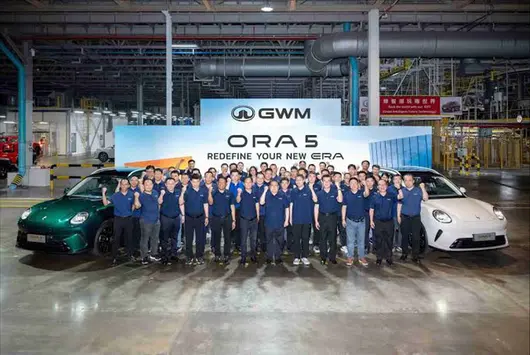

16 年前,吉利從福特手入買走咗富豪。
當時好多人的第一反應唔係佩服,而係擔心:一間中國民間車廠,突然接手一家歐洲豪華品牌,這到底係海外併購,定係搵錢買咗個祖宗返嚟供住?

16 年後,故事故事又兜返咗去福特。唔過呢一次,坐喺談判桌兩邊的人,位置已經有啲唔一樣啦。
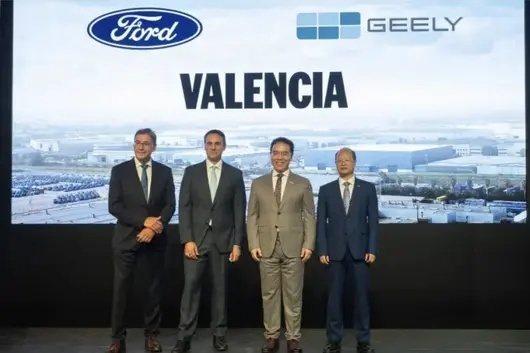
7 月 23 號,福特同吉利宣佈,將圍繞西班牙瓦倫西亞工廠成立一間面向歐洲市場嘅合營公司。福特持股約 66%,吉利持股約 34%,雙方將喺度生產福特同吉利品牌嘅多能源車款。按照規劃,兩款吉利新能源 SUV 將喺 2028 年落廠,雙方仲會聯合開發一款同時提供純電、插電混合同增程版本嘅新车。

所以嚴格嚟講,吉利並冇將福特工廠連人帶地打包買走。
但一件事最值得睇嘅,本來就唔係股權表格上邊邊多咗幾個百分點,而係邊個更需要邊個。
瓦倫西亞工廠年產能大約 50 萬輛,曾經係福特喺歐洲最重要嘅製造基地之一,生產過嘉年華、蒙迪歐、Galaxy 等一大串歐洲消費者耳熟能詳嘅車款。可而家,工廠主要靠 Kuga 維持生產,產能利用率只得大約三成,產量相比 2019 年已經跌咗超過七成。

一座可造 50 萬輛車嘅工廠,而家大部分時間都在等落單。機器仲在,工人仲在,供應鏈也在,得車唔夠賣。
就好似一間曾經排隊兩小時先食到嘅老酒樓,廚房、桌椅、服務員一個都冇少,最後發現大廳淨係坐咗三桌客。
呢個時候,吉利推門進來啦。唔係嚟食飯,而係帶住菜單、廚師同埋一班新顧客,問福特一句:你間廚房閒住都係閒住,不如我哋一齊搞?
呢條新聞真正好玩嘅地方就係呢度。以前中國車廠去歐洲,通常都係去學習。學歐洲人點樣搞設計,學德國人點樣調底盤,學百年車廠點樣管供應鏈。真係學唔到,就直接挖返幾個設計師、底盤工程師同埋銷售高層返來。

嗰時嘅中國汽車,好似一個突然賺錢嘅學生,成個世界搵名師。歐洲車廠坐喺講台上,一邊收學費,一邊仲帶少少居高臨下。
2010 年吉利收購富豪,就係呢個時代背景下最有代表性嘅一筆交易。福特當年點解賣富豪?因為金融危機之後缺錢,需要收縮戰線。吉利點解買?因為需要品牌、技術同埋成熟嘅全球體系。
嗰係一場標準嘅中國資本換歐洲技術。
但而家嘅瓦倫西亞合作,邏輯已經反轉過嚟。福特需要吉利帶嚟嘅,唔止係錢,而係新能源產品、車款平台、開發速度,同埋可以令工廠重新填满嘅訂單。
換句話講,16 年前吉利從福特手入買走咗一間歐洲豪華品牌;16 年後,福特開始邀請吉利返嚟,幫助自己解決歐洲工廠究竟該造乜車。

呢唔係簡單嘅「風水輪流轉」,而係汽車工業權力關係一次重新排列。因為對於一家汽車公司嚟講,真正危險嘅從來唔係少賣一款車,而係逐漸失去定義下一款車嘅能力。
工廠閒置,只係表象。表象背後,係福特喺歐洲新能源轉型中嘅尷尬。
過去幾年,福特喺歐洲做咗唔少嘢。佢同福斯合作,基於福斯 MEB 平台推出 Explorer EV 同 Capri EV;又同雷諾合作,希望共同開發更便宜嘅細型電動車;而家再請吉利入瓦倫西亞。

合作當然冇錯。汽車工業本來就係一個高度協作嘅行業,冇邊間車廠可以從芯片到輪胎全部自己造。
但當一家百年車廠嘅新產品越嚟越依賴人哋提供平台、技術或者產能方案,事情就唔止係「開放合作」咁輕鬆啦。佢哋話福特而家正係用合作伙伴,補返喺歐洲新能源產品上嘅速度同成本短板。

過去嘅福特,係人哋嚟借平台、借工廠、借品牌。而家嘅福特,開始四處搵拍檔。福斯負責一部分純電平台,雷諾幫手解決細型電動車,而家吉利帶住新能源 SUV 同新平台進入西班牙工廠。
唔知嘅,仲以為福特喺汽車行業拉咗個群,群名就叫「歐洲業務自救互助會」。
而吉利揀選呢個時候進入瓦倫西亞,都絕對唔係去歐洲做慈善。
中國車廠出海,最簡單嘅階段,係把車由國內裝上船,運到歐洲賣。但隨著關稅、本地製造規則同政治審查越嚟越多,單純出口正變成一門成本更高、確定性更低嘅生意。
歐盟而家仲對中國生產嘅純電動車實施反補貼措施,同時亦喺度討論更明確嘅「歐洲製造」要求。

所以而家中國車廠想嘅,已經唔係「點樣把車賣到歐洲」,而係「點樣令自己變做歐洲本地產業嘅一部分」。比亞迪前腳挖走匈牙利前外長嘅目的係咁,吉利今日同福特合作西班牙瓦倫西亞工廠都係一樣。
畢竟自己從零建廠,好似重新註冊一個新帳戶。但進入福特已經營運多年嘅工廠,就好似接手一個實名認證、有信用記錄,仲有當地政府同工友好關係嘅老號。

真正值錢嘅亦唔係廠房入面嗰幾部沖壓機,而係背後嘅工人、供應商、認證經驗,同同當地政府同社區形成嘅利益關係。
過去歐洲最擔心嘅係,中國汽車會唔會搶走歐洲人嘅飯碗。而家卻出現咗一個有點尷尬嘅畫面,中國車廠要係唔嚟,一啲歐洲工人嘅飯碗反而更难保住。
歐洲一邊同中國電動車加關稅,擔心中國品牌衝擊本土產業;一邊又歡迎中國車款進入本地工廠,因為工廠需要訂單,地方需要稅收,工人需要上班。
嘴上話係「防止產業空心化」,身體卻好誠實問咗一句,你哋嗰兩款 SUV,幾時可以先上生產線?
不過,睇到呢度都唔好急住開香檳。
中國車廠走進歐洲工廠,並唔等於從此拿到咗永久樓契。正相反,中國企業最近一年多喺海外遇到嘅麻煩,已經多到快可以單獨拍一部國際商戰連續劇。

英國政府強行將中國敬業集團旗下嘅英國鋼鐵國有化;荷蘭政府對聞泰科技旗下安世半導體實施罕見經營干預;巴拿馬最高法院裁定和記黃埔旗下公司營運兩座運河港口嘅合同無效;澳大利亞政府明確推動達爾文港回歸本國控制,持有 99 年租約嘅藍橋集團已經啟動法律行動。
資源國嗰邊都冇閒住。尼日爾驅逐三名中國石油企業高層,想賴賬;印尼喺依賴中國資本同技術成為全球鎳產業中心之後,又開始收緊礦石配額、提高稅費、調整定價方式,希望將更多利潤同資源控制權留喺自己手入面。

最難頂嘅係印度,計劃長期對中國企業保持嚴格審查,比亞迪最近就因進口零部件關稅問題遭到調查。印度政府仲幫比亞迪開咗張 6.5 億嘅徵稅單。
呢啲事情放埋一齊睇,確實容易令人有一種風雨欲來嘅感覺。
好似中國企業剛準備大規模走出去,世界各地就開始關門、換鎖,然後同你講,唔好意思,最近「國家安全」四個字有點忙,港口歸佢管,芯片歸佢管,鋼鐵歸佢管,礦都歸佢管。
但這恰恰亦係中國企業真正開始全球化嘅證明。
以前中國公司在海外存在感冇咁強,當然都冇咁多摩擦。你只係賣啲商品,人哋把你當供應商;當你開始買工廠、拿港口、控資源、建供應鏈,甚至影響一個國家嘅就業同產業安全,人哋睇你嘅眼神自然變咗。

一個從來唔出海嘅人,確實唔會喺海上遇到風浪。但這唔能說明岸上更安全,只能說明佢永遠到唔到對岸。
所以問題從來唔係中國企業仲要不要出海,而係出海嘅方式必須升級。
以前中國企業最擅長計生产成本,一塊電池幾多錢,一輛車幾時落廠,效率仲可以提高幾個百分點。
以後仲要學識計政治成本,政府會唔會換屆,產業政策會唔會轉向,「國家安全」嘅邊界會唔會突然擴大,合同出現爭議之後,當地法律同仲裁機制到底靠唔靠得住。
由呢個角度再睇吉利同福特嘅合營,反而更有意思啦。
福特持股 66%、吉利持股 34%,表面上睇吉利冇控制權,唔夠「揚眉吐氣」。但這可能恰恰係一種勇氣同智慧並存嘅設計。

吉利冇獨自買落一座歐洲工廠,再喺門口掛塊牌宣布插旗成功,而係把福特留喺船上,把西班牙工人留喺生產線上,把當地供應商、政府稅收同就業都綁進項目入面。
以後真有人想掀枱,先被砸到腳嘅唔止係吉利,仲有福特、當地工會、零部件企業,同埋依賴呢間工廠食飯嘅家庭。
這先係成熟嘅全球化。唔係走到一個國家,宣布呢度以後歸我;而係令越嚟越多本地人發現,呢個項目要係冇咗,佢哋都會肉痛。
所以最近呢啲海外摩擦,當然值得警惕,但唔值因此得出「中國企業唔該出海」嘅結論。

接觸面越大,摩擦點自然越多。中國企業走出去嘅資產越重、進入嘅行業越關鍵,遇到嘅阻力就越唔會只係商業競爭,而會變做法律、政治、輿論同國家安全嘅混合題。
呢樣好麻煩,但都係必經之路。
16 年前,吉利從福特手入買走咗富豪,買入嘅係一張進入全球汽車工業嘅門票。
16 年後,吉利走進福特嘅歐洲工廠,帶去嘅已經唔止係錢,而係產品、技術、效率同訂單。
以前中國汽車出海,賣嘅係車。接下來真正要輸出嘅,係一套造車方式,同喺陌生規則入面生存嘅能力。
歐洲汽車最擔心嘅事,確實發生咗。中國車廠唔只係把車開進咗歐洲市場,仲開始把自己嵌進歐洲汽車工業嘅生產線。
但對中國企業嚟講,真正嘅考驗先至開始。
賣車只係第一步。真正嘅全球化,係一邊向外走,一邊挨打,一邊學識點樣唔白挨打。

In the Malaysian SUV market, many buyers compare the Proton X50 and Chery Tiggo 7 Pro when choosing a car. These two cars are quite close in price and positioning. Today, we will make a detailed comparison from multiple aspects to help you save time on research.
The Proton X50 OTR price in Malaysia is RM 89,800 - 113,300, with a total of 4 variants, including 1.5T Executive (RM 89,800), 1.5T Premium (RM 101,800), 1.5T Flagship (RM 113,300), etc.
The Chery Tiggo 7 Pro OTR price in Malaysia is RM 123,750 - 123,750, with a total of 2 variants, including 1.6L Turbo Standard (RM 125,000), 1.6L Turbo Premium (RM 140,000), etc.
From a price perspective, the starting price of the Proton X50 is indeed RM 33,950 cheaper than the Chery Tiggo 7 Pro. If your budget is limited, the entry-level version of Proton can already meet daily needs. But note also, the few thousand cheaper amount, there might be trade-offs in features, it depends on your specific needs.
The Proton X50 safety rating is 5★ (ASEAN NCAP), active safety systems include ADAS (ACC, AEB, LKA, LDA, BSM, RCTA).
The Chery Tiggo 7 Pro safety rating is TBD, active safety systems include Basic.
Regarding safety features, both cars have achieved good ratings. However, there are some differences in functionality between the Proton X50's ADAS (ACC, AEB, LKA, LDA, BSM, RCTA) and the Chery Tiggo 7 Pro's Basic. If you value active safety, you can compare the feature lists of both in detail.
The Proton X50 adopts a 4WD drive system.
The Chery Tiggo 7 Pro adopts a FWD drive system.
The Proton's 4WD and Chery's FWD will have different handling sensations, test drive comparison is recommended.
Both Proton X50 and Chery Tiggo 7 Pro are mainstream choices in the Malaysian market, suitable for family use and daily commuting. If you value brand reputation and resale value more, consider the one with better reputation first; if you care more about cost-performance ratio and features, choose the one with richer configuration. In the end, it is recommended to test drive both, experiencing it yourself is the most important.
Overall, both Proton X50 and Chery Tiggo 7 Pro are quite good car models in the Malaysian market. Which one to choose depends mainly on your personal needs and budget. It is recommended that you do your research well, compare quotes from several car dealers, and then go for a test drive to make the final decision. Buying a car is a big matter, spending some time doing research will never be wrong.


