


首頁Supra MK4

搜尋歷史
熱門搜尋
經銷商登入 / 註冊

當汽車行業陷入「速成」內捲,奇瑞風雲 T7 以「全球車快唔到一點」嘅宣言,用 5 年打磨嘅硬核實力,重新定義純電 SUV 嘅價值標準。8 月 12 日,這款歷經全球嚴苛驗證嘅全球品質純電 SUV 正式開啟預售,以「慢功出好車」嘅長期主義,為市場注入一劑清醒劑。

風雲 T7 嘅「慢」,係研發投入嘅深耕。3 年研發週期、全球 1+7+N 研發體系打磨,讓佢從誕生之初就對標 2026 版 E-NCAP 全球最高安全標準,提前 2 年預研全球法規,將 15 個典型國家嘅用戶需求納入產品設計。145 萬公里全球極限環境驗證,覆蓋 -40℃極寒到 55℃高溫、500mm 深水涉水等 100+ 極限路況,963 台試驗車嘅全方位測試,讓每一處細節都經得起全球市場考驗。

這種「慢」更體現喺全球資源嘅整合:百餘名全球設計師協同、5000+ 用戶共創,讓車型兼具歐洲審美與東方雅韻;博世、索尼等世界級供應商加持,歐系底盤由原瑪莎拉蒂資深工程師調校,從用料到調校均達到全球頂級水準。
強產品力:六大剛需全覆蓋,同級標杆實至名歸風雲 T7 嘅核心競爭力,在於對家庭用戶六大剛需嘅精準滿足。顏值上,馭風前脸、風刃大燈搭配 6 款東方雅韻車色,熾焰橙更採用豪華車級 tri-coat 工藝,光影流轉間盡顯高級感;空間上,2700mm 軸距帶來 84% 得房率,後排純平地台 +4/6 放倒純平大床模式,兼顧家用與戶外場景。

安全係佢最硬核嘅底氣:80% 高強度鋼磐石車身、同級獨有 shotgun 結構,搭配 9 氣囊與 6D 電池防護,IP68 防水標準達國標 96 倍,從車身到電池構築雙重安全堡壘。續航方面,全系標配 65.05kWh 犀牛角電池,CLTC 續航 600km 且實測「反向虛標」達 667+km,20 分鐘可完成 30-80% 快充,-40℃極寒環境下續航達成率仍提升 30%,徹底解決里程焦慮。

智能體驗同樣領先同級:4nm 製程 8775 艙駕一體芯片,算力碾壓 5-7nm 同級芯片,支持跨樓層記憶泊車與 300+ 全場景自動泊車;靈犀智艙 2.0 集成豆包大模型,六大真人感陪伴體驗讓交互更自然。此外,雲感舒適座椅嘅三檔加熱通風、50W 無線充電等細節,盡顯人性化關懷。
市場競爭力:長期主義破局,全球品質降維打擊在「速成車」濫嘅市場中,風雲 T7 嘅競爭力源於「全球車」嘅降維打擊。其同源車型 LEPAS L6 已喺南非、泰國上市,9 月將登陸歐盟,全球 130 多個國家嘅奇瑞體系為其品質背書。相比同級車型,風雲 T7 以全球標準重構價值:安全上對標 2026 法規,續航上突破溫域限制,智能上搭載艙駕一體芯片,更以整車終身質保、電池安全兜底等政策,打消用戶後顧之憂。

這種「慢」並非效率低下,而係對品質嘅極致追求。當行業追逐短期流量時,風雲 T7 用 5 年時間完成從研發到全球驗證嘅閉環,以全球品質滿足中國家庭需求,喺 15-20 萬級純電 SUV 市場中,樹立起「長期主義」嘅新標杆。
風雲 T7 嘅上市,不僅係一款新車嘅發布,更係對汽車製造初心嘅回歸。喺「快」與「慢」嘅博弈中,佢用全球品質證明:真正嘅好車,從來都唔怕慢。
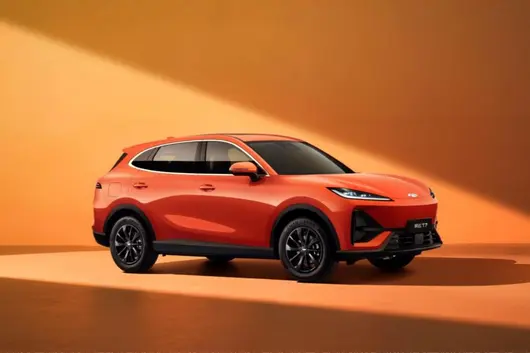

8 月 12 日,奇瑞風雲 T7 正式展開預售,本次活动以“慢工造好車,等咗好耐”為核心主題,傳遞品牌沉住氣打磨車款、堅持長期造車嘅初衷,亦向长久等待新車嘅消費者表達真摯謝意。新車推出三款唔同配置版本,預售價位區間為 10.99-12.99 萬元,现阶段下訂 1000 元訂金,就能享受七重實用購車福利。

倚靠奇瑞廿餘年全球化技術累積,風雲 T7 採用率先赴海外完成嚴苛道路測試,再面向內地市場推出嘅研發路線,摒棄業界粗製速成嘅造車方式,整車設計、生產、檢測全流程均參照國際高標準打造。圍繞普通家庭用車六大核心需求,新車喺外觀質感、行車防護、續航出行、智能互動、乘坐舒適、用車保障六大維度全面打磨,無論係日常通勤、長途自駕,定係戶外露營、多人結伴出遊,各類出行場景都能輕鬆適配。
內外兼具優質質感,耐睇耐用兼顧日常使用整車設計融合國際簡約潮流與東方柔和雅致嘅韻味,由奇瑞全球十大設計中心聯合五千餘名海内外用戶共同參與打磨,同系列車型曾登陸米蘭設計周,收穫唔少海外專業人士認可。流暢流線型車身搭配層次分明嘅車頭造型與貫穿式尾燈,視覺觀感舒展大氣;車漆採用同步海外嘅耐候工藝,長期日曬雨淋亦唔容易褪色失光,一共提供熾焰橙、山煙紫、云粉米等六種車身配色可供揀選。

車內提供溫暖黑棕、極夜黑曜兩種內飾風格,環抱式座艙大面積鋪設軟性包覆,菱格縫線座椅、鵝卵石造型車載揚聲器等細節,進一步提升車內精緻氛圍。車內皮革、密封條、塑膠飾件均選用抗老化材質,長時間使用亦唔易變硬變白,長久保持清爽觀感。後排採用純平地台設計,後排乘客落腳、放置隨身物品都更加便利。

風雲 T7 研發階段對標 2026 版 E-NCAP 五星安全設計標準,歷經多年策劃研發,完成數百萬公里整車耐久測試,仲專門奔赴東南亞多雨地區、中東高溫地帶、印尼高濕環境等全球多地開展極限實車試煉。車身超八成結構使用高強度鋼材,近兩成熱成型鋼搭建九橫五縱籠式車身,搭配多條碰撞能量分散路徑,配合九個安全氣囊,全方位緩衝撞擊帶來嘅傷害。

全系標配犀牛動力電池,多層立體防護結構可以有效抵禦擠壓、穿刺、強力衝擊;電池達到 IP68 高級防水標準,城市內澇、雨天涉水路段都唔使擔心電池進水短路。同時品牌推出兩項兜底保障政策:若動力電池自身故障引發車輛熱失控損毀,可賠償同款或同配置新車;購車首年,智能駕駛輔助系統故障引發事故,造成人員與第三方財產損失,最高可Provided500 萬元賠償。

三款車型全部搭載 65.05kWh 大容量犀牛電池,CLTC 工況續航 600km,車輛實際行駛續航表現優於官方標定數值,有效緩解車主里程焦慮。電量從 30% 充至 80% 僅需二十分鐘,中途短暫休整就能補足電量繼續遠行。車輛搭載全域一體化雙源寬熱泵空調搭配高壓 PTC,可喺 -30℃至 55℃寬闊溫度區間穩定運行,北方冬季製熱省電,南方夏季散熱高效;配合智能進氣格柵與多達十餘項低風阻優化設計,車輛高低速行駛能耗表現平穩,四季長途出行唔用擔憂續航大幅縮水。
智能互動順滑好用,寬適空間滿足家庭需求車內搭載 4nm 製程座艙駕合一 8775 晶片,算力充沛,車機開機、屏幕操作反應迅速順暢。15.6 英寸 2.5K 高清中控屏幕具備防眩光、抗指紋特性,支援多款主流手機無線互聯,市面上絕大多數手機都能實現無縫投屏。靈犀智艙 2.0 系統搭載多種特色語音交互人設,仲內建小憩、露營、寵物出行、提神等六大全屬場景模式,貼合車主多元化出行場景。全車搭載 22 粒高精準傳感器,配套獵鷹 500 駕駛輔助系統,能夠覆蓋三百多種日常泊車場景,死路泊車、一鍵循跡倒車、跨樓層自動泊車等難題都可交由車輛自主完成,新手也能輕鬆解決泊車難題。

整車尺寸 4570×1852×1694mm,軸距表現亮眼,車內空間利用率出色,後排腿部活動空間充裕。常規尾箱可以容納日常行李,放倒後排座椅後能拓展出超大儲物區域,車內直接鋪成平整大牀,戶外露營休憩格外適合。座椅採用九層雲感填充材質,柔軟卻唔塌陷,長時間乘坐唔容易疲累,全系標配通風與加熱功能,低溫環境升溫快速,夏季通風模式避免背部悶熱出汗。車內隨處可見貼心儲物位,尾箱配備多組承重鉚環與掛鉤,帳篷、行李箱等大件戶外裝備都能牢牢固定。底盤由擁有馬莎拉蒂調校經驗嘅國際化專家團隊打磨,均衡軸荷比優化過彎穩定性與直行行驶質感,長途乘車唔易產生暈眩感。

除預售階段多重購車福利外,風雲 T7 為車主準備兩項終身專屬權益,覆蓋車輛從購入到長期使用嘅完整週期。第一項為整車終身質保,包含三電核心部件,僅易損件、特殊配件唔喺保障範圍內,免去後期大件維修嘅高額開銷;第二項只須花費 666 元,即可購入原價 3999 元嘅終身基礎保養套裝,每年能享受一次免費基礎保養,大幅削減長期養車成本。

從參照全球標準研發、奔赴多國實地測試,到貼合內地普通家庭出行需求落地,風雲 T7 憑藉均衡全面嘅產品實力,覆蓋家庭日常出行各類需求。新車而家已展開預售,支付一千元訂金即可解鎖專屬車漆禮包、車款膨脹抵扣、優先提車等七重權益,追求靚仔、續航、舒適與長期用車保障嘅家庭,可到線下門市近距離體驗。
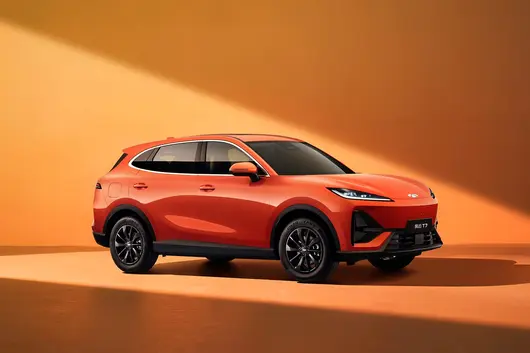

In the Malaysian SUV market, many buyers compare the Proton X90 and Chery Tiggo Cross when choosing a car. These two models are quite close in price and positioning. Today, we will make a detailed comparison from multiple aspects to help you save time on research.
The OTR price of the Proton X90 in Malaysia is RM 106,800 - 122,800, with a total of 4 versions, including 2026 1.5T Prime X (RM 122,800), 2026 1.5T Prime (RM 116,800), 2026 1.5T Lite (RM 106,800), etc.
The OTR price of the Chery Tiggo Cross in Malaysia is RM 88,750 - 99,750, with a total of 2 versions, including 2025 HEV 1.5L CSH (RM 99,750), 2025 1.5T Standard (RM 88,750), etc.
In terms of price, the starting price of the Chery Tiggo Cross is RM 18,050 cheaper than the Proton X90. Honestly, at this price range, a difference of a few thousand is not really significant; the key is to look at the overall value for money and long-term usage costs.

The Proton X90 is equipped with a 1.5L Turbo, with 140 hp. Official fuel consumption is 7.0 L/100km.
The Chery Tiggo Cross is equipped with a 1.5L 4-cyl, with 105 hp. Official fuel consumption is 6.0 L/100km.
In terms of power, the Proton X90's 1.5L Turbo has 35 more horsepower than the Chery Tiggo Cross's 1.5L 4-cyl, providing more confidence in mid-range acceleration, especially when overtaking on highways. However, the Chery Tiggo Cross's fuel consumption might be more favorable, and the difference in daily city commuting will not be too large.

The Proton X90 body length is 4400 mm, trunk 400 L.
The Chery Tiggo Cross body length is 4400 mm, trunk 400 L.
The dimensions of the two cars are almost identical, and the interior space difference is not significant. For this class of cars, it is more than enough for daily use.

Proton X90 warranty is 5 years/150,000km, maintenance interval is every 10,000km or 6 months.
Chery Tiggo Cross warranty is 3 years/100,000km, maintenance interval is every 10,000km or 6 months.

Overall, both the Proton X90 and Chery Tiggo Cross are quite good models in the Malaysian market. Which one to choose depends mainly on your personal needs and budget. It is recommended to do your research, compare quotes from several car dealerships, and go for a test drive to make the final decision. Buying a car is a major matter; spending time doing research will never be wrong.


In the Malaysia SUV market, many buyers compare Proton X90 and Honda CR-V when choosing a car. These two cars are quite close in price and positioning. Today, we will make a detailed comparison from multiple aspects to help you save time on research.
The OTR price of Proton X90 in Malaysia is RM 106,800 - 122,800, with a total of 4 versions, including 2026 1.5T Prime X (RM 122,800), 2026 1.5T Prime (RM 116,800), 2026 1.5T Lite (RM 106,800), etc.
The OTR price of Honda CR-V in Malaysia is RM 178,200 - 195,900, with a total of 4 versions, including 2026 e:HEV 2.0L 2WD RS (RM 195,900), 2026 1.5T 4WD V (RM 181,900), 2026 e:HEV 2.0L 2WD E (RM 178,200), etc.
From a price perspective, the starting price of Proton X90 is indeed RM 71,400 cheaper than Honda CR-V. If your budget is limited, Proton's entry-level version can already meet daily needs. But be aware, those few thousand cheaper might involve trade-offs in features, it depends on your specific needs.
Proton X90 safety rating is 5★ (ASEAN NCAP), active safety systems include ADAS (ACC, AEB, LKA, LDA, BSM, RCTA).
Honda CR-V safety rating is 5★ (ASEAN NCAP), active safety systems include Honda SENSING (ACC, CMBS, LKAS, RDM).
Both cars have the same safety rating. In this class, safety features are quite comprehensive. New cars nowadays are not lacking in safety, so no need to worry too much about this.
Proton X90 body length 4400 mm, trunk 400 L.
Honda CR-V body length 4500 mm, trunk 450 L.
In terms of space, Honda CR-V's body is 100 mm longer than Proton X90, offering an advantage in seating space. However, Proton X90 is a bit more flexible for parking in the city, each has trade-offs.
Proton X90 adopts FWD drive mode.
Honda CR-V adopts FWD drive mode.
Both cars have the same drive mode, both are FWD, there won't be much difference in daily driving experience.

In general, both Proton X90 and Honda CR-V are excellent models in the Malaysia market. Which one to choose depends on your personal needs and budget. We recommend doing your homework, comparing quotes from multiple car dealerships, and then test driving to make the final decision. Buying a car is a major event, taking some time to research is never wrong.

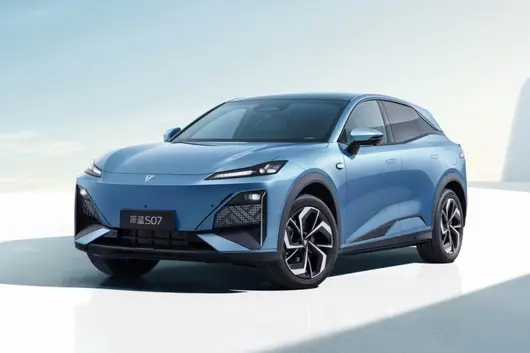
7 月嘅新能源汽車市場,深藍交出一份值得關注嘅成績單:全球銷量 29,213 輛,按年增長 7.52%。1-7 月累計銷售 193,369 輛,按年增長 13.48%。更關鍵嘅係,品牌全球累計銷量已經突破 91 萬輛,距離百萬里程碑只差臨門一腳。S07 累計超過 30 萬輛,S05 累計超過 25 萬輛,連續 4 個月單月破 3 萬。喺一個央企體系孵化出嘅新能源品牌,能喺中國品牌裏跑出呢種速度,確實唔多見。深藍做對咗啲咩?

國企體制畀咗深藍啲咩
要理解深藍嘅成長路徑,需要回溯到長安嘅戰略佈局。深藍嘅前身可以追溯到長安「香格里拉計劃」嘅先發探索,2022 年 7 月首款車型 SL03 上市,深藍由此成為長安喺新能源賽道上最早落地嘅品牌之一。2025 年 7 月,長安汽車正式升格為中國長安汽車集團,成為新央企,深藍作為集團三大數智新能源品牌之一,定位同資源配置都有咗新嘅想象空間。
國企體制帶嚟嘅最大優勢,係容錯空間。新能源係一場需要持續燒錢嘅長跑,民企喺資本市場嘅耐心面前往往不得不追求短期回報,而深藍可以喺核心技術上作長周期投入。原力超集電驅累計已有百萬台下線,工況效率達到 94.13%,呢個數字目前係全球第一。金鐘罩電池兩次獲得國家科技進步獎二等獎——呢種需要長期積累嘅技術突破,喺民企嘅決策邏輯裏好難獲得如此力度嘅資源傾斜。

新勢力嘅打法佢都冇落後
有體制嘅底氣,深藍喺產品同營銷上並冇行傳統國企嘅老路。最明顯嘅一步棋係同華為嘅合作。深藍 S07 搭載華為乾崑 ADS SE 智駕系統,成為 15 萬級唯一搭載華為智駕嘅 SUV,呢個定位非常精準——15 萬級嘅消費者對智駕嘅需求已經好高,但同價位能提供華為智駕方案嘅幾乎冇,深藍喺呢度提前佈局,形成咗差異化優勢。
全新 S05 於 8 月 6 日上市,售價 11.59 起,全係標配激光雷達,從入門版本就開始搭載激光雷達,喺同級別中好少見,深藍嘅思路好清楚:唔用配置做高低配差異,而係將智駕能力作為基礎能力鋪開。技術儲備方面,下半年純電動車將搭載 800V 高壓平台同 6C 超充技術。

海外佈局同樣喺加速。泰國羅勇工廠已經正式投產,S05 喺西班牙純電 SUV 註冊量排名第一,全球版圖正從東南亞向歐洲縱深推進。仲有㗎一個好易俾人忽略嘅細節:深藍已經宣布實現「階段性盈利」,係國企新能源品牌中率先做到嘅。喺多數新能源車企仲喺虧損泥潭度掙扎嘅時候,深藍已經跑通咗盈利模型,說明佢嘅成本控制同定價策略搵到咗平衡點。
百萬之後,天花板喺邊
91 萬輛到百萬輛只差一步,但百萬輛之後先至係更難嘅考題。深藍目前嘅主力產品集中喺 10-20 萬價格區間,呢個係走量嘅黃金地帶,但亦都係利潤最薄嘅戰場,向上嘅品牌拉力仲未真正建立起身。30 萬以上嘅高端市場,深藍仲未有能力打嘅牌。更微妙嘅係,長安體系內仲有阿維塔定位更高端,同華為嘅合作更深入,深藍同阿維塔之間嘅品牌區隔點樣維持,係長安集團需要回答嘅問題。

最後嘅嘢
回睇深藍嘅成長軌跡,佢嘅成功唔係偶然——國企體制嘅容錯空間畀咗技術積累嘅底氣,新勢力嘅產品打法保證咗市場端嘅競爭力,華為智駕嘅背書則補齊咗智能化呢個關鍵短板。三者疊加,先至有今日 91 萬輛嘅成績。深藍作為國企新勢力嘅樣本價值,喺於佢證明咗一件事:體制唔係包袱,關鍵喺點樣用。91 萬輛之後,百萬輛近在眼前,深藍接下來要做嘅,係喺規模之上建立更深嘅品牌護城河。國企新能源呢條路,深藍已經走出咗一個值得參考嘅樣本。

In Malaysia's SUV market, many buyers compare the Proton X70 and Subaru Forester when choosing a car. Both cars are quite close in price and positioning. Today we will make a detailed comparison from multiple aspects to help you save time on research.
Proton X70's OTR price in Malaysia is RM 106,800 - 122,300, with a total of 3 versions, including 1.5L Standard 2WD (RM 106,800), 1.5L Executive 2WD (RM 115,800), 1.5L Premium 2WD (RM 122,300), etc.
Subaru Forester's OTR price in Malaysia is RM 174,000 - 197,000, with a total of 3 versions, including 2024 2.0L S EyeSight GT Edition (RM 189,538), 2024 2.0L S EyeSight (RM 177,538), 2024 2.0L L EyeSight (RM 167,538), etc.
From a price perspective, the Proton X70's starting price is indeed RM 67,200 cheaper than the Subaru Forester. If your budget is limited, Proton's entry-level version can already meet daily needs. However, keep in mind that the price difference might involve trade-offs in features, depending on your specific needs.

Proton X70's safety rating is 5★ (ASEAN NCAP), active safety systems include ADAS (ACC, AEB, LKA, LDA, BSM, RCTA).
Subaru Forester's safety rating is 5★ (Euro NCAP), active safety system includes EyeSight.
In terms of safety features, both cars have received good ratings. However, there are some functional differences between Proton X70's ADAS (ACC, AEB, LKA, LDA, BSM, RCTA) and Subaru Forester's EyeSight. If you value active safety, you can compare the feature lists of both carefully.

Proton X70 uses FWD drive mode.
Subaru Forester uses FWD drive mode.
Both cars have the same drive mode, which is FWD, so there will not be a significant difference in daily driving experience.

Proton X70 warranty 5 years/150,000km, maintenance interval every 10,000km or 6 months.
Subaru Forester warranty 3 years/100,000km, maintenance interval every 10,000km or 6 months.
Both Proton X70 and Subaru Forester are mainstream choices in the Malaysian market, suitable for family use and daily commuting. If you value brand reputation and resale value more, you can prioritize the one with better reputation. If you care more about value for money and features, then choose the one with richer configurations. Ultimately, it is recommended to test drive both models, as experiencing it personally is the most important.
Overall, Proton X70 and Subaru Forester are excellent models in the Malaysian market. Which one to choose depends mainly on your personal needs and budget. We suggest doing your homework, comparing quotes from several dealerships, and then test drive to make a final decision. Buying a car is a big deal, spending some time doing research will never be wrong.


In the Malaysian SUV market, many buyers compare Proton X70 and Chery Tiggo 7 PHEV when choosing a car. Both cars are quite close in price and positioning. Today, we will make a detailed comparison from multiple aspects to help you save time on research.
Proton X70 OTR price in Malaysia is RM 106,800 - 122,300, with 3 versions in total, including 1.5L Standard 2WD (RM 106,800), 1.5L Executive 2WD (RM 115,800), 1.5L Premium 2WD (RM 122,300), etc.
Chery Tiggo 7 PHEV OTR price in Malaysia is RM 129,750 - 129,750, with a total of 2 versions, including 2025 1.5T 90km CSH (RM 129,750), What charging methods does the Tiggo 7 PHEV support? Can it be charged using a home power socket? (RM 117,478), etc.
From a pricing perspective, the Proton X70's starting price is indeed RM 22,950 cheaper than the Chery Tiggo 7 PHEV. If you have a limited budget, the Proton's entry-level version already meets daily needs. However, be aware that the lower cost might mean compromises in equipment, depending on your specific requirements.

Proton X70 equipped with 1.5L Turbo, 140 hp. Official fuel consumption 7.0 L/100km.
Chery Tiggo 7 PHEV equipped with Hybrid, 170 hp. Official fuel consumption 4.5 L/100km.
Regarding power, the Chery Tiggo 7 PHEV's Hybrid has 30 more horsepower than the Proton X70's 1.5L Turbo. However, for daily city driving, both cars have sufficient power, and you won't feel underpowered.

Proton X70 body length 4400 mm, trunk 400 L.
Chery Tiggo 7 PHEV body length 4400 mm, trunk 400 L.
The dimensions of both cars are almost the same, with little difference in interior space. For this class of cars, daily use is completely sufficient.

Proton X70 uses FWD drive method.
Chery Tiggo 7 PHEV uses FWD drive method.
Both cars use the same drive method, FWD, so the daily driving experience will not differ much.
Proton X70 warranty 5 years/150,000km, service interval every 10,000km or 6 months.
Chery Tiggo 7 PHEV warranty 3 years/100,000km, service interval every 10,000km or 6 months.
Overall, both Proton X70 and Chery Tiggo 7 PHEV are very good models in the Malaysian market. Choosing which one depends mainly on your personal needs and budget. We suggest doing research, comparing quotes from multiple dealers, and then test driving to make a final decision. Buying a car is a big matter, spending some time on research will certainly not be wrong.


In the Malaysian SUV market, many buyers compare Proton X70 and Mazda CX-60 when choosing a car. These two cars are quite close in terms of price and positioning. Today we will make a detailed comparison from multiple aspects to help you save time on research.
The OTR price for Proton X70 in Malaysia is RM 106,800 - 122,300, with a total of 3 versions, including 1.5L Standard 2WD (RM 106,800), 1.5L Executive 2WD (RM 115,800), 1.5L Premium 2WD (RM 122,300), etc.
The OTR price for Mazda CX-60 in Malaysia is RM 200,510 - 252,873, with a total of 2 versions, including 2026 3.3T 4WD High Plus (RM 252,873), 2025 2.5L 2WD High (RM 200,510), etc.
From the price perspective, the starting price of Proton X70 is indeed RM 93,710 cheaper than Mazda CX-60. If your budget is limited, Proton's entry-level version can already meet daily needs. But also note, the few thousand difference might involve trade-offs in features, depending on your specific requirements.

Proton X70 is equipped with 1.5L Turbo, 140 hp. Official fuel consumption 7.0 L/100km.
Mazda CX-60 is equipped with 2.0L 4-cyl, 170 hp. Official fuel consumption 8.0 L/100km.
In terms of power, Mazda CX-60's 2.0L 4-cyl has 30 more horsepower than Proton X70's 1.5L Turbo. However, for daily driving in the city, the power of both cars is sufficient, you won't feel underpowered.

Proton X70's safety rating is 5★ (ASEAN NCAP), active safety systems include ADAS (ACC, AEB, LKA, LDA, BSM, RCTA).
Mazda CX-60's safety rating is 5★ (Euro NCAP), active safety systems include i-Activsense Pro.
In terms of safety features, both cars received good ratings. However, Proton X70's ADAS (ACC, AEB, LKA, LDA, BSM, RCTA) and Mazda CX-60's i-Activsense Pro have some differences in functionality. If you value active safety highly, you can compare the feature lists of both carefully.

Proton X70 body length 4400 mm, trunk 400 L.
Mazda CX-60 body length 4500 mm, trunk 450 L.
In terms of space, Mazda CX-60's body is 100 mm longer than Proton X70, offering a passenger space advantage. However, Proton X70 is more flexible for parking in the city, with trade-offs on both sides.
Proton X70 and Mazda CX-60 are both mainstream choices in the Malaysian market, suitable for family use and daily commuting. If you value brand reputation and resale value more, you can prioritize the one with better reputation; if you care more about cost-performance and features, choose the one with richer configuration. Ultimately, it is recommended to test drive both, experiencing it personally is the most important.
Overall, Proton X70 and Mazda CX-60 are both very good car models in the Malaysian market. Choosing which one depends mainly on your personal needs and budget. We suggest doing your homework, comparing quotes from several car dealerships, and then test driving to make the final decision. Buying a car is a big matter, spending some time doing research will definitely not be wrong.


喺馬來西亞嘅 SUV 市場,好多買家喺揀車嗰陣都會拿 寶騰 X70 同 馬自達 CX-5 嚟做比較。呢兩款車喺價位同定位上都幾接近,今日我哋就從多個方面嚟做一個詳細嘅比較,幫你省返做功課嘅時間。
寶騰 X70 喺馬來西亞嘅 OTR 售價係 106,800 令吉 - 122,300 令吉,合共有 3 個版本,包括 1.5L Standard 2WD(106,800 令吉)、1.5L Executive 2WD(115,800 令吉)、1.5L Premium 2WD(122,300 令吉) 等。
馬自達 CX-5 喺馬來西亞嘅 OTR 售價係 135,469 令吉 - 166,760 令吉,合共有 3 個版本,包括 2025 2.0L AT 35th Anniversary(316,154 令吉)、2025 2.0L AT(296,154 令吉)、2025 2.0L MT(294,154 令吉) 等。
從車價嚟睇,寶騰 X70 嘅入門價確實比 馬自達 CX-5 平咗 28,669 令吉。如果你預算有限,寶騰嘅入門版已經可以滿足日常需求。但都要留意,平嘅嗰幾千塊,可能在配備上會有取舍,具體就要睇你嘅需求。

寶騰 X70 嘅安全評級係 5★ (ASEAN NCAP),主動安全系統包括 ADAS (ACC, AEB, LKA, LDA, BSM, RCTA)。
馬自達 CX-5 嘅安全評級係 5★ (ASEAN NCAP),主動安全系統包括 。
呢兩款車嘅安全評級一樣,喺呢個級數入面安全配備都算好齊全啦。而家嘅新車安全性都唔差,唔使太擔心呢一點。

寶騰 X70 車身長 4400 mm,尾箱 400 L。
馬自達 CX-5 車身長 4500 mm,尾箱 450 L。
空間方面,馬自達 CX-5 嘅車身比 寶騰 X70 長咗 100 mm,乘坐空間更有優勢。不過 寶騰 X70 喺城市入面停車會靈活啲,各有好壞。

寶騰 X70 採用了 FWD 驅動方式。
馬自達 CX-5 採用了 FWD 驅動方式。
兩款車嘅驅動方式一樣,都係 FWD,日常駕駛感受唔會有太大分別。
總嘅嚟講,寶騰 X70 同 馬自達 CX-5 都係馬來西亞市場好唔錯嘅車型。揀邊一輛,關鍵都係要睇你嘅個人需求同預算。建議大家做好功課,多比較間唔同車行嘅報價,再去做試駕先至做最終決定。買車係件大事,花少少時間做功課絕對唔會錯。

In the SUV market in Malaysia, many buyers compare the Proton X70 and the Honda CR-V when choosing a car. These two models are quite close in terms of pricing and positioning. Today, we will make a detailed comparison from multiple aspects to help you save time doing research.
The OTR price for the Proton X70 in Malaysia is RM 106,800 - 122,300, with a total of 3 versions, including the 1.5L Standard 2WD (RM 106,800), 1.5L Executive 2WD (RM 115,800), 1.5L Premium 2WD (RM 122,300), etc.
The OTR price for the Honda CR-V in Malaysia is RM 178,200 - 195,900, with a total of 4 versions, including the 2026 e:HEV 2.0L 2WD RS (RM 195,900), 2026 1.5T 4WD V (RM 181,900), 2026 e:HEV 2.0L 2WD E (RM 178,200), etc.
From a price perspective, the Proton X70's starting price is indeed RM 71,400 cheaper than the Honda CR-V. If your budget is limited, Proton's entry-level model can already meet daily needs. However, note that the few thousand cheaper might involve trade-offs in features, depending on your specific requirements.
Proton X70's safety rating is 5★ (ASEAN NCAP), with active safety systems including ADAS (ACC, AEB, LKA, LDA, BSM, RCTA).
Honda CR-V's safety rating is 5★ (ASEAN NCAP), with active safety systems including Honda SENSING (ACC, CMBS, LKAS, RDM).
Both cars have the same safety rating. In this class, safety features are quite comprehensive. New cars nowadays generally have good safety, so there's no need to worry too much about this.
Proton X70 warranty is 5 years/150,000km, maintenance interval is every 10,000km or 6 months.
Honda CR-V warranty is 5 years/unlimited mileage, maintenance interval is every 10,000km or 6 months.
Both the Proton X70 and Honda CR-V are mainstream choices in the Malaysian market, suitable for family use and daily commuting. If you value brand reputation and resale value more, prioritize the one with better reputation. If you care more about value for money and features, choose the one with richer configuration. In the end, it is recommended to test drive both, as hands-on experience is the most important.
Overall, the Proton X70 and Honda CR-V are both very good models in the Malaysian market. Which one to choose depends mainly on your personal needs and budget. It is recommended that you do your research, compare quotes from multiple car dealerships, and then test drive to make the final decision. Buying a car is a big matter, spending time on research will never go wrong.


喺馬來西亞嘅 SUV 市場,好多買家喺揀車嘅時候都會將 Proton X70 同 Honda CR-V 做比較。呢兩款車喺價位同定位上都幾接近,今日我哋就從多個方面做一個詳細嘅比較,幫你節省做功課嘅時間。
Proton X70 喺馬來西亞嘅 OTR 售價係 RM 106,800 - 122,300,一共有 3 個版本,包括 1.5L Standard 2WD(RM 106,800)、1.5L Executive 2WD(RM 115,800)、1.5L Premium 2WD(RM 122,300) 等。
Honda CR-V 喺馬來西亞嘅 OTR 售價係 RM 178,200 - 195,900,一共有 4 個版本,包括 2026 e:HEV 2.0L 2WD RS(RM 195,900)、2026 1.5T 4WD V(RM 181,900)、2026 e:HEV 2.0L 2WD E(RM 178,200) 等。
從價錢來看,Proton X70 嘅入門價真係比 Honda CR-V 平咗 RM 71,400。如果你預算有限,Proton 嘅入門版已經可以满足日常需要。但都記住,平咗嘅嗰幾千塊,可能在配備上會有取捨,具體睇你嘅需要。
Proton X70 搭載 1.5L Turbo,馬力 140 hp。官方油耗 7.0 L/100km。
Honda CR-V 搭載 2.0L 4-cyl,馬力 170 hp。官方油耗 8.0 L/100km。
動力方面,Honda CR-V 嘅 2.0L 4-cyl 比 Proton X70 嘅 1.5L Turbo 多咗 30 匹馬力。不過日常喺市區開,兩款車嘅動力都足夠,唔會覺得力唔夠。
Proton X70 車身長 4400 mm,行李廂 400 L。
Honda CR-V 車身長 4500 mm,行李廂 450 L。
空間方面,Honda CR-V 嘅車身比 Proton X70 長咗 100 mm,乘坐空間更有優勢。不過 Proton X70 喺城市裏泊車會靈活啲,各有取捨。
Proton X70 採用 FWD 驅動方式。
Honda CR-V 採用 FWD 驅動方式。
兩款車嘅驅動方式一樣,都係 FWD,日常駕駛感受唔會有太大分別。
Proton X70 保養 5 年/150,000km,保養間隔 每 10,000km 或 6 個月。
Honda CR-V 保養 5 年/無限制里程,保養間隔 每 10,000km 或 6 個月。
總嘅嚟講,Proton X70 同 Honda CR-V 都係馬來西亞市場幾唔錯嘅車型。揀邊一輛,關鍵始終要睇你嘅個人需要同預算。建議大家做好功課,多比較幾間車行嘅報價,再去試駕做最終決定。買車係件大事,花少少時間做功課絕對唔會錯。

In Malaysia's SUV market, many buyers compare Proton X70 and Honda HR-V when choosing a car. These two models are quite close in price and positioning. Today, we will conduct a detailed comparison from multiple aspects to save you time on research.
The OTR selling price of Proton X70 in Malaysia is RM 106,800 - 122,300, with a total of 3 variants, including 1.5L Standard 2WD (RM 106,800), 1.5L Executive 2WD (RM 115,800), 1.5L Premium 2WD (RM 122,300), etc.
The OTR selling price of Honda HR-V in Malaysia is RM 115,900 - 143,900, with a total of 4 variants, including 2026 e:HEV 1.5L RS (RM 143,900), 2026 1.5T V (RM 137,900), 2026 1.5T E (RM 130,900), etc.
Looking at the price, the starting price of Proton X70 is indeed RM 9,100 cheaper than Honda HR-V. If your budget is limited, the entry-level version of Proton can already meet daily needs. However, also note that the few thousand difference in price may involve trade-offs in features, depending on your specific needs.

Proton X70 is equipped with 1.5L Turbo, 140 hp. Official fuel consumption 7.0 L/100km.
Honda HR-V is equipped with 1.5L Turbo, 140 hp. Official fuel consumption 7.0 L/100km.
Both cars use the same powertrain system, the driving feel in daily use is basically no different. Fuel consumption is also similar, no need to worry too much about this point.
The safety rating of Proton X70 is 5★ (ASEAN NCAP), active safety systems include ADAS (ACC, AEB, LKA, LDA, BSM, RCTA).
The safety rating of Honda HR-V is 5★ (ASEAN NCAP), active safety systems include Honda SENSING (ACC, CMBS, LKAS, RDM).
Both cars have the same safety rating, and safety features in this class are considered very comprehensive. New cars nowadays do not lack in safety, so no need to worry too much about this.
Proton X70 adopts FWD drive mode.
Honda HR-V adopts FWD drive mode.
Both cars have the same drive mode, both are FWD, and the daily driving experience will not be very different.
Proton X70 and Honda HR-V are both mainstream choices in the Malaysian market, suitable for family use and daily commuting. If you value brand reputation and resale value more, you can prioritize the one with better reputation; if you care more about cost-performance ratio and features, then choose the one with richer configuration. Ultimately, it is recommended to test drive both, and personal experience is the most important.
Overall, Proton X70 and Honda HR-V are both very good models in the Malaysian market. Choosing which one depends mainly on your personal needs and budget. It is recommended that everyone do their research, compare quotes from several dealerships, and then test drive to make the final decision. Buying a car is a big matter, spending some time doing research will definitely not go wrong.


In Malaysia's SUV market, many buyers compare Proton X50 and Chery Tiggo Cross when choosing a car. Both cars are quite close in price and positioning, so today we will make a detailed comparison from multiple aspects to save you time on research.
The Proton X50 has an OTR price in Malaysia of RM 89,800 - 113,300, with a total of 4 versions, including 1.5T Executive (RM 89,800), 1.5T Premium (RM 101,800), 1.5T Flagship (RM 113,300), and more.
The Chery Tiggo Cross has an OTR price in Malaysia of RM 88,750 - 99,750, with a total of 2 versions, including 2025 HEV 1.5L CSH (RM 99,750), 2025 1.5T Standard (RM 88,750), and more.
From a pricing perspective, the starting price of the Chery Tiggo Cross is RM 1,050 cheaper than the Proton X50. Honestly, in this price range, a gap of a few thousand isn't actually very big; the key is to look at overall cost-effectiveness and long-term usage costs.

The safety rating of the Proton X50 is 5★ (ASEAN NCAP), and active safety systems include ADAS (ACC, AEB, LKA, LDA, BSM, RCTA).
The safety rating of the Chery Tiggo Cross is TBD, and active safety systems include Basic.
Regarding safety features, both cars have received good ratings. However, there are some differences in functionality between the Proton X50's ADAS (ACC, AEB, LKA, LDA, BSM, RCTA) and Chery Tiggo Cross's Basic. If you value active safety, you can compare the feature lists of both in detail.

The Proton X50 uses 4WD drive system.
The Chery Tiggo Cross uses FWD drive system.
Proton's 4WD and Chery's FWD will feel different in handling; a test drive comparison is recommended.

Proton X50 warranty is 5 years/150,000km, maintenance interval every 10,000km or 6 months.
Chery Tiggo Cross warranty is 3 years/100,000km, maintenance interval every 10,000km or 6 months.
Both Proton X50 and Chery Tiggo Cross are mainstream choices in the Malaysian market, suitable for family use and daily commuting. If you value brand reputation and resale price more, you can prioritize the one with better reputation; if you care more about cost-effectiveness and features, choose the one with richer configuration. Ultimately, it is recommended to test drive both; personal experience is the most important.
Overall, Proton X50 and Chery Tiggo Cross are both very good models in the Malaysian market. Which one to choose depends mainly on your personal needs and budget. We recommend doing your homework, comparing quotes from several car dealerships, and then test driving to make the final decision. Buying a car is a big matter; spending time on research will never go wrong.


文|萬湑龍
7 月 20 日,本田同廣汽集團宣佈將合資協議延長至 2038 年。
原本嘅合資協議要等到 2028 年先至到期。本田選擇喺 2026 年提前兩年完成續約,海外財經界嘅主流分析認為,此舉意在強行消除外界對合資企業未來嘅不確定性。
過去一年入面,關於廣汽本田關閉落後產線同埋削減產能嘅傳言喺市場上持續發酵。海外資本市場甚至一度將呢啲動作解讀為日系巨頭準備戰略性撤退嘅前兆。呢份提前落筆嘅新約確實打消咗所謂“撤退”嘅顧慮。
呢份新協議,佢喺期限同股比上面充滿咗現實嘅博弈考量。
本田放棄咗 1998 年建廠嗰陣咁種長達 30 年嘅宏大敘事,將期限克制咁設定為 10 年。喺智能電動車技術急速迭代嘅今日,預測 30 年後嘅行業終局毫無意義。10 年正正可以覆蓋傳統燃油車向新能源徹底過渡嘅洗牌期。

中國市場亦早咗越過純粹嘅利潤中心階段,演變成咗全球最高效嘅智能駕駛測試場同三電技術策源地。本田其實係用咗 10 年時間扛過落後產能出清嘅陣痛,依靠中國龐大嘅供應鏈完成底層技術重構,呢係佢喺新能源時代生存落去嘅底牌。
另一方面,新協議依然維持咗 50 對 50 嘅對等股比。喺合資股比全面放開嘅大背景下,跨國車企普遍謀求絕對控股以獲取更多利潤。本田選擇喺股權上按兵不動,顯然有住完全不同嘅諗法。
燃油車時代嘅內燃機技術壁壘舊體系已好似朽木咁。面對全新嘅電動化底層架構,本田急需仰仗中國本土極度內卷嘅智駕算法同三電供應鏈體系。維持對等股比,代表住中國本土汽車工業喺核心技術領域全面爆發之後,用技術賦能換取嘅一份全新制衡契約。呢場看似係穩定軍心嘅續約,實際卻亦代表住單向技術輸入時代嘅終結。未來,中方主導新能源架構配合外方品牌品控嘅“合資 2.0”模式,將真正決定合資車企嘅未來。
底層模式嘅翻轉
喺呢份為期 10 年嘅新合約所創造嘅窗口期入面,廣汽本田需要經歷一場痛苦且徹底嘅蛻變。佢正由本田全球戰略嘅一個純粹製造執行單元,轉變成一個高度依賴中國本土技術賦能嘅共創研發中心。
1999 年廣汽本田將第六代雅閣同步引入中國市場,一舉打破咗進口豪華轎車嘅價格壟斷。隨後二十餘年間,廣汽本田一路狂飆。飛度、奧德賽、凌派同繽智等多款重磅產品接連問世,最終喺 2020 年創下咗年銷量 80.89 萬輛嘅歷史巔峰。

支撐呢種溢價同銷量嘅,係本田喺內燃機同車輛工程維度嘅優勢,同當時國內市場有住極高嘅匹配度。呢啲技術唔單止贏得咗銷量,更加喺中國市場確立咗長達二十年嘅行業標準。
喺動力系統領域,本田曾被民間戲稱為買引擎送車。由 VTEC 到後來嘅 i-VTEC 技術,再到渦輪增壓同混合動力時代嘅地球夢科技系列引擎,憑藉高效燃燒技術,喺輸出澎湃動力嘅同時實現咗極低嘅油耗。i-MMD 雙電機混合動力系統,更加係以超過 40% 嘅熱效率直接拉高咗整個中國混合動力市場嘅技術門檻。喺嗰個階段,本田嘅引擎參數就係中國本土車企喺動力研發上要追趕嘅行業標竿。
喺機械空間利用率上,本田推行嘅人乘坐嘅空間最大化、機械佔用嘅空間最小化理念同樣深刻重塑咗中國家用车市場。中國消費者對車內空間有住極度嘅渴求。依靠極其精巧嘅底盤懸掛布局同空間挖潛,飛度等細細部車都有住同級產品入面最出色嘅乘坐體驗,奧德賽則直接開創咗中國家用 MPV 嘅黃金空間標準。呢種越級嘅空間表現力,逼使所有試圖進入中國市場嘅汽車品牌都必須將空間優化作為造車嘅第一要務。
但而家,燃油車時代引以為傲嘅機械護城河,喺三電系統同高階智駕面前迅速失去咗防護效能。面對中國市場極度嚴苛嘅迭代節奏,外方終於意識到閉門造車式嘅全球平台根本無得生存。
技術賦能嘅方向發生咗歷史性嘅倒轉。譬如講喺廣汽本田而家嘅新能源技術譜系入面,底層嘅 Architecture W 架構已經完全向中國本土供應鏈敞開。電池包直接採用咗寧德時代嘅三元鋰電池,智能座艙接咗科大訊飛同華為嘅技術生態,高階智駕系統開始向 Momenta 等本土算法公司拋出橄欖枝。
或許你會有疑問,呢種技術重心嘅遷移,喺諸多合資品牌身上已經係幾年前的舊聞,點解之前二十幾年對中國市場洞察深入,誕生過不少貼合國內消費者需求嘅爆款車型嘅廣汽本田,卻似乎轉向速度緩慢?核心原因係,一套舊嘅供應鏈體系,掣肘之深非我哋所能理解。
打碎嘅經聯會體系
底層模式嘅翻轉伴隨住劇烈嘅撕裂感。廣汽本田今年上半年嘅終端銷量遭遇咗超過百分之五十嘅嚴重下滑。路透社同日本經濟新聞喺近期嘅報導中指出,呢絕非單純嘅宏觀經濟周期波動,一場不可逆嘅結構性崩塌正喺日系合資品牌身上真實發生。呢場崩塌嘅表象係落後產能嘅過剩,其內核源於舊有供應鏈體系嘅徹底失靈。
過去幾十年本田或者話日本汽車工業喺世界範圍內所向披靡,喺供應鏈層面嘅核心底牌係一種被稱為經聯會嘅封閉體系。

呢套體系由主機廠居中調度,各級零部件企業通過交叉持股形成利益共同體。喺本田內部,京濱主攻引擎控制,昭和主攻底盤懸掛,日信工業主攻制動系統,呢三家核心供應商構成人本田獨有嘅零部件御三家。
經聯會模式最顯著嘅特徵係客座工程師提前數年進駐主機廠研發中心嘅 Design-in 聯合開發機制。呢種軟硬件高度綁定嘅開發模式,將零部件製造成本壓縮到咗極致,並用嚴苛嘅內部協同確保咗百萬輛級別嘅物理品控一致性。本田能夠以極高嘅可靠性征服全球市場,完全仰仗道由御三家築起嘅堅固城牆。
喺中國市場,呢套模式曾被廣汽本田完美復刻。建廠初期本田將體系內嘅日系零部件巨頭悉數引入廣州黃埔,形成咗一個水潑唔入嘅封閉採購生態。中方供應商極難打入呢個固化嘅零部件名錄。呢種高度封閉嘅協同開發機制曾幫助廣汽本田迅速拉齊全球製造標準,並喺隨後嘅二十年入面確立咗統治級嘅市場地位。
進入智能電動車時代,呢種方式就顯出咗體系化嘅僵硬與滯澀。
經聯會模式建立喺內燃機同機械硬件嘅漸進式改良之上,其核心係軟硬件高度一體化嘅機械調校。智能電動車要求嘅就係軟硬件解耦同中央計算架構。面對電池化學材料嘅躍進同智駕算法嘅爆發,日系零部件巨頭根本無法孵化出具備全球競爭力嘅三電技術。
更致命嘅矛盾在於開發節奏嘅錯位。日系傳統供應鏈習慣於走完全程長達 36 至 48 個月嘅耐久性閉環驗證流程,以確保零部件絕對可靠。中國新能源市場嘅技術半衰期已經縮短至一年以內,中國本土車企利用開放供應鏈將整車開發周期壓縮到咗 18 至 24 個月。面對每月都在推進代碼升級嘅中國市場,漫長嘅驗證流程變成咗束縛日系車企嘅枷鎖。
就算本田喺跨國層面試圖自救,將京濱、昭和、日信工業同日立汽車系統合併重組為日立安斯泰莫,並計劃喺今年將佢嘅持股比例提升至 61%,以統一指揮資源強攻 AI 同軟件開發。呢種內部整合嘅緩慢速度依然無法跟上中國本土嘅迭代節奏。
廣汽本田要生存落去,必須親手打碎道由日系供應商構築嘅封閉高牆。
面對銷量嘅狂跌同燃油車基本盤嘅消融,廣汽本田正經歷一場殘酷嘅產能出清同供應鏈破壁。喺逐步關閉廣州部分老舊燃油車產線嘅同時,位於廣州黃埔具備十二萬輛初始年產能嘅全新新能源專屬工廠正處於產能爬坡嘅關鍵期。用高昂嘅新增重資產去替換掉原本可以持續造血嘅舊資產,呢種破與立嘅交替極度消耗企業嘅現金流。
同產能出清同步進行嘅,係採購權力嘅徹底解放。
喺接下來嘅全新電動車型上,廣汽本田果斷繞過咗傳統日系供應鏈,將中國本土頭部嘅科技企業深度整合進自身嘅研發體系。車輛嘅核心動力電池包直接切換為寧德時代嘅成熟方案。智能座艙底層全面接入咗科大訊飛同華為嘅技術生態。高階智駕算法則直接採用咗中國初創公司初速度提供嘅端到端大模型。
徹底打碎經聯會體系嘅利益堡壘,將中國最頂級嘅本土三電同智駕企業納入自身嘅底層架構,呢係廣汽本田適應中國市場殘酷進化節奏嘅唯一路徑。合資車企就正喺呢種破舊立新嘅陣痛中,尋找緊重獲生機嘅可能。

留喺最殘酷嘅健身房入面
本田選擇喺而家呢個時間點完成續簽,本質上係為了把自己強行留喺全世界最殘酷嘅商業健身房入面。喺呢個市場入面,智能座艙嘅響應速度、高階智駕嘅泛化能力同動力電池嘅熱效率,每日都被幾百家本土車企同數以千萬計嘅消費者反覆極限施壓。呢種高強度嘅競爭環境,係任何跨國車企喺佢哋本土市場或歐美大本營都無法複製嘅產業生態。
如果選擇喺此時戰略性撤退或者收縮戰線,本田確實可以保住短期嘅財務報表,但其將徹底喪失感知全球最前沿智能電動化趨勢嘅觸角。一旦脫離咗中國呢個超級技術孵化器,本田嘅研發體系將喺隨後嘅三到五年內迅速退化,淪為一座同全球頂級三電同軟件供應鏈徹底斷鏈嘅孤島。
留喺牌桌上,唔單止關乎喺中國嘅市場份額,更加關乎本田喺全球層面嘅防守能力。
中國本土新能源汽車嘅強勢出海已經全面開啟。喺東南亞、中東同南美等傳統上被日系車企牢牢把控嘅優勢市場,中國汽車品牌正攜帶住由極度內卷打磨出嘅高維產品力發起猛烈衝擊。本田喺泰國、印尼等地嘅利潤高地正面臨前所未有嘅壓力。
為咗喺全球戰場上抵禦呢種降維打擊,本田必須喺中國本土培養出能夠同中國品牌正面抗衡嘅產品研發能力。正正就係逆向合資模式嘅核心戰略價值所在。
廣汽本田等合資企業正承擔緊極其關鍵嘅技術反哺角色。本田透過喺中國合資體系內深度整合寧德時代嘅電池、華為嘅生態同本土初創公司嘅智駕算法,唔單止係為了造出幾台適合中國消費者口味嘅特供車。佢嘅真實意圖係利用中方嘅底層技術架構,快速迭代出一套具備全球競爭力嘅新能源解決方案。

近期本田同日產喺電動化同智能化維度嘅罕見結盟,同樣印證咗呢種全球防守焦慮嘅蔓延。面對中國車企嘅技術狂奔,日系巨頭們已經放棄咗單打獨鬥嘅幻想。廣汽本田喺呢個龐大嘅防守網絡入面,扮演住連接中國頂級供應鏈同日系全球化製造體系嘅關鍵樞紐。
中國市場正在重塑本田嘅技術底座。廣汽本田嘅呢份 10 年續約協議,徹底終結咗用外資技術換取中國市場嘅單向敘事。合資車企正蛻變為跨國巨頭汲取中國先進產業鏈營養嘅核心管道。呢場關乎生死嘅自我革命,將最終決定本田能否喺未來嘅全球智能汽車版圖入面保住一席之地。
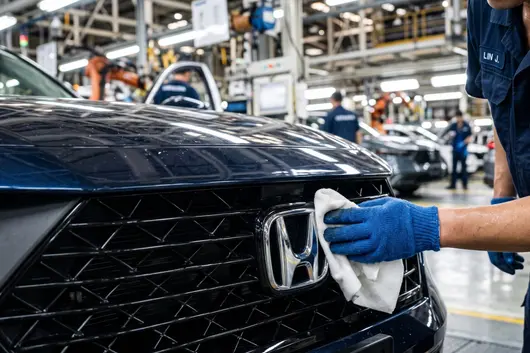

In Malaysia's SUV market, many buyers compare Proton X50 and Mazda CX-30 when choosing a car. These two cars are quite close in price and positioning. Today, we will do a detailed comparison from multiple aspects to help you save time on research.
The OTR price for Proton X50 in Malaysia is RM 89,800 - 113,300, with 4 variants in total, including 1.5T Executive (RM 89,800), 1.5T Premium (RM 101,800), 1.5T Flagship (RM 113,300), etc.
The OTR price for Mazda CX-30 in Malaysia is RM 122,409 - 146,409, with 4 variants in total, including 2025 2.0L High+ Premium (RM 146,409), 2025 2.0L High+ (RM 138,409), 2025 2.0L High (RM 130,409), etc.
From a price perspective, the starting price of Proton X50 is indeed RM 32,609 cheaper than Mazda CX-30. If your budget is limited, Proton's entry-level version is already sufficient for daily needs. But also note, the few thousand dollars saved might involve trade-offs in features, depending on your specific needs.
Proton X50's safety rating is 5★ (ASEAN NCAP), active safety systems include ADAS (ACC, AEB, LKA, LDA, BSM, RCTA).
Mazda CX-30's safety rating is 5★ (ASEAN NCAP), active safety systems include i-Activsense.
Both cars have the same safety rating. In this class, safety features are quite comprehensive. New cars nowadays generally have good safety, so there is no need to worry too much about this.
Proton X50 uses 4WD drive mode.
Mazda CX-30 uses FWD drive mode.
Proton's 4WD and Mazda's FWD will feel different in handling. A test drive comparison is recommended.
Both Proton X50 and Mazda CX-30 are mainstream choices in the Malaysian market, suitable for family use and daily commuting. If you value brand reputation and resale value more, prioritize the one with better reputation; if you care more about value for money and features, choose the one with richer configuration. Ultimately, it is recommended to test drive both. The personal experience is the most important.

Overall, Proton X50 and Mazda CX-30 are both excellent models in the Malaysian market. Which one to choose depends on your personal needs and budget. We suggest doing your research, comparing quotes from several dealerships, and then test driving to make the final decision. Buying a car is a big deal, taking time to do your homework is never wrong.


GAC's 30-millionth vehicle has rolled off the line.
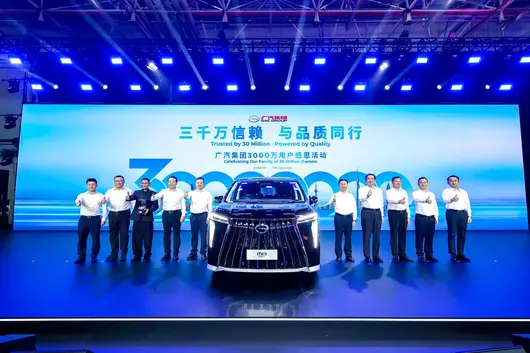
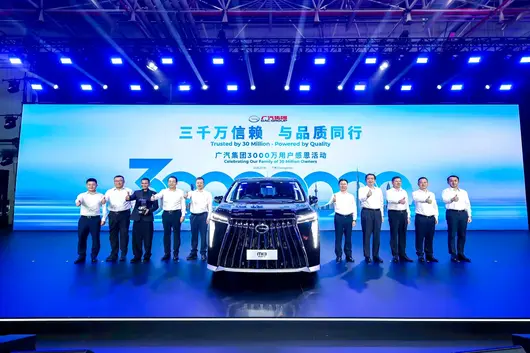
The ceremony was held at the Panyu factory. After the opening video, production bases in multiple cities around the world connected synchronously, and GAC Honda P7, GAC Toyota BZ7, Qijing GT7, GAC Aion N60, and GAC Hyper S600 rolled off the line sequentially. The last one, the RHD Trumpchi M8 PHEV, drove onto the stage as the 30-millionth complete vehicle. GAC Group Chairman Feng Xingya handed the keys to Thai movie star Tony Jaa, and the room rang with the sound of camera shutters.

This is one of the most important moments for GAC Group in its 29 years. The fifth domestic automaker to cross the 30 million vehicle threshold, the two strategic directions formed by New Energy and Going Global are clearly visible on the stage.
But in the past year, what drove substantive changes in this company was another less noticed thread. In November 2024, GAC moved its headquarters from Guangzhou's Zhujiang New Town CBD to Panyu Automotive City. The distance between the decision-making layer and R&D, manufacturing was shortened from dozens of kilometers to a few hundred meters. Subsequently, a 200-person user insight department was established, product development processes were reorganized, IPD and IPMS systems were introduced, and the vehicle development cycle was compressed from 26 months to 18 months.
These adjustments share a common direction: let those closer to users make decisions, and let user voices enter products faster.
I. From Zhujiang New Town to Panyu
In November 2024, GAC launched the 'Panyu Action'. The outside world saw the headquarters move from Zhujiang New Town CBD to Panyu Automotive City, but the essence of this relocation was not geographical displacement, but a physical shortening of the decision chain.

Before this, the decision-making layer of GAC and R&D, manufacturing, marketing were separated by dozens of kilometers. With each layer of information transmission, there was a loss. After the headquarters landed in Panyu, decision-makers, engineers, and production lines were in the same place, 'Those who can hear the gunfire make decisions' changed from a slogan to daily routine.
More substantial changes occurred at the organizational level. GAC integrated the independent brand sector into Product HQ, Procurement HQ, Finance HQ, and three Brand Marketing HQs, then established Trumpchi BU, upgrading the brand from a business unit to a market entity with complete operational rights and responsibilities. A User Insight Department was newly established under the Product HQ, with a planning team of 200 people. At the same time, professional managers were recruited globally to promote project-based reform.

These adjustments point to the same goal: breaking down 'departmental walls'. In the past, R&D built cars, Marketing sold cars, After-sales repaired cars, each managed their own area, and user voices were diluted between departments. After the reform, GAC introduced IPD (Integrated Product Development) and IPMS (Integrated Product Marketing and Sales) processes, building an end-to-end management system from 'user insight, needs analysis to product development, delivery experience'.
The results appeared in numbers: business efficiency and decision efficiency increased by about 50%, vehicle standard development cycle shortened from 26 months to 18 months, and R&D costs reduced by more than 10%. Market response speed increased 6 times—in the automotive industry, this means a product decision changed from 'can afford to wait' to 'cannot afford to wait'.
But behind these numbers is: GAC began to operate like a startup. A 200-person user insight department is almost unimaginable in traditional automaker organizational structures—it means someone is specifically responsible for 'listening', not just 'doing'.
II. 'Full Mic On' Without Limits
If organizational change does not land on specific user touchpoints, it is just a pile of PPTs.
Since 2025, GAC has regularly held the 'Full Mic On' user event. Led by Feng Xingya, top executives from R&D, Marketing, Quality, After-sales, etc., appeared collectively, face-to-face with users from all over the country.

At the 2024 Beijing Auto Show, a Trumpchi E8 user raised three questions: the external camera on the fender was easily blocked by mud and water, limiting the 360 panoramic view; daytime running light identification needs improvement. GAC claimed tasks one by one on site, forming a cross-departmental special team within 24 hours. Two months later, the camera improvement solution was installed on the car, and the optimized daytime running lights were applied to the new car models.
The value of this case is not in 'speed', but in revealing the hardest part of transformation: giving frontline user feedback an institutionalized channel directly to the decision-making layer, and forming a closed loop.
For this, GAC established a full-process closed-loop management mechanism—numbered filing, weekly follow-up, monthly review, common issues synchronized to all users immediately, and individual follow-up after rectification completion. 161 user suggestions collected in three sessions of 'Full Mic On' were directly converted into product optimization plans.
From a business logic perspective, the cost of this 'hard work' is not low—each event involves several hours of time for executives from multiple departments, manpower costs for cross-departmental collaboration, and R&D investment for subsequent rectification. But the change happening in the automotive industry is: when the gap in the product itself gradually narrows, service reliability and response speed are increasingly becoming key variables for user selection.
III. Writing the Most Sensitive Issues into Commitments
On December 28, 2025, GAC announced that its three major independent brands jointly launched the 'Three Responsibilities' policy—battery, motor, and controller system spontaneous combustion, manufacturer compensates with new car; battery degradation exceeds limit, manufacturer replaces battery for free; smart parking accidents, manufacturer bears repair and third-party losses.

This is the first domestic independent brand to systematically propose 'Three Responsibilities' commitments. Battery degradation standards were refined into quantitative indicators: 2 years or 50,000 km degradation not exceeding 10%, 3 years or 60,000 km not exceeding 15%, 6 years or 100,000 km not exceeding 20%.
The economic meaning of this policy is not hard to understand. In the new energy vehicle industry, battery degradation, spontaneous combustion risk, and intelligent driving accident liability are the three issues users care about most, and also the three areas automakers are least willing to commit to—because commitment means cost. If battery degradation exceeds standard requiring free replacement, if spontaneous combustion requires new car compensation, these costs will eventually be counted in the corporate financial statements.
GAC dares to do this based on two premises: one is enough confidence in its own product quality—the Magazine Battery cumulative installation of 1.5 million units, safe driving over 160 billion kilometers; two is that when price war marginal benefits are diminishing, shifting competition from 'spec wars' to 'responsibility wars'.
From market feedback, this strategy is showing results. In January 2026, GAC Trumpchi terminal sales were 26,937 units, up 25.07% month-on-month; Trumpchi global sales in the first quarter broke 92,000 units, up 33.06% year-on-year. 'Three Responsibilities' was interpreted by the market as 'a signal that the manufacturer has confidence in the product'.

IV. GAC in County Towns
If 'Full Mic On' solves the problem of 'being heard', and 'Three Responsibilities' solves the problem of 'trust', then channel penetration solves the problem of 'accessibility'.
China's county-level markets contributed nearly 60% of new car growth, but most brands' service networks remain concentrated in tier-1 and tier-2 cities. GAC's plan is: add 1000 county-level authorized stores within the year, as of the end of June, 600 outlet recognitions were completed.
These 600 stores are not downsized versions of traditional 4S stores. GAC launched the 'Multi-brand Authorization + Lightweight Agency' model—the same store can display Trumpchi's fuel/hybrid cars and Aion's pure electric cars. Investors only need about 1 million yuan to start, 200-300 square meters is enough to open, capital threshold dropped by more than 90% compared to traditional 4S stores. Dealers support zero-inventory operations, customers place orders online via APP, adopting order-based marketing.

The business logic behind this model is not complex: the single store output in county markets is insufficient to support 4S stores with tens of millions of yuan investment, but the combination of 'million-level investment + multi-brand collection + zero inventory' makes the single store economic model feasible. GAC investment promotion information shows, after launch, more than 1000 investors signed up.
The significance of channel penetration goes beyond selling cars. The core pain point for county users is 'repair far, response slow'. GAC's 'Experience + Service + Recharging' integrated outlets, accompanied by '9 Vertical, 10 Horizontal' recharging network—covering 213 cities nationwide, self-operated charging piles over 27,000, core urban areas achieve '1 km straight line must have a station'—attempt to copy the service density of tier-1 and tier-2 cities to county towns.

This is a layout that requires patience. County market purchasing power and brand awareness have a gap compared to tier-1 and tier-2 cities, and the after-sales capability of the lightweight agency model also faces tests. But if successful, GAC will establish first-mover advantage in markets where most competitors have not yet deeply cultivated.
V. After 30 Million Vehicles
Back to this number of 30 million vehicles. For GAC, the true value of this milestone is not about having another zero, but that it provides a window to review user operations.
GAC's investment in user operations is visible: the manpower cost of the 200-person user insight department, the multi-department collaboration cost of each 'Full Mic On' session, the channel construction cost of 1000 county stores, the CAPEX of 27,000 charging piles, the potential compensation cost of the 'Three Responsibilities' policy. These investments appear as expenses on the financial statement, not generating direct revenue in the short term.
But the business logic of the automotive industry is changing. When the gross profit of new car sales is continuously compressed by price wars, when the profit from selling cars itself becomes thinner and thinner, user lifetime value—after-sales, trade-ins, ecosystem services—becomes a more reliable profit source. And the premise of all this is that users are willing to stay within your system.
GAC's H1 independent brand sales were 346,000 units, up 35.69% year-on-year. Behind this number are people within the 30 million existing users willing to continue choosing GAC, and new users attracted by 'Three Responsibilities', channel coverage, and user communication.

After the ceremony dispersed, the real test began. The moment the 30-millionth vehicle was delivered into Tony Jaa's hands, the relationship between GAC and users was being redefined, formally stepping into a brand new stage.

In Malaysia's SUV market, many buyers compare Perodua Aruz and Chery Tiggo 7 PHEV when choosing a car. The price and positioning of these two cars are quite close. Today we will do a detailed comparison from multiple aspects to help you save time on research.
Perodua Aruz OTR price in Malaysia is RM 72,900 - 77,900, with 2 versions in total, including 1.5L X (RM 72,900), 1.5L AV (RM 77,900) etc.
Chery Tiggo 7 PHEV OTR price in Malaysia is RM 129,750 - 129,750, with 2 versions in total, including 2025 1.5T 90km CSH (RM 129,750), What charging methods does the Tiggo 7 PHEV support? Can it be charged using a home power socket? (RM 117,478) etc.
From the price perspective, the starting price of Perodua Aruz is indeed RM 56,850 cheaper than Chery Tiggo 7 PHEV. If your budget is limited, Perodua's entry-level version can already meet daily needs. But be aware, the difference of a few thousand yuan, might involve trade-offs in specifications, it depends on your needs.

Perodua Aruz safety rating is 5★ (ASEAN NCAP), active safety systems include .
Chery Tiggo 7 PHEV safety rating is TBD, active safety systems include Basic.
Perodua Aruz adopts FWD drive mode.
Chery Tiggo 7 PHEV adopts FWD drive mode.
The drive modes of both cars are the same, both are FWD, daily driving experience will not differ much.

Both Perodua Aruz and Chery Tiggo 7 PHEV are mainstream choices in the Malaysian market, suitable for family use and daily commuting. If you value brand reputation and resale value more, you can prioritize the one with better reputation; if you care more about cost-performance ratio and specifications, choose the one with richer configurations. Ultimately it is recommended to test drive both, personal experience is the most important.
In general, Perodua Aruz and Chery Tiggo 7 PHEV are both very good models in the Malaysian market. Which one to choose depends mainly on your personal needs and budget. We suggest doing your research, compare quotes from several dealerships, and then test drive to make a final decision. Buying a car is a big matter, spending time on research will never be wrong.


On July 16, GAC Group's 30 million user gratitude event was held at the GAC Trumpchi factory. From the first complete vehicle off-line to the 30 millionth delivery, GAC has undergone a 29-year development history. Behind this number 30 million is the choice and trust of millions of users, GAC's steadfastness in upholding quality and safety, its determination to transform towards electrification and intelligence, and also a microcosm of the Chinese automotive industry growing from large to strong, from scale expansion to value leap.

All New Energy Off-line Vehicle Matrix Debuts Together
On-site, GAC's multi-site production bases were connected synchronously. GAC Honda P7, GAC Toyota Platinum Wisdom 7, Qijing GT7, GAC Aion N60, and GAC Hyper S600 went off-line one by one as GAC's 29,999,995th to 29,999,999th vehicles. Finally, the Right-Hand Drive version of GAC Trumpchi M8 PHEV made a bright debut on the on-site stage as the 30 millionth complete vehicle. The collective debut of the all-line new energy off-line vehicle matrix became direct evidence of GAC's full-speed promotion of electrification and intelligence transformation.

[GAC 30 Millionth Vehicle — GAC Trumpchi M8 PHEV Right-Hand Drive Version Rolls Off Production Line]

[GAC Intelligent New Energy Matrix Makes a Bright Debut]
Subsequently, Feng Xingya handed the key of the 30 millionth vehicle into the hands of Thai owner Mr. Tony Jaa. The moment captured was not just a number, but a touching witness of the mutual dedication between GAC and global users.

[Feng Xingya (Left) Delivers New Car Keys to Thai Owner Tony Jaa (Right)]

[Ge Xianqing (Far Left) Awards GAC Group All-Brand Honorary Owners]
This trust spanning mountains and seas is precisely the confidence GAC has for breakthrough amidst industry changes. In the first half of this year, GAC Group sales reached 773,100 vehicles, a year-on-year increase of 2.35%, among which new energy vehicle sales increased by 68.8% year-on-year; overseas exports exceeded 120,000 vehicles, a year-on-year surge of 132%, running a steady rhythm during the industry's deep restructuring period.
Quality is the bottom line GAC will never compromise on
Quality is the bottom line GAC will never compromise on. Feng Xingya stated in the concluding speech. In GAC's development, scale growth has always been based on quality. For many years, GAC Group has always upheld the philosophy of Quality First, integrating Honda Total Quality Management (TQM), Toyota Production System (TPS), and Lingnan Culture to build a quality management mode centered on Integrated Innovation. The final destination of everything is to build good cars that allow users to drive with peace of mind, use with ease of mind, and sit with comfort.

[Witnesses of Key Nodes in GAC's Development History Tell the Story of GAC Walking with Quality]

[National Excellent Engineer Team GAC Powertrain Independent R&D Team Tells the R&D Innovation Journey]

[GAC Styling Design Team Tells the Design Innovation Journey]

[GAC Aion Intelligent Eco Factory]
From the R&D end to the manufacturing end, GAC established a full-chain rigorous quality control system: before each new car launches, it must undergo extreme environment tests including high cold, high heat, high altitude, high humidity, high corrosion, mountainous, and sandy conditions, completing two winters and one summer of on-site road testing; relying on test fields and laboratories covering 12 major categories and over 1,500 verification sub-items of the complete vehicle, achieving systematic quality verification; GAC Aion Intelligent Eco Factory, as the world's first New Energy Vehicle Lighthouse Factory, guarantees the stable quality of mass-produced vehicles with a digital intelligent manufacturing system.

[GAC Xingling Safety Protection System]
In terms of core safety technology, the Xingling Safety Protection System constructs four dimensions of protection, eight key systems adopt dual redundancy design, have guarded nearly 2 million users, and averted 6.28 million potential travel risks; Magazine Batteries cumulatively installed on 1.5 million vehicles, safe driving mileage exceeding 160 billion kilometers; Service side also adds support, GAC launched the self-owned brand Three Responsibilities policy in the industry first, actively covering issues users care about like batteries and intelligent driving assistance to eliminate user concerns about vehicle use. It is precisely these security lines and service promises that support the brand confidence behind GAC's 30 million sales.
People-based, Trust-based, Innovation-first
What users care about, we keep in our hearts; what users expect, we go all out. Feng Xingya stated that this user-centric philosophy has long been deeply integrated into the development DNA of GAC Group. For many years, GAC Group has always upheld the corporate philosophy of People-based, Trust-based, Innovation-first, among which the core meaning of People-based is precisely being people-oriented.

[GAC User Open Mic Event Site]
On one hand, to face problems directly and listen to users' voices, GAC normally holds User Open Mic events, inviting users to the home, communicating face to face. At the same time, establish a full-process closed-loop management mechanism to ensure every suggestion can be properly handled, common issues optimized for all users immediately.
In addition, GAC also established an exclusive user insight department, promoted full-process reform from problem discovery to resolution, guaranteeing user demands are responded to and everything has a result from the organizational mechanism.
On the other hand, service network penetrates in sync. At the channel end, promoting service network sinking to county levels, planning to add 1,000 county authorized stores within the year; at the response end, launching Super Butler service, achieving 5-second response and 2-hour claim completion, guaranteeing user demands reach and are handled quickly. At the energy replenishment end, building a 9 Vertical 10 Horizontal energy replenishment network, already covering 31 provinces and 213 cities nationwide, core urban areas achieving 1 kilometer in a straight line must have a station, self-operated charging pile quantity exceeding 27,000 units, among which super charging piles exceed 20,000 units, providing convenient energy replenishment services for new energy vehicle owners.
The core theme of this gratitude event is to express sincere returns and gratitude to 30 million users' long-term support. On-site, Feng Xingya announced that starting from today, GAC officially launches GAC Group 30 Millionth Vehicle Off-line · Renewal Gratitude Season. GAC Honda, GAC Toyota, GAC Trumpchi, GAC Aion, GAC Hyper, and Qijing Automobile six passenger car brands will launch characteristic policies around new purchase, trade-in, to add-on purchase respectively, returning for every company and support.

[GAC Group 30 Millionth Vehicle Off-line · Renewal Gratitude Season Officially Launched]
Finally: With 30 million as a new starting point, GAC will drive innovation and move towards a new journey of electrification and intelligence, allowing frontier technology to truly translate into peace of mind and convenience perceptible by users. In the Three Electrics field, GAC continues to attack battery super-fast charging, low temperature range and other industry pain points, has built an all-solid-state battery pilot production line, launched ultimate energy consumption technology, the mass-produced Quark Electric Drive Motor highest efficiency breaks through 99%, reaching the highest level in the industry. Facing the future, GAC will continue to anchor user needs as the anchor point, quality as the foundation, technological innovation as the core driver, global layout as the development path, accelerating towards the advancement of eco-technology GAC, walking side by side with more users, achieving each other, jointly rushing towards a smarter, greener, and broader future.
GAC's brilliance will continue!

喺馬來西亞嘅 SUV 市場,好多買家在選車嘅時候都會拿 Perodua Aruz 同 Chery Tiggo 7 PHEV 嚟做比較。呢兩款車喺價位同定位上都幾接近,今日我哋就從多個方面做一個詳細嘅對比,幫你省下做功課嘅時間。
Perodua Aruz 喺馬來西亞嘅 OTR 售價係 RM 72,900 - 77,900,一共有 2 個版本,包括 1.5L X(RM 72,900)、1.5L AV(RM 77,900) 等。
Chery Tiggo 7 PHEV 喺馬來西亞嘅 OTR 售價係 RM 129,750 - 129,750,一共有 2 個版本,包括 2025 1.5T 90km CSH(RM 129,750)、Tiggo 7 PHEV 支援咩充電方式?佢可用家用電源插座充電嗎?(RM 117,478) 等。
從價錢睇嚟,Perodua Aruz 嘅起步價確實比 Chery Tiggo 7 PHEV 平咗 RM 56,850。如果你預算有限,Perodua 嘅入門版已經可以滿足日常需求。但要留意,平嗰幾千蚊,可能喺配備上會有取捨,具體要睇你嘅需求。
Perodua Aruz 車身長 4400 mm,後備箱 400 L。
Chery Tiggo 7 PHEV 車身長 4400 mm,後備箱 400 L。
兩款車嘅尺寸幾乎一樣,車內空間差別唔大。呢個級別嘅車,日常使用完全夠用。
Perodua Aruz 採用 FWD 驅動方式。
Chery Tiggo 7 PHEV 採用 FWD 驅動方式。
兩款車嘅驅動方式一樣,都係 FWD,日常駕駛感受唔會有太大分別。
Perodua Aruz 同 Chery Tiggo 7 PHEV 都係馬來西亞市場嘅主流選擇,適合家庭使用、日常通勤。如果你更加睇重品牌口碑同二手價,可以優先考慮口碑更好嗰一款;如果你更加在意性價比同配備,就揀配置更豐富嗰款。最終都係建議兩款都去試駕,親身體驗先至最重要嘅。
總括嚟講,Perodua Aruz 同 Chery Tiggo 7 PHEV 都係馬來西亞市場幾不錯嘅車型。揀邊輛,關鍵都要睇你嘅個人需求同預算。建議大家做好功課,多比較幾間車行嘅報價,再去做試駕做最終決定。買車係件大事,花少少時間做功課絕對唔會錯。

喺馬來西亞嘅 SUV 市場,好多買家喺揀車嗰陣都會拿 Perodua Aruz 同 Chery Tiggo Cross 嚟做比較。兩款車喺價位同定位上都幾接近,今日我哋就從多個方面做一個詳細嘅比較,幫你節省做功課嘅時間。
Perodua Aruz 喺馬來西亞嘅 OTR 售價係 RM 72,900 - 77,900,一共有 2 個版本,包括 1.5L X(RM 72,900)、1.5L AV(RM 77,900) 等。
Chery Tiggo Cross 喺馬來西亞嘅 OTR 售價係 RM 88,750 - 99,750,一共有 2 個版本,包括 2025 HEV 1.5L CSH(RM 99,750)、2025 1.5T Standard(RM 88,750) 等。
從價錢嚟睇,Perodua Aruz 嘅起步價確實比 Chery Tiggo Cross 平咗 RM 15,850。如果你預算有限,Perodua 嘅入門版已經可以滿足日常需要。但都係要注意,平少少嘅幾千塊,可能喺配備上會有所取舍,具體要看你嘅需求。
Perodua Aruz 配備 1.5L 4-cyl,馬力 105 hp。官方油耗 6.0 L/100km。
Chery Tiggo Cross 配備 1.5L 4-cyl,馬力 105 hp。官方油耗 6.0 L/100km。
兩款車用咗同一套動力系統,日常行起嚟嘅感受基本冇分別。油耗方面都差唔多,唔使太煩惱這一點。
Perodua Aruz 車身長 4400 mm,行李箱 400 L。
Chery Tiggo Cross 車身長 4400 mm,行李箱 400 L。
兩款車嘅尺寸幾乎一樣,車內空間差別唔大。呢個級別嘅車,日常使用完全夠用。
Perodua Aruz 保養 5 年/150,000km,保養間隔 每 10,000km 或 6 個月。
Chery Tiggo Cross 保養 3 年/100,000km,保養間隔 每 10,000km 或 6 個月。
總體嚟講,Perodua Aruz 同 Chery Tiggo Cross 都係馬來西亞市場好好嘅車型。揀邊一輛,關鍵都係要看你嘅個人需要同預算。建議大家做好功課,多比較幾間車行嘅報價,再去試駕做最終決定。買車係件大事,花點時間做功課肯定無錯。


