


首頁Prado 90

搜尋歷史
熱門搜尋
經銷商登入 / 註冊

In the Malaysia SUV market, many buyers compare Honda HR-V and Chery Tiggo 8 Pro when choosing a car. These two cars are quite close in price and positioning. Today, we will make a detailed comparison from multiple aspects to help you save time doing research.
Honda HR-V OTR price in Malaysia is RM 115,900 - 143,900, with a total of 4 versions, including 2026 e:HEV 1.5L RS (RM 143,900), 2026 1.5T V (RM 137,900), 2026 1.5T E (RM 130,900) etc.
Chery Tiggo 8 Pro OTR price in Malaysia is RM 159,750 - 159,750, with a total of 2 versions, including 1.6L Turbo Standard (RM 130,000), 1.6L Turbo Premium (RM 145,000) etc.
In terms of price, Honda HR-V's starting price is indeed RM 43,850 cheaper than Chery Tiggo 8 Pro. If your budget is limited, Honda's entry-level version is sufficient for daily needs. But also note, the few thousand difference might involve trade-offs in features, it depends on your specific needs.

Honda HR-V adopts FWD drive system.
Chery Tiggo 8 Pro adopts FWD drive system.
Both cars have the same drive system, both are FWD, daily driving experience won't differ much.

Honda HR-V warranty 5 years/unlimited mileage, service interval every 10,000km or 6 months.
Chery Tiggo 8 Pro warranty 3 years/100,000km, service interval every 10,000km or 6 months.

Honda HR-V and Chery Tiggo 8 Pro are both mainstream choices in the Malaysia market, suitable for family use and daily commuting. If you value brand reputation and resale value more, prioritize the one with better reputation; if you care more about value for money and features, choose the one with richer configuration. Ultimately it is recommended to test drive both, personal experience is the most important.
Overall, Honda HR-V and Chery Tiggo 8 Pro are both very good car models in the Malaysia market. Which one to choose mainly depends on your personal needs and budget. It is recommended that everyone do research, compare quotes from several car dealerships, and then test drive to make the final decision. Buying a car is a big matter, spending time doing research will never be wrong.


花生说:
这次活动最大的意义,是行业里的先行者们在提供“公共品”。
绿色和平东亚分部北京办公室项目副总监刘君言在开场时就说过:“绿车充绿电,绝不是某一家企业或某一个机构或者某一个个人能单独完成的事。它需要政策引导、市场推动,更需要媒体朋友的传播引导与公众的协同参与。”
本来是分散的企业、模糊的标准、信息差的用户,被一个信息库、一场研讨会拉到了同一个桌面上。原来不可讨论的问题,变成了可以坐下来聊路径、聊难点、聊解决方案的具体议题;原来各自为战的尝试,变成了可以互相参照的行业经验。
回溯过往,十年前我听院士讲“电动车不一定环保”的时候,更像一个振聋发聩的质疑;五年前我看车企从上游矿山开始管碳的时候,更像头部企业的超前布局;今天我再看“绿车充绿电”,已经从质疑、从少数企业的示范,变成了有路径、有工具、有玩家、有公众参与的具体实践。
这笔曾经的糊涂账,正在被一群人一点点算清楚、捋顺畅、落到实处。

2026年上半年,国内新能源汽车销量持续领跑,保有量早已突破千万量级;同期全国充换电服务业用电量突破810亿千瓦时,是同期互联网服务业的1.63倍,同比增速高达56.9%。
当新能源车从政策产物变成街头主流,当充电设施的用电量体量追上了互联网产业。“新能源汽车到底是不是真的环保?”这个问题不能再继续这么含含糊糊、不明不白了。
十年前,我独家采访工程院院士杨裕生,请他谈谈对于新能源汽车技术发展的看法,老爷子聊得兴起,说了一句,我有个观点,但你们党报怕是不能写——新能源汽车,并不见得环保。
他举了个例子,有消费者从香港进口了一辆特斯拉到新加坡,本想得到节能减排的相关奖励,但政府对车辆进行检测后,发现车辆耗电量过高,反而罚了一笔钱。
从这里我打开了思路,电动汽车的环保账本,不只是看用汽油还是用电带动车轮,更是得从电池制造、上游矿产、电力来源、回收利用,全生命周期加起来,去追寻真实的碳足迹。不能拿「零排放」三个字糊弄人,得从矿山到电网、从工厂到电桩,全链路算清楚。

花生曾经在《捋捋这笔“糊涂账”:电动汽车是否真的环保?》里拆解算过这笔账,结论很明确:拿 “零排放” 当标签,本质上是笔糊涂账。
以至于有些基础概念都是似是而非的。一位就职于NGO的研究者跟花生直言:不少公众对电力的概念就停在“从电线里来”,至于电是风光还是火电,很少往后多想一步。
很多人分不清非化石能源和可再生能源,比如核电算是非化石能用,但不算通常意义上的绿电;绿电消费、绿证,对应的是风电、光伏、生物质。光是这俩指标混着说,账永远算不清。
当然,事情也在其变化,这些年在产业界一线,能感觉到制造业对环保的要求越来越高,账越算越明白。
2018年,花生受邀去慕尼黑宝马总部,他们特意打造一条小型电池试制线,花了很长时间,对我详细介绍上游锂矿钴矿如何实现原料合规,如何在未来用回收的原料,避免重新开采。花生当时惊觉:全球头部车企早把环保账算到了产业链最上游,全链条。
上礼拜,花生受邀来到福建宁德市调研宁德时代,作为全球动力电池链主,它推零碳的逻辑很清晰:一手硬,给上游输出碳核算工具、绿色采购标准,用订单带着整条产业链降碳;一手软,做零碳教育、做公众科普。
《当『碳中和』成为新能源入场券,谁还在裸游?》
受管理学圣经《哈佛商业评论》邀请,花生此前撰文《双碳不是成本,是中国制造的下一条护城河》时提出,龙头企业的价值,从来不是自己达标就行,而是能把标准变成整个生态的门槛。

能看得出,在大规模工业生产端,无论是整车厂还是动力电池生产商都已经行动起来。最重要是的,他们本身是链主,在市场内有调动协调资源的能力,就好像是牛鼻子,只要他们有动力,就更容易推行“碳中和”。
从上往下捋,制造业绿色推行有望,那么使用端呢?现在新能源汽车已经成为消费主力,汽车充换电已经成为大头,能不能让绿色的新能源汽车,用上绿色的电呢?
咦,好像之前没什么讨论,听说这样很难,为什么呢?
带着这个疑问,花生受邀参加了绿色和平与清华四川能源互联网研究院合办的“绿电上车” 研讨会,在这场内部分析会上,听了些真话。发现从制造到充电,不同场景间的碳中和难度完全不是一个量级。

和电池制造高度集中的格局不一样,充电行业太零散散了。没有那个明确的“牛鼻子”。
全国几百万根充电桩,成千上万的运营商,散落在商场、地下车库、园区、高速路,产权复杂、户号复杂,到底充的是不是绿电、比例多少,界定不易,标准不一。
同时,用电和发电的高峰总是会错配。公共充电高峰集中在夜间20 点到凌晨 2 点,光伏发电高峰恰恰在中午。这不是靠调度就能完全抹平的,总不能让所有车主都改到中午充电吧。
上海联联睿科电力市场部部长刘春雨介绍了一个看似反直觉的行业共识,如果所有人都冲着“中午光伏多” 去凑时间充电,反而会人为造出一个新的午间负荷尖峰,最后既没消纳好新能源,还给电网添了负担。
这意味着,绿色充电没啥最佳时刻,成了个动态优化的问题:车越多,最优方案变数越大。

在北京清能互联科技有限公司咨询总监费云志看来,电价逻辑正在生变。过去的峰谷电价是人为划定的,跟着传统负荷曲线走;但随着统一电力市场建设,未来每一度电在每个小时都会有对应的市场价格。在光伏大发的时段,电价自然就低;用电高峰的时段,电价自然就涨。价格信号本身就会引导充电负荷慢慢和新能源出力匹配,不用硬喊着大家改时间。
说完了供应端,再看看需求端。我支持给“绿车充绿电”,但我不乐意多掏钱。
绿色和平气候与能源项目主任佘煜宁基于公众调研发现,受访者对“绿车用绿电”的理念认同度很高,近七成的人支持绿电充电,觉得电力来源决定了车是不是真低碳;同时,付费意愿很低,只有不到四成的人愿意为绿电多花钱,大部分人对度电溢价的接受度在几分钱的量级。
知乎汽车领域运营负责人刘海洋补充过一个很形象的观察:用户选充电桩,优先级永远是距离> 价格 > 充电速度,绿电只能排到第四位。只有前三项都差不多的时候,绿色才会成为加分项。就像支付宝种树,大家喜欢举手之劳就能参与环保的感觉,但要多掏钱就很难。
难是固然难,但仍可以做点什么,正所谓进一寸有一寸的欢喜。

目前,充换电行业里跑通了四条绿电消费路径。
有独立户号、规模大的场站,直接走绿电交易,证电合一,最扎实;散落在商场地下、没有独立计量的站点,用绿证交易做兜底,改造成本最低;有场地条件的园区、场站,用光储充一体化就地消纳;负荷规模够大的,还能聚合起来做虚拟电厂、需求响应,从电网侧要收益。
在清华四川能源互联网研究院电力市场与碳市场研究所副所长蔡元纪看来,充换电行业海量、分散、灵活的负荷特征,决定了它不可能只有一条路,必须是多元路径并行。
有些城市也已经走在了前列,刘春雨介绍了上海的经验:上海之所以走得快,核心是把绿电消费和场站星级补贴挂上了钩,三星场站一度电补三毛钱,绿电比例是硬指标。而且政策还在往前推,最近刚出了小时级绿电交易方案,每天以小时为单位进场交易,场站可以按小时买绿电,灵活性和精准度都高了很多。
政策激励一到位,企业的动力立刻就不一样了。
与此同时,挑战并存:上海绿电供给只占一成,高度依赖外省输入;充电高峰在夜间,光伏高峰在白天,天然错配;绿电溢价很难传导给终端用户,车主还是对价格太敏感了。

绿色和平与清华四川能源互联网研究院推出的报告《充电基础设施绿色电力消费:现状与建议》中指出,上海市把场站绿电消费水平与星级评价、财政补贴等机制挂钩,对场站绿电消费行为予以激励,能有效提升运营商参与绿电消费的积极性,但相似的激励性政策仍有待在全国更大范围内推广。
花生曾经在《绿色出行技术,真有“终极路线”吗?》里说过一个观点:能源转型从来没有什么全球统一的终极配方,能落地、适配本地场景的,就是好方案。
放在充电绿电这件事上尤其适用。没有放之四海皆准的模式,地下商场用绿证、产业园用光储充、高速站靠绿电交易,不同场景各有各的解法。不用追求一步到位,也不用争论哪条路线最正宗,先跑通的就是好路线。
所以,绿色和平在做的三件“小事儿”很吸引我。
其一,他们打造了一个“绿电充换电站点信息库”,首批收录了54家运营商的2000 多个站点。这让消费者能够有一个明确的入口,知道哪些运营商在用绿电,在哪能充上绿电。
其二,他们正在和一家地图供应商商讨,将绿电站点在地图上能够清晰标识,让消费者能够更好地辨识到,找得到。
其三,他们打造了一个绿电充电桩的标识,正在慢慢推广。

小切口,真干事儿,涓流可成溪,看上去是很小的一步,其实是把“绿电消费”从企业的ESG文案,变成了普通人指尖就能选的真实选择。
同时,这也能够给于真正在绿车充绿电路线上努力的前行者以支持。
北京逸安启新能源科技有限公司运营负责人张磊表示,逸安启坚持全站 100% 绿电消费,根植于企业发展基因与社会责任担当。在绿色电力凭证的遴选上,企业确立三项核心准则:首先看重绿证的可信度,要求环境属性可追溯、可核销,切实兑现面向消费者的绿电承诺;其次强调时间维度匹配,力求绿证对应的发电年份与实际用电消费年份保持对齐;同时兼顾绿证供应的持续性,保障供应稳定、长期成本可控。
过去,绿电更多停留在企业内部的自我标准与实践,外界难以感知。随着行业统一标识、公共信息平台的建立,绿电充电将不再只是企业的自律要求,更转化为普通用户能够看得见、可识别、可主动选择的公共充电服务选项。
文 | 李皙寅·花生
编辑 | 黑松



In the Malaysian SUV market, many buyers compare Proton X90 and Hyundai Tucson when choosing a car. These two cars are quite close in price and positioning. Today we will make a detailed comparison from multiple aspects to help you save time on research.
The OTR price of Proton X90 in Malaysia is RM 106,800 - 122,800, with 4 versions in total, including 2026 1.5T Prime X (RM 122,800), 2026 1.5T Prime (RM 116,800), 2026 1.5T Lite (RM 106,800), etc.
The OTR price of Hyundai Tucson in Malaysia is RM 143,888 - 197,888, with 5 versions in total, including 2025 HEV 1.6T AT 2WD Prestige (RM 197,888), 2025 1.6T DCT 4WD Prestige (RM 186,888), 2025 1.6T DCT 2WD Prime (RM 164,888), etc.
In terms of price, the starting price of Proton X90 is indeed RM 37,088 cheaper than Hyundai Tucson. If your budget is limited, Proton's entry-level version can already meet daily needs. However, be aware that the cheaper few thousand might involve trade-offs in features, which depends on your specific needs.

Proton X90 safety rating is 5★ (ASEAN NCAP), active safety systems include ADAS (ACC, AEB, LKA, LDA, BSM, RCTA).
Hyundai Tucson safety rating is 5★ (ASEAN NCAP), active safety system includes SmartSense.
Both cars have the same safety rating, and safety features are quite comprehensive in this class. New cars' safety is generally good nowadays, so no need to worry too much about this.
Proton X90 body length 4400 mm, trunk 400 L.
Hyundai Tucson body length 4400 mm, trunk 400 L.
The dimensions of both cars are almost the same, with little difference in interior space. Cars in this class are completely sufficient for daily use.
Proton X90 warranty 5 years/150,000km, maintenance interval every 10,000km or 6 months.
Hyundai Tucson warranty 5 years/300,000km, maintenance interval every 10,000km or 6 months.

Both Proton X90 and Hyundai Tucson are popular choices in the Malaysian market, suitable for family use and daily commuting. If you value brand reputation and resale value more, you can prioritize the one with better reputation; if you care more about value for money and features, then choose the one with richer configuration. Ultimately, we suggest test driving both models, as hands-on experience is the most important.

In general, both Proton X90 and Hyundai Tucson are very good models in the Malaysian market. Which one to choose depends on your personal needs and budget. We recommend doing research, comparing quotes from a few dealerships, and then test driving to make the final decision. Buying a car is a big deal, spending some time on research will definitely not be a mistake.


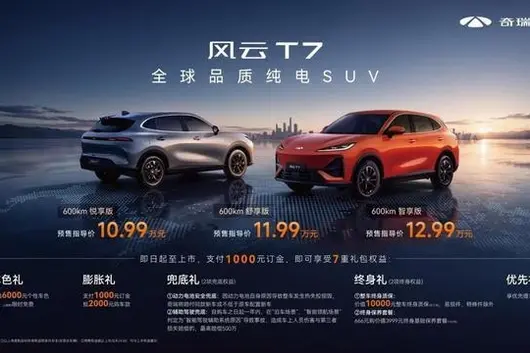
2026 年 8 月 12 日,奇瑞風雲 T7 正式開啟預售。新車共推出 3 款配備車型,預售價格區間為 10.99 萬 -12.99 萬元。其中悅享版 10.99 萬元、舒享版 11.99 萬元、智享版 12.99 萬元,新車預計 8 月底正式上市。
本次預售發佈會以“慢功造好車,久等了”為主題。作為一款已在海外市場以"LEPAS L6”之名先行上市的全球車型,風雲 T7 此次回歸國內市場,試圖以全車系 600km 續航和跨樓層記憶泊車兩大差異化賣點,在 10 萬級純電 SUV 市場建立競爭力。

風雲 T7 定位緊湊型純電 SUV,車身尺寸為 4570×1852×1694mm,軸距 2700mm。整車採用"禦風"設計語言,前臉配備 L 形日行燈,側面線條流暢,車尾為貫穿式燈組。提供 17、18 英寸兩種輪轂尺寸。

該車的特殊之處在於其“全球車”身份。風雲 T7 由奇瑞全球 8 大研發設計中心聯合 5000 餘名海内外用戶共創,同源車型 LEPAS L6 已在泰國、南非等海外市場先行上市。研發周期歷時 2 年策劃、3 年研發,累計測試里程超 600 萬公里。按照官方說法,這是一款“先外售、再內銷”的車型——先在海外市場驗證品質,再回國參與競爭。

外觀方面,提供熾焰橙、山煙紫、雲粉米、流光銀、青竹灰、墨石黑六款車色。內飾提供黑棕、純黑兩種風格,採用環抱式佈局,大面積軟包材質。
動力方面,搭載後置單電機,最大功率 178kW,峰值扭矩 275N·m,最高車速 180km/h。底盤採用前麥弗遜 + 後多連桿獨立懸掛,由瑪莎拉蒂前底盤調校專家領銜的國際化團隊調校。官方稱實現 50.8:49.2 前後軸荷比。

續航方面,全車系標配 65.05kWh 犀牛電池,CLTC 續航 600km,實測續航官方稱可达 667km 以上。快充 30%-80% 需 20 分鐘左右。配備雙源寬溫域熱泵空調 + 高壓 PTC,工作溫域 -30℃至 55℃。全車系標配 AGS 主動進氣格柵,14 項低風阻設計。

智能駕駛是核心賣點。風雲 T7 搭載獵鷹 500 駕駛輔助系統,集成 3 顆毫米波雷達、7 個高性能攝像頭、12 個超聲波雷達,共 22 顆高精度傳感器。芯片方面採用 4nm 製程高通 SA8775 艙駕一體芯片,NPU 算力 72TOPS,系統響應延遲 80ms。

功能層面,智享版搭載最長 2km 無樓層限制跨樓層記憶泊車,以及覆蓋 300+ 場景的自動泊車功能。悅享版和舒享版在智駕功能上有所精簡,標配全速自適應巡航等基礎功能,具體配置以最終上市官方配置表為準。高配版本額外支持高速 NOA 領航、遠程泊入、離車泊車、100 米循跡倒車等功能。這套配置組合的核心邏輯是:將此前 20 萬級以上車型才配備的跨樓層記憶泊車功能下放至 10 萬級。

安全方面,風雲 T7 對標 2026 版 E-NCAP 五星安全標準設計。車身採用 80% 高強度鋼、18.84% 熱成型鋼,配備 9 個安全氣囊(含 48L 雙腔遠端氣囊和後排側氣囊)。電池具備 IP68 級防水(為國標 96 倍)和 31 層 6D 鎖子甲防護結構。

座艙方面,配備 15.6 英寸 2.5K 懸浮中控屏(1000nit 亮度、防眩光/抗指紋塗層),支持 CarPlay、HUAWEI HiCar、CarLink 無線連接。全車得房率 84%,後備廂常規容積 450L,最大可擴展至 1550L。後排座椅放倒後可形成 1955mm 純平大床。

奇瑞風雲 T7 的預售,是這家傳統車企在 10 萬級純電 SUV 市場的一次差異化嘗試。從產品策略來看,風雲 T7 的打法很清晰:全車系統一續航 + 高配智駕下放下放。600km 續航不分高低配、頂配 12.99 萬就能買到跨樓層記憶泊車,這兩點在當前 10-13 萬價位的純電 SUV 中確實不多見。

對續航敏感、預算 10-12 萬的家庭用戶,風雲 T7 值得納入備選。但建議重點關注:一是 600km 續航在實際使用中的達成率(尤其是冬季),二是跨樓層記憶泊車在本地商場的實際覆蓋情況,三是後驅佈局在所在地區氣候條件下的適應性。不急購的用戶,不妨等首批車主的真實續航和智駕反饋後再做決策。對底盤操控有要求的用戶,建議實地試駕體驗後多連桿懸掛的實際表現。
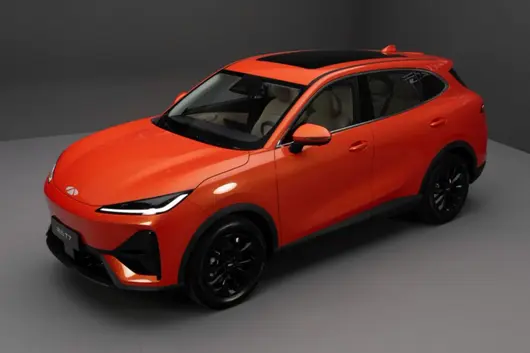

8 月 12 日,奇瑞風雲序列再添新作——全球品質純電 SUV 風雲 T7 正式開啟預售。本次預售發布會以「慢功造好車,久等了」為主題,傳遞風雲 T7 秉持長期主義嘅造車理念同紮實打磨全球品質嘅堅守。新車共推出 3 款版型,預售指導價格區間為 10.99 萬元至 12.99 萬元,同步推出 7 重購車權益。
倚靠奇瑞 23 年全球化技術積澱,風雲 T7 走出了一條「反向出海」嘅試煉路徑——從全球標準研發、全球審美設計、全球工藝製造,到全球路況驗證,以全鏈條嚴苛標準打磨產品,最終奔赴中國用戶。圍繞品質生活六大核心新剛需,風雲 T7 將顏值、安全、出行、智能、舒享、安心融為一體,適配通勤、遠途、戶外、多人出行等多元場景。

編輯
對標全球五星安全 全域防護硬核兜底
風雲 T7 對標 2026 版 E-NCAP 五星安全標準設計,功能安全達到 ASILD 最高等級。2 年策劃、3 年研發,共投入 81 台專屬耐久車同步路試,整車累計測試里程超 600 萬公里,耐久專項實測 145 萬公里。針對東南亞雨季、中東高溫暴曬、印尼高濕等多種全球地域進行極限實車試煉。
車身採用 80% 高強度鋼、18.84% 熱成型鋼打造九橫五縱籠式車身,配合 shotgun 結構、雙框副車架與 Pack 防撞樑,前面 9 條加側面 6 條碰撞傳力路徑可最大化分散碰撞能量,留存乘員生存空間。全車搭載 9 個安全氣囊,包含 48L 雙腔遠端氣囊和後排側氣囊。全系標配犀牛電池,超强 6D 防護全方位抵禦擠壓、穿刺、衝擊,IP68 防水為國標 96 倍,無懼雨季內澇與戶外涉水。

編輯
全系 600 公里續航平權 適配全球多元氣候
風雲 T7 實現續航配置全系平權,全系標配 65.05kWh 大容量犀牛電池,CLTC 續航 600km,實測續航達 667 公里以上。電池從 30% 充至 80% 僅需 20 分鐘。搭載全域一體化熱管理雙源寬熱泵空調與高壓 PTC,可在 -30℃至 55℃超寬溫域穩定運轉,配合全系標配嘅 AGS 智能格柵進氣口與 14 項低風阻優化,南北用戶均可從容出行。
超大座艙空間 大師底盤調校穩中帶感
整車尺寸 4570×1852×1694mm,軸距 2700mm,車內得房率 84%,後排純平地台,腿部空間達 911mm。後排放倒可拓展為 1955mm 純平大牀,後備箱容積 450L、拓展至 1550L。
風雲 T7 推出兩大兜底保障同兩項終身權益:動力電池因自身原因導致熱失控損毀,賠償同款新車;購車一年內因智駕系統原因導致事故,最高賠償 500 萬元。同時提供整車終身質保(含三電)及 666 元購價值 3999 元終身基礎保養套餐(1 次/年)。

編輯
全球標準下沉,十萬級純電 SUV 競爭格局生變
風雲 T7 以 10.99 萬元起嘅預售價格入市,在同級市場中展現出較強嘅競爭力。有分析指出,其核心差異在於「全系 600km 續航平權」——這啲喺目前 10 萬級純電 SUV 市場中較為少見。相較於部分競爭對手透過電池容量區分高低配嘅做法,風雲 T7 嘅策略直接回應咗入門級用戶對續航焦慮嘅核心關切。
特別值得關注係,風雲 T7 遵循「先出海、再歸國」嘅研發路徑,同源車型 Lepas L6 喺泰國、南非等市場先行上市。按照 2026 版 E-NCAP 五星安全標準開發,投入 81 台耐久車、累計測試超 600 萬公里,覆蓋從北歐極寒到中東酷熱嘅極端環境。這種以全球標準倒逼產品品質嘅做法,喺 10 萬級家用 SUV 中尚不多見。
風雲 T7 身上體現出嘅邏輯,同當前行業主流路徑有著明顯唔同——佢唔係靠壓縮研發週期、省略驗證環節嚟搶市場,而係用更長嘅週期把車做紮實,再帶住全球市場嘅驗證結果返內地。喺一個「唯快不破」嘅行業氛圍中,呢種「慢」確實需要定力。
風雲 T7 能否突圍,視乎幾個變數嘅最終兌現:實際續航達成率能否令人信服、底盤舒適性能否匹配家用需求、車內空間是否滿足家庭出行場景。如果呢啲「需要驗證」嘅環節均能交出合格答卷,咁「全系 600km+ 全球品質背書 +10.99 萬起」嘅組合確實具備成為細分市場「規則改寫者」嘅潛力。但參數優勢能否轉化為實際口碑,視乎實車喺續航達成率、底盤舒適性、空間表現等維度嘅真實表現。

July 27, 2026, inside the Malaysian partner assembly plant, Sinotruk held a grand ceremony for the roll-off of the 10,000th CKD complete vehicle. Hu Haihua, Deputy General Manager of Shandong Heavy Industry Group, attended the ceremony, jointly witnessing this glorious moment with Sinotruk representatives, partner representatives, and guests from all walks of life.

Sinotruk and partners formally established cooperation 15 years ago. Relying on products' excellent reliability and economy, they won extensive trust from local customers, and market share steadily increased. Both sides always take user needs as the core, providing reliable support covering the vehicle's full lifecycle. Sinotruk will fully support partners in improving "three networks" construction, optimizing CKD assembly lines, further enhancing localized service capabilities, and effectively reducing customer operating costs.

In the future, Sinotruk will continue to deepen collaboration with partners, writing a new chapter in market development together with a more complete product portfolio, smarter technical solutions, and more efficient service support.


喺馬來西亞嘅 SUV 市場,好多買家喺揀車嗰陣都會拿 Proton X70 同 Mazda CX-3 黎做比較。呢兩款車喺價同定位上都幾接近,今日我哋就由多個方面做一個詳細嘅對比,幫你省返做功課嘅時間。
Proton X70 喺馬來西亞嘅 OTR 售價係 RM 106,800 - 122,300,一共有 3 個版本,包括 1.5L Standard 2WD(RM 106,800)、1.5L Executive 2WD(RM 115,800)、1.5L Premium 2WD(RM 122,300) 等等。
Mazda CX-3 喺馬來西亞嘅 OTR 售價係 RM 126,159 - 139,159,一共有 2 個版本,包括 2023 2.0L High(RM 139,159)、2023 2.0L Plus(RM 126,159) 等等。
由價錢睇,Proton X70 嘅起步價確實比 Mazda CX-3 平咗 RM 19,359。如果你預算有限,Proton 嘅入門版已經可以滿足日常需要。但要留意,平嗰幾千蚊,喺配備上可能有取舍,具體要看你嘅需要。

Proton X70 搭載 1.5L Turbo,馬力 140 hp。官方油耗 7.0 L/100km。
Mazda CX-3 搭載 1.5L Turbo,馬力 140 hp。官方油耗 7.0 L/100km。
兩款車用緊同一套動力系統,日常開落嚟嘅感覺基本無分別。油耗方面都差唔多,唔使太糾結呢一點。
Proton X70 嘅安全評級係 5★ (ASEAN NCAP),主動安全系統包括 ADAS (ACC, AEB, LKA, LDA, BSM, RCTA)。
Mazda CX-3 嘅安全評級係 5★ (ASEAN NCAP),主動安全系統包括 i-Activsense。
兩款車嘅安全評級一樣,喺呢個級別入面安全配備都算好齊全。而家嘅新車安全性都幾好,唔使太擔心呢一點。

Proton X70 保修 5 年/150,000km,保養間隔 每 10,000km 或 6 個月。
Mazda CX-3 保修 5 年/150,000km,保養間隔 每 10,000km 或 6 個月。
兩款車嘅保修條件一樣,呢方面唔使糾結。實際保養成本仲要看品牌嘅服務網絡同零件價錢,建議去車友群問吓真實車主嘅經驗。
Proton X70 同 Mazda CX-3 都係馬來西亞市場嘅主流選擇,適合家庭使用、日常通勤。如果你更重視品牌口碑同二手價,可以優先考慮口碑更好嗰一款;如果你更在意性價比同配備,那就揀配備更豐富嗰款。最終都建議兩款都去試駕,親身體驗先係最重要。
總括嚟講,Proton X70 同 Mazda CX-3 都係馬來西亞市場幾唔錯嘅車型。揀邊一輛,關鍵仲要看你嘅個人需求同預算。建議大家做好功課,多比較幾間車行嘅報價,再去試駕先做最終決定。買車係件大事,花少少時間做功課絕對無錯。


喺馬來西亞嘅 SUV 市場,好多買家揀車嘅時候都會拿 寶騰 X50 同 斯巴魯 Crosstrek 嚟比較。呢兩款車喺價錢同定位上都幾接近,今日我哋就由多方面做詳細對比,幫你節省做功課嘅時間。
寶騰 X50 喺馬來西亞嘅 OTR 售價係 RM 89,800 - 113,300,一共有 4 個版本,包括 1.5T Executive(RM 89,800)、1.5T Premium(RM 101,800)、1.5T Flagship(RM 113,300) 等。
斯巴魯 Crosstrek 喺馬來西亞嘅 OTR 售價係 RM 145,000 - 160,000,一共有 1 個版本,包括 2.0L e-Boxer(RM 150,000) 等。
從價錢嚟睇,寶騰 X50 嘅入門價確實比 斯巴魯 Crosstrek 平咗 RM 55,200。如果你預算有限,寶騰嘅入門版已經可以滿足日常需求。但都要注意,平嗰幾千蚊,可能會喺配備上有所取捨,具體睇你嘅需求。

寶騰 X50 搭載 1.5L 4-cyl,馬力 105 hp。官方油耗 6.0 L/100km。
斯巴魯 Crosstrek 搭載 1.5L Turbo,馬力 140 hp。官方油耗 7.0 L/100km。
動力方面,斯巴魯 Crosstrek 嘅 1.5L Turbo 比 寶騰 X50 嘅 1.5L 4-cyl 多咗 35 匹馬力。不過日常喺市區開,呢兩款車嘅動力都夠用,唔會覺得唔夠力。

寶騰 X50 嘅安全評級係 5★ (ASEAN NCAP),主動安全系統包括 ADAS (ACC, AEB, LKA, LDA, BSM, RCTA)。
斯巴魯 Crosstrek 嘅安全評級係 5★ (Euro NCAP),主動安全系統包括 EyeSight。
安全配備方面,呢兩款車都拿到唔錯嘅評級。不過 寶騰 X50 嘅 ADAS (ACC, AEB, LKA, LDA, BSM, RCTA) 同 斯巴魯 Crosstrek 嘅 EyeSight 喺功能上有少少分別,如果你比較睇重主動安全嘅話,可以仔細對比吓兩者嘅功能清單。

寶騰 X50 車身長 4400 mm,後備箱 400 L。
斯巴魯 Crosstrek 車身長 4400 mm,後備箱 400 L。
呢兩款車嘅尺寸差唔多,車內空間差別唔大。呢個級別嘅車,日常使用完全夠用。

寶騰 X50 採用 4WD 驅動方式。
斯巴魯 Crosstrek 採用 FWD 驅動方式。
寶騰嘅 4WD 同 斯巴魯嘅 FWD 喺操控上會有唔同感受,建議試駕對比。

總嚟講,寶騰 X50 同 斯巴魯 Crosstrek 都係馬來西亞市場幾唔錯嘅車型。揀邊一輛,關鍵都要睇你嘅個人需求同預算。建議大家做足功課,多比較幾間車行嘅報價,再跟住去試駕做最終決定。買車係件大事,花少少時間做功課絕對唔會錯。


In Malaysia's SUV market, many buyers compare the Proton X50 and the GWM Haval H6 when choosing a car. These two models are quite close in price and positioning. Today, we will make a detailed comparison from multiple aspects to help you save time on research.
The Proton X50 OTR price in Malaysia is RM 89,800 - 113,300, with a total of 4 versions, including 1.5T Executive (RM 89,800), 1.5T Premium (RM 101,800), 1.5T Flagship (RM 113,300), etc.
The GWM Haval H6 OTR price in Malaysia is RM 139,750 - 139,750, with a total of 2 versions, including 1.5L Turbo Standard (RM 140,000), 1.5L Turbo Premium (RM 155,000), etc.
From a price perspective, the starting price of the Proton X50 is indeed RM 49,950 cheaper than the GWM Haval H6. If your budget is limited, the entry-level Proton model can already meet daily needs. However, note that the few thousand ringgit difference might involve trade-offs in features, depending on your specific needs.
The Proton X50 is equipped with a 1.5L 4-cylinder, 105 hp. Official fuel consumption is 6.0 L/100km.
The GWM Haval H6 is equipped with a Hybrid system, 170 hp. Official fuel consumption is 4.5 L/100km.
Regarding power, the Hybrid in the GWM Haval H6 has 65 more horsepower than the 1.5L 4-cylinder in the Proton X50. However, for daily city driving, the power of both cars is sufficient and you won't feel underpowered.
The Proton X50 uses a 4WD drive system.
The GWM Haval H6 uses a FWD drive system.
The Proton 4WD and GWM FWD will feel different in handling, a test drive comparison is recommended.
Proton X50 warranty is 5 years/150,000km, maintenance interval is every 10,000km or 6 months.
GWM Haval H6 warranty is 7 years/150,000km, maintenance interval is every 10,000km or 6 months.
Both the Proton X50 and GWM Haval H6 are mainstream choices in the Malaysian market, suitable for family use and daily commuting. If you value brand reputation and resale value more, you can prioritize the one with better reputation; if you care more about value for money and features, choose the one with richer configuration. Ultimately, it is recommended to test drive both, as personal experience is the most important.
Overall, both the Proton X50 and GWM Haval H6 are very good models in the Malaysian market. Which one to choose depends on your personal needs and budget. It is recommended to do your homework, compare quotes from multiple dealerships, and then test drive to make a final decision. Buying a car is a big deal, spending time on research will never go wrong.

In Malaysia's SUV market, many buyers use Proton X50 and MG MG HS for comparison when choosing a car. These two cars are quite close in price and positioning. Today, we will make a detailed comparison from multiple aspects to help you save time on research.
Proton X50's OTR price in Malaysia is RM 89,800 - 113,300. There are 4 versions in total, including 1.5T Executive (RM 89,800), 1.5T Premium (RM 101,800), 1.5T Flagship (RM 113,300), etc.
MG MG HS's OTR price in Malaysia is RM 130,450 - 146,450. There are 2 versions in total, including 1.5L Standard (RM 105,000), 1.5L Executive (RM 115,000), etc.
In terms of price, Proton X50's starting price is indeed RM 40,650 cheaper than MG MG HS. If your budget is limited, Proton's entry-level version can already meet daily needs. But note that saving a few thousand might involve trade-offs in features, depending on your specific needs.
Proton X50 is equipped with a 1.5L 4-cylinder, 105 hp. Official fuel consumption is 6.0 L/100km.
MG MG HS is equipped with a 1.5L Turbo, 140 hp. Official fuel consumption is 7.0 L/100km.
In terms of power, MG MG HS's 1.5L Turbo has 35 more horsepower than Proton X50's 1.5L 4-cylinder. However, for daily city driving, the power of both cars is sufficient, you won't feel it lacks power.
Proton X50's safety rating is 5★ (ASEAN NCAP). Active safety systems include ADAS (ACC, AEB, LKA, LDA, BSM, RCTA).
MG MG HS's safety rating is TBD. Active safety systems include Basic.
In terms of safety features, both cars received good ratings. However, there are some differences in features between Proton X50's ADAS (ACC, AEB, LKA, LDA, BSM, RCTA) and MG MG HS's Basic. If you value active safety more, you can compare their feature lists carefully.
Proton X50 body length is 4400 mm, trunk 400 L.
MG MG HS body length is 4400 mm, trunk 400 L.
The dimensions of both cars are almost the same, with little difference in interior space. Cars in this class are more than enough for daily use.
Both Proton X50 and MG MG HS are mainstream choices in the Malaysian market, suitable for family use and daily commuting. If you value brand reputation and resale value more, you can prioritize the one with better reputation; if you care more about cost-performance and features, choose the one with richer configurations. Ultimately, it is recommended to test drive both, as personal experience is the most important.
Overall, Proton X50 and MG MG HS are both very good models in the Malaysian market. Which one to choose depends mainly on your personal needs and budget. It is recommended to do your research, compare quotes from several dealerships, and then test drive to make the final decision. Buying a car is a big matter, and spending time doing research will definitely not be wrong.
July 16, GAC Group held a grand 30-million-user gratitude ceremony at the GAC Trumpchi factory. As the Right-Hand Drive Trumpchi M8 PHEV slowly drove off the production line, GAC officially reached the milestone of cumulative vehicle production and sales of 30 million units. This gathering of government leaders, industry experts, domestic and foreign owners, and R&D craftsmen is not only an important milestone in GAC's 29-year development but also a vivid footnote to the high-quality, globalized advancement of China's automotive industry.

Surpassing 29 Years to Achieve "GAC Speed"
In 1997, GAC started amidst industry skepticism, following a characteristic path of "small-scale start, rolling development", submitting an outstanding growth report: it took 20 years from 0 to 10 million units, while the second 20 million units were completed in just 9 years. This unique development rhythm was called "GAC Speed" by the industry. This delivery ceremony broke the convention of single model delivery. Global multiple factories connected in real-time. GAC Honda P7, Toyota BZ7, Aion N60, Hyper S600, and Enjoing GT7 five new energy models completed the delivery of the 29,999,995th to 29,999,999th vehicles sequentially. Finally, the Right-Hand Drive Trumpchi M8 PHEV made a heavy debut as the 30 millionth vehicle. The product selection for overseas markets intuitively reflects GAC's global layout results.

At the event, GAC Group Chairman Feng Xingya handed the 30-million-unit commemorative car key to Thailand owner Tony Jaa. This delivery across borders is a warm microcosm of the two-way rush between global 30 million users and the brand. Data proves market recognition: First half of 2026 GAC cumulative sales reached 773,100 units, up 2.35% year-on-year; Independent brand sales were 346,000 units, up 35.69%; Overseas exports were 121,500 units, skyrocketing 132% year-on-year. The overseas market has already become a new growth curve.
Building a Foundation with Ultimate Quality
"Quality is the bottom line GAC will never retreat," Feng Xingya emphasized in his speech. Over 29 years, GAC integrated Honda TQM and Toyota Lean Management models to build a quality system covering R&D, testing, manufacturing, and after-sales full links, undertaking 30 million user trusts with strict standards.

At the vehicle validation level, all new cars must complete the full "Two Winters One Summer" cycle test, undergoing extreme environment assessments like Turpan high temperatures, Hulunbuir extreme cold, high altitudes, sand, and salt fog ("Five Highs One Mountain One Dust" limit environment), accumulating equivalent test mileage of over 13 million kilometers; Globally leading vehicle wind tunnels, the first domestic low-altitude comprehensive test field, comprehensively polish energy consumption, quietness, and intelligent driving performance. On the manufacturing end, Aion's global first new energy lighthouse factory achieves millimeter-level quality control with over 600 industrial robots and AI visual inspection, with data of thousands of body fastening points traceable for life.

Safety technology builds a solid barrier: Xingling Safety Protection System eight systems dual redundancy design, cumulatively avoiding 6.28 million potential accidents; Danxia battery installed in 1.5 million vehicles, safe driving over 160 billion kilometers with no large-scale safety hazards. Industry-first "Three Responsibilities" service commitment, fully backing up the three user pain points of three-electric self-ignition, battery degradation, and intelligent parking accidents, extending quality assurance to the full vehicle use lifecycle. Relying on solid strength, GAC won the China Quality Award nomination sequentially, and many models lead the sub-segment retention value list for years.
Connecting All Scenarios with Full-Domain Services
Relying on "Panyu Action" deep reform, GAC completed the thorough iteration from engineer thinking to user thinking, putting user needs in the core position of product development and service upgrades. Regularly hold "User All Open Mic" offline communication meetings, R&D and product managers face owners pain points directly, establish closed-loop processing mechanism for appeals; simultaneously build user co-creation system, invite owners to participate in model planning and test iterations, making products truly fit public needs.
Service network continues to sink and fill: As of June, nationally recognized 600 county-level comprehensive service centers, planned to expand to 1000 within the year; Energy side builds "9 Vertical 10 Horizontal" national recharging network, covering 213 cities, self-operated charging piles over 27,000, core urban areas straight 1 kilometer away can find charging stations; Online 24-hour "Super Butler" 5 seconds response, 2 hours handle appeals, completely solving user after-sales, recharging, maintenance various anxieties.
Three Layers of Car Buying Benefits to Return 10 Million Trust
To thank global owners for long-term companionship, July 16 to August 31, GAC's six passenger car brands simultaneously launch the "30 Million Units Renewal Gratitude Season", three layers of heavy benefits cover full range new purchase, trade-in, and added purchase crowds:

First layer new purchase carnival, all series main models launch 5,000 yuan to 50,000 yuan different car purchase subsidies, multiple models enjoy 3-year 80,000 yuan 0% interest financial scheme, fuel, hybrid, pure electric, extended range fully covered;
Second layer trade-in plus, GAC old owners trading Trumpchi, Hyper, Enjoing models can superimpose exclusive family subsidies;
Third layer added purchase exclusive benefits, family second car selecting Enjoing GT7 can enjoy custom rights, lowering the threshold for whole family travel upgrades.
Anchoring 2030 Global 1 Million Sales New Target
30 million production and sales milestone is also a new starting point for GAC's global development. Relying on "OneGAC 2.0" strategy, GAC achieved transition from product export to R&D, production, sales, supply, service full value chain overseas transformation, business covers Asia Pacific, Middle East, Europe, America five major blocks 110 countries, built 7 overseas factories, 746 sales outlets. Thailand market June sales month-on-month huge increase 207%, Europe localized production sales system steadily landed, multiple global models adapted 44 languages, meeting Euro 7 strict standards.
Looking forward, GAC set 2030 global blueprint: Business expanded to 120 countries, overseas outlets exceed 2000, annual overseas sales 1 million vehicles. Technology R&D continues to add, cumulative independent investment over 62 billion yuan, patent applications over 24,900 pieces, Xinyuan Power, Xingling 4.0 Architecture, Huawei Jointly Created Enjoing Intelligent Driving etc. core technologies continuously land, supporting global journey with independent innovation.

Adhering to Long-termism, Letting Users Never Settle
From joint venture start to independent rise, from domestic deep dive to global layout, GAC experienced four leap-forward developments, behind the 30 million user number is a warm story of millions of ordinary people and the brand growing together: 70-year-old Fit owner self-driving 5,000 kilometers, M8 car friends rushing to disaster area rescue, overseas owners crossing mountains and seas to choose GAC... countless real vehicle use moments, let cold production and sales numbers settle into warm brand assets.

Standing on a new starting point, GAC stated it will continue to adhere to long-termism, quality as root, user as root, innovation as wings, continuously polish all-domain products and services, deepen domestic market, accelerate global layout, rush to the next 30 million new journey, provide more safe, intelligent, diverse travel solutions for global users.
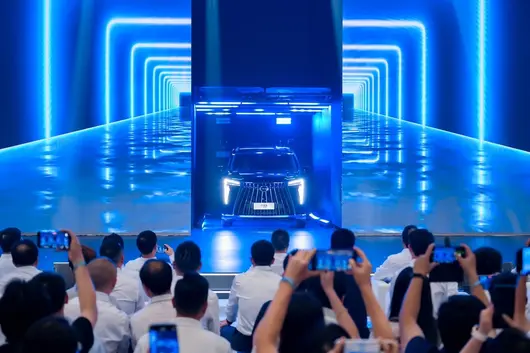

7月16日,“挚启湾区·达联未来”挚达科技战略提升发布会暨深圳公司揭牌仪式在粤港澳大湾区举行。围绕“全球市场➕智慧能源➕能源服务机器人”的2.0战略,挚达科技正式发布升级后的战略定位“全球领先的AI驱动型智慧能源与机器人一体化场景解决方案科技企业”,完成深圳新公司揭牌,并全球首发面向家庭与公共两大场景的“AI能源+机器人”一体化解决方案,同时与腾讯云、首钢朗泽、张江租赁、EVI、马来西亚KINETA等合作伙伴以及全国经销商服务合作伙伴完成签约。
谈及此次战略升级,黄志明博士表示,挚达从家用充电桩起步,历经十余年积累了智慧能源与机器人两方面的核心技术,此次将战略定位升级,是公司顺应产业趋势、发挥自身积累的必然选择,也标志着挚达在赛道、科技和市场三方面的综合提升。

战略升级:全球市场+智慧能源+能源服务机器人三位一体
在双碳与AI浪潮驱动下,挚达科技正式升级为以“全球市场+智慧能源+能源服务机器人”为核心的2.0战略,定位为AI驱动型智慧能源与机器人一体化场景解决方案科技企业,通过“产品+平台+服务”体系支撑家庭、公共及生态合作三大增长极。
这一升级并非从零起步,而是挚达十余年技术积累的自然延伸。作为家用充电桩全球市场份额领先的企业,挚达早年便已围绕“车+能+用户”构建生态闭环,自主研发的EMS绿色数字能源系统集成光伏、储能、充电及V2G技术,形成覆盖户用光伏、储能与智能充电的家庭智慧能源服务生态;公司数字化平台基于自有物联网技术,由云计算与数据分析赋能,将充电桩、机器人等硬件与光伏、储能设备互联,支撑其在国内及海外市场提供一体化绿色能源服务。
与此同时,挚达在机器人领域持续突破:目前已经拥有绳驱柔性臂自动充电机器人“灵蛇SmartLink”、全球首款刀片式家用充电机器人“开拓者Robot”、公共充电机器人“灵象”3款核心产品;同时,公司“研发—制造—运营”全产业链布局基本成型,成为全球首家在充电机器人赛道实现年产万台级机器人产业链闭环的企业。AI能源与机器人两大能力的融合,构成了此次战略升级的核心支点。
为保障战略落地,挚达构建了“1个上海总部、3大研发中心(上海/深圳/无锡)、2大制造基地(宣城/宁波)、1个三明服务中心”的完整架构。全球化方面,业务已覆盖28个国家,布局泰国、沙特等5个海外制造中心,2025年海外销量超10万台,同比增79.6%;泰国与巴西市场订单激增。同时,公司携手奇瑞绿能、国家电投启源芯动力等巨头,在技术融合、海外基建及工程服务等领域展开深度合作,共推全球绿色能源变革。
两大核心新品:从单点硬件到场景化解决方案
发布会上,挚达科技正式发布全栈自研的家庭与公共场景智慧能源的“AI能源+机器人”解决方案,将产品能力整合为面向具体场景的系统化方案。

全球首发“AI能源+机器人”一体化家庭场景解决方案面向的是家庭用户从“买一台充电桩”到“用一套能源系统”的需求升级。该方案覆盖智能硬件、AI平台、服务与传播渠道,核心硬件包括新一代光储一体机、家用充电机器人、充电桩与光伏组件,从软件到硬件多环节实现安全防护。
其中,光储一体机H1是本次发布会同步推出的核心硬件新品,该产品采用12千瓦高功率光储逆变器,一体式设计支持24小时监控,转化效率超过97.5%,具备“快速部署、开箱即用”特性;储能电池模块达到IP65防护等级。
该方案的核心价值在于AI平台对全屋能源的智能调度能力:系统可根据电价、用电习惯、设备状态和家庭需求,自动分配光伏发电与储能电池充放电;并联动机器人在光伏发电高峰时段为车辆无感自动补能,实现人车家一体化与家庭能源“发-储-用-充”的动态闭环。对用户而言,这意味着从购买单一设备转变为获得一套全天候安全运行、可管理、可服务的家庭能源系统,兼顾省电增收与生活便捷。

全球首发“AI能源+机器人”一体化公共场景解决方案则瞄准Robotaxi、网约车、物流车、园区接驳车等高频运营场景的痛点。传统“车找桩”模式下,车辆利用率、补能效率与运维成本直接制约场站运营效益。
挚达的方案通过“光伏+储充一体桩+机器人+EMS平台”一体化组合,重构补能逻辑:储充一体桩提升场站电力调配弹性,缓解高峰用电压力;无人公共充电机器人“灵象”结合AI全局调度平台,可实时监测区域内车辆电量、充电需求与设备状态,自主规划充电点位与作业路线,在自动驾驶车辆停泊后主动完成补能,大幅减少人工操作环节;EMS平台则对场站能源的生产、存储、消耗及设备运行状态进行统一管理。该方案的价值在于将补能从“人工被动响应”转变为“系统主动服务”,为高频运营场景提供可规模化复制的智能补能基础设施。
立足大湾区,链接更广阔的产业生态
新揭牌的深圳公司将承担产品和解决方案中心、智能硬件研发和集成中心、海外业务中心三大职能,成为挚达链接大湾区产业资源、拓展海外业务的核心枢纽。
发布会上,挚达科技与腾讯云、EVI、首钢朗泽、张江租赁、马来西亚KINETA等合作伙伴完成正式签约,多方合作将从技术底座、产品生态、绿色产业链、金融赋能与全球化布局五个维度,为挚达的战略升级提供支撑。

与腾讯云的合作聚焦AI与云计算底层能力的融合。依托腾讯云在云计算、大数据与人工智能领域的技术积累,双方将围绕生态共建与联合营销、AI全场景落地、全球云资源与数据合规三大方向展开合作,联合打造“AI+智慧充电”标杆解决方案,助力挚达完成数字化、智能化转型。
与EVI的合作着眼于产品研发与市场拓展的协同。作为新能源出行相关生态伙伴,EVI将与挚达在产品开发、合资公司筹建及优先投资权等方面展开合作,扩大家庭与公共补能业务的覆盖半径。
与首钢朗泽的合作则体现了挚达在绿色能源产业链上的进一步延伸。首钢朗泽在碳捕集利用与合成生物技术领域具备领先积累,双方将共同构建“光伏发电、储能调峰、智能充电、智慧管控、应急保供”一体化的园区绿色能源生态,助力挚达其在“双碳”目标下构建更完整的绿色能源生态。
与张江租赁的合作旨在以创新金融模式加速充电机器人规模化落地。依托张江租赁在科创融资租赁领域的专业平台优势,双方将围绕设备采购与出租、全周期质保交付、联合项目推介三大方向展开合作,共同向公用场景等终端客户提供一体化解决方案,助力挚达打通科技成果走向市场的“最后一公里”。
与马来西亚KINETA的合作KINETA Sdn.Bhd.将继续作为挚达科技在马来西亚与新加坡的独家分销商,双方同时在中国香港及内地市场保持协同拓展。挚达科技将依托马来西亚KINETA的区域经验与市场领导力,继续输出创新、安全、高效的智能能源方案,助力亚太地区绿色出行。
本次生态签约,旨在进一步打通“技术+场景+伙伴”的协同链路,让智慧能源方案更快、更广地赋能千行百业。
结语
从家庭智慧能源到公共智能补能,从光储充一体化到机器人主动服务,从大湾区生态落子到全球化渠道加速拓展,此次战略提升发布会标志着挚达科技完成了向“AI驱动型智慧能源与机器人一体化场景解决方案科技企业”的关键跃迁。
依托此前在充电桩领域积累的市场地位与技术专利,叠加机器人与AI能力的持续突破,挚达科技的业务边界正从单一充电产品延展至“平台+系统+生态”的全场景智慧能源底层操作系统。深圳公司的揭牌与生态伙伴签约,将进一步加速这一战略的落地,为公司打开AI时代能源服务的新增长空间,也为行业提供了智慧能源与机器人协同发展的新范式。


In Malaysia's SUV market, many buyers compare Perodua Aruz and Toyota Corolla Cross when choosing a car. These two cars are quite close in price and positioning. Today we will make a detailed comparison from multiple aspects to help you save time on research.
Perodua Aruz's OTR price in Malaysia is RM 72,900 - 77,900, with a total of 2 versions, including 1.5L X (RM 72,900), 1.5L AV (RM 77,900), etc.
Toyota Corolla Cross's OTR price in Malaysia is RM 133,800 - 148,800, with a total of 3 versions, including 2026 HEV 1.8L GR Sport (RM 148,800), 2026 HEV 1.8L Standard (RM 140,800), 2026 1.8L Standard (RM 133,800), etc.
From a price perspective, Perodua Aruz's starting price is indeed RM 60,900 cheaper than Toyota Corolla Cross. If your budget is limited, Perodua's entry-level version is already sufficient for daily needs. However, also note that the few thousand ringgit difference may involve compromises in features, depending on your specific needs.

Perodua Aruz body length is 4400 mm, trunk 400 L.
Toyota Corolla Cross body length is 4400 mm, trunk 400 L.
The dimensions of both cars are almost the same, and the difference in interior space is not significant. Cars in this class are fully sufficient for daily use.
Perodua Aruz warranty 5 years/150,000 km, maintenance interval every 10,000 km or 6 months.
Toyota Corolla Cross warranty 5 years/unlimited mileage, maintenance interval every 10,000 km or 6 months.

Both Perodua Aruz and Toyota Corolla Cross are popular choices in the Malaysian market, suitable for family use and daily commuting. If you value brand reputation and resale value more, you can prioritize the one with better reputation; if you care more about cost-performance ratio and features, then choose the one with richer configurations. Ultimately it is recommended to test drive both models, as personal experience is the most important.

Overall, Perodua Aruz and Toyota Corolla Cross are both very good models in the Malaysian market. Which one to choose ultimately depends on your personal needs and budget. It is recommended to do your research, compare quotes from several dealerships, and then test drive to make the final decision. Buying a car is a major matter, spending time on research will definitely not be wrong.

In Malaysia's SUV market, many buyers compare Perodua Aruz and Honda HR-V when choosing a car. These two models are quite close in terms of price and positioning. Today, we will conduct a detailed comparison from multiple angles to help you save time on research.
Perodua Aruz's OTR price in Malaysia is RM 72,900 - 77,900, with a total of 2 versions, including 1.5L X (RM 72,900), 1.5L AV (RM 77,900), etc.
Honda HR-V's OTR price in Malaysia is RM 115,900 - 143,900, with a total of 4 versions, including 2026 e:HEV 1.5L RS (RM 143,900), 2026 1.5T V (RM 137,900), 2026 1.5T E (RM 130,900), etc.
In terms of price, Perodua Aruz's starting price is indeed RM 43,000 cheaper than Honda HR-V. If your budget is limited, Perodua's entry-level version can already meet daily needs. However, you should also note that the few thousand dollars saved might involve trade-offs in features, depending on your specific needs.
Perodua Aruz is equipped with a 1.5L 4-cyl engine, 105 hp. Official fuel consumption is 6.0 L/100km.
Honda HR-V is equipped with a 1.5L Turbo engine, 140 hp. Official fuel consumption is 7.0 L/100km.
Regarding power, Honda HR-V's 1.5L Turbo has 35 more horsepower than Perodua Aruz's 1.5L 4-cyl. However, for daily city driving, the power of both cars is sufficient and you won't feel a lack of power.
Perodua Aruz's safety rating is 5★ (ASEAN NCAP), active safety systems include.
Honda HR-V's safety rating is 5★ (ASEAN NCAP), active safety systems include Honda SENSING (ACC, CMBS, LKAS, RDM).
Both cars have the same safety rating, and safety features are quite comprehensive for this class. New cars nowadays generally have good safety standards, so you don't need to worry too much about this.
Perodua Aruz body length is 4400 mm, trunk space is 400 L.
Honda HR-V body length is 4500 mm, trunk space is 450 L.
In terms of space, Honda HR-V's body is 100 mm longer than Perodua Aruz, giving it an advantage in passenger space. However, Perodua Aruz is a bit more flexible for parking in the city, each has its trade-offs.
Perodua Aruz uses FWD drive system.
Honda HR-V uses FWD drive system.
Both cars have the same drive system, both are FWD, so there shouldn't be much difference in daily driving feel.
Overall, both Perodua Aruz and Honda HR-V are excellent models in the Malaysian market. Which one to choose ultimately depends on your personal needs and budget. We suggest doing your research, comparing quotes from several dealerships, and taking a test drive before making a final decision. Buying a car is a big matter, spending some time on research is never wrong.

In the Malaysian SUV market, many buyers compare Perodua Ativa and Mitsubishi Xforce when selecting a vehicle. These two models are quite close in price and positioning. Today, we will conduct a detailed comparison from multiple aspects to help you save time on research.
Perodua Ativa's OTR price in Malaysia ranges from RM 62,500 to 73,400, with a total of 3 versions, including 1.0L Turbo X (RM 62,500), 1.0L Turbo H (RM 67,300), 1.0L Turbo AV (RM 73,400), etc.
Mitsubishi Xforce's OTR price in Malaysia ranges from RM 109,930 to 119,930, with a total of 2 versions, including 2026 1.5L Ultimate (RM 119,930), 2026 1.5L Urban (RM 109,930), etc.
In terms of price, Perodua Ativa's starting price is indeed RM 47,430 cheaper than Mitsubishi Xforce. If your budget is limited, Perodua's entry-level version can already meet daily needs. However, note that the few thousand ringgit difference might involve trade-offs in features, depending on your specific needs.

Perodua Ativa's safety rating is 5★ (ASEAN NCAP), with active safety systems including ASA 3.0 + ACC + LDA + LKA + BSM + RCTA.
Mitsubishi Xforce's safety rating is 5★ (ASEAN NCAP), with active safety systems including MI-PILOT.
Both cars share the same safety rating, and safety features are quite comprehensive in this segment. New cars nowadays generally do not lack in safety, so there is no need to worry too much about this.
Perodua Ativa body length 4400 mm, trunk 400 L.
Mitsubishi Xforce body length 4400 mm, trunk 400 L.
The dimensions of both cars are almost identical, with little difference in interior space. Cars in this segment are more than sufficient for daily use.
Perodua Ativa and Mitsubishi Xforce are both mainstream choices in the Malaysian market, suitable for family use and daily commuting. If you value brand reputation and resale value more, you can prioritize the model with the better reputation. If you care more about value for money and features, choose the one with richer configurations. Ultimately, it is recommended to test drive both, as personal experience is the most important.

Overall, Perodua Ativa and Mitsubishi Xforce are both very good models in the Malaysian market. Which one to choose depends mainly on your personal needs and budget. We suggest doing your research, comparing quotes from multiple dealerships, and then test driving to make the final decision. Buying a car is a major matter, taking some time to do your homework will never go wrong.


喺馬來西亞嘅 SUV 市場,好多買家喺選車嘅時候都會拿 Proton X50 同 Mazda CX-3 嚟做比較。這兩款車喺價位同定位上都幾接近,今日我哋就從多個方面做一個詳細嘅對比,幫到你省下做功課嘅時間。
Proton X50 喺馬來西亞嘅 OTR 售價係 RM 89,800 - 113,300,一共有 4 個版本,包括 1.5T Executive(RM 89,800)、1.5T Premium(RM 101,800)、1.5T Flagship(RM 113,300)等。
Mazda CX-3 喺馬來西亞嘅 OTR 售價係 RM 126,159 - 139,159,一共有 2 個版本,包括 2023 2.0L High(RM 139,159)、2023 2.0L Plus(RM 126,159)等。
從價錢來看,Proton X50 嘅起步價確實比 Mazda CX-3 便宜咗 RM 36,359。如果你預算有限,Proton 嘅入門版已經可以滿足日常需求。但都要留意,便宜嗰啲幾千蚊,可能喺配備上會有取舍,具體要看你嘅需求。
Proton X50 搭載 1.5L 4-cyl,馬力 105 hp。官方油耗 6.0 L/100km。
Mazda CX-3 搭載 1.5L Turbo,馬力 140 hp。官方油耗 7.0 L/100km。
動力方面,Mazda CX-3 嘅 1.5L Turbo 比 Proton X50 嘅 1.5L 4-cyl 多咗 35 匹馬力。不過日常喺市區開,兩款車嘅動力都夠用,唔會覺得唔夠勁。
Proton X50 車身長 4400 mm,後備箱 400 L。
Mazda CX-3 車身長 4500 mm,後備箱 450 L。
空間方面,Mazda CX-3 嘅車身比 Proton X50 長咗 100 mm,乘坐空間更有優勢。不過 Proton X50 喺城市裏面停車會靈活一點,各有取舍。
Proton X50 保修 5 年/150,000km,保養間隔 每 10,000km 或 6 個月。
Mazda CX-3 保修 5 年/150,000km,保養間隔 每 10,000km 或 6 個月。
兩款車嘅保修條件一樣,呢方面唔使糾結。實際保養成本仲要看品牌嘅服務網絡同零件價格,建議去車友群問問真實車主嘅經驗。
總體嚟講,Proton X50 同 Mazda CX-3 都係馬來西亞市場好唔錯嘅車型。選擇邊一輛,關鍵都要睇你嘅個人需求同預算。建議大家做好功課,多比較幾間車行嘅報價,再去試駕做最終決定。買車係件大事,花少少時間做功課絕對唔會錯。


