首頁OMODA

搜尋歷史
熱門搜尋
經銷商登入 / 註冊


Click to enter image description (max 30 characters)
Source | Yuan Auto
Author | Pan Zhuolun
At 23:00 on October 11, Chery Motors Weibo official account released a statement, stating that its Malaysia subsidiary will launch a recall for 8,878 OMODA 5 vehicles.
"This batch of vehicles may have insufficient welding strength at local welding positions of the rear axle longitudinal arm, with a risk of weld seam tearing in extreme situations." Chery Motors stated in the statement.

Click to enter image description (max 30 characters)
At the same time, Chery Motors also stated that it will conduct risk checks on domestic and related market batches of OMODA 5 vehicles. Domestically, the corresponding model for OMODA 5 is Chery OMODA, which was first launched in 2022, but is currently in a halted sales state. Data shows that the cumulative sales of this car domestically are within 50,000 units.
This time, Chery Motors' response speed after encountering the automotive quality "black swan" event was so rapid, it can be called industry "ceiling" level. After all, the rumored OMODA 5 "wheel loss" incident occurred on October 6, and the car company official apologized and launched a recall in less than a week, which can be considered fulfilling the "big factory responsibility" that car companies always hang on their lips.
But in this, there is a key "plot", which Chery Motors did not mention, but should not be ignored.

Click to enter image description (max 30 characters)
According to reports by authoritative Malaysian media, right on the 5th day when OMODA 5 was exposed to have quality problems locally, at noon on October 11, the Malaysian Land Transport Authority stated through a spokesperson that it would suspend new car registration for Chery OMODA 5.
"All vehicles identified to have risks must be recalled, inspected, and necessary remedial measures taken. JPJ will conduct a technical review of Chery OMODA 5's production line, including relevant parts suppliers." Malaysian Land Transport Authority spokesperson Datuk Aedy Fadly Ramli stated.
Of course, it is not that without supervision from relevant Malaysian departments, Chery Motors would "lie flat", but the former suspension of OMODA 5 new car registration and a series of operations obviously will still bring stronger urgency to Chery Motors and its Malaysia subsidiary.
However, it needs to be noted that it is not excluded that the treatment plan of relevant Malaysian departments on Chery Motors this time has a certain "making an example" component. According to public data, the Malaysian Land Transport Authority rarely suspends new car registration for a certain car model due to passenger car safety accidents, and local media also stated that this handling plan for OMODA 5, "is a rare action of JPJ".

Click to enter image description (max 30 characters)
According to data from the Malaysian Automotive Association, Chery as a Chinese brand has currently become a sales dark horse in the local car market. Starting from July 2023 when it returned to the Malaysian market, Chery's sales steadily increased, achieving over 30,000 units by 2025, ranking high in the overall passenger car market, while OMODA 5 is the main vehicle for Chery to fight for sales against the two local brands Proton and Perodua.
Regardless, from regulatory bodies to producing car companies, if they can explain the situation to consumers efficiently, transparently, and comprehensively after vehicle quality problems appear, regardless of where in the world, it is worth a fierce thumbs up. After all, each car is composed of tens of thousands or even over 100,000 parts, requiring car companies to guarantee that no quality issues occur in all vehicles leaving the factory is not realistic.
And from the consumer's point of view, car companies should at least respond quickly and disclose relevant specific details when vehicles are identified to have potential quality problems, especially those large-scale common quality problems, recall if it needs to be recalled, OTA if it needs to be OTA. Unfortunately, the reality is that car companies that can achieve the above level are few and far between, some even with an attitude of "not shedding tears until seeing the coffin".
To change this state, perhaps it is a method for relevant departments to vigorously increase supervision intensity.
Some images quoted from the network. If there is infringement, please inform for deletion.

Recently, Chery Automobile announced export data for the first three quarters of 2026: Cumulative exports reached 1.5512 million vehicles, a year-on-year increase of 65.6%, exceeding the total export volume of the entire year of 2025; September's single-month exports hit 207,800 vehicles, setting a new record for single-month exports by Chinese automakers, accounting for nearly 70% of total sales. As the enterprise ranked first in China passenger car exports for 23 consecutive years, this achievement reflects the favorable development trend of Chinese automakers going global.

However, at the same time this data was released, a vehicle malfunction involving the OMODA 5 in the Malaysian market also drew attention. It highlighted that while sales are growing, product quality and production control also require continued focus.
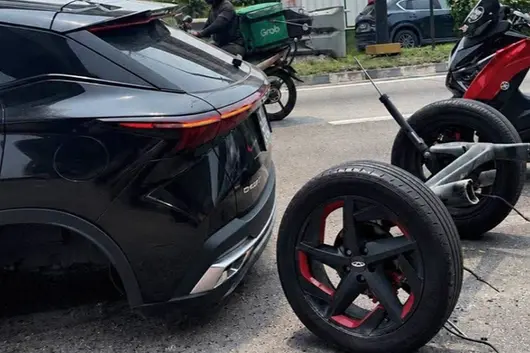
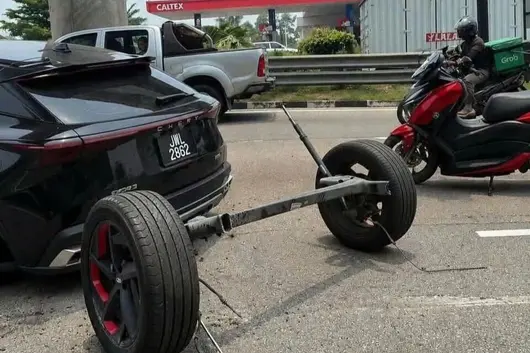
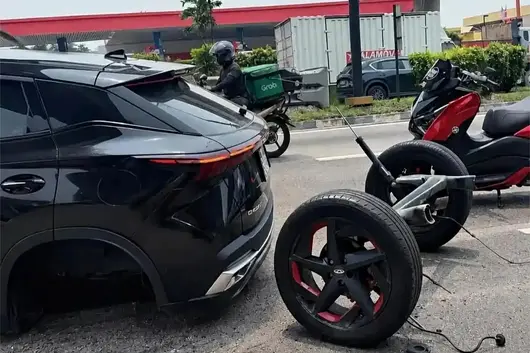
On October 6, a 2023 model OMODA 5 driving normally in Johor Bahru, Malaysia, experienced tearing of the rear axle trailing arm. The rear axle detached from the body along with two rear wheels, leaving the vehicle stopped in the middle of the road. Fortunately, no personnel injuries were sustained. On the evening of October 11, Chery released an official statement. Investigations revealed that local welding positions on the rear axle trailing arms of this batch of vehicles had insufficient welding strength, posing a risk of weld seam tearing under extreme conditions. The enterprise has now cooperated with the Malaysian Land Transport Authority to initiate a recall of 8,878 affected OMODA 5 vehicles, inspecting parts and providing free replacements based on actual conditions.

This is not the first time such issues have arisen with the OMODA 5 in Malaysia. In April 2024, local owners reported rear axle breakages while driving. Chery subsequently recalled 600 vehicles locally. The investigation concluded that after the supplier replaced the welding torch, calibration was not done properly, leading to welding defects on the rear axle. Ultimately, 60 defective vehicles were identified and the rear axles were replaced. At that time, local regulators did not issue a sales suspension, and the matter gradually subsided.
More than two years later, a failure occurred in the same location again, with the severity and scope being wider than last time. The breakage evolved from a single side to overall rear axle detachment, and the recall scale expanded from 600 vehicles to 8,878, an increase of nearly 15 times. Rumors suggest local regulators also adopted stricter handling methods: directly suspending the OMODA 5 model certification. Until the technical investigation is completed, this model cannot be registered, nor can it continue to be sold. Meanwhile, a comprehensive review of the supply chain was launched, verifying risk vehicles one by one according to part numbers, production batches, and VINs, examining the quality control and welding inspection processes of the whole vehicle production assembly and component suppliers.

There is still one question that remains unanswered: Are the vehicles experiencing failures this time within the recall scope of the 600 vehicles from 2024? If within scope, it suggests vehicles repaired back then still carry risks, and the previous rectification plan may not have fully resolved the issue; if outside scope, it indicates the risk batch scope determined at the time was not accurate enough, meaning more hidden risk vehicles existed than previously estimated.
Regardless of the answer, this reminds us that the significance of a recall is not just fixing already sold problematic vehicles, but more importantly feeding the problem back into the production process and quality verification procedures, plugging management loopholes, and avoiding the repetition of the same issues. If this link is not executed properly, the higher the vehicle sales volume, the greater the potential risk scope.
The Malaysian market holds significant importance for Chery. The dual-brand entry of OMODA and JAECOO into the local market has been less than two years, yet cumulative sales have already broken through 30,000 vehicles, ranking in the top three among non-local brands. With the model certification suspended, the impact is not just the cost of parts replacement for over 8,000 vehicles, but also affects brand reputation in the local market and the advancement of subsequent business.
It needs to be explained that the involved 2023 model OMODA 5 had already ceased production in September 2025, replaced by the CHERY O5 which features a multi-link independent suspension. Therefore, this certification suspension will not affect currently on-sale models, but the impact of the event on brand reputation will not be limited to this discontinued model.

Looking deeper, when exports transform from an "incremental supplement" for automakers to a "core component" accounting for nearly 70%, a product failure that attracts attention produces impacts not limited to a single brand or single market. Many overseas consumers' impressions of products are often linked with the overall image of the place of origin. The quality issues of individual enterprises might also affect overseas consumers' overall impression of Chinese automobiles.
Currently, Chery has initiated risk inspections for the same batch of OMODA 5 models in domestic and relevant markets, though it has not yet specified which markets and how many vehicles are involved.
Subsequent progress is worth continued attention: When will the domestic inspection results be announced, and will formal recall procedures be initiated; are the root causes of the two recalls over two years consistent, and whether the rectification back then effectively plugged the process loopholes from the source.

Chinese automakers going global have today reached the milestone of million-level export volume, which is a very difficult achievement to realize. As the scale of going global continues to expand, the tests are not just on market expansion capabilities, but also on the stability of quality systems, supply chain control levels, compliance capabilities facing overseas regulators, and the openness and transparency of handling problems. Selling high volume is capability, but ensuring product stability, moving steadily and far, is a long-term topic that needs more attention. This is not only a problem Chery needs to face, but also a common thought for all Chinese automakers going global.

"Image content | Source: Internet, copyright belongs to the original owner. If there is any infringement, please contact us for removal!"

近期,奇瑞汽車公佈咗2026 年前三季嘅出口數據:累計出口 155.12 萬輛,同比增長 65.6%,超過咗 2025 年全年的出口總量;9 月單月出口 20.78 萬輛,創下中國車企單月出口嘅新高,出口量佔到總銷量嘅近七成。作為連續 23 年位居中國乘用車出口第一嘅企業,這份成績體現出中國車企出海嘅良好發展態勢。
而喺呢份數據公佈嘅同一時段,馬來西亞市場發生嘅一起 OMODA 5 車輛故障,亦令到大家注意到,喺銷量增長的同時,產品質量同生產管控同樣需要持續關注。
10 月 6 日,馬來西亞柔佛新山一輛 2023 款 OMODA 5 喺正常行駛過程中,後橋縱臂出現撕裂,後軸連帶兩個後輪同車身脫離,車輛停咗喺路中間,所幸冇造成人員受傷。10 月 11 日晚,奇瑞發佈官方說明,經調查,該批次車輛後橋縱臂嘅局部焊接位置,存在焊接強度不足嘅情況,極端狀態下有焊縫撕裂嘅風險。目前企業已配合馬來西亞陸路交通局,對受影響的 8878 輛 OMODA 5 啟動召回,為相關車輛檢查零部件,並根據實際情況免費更換。
這並唔係 OMODA 5 喺馬來西亞第一次出現同類問題。2024 年 4 月,當地就有車主反映車輛行駛中後軸斷裂,奇瑞隨後喺當地召回咗 600 輛車。當時嘅調查結果係,供應商更換焊嘴後冇做好校準,導致後軸出現焊接缺陷,最終排查出 60 台存在缺陷嘅車輛並更換咗後軸,當時當地監管部門亦冇做出暫停銷售嘅處理,事情逐步平息。
隔咗兩年多,同一個部位再次出現故障,故障程度同涉及範圍都比上一次更廣。斷裂從單側變成咗後軸整體脫落,召回規模從 600 輛擴大到 8878 輛,增加咗近 15 倍。網傳當地監管部門亦採取咗更嚴格嘅處理方式:直接暫停咗 OMODA 5 嘅車型認證,喺技術調查完成之前,這款車唔可以註冊上牌,亦不能繼續銷售;同時對供應鏈開展全面審查,按照零件編號、生產批次、車架號逐一確認風險車輛,核查整車生產裝配、零部件供應商嘅質量控制同焊接檢驗流程。
目前仲有一個疑問尚未得到明確解答:今次出現故障嘅車輛,係咪喺 2024 年嗰 600 輛嘅召回範圍入面?如果喺範圍內,說明當年維修過嘅車輛仍存在風險,之前嘅整改方案可能冇完全解決問題;如果唔喺範圍內,說明當初劃定嘅風險批次範圍不夠準確,存在隱患嘅車輛比當時預估嘅更多。
無論答案係邊一種,這亦提醒咗我哋,召回嘅意義唔止係修復已經賣出嚟嘅問題車輛,更加重要係把問題反饋返去生產工藝同質量驗證流程中,補返管理漏洞,避免同樣嘅問題重複發生。如果呢個環節冇做到位,車輛銷量越高,潛在嘅風險範圍也就越大。
馬來西亞市場對奇瑞嚟講有著重要嘅市場意義。OMODA 同 JAECOO 雙品牌進入當地唔到兩年,累計銷量已經突破 3 萬輛,排喺非本土品牌嘅前三位。車型認證被暫停,影響嘅唔止係八千多輛車嘅換件成本,亦會對當地市場嘅品牌口碑同後續業務推進帶嚟影響。
需要說明嘅係,涉事嘅 2023 款 OMODA 5 喺 2025 年 9 月就已經停產,由更換咗多連桿獨立懸架嘅 CHERY O5 取代,因此今次認證暫停唔會影響而家在售嘅車型,但事件對品牌信譽嘅影響,唔只局限喺呢款停產車型上面。
往更深嘅層面睇,當出口從車企嘅「增量補充」變成佔比近七成嘅「核心組成」,一次受到關注嘅產品故障,產生嘅影響唔局限喺單個品牌、單一市場。好多海外消費者對產品嘅印象,往往會同產地嘅整體形象掛住一齊,個別企業嘅質量問題,亦都可能影響海外消費者對中國汽車整體嘅印象。
目前奇瑞已經啟動咗國內同相關市場同批次 OMODA 5 車型嘅風險排查,不過仲未說明具體涉及邊啲市場、幾多輛車。
後續進展值得持續關注:國內嘅排查結果幾時公佈,會唔會啟動正式嘅召回程序;兩年兩次召回嘅根本原因係咪一致,當年嘅整改有冇從根源上補返工藝上嘅漏洞。
中國車企出海走到依家,能夠做到百萬級嘅出口規模,係十分唔易嘅成績。隨住出海規模不斷擴大,考驗嘅唔止係市場拓展能力,仲有質量體系嘅穩定性、供應鏈嘅管控水平、面對海外監管嘅合規能力,同處理問題嘅公開透明度。賣得多係能力,能夠保障產品穩定、走得穩行得遠,係更加需要重視嘅長期課題。呢唔係只係奇瑞需要面對嘅問題,亦係所有出海嘅中國車企需要共同思考嘅。
「圖片 內容|來源於網絡,版權歸原作者所有,如有侵權請聯絡我們刪除!」

Recap:
Malaysia, an OMODA 5 SUV with the Chery brand suffered an axle breakage accident; specifically the 2023 OMODA 5 model, after official investigation, it was determined that this batch of vehicles may have insufficient welding strength at partial locations of the rear axle longitudinal arm, under extreme conditions there is a risk of weld seam tearing, which could lead to detachment.

This model variant has already been discontinued, Chery Malaysia subsidiary has cooperated with the relevant arrangements of the Malaysian Road Transport Department to recall 8,878 OMODA 5 vehicles with issues; the solution is to inspect relevant components, decide whether replacement is needed based on specific circumstances, replacement is free. Meanwhile Chery Automobile stated, adhering to the principle of prudence, the company has initiated a special risk investigation for the same batch of OMODA 5 vehicles in the domestic and relevant markets, maintaining active communication with regulatory authorities; subsequently Chery will announce results to the society in a timely manner in a responsible attitude based on the investigation results.
At the same time, we express apologies for the inconvenience caused to users.

And in 2024, there were already complaints from owners regarding OMODA 5 rear axle breakage during driving, namely adopting torsion beam non-independent suspension; Chery recalled 600 vehicles in Malaysia at that time, after confirming the issue originated from improper calibration of rear axle welding equipment, rear axles were replaced for 60 affected vehicles.


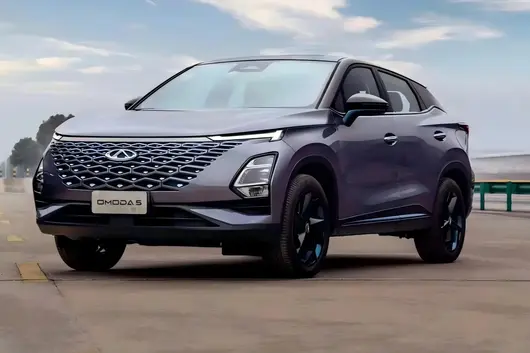
The domestic model corresponding to the OMODA 5 SUV is the Chery OMODA, this vehicle is currently discontinued, the last batch is the 2025 model. Its body dimensions are 4,400*1,830*1,588 mm, wheelbase is 2,630 mm, it is a compact SUV with smaller dimensions; adopts front MacPherson independent suspension, rear torsion beam non-independent suspension, it is a front-engine front-wheel drive vehicle. The vehicle is equipped with a 1.5T turbocharged engine, power parameters are 115 kW/230 N·m, 2025 model matched with Continuously Variable Transmission (CVT).
Chery Automobile's attitude towards facing product issues is still commendable, under necessary premises, discontinued models will also be recalled.


Author | Janson
Editor | Zhihao
A Chery SUV was driving on the road when its two rear wheels fell off on their own.
Car Thing news on October 12, recently, a 2023 model Chery OMODA 5 in Malaysia experienced a rear axle detachment event, the vehicle's two rear wheels fell off together with the rear axle assembly directly, the car also lay across the road, fortunately no casualties were caused.

▲ Online circulating video from the rear-facing dashcam of the involved vehicle
In the evening of October 11, Chery Automobile publicly apologized for the vehicle rear axle detachment event. The explanation showed that the involved batch of vehicles might have insufficient welding strength at partial welding positions of the rear axle beam, and in extreme cases there is a risk of weld seam tearing.

▲ Chery releases issue statement
Currently, Chery Malaysia subsidiary has initiated a recall, involving 8,878 OMODA 5 vehicles, relevant parts will be inspected, and replaced free of charge depending on the situation, domestic same-batch models have also initiated risk inspection.
Chery also confirmed that models using this structure were previously discontinued. The company has initiated a special risk inspection for domestic and relevant market same-batch models, will publish follow-up progress in a timely manner based on the inspection results, and publicly apologize for this matter.
After the incident, Malaysia Land Transport Authority (JPJ) has temporarily suspended the certification and new car registration of the affected OMODA 5 models, and required Chery to investigate the relevant vehicles and production processes.

▲ Online circulating bystander perspective of the accident
Public information shows, Malaysia 2023 model Chery OMODA 5, launched in July 2023, adopts 1.5T engine, matched with CVT transmission, rear suspension is torsion beam non-independent suspension.
From public information, this model may correspond to Chery OMODA (OMODA 5) domestically, launched in China in July 2022.
According to public terminal sales data statistics, from 2022 to 2024, OMODA accumulated sales of about 17,200 units domestically, respectively versions adopting 1.6T engine + multi-link architecture and 1.5T engine + torsion beam suspension.
Among them, domestic 2023 model OMODA 1.5T model also adopts torsion beam rear suspension, similar to the chassis structure of the Malaysia involved model.
This is not the first time Chery OMODA 5 has had a similar incident in Malaysia.
In April 2024, an OMODA 5 rear axle breakage incident occurred locally. Chery subsequently investigated and found that after parts supplier changed the welding head of the automatic welding equipment, equipment calibration deviated.

▲ 2024 axle breakage incident announcement
At that time, Chery recalled 600 OMODA 5 vehicles in Malaysia for inspection, among which 60 units were equipped with affected parts.
Two years later, the same model appeared rear axle detachment event again. However, currently it cannot be confirmed whether the two incidents were caused by the same manufacturing defect.