首頁Nissan Sylphy

搜尋歷史
熱門搜尋
經銷商登入 / 註冊

喺馬來西亞嘅 SUV 市場,好幾多買家喺揀車嘅時候都會用 Proton X90 同 Honda CR-V 嚟比較。這兩款車喺價位同定位上都幾接近,今日我哋就從多個方面做一個詳細嘅對比,幫你省下做功課嘅時間。
Proton X90 喺馬來西亞嘅 OTR 售價係 RM 106,800 - 122,800,共有 4 個版本,包括 2026 1.5T Prime X(RM 122,800)、2026 1.5T Prime(RM 116,800)、2026 1.5T Lite(RM 106,800)等。
Honda CR-V 喺馬來西亞嘅 OTR 售價係 RM 178,200 - 195,900,共有 4 個版本,包括 2026 e:HEV 2.0L 2WD RS(RM 195,900)、2026 1.5T 4WD V(RM 181,900)、2026 e:HEV 2.0L 2WD E(RM 178,200)等。
從價錢嚟睇,Proton X90 嘅起步價確實比 Honda CR-V 平咗 RM 71,400。如果你預算有限,Proton 嘅入門版已經可以滿足日常需要。但都要注意,平嗰幾千蚊,可能喺配備上會有取舍,具體睇你嘅需要。

Proton X90 嘅安全评分係 5★ (ASEAN NCAP),主動安全系統包括 ADAS (ACC, AEB, LKA, LDA, BSM, RCTA)。
Honda CR-V 嘅安全评分係 5★ (ASEAN NCAP),主動安全系統包括 Honda SENSING (ACC, CMBS, LKAS, RDM)。
兩款車嘅安全评分一樣,喺呢個級別入面安全配備都算給得好齊全。而家嘅新车安全性唔差,唔使太擔心呢一點。

Proton X90 採用 FWD 驅動方式。
Honda CR-V 採用 FWD 驅動方式。
兩款車嘅驅動方式一樣,都係 FWD,日常駕駛感受唔會有太大分別。

Proton X90 保修 5 年/150,000km,保養間隔 每 10,000km 或 6 個月。
Honda CR-V 保修 5 年/無限里程,保養間隔 每 10,000km 或 6 個月。

總體嚟講,Proton X90 同 Honda CR-V 都係馬來西亞市場好唔錯嘅車型。揀邊一輛,關鍵係要睇你嘅個人需要同預算。建議大家做好功課,多比較幾間車行嘅報價,再去試駕做最後決定。買車係件大事,花少少時間做功課絕對唔會錯。


喺馬來西亞嘅 SUV 市場,好多買家喺揀車嘅時候都會用 Proton X70 同 Kia Sportage 嚟做比較。呢兩款車喺價錢同定位上都幾接近,而家我哋就由多個角度做一次詳細比較,幫你節省做功課嘅時間。
Proton X70 喺馬來西亞嘅 OTR 售價係 RM 106,800 - 122,300,總共有 3 個版本,包括 1.5L Standard 2WD(RM 106,800)、1.5L Executive 2WD(RM 115,800)、1.5L Premium 2WD(RM 122,300) 等。
Kia Sportage 喺馬來西亞嘅 OTR 售價係 RM 129,639 - 179,320,總共有 4 個版本,包括 2025 1.6T DCT 4WD High(RM 179,320)、2025 1.6T DCT 2WD High(RM 159,320)、2025 2.0L AT 2WD High(RM 139,639) 等。
睇返價錢,Proton X70 嘅起售價確實比 Kia Sportage 平咗 RM 22,839。如果你預算有限,Proton 嘅入門版已經可以滿足日常需要。不過都要留意,平嗰幾千蚊,可能喺配備上會有取舍,具體睇你嘅需要。

Proton X70 嘅安全評級係 5★ (ASEAN NCAP),主動安全系統包括 ADAS (ACC, AEB, LKA, LDA, BSM, RCTA)。
Kia Sportage 嘅安全評級係 5★ (ASEAN NCAP),主動安全系統包括 Drive Wise。
兩款車嘅安全評級一樣,喺呢個級別入面安全配備都算好齊全。而家嘅新車安全性都唔差,唔使太擔心呢一點。
Proton X70 車身長 4400 mm,行李箱 400 L。
Kia Sportage 車身長 4400 mm,行李箱 400 L。
兩款車嘅尺寸幾近一樣,車內空間差別唔大。呢個級別嘅車,日常使用完全夠用。

Proton X70 同 Kia Sportage 都係馬來西亞市場嘅主流選擇,適合家庭使用、日常通勤。如果你更重視品牌口碑同二手價,可以優先考慮口碑更好嗰一款;如果你更在意性價比同配備,那就揀配備更豐富嗰款。最終都係建議兩款都去試駕,親身體驗先係最重要嘅。
總體嚟講,Proton X70 同 Kia Sportage 都係馬來西亞市場幾唔錯嘅車款。揀邊一輛,關鍵係要睇你嘅個人需要同預算。建議大家做足功課,多比較幾間車行嘅報價,先去試駕做最終決定。買車係件大事,花少少時間做功課絕對無錯。


7月,香港机场岛,百度无人车在右舵左行的道路上平稳穿行,这是全球首次有企业在“右舵左行”市场实现全无人驾驶。
而Waymo在旧金山的订单量,也早已悄然超过Lyft,传统网约车在主场被“无人”压过一头。
两件事,一东一西,场景不同,却都指明:无人驾驶已不再是“炫技表演”,而是扎进了真实城市的车流里,并且还在加速扩张。
市场侧,萝卜快跑与Waymo累计订单均已突破2000万单,分别筑起中美两大基本盘。资本侧,Waymo完成160亿美元融资,创下行业纪录。技术侧,海外研究机构Autnmy AI发布的全球Robotaxi排名中,萝卜快跑以81.7分位居榜首,Waymo以77.6分位列第二。
数据与事实层层叠加,最终拼出一个清晰的判断:全球无人驾驶的中美双寡头格局,已正式成形:美国看Waymo,中国看萝卜快跑。
但格局成形,不等于终局已定。当技术验证阶段结束,竞争的核心逻辑正在转移,从“谁的算法更强”,转向“谁能穿透更多核心城市”。
穿透核心城市,才能拿到无人驾驶终局的入场券。
01
双寡头已定,但真正的考题变了
格局落定之后,衡量企业竞争力的标尺随之改变。不再是谁的Demo更惊艳,而是谁能在更多、更复杂的真实城市环境中,完成从“技术验证”到“常态运营”的跨越。这种能力,决定了一家企业能从本土冠军走多远。
在这个新标尺下,两家巨头选择了不同的路径。
Waymo的选择是做深做透,先在核心市场建立不可替代的密度优势。
旧金山订单量超越Lyft是一个标志性节点,它证明无人驾驶正在成为大众出行的刚需选择。Waymo的确有外部探索,但核心资源仍集中在美国本土,对外拓展相对谨慎。这是典型的“先强后广”逻辑。
萝卜快跑的选择则更彰显出它的全球野心,率先建立先发壁垒。

萝卜快跑拿下香港首张无人驾驶测试牌照
突破口,是右舵市场。2026年7月23日,萝卜快跑拿下香港首张无人驾驶测试牌照,获批在香港机场岛开展全无人驾驶测试。7月27日,测试正式启动,这是全球首次有企业在“右舵左行”市场实现全无人驾驶,也是中国无人车率先攻克右舵市场。香港运输署署长试乘后评价:“稳定、安全、畅顺。”
全球右舵市场覆盖70余国、人口超20亿,占全球汽车市场约三分之一,涵盖英国、日本、澳大利亚、新加坡等发达经济体。商业价值毋庸置疑,但技术门槛同样极高。
右舵左行不是简单换边,它要求一套主要成长于左舵环境的无人驾驶系统,必须完成从交通语义理解、不可镜像规则处理、数据空白填补,到高成本本地化适配和高难度场景泛化的全方位跨越。这不仅是技术迁移,更是一次对系统通用性和全球化复制能力的系统性大考。
更棘手的还有制度壁垒。右舵市场的代表性国家,如英国、日本、新加坡等,普遍监管严格、准入门槛高。
双重壁垒叠加,形成了一个长期的技术无人区。
正因如此,香港的这次突破才具有超越单一市场的战略价值。它是全球交通密度最高的右舵城市之一,监管标准与国际高度接轨。在这里跑通全无人测试,意味着技术方案通过了一次最严苛的压力测试,可以直接向伦敦、新加坡、东京等核心右舵城市平移。这不是一次性的技术突破,而是一种可复制的城市穿透能力。

迪拜王储谢赫·哈姆丹为萝卜快跑点赞
香港只是萝卜快跑全球版图的一块拼图。在迪拜,它已成为当地首个提供全无人驾驶服务的商业运营平台,王储谢赫·哈姆丹亲测后公开赞叹“未来已来”;在伦敦,分别携手Uber和Lyft旗下欧洲出行平台Freenow,启动公开道路测试,成为首个在英国伦敦实地路测的中国无人车企业;在阿布扎比、瑞士、哈萨克斯坦,也正以不同模式的落地方式同步推进……
如果说Waymo在证明“无人驾驶在美国能做到多深”,萝卜快跑在证明“无人驾驶在全球能复制到多广”。一个在纵向积累密度壁垒,一个在横向拓展广度优势。
这两条路径虽方向不同,却奔向同一个终局标准:穿透更多核心城市。
02
深圳与洛杉矶,最难也最关键的“门”
既然穿透城市是决定胜负的能力,哪些城市是最难的考题?
答案是中美两座镜像之城:深圳与洛杉矶。
两座城市的基因惊人相似,同为太平洋沿岸港口都市,外向型经济辐射全球;同为移民城市,年轻人口对新技术天然包容;同有硬核科技产业集群;均为各自国家法规探索与商业化的先行者。
它们不只是企业想要落地的城市,更是定义行业标准的关键战场。谁先在这里跑通全城规模化运营,谁就掌握了定义“无人驾驶应该如何融入城市”的话语权。
洛杉矶所在的加州,是美国法规最开放、测试最活跃的地区。Waymo在此深耕多年,已构建起从技术验证到商业运营的完整生态。
而深圳则具备三重独特的底层优势。

深圳2022年通过《深圳经济特区智能网联汽车管理条例》
一是制度突破。
深圳拥有全国首部智能网联汽车特区专项立法。该法规在国内率先对无人车的测试准入、商业化收费运营及事故责任划分作出系统性规定,并授权政府在确保安全的前提下,有序探索全域开放道路测试、示范应用及商业化运营试点。对于需要长期、稳定投入的产业而言,这种确定性很具价值。
二是场景厚度。
深圳常住人口超1800万,机动车保有量庞大,电动自行车穿梭如织,路网密度和交通复杂度在超大城市中名列前茅。对无人驾驶而言,复杂不是障碍,而是最宝贵的资源,能够更好的融入与服务。
三是战略跳板。
深圳作为粤港澳大湾区核心引擎,毗邻港澳、链接国际。萝卜快跑在香港的右舵突破,正是这套城市体系向外辐射的产物。从深圳到香港,从香港到全球市场:这条“深圳研发、香港出海、全球复制”的路径,构成了洛杉矶所不具备的战略纵深。

Waymo核心资源集中在美国
如果将两城并置比较,会看到一个清晰的差异:Waymo在洛杉矶验证的是“无人驾驶在美国能否跑通”,萝卜快跑在深圳则试图验证“无人驾驶能否成为一种可向全球输出的城市基础设施方案”。前者定义美国标准,后者试图定义全球标准。
穿透洛杉矶,拿到的是美国市场的入场券。穿透深圳,拿到的是一张可以通往全球更多城市的泛用门票。
03
深圳考卷,萝卜快跑正在作答
城市的考题出好了。萝卜快跑是那个最重要的答卷人。
它与深圳的关系,不是“企业找城市落地”的单向依赖,而是一种深度共生。深圳提供法规土壤、场景机遇和出海跳板,萝卜快跑则以运营规模、技术声誉和市民信任,持续拉升深圳在全球无人驾驶版图中的权重。
运营规模是最直观的穿透力证明,
当全球行业讨论“无人驾驶第一城”时,人们看的不只是一座城市发了多少张测试牌照,而是它孵化出了什么样的运营实体。

斯洛伐克总统试乘萝卜快跑
萝卜快跑全球27城覆盖、2200万+订单、3.3亿公里路测里程,其中全无人里程超2.2亿公里,这些数字本身就是深圳产业生态向外输出能力的最佳注脚。一座城市在无人驾驶领域的全球话语权,最终取决于它孕育的企业能打多远。
技术领先则持续转化为城市名片。
海外研究机构Autnmy AI于今年6月发布全球Robotaxi企业排名,从运营能力、车队规模、商业合作生态、量产制造能力等六大维度进行加权计算,萝卜快跑以81.7分位居榜首,Waymo以77.6分位列第二。两家企业拉开与第三名的差距,形成断层式领先。
技术的高度,会沉淀为城市品牌的厚度。就像硅谷与科技创新、底特律与汽车工业,深圳正在与“全球无人驾驶的中国主场”这个标签深度绑定。
但最关键的穿透,发生在市民层面。
在深圳,萝卜快跑已融入日常出行:深夜归途、短途接驳、商圈连接。品牌知名度居国内Robotaxi首位,用户最认可三个标签:科技安全感、智能座舱体验、干净舒适。
这些看似平淡的文字指向的是最难跨越的那道坎:普通人的信任。而这正是百度布局无人驾驶的初心:用AI技术让出行更安全、更简单。

萝卜快跑行驶在大街小巷
当无人驾驶从技术叙事进入城市叙事,竞争规则被重写了。赢家不再是技术最强的公司,而是最懂如何与城市共生、最能把核心城市变成全球化据点的企业。
深圳与洛杉矶的隔空竞速,萝卜快跑与Waymo的时代对垒,最终会回答一个比“谁赢了”更重要的问题:无人驾驶,究竟应该以怎样的方式进入人类生活?
洛杉矶的答案是技术驱动:创新引擎不断突破能力边界,由企业主导商业模式的探索。深圳的答案则是生态驱动:城市制度先行打开空间,复杂场景提供经验积累,企业以全球化运营反哺本地生态,最终让无人驾驶像水电一样融入城市基础设施。
两条路径没有对错。但深圳模式更具优势在于,可用场景厚度加速技术迭代,用全球化布局摊薄单一市场风险。
城市的门已经打开。下一步,看谁先走遍世界。


In the Malaysian SUV market, many buyers compare the Proton X70 and Mazda CX-60 when choosing a car. These two cars are quite close in price and positioning. Today, we will make a detailed comparison from multiple aspects to help you save time on research.
The OTR price of Proton X70 in Malaysia is RM 106,800 - 122,300, with a total of 3 versions, including 1.5L Standard 2WD (RM 106,800), 1.5L Executive 2WD (RM 115,800), 1.5L Premium 2WD (RM 122,300), etc.
The OTR price of Mazda CX-60 in Malaysia is RM 200,510 - 252,873, with a total of 2 versions, including 2026 3.3T 4WD High Plus (RM 252,873), 2025 2.5L 2WD High (RM 200,510), etc.
From the price perspective, the starting price of Proton X70 is indeed RM 93,710 cheaper than Mazda CX-60. If your budget is limited, Proton's entry-level version is already sufficient to meet daily needs. But also note, the lower price might involve trade-offs in features, depending on your specific needs.

The safety rating of Proton X70 is 5★ (ASEAN NCAP), with active safety systems including ADAS (ACC, AEB, LKA, LDA, BSM, RCTA).
The safety rating of Mazda CX-60 is 5★ (Euro NCAP), with active safety systems including i-Activsense Pro.
Regarding safety features, both cars have received good ratings. However, there are some differences in functionality between Proton X70's ADAS (ACC, AEB, LKA, LDA, BSM, RCTA) and Mazda CX-60's i-Activsense Pro. If you value active safety, you can compare their feature lists in detail.

Proton X70 warranty is 5 years / 150,000km, service interval every 10,000km or 6 months.
Mazda CX-60 warranty is 5 years / 150,000km, service interval every 10,000km or 6 months.
The warranty conditions for both cars are the same, no need to worry about this aspect. Actual maintenance costs depend on the brand's service network and parts prices. It is recommended to ask real owners in car owner groups for their experiences.

Proton X70 and Mazda CX-60 are both mainstream choices in the Malaysian market, suitable for family use and daily commuting. If you value brand reputation and resale value more, prioritize the one with better reputation; if you care more about cost-performance ratio and features, choose the one with richer configurations. Ultimately, it is recommended to test drive both models; personal experience is the most important.
Overall, Proton X70 and Mazda CX-60 are both very good car models in the Malaysian market. Which one to choose depends primarily on your personal needs and budget. We suggest doing your research, comparing quotes from several dealerships, and then test driving to make the final decision. Buying a car is a big decision; spending time on research will definitely not be a mistake.


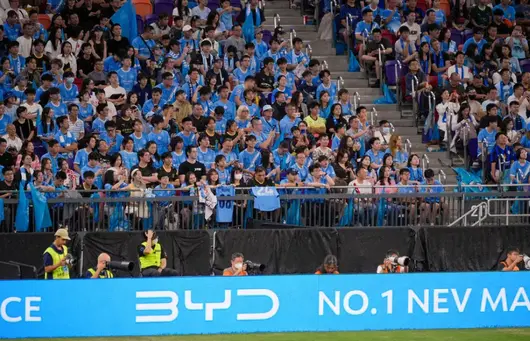
8月1日,国际米兰与曼城在香港启德体育园展开巅峰对决,这场"比亚迪德比"不仅是绿茵场上的豪门较量,更是全球新能源汽车冠军与两大足球豪门的强强联手。比亚迪作为国际米兰与曼城的双料官方合作伙伴,持续以顶级足球IP撬动海外市场,深化品牌全球化布局。

2025至2026赛季,曼城拿下英格兰联赛杯、足总杯国内双冠,国际米兰斩获意甲联赛、意大利杯意大利本土双冠,两大豪门以赛季双冠王战绩与蝉联全球新能源销量冠军的比亚迪完成冠军联袂。曼城作为百年英超顶级豪门,全球球迷超2亿,创下英超史无前例的四连冠;国际米兰作为意甲传奇豪门,队史21座意甲奖杯,3次登顶欧冠,是意甲唯一从未降级的球队。比亚迪则连续多年蝉联全球新能源汽车销量冠军,2025年汽车销量进入全球前五,海外销量超104.9万辆,同比增长145%。2026年上半年海外销量78.94万辆,同比增长约70%。在英国、意大利销量远超特斯拉,多个车型登顶当地新能源细分榜首。
启德赛场边,来自中国足球小将及新疆伊犁、陕西宁陕、贵州兴仁等偏远县域的山区足球少年成为亮眼风景线。比亚迪持续利用优质足球资源赋能中国青少年足球发展,已邀请足球少年奔赴欧洲杯、意甲、世界杯等国际顶级赛事现场,并助力青少年远赴德国、日本、西班牙等地比赛交流,覆盖超200人次,海外比赛超30场。比亚迪坚信"足球少年有梦想,中国足球才有未来"。
足球作为全球第一大体育运动,已成为比亚迪品牌全球化出海的重要战略抓手。2024年比亚迪接替大众成为欧洲杯官方赞助商,短短两年内搭建起覆盖洲际大赛、欧洲豪门俱乐部、多国本土联赛及国家队的完整体育营销矩阵,合作IP涵盖欧洲杯、美洲杯、曼城、国际米兰、巴黎圣日耳曼、泰国联赛及国家队等。目前比亚迪已合作英超曼城、意甲国米、法甲巴黎圣日耳曼三大联赛顶级强队,未来欧冠、世俱杯还将诞生多组比亚迪德比豪门对决。比亚迪体育营销正从简单冠名赞助升级为IP联动,通过引入国内青训公益实现1+1大于2的传播效果。

In the Malaysian SUV market, many buyers compare the Proton X70 and Honda HR-V when choosing a car. Both cars are quite close in price and positioning. Today we will make a detailed comparison from multiple aspects to save you time on research.
The Proton X70 is priced at RM 106,800 - 122,300 OTR in Malaysia, with a total of 3 versions, including 1.5L Standard 2WD (RM 106,800), 1.5L Executive 2WD (RM 115,800), 1.5L Premium 2WD (RM 122,300), etc.
The Honda HR-V is priced at RM 115,900 - 143,900 OTR in Malaysia, with a total of 4 versions, including 2026 e:HEV 1.5L RS (RM 143,900), 2026 1.5T V (RM 137,900), 2026 1.5T E (RM 130,900), etc.
In terms of price, the Proton X70's entry price is indeed RM 9,100 cheaper than the Honda HR-V. If your budget is limited, Proton's entry-level version is already sufficient for daily needs. However, keep in mind that the savings of a few thousand might mean compromises on features, depending on your specific needs.

Proton X70's safety rating is 5★ (ASEAN NCAP), active safety systems include ADAS (ACC, AEB, LKA, LDA, BSM, RCTA).
Honda HR-V's safety rating is 5★ (ASEAN NCAP), active safety systems include Honda SENSING (ACC, CMBS, LKAS, RDM).
Both cars have the same safety rating. In this class, safety features are quite comprehensive. Safety in new cars nowadays is not poor, so there is no need to worry too much about this.
Proton X70 body length is 4400 mm, trunk 400 L.
Honda HR-V body length is 4500 mm, trunk 450 L.
In terms of space, the Honda HR-V body is 100 mm longer than the Proton X70, offering more advantage in passenger space. However, the Proton X70 is a bit more flexible for parking in the city, each has its trade-offs.
The Proton X70 uses FWD drive system.
The Honda HR-V uses FWD drive system.
Both cars have the same drive method, both are FWD, daily driving experience will not have a huge difference.
Overall, both the Proton X70 and Honda HR-V are very good car models in the Malaysian market. Which one to choose depends on your personal needs and budget. We suggest doing your research, compare quotes from multiple dealerships, and then take a test drive to make the final decision. Buying a car is a big matter, spending some time on research will definitely not go wrong.

In the Malaysian SUV market, many buyers compare Proton X70 and Honda WR-V when choosing a car. These two models are quite close in price and positioning. Today, we will make a detailed comparison from multiple aspects to save you time on research.
Proton X70 OTR price in Malaysia is RM 106,800 - 122,300, with a total of 3 versions, including 1.5L Standard 2WD (RM 106,800), 1.5L Executive 2WD (RM 115,800), 1.5L Premium 2WD (RM 122,300), etc.
Honda WR-V OTR price in Malaysia is RM 89,900 - 107,900, with a total of 4 versions, including 2023 1.5L V (RM 99,900), 2023 1.5L E (RM 95,900), 2023 1.5L S (RM 89,900), etc.
From the price perspective, Honda WR-V's starting price is RM 16,900 cheaper than Proton X70. Honestly, within this price segment, a difference of a few thousand is not significant; the key lies in overall value for money and long-term usage costs.

Proton X70 is equipped with 1.5L Turbo, horsepower 140 hp. Official fuel consumption 7.0 L/100km.
Honda WR-V is equipped with 1.5L 4-cyl, horsepower 105 hp. Official fuel consumption 6.0 L/100km.
In terms of power, Proton X70's 1.5L Turbo has 35 more horsepower than Honda WR-V's 1.5L 4-cyl, with more confidence in mid-range acceleration, especially when overtaking on highways. However, Honda WR-V's fuel consumption might be friendlier, and the difference in daily city commuting will not be too big.

Proton X70 safety rating is 5★ (ASEAN NCAP), active safety systems include ADAS (ACC, AEB, LKA, LDA, BSM, RCTA).
Honda WR-V safety rating is 5★ (ASEAN NCAP), active safety systems include Honda SENSING.
Both cars have the same safety rating, and safety features are quite comprehensive in this class. New car safety is not bad, no need to worry too much about this point.

Proton X70 warranty 5 Years/150,000km, maintenance interval every 10,000km or 6 months.
Honda WR-V warranty 5 Years/Unlimited Mileage, maintenance interval every 10,000km or 6 months.
Proton X70 and Honda WR-V are both mainstream choices in the Malaysian market, suitable for family use and daily commuting. If you value brand reputation and resale value more, you can prioritize the one with better reputation; if you care more about value for money and features, choose the one with richer configurations. Ultimately it is recommended to test drive both, personal experience is the most important.
In general, Proton X70 and Honda WR-V are both very good models in the Malaysian market. Which one to choose depends on your personal needs and budget. We suggest doing your research, comparing quotes from several dealerships, and then test driving to make the final decision. Buying a car is a big matter, spending time on research will never be wrong.


喺馬來西亞嘅 SUV 市場,好多買家喺揀車嗰陣都會拿 Proton X50 同 Subaru Forester 嚟做比較。呢兩款車喺價位同埋定位上都好接近,今日我哋就從多個方面做一個詳細嘅比較,幫你省下做功課嘅時間。
Proton X50 喺馬來西亞嘅 OTR 售價係 RM 89,800 - 113,300,一共有 4 個版本,包括 1.5T Executive(RM 89,800)、1.5T Premium(RM 101,800)、1.5T Flagship(RM 113,300) 等。
Subaru Forester 喺馬來西亞嘅 OTR 售價係 RM 174,000 - 197,000,一共有 3 個版本,包括 2024 2.0L S EyeSight GT Edition(RM 189,538)、2024 2.0L S EyeSight(RM 177,538)、2024 2.0L L EyeSight(RM 167,538) 等。
從價錢嚟睇,Proton X50 嘅起步價確實比 Subaru Forester 平咗 RM 84,200。如果你預算有限,Proton 嘅入門版已經滿足日常需要。不過都要留意,平嗰幾千蚊,可能喺配備上面會有取捨,具體要睇你嘅需求。

Proton X50 搭載 1.5L 4-cyl,馬力 105 hp。官方油耗 6.0 L/100km。
Subaru Forester 搭載 2.0L 4-cyl,馬力 170 hp。官方油耗 8.0 L/100km。
動力方面,Subaru Forester 嘅 2.0L 4-cyl 比 Proton X50 嘅 1.5L 4-cyl 多咗 65 匹馬力。不過日常喺市區開,兩款車嘅動力都夠用,唔會覺得唔夠力。
Proton X50 嘅安全評級係 5★ (ASEAN NCAP),主動安全系統包括 ADAS (ACC, AEB, LKA, LDA, BSM, RCTA)。
Subaru Forester 嘅安全評級係 5★ (Euro NCAP),主動安全系統包括 EyeSight。
安全配備方面,兩款車都拿到唔錯嘅評級。不過 Proton X50 嘅 ADAS (ACC, AEB, LKA, LDA, BSM, RCTA) 同 Subaru Forester 嘅 EyeSight 喺功能上面有些差異,如果你比較看重主動安全嘅話,可以仔細比較一下兩者嘅功能列表。
Proton X50 車身長 4400 mm,後備箱 400 L。
Subaru Forester 車身長 4400 mm,後備箱 400 L。
兩款車嘅尺寸幾乎一樣,車內空間差別唔大。呢個級別嘅車,日常使用完全夠用。

Proton X50 同 Subaru Forester 都係馬來西亞市場嘅主流選擇,適合家庭使用、日常通勤。如果你更看重品牌口碑同埋二手價,可以優先考慮口碑更好嗰一款;如果你更在意性價比同埋配備,嗰就揀配置更豐富嗰款。最尾都建議兩款都去試駕,親身體驗先至最重要。

總嘅嚟講,Proton X50 同 Subaru Forester 都係馬來西亞市場幾唔錯嘅車型。揀邊一部,關鍵仲要睇你嘅個人需求同埋預算。建議大家做好功課,多比較幾間車行嘅報價,先去試駕做最終決定。買車係件大事,花少少時間做功課絕對唔會錯。


喺馬來西亞嘅 SUV 市場,好多買家喺揀車嗰陣都會拿 Proton X50 同 Subaru Forester 嚟做比較。呢兩款車喺價位同定位上都幾接近,今日我哋就從多個方面做一個詳細嘅對比,幫你慳啲做功課嘅時間。
Proton X50 喺馬來西亞嘅 OTR 售價係 RM 89,800 - 113,300,一總共有 4 個版本,包括 1.5T Executive(RM 89,800)、1.5T Premium(RM 101,800)、1.5T Flagship(RM 113,300) 等。
Subaru Forester 喺馬來西亞嘅 OTR 售價係 RM 174,000 - 197,000,一總共有 3 個版本,包括 2024 2.0L S EyeSight GT Edition(RM 189,538)、2024 2.0L S EyeSight(RM 177,538)、2024 2.0L L EyeSight(RM 167,538) 等。
由價錢睇,Proton X50 嘅起步價的確比 Subaru Forester 平咗 RM 84,200。如果你預算有限,Proton 嘅入門版已經可以滿足日常需求。但都要注意,平嗰幾千塊,可能喺配備上會有取捨,具體要睇你嘅需求。
Proton X50 搭載 1.5L 4-cyl,馬力 105 hp。官方油耗 6.0 L/100km。
Subaru Forester 搭載 2.0L 4-cyl,馬力 170 hp。官方油耗 8.0 L/100km。
動力方面,Subaru Forester 嘅 2.0L 4-cyl 比 Proton X50 嘅 1.5L 4-cyl 多咗 65 匹馬力。不過日常喺市區開,兩款車嘅動力都夠用,唔會覺得唔夠力。
Proton X50 嘅安全評級係 5★ (ASEAN NCAP),主動安全系統包括 ADAS (ACC, AEB, LKA, LDA, BSM, RCTA)。
Subaru Forester 嘅安全評級係 5★ (Euro NCAP),主動安全系統包括 EyeSight。
安全配備方面,兩款車都拿到唔錯嘅評級。不過 Proton X50 嘅 ADAS (ACC, AEB, LKA, LDA, BSM, RCTA) 同 Subaru Forester 嘅 EyeSight 喺功能上有啲差異,如果你比較看重主動安全嘅話,可以仔細對比下兩者嘅功能列表。
Proton X50 保修 5 年/150,000km,保養間隔 每 10,000km 或 6 個月。
Subaru Forester 保修 3 年/100,000km,保養間隔 每 10,000km 或 6 個月。
總嘅嚟講,Proton X50 同 Subaru Forester 都係馬來西亞市場好唔錯嘅車型。揀邊一輛,關鍵都要睇你嘅個人需求同預算。建議大家做好功課,多比較幾間車行嘅報價,再去試駕做最終決定。買車係件大事,花少少時間做功課絕對唔會錯。

In Malaysia's SUV market, many buyers compare the Proton X50 and Mitsubishi Xforce when choosing a car. These two models are quite close in price and positioning. Today, we will make a detailed comparison from multiple aspects to help you save time on research.
The OTR price of Proton X50 in Malaysia is RM 89,800 - 113,300, with a total of 4 versions, including 1.5T Executive (RM 89,800), 1.5T Premium (RM 101,800), 1.5T Flagship (RM 113,300), etc.
The OTR price of Mitsubishi Xforce in Malaysia is RM 109,930 - 119,930, with a total of 2 versions, including 2026 1.5L Ultimate (RM 119,930), 2026 1.5L Urban (RM 109,930), etc.
In terms of price, the starting price of Proton X50 is indeed RM 20,130 cheaper than Mitsubishi Xforce. If your budget is limited, the Proton entry-level version can already meet daily needs. However, note that the few thousand Ringgit savings might involve trade-offs in features, depending on your specific needs.
Proton X50 is equipped with a 1.5L 4-cylinder, 105 hp. Official fuel economy 6.0 L/100km.
Mitsubishi Xforce is equipped with a 1.5L Turbo, 140 hp. Official fuel economy 7.0 L/100km.
In terms of power, Mitsubishi Xforce's 1.5L Turbo has 35 hp more than Proton X50's 1.5L 4-cylinder. However, for daily city driving, both cars have sufficient power and won't feel underpowered.
Proton X50's safety rating is 5★ (ASEAN NCAP), active safety systems include ADAS (ACC, AEB, LKA, LDA, BSM, RCTA).
Mitsubishi Xforce's safety rating is 5★ (ASEAN NCAP), active safety systems include MI-PILOT.
Both cars have the same safety rating; safety features in this class are quite comprehensive. New cars nowadays generally have good safety, so there's no need to worry too much about this.
Proton X50 body length 4400 mm, trunk 400 L.
Mitsubishi Xforce body length 4400 mm, trunk 400 L.
The dimensions of both cars are almost identical, with little difference in interior space. For this class of cars, it is fully sufficient for daily use.

Proton X50 uses 4WD drive mode.
Mitsubishi Xforce uses FWD drive mode.
Proton's 4WD and Mitsubishi's FWD will offer different driving experiences; test drive comparison is recommended.
Overall, both Proton X50 and Mitsubishi Xforce are excellent models in the Malaysian market. Which one to choose depends on your personal needs and budget. We suggest doing your research, compare quotes from several dealerships, and then test drive to make the final decision. Buying a car is a big deal, spending time on research will never be a mistake.


Suddenly, the "Ning King" came out to make a splash again.
On the evening of July 24, CATL released two major documents simultaneously. One was the 2026 Interim Financial Report. Revenue in the first half was 276.91 billion yuan, a year-on-year increase of 54.80%. Net profit attributable to the parent company was 43.284 billion yuan, a year-on-year increase of 41.98%. Calculated, this means daily earnings of 240 million yuan.
The other was a buyback plan, proposing to use funds not less than 20 billion yuan and not more than 40 billion yuan to buy back A-share shares for cancellation, with a buyback price cap of 573 yuan per share, a premium of nearly 50% compared to the closing price of the day. This amount cap set a record high for single share buybacks in the history of A-shares.
At the same time, multiple new energy vehicle manufacturers successively released half-year profit forecasts, with many facing profit pressure. Industry chain profits are visibly concentrating on the battery segment, and this is indeed a major source of CATL's profits. However, if you turn to the details of CATL's financial report, you will find a fact overlooked by the outside world.
That is CATL's true growth engine is actually not just power batteries. Or rather, the game CATL is playing is far bigger than what the outside world sees.
Beyond Vehicle Power Batteries, Pulling Up a Second Growth Curve
In CATL's financial report, the most worth noting is its healthy revenue structure. In the first half, the power battery business contributed 192.125 billion yuan in revenue, accounting for 69.38%, remaining the absolute major portion. However, the performance of the other two businesses is also inescapable, showing a trend of accelerated growth.

First, energy storage battery business revenue was 53.261 billion yuan, accounting for 19.23%, a year-on-year increase of 87.54%. Battery materials and recycling, mineral resource business revenue was 18.811 billion yuan, a year-on-year increase of 67.23%.
More critically, power battery gross margin of 20.63% and energy storage battery 23.96% both saw year-on-year declines, while the gross margin of battery materials and recycling business reached 27.04%, an increase of 5.81 percentage points year-on-year.
That is to say, among the three major main businesses, the only one achieving gross margin improvement is the "recycling business" that outsiders ignore most easily.
Looking further down, CATL has also accumulated considerable capital in the ship power battery field.
Already cumulatively delivered over 900 ship batteries. The first all-electric inland container ship exported from China delivered in the first half of 2026, also equipped with CATL's battery energy storage system. In July, also acquired a stake in Jiangsu Kaiyang Shipbuilding Company, increasing investment in the technical development of ocean-going ship battery systems.
In the commercial vehicle field, sodium-ion batteries have gone into mass production installation, the Tianxing series covers multiple sub-scenarios from logistics vehicles to heavy trucks. In the battery recycling field, holding company Bangpu Recycling has built the nation's largest directional recycling base, with an annual retired battery processing capacity of 270,000 tons, and nickel, cobalt, and manganese recovery rate is as high as 99.6%. The team also won two honors at the European Patent Office's "2026 European Inventor Award" this year, becoming the first Chinese team to win dual awards since the award's inception.

These businesses together constitute CATL's second growth curve beyond power batteries.
When lithium battery scrap volume grows at a speed of more than 20% annually, when the commercialization window for electric ships opens gradually, and when AI computing power data centers begin to propose new structural demands on energy supply, CATL has already extended its tentacles into these tracks. Company executives also clearly stated at the performance exchange meeting that AIDC presents a clear structural market opportunity. CATL will not just provide single product supply, but wants to provide more comprehensive solutions around new energy scenarios.
Therefore, from the financial report it can be seen that CATL's high-speed profit growth in the first half, a large part comes from storage, from recycling, from overseas, rather than simply "earning one more cent" from vehicle manufacturers.
Of course, a fact must be admitted here. The gross margin of the power battery business is indeed declining, price competition pressure in the domestic market is real. Moreover, CATL also has its shortcomings.
The "poaching talent and stealing technology" publicly condemned by Zeng Yuqun previously, lost orders in the Middle East market, additional costs brought by consumption tax policies, these are challenges on the table. It's just that these challenges have not covered up the longer-term growth curve.
Earn Money from "Foreigners", Also Earn Money for the Future
If diversification is CATL's first line of defense against industry risk, then globalization is the second moat it built. From this point of view, CATL is also half a step ahead of current auto companies. The overseas dividends it received are exactly the "big results" that current auto companies are striving hard to layout overseas business to obtain.

In the first half, CATL overseas revenue reached 87.1 billion yuan, gross margin 29.97%, nearly 9 percentage points higher than domestic business gross margin. Overseas market share 33.7%, Hungary, US, Indonesia three overseas factories successively put into production, Volkswagen, BMW, Toyota and other global mainstream car companies lie in the customer list.
Morgan Stanley gave a judgment in the latest report. Diesel vehicle electrification, storage super cycle, sodium-ion battery product cycle, will jointly support CATL to continue strong growth in 2027.
The key point is, CATL overseas business gross margin is significantly higher than domestic. This means, its bargaining power in the global market is actually stronger than in domestic. This is somewhat different from the common perception that "Made in China conquers the world with low prices".
CATL management gave the explanation at the exchange meeting as "Competing on value, not price". This sounds a bit official, but combining with gross margin data, it indeed has its confidence.
Zeng Yuqun summarized CATL's current strategic positioning into one sentence: From "New Energy Industrialization" to "Industrial New Energyization". The first half is what CATL did in the past ten years, making the concept of new energy into a real industry. The second half is what it plans to do in the future, using new energy to transform more traditional industries.
Ships, commercial vehicles, computing power data centers, mineral resources, these are all the landing points of "Industrial New Energyization". Zeng Yuqun himself judged, the future downstream industry boundaries may reach over a thousand times the current level.
And if this judgment holds, then the 40 billion buyback big move is easy to understand.
The company's current stock price is undervalued, this is the core logic of the buyback. On the day the financial report was released, CATL A-share closing price was 383.01 yuan, while the 52-week high was 468.75 yuan. Performance hit a new high, but the stock price fell nearly 20% in half a year. CITIC Securities gave a target price of 490 yuan, UBS 600 yuan, Macquarie HK stock target price 700 HKD.
Under this premise, the real money 40 billion buyback is an attitude given by management to the market.

More importantly, the implementation, all bought-back shares are used for cancellation, not kept for equity incentives, nor placed in treasury stock accounts. This means total share capital decreases by about 69.8 million shares, rights allocated to each shareholder will rise.
Of course, this confidence also needs some question marks. Lithium prices recently showed a rebound, Yichun Jianxiwo lithium mine resumption approval may bring cost fluctuations, consumption tax phased collection from 2% to 4% test on downstream bargaining power, are realities CATL must face next.
However, compared to challenges, this financial report indeed let us see a strong resilience and strategic vision shown by an industry leader. From this point of view, CATL is still the undoubted leader of the new energy sector, without a doubt.


喺馬來西亞嘅 SUV 市場,好多買家喺揀車嘅時候都會拎 寶騰 X50 同 三菱 Xforce 嚟做比較。這兩款車喺價位同定位上都幾相近嘅,今日本日我哋就由多個方面做一個詳細嘅比較,幫你攞返時間省做功課。
寶騰 X50 喺馬來西亞嘅 OTR 售價係 RM 89,800 - 113,300,一共 4 個版本,包括 1.5T Executive(RM 89,800)、1.5T Premium(RM 101,800)、1.5T Flagship(RM 113,300) 等。
三菱 Xforce 喺馬來西亞嘅 OTR 售價係 RM 109,930 - 119,930,一共 2 個版本,包括 2026 1.5L Ultimate(RM 119,930)、2026 1.5L Urban(RM 109,930) 等。
由價錢睇,寶騰 X50 嘅入場價真係比 三菱 Xforce 平咗 RM 20,130。如果你預算有限,寶騰嘅入門版已經可以滿足日常需求。但要注意,平嗰幾千蚊,可能會喺配備上有取捨,具體要睇你嘅需求。
寶騰 X50 嘅安全評級係 5★ (ASEAN NCAP),主動安全系統包括 ADAS (ACC, AEB, LKA, LDA, BSM, RCTA)。
三菱 Xforce 嘅安全評級係 5★ (ASEAN NCAP),主動安全系統包括 MI-PILOT。
兩款車嘅安全評級一樣,喺呢個級距入面安全配備都算給得好齊全了。而家嘅新車安全性都唔差,唔使太擔心呢一點。
寶騰 X50 車身長 4400 毫米,行李廂 400 公升。
三菱 Xforce 車身長 4400 毫米,行李廂 400 公升。
兩款車嘅尺寸幾乎一樣,車內空間分別唔大。呢個級距嘅車,日常使用完全夠用。
寶騰 X50 採用 4WD 驅動方式。
三菱 Xforce 採用 FWD 驅動方式。
寶騰嘅 4WD 同三菱嘅 FWD 喺操控上會有唔同感覺,建議試駕比較。
總括嚟講,寶騰 X50 同 三菱 Xforce 都係馬來西亞市場好唔錯嘅車款。揀邊一輛,關鍵係要看你嘅個人需求同預算。建議大家做好功課,多比較幾間車行嘅報價,再去試駕做最後決定。買車係件大事,花少少時間做功課絕對唔會錯。


2026 年嘅歐洲汽車市場,正經歷住一場微妙嘅力量更迭。
歐洲汽車製造商協會(ACEA)嘅數據顯示,今年 5 月,比亞迪、上汽 MG、吉利、奇瑞、零跑五家中國車廠,喺歐洲 31 國嘅新車註冊量合計達到 13.84 萬輛,較去年同期增長 64.59%,呢個成績令中系車首次喺歐洲超越咗日系車。喺純電呢個細分賽道,中國品牌喺歐洲嘅純電次數嘅份額已逼近 15%。
摩根大通嘅研究報告認為,中國車廠喺西歐市場嘅份額到 2028 年可能達到 20%;歐洲電氣化加速同中國車廠產品定義嘅代差優勢,係呢種結構性增長嘅核心支撐。
銷量增長嘅同時,中國汽車嘅海外售價亦好似證明咗呢波歐洲攻略嘅強勢:國內起售價唔到 12 萬人民幣嘅比亞迪海豚,喺英國賣到咗 27 萬元;國內 36 萬元嘅騰勢 Z9GT,喺歐洲嘅定價折算人民幣超過 90 萬元;比亞迪海豹、小鵬 G6,價格都普遍比國內高出 50% 甚至一倍。

價格翻咗兩倍,銷量卻喺暴漲。喺呢種繁榮景象之下,唔少觀點樂觀地認為,中國電動車已經成功撕開咗歐洲市場嘅口子。
但實際上,中國車廠真係喺歐洲站穩腳根咗嗎?

「相對性價比」撐起嘅銷量繁榮
中國電動車喺歐洲嘅「貴」,很大程度上係一種貨幣幻覺。
以喺德國市場銷售嘅比亞迪 ATTO 3(國內為元 PLUS)為例,其終端售價約為 3.8 萬歐元。呢其中,包括咗歐盟 10% 嘅基礎關稅、針對中國電動車最高 35.3% 嘅反補貼稅,以及德國 19% 嘅增值稅。再加埋 WVTA 歐盟整車型式認證、Euro NCAP 碰撞測試合規、物流運輸以及本地營銷費用,一輛中國電動車漂洋過海抵達歐洲後,成本結構已經發生劇變。

榮鼎諮詢分析認為,即便加埋歐盟 10% 基礎關稅及最高 35.3% 嘅反補貼稅,中國車廠喺歐洲嘅單車利潤仍顯著高於國內,呢種「歐盟溢價」構成咗短期內嘅盈利緩衝帶。
但如果將參照系從「國內售價」轉換到「歐洲本土市場」,中國車喺歐洲並冇脫離極致性價比嘅老路線。
大眾 ID.4 喺德國市場嘅起售價約為 4.5 萬歐元,比同級嘅比亞迪 ATTO 3 貴咗近 7000 歐元;而喺配置上,ID.4 嘅基礎版往往唔配備全景天窗、座椅加熱,呢啲都需要消費者額外支付數千歐元嘅選裝包。
相對之下,中國車通常採取「滿配」策略。Dataforce 嘅數據顯示,中國品牌純電喺歐洲銷量同比翻倍,市佔率首破 15%,核心驅動力正係呢種「同價高配」嘅相對性價比。
而喺代表品牌高度嘅高端市場,情況則截然不同。

騰勢 Z9GT、蔚來 ET7 等產品,雖然喺媒體上聲量巨大,定價亦直逼 BBA(奔馳、寶馬、奧迪)嘅同級車型,但實際銷量依然處於爬坡期。2026 年上半年,蔚來喺歐洲嘅銷量僅為數百輛,極氪、小鵬嘅銷量亦唔過數千輛。
高端產品銷量嘅懸殊背後,係知名度嘅鴻溝。大部分歐洲用戶對於中國汽車仍然處於完全陌生嘅狀態喺品牌認知度幾近於零嘅情況下,就冇咗談品牌溢價同所謂「高級」嘅基礎。市場調研機構 Civey 嘅數據顯示,比亞迪喺德國提及後認知度達 64%,MG 為 26%,但大多數新入歐嘅中國品牌(零跑、領克、深藍、Jaecoo 等)認知度仍在 1%–11% 之間,多數唔足 10%。
要知道,喺歐洲成熟市場,「高級」係百年口碑 + 賽車歷史 + 明星車主 + 雜誌長測 + 二手保值共同淬鍊嘅集體潛意識。奔馳、寶馬甚至 DS 嘅「高級」唔係 2020 年先有嘅,係近百年的發展同幾代人使用嘅積累。
騰勢 Z9GT 產品力極強,但它出現喺歐洲街頭時,路人唔會好似看到 Panamera 咁自動產生「呢架車真貴」嘅認知。

所以銷量數據繁榮並未改變一個事實:中國車廠喺歐洲嘅攻勢,底色依然係性價比。過去數年中,中國汽車喺供應鏈效率同技術上建立嘅相對優勢,恰好擊中咗歐洲本土車廠電氣化轉型緩慢嘅空窗期,但呢尚且難言係中國汽車喺歐洲戰略上嘅立足。
喺品牌認知度正喺爬坡、殘值體系仍待建立嘅而家,守住性價比嘅基本盤,敬畏當地市場嘅成熟規則,比急住宣告「征服歐洲」更加重要——畢竟,銷量可以靠定價撬動,但品牌只能靠時間熬出嚟。

警惕「內捲」外溢
對於正喺大舉出海嘅中國車廠而言,真正嘅考驗唔係喺邊能夠用高價製造「高端」嘅幻象,而係喺能夠克制住用「內捲」邏輯換取短期份額嘅衝動。
「我哋需要警惕內捲嘅苗頭,絕對唔能夠將價格戰帶嚟歐洲。」一家中國車廠德國銷售負責人話。
「賠本賺吆喝」嘅策略,短期內或許換得嚟靚靚嘅報表數據,但長期嚟睇無異於飲鴆止渴。

歐洲係一個成熟同理性嘅市場,消費者、經銷商同行業協會對「惡性競爭」有極高嘅敏感度。一旦中國車廠被視為破壞市場秩序嘅「攪局者」,跟住嚟嘅將係更加嚴苛嘅貿易壁壘同輿論回擊。
歐盟《工業加速器法案》已試圖將公共補貼同「歐盟製造」本地化含量掛鉤,正正係對市場無序衝擊嘅防禦性反應。
零跑汽車高級副總裁徐軍認為,國內盛行嘅價格戰若照搬去海外,可能導致海外利潤率低於國內,並使中國品牌被貼上「低價低質」標籤,任何一家企業喺海外出現問題,都可能影響整個中國品牌嘅聲譽,形成「一榮俱榮、一損俱損」嘅局面。
回望歷史,韓系車喺歐洲嘅崛起之路,對中國車廠有極強嘅參考價值。
現代起亞喺上世紀 80 年代剛進入歐洲時,處境比而家嘅中國車廠更加艱難,被稱為「輪子上嘅冰箱」。為咗打開市場,現代起亞採取咗極其漫長嘅「蓄水」策略。喺長達 15 到 20 年嘅時間裏,韓系車喺歐洲基本處於唔賺錢嘅狀態。

佢哋投入近 20 億歐喺捷克同斯洛伐克建立生產基地,喺德國法蘭克福設立研發中心,僱用大量歐洲本土工程師,只求造出一款符合歐洲人胃口嘅車。面對消費者對質素嘅質疑,現代起亞推出咗史無前例嘅「5 年/10 年超長質保」,用企業嘅信譽為產品背書,而唔係靠冇底線嘅減價。
其後,佢哋請嚟奧迪嘅設計師彼得·希瑞爾,確立家族化設計語言;喺紐博格林北環設立測試中心,聘请寶馬嘅工程師調校底盤,一步一步摘走「廉價」嘅帽子。現代起亞嘅歐洲研發分支,亦為歐洲用戶開發咗專屬嘅現代 Kona、起亞 Ceed 等產品。
時至今日,韓系車已經係歐洲市場不可小看嘅一股力量。2025 年,韓系純電車歐洲市佔率达到 8%,僅次於大眾、Stellantis 同寶馬集團,EV6、IONIQ 5 甚至奪得咗「歐洲年度車」大獎。
喺一個成熟嘅汽車市場,品牌向上冇捷徑,只得「慢功夫」。韓系車而家嘅數據,係對品質、研發同服務數十年如一日嘅堅持換嚟嘅。而家中國電動車喺歐洲嘅熱銷,無疑係產業換道超車取得嘅階段性勝利。但係銷量高增唔等於品牌立足,價格優勢唔等於品牌溢價。
「我哋寧願走得慢啲、笨啲,都係要守住紅線。例如,我哋喺泰國註冊子公司深化本地管理,預計可能虧 8 年,但都要將體系紮紮實實建嚟,而唔係靠低價換一時嘅規模。」徐軍話。

警惕內捲外溢,堅持長期主義,呢唔應該只係一句口號。佢意味著要尊重當地嘅市場規則同文化習俗,意味著要沉咗心去建設本地化嘅研發、生產同售後服務網絡,意味著要敢於犧牲短期嘅銷量利益去維護品牌嘅健康度。
究竟,韓系車用咗 45 年先走到而家,中國車廠喺歐洲嘅馬拉松,或許先跑完第一個五公里。
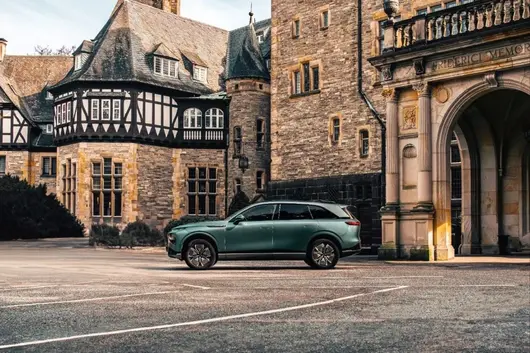

In the SUV market in Malaysia, many buyers compare Proton X50 and Mazda CX-5 when choosing a car. These two cars are quite close in price and positioning, today we will make a detailed comparison from multiple aspects to save you time doing research.
Proton X50 OTR price in Malaysia is RM 89,800 - 113,300, total 4 versions, including 1.5T Executive (RM 89,800), 1.5T Premium (RM 101,800), 1.5T Flagship (RM 113,300) etc.
Mazda CX-5 OTR price in Malaysia is RM 135,469 - 166,760, total 3 versions, including 2025 2.0L AT 35th Anniversary (RM 316,154), 2025 2.0L AT (RM 296,154), 2025 2.0L MT (RM 294,154) etc.
From price perspective, Proton X50 starting price is indeed RM 45,669 cheaper than Mazda CX-5. If your budget is limited, Proton's entry level version can already meet daily needs. But also note, the cheaper few thousand, there might be trade-offs in features, it depends on your needs.
Proton X50 safety rating is 5★ (ASEAN NCAP), active safety systems include ADAS (ACC, AEB, LKA, LDA, BSM, RCTA).
Mazda CX-5 safety rating is 5★ (ASEAN NCAP), active safety systems include.
Both cars have same safety rating, in this class safety features are quite complete. New cars nowadays safety is not bad, no need to worry too much about this.
Proton X50 body length 4400 mm, trunk 400 L.
Mazda CX-5 body length 4500 mm, trunk 450 L.
In terms of space, Mazda CX-5 body is 100 mm longer than Proton X50, passenger space has more advantage. However Proton X50 in city parking will be a bit more flexible, each has trade-offs.
Proton X50 and Mazda CX-5 are both mainstream choices in Malaysia market, suitable for family use, daily commute. If you value brand reputation and resale value more, can prioritize the one with better reputation; if you care more about value for money and features, then choose the one with richer features. Finally still recommend both go test drive, personal experience is the most important.

Overall, Proton X50 and Mazda CX-5 are both very good models in Malaysia market. Choosing which one, key still depends on your personal needs and budget. Suggest everyone do research, compare more several dealerships quotes, then go test drive to make final decision. Buying car is a big matter, spend some time doing research absolutely will not be wrong.

In Malaysia's SUV market, many buyers often compare Perodua Aruz and Subaru Crosstrek when choosing a car.
Perodua Aruz OTR price in Malaysia is RM 72,900 - 77,900, with a total of 2 versions, including 1.5L X (RM 72,900), 1.5L AV (RM 77,900), etc.
Subaru Crosstrek OTR price in Malaysia is RM 145,000 - 160,000, with a total of 1 version, including 2.0L e-Boxer (RM 150,000), etc.
In terms of price, Perodua Aruz's starting price is indeed RM 72,100 cheaper than Subaru Crosstrek. If your budget is limited, Perodua's entry-level version is already sufficient for daily needs. However, also note that the price difference of a few thousand may involve trade-offs in features, depending on your specific needs.

Perodua Aruz body length 4400 mm, trunk 400 L.
Subaru Crosstrek body length 4400 mm, trunk 400 L.
The dimensions of both cars are almost the same, interior space difference is not significant. Cars of this class are more than enough for daily use.
Perodua Aruz warranty 5 years/150,000km, service interval every 10,000km or 6 months.
Subaru Crosstrek warranty 3 years/100,000km, service interval every 10,000km or 6 months.

Perodua Aruz and Subaru Crosstrek are both mainstream choices in the Malaysia market, suitable for family use, daily commute. If you value brand reputation and resale value more, you can prioritize the one with better reputation; if you care more about value for money and features, then choose the one with richer specifications. Finally, it is recommended to test drive both models, personal experience is the most important.

Overall, Perodua Aruz and Subaru Crosstrek are both very good car models in the Malaysia market. Which one to choose, the key is to look at your personal needs and budget. It is recommended to do your homework, compare quotes from several car dealers, then test drive to make a final decision. Buying a car is a big matter, spending time doing homework will definitely not be wrong.



3000万辆,不仅代表广汽过去辉煌历史的勋章,也是面向未来的资产。
作者丨张敏
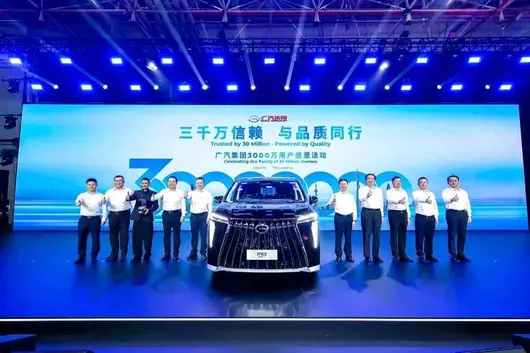
29年,3000万辆里程碑,3000万张信任票。广汽集团庆祝这一历史性时刻的方式,是持续一个多月的“3000万用户感恩活动”。
这场“感恩活动”覆盖了广汽旗下所有乘用车品牌,在全场景、全生命周期范围内,对用户购置(新购、置换、增购)推出全方位的补贴礼遇。
前者覆盖用户使用环节,后者针对市场交易环节。本质相同,都是为3000万用户以及此后更多家庭的选择,提供更广泛、深入的品牌背书。

29年来,广汽一直在做同一件事,那就是以实际行动证明“广汽值得信赖”,这一信赖正在向未来延续。
四次跨越:量变和质变
在广汽眼里,规模不仅表明既往成绩,更是推动“番禺行动”、面对未来竞争的新起点。
这里面有个前提,那就是3000万辆累计销量,是规模与质量兼具的业绩。规模是一望便知的,质量则与形成规模的历史过程有关。
历史证明,广汽的发展并非匀速,存在四次明显的跨越。每一次不仅大大加速了广汽的发展,而且找到了新路径。所谓“变化是唯一不变的真理”,汽车虽然是周期性行业,但每一个周期都有不同的节奏和竞争模式。广汽总能适应新形势,打出自己的攻势。

在合资探索期,广汽依托广东改革开放前沿优势,通过合资积累经验,打造出广汽本田、广汽丰田等品牌。
在自主崛起期,广汽坚持走引进、消化、吸收、再创新的链条,将自主品牌建立在既有成功经验基础上,打造出广汽传祺自主产品线,尤其实现了自主正向研发的突破。从此,自主有了自己的实力标签。
在智能进阶期,广汽因时而动,在新能源技术栈的基础上,推出埃安和昊铂品牌,建立了新能源和智能化融合矩阵。
在生态扩展期,也就是当前,加深与华为、腾讯、宁德时代等战略伙伴的合作,建立新生态。启境品牌,就代表广汽在高端智能化赛道的新突破。

这四次跨越,似乎每次都以新品牌的诞生为标志。其实更重要的是,广汽基于自身几十年的产业基础,兑现品质为安全托底,以用户为核心的价值体系。该体系形成了强大的制度惯性,是广汽穿越周期的基本力量,价值观也可以是跨时代的。这是达成3000万辆的基石。
第一重质量基底:供给侧能力
好车是设计出来,也是生产、验证出来的。
在广汽设计开发体系里,“两冬一夏”雷打不动,这就意味着验证周期至少18个月。而全球首个集空气动力学、气动声学、热力学于一体的整车风洞实验室,更是车型设计基础。新车必吹风洞,大家都说广汽造车像造飞机一样。
而生产阶段,整车在线、下线,须经过12个大项、1500多个子项验证。这里面用来“卡线”的,是3000多项企标和100多项国标、行业标准。一辆车下线,说“过五关、斩六将”都算谦虚的。
车子生产出来了,还要接受全环境考核。广汽将之总结为“五高一山一尘”(高温、高寒、高海拔、高湿、高盐雾、山区复杂路况及沙漠沙尘环境)。经过全环境试验打磨通过的车辆,才具备上市的必要条件。

这么一套体系走下来,只有大集团才能扛得住。且不说周期和试验本身的成本,光是体系搭建、设计试验检测质检硬件的投资,就很难一朝一夕而成。近30年来,尊重造车规律,尊重大工业生产的质检流程,品质才有保证。不用说,这些方法极难速成。
这就是广汽在供给侧展示的硬实力,这一体系硬桥硬马,来不得半点花活。
第二重质量基底:用户的战略信任
品质安全属于广汽的“供给侧”能力,那么用户思维则是这3000万辆之所以能累积起来的“需求侧”体系工程。“番禺行动”要求广汽及旗下所有品牌,从工程师思维,转变为用户思维,即保证供给侧能力的同时,强化“需求侧”体系。
而需求侧体系完善性的检验标准只有一个:企业是否愿意为用户的长期利益,承担可见成本。
在需求侧体系中,用户不只是服务对象和意见反馈体系的起点,而是核心。品牌必须主动谋求与用户建立长期战略信任关系。这是品牌长期经营的基础,也属于广汽价值观的一部分。这一次3000万感恩活动,就属于巩固信任行动的一部分。

车子不仅是代步工具,也是情感链接。企业不仅要维护用户的实际利益,也要投入真情实感。
基于此,广汽做了无数用户利益和情感的扎实工作。去年,广汽旗下三大自主品牌(传祺、埃安、昊铂)率先发起的三担责(三电自燃直接换新车,电池衰减超限免费换电池,智能泊车事故全额赔付),打破了行业惯例,为整车产品关键属性进行兜底。
每一项承诺背后都是对品质的自信。广汽做了这个选择,说明它把用户信任视为一种需要持续投入才能产生的“信任复利”。

即便在大集团当中,广汽的下沉服务也是做得最出色的那一档。广汽计划年内增加建立1000家县域授权门店,6月底就完成了600家网点的认定,将销售和维保触点推到低线城市和县乡的层面。
新能源的补能关乎用户的体验,广汽已建成“9纵10横”补能网络,覆盖全国213座城市,自营充电桩规模突破27000根,核心城区实现“直线1公里必有站”。品牌高端化必然伴随补能便利化。
广汽线上“超级管家”,服务24小时在线,5秒响应,2小时解决问题,用户诉求桩桩有回应、件件有着落。解决时机问题的同时,情绪价值给得足足的。每一次服务体验,都在为广汽积累长期品牌信任。

这是3000万数字下的另一层质量基底:它不仅意味着销售业绩,更是持续存在的、被品牌长期维护的用户关系厚度。
第三重质量基底:出海体系的全球化扎根
出海业绩则是广汽厚积薄发、水到渠成的结果。2026年上半年,广汽自主品牌出口同比增长132%,接近去年全年水平,呈现爆发式增长态势。
广汽出海模式,是“轻重并进”。广汽在海外已经建成7座工厂、9个零部件仓库、超746家销售服务网点,实现全价值链的本地化扎根。
事实证明,广汽善于在不同消费文化中重建用户关系,在不同基础设施条件下新建服务网络。那些在国内市场被验证过的品质体系、用户运营逻辑,在异质市场中同样生效,只不过有的需要调整策略,但基本逻辑不变。在海外的初步成功,证明广汽这套价值体系,属于“可移植的能力”。

广汽在南美诸国单月销量呈现倍数增长,多款主力产品跻身当地细分市场前列;在中国香港1-5月电车市占率突破11%,泰国6月份销量环比增长207%;在欧洲已经搭建起本地化生产-销售的运营体系,进入欧盟核心国家市场。总之,左右舵市场全面开花。
广汽依靠全球车型定义,来做全球运营,而非将国内车型另做适配再销往海外。这说明广汽已经拥有全球化产品和运营思维。
当不同市场对智能电动产品提出差异化需求时,这些需求反过来会催生更强大的产品定义能力。广汽计划2030年进入120个国家和地区、实现百万销量的目标,就建立在这种“体系出海”的确定性之上。
出海业绩浮现出3000万销量下的第三层质量基底:广汽的全球化思维,从一开始就有能力在全球范围内将广汽体系复制到其他市场。

汽车产业的竞争已经过了单点突破就能致胜的阶段。智能化、电动化、全球化三重浪潮叠加,单独某一项技术的领先不再重要,重要的是整个价值体系的完整度和自进化力。
3000万辆,不仅代表广汽过去辉煌历史的勋章,也是面向未来的资产。以品质基座为核心的供给侧能力体系,以用户信任复利为核心的需求侧关系积累,以全价值链出海为验证的能力可移植性。这套结构,才是广汽面对下一阶段竞争的真实底牌。【版权声明】本文系《汽车人》原创,出版方所有,未经授权不得转载或部分复制,违者必究。

喺馬來西亞嘅 SUV 市場,好多買家喺揀車嗰陣都會拿 Perodua Aruz 同 Honda HR-V 嚟做比較。呢兩款車喺價位同定位上都幾接近,今日我哋就由多個方面做一個詳細嘅比較,幫你慳做功課嘅時間。
Perodua Aruz 喺馬來西亞嘅 OTR 售價係 RM 72,900 - 77,900,一共有 2 個版本,包括 1.5L X(RM 72,900)、1.5L AV(RM 77,900) 等。
Honda HR-V 喺馬來西亞嘅 OTR 售價係 RM 115,900 - 143,900,一共有 4 個版本,包括 2026 e:HEV 1.5L RS(RM 143,900)、2026 1.5T V(RM 137,900)、2026 1.5T E(RM 130,900) 等。
由價錢嚟睇,Perodua Aruz 嘅起步價確實比 Honda HR-V 平咗 RM 43,000。如果你預算有限,Perodua 嘅入門版已經可以滿足日常需要。但亦要注意,平嘅嗰幾千蚊,可能喺配備上會要有取舍,具體就要睇你嘅需要。
Perodua Aruz 搭載 1.5L 4-cyl,馬力 105 hp。官方油耗 6.0 L/100km。
Honda HR-V 搭載 1.5L Turbo,馬力 140 hp。官方油耗 7.0 L/100km。
動力方面,Honda HR-V 嘅 1.5L Turbo 比 Perodua Aruz 嘅 1.5L 4-cyl 多出 35 匹馬力。不過日常喺市區行,兩款車嘅動力都夠用,唔會覺得唔夠力。
Perodua Aruz 車身長 4400 mm,車尾箱 400 L。
Honda HR-V 車身長 4500 mm,車尾箱 450 L。
空間方面,Honda HR-V 嘅車身比 Perodua Aruz 長咗 100 mm,乘坐空間更有優勢。不過 Perodua Aruz 喺城入面泊車會靈活啲,各有取舍。
Perodua Aruz 採用 FWD 驅動方式。
Honda HR-V 採用 FWD 驅動方式。
兩款車嘅驅動方式一樣,都係 FWD,日常駕駛感覺唔會有太大分別。
總體嚟講,Perodua Aruz 同 Honda HR-V 都係馬來西亞市場幾唔錯嘅車款。揀邊一部,關鍵都要睇你嘅個人需要同預算。建議大家做足功課,多比較幾間車行嘅報價,再去試駕做最終決定。買車係一件大事,花啲時間做功課肯定唔會錯。

喺馬來西亞嘅 SUV 市場,好多買家喺揀車嗰陣都會揀馬自達 CX-30 同三菱 Xforce 嚟比較。呢兩部車喺價位同定位上都幾接近,今日我哋就從多個方面做一個詳細嘅比較,幫你節省咗做功課嘅時間。
馬自達 CX-30 喺馬來西亞嘅 OTR 售價係 RM 122,409 - 146,409,總共有 4 個版本,包括 2025 2.0L High+ Premium(RM 146,409)、2025 2.0L High+(RM 138,409)、2025 2.0L High(RM 130,409) 等。
三菱 Xforce 喺馬來西亞嘅 OTR 售價係 RM 109,930 - 119,930,總共有 2 個版本,包括 2026 1.5L Ultimate(RM 119,930)、2026 1.5L Urban(RM 109,930) 等。
從價錢睇落,三菱 Xforce 嘅起步價比馬自達 CX-30 平咗 RM 12,479。講真,喺呢個價位段,幾千蚊嘅差距其實唔算大,關鍵仲睇整體嘅性價比同長遠使用成本。

馬自達 CX-30 嘅安全評級係 5★ (ASEAN NCAP),主動安全系統包括 i-Activsense。
三菱 Xforce 嘅安全評級係 5★ (ASEAN NCAP),主動安全系統包括 MI-PILOT。
兩部車嘅安全評級一樣,喺呢個級別入面安全配備都算給得好齊全。而家嘅新車安全性都唔差,唔使太擔心呢一點。
馬自達 CX-30 採用 FWD 驅動方式。
三菱 Xforce 採用 FWD 驅動方式。
兩部車嘅驅動方式一樣,都係 FWD,日常駕駛感受唔會有太大分別。
馬自達 CX-30 同三菱 Xforce 都係馬來西亞市場嘅主流選擇,適合家庭使用、日常通勤。如果你更重視品牌口碑同二手價,可以優先考慮口碑好啲嗰款;如果你更在意性價比同配備,就揀配置豐富嗰款。最後都係建議兩部都去試車,親身體驗先係最重要嘅。
總括嚟講,馬自達 CX-30 同三菱 Xforce 都係馬來西亞市場幾唔錯嘅車款。揀邊一輛,關鍵仲係睇你嘅個人需求同預算。建議大家做好功課,多比較幾間車行嘅報價,再去試車做最終決定。買車係件大事,花少少時間做功課絕對唔會錯。


喺馬來西亞嘅汽車市場,好多買家喺揀車嘅時候都會拿 Hyundai Palisade 同 Mercedes-Benz GLE 嚟做比較。今日我哋從多個方面做一個詳細嘅比較,幫你省下做功課嘅時間。


Hyundai Palisade 喺馬來西亞嘅 OTR 售價係 RM 368,838 - 399,838,一共有 4 個版本,包括 2023 3.8L 2WD Luxe 7 Seats Petrol(RM 399,838)、2023 2.2T 4WD Executive 7 Seats Diesel(RM 389,838)、2023 3.8L 2WD Luxe 8 Seats Petrol(RM 378,838)等。
Mercedes-Benz GLE 喺馬來西亞嘅 OTR 售價係 RM 544,888 - 544,888,一共有 1 個版本,包括 Standard(RM 544,888)等。
由價錢睇嚟,Hyundai Palisade 嘅起步價確實比 Mercedes-Benz GLE 平咗 RM 176,050。如果你預算有限,Hyundai 嘅入門版已經可以滿足日常需求。但都要注意,平嗰幾千蚊,可能喺配備上會有取捨,具體要看你嘅需求。

Hyundai Palisade 搭載 2.0L Turbo,馬力 220 hp。官方油耗 9.5 L/100km。
Mercedes-Benz GLE 搭載 3.0L Turbo,馬力 350 hp。官方油耗 12.0 L/100km。
動力方面,Mercedes-Benz GLE 嘅 3.0L Turbo 比 Hyundai Palisade 嘅 2.0L Turbo 多咗 130 匹馬力。不過日常喺市區開嘅話,兩款車嘅動力都夠用,唔會覺得唔夠力。

Hyundai Palisade 車身長 4400 mm,尾箱 400 L。
Mercedes-Benz GLE 車身長 4400 mm,尾箱 400 L。
兩款車嘅尺寸幾乎一樣,車內空間差別唔大。呢個級別嘅車,日常使用完全夠用。

Hyundai Palisade 保用 5 年/300,000km,保養間隔 每 10,000km 或 6 個月。
Mercedes-Benz GLE 保用 3 年/100,000km,保養間隔 每 10,000km 或 6 個月。

總括嚟講,Hyundai Palisade 同 Mercedes-Benz GLE 都係馬來西亞市場好唔錯嘅車款。揀邊一輛,關鍵始終都要睇你嘅個人需求同預算。建議大家做好功課,多比較幾間車行嘅報價,先至去試駕做最終決定。買車係件大事,花少少時間做功課絕對唔會錯。


【先鋒汽車/原創】近日,BJ30 旅行家節油挑戰嘅直播實測,讓我哋對呢台 7 萬級輕越野 SUV 有咗全新看法。

除咗國內實景路況佐證,前期仲聯動南非、波蘭、印尼、阿聯酋、墨西哥五國汽車博主跨國長途試煉,跨唔同氣候、地貌完成整車同混動系統驗證,海內外雙向測試閉環,真真正正測出多種路況百公里油耗跌破 5L。實測驗證低油耗、三擎混動鑄就省油標竿。

整套測試遵循 GLTC 全球生活測試、OLTC 越野生活測試雙循環標準,直播拆分城市擠塞、高速長途、鄉道越野三大真實用車場景,全方位檢驗車輛“超省、超大、超野”三大產品屬性。先講大家最關心嘅油耗表現,城市擠塞路段係燃油車油耗重災區,頻繁啟停、低速蠕行極易增加能耗,而 BJ30 旅行家搭載專屬三擎 HEV 混動系統,採用三擎六模 + 電四驅組合,行車優先電機驅動,引擎按需介入做功,從根源規避怠速耗油問題。車型兩驅官方綜合油耗 5.85L/100km、四驅 6.45L/100km,實景城區擠塞實測直接突破 5L 大關,一改硬派方盒 SUV 高油耗嘅刻板印象,日常通勤能真真正正省下唔少養車開支。
空間層面,BJ30 旅行家依賴 2820mm 超長軸距,整車座艙空間越級優化,滿載出行前後排乘客冇局促感。方正車身最大化拓展儲物能力,露營帳篷、炊具等大件裝備輕鬆放進後尾箱,後排座椅放倒後形成 1.92 米平整大牀,此前波蘭海外博主實地裝車測試,滿載戶外物資後依舊可以喺後尾箱平躺,完美適配家庭自駕、近郊露營嘅裝載需求。

去到非鋪裝越野路段,BJ30 旅行家嘅 215mm 超高離地間隙搭配 ATS 全地形控制系統同專業四驅底盤,面對坑坑巴巴鄉道、碎石爛路、輕度爬坡,一鍵切換地形模式就合理分配四輪動力,輕鬆完成輕越野穿越,兼顧城市代步同野外娛樂雙重需求。
7 萬級嘅定價,集齊混動省油、大空間、全場景越野三大優勢,BJ30 旅行家呢款車連續 23 個月拿下自主輕混 SUV 銷量第一,三年 72% 保值率穩居同價位榜首,全國密集嘅售後網點亦為車主日常用車保駕護航。

最後拎重點,6 月 12 日 BJ30 旅行家高光版即將上市,新車動力、內飾、智能配備全面升級,高配下放仲新增專屬定制車漆。經歷五國長途試煉、國內全路況嚴苛實測,BJ30 旅行家靠住三擎混動硬實力,穩穩坐定 7 萬級省油方盒標竿位置。