首頁Nissan Skyline R34

搜尋歷史
熱門搜尋
經銷商登入 / 註冊

喺馬來西亞嘅 SUV 市場,好多買家喺揀車嗰陣都會拿 Proton X90 同 Toyota Yaris Cross 做比較。呢兩款車喺價位同定位上都幾接近,今日我哋就從多個方面做一次詳細比較,幫你節省做功課嘅時間。
Proton X90 喺馬來西亞嘅 OTR 售價係 RM 106,800 - 122,800,合共 4 個版本,包括 2026 1.5T Prime X(RM 122,800)、2026 1.5T Prime(RM 116,800)、2026 1.5T Lite(RM 106,800) 等。
Toyota Yaris Cross 喺馬來西亞嘅 OTR 售價係 RM 99,900 - 109,900,合共 2 個版本,包括 2026 1.5L Standard(RM 99,900)、2026 HEV 1.5L Standard(RM 109,900) 等。
由價錢睇,Toyota Yaris Cross 嘅起步價比 Proton X90 平咗 RM 6,900。講真,喺呢個價位段,幾千塊嘅差距其實唔算大,關鍵仲係睇整體嘅性價比同長期使用成本。

Proton X90 搭載 1.5L Turbo,馬力 140 hp。官方油耗 7.0 L/100km。
Toyota Yaris Cross 搭載 1.5L 4-cyl,馬力 105 hp。官方油耗 6.0 L/100km。
動力方面,Proton X90 嘅 1.5L Turbo 比 Toyota Yaris Cross 嘅 1.5L 4-cyl 多出 35 匹馬力,中段加速更有信心,尤其係行高速超車嗰陣。不過 Toyota Yaris Cross 嘅油耗可能更抵用,日常市區通勤差別唔會太大。

Proton X90 嘅安全評級係 5★ (ASEAN NCAP),主動安全系統包括 ADAS (ACC, AEB, LKA, LDA, BSM, RCTA)。
Toyota Yaris Cross 嘅安全評級係 5★ (ASEAN NCAP),主動安全系統包括 TSS。
兩款車嘅安全評級一樣,喺呢個級別入面安全配備都算好齊全。而家嘅新車安全性都唔差,唔使太擔心這一點。

Proton X90 保修 5 年/150,000 公里,保養間隔 每 10,000 公里或 6 個月。
Toyota Yaris Cross 保修 5 年/無限制里程,保養間隔 每 10,000 公里或 6 個月。

Proton X90 同 Toyota Yaris Cross 都係馬來西亞市場嘅主流選擇,適合家庭使用、日常通勤。如果你更看重品牌口碑同二手價,可以優先考慮口碑更好嗰款;如果你更在意性價比同配備,嗰就揀配備更豐富嗰款。最終都係建議兩款都去試駕,親身體驗先至最重要。

總括嚟講,Proton X90 同 Toyota Yaris Cross 都係馬來西亞市場幾唔錯嘅車型。揀邊一輛,關鍵仲係要睇你嘅個人需求同預算。建議大家做好功課,多比較幾間車行嘅報價,先至去試駕做最終決定。買車係件大事,花啲時間做功課絕對唔會錯。


喺馬來西亞嘅 SUV 市場,好多買家喺揀車嘅時候都會拿 Chery Tiggo 8 PHEV 同 Hyundai Tucson 黎比較。呢兩款車喺價位同定位上都幾接近,今日我哋就從多個方面黎做一個詳細嘅對比,幫你省下做功課嘅時間。
Chery Tiggo 8 PHEV 喺馬來西亞嘅 OTR 售價係 RM 159,750 - 159,750,一共有 2 個版本,包括 1.6L Turbo Standard(RM 130,000)、1.6L Turbo Premium(RM 145,000)等。
Hyundai Tucson 喺馬來西亞嘅 OTR 售價係 RM 143,888 - 197,888,一共有 5 個版本,包括 2025 HEV 1.6T AT 2WD Prestige(RM 197,888)、2025 1.6T DCT 4WD Prestige(RM 186,888)、2025 1.6T DCT 2WD Prime(RM 164,888)等。
從價錢嚟睇,Hyundai Tucson 嘅起步價比 Chery Tiggo 8 PHEV 平咗 RM 15,862。實講,喺呢個價位段,幾千塊嘅差距其實唔算大,關鍵仲係睇整體嘅性價比同長期使用成本。

Chery Tiggo 8 PHEV 搭載 Hybrid,馬力 170 hp。官方油耗 4.5 L/100km。
Hyundai Tucson 搭載 1.5L Turbo,馬力 140 hp。官方油耗 7.0 L/100km。
動力方面,Chery Tiggo 8 PHEV 嘅 Hybrid 比 Hyundai Tucson 嘅 1.5L Turbo 多咗 30 匹馬力,中段加速更有信心,尤其係跑高速公路超車嘅時候。不過 Hyundai Tucson 嘅油耗可能更友好,日常市區通勤差別唔會太大。

Chery Tiggo 8 PHEV 車身長 4400 mm,尾箱 400 L。
Hyundai Tucson 車身長 4400 mm,尾箱 400 L。
兩款車嘅尺寸幾乎一樣,車內空間差別唔大。呢個級別嘅車,日常使用完全够用。

Chery Tiggo 8 PHEV 採用 FWD 驅動方式。
Hyundai Tucson 採用 FWD 驅動方式。
兩款車嘅驅動方式一樣,都係 FWD,日常駕駛感受唔會有太大區別。
Chery Tiggo 8 PHEV 同 Hyundai Tucson 都係馬來西亞市場嘅主流選擇,適合家庭使用、日常通勤。如果你更睇重品牌口碑同二手價,可以優先考慮口碑更好嗰一款;如果你更在意性價比同配備,那就選配置更豐富嗰款。最終都係建議兩款都去試駕,親身體驗先至係最重要。
總嚟講,Chery Tiggo 8 PHEV 同 Hyundai Tucson 都係馬來西亞市場好唔錯嘅車型。揀邊輛,關鍵仲係要睇你嘅個人需求同預算。建議大家做好功課,多比較幾間車行嘅報價,再去試駕做最終決定。買車係件大事,花少少時間做功課絕對唔會錯。


喺馬來西亞嘅 SUV 市場,好多買家在選車嘅時候都會拿 MG MG HS 同 Subaru Outback 嚟做比較。呢兩款車喺價位同定位上都幾接近嘅,今日我哋就從多個方面嚟做一個詳細嘅比較,幫你節省做功課嘅時間。
MG MG HS 喺馬來西亞嘅 OTR 售價係 RM 130,450 - 146,450,一共有 2 個版本,包括 1.5L Standard(RM 105,000)、1.5L Executive(RM 115,000) 等。
Subaru Outback 喺馬來西亞嘅 OTR 售價係 RM 260,000 - 280,000,一共有 2 個版本,包括 2025 2.4T R-Touring EyeSight(RM 310,340)、2025 2.5L Touring EyeSight(RM 280,340) 等。
從價錢嚟睇,MG MG HS 嘅起步價確實比 Subaru Outback 平咗 RM 129,550。如果你預算有限,MG 嘅入門版已經可以滿足日常需求。但都要留意,便宜嗰幾千蚊,可能喺配備上會有取捨,具體要睇你嘅需求。

MG MG HS 搭載 1.5L Turbo,馬力 140 hp。官方油耗 7.0 L/100km。
Subaru Outback 搭載 2.0L Turbo,馬力 220 hp。官方油耗 9.5 L/100km。
動力方面,Subaru Outback 嘅 2.0L Turbo 比 MG MG HS 嘅 1.5L Turbo 多咗 80 匹馬力。不過日常喺市區開,兩款車嘅動力都夠用,唔會覺得唔夠力。

MG MG HS 嘅安全評級係 TBD,主動安全系統包括 Basic。
Subaru Outback 嘅安全評級係 TBD,主動安全系統包括 Basic。
兩款車嘅安全評級一樣,喺呢個級別入面安全配備都算畀得好齊全。而家嘅新車安全性都唔差,唔使太擔心呢一點。

MG MG HS 車身長 4400 mm,后备箱 400 L。
Subaru Outback 車身長 4400 mm,后备箱 400 L。
兩款車嘅尺寸幾乎一樣,車內空間差別唔大。呢個級別嘅車,日常使用完全够用。
MG MG HS 保養保修 7 年/150,000km,保養間隔 每 10,000km 或 6 個月。
Subaru Outback 保養保修 3 年/100,000km,保養間隔 每 10,000km 或 6 個月。
總嘅嚟講,MG MG HS 同 Subaru Outback 都係馬來西亞市場好唔錯嘅車型。選擇邊一輛,關鍵都係要睇你嘅個人需求同預算。建議大家做好功課,多比較幾間車行嘅報價,再去試駕做最終決定。買車係件大事,花啲時間做功課絕對唔會錯。


喺馬來西亞嘅轎車市場,好多買家喺揀車嗰陣都會拎 Honda Civic Type R 同 Volkswagen Golf GTI 嚟比下。呢兩部車喺價位同定位上都幾接近,今日我哋就從多個方面做個詳細嘅比較,幫你慳返做功課嘅時間。
Honda Civic Type R 喺馬來西亞嘅 OTR 售價係 RM 399,900 - 399,900,一共有 3 個版本,包括 2023 2.0T Standard(RM 399,900)、OTR NI(RM 399,900)、Volvo ES90(RM 339,888) 等。
Volkswagen Golf GTI 喺馬來西亞嘅 OTR 售價係 RM 256,962 - 256,962,一共有 3 個版本,包括 2025 2.0T Sepang Edition(RM 262,990)、2025 2.0T Standard(RM 256,962)、DCT(RM 219,800) 等。
由價錢睇,Volkswagen Golf GTI 嘅起跳價比 Honda Civic Type R 平咗 RM 142,938。講句實話,喺呢個價位段,幾千蚊嘅分別其實唔算大,關鍵仲睇整體嘅性價比同長期使用成本。

Honda Civic Type R 搭載 2.0L Turbo,馬力 220 hp。官方油耗 9.5 L/100km。
Volkswagen Golf GTI 搭載 2.0L Turbo,馬力 220 hp。官方油耗 9.5 L/100km。
兩部車用咗同一套動力系統,日常開落嘅感覺基本無咩分別。油耗方面都差唔多,唔使太糾結呢一點。

Honda Civic Type R 車身長 4450 mm,尾箱 470 L。
Volkswagen Golf GTI 車身長 4400 mm,尾箱 400 L。
空間方面,Honda Civic Type R 嘅車身比 Volkswagen Golf GTI 長咗 50 mm,車內乘坐空間會稍微闊少少,尤其係後座腿部空間。如果你經常載家人或者需要放嬰兒車,大一點嘅車身確實更實用。

Honda Civic Type R 同 Volkswagen Golf GTI 都係馬來西亞市場嘅主流選擇,適合家庭使用、日常通勤。如果你更睇重品牌口碑同二手價,可以優先考慮口碑好嗰一款;如果你更在意性價比同配備,那就揀配備更豐富嗰款。最終都建議兩款都去試車,親身體驗先係最重要。

總體嚟講,Honda Civic Type R 同 Volkswagen Golf GTI 都係馬來西亞市場幾唔錯嘅車型。揀邊一部,關鍵仲係睇你嘅個人需求同預算。建議大家做足功課,多比下幾間車行嘅報價,先至試車做最終決定。買車係件大事,花少少時間做功課絕對唔會錯。


喺馬來西亞嘅汽車市場,好多買家喺揀車嘅時候都會拿 Ford Everest 同 Subaru Crosstrek 嚟做比較。今日我哋由多個方面做一次詳細嘅比較,幫你攞返成日功課嘅時間。


Ford Everest 喺馬來西亞嘅 OTR 售價係 RM 266,338 - 430,838,合共有 6 個版本,包括 2026 3.0T 4WD Platinum(RM 430,838)、2026 2.0T 4WD Platinum(RM 348,838)、2026 2.0T 4WD Sport(RM 316,838) 等。
Subaru Crosstrek 喺馬來西亞嘅 OTR 售價係 RM 145,000 - 160,000,合共有 1 個版本,包括 2.0L e-Boxer(RM 150,000) 等。
單睇價錢,Subaru Crosstrek 嘅起價比 Ford Everest 平咗 RM 121,338。實話講,喺呢個價位段,幾千蚊嘅差距其實唔算大,關鍵仲係要睇整體嘅性價比同長期使用成本。

Ford Everest 配備 2.5L Diesel,馬力 187 hp。官方油耗 8.5 L/100km。
Subaru Crosstrek 配備 1.5L Turbo,馬力 140 hp。官方油耗 7.0 L/100km。
動力方面,Ford Everest 嘅 2.5L Diesel 比 Subaru Crosstrek 嘅 1.5L Turbo 多咗 47 匹馬力,中段加速會更有信心,尤其係行高速公路嗰陣超車。但 Subaru Crosstrek 嘅油耗表現可能更佳,日常市區通勤嘅話差異唔會太明顯。

Ford Everest 嘅安全評級係 5★ (ASEAN NCAP),主動安全系統包括 Co-Pilot360。
Subaru Crosstrek 嘅安全評級係 5★ (Euro NCAP),主動安全系統包括 EyeSight。
安全配備方面,兩款車都拿咗唔錯嘅評級。不過 Ford Everest 嘅 Co-Pilot360 同 Subaru Crosstrek 嘅 EyeSight 喺功能上有少少差異,如果你比較睇重主動安全嘅話,可以詳細比較下兩者嘅功能清單。

Ford Everest 採用 FWD 驅動方式。
Subaru Crosstrek 採用 FWD 驅動方式。
兩款車嘅驅動方式一樣,都係 FWD,日常駕駛感受唔會有太大分別。

總嚟講,Ford Everest 同 Subaru Crosstrek 都係馬來西亞市場幾靚嘅車款。揀邊架,關鍵仲係要看你嘅個人需求同預算。建議大家做好功課,多比多幾間車行嘅報價,再去試駕先做最後決定。買車係件大事,花少少時間做功課絕對唔會錯。


車型概覽

吉普Grand Cherokee 值唔值得睇,第一步唔係望牌子或者外形,而係睇佢能唔能夠配合你嘅香港日常。 呢篇會集中講同級車比較,幫你用買家角度篩走唔適合嘅選擇。
售價仍待確認,買家可以先把佢放入候選名單,等價格落實後再同同級車逐項比較。
購車價格指南
吉普Grand Cherokee 目前售價仍未清晰,較理性嘅做法係先睇版本、車身大小同動力形式,等價格落實後再決定值唔值得落訂。
如果有幾個版本可揀,可以先將 2025 3.6L 4WD Summit(價格待確認)、2025 3.6L 2WD Summit(價格待確認)、2025 3.6L 4WD Trailhawk(價格待確認)、2025 3.6L 4WD Limited(價格待確認) 放喺同一張清單。日常通勤重視舒適同易用,家庭買家就要優先睇後排、尾箱同安全配置。
核心規格重點
睇 吉普Grand Cherokee 嘅規格,重點唔係背數字,而係理解佢喺香港用車場景會帶嚟咩分別。
吉普Grand Cherokee 現階段最值得留意係車型定位同版本方向,詳細取捨應該等價格同規格更清楚再作決定。
優缺點分析
吉普Grand Cherokee 嘅優點唔需要講到天花龍鳳,真正有價值係佢能唔能夠令日常用車更省心:車型定位清楚,適合作為同級比較起點。
要留意嘅係,售價未清晰前唔應該太早用性價比落結論。呢啲唔一定係缺點,但係落訂前應該先諗清楚。
買家常見問題
買 吉普Grand Cherokee 之前,真正要問嘅唔係單一規格,而係佢可唔可以融入你每日嘅生活節奏。
常見疑問係「Jeep Grand Cherokee 適合長途駕駛嗎?」簡單講,Jeep Grand Cherokee 提供極佳嘅豪華感同隔音,非常適合長途公路旅行。 放到實際用車,就係要睇佢對通勤、泊車、家庭乘坐同長期成本有幾大幫助。
同級對比內容
將 吉普Grand Cherokee 放入同級車清單時,唔建議只用外形或者品牌光環決定。比較順序可以係:先等售價落實,再決定佢應該同邊個級距比較。
咁樣篩選會貼近香港買家真實生活:平日塞車、商場泊車、周末去新界、甚至一家人出入,先係一部車每日要面對嘅考驗。
用車全周期指南
擁有 吉普Grand Cherokee 唔係買車一刻就完結,之後仲有保險、輪胎、保養、泊車同日常能源成本要處理。
如果你主要喺市區行,視野、低速順滑度同泊車輔助會好影響心情;如果經常行高速或跨區,座椅舒適度、隔音同動力從容感會更重要。


近日,國家市場監督管理總局正式公布首批國家質量標準實驗室培育建設名單。上汽通用五菱汽車股份有限公司申報的「新能汽車國家質量標準實驗室」成功入選,成為車企申報唯一獲批建設的國家質量標準實驗室。這標誌着企業在新能汽車質量技術體系建設方面邁入國家級新階段。
國家質量標準實驗室是依據《質量強國建設綱要》設立的國家級技術創新平台,主要承擔產業重大質量標準的基礎研究與應用、高水平質量標準的研制與推廣、以及質量標準人才的培養與集結等任務,對推動質量強國建設具有重要戰略意義。

【上汽通用五菱「新能汽車國家質量標準實驗室」成功入選】
上汽通用五菱獲批的「新能汽車國家質量標準實驗室」,匯聚了4000 餘名研發人員,涵蓋博士、碩士及外籍專家,設有博士後工作站、國家企業技術中心、國家級工業設計中心等多個國家級創新平台,擁有14 個國際一流水準的實驗室,涵蓋三電、碰撞、NVH、EMC、熱管理、智能聯網、輕量化材料等全鏈條驗證能力,已獲 CNAS 認可 275 項(其中包含 ECE 國際認可 81 項),具備從整車到零部件的全鏈路測試能力。
依托 3200 萬基盤用戶的場景數據及百萬輛級新能汽車大數據中心,實驗室能夠復現用戶真實使用工況,實現從研發試驗到用戶使用的全鏈條質量預判與閉環迭代,全面支撐新能汽車電智化技術的試驗驗證。

【整車試驗場】

【碰撞實驗室】

【三電系統實驗室】
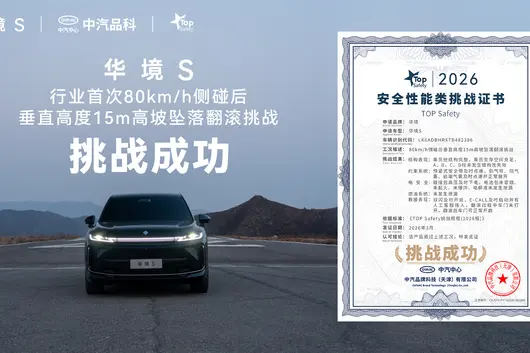
目前,實驗室已形成一批全球首創、國際領先、行業先進的標誌性成果,其中包括全球首創的智能島製造體系,入選國家首批「領航級智能工廠」培育名單;華境 S 通過行業首次 80km/h 側碰 15 米高坡墜落挑戰;神煉電池實現 766 億公里 0 自燃記錄。此外,五菱 Air ev 安全設計納入東盟官方技術規範,直流充電標準獲印尼 SNI 認證,實現中國車企在東盟標準制定領域「零的突破」,成功打破歐美日標準壁壘。

【華境 S 通過行業首次 80km/h 側碰 15 米高坡墜落挑戰】
此次入選首批國家質量標準實驗室,是上汽通用五菱長期堅持正向研發、深耕質量基礎設施建設的成果。它意味著企業的新能汽車質量技術標準將與國家級最高標桿對齊,實現從「造好車」到「定義好車標準」的關鍵一躍,真正做到技術自主、標準自主、質量自主、安全可控。與此同時,實驗室將通過創新質量管理與服務模式,實現技術攻關、標準引領、試驗驗證、產業賦能,讓「中國標準」沿著產業鏈出海,為「一帶一路」標準联通貢獻五菱力量。對用戶而言,國家質量標準實驗室將成為上汽通用五菱產品品質的「最高校驗場」——從三電安全到車身結構,從智能聯網到整車耐久,每一款車型都將在高標準、高起點的質量體系下完成嚴苛打磨。
面向未來,上汽通用五菱將以國家質量標準實驗室建設為戰略支撐,推動中國新能汽車從規模領先邁向標準領先,為全球消費者帶來更高品質的出行體驗。


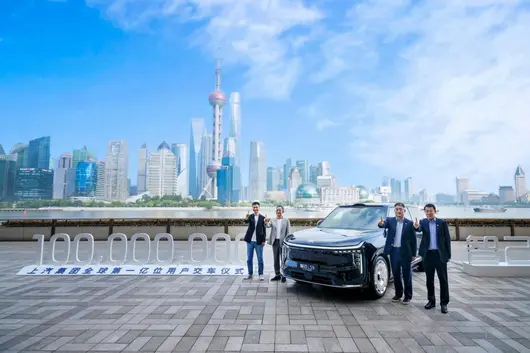
Recently, the "SAIC Motor Group Global 100 Millionth User Delivery Ceremony" was held in Shanghai. This makes SAIC the first Chinese automotive group to accumulate sales volume exceeding 100 million units, reaching a height that other domestic peers have not yet achieved.

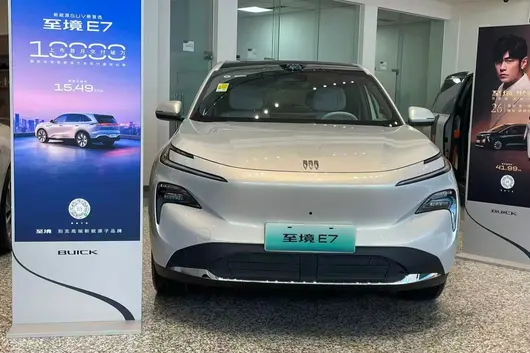
Upholding the user philosophy of "Knows Cars Better, Knows You Better," SAIC Motor Group has maintained a steady pace in both the traditional internal combustion engine era and the new energy intelligence era. After entering the "second half of the new energy game," SAIC has maximized hardcore technology and product advantages — regarding this point, the Buick Zhijing E7, which exceeded 10,000 deliveries in its first month on the market, validates this.
Interior and Exterior Design: Abandoning Traditional Heaviness
Overall, the Buick Zhijing E7 can be said to be a joint venture product closest to mainstream domestic new energy vehicles. Its appearance looks fashionable and atmospheric, with a closed front fascia combined with split water-flow headlights bringing full technological feel, combining fashionable elements of current mainstream new energy vehicles with a sporty vibe.

Looking at the interior, this car combines the unique concise and atmospheric design connotations and premium feel of current mainstream new energy vehicles, especially the multi-screen combination of a 15.6-inch Rhine Eye-Protection Central Control Screen + 8.8-inch LCD Instrument Panel + Rear 15.6-inch Ceiling Cinema Screen, making the technology feel overwhelming.

As for body dimensions, the vehicle's length, width, and height are 4850/1910/1676mm, and the wheelbase is 2850mm. The large five-seat layout can well meet the comfort needs of family cars.

Additionally, the entire car is standard-equipped with Cloud Feel Floating Layer Seats, and the passenger seat adopts an Eames Zero-G Recliner, further enhancing driving comfort — from this point alone, the manufacturer's sincerity can be fully felt. It can be said that the Zhijing E7 is more dedicated in creating an ultimate comfort experience than many other brands.

Power and Handling: Solving User Pain Points
Looking at power, this car is equipped with the True Dragon Plug-in Hybrid Pro system across the entire series, offering 1.5L/1.5T two versions to choose from. Among them, the former's pure electric range is 235km, and the comprehensive range reaches 1630km; the latter's pure electric range is 230km, and the comprehensive range reaches 1600km. With fast charging technology, the vehicle requires only 15 minutes to charge from 30% to 80%, and also supports 6kW external discharge, well meeting consumers' electricity needs during outdoor camping.

As for the chassis, this car is equipped with a Preview RTD Continuous Damping Variable Suspension, which can accurately adapt to different road conditions, with sufficient effectiveness in filtering bumps; meanwhile, the exclusive anti-nausea chassis and eBoost Comfort Braking System can also significantly reduce travel discomfort for people prone to motion sickness, further enhancing the driving experience.

In terms of assisted driving, the high-spec Zhijing E7 models are equipped with the Momenta R6 High-level Intelligent Driving System, and the entire vehicle is equipped with 27 sensing hardware including LiDAR. Based on the Reinforcement Learning Large Model, this car can achieve Highway NOA, Uninterrupted City NOA, Full Scenario Automatic Parking, Active Avoidance and many other functions — rich intelligent configurations will bring a safer and more reassuring intelligent travel experience to Chinese consumers.

"Car 1 Circle" Viewpoint: Adherence and Innovation are not only the confidence for SAIC Motor Group to become the "First Chinese Automotive Group to Accumulate Sales Volume Exceeding 100 Million Units", but also win leading opportunities for the enterprise's sustainable development.

From launching joint venture cooperation, to creating "Shanghai Speed", to launching the world's first internet car, and to comprehensively transforming towards new energy intelligence, launching high-end intelligent electric brands, etc. — It can be said that every choice of SAIC Motor Group was very firm, and the timing was just right.
Through the Buick Zhijing E7, we can clearly feel the manufacturer's implementation of "localization" in the process of building joint venture new energy products. This not only creates favorable conditions for the car's "Hot Sales at Launch", but also profoundly reflects SAIC Motor Group's respect for Chinese consumers and attention to the market.
Currently, the brands and models under SAIC Motor Group can be described as "Strong and Robust", and also possess over 100 parts production bases overseas, over 3000 dealer network stores, and have built 3 major R&D innovation centers including London, and 4 production manufacturing centers in Thailand, Indonesia, India, and Pakistan. Deeply cultivating the overseas market for many years, SAIC Motor Group has always aimed to be a "Global Enterprise", continuously creating outstanding achievements.

Additionally, SAIC Motor Group is also very "down-to-earth" in marketing promotion, and deeply implements the "Knows Cars Better, Knows You Better" philosophy, able to attract Luo Zhenyu to become the No. 001 Experience Officer of Hujing S, and also gain the favor of former national player Yang Chen for ID. ERA 9X. During this event, SAIC-GM General Manager Xue Haitao also personally handed over a Buick Zhijing E7 to charity barber Liu Jia.

According to the introduction, this charity blogger has been cutting hair and sending companionship to left-behind children in Guangxi mountain areas for five consecutive years. Looking at the Buick Zhijing E7 again, besides creating a full-score cockpit for children based on "children's growth needs" as the origin of product R&D, it also expressed support for Liu Jia protecting the growth of more mountain children with practical actions — A series of touching stories, while witnessing SAIC Motor Group's responsibility and accountability, are also the most vivid interpretation of "Knows Cars Better, Knows You Better".

From the first user to the 100 millionth user, SAIC Motor Group used more than 70 years. Looking to the future, on the road of innovation and challenges, SAIC Motor Group will continue to create a "New Era of Beautiful Travel" together with global users.

兄弟姐妹們,今日講一個出海嘅大新聞——唔係賣車,係賣「司機」。6 月 2 號,文遠知行同 Uber 聯合宣佈咗一件事:計劃喺西班牙馬德里推出該國首個商業化 Robotaxi 試點服務。意思就係:西班牙人好快就可以用 Uber 叫到一台冇司機嘅出租車。呢次係文遠知行同 Uber 第一次一齊進入歐洲市場。馬德里亦成為文遠知行 Robotaxi 駛入嘅全球第十二個城市。
官方消息話,喺馬德里自治區政府嘅支持下,呢項服務今年內就會正式啟動。到嗰陣,馬德里嘅朋友哋打開 Uber App,就有一鍵呼叫文遠知行嘅 Robotaxi。同叫普通網約車一樣,分別係嚟嘅車冇駕駛員——至少喺初期,仲係有分別嘅。運營初期,車入面會配備經過專業培訓嘅安全員,終究係剛上線,穩妥第一。
文遠知行呢間公司,你可能聽過,也可能冇聽過。簡單介紹下:2017 年成立,一直埋頭搞 Robotaxi 技術研發同商業化。而家佢嘅 Robotaxi 已經覆蓋咗廣州、北京、新加坡、阿布達比、迪拜、利雅得、蘇黎世……加埋而家嘅馬德里,一共 12 個城市。西班牙亦係文遠知行進入嘅第五個歐洲市場——之前已經入咗瑞士、法國、比利時、斯洛伐克。按照文遠知行同 Uber 喺 2025 年 5 月達成嘅規劃,佢哋要喺五年內新增 15 個國際城市部署 Robotaxi 服務,全球部署數萬輛 Robotaxi。隨著馬德里落地,目前已經完成咗 4 個城市嘅佈局,仲有 11 個會喺 2030 年前陸續覆蓋。
講真嘅,中國自動駕駛公司出海唔係頭一回,但中國技術 + 全球出行平台 + 歐洲市場呢個組合,定係好有意思。馬德里係歐洲最具商業潛力嘅 Robotaxi 市場之一,人口多、出行需求大,當地政策都好友善。喺呢個市場站穩腳根,對文遠知行嚟講係個唔小嘅里程碑。對 Uber 嚟講,引進 Robotaxi 都係為咗降低成本——終究司機唔使發人工。對馬德里市民嚟講,以後打車可能更平。


BYD officially released the May 2026 production and sales flash report, with new energy vehicles from all brands reaching a monthly sales volume of 383,453 vehicles, a slight increase of 0.26% year-on-year, achieving year-on-year positive growth in monthly sales after ten months; among them, passenger car deliveries reached 376,990 units, surging 19.4% month-on-month, wiping out the pain of previous model iterations, presenting a new pattern where the domestic base is stable, overseas sales are soaring, and high-end brands are scaling up across the board. Amidst the market environment of intensified competition in the domestic new energy sector, Tesla FSD entering China, and an intense launch of independent new products, it has forged a unique structural growth path.

The Dynasty and Ocean main brands combined sold 330,215 vehicles in May, accounting for over 80% of the group's total sales, remaining the stabilizer for BYD's sales volume. The full series had 8 models exceeding 20,000 units in monthly sales, covering products from 50,000 entry-level commuter to 200,000 home SUV.

Inside the Dynasty Network, the Yuan family sold 56,691 units, and the Song family 51,370 units. Both crossed the 50,000 threshold, becoming two major sales pillars for the brand, catering to home commuter and urban-rural travel needs; the Qin family followed closely with a stable performance of 28,360 units. The Han and Tang series maintained a volume in the six-thousand range, deeply cultivating the mid-to-large home sedan and SUV niche markets; the brand new model Xia is in the market cultivation phase, delivering 1,810 units monthly, with potential for steady volume growth as channels expand.
The Ocean Network's growth momentum is even more rapid, with 5 models entering the 20,000 club across the series: Sealion 42,615 units, Seal 34,117 units, Seagull 39,919 units, Dolphin 22,260 units, and Song PLUS 27,755 units. Among them, Seagull remains the best-selling entry-level commuter model thanks to its affordable pricing of 60,000-80,000. Sealion, as a new volume model, stands firm at the 40,000 level upon launch, filling the mid-size SUV product gap in the Ocean Network and perfecting the Ocean product tier layout. From commuter small cars to compact SUVs, the two main brands rely on DM-i hybrid and pure electric dual-line technologies to牢牢锁住 the mainstream home market share within 150,000 domestically.
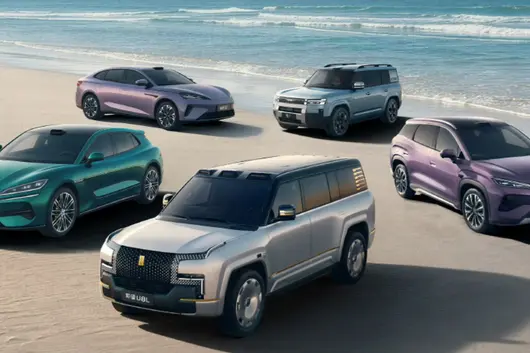
Fang Cheng Bao Year-on-Year Surges 139.7%, Brand Upward Positioning Takes EffectThe high-end matrix of Denza, Fang Cheng Bao, and Yangwang sold a combined 46,489 vehicles in May, officially breaking away from the niche positioning to become a new pivot for BYD's brand premium and profit growth, breaking the industry curse of difficulty in high-end breakthrough for domestic brands.

The off-road brand Fang Cheng Bao sold 30,186 units monthly, surging 139.7% year-on-year, creating a new high in monthly sales since the brand launched. Its Titanium 7 model sold 18,280 units monthly, while Leopard 5 and Leopard 8 output remained stable, continuously squeezing the survival space for joint venture and imported models in the 250,000-400,000 hardcore off-road niche market.

Denza delivered 16,303 units in May, with the MPV benchmark D9 selling 6,721 units, and the Z9 series close to 6,000 units. MPV and mid-to-large sedan dual-line efforts helped them stand firm in the luxury new energy track; the million-level ultra-luxury brand Yangwang continued its steady climb, delivering 286 units that month, a year-on-year increase of 105.8%, completing market verification of the domestic brand ceiling product and forming a full price range product layout from 100,000+ home, 300,000-400,000 off-road, 500,000 luxury MPV to million-level flagship.

In May, BYD's overseas sales of passenger cars and pickup trucks reached 160,177 units, surging 80.7% year-on-year. Exports accounted for over 42% of the full series total sales, setting a new historical high for brand export and becoming the core driving force to stabilize May overall sales and achieve year-on-year positive growth.
Southeast Asia, Europe, and Latin America became the main incremental markets. Seagull, Song PLUS, and Yuan series continued to top new energy best-seller lists in multiple countries; the SHARK pickup truck exceeded 4,000 units in monthly exports for two consecutive months. Relying on the completion of localization production in Thailand, Brazil, Hungary, and Uzbekistan with four overseas vehicle factories, localized production continues to land, avoiding tariffs while rapidly penetrating terminal channels. Against the background of stock market competition in the domestic auto industry and normalized price wars, the rapidly expanding overseas market effectively counteracts sales volatility brought by domestic model iterations, officially upgrading from a supplementary market to BYD's core growth engine. As of now, BYD's global cumulative new energy vehicle sales have exceeded 16.5 million units, with the globalization map continuously broadening.
Intelligent Driving Empowers Product Iteration, H2 New Products Prepare to Surge VolumeMay marked a key node in BYD's intelligent driving landing, with the God's Eye intelligent driving system becoming a core bonus point for models: the number of vehicles with advanced intelligent driving across all brands exceeded 3.15 million, with daily road test data exceeding 200 million kilometers; that month, BYD implemented City Pilot and Smart Parking dual safety backup services, becoming the world's first auto manufacturer to achieve dual intelligent driving backups. Three days after policy implementation, the activation rate of models equipped with the God's Eye system in cities surged 50%. Intelligent driving experience upgrades directly drove in-store order conversion, solidifying product competitiveness for subsequent models to continue volume sales, and facing the intelligent driving market shock brought by FSD entering China.
From data details, BYD's cumulative sales from January to May 2026 were 1,405,039 units, down 20.32% year-on-year. The core reason is that the full series of main models were concentratedly iterated, and the capacity ramp-up of the 2nd Gen Fast Charge Blade Battery was restricted. The new Flash Charge Battery upgraded fast charging and low-temperature performance. Full series iteration models prioritized installing new batteries, but production line retrofitting dragged down capacity release. Order backlogs on popular models and delayed deliveries compressed the May delivery volume to a certain extent.
As the end of the second quarter approaches and the 2nd Gen Blade Battery capacity continues to release, coupled with new models such as Denza N8L, Fang Cheng Bao Titanium 7 Pure Electric Version, Sealion 05, and Xia L landing the market, the industry generally predicts that BYD's full brand sales in June are expected to exceed 400,000 vehicles. Relying on the four-dimension development logic of low-end volume locking share, high-end raising profit, overseas pushing volume, and intelligence improving product power, amidst the intensified new energy elimination round in the domestic market, BYD's full category layout advantage continues to amplify, securing its status as the domestic new energy leader, accelerating steadily towards global top auto manufacturers.

Milestone Moment
May 28, 2026, Shanghai.
A brand new IM LS9 Hyper slowly drove off the production line. SAIC Motor Group officially completed a historic leap belonging to China's automotive industry — cumulative production and sales broke through 100 million vehicles.

From the successful trial of the first Phoenix sedan in 1958 to the delivery of the 100 millionth vehicle in 2026, spanning 68 years.
This is the first "100-million-vehicle enterprise" in the history of China's automotive industry. The Chinese automotive industry turns a new page from here.
This "100 million" is not a simple accumulation of numbers, but a condensed footnote to the industrialization process of an ancient civilization. According to CPCA data, for every 3 vehicles sold globally, 1 comes from China. Behind these 100 million vehicles lies the complete narrative of China's manufacturing industry enduring hardship and striving for strength for 68 years.
Seventy Years of Storms: From "Phoenix" to "100 Million"
1958, Shanghai.
In an era of scarce resources, Chinese engineers built the first sedan — the Phoenix Brand — by hammering it by hand. Performance indicators were unimaginable, and craftsmanship precision was even rougher, but it was the first step taken by the Chinese people in the automotive field.

For the next 20-plus years, sedans remained an unreachable dream for ordinary Chinese people.
In 1983, the situation changed. SAIC Motor Group and Volkswagen Group established a joint venture. The three words "Santana" were written into the well-known dictionary of Chinese families from then on. In 1983, the first domestically assembled Santana was successfully completed, marking the start of China's automotive "trading market for technology" era.

The 40-year joint venture road planted three seeds for the Chinese automotive industry: a relatively complete supply chain system, a batch of management talent who understand automotive manufacturing, and a generation of Chinese engineers who have seen "Made in Germany". This was the foundation soil for later domestic brands to rise.
In 2009, China's automotive production and sales exceeded the United States for the first time, reaching number one globally. The Chinese car market completed its role transition from "chaser" to "incremental contributor" in the global landscape.
In 2015, SAIC launched the world's first mass-produced internet car, Roewe RX5. The industry pattern changed again — the era of "software-defined vehicles" arrived, and Chinese car companies stood at the forefront of global technology for the first time.
In 2026, SAIC's cumulative production and sales broke 100 million vehicles. In 68 years, the Chinese automotive industry completed the feat of going from 0 to 100 million.

"100 Million" Behind the System Capability
The value of SAIC's 100 million vehicles far exceeds the numbers themselves.
Behind the production and sales scale is a product matrix covering all categories.
From 100,000-level mass market consumption to 400,000-level-plus luxury markets, SAIC covers multiple brands under its banner:
100,000-level: Wuling Starlight L (Plug-in Hybrid)
150,000-level: Roewe D7 DMH (Plug-in Hybrid Energy Consumption 3.9L/100km)
200,000-level: MG Cyberster (All-electric sports car)
300,000-level: IM LS6
400,000-level: IM L7 (Benchmarking BBA executive class)
Overseas Market: MG ranked 1st in European sales for Chinese brands for 11 consecutive years
Full price range coverage, multi-brand synergy, SAIC-GM-Wuling's user mindset of "Build what the people need" together formed the foundation of 100 million vehicles.
Behind the scale is the technical support of independent R&D.

From January to April, SAIC's independent brand sales reached 910,000 units, up 6.9% year-on-year, accounting for 69.9% of the group's total sales. This means the label of "joint venture dependency" is being torn off.
SAIC Motor Group has cumulatively invested over 150 billion yuan in new energy and intelligentization fields in the past decade, possessing nearly 26,000 valid patents. This is the hardcore support for 100 million vehicles.
Behind the scale is the market depth of a global layout.
From January to April, SAIC's overseas market cumulative sales reached 459,000 units, up 50.2% year-on-year. The MG brand has ranked 1st in European sales for Chinese brands for 11 consecutive years, selling 120,000 units in the European market from January to April, up 22% year-on-year. Overseas cumulative deliveries exceeded 7 million units, building 3 major R&D centers such as London and 4 production bases such as Thailand and Indonesia.

From "Made in China" to "Sold Globally", SAIC's 100 million vehicles is a truly global achievement.
Coordinates of China's Automotive Industry Seen from 100 Million
SAIC's 100 million vehicles is an observation window for the development of China's automotive industry.
Scale Coordinate: China's annual car sales are number one globally, new energy penetration rate exceeds 60%, and 6 out of 10 new cars have green plates. Behind this number is the position of China's automotive industry in the global division of labor — from "contract manufacturing base" to "source of innovation".
Cui Dongshu, Secretary General of CPCA, clearly stated: "SAIC breaking 100 million marks that China has formally entered the first tier of the global automotive industry. This is not the achievement of one company, but a microcosm of the upgrade of China's entire manufacturing industry, proving that we have changed from followers of 'trading market for technology' to definers of 'trading technology for market'."
Shangguan News positioned it as a "model for industrial synergy in the Yangtze River Delta": SAIC's 100 million vehicles drove the rise of thousands of parts companies in the Yangtze River Delta, building the world's most complete automotive industry chain closed loop.

Global Coordinate: Toyota cumulative production and sales exceed 300 million, Volkswagen Group nearly 280 million, General Motors about 220 million — previously, the global "100-million-vehicle club" was only monopolized by four countries: US, Japan, Germany, and South Korea. SAIC, with 100 million vehicles, has joined the core position of the global second tier, becoming China's only and the world's fifth car company to break 100 million.
But we must see clearly: there are still gaps in core chassis and high-end transmission technologies for traditional fuel vehicles; high-level autonomous driving algorithms and vehicle software ecosystems still have obvious generation gaps compared to Tesla.
Brand Coordinate: The market share of Chinese brand passenger cars has broken 60%. The era of "driving a joint venture car was prestigious" is becoming history. Young consumers no longer blindly believe in foreign brands, and Chinese car companies have gained the right to define "good cars" for the first time.
SAIC's 100 million vehicles is a milestone node for China's automotive industry going from "Big" to "Strong".
After 100 Million Vehicles: New Propositions for China's Automotive Industry
Breaching 100 million vehicles is a node, and also a starting point.
The Chinese automotive industry is facing three new propositions:
Proposition 1: How to go from "Getting Big" to "Getting Strong"?
Scale is easy to get, but brand is hard to establish. Chinese car companies still have a gap in premium capability in the global market compared to luxury brands like BBA. The scale of 100 million vehicles proves the capability of Chinese manufacturing, but to establish true brand recognition in the global market, Chinese car companies still need time to cultivate deeply.
More critically, SAIC's premiumization path is still under attack. IM Motors cumulative sales from January to April 2026 reached 23,900 units, skyrocketing 130.35% year-on-year. Single-month sales in April broke 10,000 units, up 201.14% year-on-year. Despite the strong growth momentum, compared to the scale of NIO and Li Auto with over 30,000 units per month, there is still a significant gap in high-end market recognition.

Proposition 2: How to establish barriers in the second half of intelligentization?
Automotive competition has entered the second half — intelligent driving and intelligent cockpits have become new core battlefields. SAIC adopted a "Self-developed + Ecosystem" dual-track strategy in the intelligent driving field: Self-developed "Galaxy Intelligent Driving" focuses on the popularization of basic functions, while obtaining top algorithm support through strategic investment in Momenta (global third-party intelligent driving market share 61%), and launching the Shangjie brand for deep cooperation with Huawei, forming a multi-level technology layout. But it cannot be denied that the market volume of its single intelligent driving brand still lags behind Huawei and Tesla.

The competition in intelligentization is essentially a competition of data and algorithms. Whether Chinese car companies can maintain the lead in this competition depends on the speed and depth of technology iteration.
Proposition 3: How to establish cultural identity in the global market?
The export of Chinese cars is shifting from "selling cars" to "selling brands". MG's cumulative deliveries in Europe have broken 1 million units. Sales in 2025 reached 307,000 units, ranking 16th in the total list of the European market, being the only Chinese brand to enter the top 20. Its success relies not only on price-performance ratio, but also on a century-old British brand heritage and localization operations, but brand premium capability still has a gap compared to European local brands, and it faces long-term challenges of EU anti-subsidy investigations.

Truly global brands require not only product strength, but also a cultural output.
Written in Conclusion: From "Phoenix" to "100 Million", A New Beginning
68 years ago, when Shanghai craftsmen hammered out the first Phoenix sedan by hand, Chinese people did not yet know what the concept of 100 million vehicles was.
68 years later, SAIC Motor Group completed the leap from "chaser" to "definer" with 100 million vehicles.
From "No Own Engines" to "New Energy Technology Globally Leading", from "Trading Market for Technology" to "Trading Technology for Market", from "Low-end Contract Manufacturing" to "High-end Intelligent Manufacturing" — these 100 million vehicles are a microcosm of the upgrade of China's manufacturing industry.
SAIC's 100 million vehicles is a new starting point, not the end point, of China's automotive industry.
The next 100 million vehicles may come faster.

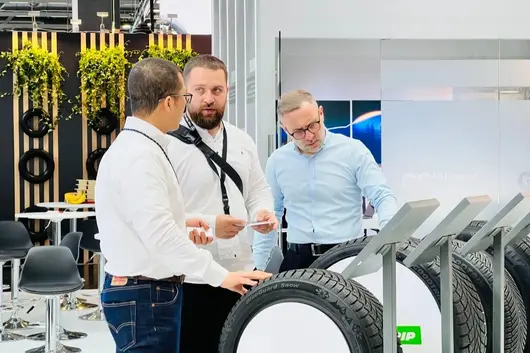
六月十一日,二零二六年德國科隆輪胎展圓滿落幕。通用股份帶同千里馬、瑞途、喜達通三大品牌參展,並首次向海外市場推出超級杜仲輪胎。憑藉創新技術與全系產品陣列,通用股份展台吸引德國、法國、意大利、英國等多國數百名客戶蒞臨,新客戶佔比超 80%,現場達成意向訂單突破一百萬美元。

針對歐洲嚴苛環保法規與複雜氣候,通用股份展示咗涵蓋乘用車胎(PCR)與商用車胎(TBR)嘅精細化產品線。乘用車胎方面,ECOCITY 主打低滾阻與濕地安全;SPORTEZZA 側重高速操控與寧靜性;BlueGuard SNOW 雪地胎專為高緯度嚴寒路況打造。商用車胎方面,CDL2 專攻長途幹線高速穩行與排水;CTL2 強調全路況全能表現,支持多次翻新,契合歐洲物流車隊降本增效需求;喜達通旗下多款高耐磨產品亦獲關注。

展會核心亮點為歷時十幾年研發的超級杜仲輪胎海外首次亮相。該產品從三大維度對標歐洲嚴苛標準:耐磨性能同比提升 30% 以上,乘用車前輪壽命突破八萬公里;濕地制動距離縮短四米以上,達歐盟標籤法最高 A 級標準,並同埋叠加 5mm 扎釘自修復的 CeliSeal 自修補技術;搭配 CeliMute 靜音棉技術,空腔噪音減噪 9dB,響度感知降 50%,適合高端新能源車型寧靜需求。

現時,通用股份依托國家級研發平台及泰國、柬埔寨雙基地產能佈局推進全球化戰略。在歐盟收緊碳排放與環保標準嘅背景之下,超級杜仲輪胎的推出契合咗歐洲市場對綠色化、高品質輪胎嘅審視要求。未來,通用股份將持續深耕綠色材料、智能制造與產品迭代,穩固全球化競爭力。


港交所網站掛出一咗一份熟悉嘅招股書。
5 月 28 日,繼去年 10 月首次遞表失效後,智能駕駛解決方案提供商蘇州天瞳威視電子科技股份有限公司(天瞳威視)再次向港股主板發起重衝,由匯豐及華泰國際聯席保薦。

喺智能駕駛賽道從「講故事」轉向「拼量產」嘅 2026 年,天瞳威視嘅二次遞表唔單止係一次資本試探,更係一場關於中國智駕供應商生存現狀嘅集中檢閱。
呢間被認為係「算力效率派」代表嘅公司,一邊連住從采埃孚到上汽、北汽嘅豪華產業資本陣營,一邊卻面臨住現金流緊繃、海外明顯回落嘅現實困境。喺呢場 IPO 嘅博弈中,光鮮同陣痛並存。
01
邊個係「天瞳威視」?
天瞳威視嘅創辦人王曦係一位典型嘅「回國」技術派。佢畢業於北京航空航天大學,後喺英國雷丁大學攻讀計算機科學博士學位。
喺決定創業之前,王曦曾經喺汽車零部件供應商天合汽車(TRW)及采埃孚擔任算法工程師同技術負責人,深度參與咗早期 ADAS 系統嘅開發。
2016 年,王曦捕捉到國內汽車智能化嘅風口,回國喺蘇州創立咗天瞳威視,定位係「以軟件算法驅動智能駕駛」嘅本土解決方案提供商。
公司嘅名字「天瞳」寓意「天之眼」,意在打造車輛感知萬物嘅視覺中樞。佢從最初嘅視覺感知算法起步,逐步擴展至行泊一體域控制器、L4 級自動駕駛系統等軟硬件結合嘅整體方案。

天瞳威視融資情況。資料來源:企查查
成立後不久,天瞳威視就獲得德聯資本、盛世投資嘅天使輪融資。此後十年時間,天瞳威視累計完成咗超過 10 輪融資,融資總額近 10 億元。
從招股書披露嘅股權結構嚟睇,天瞳威視構建咗深度綁定嘅「產業 + 資本」生態圈。
一方面,產業夥伴站台,全球汽車零部件巨頭采埃孚唔單止係其 C 輪領投方,亦係其戰略合作夥伴,持有天瞳威視 6.93% 嘅股份,位列第四大股東;國內方面,上汽集團通過上汽北美產投持股,北汽集團通過北汽產投佈局其中,地平線同商湯科技亦係戰略投資者。
另一方面,地方國資護航,唐山機器人基金、吳中金控等國資背景基金喺 D 輪及 D+ 輪入場,提供咗約 5.23 億元嘅資金支持。

截至最後實際可行日期股權架構
截至目前,王曦透過直接持股同員工持股平台合共控制公司約 40.84% 嘅權益,依然保持住對公司嘅控制權。
02
「兩條腿」行路
天瞳威視喺業務佈局上採取咗「雙軌並行」嘅策略。

喺 L2-L2+ 級輔助駕駛領域,天瞳威視嘅選擇非常務實。佢並冇盲目追逐算力堆疊嘅「軍備競賽」,而係走咗一條高性價比路線。
作為典型嘅視覺派智駕供應商,佢喺 L2 量產方案上以視覺感知為主,融合毫米波雷達同超聲波雷達,能夠喺較低算力平台上實現高級功能。例如,基於地平線 J6B 芯片(約 20TOPS)嘅方案即可支持行泊一體、高速 NOA。
呢種打法擊中咗 10 萬 -20 萬級主流車款對成本敏感嘅痛點。根據灼識諮詢嘅數據,按 2024 年裝機量計,天瞳威視係中國第二大同時提供行車同泊車解決方案嘅以軟件為核心嘅 L2-L2+ 級方案提供商,市場份額為 14.3%。

2024 年中國具備行泊一體能力嘅以軟件為核心供應商格局
截至最後實際可行日期,天瞳威視獲得 23 個汽車品牌嘅 198 款車款嘅 L2-L2+ 級解決方案定點函,並實現 6 個汽車品牌嘅 105 款車款嘅量產;獲得定點函嘅 198 款車款中有 87 款覆蓋海外市場,其中 59 款已實現量產。
但值得注意嘅係,L2-L2+ 市場正在經歷劇烈嘅「紅海化」。
一方面,經緯恆潤、福瑞泰克等本土 Tier1 正在加速追趕;另一方面,部分頭部車廠開始將低階智駕方案從外購轉為內部集成。
天瞳威視能否維持佢喺「性價比方案」領域嘅領先地位,取決於佢能否持續保持算法對低算力平台嘅優化能力,而這需要喺研發投入上持續加碼。

喺高級 L4 級自動駕駛領域,天瞳威視更多扮演「先鋒」角色。這亦係佢近兩年增長最快嘅板塊。
早在 2019 年,佢就參與咗上海洋山港嘅 5G 智能重卡項目。目前佢嘅 L4 方案覆蓋 Robobus、Robotaxi 同 Robotruck。其中,Robobus 係佢最具代表性嘅產品線,已喺蘇州、天津等城市嘅公開道路投入常態化試營運。
2025 年,天瞳威視從 L4 級解決方案產生收入 3.75 億元,佔公司總收入嘅 68% 以上,大部分收入來自 L4 級軟件解決方案。
然而,硬幣嘅另一面係商業化嘅曲折。雖然 L4 業務營收暴增,但佢嘅交付形態目前以「軟硬件一體解決方案」為主,呢種模式本質上接近「項目制交付」或「小規模車隊部署」,與 L2 業務中「純軟件授權 + 白盒交付」嘅高毛利、大規模複製邏輯存在顯著差異。
呢就直接導致 L4 業務毛利率嘅大幅波動:喺部分自研硬件佔比较高嘅項目中,毛利率一度低至 15%。

截至遞表日,公司雖手握超 10 億元嘅 L4 意向訂單,涵蓋 2500 架車,但呢啲訂單預計要喺未來三至五年內先會陸續交付,短期內對現金流嘅改善作用有限。
此外,天瞳威視仲有部分應收來自工程服務,主要涉及道路測試、數據收集支援及數據標註服務以及公司嘅專有工具鏈。
03
財務嘅雙面鏡
招股書嘅財務部分,展現咗智駕行業最真實嘅「B 面」:規模同虧損嘅極限拉扯,同埋賬面現金同營運消耗之間嘅緊張博弈。

營收高增長,但結構劇烈波動。
財務數據顯示,公司嘅營收呈現爆發式增長,從 2022 年嘅 1.72 億元增長至 2024 年嘅 4.83 億元,複合年增長率高達 67.7%。2025 年全年營收進一步增長至 5.5 億元。
但收入結構嘅變化明顯。2023 年,公司依賴 L2-L2+ 業務,佔比 90.2%;去到 2024 年,L4 業務佔比升至 50.2%;2025 年,L4 業務佔比進一步拉高至 68%。呢種「斷崖式」嘅結構切換,雖然證明佢 L4 技術搵到咗落地場景,但亦令市場質疑佢 L2 業務係咪已觸及天花板。
毛利率同純利潤嘅背離,呢係天瞳威視面臨嘅最大挑戰。
從毛利睇,整體毛利率喺 30% 左右徘徊,喺呢個技術密集型嘅智駕行業屬於中等水平。但細拆睇嚟,L2-L2+ 業務嘅毛利率通常能維持喺 40% 以上,純軟件授權模式,而 L4 業務嘅毛利率則因「軟硬件一體」交付中硬件佔比提高而被顯著拉低。
從純利潤睇,雖然表面虧損額較大,2024 年虧損 4.63 億、2025 年虧損約 2 億,呢度包含大量因優先股公平值變動帶來嘅「紙面虧損」。剔除呢個因素後嘅經調整純利潤更能反映公司嘅真實經營狀況:2024 年已收窄至 -438 萬元,但 2025 年並未如市場預期實現轉正,而係錄得約 -1086 萬元,虧損較 2024 年有所擴大。
呢個背後有一個不可回避嘅關鍵前提:調整後嘅「減虧」乃至「接近盈虧平衡」,係喺公司持續壓縮研發投入嘅基礎上實現嘅,研發費用從 2024 年嘅 1.17 億元降至 2025 年嘅 9231 萬元,研發費用率從 2024 年嘅 24.3% 進一步降至 16.8%,而 2022 年呢個數字曾高達 108.7%。對於一家科技公司嚟講,研發強度嘅「退坡」是否會影響未來嘅技術護城河,係一個潛在風險點。
現金流持續告急,最令人擔憂嘅信號。
根據最新招股書,截至 2025 年 12 月 31 日,公司賬上嘅現金及現金等价物為 2.35 億元,較 2025 年 6 月 30 日嘅 3.74 億元淨減少 1.39 億元,現金消耗速度較快。

更值得警惕嘅係經營現金流由正轉負且缺口持續擴大嘅趨勢。2023 年,公司經營活動現金流淨額為正向流入 1.15 億元,但 2024 年迅速轉為淨流出 1.89 億元,2025 年進一步惡化至淨流出 2.93 億元。
與此同時,應收賬款周轉急劇惡化。公司嘅貿易應收款項從 2023 年嘅 0.89 億元升至 2025 年嘅 5.48 億元,三年增長超過五倍,而同期營收增幅僅約 2.7 倍。
更令人擔憂嘅係應收款項周轉天數從 2023 年嘅 191 天同 2024 年嘅 166 天,到 2025 年驟升至 300 天,意味著公司從完成交付到收回款項平均需要接近一年時間。呢相當於變相為客戶提供長期無息墊資,喺資金本就緊張嘅情況下進一步加劇咗流動性壓力。

此外,雖然天瞳威視係首家出海嘅中國智駕軟件供應商,但 2025 年佢嘅海外業務遭遇咗明顯回落。2023 年天瞳威視海外收入為 1.27 億元,佔總營收比重達到 62.2%;到 2025 年海外收入降至 1100 萬元,佔比僅 2.0%。
喺而家全球地緣政治複雜、部分國家對智能汽車數據監管趨嚴嘅背景下,為佢嘅全球化故事增添咗一絲不確定性。
04
結語
天瞳威視嘅二次闖關,係智能駕駛行業進入「淘汰賽」階段嘅一個縮影。
從好嘅方面睇,佢踩準咗 L2 性價比同 L4 場景化落地嘅雙重節奏,且經調整純利潤喺特定口徑下已接近盈虧平衡,呢啲都畀投資者提供咗「有亮點可講」嘅故事線。
但從風險嘅角度睇,情況遠比首次遞表時更為嚴峻。業務重心嘅急速漂移、L4 業務商業化初期嘅盈利磨難、研發投入嘅被動收縮,呢啲此前就已存在嘅問題並未緩解。

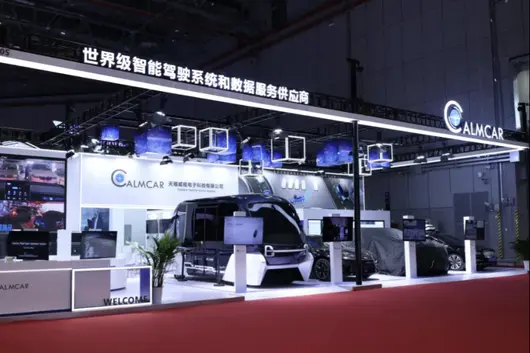
天瞳威視 L4 級智能巴士
而真正令此次 IPO 帶「求生」色彩嘅,係現金流數據嘅實質性惡化:2.35 億元嘅賬面現金,面對每年近 3 億元嘅经营性現金淨流出,安全邊際已不足一年。疊加 300 天嘅應收賬款周轉天數,意味著公司每交付一筆訂單,都要墊付近一年嘅資金成本。
換言之,天瞳威視正處喺一個危險嘅財務窗口期:賬上嘅錢僅夠維持唔足一年嘅正常運作,而 L4 業務嘅大規模交付同回款卻需要更長時間。喺呢個智駕資本熱潮退去、一級市場融資邊際收緊嘅時刻,公司已冇太多等待嘅餘地。
首次遞表失效後僅隔半年便再次衝擊港股,對天瞳威視而言,與其話係戰略選擇,唔如話係現金倒逼下嘅必然之舉。