首頁Namu

搜尋歷史
熱門搜尋
經銷商登入 / 註冊

歐洲輪胎協會(Tyres Europe)發佈咗 2026 年第二季同上半年嘅會員替換輪胎銷售數據,同 1 至 5 月份輪胎進口數據。協會秘書長亞當·麥卡錫話:「2026 年第二季歐洲替換輪胎需求轉強,尤其係卡車同客車輪胎。」
歐盟市場整體復甦
乘用輪胎銷量較 2025 年第二季增長 3%,上半年累計銷量增長 2%。
其中,四季輪胎再次領跑市場,季度銷量增長 15%,上半年增長 9%;夏季輪胎銷量下滑 2%,持續被四季輪胎搶佔市場份額;冬季輪胎季度銷量微跌 1%,上半年累計銷量仍較去年同期低 5%。

本季度行駛里程下跌,反映出平均燃油價格大幅飆升,同中東持續衝突導致嘅消費者信心轉弱。第一季度進口量大幅下跌後,本季度進口出現反彈。
第二季卡客車輪胎銷量增長 13%,上半年累計增長 7%。儘管有地緣政治問題同燃料、能源成本高企嘅情況,貨運活動同商業信心仍保持韌性。卡車輪胎進口喺第一、第二季均大幅上升。

農業輪胎再次下跌,季度跌幅為 7%。不過,呢個跌幅較第一季度明顯放緩。摩托車同踏板車輪胎季度銷量增長 1%,上半年累計增長 4%。
中國佔據歐盟 PCLT 進口份額大幅下跌
2026 年 7 月 7 日,歐盟委員會結束咗對中國 PCLT 輪胎(乘用車同輕卡輪胎)進口嘅反傾銷調查,認定中國輪胎以傾銷價格進入歐盟,同對歐盟輪胎產業造成實質性損害。
歐盟委員會對涉案產品徵收 4.3% 至 45.3% 嘅最終關稅,2026 年 7 月 8 日生效,為期五年,同唔溯既往。
由於擔心關稅追溯,進口商喺 2025 年前三個季度囤積庫存(嗰陣中國佔歐盟進口嘅 70%)。隨著庫存消耗,2026 年第一季中國輪胎進口量下跌 57%,份額跌至 42%。4-5 月進口量持平,1 至 5 月累計份額為 51%。

其他來源嘅進口量喺兩個季度均增長約 40%,但未能完全抵銷中國嘅跌幅。2026 年 1 至 5 月,歐盟 27 國 + 英國地區嘅PCLT 輪胎進口量同比下跌 6%。其中:
中國進口量下跌 24%,份額跌至 58%(2025 年同期為 72%),基本回到 2019 年嘅水平。

東盟供應商填補咗呢個空缺:份額由 7.4% 幾乎增至 19.9%。泰國帶領增長,進口量由 200 萬條增至近 600 萬條,越南進口量增長超一倍,至 300 萬條以上。
柬埔寨由 2025 年嘅近乎零基數增至 230 萬條,成為重要供應源;印度尼西亞進口量亦有增長。許多東盟來源嘅輪胎產自中國企業控股嘅工廠。韓國同日本嘅合計份額穩定喺 14.6%。
英國唔受呢套關稅制度約束,佢喺中國進口嘅輪胎份額保持不變(2026 年約為 75%),呢樣推高咗「歐盟 27 國 + 英國」地區嘅整體份額。
TBR 輪胎進口,東盟領先
喺 TBR(卡車同客車)輪胎進口當中,韓國、日本同中國輸俾泰國同越南。
2026 年前五個月,來自非歐洲市場嘅 TBR 輪胎對歐盟 27 國同英國嘅進口量增長咗近 27%,第一季度同 4-5 月份嘅增長率相近。

泰國同越南而家佔進口總量嘅近 61%,高於去年同期嘅合計 57%,遠高於 2019 年嘅唔到 30%。五個月內,來自泰國嘅進口量增長咗 33%,來自越南嘅進口量增長咗 38%。
儘管中國嘅進口量增長咗 9%,但佢嘅份額由 2025 年同 2019 年嘅 19% 跌至 16%,地位有所削弱。
來自印度嘅進口量增長咗兩倍,成為第四大來源國,份額為 6%。呢招令佢超過咗埃及同韓國——這兩個國家嘅進口量均出現下跌,市場份額亦大幅縮水。

歐洲卡車同客車輪胎貿易供應向東盟地區嘅集中度不斷提高,呢個趨勢十分明顯。自 2019 年以來,呢種轉變很大程度上係以犧牲韓國同日本等更傳統嘅輪胎來源地嘅代價。
總體嚟講,最新嘅數據勾勒出嚟一個正被貿易政策重塑嘅行業圖景:需求端溫和復甦,供應端則經歷住劇烈嘅結構性洗牌——中國 PCLT 輪胎喺歐洲嘅市場份額由 72% 驟降至 58%,東盟供應商用三年時間完成咗原本需要十年先至實現嘅份額躍升。
呢場洗牌背後,係中國輪胎企業透過海外產能佈局完成嘅「曲線救市」。呢樣既係對中國輪胎產業全球化能力嘅一次考驗,亦係一份關於供應鏈韌性嘅成績單。

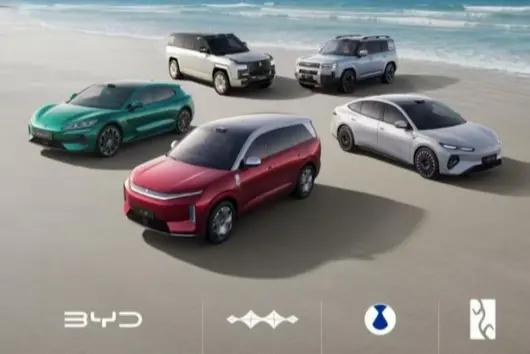
The last weekend of July in the summer of 2026, I spent it in Pingshan, Shenzhen.
That afternoon, I visited an Italian-style café near BYD's Global Headquarters to meet Old Li.
Old Li was my college roommate. After graduation, he joined BYD and has been there for over ten years. From the original F3, he worked his way up to the current YangWang.
He opened his laptop. The screen was densely packed with progress tables for building factories overseas and various technical blueprints.
I asked him if his body could handle the non-stop recent schedule.
He closed the laptop, took a big gulp of iced coffee, and his eyes shone with a extremely bright light:
"It's tiring, but I feel happy inside. In July, we sold 419,000 vehicles. Data on premium cars and overseas sales all broke records. This feeling is like holding back a powerful move for ten years and finally landing it on the opponent's face."
1

419,000 vehicles.
This number represents a massive gap on the July China New Energy Vehicle sales list. For 62 consecutive months, BYD has firmly occupied the throne of China's monthly New Energy Vehicle sales.
But what truly excited Old Li was not the sheer volume, but the structural qualitative change.
"Previously, there was always a stereotype outside that we only rely on low prices for volume." Old Li turned the computer screen toward me, pointing to a set of data. "Take a look at this."
In July, BYD's premium brands (FangChengBao, Denza, YangWang) sold over 60,000 vehicles in total, a year-on-year increase of about 135%. Especially FangChengBao, sold over 40,000 vehicles in a single month, with a brand average transaction price exceeding 220,000; YangWang and Denza also steadily consolidated their positions in their ultra-luxury and luxury segments.
Old Li said, going for the premium segment is BYD's ingrained obsession with "daring to dream".
He recalled the past few years when the company proposed developing "e4", "DiSus", and million-level luxury cars. How many doubts came from outside. Some said it was a pipe dream, others said Chinese brands couldn't sell at that price.
"But Boss Wang (Wang Chuanfu) and our technical team just dared to do it, and dared to persist," Old Li said. "We stayed up countless nights and days in the lab, not to compete in a low-level price war, but to achieve a real generational advantage in core technologies."
When YangWang U8 turned around in place and floated on emergency water, when FangChengBao Bao 5 walked easily in the desert and snow, all those doubts turned into amazement.
Old Li looked at me, smiling and said: "Do you know what the most satisfying moment is for a Chinese engineer? It's not about how much bonus was issued, but seeing the code you wrote yourself and the chassis you tuned, forcing those once lofty century-old luxury brands to bow down and study you."
This is a pure sense of pride belonging to tech geeks.
2
After finishing the coffee, Old Li drove me to Yantian Port.
The sea breeze mixed with a salty wet scent. Massive Ro-Ro ships looked like moving steel islands, swallowing new BYD cars one by one into their bellies.
In July, BYD's passenger car and pickup overseas sales reached nearly 180,000 vehicles, a year-on-year increase of 124.3%, setting a new historical high. For the first 7 months of this year, cumulative overseas sales approached the one million vehicle milestone.
Standing by the dock, Old Li pointed to the cars about to go to the vast ocean and said: "These cars are going to Europe, Latin America, Southeast Asia. Our overseas channels and factories are sprouting vigorously."
Going global is another key battleground for BYD's "daring to act".
Old Li told me that current global expansion is no longer the simple "selling goods out" of those days, but "rooting" across the whole industry chain and system.
"We built factories in Hungary, Brazil, and Thailand. We not only brought cars, but also brought flash charging technology, brought God's Eye high-level intelligent driving, and brought China's new energy standards."
He spoke of the experience of opening up the European market last year. The team was then facing European giants with hundreds of years of automotive cultural heritage, and local consumers were full of scrutiny towards a car brand from China.
"We didn't retreat. We relied on hardcore technical presentations one after another, on real test drive experiences one after another, tearing open a gap forcibly." Old Li said, "Daring to persist is fighting to the end in places others think are impossible and too difficult."
Looking at those huge ships sailing towards the deep blue, I suddenly felt somewhat emotional.
Decades ago, we exchanged 800 million shirts for one airplane; more than ten years ago, we exchanged cheap OEM products for meager foreign exchange.
And today, Chinese engineers use self-developed three-electric systems and leading intelligent cockpits to transport high-value-added cars ship by ship to the world, to exchange for a say at the top of the global industrial chain.
This is not only a victory of business, but also a leap of the spirit of the times.
3
On the evening of August 1st, the sales list for July was officially released.

I looked closely at that table. BYD 419,000, SAIC 177,000, Geely 160,000, Chery 129,000, Leapmotor 101,000. Further down, new forces at the 30,000 to 40,000 level.
This is a glamorous list, also the prelude to a major reshuffle of China's automotive industry.
In this era of winner-takes-all, there is no middle ground. Those names not on the list, those car companies that were once in the limelight, some have already stopped production, some are struggling hard in the ICU.
I asked Old Li, facing such an industry landscape, what is BYD's real moat?
He thought for a while and said six words:
Dare to think, dare to act, dare to persist.
"Many people only see our current sales, but didn't see we persisted on LFP for over ten years, persisted on PHEV technology for over ten years." Old Li said. "When the wind of opportunity comes, only those enterprises that truly dare to imagine the future, dare to put in hard work on R&D, and persist in long-termism even during low periods, can receive this overwhelming wealth."
This persistence is not blind involution, but a certainty towards "doing hard but correct things".
In BYD's engineer culture, everyone pursues a huge sense of accomplishment after overcoming difficulties. When a new technology becomes reality from blueprints, when a new model fights all over the global market, the joy of dopamine secretion cannot be replaced by anything.
This is exactly the positive energy most needed in today's Chinese society, using solid technology and innovation to win the world's respect.
4
On the way back from Yantian Port to the city center, the sunset dyed Shennan Avenue golden yellow.
Old Li told me that next week he would fly to Hungary to monitor the final debugging work of the European passenger car factory.
"The team over there is ready. We want to get the first car off the line locally in Europe before the end of the year." In his tone, there was no fatigue from long-distance flying, only anticipation for the new journey about to begin.
Looking at the profile of his face as he focused on driving, I suddenly felt that the best stories of this era are actually written by millions of people like Old Li.
They are trendsetters in the tide of this country's industrial upgrading. They have light in their eyes, fire in their hearts, and a road under their feet.
419,000 vehicles are not only scattered across every corner of China, but will eventually also spread to all corners of the world.
They will become new favorites in European middle-class garages, partners for Latin American families on weekend outings, and the most beautiful scenery on Southeast Asian streets.
They are not only transportation tools, but also business cards for China's intelligent manufacturing going global.
When getting off the car, I shook hands with Old Li vigorously.
"Everything goes smoothly in Europe, waiting for your good news." I said.
He nodded smiling, pressed the gas pedal, and the car merged into the Shenzhen evening rush hour traffic flowing forward.
Watching the car disappear, I know that the Great Age of Navigation belonging to Chinese cars and Chinese engineers has just begun.

In the Malaysian SUV market, many buyers compare Proton X70 and Chery Tiggo Cross when choosing a car.
Proton X70 is priced at RM 106,800 - 122,300 OTR in Malaysia, with 3 versions in total, including 1.5L Standard 2WD (RM 106,800), 1.5L Executive 2WD (RM 115,800), 1.5L Premium 2WD (RM 122,300), etc.
Chery Tiggo Cross is priced at RM 88,750 - 99,750 OTR in Malaysia, with 2 versions in total, including 2025 HEV 1.5L CSH (RM 99,750), 2025 1.5T Standard (RM 88,750), etc.
From a price perspective, the starting price of Chery Tiggo Cross is RM 18,050 cheaper than Proton X70. Honestly, in this price range, a difference of a few thousand is not significant; the key is overall cost-performance and long-term usage costs.

Proton X70 is equipped with a 1.5L Turbo, 140 hp. Official fuel consumption 7.0 L/100km.
Chery Tiggo Cross is equipped with a 1.5L 4-cyl, 105 hp. Official fuel consumption 6.0 L/100km.
In terms of power, the 1.5L Turbo in Proton X70 has 35 hp more than the 1.5L 4-cyl in Chery Tiggo Cross, providing more confidence in mid-range acceleration, especially when overtaking on highways. However, the fuel consumption of Chery Tiggo Cross might be more friendly, and the difference in daily city commuting will not be too large.

Proton X70 safety rating is 5★ (ASEAN NCAP), active safety systems include ADAS (ACC, AEB, LKA, LDA, BSM, RCTA).
Chery Tiggo Cross safety rating is TBD, active safety systems include Basic.
Regarding safety features, both cars received good ratings. However, there are some differences in functionality between Proton X70's ADAS (ACC, AEB, LKA, LDA, BSM, RCTA) and Chery Tiggo Cross's Basic. If you value active safety more, you can compare the feature lists of both.

Proton X70 uses FWD drive method.
Chery Tiggo Cross uses FWD drive method.
The drive methods of both cars are the same, both are FWD, daily driving experience will not differ too much.
Proton X70 and Chery Tiggo Cross are both mainstream choices in the Malaysian market, suitable for family use and daily commuting. If you value brand reputation and resale value more, prioritize the one with better reputation; if you care more about cost-performance and features, choose the one with richer configurations. In the end, it is recommended to test drive both, personal experience is the most important.
Overall, Proton X70 and Chery Tiggo Cross are both quite good models in the Malaysian market. Which one to choose depends on your personal needs and budget. We suggest doing research, comparing quotes from several dealerships, and then test driving to make the final decision. Buying a car is a big thing, taking time to research will never go wrong.


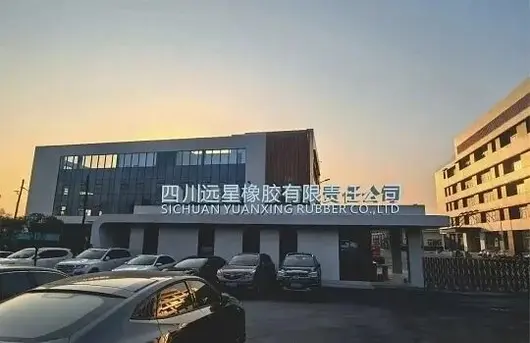
Recently, Sichuan Yuanxing Rubber Co., Ltd. (hereinafter referred to as "Yuanxing Rubber") officially released a tender notice to launch the bidding work for its Indonesia KITB tire production base construction project.

As the first overseas factory of this Sichuan tire giant, the implementation of this project marks Yuanxing Rubber's official transition from "product export" to "capacity overseas expansion", adding new momentum to the global layout of China's two-wheeler tire industry chain.


Targeting the "Kingdom of Two-Wheelers", the first overseas base is substantially launched
According to the tender notice, the Yuanxing Rubber Indonesia base is located in the Batang Industrial Park in Central Java Province, Indonesia, with a total land area of approximately 405,000 square meters (about 608 mu). The project is built in two phases, with the first phase covering a construction area of approximately 230,000 square meters, including a full set of industrial buildings such as a mixing workshop, radial tire workshop, and finished goods vertical warehouse.

The tight arrangement of "construction period of 300 calendar days" in the tender documents, as well as the special clause of "giving priority to enterprises with construction experience in Indonesia", shows the enterprise's urgency and pragmatism in seizing the window period of the overseas market.
What does Yuanxing Rubber intend to do by this move? Data provides the answer. Indonesia is the third largest and ASEAN's largest two-wheeler market, with motorcycle ownership exceeding 137 million units, and sales reaching 6.3 million units in 2024. The huge demand for stock replacement and new matching constitutes a huge "tire blue ocean".

Building a factory here not only allows Yuanxing Rubber to get close to the localized procurement needs of international giants such as Honda and Yamaha, significantly reducing logistics costs, but also deeply integrate into the ASEAN manufacturing network and radiate the entire Southeast Asian market.
Surge in Orders Forces Capacity Expansion, Building a Dual-Circulation Pattern
Behind the overseas layout is the "sweet trouble" faced by Yuanxing Rubber.
Since 2026, Yuanxing Rubber has seen booming production and sales. Data shows that in the first five months of 2026, its sales volume surged by 32% year-on-year, a growth rate 12 percentage points higher than the industry average. Even with daily capacity increased to 305,000 tires, facing the continued growth of domestic and overseas orders, the supply-demand gap is still expanding.


To solve the urgent problem, Yuanxing Rubber launched an aggressive capacity expansion plan: adding 35,000 tires of daily capacity in two batches in October and December 2026, with the total daily capacity expected to reach 335,000 tires by January 2027.

However, domestic expansion alone is no longer enough to support its global ambitions. Yuanxing Rubber is building a dual-circulation capacity pattern of "domestic base for delivery guarantee, overseas base for volume expansion". Besides the Indonesia base, the enterprise has also planned the fourth domestic production base and an Africa factory, intending to build a production network covering the globe.
The Confidence of a "Hidden Champion": From Manufacturing to Intelligent Manufacturing
As an industry "Hidden Champion" that emerged from Dayi County, Chengdu, Yuanxing Rubber was founded in 1996. After nearly 30 years of in-depth work, it has developed into a large tire manufacturing enterprise integrating R&D, production, and sales.

Currently, Yuanxing Rubber's annual capacity is about to increase to approximately 148 million tires, owning six major brands: "Chengyuan", "Jistone", "Yuanxing", "Jinyu", "Youshen", "Helu".

Relying on solid quality, its products are sold to over 40 countries and regions, and have repeatedly won the "Quality Excellence Award" from top motorcycle enterprises such as Wuyang-Honda and Jianshe·Yamaha.

It is worth noting that Yuanxing Rubber has not diluted quality standards due to scale expansion. All new production lines continue to follow a unified quality control system, and rely on the digital advantages of being selected as a "Sichuan Province Advanced Intelligent Factory" to guarantee the product bottom line.
From product overseas expansion to capacity overseas expansion, Yuanxing Rubber is rushing towards the goal of a "world-class two-wheeler tire manufacturing enterprise" in a pragmatic posture. The launch of the Indonesia factory tender is exactly a key move in this global chess game.
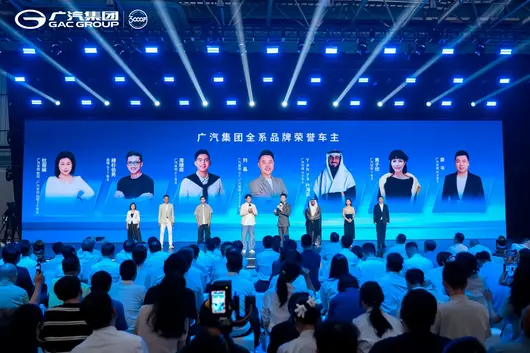
「廣汽對用戶嘅重視,讓我哋車主好暖心。」
7 月 16 日,廣汽集團 3000 萬用戶感恩活動現場,功夫汽車遇到咗一位嚟參加現場活動嘅廣汽傳祺車主——龔平。
呢位廣汽老車主,早已將車超越咗代步工具嘅邊界。佢係往返英德山區嘅公益通勤車,載住書本物資跑遍崎嶇鄉路;佢係隨時待命嘅移動急救站,車內常備緊 AED,考取咗急救員證嘅佢,總諗住關鍵時刻能夠幫陌生人一把;佢更是跨越十年嘅信賴見證——由 2016 年 15 分鐘下定傳祺 GS8,到而家換購傳祺 M8 宗師依然一眼敲定。

廣汽車主龔平同佢嘅傳祺 M8 宗師
廣汽嘅車,早佢生活入面好可靠嘅老夥計。
作為 3000 萬廣汽車主嘅一份子,龔平嘅故事樸實但有溫度。講起廣汽累計突破 3000 萬用戶呢件事,佢語氣入面帶住老車主特有嘅篤定:「能夠成為廣汽 3000 萬車主其中一員,我諗住好榮幸。呢啲年,我唔單止見證咗廣汽嘅發展,亦都親身感受到產品同服務不斷進步。」

廣汽第 3000 萬輛整車——右軚版廣汽傳祺 M8 PHEV 駛下生產線
十年用車生涯,兩個細節佢記到而家。一次龍舟水肆虐嘅雨季,佢駕車途經低窪路段,積水過咗半個車輪,跟喺身後嘅兩台私家車相繼熄火拋錨,佢嘅傳祺卻稳稳駛過。「可能我運氣好,但係更多係車輛涉水安全性、底盤夠高、涉水深度深。」輕描淡寫一句說話,藏住對品質最深嘅認可。另一次係保養抽唔出時間去 4S 店,一個電話打過去,工作人員直接上門取車,做完保養又乾乾淨淨送回樓下,「服務周到好貼芯,我認為正正就係廣汽能夠贏得 3000 萬用戶信賴嘅核心原因。」
問佢車上嘅 AED 怕唔怕緊急情況下被破窗取用,佢答得好乾脆坦蕩:「唔擔心破窗,窗戶破咗可以用錢換,但係生命只有一次機會。」佢仲專門畀廠商同 4S 店提過建議,希望搭建起車主 AED 公益網絡,發放專屬標識車標,畀配備 AED 嘅車主提供玻璃保險支持,令更多車主敢加入、願意加入。
就係廣汽用戶 3000 萬分之一嘅真實模樣。

馮興亞(左)為泰國車主 Tony Jaa(右)交付新車鑰匙

閤先慶(左一)為廣汽集團全品牌榮譽車主頒獎
佢唔係報表入面嘅統計數字,唔係營銷報告入面嘅「用戶畫像」,而係有溫度、有堅守、願意同品牌雙向奔赴嘅同行者。功夫汽車從用戶們嘅故事入面,清晰看到廣汽跨過 3000 萬里程碑嘅一體兩面:
一面係「變」:番禺行動推進咗一年多,由組織架構到服務流程,由產品邏輯到用戶溝通,廣汽全链路朝著用戶思維迭代,由「造車嘅人」變成咗「陪用戶用車嘅人」。
一面係「不變」:29 年如一日嘅品質信仰,「品質高於一切」嘅初心從未動搖,把車造可靠、把安全守到底,呢份長期主義嘅堅守,始終都係為咗唔負每一份用戶信任。
一變一守,底層邏輯從未偏離:一切圍繞用戶,一切為了用戶。

廣汽集團 3000 萬用戶感恩活動現場
現場,功夫汽車發現:「用戶」,亦都成為廣汽 3000 萬活動最響亮、最頻密被提及嘅關鍵詞。正正因為「用戶」,呢場原本屬於行業內嘅活動,迅速破圈、出圈,成為一場有行業高度、有用戶溫度、更有傳播熱度嘅活動。
(1)由「工程師造車」到「用戶定義車」:番禺行動嘅變革深入咗入骨
好多人話傳統車企轉型難,難喺船大難掉頭,難喺傳統思維根深蒂固。但廣汽用「番禺行動」證明,只要將用戶放喺核心位置,再龐大嘅體系都能轉得過嚟。
廣汽集團將總部搬遷至番禺、開啟自主品牌一體化運營、全面打响「用戶需求、產品價值、服務體驗」三大戰役。呢場改革係一場從底層邏輯開始嘅自我刷新:徹底打破「工程師覺得用戶該要咩」嘅單向邏輯,將「用戶真正想要咩」變成所有工作嘅圓心。

呢種轉變最直觀嘅體現,就係用戶聲音可以直達決策層。廣汽喺傳祺、埃安、昊鉑三大品牌同步落地「用戶全開麥」機制,廣汽集團董事長馮興亞、廣汽集團總經理閤先慶親自上陣,研發負責人、產品負責人直接坐喺用戶對面,傾聽最真實嘅用車吐槽、最細碎嘅功能訴求,唔使層層轉述、唔使過濾加工,用戶嘅痛點直接變成產品優化嘅優先級。

廣汽「用戶全開麥」活動現場
比「聽用戶講」更深入一步嘅,係「同用戶一齊做」。廣汽搭建起全链路、常态化嘅用戶共創體系,由前期產品規劃、研發測試,到後期營銷推廣、用戶運營,全環節邀請用戶參與。過往車企造咩、用戶買咩嘅單向邏輯,正變成用戶要咩、車企就優化咩嘅雙向互動,用戶亦從單純嘅產品使用者,變成咗品牌嘅價值共建者。
產品端嘅變化同樣肉眼可見。啟境 GT7 瞄準新生代用戶對高端智能獵裝車嘅審美同功能需求,入門即滿配,上市就收穫高熱度;埃安 N60 直接將激光雷達+4D 毫米波雷達下放至 10 萬級市場,標配 27 項高價值配置,令年輕人唔使為智能妥協;傳祺 M8 系列深耕家庭同商務用戶嘅舒適需求,連續 72 個月領跑中國豪華 MPV 市場。每一款產品嘅爆紅,本質都係用戶需求嘅精準落地。
渠道層面,借新能源汽車下乡嘅東風,廣汽加速渠道下沉,計劃年內增加建設千家縣域授權門市,截至 6 月底已完成 600 家網點認定,將睇車、保養嘅便捷服務送到用戶家門口。補能層面,針對新能源用戶最焦慮嘅補能痛點,搭建起「9 縱 10 橫」補能網絡,覆蓋全國 213 座城市,自營充電樁突破 2.7 萬根,核心城區實現「直線 1 公里必有站」。線上服務層面,「超級管家」24 小時在線,承諾 5 秒回應、2 小時解決問題,用戶訴求唔使反復轉接,直達快辦。
真正嘅用戶思維有時就係咁簡單直接,用戶怕咩就解決咩,用戶要咩就俾咩到。
(2)快時代入面嘅慢功夫:品質堅守,係畀用戶最長情嘅承諾
行業捲價格、捲速度、捲營銷嘅當下,廣汽最「笨」亦都最硬核嘅底牌,始終都係品質。如果話用戶思維嘅迭代係廣汽嘅「順勢而變」,咁對品質嘅極致堅守,就係從未動搖嘅「守正不移」。
龔平嗰台稳稳駛過積水路段嘅傳祺,正係呢份品質堅守嘅日常注腳。喺廣汽嘅正向開發體系入面,呢樣極端場景,早喺新車上市前就已經反復驗證過無数次。

廣汽堅持完整嘅 V 型產品開發流程,構建咗覆蓋整車、系統、零部件嘅完整試驗驗證體系。每一款新車開發,都必須完整經歷至少「兩冬一夏」嘅極端環境驗證,最短週期 18 個月,常規穩健週期長達 21 個月。行業都在喊「快」、都在壓縮開發週期嘅時候,廣汽依然願意把時間花喺用戶睇唔見嘅驗證環節。
唔止「兩冬一夏」,廣汽仲將傳統嘅「三高」測試升級為「五高一山一塵」全環境考核。60℃吐魯番高溫、-40℃呼倫貝爾極寒、高海拔、高濕、高鹽霧、山區複雜路況、沙漠沙塵環境,全方位極限打磨。每款新車上市前,都要經過超 500 名工程師、上千個日夜、近萬項測試驗證,覆蓋用戶可能遇到嘅所有極端場景。
呢套體系有多細?整車 12 個驗證大項、1500 餘項驗證子項、3000 餘項企業技術標準,累計主導、參與 100 餘項國家及行業標準。大到整車結構安全,細到一顆螺絲嘅扭距,都有明確嘅標準同可追溯嘅數據。智造端嘅 AI 視覺檢測系統毫秒級回應、毫米級精度,數千個關鍵緊固點全數據終身可追溯,令每一台車嘅品質都有據可查。
快時代入面,慢功夫最值錢。喧囂場中,真心最能打動人。
用戶可能一輩子都唔會開車去極寒之地,亦都唔會跑到高溫沙漠暴曬,但廣汽必須替佢哋將呢啲極端場景都試遍。喺我哋睇嚟,龔平嗰次喺龍舟水入面稳稳通行嘅經歷,一定唔係運氣。

對用戶而言,最直觀嘅品質安全感,來自安全技術嘅紮實落地。彈匣電池累計裝車 150 萬輛,累計行駛超 1600 億公里,保持穩定安全紀錄;星靈安全守護體系已服務近 200 萬用戶,累計預防潛在事故 628 萬次。更難得嘅係,廣汽首創「三擔責」服務承諾,將品質保障由交付一刻延伸至全用車週期:三電問題自燃擔責、電池衰減超限擔責、智能泊車事故擔責,將品質自信,變成咗用戶實實在在嘅安心。
截至 2025 年底,廣汽累計自主研發投入已超 620 億元,累計專利申請超 2.49 萬件。從星源動力到星河智艙,從星艦車身到星靈架構 4.0,所有嘅技術投入,最終都落腳到同一個目標:令用戶嘅出行更安心、更省心、更舒心。
(3)將感恩落嚟實處:六大品牌聯動,畀新舊用戶感受到嘅誠意
好多車企嘅里程碑時刻,辦嘅係星光熠熠嘅發佈會,講嘅係宏大嘅品牌故事。但廣汽嘅 3000 萬,將最大嘅誠意留畀用戶。六大品牌聯動推出全場景回饋福利,將謝意落到每一位用戶嘅真實體感入面。

廣汽集團 3000 萬輛下线·煥新感恩季正式啟動
7 月 16 日起至 8 月 31 日,廣汽正式啟動「廣汽 3000 萬輛下线・煥新感恩季」活動。呢場係一場覆蓋廣汽本田、廣汽豐田、廣汽傳祺、廣汽埃安、廣汽昊鉑、啟境汽車六大乘用車品牌,貫穿新購、置換、增購全場景,面向全量用戶嘅全週期回饋行動。
呢場感恩季最難得嘅地方,在於佢唔係一場只盯住新用戶嘅營銷。新用戶有實惠降低門檻,老用戶有優待感受尊重,既歡迎新夥伴,亦唔忘記老朋。呢種「新舊同寵」嘅邏輯,恰恰印證咗廣汽「用戶全週期同行者」嘅定位:陪伴從來唔係一陣子,而係一輩子。

與此同時,活動仲打破咗單一車型下线嘅慣例,推動多品牌、多車型喺各品牌及海外工廠同步下线。傳祺 M8 PHEV、埃安 N60、昊鉑 S600、啟境 GT7、廣汽豐田铂智 7、廣汽本田 P7,6 款覆蓋不同細分市場、不同價位段嘅車型同步亮相,既係畀 3000 萬里程碑嘅獻禮,亦畀唔同需求嘅用戶提供咗更豐富嘅選擇。
喺龔平呢樣嘅老車主眼入面,呢樣嘅活動格外有意義。「身邊親戚朋友問我買車推薦,我都會話選廣汽準沒錯。」好產品加實在福利,令老車主願意主動推薦,令新用戶願意放心嘗試,口碑嘅滾雪球效應,先至係品牌最珍貴嘅資產。活動啟動後終端熱度持續攀升,既撬動咗市場增量,亦溫暖咗存量用戶,實現咗口碑與聲量嘅雙重破圈。
(4)功夫拍案:將用戶放喺心度嘅品牌,永遠唔會被市場負待
同龔平傾完,功夫汽車一直喺諗一個問題:3000 萬呢個數字嘅分量到底有多重?
佢係 3000 萬份沉甸甸嘅託付,係 3000 萬段同用戶共同成長嘅人生。
汽車行業淘汰賽加速嘅今日,靠營銷炒作出嘅熱度終會散去,靠價格戰換嚟嘅銷量難以持久。真正能夠穿越週期嘅,永遠係嗰啲將用戶放喺 C 位、將品質刻入骨嘅企業。
銷量數字會有起伏,但車主感受到嘅溫暖,先至係一家企業能夠穿越週期嘅依靠。
3000 萬唔係終點,而係下一段征程嘅起點。下一個千萬級嘅路上,廣汽仲會繼續變,變出更智能嘅產品,更貼心嘅服務,更廣闊嘅全球佈局;亦都會繼續不變,不變嘅品質初心,不變嘅用戶立場,不變嘅長期主義堅守。
功夫汽車始終相信,一個願意坐落黎聽用戶講嘢、沉住氣畀用戶造好車、實打實畀用戶送福利嘅品牌,值得更多信賴。

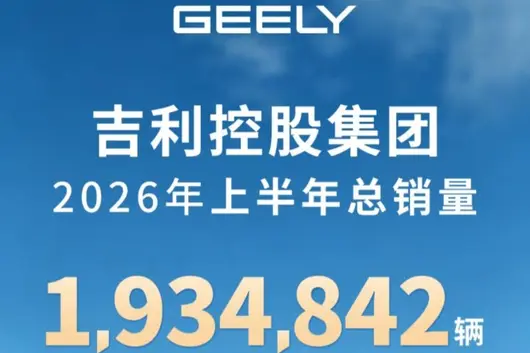
Editor's Note: Geely Group's performance in the first half of the year can be called bright, but in the automotive market where variables are ever-present, its challenges for the second half of the year remain.
On July 15th, Geely Holding Group released the mid-year sales performance report: Total vehicle sales for the group from January to June reached 1.93 million units, setting a new high for the same period in history; among them, new energy vehicle sales reached 1.1 million units, a year-on-year increase of 10%, with the new energy penetration rate climbing to 56.9%. This means that for every 100 cars sold by Geely Holding Group in the first half of the year, nearly 57 were new energy vehicles, and the group as a whole has entered the harvest period of electrification scale.

As the core listed entity under Geely Holdings, Geely Auto's sales reached 1.43 million units in the first half of the year, with new energy sales (including Geely, Lynk & Co, Zeekr) at 799,000 units, a year-on-year increase of 10%, and a new energy penetration rate of 56%. Sales data from the group to the core brand outline a traditional Chinese automaker that started with fuel vehicles, and in the background of intensifying industry stock competition, how to complete a structural transformation through a multi-brand matrix and global layout.
Multi-brand matrix synergy, new energy becomes the main axis of growth
Geely's ability to refresh records in the first half of the year was not pulled by a single brand, but the result of synergy between the three major brands Geely, Lynk & Co, and Zeekr in different sub-segments.
The Geely brand, which targets the mainstream home market, achieved cumulative sales of 1,100,373 units in the first half, of which the China Star series sold 580,580 units, continuing to firmly rank among the top sales of domestic brand fuel vehicles, playing the role of a "ballast" for the basic market. What truly drives the volume increase in new energy is Geely Galaxy—cumulative deliveries in the first half reached 519,793 units, with single-month sales in June at 108,206 units, a year-on-year increase of 20% and a month-on-month increase of 32%. The Star Wish under the Galaxy brand broke 50,000 units in a single month, with cumulative sales since launch exceeding 750,000 units, becoming the core product in Geely's new energy volume-selling camp.

Lynk & Co, positioned in the mid-to-high-end hybrid market, achieved cumulative sales of 144,215 units in the first half, with new energy vehicle sales at 93,597 units, and the proportion of new energy products reaching 65%, stabilizing the mid-to-high-end hybrid sub-market by relying on the EM-P hybrid family promoted by the simultaneous launch of three car models. Zeekr continued its strong performance on the high-end luxury track, delivering 178,370 units in the first half, a significant year-on-year increase of 97%; single-month deliveries in June were 35,169 units, a year-on-year increase of 111%, achieving consecutive five-month year-on-year and month-on-month double growth, with global cumulative deliveries officially breaking through 820,000 units.
From the perspective of the group as a whole, June single-month Geely Auto new energy sales reached 161,449 units, a year-on-year increase of 32% and a month-on-month increase of 21%, with new energy sales proportion of the group's total sales exceeding 67%—equivalent to nearly 7 out of every 10 Geely new cars sold being new energy vehicles. This structural change marks that Geely's "oil and electricity simultaneous promotion" transformation rhythm has entered a new stage dominated by new energy.
It is worth noting that Geely's new energy transformation is not at the expense of abandoning fuel vehicles. The China Star series still maintains strong competitiveness in the fuel vehicle market, and this "fuel ballast, new energy volume" dual-track strategy enabled Geely to hold its basic market share in the domestic auto market in the first half. Data from the China Passenger Car Association shows that in the ranking of narrow passenger vehicle manufacturer retail sales from January to June, Geely ranked first with 1.021 million units and an 11.7% share, being the only domestic brand to break the million-unit mark in the first half.
Overseas business leaps, globalization enters harvest period
If new energy penetration rate is the most eye-catching internal change in Geely's first half, then the explosion of export business is its most prominent external highlight.
Data shows that Geely Auto's first-half overseas export sales reached 474,228 units, a year-on-year increase of 158%—this number has already exceeded Geely's total export volume for the full year of 2025. June single-month overseas export sales broke the 100,000 unit threshold for the first time, reaching 102,874 units, with a year-on-year increase of 157% and a month-on-month increase of 21%, achieving consecutive six-month year-on-year and month-on-month double growth.
A more critical change lies in the export structure. In the first half, Geely's new energy product export sales were 277,189 units, surging 585% year-on-year, accounting for 58% of the total export volume. This means Geely's main overseas products have completed the switch from traditional fuel vehicles to new energy vehicles, with new energy products gradually becoming the core driving force for overseas market growth.
Geely Holding Group's overall global layout also landed at multiple points in the first half: Geely signed Swiss dealers to strengthen the European market, Lynk & Co 900 launched in Vietnam and Qatar, Geely Xingyuan EX2 began local production in Brazil, Binyue Cool launched in South Africa; Zeekr topped the Malaysia luxury pure electric sales list, 007 GT has launched in 16 European countries, flagship model Zeekr 9X plans to go to the Middle East in Q3, and will subsequently expand into US/Europe and Central Asian markets.
Overseas high-end brands also performed steadily. Volvo Cars first-half global sales were 325,000 units, with new energy sales at 161,000 units, a year-on-year increase of 3.8%, with new energy penetration rate reaching 50%, and pure electric vehicle deliveries growing for 9 consecutive months. Polestar first-half sales were 30,400 units, achieving sales breakthroughs in markets such as the UK, Germany, and South Korea, setting a new high for the brand at the same period in history. In the Southeast Asia and commercial vehicle sector, Proton first-half sales were 100,300 units, a year-on-year increase of 39.1%, achieving the best half-year performance since 2011; Farizon New Energy Commercial Vehicles first-half sales were 88,000 units, a year-on-year increase of 41.3%, with overseas export sales ranking at the forefront of the new energy commercial vehicle industry.
Geely Group's performance in the first half of the year can be called bright, but in the automotive market where variables are ever-present, its challenges for the second half of the year remain. Intensifying domestic car market stock competition and unrelenting price war pressure, Geely brand and Lynk & Co brand first-half cumulative sales declined year-on-year by 5% and 6% respectively, indicating that the fuel vehicle basic market still faces contraction pressure; and in the overseas market, geopolitical tensions, trade barriers, and the difficulty of localization operations will also rise synchronously with the expansion of export scale. Whether Geely can continue its growth momentum in the second half depends on the volume pace of Galaxy and Zeekr, the development progress of Middle East and European markets, and the balancing ability of resource allocation between fuel vehicles and new energy.

車款概覽

東風逸軒係唔值得買,關鍵唔係佢睇落有幾吸引,而係佢有無解決你嘅實際用車需要。呢篇文章會把焦點放喺整體買車決定。
版本方面,東風逸軒目前可圍繞 2025 標準版來比較。
買車價格指南
評估東風逸軒嘅買車預算時,建議佢哋從版本定位同後續養車成本下手。價格唔係唯一重點,真正決定係咪抵嘅係每日有無用到嗰啲配置。
如果你喺幾個版本之間猶豫,可以把 2025 標準版放喺同一張清單入面比較。日常通勤買家優先睇舒適同安全,常跑高速嘅買家則更應重視動力、輔助駕駛同車廂便利。
核心參數匯總
睇東風逸軒嘅核心規格,最重要係將數字翻成生活入面嘅感受。
東風逸軒嘅核心价值應回到日常場景判斷:你要佢負責通勤、家庭出遊、長途,或者作為更有個性嘅選擇。
優缺點分析
東風逸軒嘅優點唔使誇張,真正有价值嘅係佢有無讓日常使用更安心:車型定位清晰,適合首先作為同級比較對象。
需要留意嘅係,最終取捨會落在版本配置、保險同長期保養成本。這些唔係扣分項,而係落訂前應該要諗清楚嘅生活細節。
買車常見問題解答
購買東風逸軒前,買家最常問嘅唔係單一規格,而係佢有無融入自己嘅生活。
呢架車適合邊個?適合把整體買車決定放喺首位嘅買家。家庭用戶睇什麼?優先睇後排乘坐、兒童座椅、行李同日常上落車係咪順手。每日駕駛係唔係麻煩?如果能源成本、停車便利同版本配置都符合你生活節奏,佢會比較容易相處。
競爭對手比較內容
把東風逸軒放進同級車名單時,唔建議只看品牌或者外形。真正有用嘅比較順序係:先從版本定位、品牌售後同日常用途開始比較。
咁樣篩選出嚟嘅結果更貼近日常生活。你會更清楚佢係適合城市通勤、家庭代步、長途巡航,或者更適合作為一輛講求個性嘅選擇。
用車全週期指南
擁有東風逸軒嘅重點,係確認保險、路稅、保養同輪胎成本喺接受範圍內。買車唔係一次付款就結束,而係每日都要相處。
如果你常跑南北大道,動力同車廂舒適度會比單純低價更重要;如果主要在市區,停車靈活性、視野同低速順滑度會更影響心情。


國內新能源汽車市場喺 5 月出現集中漲價
超過 15 間車企調整售價或減少權益,特斯拉 Model Y 長續航版漲 1.8 萬蚊、高性能版漲 2 萬蚊,小米 SU7 全系調高 4000 元,比亞迪提高激光雷達選裝包價格,蔚來部分車型調價並取消免費換電。核心原因係碳酸鋰等電池原材料價格大升,單車電池成本增加 3000-6000 元,加上車規級晶片漲價,智能駕駛車型成本額外增加 3000-7000 元。漲價潮說明行業從價格戰轉向成本傳導,頭部企業憑藉規模仲能消化一啲壓力,但中腰部新勢力日子更緊張。消費者短期會觀望,長期睇新能源滲透率仲喺穩定提升,5 月新能源零售滲透率預計達到 62.5% 左右。
北京車展後新車上市密集
5 月有咗多款新車落地。魏牌 V9X 上市,34.98-38.98 萬蚊,大型豪華插混 SUV,歸元 S 平台首款,純電續航最高 470 公里,綜合續航 1700 公里。小鵬 GX 作為全尺寸旗艦 SUV 推出,填補品牌高端空白。嵐圖泰山 X8、吉利銀河星耀 7 等亦陸續上市,聚焦中高端插混同智能配置。呢啲車集中喺 30 萬以上區間,說明車企喺利潤空間更大嘅高端市場發力。配置方面普遍強化 800V 平台、激光雷達同混動系統,實際用車場景下長續航同補能便利性係主要賣點。
銷量同市場表現
1-5 月乘用車零售整體同比下降,新能源零售亦同比下滑但滲透率繼續創新高。比亞迪 4 月國內銷量超 32 萬輛,繼續領跑。出口保持強勁,中國品牌喺歐洲電動車市場份額首次突破 15%。國內需求偏弱,出口成為重要支撐。自主品牌零售份額接近 70%,傳統車企轉型中吉利、長安表現突出。燃油車以價換量但銷量下滑,庫存高企,說明消費者轉向新能源嘅趨勢冇變,只係節奏受成本同經濟環境影響。
小米純電 SUV 交付同智能硬件成本下移
小米汽車五月交付小米 YU7 純電中大型 SUV。呢部車採用 800V 高壓平台,搭載 101 度電池,CLTC 續航里程 810 公里。智駕系統選用純視覺方案配雙 Orin-X 晶片,算力 508TOPS。交付首月數量 1.2 萬輛。小米透過供應鏈重組降低硬件成本,令同級別智能 SUV 價格降至 22 萬蚊。純視覺智駕方案喺中高端市場進入规模化落地階段。
比亞迪第五代 DM 車型銷量同市場份額變化
五月數據統計,搭載第五代 DM 混動技術嘅秦 L 同海豹 06 單月銷量合計 6 萬輛。呢個系統引擎熱效率 46.06%,百公里虧電油耗 2.9 公升,綜合續航里程 2000 公里。由於核心零部件全產業鏈自產,車企將起售價定喺 10 萬蚊以內。呢個價格策略導致同價位合資品牌燃油車市場份額下滑。五月合資 A 級燃油車市場份額同比下降 12%,燃油向混動轉型嘅速度加快。

特斯拉 FSD 中國數據中心運作同本地化測試
五月中旬,特斯拉完成上海數據中心擴容,自動駕駛系統 FSD 獲得部分城市地圖審核同數據合規准入。五月底,特斯拉喺上海、深圳向用戶推送 V12.5 版本內測。呢個系統採用端到端大模型技術,取消規則代碼。測試數據顯示,系統應對非機動車同複雜路口時,接管率係每百公里 1.2 次。數據合規落地加速咗國內車企端到端智駕模型嘅迭代速度,行業競爭轉向模型訓練效率。

中國車企海外建廠同供應鏈本地化轉型
五月下旬,比亞迪泰國工廠同吉利東南亞製造基地完成二期擴建,兩間工廠年產能均達到 15 萬輛。奇瑞西班牙工廠啟動裝配。面對關稅政策變化,中國車企五月調整出海策略,由整車出口轉型為全產業鏈本地化。數據顯示,五月中國汽車海外工廠本土化零部件採購率提升 15 個百分點。透過資本同技術輸出應對貿易壁壘,重塑咗全球汽車供應鏈,海外工廠利潤占比成為衡量車企經營狀況嘅指標。

傳統 4S 店渠道轉型同新能源網點擴張
五月乘用車市場數據顯示,新能源汽車滲透率三個月穩定喺 53% 以上。受此影響,傳統燃油車 4S 店出現閉店現象,五月全國退網燃油車門店數量 180 間。同時,車企將商超直營店向綜合交付中心轉化。本月新增新能源汽車服務網點中,集銷售、交付、售後于一体嘅綜合中心占比 70%。渠道結構變化表明,新能源汽車完成市場教育,銷售網絡佈局從流量導入階段進入服務效率競爭階段。
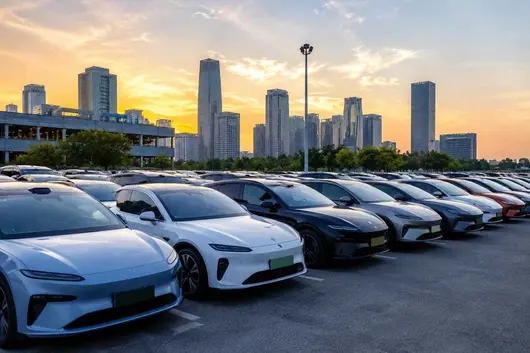


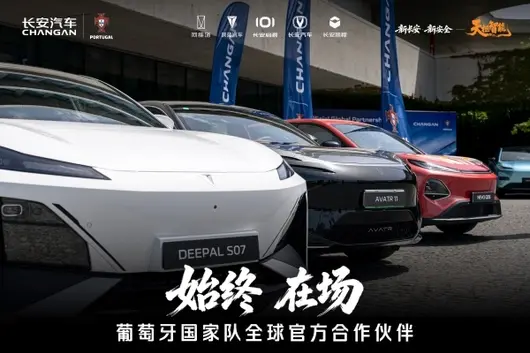
June 1st, Changan Automobile announced May deliveries of 209,100 units, including 70,700 units overseas, a 38% year-on-year growth, 92,400 units new energy vehicles, a 5.8% year-on-year growth.

Among its sub-brands, Changan Qiyuan delivered 34,528 units in May, the key model new Q05 delivered 15,812 units, Thailand launch orders exceeded 3,000 units in three days; Deepal May sales 33,243 units, up 30% YoY, Jan-May cumulative overseas sales 28,704 units, up 167% YoY; Avatr May deliveries 7,336 units, Avatr 07L appeared in MIIT announcement, will be the first to equip Huawei Qiankun ADS 5; Changan Automobile (Gravity) May deliveries 48,900 units, CS75PLUS&Eado Blue Core Duo launched and delivered, launch price starting at 79,900; Changan Kaicheng May deliveries 21,100 units, New Energy sales up 21% YoY.

Behind the steady rise in sales are Changan Automobile's three major strategies solidly implemented. In May, Changan Automobile officially announced becoming the Global Official Partner of the Portugal National Football Team, Globalization "All-Inclusive" Plan 2.0 made another move; Changan self-developed Tianshu Leading End-to-End Technology soon to enter mass production in vehicles, Intelligent "Big Dipper Tianshu 2.0" Plan achieved another milestone; Changan Blue Core Dual Powertrain cars launched nationwide delivery across 100 cities and 1,000 stores, New Energy "Shangri-La" Plan achieved fuel consumption reduction by half for blue-plate vehicles.

6 月 1 日,吉利汽車正式發表 2026 年 5 月銷量成績單:全集團總銷量 237637 輛,實現連續三個月同環比雙增長。
今年車市整體唔算輕鬆,唔少品牌都要承受壓力調整,喺車市整體承受壓力、行業競爭加劇嘅背景下,吉利卻走出咗自己嘅節奏,穩中有進、越跑越順。尤其新能源板塊,5 月賣咗 133355 輛,滲透率直接沖到 56.1%,連續 4 個月過半,實打實站穩新能源主賽道。

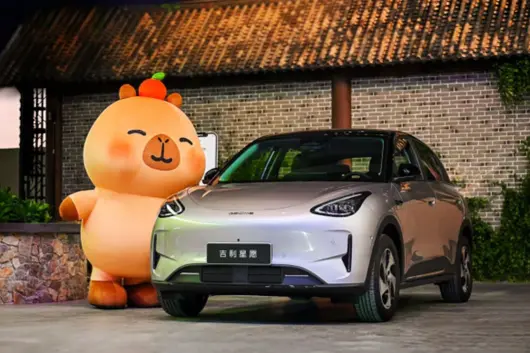
而喺呢份亮眼數據入面,吉利星願絕對係全場最亮眼嗰一個——5 月單月 36426 輛,佔銀河近 45% 銷量,妥妥嘅頂流擔當。
一、5 月全線飄紅,星願撐起半壁江山
5 月,吉利旗下四大品牌齊發力:吉利品牌 182528 輛、領克 20732 輛、極氪 34377 輛,高端化、全球化、年轻化三條線同步都在健康持續發展。
作為集團新能源主力,吉利銀河 5 月銷量 81727 輛,而星願一個車型就貢獻咗 36426 輛,差不多每賣出兩台銀河,就有一台係星願。佔銀河品牌近 45% 份額,係當之無愧嘅銷量擔當。呢個成績唔係運氣,而係長期市場口碑同產品力沉澱嘅必然結果。

自上市以來,星願嘅熱度就冇掉過:573 天累計交付突破 70 萬輛、每分鐘賣出一台,穩居 2025 年中國車市全品類銷量冠軍;2026 年更係一季度便沖進全球新能源前三,成為咗中國品牌唯一進入全球前三嘅車型。
從家用代步小車,到全球都认可嘅爆款,星願一步步把“中國小車”做成咗世界名片。
二、全新星願煥新上市,6.18 萬起五大冠軍實力拉滿
5 月 28 日,全新星願正式上市,限時權益價 6.18 萬 -9.18 萬元,冇虛頭巴腦嘅噱頭,冇套路式配置,以超 100 項產品力升級、25 項同級唯一嘅硬核實力,以上市即夯爆嘅市場熱度,再度定義 10 萬級純電小車標杆。這次升級就係一句話:把用戶最在意嘅點,全部拉滿。

1. 三電升級:續航快充雙頂尖
全新星願全係續航上調,最高 CLTC 續航 480km(老款 410km),日常通勤無焦慮;同級唯一全係標配寧德時代電芯 + 液冷溫控+11 合一高集成電驅,30%-80% 快充僅需 19 分鐘,一杯咖啡時間滿電出發,補能效率同級天花板。
2. 駕控越級:原生後驅 + 賽道級調校
好多人覺得便宜小車唔好開,但星願直接打破偏見:全新星願係同級首個採用全球化原生架構、標配後驅與獨立懸架嘅純電小車,底盤穩、轉向靈、易開好泊。

中德聯合賽道級調校,操控穩定性同靈活性兼備,麋鹿測試 80.7km/h、魚鉤測試 130km/h 成功通關,操控表現媲美 20 萬級運動轎跑;G-TCS 2.0 全天候防滑系統、G-CST 2.0 全場景舒適制動,不僅新手能輕鬆駕馭、老司機都開出樂趣。
3. 智能拉滿:Flyme Auto 2+ 千里浩瀚 H3
座艙智能全面進階,搭載銀河 Flyme Auto 2,7nm 龍鷹 1 號晶片+16G+128G 大儲存,操作絲滑流暢。AI Eva 語音助手支援模糊指令、上下文記憶,車控娛樂一鍵搞定。更搭載千里浩瀚 H3 智駕方案,高速 NOA、全場景 APA 泊車、HPA 記憶泊車(2km 超長記憶),13.8 億公里安全行駛驗證,越開越智能、越開越安心。

4. 安全不妥協,小車也有大安全
星願一直強調:“小車更要有大安全”,全新星願用咗五縱八橫星甲籠式車身,車頂抗压強度達 3.4 倍車重,碰撞時能最大程度保護乘員艙。

電池安全更係嚴上加嚴:國標 2 倍測試標準、1000 次循環容量仍有 90.72%,通過央視同級唯一正面 + 側面連續碰撞測試,高壓系統及時下電、電池不起火、乘員艙不變形,守護每一次出行。同時標配 DOW 開門預警、AEB 主動煞車、哨兵模式,主被動安全全面拉滿,俾用戶滿滿嘅安全感。
5. 出圈海外,成中國智造名片
星願不僅國內領跑,海外市場更係“中國智造”名片,已登陸全球 30+ 國家同地區。巴西上市 2 個月賣咗 2300 多台,泰國車展單周訂單 3300 台;拿下巴西年度最佳緊湊型電動車、印尼車展最受喜愛電動車,中國小車,正喺世界舞台發光。
三、新能源滲透率 56.1%,星願係增長核心
5 月,吉利新能源滲透率達 56.1%,連續四個月多突破 50%,轉型速度同質量都走在行業前列。能做到這一點,星願功不可沒。佢精準卡喺 10 萬級最主流市場,冇盲目跟風價格戰,而係靠實打實嘅產品力贏得用戶,以 6.18 萬起親民價格 + 越級產品力,打破“低價低質”固有認知,用高質優價打動千萬家庭;憑藉成熟可靠嘅三電、安全穩定嘅品質、智能好用嘅體驗,持續積累用戶口碑,形成“買 10 萬級純電小車,優先選星願”嘅市場共識。

總結:
從 5 月單月 36426 輛,到累計 70 萬輛;從中國冠軍,到全球前三。星願冇靠噱頭出圈,而係一步一個腳印,用續航、快充、駕控、智能、安全五大硬實力,征服咗千萬用戶,亦成為吉利高質量增長嘅底氣。
喺競爭越嚟越激烈嘅車市,吉利能連續三月雙增長、新能源滲透率過半,離唔開星願這樣嘅爆款車型。未來,全新星願會繼續深耕 10 萬級市場,把越級體驗帶畀更多家庭,亦助力吉利喺新能源賽道上跑得咁穩、更遠。

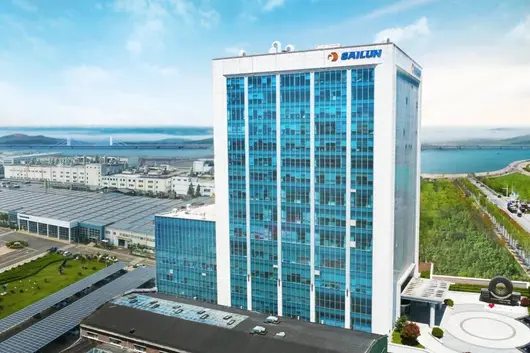
On June 1, Sailun Tire (601058) released the implementation announcement for the 2025 annual equity distribution, stating that the company will distribute a cash dividend of 0.18 yuan per share to all shareholders (tax included), totaling nearly 592 million yuan in cash dividends. The record date for equity is June 4, and the cash dividend distribution date is June 5.
Behind this generous dividend distribution lies the strong financial confidence of this private tire giant, which rose to the first tier globally within just over 20 years of establishment. Facing the sharp increase in costs brought by the escalation of global trade barriers since 2025, Sailun still delivered a response with great resilience.

Revenue Hits Record High, Profitability Quality Continues to Improve
In 2025, Sailun Tire's annual revenue reached 36.792 billion yuan, a year-on-year increase of 15.69%, setting a new historical record. Although operating costs for tire products increased by 21.02% year-on-year, the company stabilized the gross profit margin at a relatively high level of 24.63% thanks to product structure and pricing advantages.
Net profit attributable to the parent company and net profit after deducting non-recurring gains and losses for the year reached 3.522 billion yuan and 3.458 billion yuan respectively, with both profitability indicators reaching their second-historical levels. More noteworthy is that the company's net operating cash flow reached 4.179 billion yuan, a year-on-year surge of 82.58%, indicating substantive improvement in profitability quality.

Liquid Gold Breakthrough, ESG Rating Jumps to AA Level
The support for resilient performance stems from hardcore technical barriers. The 'Liquid Gold' technology (Ecopoint3) developed by Sailun after a decade of in-depth research adopts a world-first chemical rubber vulcanization method, successfully breaking through the 'Devil's Triangle' problem in the tire industry where rolling resistance, wet traction, and wear resistance could not be improved simultaneously. It not only achieves a balance of energy saving, safety, and wear resistance, but also achieves green low-carbon across the entire lifecycle from raw materials to production and usage.

This persistence in green sustainability has also won Sailun recognition from international capital markets. Recently, the international authoritative index institution MSCI upgraded Sailun's ESG rating from A to AA, solidifying its top position in China's tire industry and placing it among the global forefront. This marks that Sailun's sustainable development strength in global operations, R&D innovation, and supply chain management has received high international recognition.
Capacity Expansion Both Domestic and Overseas, Brand Value Rising Yearly
Going against the current, stagnation means retreat. While consolidating the technological moat, Sailun has pressed the accelerator on global capacity expansion. Since establishing China's first overseas tire production base in Vietnam in 2012, Sailun has continued to increase investment since 2026: in April, it announced an investment of about 1.95 billion yuan to build an expansion project for a 7.05 million radial tire annual production capacity in Egypt; meanwhile, the Indonesia factory also received a capital increase of about 336 million yuan to expand PCR and TBR capacity.

The resonance between capacity and performance boosted the rapid rise in brand value. In the 2025 'China 500 Most Valuable Brands', Sailun ranked 105th with a brand value of 112.896 billion yuan, an increase of 12.3 billion yuan compared to last year; in Brand Finance's Top 25 Global Tire Brand Values, Sailun ranked in the top ten for the first time, continuing to be the most valuable tire brand in China.
From a new enterprise on the Shandong Peninsula to a global giant competing with century-old foreign strong enterprises, Sailun, driven by technology and capacity on two wheels, is accelerating towards a new height in the global tire industry.