


首頁Lexus NX

搜尋歷史
熱門搜尋
經銷商登入 / 註冊

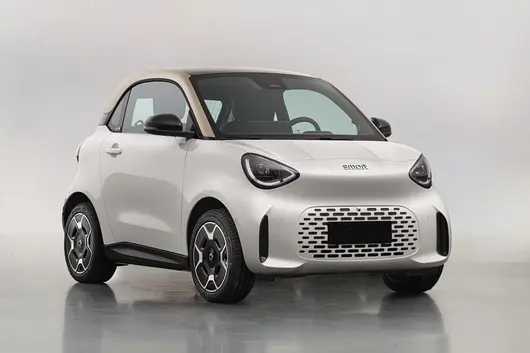
全新smart精灵2号通过工信部新车申报公示,正式公开量产版外观与核心参数。此前,上海、柏林、巴黎、香港、布宜诺斯艾利斯、墨尔本六座城市的街头涂鸦艺术活动已先行释放设计信号。根据官方规划,量产车型将于2026年10月巴黎车展迎来全球首秀。

先看参数,这台两座小车到底什么水平
全新smart精灵2号提供两种车身长度(2751mm和2764mm),车宽1669mm,车高1555mm,轴距1875mm。两种长度主要源于选装套件差异,也体现了个性化拓展空间。前后悬分别控制在475mm和401mm(规格一)或476mm和413mm(规格二),接近角27°/23°,离去角43°/39°。整车整备质量1130kg,总质量1315kg,最高车速140km/h。
动力方面,新车搭载星驱科技生产的60kW后置永磁同步电机,储能装置采用磷酸铁锂电池,电芯由宁德时代供应。轮胎提供两种规格:165/65R15(前)与185/60R15(后),以及185/50R16(前)与205/45R16(后),对应轮距分别为前1474mm后1477mm,以及前1458mm后1465mm。
与多数A00级车型前后悬普遍超过550mm的情况相比,新车将前后悬控制在500mm以内,配合1875mm轴距,在有限车长内为座舱争取了更大空间。四轮四角设计不仅延续经典fortwo比例,也使得转弯半径更小,城市窄路掉头、侧方停车更加便利。后置后驱布局配合前窄后宽轮胎搭配(前185mm后205mm),在急加速和过弯时提供更好抓地力,同时减少转向拖拽感。140km/h最高时速表明其具备高速路况行驶能力,与多数限速100km/h左右的同尺寸车型形成明显差异。接近角和离去角数据也印证其能应对常见地库坡道、减速带及路肩等城市复杂路况。
新车基于smart全球研发团队开发的ECA电动紧凑型架构打造,专为超紧凑纯电车型设计,聚焦两座出行场景,并非油改电或平台套娃。平台以“最小占地面积、最大乘员空间”为原则,通过优化动力总成布局,在紧凑车身内为两名乘员及行李预留充裕空间,避免通用平台适配小车时的空间浪费和配重不均。安全方面延续Tridion Cell笼式高强度安全座舱设计理念,在电动化平台上迭代,针对微型车细分市场制定相应乘员保护标准,超刚性结构在极小车身中实现防护性能。

设计还是那个味道,但更懂这个时代
全新smart精灵2号由梅赛德斯-奔驰全球设计团队操刀,量产版保留概念车主要元素:封闭式前脸、家族化三角形LED大灯,以及车尾水滴状尾灯。从工信部选装清单看,新车提供黑色车顶、多种轮辋样式、前格栅装饰件等配置,延续smart“天生爱不同”的个性化主张。
在工信部公示之前,smart在全球六大城市同步启动街头涂鸦艺术活动,每座城市邀请本土先锋艺术家创作,将新车设计语言与城市文化融合。这一预热方式呼应了品牌名称中“art”的本源——自诞生之初,smart便以重塑城市出行、激发文化共鸣为目标,艺术始终是品牌基因的一部分。六城巨型墙绘揭幕后,吸引了不少老车主、潮流博主及路人驻足,社交媒体上相关话题热度持续攀升。从东半球到西半球,关于smart回归的讨论在多个时区接力发酵。
巴黎车展倒计时,还有哪些信息值得关注
随着工信部申报信息公开,用户的关注点从情感共鸣逐步转向产品力本身。车身尺寸、底盘配置、安全架构、电池供应链等参数逐一披露后,外界对10月巴黎车展全球首秀的关注度进一步提升。本次公示中两种车身长度的出现,以及多种选装配置的提供,已释放出清晰信号:smart在个性化定制方面仍有拓展空间。而内饰设计、智能座舱交互体验、具体续航里程及上市时间等更多悬念,将在巴黎车展上正式揭晓。
作为1998年以fortwo开创城市小车品类的品牌,smart此次以纯电形式回归两座赛道,在微型车市场被低价代步车充斥的当下,重新定义这一细分市场的产品标准。目前,量产车型已进入上市前最后准备阶段,后续预定动态与交付节奏同样值得持续关注。

In the Malaysian SUV market, many buyers compare the Proton X70 and Hyundai Tucson when choosing a car. Both vehicles are quite close in price and positioning. Today, we will make a detailed comparison from multiple aspects to help you save time on research.
The OTR price of the Proton X70 in Malaysia is RM 106,800 - 122,300, with a total of 3 versions, including 1.5L Standard 2WD (RM 106,800), 1.5L Executive 2WD (RM 115,800), 1.5L Premium 2WD (RM 122,300), etc.
The OTR price of the Hyundai Tucson in Malaysia is RM 143,888 - 197,888, with a total of 5 versions, including 2025 HEV 1.6T AT 2WD Prestige (RM 197,888), 2025 1.6T DCT 4WD Prestige (RM 186,888), 2025 1.6T DCT 2WD Prime (RM 164,888), etc.
In terms of price, the Proton X70's starting price is indeed RM 37,088 cheaper than the Hyundai Tucson. If your budget is limited, Proton's entry-level version can already meet daily needs. However, note that the difference in a few thousand ringgit may involve compromises in features, which depends on your specific needs.

The Proton X70 safety rating is 5★ (ASEAN NCAP), and the active safety system includes ADAS (ACC, AEB, LKA, LDA, BSM, RCTA).
The Hyundai Tucson safety rating is 5★ (ASEAN NCAP), and the active safety system includes SmartSense.
Both vehicles have the same safety rating. In this class, safety features are quite comprehensive. New cars these days have good safety, so there is no need to worry too much about this.

The Proton X70 uses FWD drive system.
The Hyundai Tucson uses FWD drive system.
Both vehicles have the same drive system, which is FWD, and there should be no significant difference in daily driving experience.

Proton X70 warranty is 5 years/150,000km, maintenance interval is every 10,000km or 6 months.
Hyundai Tucson warranty is 5 years/300,000km, maintenance interval is every 10,000km or 6 months.
Both the Proton X70 and Hyundai Tucson are mainstream choices in the Malaysian market, suitable for family use and daily commuting. If you value brand reputation and resale value more, you can prioritize the one with better reputation. If you care more about value for money and features, choose the one with richer configuration. Ultimately, it is recommended to test drive both, as personal experience is the most important.
Overall, both the Proton X70 and Hyundai Tucson are very good models in the Malaysian market. Which one to choose depends mainly on your personal needs and budget. It is recommended that you do your research, compare quotes from several dealerships, and then test drive to make a final decision. Buying a car is a big matter, spending some time doing research will never go wrong.


In the Malaysian SUV market, many buyers compare Proton X70 and MG HS when choosing a car. These two cars are quite close in price and positioning. Today we will make a detailed comparison from multiple aspects to help you save time on research.
The OTR price of Proton X70 in Malaysia is RM 106,800 - 122,300, with a total of 3 versions, including 1.5L Standard 2WD (RM 106,800), 1.5L Executive 2WD (RM 115,800), 1.5L Premium 2WD (RM 122,300), etc.
The OTR price of MG HS in Malaysia is RM 130,450 - 146,450, with a total of 2 versions, including 1.5L Standard (RM 105,000), 1.5L Executive (RM 115,000), etc.
In terms of price, Proton X70's starting price is indeed RM 23,650 cheaper than MG HS. If your budget is limited, Proton's entry-level version can already meet daily needs. But also note, the few thousand cheaper, might involve trade-offs in features, specifically depending on your needs.
Proton X70 is equipped with 1.5L Turbo, 140 hp. Official fuel consumption 7.0 L/100km.
MG HS is equipped with 1.5L Turbo, 140 hp. Official fuel consumption 7.0 L/100km.
Both cars use the same powertrain, the daily driving feel is basically no difference. Fuel consumption is also similar, no need to worry too much about this.
Proton X70 adopts FWD drive method.
MG HS adopts FWD drive method.
Both cars have the same drive method, both are FWD, daily driving feel won't be too different.
Proton X70 warranty 5 years/150,000km, maintenance interval every 10,000km or 6 months.
MG HS warranty 7 years/150,000km, maintenance interval every 10,000km or 6 months.
Proton X70 and MG HS are both mainstream choices in the Malaysian market, suitable for family use, daily commuting. If you value brand reputation and second-hand price more, you can prioritize the one with better reputation; if you care more about value for money and features, then choose the one with richer configuration. Finally it is recommended to test drive both, personal experience is the most important.
Overall, Proton X70 and MG HS are both quite good models in the Malaysian market. Which one to choose, the key still depends on your personal needs and budget. It is recommended to do homework, compare quotes from several dealers, then test drive to make the final decision. Buying a car is a big matter, spending time on homework will definitely not go wrong.
喺馬來西亞嘅 SUV 市場,好多買家喺揀車嘅時候都會拿 Proton X70 同 MG MG HS 嚟做比較。呢兩款車喺價位同定位上都幾接近,今日我哋就從多個方面做一個詳細嘅比較,幫你慳做功課嘅時間。
Proton X70 喺馬來西亞嘅 OTR 售價係 RM 106,800 - 122,300,合共 3 個版本,包括 1.5L Standard 2WD(RM 106,800)、1.5L Executive 2WD(RM 115,800)、1.5L Premium 2WD(RM 122,300) 等。
MG MG HS 喺馬來西亞嘅 OTR 售價係 RM 130,450 - 146,450,合共 2 個版本,包括 1.5L Standard(RM 105,000)、1.5L Executive(RM 115,000) 等。
由價錢睇嚟,Proton X70 嘅起步價真係比 MG MG HS 平 RM 23,650。如果你預算有限,Proton 嘅入門版已經可以滿足日常需要。但也要留意,平嘅幾千蚊,可能在配備上會有取捨,具體要睇你嘅需要。
Proton X70 採用 FWD 驅動方式。
MG MG HS 採用 FWD 驅動方式。
兩款車嘅驅動方式一樣,都係 FWD,日常駕駛感受唔會有太大分別。
Proton X70 保養 5 年/150,000km,保養間隔 每 10,000km 或 6 個月。
MG MG HS 保養 7 年/150,000km,保養間隔 每 10,000km 或 6 個月。
Proton X70 同 MG MG HS 都係馬來西亞市場嘅主流選擇,適合家庭使用、日常通勤。如果你更睇重品牌口碑同二手價,可以優先考慮口碑更好嗰一款;如果你更在意性價比同配備,那就揀配備更豐富嗰款。最後始終建議兩款都去試車,親身體驗先至最重要。
總括嚟講,Proton X70 同 MG MG HS 都係馬來西亞市場幾靚嘅車型。揀邊輛,關鍵都要睇你個人需要同預算。建議大家做好功課,多比較幾間車行嘅報價,再去試車做最終決定。買車係件大事,花啲時間做功課絕對唔會錯。

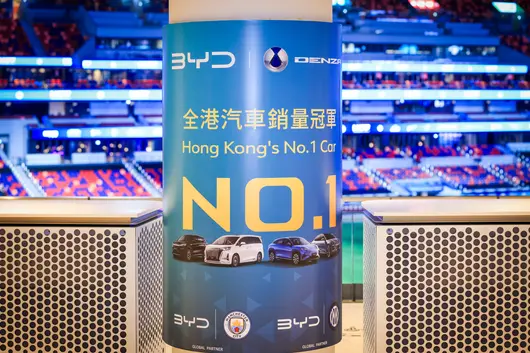
8月1日,香港启德体育园迎来一场万众瞩目的足球盛宴。在42826名现场观众的见证下,英超曼城队与意甲国际米兰队展开激烈角逐。作为两支欧洲豪门的官方合作伙伴,比亚迪以“新能源全球销冠”的身份与足坛劲旅同台,不仅呈现了一场跨越体育竞技与中国制造领域的“冠军对话”,更通过邀请偏远山区足球少年现场观赛,生动诠释了中国品牌在推进全球化布局中兼顾产业实力与社会责任的担当。三冠同台,硬核实力印证中国智造全球竞争力
当晚的启德球场座无虚席。常规时间内两队1比1战平,最终国际米兰在点球大战中以3比1胜出,总比分4比2捧杯。两支参赛球队均拥有极具含金量的赛季战绩:曼城包揽英格兰联赛杯与足总杯,创下英超史无前例的四连冠纪录;国际米兰则斩获意甲与意大利杯本土双冠,作为意甲历史上唯一从未降级的传统豪门,底蕴深厚。

这场被业内称为“比亚迪德比”的焦点战,本质是三大“冠军”实力的同框。作为全球新能源汽车销量冠军,比亚迪2025年整车销量跻身全球车企前五,全年海外销量突破104.9万辆,同比增长145%;2026年上半年海外销量达78.94万辆,同比涨幅约70%。

在英国、意大利等欧洲核心市场,比亚迪多款车型销量持续超越特斯拉,占据当地新能源细分市场榜首。在香港本地,比亚迪更是打破外资品牌长期主导的格局,登顶全品牌年度销量冠军。依托自研三电核心技术与全产业链优势,比亚迪在全球新能源赛道实现了从“跟跑”到“领跑”的跨越,与欧洲顶级豪门的合作,正是中国高端制造与全球顶级体育IP的价值共鸣。

赛场之内是巅峰对决,看台之上则是一抹温情的中国色彩。数十名身着统一队服的青少年球员成为现场一道独特的风景线。他们中既有国内专业青训的小将,也有来自新疆伊犁、陕西宁陕、贵州兴仁、普安、元宝等偏远县域的山区足球少年。比亚迪统一组织这批孩子赴港,让他们近距离感受国际顶级赛事的战术博弈与足球魅力。

扶持青少年足球并非单次活动,而是比亚迪长期坚持的公益实践。依托欧洲杯、意甲等全球顶级足球资源,企业持续组织青少年走出国门交流比拼,累计覆盖超200人次,组织海外正式交流赛事超30场,交手对手涵盖巴塞罗那、马德里竞技等国际知名俱乐部青训梯队。
这不仅为山区孩子搭建了接轨国际的通道,拓宽了基层青少年的视野,也向世界展示了中国基层足球的发展面貌,以实际行动助力体育强国建设。
矩阵成型,探索品牌出海与社会责任新路径足球作为全球受众最广的体育运动,已成为比亚迪开拓海外市场、塑造国际化品牌形象的重要抓手。自2024年成为欧洲杯官方赞助商以来,比亚迪在短短两年间搭建起覆盖洲际大赛、欧洲豪门俱乐部及多国本土联赛的完整体育营销矩阵。目前,其合作版图已囊括英超曼城、意甲国米、法甲巴黎圣日耳曼等顶级强队,以及美洲杯、泰国联赛等多元赛事资源。

这种“商业出海+公益反哺”的模式,标志着中国车企的体育营销已脱离简单的品牌曝光,转向深度的价值协同。一方面借助顶级赛事流量渗透海外市场,带动终端销量提升;另一方面联动国内青训公益,将商业资源转化为正向社会口碑。

据悉,比亚迪正积极拓展欧洲足球合作版图,其足球IP矩阵仍有进一步扩容空间。从产品输出迈向价值输出,这种将企业全球化战略与本土社会责任有机统一的发展路径,不仅让新能源赛道上的“中国冠军”在世界绿茵场上传递声音,也为中国自主品牌走向世界提供了可借鉴的样本。
观察车企赞助国际足球赛事已是行业常态,但像比亚迪这样同时签约同场对战的两支豪门,并兼顾海外市场拓展与国内基层青少年体育扶持的运营模式,在国产车企中尚属少见。其“冠军对标冠军”的合作逻辑,根基在于持续走高的海外销量与自主可控的核心三电技术;而长年投入基层青训公益,则让品牌全球化之路不止停留于商业推广,更承载起本土企业的社会责任。未来,随着足球IP矩阵的持续扩容,中国制造与全球体育文化交流的桥梁将更加稳固。

喺馬來西亞嘅 SUV 市場,好多買家喺揀車嗰陣都會將 Proton X70 同 Mazda CX-5 作比較。呢兩款車喺價位同定位上都幾接近,今日我哋就由多個角度做一個詳細嘅對比,幫你慳返做功課嘅時間。
Proton X70 喺馬來西亞嘅 OTR 售價係 RM 106,800 - 122,300,一共有 3 個版本,包括 1.5L Standard 2WD(RM 106,800)、1.5L Executive 2WD(RM 115,800)、1.5L Premium 2WD(RM 122,300)等。
Mazda CX-5 喺馬來西亞嘅 OTR 售價係 RM 135,469 - 166,760,一共有 3 個版本,包括 2025 2.0L AT 35th Anniversary(RM 316,154)、2025 2.0L AT(RM 296,154)、2025 2.0L MT(RM 294,154)等。
由價錢嚟睇,Proton X70 嘅起步價的確比 Mazda CX-5 平咗 RM 28,669。如果你預算有限,Proton 嘅入門版已經可以滿足日常需要。但都要注意,平咗嗰幾千蚊,可能喺配備上會有取舍,具體要看你嘅需求。

Proton X70 搭載 1.5L Turbo,馬力 140 hp。官方油耗 7.0 L/100km。
Mazda CX-5 搭載 1.5L Turbo,馬力 140 hp。官方油耗 7.0 L/100km。
兩款車用咗同一套動力系統,日常開起嚟嘅感受基本冇分別。油耗方面都幾相似,唔使太糾結呢一點。

Proton X70 嘅安全評級係 5★ (ASEAN NCAP),主動安全系統包括 ADAS (ACC, AEB, LKA, LDA, BSM, RCTA)。
Mazda CX-5 嘅安全評級係 5★ (ASEAN NCAP),主動安全系統包括。
兩款車嘅安全評級一樣,喺呢個級別入面安全配備都算俾得好齊全。依家嘅新車安全性都唔差,唔使太擔心呢一點。

Proton X70 車身長 4400 mm,後備箱 400 L。
Mazda CX-5 車身長 4500 mm,後備箱 450 L。
空間方面,Mazda CX-5 嘅車身比 Proton X70 長咗 100 mm,乘坐空間更有優勢。不過 Proton X70 喺城市入面停車會靈活少少,各有取舍。
Proton X70 保修 5 年/150,000km,保養間隔 每 10,000km 或 6 個月。
Mazda CX-5 保修 5 年/150,000km,保養間隔 每 10,000km 或 6 個月。
兩款車嘅保修條件一樣,呢方面唔使糾結。實際保養成本仲要睇品牌嘅服務網絡同零件價格,建議去車友群問吓真實車主嘅經驗。
總括嚟講,Proton X70 同 Mazda CX-5 都係馬來西亞市場幾唔錯嘅車型。揀邊一輛,關鍵仲要睇你嘅個人需求同預算。建議大家做好功課,多比較幾間車行嘅報價,再去試駕做最終決定。買車係件大事,花少少時間做功課絕對無錯。

In Malaysia's SUV market, many buyers compare the Proton X70 and Honda HR-V when choosing a car. These two models are quite close in price and positioning. Today, we will make a detailed comparison from multiple aspects to help you save time on research.
The Proton X70 OTR price in Malaysia is RM 106,800 - 122,300. There are 3 versions in total, including 1.5L Standard 2WD (RM 106,800), 1.5L Executive 2WD (RM 115,800), 1.5L Premium 2WD (RM 122,300), etc.
The Honda HR-V OTR price in Malaysia is RM 115,900 - 143,900. There are 4 versions in total, including 2026 e:HEV 1.5L RS (RM 143,900), 2026 1.5T V (RM 137,900), 2026 1.5T E (RM 130,900), etc.
From a price perspective, the Proton X70's starting price is indeed RM 9,100 cheaper than the Honda HR-V. If your budget is limited, Proton's entry-level version can already meet daily needs. However, note that the few thousand ringgit cheaper might involve trade-offs in features, depending on your specific needs.

The Proton X70 is equipped with a 1.5L Turbo, producing 140 hp. Official fuel consumption is 7.0 L/100km.
The Honda HR-V is equipped with a 1.5L Turbo, producing 140 hp. Official fuel consumption is 7.0 L/100km.
Both cars use the same powertrain, so the driving experience is basically no different. Fuel consumption is also similar, so there is no need to worry too much about this point.

The Proton X70 safety rating is 5★ (ASEAN NCAP). Active safety systems include ADAS (ACC, AEB, LKA, LDA, BSM, RCTA).
The Honda HR-V safety rating is 5★ (ASEAN NCAP). Active safety systems include Honda SENSING (ACC, CMBS, LKAS, RDM).
Both cars have the same safety rating. In this class, safety features are quite comprehensive. New car safety is generally good these days, so no need to worry too much about this.

Proton X70 body length is 4400 mm, trunk 400 L.
Honda HR-V body length is 4500 mm, trunk 450 L.
In terms of space, the Honda HR-V's body is 100 mm longer than the Proton X70, offering a better advantage in passenger space. However, the Proton X70 is a bit more flexible for parking in the city. Each has its trade-offs.
Proton X70 and Honda HR-V are both mainstream choices in the Malaysia market, suitable for family use and daily commuting. If you value brand reputation and resale value more, you can prioritize the one with better reputation; if you care more about value for money and features, choose the one with richer configurations. Ultimately, it is recommended to test drive both, as personal experience is the most important.
In general, both Proton X70 and Honda HR-V are very good models in the Malaysia market. Which one to choose depends mainly on your personal needs and budget. We suggest doing your research, comparing quotes from several dealerships, and then test driving to make the final decision. Buying a car is a big matter, spending time on research will never be wrong.


日前,深藍汽車正式公布了全新升級的深藍 S05。作為一款已經在全球累計收穫超過 24 萬用戶、連續多月蟬聯細分市場銷量冠軍的明星車型,S05 的今次煥新登場,顯然不僅僅是一次例行的產品迭代。
在競爭已進入白熱化的 2026 年中國新能源市場,一款「爆款」車型如何保持生命力?深藍 S05 的升級邏輯,或許給出了一個值得深思的答案。而這款車的意義,也早已超出了產品本身——它既是深藍汽車從「爆款」走向「常青樹」的關鍵落子,也是長安汽車在新能源戰略整合窗口期的一塊重要壓艙石。

從夠用到吸睛
回顧現款深藍 S05,其成功的关键在於精準卡位——在 11.99 萬至 14.99 萬元的價格區間,以純電 + 增程的雙動力佈局、2880mm 的超長軸距以及後置後驅的駕駛樂趣,精準切入了年輕家庭用戶的痛點。上市以來月均銷量穩定破萬,足以證明其產品定義的成功。
而全新深藍 S05 的升級,核心思路可以概括為一句話:在既有優勢之上,把「智能」這塊短板補齊,把「設計」這張長板拉長。
智能駕駛是此次升級最引人注目的變化。新車首次搭載了激光雷達,配合升級後的駕駛輔助「小藍燈」,在感知硬體層面實現了質的飛躍。在 10-15 萬元級的緊湊型 SUV 市場中,激光雷達的搭載目前仍屬稀缺配置。深藍 S05 此舉,實質上是将高階智能驾驶的硬件門檻大幅拉低,让更多主流用户能够享受到更精准的风险预判和更安心的驾驶辅助体验。這不僅是產品力的提升,更是对「科技平權」理念的一次實質性落地。
設計層面,全新 S05 延續了品牌「共生美學」的核心理念,並深化演繹了「星際飛翼」設計語言。封閉式前格柵搭配狹長燈組與「深藍之眼」花瓣燈,辨識度進一步提升。無框車門、半隱藏式門把手、1.9㎡全景天幕等年輕化配置的保留與優化,則繼續強化了其「潮電 SUV」的產品標籤。
內飾方面,全新「懸浮星艦」設計語言帶來了更具科技感的座艙氛圍。256 色懸浮式環抱氛圍燈支持隨情景模式律動,大尺寸懸浮中控屏與 HUD 抬頭顯示的搭配,進一步強化了人車交互的沉浸感。而 2880mm 軸距所帶來的寬敞後排空間、492L 雙層後備廂與 159L 前備箱的儲物組合,則讓這台緊湊型 SUV 在實用層面依然保持着越級的競爭力。
動力層面,新車繼續提供純電與增程雙動力選擇。純電版搭載 272 馬力後置單電機,提供 520km 與 620km 兩種 CLTC 續航版本;增程版 CLTC 純電續航 215km,綜合續航達 1310km。值得注意的是,新車搭載的寧德時代金鐘罩電池組與 3C 超級快充技術,在補能效率和電池安全層面均為同級領先水平。

從「爆款」到「常青樹」,S05 對深藍舉足輕重
全新深藍 S05 的登場,恰逢深藍品牌發展的關鍵節點。
從銷量數據來看,深藍汽車 2026 年上半年全球累計銷量已達 164,156 輛,同比增長 14.6%,其中 6 月單月銷量 33,625 輛,連續 4 個月突破 3 萬輛大關。海外市場表現尤為亮眼,上半年海外累計銷售 35,795 輛,同比增長 141%。而深藍 S05 一款車型,6 月全球銷量就達到 18,369 輛,佔品牌總銷量的半數以上,是深藍当之无愧的「銷量擔當」。
對於任何一個汽車品牌而言,單一車型的過度依賴既是榮耀也是風險。深藍汽車顯然意識到了這一點——L06、S07 等車型正在快速成長,但 S05 作為品牌「基本盤」的地位短期內難以被撼動。全新 S05 的推出,正是為了鞏固這一基本盤:通過激光雷達的上車和設計的迭代,讓這款已經證明自己的車型在智能駕駛浪潮中不掉隊,繼續保持對競品的領先優勢。
從品牌定位來看,深藍一直強調「年輕、科技、運動」的品牌調性。全新 S05 在外觀、內飾、智能三個維度的同步升級,恰好與這一調性形成了深度呼應。它不僅是深藍產品陣列中最走量的車型,更是品牌理念最直接的載體——讓年輕用戶以觸手可及的價格,享受到前沿的智能電動體驗。

從單打獨鬥到戰略協同
把視角拉高到長安汽車的層面,全新深藍 S05 的意義更加深遠。
2026 年,長安汽車正在推進一項重要的戰略調整——對阿維塔與深藍汽車進行戰略性整合與協同發展。整合後的兩大品牌將形成 150 萬 + 級的中高端品牌群,其中深藍的目標是 2030 年年銷 100 萬輛。在這一宏大目標面前,深藍需要一款足夠能打、足夠持久的核心車型來支撐銷量基盤——而 S05 正是這個角色最合适的人選。
與此同時,中國新能源市場的競爭格局正在發生深刻變化。2026 年上半年,純電市場已進入存量競爭階段,增程賽道也面臨結構性調整的壓力。在這樣的大環境下,一款月銷穩定過萬、且能通過持續迭代保持產品競爭力的車型,其戰略價值怎麼強調都不為過。全新 S05 的推出,不僅為深藍的銷量增長提供了持續動能,也為長安新能源矩陣的穩定運行提供了重要支撐。
更值得關注的是 S05 在全球化佈局中的角色。目前深藍 S05 已熱銷全球 73 個國家和地區,並斬獲了德國 iF 設計大獎等國際榮譽。深藍汽車已進入全球 110 多個國家和地區,在泰國建立了右舵車工廠。全新 S05 的升級,無疑將進一步提升這款「全球車」在國際市場的競爭力,為長安汽車的「海納百川」全球化戰略添上重要的一塊拼圖。

汽車網評:全新深藍 S05 的登場,表面上看是一次產品的中期改款,實則是深藍汽車從「爆款驅動」走向「體系化競爭」的關鍵一步。激光雷達的下放、設計的進化、空間的越級——這些產品力的升級背後,是一套完整的產品定義邏輯:在主流價格區間內,把用戶最在意的智能化、設計感和實用性做到極致。
對於深藍汽車而言,S05 是穩住基本盤的定海神針;對於長安汽車而言,S05 是新能源戰略整合期的重要支撐。在 2026 年這個行業關鍵分化期,全新深藍 S05 的登場,或許正是深藍從「中國主流」駛向「全球主場」道路上,最堅實的那一步。
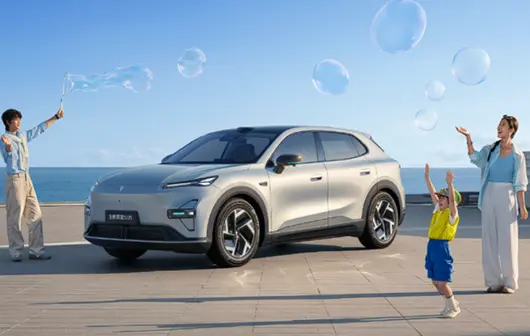


Written by | Zhang Linyu
Edited by | Zhang Nan
Designed by | Zhen Youmei
At 4:30 PM Central Time on July 22, Tesla's Q2 earnings call began, with little mention of its traditional automotive business.
During the Q&A session, analysts no longer asked when the low-cost model colloquially known as Model 2 would go into mass production. Tesla has never officially used this name, nor did they inquire about the progress of the next-generation model.
Elon Musk and his core executives shared information with the audience regarding FSD (Full Self-Driving, Tesla's fully autonomous driving software, which still requires driver supervision at all times in the current version), Robotaxi, Optimus robot, and chip factory.
This forms a certain contrast with Tesla's current revenue structure.
Revenue Increase Without Profit Increase
In Q2 2026, Tesla delivered a total of 480,126 vehicles globally, a 25% year-over-year increase and a 34% quarter-over-quarter increase, marking the company's best Q2 delivery record, second only to the historical record of 497,099 vehicles set in Q3 2025.
Among them, 467,762 Model 3 and Model Y vehicles were delivered, accounting for 97.4% of total deliveries; other models including Model S, Model X, Cybertruck, and Semi trucks totaled 12,364 deliveries, accounting for only 2.6%.

Production for the same period was 451,758 units. Deliveries exceeded production by 28,368 units, and global vehicle inventory days dropped from 27 days in the previous quarter to 15 days.
Tesla did not disclose absolute sales by region for Q2, but Chief Financial Officer Vaibhav Taneja revealed that compared to Q1, deliveries grew 60% in the Americas, 27% in Asia-Pacific, and 12% in EMEA. He also stated that Tesla ended Q2 with the largest order backlog since 2023.

The shareholder letter listed the markets where Q2 delivery records were set: South Korea, Australia, Colombia, Japan, Taiwan, Thailand, Portugal, Philippines, Chile, Slovenia, and Lithuania. Taneja additionally noted that Model Y set sales records in the Netherlands, Australia, and New Zealand.
Sales grew, but profits did not increase correspondingly.
In Q2, Tesla's total revenue was $28.236 billion, up 26% year-over-year, marking the first time revenue over the past 12 months exceeded $100 billion. Among them, automotive business revenue was $20.516 billion, up 23% year-over-year, accounting for 72.7% of total revenue; energy generation and storage business revenue was $3.139 billion, up 13%; service and other business revenue was $4.581 billion, up 50%, becoming the fastest-growing business.

Tesla's gross profit for the quarter was $4.751 billion, up 23% year-over-year; GAAP gross margin was 16.8%, down 41 basis points from 17.2% in the same period last year.
Operating profit was only $398 million, down 57% year-over-year; operating margin dropped from 4.1% to 1.4% compared to the same period last year.
In other words, Tesla's revenue increased by $5.74 billion year-over-year, but operating profit decreased by $525 million.
One source of pressure on profits came from expenses. In Q2, Tesla's R&D expenses reached $2.371 billion, up 49% year-over-year; sales, general, and administrative expenses reached $1.982 billion, up 45%. The two expenses totaled $4.353 billion, almost eating up all gross profit.
The shareholder letter attributed expense growth to three areas: R&D projects such as AI, equity incentives (including 2025 CEO compensation plan), and sales and admin expenses. Equity incentive expenses were $1.151 billion pre-tax this quarter, compared to $635 million in the same period last year.
Automotive regulatory credit revenue dropped from $439 million last year to $146 million, down 67% year-over-year; it was $380 million last quarter. The $7,500 U.S. federal EV tax credit expired on September 30, 2025; after federal law amendments, fines for automakers failing to meet fuel economy standards were zeroed out, removing the motivation to buy Tesla credits.
Automotive business GAAP gross margin was 16.9%; automotive gross margin excluding regulatory credit revenue was 16.3%, higher than 15.0% in the same period last year, but significantly lower than 19.2% in Q1 this year.
Taneja explained that Q1 automotive gross margin was helped by approximately $230 million in reserve reversals for warranties and tariff reductions; these benefits did not repeat in Q2; excluding these impacts, automotive gross margin excluding credits was roughly flat with the previous quarter.
In the attribution of revenue and profit in the shareholder letter, 'decline in average selling price per vehicle' is listed as a negative factor in two places.
The energy business also saw 'revenue increase without profit increase'.
In Q2, Tesla's energy storage deployment reached 13.5 GWh, up 41% year-over-year and 53% quarter-over-quarter, the second-highest quarter in history. However, due to approximately $240 million in warranty expenses caused by supplier cell issues, the energy business gross margin dropped from 39.5% in Q1 to 20.4%.
Service and other businesses became one of the few clear profit growth points.
This business's gross profit grew from $166 million in the same period last year to $648 million, an increase of $302 million quarter-over-quarter; gross margin rose from 5.5% last year and 9.2% last quarter to 14.1%, a historic high.
Tesla's GAAP net profit for the quarter was $1.114 billion, down 5% year-over-year; diluted EPS was $0.32, down 3% year-over-year.
This $1.114 billion includes an unrealized gain from a SpaceX equity investment, $1.005 billion pre-tax and $763 million after-tax. Tesla bought this SpaceX equity for $2.002 billion in Q1 2026, realizing a paper gain of $1.005 billion one quarter later.
Taneja said this approximately $1 billion gain was offset by approximately $300 million in foreign exchange losses and about $100 million in Bitcoin losses. On the income statement, the total 'Other income (expense), net' for the quarter was $590 million.
Excluding equity incentives, SpaceX paper gains, digital asset fluctuations, and special tax items, Tesla's non-GAAP net profit was $1.153 billion, down 17% year-over-year; non-GAAP diluted EPS was $0.33, down 18% year-over-year.
In Q2, Tesla's operating cash flow was $4.697 billion, up 85% year-over-year; capital expenditures reached $5.789 billion, up 142% year-over-year, resulting in $1.092 billion of negative free cash flow.
The company expects capital expenditures for the full year 2026 to exceed $25 billion, and capex will continue to grow in the next two to three years.
As of the end of June, Tesla held $43.524 billion in cash, cash equivalents, and short-term investments, down $1.219 billion from Q1.
Automotive remains Tesla's largest revenue source and the foundation supporting cash flow and capital expenditures, but the earnings call is no longer about cars.
Elon Musk Only Discussed Three Things
After the earnings call began, Elon Musk sounded emotionally down. He later explained to analysts that he was sick that day, 'If I sound a bit off, it's because I'm sick today and feeling unwell.'
He briefly mentioned three things.
The first thing was Cybercab. He announced that Cybercab production has started at the Texas Gigafactory. As a two-seater model designed specifically for Robotaxi with no steering wheel or pedals, Cybercab is seen as the core carrier for Tesla shifting from selling cars to operating an autonomous driving fleet. Tesla has provided Cybercab ride experiences for employees within the Texas factory campus since July.

However, Cybercab will not scale up rapidly in the short term.
Since it uses a completely new chassis, Tesla must first let test vehicles equipped with steering wheels, accelerator pedals, and brake pedals accumulate sufficient driving data to complete the autonomous driving system calibration for the Cybercab chassis.
The second thing was the Optimus robot.
Musk again called Optimus 'the largest product ever', but he also admitted this will be the hardest product for Tesla to date to achieve mass production.

Cars at least have mature supply chains for tires, glass, mirrors, and body parts, but almost all components of Optimus need to be redesigned and supply systems established.
Tesla has dismantled the Model S and Model X production lines at the Fremont factory and started installing the first-generation Optimus production line; the Optimus building at the Texas factory is also under construction.

The shareholder letter said the first batch of Optimus will be deployed within Tesla's Optimus Academy for collecting training data and developing features.
Musk stated that Optimus production ramp will follow a typical S-curve, but due to many new components, the initial flat phase of the curve will be very long.
Musk hopes the third-generation Optimus will eventually reach an annual production of 1 million units, and the fourth generation 10 million units. However, he immediately emphasized these are ideal targets, and achieving true mass production is 'surprisingly difficult'.
The third thing was the chip factory.
This is a massive chip manufacturing project in cooperation between Tesla and SpaceX. Terafab not only produces logic chips but also covers storage chips, advanced packaging, testing, and photomask manufacturing.
Musk did not disclose the site location at the earnings call, only stating there will soon be a separate launch event because this project 'deserves its own day' and should not be squeezed into an earnings call.
He envisioned placing photomask manufacturing, logic chips, storage chips, packaging, and testing in the same building to shorten chip design and validation cycles.
Terafab's main task is not to produce traditional chips for cars, but to solve the AI computing power needed for future large-scale Optimus mass production.
Musk believes that without its own chip manufacturing capability, Optimus will eventually be constrained by AI chip supply.
There was another chip statement in the shareholder letter: Tesla's semiconductor wafer fab in Austin is advancing construction and equipment procurement; the project is still in early stages, aiming to build its own chip manufacturing capability to ensure long-term supply of logic and storage chips. The full shareholder letter does not mention Terafab.
June 4, 2026, Hsinchu, Taiwan, TSMC 2026 Annual Shareholders' Meeting.
A corporate shareholder representative asked TSMC Chairman and CEO C.C. Wei how he viewed Musk building his own wafer fab. Wei said: 'My only comment is to 'bless him'.' He also said TSMC has never lacked opponents; the only way to face them is to continue to strive and win.

Cybercab, Optimus, and Terafab form the main axis of Musk's entire narrative at this earnings call. The traditional automotive business only exists as a cash source and AI implementation platform.
The Limitation on Production Is Not Demand, but Battery Packs
The shareholder letter stated in two places that battery pack capacity is the main limiting factor for recent vehicle production increases. Taneja added at the meeting that production growth will be limited by supply chains, not just batteries, but also electronic components.

In the same quarter, Tesla faced the largest order backlog since 2023.
As of the end of Q2, Tesla's paid FSD subscriptions reached 1.48 million, up 56% year-over-year; global paid users approached 1.5 million, with 55% one-time purchase and 45% subscription. Over 55% of new cars in North America had FSD subscriptions activated at delivery.
The shareholder letter stated Tesla has pushed FSD v14 lite to vehicles equipped with AI3 hardware in the U.S. and South Korea, by distilling driving behaviors from the v14 series on AI4 into the camera and compute configuration of AI3.
Hardware 3 and Hardware 4 correspond to AI3 and AI4. Musk said in the Q&A session that upgrading vehicles below Hardware 4 'will eventually be economically reasonable', but Tesla public documents have no hardware upgrade plans.
The shareholder letter listed nine Robotaxi metro areas: California's SF Bay Area with safety drivers; Texas Austin, Dallas, Houston and Florida Miami, Orlando, Tampa in unsupervised operational ramp-up phase; Arizona Phoenix, Nevada Las Vegas in preparation.

Tesla claimed Robotaxi is online in 7 major metro areas, cumulatively driving over 380,000 miles safely with no accident records.
Analyst Q&A Transcript
Below is the transcript of the Q&A session from Tesla's Q2 2026 Earnings Call, compiled by this publication from the conference call recording, with omissions.
Earnings Call Executive List
Host: Travis Axelrod (Travis Axelrod, Head of Investor Relations at Tesla)
Musk (Elon Musk, Tesla Co-founder and CEO)
Vaibhav Taneja (Vaibhav Taneja, Tesla CFO)
Ashok Elluswamy
Karn Budhiraj
Lars Moravy (Lars Moravy, Vice President of Vehicle Engineering at Tesla)
Brandon Ehrhart (Brandon Ehrhart, Tesla General Counsel and Corporate Secretary)
Q1: Currently there is no mature Optimus supply chain, so Tesla has to do much of the work internally. In the process of advancing this, are there suppliers willing to co-invest with you to establish local manufacturing capability in the U.S., helping Tesla achieve scale faster? From an investment cycle perspective, having partners advance together could improve capital efficiency. How do you consider this?
Musk: Our suppliers are performing exceptionally well. To support Optimus, Robotaxi, and other projects, they have invested and are continuing to invest huge funds.
Especially Samsung Electronics and TSMC, both building wafer fabs. TSMC is building in Arizona, Samsung is building in Texas, investing tens of billions of dollars to produce AI computing chips for Optimus and Robotaxi.
Panasonic has also invested billions of dollars to expand battery production.
Please excuse me, I'm feeling a bit unwell today, slightly sick. If my voice sounds off, it's because I'm indeed feeling unwell today.
Our partners are all excellent. I want to thank them for their support, their investments, and their hard work.
Karn Budhiraj: I want to add a point on this basis. A significant portion of Samsung's wafer fab capacity will be used for future projects. This is a massive investment involving billions of dollars.
We also see investment of similar scale in the storage chip sector. Additionally, investment has emerged in some new dedicated parts areas, such as metal injection molding parts, flexible printed circuits, and various non-traditional technologies. These technologies are mostly designed for robots, differing from our traditional automotive supply chains in the past.
In some areas, if we cannot find suitable partners, we never hesitate to move production internally. We have a very strong manufacturing engineering team and design team that can help us scale up production of these products.
Musk: I also want to thank Micron Technology (Micron Technology, U.S. storage chip manufacturer) for allocating storage chip capacity for us. They must make some very difficult decisions on storage chip capacity allocation. Given the crazy high price of storage chips today, we are very grateful that Micron is willing to reserve space for Tesla in the coming years and allocate considerable capacity to us under reasonable terms.
Q2: Regulations in U.S. states seem to be changing, possibly involving sensor configuration requirements. For Robotaxi deployment, what approach do you want regulators to take? To avoid excessive regulation while ensuring Robotaxi lands correctly, what regulatory environment do you hope to see?
Lars Moravy: When discussing regulations, especially the U.S. regulatory environment, significant progress has been made. The federal government has taken very proactive measures around the 'Federal Motor Vehicle Safety Standards' (FMVSS), beginning to accept and promote specifically designed autonomous vehicles. We are very grateful for the support from the U.S. National Highway Traffic Safety Administration (NHTSA) in this regard.
As for individual states, some recent movements in New Jersey are obviously somewhat disappointing.
But as Ashok said in his opening remarks, what we really care about is the vehicle's own performance. Ultimately, it is product performance that drives regulators and the public to accept this technology.
I believe the best way to regulate is to set a goal or task for companies and innovators, then let us find solutions ourselves. If some regulations define the solution before clearly stating the problem, we certainly won't welcome that practice.
Tesla has always proven itself with actual performance in the past, and will continue to do so in the future. This will also become the foundation for our continued expansion.
Q3: Next, what milestones should investors focus on? After reaching which milestones will you accelerate Robotaxi fleet expansion or market deployment? Is it further safety validation, such as mileage per accident, or other metrics? Additionally, will you consider partnering with third parties like ride-hailing platforms to increase vehicle utilization, or continue to maintain full vertical integration?
Musk: We expect Robotaxi to adopt a vertical integration model, like Tesla's other businesses. I don't think Robotaxi will face a problem of insufficient demand. Its economics will be extremely attractive, with many people wanting to use this service, and demand will exceed our service capacity. In this case, vertical integration is obviously the choice.
The real issue is just what we call the progression of reliability 'multiple 9s'. That is, to scale up, how many 9s of reliability does the system actually need to reach?
Ideally, we want reliability to reach 99.999999%. I believe the only limitation to Robotaxi growth is moving towards more 9s of reliability.
Q4: Outsiders have been discussing the possibility of SpaceX and Tesla merging in some way. The two companies have already carried out extensive cooperation. Will merging the two companies eventually produce synergies? As time passes, is this reasonable?
Musk: As everyone can see from the extensive cooperation carried out by the two companies in many fields, the overlap between their businesses is increasing, especially the Terafab project. This will be a true massive project.
But obviously, we cannot discuss matters like company mergers on an earnings conference call. Such matters must be carried out according to appropriate procedures.
Brandon Ehrhart: We have always benefited from our relationship with SpaceX. SpaceX is an excellent partner, and we have conducted many transactions beneficial to both parties with them.
Earlier this year, we deepened the relationship between the two sides through an investment and a framework agreement. This will enable us to continue working with SpaceX to advance the projects Elon just mentioned, such as Terafab and Digital Optimus.
Musk: Additionally, there are many other collaborations. Grok (the large model of Musk's AI company xAI) has now been integrated into the car, and Grok is also helping drive Digital Optimus. Starlink (SpaceX's satellite internet service) is being integrated into Cybercab. In the future, Starlink will also be integrated into all our automotive products, at least in markets where Starlink is already operating.
Because in Robotaxi application scenarios, the network must cover all places.
Even in Silicon Valley, there are many places with very poor mobile network signals, sometimes even no signal at all. When I drive to work, the first 10 to 15 minutes I cannot actually make calls because the mobile network connection is too poor.
We cannot let Robotaxi enter these 'Bermuda Triangles' lacking mobile network connections and get stuck there. Starlink can provide network connections anywhere, so it is very important. This avoids Robotaxi losing connection.
If people are sitting in the car, they might want to handle work efficiently, or they might hope to get an entertainment experience. With Starlink, people can watch 4K live sports events in the car, and the cost per GB of data is very low. This is actually difficult to achieve through mobile communication networks.
Vaibhav Taneja: You can understand this from the Cybercab ride experience. In a world where you don't need to focus on driving, all the time you sit in the car can be used for other things, whether attending conference calls, watching movies, or doing other activities.
Therefore, if you observe the design of Cybercab, you will see it is equipped with a very large screen.
We have started providing Cybercab ride experiences within the Austin factory. In the not-so-distant future, consumers will also be able to experience it. Once you truly experience it, you will understand why network connections become so important.
Q5: Currently Robotaxi is constantly adding operating cities, but according to media reports, the number of vehicles seems to still be only dozens, not hundreds. Why not concentrate on expanding the scale of Austin or one or two cities first? To achieve higher deployment volume in a major city, what else do you need to solve?
Ashok Elluswamy: The reason we chose to expand to different cities instead of focusing on only one city is that we want to ensure the tech stack has strong generality.
It is indeed a general system. We just want to prove to ourselves and the outside world that this system can run in many different cities, and entering each city does not require investing too much extra work. This is exactly what we see internally.
As Elon just mentioned, the growth rate is actually rising exponentially, it's just that it's currently in the early stage of the exponential curve, so the outside world finds it hard to understand this growth.
As for whether to focus on mileage or vehicle count, since vehicles in the Robotaxi fleet will basically run continuously, while human drivers might only use vehicles a few hours a day, there is a huge difference between the two.
These vehicles will operate continuously for the vast majority of the time. This means that even if the number of vehicles is small, a large amount of mileage can be generated. Therefore, we focus more on unsupervised driving mileage rather than simply the number of vehicles.
We hope to operate a very efficient fleet. All work that improves operational efficiency will further increase the mileage each vehicle in the fleet can contribute.
Vaibhav Taneja: We are trying to expand this business, while also ensuring to solve various problems that may exist. These problems involve not only software but also operations, and we are also working on handling them. Therefore, we hope to first expand the geographic coverage, and before truly large-scale deployment, solve these problems through a smaller, controllable fleet.
Musk: Regarding Cybercab, one point needs special explanation. Because Cybercab uses a completely new vehicle chassis, before mass deployment, we must accumulate driving data specifically for Cybercab.
Model 3, Model Y, and other models already have millions of cars driving on the road, we have a lot of data, but Cybercab does not yet have such data foundation.
We must first let Cybercab equipped with devices such as steering wheels, accelerator pedals, and brake pedals accumulate mileage, thereby completing system calibration for the Cybercab chassis.
When we establish sufficient confidence in this, everyone will see a significant increase in the number of Cybercabs in various cities.
Lars Moravy: Another reason to point out is that total cost of ownership and transportation regulatory environments are not the same between different cities and different states. Currently, there is no unified federal regulatory framework.
The reason we expand city by city is to ensure we can meet these requirements separately and respond to the specific requirements of each city as much as possible.
We must enter every city to meet local requirements. We will continue to do this, and expand the scale further after meeting all conditions.
Q6: The U.S. National Highway Traffic Safety Administration is pushing to cancel pedals and steering wheels. Will these become factors limiting Cybercab production expansion? At the federal level, are there any other problems that need to be solved to truly release your ability to expand Cybercab scale?
Lars Moravy: The short answer is, no. We maintain a very good relationship with the U.S. National Highway Traffic Safety Administration, especially with Administrator Jonathan Morrison.
I think they are just catering to public demand and the trend known worldwide to be coming. They are trying to stay ahead of the trend to ensure appropriate measures are taken.
In the past few years, we have always honestly introduced our plans and ongoing work to them.
I don't want to say the two sides are completely in step, but I feel we have a partner there, and both sides are advancing relevant work together.
[Editor's Note: Morrison was confirmed by the U.S. Senate to serve as NHTSA Administrator on September 18, 2025. He served as NHTSA General Counsel from 2017 to 2021. Before returning to NHTSA in 2025, he was responsible for legal, regulatory, government affairs, and policy in Apple's Special Projects Group (i.e., Apple's car project)]
Q7: Starlink has been integrated into Cybercab. Can Cybercab in turn become a remote hotspot for Starlink mobile services? Also, when do you expect to start developing autonomous driving for Tesla Semi? Considering the shortage of truck drivers, autonomous driving trucks also seem to be a market of large scale.
Musk: As you mentioned, there is indeed a very serious shortage of truck drivers now. Not enough people are willing to drive trucks, and trucks are crucial for U.S. freight transportation. Autonomous Semi will be very important for solving the truck driver shortage problem and also helps improve safety.
For Tesla Semi still driven by truck drivers, autonomous driving functions will also significantly improve driving safety and comfort.
Since the number of Tesla Semis is currently still very small, even by the end of this year, its proportion in Tesla's total vehicles will still be very low, therefore, it is reasonable to prioritize autonomous driving R&D resources for high-volume models.
We will prioritize solving the autonomous driving problems of Model 3, Model Y, and Cybercab, truly making these models achieve universal, unsupervised autonomous driving.
We expect Tesla Semi's autonomous driving function might be realized by the end of this year or early next year. I just don't want the Semi project to distract our attention from continuously improving safety reliability and moving towards more 9s on Model 3, Model Y, and Cybercab.
Therefore, in the next approximately six months, the priority of the autonomous Semi project will be slightly pushed back. However, it will definitely be achievable next year and able to catch up with Tesla Semi's process of large-scale production increase.
As for communication, we might treat the Starlink terminals in Tesla cars as mobile communication base stations, or some kind of network connection relay towers, providing network relay to mobile phones on the ground and anyone who wants to use Wi-Fi.
Obviously, fixed Starlink terminals can also provide similar services. [Editor's Note: Shareholder letter states Tesla Semi will start production at a new factory in Nevada this year]
Q8: Optimus will use microprocessors, microcontrollers, actuators, and other semiconductors. Tesla can purchase from the market, design them themselves and hand them over to third-party wafer fabs for manufacturing, or design and produce them themselves. For these components, which approach do you prefer?
Musk: Optimus uses a large number of highly specialized power electronic devices and circuit boards. All of these are designed by Tesla, but the manufacturing work is completed by suppliers.
Fourth-generation Optimus will be produced in Austin. Compared to third-generation products, the supply system of fourth-generation Optimus will achieve a higher degree of vertical integration.
Our goal is for the production volume of fourth-generation Optimus to be an order of magnitude higher than third-generation products. Ideally, the annual production of third-generation Optimus will be 1 million units, and fourth-generation products will reach 10 million units per year.
Of course, all relevant cautionary statements need to be added here, because scaling up production is an extremely difficult task.
Fourth-generation Optimus will adopt a higher degree of vertical integration. Therefore, at that time we may complete a large amount of printed circuit board related work internally.
Q9: Does Tesla still plan to upgrade Hardware 3 to Hardware 4 in order to run V15 and future versions of FSD? Will existing vehicles still undergo hardware upgrades?
Musk: I think upgrading all vehicles below Hardware 4 will eventually be economically reasonable, basically all cars already equipped with cameras.
If there is not even a camera system, the required modifications might be too many. For any vehicle already designed around the camera system, upgrading at a certain point in time will be economically reasonable. I think we hope to upgrade these vehicles directly to the next-generation AI compute board.
Specifically, there might be two options. We have an upgraded AI4 chip, with a certain degree of improvement compared to AI4, which might go into production around mid-next year. Then there is AI5, we hope AI5 can also achieve mass production around mid-next year. AI5 will initially be applied to Optimus.
Currently, we have made very good progress in AI5. Tesla's chip team is performing excellently, advancing AI5 R&D at an unbelievable speed.
I am very excited about the design of Tesla's AI6 chip. I think it will become the world's best edge computing chip. If someone owns a better chip, I really want to meet him and shake hands, because the AI6 chip is really too excellent.
Progress in chips is very smooth. Thank you again to TSMC, Samsung, and Micron for their support.
Q10: In the current round of capital expenditure cycle, to what extent is the investment speed limited by efficiency? If investment continues to increase, will it lead to a decrease in capital efficiency? To what extent does the capital expenditure speed determine Tesla's progress in lifting supply constraints?
Musk: The requirement I put to the Tesla team is that as long as it doesn't cause excessive waste, we should carry out capital expenditure as quickly as possible.
We are not pursuing extreme high efficiency of capital investment, because that would slow down project progress. We need to strike a balance between capital efficiency and time.
If the project can be completed earlier, then slightly lower capital efficiency is acceptable, because from the company's perspective, this will actually bring higher net present value.
Overall, I am quite satisfied with the current progress. We are carrying out construction and capacity expansion of astonishing scale in multiple completely different fields simultaneously.
I think, previously no company has advanced so much work on such a large scale at the same time. Perhaps when Henry Ford expanded Model T production, it was close to this situation in relative scale; or during World War II, enterprises once tried to massively expand weapon production.
I think, this might be the fastest industrial-scale expansion in the United States since World War II.
Vaibhav Taneja: If you observe our capital expenditure, you will find that all expenditures are used to build assets that can be put into production. We are expanding various factories, including Optimus factories, Cybercab factories, Lithium Iron Phosphate Battery factories that started production earlier this year, Semi factories, and even semiconductor wafer factories.
In addition, we also plan to build large-scale solar manufacturing capacity in the U.S., raising the scale of solar manufacturing in the U.S. by an order of magnitude. This point is very important, the importance of solar manufacturing is underestimated.
None of this work is easy. To build a factory, you must start from zero. Due to too many construction projects underway, Tesla eventually became the general contractor for almost all construction projects.
We are expanding at a very fast speed. This means we need to advance many things simultaneously. Therefore, we can only move forward at the fastest speed humans can reach to ensure these projects can truly operate in the real world.
Musk: I think our capital expenditure efficiency is good beyond conventional scales.
Q11: In the foreseeable future, to what extent will the energy storage business be limited by supply? Of the current energy storage projects, how much is used for public utility peak shaving and valley filling, and how much is used to solve power quality problems caused by drastic fluctuations in electricity consumption at data centers? What is the state of demand in the data center and utility sectors respectively?
Musk: This is not just peak shaving and valley filling, it also includes grid balancing. Battery packs are not only activated for short periods. For balancing the power generated by wind power and solar power, batteries are an excellent tool.
In the future, the vast majority of global energy will be produced through a combination of solar and batteries. All Starlink satellites are also powered by solar panels and batteries. You can completely imagine the Earth as a huge satellite.
The energy the sun can provide far exceeds any other energy source. We believe that power constraints will become a major problem facing AI. In fact, it is already a major problem.
Just starting AI computers requires consuming a large amount of power. The power demand for AI computing is very high, and even super-large cloud computing companies find it difficult to find enough power for AI computing and smoothly enable relevant equipment.
In addition, power fluctuations must be suppressed. Especially during AI model training, power demand will change drastically in a very short time.
During a training process, power consumption might drop 70% within 100 milliseconds. This requires very fast-responding advanced power electronic equipment to suppress large power changes, especially changes during AI model training.
This is why SpaceX bought a large number of Megapacks (Tesla's large-scale energy storage product) for data centers. They are mainly used to suppress power fluctuations appearing during training. Batteries can also help data centers obtain more power from the grid.
If you tell utility companies that during the few hours or days with the worst power usage conditions in the year, they don't need to supply power to you because batteries can undertake the power supply task, then they will be easier to provide power access to you.
In fact, the best way to increase the total output of energy in the United States might be to use batteries on a large scale. The United States has about 1.2 to 1.3 terawatts of power generation capacity, but the average power consumption is only about 0.5 terawatts. That is to say, the power generation capacity in the United States is about 2.5 times the average power consumption.
This means that by just using batteries, the energy output of the United States could potentially double. Therefore, we believe that the demand for Megapacks in the future market will be very high.
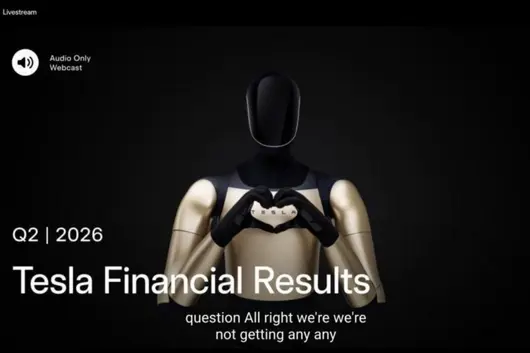

In Malaysia's SUV market, many buyers compare Proton X50 and Mazda CX-3 when choosing a car. The two models are quite close in price and positioning. Today, we will make a detailed comparison from multiple aspects to help you save time on research.
Proton X50 OTR price in Malaysia is RM 89,800 - 113,300, with a total of 4 versions, including 1.5T Executive (RM 89,800), 1.5T Premium (RM 101,800), 1.5T Flagship (RM 113,300), etc.
Mazda CX-3 OTR price in Malaysia is RM 126,159 - 139,159, with a total of 2 versions, including 2023 2.0L High (RM 139,159), 2023 2.0L Plus (RM 126,159), etc.
From the price perspective, Proton X50's starting price is indeed RM 36,359 cheaper than Mazda CX-3. If your budget is limited, Proton's entry-level version can already meet daily needs. However, note that the few thousand cheaper might involve trade-offs in features, depending on your specific needs.

Proton X50 comes with 1.5L 4-cyl, 105 hp power. Official fuel consumption 6.0 L/100km.
Mazda CX-3 comes with 1.5L Turbo, 140 hp power. Official fuel consumption 7.0 L/100km.
In terms of power, Mazda CX-3's 1.5L Turbo has 35 hp more than Proton X50's 1.5L 4-cyl. However, for daily city driving, both cars have sufficient power, you won't feel it's lacking.

Proton X50 safety rating is 5★ (ASEAN NCAP), active safety systems include ADAS (ACC, AEB, LKA, LDA, BSM, RCTA).
Mazda CX-3 safety rating is 5★ (ASEAN NCAP), active safety system includes i-Activsense.
Both cars have the same safety rating, safety features are quite comprehensive for this class. New cars nowadays have good safety, no need to worry too much about this.

Proton X50 adopts 4WD drive system.
Mazda CX-3 adopts FWD drive system.
Proton's 4WD and Mazda's FWD will feel different in handling, test drive comparison is recommended.

Proton X50 and Mazda CX-3 are both mainstream choices in the Malaysian market, suitable for family use and daily commuting. If you value brand reputation and resale value more, prioritize the one with better reputation; if you care more about cost-performance ratio and features, choose the model with richer configurations. Ultimately, it is recommended to test drive both, personal experience is the most important.
Overall, Proton X50 and Mazda CX-3 are both very good models in the Malaysian market. Which one to choose depends mainly on your personal needs and budget. We recommend doing your research, comparing quotes from multiple dealerships, then test driving to make a final decision. Buying a car is a big matter, spending time on research is never wrong.


喺馬來西亞嘅 SUV 市場,好多買家喺揀車嗰陣,都會拿 Proton X50 同 Toyota Corolla Cross 做比較。這兩款車喺價位同定位上都幾接近,今日我哋就從多個方面做詳細比較,幫你省返做功課嘅時間。
Proton X50 喺馬來西亞嘅 OTR 售價係 RM 89,800 - 113,300,總共 4 個版本,包括 1.5T Executive(RM 89,800)、1.5T Premium(RM 101,800)、1.5T Flagship(RM 113,300) 等。
Toyota Corolla Cross 喺馬來西亞嘅 OTR 售價係 RM 133,800 - 148,800,總共 3 個版本,包括 2026 HEV 1.8L GR Sport(RM 148,800)、2026 HEV 1.8L Standard(RM 140,800)、2026 1.8L Standard(RM 133,800) 等。
由價錢睇,Proton X50 嘅入門價確實比 Toyota Corolla Cross 平咗 RM 44,000。如果你預算有限,Proton 嘅入門版已經夠滿足日常需要。但都要留意,平嗰幾千蚊,喺配備上會有取捨,具體要睇你嘅需要。
Proton X50 配備 1.5L 4-cyl,馬力 105 hp。官方油耗 6.0 L/100km。
Toyota Corolla Cross 配備 1.5L Turbo,馬力 140 hp。官方油耗 7.0 L/100km。
動力方面,Toyota Corolla Cross 嘅 1.5L Turbo 比 Proton X50 嘅 1.5L 4-cyl 多咗 35 匹馬力。不過日常喺市區行,兩款車嘅動力都夠用,唔會覺得夠唔力。
Proton X50 嘅安全評級係 5★ (ASEAN NCAP),主動安全系統包括 ADAS (ACC, AEB, LKA, LDA, BSM, RCTA)。
Toyota Corolla Cross 嘅安全評級係 5★ (ASEAN NCAP),主動安全系統包括 TSS (PCS, LDA, ACC, LTA)。
兩款車嘅安全評級一樣,喺呢個級別入面,安全配備都算好齊全。而家嘅新車安全性都唔差,唔使太擔心呢一點。
Proton X50 採用 4WD 驅動方式。
Toyota Corolla Cross 採用 FWD 驅動方式。
Proton 嘅 4WD 同 Toyota 嘅 FWD 喺操控上會有唔同感受,建議試駕對比。

總體嚟講,Proton X50 同 Toyota Corolla Cross 都係馬來西亞市場幾唔錯嘅車型。揀邊一輛,關鍵都要睇你嘅個人需要同預算。建議大家做好功課,多比較幾間車行嘅報價,先至去試駕做最終決定。買車係件大事,花啲時間做功課絕對無錯。

In Malaysia's SUV market, many buyers compare Perodua Aruz and Mazda CX-5 when choosing a car. These two cars are quite close in price and positioning. Today we will make a detailed comparison from multiple aspects to help you save time on research.
The OTR price of Perodua Aruz in Malaysia is RM 72,900 - 77,900, there are 2 versions in total, including 1.5L X (RM 72,900), 1.5L AV (RM 77,900), etc.
The OTR price of Mazda CX-5 in Malaysia is RM 135,469 - 166,760, there are 3 versions in total, including 2025 2.0L AT 35th Anniversary (RM 316,154), 2025 2.0L AT (RM 296,154), 2025 2.0L MT (RM 294,154), etc.
From a price perspective, the starting price of Perodua Aruz is indeed RM 62,569 cheaper than Mazda CX-5. If your budget is limited, Perodua's entry-level version can already meet daily needs. But note, the few thousand Ringgit saved might involve trade-offs in equipment, it depends on your specific needs.

Perodua Aruz is equipped with 1.5L 4-cyl, horsepower 105 hp. Official fuel consumption 6.0 L/100km.
Mazda CX-5 is equipped with 1.5L Turbo, horsepower 140 hp. Official fuel consumption 7.0 L/100km.
In terms of power, Mazda CX-5's 1.5L Turbo has 35 more horsepower than Perodua Aruz's 1.5L 4-cyl. However, for daily city driving, both cars have enough power, you won't feel it's lacking.
Perodua Aruz safety rating is 5★ (ASEAN NCAP), active safety systems include .
Mazda CX-5 safety rating is 5★ (ASEAN NCAP), active safety systems include .
Both cars have the same safety rating, safety equipment in this class is quite comprehensive. New cars nowadays have good safety, there is no need to worry too much about this.

Perodua Aruz warranty 5 years/150,000km, maintenance interval every 10,000km or 6 months.
Mazda CX-5 warranty 5 years/150,000km, maintenance interval every 10,000km or 6 months.
Both cars have the same warranty conditions, there is no need to struggle with this aspect. Actual maintenance cost depends on the brand's service network and parts price, suggest asking real owners in car owner groups for experience.
Overall, Perodua Aruz and Mazda CX-5 are both very good models in the Malaysia market. Which one to choose depends mainly on your personal needs and budget. We suggest doing research, compare quotes from several dealerships, then test drive to make a final decision. Buying a car is a major matter, spending some time doing research will never be wrong.


喺馬來西亞嘅 SUV 市場,好多買家喺揀車嘅時候都會拿 Perodua Aruz 同 Chery Tiggo 8 嚟做比較。呢兩款車喺價錢同定位上都幾接近,我哋而家就從多個方面做一個詳細嘅對比,幫你省下做功課嘅時間。
Perodua Aruz 喺馬來西亞嘅 OTR 售價係 RM 72,900 - 77,900,一共有 2 個版本,包括 1.5L X(RM 72,900)、1.5L AV(RM 77,900) 等。
Chery Tiggo 8 喺馬來西亞嘅 OTR 售價係 RM 129,750 - 129,750,一共有 1 個版本,包括 2026 1.6T Standard(RM 129,750) 等。
從價錢睇落嚟,Perodua Aruz 嘅起步行車價真係比 Chery Tiggo 8 平咗 RM 56,850。如果你預算有限,Perodua 嘅入門版已經可以滿足日常需要。但都要留意,平啲嘅幾千塊,可能喺配備上會有取舍,具體要看你嘅需要。
Perodua Aruz 搭載 1.5L 4-cyl,馬力 105 hp。官方油耗 6.0 L/100km。
Chery Tiggo 8 搭載 1.5L Turbo,馬力 140 hp。官方油耗 7.0 L/100km。
動力方面,Chery Tiggo 8 嘅 1.5L Turbo 比 Perodua Aruz 嘅 1.5L 4-cyl 多咗 35 匹馬力。不過日常喺市區開,兩款車嘅動力都夠用,唔會覺得唔夠力。
Perodua Aruz 車身長 4400 mm,後行李廂 400 L。
Chery Tiggo 8 車身長 4400 mm,後行李廂 400 L。
兩款車嘅尺寸幾乎一樣,車內空間分別唔大。呢個級別嘅車,日常使用完全夠用。
Perodua Aruz 同 Chery Tiggo 8 都係馬來西亞市場嘅主流選擇,適合家庭使用、日常通勤。如果你更睇重品牌口碑同二手價,可以優先考慮口碑更好嗰一款;如果你更在意性價比同配備,就揀配置更豐富嗰款。還係最後建議兩款都去試駕,親自體驗先係最重要嘅。

總體嚟講,Perodua Aruz 同 Chery Tiggo 8 都係馬來西亞市場幾唔錯嘅車型。揀邊一輛,關鍵都要睇你嘅個人需求同預算。建議大家做好功課,多比較幾間車行嘅報價,再去試駕做最終決定。買車係件大事,花點時間做功課絕對唔會錯。

喺馬來西亞嘅 SUV 市場,好多買家喺揀車嘅時候都會拿 Perodua Aruz 同 Chery Tiggo 8 嚟做比較。呢兩款車喺價位同定位上都相當接近,今日我哋由多個方面嚟做一個詳細嘅比較,幫你節省做功課嘅時間。
Perodua Aruz 喺馬來西亞嘅 OTR 售價係 RM 72,900 - 77,900,總共有 2 個版本,包括 1.5L X(RM 72,900)、1.5L AV(RM 77,900) 等。
Chery Tiggo 8 喺馬來西亞嘅 OTR 售價係 RM 129,750 - 129,750,總共有 1 個版本,包括 2026 1.6T Standard(RM 129,750) 等。
由價錢睇落嚟,Perodua Aruz 嘅起步價的確比 Chery Tiggo 8 平咗 RM 56,850。如果你預算有限,Perodua 嘅入門版已經可以滿足日常需求。但都要留意,平嗰幾千蚊,可能喺配備上會有取捨,具體要看你嘅需求。
Perodua Aruz 嘅安全評級係 5★ (ASEAN NCAP),主動安全系統包括。
Chery Tiggo 8 嘅安全評級係 TBD,主動安全系統包括 Basic。
Perodua Aruz 車身長 4400 mm,後尾箱 400 L。
Chery Tiggo 8 車身長 4400 mm,後尾箱 400 L。
兩款車嘅尺寸幾乎一樣,車內空間差別唔大。呢個級別嘅車,日常使用完全夠用。
Perodua Aruz 採用 FWD 驅動方式。
Chery Tiggo 8 採用 FWD 驅動方式。
兩款車嘅驅動方式一樣,都係 FWD,日常駕駛感受唔會有太大分別。
總體嚟講,Perodua Aruz 同 Chery Tiggo 8 都係馬來西亞市場好唔錯嘅車型。揀邊一輛,關鍵仲係要看你嘅個人需求同預算。建議大家做好功課,多比較幾間車行嘅報價,再去試駕做最終決定。買車係件大事,花少少時間做功課絕對無錯。

喺馬來西亞嘅 SUV 市場,好多買家喺揀車嗰陣都會拎 寶路華 Ativa 同 馬自達 CX-30 嚟做比較。呢兩款車喺價位同定位上都幾接近,今日我哋就從多個方面做一個詳細嘅比較,幫你省下做功課嘅時間。
寶路華 Ativa 喺馬來西亞嘅 OTR 售價係 RM 62,500 - 73,400,一共有 3 個版本,包括 1.0L Turbo X(RM 62,500)、1.0L Turbo H(RM 67,300)、1.0L Turbo AV(RM 73,400)等。
馬自達 CX-30 喺馬來西亞嘅 OTR 售價係 RM 122,409 - 146,409,一共有 4 個版本,包括 2025 2.0L High+ Premium(RM 146,409)、2025 2.0L High+(RM 138,409)、2025 2.0L High(RM 130,409)等。
從價錢睇落,寶路華 Ativa 嘅起步價確實比 馬自達 CX-30 平咗 RM 59,909。如果你預算有限,寶路華嘅入門版已經可以滿足日常需要。但要留意,平嗰幾千蚊,可能在配備上會有取舍,具體要看你嘅需要。

寶路華 Ativa 搭載 1.5L 4-cyl,馬力 105 hp。官方油耗 6.0 L/100km。
馬自達 CX-30 搭載 1.5L Turbo,馬力 140 hp。官方油耗 7.0 L/100km。
動力方面,馬自達 CX-30 嘅 1.5L Turbo 比 寶路華 Ativa 嘅 1.5L 4-cyl 多咗 35 匹馬力。不過日常喺市區開,兩款車嘅動力都夠用,唔會覺得唔夠力。
寶路華 Ativa 嘅安全評級係 5★ (ASEAN NCAP),主動安全系統包括 ASA 3.0 + ACC + LDA + LKA + BSM + RCTA。
馬自達 CX-30 嘅安全評級係 5★ (ASEAN NCAP),主動安全系統包括 i-Activsense。
兩款車嘅安全評級一樣,喺呢個級別入面安全配備都算好齊全。而家嘅新車安全性都唔差,唔使太擔心這一點。
寶路華 Ativa 車身長 4400 mm,行李箱 400 L。
馬自達 CX-30 車身長 4500 mm,行李箱 450 L。
空間方面,馬自達 CX-30 嘅車身比 寶路華 Ativa 長咗 100 mm,乘坐空間更有優勢。不過 寶路華 Ativa 喺城市入面停車會靈活啲,各有取舍。

寶路華 Ativa 同 馬自達 CX-30 都係馬來西亞市場嘅主流選擇,適合家庭使用、日常通勤。如果你更睇重品牌口碑同二手價,可以優先考慮口碑更好嗰款;如果你更在意性價同配備,嗰就揀配置更豐富嗰款。最終都建議兩款都去試駕,親身體驗先係最重要。
總體嚟講,寶路華 Ativa 同 馬自達 CX-30 都係馬來西亞市場幾唔錯嘅車型。揀邊一輛,關鍵始終係睇你嘅個人需求同預算。建議大家做好功課,多比較幾間車行嘅報價,再去試駕做最終決定。買車係件大事,花少少時間做功課絕對唔會錯。


喺馬來西亞嘅 SUV 市場,好多買家喺揀車嘅時候都會拿 Perodua Ativa 同 Proton X50 嚟做比較。呢兩款車喺價位同定位上都好接近,今日我哋就從多個方面做一個詳細嘅比較,幫您節省做功課嘅時間。
Perodua Ativa 喺馬來西亞嘅 OTR 售價係 RM 62,500 - 73,400,共有 3 個版本,包括 1.0L Turbo X(RM 62,500)、1.0L Turbo H(RM 67,300)、1.0L Turbo AV(RM 73,400) 等。
Proton X50 喺馬來西亞嘅 OTR 售價係 RM 89,800 - 113,300,共有 4 個版本,包括 1.5T Executive(RM 89,800)、1.5T Premium(RM 101,800)、1.5T Flagship(RM 113,300) 等。
由價錢睇,Perodua Ativa 嘅起步價確實比 Proton X50 平咗 RM 27,300。如果你預算有限,Perodua 嘅入門版已經可以滿足日常需要。但亦要留意,平幾千蚊,可能喺配備上會有取舍,具體要看你嘅需求。
Perodua Ativa 車身長 4400 mm,尾箱 400 L。
Proton X50 車身長 4400 mm,尾箱 400 L。
兩款車嘅尺寸幾乎一樣,車廂空間差別唔大。呢級嘅車,日常使用完全夠用。
Perodua Ativa 保養 5 年/150,000km,保養間隔 每 10,000km 或 6 個月。
Proton X50 保養 5 年/150,000km,保養間隔 每 10,000km 或 6 個月。
兩款車嘅保養條件一樣,呢方面唔使糾結。實際保養成本仲要睇品牌嘅服務網絡同零件價錢,建議去車友群問問真實車主嘅經驗。
Perodua Ativa 同 Proton X50 都係馬來西亞市場嘅主流選擇,適合家庭使用、日常通勤。如果你更重視品牌口碑同二手價,可以優先考慮口碑好嗰款;如果你更在意性價比同配備,嗰就揀配置更豐富嗰款。最後都係建議兩款都去試車,親身經歷先係最重要。
總體嚟講,Perodua Ativa 同 Proton X50 都係馬來西亞市場好唔錯嘅車型。揀邊一輛,關鍵都要睇你嘅個人需要同預算。建議大家做足功課,多比較幾間車行嘅報價,再去試車做最終決定。買車係件大事,花少少時間做功課絕對唔會錯。
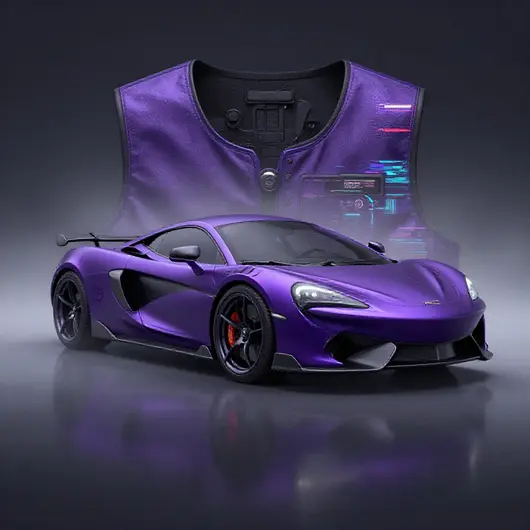
喺馬來西亞嘅 SUV 市場,好多買家喺揀車嘅時候都會拿 Hyundai Palisade 同 Audi Q7 嚟做比較。呢兩款車喺價位同定位上都幾接近,今日我哋就從多個方面做一個詳細嘅比較,幫你省低做功課嘅時間。
Hyundai Palisade 喺馬來西亞嘅 OTR 售價係 RM 368,838 - 399,838,一共有 4 個版本,包括 2023 3.8L 2WD Luxe 7 Seats Petrol(RM 399,838)、2023 2.2T 4WD Executive 7 Seats Diesel(RM 389,838)、2023 3.8L 2WD Luxe 8 Seats Petrol(RM 378,838)等。
Audi Q7 喺馬來西亞嘅 OTR 售價係 RM 462,222 - 462,222,一共有 1 個版本,包括 Standard(RM 462,222)等。
從價錢睇落嚟,Hyundai Palisade 嘅起價確實比 Audi Q7 平咗 RM 93,384。如果你預算有限,Hyundai 嘅入門版已經可以滿足日常需求。但亦都要注意,平嗰幾千蚊,可能喺配備上會有取捨,具體就要睇你嘅需求。

Hyundai Palisade 配備 2.0L Turbo,馬力 220 hp。官方油耗 9.5 L/100km。
Audi Q7 配備 3.0L Turbo,馬力 350 hp。官方油耗 12.0 L/100km。
動力方面,Audi Q7 嘅 3.0L Turbo 比 Hyundai Palisade 嘅 2.0L Turbo 多咗 130 匹馬力。不過日常喺市區開,兩款車嘅動力都夠用,唔會覺得唔夠力。

Hyundai Palisade 嘅安全評級係 TBD,主動安全系統包括 Basic。
Audi Q7 嘅安全評級係 5★ (Euro NCAP),主動安全系統包括 Premium ADAS。
安全配備方面,兩款車都拿到唔錯嘅評級。不過 Hyundai Palisade 嘅 Basic 同 Audi Q7 嘅 Premium ADAS 喺功能上有些差異,如果你比較睇重主動安全嘅話,可以仔細比較一下兩者嘅功能列表。

Hyundai Palisade 採用 FWD 驅動方式。
Audi Q7 採用 FWD 驅動方式。
兩款車嘅驅動方式一樣,都係 FWD,日常駕駛感受唔會有太大分別。

Hyundai Palisade 同 Audi Q7 都係馬來西亞市場嘅主流選擇,適合家庭使用、日常通勤。如果你更睇重品牌口碑同二手價,可以優先考慮口碑更好嗰一款;如果你更在意性價比同配備,就揀配置更豐富嗰款。最終始終建議兩款都去試駕,親身體驗先係最重要嘅。

總體嚟講,Hyundai Palisade 同 Audi Q7 都係馬來西亞市場幾唔錯嘅車型。揀邊一輛,關鍵始終都要睇你嘅個人需求同預算。建議大家做好功課,多比較幾間車行嘅報價,再去試駕做最終決定。買車係件大事,花少少時間做功課絕對無錯。


喺馬來西亞嘅 SUV 市場,好多買家喺揀車嘅時候都會拿斯巴魯傲豹同梅賽德斯 - 賓士 GLA 嚟做比較。呢兩款車喺價位同定位上都好接近,今日我哋就由多個方面做一個詳細嘅對比,幫你節省咗做功課嘅時間。
斯巴魯傲豹喺馬來西亞嘅 OTR 售價係 RM 260,000 - 280,000,一共有 2 個版本,包括 2025 2.4T R-Touring EyeSight(RM 310,340)、2025 2.5L Touring EyeSight(RM 280,340)等。
梅賽德斯 - 賓士 GLA 喺馬來西亞嘅 OTR 售價係 RM 258,888 - 295,888,一共有 1 個版本,包括 Standard(RM 258,888)等。
由價錢嚟睇,梅賽德斯 - 賓士 GLA 嘅起步價比斯巴魯傲豹平咗 RM 1,112。老實講,喺呢個價位段,幾千蚊嘅差距其實唔算大,關鍵仲係睇整體嘅性價比同長期使用成本。

斯巴魯傲豹搭載 2.0L Turbo,馬力 220 hp。官方油耗 9.5 L/100km。
梅賽德斯 - 賓士 GLA 搭載 2.0L Turbo,馬力 220 hp。官方油耗 9.5 L/100km。
兩款車用咗同一套動力系統,日常開起嚟嘅感覺基本冇咩分別。油耗方面都差不多,唔使太糾結呢一點。

斯巴魯傲豹嘅安全評級係 TBD,主動安全系統包括 Basic。
梅賽德斯 - 賓士 GLA 嘅安全評級係 5★ (Euro NCAP),主動安全系統包括高級 ADAS。
安全配備方面,兩款車都拿到唔錯嘅評級。不過斯巴魯傲豹嘅 Basic 同梅賽德斯 - 賓士 GLA 嘅高級 ADAS 喺功能上有啲差異,如果你比較看重主動安全嘅話,可以仔細對比下兩者嘅功能列表。

斯巴魯傲豹保養保修 3 年/100,000km,保養間隔 每 10,000km 或 6 個月。
梅賽德斯 - 賓士 GLA 保養保修 3 年/100,000km,保養間隔 每 10,000km 或 6 個月。
兩款車嘅保養保修條件一樣,呢方面唔使糾結。實際保養成本仲要睇品牌嘅服務網絡同零件價格,建議去車友群問吓真實車主嘅經驗。

總括嚟講,斯巴魯傲豹同梅賽德斯 - 賓士 GLA 都係馬來西亞市場好唔錯嘅車款。揀邊一輛,關鍵仲係要睇你嘅個人需求同預算。建議大家做好功課,多比較幾間車行嘅報價,再去試駕做最終決定。買車係件大事,花啲時間做功課絕對唔會錯。


喺馬來西亞嘅汽車市場,好多買家喺揀車嗰陣都會拎 Perodua Aruz 同 MG MG HS 嚟作比較。今日我哋由多個方面做一個詳細嘅比較,幫你省下做功課嘅時間。
Perodua Aruz 喺馬來西亞嘅 OTR 售價係 RM 72,900 - 77,900,一共有 2 個版本,包括 1.5L X(RM 72,900)、1.5L AV(RM 77,900) 等。
MG MG HS 喺馬來西亞嘅 OTR 售價係 RM 130,450 - 146,450,一共有 2 個版本,包括 1.5L Standard(RM 105,000)、1.5L Executive(RM 115,000) 等。
由價錢嚟睇,Perodua Aruz 嘅起步價確實比 MG MG HS 平咗 RM 57,550。如果你預算有限,Perodua 嘅入門版已經可以滿足日常需求。但都要注意,平嗰幾千蚊,可能喺配備上會有取舍,具體要看你嘅需求。
Perodua Aruz 車身長 4400 mm,尾箱 400 L。
MG MG HS 車身長 4400 mm,尾箱 400 L。
兩款車嘅尺寸幾乎一樣,車內空間分別唔大。呢個級別嘅車,日常使用完全足夠。
Perodua Aruz 保養 5 年/150,000km,保養間隔 每 10,000km 或 6 個月。
MG MG HS 保養 7 年/150,000km,保養間隔 每 10,000km 或 6 個月。
Perodua Aruz 同 MG MG HS 都係馬來西亞市場嘅主流選擇,適合家庭使用、日常通勤。如果你更睇重品牌口碑同二手價,可以優先考慮口碑好嗰款;如果你更在意性價比同配備,就揀配備更豐富嗰款。最後都係建議兩款都去試駕,親身體驗先係最重要嘅。
總體嚟講,Perodua Aruz 同 MG MG HS 都係馬來西亞市場幾唔錯嘅車型。揀邊款,關鍵都係睇你嘅個人需求同預算。建議大家做好功課,多比較幾間車行嘅報價,再去試駕做最終決定。買車係件大事,花少少時間做功課絕對唔會錯。
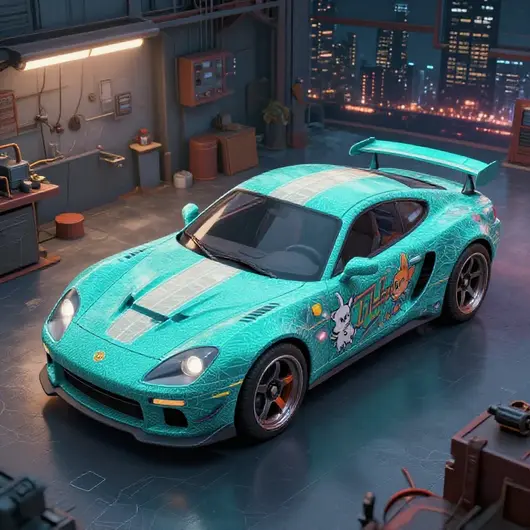
喺馬來西亞嘅汽車市場,好多買家喺揀車嗰陣都會拿馬自達 CX-3 同 Hyundai Tucson 做比較。今日我哋從多個層面做個詳細比較,幫到你節省咗做功課嘅時間。
馬自達 CX-3 喺馬來西亞嘅 OTR 售價係 RM 126,159 - 139,159,總共 2 個版本,包括 2023 2.0L High(RM 139,159)、2023 2.0L Plus(RM 126,159)等。
現代 Tucson 喺馬來西亞嘅 OTR 售價係 RM 143,888 - 197,888,總共 5 個版本,包括 2025 HEV 1.6T AT 2WD Prestige(RM 197,888)、2025 1.6T DCT 4WD Prestige(RM 186,888)、2025 1.6T DCT 2WD Prime(RM 164,888)等。
從價錢嚟睇,馬自達 CX-3 嘅起步價確實比 Hyundai Tucson 平咗 RM 17,729。如果你預算有限,馬自達嘅入門版已經可以滿足日常需求。但都要留意,平嗰幾千蚊,喺配備上可能要有取捨,具體要睇你嘅需求。
馬自達 CX-3 車身長 4500 mm,尾箱 450 L。
現代 Tucson 車身長 4400 mm,尾箱 400 L。
空間方面,馬自達 CX-3 嘅車身比現代 Tucson 長咗 100 mm,車內乘坐空間會少少寬裕啲,特別係後座腳部空間。如果你經常載家人或者需要放嬰兒車,大少少嘅車身確實更加實用。

馬自達 CX-3 採用 FWD 驅動方式。
現代 Tucson 採用 FWD 驅動方式。
兩款車嘅驅動方式一樣,都係 FWD,日常駕駛感受唔會有太大分別。
馬自達 CX-3 同 Hyundai Tucson 都係馬來西亞市場嘅主流選擇,適合家庭使用、日常通勤。如果你更加看重品牌聲譽同二手價,可以優先考慮聲譽更好嗰一款;如果你更加在乎性價比同配備,嗰就揀配備更加豐富嗰款。最終都係建議兩款都去試駕,親身體驗先至係最重要。
總體嚟講,馬自達 CX-3 同 Hyundai Tucson 都係馬來西亞市場好好唔錯嘅車型。揀邊一部,關鍵仲要睇你嘅個人需求同預算。建議大家做好功課,多比較幾間車行嘅報價,先至去試駕做最終決定。買車係件大事,花少少時間做功課絕對唔會錯。


