


首頁Land Cruiser 80

搜尋歷史
熱門搜尋
經銷商登入 / 註冊

2026 Leapmotor Tech Day, the theme comes down to two words: Confidence. The source of this confidence lies in a deep and extensive self-developed technology layout. The press conference was completely different, engineers were the main stars, raving about their technical innovations and layouts.
Leapmotor Chairman Zhu Jiangming said: Leapmotor has 11,000 people, among them 8,500 are engineers. At the startup phase, in a team of 50 people, 41 were engineers. From this layout we know, Leapmotor is a pure tech company, technology is Leapmotor's deepest confidence, and Leapmotor's soul.

Leapmotor's confidence is not slogans shouted at the press conference, but a systematic technical capability built up through 11 years of hard work. While others chased traffic and hyped concepts, Leapmotor chose a harder path: no concept hype, only technology and innovation, throwing all resources and energy into underlying technology and product experience.
1. Where does Leapmotor's Confidence Really Come From?
To put it plainly, Leapmotor's confidence comes from three "Not Justs".
First, not just full-domain self-development, but also deep in-house manufacturing across the full link.
Leapmotor itself controls 65% of the total vehicle cost, built 18 parts factories, and achieved a platform commonality rate of 90%. From cells to battery packs, from motors to controllers, from plastic pellets to headlights, core components and high value-added components are all done in-house.

Second, not just monthly sales of 100,000, but absolute leadership in product power.
In 2019, Leapmotor only sold 1,000 vehicles a year. Now? Monthly sales over 100,000 units, top 3 in China's new energy brand, top 4 globally in new energy brand sales. Launching new technology every year, platform capabilities allow all series products to use the most cutting-edge specifications at the best time. Higher specs than peers, better quality, good but affordable.
Third, not just a vehicle manufacturer, but a technology supplier providing technology to multiple automakers.
Leapmotor's technology is not only used internally but also exported externally. Full vehicle technology empowerment for FAW and Stellantis Group. 5 partnerships for electronic systems, 8 for electric drive systems, 10 for battery systems. Technology external supply is already Leapmotor's second growth curve.
2. One Architecture: LEAP 5.0, Turning Cars into "Third Mobile Spaces"
Leapmotor has officially announced the launch of a second brand. Its goal is clear: build a brand new product category with over 100% space efficiency rate and high intelligence for the second brand.
LEAP 5.0 architecture has realized this goal.
First, physically, Leapmotor did one thing: changed the design concept of fuel cars, cut redundant designs, and expanded simultaneously in length, width, and height.
With the old fuel car layout, the engine occupied the front compartment, the drive shaft ran through the cabin, and shock towers crowded the wheel arches. The car looked big, but there wasn't much usable space. Leapmotor threw the table, reconstructing from scratch.

Where did the length come from? Leapmotor highly integrated the air conditioning system, front-mount integrated. Parts decreased by 18%, longitudinal occupation reduced by 34%, hoses decreased by 30%, and noise was reduced by 3dB.
Move the powertrain back, letting mechanical systems occupy the cabin as little as possible. The result is cabin longitudinal length reaching about 4400mm, about 700mm more than peers, length space improved by 19%.
Where did the width come from? The two shock towers in traditional cars protrude into the cabin like "horns", squeezing front row legroom uncomfortably. Leapmotor arranged shock absorbers vertically, using aluminum die-cast integrated small shock towers, rotating shock absorbers outward 8.3°, freeing up this space. Front row lateral width reaches about 1100mm, legroom space improved by 37.5%.
Where did the height come from? Use a pure flat low floor to lower the floor by about 70mm, use a native integrated smart smart sunroof above to expand upward by about 800mm. One down, one up, cabin height improved by 63.7%, able to stand and walk in the car, fully open "Loft" space.

With this combination of moves, the space efficiency rate directly reached 100%.
Say energy management, Leapmotor redid the vehicle thermal management system.
Physically, module aggregation, AC box moved out of passenger cabin, refrigerant side integrated. Under three innovations: thermal management components reduced from 69 to 21, longitudinal space occupation pressed from 580mm to 310mm, hoses reduced from 6.2m to 3.3m. AC box moved out of cabin, dashboard internal space released for users.
Control level, industry premiere super domain control thermal management system. First to create 14-way valve, connecting originally independent cooling and heating circuits, supporting 48 switching modes and 54 energy interaction modes. One brain, global synergy. Winter heating power 18kW, leading industry by 20%.
Finally, electronic level, 5.0 Central Domain Control.
LEAP 5.0 is true central integrated control, other domain controls only do execution. Total vehicle wiring harness less than 500 meters. Full vehicle 48V power supply, full vehicle Ethernet, car-cloud AgentOS cloud brain + vehicle-side cerebellum continuously evolving.
This is the wonder of the LEAP 5.0 architecture, designing cars from scratch. Cars designed on this architecture have multiple scenario changes, can be an office, can be a living room, can be a bedroom, can be a king room.
It is reported, Leapmotor second brand new product will be unveiled in 2027.
3. Three Self-Developed Core Technologies, One Harder Than the Other
At this tech day, Leapmotor also launched three self-developed core technologies. Demonstrating Leapmotor's both deep and broad layout in self-development.
First core technology: LWM World Model Intelligent Driving: No reliance on BEV, no dependence on rule code
Leapmotor's intelligent driving has a different thought process from others. No reliance on BEV sensing, no dependence on rule code, LiDAR only for safety redundancy.
There is a "knowledge base" in the cloud, trained with large data volume, enabling the model to understand the world, infer and generate the world, continuously learning and evolving.

There is a "real-time brain" at the vehicle end, reusing cloud capabilities, combining navigation and vehicle real-time status, making real-time decisions at the vehicle end. 200 TOPS, 640 TOPS, 1280 TOPS, different computing power levels can be deployed.
Architecture reconstructed from first principles, maintaining image view representation, saving computing power for BEV transformation. Designed memory storage module, allowing the model to remember history. Inertia and real-time understanding decoupled, driving more comfortable. Rules only used for traffic lights and other traffic laws backup, code volume reduced by 90%.
The most ruthless is fleet-level collaborative learning: When one vehicle encounters complex road conditions and learns how to handle it, other vehicles can also learn via the cloud. This breaks the pain point that intelligent driving industry long-tail scenarios are hard to land.
Leapmotor also made this commitment: All LiDAR version users, free upgrade to latest World Model Intelligent Driving version, lifetime free use. For the earliest over 10,000 LiDAR version users, vehicle hardware platforms were inconsistent, algorithm porting and reconstruction would take at least 50 million, Leapmotor still met the requirement.

Where is the confidence? September 2025 Leapmotor identified the World Model route, March 2026 completed DEMO version, now actual vehicles have been tested by media and users in a single continuous shot in advance. Leapmotor Chairman Zhu Jiangming said: Performance reaches industry first tier. Overtake on a bend, truly achieved.
There is something even more terrifying: Leapmotor will equip World Model advanced driving assistance in vehicles under 100,000 yuan in the future, and it will be free advanced intelligent driving.
Second core technology: MM-i Multimodal Hybrid Electric Drive: Three Firsts, Reconstructing from the Root
This tech day announced: Leapmotor officially entered the plug-in hybrid track. And it's not patching up, but returning to first principles to redo.
What's wrong with traditional hybrid electric drive? Generators only generate, drive motors only drive, parts have idle time. Result is pure EV power is weak, high-speed energy consumption high, volume and weight still large.
Leapmotor brings 3 firsts. First first: Generator reuse architecture. Breaking the "generator only generates, drive motor only drives" industry convention, allowing generators to participate in driving when needed, dual motors output pure EV power together. System peak power 206kW, 28% higher than peers, pure EV acceleration no longer weak.
Second first: Dual electromagnetic clutch coaxial integration. Stack two sets of clutches into the same axis, electric drive Y-direction width only 313mm. Volume 25% smaller than peers, current industry volume smallest hybrid electric drive. Adapts A0 to D-class full series, first time allowing high-performance hybrid to fit into A0-class small cars, returning space to passenger cabin. Entire electric drive only 106kg, 40% lighter than peers, power density 1.94kW/kg, hybrid industry highest.
Third first: Intelligent dual-motor control.
Electricity primary, oil secondary, self-developed control algorithm allows the system to switch seamlessly between Pure EV, Series, Parallel, Engine Direct Drive four conditions, nine modes. Hybrid shifting speed shortened from 400ms to 150ms, combined with microsecond-level torque compensation, switching process has no power interruption, no jerking. Drive efficiency 91.5%, generation efficiency 94.4%, industry highest.
Where is the confidence? This structure was co-created by Leapmotor internal team original conception, breaking overseas traditional clutch patent barriers. Hereby, Leapmotor completes "Pure EV + Range Extender + Plug-in Hybrid" full power layout, A0 to D-class full category coverage, domestic and international mass hybrid market space opened.
Third core technology: CTC3.0 High-Low Voltage Integrated Battery: Changing Centuries-Old Rules
The independent low-voltage battery on cars has been used for hundreds of years. Long-term parking power loss, replace it every few years, once replacement costs a few hundred yuan, lead-acid battery waste still pollutes the environment.

Leapmotor says: Why can't it be integrated into big battery packs?
Like home has a big meter (high-voltage battery, for driving) and a small meter (12V low-voltage battery, for car lights, car machines). Leapmotor integrated the small meter into the big meter, unified management, unified protection.
This innovative design brings the following benefits:
High-low voltage integration: Cancel independent low-voltage battery, integrate low-voltage battery part into battery pack. Cell standardization, higher quality.
Capacity increased 7 times: 12V low-voltage battery capacity increased 7 times, power usage more sufficient, long-term storage no fear of power loss.
Lifetime maintenance-free: No need to replace battery every few years, vehicle use cost saves over 2,000 yuan.
High-low voltage batteries use same specification cells, same level protection, shared thermal management, unified energy distribution. First owner battery lifetime warranty.
Even more ruthless: CTC high-low voltage integrated battery related patents, open source to whole industry. Leapmotor welcomes whole industry follow and use, reduce battery pollution, help environmental protection.

Where is the confidence? Leapmotor is CTC technology earliest use, use quantity most vehicle company. From first generation CTC mass production vehicle mounting to now, three generations CTC technology continuous iteration, 1 million vehicle mounting practice, all key links fully mastered. Not modifying on existing solutions, but redesigning power supply system from bottom layer.
4. Easter Egg: Embodied AI Robots
Leapmotor also hid an Easter Egg — Embodied AI Robots.
11 years full-domain self-development accumulated technology, motors, controllers, batteries, sensing algorithms, computing platforms, all are robots most core underlying capabilities. Leapmotor fully independently mastered, is one of most qualified vehicle companies to make robots in whole industry. Already made fully self-developed robots.
But Leapmotor's concept is: Technology reserve can be forward, product landing must be reliable.
Zhu Jiangming's original words: "Robots that can walk around don't count as ability, robots that can make money are presentable. Leapmotor is exploring a truly scaled implementation, commercially valuable application scenario."
5. Business Performance: Three Consecutive Quarterly Profits
Say back, Leapmotor invested so much money in full industry chain self-development, are assets heavy? Returns big? Look at 2026 Leapmotor sales performance, know it.
First look at domestic sales: August 2026 global delivery 103,129 vehicles, consecutive monthly sales break 100,000. China new energy brand top 3, global new energy brand sales top 4. Cumulative delivery near 1.8 million vehicles, on sale 10 models. Undoubtedly New Force No. 1.

Look at overseas performance again: Already entered global 45 countries and regions, overseas stores over 1,000. Going global 2 years, cumulative exports over 200,000 vehicles. 2026 January-June, Italy cumulative registration volume 24,269 units, surged 1448.8% year-on-year, consecutively winning Italy pure EV market No. 1 for six months.
Look at overseas manufacturing again: Spain CKD factory plan import B10 and B05, expected October 2026 official production launch. Malaysia Kedah Gurun factory already mass produced, Myanmar Yangon factory already mass produced.
Best looking operational quality: Already three consecutive half-years realized profits, 2026 first half net profit attributable to parents 210 million yuan. As of August 2026, own 9,500 person engineering team. Tech driven — Product leading — Scale growth — Feedback to R&D, positive cycle already completed.
Leapmotor's logic has always been clear: Not for technology for technology's sake, but let good tech truly land to next generation products, let more mainstream mass consumers use better specifications and functional experience, good but affordable.
Confidence comes from technology. Technology comes from 11 years one step at a time. This should be the root cause of Leapmotor leading the New Forces.

刚结束的汉诺威车展上,上汽商用车摆开了中国车企里最全的参展阵容皮卡、轻客、轻卡、重卡、无人物流车一字排开,能源路线从燃油到纯电再到氢燃料全覆盖。全新星际L皮卡宣布登陆欧洲,40吨级纯电重卡做全球首发,RoboVAN无人车也同台亮相。这不是一次简单的产品展示,而是把一整套中国商用车解决方案直接搬到了欧洲门口。

车展上的底气,来自销售端的真实数据。8月,上汽集团海外市场单月销售13.9万辆,同比增长57.7%;1至8月累计销售101.6万辆,同比增长52.9%。至此,上汽海外累计销量已突破700万辆,欧洲市场累计交付超过100万台。
增速最快的是商用车板块。8月上汽商用车海外销售1.3万辆,同比翻了一倍还多,达到121%,其中新能源车同比增长27%。波兰市场,上汽大通则市占率在中国品牌里排第一;新加坡,轻客拿下细分市场销量冠军;香港,MIFA 7领跑当地MPV市场;智利,T70皮卡预售订单已经排起队。长期深耕下来,上汽商用车稳居欧洲轻型商用车市场中国品牌出口第一。
乘用车这边,MG是绝对主力。作为中国品牌在欧洲的销量冠军,MG今年1至8月在欧洲累计卖出24.1万辆,同比增长22.3%。具体到国家:法国挤进品牌销量前十,爱尔兰纯电细分市场排第四、新车注册量同比暴涨278%,意大利累计用户突破15万——这是继英国之后第二个15万级的核心市场,希腊上半年零售销量第四,比利时稳居品牌销量前十。

产品结构也在变。7月,MG HEV混动车型海外销量超过1.7万辆,同比增长40%;B EV纯电车型超过1万辆,同比增长64%。英国权威汽车媒体《What Car?》年度评选中,MG4 EV Urban拿下最佳纯电小型车,MG HS PHEV获评最佳混动车型,MG S9 PHEV拿下最佳混动七座SUV,一次捧回三座奖杯。
销量数字背后,是一套已经运转起来的全球体系。研发上,上汽在全球布局了三大创新研发中心,今年德国法兰克福欧洲工程中心正式启用,欧洲生产基地和中亚本地化生产同步启动。制造端,泰国、印尼、印度三大整车基地加上百余家零部件配套厂已经落地。渠道方面,海外营销服务网点超过3000个,覆盖170多个国家和地区,印尼还设立了海外金融服务公司。物流上,安吉物流拥有42艘自营滚装船,年运能突破60万辆,“国车国运”不再是一句口号。
从卖产品到建体系,从拼规模到扎品牌,上汽的出海逻辑正在切换,从“走出去”到“走进去”,700万辆是一个节点,不是终点,上汽正加速推进“Glocal”海外战略,将全球视野与本地化运营深度融合。
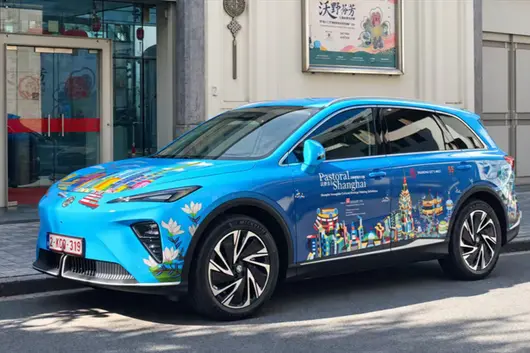

In the SUV market in Malaysia, many buyers compare Proton X90 and Kia Sportage when choosing a car. Both cars are quite close in price and positioning, so today we will do a detailed comparison from multiple aspects to help you save time on research.
The OTR price for Proton X90 in Malaysia is RM 106,800 - 122,800, with a total of 4 versions, including 2026 1.5T Prime X (RM 122,800), 2026 1.5T Prime (RM 116,800), 2026 1.5T Lite (RM 106,800), etc.
The OTR price for Kia Sportage in Malaysia is RM 129,639 - 179,320, with a total of 4 versions, including 2025 1.6T DCT 4WD High (RM 179,320), 2025 1.6T DCT 2WD High (RM 159,320), 2025 2.0L AT 2WD High (RM 139,639), etc.
From a price perspective, the starting price of the Proton X90 is indeed RM 22,839 cheaper than the Kia Sportage. If your budget is limited, the entry-level version of Proton is already sufficient for daily needs. But also note, the few thousand ringgit cheaper may involve trade-offs in features, it depends on your specific needs.

Proton X90 is equipped with a 1.5L Turbo, 140 hp. Official fuel consumption is 7.0 L/100km.
Kia Sportage is equipped with a 1.5L Turbo, 140 hp. Official fuel consumption is 7.0 L/100km.
Both cars use the same powertrain system, the driving feel in daily use is basically no difference. Fuel consumption is also about the same, no need to worry too much about this point.

Proton X90 uses FWD drive method.
Kia Sportage uses FWD drive method.
The drive method of both cars is the same, both are FWD, daily driving feel will not have a big difference.

Proton X90 Warranty 5 years/150,000km, Maintenance interval every 10,000km or 6 months.
Kia Sportage Warranty 5 years/300,000km, Maintenance interval every 10,000km or 6 months.

Both Proton X90 and Kia Sportage are mainstream choices in the Malaysian market, suitable for family use and daily commuting. If you value brand reputation and resale value more, you can prioritize the one with better reputation; if you care more about value for money and features, then choose the one with richer configuration. Ultimately, it is recommended to test drive both, experiencing it personally is the most important.

Overall, both Proton X90 and Kia Sportage are very good models in the Malaysian market. Which one to choose mainly depends on your personal needs and budget. It is recommended to do your homework, compare quotes from several car dealers, and then go for a test drive to make the final decision. Buying a car is a big matter, spending some time doing homework will never be wrong.


In Malaysia's SUV market, many buyers compare Proton X90 and Chery Tiggo 8 PHEV when choosing a car. These two cars are quite close in price and positioning. Today, we will make a detailed comparison from multiple aspects to help you save time doing research.
Proton X90's OTR price in Malaysia is RM 106,800 - 122,800. There are 4 versions in total, including 2026 1.5T Prime X (RM 122,800), 2026 1.5T Prime (RM 116,800), 2026 1.5T Lite (RM 106,800), etc.
Chery Tiggo 8 PHEV's OTR price in Malaysia is RM 159,750 - 159,750. There are 2 versions in total, including 1.6L Turbo Standard (RM 130,000), 1.6L Turbo Premium (RM 145,000), etc.
In terms of price, Proton X90's starting price is indeed RM 52,950 cheaper than Chery Tiggo 8 PHEV. If your budget is limited, Proton's entry-level version can already meet daily needs. However, be aware that the difference of a few thousand ringgit might involve compromises in equipment, it depends on your specific needs.
Proton X90 is equipped with 1.5L Turbo, horsepower 140 hp. Official fuel consumption 7.0 L/100km.
Chery Tiggo 8 PHEV is equipped with Hybrid, horsepower 170 hp. Official fuel consumption 4.5 L/100km.
In terms of power, Chery Tiggo 8 PHEV's Hybrid has 30 more horsepower than Proton X90's 1.5L Turbo. However, for daily city driving, both cars have enough power, you won't feel it is underpowered.
Proton X90 uses FWD drive configuration.
Chery Tiggo 8 PHEV uses FWD drive configuration.
Both cars have the same drive configuration, both are FWD, daily driving feel won't be too different.
Proton X90 Warranty 5 years/150,000km, Service interval every 10,000km or 6 months.
Chery Tiggo 8 PHEV Warranty 3 years/100,000km, Service interval every 10,000km or 6 months.
Proton X90 and Chery Tiggo 8 PHEV are both mainstream choices in the Malaysian market, suitable for family use and daily commute. If you value brand reputation and resale value more, you can prioritize the one with better reputation; if you care more about value for money and features, choose the one with richer configuration. Ultimately, it is recommended to test drive both, personal experience is the most important.
Overall, Proton X90 and Chery Tiggo 8 PHEV are both very good models in the Malaysian market. Which one to choose depends on your personal needs and budget. It is recommended to do thorough research, compare quotes from several dealerships, and then test drive to make the final decision. Buying a car is a big matter, spending time doing research will definitely not go wrong.

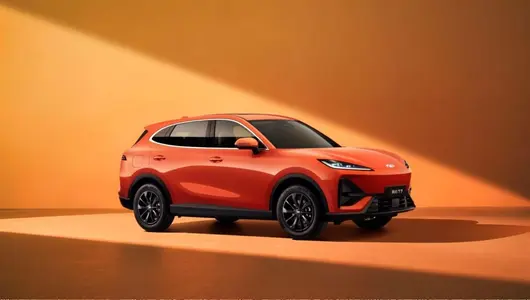
August 12, Chery Fengyun T7 officially opened pre-sales. This launch event, themed "Slow Craftsmanship Builds Great Cars, Have Waited Long Enough", is less of a product debut and more of a clear response from Chery to the current industry trend of "Speed-made Car Manufacturing".
The new car was launched in 3 versions, with a pre-sale guide price ranging from 109,900 yuan to 129,900 yuan. All models come standard with 600km range (CLTC), integrated cockpit-driving 8775 chip, and Falcon 500 Driving Assistance System—when these configurations are concentrated on a 100,000-yuan class pure electric SUV, the Fengyun T7's product logic is already clear enough: build cars with global standards, sell cars with national prices.
"Reverse Overseas Expansion": Test in the World First, Then Launch in China
What is most noteworthy about Fengyun T7 is not the stacking of certain configurations, but its development path.
Currently, many car models follow the routine route of "Domestic Launch First, Then Overseas". However, Fengyun T7 follows a reverse path—its homologous model Lepas L6 was launched earlier in overseas markets such as South Africa and Thailand, and gained recognition from overseas users. Only after completing real-vehicle verification in overseas markets did Fengyun T7 land domestically to open pre-sales.

This "First Accept Global Market Verification, Then Launch Domestic" reverse input rhythm is not common among local car companies. Chery Executive Vice President Li Xueyong frankly admitted at the pre-sale launch event that Fengyun T7 underwent two years of planning and three years of R&D, "cannot be fast at all". He emphasized that automobiles relate to the safety of millions of families and face the test of different road conditions, climates, and habits globally, "some time really cannot be saved".
This "slowness" is reflected in numbers: the project invested 81 dedicated endurance cars for simultaneous road testing, the whole vehicle accumulated test mileage over 6 million km, and the endurance special actual test reached 1.45 million km. Testing covered Southeast Asian rainy season, Middle East high-temperature sun exposure (40°C-55°C), Indonesian high humidity, Nordic extreme cold and other hundreds of extreme operating conditions.
Six Rigid Needs: How a Car Responds to All Family Expectations
Fengyun T7's product definition logic is also clear—centered around the "Six Rigid Needs" of family users: Appearance, Safety, Travel, Intelligence, Comfort, Reassurance.
On the appearance rigid need level, the new car was designed with participation from Chery's 10 global design centers, with over 5,000 domestic and overseas users co-creating throughout the process. The homologous model Lepas L6 once appeared at Milan Design Week. The exterior uses a wind-driven front face, wind-sculpted satin body, and skyline sunset tailgate design, providing 6 color options: Blazing Orange, Mountain Smoke Purple, Cloud Pink Beige, Flowing Light Silver, Green Bamboo Grey, and Ink Stone Black. Interior features two styles: Warm Black-Brown and Extreme Night Obsidian. All interior leather, sealing strips, and plastic parts are selected materials according to the standard of not being easily hardened or faded.
Safety rigid need is Fengyun T7's hardest card. The new car is designed against the 2026 version E-NCAP five-star safety standards, with functional safety reaching the highest ASIL D level. The body uses 80% high-strength steel and 18.84% hot-formed steel to create a nine-horizontal five-vertical cage body, equipped with shotgun structure, dual-frame subframe+Pack anti-collision beam. The whole vehicle is equipped with 9 airbags, including 48L dual-chamber remote airbags and rear seat side airbags. All models come standard with Rhinoceros Battery, featuring a super strong 6D protection structure, IP68 waterproof rating is 96 times the national standard.

Regarding travel rigid needs, Fengyun T7 achieves "range parity"—all models come standard with 65.05kWh Rhinoceros Battery, CLTC range 600km, actual test range reaches over 667km. Charging from 30% to 80% takes only 20 minutes. Equipped with global integrated thermal management dual-source wide heat pump air conditioning+high-voltage PTC, operating stably in ultra-wide temperature range from -30°C to 55°C. Combined with all models standard AGS Intelligent Air Intake Grille and 14 low wind resistance optimizations, high and low temperature energy consumption is more stable.
On the intelligence rigid need level, Fengyun T7 is equipped with the first-of-its-class 4nm process integrated cockpit-driving 8775 chip, NPU computing power 72 TOPS, response only needs 80ms. Equipped with 15.6 inches 2.5K high-definition large screen, supporting CarPlay, HUAWEI HiCar, CarLink wireless connection, covering over 99% of phone screen casting on the market. Lingxi Smart Cockpit 2.0 includes built-in Power Nap, Camping, Pet, Wake Up and other six scene modes. Regarding intelligent driving, Falcon 500 Driving Assistance System is equipped, integrating 3 millimeter-wave radars, 7 high-performance cameras, and 12 ultrasonic radars, totaling 22 high-precision sensors, supporting over 300 types of full-scenario automatic parking, covering dead-end road parking, one-touch trajectory reversal, multi-floor parking and other scenarios.
Regarding comfort rigid needs, the whole vehicle size is 4570×1852×1694mm, wheelbase 2700mm, interior space usage 84%. Rear seat pure flat floor, legroom 911mm. Rear seats can be folded down to expand into 1955mm pure flat space, trunk volume 450L, expanded to 1550L. 9-layer cloud-feel seats are equipped with ventilation heating functions, can heat up to 30°C in 5 minutes in -20°C environment. The whole vehicle has 38 storage spaces, equipped with 4 riveted rings with maximum load bearing 300kg and 2 hooks with maximum load bearing 3kg. The chassis was tuned by an international team, axle load ratio 50.8:49.2.
On the reassurance rigid need level, Chery launched two bottom-line guarantees and two lifetime benefits. Two bottom-line guarantees: if the power battery causes thermal runaway damage due to its own reasons, compensation is the same model new car; if an accident is caused by intelligent driving system reasons within one year of purchasing the car, maximum compensation is 5 million yuan. Two lifetime benefits: whole vehicle lifetime warranty (including three-electric system); 666 yuan to purchase 3,999 yuan lifetime basic maintenance package.
Completing Fengyun Series Pure Electric Portfolio, Facing Red Ocean Competition
The launch of Fengyun T7 completes the last piece of the portfolio for Chery Fengyun series plug-in hybrid, extended range, and pure electric three technical routes. According to the plan, Chery Fengyun will launch 12 new models in the next three years. Fengyun T7 is the debut work in the pure electric SUV category.
However, the 100,000 to 150,000 yuan pure electric compact SUV market is exactly one of the most competitive sub-segments of the new energy vehicle market in China. BYD Yuan PLUS, Deepal S05, Changan Qiyuan Q05 are all direct competitors. Whether Fengyun T7 can find a balance between "Slow Work Car Manufacturing" and "Rapid Market Response" is a proposition Chery needs to continuously answer.
But one thing is certain: when a pure electric SUV that has undergone global 6 million km verification, benchmarking E-NCAP five-star safety, all models standard 600km range and 8775 chip, sets the pre-sale price at 109,900 yuan, the value it defines is not just a product, but a return to a car manufacturing philosophy—good products deserve slow craftsmanship.
Fengyun T7 is expected to officially launch at the end of August. At that time, this "Born Global, Tempered and Returned" pure electric SUV will formally accept the test of Chinese consumers.

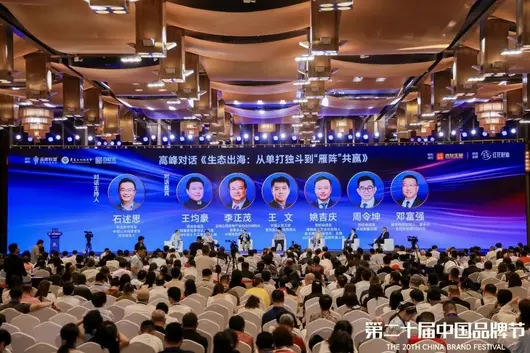
On August 8, the 20th China Brand Festival opened in Beijing. China Tire Business Network (Tirechina.net) learned that Linglong Tyre President Zhou Lingkun was invited to attend the opening ceremony's summit dialogue, engaging in exchanges around the theme "Ecosystem Going Global: From Going It Alone to 'Wild Goose Formation' Win-Win".

As the global industrial chain undergoes deep restructuring, the globalization of Chinese enterprises is stepping into a new phase — no longer a simple output of products, but a systemic evolution involving technology, standards, brands, and ecosystems. As a pioneer in the industry for going global earliest, Linglong's nearly 20-year globalization journey is a vivid footnote to this process.
From Pioneering to Ecosystem Elevation
Looking back at Linglong Tyre's path to going global, President Zhou Lingkun summarized it into four stages on site.
The first stage is pioneering. Since 2009, Linglong has ranked first in exports among Chinese domestic tire enterprises for 13 consecutive years, but at that time it was "one person carrying samples running all over the world", channels, standards, and brands were controlled by others. The second stage is building factories across the ocean. The Thailand factory started production in 2014, making Linglong one of the earliest Chinese tire enterprises to build factories overseas; In September 2024, the Serbia factory officially went into mass production, praised by President Vucic as "Serbia's largest greenfield investment project", Linglong moved from "selling products" to "building capacity".
The third stage is system supremacy. Establishing R&D centers in "three countries, eight locations", defining its own technology and product standards. The fourth stage is ecosystem elevation — rooting and integrating into every overseas market, with ESG as the core, moving from capability output to system output.

"After going through the four stages, our deepest realization is — going it alone allows survival, but to win, one must rely on the ecosystem." Zhou Lingkun said. Only with ecosystems coordinating operations can one go further and fight steadier.
Linglong Tyre's "Wild Goose Formation" Combination
When the host asked whom Linglong most hoped to come along and "fly high", President Zhou Lingkun expressed that it was not pointing to a specific enterprise, but a complete ecosystem combination.

In his view, ecosystem going global is not one enterprise going it alone, but different roles playing their respective parts and progressing together. The OEM is the "Leading Goose", Linglong participates deeply with the OEM, joint research and development, where the OEM opens up, Linglong follows where, and supports where; Professional service providers are the "Supporting Geese", financial, legal, compliance, logistics and other soft infrastructure, cannot be completed by Linglong alone, needs professional partners to support together; Industry associations, think tanks, and testing institutions are the "Escort Geese", for Chinese standards to have equal global discourse power, the whole ecosystem needs joint efforts.
Take Off Together to Fly Further

At the meeting, Linglong was awarded the China Brand Top 500 Value Certificate

Industry Comment
The "Wild Goose Formation" ecosystem going global proposed by Linglong Tyre not only summarizes an enterprise's development experience, but also reflects the collective shift in the globalization process of China's tire industry.
For the past few decades, China's tire industry completed preliminary penetration of the global market based on manufacturing cost advantages, export scale has long led globally, but has always faced industry-common difficulties such as frequent trade barriers, low brand premium, and insufficient overseas localization operation capabilities. The globalization of most small and medium tire enterprises still remains at the product trade level, the model of going it alone is both difficult to cope with complex overseas policies, compliance and supply chain risks, and also difficult to support brands breaking through to high-end markets.
With leading enterprises completing overseas capacity landing and building global R&D networks, the globalization of Chinese tires has entered the deep water area. "China brand going global is not about comparing who flies faster, but who flies further, flies steadier, flies as a team." Zhou Lingkun stated in the dialogue, there are no supporting roles in the wild goose formation, every participant has their own value, moving forward towards a common goal simultaneously.
From product output to capacity layout, then to technology standards and ecosystem system output, the globalization of Chinese tire brands is experiencing a key leap from quantity to quality. When the upstream and downstream of the industrial chain form a combined force, and go global collaboratively with a "Wild Goose Formation" posture, the Chinese tire industry can truly establish long-term competitiveness in the global market, achieve brand upgrade from "going out" to "going up", and win more recognition and respect on the global stage.

喺馬來西亞嘅 SUV 市場,好多名買家喺揀車嗰陣都會拿 Proton X90 同 Chery Tiggo 8 Pro 嚟比較。呢兩部車喺價位同定位上都好接近,今日我哋就從多個角度做一次詳細嘅對比,幫你慳返做功課嘅時間。
Proton X90 喺馬來西亞嘅 OTR 售價係 RM 106,800 - 122,800,一共有 4 個版本,包括 2026 1.5T Prime X(RM 122,800)、2026 1.5T Prime(RM 116,800)、2026 1.5T Lite(RM 106,800)等。
Chery Tiggo 8 Pro 喺馬來西亞嘅 OTR 售價係 RM 159,750 - 159,750,一共有 2 個版本,包括 1.6L Turbo Standard(RM 130,000)、1.6L Turbo Premium(RM 145,000)等。
由價錢睇,Proton X90 嘅起步價的確比 Chery Tiggo 8 Pro 平咗 RM 52,950。如果你預算有限,Proton 嘅入門版已經可以滿足日常需要。不過都需要注意,平嗰幾千蚊,可能喺配備上會有取捨,具體就要睇你嘅需求。
Proton X90 車身長 4400 mm,後尾箱 400 L。
Chery Tiggo 8 Pro 車身長 4400 mm,後尾箱 400 L。
兩部車嘅尺寸幾近一樣,車內空間分別唔大。呢個級別嘅車,日常使用完全夠用。
Proton X90 採用 FWD 驅動方式。
Chery Tiggo 8 Pro 採用 FWD 驅動方式。
兩部車嘅驅動方式一樣,都係 FWD,日常駕駛感受唔會有太大分別。
Proton X90 同 Chery Tiggo 8 Pro 都係馬來西亞市場嘅主流選擇,適合家庭使用、日常通勤。如果你更鍾意品牌口碑同二手價,可以優先考慮口碑更好嗰一款;如果你更在意性價比同配備,就揀配置更豐富嗰款。總之建議兩部都去試駕,親自體驗先係最重要。
總體嚟講,Proton X90 同 Chery Tiggo 8 Pro 都係馬來西亞市場唔錯嘅車型。揀邊一輛,關鍵始終要睇你嘅個人需要同預算。建議大家做足功課,多比較幾間車行嘅報價,再去試駕做最終決定。買車係件大事,花少少時間做功課絕對唔會錯。

喺马来西亚嘅 SUV 市場,好多買家喺揀車嘅時候都會拿 Proton X90 同 Mazda CX-60 做比較。這兩款車喺價錢同定位上都幾接近,今日我哋就由多個方面做一個詳細嘅比較,幫你省返做功課嘅時間。
Proton X90 喺马来西亚嘅 OTR 售價係 RM 106,800 - 122,800,一共有 4 個版本,包括 2026 1.5T Prime X(RM 122,800)、2026 1.5T Prime(RM 116,800)、2026 1.5T Lite(RM 106,800) 等。
Mazda CX-60 喺马来西亚嘅 OTR 售價係 RM 200,510 - 252,873,一共有 2 個版本,包括 2026 3.3T 4WD High Plus(RM 252,873)、2025 2.5L 2WD High(RM 200,510) 等。
從價錢來看,Proton X90 嘅起步價確實比 Mazda CX-60 平咗 RM 93,710。如果你預算有限,Proton 嘅入門版已經可以滿足日常需要。但要注意,平嗰幾千蚊,可能喺配備上有取舍,具體要睇你嘅需求。
Proton X90 搭載 1.5L Turbo,馬力 140 hp。官方油耗 7.0 L/100km。
Mazda CX-60 搭載 2.0L 4-cyl,馬力 170 hp。官方油耗 8.0 L/100km。
動力方面,Mazda CX-60 嘅 2.0L 4-cyl 比 Proton X90 嘅 1.5L Turbo 多咗 30 匹馬力。不過日常喺市區行,兩款車嘅動力都夠用,唔會覺得唔夠力。
Proton X90 嘅安全評級係 5★ (ASEAN NCAP),主動安全系統包括 ADAS (ACC, AEB, LKA, LDA, BSM, RCTA)。
Mazda CX-60 嘅安全評級係 5★ (Euro NCAP),主動安全系統包括 i-Activsense Pro。
安全配備方面,兩款車都拿到唔錯嘅評級。不過 Proton X90 嘅 ADAS (ACC, AEB, LKA, LDA, BSM, RCTA) 同 Mazda CX-60 嘅 i-Activsense Pro 喺功能上有少少差異,如果你比較重視主動安全嘅話,可以仔細比較下兩者嘅功能列表。
Proton X90 保修 5 年/150,000km,保養間隔 每 10,000km 或 6 個月。
Mazda CX-60 保修 5 年/150,000km,保養間隔 每 10,000km 或 6 個月。
兩款車嘅保修條件一樣,呢方面唔使糾結。實際保養成本仲要睇品牌嘅服務網絡同零件價格,建議去車友群問吓真實車主嘅經驗。

總體嚟講,Proton X90 同 Mazda CX-60 都係马来西亚市場幾好嘅車型。揀邊輛,關鍵始終要睇你嘅個人需要同預算。建議大家做好功課,多比較幾間車行嘅報價,再去試駕做最終決定。買車係件大事,花少少時間做功課絕對唔會錯。

喺馬來西亞嘅 SUV 市場,好多買家喺揀車嘅時候都會拿寶騰 X70 同斯巴魯 Forester 嚟做比較。呢兩款車喺價錢同定位上都幾接近,今日我哋就從多個方面做一個詳細嘅比較,幫你省返做功課嘅時間。
寶騰 X70 喺馬來西亞嘅 OTR 售價係 RM 106,800 - 122,300,合共 3 個版本,包括 1.5L Standard 2WD(RM 106,800)、1.5L Executive 2WD(RM 115,800)、1.5L Premium 2WD(RM 122,300) 等。
斯巴魯 Forester 喺馬來西亞嘅 OTR 售價係 RM 174,000 - 197,000,合共 3 個版本,包括 2024 2.0L S EyeSight GT Edition(RM 189,538)、2024 2.0L S EyeSight(RM 177,538)、2024 2.0L L EyeSight(RM 167,538) 等。
由價錢睇,寶騰 X70 嘅入門價確實比斯巴魯 Forester 平咗 RM 67,200。如果你預算唔夠,寶騰嘅入門版已經可以滿足日常需要。但都要注意,平嗰幾千塊,可能喺配備上會有取捨,具體要看你嘅需要。

寶騰 X70 裝載 1.5L Turbo,馬力 140 hp。官方油耗 7.0 L/100km。
斯巴魯 Forester 裝載 2.0L 4-cyl,馬力 170 hp。官方油耗 8.0 L/100km。
動力方面,斯巴魯 Forester 嘅 2.0L 4-cyl 比寶騰 X70 嘅 1.5L Turbo 多咗 30 匹馬力。不過日常喺市區行,兩款車嘅動力都夠用,唔會覺得冇力。

寶騰 X70 車身長 4400 mm,尾箱 400 L。
斯巴魯 Forester 車身長 4400 mm,尾箱 400 L。
兩款車嘅尺寸差唔多,車內空間差別唔大。呢個級別嘅車,日常使用完全夠用。

寶騰 X70 同斯巴魯 Forester 都係馬來西亞市場嘅主流選擇,適合家庭使用、日常通勤。如果你更睇重品牌口碑同二手價,可以優先考慮口碑更好嗰一款;如果你更在意性價比同配備,就揀配備更豐富嗰款。最後仲建議兩款都去試駕,親身體驗先係最重要嘅。
總體嚟講,寶騰 X70 同斯巴魯 Forester 都係馬來西亞市場幾唔錯嘅車型。揀邊一輛,關鍵仲要睇返你嘅個人需要同預算。建議大家做好功課,多比較幾間車行嘅報價,再去試駕做最終決定。買車係件大事,花少少時間做功課絕對唔會錯。


喺馬來西亞嘅 SUV 市場,好多買家喺揀車嗰陣都會拿 寶騰 X70 同 奇瑞 Tiggo 7 Pro 嚟做比較。這兩款車喺價位同定位上都幾接近,今日我哋就從多個方面做一個詳細嘅比較,幫你省下做功課嘅時間。
寶騰 X70 喺馬來西亞嘅 OTR 售價係 RM 106,800 - 122,300,一共有 3 個版本,包括 1.5L Standard 2WD(RM 106,800)、1.5L Executive 2WD(RM 115,800)、1.5L Premium 2WD(RM 122,300) 等。
奇瑞 Tiggo 7 Pro 喺馬來西亞嘅 OTR 售價係 RM 123,750 - 123,750,一共有 2 個版本,包括 1.6L Turbo Standard(RM 125,000)、1.6L Turbo Premium(RM 140,000) 等。
從價錢嚟睇,寶騰 X70 嘅起步價確實比 奇瑞 Tiggo 7 Pro 平咗 RM 16,950。如果你預算有限,寶騰嘅入門版已經可以滿足日常需求。但要留意,平嗰幾千蚊,喺配備上可能會做取舍,具體要睇你嘅需求。
寶騰 X70 嘅安全評級係 5★ (ASEAN NCAP),主動安全系統包括 ADAS (ACC, AEB, LKA, LDA, BSM, RCTA)。
奇瑞 Tiggo 7 Pro 嘅安全評級係 TBD,主動安全系統包括 Basic。
安全配備方面,兩款車都拿到唔錯嘅評級。不過 寶騰 X70 嘅 ADAS (ACC, AEB, LKA, LDA, BSM, RCTA) 同 奇瑞 Tiggo 7 Pro 嘅 Basic 喺功能上有少少差異,如果你比較重視主動安全嘅話,可以仔細比較吓兩者嘅功能列表。
寶騰 X70 車身長 4400 mm,行李箱 400 L。
奇瑞 Tiggo 7 Pro 車身長 4400 mm,行李箱 400 L。
兩款車嘅尺寸幾乎一樣,車內空間差別唔大。呢個級別嘅車,日常使用完全夠用。
寶騰 X70 採用 FWD 驅動方式。
奇瑞 Tiggo 7 Pro 採用 FWD 驅動方式。
兩款車嘅驅動方式一樣,都係 FWD,日常駕駛感覺唔會冇太大分別。
總嚟講,寶騰 X70 同 奇瑞 Tiggo 7 Pro 都係馬來西亞市場好唔錯嘅車型。揀邊一輛,關鍵都要睇你嘅個人需求同預算。建議大家做足功課,多比較吓幾間車行嘅報價,再去試駕做最終決定。買車係件大事,花少少時間做功課絕對唔會錯。


