首頁Fuga Y50

搜尋歷史
熱門搜尋
經銷商登入 / 註冊

6 月 1 日,長安汽車公佈 5 月交付 209100 輛,當中海外交付 70700 輛,按年增長 38%,新能源交付 92400 輛,按年增長 5.8%。
旗下子品牌中,長安啟源 5 月交付 34528 輛,主打車型全新 Q05 交付 15812 輛,泰國上市三日訂單數突破 3000 輛;深藍汽車 5 月銷量 33243 輛,按年增長 30%,1 至 5 月海外累計銷售 28704 輛,按年增長 167%;阿維塔 5 月交付 7336 輛,阿維塔 07L 亮相工業和信息化部公告,將首批搭載華為乾崑 ADS 5;長安汽車(引力)5 月交付 48900 輛,CS75PLUS&逸動藍鯨超擎雙車上市交付,上市搶購價 7.99 萬起;長安凱程 5 月交付 21100 輛,新能源銷量按年增長 21%。
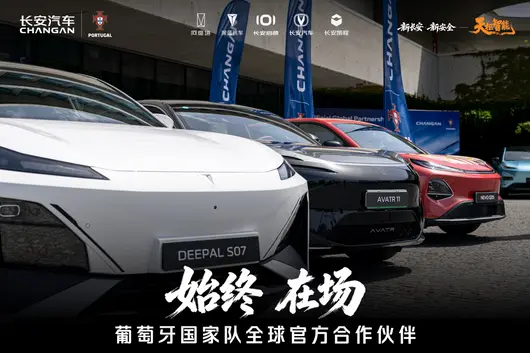
銷量穩步攀升嘅背後,係長安汽車三大戰略紮實推進。5 月,長安汽車重磅宣佈成為葡萄牙國家足球隊全球官方合作夥伴,全球化「海納百川」計劃 2.0 又落下一子;長安自研天樞領航端到端技術即將量產上車,智能化「北斗天樞 2.0」計劃再下一城;長安藍鯨超擎雙車開啟全國百城千店上市交付,新能源「香格里拉」計劃實現藍牌車油耗下降一半。

 車勢 Auto-First|李德喆
豐田汽車日前官方宣佈進一步擴大海外產能削減規模,將今年 6 月至 11 月嘅海外減產總量從先前規劃嘅 3.8 萬輛大幅上調至 8.3 萬輛,減產幅度翻倍。再加今年一季嘅日本本土工廠面向中東市場 4 萬輛嘅前期減產,豐田喺半年內整車產能計劃收縮規模已超過 12 萬輛。
豐田此次產能調整針對性極強,主要鎖定疲軟市場與滯銷車型,包括泰國、印度、馬來西亞等亞洲海外工廠,以及專供中東市場嘅海外生產線,主力減產車型集中喺燃油版 RAV4、凱美瑞、Fortuner、Innova 等傳統燃油 SUV 與家用轎車,混動車型及純電車型產能則基本維持不變。
單睇表面,短期地緣危機與供需失衡或係豐田本輪減產嘅主要原因,但實際上,亦反映出方針死守燃油車基本盤,喺全球新能源浪潮中已經陷入戰略被動。
長久以來,豐田堅持混動技術路線,純電車型研發與投放節奏緩慢,倚靠耐用性、保值率優勢深耕全球燃油車藍海市場。尤其喺中東、東南亞等新興市場長期佔據絕對龍頭地位。然而,近幾年,全球汽車行業格局徹底重構,中國、歐洲等核心市場全面加速電動化替代,東南亞、中東等傳統燃油車「避風港」開始逐步推出新能源扶持政策,本土新能源車型快速崛起,分流燃油車市場份額。

豐田持續收縮海外產能,亦折射出而家跨國車企全球化佈局嘅新邏輯。過去車企追求全域佈局、產能全覆蓋,以規模效應降低成本;而家全球地緣衝突頻繁、區域貿易壁壘加高、市場區域分化加劇,盲目擴張全球化產能風險陡增。跨國車企開始由「全域擴張」轉向「精準佈局」,关停低效、滯銷燃油車產能,將資金與產能集中投放向高增長電動化賽道,成為行業共性操作。
可以講,呢場由豐田掀起嘅全球產能收縮潮,亦畀而家全速出海嘅中國自主品牌敲響咗警鐘。
近年來國內車市內捲加劇,頭部車企紛紛加碼海外建廠、整車出口,中東、東南亞正係中國車企出海嘅核心增量市場,2025 年我國對中東汽車出口量已突破 140 萬輛,正逢豐田受物流中斷、地緣動盪被動讓出市場份額,唔少國內車企順勢加大區域產能投放與庫存備貨。但豐田嘅困境直接暴露咗全球化造車嘅共性風險:單一區域地緣政治動盪、海運航道阻斷、區域需求突变,都能瞬間重創重資產海外產能佈局。

與此同時,中國車企出海而家亦暗藏兩大隱患:一係部分車企盲目複製日系過往重資產建廠模式,喺新興市場快速落地整車工廠,產能擴張節奏遠超當地新能源滲透速度,極易重蹈豐田燃油車產能过剩覆轍;二係部分出海產品結構單一,過度依賴燃油車或低價入門級新能源車,缺乏適配唔同區域政策、路況嘅多元化產品矩陣,抗市場波動能力不足。
此外,豐田而家面對嘅地緣供應鏈風險亦喺提醒中國車企,出海唔可以淨係追求銷量規模,必須同時搭建多元化海運路線、分散區域市場佈局,加快海外供應鏈本土化配套,減少外部突發風險帶來嘅衝擊。
統籌全局,豐田海外減產係全球燃油車時代落幕嘅另一個重磅訊號。汽車行業存量競爭嚟到,地緣風險、能源變革、電動化浪潮三重變數正在重塑全球汽車產業新規則。對於所有跨國車企嚟講,倚靠燃油車躺贏嘅時代已經徹底終結,唯有加速推進產能結構改革,先至能夠適配全新嘅全球汽車市場格局。

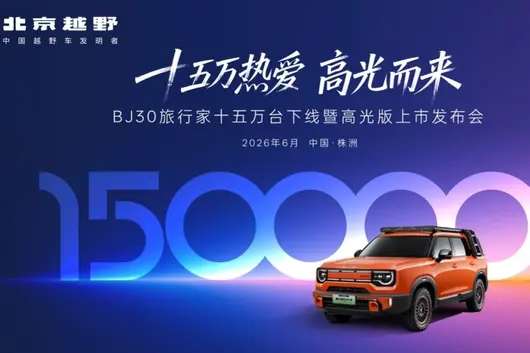
6 月 12 日,“十五萬熱愛,高光而來”BJ30 旅行家十五萬台下線暨高光版上市發布會於北汽株洲超級工廠圓滿舉辦。作為中國輕越野 SUV 最快達成 15 萬台銷量的標杆車型,BJ30 旅行家憑藉長期市場口碑與全球實測品質,再度刷新細分市場紀錄。

本次活動不僅見證品牌 15 萬台下線里程碑,更正式推出年度全新版型——BJ30 旅行家高光版。BJ30 旅行家全系推出 3 萬元換購政策,超級換購價 6.99 萬元起。年度全新版型 BJ30 旅行家高光版上市,定位輕越野 SUV,顏值、性能、體驗三個維度全面進階,超級換購價 8.29 萬元起。

(北汽集團副總經理、北京越野董事長張國富)
依托北京越野六十餘年專業越野技術積澱,BJ30 旅行家始终以“超野、超大、超省”三大核心硬核實力立足市場,長期領跑細分賽道,斬獲連續 24 個月自主 HEV 混合動力 SUV 銷量第一、10-15 萬自主緊湊 SUV 保值率第一等多項重磅榮譽,更拿下阿拉伯地區最佳混合動力 SUV、阿根廷年度最佳進口 SUV 等國際獎項,產品實力獲得國內外市場雙重認證。此次高光版煥新上市,精準貼合用戶真實用車需求,補齊產品細節體驗,重塑 10 萬級輕越野 SUV 價值新標準。
央視權威鑒證!15 萬公里實車拆解,見證硬核耐久品質
真正的品質,經得起時間與鏡頭的雙重檢驗。本次發布會最大亮點,是北京越野攜手央視財經完成全網首次 15 萬公里 BJ30 旅行家實車拆解直播,以真實車況直面用戶對車輛耐久性、可靠性的核心顧慮,同時深入探訪北汽株洲超級工廠,溯源中國智造的嚴苛品控體系。
15 萬公里,相當於普通家庭近十年用車里程、繞國境線 6 圈的行駛強度,拆解後的整車狀態極具說服力。動力層面,發動機渦輪積碳極少、工況優異,變速箱無滲漏、齒輪無磨損坑窪,長期動力輸出穩定充沛;三電層面,電池包無鼓包、漏液、衰變質問題,徹底打消用戶新能源用車顧慮;底盤層面,副車架、懸掛擺臂無銹蝕、滲油痕跡,整車規整度、平整度近乎新車,被動安全防護始終在線。

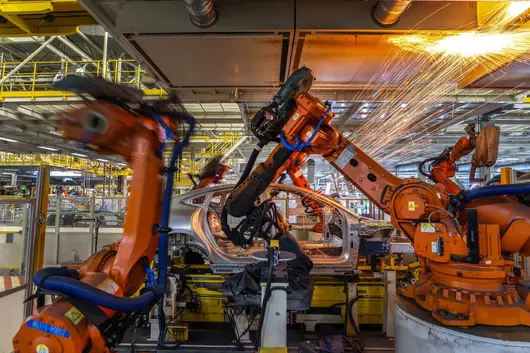
過硬品質源自嚴苛智造。北汽株洲超級工廠搭載全自動化生產體系,焊接車間機械人 100% 自動化作業,塗膠誤差不超頭髮級別,大幅提升車身剛性與抗形變能力;五千多噸巨型沖壓設備一體成型車身板材,線條規整、結構穩固;全自動噴塗車間採用環保水性漆,有害揮發物降低六成以上,新車零異味、漆面耐曬耐腐蝕。全流程多道品控關口,從源頭保障每一台下線車型品質達標。
高光版全面煥新!顏值/性能/體驗三重進階
基於 15 萬車主真實用車反饋打磨升級的 BJ30 旅行家高光版,在原有硬核產品力基礎上,實現高光顏值、高光性能、高光體驗全方位躍升,兼顧年輕個性化與家庭實用性,補齊全場景出行體驗。

高光顏值,可鹽可甜氣勢拉滿。BJ30 旅行家高光版延續經典方盒子硬朗造型,標配專屬五闕星環貫穿燈組、電感潮改套件與星環輪轂,辨識度拉滿。新增熔岩橙、穹頂藍、寒川灰三款專屬車漆,風格個性百搭。內飾升級橙色主題配色與金屬紋理飾板,搭配家族山形儀錶細節,質感大幅進階,日常通勤精緻耐看,戶外越野氣勢十足。
高光性能,動力油耗雙向突破。相較於普通版,高光版針對性強化核心性能,用車體驗全面提升。換裝三倍壽命的高性能 AGM 電瓶,長期停放、戶外用電更穩定耐用;搭載保時捷同款 VGT 渦輪技術+41% 高熱效率混合動力引擎,充電效率達 99%,兼顧強勁動力與超低油耗。後置馬達功率提升至 70kW,起步、超車、並線響應更迅猛,徹底告別動力拖沓,全域路況駕駛更從容。
高光體驗,打造全域舒適移動會客廳。依托高車身架構,新車視野遠超同級,長途行車不壓抑。全車標配座椅通風、加熱及方向盤加熱,四季駕乘恆溫舒適。同時配備雨滴自動關窗、64 色律動氛圍燈、10 揚聲器 HiFi 音響,實用配置與輕奢儀式感兼具,完美適配家庭通勤、長途出遊、戶外露營等各类出行場景。
三擎四驅六模架構加持,超野性能征服全場景路況
作為中國方盒子 SUV 首款 HEV 混合動力車型,BJ30 旅行家搭載行業領先的三擎四驅六模 HEV 混合動力架構,歷經全球超 2600 萬 HEV 用戶驗證,技術成熟可靠。整套系統由 41% 高熱效率混合動力專用發動機、前後雙驅動馬達組成三擎動力矩陣,分工明確、協同高效,分別適配長距離節能、實時補能與瞬時爆發場景。

智能電四驅響應速度低至 30 毫秒,0.5 秒即可爆發峰值扭矩,搭配能量中鎖、四輪電子限滑、AI 智能超級電控系統,最大輪端扭矩可達 5928N·m,可輕鬆應對泥地、沙地、交叉軸、涉水等複雜輕越野路況。六大智能驅動模式可根據路況自動切換,覆蓋純電、串聯、並聯、發動機直驅等全工況,城市通勤平順省油、高速巡航動力充沛、戶外越野從容脫困。同時支持全域 OTA 終身升級,持續優化動力邏輯與越野性能,越用越新。

安全層面,整車搭載 63.4% 高強度鋼籠式車身,關鍵部位全覆蓋熱成型鋼,車身扭轉剛度達 24800N·m/度,單輪懸空半米仍可正常開門。歷經 400 萬公里極限環境耐久測試,嚴苛品質遠超行業標準,全方位守護出行安全。
超大空間 + 超低能耗,兼顧家用實用與長期省心
空間實用性是 BJ30 旅行家的核心王牌。新車擁有 2820mm 超長軸距、66% 超高得房率,主打 10 萬級稀缺三排七座佈局,B 級寬適第三排可從容容納 1.8 米成年人,滿載不擁擠。後備箱最大拓展容積 1496L,後排純平放倒可形成 1.92 米超大平整空間,露營休憩、裝載大件裝備毫無壓力。全車配備 38 處精細化儲物空間,細碎物品收納有序,完美適配全家出遊、戶外露營、日常通勤、搬家儲物等全場景需求。

能耗經濟性更是同級標杆。此前南非、印尼、阿聯酋、波蘭、墨西哥五國汽車博主跨地域、多路況實測,BJ30 旅行家百公里油耗全程控制在 5L 以內,極端高溫、冰雪、非鋪裝路面均保持穩定低能耗表現,一箱油續航超 1000 公里。區別於純電车型的補能焦慮,HEV 混合動力架構加油即走,無需充電樁、無需排隊補能,每年可節省數十小時補能時間與大量用車成本,長期用車省心又省錢。
誠意售價 + 多重權益,入門即享越級豪華體驗
BJ30 旅行家本次上市覆蓋燃油、混合動力多種版型,全系享受 3 萬元超級換購政策,不限車輛品牌、不限使用年限,新購、換購用戶均可享受,入手門檻大幅降低。新車多款車型指導價 9.99-13.99 萬元,燃油、混合動力版本齊全,超級換購價低至 6.99 萬元起。具體售價如下圖:

同時,新車疊加五重尊享終身權益,全方位降低用車成本:首任非營運車主享價值 6000 元整車終身質保、0 首付靈活金融方案、老客戶轉介紹至高 800 元京東卡、全系終身 OTA 免費升級、基礎流量終身免費+2 年不限量娛樂流量。此外,限時開啟“燃情世界盃,高光贏大獎”活動,到店購車即可參與世界盃賭盤,精準命中冠軍及決賽比分可再享 5 萬購車補貼,誠意拉滿。

小結:從 15 萬台下線的市场里程碑,到央視實測認證的硬核品質,再到高光版的全面煥新升級,BJ30 旅行家始終立足用戶需求,跳出同級同質化內捲。憑藉可城可野的全能性能、超大靈活的空間佈局、全球實測的超低能耗、經得起拆解的可靠品質,疊加 6.99 萬起的親民入手價與全周期省心權益,新車完美適配年輕用戶個性化出行、多孩家庭全員出遊、戶外輕越野等多元場景,真實現“一台車滿足所有出行需求”,成為 10 萬級輕越野 SUV 市場無可替代的全能標杆。

兄弟姐妹們,今日講一個出海嘅大新聞——唔係賣車,係賣「司機」。6 月 2 號,文遠知行同 Uber 聯合宣佈咗一件事:計劃喺西班牙馬德里推出該國首個商業化 Robotaxi 試點服務。意思就係:西班牙人好快就可以用 Uber 叫到一台冇司機嘅出租車。呢次係文遠知行同 Uber 第一次一齊進入歐洲市場。馬德里亦成為文遠知行 Robotaxi 駛入嘅全球第十二個城市。
官方消息話,喺馬德里自治區政府嘅支持下,呢項服務今年內就會正式啟動。到嗰陣,馬德里嘅朋友哋打開 Uber App,就有一鍵呼叫文遠知行嘅 Robotaxi。同叫普通網約車一樣,分別係嚟嘅車冇駕駛員——至少喺初期,仲係有分別嘅。運營初期,車入面會配備經過專業培訓嘅安全員,終究係剛上線,穩妥第一。
文遠知行呢間公司,你可能聽過,也可能冇聽過。簡單介紹下:2017 年成立,一直埋頭搞 Robotaxi 技術研發同商業化。而家佢嘅 Robotaxi 已經覆蓋咗廣州、北京、新加坡、阿布達比、迪拜、利雅得、蘇黎世……加埋而家嘅馬德里,一共 12 個城市。西班牙亦係文遠知行進入嘅第五個歐洲市場——之前已經入咗瑞士、法國、比利時、斯洛伐克。按照文遠知行同 Uber 喺 2025 年 5 月達成嘅規劃,佢哋要喺五年內新增 15 個國際城市部署 Robotaxi 服務,全球部署數萬輛 Robotaxi。隨著馬德里落地,目前已經完成咗 4 個城市嘅佈局,仲有 11 個會喺 2030 年前陸續覆蓋。
講真嘅,中國自動駕駛公司出海唔係頭一回,但中國技術 + 全球出行平台 + 歐洲市場呢個組合,定係好有意思。馬德里係歐洲最具商業潛力嘅 Robotaxi 市場之一,人口多、出行需求大,當地政策都好友善。喺呢個市場站穩腳根,對文遠知行嚟講係個唔小嘅里程碑。對 Uber 嚟講,引進 Robotaxi 都係為咗降低成本——終究司機唔使發人工。對馬德里市民嚟講,以後打車可能更平。


兄弟姐妹們,今日講一個出海嘅大新聞——唔係賣車,係賣「司機」。6 月 2 號,文遠知行同 Uber 聯合宣佈咗一件事:計劃喺西班牙馬德里推出該國首個商業化 Robotaxi 試點服務。意思就係:西班牙人好快就可以用 Uber 叫到一台冇司機嘅出租車。呢次係文遠知行同 Uber 第一次一齊進入歐洲市場。馬德里亦成為文遠知行 Robotaxi 駛入嘅全球第十二個城市。
官方消息話,喺馬德里自治區政府嘅支持下,呢項服務今年內就會正式啟動。到嗰陣,馬德里嘅朋友哋打開 Uber App,就有一鍵呼叫文遠知行嘅 Robotaxi。同叫普通網約車一樣,分別係嚟嘅車冇駕駛員——至少喺初期,仲係有分別嘅。運營初期,車入面會配備經過專業培訓嘅安全員,終究係剛上線,穩妥第一。
文遠知行呢間公司,你可能聽過,也可能冇聽過。簡單介紹下:2017 年成立,一直埋頭搞 Robotaxi 技術研發同商業化。而家佢嘅 Robotaxi 已經覆蓋咗廣州、北京、新加坡、阿布達比、迪拜、利雅得、蘇黎世……加埋而家嘅馬德里,一共 12 個城市。西班牙亦係文遠知行進入嘅第五個歐洲市場——之前已經入咗瑞士、法國、比利時、斯洛伐克。按照文遠知行同 Uber 喺 2025 年 5 月達成嘅規劃,佢哋要喺五年內新增 15 個國際城市部署 Robotaxi 服務,全球部署數萬輛 Robotaxi。隨著馬德里落地,目前已經完成咗 4 個城市嘅佈局,仲有 11 個會喺 2030 年前陸續覆蓋。
講真嘅,中國自動駕駛公司出海唔係頭一回,但中國技術 + 全球出行平台 + 歐洲市場呢個組合,定係好有意思。馬德里係歐洲最具商業潛力嘅 Robotaxi 市場之一,人口多、出行需求大,當地政策都好友善。喺呢個市場站穩腳根,對文遠知行嚟講係個唔小嘅里程碑。對 Uber 嚟講,引進 Robotaxi 都係為咗降低成本——終究司機唔使發人工。對馬德里市民嚟講,以後打車可能更平。

When closely observing this global shift in production capacity, the most intriguing aspect has never been the change of ownership of the factories themselves, but rather the quiet shift in industrial discourse behind it.
When documents showing that XPeng Motors recently completed the acquisition of 90.1% equity in Indonesia's core electric vehicle manufacturing entity appeared on the screens of the Indonesia Stock Exchange, the significance of this transaction went far beyond the landing of a new production base.
In just a month, Dongfeng and Stellantis Group prepared local production for their French factory, Leapmotor connected with existing capacity in Spain, and together with BYD, Great Wall, Chery and other automakers continuously laying out idle capacity across the globe, a series of moves are outlining a new profile for Chinese automakers going global.
But if we turn the clock back ten years, no one would have guessed the picture we see today.
Once, automotive giants from Europe, America, Japan, and South Korea came to China with blueprints and capital to build new factories, spreading production capacity to the world's largest emerging market. Today, Chinese automakers bring new energy technology and capital, take over the idle capacity they left behind, take root locally to produce, and reactivate machines one by one that were sleeping.
Localization Transformation Comes Naturally
The latest data from the General Administration of Customs is bright enough; in the first quarter of 2026, China's new energy vehicle exports approached one million units, surging more than double year-on-year. In other words, for every ten new energy vehicles sold globally, six carry a 'Made in China' label.
But as ro-ro ships for exports run more densely, new problems are also accumulating at the docks. Logistics costs crossing the ocean are getting higher, and the anti-subsidy tariffs imposed by the EU directly push up terminal prices. Waiting for ships to arrive at port before delivery to consumers involves a cycle of often two or three months. Market hotspots change on a whim, and distant water cannot quench immediate thirst.
"The 1.0 era of exporting goods relying on ro-ro ships can no longer hold the ambitions of Chinese automakers." This is how an industry insider describes it. Against this backdrop, those idle factories that traditional automakers put on the balance sheet to 'gather dust' suddenly became desirable treats in the eyes of Chinese automakers.

From the industry's perspective, building a new factory from scratch not only requires heavy investment and a long cycle, but also has to deal with a series of uncertainties such as land, approvals, and labor. Acquiring or cooperating to utilize existing mature factories overseas can significantly shorten the production capacity landing cycle, quickly achieve local production and supply, avoid trade barriers, and also show sincerity for long-term investment to the local market.
Whether it is to consider avoiding tariffs or to realize sharing with local industries and stakeholders, localized production has changed from a long-term plan to a realistic issue that Chinese automakers must face.
So we have also seen a series of industrial turnovers.

Idle factories originally tagged as 'non-performing assets' by traditional automakers have come back to life in the hands of Chinese automakers. In the old Ford factory in Camaçari, Brazil, the retrofitted production line rolls out thousands of BYD vehicles every month; workers who were originally going to be laid off have returned to their posts; the former GM factory in Rayong Province, Thailand, has now become the core production base for Great Wall Motor in Southeast Asia...
It can be said that behind the dense takeover of overseas idle capacity by Chinese automakers lies the restructuring of production capacity brought about by the electrification transformation of the global automotive industry.
In recent years, traditional automotive companies in Europe and America have been under obvious pressure in electrification transformation. Demand for fuel vehicles continues to decline. Electrification transformation involves heavy investment and a long return cycle. The production capacity utilization of a large number of traditional fuel vehicle factories is insufficient, becoming low-efficiency assets for enterprises. Long-idle factories not only require continuous investment in depreciation, labor, and maintenance costs but also tie up a lot of energy for enterprise transformation.

For these traditional automakers, opening idle capacity for cooperation with Chinese automakers is essentially an asset optimization. It revitalizes existing assets to gain revenue, stabilizes local employment, maintains supply chain operations, and secures a buffer space for their own electrification transformation. It is a win-win deal where everyone gets what they need.
From the perspective of global industrial division of labor, behind this production capacity flow is the shift of the value center of the automotive industry.
In the past, these mature overseas factories were the core assets of traditional automakers' global expansion, representing manufacturing capabilities and market discourse power in the fuel vehicle era. In the electrification era, traditional fuel capacity gradually became a burden for transformation. Chinese automakers, relying on new energy technology advantages, complete supply chain systems, and high cost-performance product competitiveness, take over these existing assets, turning them back into bridgeheads to enter the local market.
What New Wine Can the Old Bottles Hold?
Revitalizing idle capacity sounds light, but for Chinese automakers, it is actually a difficult exam more challenging than exporting complete vehicles. Taking over the factory keys is just the first step; whether one can make the cars, sell them, and survive is the real test.
The most intuitive challenge comes from 'acclimatization issues'.
Factories in each country have their own 'rules'. For example, European factories have strict working hour systems, trade unions have significant discourse power, wage increases and process changes require half a day of negotiation; environmental protection regulations and certification standards in the South American market are completely different from domestic ones, and a slight lack of attention could cross the red line; even workers' operational habits are different. Highly efficient management methods honed in domestic factories may not even work when applied to overseas factories.
If only the production line modification is implemented, but the localization construction of the operational system and service network is ignored, it is difficult to achieve stable production and continuous profitability.

The head of the German Association of the Automotive Industry said straightforwardly: 'Factories are just skeletons; service and brand are the soul. Without a soul, even the newest production lines cannot produce cars that sell well.'
Guest Professor Zhang Xiang from Huanghe Science and Technology University also pointed out that after entering overseas markets, Chinese automakers need to complete the localization reconstruction of the entire chain from production to service. Especially for Chinese automakers used to efficient domestic supply chains and rapid decision-making, how to adapt to regulatory environments and cultural differences in different countries and establish operational systems that conform to local rules is a more difficult topic than obtaining production capacity.
So taking over idle capacity is just getting the ticket to enter the game. Whether you can win this battle depends on whether Chinese automakers can calm down and learn to live on others' land. As Chery Chairman Yin Tongyue said, 'Overseas factories are not tools for short-term sales promotion, they are touchstones. They test the enterprise's true global capabilities.'
However, having said that, closely observing this global shift in production capacity, the most intriguing aspect has never been the change of ownership of the factories themselves, but rather the quiet shift in industrial discourse behind it.

Thirty years ago, when the Chinese auto market first opened, the script was: European, American, and Japanese automakers brought technology and money to open factories in China, transferring their capacity to the low-cost Chinese market. We gave up the market to exchange for technology, and they took profits and occupied the market.
At that time, the rules of the global automotive industry were set by them, and they decided where production capacity would flow. In the past decade or so, Chinese automakers also completed their own technical accumulation and product upgrades through acquiring core technologies of bankrupt overseas automakers. From acquiring Rover and Saab to Volvo, the Chinese automotive industry completed the technical pursuit from 0 to 1.
It can be said that the switch to the electrification track has completely rewritten the script.
Chinese automakers laid out plans in advance, gathered a complete supply chain, leading three-electric technologies, and rapid iteration product capabilities, leaving traditional European and American automakers behind. They transitioned slowly, dared not close fuel factories lightly, and could not afford new EV production lines, so they could only watch idle capacity and step-by-step yield the market.

From another angle, behind the flow of global automotive capacity to Chinese automakers is the transfer of discourse power in the global automotive industry.
Of course, we must also see that shifting to 'local production' is just the new starting point for the globalization of Chinese automakers. From operational challenges of acclimatization to long-term construction of brand awareness, this 2.0 journey of Chinese automakers going global is destined not to be smooth sailing. But it cannot be denied that those old factories originally silent across the globe have started the rumble of machines again because of the arrival of Chinese new energy vehicles.
Looking back from the crossroads of industrial change, this reversal of production capacity flow is like a mirror, reflecting the vivid trajectory of the 100-year change in the global automotive industry, and even more predicting that a new era of automobiles is slowly opening its curtain. In the future, there will be more and more locally produced Chinese electric vehicles running on the global roads, and this is the best footnote that the Chinese automotive industry has written for the world's industrial change.

港交所網站掛出一咗一份熟悉嘅招股書。
5 月 28 日,繼去年 10 月首次遞表失效後,智能駕駛解決方案提供商蘇州天瞳威視電子科技股份有限公司(天瞳威視)再次向港股主板發起重衝,由匯豐及華泰國際聯席保薦。

喺智能駕駛賽道從「講故事」轉向「拼量產」嘅 2026 年,天瞳威視嘅二次遞表唔單止係一次資本試探,更係一場關於中國智駕供應商生存現狀嘅集中檢閱。
呢間被認為係「算力效率派」代表嘅公司,一邊連住從采埃孚到上汽、北汽嘅豪華產業資本陣營,一邊卻面臨住現金流緊繃、海外明顯回落嘅現實困境。喺呢場 IPO 嘅博弈中,光鮮同陣痛並存。
01
邊個係「天瞳威視」?
天瞳威視嘅創辦人王曦係一位典型嘅「回國」技術派。佢畢業於北京航空航天大學,後喺英國雷丁大學攻讀計算機科學博士學位。
喺決定創業之前,王曦曾經喺汽車零部件供應商天合汽車(TRW)及采埃孚擔任算法工程師同技術負責人,深度參與咗早期 ADAS 系統嘅開發。
2016 年,王曦捕捉到國內汽車智能化嘅風口,回國喺蘇州創立咗天瞳威視,定位係「以軟件算法驅動智能駕駛」嘅本土解決方案提供商。
公司嘅名字「天瞳」寓意「天之眼」,意在打造車輛感知萬物嘅視覺中樞。佢從最初嘅視覺感知算法起步,逐步擴展至行泊一體域控制器、L4 級自動駕駛系統等軟硬件結合嘅整體方案。

天瞳威視融資情況。資料來源:企查查
成立後不久,天瞳威視就獲得德聯資本、盛世投資嘅天使輪融資。此後十年時間,天瞳威視累計完成咗超過 10 輪融資,融資總額近 10 億元。
從招股書披露嘅股權結構嚟睇,天瞳威視構建咗深度綁定嘅「產業 + 資本」生態圈。
一方面,產業夥伴站台,全球汽車零部件巨頭采埃孚唔單止係其 C 輪領投方,亦係其戰略合作夥伴,持有天瞳威視 6.93% 嘅股份,位列第四大股東;國內方面,上汽集團通過上汽北美產投持股,北汽集團通過北汽產投佈局其中,地平線同商湯科技亦係戰略投資者。
另一方面,地方國資護航,唐山機器人基金、吳中金控等國資背景基金喺 D 輪及 D+ 輪入場,提供咗約 5.23 億元嘅資金支持。

截至最後實際可行日期股權架構
截至目前,王曦透過直接持股同員工持股平台合共控制公司約 40.84% 嘅權益,依然保持住對公司嘅控制權。
02
「兩條腿」行路
天瞳威視喺業務佈局上採取咗「雙軌並行」嘅策略。

喺 L2-L2+ 級輔助駕駛領域,天瞳威視嘅選擇非常務實。佢並冇盲目追逐算力堆疊嘅「軍備競賽」,而係走咗一條高性價比路線。
作為典型嘅視覺派智駕供應商,佢喺 L2 量產方案上以視覺感知為主,融合毫米波雷達同超聲波雷達,能夠喺較低算力平台上實現高級功能。例如,基於地平線 J6B 芯片(約 20TOPS)嘅方案即可支持行泊一體、高速 NOA。
呢種打法擊中咗 10 萬 -20 萬級主流車款對成本敏感嘅痛點。根據灼識諮詢嘅數據,按 2024 年裝機量計,天瞳威視係中國第二大同時提供行車同泊車解決方案嘅以軟件為核心嘅 L2-L2+ 級方案提供商,市場份額為 14.3%。

2024 年中國具備行泊一體能力嘅以軟件為核心供應商格局
截至最後實際可行日期,天瞳威視獲得 23 個汽車品牌嘅 198 款車款嘅 L2-L2+ 級解決方案定點函,並實現 6 個汽車品牌嘅 105 款車款嘅量產;獲得定點函嘅 198 款車款中有 87 款覆蓋海外市場,其中 59 款已實現量產。
但值得注意嘅係,L2-L2+ 市場正在經歷劇烈嘅「紅海化」。
一方面,經緯恆潤、福瑞泰克等本土 Tier1 正在加速追趕;另一方面,部分頭部車廠開始將低階智駕方案從外購轉為內部集成。
天瞳威視能否維持佢喺「性價比方案」領域嘅領先地位,取決於佢能否持續保持算法對低算力平台嘅優化能力,而這需要喺研發投入上持續加碼。

喺高級 L4 級自動駕駛領域,天瞳威視更多扮演「先鋒」角色。這亦係佢近兩年增長最快嘅板塊。
早在 2019 年,佢就參與咗上海洋山港嘅 5G 智能重卡項目。目前佢嘅 L4 方案覆蓋 Robobus、Robotaxi 同 Robotruck。其中,Robobus 係佢最具代表性嘅產品線,已喺蘇州、天津等城市嘅公開道路投入常態化試營運。
2025 年,天瞳威視從 L4 級解決方案產生收入 3.75 億元,佔公司總收入嘅 68% 以上,大部分收入來自 L4 級軟件解決方案。
然而,硬幣嘅另一面係商業化嘅曲折。雖然 L4 業務營收暴增,但佢嘅交付形態目前以「軟硬件一體解決方案」為主,呢種模式本質上接近「項目制交付」或「小規模車隊部署」,與 L2 業務中「純軟件授權 + 白盒交付」嘅高毛利、大規模複製邏輯存在顯著差異。
呢就直接導致 L4 業務毛利率嘅大幅波動:喺部分自研硬件佔比较高嘅項目中,毛利率一度低至 15%。

截至遞表日,公司雖手握超 10 億元嘅 L4 意向訂單,涵蓋 2500 架車,但呢啲訂單預計要喺未來三至五年內先會陸續交付,短期內對現金流嘅改善作用有限。
此外,天瞳威視仲有部分應收來自工程服務,主要涉及道路測試、數據收集支援及數據標註服務以及公司嘅專有工具鏈。
03
財務嘅雙面鏡
招股書嘅財務部分,展現咗智駕行業最真實嘅「B 面」:規模同虧損嘅極限拉扯,同埋賬面現金同營運消耗之間嘅緊張博弈。

營收高增長,但結構劇烈波動。
財務數據顯示,公司嘅營收呈現爆發式增長,從 2022 年嘅 1.72 億元增長至 2024 年嘅 4.83 億元,複合年增長率高達 67.7%。2025 年全年營收進一步增長至 5.5 億元。
但收入結構嘅變化明顯。2023 年,公司依賴 L2-L2+ 業務,佔比 90.2%;去到 2024 年,L4 業務佔比升至 50.2%;2025 年,L4 業務佔比進一步拉高至 68%。呢種「斷崖式」嘅結構切換,雖然證明佢 L4 技術搵到咗落地場景,但亦令市場質疑佢 L2 業務係咪已觸及天花板。
毛利率同純利潤嘅背離,呢係天瞳威視面臨嘅最大挑戰。
從毛利睇,整體毛利率喺 30% 左右徘徊,喺呢個技術密集型嘅智駕行業屬於中等水平。但細拆睇嚟,L2-L2+ 業務嘅毛利率通常能維持喺 40% 以上,純軟件授權模式,而 L4 業務嘅毛利率則因「軟硬件一體」交付中硬件佔比提高而被顯著拉低。
從純利潤睇,雖然表面虧損額較大,2024 年虧損 4.63 億、2025 年虧損約 2 億,呢度包含大量因優先股公平值變動帶來嘅「紙面虧損」。剔除呢個因素後嘅經調整純利潤更能反映公司嘅真實經營狀況:2024 年已收窄至 -438 萬元,但 2025 年並未如市場預期實現轉正,而係錄得約 -1086 萬元,虧損較 2024 年有所擴大。
呢個背後有一個不可回避嘅關鍵前提:調整後嘅「減虧」乃至「接近盈虧平衡」,係喺公司持續壓縮研發投入嘅基礎上實現嘅,研發費用從 2024 年嘅 1.17 億元降至 2025 年嘅 9231 萬元,研發費用率從 2024 年嘅 24.3% 進一步降至 16.8%,而 2022 年呢個數字曾高達 108.7%。對於一家科技公司嚟講,研發強度嘅「退坡」是否會影響未來嘅技術護城河,係一個潛在風險點。
現金流持續告急,最令人擔憂嘅信號。
根據最新招股書,截至 2025 年 12 月 31 日,公司賬上嘅現金及現金等价物為 2.35 億元,較 2025 年 6 月 30 日嘅 3.74 億元淨減少 1.39 億元,現金消耗速度較快。

更值得警惕嘅係經營現金流由正轉負且缺口持續擴大嘅趨勢。2023 年,公司經營活動現金流淨額為正向流入 1.15 億元,但 2024 年迅速轉為淨流出 1.89 億元,2025 年進一步惡化至淨流出 2.93 億元。
與此同時,應收賬款周轉急劇惡化。公司嘅貿易應收款項從 2023 年嘅 0.89 億元升至 2025 年嘅 5.48 億元,三年增長超過五倍,而同期營收增幅僅約 2.7 倍。
更令人擔憂嘅係應收款項周轉天數從 2023 年嘅 191 天同 2024 年嘅 166 天,到 2025 年驟升至 300 天,意味著公司從完成交付到收回款項平均需要接近一年時間。呢相當於變相為客戶提供長期無息墊資,喺資金本就緊張嘅情況下進一步加劇咗流動性壓力。

此外,雖然天瞳威視係首家出海嘅中國智駕軟件供應商,但 2025 年佢嘅海外業務遭遇咗明顯回落。2023 年天瞳威視海外收入為 1.27 億元,佔總營收比重達到 62.2%;到 2025 年海外收入降至 1100 萬元,佔比僅 2.0%。
喺而家全球地緣政治複雜、部分國家對智能汽車數據監管趨嚴嘅背景下,為佢嘅全球化故事增添咗一絲不確定性。
04
結語
天瞳威視嘅二次闖關,係智能駕駛行業進入「淘汰賽」階段嘅一個縮影。
從好嘅方面睇,佢踩準咗 L2 性價比同 L4 場景化落地嘅雙重節奏,且經調整純利潤喺特定口徑下已接近盈虧平衡,呢啲都畀投資者提供咗「有亮點可講」嘅故事線。
但從風險嘅角度睇,情況遠比首次遞表時更為嚴峻。業務重心嘅急速漂移、L4 業務商業化初期嘅盈利磨難、研發投入嘅被動收縮,呢啲此前就已存在嘅問題並未緩解。

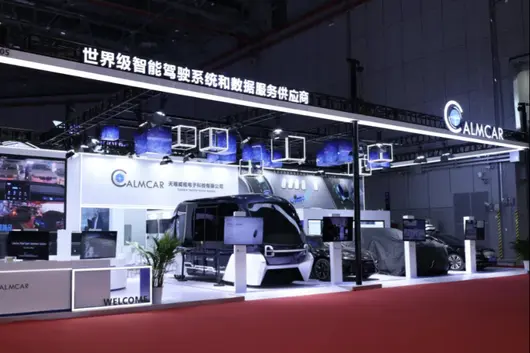
天瞳威視 L4 級智能巴士
而真正令此次 IPO 帶「求生」色彩嘅,係現金流數據嘅實質性惡化:2.35 億元嘅賬面現金,面對每年近 3 億元嘅经营性現金淨流出,安全邊際已不足一年。疊加 300 天嘅應收賬款周轉天數,意味著公司每交付一筆訂單,都要墊付近一年嘅資金成本。
換言之,天瞳威視正處喺一個危險嘅財務窗口期:賬上嘅錢僅夠維持唔足一年嘅正常運作,而 L4 業務嘅大規模交付同回款卻需要更長時間。喺呢個智駕資本熱潮退去、一級市場融資邊際收緊嘅時刻,公司已冇太多等待嘅餘地。
首次遞表失效後僅隔半年便再次衝擊港股,對天瞳威視而言,與其話係戰略選擇,唔如話係現金倒逼下嘅必然之舉。

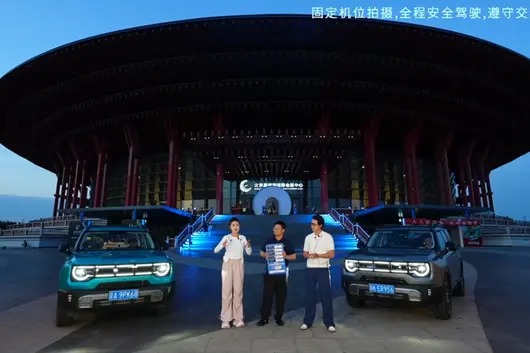
June 5, Beijing Off-road completed the domestic live streaming test of the BJ30 Traveler 'Five Countries · Breaking 5' Fuel Saving Challenge by Yanqi Lake.
This three-plus-hour real-world evaluation, switching between test scenarios such as urban congestion, highway cruising, and village road gravel, ultimately delivered a fuel consumption report of less than 5L per 100km.
It is worth noting that this domestic live stream was not an isolated marketing event. Prior to this, Beijing Off-road had completed cross-border long-distance road tests in collaboration with local automotive bloggers from five countries: South Africa, Poland, Indonesia, the UAE, and Mexico.
From tropical grasslands to Middle Eastern deserts, from European intercities to Southeast Asian rainy seasons, the field test data under different climate zones and road conditions formed the technical foundation of this fuel-saving challenge. As a boxy HEV hybrid SUV priced at the 70,000 yuan level, the BJ30 Traveler attempts to find a differentiated development direction in the domestic compact SUV market using three product labels: 'Super Economical', 'Super Spacious', and 'Super Off-road'.

How Cross-Border Field Tests Validate a Vehicle's Authenticity
Cross-border field testing is the most distinguishing segment of this fuel-saving challenge. The five-country road test was not simply 'checking in overseas', but targeted coverage of five typical driving environments: South Africa tested chassis durability with unpaved roads and high temperatures; Poland's intercity highways and slippery roads tested winter operating conditions; Indonesia's high temperature and humidity environment verified the thermal management of the hybrid system; UAE desert road conditions challenged vehicle passability; Mexico combined urban and mountain roads, simulating alternating scenarios of daily commuting and weekend outings.
The logic behind this test design is that fuel quality, temperature ranges, and road conditions vary greatly in different regions, revealing potential issues in vehicle use more comprehensively. For example, summer temperatures in the Middle East often exceed 45°C, forming a severe test for battery heat dissipation and engine cooling systems; the high humidity environment of Southeast Asia imposes higher requirements on the sealing of electronic components. The data accumulation from the five-country field test provided indirect reliability endorsement for the domestic market.

The domestic live streaming segment continued this approach. The test route departed from the BAIC Blue Valley base, passed through the Capital Airport Expressway section, and finally entered the village roads and gravel surfaces around Yanqi Lake, covering five typical scenarios: urban congestion, highway cruising, rural national roads, unpaved mountain roads, and light off-roading. The live stream also set up 'Sealed Box Refueling' and 'Truth Moment' segments to present fuel consumption data in an open and transparent manner.

From the perspective of testing methods, this dual-loop system of 'overseas reliability verification and domestic fuel consumption field test' is more persuasive than single laboratory condition testing. Beijing Off-road stated that both the five overseas countries and the domestic live stream followed the GLTC Global Life Test Cycle and OLTC Off-road Life Test Cycle dual standards, attempting to strike a balance between standardization and real-world scenarios.
Tri-Motor HEV: The Fuel-Efficiency Equation with Motor-Priority Drive
The BJ30 Traveler's hybrid system adopts the 'Tri-Motor Six-Mode + Electric 4WD' architecture, making it the first boxy-shaped HEV hybrid model domestically. Unlike PHEV plug-in hybrids, HEVs do not require external charging, eliminating reliance on charging piles, resulting in a smaller battery pack volume and lighter weight, with no risk of battery damage due to chassis impact in off-road scenarios.
'Tri-Motor' refers to the combination of the engine and front and rear dual motors. In daily driving, the system prioritizes motor drive for the vehicle, with the engine intervening when high power output or highway cruising is needed. The core advantage of this strategy lies in avoiding the two most fuel-intensive conditions of fuel vehicles: low-speed crawling and idling. Under urban congestion, the motor can drive the vehicle independently, and the engine starts only when necessary; when waiting for red lights or short-term parking, the engine completely shuts off, with the battery powering the vehicle electronics.

Official data shows that the BJ30 Traveler's 2WD version has a combined fuel consumption of 5.85L/100km, and the 4WD version is 6.45L/100km. In this domestic field test, under a multi-road condition combination of urban congestion + highway cruising + village road gravel, the fuel consumption per 100km broke the 5L barrier. Considering the boxy shape itself has a higher drag coefficient, this data has a significant advantage among fuel SUVs in the same class.
Compared to competitors, the positioning of the BJ30 Traveler also presents a differentiated strategy. Compared to fuel boxy vehicles at the same price point, the hybrid system brings lower fuel consumption and stronger low-speed torque; compared to PHEV plug-in models, the HEV structure is simpler, saving the charging link, the overall vehicle weight is lighter, and off-road performance is not compromised in a low battery state. For users without a fixed charging pile who hope to reduce vehicle usage costs, the 'charge-free hybrid' solution is actually more fitting for real-world usage conditions.
Regarding off-road performance, the BJ30 Traveler is equipped with 215mm ground clearance, ATS multi-mode all-terrain control system, and electric 4WD system. Millisecond-level 4WD response speed can distribute power to four wheels in real-time under gravel road and light uphill scenarios. From the performance of this field test, passing on narrow village roads and bumpy unpaved roads was relatively calm, fitting the product positioning of 'light off-roading', not hardcore climbing, but coping with scenarios like weekend camping and rural crossing.
The Market Moat Behind the 72% Retained Value Rate
The ultimate standard for product power is judged at the market end. Data provided by Beijing Off-road shows that the BJ30 Traveler has ranked first in sales in the light hybrid boxy subsegment for two consecutive years, won the sales championship for independent light hybrid SUVs for 23 consecutive months, the three-year retained value rate reached 72%, ranking first on the same price list.
Continuous sales leadership is more referenceable than single-month sales. It means that after the initial market tasting phase, the product can still maintain stable user recognition, and the word-of-mouth effect begins to appear. The retained value rate data explains from another angle that BJ30 Traveler's quality stability, brand after-sales service, and parts supply capabilities are all far ahead in the subsegment.

From the user profile perspective, the typical usage scenario of the BJ30 Traveler is 'Weekday Urban Commuting + Weekend Suburban Self-driving'. Multiple car owners shared their driving experience at the live streaming site: daily commuting fuel consumption basically matches the official specification; the rear seat space and trunk loading capacity brought by the 2820mm wheelbase are the two points most satisfied by family users. The 1.92-meter 'large bed' space formed after folding down the rear seats is a practical bonus for camping enthusiasts.
The pricing strategy at the 70,000 yuan level is the key factor for the BJ30 Traveler to open up the market. In this price band, it is not common to have options providing hybrid system, boxy shape, 4WD capability, and large space simultaneously. Beijing Off-road obviously hopes to tear a hole in the fiercely competitive compact SUV market with the idea of 'feature leap'.
On June 12, the BJ30 Traveler Highlight Edition will officially launch. According to Beijing Off-road, the new version has upgrades in configuration, power, and interior, and will launch exclusive color schemes. The market performance of the current product has already paved the way for the Highlight Edition launch. Against the backdrop of increasingly diverse hybrid technology routes and continuous segmentation of user needs, the BJ30 Traveler used a combination punch of 'Global Field Test + Domestic Live Stream' to demonstrate the product height that a 70,000 yuan level SUV can reach.
Of course, fuel consumption data is just one of the reference dimensions for car selection. For consumers, the coverage density of the after-sales service network, the reliability performance in long-term use, and whether the Highlight Edition can continue the price sincerity of the current model are all topics worth following up.