首頁Audi e-tron

搜尋歷史
熱門搜尋
經銷商登入 / 註冊

車型概覽

上汽大通G10 值唔值得睇,第一步唔係望牌子或者外形,而係睇佢能唔能夠配合你嘅香港日常。 呢篇會集中講售價未落實前點樣先篩選,幫你用買家角度篩走唔適合嘅選擇。
售價仍待確認,買家可以先把佢放入候選名單,等價格落實後再同同級車逐項比較。
購車價格指南
上汽大通G10 目前售價仍未清晰,較理性嘅做法係先睇版本、車身大小同動力形式,等價格落實後再決定值唔值得落訂。
如果有幾個版本可揀,可以先將 2025 2.0L 手動版 汽油(價格待確認)、2025 2.0T 手動版 柴油(價格待確認)、2025 2.0T 自動版 汽油(價格待確認)、2025 2.0T 自動版 柴油(價格待確認) 放喺同一張清單。日常通勤重視舒適同易用,家庭買家就要優先睇後排、尾箱同安全配置。
核心規格重點
睇 上汽大通G10 嘅規格,重點唔係背數字,而係理解佢喺香港用車場景會帶嚟咩分別。
自然進氣 / 渦輪增壓、4 個 汽缸、1998/1996 mL 排量 嘅動力底子,重點係市區跟車夠唔夠順、高速巡航會唔會吃力。 144 Ps / 106 kW / 163 Ps / 120 kW、200/375/410 N·m 嘅輸出,對滿載、上斜同超車都比單睇馬力數字更有意思。 車長 5218/5198 mm、車闊 1980 mm、車高 1928 mm、軸距 3198 mm 可以幫你預判商場停車場、屋苑車位同後排腿部空間。 手動(MT) / 手自一體(AT)、前置後駆 會影響起步順滑度、濕地穩定感同長途巡航性格。
優缺點分析
上汽大通G10 嘅優點唔需要講到天花龍鳳,真正有價值係佢能唔能夠令日常用車更省心:動力輸出對高速同上斜更有底氣、空間同車身尺寸方便家庭買家預判實用性。
要留意嘅係,香港停車場同窄路使用要留意車身闊度、售價未清晰前唔應該太早用性價比落結論。呢啲唔一定係缺點,但係落訂前應該先諗清楚。
買家常見問題
買 上汽大通G10 之前,真正要問嘅唔係單一規格,而係佢可唔可以融入你每日嘅生活節奏。
常見疑問係「上汽大通 G10 於香港的落地價大約係幾多?」簡單講,上汽大通 G10 於香港的落地價大約介乎 280,000–360,000 港元,視乎版本而定。 放到實際用車,就係要睇佢對通勤、泊車、家庭乘坐同長期成本有幾大幫助。
同級對比內容
將 上汽大通G10 放入同級車清單時,唔建議只用外形或者品牌光環決定。比較順序可以係:先等售價落實,再決定佢應該同邊個級距比較、再睇動力係咪足夠應付高速併線同滿載、最後睇車身大小、座位同尾箱是否適合家人。
咁樣篩選會貼近香港買家真實生活:平日塞車、商場泊車、周末去新界、甚至一家人出入,先係一部車每日要面對嘅考驗。
用車全周期指南

擁有 上汽大通G10 唔係買車一刻就完結,之後仲有保險、輪胎、保養、泊車同日常能源成本要處理。
如果你主要喺市區行,視野、低速順滑度同泊車輔助會好影響心情;如果經常行高速或跨區,座椅舒適度、隔音同動力從容感會更重要。


車型概覽

保時捷Cayenne Electric 值唔值得睇,第一步唔係望牌子或者外形,而係睇佢能唔能夠配合你嘅香港日常。 呢篇會集中講高速巡航、併線同超車信心,幫你用買家角度篩走唔適合嘅選擇。 近期市場討論到「保時捷Cayenne Electric 正式抵港 售HK$1,398,000起」,代表呢類車型仍然有一定關注度。
零售價 HK$ 702,586 - 1,426,724、完稅價 HK$ 1,398,000 - 3,078,000 令預算位置更清楚,買家可以先估算月供、保險、泊車同日常開支。
購車價格指南
保時捷Cayenne Electric 嘅購車預算可以先由 零售價 HK$ 702,586 - 1,426,724、完稅價 HK$ 1,398,000 - 3,078,000 開始計。香港買車唔只係睇車價,月供、保險、牌費、泊車同能源成本都會影響每月壓力。
如果有幾個版本可揀,可以先將 2027 PHEV Cayenne Turbo Coupé 4.0T with GT Package(HK$ 3,078,000)、2027 PHEV Cayenne Turbo Coupé 4.0T(HK$ 2,698,000)、2027 PHEV Cayenne Turbo 4.0T(HK$ 2,668,000)、2027 PHEV Cayenne S Coupé 3.0T(HK$ 1,788,000) 放喺同一張清單。日常通勤重視舒適同易用,家庭買家就要優先睇後排、尾箱同安全配置。
核心規格重點
睇 保時捷Cayenne Electric 嘅規格,重點唔係背數字,而係理解佢喺香港用車場景會帶嚟咩分別。
25.9/113 kWh 嘅電池容量,真正意義係可以幫你估算一星期通勤同周末出車要唔要中途補電。 599 Ps / 441 kW / 130 kW / 353 Ps、800/460/500/420 N·m 嘅輸出,令高速併線同短距離超車更有信心。 車長 4930/4985 mm、車闊 1995/1989 mm、車高 1652/1664 mm、軸距 2895/3023 mm 可以幫你預判商場停車場、屋苑車位同後排腿部空間。 手自一體(AT) / 固定齒比、前置四駆 / 雙電機四駆 會影響起步順滑度、濕地穩定感同長途巡航性格。
優缺點分析
保時捷Cayenne Electric 嘅優點唔需要講到天花龍鳳,真正有價值係佢能唔能夠令日常用車更省心:預算位置清楚,方便同同級車直接比較、電池同續航資訊有助安排通勤同補電、動力輸出對高速同上斜更有底氣。
要留意嘅係,要先確認屋苑、公司或常去商場嘅充電條件、香港停車場同窄路使用要留意車身闊度。呢啲唔一定係缺點,但係落訂前應該先諗清楚。
買家常見問題
買 保時捷Cayenne Electric 之前,真正要問嘅唔係單一規格,而係佢可唔可以融入你每日嘅生活節奏。
常見疑問係「Porsche Cayenne Electric 嘅馬力同加速表現係點?」簡單講,Porsche Cayenne Electric 入門版有 442 匹馬力,0-100 km/h 加速 4.8 秒;Cayenne S Electric 有 544 匹馬力,啟動起步控制後可達 666 匹,0-100 km/h 加速 3.8 秒;而頂級 Cayenne Turbo Electric 馬力高達 1,156 匹,0-10。 放到實際用車,就係要睇佢對通勤、泊車、家庭乘坐同長期成本有幾大幫助。
同級對比內容
將 保時捷Cayenne Electric 放入同級車清單時,唔建議只用外形或者品牌光環決定。比較順序可以係:先用 零售價 HK$ 702,586 - 1,426,724、完稅價 HK$ 1,398,000 - 3,078,000 鎖定預算圈、再睇動力係咪足夠應付高速併線同滿載、再比較能源成本同補能便利、最後睇車身大小、座位同尾箱是否適合家人。
咁樣篩選會貼近香港買家真實生活:平日塞車、商場泊車、周末去新界、甚至一家人出入,先係一部車每日要面對嘅考驗。
用車全周期指南

擁有 保時捷Cayenne Electric 最重要係先諗清楚充電節奏。屋苑、公司或者常去商場只要有穩定充電選項,電動化用車就會容易相處好多。
如果你主要喺市區行,視野、低速順滑度同泊車輔助會好影響心情;如果經常行高速或跨區,座椅舒適度、隔音同動力從容感會更重要。



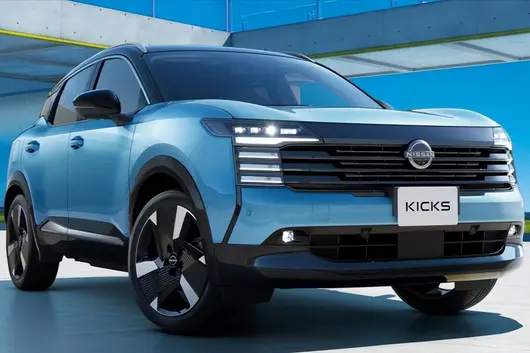
Nissan has officially launched the all-new Nissan Kicks in Japan. Unlike the crossover launched in the Thai market which is a heavily facelifted first-generation model, this Japan Domestic Market (JDM) model is the second-generation all-new product that has already debuted in North America.
This design may have been made considering the North American market demand; Nissan pointed out that the new car's design inspiration comes from an American football helmet.


Borrowing Nissan Serena's bold design language, the second-generation Nissan Kicks significantly replaced the brand's signature V-Motion grille with a more modern, boxy, and rugged aesthetic style.
At the front, the front fascia features daytime running lights directly integrated into the horizontal grille bars. At the rear, the profile is defined by upright, geometric lines and unique taillights, which contrasts sharply with the softer, rounder lines of the first-generation model.
Stepping into the cabin, the second-generation Nissan Kicks interior is equipped with a 12.3-inch dual-screen display and features an infotainment system with built-in Google services. The brand's famous zero-gravity seats are now available not only for the front row but also extended to the outer rear seats. To perfect the cabin experience, the dashboard, center console, and door panels are wrapped in soft-touch materials such as synthetic leather and fabric.


Under the hood, the all-new Japanese-spec Kicks is equipped for the first time with the brand's third-generation e-POWER powertrain. A 1.4-liter naturally aspirated three-cylinder engine serves solely as a generator to charge the battery and power the front-mounted drive motor, which delivers a maximum output of 143hp and a peak torque of 315Nm.

For comparison, the front drive motor equipped in the previous Nissan Kicks e-POWER powertrain could only produce 129hp and 280Nm of torque. Paired with it is a 1.2-liter naturally aspirated three-cylinder engine (82hp/103Nm), which also serves solely as a generator to charge the onboard 2.06kWh battery.
In addition, the new car also offers a model option equipped with the e-4ORCE all-wheel drive system. This version adds an extra drive motor to the rear axle, capable of outputting 68hp and 140Nm of torque.

All Nissan Kicks in the Japanese market come standard with an upgraded ProPILOT driver assistance suite. The Intelligent Around View Monitor now features a front wide-angle view, Invisible Hood view-through function, and 3D view function. To enhance side-rear safety, Nissan has also introduced functions such as Enhanced Intelligent Emergency Braking, Intelligent Blind Spot Intervention, Blind Spot Warning, and Rear Cross Traffic Alert.

兄弟姐妹們,今日講一個出海嘅大新聞——唔係賣車,係賣「司機」。6 月 2 號,文遠知行同 Uber 聯合宣佈咗一件事:計劃喺西班牙馬德里推出該國首個商業化 Robotaxi 試點服務。意思就係:西班牙人好快就可以用 Uber 叫到一台冇司機嘅出租車。呢次係文遠知行同 Uber 第一次一齊進入歐洲市場。馬德里亦成為文遠知行 Robotaxi 駛入嘅全球第十二個城市。
官方消息話,喺馬德里自治區政府嘅支持下,呢項服務今年內就會正式啟動。到嗰陣,馬德里嘅朋友哋打開 Uber App,就有一鍵呼叫文遠知行嘅 Robotaxi。同叫普通網約車一樣,分別係嚟嘅車冇駕駛員——至少喺初期,仲係有分別嘅。運營初期,車入面會配備經過專業培訓嘅安全員,終究係剛上線,穩妥第一。
文遠知行呢間公司,你可能聽過,也可能冇聽過。簡單介紹下:2017 年成立,一直埋頭搞 Robotaxi 技術研發同商業化。而家佢嘅 Robotaxi 已經覆蓋咗廣州、北京、新加坡、阿布達比、迪拜、利雅得、蘇黎世……加埋而家嘅馬德里,一共 12 個城市。西班牙亦係文遠知行進入嘅第五個歐洲市場——之前已經入咗瑞士、法國、比利時、斯洛伐克。按照文遠知行同 Uber 喺 2025 年 5 月達成嘅規劃,佢哋要喺五年內新增 15 個國際城市部署 Robotaxi 服務,全球部署數萬輛 Robotaxi。隨著馬德里落地,目前已經完成咗 4 個城市嘅佈局,仲有 11 個會喺 2030 年前陸續覆蓋。
講真嘅,中國自動駕駛公司出海唔係頭一回,但中國技術 + 全球出行平台 + 歐洲市場呢個組合,定係好有意思。馬德里係歐洲最具商業潛力嘅 Robotaxi 市場之一,人口多、出行需求大,當地政策都好友善。喺呢個市場站穩腳根,對文遠知行嚟講係個唔小嘅里程碑。對 Uber 嚟講,引進 Robotaxi 都係為咗降低成本——終究司機唔使發人工。對馬德里市民嚟講,以後打車可能更平。


6月11日,中国香港演员吴镇宇前往东风风行生产基地,参观总装车间、研发试验中心与试验场,在最近距离感受东风风行品牌在智能制造与品质验证环节的严苛标准,亲身感受到用户的产品是如何成功制造的。同时,他还对刚刚上市的2027款星海V9进行深度体验,与东风风行共同完成一次关于“可靠”与“温度”的双向奔赴。


探秘生产基地见证硬核体系力铸就可靠品质
作为东风风行智能制造的核心环节,总装车间按照工艺结构分为内饰、底盘、整车、调试四大工艺段,拥有122个生产工位,设计极限节拍可达50台/小时。在东风风行星海V9产品总监陈正宇的讲解中,吴镇宇近距离观摩了AGV自动牵引车精准配送物料、动力总成合装、五轴拧紧机对轮胎螺母进行扭矩检测等关键工序。

东风风行完整的体系力,不仅体现于高效的总装线,也离不开总投资超5亿元、国内领先的自主研发测试基地。在研发试验中心,吴镇宇走进消声室、四通道道路模拟试验室等专业试验室,体验2027款星海V9极致静谧、出色耐久背后的技术沉淀,并表示:“以后收音,想借用风行的消声室。”

东风风行占地460亩的研发试验场同样令吴镇宇印象深刻,他评价说:“这么大的场地,很适合电影取景。”该研发试验场是国内极少数由车企自建、能同时满足全系列商用车与乘用车的综合型专业试验场,场内建有性能路、动态广场、强化坏路、NVH评价路、坡道等7大类55种特殊路面,可开展整车在动力性、经济性、可靠性、环保噪声及主观评价等领域的全面道路测试。
在试验场,吴镇宇亲自体验了20度冲坡、30度下坡,驶过鹅卵石路和商用车测试规格的涉水路,对2027款星海V9在复杂路况下的底盘滤震、通过性及车身稳定性表示认可。内部测试道路上,2027款星海V9加速到160km/h以上,提速快、加速稳的表现赢得吴镇宇连连点赞。
2027款星海V9再升舱星海V6智慧启程
走出试验场,吴镇宇坐进刚刚上市的2027款星海V9。使用星海V9老友高定版半年有余,吴镇宇对星海V9的豪华感与专属体验早已了然于心,但刚刚上市的2027款星海V9,依然带给他新的惊喜。

通透明亮的超广角全景天窗让吴镇宇感到满意,他表示“能让我晒到太阳”。车内的小桌板与车载冰箱,被习惯在车上品尝美食的他评价为“非常实用”。2027款星海V9的85.2%得房率、220mm二排通道和第三排4/6比例下沉放平设计,让吴镇宇想到剧组转场时的真实需求:“2027款星海V9的空间大,特别是第三排,非常宽敞。”此外,他还关注到产品的外放电功能:“这个功能很实用,如果以后有机会去内蒙古拍戏,可以用来吃火锅。”
智能化方面,在升级后的自动泊车、遥控泊车和50米循迹倒车功能辅助下,2027款星海V9在柳州市区穿行、泊车时灵活从容。智能座舱层面,新车搭载高通骁龙8295P芯片、双15.6英寸大屏,以及百度文心一言与DeepSeek双AI大模型,人机交互流畅自然。 
东风风行的智能化步伐始终向前。体验期间,吴镇宇看到了即将上市的风行星海V6。这款“亲民智慧大六座”产品搭载华为乾崑智驾系统,拥有10个摄像头、12个超声波雷达和3个毫米波雷达,满足跨城出行、市区代步所需,结合2900mm轴距和第三排座椅下沉式收纳,实现华为智驾能力与家庭空间需求的深度融合。
从智能制造到研发验证,从星海V9到星海V6,东风风行用二十余年的专注,构建起覆盖高端商务与家庭出行的丰富产品矩阵。2027款星海V9以17.99万元起的指导价,将豪华配置与智电体验带入更广阔的市场;即将上市的星海V6依托华为乾崑智驾,进一步满足家庭用车的智能化需求。品质为根、用户为本,东风风行正以扎实的产品力,为更多中国用户带去安心可靠的出行体验。


Folks, today let's talk about big news on going global—not selling cars, but selling "drivers". On June 2, WeRide and Uber jointly announced a plan: to launch the country's first commercial Robotaxi pilot service in Madrid, Spain. In other words: Spanish residents will soon be able to hail a driverless taxi via Uber. This is the first time WeRide and Uber are partnering to enter the European market. Madrid also becomes the 12th city globally where WeRide's Robotaxi arrives.
According to official news, with the support of the Madrid regional government, this service will officially launch within this year. At that time, friends in Madrid can open the Uber App and call WeRide's Robotaxi with one click. It's just like calling an ordinary ride-hailing service, the difference is the arriving car has no driver—at least initially, there is still a difference. In the initial operation phase, a professionally trained safety monitor will be on board, as it's just launched, safety comes first.
This company, WeRide, you might have heard of it, or you might not. A brief introduction: Established in 2017, it has been dedicated to Robotaxi technology R&D and commercialization. Currently, its Robotaxis cover Guangzhou, Beijing, Singapore, Abu Dhabi, Dubai, Riyadh, Zurich... plus Madrid now, totaling 12 cities. Spain is also the 5th European market WeRide has entered—previously entered Switzerland, France, Belgium, Slovakia. According to the plan agreed by WeRide and Uber in May 2025, they plan to deploy Robotaxi services in 15 new international cities within five years, deploying tens of thousands of Robotaxis globally. With the Madrid launch, the deployment in 4 cities has been completed, and 11 more will be covered successively before 2030.
To be honest, it's not the first time Chinese autonomous driving companies are going global, but the combination of Chinese technology + global mobility platform + European market is quite interesting. Madrid is one of the European Robotaxi markets with the most commercial potential, with a large population, high travel demand, and friendly local policies. Being able to take root in this market is a significant milestone for WeRide. For Uber, introducing Robotaxis is also a way to reduce costs—after all, drivers don't need salaries. For Madrid residents, hailing a taxi might be cheaper in the future.

In May, China's automotive market overall presented a gentle recovery trend, with domestic brands still being the sales backbone of the market. Recently, BYD, Geely, Chery, Changan, and Great Wall, the top 5 domestic automakers, successively released their monthly performance reports. From the data, these five companies show a general characteristic of "stable total growth, divergence between domestic and international markets, and accelerated new energy penetration". Overseas exports and new energy vehicles have become the most core growth engines; export business has evolved from a "bonus item" to the "core foundation" for some companies. BYD's "dominant leader" status is further consolidated, Chery achieved high growth via exports, Geely's new energy penetration rate broke 56%, Changan focused steadily on balanced development, while Great Wall appeared slightly under pressure during structural transformation.
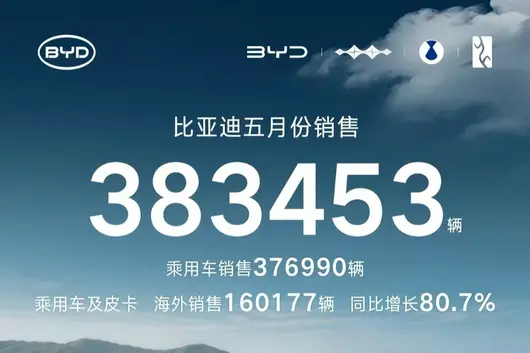
BYD: Export Hits New High Becomes Biggest HighlightIn May, BYD stood firmly at the top of domestic brands with a monthly sales volume of 383,500 vehicles, maintaining positive growth both year-on-year and month-over-month under a large base. Its two main brands, Dynasty and Ocean, sold a combined 330,200 vehicles, contributing 86.1% of total sales; Fangchengbao's monthly sales broke 30,000 units to reach 30,200, a year-on-year increase of 139.7%, setting a new high for the year; Denza sold 16,300 vehicles, and Yangwang delivered 286 vehicles. From a model perspective, BYD had eight models in May with monthly sales exceeding 20,000 vehicles. The Song Family and Yuan Family both broke 50,000 units, selling 51,370 and 56,691 vehicles respectively. The Sea Lion Family followed closely with 42,615 vehicles, and Seagull sales were also close to 40,000 vehicles.

BYD's biggest highlight in May was exports. Overseas new energy vehicle sales reached 160,600 units, an 80.4% year-on-year increase, accounting for about 42%. The sharp expansion of export scale effectively countered the phased weakness in domestic demand. Cumulative exports from January to May exceeded 620,000 vehicles. High export growth mainly benefited from continued ramping up of overseas factory capacity, improved ocean shipping capacity, and accelerated channel network expansion. In the domestic market, BYD promoted Megawatt Super Charging and intelligent strategies simultaneously—Megawatt charging achieved about 90% charge in 9 minutes; 20,000 super charging stations are planned to be built by 2026; all series models are available with Sky Eye B intelligent driving solutions and city navigation safety fallback plans, accelerating the popularization of high-level intelligent driving. As Gen 2 Blade Battery capacity gradually releases, the company's orders are expected to continue rising.
Chery: Sales Growth Leads the Top 5Chery Group's total sales volume in May was 247,800 vehicles, a significant year-on-year increase of 20.5%, ranking first in growth speed among the top 5. Exports remained its most core growth engine—May exports reached 181,900 vehicles, an 80.5% year-on-year increase, accounting for 73.4% of total sales that month, continuously breaking the single-month export record for Chinese brands for three months. In terms of new energy, Chery New Energy sold 100,300 vehicles, a 58.8% year-on-year increase. April and May consecutively saw monthly new energy sales breaking 100,000 vehicles.

The strong performance in exports benefited from Chery's long-term deep cultivation of overseas channel advantages and localized operation capabilities. While overseas orders continued to rise, high export growth formed a sharp contrast with domestic sales—Chery's domestic sales in May were only 60,000 vehicles, accounting for one-quarter of total sales. From cumulative data, Chery Group accumulated 1.101 million sales from January to May, but against the annual goal of 3.2 million vehicles, monthly averages need to reach about 420,000 vehicles later, and pressure remains significant.
Geely: New Energy Penetration Rate Breaks 56%Geely Auto's total sales volume in May was 237,600 vehicles, a 1% year-on-year increase, achieving month-over-month double growth for three consecutive months. In terms of structure, Geely's "New Four Transformations" transformation showed significant results: new energy vehicle sales reached 133,400 units, accounting for 56% of total sales, with new energy share exceeding 50% for four consecutive months.

From sub-brands, performance was significantly divergent. Zeekr brand sales in May reached 34,400 vehicles, a 82% year-on-year increase; Zeekr 9 Series and 8 Series models combined sales approached 50% of total sales, showing bright performance in the high-end market; Galaxy brand sales were 81,700 vehicles; Geely brand sales were 182,500 vehicles, among which China Star Series sales reached 100,800 vehicles; Lynk & Co brand sales were 20,700 vehicles, with new energy vehicle sales share rising to 71%.
In terms of exports, Geely's overseas vehicle exports in May reached 85,100 vehicles, a explosive 184% year-on-year increase, setting a brand single-month export record high. Among exported products, new energy vehicles reached 40,800 units, accounting for nearly half; hybrid and pure electric products have successively landed in Southeast Asia, Middle East, Latin America, and other markets, highlighting the results of global strategy implementation.
Changan: Multi-brand Matrix Balanced EffortChangan Auto's delivery volume in May was 209,100 vehicles, among which new energy deliveries were 92,400 vehicles, a 5.8% year-on-year increase, with new energy share about 44%. In terms of exports, overseas deliveries reached 70,700 vehicles, a 38% year-on-year increase, becoming another major growth highlight for Changan in May.
In the sub-brand matrix, Changan Qiyuan delivered 34,500 vehicles in May; All-New Q05 delivered 15,800 units, with orders breaking 3,000 units within three days of listing in Thailand; Deepal sales in May were 33,200 vehicles, a 30% year-on-year increase; January to May overseas cumulative sales were 28,700 vehicles, a significant 167% year-on-year increase; Avatr delivered 7,336 vehicles in May; Changan Auto (Gravity) delivered nearly 49,000 vehicles in May.

Changan Auto's balanced layout was fully reflected in May: the fuel car base remained stable, new energy brands Deepal and Qiyuan accelerated volume growth, high-end brand Avatr continued to break through in technical cooperation, and overseas markets simultaneously achieved breakthrough growth. The pattern of five brands working together, driven by both new energy and exports, is initially taking shape.
Great Wall: Overseas Sales Growth Year-on-Year 46.75%Great Wall Motor's sales in May were 100,400 vehicles, slightly down compared to last May's 102,200 vehicles, making it the only company among the top 5 to show a year-on-year negative growth. From sub-brands, Haval brand sales in May were 55,500 vehicles, remaining Great Wall's most important sales pillar; Tank brand sales were 17,100 vehicles; both Haval and Tank brand sales showed year-on-year declines; Wey brand sold 8,119 vehicles, a 31.78% year-on-year increase, achieving growth against the trend; Ora brand performance was most stunning, with sales of 6,018 vehicles, a significant 206.88% year-on-year increase. In terms of new energy, Great Wall sold 30,400 new energy vehicles in May, with new energy vehicle transformation gradually accelerating.

The overseas market became Great Wall's biggest highlight in May, with overseas sales growing 46.75% year-on-year. Against the background of pressure on the domestic market, strong growth in overseas business effectively made up for the decline in the domestic market. Great Wall Motor's current core contradiction lies in: Haval and Tank, the two traditional main-selling brands, face weak growth, while Wey and Ora brands, although growing notably, have relatively small volume and are not yet enough to support overall growth. How to complete the "relay" between old and new brands is the key issue Great Wall must solve subsequently.
Final ThoughtsFrom May data, the growth pattern of the top 5 domestic brands has clearly diverged, but there are three common trends worth noting: First, exports have become a key engine for domestic brands to seek stability and growth. Second, new energy transformation is still accelerating, but paths differ among enterprises. Third, technological innovation continues to deepen brand moats. Looking ahead to the second half of the year, competition in the automotive industry will continue to upgrade around these three trends. Although everyone has a common direction, these three trends are all competing for the entire enterprise's industrial chain strength, and the strong will remain strong, which has almost become an inevitable outcome.

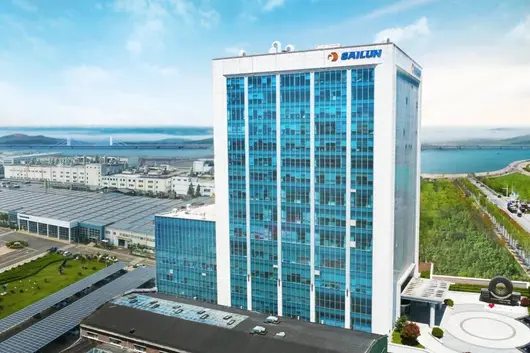
On June 1, Sailun Tire (601058) released the implementation announcement for the 2025 annual equity distribution, stating that the company will distribute a cash dividend of 0.18 yuan per share to all shareholders (tax included), totaling nearly 592 million yuan in cash dividends. The record date for equity is June 4, and the cash dividend distribution date is June 5.
Behind this generous dividend distribution lies the strong financial confidence of this private tire giant, which rose to the first tier globally within just over 20 years of establishment. Facing the sharp increase in costs brought by the escalation of global trade barriers since 2025, Sailun still delivered a response with great resilience.

Revenue Hits Record High, Profitability Quality Continues to Improve
In 2025, Sailun Tire's annual revenue reached 36.792 billion yuan, a year-on-year increase of 15.69%, setting a new historical record. Although operating costs for tire products increased by 21.02% year-on-year, the company stabilized the gross profit margin at a relatively high level of 24.63% thanks to product structure and pricing advantages.
Net profit attributable to the parent company and net profit after deducting non-recurring gains and losses for the year reached 3.522 billion yuan and 3.458 billion yuan respectively, with both profitability indicators reaching their second-historical levels. More noteworthy is that the company's net operating cash flow reached 4.179 billion yuan, a year-on-year surge of 82.58%, indicating substantive improvement in profitability quality.

Liquid Gold Breakthrough, ESG Rating Jumps to AA Level
The support for resilient performance stems from hardcore technical barriers. The 'Liquid Gold' technology (Ecopoint3) developed by Sailun after a decade of in-depth research adopts a world-first chemical rubber vulcanization method, successfully breaking through the 'Devil's Triangle' problem in the tire industry where rolling resistance, wet traction, and wear resistance could not be improved simultaneously. It not only achieves a balance of energy saving, safety, and wear resistance, but also achieves green low-carbon across the entire lifecycle from raw materials to production and usage.

This persistence in green sustainability has also won Sailun recognition from international capital markets. Recently, the international authoritative index institution MSCI upgraded Sailun's ESG rating from A to AA, solidifying its top position in China's tire industry and placing it among the global forefront. This marks that Sailun's sustainable development strength in global operations, R&D innovation, and supply chain management has received high international recognition.
Capacity Expansion Both Domestic and Overseas, Brand Value Rising Yearly
Going against the current, stagnation means retreat. While consolidating the technological moat, Sailun has pressed the accelerator on global capacity expansion. Since establishing China's first overseas tire production base in Vietnam in 2012, Sailun has continued to increase investment since 2026: in April, it announced an investment of about 1.95 billion yuan to build an expansion project for a 7.05 million radial tire annual production capacity in Egypt; meanwhile, the Indonesia factory also received a capital increase of about 336 million yuan to expand PCR and TBR capacity.

The resonance between capacity and performance boosted the rapid rise in brand value. In the 2025 'China 500 Most Valuable Brands', Sailun ranked 105th with a brand value of 112.896 billion yuan, an increase of 12.3 billion yuan compared to last year; in Brand Finance's Top 25 Global Tire Brand Values, Sailun ranked in the top ten for the first time, continuing to be the most valuable tire brand in China.
From a new enterprise on the Shandong Peninsula to a global giant competing with century-old foreign strong enterprises, Sailun, driven by technology and capacity on two wheels, is accelerating towards a new height in the global tire industry.