


首頁Audi Q5

搜尋歷史
熱門搜尋
經銷商登入 / 註冊

喺馬來西亞嘅汽車市場,好多買家喺揀車嘅時候都會拿 BMW X3 同 Audi Q5 嚟做比較。今日我哋由多個角度做一個詳細嘅對比,幫你省返做功課嘅時間。


BMW X3 喺馬來西亞嘅 OTR 售價係 RM 325,800 - 358,800,一共共有 2 個版本,包括 xDrive20i(RM 320,000)、xDrive30e(RM 360,000) 等。
Audi Q5 喺馬來西亞嘅 OTR 售價係 RM 354,174 - 423,174,一共共有 2 個版本,包括 40 TDI(RM 320,000)、45 TFSI(RM 350,000) 等。
由價錢睇落去,BMW X3 嘅起步價確實比 Audi Q5 平咗 RM 28,374。如果你預算有限,BMW 嘅入門版已經可以滿足日常需要。但都係要注意,平嗰幾千蚊,可能喺配備上會有取捨,具體要看你嘅需求。

BMW X3 採用 2.0L Turbo,馬力 220 hp。官方油耗 9.5 L/100km。
Audi Q5 採用 2.0L Turbo,馬力 220 hp。官方油耗 9.5 L/100km。
兩款車用緊同一套動力系統,所以日常開落去嘅感覺基本冇咩分別。油耗方面都差不多,唔使太糾結呢一點。

BMW X3 嘅安全評級係 5★ (Euro NCAP),主動安全系統包括 Premium ADAS。
Audi Q5 嘅安全評級係 5★ (Euro NCAP),主動安全系統包括 Pre Sense + ACC。
兩款車嘅安全評級一樣,喺呢個級別入面安全配備都算畀得好齊全。而家嘅新車安全性都唔差,唔使太擔心呢一點。

BMW X3 保用 5 年/無限里程,保養間隔 每 10,000km 或 6 個月。
Audi Q5 保用 5 年/150,000km,保養間隔 每 10,000km 或 6 個月。

總括嚟講,BMW X3 同 Audi Q5 都係馬來西亞市場好唔錯嘅車型。揀邊輛,關鍵都要睇返你嘅個人需求同預算。建議大家做好功課,多比較幾間車行之報價,先至去試駕做最終決定。買車係件大事,花少少時間做功課絕對唔會錯。


喺馬來西亞嘅 SUV 市場,好多買家喺揀車嗰陣都會拿 Honda CR-V 同 Toyota Yaris Cross 做比較。呢兩款車喺價位同定位上都幾接近,今日我哋就從多個方面做詳細對比,幫你省返做功課嘅時間。
Honda CR-V 喺馬來西亞嘅 OTR 售價係 RM 178,200 - 195,900,一齊共有 4 個版本,包括 2026 e:HEV 2.0L 2WD RS(RM 195,900)、2026 1.5T 4WD V(RM 181,900)、2026 e:HEV 2.0L 2WD E(RM 178,200) 等。
Toyota Yaris Cross 喺馬來西亞嘅 OTR 售價係 RM 99,900 - 109,900,合共 2 個版本,包括 2026 1.5L Standard(RM 99,900)、2026 HEV 1.5L Standard(RM 109,900) 等。
睇返價錢,Toyota Yaris Cross 嘅起步價比 Honda CR-V 平咗 RM 78,300。講真嘅,喺呢個價位段,幾千塊嘅差唔多其實唔算大,關鍵仲係睇整體性價比同埋長期使用成本。

Honda CR-V 配 2.0L 4-cyl,馬力 170 hp。官方油耗 8.0 L/100km。
Toyota Yaris Cross 配 1.5L 4-cyl,馬力 105 hp。官方油耗 6.0 L/100km。
動力方面,Honda CR-V 嘅 2.0L 4-cyl 比 Toyota Yaris Cross 嘅 1.5L 4-cyl 多咗 65 匹馬力,中段加速更有信心,特別係跑高速公路超車嗰陣。不過 Toyota Yaris Cross 嘅油耗可能更抵,日常市區通勤差別唔會太大。

Honda CR-V 車身長 4500 mm,尾箱 450 L。
Toyota Yaris Cross 車身長 4400 mm,尾箱 400 L。
空間方面,Honda CR-V 嘅車身比 Toyota Yaris Cross 長咗 100 mm,車內坐位空間會稍微寬鬆少少,特別係後座腿部空間。如果你經常載家人或者需要放嬰兒車,大啲嘅車身確實更實用。

Honda CR-V 採用 FWD 驅動方式。
Toyota Yaris Cross 採用 FWD 驅動方式。
兩款車嘅驅動方式一樣,都係 FWD,日常駕駛感受唔會有太大分別。

Honda CR-V 保修 5 年/無限制里程,保養間隔 每 10,000km 或 6 個月。
Toyota Yaris Cross 保修 5 年/無限制里程,保養間隔 每 10,000km 或 6 個月。
兩款車嘅保修條件一樣,呢方面唔使糾結。實際保養成本仲要睇品牌嘅服務網絡同埋零件價格,建議去車友群問下真實車主嘅經驗。

總體嚟講,Honda CR-V 同 Toyota Yaris Cross 都係馬來西亞市場好好嘅車型。揀邊一輛,關鍵仲係睇你嘅個人需求同埋預算。建議大家做好功課,多比較幾間車行嘅報價,再去試駕做最終決定。買車係件大事,花少少時間做功課絕對唔會錯。


8 月 26 日,暑假將近尾聲,各大中小學開學在即,一些汽車企業亦公佈上半年成績單,睇邊家公司上半場考得好,進而捲起袖子加油幹、加電幹,幹好下半場。
在國內汽車行業競爭白熱化、新能源賽道內捲加劇、多數汽車企業面臨增收不增利嘅行業困境下,東風股份交出一份銷量穩增、營業額上升、利潤大漲、轉型提速嘅高質量年中答卷。
(一)再唔可以咁樣活
與一啲新勢力同老實力以規模換市場,甚至係犧牲收益同利潤都要令友商冇路行嘅畸形競爭路徑唔同,東風股份立足輕型商用車主業,深耕場景化新能源、智能化同海外市場,闖出一条穩健盈利、務實轉型、技術落地嘅國資車企轉型新路線,為傳統車企新能源升級提供全新範本。

從核心經營數據嚟睇,東風股份 2026 年上半年經營韌性凸顯,增長質量遠超行業平均水平,喺行業需求結構調整、市場競爭持續加劇嘅複雜環境中,通過全面轉型變革、創新賦能同精细化運營,實現穩健高質量增長。
報告期內,公司實現營業收入 55.16 億元,同比增長 9.64%;
利潤總額 1.69 億元,同比大幅增長 83.56%;
歸屬於上市公司股東嘅淨利潤 1.24 億元,同比增長 27.83%,盈利增速大幅跑贏營收增速,全鏈條降本增效、產品結構優化成效落地見效。
整車銷量 6.9 萬輛,同比微增 0.44%,逆勢跑贏整體平淡嘅商用車大市。
核心增長板塊表現尤為亮眼,新能源整車銷量達 1.8 萬輛,同比增長 99.2%,翻倍式增速大幅領先行業 40.2% 嘅新能源商用車整體增速;
海外整車出口 1.3 萬輛,同比增長 81.4%,顯著高於行業 32.5% 嘅商用車出口增速,成為公司兩大核心增長極。
同時,核心零部件板塊穩健賦能,東風康明斯發動機上半年銷量 13.4 萬台,同比增長 18.39%,發電機組配套業務同步大幅增長,夯實整車產品嘅動力性能同成本優勢,構建起整車同零部件協同增收嘅良性格局。
(二)跳出東風看東風
我哋換個視角,將東風股份置於整個新能源汽車行業橫向對比,其與零跑、小鵬、賽力斯、廣汽等新老勢力嘅發展邏輯、增長結構、經營理念形成鮮明差異化,亦演繹咗當下车企嘅兩大生存賽道。

銷量維度,行業呈現「新勢力衝規模,國資車企重質量」嘅鮮明分化。
2026 年上半年,零跑汽車以 35.65 萬輛嘅累計交付量登頂新勢力銷量榜首,同比增長 60.8%,憑藉極致性價比策略、大單品同海外放量實現規模斷層領先。
小鵬汽車聚焦智能駕駛迭代,上半年銷量穩步修復。
賽力斯依托華為深度賦能,深耕 30 萬級高端乘用車市場,主打高端智能化溢價。
廣汽集團依靠埃安品牌支撐,新能源整體銷量穩居傳統車企第一梯隊,增速穩健。
反觀東風股份,並唔追求乘用車式嘅海量規模,6.9 萬輛嘅整體銷量體量遠唔及主流乘用車企,但增量含金行業領先。

其新能源增長聚焦城配、冷鏈、城鄉配送等垂直商用場景,新能源輕卡銷量同比暴漲 573.4%,福瑞通 VAN 車交付同比提升 153.9%,細分賽道實現爆發式增長,避開乘用車紅海內捲,走出專屬商用車新能源嘅增長曲線。
盈利維度,東風股份嘅優勢更為突出,破解咗新能源行業「規模越大、虧損越高」嘅普遍難題。
多數新勢力依舊處於規模擴張期,依靠銷量沖高搶佔市場份額,前期研發、渠道、營銷投入巨大,長期面臨盈利壓力,屬於「以規模換未來」嘅發展模式。
而東風股份依托成熟嘅商用車產業鏈、穩定嘅大客戶體系同極致嘅全鏈條降本策略,實現銷量穩、營收增、利潤增嘅良性循環,83.56% 嘅利潤同比增速,喺新老新能源車企中極為稀缺,展現出傳統國資車企扎實嘅經營底盤同極強嘅抗風險能力。
經營策略同轉型理念嘅差異,係東風股份與新勢力、主流車企最核心嘅區別。
零跑、小鵬嘅核心邏輯係全域自研、規模突圍、全球化放量,以智能化、性價比搶佔大眾乘用車市場,通過海量攤薄研發同生產成本;賽力斯主打科技賦能、高端溢價、生態協同,依托華為技術打造高端智能汽車品牌;廣汽堅持多品牌、全品類、全賽道佈局,覆蓋高低端乘用車、新能源全市場。
東風股份走嘅係垂直深耕、場景落地、技術務實、穩步迭代嘅國資穩健路線,唔盲目跟風乘用車賽道內捲,聚焦自身輕型商用車主業優勢。
(三)就係咁樣轉型
轉型路上,東風股份堅持研發賦能、技術落地、智造升級三位一體推進,築牢長期發展壁壘。
公司持續加大科創投入,上半年研發費用達 2.13 億元,同比大幅增長 74.48%,研發力度跨越式提升。

依托自有獨立研發中心,公司聚焦純電平台車型、氫燃料卡車、滑板底盤、高階智能駕駛等前沿賽道深耕研產,構建自主可控嘅核心技術體系。產品端持續完善新能源矩陣,同時重磅推出 OpenVAN 無人物流運力品牌,落地多款 L4 級高階智能物流產品,實現自動駕駛物流車、智能環衛車常態化示範運營,斬獲超 4000 戰略訂單,令智能化從技術概念轉化為商業化增量,完成產品向綠色化、智能化嘅深度迭代。
製造端更係补齐硬核實力,公司以「綠色環保、數字貫通、柔性製造、平台共享」為核心目標,搭建新一代整車綜合製造平台,打造LCV數智化標杆工廠,通過嚴苛嘅品控體系、優化嘅終端售後服務,持續提升產品品質、運營效率同市場口碑,為轉型提質、銷量增長提供堅實智造支撐。
海外業務同核心零部件業務嘅雙增長,進一步夯實咗東風股份嘅發展底氣。

上半年整車出口 1.3 萬輛,同比增長 81.4%,喺馬來西亞、古巴、拉美、東南亞等市場持續突破,海外品牌影響力快速提升;
發動機業務銷量同比增長 26%,發電機組配套業務大幅增長,動力總成核心技術積澱,為整車品質同盈利空間提供咗雙重保障。
區別於多數車企單一依賴整車銷售嘅模式,東風股份形成「整車 + 核心零部件 + 海外出口 + 智能新業務」嘅多元盈利結構,抗週期能力遠超行業平均水平。
(四)「增量亦增利」
縱觀 2026 年車企半年考,行業內捲加劇、價格戰持續,乘用車賽道紅海競爭愈演愈烈,多數車企陷入「增量唔增利」嘅困境。
零跑、小鵬等新勢力贏喺規模速度,東風股份贏喺經營質量;廣汽、賽力斯勝喺品牌勢能,東風股份勝喺穩健務實。
作為傳統國資車企,東風股份冇固守燃油車舒適區,亦冇盲目跨界跟風,而是立足自身稟賦,精準把握商用車新能源、智能化、國際化機遇,以結構優化、技術創新、降本增效、生態拓展實現高質量轉型。

從行業長遠發展嚟睇,汽車下半場嘅競爭早已告別單純嘅銷量比拼,盈利能力、轉型質量、技術落地、抗風險韌性成為核心競爭力。
東風股份呢份半年報,印證咗傳統商用車車企嘅轉型潛力,更為主流車企提供新思路:
唔盲目追規模、唔跟風捲價格,深耕細分賽道、做實技術落地、夯實盈利底盤,方喺激烈嘅行業洗牌中站穩腳跟、持續領先。面
東風股份表示,將持續聚焦新質商品、營銷能力、高質量運營、生態融合、價值創享五大核心發展方向,持續加速新能源同智能化轉型,持續優化產品結構、強化產業生態佈局,搶抓行業轉型新機遇,穩步推進高質量發展。
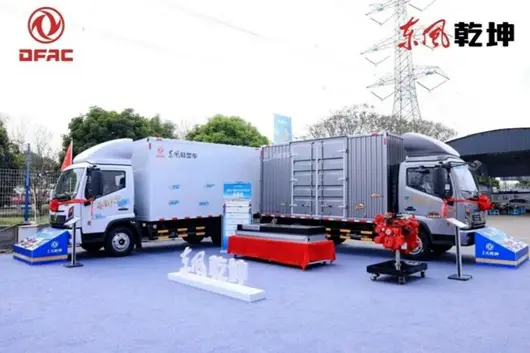

2026年8月17日,吉利汽车(0175.HK)发布2026年中期业绩。
总销量突破142万辆创同期新高,总乘用车市占率提升至11.15%;新能源车销量近80万辆,渗透率达56%;海外销量同比暴增158%,突破47万辆超去年销量总和。
总营收1736亿元,同比增长15%,创历史新高,连续六年保持稳健增长;核心归母净利润96.8亿元,同比增长46%;毛利率提升至17.9%,单车收入同比提升16%至11.2万元,单车核心归母净利润同比增长45%至6806元;截至6月末,资金储备提升至695.6亿元,维持在历史高位。同期,吉利是A+H股中唯一股价正增长的中国乘用车整车股。
将这份财报放入2026年上半年的汽车行业宏观背景中,才能真正理解它的分量。

据乘联分会数据显示,1-5月中国汽车行业利润率仅为3.4%,远低于下游工业6.1%的平均水平,整车制造利润率更是跌至1.5%。在已披露业绩预告的上市车企中,广汽集团预亏40.6亿至45.7亿元,北汽蓝谷预亏17.7亿至19.7亿元,江淮汽车预亏约7.4亿元;长安汽车、长城汽车也发布公告称,净利润将出现下滑。
用近期行业内广泛引用的一句话来总结2026年上半年的中国车市:整车厂正被“钉在十字架上,左边交智能税,右边交电池税”——却又是在这样一个全行业普遍“失血”的上半年,吉利反而在加速造血,于营收、利润、毛利率、单车收入等多个维度上实现全线提升。
之所以吉利会出现这种“逆周期”的企业表现,核心原因可以归纳为两个层面。
显性层面,是极氪的高端化、银河的规模化、中国星的基盘化和海外的爆发式增长。隐性层面,则是一个贯穿吉利所有业务线的底层变量正在被资本市场低估:全域AI。
首先,在理解吉利为什么能赚钱之前,先要理解行业为什么在亏钱。
过去几年,中国新能源汽车行业切实地经历了一轮“硬件军备竞赛”:电池越装越大、屏幕越放越多、激光雷达越堆越密。结果是BOM成本持续攀升,而价格战又把终端售价不断压低。毛利率因此被“上游原材料涨价和下游消费者压价”两头挤压。
这是“堆配置”式内卷的必然结局。每款车都是一个独立的硬件堆叠体,研发不可复用,成本不可递延,规模效应仅体现在单件采购成本上,系统性降本的空间极为有限。当行业价格战打到最惨烈的程度,几乎没有车企能从这个模式中获利。

吉利的破局思路是用AI重构成本结构。
要知道在传统汽车研发中,一款新车的平台开发、底盘调校、动力匹配、安全验证,每个环节都需要大量的物理测试和重复验证。研发费用是刚性支出——车型越多,平台越多,研发总投入就越高,单车分摊的研发成本也越难下降。
吉利的GEA Evo、浩瀚-S、SPA Evo、CMA Evo四大AI架构,将底盘、动力、电子电气、安全等整车底层能力全部模块化、数字化。在这个架构之上,不同品牌、不同车型的研发不再是“从零开始”,而是在统一的“整车大脑”基础上进行差异化配置。
简言之,极氪验证过的技术,银河可以直接调用;领克开发的功能,中国星可以共享迭代。
上半年数据验证了这一逻辑。研发费用率同比下降0.3个百分点至5.2%,研发总投入却同比增长8%至90.61亿元——投入更多了,但效率更高了,单车摊销更低了。行政费用率同比下降0.2个百分点至1.7%。尤其值得注意的是,在海外销量暴增158%的情况下,销售费用率与去年同期持平。
这就是AI驱动的“规模经济”与传统规模经济的本质区别。传统规模经济靠的是产量越大、单件固定成本越低;AI驱动的规模经济靠的是数据越多、算法越强、研发复用率越高、边际成本趋近于零。
因此,当竞争对手在“每卖一辆亏一辆”的泥潭里挣扎时,吉利用AI把成本结构从“硬件堆叠”变成了“软件复用”。毛利率17.9%,核心归母净利率5.6%,而行业均值只有1.5%。这个差距远不是靠采购谈判或生产精益能讲通的。
其次,在行业价格战最惨烈的2026年,业内关于车企“多品牌战略”的质疑普遍在被放大。但是如果将吉利的四大品牌放在AI框架下观察,会发现逻辑与“产能扩张”完全不同,而是一个统一的AI体系在不同价格带和细分市场的终端延伸。

极氪上半年交付178370辆,同比增长97%,品牌均价接近35万元,9X系列平均成交价超53万元——50万以上豪车市场每卖出3辆就有1辆是极氪9X。
以不到八分之一的销量贡献了约三分之一的收入,这是极氪对财务贡献的显性维度。但更深层的价值,在于极氪承担了全域AI技术的“旗舰验证”功能:WAM世界行为模型、千里浩瀚H9(两颗Thor芯片、1400TOPS算力)、AI数字底盘——这些最前沿的技术,必须有一个足够高端的品牌来率先跑通、跑稳,形成标杆效应。否则,技术只是实验室里的参数,而非市场上的认知。

极氪完成验证后,接力棒交给银河。银河上半年销量突破51万辆,跻身全球新能源前三。对银河而言,考验的不只是技术本身,更是成本控制能力。
星愿是最好的例证,累计销量破80万辆,行业最快;出口8.7万辆,占品牌出口超四成;海外毛利率显著高于国内,仅巴西市场售价就达16至18万元。AI赋能的成本优势在这里转化为了定价权和利润空间——国内走量摊薄成本,海外高定价贡献利润。

中国星上半年销量突破58万辆,连续9年蝉联中国品牌燃油乘用车销冠。这个成绩在燃油大盘持续萎缩的背景下尤为突出,也厘清了燃油车与AI在当前的新关系。
中国星全面落地的i-HEV智擎混动技术,正是AI算法对内燃机与电机协同效率的优化,实测油耗低至2.22L/100km证明了用新能源取代燃油并非唯一的技术通路,AI同样可以让燃油车在效率上逼近新能源。于是在燃油车仍能贡献稳定现金流和利润的当下,吉利i-HEV战略又成功用AI在燃油大盘萎缩的背景下守住了基盘。
领克上半年销量14.4万辆,海外销量同比增长216%,覆盖海外53个国家和地区。在行业内卷的背景下,领克选择了一条不参与价格战和配置堆砌的路,将“潮流、运动、个性”的细分市场做深做宽。
支撑这一选择的仍是AI。领克10 EM-P的超拟人智能体Eva通过声纹识别自动匹配个性化设置;领克07GT将Eva延伸为实体机器人,让AI从软件变成“看得见的陪伴”;领克Z20整合星睿AI大模型与DeepSeek大模型,实现口语化自然交互。
一系列的做法是领克用AI证明了,真正的“个性化”不需要靠高成本的硬件选配,而是可以凭借相对低成本的软件去定义。
极氪验证、银河放量、中国星守位、领克破局,四个品牌各自承担不同使命,却共享着同一个AI大脑。得益于这套统一的AI体系,让四个品牌的研发成本被分摊、技术能力被复用、市场定位被区隔,支撑起了吉利当前的盈利水平。
由此得见,“一个吉利”从组织口号变成财务现实,AI才是那个看不见的粘合剂。

再将视线再回到吉利的全球化上。上半年海外销量47.4万辆,同比增长158%,已超2025年全年出口总量;6-7月单月销量均破10万辆,创历史新高;年初64万的出口目标已被上调至保92万、冲100万。
这些数字的含金量,需要在“逆全球化”的背景下理解。2026年,中国汽车出海面临的环境远比前几年复杂:欧盟对中国插混车加征额外反补贴关税,东南亚多国收紧外资建厂政策,全球贸易壁垒在加高而非降低。绝大多数中国车企的出海策略因此受到直接冲击,要么利润被关税侵蚀,要么建厂进度被政策拖缓。
吉利海外销量的爆发,是“产业共生型”出海模式在起关键作用。

当前,吉利与沃尔沃、宝腾、雷诺、福特等共享产能,利用对方既有工厂进行本地化生产。既可以联动福特合资工厂和沃尔沃工厂规避欧盟加税,也可以借助宝腾模式预防马来西亚政策变动。这种低投入、高产出、低风险的轻资产模式,既规避了关税壁垒和投资壁垒,又不用承担重资产建厂的沉没成本风险。
而决定轻资产模式能够顺利推进的一方面因素,也包括了全域AI。毕竟本地化生产意味着车企要对不同的法规、不同的充电标准、不同的网络环境进行本地化适配。吉利依托于一个高度灵活的AI底层架构,同样能够以远低于传统工程开发的成本和时间完成这些适配。
甚至,这些数字背后又有着一个容易被忽视的问题:为什么吉利的智能化能力到了海外依然能打?这其实同样与全域AI有关。
要知道,国内大多数车企的智驾系统是在中国路况下训练出来的,熟悉中国的车道线、交通标识、驾驶习惯。一旦到了欧洲、东南亚、中东,面对完全不同的道路环境,系统表现往往断崖式下滑。这是纯数据驱动型AI的天然局限:数据在哪里,能力就在哪里。
吉利的WAM世界行为模型则采用了不同的技术路线。它学习的不是“中国特定场景的应对策略”,而是 “物理世界的一般规律”,譬如物体的运动轨迹、道路的几何逻辑、交通参与者的行为模式,这些规律在不同国家和地区具有通用性。
再配合上吉利星座64颗在轨卫星提供的全球环境感知数据,也就让吉利的AI系统在海外市场的适配速度相比纯数据驱动型车企有着先天优势。

如你所见,极氪登顶中国香港豪华品牌榜首、银河星舰7在克罗地亚上市首月夺魁、星愿在墨西哥和印尼同时登顶新能源销冠,这些海外战果的本质依旧要归因于吉利全域AI能力的全球化输出,而非单纯的渠道铺设或性价比优势。
接下来,千里浩瀚智驾系统将正式出海,成为首个在海外规模化应用的中国高阶辅助驾驶方案;i-HEV智擎混动技术将于2027年进入欧洲、亚太、英国、澳新等市场,在全球燃油车占比仍超六成的背景下,用AI算法实现对传统燃油车的效率碾压。
由此再来看这一份中期业绩,其实更像是资本市场抹平对吉利“认知差”的一个拐点。
虽然今年上半年,吉利已经获包括贝莱德、美国世纪投资管理等国际长线基金在内的46家机构增仓或建仓,以及得到花旗、汇丰研究、中金、瑞银、里昂、申万宏源、招银国际等数十家国内外投行给予 “增持”“买入”“跑赢大市”等评级,但这也只能看作是资本市场按照对车企的传统定价公式,遵循“销量×单车利润×行业平均PE”的框架,基于极氪的高端化、银河的规模化、海外的高增长这些可见的终端表现,给出了理应有的认可。
因为吉利的真实资产结构早就超出了这个公式的覆盖范围。

全域AI的四大基础设施:星睿智算中心2.0(23.5 EFLOPS算力,中国车企第一,可支撑700万辆车并发计算)、自研7nm芯片“龍鹰一号”(累计装车超百万片,行业唯一实现该规模的7nm车规级座舱芯片)、超850万辆L2级以上车辆积累的百亿公里行驶数据、64颗在轨卫星,在当前会计准则下,这些投入全部计入当期费用,而非资产。
这是一个根本性的错配。这些基础设施的会计属性是“费用”,商业属性却是“资产”。算力中心建成后,边际算力成本极低;芯片流片成功后,边际生产成本趋近于零;数据积累完成后,新增数据的训练价值边际递增;卫星组网完成后,全球覆盖成本不再增加。每一笔都在持续产生价值,但它们在资产负债表上几乎不留痕迹。
错配的后果同样具体。极氪在50万以上市场的技术壁垒,银河在主流价格带的成本优势,海外市场快速适配的能力……这些竞争力全部建立在AI基础设施之上,但基础设施的投入已在利润表中全额扣除,它们产出的竞争力却被市场总结为“经营能力”或“品牌溢价”。
市场为结果鼓掌,却不追问结果从何而来。

参照特斯拉,这家企业在2018年也经历过相同的阶段。Dojo超算中心被视为“烧钱”,FSD芯片的自研被视为“过度投资”。市场习惯用汽车股的逻辑定价,直到FSD开始产生实际效益,市场才意识到这些“费用”的真实属性是基础设施资产,估值框架才从汽车股切换为科技股,并出现了数量级的变化。
所以,当与吉利资本市场估值有关的答案指向AI基础设施,当超级Eva向“全时主动智能”进化,当千里浩瀚城市漫游功能推出,当AI正从“功能”变为“体验”,当消费者因智能化体验选择吉利成为一个显性趋势时,估值模型就不再依赖单一的销量利润公式。
届时,吉利全域AI从高端旗舰走向规模化普及,将迫使市场重新审视一个被低估的事实:这不是“给汽车加点配置”,而是“整个公司的底层竞争力被AI重写”。
所以,吉利2026年中期业绩的真正价值,不只在于证明了吉利“会赚钱”,更在于用一份完整的财务数据,证明了全域AI不是战略口号,而是已经产生实际效能的商业引擎。
2026年8月17日,吉利汽车(0175.HK)发布2026年中期业绩。当日吉利汽车股价盘中一度上涨6.23%,截至发稿时涨幅4.77%,领涨港股汽车股。
你看,当财务数据与战略叙事逐步交汇,资本市场对吉利“认知差”的修正就不再是一个逻辑推演,而是一个正在发生的现实。


新能源市場競爭越來越捲,唔少新車急於推向市場,壓縮研發測試週期。紙面數據睇住好靚,但面對唔同氣候、複雜路況,長期使用嘅可靠性,反而容易畀人忽略。「速成製造」,亦都漸漸成為行業嘅一大討論點。8 月 12 號開啟預售嘅風雲 T7,提出慢功造好車,唔追求快速上市,亦反映咗家用電動車已經唔再只係比拼配置數字,品質同耐用性正成為新嘅競爭核心。

佢同唔少國內開發再簡單改改就出海嘅車型唔一樣,走嘅係先海外驗證、再返國內上市嘅路子。項目策劃歷時兩年、研發三年,立項之初就對標海外嚴苛嘅 2026 版 E‑NCAP 安全標準。同源車型 Lepas L6 已經喺泰國、南非投放,經過當地消費者實際使用檢驗之後,先回到國內開啟預售。

呢度所講嘅「慢」,並唔係研發效率低,而係將精力投入到好多消費者睇唔見嘅測試環節。完成 145 萬公里耐久路試,跑到世界各地做實地考驗。北歐嘅嚴寒、東南亞嘅暴雨高濕、中東持續暴曬、巴西坑坑窪窪嘅爛路,全部真實跑過。同時收集五千餘名全球用戶嘅意見,走訪 15 個國家,把各地真實用車習慣提前納入設計,而唔係等到上市之後先補救問題。

落喺國內家庭日常用車,佢瞄準係大多數車主嘅現實痛點。而家好多家用電動車,想要長續航就要加價,想要全套安全配置都要加預算,各項優勢好難集中喺一台車上。風雲 T7 把 600km 續航做成全系標配,高比例高強度鋼車身、九個氣囊、多層防護電池,冇做高低配嘅差異化縮減。底盤由海外工程師參與調校,兼顧城市通勤同自駕爛路,座艙空間、儲物、露營模式一併配齊,盡量減少消費者買車時不斷妥協。

呢套產品邏輯,倚靠係奇瑞長期出海積累落嚟嘅經驗。連續廿多年出口保持靠前位置,兩千多萬海外用戶,沉淀出一整套完整嘅研發、製造、驗證流程。所謂全球車,唔止一句宣傳口號,意味著車要扛住各國法規,扛住嚴寒酷暑、泥濘颠簸各式各樣嘅現實路況。

行業價格戰打咗好耐,單純堆參數已經好難拉開差距。對普通家庭嚟講,一台車要用好多年,更關心使用三五年之後係唔係穩定,極端天氣係咪可以正常使用。風雲 T7 畀出另一種解題思路:比起快速上新,把可靠性做紮實,先至係自主品牌向外走、長期立足市場嘅根本。
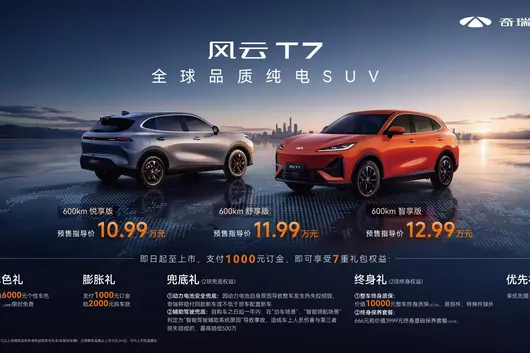

When the automotive industry falls into "quick-fix" involution, Chery Fengyun T7, with the declaration that "Global cars cannot be rushed a bit," uses 5 years of tempered hardcore strength to redefine the value standard of pure electric SUVs. On August 12, this global quality pure electric SUV that has undergone global rigorous verification officially started pre-sales, injecting a sobering agent into the market with the long-termism of "slow work builds good cars."

Slow R&D: Sharpening a Sword for 5 Years, Global Standards Forge Hardcore Quality
The "slowness" of Fengyun T7 is the deep plowing of R&D investment. A 3-year R&D cycle and global 1+7+N R&D system tempering enable it to benchmark against the 2026 version E-NCAP global highest safety standard from birth, pre-research global regulations 2 years in advance, and incorporate user requirements from 15 typical countries into product design. 1.45 million kilometers of global extreme environment verification, covering -40°C extreme cold to 55°C high heat, 500mm deep water wading, and other 100+ extreme road conditions, along with all-around testing of 963 prototype cars, ensures every detail can withstand the global market test.

This "slowness" is also reflected in the integration of global resources: over 100 global designers collaborating, 5000+ users co-creating, allowing the model to combine European aesthetics with Eastern elegance; supported by world-class suppliers such as Bosch, Sony, etc., the European chassis is tuned by senior engineers formerly from Maserati, reaching global top standards from materials to tuning.
Strong Product Power: Full Coverage of 6 Essential Needs, Top-of-Class Benchmark is Well-deserved
Fengyun T7's core competitiveness lies in the precise satisfaction of the 6 essential needs of family users. In terms of appearance, the wind-taming front face, wind-blade headlights paired with 6 Eastern elegance car colors, "Crimson Flame Orange" even uses luxury car-level tri-coat craftsmanship, showing high-class feel amidst light and shadow; in terms of space, the 2700mm wheelbase brings an 84% interior space utilization rate, rear pure flat floor + 4/6 fold-down pure flat big bed mode, accommodating home and outdoor scenes.

Safety is its hardest core confidence: 80% high-strength steel rock body, unique shotgun structure in class, paired with 9 airbags and 6D battery protection, IP68 waterproof standard reaches 96 times national standard, building a dual safety fortress from body to battery. Regarding range, all series standard equipped with 65.05kWh Rhino battery, CLTC range 600km and actual test "reverse false marking" reaches 667+km, 20 minutes to complete 30-80% fast charging, -40°C extreme cold environment range achievement rate still improves 30%, thoroughly solving range anxiety.

Smart experience is also leading the class: 4nm process 8775 cockpit-driving integrated chip, computing power crushes 5-7nm class chips, supports cross-floor memory parking and 300+ full-scenario automatic parking; Lingxi Smart Cockpit 2.0 integrates Doubao large model, 6 human-feeling companion experiences make interaction more natural. In addition, cloud-feel comfortable seats' three-level heating ventilation, 50W wireless charging and other details, fully show humanized care.
Market Competitiveness: Long-termism Breaks the Game, Global Quality Dimensional Strike
In the market flooded with "quick-fix cars", Fengyun T7's competitiveness stems from the dimensional strike of "global cars". Its homologous model LEPAS L6 has launched in South Africa and Thailand, will land in the EU in September, and Chery system in over 130 countries worldwide endorses its quality. Compared to class models, Fengyun T7 reconstructs value with global standards: safety benchmarks against 2026 regulations, range breaks temperature limits, intelligence carries cockpit-driving integrated chips, and more with whole vehicle lifetime warranty, battery safety backup and other policies, eliminating users' concerns.

This "slowness" is not low efficiency, but an extreme pursuit of quality. When the industry chases short-term traffic, Fengyun T7 takes 5 years to complete the loop from R&D to global verification, meeting Chinese family needs with global quality, establishing a "long-termism" new benchmark in the 150,000-200,000 RMB class pure electric SUV market.
The launch of Fengyun T7 is not only the release of a new car, but also a return to the original intention of automobile manufacturing. In the game between "fast" and "slow", it proves with global quality: truly good cars are never afraid of slowness.
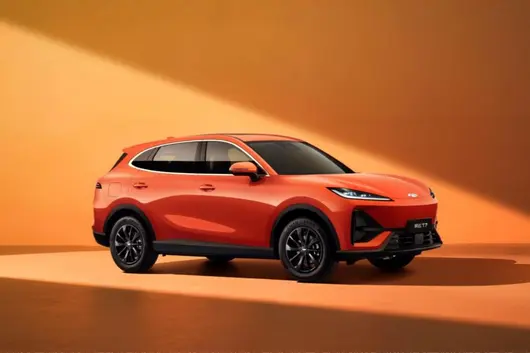

喺馬來西亞嘅 SUV 市場,好多買家喺選車嘅時候都會拿 Proton X90 同 Mazda CX-60 嚟做比較。這兩款車喺價位同埋定位上都幾接近嘅,今日我哋就由多個方面做一個詳細嘅對比,幫你節省咗做功課嘅時間。
Proton X90 喺馬來西亞嘅 OTR 售價係 RM 106,800 - 122,800,一共有 4 個版本,包括 2026 1.5T Prime X(RM 122,800)、2026 1.5T Prime(RM 116,800)、2026 1.5T Lite(RM 106,800) 等。
Mazda CX-60 喺馬來西亞嘅 OTR 售價係 RM 200,510 - 252,873,一共有 2 個版本,包括 2026 3.3T 4WD High Plus(RM 252,873)、2025 2.5L 2WD High(RM 200,510) 等。
從價錢來看,Proton X90 嘅起步價確實比 Mazda CX-60 平咗 RM 93,710。如果你預算有限,Proton 嘅入門版已經可以滿足日常需求。但都要注意,便宜嗰幾千塊,可能喺配備上會有取舍,具體要看你嘅需求。

Proton X90 搭載 1.5L Turbo,馬力 140 hp。官方油耗 7.0 L/100km。
Mazda CX-60 搭載 2.0L 4-cyl,馬力 170 hp。官方油耗 8.0 L/100km。
動力方面,Mazda CX-60 嘅 2.0L 4-cyl 比 Proton X90 嘅 1.5L Turbo 多咗 30 匹馬力。不過日常喺市區開,兩款車嘅動力都夠用,唔會覺得唔夠力。

Proton X90 保用 5 年/150,000km,保養間隔 每 10,000km 或 6 個月。
Mazda CX-60 保用 5 年/150,000km,保養間隔 每 10,000km 或 6 個月。
兩款車嘅保用條件一樣,呢方面唔使糾結。實際保養成本仲要睇品牌嘅服務網絡同零件價格,建議去車友群問問真實車主嘅經驗。

Proton X90 同 Mazda CX-60 都係馬來西亞市場嘅主流選擇,適合家庭使用、日常通勤。如果你更睇重品牌口碑同二手價,可以優先考慮口碑更好嗰一款;如果你更在意性價比同配備,就揀配備更豐富嗰款。最終始終建議兩款都去試駕,親身體驗先係最緊要嘅。

總括嚟講,Proton X90 同 Mazda CX-60 都係馬來西亞市場幾唔錯嘅車型。揀邊一輛,關鍵仲係睇你嘅個人需求同預算。建議大家做好功課,多比較幾間車行嘅報價,再去試駕做最終決定。買車係件大事,花啲時間做功課絕對唔會錯。


In Malaysia's SUV market, many buyers compare the Proton X90 and Mazda CX-30 when choosing a car. These two cars are quite close in price and positioning. Today, we will make a detailed comparison from multiple aspects to help you save time doing research.
The OTR price of the Proton X90 in Malaysia is RM 106,800 - 122,800, with a total of 4 versions, including 2026 1.5T Prime X (RM 122,800), 2026 1.5T Prime (RM 116,800), 2026 1.5T Lite (RM 106,800), etc.
The OTR price of the Mazda CX-30 in Malaysia is RM 122,409 - 146,409, with a total of 4 versions, including 2025 2.0L High+ Premium (RM 146,409), 2025 2.0L High+ (RM 138,409), 2025 2.0L High (RM 130,409), etc.
From the price perspective, the starting price of the Proton X90 is indeed RM 15,609 cheaper than the Mazda CX-30. If your budget is limited, the Proton entry-level version can already meet daily needs. However, note that the lower price may involve trade-offs in equipment, it depends on your specific needs.
The Proton X90 adopts FWD drive mode.
The Mazda CX-30 adopts FWD drive mode.
Both cars have the same drive mode, which is FWD, so there won't be a big difference in daily driving experience.
Proton X90 Warranty 5 years / 150,000km, Maintenance Interval Every 10,000km or 6 months.
Mazda CX-30 Warranty 5 years / 150,000km, Maintenance Interval Every 10,000km or 6 months.
Both cars have the same warranty conditions, no need to worry about this aspect. Actual maintenance costs also depend on the brand's service network and parts prices, it is recommended to ask real owners in car owner groups for experience.
The Proton X90 and Mazda CX-30 are both mainstream choices in the Malaysian market, suitable for family use and daily commuting. If you value brand reputation and resale value more, you can prioritize the one with better reputation; if you care more about value for money and equipment, choose the one with richer configuration. Finally, it is recommended to test drive both, personal experience is the most important.

Overall, the Proton X90 and Mazda CX-30 are both very good models in the Malaysian market. Which one to choose depends mainly on your personal needs and budget. It is recommended to do research, compare quotes from multiple car dealerships, and then test drive to make the final decision. Buying a car is a big matter, spending some time doing research will never be wrong.

喺馬來西亞嘅 SUV 市場,好多買家喺揀車嗰陣都會拿 寶騰 X70 同 奇瑞瑞虎 8 PHEV 嚟做比較。呢兩部車喺價錢同定位上都幾接近,今日我就從多個方面做一次詳細嘅比較,幫你節省做功課嘅時間。
寶騰 X70 喺馬來西亞嘅連牌費售價係 令吉 106,800 - 122,300,一共有 3 個版本,包括 1.5 公升 標準 兩輪驅動(令吉 106,800)、1.5 公升 行政 兩輪驅動(令吉 115,800)、1.5 公升 豪華 兩輪驅動(令吉 122,300) 等。
奇瑞瑞虎 8 PHEV 喺馬來西亞嘅連牌費售價係 令吉 159,750 - 159,750,一共有 2 個版本,包括 1.6 公升 渦輪增壓 標準(令吉 130,000)、1.6 公升 渦輪增壓 豪華(令吉 145,000) 等。
由價錢睇,寶騰 X70 嘅入門價確實比 奇瑞瑞虎 8 PHEV 平咗 令吉 52,950。如果你預算有限,寶騰嘅入門版已經可以滿足日常需要。但要留意,平嗰幾千蚊,喺配置上可能有取捨,具體睇返你嘅需要。
寶騰 X70 車身長 4400 毫米,尾箱 400 公升。
奇瑞瑞虎 8 PHEV 車身長 4400 毫米,尾箱 400 公升。
兩部車嘅尺寸差唔多,車廂空間相差無幾。呢級別嘅車,日常使用完全足夠。
寶騰 X70 採用作 前輪驅動 驅動方式。
奇瑞瑞虎 8 PHEV 採用作 前輪驅動 驅動方式。
兩部車嘅驅動方式一樣,都係 前輪驅動,日常駕駛感受唔會有太大分別。
寶騰 X70 同 奇瑞瑞虎 8 PHEV 都係馬來西亞市場嘅主流選擇,適合家庭用、日常通勤。如果你更重視品牌聲譽同二手價,可以優先考慮聲譽更佳嗰一款;如果你更在意性價比同配置,就揀配置更豐富嗰款。最終都建議兩款都去試駕,親身體驗先最重要。
總括嚟講,寶騰 X70 同 奇瑞瑞虎 8 PHEV 都係馬來西亞市場幾唔錯嘅車款。揀邊一部,關鍵都要睇返你個人需要同預算。建議大家做足功課,多比較幾間車行嘅報價,先至去試駕做最終決定。買車係件大事,花少少時間做功課絕對無錯。

In the Malaysian SUV market, many buyers compare Proton X70 and Mazda CX-8 when choosing a car. These two cars are quite close in price and positioning. Today, we will make a detailed comparison from multiple aspects to help you save time doing research.
The OTR price of Proton X70 in Malaysia is RM 106,800 - 122,300, totaling 3 versions, including 1.5L Standard 2WD (RM 106,800), 1.5L Executive 2WD (RM 115,800), 1.5L Premium 2WD (RM 122,300), etc.
The OTR price of Mazda CX-8 in Malaysia is RM 165,360 - 201,360, totaling 5 versions, including 2025 2.5T 4WD High Plus Petrol (RM 201,360), 2025 2.2L 2WD High Plus Diesel (RM 193,123), 2025 2.5L 2WD High Plus Petrol (RM 186,360), etc.
In terms of pricing, the starting price of Proton X70 is indeed RM 58,560 cheaper than Mazda CX-8. If your budget is limited, Proton's entry-level version is already sufficient for daily needs. But note that the cheaper few thousand might involve trade-offs in features, depending on your needs.

Proton X70 equipped with 1.5L Turbo, 140 hp. Official fuel consumption 7.0 L/100km.
Mazda CX-8 equipped with 2.0L 4-cyl, 170 hp. Official fuel consumption 8.0 L/100km.
In terms of power, Mazda CX-8's 2.0L 4-cyl has 30 more horsepower than Proton X70's 1.5L Turbo. However, for daily city driving, both cars have sufficient power, you won't feel underpowered.
Proton X70 safety rating is 5★ (ASEAN NCAP), active safety systems include ADAS (ACC, AEB, LKA, LDA, BSM, RCTA).
Mazda CX-8 safety rating is 5★ (ASEAN NCAP), active safety systems include Brand ADAS.
Both cars have the same safety rating, safety features are quite comprehensive within this class. New car safety is generally good nowadays, no need to worry too much about this.
Proton X70 adopts FWD drive type.
Mazda CX-8 adopts FWD drive type.
Both cars have the same drive type, both are FWD, no big difference in daily driving experience.
Both Proton X70 and Mazda CX-8 are mainstream choices in the Malaysia market, suitable for family use, daily commuting. If you value brand reputation and resale value more, prioritize the one with better reputation; if you care more about value for money and features, choose the one with richer configurations. Ultimately, it is recommended to test drive both, personal experience is the most important.
Overall, both Proton X70 and Mazda CX-8 are very good models in the Malaysia market. Which one to choose depends on your personal needs and budget. We suggest doing your homework, compare quotes from several dealerships, then test drive to make the final decision. Buying a car is a big thing, spending time doing research will never be wrong.


In the Malaysia SUV market, many buyers compare the Proton X70 and Toyota Corolla Cross when choosing a car. These two cars are quite close in price and positioning, so today we will do a detailed comparison from multiple aspects to help you save time on research.
The Proton X70's OTR price in Malaysia is RM 106,800 - 122,300, with a total of 3 versions, including 1.5L Standard 2WD (RM 106,800), 1.5L Executive 2WD (RM 115,800), 1.5L Premium 2WD (RM 122,300), etc.
The Toyota Corolla Cross's OTR price in Malaysia is RM 133,800 - 148,800, with a total of 3 versions, including 2026 HEV 1.8L GR Sport (RM 148,800), 2026 HEV 1.8L Standard (RM 140,800), 2026 1.8L Standard (RM 133,800), etc.
From the price perspective, the starting price of the Proton X70 is indeed RM 27,000 cheaper than the Toyota Corolla Cross. If your budget is limited, the entry-level Proton can already meet daily needs. But note that the few thousand difference in price might involve trade-offs in equipment, depending on your specific needs.

The Proton X70 is equipped with a 1.5L Turbo engine, producing 140 hp. Official fuel consumption is 7.0 L/100km.
The Toyota Corolla Cross is equipped with a 1.5L Turbo engine, producing 140 hp. Official fuel consumption is 7.0 L/100km.
Both cars use the same powertrain, so the driving feel is basically the same. Fuel consumption is also similar, so you don't need to worry too much about this point.
The Proton X70's safety rating is 5★ (ASEAN NCAP), active safety systems include ADAS (ACC, AEB, LKA, LDA, BSM, RCTA).
The Toyota Corolla Cross's safety rating is 5★ (ASEAN NCAP), active safety systems include TSS (PCS, LDA, ACC, LTA).
Both cars have the same safety rating. In this class, safety equipment is quite complete. New car safety is generally not an issue, so don't worry too much about this.

The Proton X70 comes with a 5-year/150,000km warranty, maintenance interval every 10,000km or 6 months.
The Toyota Corolla Cross comes with a 5-year/unlimited mileage warranty, maintenance interval every 10,000km or 6 months.
Overall, both the Proton X70 and Toyota Corolla Cross are very good models in the Malaysia market. Choosing which one depends on your personal needs and budget. We suggest you do your research, compare quotes from multiple dealerships, and go for a test drive before making a final decision. Buying a car is a major matter; spending some time on research is never wrong.


喺馬來西亞嘅 SUV 市場,好多買家揀車嗰陣都會拿 Proton X50 同 Mitsubishi Xforce 做比較。呢兩款車喺價位同定位上都幾接近,今日我哋就從多個方面做一個詳細比較,幫你省咗做功課嘅時間。
Proton X50 喺馬來西亞嘅 OTR 售價係 RM 89,800 - 113,300,一共有 4 個版本,包括 1.5T Executive(RM 89,800)、1.5T Premium(RM 101,800)、1.5T Flagship(RM 113,300) 等。
Mitsubishi Xforce 喺馬來西亞嘅 OTR 售價係 RM 109,930 - 119,930,一共有 2 個版本,包括 2026 1.5L Ultimate(RM 119,930)、2026 1.5L Urban(RM 109,930) 等。
從價錢睇落,Proton X50 嘅起步價的確比 Mitsubishi Xforce 平咗 RM 20,130。如果你預算有限,Proton 嘅入門版已經可以滿足日常需求。但都要留意,平嗰幾千蚊,可能喺配備上會有取舍,具體要睇你嘅需求。

Proton X50 嘅安全評級係 5★ (ASEAN NCAP),主動安全系統包括 ADAS (ACC, AEB, LKA, LDA, BSM, RCTA)。
Mitsubishi Xforce 嘅安全評級係 5★ (ASEAN NCAP),主動安全系統包括 MI-PILOT。
兩款車嘅安全評級一樣,喺呢個級別入面安全配備都算俾得好齊全。而家嘅新車安全性都不差,唔使太擔心呢一點。

Proton X50 車身長 4400 mm,行李箱 400 L。
Mitsubishi Xforce 車身長 4400 mm,行李箱 400 L。
兩款車嘅尺寸幾乎一樣,車內空間分別唔大。呢個級別嘅車,日常使用完全夠用。

Proton X50 同 Mitsubishi Xforce 都係馬來西亞市場嘅主流選擇,適合家庭使用、日常通勤。如果你更睇重品牌口碑同二手價,可以優先考慮口碑更好嗰一款;如果你更在意性價比同配備,那就揀配置更豐富嗰款。最尾都係建議兩款都去試駕,親身體驗先係最重要。

總之嚟講,Proton X50 同 Mitsubishi Xforce 都係馬來西亞市場好唔錯嘅車型。揀邊架車,關鍵都要睇你嘅個人需求同預算。建議大家做好功課,多比較幾間車行嘅報價,再去試駕做最終決定。買車係件大事,花啲時間做功課絕對唔會錯。


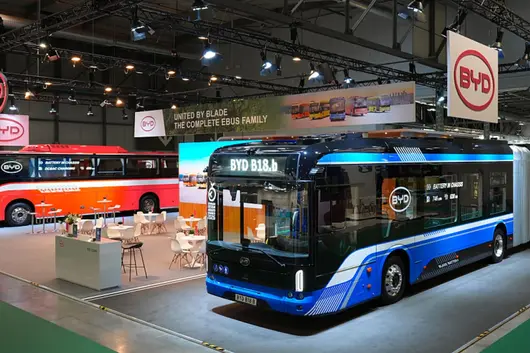
近期,中國客車資訊網發布 2026 上半年新能源客車出口統計數據,比亞迪以 2233 輛出口量位列榜首,市場份額達 22.15%,係上半年行業唯一出口量突破兩千台嘅企業。喺全球綠色交通轉型浪潮下,比亞迪保持穩健增長,已連續三年奪得新能源客車年度出口冠軍。

比亞迪電動大巴實現全球多洲、高端與新興市場同步深耕嘅全域開花格局。截至 6 月底,喺高標準嘅歐洲市場,比亞迪累計交付超 7000 台純電動大巴。其中,喺英國已投入營運嘅大巴超 2700 台,佔英國零排放大巴 45% 嘅市場份額。

比亞迪大巴喺英國
喺美洲地區,比亞迪持續多點突破,保持領先態勢。喺哥倫比亞,比亞迪累計運營大巴超 1500 台,市佔率位列第一;巴西市場自 2015 年啟動電動大巴底盤本地化生產以來,不斷深耕拓展。今年 6 月,比亞迪向聖保羅一次性交付 265 台電動大巴,創下巴西重型電動大巴單批交付規模新紀錄。憑藉本地化戰略同技術積累,比亞迪長期穩居巴西進口電動大巴品牌市佔率榜首。此外,中東同非洲市場穩步推進,摩洛哥、阿聯酋等地正陸續交付訂單。
亞太地區,業務涵蓋新加坡、泰國、馬來西亞、澳大利亞等多國,成為當地公共交通電動化主力車型。目前,比亞迪電動巴士喺日本訂單超 500 台,市佔率超 50%,位列行業第一。

比亞迪大巴喺新加坡
比亞迪電動大巴持續領先嘅核心根基,來自全棧自研核心技術體系,依托 e-BUS 平台 3.0、刀片電池等技術,可適應高溫、高寒、山地等全球複雜運營工況,喺安全性能、全生命週期成本上優勢突出,順利通過歐美日韓等嚴苛市場認證,獲全球客戶認可。

In Malaysia's SUV market, many buyers compare the Proton X50 and Honda WR-V when choosing a car. These two cars are quite close in price and positioning. Today, we will make a detailed comparison from multiple aspects to save you time doing your research.
The Proton X50 OTR price in Malaysia is RM 89,800 - 113,300, with a total of 4 versions, including 1.5T Executive (RM 89,800), 1.5T Premium (RM 101,800), 1.5T Flagship (RM 113,300), etc.
The Honda WR-V OTR price in Malaysia is RM 89,900 - 107,900, with a total of 4 versions, including 2023 1.5L V (RM 99,900), 2023 1.5L E (RM 95,900), 2023 1.5L S (RM 89,900), etc.
In terms of price, the starting price of the Proton X50 is indeed RM 100 cheaper than the Honda WR-V. If you have a limited budget, Proton's entry-level version can already meet daily needs. But note that the few thousand cheaper might involve trade-offs in features, depending on your specific needs.
The Proton X50 is equipped with a 1.5L 4-cyl, 105 hp. Official fuel consumption 6.0 L/100km.
The Honda WR-V is equipped with a 1.5L 4-cyl, 105 hp. Official fuel consumption 6.0 L/100km.
Both cars use the same powertrain, and the driving feel is basically the same in daily use. Fuel consumption is also similar, so no need to worry too much about this point.
The Proton X50 safety rating is 5★ (ASEAN NCAP), active safety systems include ADAS (ACC, AEB, LKA, LDA, BSM, RCTA).
The Honda WR-V safety rating is 5★ (ASEAN NCAP), active safety systems include Honda SENSING.
Both cars have the same safety rating, and safety features are quite comprehensive in this class. New car safety is generally not bad nowadays, so no need to worry too much about this.
The Proton X50 adopts 4WD drive mode.
The Honda WR-V adopts FWD drive mode.
Proton's 4WD and Honda's FWD will have different handling experiences, test drive comparison is recommended.

Proton X50 and Honda WR-V are both mainstream choices in the Malaysian market, suitable for family use and daily commuting. If you value brand reputation and resale value more, prioritize the one with better reputation; if you care more about cost-performance ratio and features, choose the one with richer configuration. Finally, it is recommended to test drive both, as personal experience is most important.
Overall, Proton X50 and Honda WR-V are both very good models in the Malaysian market. Which one to choose depends mainly on your personal needs and budget. It is recommended to do your research, compare quotes from several dealerships, and then test drive to make the final decision. Buying a car is a big matter, spending time doing research is never wrong.

In Malaysia's SUV market, many buyers compare Perodua Aruz and Kia Sportage when choosing a car. These two cars are quite close in price and positioning. Today, we will make a detailed comparison from multiple aspects to help you save time on research.
Perodua Aruz OTR price in Malaysia is RM 72,900 - 77,900, with 2 versions including 1.5L X (RM 72,900), 1.5L AV (RM 77,900), etc.
Kia Sportage OTR price in Malaysia is RM 129,639 - 179,320, with 4 versions including 2025 1.6T DCT 4WD High (RM 179,320), 2025 1.6T DCT 2WD High (RM 159,320), 2025 2.0L AT 2WD High (RM 139,639), etc.
From a price perspective, Perodua Aruz's starting price is indeed RM 56,739 cheaper than Kia Sportage. If your budget is limited, Perodua's entry-level version is sufficient for daily needs. But note, the few thousand difference may involve trade-offs in features, depending on your needs.

Perodua Aruz comes with 1.5L 4-cyl, 105 hp power. Official fuel consumption 6.0 L/100km.
Kia Sportage comes with 1.5L Turbo, 140 hp power. Official fuel consumption 7.0 L/100km.
In terms of power, Kia Sportage's 1.5L Turbo has 35 more horsepower than Perodua Aruz's 1.5L 4-cyl. However, for daily city driving, both cars have sufficient power and won't feel underpowered.
Perodua Aruz body length 4400 mm, trunk 400 L.
Kia Sportage body length 4400 mm, trunk 400 L.
The two cars' dimensions are almost the same, interior space difference is not large. For this class of cars, daily use is completely sufficient.
Perodua Aruz and Kia Sportage are both mainstream choices in the Malaysian market, suitable for family use and daily commuting. If you value brand reputation and resale value more, consider the one with better reputation; if you care more about value for money and features, choose the one with richer configurations. Ultimately, it is recommended to test drive both, personal experience is the most important.

Overall, Perodua Aruz and Kia Sportage are both very good car models in the Malaysian market. Which one to choose depends on your personal needs and budget. We suggest doing your research, comparing quotes from several dealerships, and then test driving to make the final decision. Buying a car is a big matter, taking time to research is never wrong.


In the Malaysian SUV market, many buyers compare Perodua Aruz and Hyundai Tucson when choosing a car. These two cars are quite close in price and positioning. Today we will make a detailed comparison from multiple aspects to help you save time doing research.
The OTR price of Perodua Aruz in Malaysia is RM 72,900 - 77,900, with a total of 2 versions, including 1.5L X (RM 72,900), 1.5L AV (RM 77,900), etc.
The OTR price of Hyundai Tucson in Malaysia is RM 143,888 - 197,888, with a total of 5 versions, including 2025 HEV 1.6T AT 2WD Prestige (RM 197,888), 2025 1.6T DCT 4WD Prestige (RM 186,888), 2025 1.6T DCT 2WD Prime (RM 164,888), etc.
In terms of price, the starting price of Perodua Aruz is indeed RM 70,988 cheaper than Hyundai Tucson. If your budget is limited, the entry-level version of Perodua is already sufficient for daily needs. But note, the difference of a few thousand, there might be trade-offs in equipment, it depends on your specific needs.
Perodua Aruz safety rating is 5★ (ASEAN NCAP), active safety systems include.
Hyundai Tucson safety rating is 5★ (ASEAN NCAP), active safety systems include SmartSense.
Both cars have the same safety rating, safety features in this class are considered quite complete. New cars nowadays are not bad in safety, no need to worry too much about this.
Perodua Aruz body length 4400 mm, trunk 400 L.
Hyundai Tucson body length 4400 mm, trunk 400 L.
Both cars are almost the same size, interior space difference is not large. For this class of cars, daily use is completely sufficient.
Perodua Aruz adopts FWD drive mode.
Hyundai Tucson adopts FWD drive mode.
Both cars have the same drive mode, both are FWD, daily driving feel will not have much difference.

Overall, Perodua Aruz and Hyundai Tucson are both very good car models in the Malaysian market. Which one to choose depends mainly on your personal needs and budget. It is recommended to do your homework, compare quotes from several dealerships, and then test drive to make a final decision. Buying a car is a big matter, spending time doing research will definitely not be wrong.

2026年的日历翻过一半,中国汽车产业交出了一份惊艳的出口答卷。前五个月,国内汽车出口总量高达405.9万辆,同比劲增63%,市场触角已深度覆盖欧洲、拉美与东南亚。在这股洪流中,广汽集团的表现堪称典范:1-6月自主品牌出口12.15万辆,同比飙升132%,而集团整体销量为77.31万辆,微增2.35%。数据背后,是广汽将海外业务从“可选项”转变为“必选项”的战略决心,其全球化故事正进入高潮迭起的新篇章。

从区域分布来看,广汽在美洲、亚太、中东、非洲及欧洲五大区域同步实现高增,呈现出“全面开花”的全球化格局。
美洲市场是广汽海外增长最为迅猛的区域之一。在墨西哥,埃安UT和ES分别位居B级和C级纯电市场前三,品牌认知度持续攀升。在玻利维亚,传祺向往S7和埃安UT拿下年度插混和纯电车型销量冠军,广汽接连多月蝉联当地中国品牌乘用车市场销冠。在巴西,广汽6月销量环比大增1129%,当地已拥有55家经销商网络,发展势头迅猛。哥伦比亚6月销量环比大增804%,乌拉圭同比增长254%。美洲市场正在成为广汽出海战略的核心增长极之一。

亚太区域多点突破。在中国香港,1至5月电动车市占率突破11%,意味着全港每卖出10台新车就有1台来自广汽,品牌渗透率创下新高。泰国市场6月销量环比劲增207%,新加坡市场6月环比增长77%,东南亚市场的增长动能正在加速释放。
非洲及中东市场稳步突围。继1至2月中东区域销量同比增长282%后,5月影速拿下黎巴嫩B级SUV销冠。埃塞俄比亚6月销量环比大增510%,同比增长118%。非洲大陆的增长潜力正在被广汽逐步激活。
欧洲市场的战略意义尤为突出。广汽已建立从本地化生产到核心市场终端销售的全链路运营体系。上半年正式进入意大利、英国、西班牙等欧洲核心国家。3月,埃安UT在奥地利KD工厂投产,实现了欧洲本地化生产。6月,广汽拿下希腊中国品牌纯电销量第二,在欧洲这一全球汽车工业的高地市场上站稳了脚跟。

作为中国汽车行业的领军者之一,广汽集团正以其独特魅力吸引着世界各地的目光。相信在全体广汽人的共同努力下,公司必将迎来更加灿烂辉煌的明天,在全球舞台上绽放光彩。
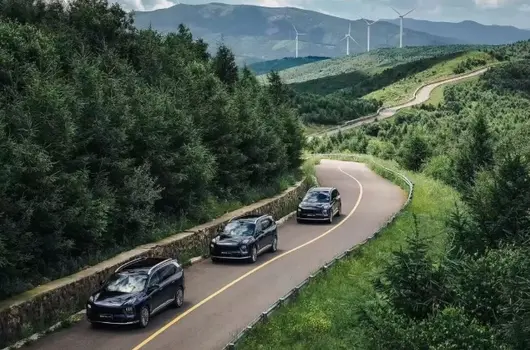

In the Malaysian SUV market, many buyers compare Perodua Aruz and Mazda CX-3 when choosing a car. The two cars are quite close in price and positioning. Today, we will make a detailed comparison from multiple aspects to help save you time on research.
Perodua Aruz has an OTR price in Malaysia of RM 72,900 - 77,900, with a total of 2 versions, including 1.5L X (RM 72,900), 1.5L AV (RM 77,900), etc.
Mazda CX-3 has an OTR price in Malaysia of RM 126,159 - 139,159, with a total of 2 versions, including 2023 2.0L High (RM 139,159), 2023 2.0L Plus (RM 126,159), etc.
From a price perspective, Perodua Aruz's starting price is indeed RM 53,259 cheaper than Mazda CX-3. If your budget is limited, Perodua's entry-level version can already meet daily needs. However, be aware that the savings of a few thousand might involve trade-offs in features, depending on your specific needs.
Perodua Aruz is equipped with a 1.5L 4-cylinder engine, 105 hp. Official fuel consumption 6.0 L/100km.
Mazda CX-3 is equipped with a 1.5L Turbo, 140 hp. Official fuel consumption 7.0 L/100km.
In terms of performance, Mazda CX-3's 1.5L Turbo has 35 more horsepower than Perodua Aruz's 1.5L 4-cylinder. However, for daily city driving, the power of both cars is sufficient and they won't feel underpowered.
Perodua Aruz warranty 5 years/150,000km, maintenance interval every 10,000km or 6 months.
Mazda CX-3 warranty 5 years/150,000km, maintenance interval every 10,000km or 6 months.
The warranty conditions for both cars are the same, no need to worry about this aspect. Actual maintenance costs also depend on the brand's service network and parts prices. It is recommended to ask real owners in car owner groups for their experience.
Both Perodua Aruz and Mazda CX-3 are mainstream choices in the Malaysian market, suitable for family use and daily commuting. If you value brand reputation and resale value more, you can prioritize the one with better reputation; if you care more about value for money and features, then choose the one with richer configurations. Ultimately, it is recommended to test drive both models, as personal experience is the most important.

Overall, Perodua Aruz and Mazda CX-3 are both excellent models in the Malaysian market. Which one to choose depends mainly on your personal needs and budget. It is recommended that you do your homework, compare quotes from several dealerships, and then test drive to make a final decision. Buying a car is a big matter; taking time to do research will definitely not be wrong.

喺馬來西亞嘅 SUV 市場,好多買家喺揀車嘅時候都會拿 Perodua Ativa 同 Mazda CX-30 嚟做比較。呢兩款車喺價位同定位上都好接近,今日我哋就由多個方面嚟做一個詳細嘅對比,幫你省咗做功課嘅時間。
Perodua Ativa 喺馬來西亞嘅 OTR 售價係 RM 62,500 - 73,400,一共有 3 個版本,包括 1.0L Turbo X(RM 62,500)、1.0L Turbo H(RM 67,300)、1.0L Turbo AV(RM 73,400) 等。
Mazda CX-30 喺馬來西亞嘅 OTR 售價係 RM 122,409 - 146,409,一共有 4 個版本,包括 2025 2.0L High+ Premium(RM 146,409)、2025 2.0L High+(RM 138,409)、2025 2.0L High(RM 130,409) 等。
從價錢嚟睇,Perodua Ativa 嘅起步價確實比 Mazda CX-30 平咗 RM 59,909。如果你預算有限,Perodua 嘅入門版已經可以滿足日常需求。但都要留意,平嗰幾千塊,可能喺配備上會有取舍,具體要睇你嘅需求。

Perodua Ativa 嘅安全評級係 5★ (ASEAN NCAP),主動安全系統包括 ASA 3.0 + ACC + LDA + LKA + BSM + RCTA。
Mazda CX-30 嘅安全評級係 5★ (ASEAN NCAP),主動安全系統包括 i-Activsense。
兩款車嘅安全評級一樣,喺呢個級別入面安全配備都算好齊全。而家嘅新車安全性都唔差,唔使太擔心呢一點。
Perodua Ativa 車身長 4400 mm,後備箱 400 L。
Mazda CX-30 車身長 4500 mm,後備箱 450 L。
空間方面,Mazda CX-30 嘅車身比 Perodua Ativa 長咗 100 mm,乘坐空間更有優勢。不過 Perodua Ativa 喺城市入面停車會靈活少少,各有取舍。
Perodua Ativa 同 Mazda CX-30 都係馬來西亞市場嘅主流選擇,適合家庭使用、日常通勤。如果你更重視品牌口碑同二手價,可以優先考慮口碑更好嗰一款;如果你更在乎性價比同配備,就揀配置更豐富嗰款。最終都好建議兩款都去試駕,親身體驗先係最重要嘅。
總體嚟講,Perodua Ativa 同 Mazda CX-30 都係馬來西亞市場好唔錯嘅車型。揀邊一輛,關鍵都要睇你嘅個人需求同預算。建議大家做好功課,多比較間車行嘅報價,再去試駕做最終決定。買車係件大事,花少少時間做功課絕對唔會錯。


In Malaysia's SUV market, many buyers compare Perodua Ativa and Proton X70 when choosing a car. These two models are quite close in price and positioning. Today we will do a detailed comparison from multiple aspects to help you save time on research.
Perodua Ativa's OTR price in Malaysia is RM 62,500 - 73,400, with a total of 3 versions, including 1.0L Turbo X (RM 62,500), 1.0L Turbo H (RM 67,300), 1.0L Turbo AV (RM 73,400), etc.
Proton X70's OTR price in Malaysia is RM 106,800 - 122,300, with a total of 3 versions, including 1.5L Standard 2WD (RM 106,800), 1.5L Executive 2WD (RM 115,800), 1.5L Premium 2WD (RM 122,300), etc.
Looking at the price, Perodua Ativa's starting price is indeed RM 44,300 cheaper than Proton X70. If your budget is limited, Perodua's entry-level version can already meet daily needs. But note that the few thousand cheaper price might involve compromises on specifications, which depends on your specific needs.
Perodua Ativa is equipped with 1.5L 4-cyl, 105 hp. Official fuel consumption 6.0 L/100km.
Proton X70 is equipped with 1.5L Turbo, 140 hp. Official fuel consumption 7.0 L/100km.
In terms of power, Proton X70's 1.5L Turbo has 35 more horsepower than Perodua Ativa's 1.5L 4-cyl. However, for daily city driving, both cars have enough power and won't feel underpowered.
Perodua Ativa body length 4400 mm, trunk 400 L.
Proton X70 body length 4400 mm, trunk 400 L.
The dimensions of both cars are almost the same, and the interior space difference is not significant. For cars in this class, they are completely sufficient for daily use.
Perodua Ativa warranty 5 years/150,000km, maintenance interval every 10,000km or 6 months.
Proton X70 warranty 5 years/150,000km, maintenance interval every 10,000km or 6 months.
Both cars have the same warranty conditions, no need to worry about this. Actual maintenance costs depend on the brand's service network and parts prices, it is suggested to ask real owners in car owner groups for their experience.
Overall, Perodua Ativa and Proton X70 are both quite good car models in the Malaysian market. Which one to choose depends mainly on your personal needs and budget. We suggest doing your research, comparing quotes from multiple dealerships, and then test driving to make a final decision. Buying a car is a big matter, spending some time on research is never wrong.


