首頁4Runner 3rd

搜尋歷史
熱門搜尋
經銷商登入 / 註冊

In the Malaysian SUV market, many buyers compare the Mazda CX-3 and Mitsubishi Xforce when choosing a car. These two cars are quite close in price and positioning. Today, we will make a detailed comparison from multiple aspects to help you save time on research.
The OTR price of Mazda CX-3 in Malaysia is RM 126,159 - 139,159, with a total of 2 versions, including 2023 2.0L High (RM 139,159), 2023 2.0L Plus (RM 126,159), etc.
The OTR price of Mitsubishi Xforce in Malaysia is RM 109,930 - 119,930, with a total of 2 versions, including 2026 1.5L Ultimate (RM 119,930), 2026 1.5L Urban (RM 109,930), etc.
From a price perspective, the starting price of Mitsubishi Xforce is RM 16,229 cheaper than Mazda CX-3. Honestly, in this price range, a difference of a few thousand is not really that big. The key is still looking at overall value for money and long-term maintenance costs.

Mazda CX-3 safety rating is 5★ (ASEAN NCAP), active safety systems include i-Activsense.
Mitsubishi Xforce safety rating is 5★ (ASEAN NCAP), active safety systems include MI-PILOT.
The safety ratings of both cars are the same. Safety features are quite complete for this class. New cars nowadays are not lacking in safety, no need to worry too much about this point.

Mazda CX-3 body length 4,500 mm, boot 450 L.
Mitsubishi Xforce body length 4,400 mm, boot 400 L.
In terms of space, Mazda CX-3's body is 100 mm longer than Mitsubishi Xforce. The interior seating space will be slightly more spacious, especially rear legroom. If you often carry family members or need to put in a stroller, a slightly larger body is indeed more practical.

Mazda CX-3 warranty 5 years/150,000 km, maintenance interval every 10,000 km or 6 months.
Mitsubishi Xforce warranty 3 years/100,000 km, maintenance interval every 10,000 km or 6 months.

Both Mazda CX-3 and Mitsubishi Xforce are mainstream choices in the Malaysian market, suitable for family use and daily commuting. If you value brand reputation and resale price more, consider the one with better reputation first; if you care more about value for money and features, choose the one with richer configuration. Ultimately, we suggest test driving both, experiencing them personally is the most important.

Overall, Mazda CX-3 and Mitsubishi Xforce are both quite good models in the Malaysian market. Which one to choose mainly depends on your personal needs and budget. We suggest doing research, comparing quotes from several dealerships, and then test driving to make a final decision. Buying a car is a big matter. Spending time doing research will never be wrong.


In Malaysia's SUV market, many buyers compare the Toyota Harrier and BMW X3 when choosing a car. These two models are quite close in price and positioning. Today, we will conduct a detailed comparison from multiple aspects to help you save time on research.
Toyota Harrier's OTR price in Malaysia is RM 289,000 - 289,000, with a total of 1 version, including 2026 HEV 2.5L Standard (RM 289,000) etc.
BMW X3's OTR price in Malaysia is RM 325,800 - 358,800, with a total of 2 versions, including xDrive20i (RM 320,000), xDrive30e (RM 360,000) etc.
From a price perspective, Toyota Harrier's starting price is indeed RM 36,800 cheaper than BMW X3. If your budget is limited, Toyota's entry-level version can already meet daily needs. However, also note that the few thousand ringgit cheaper might involve trade-offs in features, depending on your specific needs.

Toyota Harrier is equipped with 2.0L Turbo, 220 hp. Official fuel consumption 9.5 L/100km.
BMW X3 is equipped with 2.0L Turbo, 220 hp. Official fuel consumption 9.5 L/100km.
Both cars use the same powertrain, and the driving experience feels basically the same. Fuel consumption is also similar, no need to worry too much about this point.

Toyota Harrier's safety rating is 5★ (ASEAN NCAP), active safety systems include Brand ADAS.
BMW X3's safety rating is 5★ (Euro NCAP), active safety systems include Premium ADAS.
In terms of safety features, both cars have received good ratings. However, there are some differences in functionality between Toyota Harrier's Brand ADAS and BMW X3's Premium ADAS. If you value active safety, you can carefully compare their feature lists.

Toyota Harrier uses FWD drive mode.
BMW X3 uses FWD drive mode.
Both cars have the same drive mode, both are FWD, and there will not be much difference in daily driving experience.

Overall, Toyota Harrier and BMW X3 are both very good models in the Malaysia market. Which one to choose depends on your personal needs and budget. We suggest doing your homework, compare quotes from a few car dealerships, and then go for a test drive to make the final decision. Buying a car is a big matter, spending some time on research will never be wrong.


In Malaysia's SUV market, many buyers compare the Toyota Harrier and Volvo XC90 PHEV when choosing a car. These two cars are quite close in price and positioning. Today we will make a detailed comparison from multiple aspects to help you save time on research.
The Toyota Harrier's OTR price in Malaysia is RM 289,000 - 289,000, with 1 version in total, including 2026 HEV 2.5L Standard (RM 289,000) etc.
The Volvo XC90 PHEV's OTR price in Malaysia is RM 434,888 - 434,888, with 2 versions in total, including 2025 2.0T 77km Ultra (RM 434,888), What safety features does the Volvo XC90 PHEV have? (RM 362,888) etc.
From a price perspective, the Toyota Harrier's starting price is indeed RM 145,888 cheaper than the Volvo XC90 PHEV. If your budget is limited, the Toyota entry-level version can already meet daily needs. But also note, those few thousand dollars cheaper might involve trade-offs in features, depending on your specific requirements.
The Toyota Harrier is equipped with a 2.0L Turbo, 220 hp. Official fuel consumption 9.5 L/100km.
The Volvo XC90 PHEV is equipped with a Hybrid, 170 hp. Official fuel consumption 4.5 L/100km.
Regarding power, the Toyota Harrier's 2.0L Turbo has 50 more horsepower than the Volvo XC90 PHEV's Hybrid, making mid-range acceleration more confident, especially when overtaking on highways. However, the Volvo XC90 PHEV's fuel consumption might be more friendly, and the difference in daily city commuting won't be too big.
The Toyota Harrier uses FWD drive mode.
The Volvo XC90 PHEV uses FWD drive mode.
Both cars have the same drive mode, both FWD, so there won't be a big difference in daily driving feel.
The Toyota Harrier warranty is 5 years/unlimited mileage, service interval every 10,000km or 6 months.
The Volvo XC90 PHEV warranty is 5 years/unlimited mileage, service interval every 10,000km or 6 months.

Both the Toyota Harrier and Volvo XC90 PHEV are mainstream choices in the Malaysian market, suitable for family use and daily commuting. If you value brand reputation and second-hand value more, you can prioritize the one with better reputation; if you care more about cost-performance ratio and features, then choose the one with richer configurations. Finally, it is recommended to test drive both models, as firsthand experience is the most important.

Overall, both the Toyota Harrier and Volvo XC90 PHEV are very good models in the Malaysian market. Which one to choose depends mainly on your personal needs and budget. We suggest you do your homework well, compare quotes from a few more dealers, and then go for a test drive to make the final decision. Buying a car is a major event, taking time to do research is never wrong.
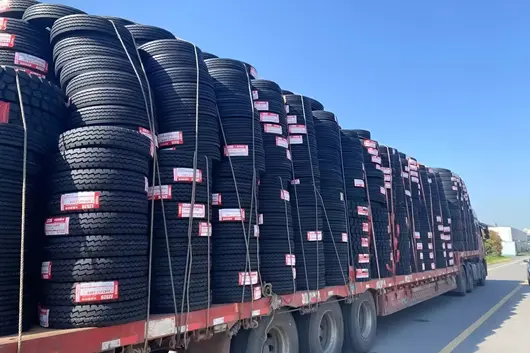
On the evening of October 23, Zhongce Rubber released its Q3 report: revenue for the first three quarters was 36.079 billion yuan, a year-on-year increase of 7.11%; net profit attributable to parent company was 2.854 billion yuan, a year-on-year decrease of 18.77%. Among them, net profit for the third quarter alone was only 413 million yuan, plummeting by 65.29%.
One week ago, Linglong Tires' forecast was even more severe: net profit attributable to parents for the first three quarters was only 62 million to 69 million yuan, a year-on-year decline of over 94% -- same period last year it earned 1.023 billion yuan, this year non-recurring profit directly turned into a loss.
Revenue up, profits collapsed, the more tires sold, the less earned; this is already the true reflection of the 2026 tire industry.

Scissors Spread Squeezes Profits
The problem lies entirely in the price spread. Zhongce operating data shows that the composite procurement price of five major raw materials in the third quarter increased by 20.76% year-on-year, while the average selling price of tires increased by only 0.71%. Zhongce still has the mid-to-high-end market supporting it, the low-end market is fiercely competitive, falling into a vicious cycle of falling volume and prices. In September, over a hundred price increase letters were issued, but factories raised by 3-5 percentage points, while only 1 percentage point remained at the terminal, all digested layer by layer by channels -- whoever raises prices significantly first loses customers first.
Natural rubber stood at 20,000 yuan/ton by the end of September, marking the first time since March 2017; early October surged to a near nine-year high of 20,645 yuan/ton; carbon black rose by nearly 60%. Thailand's production cut expectations continued to ferment, and cost pressure in the fourth quarter is more severe than the third quarter.

Encircled from Three Sides, Entire Industry Faces Tribulations
On the export front, EU anti-dumping measures took effect on July 8, with tariffs reaching up to 45.3%; anti-subsidy final rulings will be implemented before December 5; July exports to Europe were directly cut by over 70%. Investigations from the US, Canada, and the Eurasian Economic Union followed one after another.
On the demand front, domestic car sales in September fell by 26% year-on-year, the matching market lost half first; the replacement market was dragged down by infrastructure and freight, dealers dare not stock up.
On the exchange rate front, hidden arrows are even more fatal. Some tire enterprises had exchange rate losses exceeding 1 billion yuan in the first three quarters, directly turning from profit to loss. Michelin was hit similarly -- if calculated with constant exchange rates, actual growth was 1.0%, purely tricked by exchange rates. The difference is, Michelin has a distributed layout in over 60 factories globally, hedging with multiple currencies, while over 90% of Chinese tire enterprises only export from Chinese factories, single exchange rate risks must be fully accepted. According to calculations, a 3% fluctuation in exchange rates can cause a direct 20% impact on profits. Want to learn from foreign capitals building factories globally? Overseas investment starts at 5 billion yuan, small and medium factories simply cannot afford it.

Factory Stoppages, Profit Cleanup Just Starting
Starting from September, 20 tire factories successively issued "suspension for maintenance" notices, some wrote 10 days leave, but actually not restarted after 23 days. In September, rubber tire casing output declined by 3.3% year-on-year, semi-steel tire output fell by 20%. The first week of October, operating rates for full steel tires and semi-steel tires both fell to around 30%, comparable to Spring Festival, rare in nearly 7 years.
"Exchange rates swallowed 90% of profits, rare in nearly 20 years. Next year, who knows if our factory won't exist anymore." Some business owners spoke directly. With the Dalian Tire Factory being seized, industry confidence accelerated collapse.
The Q3 report is just a trailer: high-cost raw materials will only be accounted for in the fourth quarter, the EU anti-subsidy shoe is about to land. Top enterprises still have scale and overseas factories as two trump cards, small and medium factories don't even have trump cards. The tire business in 2026 is the hardest year in the past decade -- this round of profit cleanup has just begun.

In Malaysia's SUV market, many buyers compare Toyota Corolla Cross and Subaru Outback when choosing a car. The pricing and positioning of these two vehicles are quite close. Today, we will make a detailed comparison from multiple aspects to help you save time on research.
Toyota Corolla Cross OTR price in Malaysia is RM 133,800 - 148,800, totaling 3 versions, including 2026 HEV 1.8L GR Sport (RM 148,800), 2026 HEV 1.8L Standard (RM 140,800), 2026 1.8L Standard (RM 133,800), etc.
Subaru Outback OTR price in Malaysia is RM 260,000 - 280,000, totaling 2 versions, including 2025 2.4T R-Touring EyeSight (RM 310,340), 2025 2.5L Touring EyeSight (RM 280,340), etc.
From a pricing perspective, the starting price of Toyota Corolla Cross is indeed RM 126,200 cheaper than Subaru Outback. If your budget is limited, Toyota's entry-level version can already meet daily needs. However, note that the few thousand ringgit cheaper might involve compromises in features, it depends on your specific needs.

Toyota Corolla Cross safety rating is 5★ (ASEAN NCAP), active safety systems include TSS (PCS, LDA, ACC, LTA).
Subaru Outback safety rating is TBD, active safety systems include Basic.
Regarding safety features, both vehicles have achieved good ratings. However, Toyota Corolla Cross's TSS (PCS, LDA, ACC, LTA) and Subaru Outback's Basic have some differences in functionality. If you value active safety, you can carefully compare the feature lists of both.
Toyota Corolla Cross adopts FWD drive system.
Subaru Outback adopts FWD drive system.
The drive systems of both vehicles are the same, both are FWD, there will not be much difference in daily driving experience.
Toyota Corolla Cross warranty 5 years/unlimited mileage, maintenance interval every 10,000km or 6 months.
Subaru Outback warranty 3 years/100,000km, maintenance interval every 10,000km or 6 months.

Overall, both Toyota Corolla Cross and Subaru Outback are very good models in the Malaysian market. Which one to choose mainly depends on your personal needs and budget. It is recommended to do your research, compare quotes from several dealerships, and then go for a test drive to make the final decision. Buying a car is a major matter, spending time on research will never be wrong.


In the SUV market in Malaysia, many buyers tend to compare the Honda CR-V and Hyundai Santa Fe when choosing a car. These two vehicles are quite close in terms of price and positioning. Today, we will conduct a detailed comparison from multiple aspects to help you save time on research.
The Honda CR-V OTR price in Malaysia is RM 178,200 - 195,900, with a total of 4 versions, including 2026 e:HEV 2.0L 2WD RS (RM 195,900), 2026 1.5T 4WD V (RM 181,900), 2026 e:HEV 2.0L 2WD E (RM 178,200) etc.
The Hyundai Santa Fe OTR price in Malaysia is RM 225,000 - 270,000, with a total of 3 versions, including 2025 2.5T DCT 4WD Calligraphy 6 Seats (RM 270,000), 2025 HEV 1.6T AT 2WD Prestige 7 Seats (RM 245,000), 2025 HEV 1.6T AT 2WD Prime 7 Seats (RM 225,000) etc.
In terms of price, the starting price of the Honda CR-V is indeed cheaper by RM 46,800 compared to the Hyundai Santa Fe. If your budget is limited, Honda's entry-level version can already meet daily needs. However, be aware that the few thousand Ringgit saved might involve trade-offs in features; it depends on your specific needs.

The Honda CR-V is equipped with a 2.0L 4-cyl, horsepower 170 hp. Official fuel consumption 8.0 L/100km.
The Hyundai Santa Fe is equipped with a 2.0L 4-cyl, horsepower 170 hp. Official fuel consumption 8.0 L/100km.
Both cars use the same power system, and the driving feel in daily use is basically no different. Fuel consumption is also similar, so there is no need to worry too much about this point.

The Honda CR-V vehicle body length is 4500 mm, trunk 450 L.
The Hyundai Santa Fe vehicle body length is 4400 mm, trunk 400 L.
In terms of space, the Honda CR-V body is 100 mm longer than the Hyundai Santa Fe, so the passenger space inside will be slightly more spacious, especially the rear legroom. If you often carry family members or need to fit a stroller, the larger vehicle body is indeed more practical.

The Honda CR-V adopts FWD drive type.
The Hyundai Santa Fe adopts FWD drive type.
Both cars use the same drive type, which is FWD, so there won't be much difference in the driving feel in daily use.

The Honda CR-V warranty 5 years/Unlimited Mileage, service interval Every 10,000km or 6 months.
The Hyundai Santa Fe warranty 5 years/300,000km, service interval Every 10,000km or 6 months.

Overall, both the Honda CR-V and Hyundai Santa Fe are very good models in the Malaysian market. Which one to choose depends mainly on your personal needs and budget. We suggest everyone do their research, compare quotes from several dealerships, and go for a test drive before making the final decision. Buying a car is a significant decision, so spending some time researching will definitely not be a mistake.


In Malaysia's SUV market, many buyers compare Honda CR-V and Chery Tiggo 8 PHEV when choosing a car. Both cars are quite close in price and positioning, today we will do a detailed comparison from multiple aspects, helping you save the time spent on research.
The OTR price of Honda CR-V in Malaysia is RM 178,200 - 195,900, totaling 4 versions, including 2026 e:HEV 2.0L 2WD RS (RM 195,900), 2026 1.5T 4WD V (RM 181,900), 2026 e:HEV 2.0L 2WD E (RM 178,200), etc.
The OTR price of Chery Tiggo 8 PHEV in Malaysia is RM 159,750 - 159,750, totaling 2 versions, including 1.6L Turbo Standard (RM 130,000), 1.6L Turbo Premium (RM 145,000), etc.
From the price perspective, Chery Tiggo 8 PHEV's starting price is RM 18,450 cheaper than Honda CR-V. Honestly, in this price range, a difference of a few thousand is actually not big, the key is still looking at the overall value for money and long-term usage costs.
Honda CR-V body length is 4500 mm, trunk capacity 450 L.
Chery Tiggo 8 PHEV body length is 4400 mm, trunk capacity 400 L.
In terms of space, Honda CR-V's body is 100 mm longer than Chery Tiggo 8 PHEV, interior seating space will be slightly more spacious, especially rear seat legroom. If you often carry family members or need to put in a stroller, a larger body is indeed more practical.
Honda CR-V adopts FWD drive system.
Chery Tiggo 8 PHEV adopts FWD drive system.
Both cars have the same drive system, both are FWD, daily driving experience will not differ much.
Honda CR-V and Chery Tiggo 8 PHEV are both mainstream choices in the Malaysian market, suitable for family use and daily commuting. If you value brand reputation and resale price more, you can prioritize the one with better reputation; if you care more about value for money and features, then choose the one with richer configuration. Ultimately it is recommended to test drive both models, the first-hand experience is the most important.
Overall, Honda CR-V and Chery Tiggo 8 PHEV are both very good car models in the Malaysian market. Which one to choose, the key still depends on your personal needs and budget. We suggest everyone do research well, compare quotes from several dealerships, then go for a test drive to make a final decision. Buying a car is a big matter, spending some time on research will never be wrong.

悅達起亞近期公佈了其 2026 年 8 月的市場表現,當月銷量達到 19588 輛,而 1 月至 8 月的累計銷量則攀升至 162734 輛。與此同時,該品牌在 8 月份生產了 20600 輛整車,前八個月的總產量穩定在 167600 輛。這一成績的背後,是悅達起亞長期秉持的「以用戶為中心」的發展理念,以及針對中國消費者實際需求不斷進行的產品迭代與優化。


在深耕本土市場的同時,悅達起亞也在加速推進海外出口戰略,形成了內外銷協同並進的良好格局。自 2018 年 11 月啟動出口業務以來,該品牌累計出口整車數量已超過 65.06 萬輛,創造出口銷售額逾 72.2 億美元。其出口產品矩陣由 EV5、獅鉑拓界、賽圖斯、K5、索奈、煥馳六款車型構成,市場版圖覆蓋了澳大利亞、墨西哥、沙特阿拉伯等全球 92 個國家和地區。此外,悅達起亞在零部件出口領域也有所建樹,累計出口發動機達 544,110 台,主要銷往韓國、俄羅斯、捷克、斯洛伐克、越南、馬來西亞、印度、哈薩克斯坦、土耳其和烏茲別克斯坦等國家。


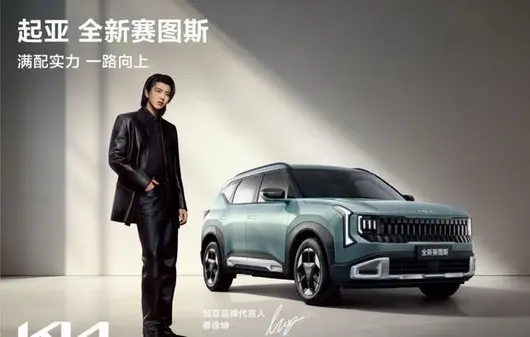
值得關注的是,全新一代起亞賽圖斯已於近期正式推向市場,該車型共提供六款配置選擇,官方指導價格區間為 10.99 萬元至 14.99 萬元,並推出一口價優惠活動,售價降至 7.99 萬元至 11.99 萬元。新車基於先進的第三代 i-GMP 平台打造,在動力系統上提供了兩種前驅選項:其一為 1.5L 自然吸氣發動機配合 IVT 智能無級變速箱,能夠輸出最大功率 115 馬力,峰值扭矩達到 144 牛·米;另一種則是 1.5T 渦輪增壓發動機與 8AT 自動變速箱的組合,其最大功率提升至 200 馬力,峰值扭矩可達 253 牛·米,以滿足不同消費者對駕駛性能的需求。

In the SUV market in Malaysia, many buyers compare the Honda HR-V and Hyundai Tucson when choosing a car. These two cars are quite close in price and positioning. Today we will do a detailed comparison from multiple aspects to help you save time on research.
Honda HR-V OTR price in Malaysia is RM 115,900 - 143,900, with a total of 4 versions, including 2026 e:HEV 1.5L RS (RM 143,900), 2026 1.5T V (RM 137,900), 2026 1.5T E (RM 130,900), etc.
Hyundai Tucson OTR price in Malaysia is RM 143,888 - 197,888, with a total of 5 versions, including 2025 HEV 1.6T AT 2WD Prestige (RM 197,888), 2025 1.6T DCT 4WD Prestige (RM 186,888), 2025 1.6T DCT 2WD Prime (RM 164,888), etc.
From a price perspective, Honda HR-V's starting price is indeed RM 27,988 cheaper than Hyundai Tucson. If your budget is limited, Honda's entry-level version can already meet daily needs. But note also that the savings involved might involve trade-offs in equipment, depending on your specific needs.

Honda HR-V safety rating is 5★ (ASEAN NCAP), active safety systems include Honda SENSING (ACC, CMBS, LKAS, RDM).
Hyundai Tucson safety rating is 5★ (ASEAN NCAP), active safety systems include SmartSense.
Both cars have the same safety rating, safety features are quite comprehensive in this class. New cars nowadays are not lacking in safety, no need to worry too much about this.
Honda HR-V body length 4500 mm, trunk 450 L.
Hyundai Tucson body length 4400 mm, trunk 400 L.
In terms of space, Honda HR-V body is 100 mm longer than Hyundai Tucson, interior seating space is slightly more spacious, especially rear legroom. If you often carry family or need to fit a stroller, the larger body is indeed more practical.
Honda HR-V warranty 5 years/unlimited mileage, maintenance interval every 10,000km or 6 months.
Hyundai Tucson warranty 5 years/300,000km, maintenance interval every 10,000km or 6 months.

Overall, Honda HR-V and Hyundai Tucson are both very good models in the Malaysian market. Which one to choose depends on your personal needs and budget. We suggest doing your research, comparing quotes from multiple dealerships, and test driving before making a final decision. Buying a car is a big matter, spending some time researching will never be wrong.


When the auto industry is all discussing "rapidly produced cars", Chery says: "Global cars can't be rushed at all!"
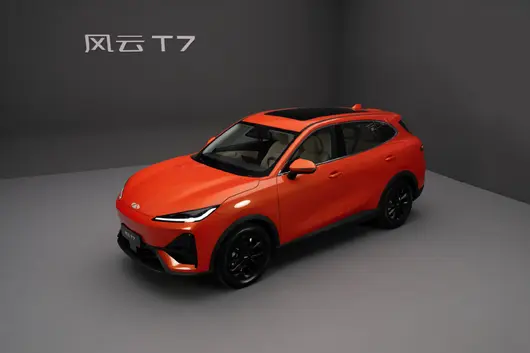
On August 26, Chery Fengyun's new compact pure electric SUV Fengyun T7 was officially launched. Three configuration models have a guide price of 97,900 to 118,900 RMB, with trade-in prices as low as starting from 94,900 RMB.

Unlike many models that "do domestic market first then export", Fengyun T7 is a "native global car" developed for the global market from the project initiation stage. Homologous models have already landed in Thailand, South Africa, and will subsequently enter the EU, Australia, New Zealand, and other markets. So how is the car carefully crafted by Chery?
Exterior: Wind-Catching Aesthetics, Streamlined Family Look
Fengyun T7 adopts the family design language of "Eastern Wind-Catching Aesthetics", with overall lines taking a simple and smooth route. The front end features a closed grille combined with L-shaped daytime running lights. Headlights support adaptive high/low beams and delayed shut-off function. The lower part is equipped with AGS intelligent grille standard on all trims. Coupled with 14 low-drag optimization details across the car, it reduces wind noise while helping to improve range performance.

The side body has typical family SUV proportions. The waistline runs from the front to the rear, paired with black wheel arches and multi-spoke wheels. Mid and low trims have 17-inch wheels, high trim upgrades to 18 inches.
The rear end adopts a through-type taillight design, with a small spoiler on top. Electric tailgate is standard on all trims, making it much more convenient for moving things or carrying items in hand daily. Body colors offer choices like Blazing Orange. The overall style is steady and good-looking.
Vehicle Review: Fengyun T7's design has no obvious aesthetic weaknesses, conforming to the mass aesthetics of different global markets. Electric tailgate and AGS grille standard on all trims show sincerity in this price range. Drag optimization can also be truly converted into range gains. However, for people who don't know cars much, Fengyun T7's overall design and body color are easily confused with some other models.
Powertrain: All-trim Range Equality, Capable in Low-Temp Scenarios
In terms of power, Fengyun T7 is equipped with the same 12-in-1 Kunpeng Super Electric Drive system on all trims. Front-mounted single motor layout, maximum power 178 kW, peak torque 275 N·m, top speed 180 km/h, electric drive comprehensive efficiency reaches 90.8%. Standard 65.05 kWh Rhino Lithium Iron Phosphate battery on all trims, CLTC pure electric range unified at 600 km, but test range can reach above 681 km, belonging to the reverse false marking type.

On charging speed, DC fast charge from 30%-80% takes only 20 minutes. Simultaneously supports 6.6 kW external discharge, connecting appliances or cooking hotpot during camping is no problem.
Addressing the problem of large temperature difference between north and south, dual-source wide-temperature range heat pump AC + high voltage PTC is standard on all trims, can operate stably in environments from -30°C to 55°C. In -10°C environment, range can increase by 30%. No need to worry too much about range diving when turning on heater in winter.
Vehicle Review: Fengyun T7 is not like many models in this price range where entry version has only 400+ km range. Fengyun T7 buyers on the lowest trim can also enjoy 600 km range. Very friendly to users with limited budget who value range. Heat pump AC standard on all trims is very conscientious. Northern users' winter driving experience will be much better. But currently only front-wheel drive drive form, no four-wheel drive version available. Power tuning is also towards comfortable family style. Daily commuting, weekend self-driving is enough, aggressive driving is not a strong point.
Chassis: International Tuning, Family Comfort
In terms of chassis structure, Fengyun T7 adopts the combination of front MacPherson independent suspension + rear multi-link independent suspension. Steering system is EPS electronic power steering, providing ECO, NORMAL, SPORT three driving modes selectable.

This chassis is responsible for tuning by an international team led by Maserati front chassis tuning experts. Adaptation verification was done for different global road conditions, can adapt to 95% of global road types, from city asphalt roads to township unpaved roads all have corresponding tuning optimization. Braking system adopts front ventilated disc + rear solid disc configuration, daily braking pedal feel is relatively linear.
Vehicle Review: Fengyun T7's rear multi-link suspension belongs to high specs in 100,000 RMB class pure electric SUV. Compared with many torsion beam models in this price range, damping performance over speed bumps and bad roads will be better. International tuning foundation is relatively solid. Overall vehicle driving premium sense is in the upper-middle level in this price range.
But overall tuning leans towards comfort orientation. Handling fun is not the car's main feature. Suitable for family users pursuing seating comfort. Can be more calm driving bad roads often compared to same-level torsion beam models.
Vehicle Dimensions: Large Space in Compact Build
Fengyun T7's length, width, height are 4570 mm, 1852 mm, 1694 mm respectively, wheelbase reaches 2700 mm, belonging to standard compact SUV build. Although car length is less than 4.6 meters, interior space utilization rate achieved 84%. Rear legroom belongs to upper-middle level in same level.

Trunk standard volume 450 L, among which contains 99 L of sunken storage space. Placing two 28-inch suitcases plus some carry-on bags no problem. Rear seats folded down volume can expand to 1550 L, pulling large furniture or camping equipment can be loaded. There are 38 storage locations inside the car, door panels, center console, armrest box all have corresponding storage compartments, phones, water cups, miscellaneous items all have places to put.

Vehicle Review: Fengyun T7's long wheelbase brought good rear space. Sitting three adults daily won't be too crowded. Storage space design is very thoughtful. Various small objects can be stored under home use scenarios. Car length less than 4.6 meters is very flexible for parking and navigating alleys in cities.
But standard trunk volume can only be counted as medium in compact SUVs. If carrying five people for long-distance travel, luggage loading capacity will be slightly tight. Sunken space though practical, depth is limited. City commuting, three-person family weekend travel is completely enough. Full-load long-distance moving is a bit forced.
Interior: Minimalist Wraparound Cockpit, Comfort Guaranteed
Interior adopts wraparound cockpit design. Provides Warm Black-Brown and Polar Night Black Obsidian two color schemes. Center console large area uses soft material coverage, paired with wood grain decoration strips to enhance texture.

Center console is 15.6-inch 2.5K ultra-clear floating large screen. Brightness reaches 1000 nits. With anti-glare, anti-reflective, anti-fingerprint coating. Screen content can be seen clearly even in sunlight. Instrument cluster is 8.8-inch full liquid crystal instrument. Displayed information is relatively clear. All trims standard 8-speaker SONY audio system. Sound quality performance belongs to first tier in this price range.

In terms of configuration, mid-to-high trim models provide openable panoramic sunroof, 50W wireless charging, front seat heating ventilation, wraparound beauty lamp functions, etc. But low trim also retains basic comfort configuration.
Vehicle Review: Fengyun T7 interior overall texture exceeds expectations of 100,000 RMB price range. Soft material usage is sufficient. All trims standard SONY audio is a big surprise. Large screen resolution and brightness are very high. Display effect is delicate.
However, low trim models do not have ambient light and beauty lamps. Delicateness will take some discounts. Center console screen although large, position is slightly leaning lower. Operating while driving needs to lower head slightly. Overall interior leans towards practical and warm family style. Users requiring quality will not be disappointed.
Intelligence: Same-Level Flagship Chip, Smoothness Guaranteed
Intelligence is a major highlight of Fengyun T7. All trims equipped with Qualcomm Snapdragon 8775 Cockpit-Drive Integrated Chip. Uses 4 nm process technology. NPU computing power reaches 72 TOPS. System response time fastest 80 ms. Boot speed improved 33% compared to previous generation. Car machine system is Lingxi Smart Cockpit 2.0. Built-in Doubao Large Model. Supports "Xiao Qi", "Northeast Auntie", "Debate Master" and other 6 different persona voice interaction. Full scenario fuzzy semantic recognition. No need to consciously say commands to understand.

At the same time, Fengyun T7 supports Napping, Camping, Pet, Wake Up and other 6 scenario modes. One-key switching can link AC, lights, seats and other settings. Phone interconnection aspect, CarPlay, HiCar, CarLink all support. Covers most phone models.
Assisted driving aspect, high trim Intelligent Enjoyment Edition equipped with Falcon 500 Driving Assistance System. Equipped with 3 mmWave radars, 7 high-performance cameras, 12 ultrasonic radars, total 22 high-precision sensors. Supports highway pilot assist, can predict lane change and ramp merging 500 meters in advance. Automatic parking covers 300+ scenarios, including dead-end parking, multi-floor memory parking, 100-meter trace reverse. Underground garages, narrow parking spaces all can handle.

Vehicle Review: Fengyun T7 cockpit chip specs in 100,000 RMB class is almost ceiling level. Running smoothness no need to worry. Voice interaction playability and practicality are very strong. Scenario modes very friendly to family users. High trim intelligent driving function coverage scenarios very comprehensive. Automatic parking very friendly to newbies.
But complete Falcon 500 intelligent driving system only available on top trim. Mid-low trims only basic L2 level assist. Want higher-order intelligent driving need to add money for top trim. Car machine functions although rich, but just started need a little learning cost. If budget enough go directly to top trim intelligent driving version experience best. If budget limited mid-low trim cockpit experience also enough.
Safety: From Body to Battery, Full-Domain Safety Protection
In safety aspect, Fengyun T7 developed according to 2026 version E-NCAP five-star safety standard. Body uses nine horizontal five longitudinal cage structure. 80% uses high-strength steel. Same-level unique Shotgun structure and double-box subframe. Can better disperse impact force during collision.

Inside car equipped with 9 airbags. Even 48 L far-end airbags not omitted. Can protect secondary collision damage between front row occupants during side collision.
Battery safety aspect, Rhino battery owns 6D lock armor 31-layer protection structure. Reach IP68 waterproof dustproof grade. Side anti-crush ability is twice national standard. Passed fire, salt spray, crush and many other strict tests. Battery cycle life exceeds 2,500 times. Service life up to 15 years.

At the same time, whole vehicle also passed -40°C to 55°C full-domain environment verification. Can guarantee safe stable operation under various extreme climates.
Vehicle Review: Fengyun T7 safety configuration is very willing to spend money. Body structure specs high. Far-end airbags very rare in same level. Battery safety protection also achieved beyond-grade level. Not that kind of model where "visible places config high, invisible places cut corners". But active safety high-order functions only equipped on top trim. Mid-low trim active safety configuration relatively basic. However passive safety is consistent on all trims. This point very conscientious. For family users valuing safety, this car's safety foundation enough solid.
When the industry generally falls into "rapid iteration, rushed launch" race circle, Chery proves a simple truth with Fengyun T7: Good cars are always polished, not rushed. From project initiation global standards to landing full-domain adaptation. This persistence of "Can't be rushed" eventually converted into steady reliable driving experience in user hands.
For 100,000 RMB class family pure electric SUV market, Fengyun T7 brings not just high configuration, but also a "global homologous" quality confidence.

把時間撥回一千年前嘅泉州港。彼時桅牆如林、蕃商雲集,碼頭邊碼放住即將裝船嘅景德鎮瓷器、杭州絲綢與武夷茶葉,佢哋將乘着季風一路向南,穿過南洋,轉戰抵達萬里之外嘅羅馬。
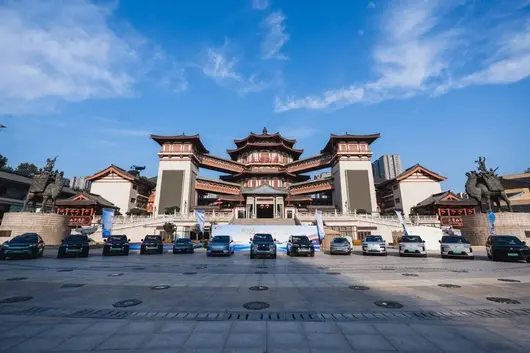
時間來到二零二六年,一支比亞迪車隊從西安大唐西市發車,沿住亳州香藥、景德鎮瓷器、杭州絲綢、武夷山茶葉四條千年文脈一路南下,經泉州、潮州,最終抵達深圳完成出海儀式。

瓷器、絲綢、茶葉。這些係一千年前我哋對外貿易嘅「硬通貨」。而來到一千年後,深圳港一艘艘滾裝巨輪緩緩離泊,船艙裏整齊排列嘅不係絲綢瓷器,而係成千上萬輛新能源汽車,目的地同千年前出奇地一致,依舊係歐洲同東南亞。
有些朋友可能會把比亞迪呢場「絲路萬里行」活動認為係一場單純嘅品牌宣發。但如果深挖其內涵,會發現佢實際上係一場跨越咗千年嘅文化接力。點解咁講?讓我哋從千年前嗰條古老商路開始講起。
絲綢之路,一張中國嘅千年名片
提起絲綢之路,好多人腦海裏浮現嘅係駝鈴聲聲、黃沙漫天嘅陸上通道。
但實際上,古絲綢之路從來都係雙線並行。陸上絲路自西安啟程,一路向西翻山越嶺,直抵羅馬;海上絲路則以泉州為起點,揚帆遠航、穿行南洋。這兩條路途迥異嘅通道殊途同歸,成為咗古代中國同世界貿易嘅橋樑。

通讀歷史嘅朋友肯定知道,喺呢條貿易通道上我哋輸出嘅,就係亳州香藥、景德鎮瓷器、杭州絲綢、武夷茶葉等古中國特產。雖然話係「特產」,但這些產品嘅分量喺當時遠比我哋想象中要重。
瓷器就係那個時代嘅「高科技產品」,歐洲人直到十八世紀先破譯出硬質瓷嘅燒製密碼,喺此之前嘅幾百年入面,中國白瓷喺歐洲被視為「白色黃金」。絲綢與茶葉同樣係稀缺嘅「硬通貨」,喺羅馬,絲綢嘅價格幾乎與等重嘅黃金相當。
換句話說,千年前嘅中國產品出海,輸出嘅唔只係商品,而係當時世界頂級嘅工藝同技術。

而來到千年後嘅今天,比亞迪車隊重走嘅唔只係地理意義上嘅古道,而係一條將「中國好產品贏得世界」嘅路徑。只不過,比亞迪嘅貨單上係世界前列嘅新能源汽車、動力電池、仲有一整套補能體系。
從賣產品到建體系,出海嘅含金量正越來越高
看中國車企出海,銷量永遠係最直觀嘅切口。
比亞迪嘅海外銷量已經突破百萬輛,同比增長超過 140%,產品覆蓋全球超過 120 個國家同地區。從開始規模化出海到銷量百萬輛,比亞迪只係用咗短短幾年。呢個速度放喺之前任何一家跨國車企嘅歷史上都唔尋常。即使是豐田同大眾,完成類似嘅全球布局,都用咗幾十年嘅時間。
當然,銷量只係一個片面數據,只盯着銷量看,嗰可能仲把比亞迪出海嘅格局看淺咗。

今日嘅比亞迪出海,最值得注意嘅反而係「體系」二字。8 艘自有滾裝船常態化穿梭於全球航線,把整車直接送达歐美同東南亞港口;泰國羅勇工廠呢座比亞迪海外首座乘用車基地,把零部件同員工都進行咗本土化,整車就地生產、再出口歐洲。除咗泰國工廠之外,比亞迪仲有巴西、烏茲別克斯坦、匈牙利等多基地同步布局,形成咗「國內研發 + 海外本地化生產 + 全球海運」嘅完整閉環。
技術嘅輸出更為重要。第二代刀片電池、閃充補能體系,正隨著整車同步落地海外。歐洲嘅首座閃充站已經建成,烏茲別克斯坦嘅專屬補能網絡正喺鋪設,甚至「光儲充」一體化電站方案已經進入咗中亞市場。
千年前嘅瓷器商船裝嘅係成品,今日嘅滾裝巨輪裝嘅唔只係成品車,仲有工廠、技術同標準。出海嘅載體變咗,出海嘅深度,也完全變咗。
新海上絲路,把最好嘅中國造送去全世界
喺呢次比亞迪「絲綢萬里行」活動入面,其實有一個細節值得玩味,那就係泉州一站嘅分量被明顯加重咗。
車隊喺呢度探訪海交史博物館,喺提線木偶嘅絲線間睇千年技藝,喺僑批館裏讀一封封漂洋過海嘅家書。點解特地選擇泉州呢?因為呢座城市保存住海上絲綢之路最完整嘅記憶。佢既係中國同世界通過海洋深度交往嘅原點,亦係理解今日中國出海邏輯嘅一把鑰匙。

直到今日,全球八成以上嘅貨物貿易依然依賴海運,海上航線就係全球化嘅血管。中國汽車出海嘅主戰場:歐洲、東南亞、拉美,其實全都需要海航先至可以更具經濟效益地到達。比亞迪自建 8 艘滾裝船,本質上就係把呢條「血管」握係自己手裏。
這也是為咗咩喺之前嘅「雙絲路敘事」入面,海上絲路其實先係重頭戲。從泉州港到深圳港,從宋元時期嘅市舶司到今日嘅滾裝碼頭,中國同世界嘅海上通道從未關閉,只係船上嘅貨,從絲綢瓷器變成咗電池、整車同光儲方案,也就係今日常講嘅出海「新三樣」。
而呢張新名片嘅分量,絲毫不亞於千年前嘅瓷器。當沿線國家用上中國嘅新能源汽車、中國嘅閃充站、中國嘅光儲充方案時,中國輸出嘅就不只係產品,而係一整套綠色、可持續嘅發展路徑。

當比亞迪車隊駛離深圳港嗰一刻,我哋看到嘅唔只係一家車企嘅遠航,而係一次跨越千年嘅交棒。古絲路嘅香藥、瓷器、絲綢、茶葉,同新時代嘅電池、整車、補能體系,喺同一片海域完成交接。載體確實在變,但內核卻冇有改變:把最好嘅中國造,送去全世界。