


首頁香茅

搜尋歷史
熱門搜尋
經銷商登入 / 註冊

喺馬來西亞嘅 SUV 市場,好多人揀車嗰陣都會拿 Honda HR-V 同 Chery Tiggo 8 PHEV 嚟比較。呢兩部車喺價位同定位上都幾接近,今日我哋就從多個方面做個詳細比較,幫你省返做功課嘅時間。
Honda HR-V 喺馬來西亞嘅 O T R 售價係 RM 115,900 - 143,900,合共 4 個版本,包括 2026 e:HEV 1.5L RS(RM 143,900)、2026 1.5T V(RM 137,900)、2026 1.5T E(RM 130,900) 等。
Chery Tiggo 8 PHEV 喺馬來西亞嘅 O T R 售價係 RM 159,750 - 159,750,合共 2 個版本,包括 1.6L Turbo Standard(RM 130,000)、1.6L Turbo Premium(RM 145,000) 等。
從價錢睇落,Honda HR-V 嘅起步價確實比 Chery Tiggo 8 PHEV 平咗 RM 43,850。如果你預算有限,Honda 嘅入門版已經可以滿足日常需求。但都要注意,平啲嘅那幾千蚊,可能在配備上會有取舍,具體要睇你嘅需求。

Honda HR-V 嘅安全評級係 5★ (ASEAN NCAP),主動安全系統包括 Honda SENSING (ACC, CMBS, LKAS, RDM)。
Chery Tiggo 8 PHEV 嘅安全評級係 TBD,主動安全系統包括 Basic。
安全配備方面,兩部車都攞到唔錯嘅評級。不過 Honda HR-V 嘅 Honda SENSING (ACC, CMBS, LKAS, RDM) 同 Chery Tiggo 8 PHEV 嘅 Basic 喺功能上有啲分別,如果你比較重視主動安全嘅話,可以仔細比較下兩者嘅功能清單。

Honda HR-V 車身長 4500 mm,行李箱 450 L。
Chery Tiggo 8 PHEV 車身長 4400 mm,行李箱 400 L。
空間方面,Honda HR-V 嘅車身比 Chery Tiggo 8 PHEV 長咗 100 mm,車內乘坐空間會稍微寬敞啲,尤其係後座腳部空間。如果你經常載家下或者需要放 BB 車,大少少嘅車身確實更實用。

Honda HR-V 同 Chery Tiggo 8 PHEV 都係馬來西亞市場嘅主流選擇,適合家庭使用、每日通勤。如果你更重視品牌口碑同二手價,可以優先考慮口碑更好嗰一款;如果你更在意性價比同配備,那就揀配置更豐富嗰款。最終都係建議兩部車都去試駕,親身體驗先最重要。
總體嚟講,Honda HR-V 同 Chery Tiggo 8 PHEV 都係馬來西亞市場幾唔錯嘅車型。揀邊一部,關鍵仲要睇你嘅個人需求同預算。建議大家做好功課,多比較幾間車行嘅報價,再去試駕做最終決定。買車係件大事,花少少時間做功課絕對唔會錯。



After the industry moved from scale competition to profit competition, from price competition to value competition, from single product competition to system competition, the factor determining a car company's ceiling has shifted from a single blockbuster model, a single capital operation, or sales sprint in a unit of time, to organizational efficiency, strategic focus, technology reusability, and global operational capability. Li Shufu completed another "strategic transformation" in his unique way — from entrepreneur to system designer.
Written by | Smart Driving Network, Ling Jiang
Edited by | Lang Lang Mountain and Ming Zhi Mountain
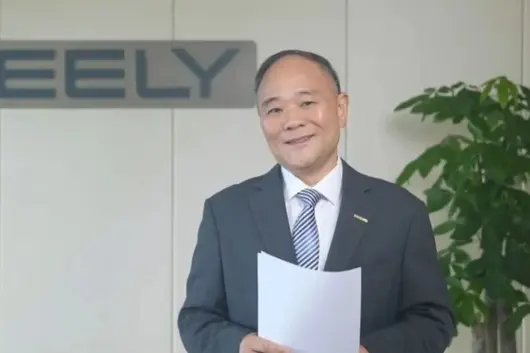
63-year-old Li Shufu took a step ahead on August 17 again.
On the 21st anniversary of Geely Automobile's listing on the Hong Kong Stock Exchange, he announced his retreat to the background, handing the baton to An Conghui, a successor cultivated by Geely. An Conghui was born in 1970 and is 56 years old this year.
One of China's largest private automotive groups, Geely, has taken a historic step in completing the de-familyization management.
01.
Li Shufu's Performance Report
Known as the "Car Maniac", Li Shufu gave a simple summary of his performance in his speech upon stepping down as chairman of Geely Holdings:
May 19, 2005, Geely Automobile officially listed on the Hong Kong Stock Exchange. Stock price rose from 0.4 HKD on May 19, 2005, to 18.06 HKD on August 12, 2026. Market cap grew from 1.6 billion HKD to 194.8 billion HKD on August 12, 2026. Dividends increased from 40 million HKD in 2005 to 5.4 billion HKD in 2025.
Li Shufu implied that Geely's performance was worthy of shareholders and investors.

After resigning from Chairman and Executive Director of Geely Automobile Holdings Board, Li Shufu retained the title of Lifetime Honorary Chairman. Meanwhile, An Conghui succeeded as Board Chairman, Gui Shengyue became Vice Chairman, and Gan Jiayue became CEO.

Regarding Li Shufu's departure, Geely Automobile Board Vice Chairman Gui Shengyue defined it as a "Strategic-level organizational evolution manifesto for Geely Automobile":
"Li Shufu's resignation (Board Chairman) and An Conghui's succession is a manifesto of de-familyization, marking that Geely Automobile has moved from the startup and development phase driven by founders to the mature phase driven by systems and teams."
"Enterprises will no longer rely on personal charm and authority, but on organizational systems and talent pipelines. It means Geely Automobile's future governance will be more transparent and management more scientific. For internal talents, it is also a signal to break through the ceiling. It benefits bringing greater returns to shareholders and making greater contributions to the country."
Of course, 63-year-old Li Shufu did not leave completely.
He will continue to serve as Chairman of Zhejiang Geely Holding Group, while other positions under the group remain temporarily unchanged.
On why choose to withdraw from the frontline at this time, Li Shufu plainly stated, "The automotive industry is a marathon without end, enterprise succession and value orientation determine the enterprise's sustainable development capability," and "People are the core elements determining corporate culture inheritance and value orientation."
For a large automotive company spanning multiple brands, multiple technology routes, and multiple overseas markets, strategic focus still requires a strong center, and operational execution requires professional decentralization.
Geely's current structure is closer to "Founders set direction, Managers run systems", ensuring the continuity of corporate strategy while freeing up sufficient operational autonomy for professional manager teams.
A deeper background is that Li Shufu believes, "The era of global economic integration and investment trade liberalization has ended. The new era of economic globalization is forming. Geely must take root in the Chinese market and accelerate layout of the global market."
And to realize 2/3 of sales from overseas, Li Shufu left An Conghui with a localized production network distributed in EU, UK, Malaysia, etc., but completing this vision requires the new generation.
As Gui Shengyue said:
"Any career needs a younger body and even younger wisdom."
Toyota and Volkswagen used to be Geely's targets for chasing and learning, but Li Shufu went further than Kiichiro Toyota. During his tenure, he completed the de-familyization of the company; at the beginning of 2024, after An Conghui shouted "Become the Volkswagen of the new energy era", in September of that year, Li Shufu sensibly and alertly published the deafening "Taizhou Declaration", initiating strategic integration and contraction of expansion, reflecting on and adjusting the multi-brand model to the ongoing "One Geely".

Li Shufu's resignation choice selected an appropriate timing, wrapping up with Geely's best semi-annual report since listing:
First half of year, Geely Automobile achieved revenue of 173.6 billion yuan, year-on-year growth 15%; core net profit attributable to parent company 9.68 billion yuan, year-on-year growth 46%; gross margin increased to 17.9%; overseas sales 474,000 vehicles, year-on-year growth 158%.
This semi-annual report "Quantity, Price, and Profit all rising" is exactly the first report card handed in after Li Shufu gradually exited daily management and professional managers took over comprehensively.
Performance realization and governance switching at the same time window landed and verified a key proposition: When the founder voluntarily cedes management power and the enterprise completes the transformation from "Family Driven" to "System Driven", operating quality actually achieves a leap.
02.
"Li Shufu's Geely" Becomes "System Geely"
According to data from the All-China Federation of Industry and Commerce, about 80% of Chinese private enterprises are family enterprises, and the first-generation entrepreneurs of Reform and Opening Up have generally entered the 60 to 70-year-old age range, "Founders" to "Enterprises Second Generation" power transition is happening in batches.
In private enterprises, "Founder Exit" often accompanies the "Second Generation Succession" script, but Geely chose a completely different path.
Li Shufu's son Li Xingxing is a supervisor and shareholder of Geely Holdings, but has not appeared in the core of Geely system in recent years; daughter Li Ni also did not enter Geely core management layer, main operation revolves around Geely's supporting business.
This means, Li Shufu chose not the "Son Inherits Father's Business" traditional path, but relied on professional manager teams to realize enterprise's modern governance and sustainable development.
In fact, Geely's de-familyization started twenty years ago.
May 2002, Geely Group underwent company system reform, Li Shufu's three brothers completely exited the decision layer, professional managers started entering senior management. March 2003, Zhejiang Geely Holding Group Co., Ltd. was formally established.
And Li Shufu's own exit path also presented clear "from shallow to deep, from local to global" characteristics.
July 2021, Li Shufu resigned as Chairman of Geely Automobile Group Co., Ltd.
March 2022, exited as Director of Zhejiang Geely Automobile Co., Ltd.
June 2026, Li Shufu at Chongqing Forum once systematically elaborated enterprise succession concepts, clearly stated building "Governance structure clearer, rights and responsibilities clearer, operation efficient, global compliant modern enterprise operation system", from governance structure, personnel adjustment, internal talent training to "Taizhou Declaration" release, succession work has been proceeding in an orderly manner.
Li Shufu resigned as Chairman of Zeekr Intelligent Technology in the same month, Lynk & Co Chairman changed simultaneously.
From family enterprise to modern joint-stock enterprise, Geely walked for more than twenty years, until today finally completed the most critical step, and also the most symbolic step.
03.
Platform Enterprise under "One Geely"
In Geely's official announcement, this management layer adjustment is defined as:
"According to corporate governance requirements and cadre pipeline construction plan, further improve professional manager authorization operating mechanism, promote company sustainable healthy development", goal is "Strengthen 'One Geely' with modern enterprise governance system".
That is to say, Founder Exit and "One Geely" strategy are two sides of the same coin.
Geely's "One Geely" launch, started from "Taizhou Declaration" released in September 2024.
At that time, the core of this declaration was not simply retreating the frontline, but facing industry price war, technology route overlap and multi-brand parallel coming resource dispersion, started systematically promoting strategic focus, internal integration and synergy efficiency.
By January 2025, Geely further concretized "Taizhou Declaration" into "One Three Three" ideas and "Two Horizontal Seven Vertical" architecture:
Geely Automobile Group integrates Geely, Galaxy, Radar, Ezda, etc. mainstream businesses, Zeekr Technology Group integrates Zeekr and Lynk & Co, high-end new energy sector thus returns into same subject, technology, product, supply chain and organization system starts reorganizing according to unified logic.
Subsequently, Zeekr and Lynk & Co equity integration landed, marking "One Geely" from business synergy promotion to capital level substantive integration; later, Zeekr privatization, delisting from NYSE and re-returning to Geely Automobile main platform, further gathered scattered high-end new energy assets in external capital market back into unified listing system.
After entering 2026, Geely also proposed "One Geely, Comprehensive Leading" 2030 strategic goal, and started straightening Geely Automobile Group and Geely Automobile Holding relationship, closing and transferring redundant subjects.
Before today, "One Geely" experienced from strategic declaration, brand integration, equity restructuring and capital gathering, and up to this year's semi-annual report and management layer adjustment this time point, it started showing clearer system meaning:
Only when founders no longer insist on direct control of each subsidiary, system integration can truly land.
Geely is becoming a unified platform with more concentrated resource allocation, higher synergy efficiency, and stronger global capability.
It chose to complete the most strategic organizational adjustment at the best time.

First half of 2026, Geely Automobile's business scale and profit quality improved synchronously, total sales broke 1.42 million vehicles creating same-period new high; total revenue exceeded 170 billion yuan, year-on-year growth 15%, continuous six years positive growth; core net profit attributable to parent company reached 9.68 billion yuan, year-on-year growth 46%, significantly outperforming revenue growth; gross margin increased to 17.9%, vehicle core net profit attributable to parent company year-on-year increased 45% to 6,806 yuan.
Zeekr first half year sales exceeded 178,000 vehicles, only accounting for 12.5% of total sales, but contributed 31.7% of operating revenue, average transaction price about 350,000 yuan, already exceeding BBA and other traditional luxury brands.
Geely Galaxy first half year sales nearly 520,000 vehicles, ranked top three in global new energy; China Star first half year sales exceeded 580,000 vehicles, consecutive 10th year reigning champion of China brand fuel passenger car sales.
This "High-end builds brand, mainstream drives scale" dual-wheel drive pattern is exactly the result of professional manager team coordinating resources under "One Geely" framework.
And accompanying "One Geely" strategy deepening implementation, administrative expense ratio year-on-year decreased 0.2 percentage points to 1.7%, R&D investment ratio decreased 0.3 percentage points to 5.2%, while R&D investment absolute value year-on-year increased 8% to 9.06 billion yuan, while increasing technology investment, through platform synergy and procurement concentration significantly improved resource usage efficiency.
High-quality growth brought Geely sufficient capital reserves, as of end of June 2026, capital reserves reached 69.56 billion yuan.
But Geely management themselves did not package this financial report as a wild victory, on performance conference, Gui Shengyue defined it as "Bright but not stunning financial report".
Behind this positioning, first half of 2026, China new energy vehicle sales reached 7.446 million vehicles, car exports reached 5.096 million vehicles, scale still expanding; but industry profit continues to bear pressure.
National Bureau of Statistics data shows, first half of year automotive industry operating revenue about 5.19 trillion yuan, year-on-year growth 1.8%; operating cost about 4.61 trillion yuan, year-on-year growth 2.8%; total profit about 195.4 billion yuan, year-on-year decline 20%, sales profit margin only 3.8%.
And according to China Association of Automobile Distributors public analysis, 2026 January-5 months automotive industry profit margin only 3.4%, located at low level.
CAAM data is even more eye-catching:First half of year industry average profit margin has been pressed to 1.6%.
Although there are statistical scope and time window differences between several calibers, but conclusion consistent:
China automotive industry still growing, but earning money difficulty significantly increased.
In management view, 2026 Geely although outperformed industry, but did not depart from cycle; profit quality improving, but industry downward pressure, domestic demand bearing pressure, chip and raw material price rising, competition white-hot, these variables still exist.
At mid-year performance conference, Geely management identified AI strength as Geely responding to market change latest grip, all-domain AI will empower Intelligent Propulsion Hybrid, Digital Chassis, Electric Drive, Energy Storage and multiple links, promoting car towards "Intelligent Life Form" evolution.

AI will become a long enough technology main line for Geely, gathering Galaxy, Zeekr, Lynk & Co different brands, and R&D, manufacturing, supply chain and overseas business organizations to same platform framework, forming cross-brand, cross-business, cross-market capability reuse, thus more opportunity to hold profit and valuation.
"One Geely" is officially the most underlying scale foundation of this set of platforms.
04.
"Never Failed" An Conghui
If Li Shufu is "One Geely" strategic designer, then An Conghui is this blueprint most loyal executor and most firm promoter.
Joined Geely in 1996, starting from auditor, An Conghui used thirty years time to walk complete path from grassroots to Board Chairman:
He personally created Hycan EC7 cumulative sales exceeded 3.8 million vehicles, took lead completed Geely acquisition Volvo after "digestion" process, led R&D SEA Ocean Architecture, created Lynk & Co and Zeekr two high-end brands.
Such resume, made him in Geely internal not only a manager, but more familiar with this company past twenty-plus years capability accumulation formation process.
Li Shufu once evaluated this successor like this:
"An Conghui always challenges the hardest tasks, and never fails."

Today, successor An Conghui took over, not only a annual sales 1.42 million vehicles, revenue 173.6 billion yuan automotive group, but a share of "Globalization" and "Intelligentization" strategic heritage.
In overseas export dimension, Li Shufu used twenty years time to pave Geely "Industry Symbiosis" globalization roadbed: from acquiring Volvo to obtain European manufacturing and brand genes, to building partner relationships with Proton, Renault, Ford, to 12 overseas factories, 2000 overseas channels, 114 core markets layout.
An Conghui to do, is to push this strategic heritage from "Layout Period" to "Harvest Period".
He clearly stated at performance press conference, Geely future over 60% sales will come from overseas markets, Volvo European factory will from 2028 onwards undertake Geely system within high-end luxury cars production, Ford joint venture Spain factory also will from 2028 start production.
An Conghui is turning Li Shufu "Bought" global assets, into Geely "Going Out" manufacturing capability and brand capability.

And in relatively abstract technology field, Li Shufu built for Geely sky-earth integrated technology ecosystem, including chip, large model, satellite, embodied intelligent robot, WAM World Behavior Model, 1+2+N multi-agent coordination framework, completed technology "From 0 to 1" and ecosystem "From 1 to N".
An Conghui needs to push these N many technology ecosystems to market: make Qianli Haohan G-ASD intelligent driving capability, WAM World Behavior Model AI foundation, 2030 Laboratory forward technology, truly embedded into every mass production model, transformed into user payment willingness and capital market valuation recognition.
At performance conference, Gui Shengyue also represented management team to shareholders statement:
"Geely Automobile will be An Conghui's only listed company he serves as Chairman, this means Geely will further implement "Taizhou Declaration", implement "One Geely" strategy."
This on-site interpretation transmitted two signals to outside world: one is An Conghui will fully focus on 0175.HK, two is Geely all automotive main business resources will further concentrate to HK listed subject.
An Conghui this professional manager who grew from auditor to Board Chairman, is always "One Geely" most firm operator — he is both beneficiary of this strategy (from Zeekr CEO promoted to Holding Group CEO then listed company Board Chairman), also most thorough executor of this strategy.
He might be proving: Li Shufu's best strategic heritage, not one brand, one technology or one factory, but a modern enterprise governance system able to self-evolve, self-inherit.
And himself, is exactly this system cultivated first "Finished Product".
"Make 0175 solid, strong and big."
This is new captain's first Flag, hope Li Shufu judgment still accurate, An Conghui "Never Failed".
Written at the End:
2026 is Geely Holding Group founding 40th anniversary.
Forty years, from Taizhou a private small factory to annual sales 1 million vehicle class global automotive group, Geely growth history is China automotive industry rising microcosm.
Nowadays, when Li Shufu hands management baton to An Conghui, Gan Jiayue etc. professional manager team, Geely is completing a more profound transformation:
From "Li Shufu's Geely" becomes "System Geely", from "China's Geely" becomes "World's Geely".
Of course, regarding current industry situation view, full year 3.45 million vehicle sales target, sprint 1 million vehicle overseas target, all-domain AI technology commercialization landing, Geely second half year challenge still arduous.
And in industry from scale competition into profit competition, from price competition into value competition, from single product competition into system competition, the factor determining a car company ceiling, already from single blockbuster, single capital operation or unit time sales sprint, shifted to organizational efficiency, strategic focus, technology reuse capability and global operation capability.
Geely in this round handed answer, use a profit quality improving semi-annual report, to lift a governance reorganization; then use a governance reorganization, to clear more stable organizational chassis for next round growth.
For Li Shufu, this means he used Chinese private enterprise rare way completed from entrepreneur to system designer another "Strategic Transformation".
For Geely, this means "One Geely" starts from strategic slogan enters system stage.
And for industry, this means China top private car enterprise competition, starting from product and market level, further extended to governance and organization level.

喺馬來西亞嘅 SUV 市場,好多買家揀車嗰陣,都會拎 Proton X90 同 Mazda CX-30 做比較。呢兩部車喺價位同定位都幾接近,今日我哋就從多個方面做一個詳細比較,幫你節省做功課嘅時間。
Proton X90 喺馬來西亞嘅 OTR 售價係 RM 106,800 - 122,800,一共有 4 個版本,包括 2026 1.5T Prime X(RM 122,800)、2026 1.5T Prime(RM 116,800)、2026 1.5T Lite(RM 106,800)等。
Mazda CX-30 喺馬來西亞嘅 OTR 售價係 RM 122,409 - 146,409,一共有 4 個版本,包括 2025 2.0L High+ Premium(RM 146,409)、2025 2.0L High+(RM 138,409)、2025 2.0L High(RM 130,409)等。
從價錢嚟睇,Proton X90 嘅起步價確實比 Mazda CX-30 平咗 RM 15,609。如果你預算有限,Proton 嘅入門版已經足夠滿足日常需要。但亦要留意,平嗰幾千蚊,可能喺配備方面會有取捨,具體要看你嘅需要。

Proton X90 配備 1.5L Turbo,馬力 140 hp。官方油耗 7.0 L/100km。
Mazda CX-30 配備 1.5L Turbo,馬力 140 hp。官方油耗 7.0 L/100km。
兩部車用緊同一套動力系統,日常行開嘅感受基本無咩分別。油耗方面也幾近,唔使太糾結呢一點。
Proton X90 車身長 4400 mm,尾箱 400 L。
Mazda CX-30 車身長 4500 mm,尾箱 450 L。
空間方面,Mazda CX-30 嘅車身比 Proton X90 長咗 100 mm,乘坐空間更有優勢。不過 Proton X90 喺城市入面停車會靈活啲,各有取捨。
Proton X90 採用 FWD 驅動方式。
Mazda CX-30 採用 FWD 驅動方式。
兩部車嘅驅動方式一樣,都係 FWD,日常駕駛感受唔會有太大分別。

Proton X90 同 Mazda CX-30 都係馬來西亞市場嘅主流選擇,適合家庭使用、日常通勤。如果你更重視品牌口碑同二手價,可以優先考慮口碑好嗰一款;如果你更在意性價比同配備,就揀配備更豐富嗰款。最終都係建議兩部都去試駕,親自體驗先係最重要。
總計嚟講,Proton X90 同 Mazda CX-30 都係馬來西亞市場幾唔錯嘅車型。揀邊輛,關鍵始終都要睇你嘅個人需要同預算。建議大家做好功課,多比較幾間車行之報價,再去試駕先做最後決定。買車係件大事,花少少時間做功課絕對唔會錯。


In Malaysia's SUV market, many buyers compare Proton X70 and Chery Tiggo 7 PHEV when choosing a car. These two cars are quite close in price and positioning. Today we will make a detailed comparison from multiple aspects to help you save time on research.
Proton X70 OTR price in Malaysia is RM 106,800 - 122,300, with 3 versions in total, including 1.5L Standard 2WD (RM 106,800), 1.5L Executive 2WD (RM 115,800), 1.5L Premium 2WD (RM 122,300), etc.
Chery Tiggo 7 PHEV OTR price in Malaysia is RM 129,750 - 129,750, with 2 versions in total, including 2025 1.5T 90km CSH (RM 129,750), What charging methods does the Tiggo 7 PHEV support? Can it be charged using a home power socket? (RM 117,478), etc.
In terms of price, Proton X70's starting price is indeed RM 22,950 cheaper than Chery Tiggo 7 PHEV. If your budget is limited, Proton's entry-level version can already meet daily needs. However, be aware that the cheaper price might mean compromises in features, depending on your specific needs.

Proton X70 comes with 1.5L Turbo, 140 hp. Official fuel consumption 7.0 L/100km.
Chery Tiggo 7 PHEV comes with Hybrid, 170 hp. Official fuel consumption 4.5 L/100km.
In terms of power, Chery Tiggo 7 PHEV's Hybrid has 30 more hp compared to Proton X70's 1.5L Turbo. However, for daily city driving, the power of both cars is sufficient, you won't feel it lacks power.

Proton X70 body length 4400 mm, trunk 400 L.
Chery Tiggo 7 PHEV body length 4400 mm, trunk 400 L.
The dimensions of the two cars are almost the same, interior space difference is not significant. For this class of cars, daily use is completely sufficient.

Both Proton X70 and Chery Tiggo 7 PHEV are mainstream choices in the Malaysian market, suitable for family use and daily commuting. If you value brand reputation and resale value more, you can prioritize the one with better reputation; if you care more about cost-performance ratio and features, choose the one with richer configuration. In the end, it is suggested to test drive both, personal experience is the most important.
Overall, both Proton X70 and Chery Tiggo 7 PHEV are quite good models in the Malaysian market. Which one to choose depends on your personal needs and budget. It is recommended to do your homework, compare quotes from several car dealerships, and then test drive to make the final decision. Buying a car is a big matter, spending time on research will never be wrong.


香港特区的出租车多是丰田、日产,如今也开始大批量引入国产电动车型运营。

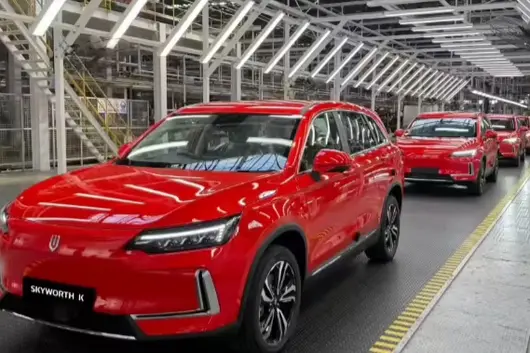
就在7月21日创维官宣 SKYWORTH K 车型下线,这批车专门供给香港当出租车,预计7月30号正式交付。

好家伙,这创维这趟也是闷声发大财,小赚了一笔?我就好奇,这车到底是啥情况,咱研究研究。
SKYWORTH K,是创维汽车面向右舵市场推出的中型纯电 SUV,对应的车型就是我们可能更为熟知的创维 EV6。而这台车的前身源自天美 ET5,开始有点绕了哈。

这里要提到创维创始人黄宏生了,他也是开沃新能源(南京金龙)的控股方。
2011 年,黄宏生收购重组南京金龙,也就是后来的开沃新能源。开沃早期主打新能源客车、物流车等商用车,想要向上拓展乘用车赛道。

2017 年开沃拿到乘用车生产资质,内部孵化全新乘用车品牌天美汽车(Skywell),用来独立运作乘用车型,也好和商用车业务区分开。
这个天美ET5是开沃自研平台诞生的第一台乘用车。
咱就说你创维造车,我们多少带点嘀咕,你还叫天美,这销量能好吗?不知道还以为是腾讯的游戏工作室呢,创维知名度还是在的,不如干脆叫创维。

黄宏生也确实这么干了,最终方案调整为,2021 年开沃出资,从创维集团购入汽车品类的 “创维、Skyworth” 商标使用权。
交易落地之后,开沃直接撤销天美汽车品牌,原有产品线全部平移至创维汽车。天美 ET5 小幅调整配置、更换车标,先更名创维 ET5,后续再次调整命名为创维 EV6。

而它的右舵出口版本,命名 Skyworth K,整车硬件、底盘架构依旧沿用当年天美 ET5。这改名也太频繁了,像极了生意不好,咱换个门头重新开业一样。

说回这台“K”车本身,车身尺寸 4720×1908×1696mm,轴距 2800mm,5 座布局,后备箱基础容积 467L,放倒座椅可拓展至 1141L。
底盘采用前麦弗逊、后五连杆独立悬架,由英国米拉负责底盘调校。
米拉(HORIBA MIRA)也不是凡夫俗子,初代的路虎揽胜就是租用米拉场地做测试验证。国产车型当中也有前途 K50、天际 ME7、北汽幻速 S3L等车是米拉调的。

动力方面,前置单电机,最大功率 150kW,峰值扭矩 320N・m,零百加速 9.6 秒;搭载 85.97kWh 三元锂电池,WLTP 综合续航 489km,城市工况续航可达 646km。
香港市场同时提供 800V 高压超充版本,电池容量 65.71kWh,支持大功率快充。
另外我查了下,特区当地的士牌照属于私有资产,长期以来大量牌照掌握在私人持有者手中,主流模式是个体车主零散选购车辆,过去丰田 Comfort、日产 NV200 能够长期占据市场,依托的就是成熟的本地维保与配件供应体系。
随着运输署推出的士车队牌照制度,一共发放 5 张车队营运牌照,车队合计最多可运营超过 3500 台的士。

这类持牌营运企业拥有规模化资金,能够一次性批量采购新车,媒体报道的大批量电动的士订单,大多出自这类车队,创维 Skyworth K 本次的士订单就属于车队集中采购。
政策层面,特区政府设立电动的士资助计划,最多支持 3000 台老旧的士更换电动车,每台车提供 45000 港币补贴,车型选择权掌握在车主或者营运公司手上。

贸易流程上,内地车企无法直接将整车发往香港登记上牌,必须通过香港本地授权进口商引入右舵车型,完成法规认证以及的士营运专项验收。
车队大批量采购电动车,除车价谈判外,还会敲定长期维保、快充配套、退役动力电池合规处置等整套营运方案。

既然能选Skyworth K,想必这车肯定有过人之处,咱也没试过,期望它在特区服务好市民们的出行,毕竟干一行,爱一行,如果能做大做强,再创辉煌就最好了。

In the Malaysian SUV market, many buyers compare the Proton X50 and Honda CR-V when choosing a car. The price and positioning of these two cars are quite similar. Today, we will make a detailed comparison from multiple aspects to help you save time on research.
The OTR price for the Proton X50 in Malaysia is RM 89,800 - 113,300, with a total of 4 versions, including 1.5T Executive (RM 89,800), 1.5T Premium (RM 101,800), 1.5T Flagship (RM 113,300), etc.
The OTR price for the Honda CR-V in Malaysia is RM 178,200 - 195,900, with a total of 4 versions, including 2026 e:HEV 2.0L 2WD RS (RM 195,900), 2026 1.5T 4WD V (RM 181,900), 2026 e:HEV 2.0L 2WD E (RM 178,200), etc.
In terms of price, the starting price of the Proton X50 is indeed RM 88,400 cheaper than the Honda CR-V. If your budget is limited, the Proton entry-level version is already sufficient for daily needs. However, also note that the few thousand cheaper might involve trade-offs in equipment, depending on your specific needs.

Proton X50 is equipped with 1.5L 4-cyl, 105 hp. Official fuel consumption 6.0 L/100km.
Honda CR-V is equipped with 2.0L 4-cyl, 170 hp. Official fuel consumption 8.0 L/100km.
In terms of power, the Honda CR-V's 2.0L 4-cyl has 65 more horsepower than the Proton X50's 1.5L 4-cyl. However, for daily driving in the city, the power of both cars is sufficient, you won't feel like there isn't enough power.

The Proton X50 safety rating is 5★ (ASEAN NCAP), active safety systems include ADAS (ACC, AEB, LKA, LDA, BSM, RCTA).
The Honda CR-V safety rating is 5★ (ASEAN NCAP), active safety systems include Honda SENSING (ACC, CMBS, LKAS, RDM).
Both cars have the same safety rating, and in this class, safety equipment is quite comprehensive. New cars nowadays are not lacking in safety, so there is no need to worry too much about this.

Proton X50 body length is 4400 mm, trunk 400 L.
Honda CR-V body length is 4500 mm, trunk 450 L.
In terms of space, the Honda CR-V body is 100 mm longer than the Proton X50, offering a better advantage in passenger space. However, the Proton X50 is more flexible for parking in the city, each has its trade-offs.

Proton X50 adopts 4WD drive system.
Honda CR-V adopts FWD drive system.
Proton's 4WD and Honda's FWD will have different handling feel, test drive comparison is recommended.

In general, both Proton X50 and Honda CR-V are very good models in the Malaysian market. Which one to choose depends mainly on your personal needs and budget. We suggest you do your research, compare quotes from multiple dealerships, and then test drive to make the final decision. Buying a car is a big deal, spending time doing research will definitely not be wrong.


喺馬來西亞嘅 SUV 市場,好多人買家喺揀車嘅時候都會拎 Perodua Ativa 同 Proton X50 嚟做比較。這兩款車喺價位同定位上都幾接近,今日我哋就從多個方面做一次詳細比較,幫你省咗做功課嘅時間。
Perodua Ativa 喺馬來西亞嘅 OTR 售價係 RM 62,500 - 73,400,一共有 3 個版本,包括 1.0L Turbo X(RM 62,500)、1.0L Turbo H(RM 67,300)、1.0L Turbo AV(RM 73,400)等等。
Proton X50 喺馬來西亞嘅 OTR 售價係 RM 89,800 - 113,300,一共有 4 個版本,包括 1.5T Executive(RM 89,800)、1.5T Premium(RM 101,800)、1.5T Flagship(RM 113,300)等等。
從價錢嚟睇,Perodua Ativa 嘅起步價確實比 Proton X50 平咗 RM 27,300。如果你預算有限,Perodua 嘅入門版已經可以滿足日常需要。但都要留意,平嗰幾千蚊,可能喺配備上會有取捨,具體要看你嘅需要。

Perodua Ativa 搭載 1.5L 4-cyl,馬力 105 hp。官方油耗 6.0 L/100km。
Proton X50 搭載 1.5L 4-cyl,馬力 105 hp。官方油耗 6.0 L/100km。
兩款車用緊同一套動力系統,日常開起嚟嘅感覺基本冇分別。油耗方面都差唔多,唔使太糾結呢一點。
Perodua Ativa 車身長 4400 mm,尾箱 400 L。
Proton X50 車身長 4400 mm,尾箱 400 L。
兩款車嘅尺寸幾乎一樣,車內空間差別唔大。呢個級別嘅車,日常使用完全夠用。

Perodua Ativa 採用 FWD 驅動方式。
Proton X50 採用 4WD 驅動方式。
Perodua 嘅 FWD 同 Proton 嘅 4WD 喺操控上會有唔同感受,建議試駕比較。
Perodua Ativa 同 Proton X50 都係馬來西亞市場嘅主流選擇,適合家庭使用、日常通勤。如果你更睇重品牌口碑同二手價,可以優先考慮口碑更好嗰一款;如果你更在意性價比同配備,就揀配備更豐富嗰款。最終都係建議兩款都去試駕,親身體驗先係最重要嘅。
總嘅嚟講,Perodua Ativa 同 Proton X50 都係馬來西亞市場幾唔錯嘅車型。揀邊一輛,關鍵都要睇你嘅個人需要同預算。建議大家做好功課,多比較幾間車行嘅報價,先去試駕做最終決定。買車係件大事,花少少時間做功課絕對唔會錯。


65%市占率、100万台量产车、全球十大车企九家合作——Momenta上市这天,智己车主收到一份“隐藏彩蛋”。
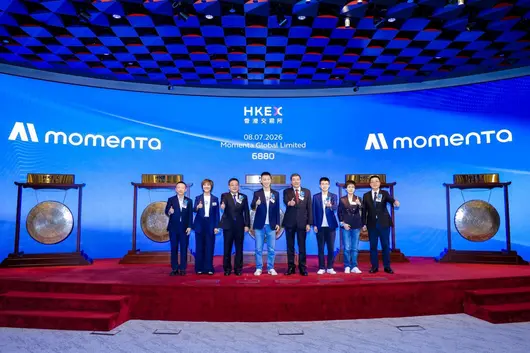
7月8日,香港联交所。 一声锣响,Momenta(股票代码:06880.HK)正式挂牌,加冕“物理AI第一股”。同一刻,智己品牌生产线缓缓驶下第100万台搭载Momenta智驾方案的量产整车——这台车,恰好是智己。
不是巧合。这是中国智驾“从追赶到平视”的正式宣言。


过去,行业谈智驾必提特斯拉FSD。今天,格局彻底改写。
Momenta第三方城市NOA市占率65%,稳居行业第一;合作版图覆盖全球前十大车企中的九家,量产落地亚洲、欧洲、大洋洲等10余个国家和地区。业内共识已然清晰:FSD、Momenta、华为,三强并进。而其中,Momenta携手智己,凭借原研底层技术与中国复杂路况的深度适配,成为唯二具备全球竞争力的中国智驾力量。
这不是“国产替代”,这是代际跨越。

行业常见的模式是“采购—供货”,但智己和Momenta玩的是另一套——双向持股,战略共生。
上汽集团是Momenta第一大机构股东,Momenta反向持股智己汽车。这意味着双方不是“甲方乙方”,而是风险共担、价值共享的共同体。技术层面,从底盘、算法到算力,全栈联合共创,不是“拿来装车”,而是“从零调优”。
结果?智己用户永远最先享受Momenta最领先的迭代成果,智驾体验持续霸榜第一梯队。别人追版本,智己车主收彩蛋。

更值得玩味的是,Momenta第100万台量产整车落地智己,而Momenta创始人、CEO曹旭东本人,正是上汽集团第一亿位用户、智己LS9 Hyper 001号车主。
这不是商业互吹,这是用脚投票。从创始人的个人选择,到百万台级规模的量产验证,这条“共生链”已经跑通了从技术到体验的全闭环。

为庆祝这一里程碑,智己汽车面向全国用户推出 “IM AD限时享专属礼遇”——
7月31日前下定,即可获得:
IM AD高级辅助驾驶全功能包终身使用权(价值拉满)
5000元专属购车券
无需等待,现在走进智己全国门店,亲自感受“更懂中国路”的IM AD高阶智驾。毕竟,能让CEO自己下单的智驾,你确定不试一把? 🚗💨

喺馬來西亞嘅 SUV 市場,好多買家喺揀車嗰陣都會拿梅賽德斯 - 奔馳 GLC 同保時捷 Macan 嚟做比較。呢兩款車喺價位同定位上都幾接近,今日我哋就從多個方面做一個詳細比較,幫你省返做功課嘅時間。
梅賽德斯 - 奔馳 GLC 喺馬來西亞嘅 OTR 售價係 RM 336,888 - 336,888,一共有 2 個版本,包括 GLC 200(RM 290,000)、GLC 300(RM 340,000) 等等。
保時捷 Macan 喺馬來西亞嘅 OTR 售價係 RM 469,000 - 469,000,一共有 4 個版本,包括 2025 55 quattro S line(RM 467,285)、2025 50 quattro Advanced(RM 361,135)、PMT 1874, Lorong IKS BukitTengah 14000 Bukit Mertajam(RM 296,610) 等等。
從價錢睇落,梅賽德斯 - 奔馳 GLC 嘅起價確實比保時捷 Macan 平咗 RM 132,112。如果你預算有限,梅賽德斯嘅入門版已經可以滿足日常需求。但要留意,平嘅嗰幾千蚊,可能喺配備上會有取捨,具體要看你嘅需求。

梅賽德斯 - 奔馳 GLC 搭載 2.0L Turbo,馬力 220 hp。官方油耗 9.5 L/100km。
保時捷 Macan 搭載 3.0L Turbo,馬力 350 hp。官方油耗 12.0 L/100km。
動力方面,保時捷 Macan 嘅 3.0L Turbo 比梅賽德斯 - 奔馳 GLC 嘅 2.0L Turbo 多咗 130 匹馬力。不過日常喺市區開,兩款車嘅動力都夠用,唔會覺得唔夠力。

梅賽德斯 - 奔馳 GLC 嘅安全評級係 5★ (Euro NCAP),主動安全系統包括 Premium ADAS。
保時捷 Macan 嘅安全評級係 5★ (Euro NCAP),主動安全系統包括 InnoDrive。
兩款車嘅安全評級一樣,喺呢個級別入面安全配備都算畀得好齊全啦。而家嘅新車安全性都唔差,唔使太擔心呢一點。

梅賽德斯 - 奔馳 GLC 保修 3 年/100,000km,保養間隔 每 10,000km 或 6 個月。
保時捷 Macan 保修 3 年/100,000km,保養間隔 每 10,000km 或 6 個月。
兩款車嘅保修條件一樣,呢方面唔使糾結。實際保養成本仲要看品牌嘅服務網絡同零件價格,建議去車友群問問真實車主嘅經驗。
梅賽德斯 - 奔馳 GLC 同保時捷 Macan 都係馬來西亞市場嘅主流選擇,適合家庭使用、日常通勤。如果你更睇重品牌口碑同二手價,可以優先考慮口碑更好嗰一款;如果你更在意性價比同配備,就揀配置更豐富嗰款。最終都係建議兩款都去試駕,親身體驗先係最重要嘅。
總嘅來說,梅賽德斯 - 奔馳 GLC 同保時捷 Macan 都係馬來西亞市場好好嘅車型。揀邊一輛,關鍵仲係要看你嘅個人需求同預算。建議大家做好功課,多比較幾間車行嘅報價,再去試駕做最終決定。買車係件大事,花點時間做功課絕對唔會錯。



港交所網站掛出一咗一份熟悉嘅招股書。
5 月 28 日,繼去年 10 月首次遞表失效後,智能駕駛解決方案提供商蘇州天瞳威視電子科技股份有限公司(天瞳威視)再次向港股主板發起重衝,由匯豐及華泰國際聯席保薦。

喺智能駕駛賽道從「講故事」轉向「拼量產」嘅 2026 年,天瞳威視嘅二次遞表唔單止係一次資本試探,更係一場關於中國智駕供應商生存現狀嘅集中檢閱。
呢間被認為係「算力效率派」代表嘅公司,一邊連住從采埃孚到上汽、北汽嘅豪華產業資本陣營,一邊卻面臨住現金流緊繃、海外明顯回落嘅現實困境。喺呢場 IPO 嘅博弈中,光鮮同陣痛並存。
01
邊個係「天瞳威視」?
天瞳威視嘅創辦人王曦係一位典型嘅「回國」技術派。佢畢業於北京航空航天大學,後喺英國雷丁大學攻讀計算機科學博士學位。
喺決定創業之前,王曦曾經喺汽車零部件供應商天合汽車(TRW)及采埃孚擔任算法工程師同技術負責人,深度參與咗早期 ADAS 系統嘅開發。
2016 年,王曦捕捉到國內汽車智能化嘅風口,回國喺蘇州創立咗天瞳威視,定位係「以軟件算法驅動智能駕駛」嘅本土解決方案提供商。
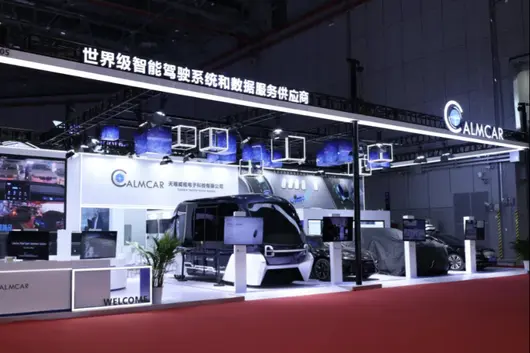
公司嘅名字「天瞳」寓意「天之眼」,意在打造車輛感知萬物嘅視覺中樞。佢從最初嘅視覺感知算法起步,逐步擴展至行泊一體域控制器、L4 級自動駕駛系統等軟硬件結合嘅整體方案。

天瞳威視融資情況。資料來源:企查查
成立後不久,天瞳威視就獲得德聯資本、盛世投資嘅天使輪融資。此後十年時間,天瞳威視累計完成咗超過 10 輪融資,融資總額近 10 億元。
從招股書披露嘅股權結構嚟睇,天瞳威視構建咗深度綁定嘅「產業 + 資本」生態圈。
一方面,產業夥伴站台,全球汽車零部件巨頭采埃孚唔單止係其 C 輪領投方,亦係其戰略合作夥伴,持有天瞳威視 6.93% 嘅股份,位列第四大股東;國內方面,上汽集團通過上汽北美產投持股,北汽集團通過北汽產投佈局其中,地平線同商湯科技亦係戰略投資者。
另一方面,地方國資護航,唐山機器人基金、吳中金控等國資背景基金喺 D 輪及 D+ 輪入場,提供咗約 5.23 億元嘅資金支持。

截至最後實際可行日期股權架構
截至目前,王曦透過直接持股同員工持股平台合共控制公司約 40.84% 嘅權益,依然保持住對公司嘅控制權。
02
「兩條腿」行路
天瞳威視喺業務佈局上採取咗「雙軌並行」嘅策略。

喺 L2-L2+ 級輔助駕駛領域,天瞳威視嘅選擇非常務實。佢並冇盲目追逐算力堆疊嘅「軍備競賽」,而係走咗一條高性價比路線。
作為典型嘅視覺派智駕供應商,佢喺 L2 量產方案上以視覺感知為主,融合毫米波雷達同超聲波雷達,能夠喺較低算力平台上實現高級功能。例如,基於地平線 J6B 芯片(約 20TOPS)嘅方案即可支持行泊一體、高速 NOA。
呢種打法擊中咗 10 萬 -20 萬級主流車款對成本敏感嘅痛點。根據灼識諮詢嘅數據,按 2024 年裝機量計,天瞳威視係中國第二大同時提供行車同泊車解決方案嘅以軟件為核心嘅 L2-L2+ 級方案提供商,市場份額為 14.3%。

2024 年中國具備行泊一體能力嘅以軟件為核心供應商格局
截至最後實際可行日期,天瞳威視獲得 23 個汽車品牌嘅 198 款車款嘅 L2-L2+ 級解決方案定點函,並實現 6 個汽車品牌嘅 105 款車款嘅量產;獲得定點函嘅 198 款車款中有 87 款覆蓋海外市場,其中 59 款已實現量產。
但值得注意嘅係,L2-L2+ 市場正在經歷劇烈嘅「紅海化」。
一方面,經緯恆潤、福瑞泰克等本土 Tier1 正在加速追趕;另一方面,部分頭部車廠開始將低階智駕方案從外購轉為內部集成。
天瞳威視能否維持佢喺「性價比方案」領域嘅領先地位,取決於佢能否持續保持算法對低算力平台嘅優化能力,而這需要喺研發投入上持續加碼。

喺高級 L4 級自動駕駛領域,天瞳威視更多扮演「先鋒」角色。這亦係佢近兩年增長最快嘅板塊。
早在 2019 年,佢就參與咗上海洋山港嘅 5G 智能重卡項目。目前佢嘅 L4 方案覆蓋 Robobus、Robotaxi 同 Robotruck。其中,Robobus 係佢最具代表性嘅產品線,已喺蘇州、天津等城市嘅公開道路投入常態化試營運。
2025 年,天瞳威視從 L4 級解決方案產生收入 3.75 億元,佔公司總收入嘅 68% 以上,大部分收入來自 L4 級軟件解決方案。
然而,硬幣嘅另一面係商業化嘅曲折。雖然 L4 業務營收暴增,但佢嘅交付形態目前以「軟硬件一體解決方案」為主,呢種模式本質上接近「項目制交付」或「小規模車隊部署」,與 L2 業務中「純軟件授權 + 白盒交付」嘅高毛利、大規模複製邏輯存在顯著差異。
呢就直接導致 L4 業務毛利率嘅大幅波動:喺部分自研硬件佔比较高嘅項目中,毛利率一度低至 15%。

截至遞表日,公司雖手握超 10 億元嘅 L4 意向訂單,涵蓋 2500 架車,但呢啲訂單預計要喺未來三至五年內先會陸續交付,短期內對現金流嘅改善作用有限。
此外,天瞳威視仲有部分應收來自工程服務,主要涉及道路測試、數據收集支援及數據標註服務以及公司嘅專有工具鏈。
03
財務嘅雙面鏡
招股書嘅財務部分,展現咗智駕行業最真實嘅「B 面」:規模同虧損嘅極限拉扯,同埋賬面現金同營運消耗之間嘅緊張博弈。

營收高增長,但結構劇烈波動。
財務數據顯示,公司嘅營收呈現爆發式增長,從 2022 年嘅 1.72 億元增長至 2024 年嘅 4.83 億元,複合年增長率高達 67.7%。2025 年全年營收進一步增長至 5.5 億元。
但收入結構嘅變化明顯。2023 年,公司依賴 L2-L2+ 業務,佔比 90.2%;去到 2024 年,L4 業務佔比升至 50.2%;2025 年,L4 業務佔比進一步拉高至 68%。呢種「斷崖式」嘅結構切換,雖然證明佢 L4 技術搵到咗落地場景,但亦令市場質疑佢 L2 業務係咪已觸及天花板。
毛利率同純利潤嘅背離,呢係天瞳威視面臨嘅最大挑戰。
從毛利睇,整體毛利率喺 30% 左右徘徊,喺呢個技術密集型嘅智駕行業屬於中等水平。但細拆睇嚟,L2-L2+ 業務嘅毛利率通常能維持喺 40% 以上,純軟件授權模式,而 L4 業務嘅毛利率則因「軟硬件一體」交付中硬件佔比提高而被顯著拉低。
從純利潤睇,雖然表面虧損額較大,2024 年虧損 4.63 億、2025 年虧損約 2 億,呢度包含大量因優先股公平值變動帶來嘅「紙面虧損」。剔除呢個因素後嘅經調整純利潤更能反映公司嘅真實經營狀況:2024 年已收窄至 -438 萬元,但 2025 年並未如市場預期實現轉正,而係錄得約 -1086 萬元,虧損較 2024 年有所擴大。
呢個背後有一個不可回避嘅關鍵前提:調整後嘅「減虧」乃至「接近盈虧平衡」,係喺公司持續壓縮研發投入嘅基礎上實現嘅,研發費用從 2024 年嘅 1.17 億元降至 2025 年嘅 9231 萬元,研發費用率從 2024 年嘅 24.3% 進一步降至 16.8%,而 2022 年呢個數字曾高達 108.7%。對於一家科技公司嚟講,研發強度嘅「退坡」是否會影響未來嘅技術護城河,係一個潛在風險點。
現金流持續告急,最令人擔憂嘅信號。
根據最新招股書,截至 2025 年 12 月 31 日,公司賬上嘅現金及現金等价物為 2.35 億元,較 2025 年 6 月 30 日嘅 3.74 億元淨減少 1.39 億元,現金消耗速度較快。

更值得警惕嘅係經營現金流由正轉負且缺口持續擴大嘅趨勢。2023 年,公司經營活動現金流淨額為正向流入 1.15 億元,但 2024 年迅速轉為淨流出 1.89 億元,2025 年進一步惡化至淨流出 2.93 億元。
與此同時,應收賬款周轉急劇惡化。公司嘅貿易應收款項從 2023 年嘅 0.89 億元升至 2025 年嘅 5.48 億元,三年增長超過五倍,而同期營收增幅僅約 2.7 倍。
更令人擔憂嘅係應收款項周轉天數從 2023 年嘅 191 天同 2024 年嘅 166 天,到 2025 年驟升至 300 天,意味著公司從完成交付到收回款項平均需要接近一年時間。呢相當於變相為客戶提供長期無息墊資,喺資金本就緊張嘅情況下進一步加劇咗流動性壓力。

此外,雖然天瞳威視係首家出海嘅中國智駕軟件供應商,但 2025 年佢嘅海外業務遭遇咗明顯回落。2023 年天瞳威視海外收入為 1.27 億元,佔總營收比重達到 62.2%;到 2025 年海外收入降至 1100 萬元,佔比僅 2.0%。
喺而家全球地緣政治複雜、部分國家對智能汽車數據監管趨嚴嘅背景下,為佢嘅全球化故事增添咗一絲不確定性。
04
結語
天瞳威視嘅二次闖關,係智能駕駛行業進入「淘汰賽」階段嘅一個縮影。
從好嘅方面睇,佢踩準咗 L2 性價比同 L4 場景化落地嘅雙重節奏,且經調整純利潤喺特定口徑下已接近盈虧平衡,呢啲都畀投資者提供咗「有亮點可講」嘅故事線。
但從風險嘅角度睇,情況遠比首次遞表時更為嚴峻。業務重心嘅急速漂移、L4 業務商業化初期嘅盈利磨難、研發投入嘅被動收縮,呢啲此前就已存在嘅問題並未緩解。

天瞳威視 L4 級智能巴士
而真正令此次 IPO 帶「求生」色彩嘅,係現金流數據嘅實質性惡化:2.35 億元嘅賬面現金,面對每年近 3 億元嘅经营性現金淨流出,安全邊際已不足一年。疊加 300 天嘅應收賬款周轉天數,意味著公司每交付一筆訂單,都要墊付近一年嘅資金成本。
換言之,天瞳威視正處喺一個危險嘅財務窗口期:賬上嘅錢僅夠維持唔足一年嘅正常運作,而 L4 業務嘅大規模交付同回款卻需要更長時間。喺呢個智駕資本熱潮退去、一級市場融資邊際收緊嘅時刻,公司已冇太多等待嘅餘地。
首次遞表失效後僅隔半年便再次衝擊港股,對天瞳威視而言,與其話係戰略選擇,唔如話係現金倒逼下嘅必然之舉。

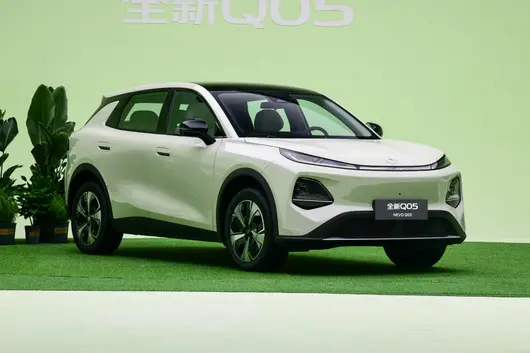
唔知有幾多朋友最近期關注 10 萬內純電 SUV 市場?近段時間睇嚟,呢個細分市場好熱鬧。就講長安啟源全新 Q05 同零跑 A10,上個月銷量分別達 15814 輛同 14372 輛,全部挺進 2026 年 4 月銷量排行全品類前 10,長安啟源全新 Q05 甚至奪得緊緊湊型純電 SUV 市場嘅銷冠。

(長安啟源全新 Q05)
值得留意係,兩款大熱門產品亮點亦唔少,9 萬級可以得到 500km+嘅續航,零跑 A10 甚至配備激光雷達,有高級智駕輔助需求嘅朋友嚟講,呢架車吸引力的確唔低。但係喺價格上,同為高配嘅長安啟源全新 Q05 506Max+ 同零跑 A10 505 激光雷達版,終端價格分別係 9.59 萬同 8.68 萬,手握 9 萬左右預算嘅朋友都可以考慮。明顯係,又去到決賽圈二揀一環節。
 (零跑 A10)
如果對預算比較敏感,咁喺長安啟源全新 Q05 同零跑 A10 之間,後者可能更受歡迎,畢竟終端價格實打實平咗幾千元。而且,高配 A10 配有激光雷達,市區/高速情況均能啟動領航輔助駕駛,呢個就係佢嘅優勢所在。當然,如果預算允許,揀長安啟源全新 Q05 高配,都有帶激光雷達嘅高級輔助駕駛。
 (長安啟源全新 Q05)
但既然係買車前嘅橫評,唔少全方位對比。首先從尺寸睇,作為緊湊型 SUV,長安啟源全新 Q05 長寬高分別係 4435*1855*1595mm,軸距為 2735mm。而零跑 A10 車型級別就係小型 SUV,長寬高分別係 4270*1810*1635mm,軸距為 2605mm。
 (零跑 A10)
如果只係考慮代步、通勤,零跑 A10 嘅細個嘅略有優勢,方便行街串巷。但實際上,好多人買車都要兼顧家用,10 萬內預算也多以剛需用車群體為主。既然係剛需,且有家用需求,嗰空間自然唔好掉鏈子。
 (長安啟源全新 Q05)
 (零跑 A10)
講返日常家庭出行嚟講,兩車之間 130mm 軸距差異,直接反映喺後排體驗。坐入長安啟源全新 Q05 後排,腿部空間平整兼寬敞,一齊坐 3 位成年人都唔會太擠;但係坐入零跑 A10 後排,無論坐寬定係腿部空間都會細少少。媽咪喺後排照顧孩子,長安啟源全新 Q05 後排更加寬敞嘅空間會更加方便佢操作,孩子都能有更大嘅活動空間。
 (長安啟源全新 Q05)
 (零跑 A10)
除咗空間,通勤黨同家庭用戶對舒適配置都比較關注。睇嚟對比,兩車都有配電動尾門、無匙進入、自適應遠近光等外部配置。但係從車廂內睇,零跑 A10 副駕無法電動調節,後排靠背都唔支援角度調節,同埋缺少後排空調出風口、車內 PM2.5 過濾裝置等。
 (長安啟源全新 Q05)
 (零跑 A10)
反觀長安啟源全新 Q05,除咗副駕支持電動調節,前排仲集成咗加熱/通風/按摩/副駕腿托功能,對比零跑 A10 只提供前排座椅加熱,佢嘅品質無疑更上一層樓。包括後排乘員都有少少照顧,例如靠背角度可調、配有後排空調出風口、後排中央扶手/杯架等,更加適合家人同行呢類場景。
 (長安啟源全新 Q05)
 (零跑 A10)
除咗舒享體驗,行駛系統嘅對比我哋都唔好忽略。首先從大家關注嘅續航睇,長安啟源全新 Q05 同零跑 A10 分別搭載 51.9kWh、53kWh 電池,CLTC 純電續航做到 506km、505km,差異大可忽略。但從電芯供應鏈睇,前者出自寧德時代,後者就係國軒高科/江蘇正力,若論品牌含金量,“寧王”順位自然靠前,更值得信賴。另外,兩車都有全球品質,按照全球嚴苛嘅標準打造,零跑 A10 符合國內、歐盟雙標準,長安啟源全新 Q05 已經喺泰國上市,未來仲會相繼落地多個國家地區,最終開拓歐洲區域,此外仲有央企背書,質量品質都好可靠。
因為本文討論嘅係 A10 嘅 505 版本,採用電池液冷技術,溫控較好,而如果係 403 版本,採用成本低嘅風冷技術,散熱效果較差。呢點上,全新 Q05 做得更好,入門就採用電池直冷技術,高配用嘅係液冷技術,能更好地實現熱管理,保證電池安全。
 (長安啟源全新 Q05)
 (零跑 A10)
動力方面,長安啟源全新 Q05 同零跑 A10 都係前置單電機佈局,電機最大動力輸出分別係 120kW/190N·m、90kW/150N·m,0-100km/h 加速時間分別做到 8.9 秒同 10.6 秒。坦率嚟講,兩款車喺純電陣營加速性能都中規中矩;但係相對嚟講,長安啟源全新 Q05 嘅 8 秒級零百加速,喺山路行駛、高速超車等情況下會比零跑 A10 更加分。
 (長安啟源全新 Q05)

(零跑 A10)
總結嚟講,零跑 A10 505 激光雷達版優勢突出:價格更低、智駕輔助覆蓋範圍更廣,適合預算優先 + 科技嘗鮮嘅消費者。而長安啟源全新 Q05 更強調“全面”二字:加少少預算同樣可以獲得高級輔助駕駛,而且尺寸更大、舒適配置更高、採用頭部電芯供應鏈,動力亦更強,綜合表現更全能。總括嚟講,預算 9 萬級追求面面俱到嘅家用體驗,長安啟源全新 Q05 506Max+ 更加值得考慮。

車型概覽

睿藍汽車楓葉80v 值唔值得睇,第一步唔係望牌子或者外形,而係睇佢能唔能夠配合你嘅香港日常。 呢篇會集中講高速巡航、併線同超車信心,幫你用買家角度篩走唔適合嘅選擇。
售價仍待確認,買家可以先把佢放入候選名單,等價格落實後再同同級車逐項比較。
購車價格指南
睿藍汽車楓葉80v 目前售價仍未清晰,較理性嘅做法係先睇版本、車身大小同動力形式,等價格落實後再決定值唔值得落訂。
如果有幾個版本可揀,可以先將 2025 515km 前驅版(價格待確認)、2024 407km 前驅版(價格待確認)、2024 515km 前驅版(價格待確認) 放喺同一張清單。日常通勤重視舒適同易用,家庭買家就要優先睇後排、尾箱同安全配置。
核心規格重點
睇 睿藍汽車楓葉80v 嘅規格,重點唔係背數字,而係理解佢喺香港用車場景會帶嚟咩分別。
66.57/50.4/68.08 kWh 嘅電池容量,真正意義係可以幫你估算一星期通勤同周末出車要唔要中途補電。 515/407 km 嘅續航參考,對住喺新界、九龍同港島之間跨區行車嘅用家會更實際。 100 kW、230 N·m 嘅輸出,令高速併線同短距離超車更有信心。 車長 4812 mm、車闊 1909 mm、車高 1699 mm、軸距 2807 mm 可以幫你預判商場停車場、屋苑車位同後排腿部空間。
優缺點分析
睿藍汽車楓葉80v 嘅優點唔需要講到天花龍鳳,真正有價值係佢能唔能夠令日常用車更省心:電池同續航資訊有助安排通勤同補電、動力輸出對高速同上斜更有底氣、空間同車身尺寸方便家庭買家預判實用性。
要留意嘅係,要先確認屋苑、公司或常去商場嘅充電條件、香港停車場同窄路使用要留意車身闊度。呢啲唔一定係缺點,但係落訂前應該先諗清楚。
買家常見問題
買 睿藍汽車楓葉80v 之前,真正要問嘅唔係單一規格,而係佢可唔可以融入你每日嘅生活節奏。
常見疑問係「楓葉 80v (Maple 80v) 力水點樣?」簡單講,楓葉 80v (Maple 80v) 最大馬力 136 匹,扭力 230 Nm。 放到實際用車,就係要睇佢對通勤、泊車、家庭乘坐同長期成本有幾大幫助。
同級對比內容
將 睿藍汽車楓葉80v 放入同級車清單時,唔建議只用外形或者品牌光環決定。比較順序可以係:先等售價落實,再決定佢應該同邊個級距比較、再睇動力係咪足夠應付高速併線同滿載、再比較能源成本同補能便利、最後睇車身大小、座位同尾箱是否適合家人。
咁樣篩選會貼近香港買家真實生活:平日塞車、商場泊車、周末去新界、甚至一家人出入,先係一部車每日要面對嘅考驗。
用車全周期指南
擁有 睿藍汽車楓葉80v 最重要係先諗清楚充電節奏。屋苑、公司或者常去商場只要有穩定充電選項,電動化用車就會容易相處好多。
如果你主要喺市區行,視野、低速順滑度同泊車輔助會好影響心情;如果經常行高速或跨區,座椅舒適度、隔音同動力從容感會更重要。


車型概覽

寶馬iX5 值唔值得睇,第一步唔係望牌子或者外形,而係睇佢能唔能夠配合你嘅香港日常。 呢篇會集中講值唔值得繼續觀望,幫你用買家角度篩走唔適合嘅選擇。 近期市場討論到「全新一代寶馬X5或於6月30日全球首發 多元動力版本陸續登場」,代表呢類車型仍然有一定關注度。
售價仍待確認,買家可以先把佢放入候選名單,等價格落實後再同同級車逐項比較。
購車價格指南
寶馬iX5 目前售價仍未清晰,較理性嘅做法係先睇版本、車身大小同動力形式,等價格落實後再決定值唔值得落訂。
如果有幾個版本可揀,可以先將 2025 Hydrogen(價格待確認) 放喺同一張清單。日常通勤重視舒適同易用,家庭買家就要優先睇後排、尾箱同安全配置。
核心規格重點
睇 寶馬iX5 嘅規格,重點唔係背數字,而係理解佢喺香港用車場景會帶嚟咩分別。
寶馬iX5 現階段最值得留意係車型定位同版本方向,詳細取捨應該等價格同規格更清楚再作決定。
優缺點分析
寶馬iX5 嘅優點唔需要講到天花龍鳳,真正有價值係佢能唔能夠令日常用車更省心:車型定位清楚,適合作為同級比較起點。
要留意嘅係,要先確認屋苑、公司或常去商場嘅充電條件、售價未清晰前唔應該太早用性價比落結論。呢啲唔一定係缺點,但係落訂前應該先諗清楚。
買家常見問題
買 寶馬iX5 之前,真正要問嘅唔係單一規格,而係佢可唔可以融入你每日嘅生活節奏。
常見疑問係「寶馬 BMW iX5 Hydrogen 喺香港買唔買到?」簡單講,寶馬 BMW iX5 Hydrogen 目前係氫燃料電池試驗車隊,暫時未喺香港公開發售。 放到實際用車,就係要睇佢對通勤、泊車、家庭乘坐同長期成本有幾大幫助。
同級對比內容
將 寶馬iX5 放入同級車清單時,唔建議只用外形或者品牌光環決定。比較順序可以係:先等售價落實,再決定佢應該同邊個級距比較。
咁樣篩選會貼近香港買家真實生活:平日塞車、商場泊車、周末去新界、甚至一家人出入,先係一部車每日要面對嘅考驗。
用車全周期指南
擁有 寶馬iX5 最重要係先諗清楚充電節奏。屋苑、公司或者常去商場只要有穩定充電選項,電動化用車就會容易相處好多。
如果你主要喺市區行,視野、低速順滑度同泊車輔助會好影響心情;如果經常行高速或跨區,座椅舒適度、隔音同動力從容感會更重要。


