


首頁香港

搜尋歷史
熱門搜尋
經銷商登入 / 註冊
In the SUV market in Malaysia, many buyers compare Honda WR-V and Mazda CX-30 when choosing a car. The prices and positioning of these two cars are quite similar. Today, we will make a detailed comparison from multiple aspects to help you save time on research.
The OTR price of Honda WR-V in Malaysia is RM 89,900 - 107,900, with a total of 4 versions, including 2023 1.5L V (RM 99,900), 2023 1.5L E (RM 95,900), 2023 1.5L S (RM 89,900) etc.
The OTR price of Mazda CX-30 in Malaysia is RM 122,409 - 146,409, with a total of 4 versions, including 2025 2.0L High+ Premium (RM 146,409), 2025 2.0L High+ (RM 138,409), 2025 2.0L High (RM 130,409) etc.
From a price perspective, the starting price of Honda WR-V is indeed RM 32,509 cheaper than Mazda CX-30. If your budget is limited, Honda's entry-level version can already meet daily needs. But note that the few thousand ringgit difference may involve trade-offs in features, depending on your specific requirements.

Honda WR-V is equipped with a 1.5L 4-cyl, power 105 hp. Official fuel consumption 6.0 L/100km.
Mazda CX-30 is equipped with a 1.5L Turbo, power 140 hp. Official fuel consumption 7.0 L/100km.
In terms of performance, the Mazda CX-30's 1.5L Turbo has 35 horsepower more than the Honda WR-V's 1.5L 4-cyl. However, for daily city driving, both cars have sufficient power, you won't feel lacking in power.

Honda WR-V body length 4400 mm, trunk 400 L.
Mazda CX-30 body length 4500 mm, trunk 450 L.
Regarding space, the Mazda CX-30 body is 100 mm longer than the Honda WR-V, offering an advantage in seating space. However, the Honda WR-V is more flexible for parking in the city, each has trade-offs.

Honda WR-V adopts FWD drive configuration.
Mazda CX-30 adopts FWD drive configuration.
Both cars have the same drive configuration, both are FWD, there won't be a huge difference in daily driving feel.

Honda WR-V warranty 5 years/unlimited mileage, maintenance interval every 10,000 km or 6 months.
Mazda CX-30 warranty 5 years/150,000 km, maintenance interval every 10,000 km or 6 months.

Overall, Honda WR-V and Mazda CX-30 are both quite good models in the Malaysia market. Choosing which one depends on your personal needs and budget. It is recommended to do your homework, compare quotes from several dealerships, and test drive before making a final decision. Buying a car is a major matter, spending some time on research will never go wrong.

In the Malaysian SUV market, many buyers compare Honda WR-V and Mazda CX-30 when choosing a car. These two cars are quite close in price and positioning, so today we will do a detailed comparison from multiple aspects to help you save time on research.
Honda WR-V's OTR price in Malaysia is RM 89,900 - 107,900. There are 4 versions in total, including 2023 1.5L V (RM 99,900), 2023 1.5L E (RM 95,900), 2023 1.5L S (RM 89,900), etc.
Mazda CX-30's OTR price in Malaysia is RM 122,409 - 146,409. There are 4 versions in total, including 2025 2.0L High+ Premium (RM 146,409), 2025 2.0L High+ (RM 138,409), 2025 2.0L High (RM 130,409), etc.
From the price perspective, Honda WR-V's starting price is indeed RM 32,509 cheaper than Mazda CX-30. If your budget is limited, Honda's entry-level version can already meet daily needs. But note, the few thousand difference might involve trade-offs in specifications, it depends on your specific needs.
Honda WR-V's safety rating is 5★ (ASEAN NCAP). Active safety systems include Honda SENSING.
Mazda CX-30's safety rating is 5★ (ASEAN NCAP). Active safety systems include i-Activsense.
Both cars have the same safety rating, and safety features in this segment are considered quite comprehensive. New car safety nowadays is not poor, no need to worry too much about this point.
Honda WR-V warranty 5 years/unlimited mileage. Service interval every 10,000km or 6 months.
Mazda CX-30 warranty 5 years/150,000km. Service interval every 10,000km or 6 months.
Honda WR-V and Mazda CX-30 are both mainstream choices in the Malaysian market, suitable for family use and daily commuting. If you value brand reputation and resale value more, you can prioritize the one with better reputation; if you care more about value for money and specifications, then choose the one with richer configurations. In the end, it is recommended to test drive both, personal experience is the most important.
Overall, Honda WR-V and Mazda CX-30 are both very good car models in the Malaysian market. Which one to choose depends mainly on your personal needs and budget. We suggest everyone do their research, compare quotes from multiple dealerships, and then go for a test drive to make the final decision. Buying a car is a big matter, spending time researching will never be wrong.

In the Malaysian SUV market, many buyers will compare Honda WR-V and Mazda CX-3 when choosing a car. These two cars are quite close in terms of price and positioning. Today we will do a detailed comparison from multiple aspects to save you time doing research.
Honda WR-V is priced at RM 89,900 - 107,900 OTR in Malaysia, with a total of 4 versions, including 2023 1.5L V (RM 99,900), 2023 1.5L E (RM 95,900), 2023 1.5L S (RM 89,900), etc.
Mazda CX-3 is priced at RM 126,159 - 139,159 OTR in Malaysia, with a total of 2 versions, including 2023 2.0L High (RM 139,159), 2023 2.0L Plus (RM 126,159), etc.
From a price perspective, the starting price of Honda WR-V is indeed RM 36,259 cheaper than Mazda CX-3. If your budget is limited, Honda's entry-level version can already meet daily needs. But note that the few thousand difference cheaper might involve compromises in equipment, it depends on your needs.
Honda WR-V body length is 4400 mm, trunk 400 L.
Mazda CX-3 body length is 4500 mm, trunk 450 L.
In terms of space, Mazda CX-3 body is 100 mm longer than Honda WR-V, passenger space has more advantage. However, Honda WR-V is more flexible for parking in the city, each has pros and cons.
Honda WR-V adopts FWD drive system.
Mazda CX-3 adopts FWD drive system.
The drive system of both cars is the same, both are FWD, daily driving experience won't have much difference.
Both Honda WR-V and Mazda CX-3 are mainstream choices in the Malaysian market, suitable for family use and daily commuting. If you value brand reputation and resale price more, you can prioritize the one with better reputation; if you care more about cost-performance and equipment, then choose the one with richer configuration. Finally, it is recommended to test drive both, personal experience is the most important.

In general, both Honda WR-V and Mazda CX-3 are very good models in the Malaysian market. Which one to choose depends mainly on your personal needs and budget. We suggest doing your research, comparing quotes from several car dealers, and then test driving to make a final decision. Buying a car is a big matter, spending some time doing research will never go wrong.
In the SUV market in Malaysia, many buyers compare the Honda WR-V and Mazda CX-30 when choosing a car. These two cars are quite close in price and positioning. Today we will make a detailed comparison from multiple aspects to help you save time on research.
The OTR price of the Honda WR-V in Malaysia is RM 89,900 - 107,900, with a total of 4 versions, including 2023 1.5L V (RM 99,900), 2023 1.5L E (RM 95,900), 2023 1.5L S (RM 89,900), etc.
The OTR price of the Mazda CX-30 in Malaysia is RM 122,409 - 146,409, with a total of 4 versions, including 2025 2.0L High+ Premium (RM 146,409), 2025 2.0L High+ (RM 138,409), 2025 2.0L High (RM 130,409), etc.
From the price perspective, the starting price of the Honda WR-V is indeed RM 32,509 cheaper than the Mazda CX-30. If your budget is limited, Honda's entry-level version can already meet daily needs. But also note, the few thousand cheaper might involve trade-offs in features, depending on your specific needs.
Honda WR-V is equipped with 1.5L 4-cyl, 105 hp. Official fuel consumption 6.0 L/100km.
Mazda CX-30 is equipped with 1.5L Turbo, 140 hp. Official fuel consumption 7.0 L/100km.
In terms of power, the Mazda CX-30's 1.5L Turbo has 35 hp more than the Honda WR-V's 1.5L 4-cyl. However, for daily city driving, the power of both cars is sufficient, you won't feel it lacks power.
Honda WR-V body length 4400 mm, trunk 400 L.
Mazda CX-30 body length 4500 mm, trunk 450 L.
In terms of space, the Mazda CX-30's body is 100 mm longer than the Honda WR-V, having an advantage in passenger space. However, the Honda WR-V is more flexible for parking in the city, each has trade-offs.
Honda WR-V adopts FWD drive mode.
Mazda CX-30 adopts FWD drive mode.
The drive mode of both cars is the same, both are FWD, there won't be too much difference in daily driving feel.
Overall, Honda WR-V and Mazda CX-30 are both very good models in the Malaysian market. Which one to choose, it depends on your personal needs and budget. It is recommended to do your research well, compare quotes from a few dealers, and then test drive to make the final decision. Buying a car is a big matter, spending time on research will definitely not go wrong.
In the Malaysian SUV market, many buyers compare Honda WR-V and Mazda CX-3 when choosing a car. These two cars are quite close in price and positioning. Today, we will make a detailed comparison from multiple aspects to help you save time on research.
The OTR price for Honda WR-V in Malaysia is RM 89,900 - 107,900, with a total of 4 versions, including 2023 1.5L V (RM 99,900), 2023 1.5L E (RM 95,900), 2023 1.5L S (RM 89,900), etc.
The OTR price for Mazda CX-3 in Malaysia is RM 126,159 - 139,159, with a total of 2 versions, including 2023 2.0L High (RM 139,159), 2023 2.0L Plus (RM 126,159), etc.
From a pricing standpoint, the Honda WR-V's starting price is indeed RM 36,259 cheaper than the Mazda CX-3. If your budget is limited, Honda's entry-level version already meets daily needs. However, be aware that the savings might involve trade-offs in features, depending on your specific requirements.
Honda WR-V safety rating is 5★ (ASEAN NCAP), active safety systems include Honda SENSING.
Mazda CX-3 safety rating is 5★ (ASEAN NCAP), active safety systems include i-Activsense.
Both cars have the same safety rating; safety features in this class are considered quite comprehensive. New car safety nowadays is good, no need to worry too much about this.
Honda WR-V body length is 4400 mm, trunk 400 L.
Mazda CX-3 body length is 4500 mm, trunk 450 L.
In terms of space, the Mazda CX-3 body is 100 mm longer than the Honda WR-V, offering better passenger space. However, the Honda WR-V is a bit more flexible for city parking, each has trade-offs.
Honda WR-V and Mazda CX-3 are both mainstream choices in the Malaysian market, suitable for family use, daily commuting. If you value brand reputation and resale value more, prioritize the one with better reputation; if you care more about cost-performance and features, choose the one with richer configurations. Ultimately, it is recommended to test drive both; personal experience is the most important.
Overall, Honda WR-V and Mazda CX-3 are both very good models in the Malaysian market. Which one to choose depends primarily on your personal needs and budget. We suggest doing research, comparing quotes from several dealerships, and then test driving to make the final decision. Buying a car is a major matter; spending time on research will never be wrong.

In Malaysia's SUV market, many buyers compare the Honda WR-V and Mazda CX-3 when choosing a car. These two models are quite close in price and positioning. Today, we will make a detailed comparison from multiple aspects to save you time on research.
The OTR price of Honda WR-V in Malaysia is RM 89,900 - 107,900, with a total of 4 versions, including 2023 1.5L V (RM 99,900), 2023 1.5L E (RM 95,900), 2023 1.5L S (RM 89,900), etc.
The OTR price of Mazda CX-3 in Malaysia is RM 126,159 - 139,159, with a total of 2 versions, including 2023 2.0L High (RM 139,159), 2023 2.0L Plus (RM 126,159), etc.
Looking at the price, the starting price of Honda WR-V is indeed RM 36,259 cheaper than Mazda CX-3. If your budget is limited, Honda's entry-level version can already meet daily needs. But be aware that the few thousand dollars cheaper might have trade-offs in specifications, depending on your needs.
Honda WR-V is equipped with 1.5L 4-cyl, horsepower 105 hp. Official fuel consumption 6.0 L/100km.
Mazda CX-3 is equipped with 1.5L Turbo, horsepower 140 hp. Official fuel consumption 7.0 L/100km.
In terms of power, the Mazda CX-3's 1.5L Turbo has 35 more horsepower than the Honda WR-V's 1.5L 4-cyl. However, for daily driving in the city, the power of both cars is sufficient, and you won't feel it's underpowered.
Honda WR-V body length 4400 mm, trunk 400 L.
Mazda CX-3 body length 4500 mm, trunk 450 L.
In terms of space, the Mazda CX-3 body is 100 mm longer than the Honda WR-V, offering an advantage in passenger space. However, the Honda WR-V is a bit more flexible for parking in the city, each has trade-offs.
Honda WR-V warranty 5 years/unlimited mileage, maintenance interval every 10,000km or 6 months.
Mazda CX-3 warranty 5 years/150,000km, maintenance interval every 10,000km or 6 months.
Overall, both Honda WR-V and Mazda CX-3 are very good models in the Malaysia market. Which one to choose depends on your personal needs and budget. We suggest doing your research, comparing quotes from multiple car dealerships, and test driving before making a final decision. Buying a car is a big matter, spending time researching will never be wrong.

8月21日,第二十九届成都国际车展启幕,小鹏集团以“AI改变世界”为主题,携物理AI全品类重磅亮相。从小鹏G9L、GX、X9到MONA系列,再到全新人形机器人IRON及生态企业汇天“陆地航母”飞行汽车,全面展示小鹏在AI智驾与具身智能领域的前沿成果。

车展首日,三款热门车型全新套件同步发布。G9L全新黑金套件官方指导价15,000元,限时仅需10,000元;X9黑武士套件定价8,800元,星舰尾翼支持单独选装,仅1,298元;MONA M03罗兰紫/牛油果绿主题套装限时优惠价5,499元。

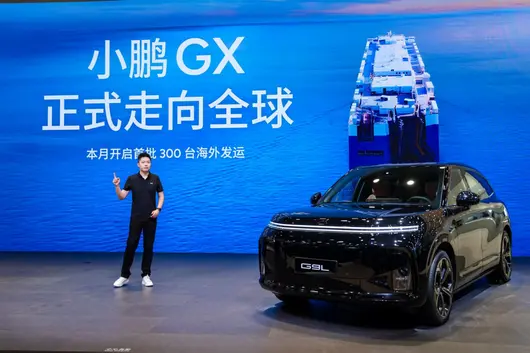
作为物理AI时代的科技大成之作,小鹏GX上市两月累计交付突破15,000台,融合汇天飞行汽车安全冗余、Robotaxi智驾及具身智能芯片架构等前沿技术。海外未售先火,阿联酋等市场盲订订单超2,000台,首批300台已正式发运,全球化征程全面开启。

黄金大五座科技旗舰G9L预售以来持续升温,西南地区订单占比创小鹏历史新高,超级增程版本选购占比超82%。“舒服、宽敞、有面、安全”成为打动西南用户的四大核心理由。全新黑金套件采用双24K金标设计,前标以太空陶瓷为基底覆24K真金镀层,搭配22英寸黑金轮毂与极夜黑车漆,细节处尽显格调。目前G9L展车已覆盖全国220家门店,试驾同步开启。

全球续航最长大七座X9累计交付超60,000台,今年7月斩获泰国及香港地区豪华纯电MPV销量第一。全新黑武士套件以星刃轮毂、极夜黑车漆与星舰尾翼打破MPV刻板印象,满足“自己开得够酷,全家坐得够暖”的双重诉求。

MONA系列上市两年累计交付31万台,M03连续23个月蝉联10-20万级纯电轿车销冠。罗兰紫与牛油果绿主题套装提供专属车漆、19英寸同色轮毂、Nappa真皮座椅及定制“拾光漫游”车机主题,为年轻用户打造由外至内的完整个性化方案。

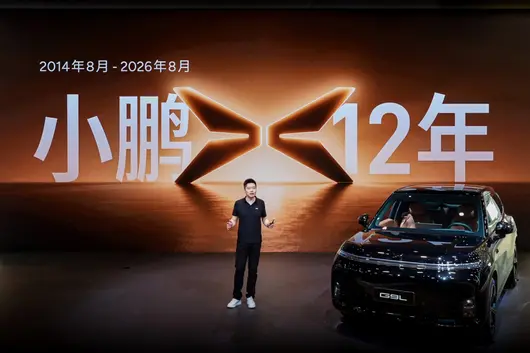
小鹏全球累计销量已突破120万台,网络覆盖68个国家和地区,拥有超1,200家门店;超快充网络覆盖31个国家和地区,接入超290万桩。第二代VLA已在欧洲开展测试,Robotaxi与人形机器人也将逐步探索落地海外。

从产品到技术、研发与运营体系,小鹏正加速构建全球化布局。未来,小鹏将持续加大物理AI研发投入,推动前沿科技向真实场景转化,为全球用户打造更安全、更智能的出行生态。

In the Malaysian SUV market, many buyers often compare Honda WR-V and Mazda CX-30 when choosing a car. These two cars are quite close in price and positioning. Today, we will do a detailed comparison from multiple aspects to help you save time on research.
Honda WR-V has an OTR price in Malaysia of RM 89,900 - 107,900, with a total of 4 versions, including 2023 1.5L V (RM 99,900), 2023 1.5L E (RM 95,900), 2023 1.5L S (RM 89,900), etc.
Mazda CX-30 has an OTR price in Malaysia of RM 122,409 - 146,409, with a total of 4 versions, including 2025 2.0L High+ Premium (RM 146,409), 2025 2.0L High+ (RM 138,409), 2025 2.0L High (RM 130,409), etc.
From a price perspective, Honda WR-V's starting price is indeed RM 32,509 cheaper than Mazda CX-30. If your budget is limited, Honda's entry-level version is already sufficient for daily needs. But you should also note that the few thousand cheaper might mean trade-offs in features, which depends on your specific requirements.
Honda WR-V is equipped with 1.5L 4-cyl, horsepower 105 hp. Official fuel consumption 6.0 L/100km.
Mazda CX-30 is equipped with 1.5L Turbo, horsepower 140 hp. Official fuel consumption 7.0 L/100km.
In terms of power, Mazda CX-30's 1.5L Turbo has 35 more horsepower than Honda WR-V's 1.5L 4-cyl. However, for daily city driving, the power of both cars is sufficient, so you won't feel underpowered.
Honda WR-V's safety rating is 5★ (ASEAN NCAP), active safety systems include Honda SENSING.
Mazda CX-30's safety rating is 5★ (ASEAN NCAP), active safety systems include i-Activsense.
Both cars have the same safety rating, and safety features in this class are quite comprehensive. New car safety is generally good nowadays, so there is no need to worry too much about this.
Honda WR-V body length is 4400 mm, trunk space 400 L.
Mazda CX-30 body length is 4500 mm, trunk space 450 L.
In terms of space, Mazda CX-30 is 100 mm longer than Honda WR-V, making it more advantageous for passenger space. However, Honda WR-V is more flexible for parking in the city. Each has its trade-offs.
Honda WR-V warranty 5 years/Unlimited mileage, service interval Every 10,000km or 6 months.
Mazda CX-30 warranty 5 years/150,000km, service interval Every 10,000km or 6 months.
Overall, Honda WR-V and Mazda CX-30 are both very good models in the Malaysian market. Which one to choose ultimately depends on your personal needs and budget. We suggest you do your research, compare quotes from several dealerships, and then test drive to make the final decision. Buying a car is a big matter, spending time on research will never be wrong.

喺馬來西亞嘅 SUV 市場,好多買家喺揀車嗰陣都會拿 Honda WR-V 同 Toyota Corolla Cross 嚟比較。呢兩款車喺價位同定位上都幾接近,今日我哋就由多個方面做個詳細嘅比較,幫你省返做功課嘅時間。
Honda WR-V 喺馬來西亞嘅 OTR 售價係 RM 89,900 至 107,900,一共有 4 個版本,包括 2023 1.5L V(RM 99,900)、2023 1.5L E(RM 95,900)、2023 1.5L S(RM 89,900)等。
Toyota Corolla Cross 喺馬來西亞嘅 OTR 售價係 RM 133,800 至 148,800,一共有 3 個版本,包括 2026 HEV 1.8L GR Sport(RM 148,800)、2026 HEV 1.8L Standard(RM 140,800)、2026 1.8L Standard(RM 133,800)等。
由價錢睇,Honda WR-V 嘅起步價確實比 Toyota Corolla Cross 平咗 RM 43,900。如果你預算有限,Honda 嘅入門版已經可以滿足日常需求。但都要留意,平嗰幾千蚊,可能喺配備上會有取舍,具體要看你嘅需求。
Honda WR-V 搭載 1.5L 4-cyl,馬力 105 hp。官方油耗 6.0 L/100km。
Toyota Corolla Cross 搭載 1.5L Turbo,馬力 140 hp。官方油耗 7.0 L/100km。
動力方面,Toyota Corolla Cross 嘅 1.5L Turbo 比 Honda WR-V 嘅 1.5L 4-cyl 多咗 35 匹馬力。不過日常喺市區開,兩款車嘅動力都夠用,唔會覺得唔夠力。
Honda WR-V 嘅安全評級係 5★ (ASEAN NCAP),主動安全系統包括 Honda SENSING。
Toyota Corolla Cross 嘅安全評級係 5★ (ASEAN NCAP),主動安全系統包括 TSS (PCS, LDA, ACC, LTA)。
兩款車嘅安全評級一樣,喺呢個級別入面安全配備都算係好齊全。而家嘅新車安全性都好,唔使太擔心呢一點。
Honda WR-V 車身長 4400 mm,尾箱 400 L。
Toyota Corolla Cross 車身長 4400 mm,尾箱 400 L。
兩款車嘅尺寸幾乎一樣,車內空間差別唔大。呢個級別嘅車,日常使用完全夠用。

Honda WR-V 保養 5 年/無限制里程,保養間隔 每 10,000km 或 6 個月。
Toyota Corolla Cross 保養 5 年/無限制里程,保養間隔 每 10,000km 或 6 個月。
兩款車嘅保養條件一樣,呢方面唔使糾結。實際保養成本仲要睇品牌嘅服務網絡同零件價格,建議去車友群問吓真實車主嘅經驗。

總而言之,Honda WR-V 同 Toyota Corolla Cross 都係馬來西亞市場好唔錯嘅車型。揀邊一輛,關鍵始終係睇你嘅個人需求同預算。建議大家做好功課,多比較幾間車行嘅報價,再去試駕做最終決定。揀車係件大事,花少少時間做功課絕對唔會錯。

In the Malaysian SUV market, many buyers compare the Honda WR-V and Toyota Yaris Cross when choosing a car. Both vehicles are quite close in price and positioning. Today, we will make a detailed comparison from multiple aspects to help you save time on research.
The Honda WR-V OTR price in Malaysia is RM 89,900 - 107,900, with a total of 4 versions, including 2023 1.5L V (RM 99,900), 2023 1.5L E (RM 95,900), 2023 1.5L S (RM 89,900), etc.
The Toyota Yaris Cross OTR price in Malaysia is RM 99,900 - 109,900, with a total of 2 versions, including 2026 1.5L Standard (RM 99,900), 2026 HEV 1.5L Standard (RM 109,900), etc.
From a price perspective, the starting price of the Honda WR-V is indeed RM 10,000 cheaper than the Toyota Yaris Cross. If your budget is limited, Honda's entry-level version can already meet daily needs. But keep in mind, the few thousand ringgit cheaper might involve trade-offs in features, depending on your specific requirements.
The Honda WR-V is equipped with a 1.5L 4-cyl engine, 105 hp. Official fuel consumption 6.0 L/100km.
The Toyota Yaris Cross is equipped with a 1.5L 4-cyl engine, 105 hp. Official fuel consumption 6.0 L/100km.
Both cars use the same powertrain system, so the driving experience is basically the same. Fuel consumption is also similar, so there's no need to worry too much about this point.
Honda WR-V warranty 5 years/unlimited mileage, maintenance interval every 10,000km or 6 months.
Toyota Yaris Cross warranty 5 years/unlimited mileage, maintenance interval every 10,000km or 6 months.
The warranty conditions for both cars are the same, so there's no need to worry about this aspect. Actual maintenance costs depend on the brand's service network and parts prices. It is recommended to ask real owners in car owner groups for their experience.
Both the Honda WR-V and Toyota Yaris Cross are mainstream choices in the Malaysian market, suitable for family use and daily commuting. If you value brand reputation and resale value more, you can prioritize the one with the better reputation; if you care more about cost-performance and features, then choose the one with richer configurations. Ultimately, it is recommended to test drive both, as experiencing it personally is the most important.

Overall, both the Honda WR-V and Toyota Yaris Cross are very good models in the Malaysian market. Which one to choose depends on your personal needs and budget. It is recommended that everyone do their research, compare quotes from several car dealerships, and then test drive to make a final decision. Buying a car is a big matter, spending some time doing research will definitely not be wrong.

In Malaysia's SUV market, many buyers compare the Proton X90 and Subaru Crosstrek when choosing a car. These two models are quite close in price and positioning. Today, we will do a detailed comparison from multiple aspects to help you save time doing research.
The Proton X90's OTR price in Malaysia is RM 106,800 - 122,800, with a total of 4 versions, including 2026 1.5T Prime X (RM 122,800), 2026 1.5T Prime (RM 116,800), 2026 1.5T Lite (RM 106,800), etc.
The Subaru Crosstrek's OTR price in Malaysia is RM 145,000 - 160,000, with a total of 1 version, including 2.0L e-Boxer (RM 150,000), etc.
From a price perspective, the starting price of the Proton X90 is indeed RM 38,200 cheaper than the Subaru Crosstrek. If your budget is limited, the Proton entry-level version can already meet daily needs. But be aware, the few thousand less might mean compromises on features, it depends on your specific needs.

Proton X90 safety rating is 5★ (ASEAN NCAP), active safety system includes ADAS (ACC, AEB, LKA, LDA, BSM, RCTA).
Subaru Crosstrek safety rating is 5★ (Euro NCAP), active safety system includes EyeSight.
In terms of safety features, both cars received good ratings. However, there are some differences in functionality between the Proton X90's ADAS (ACC, AEB, LKA, LDA, BSM, RCTA) and the Subaru Crosstrek's EyeSight. If you value active safety more, you can carefully compare the function lists of both.
The Proton X90 uses FWD drive mode.
The Subaru Crosstrek uses FWD drive mode.
Both cars share the same drive mode, which is FWD, so the daily driving experience will not differ much.
Proton X90 and Subaru Crosstrek are both mainstream choices in the Malaysian market, suitable for family use and daily commuting. If you value brand reputation and resale value more, prioritize the one with better reputation; if you care more about price-performance ratio and features, then choose the one with richer configuration. Ultimately, it is suggested to test drive both, as personal experience is the most important.

Overall, Proton X90 and Subaru Crosstrek are both very good models in the Malaysian market. Which one to choose mainly depends on your personal needs and budget. We suggest doing your research, comparing quotes from several car dealerships, and then test driving to make a final decision. Buying a car is a big matter, spending time on research is never wrong.


In the Malaysian SUV market, many buyers compare Proton X90 and Subaru Forester when choosing a car. These two cars are quite close in price and positioning. Today we will make a detailed comparison from multiple aspects to save you time doing the research.
The OTR price of Proton X90 in Malaysia is RM 106,800 - 122,800, with a total of 4 versions, including 2026 1.5T Prime X (RM 122,800), 2026 1.5T Prime (RM 116,800), 2026 1.5T Lite (RM 106,800), etc.
The OTR price of Subaru Forester in Malaysia is RM 174,000 - 197,000, with a total of 3 versions, including 2024 2.0L S EyeSight GT Edition (RM 189,538), 2024 2.0L S EyeSight (RM 177,538), 2024 2.0L L EyeSight (RM 167,538), etc.
From a price perspective, the starting price of the Proton X90 is indeed RM 67,200 cheaper than the Subaru Forester. If your budget is limited, the entry-level Proton can already meet daily needs. However, also note that the savings of a few thousand might involve trade-offs in features, depending on your specific requirements.
Proton X90 safety rating is 5★ (ASEAN NCAP), active safety systems include ADAS (ACC, AEB, LKA, LDA, BSM, RCTA).
Subaru Forester safety rating is 5★ (Euro NCAP), active safety systems include EyeSight.
In terms of safety features, both cars received good ratings. However, Proton X90's ADAS (ACC, AEB, LKA, LDA, BSM, RCTA) and Subaru Forester's EyeSight have some differences in functionality. If you value active safety, you can carefully compare the feature lists of both.
Proton X90 body length 4400 mm, trunk 400 L.
Subaru Forester body length 4400 mm, trunk 400 L.
The dimensions of both cars are almost the same, interior space difference is not significant. Cars in this class are completely sufficient for daily use.
Proton X90 warranty 5 years/150,000km, maintenance interval every 10,000km or 6 months.
Subaru Forester warranty 3 years/100,000km, maintenance interval every 10,000km or 6 months.

Proton X90 and Subaru Forester are both mainstream choices in the Malaysian market, suitable for family use and daily commuting. If you value brand reputation and resale value more, you can prioritize the one with better reputation; if you care more about cost-performance and features, then choose the one with richer configuration. Finally, it is recommended to test drive both, personal experience is the most important.

Overall, Proton X90 and Subaru Forester are both very good models in the Malaysian market. Choosing which one depends on your personal needs and budget. We recommend doing your research, comparing quotes from several dealerships, and then test driving to make the final decision. Buying a car is a big matter, spending some time doing research will never be wrong.

今天来到了成都车展,小鹏这边有个数据蛮有亮点:G9L在西南地区的订单占比,创下了小鹏车型的历史新高,其中超级增程版的选购占比超过82%。
82%什么概念呢。每5个订G9L的西南用户,超过4个选了增程。小鹏自己总结的西南用户四大理由是"舒服、宽敞、有面、安全"——前三个是所有家用大车的通用语言,真正的差异化在第四个。G9L之前干过一件事:全球首个单车水陆空720°七重连环安全测试。西南多山、长途自驾是刚需,家庭用户对安全感的敏感度天然高一个量级,增程+大五座+安全冗余,刚好全打在点上。
旗舰双王的数据也同步更新了。小鹏GX上市两个月交付破15,000台,阿联酋这些市场连售价都还没公布,就订出去2,000多台;小鹏X9全球累计交付超60,000台,7月刚拿下泰国和香港豪华纯电MPV的双料第一。



In Malaysia's SUV market, many buyers compare Proton X90 and Subaru Forester when choosing a car. These two cars are quite close in price and positioning. Today, we will make a detailed comparison from multiple aspects to help you save time doing research.
Proton X90's OTR price in Malaysia is RM 106,800 - 122,800, with a total of 4 versions, including 2026 1.5T Prime X (RM 122,800), 2026 1.5T Prime (RM 116,800), 2026 1.5T Lite (RM 106,800), etc.
Subaru Forester's OTR price in Malaysia is RM 174,000 - 197,000, with a total of 3 versions, including 2024 2.0L S EyeSight GT Edition (RM 189,538), 2024 2.0L S EyeSight (RM 177,538), 2024 2.0L L EyeSight (RM 167,538), etc.
From the price perspective, Proton X90's starting price is indeed RM 67,200 cheaper than Subaru Forester. If your budget is limited, Proton's entry-level version can already meet daily needs. But also note, the few thousand cheaper amount might have trade-offs in features, it depends on your specific needs.
Proton X90 is equipped with 1.5L Turbo, 140 hp power. Official fuel consumption 7.0 L/100km.
Subaru Forester is equipped with 2.0L 4-cyl, 170 hp power. Official fuel consumption 8.0 L/100km.
In terms of power, Subaru Forester's 2.0L 4-cyl has 30 hp more than Proton X90's 1.5L Turbo. However, for daily driving in the city, both cars have enough power, you won't feel it is insufficient.
Proton X90 body length 4400 mm, trunk 400 L.
Subaru Forester body length 4400 mm, trunk 400 L.
The dimensions of both cars are almost identical, interior space difference is not significant. Cars of this class are fully sufficient for daily use.
Proton X90 adopts FWD drive mode.
Subaru Forester adopts FWD drive mode.
Both cars have the same drive mode, both are FWD, daily driving experience will not have much difference.
Overall, Proton X90 and Subaru Forester are both quite good models in the Malaysia market. Which one to choose mainly depends on your personal needs and budget. It is recommended to do research, compare quotes from several dealerships, then test drive to make the final decision. Buying a car is a big matter, spending time doing research will never be wrong.

喺時尚圈,高級訂製(Haute Couture)從來都唔係純粹嘅奢侈品標籤,而係美學同工藝嘅終極代名詞。
時尚圈嘅高級訂製,唔同於高級成衣、私人訂製,佢係雙向嘅奔赴同選擇,係設計師同穿著者之間嘅審美共鳴。佢拒絕工業流水線嘅千篇一律,以世間罕有嘅頂級材質、數十道手工工序嘅精工細作,為獨一無二嘅個人表達而創作。每一件高級訂製作品,都烙印住設計師最私人嘅美學判斷,係極少數人先至接觸到嘅審美巔峰,更加係紅毯之上、名流圈層心照不宣嘅專屬浪漫。
長久以來,呢份極致美學只活躍喺時尚領域,汽車行業嘅聯名企劃,大好多只停留喺貼標、簡單更換車身顏色等,借用外部 IP 做淺層背書,徒有豪華外殼,缺少高級訂製內核。當消費者為“聯名企車”買單,常常發現只係換湯唔換藥,睇唔到設計師真正嘅設計思路同高級訂製內核。

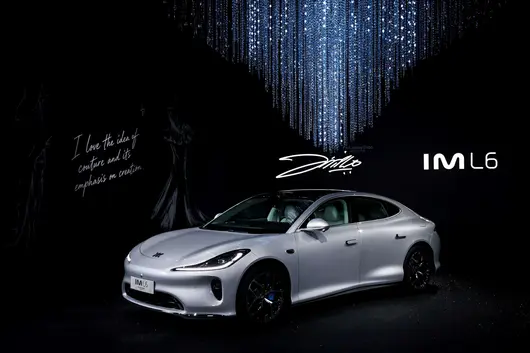
直到今日,全新一代智己 L6 高級訂製限量版嘅出現,徹底改寫咗高級訂製聯名嘅規則。世界級大師 Prof. JimmyChoo 周仰傑,出任全新一代智己 L6 高級設計大師,這亦係佢從業六十年嚟第一次跨界參與整車設計。
佢定義咗全球時尚六十載,第一次將名字刻喺一輛中國車
Prof. JimmyChoo 呢個名嘅分量,無須贅言。

佢係戴安娜王妃御⽤鞋履設計師,係《Vogue》史無前例用 8 頁版面專題報導嘅第一人。佢係打破歐美壟斷嘅第一位授勳設計師,首位獲英女王伊麗莎白二世親自頒發大英帝國官佐勳章(OBE)嘅華人設計師,亦係馬來西亞最高元首親授嘅拿督(Datuk)頭銜擁有者。好萊塢紅毯上,從凱特·布蘭切特到贊達婭,無數明星腳踏佢嘅作品閃耀全球鏡頭——佢係佢哋最青睞嘅設計師,更加係全球時尚規則嘅定義者。
對於時尚界嚟講,“JimmyChoo”早已唔只係一個設計師名,而係一種關於自信、優雅同登場時刻嘅流⾏文化符號——係女性穿上佢嗰一刻,全世界為之讓路嘅儀式感。
呢一次全新一代智己 L6 同 Prof. JimmyChoo 嘅雙向奔赴,唔係簡單借名營銷,而係時尚藝術同汽車設計嘅深度共創,打造出國產新能源高級訂製第一車,攜手將中國原創高級訂製設計推向咗新嘅高度。

呢次全新一代智己 L6 Prof. JimmyChoo 高級訂製限量版亦正式開啟預訂,權益價 23.49 萬元 -24.99 萬元,首批限量開放 1000 名購車名額;全新一代智己 L6 預訂價則為 21.99 萬元 -26.99 萬元。
六十年高級訂製嘅美學同匠心,打造中國原創高級訂製設計新高度
全新一代智己 L6 高級訂製限量版嘅誕生,Prof. JimmyChoo 冇對整車基底做粗暴改造,而係喺原有跑車姿態之上,融入咗高級訂製設計語言。
水晶,向來係超豪華高級訂製車型嘅身份符號,勞斯萊斯水晶歡慶女神、賓利水晶飛翼車標皆係如此。Prof. JimmyChoo 將佢六十年嚟喺高級訂製鞋履設計中锤炼至臻嘅水晶切割工藝,鑄成全新一代智己 L6 高級訂製限量版專屬嘅水晶車標。光影流轉之間,每一道切割面喺訴說手工嘅溫度。

唔止车头標識,翼子板攝像頭蓋板同樣以水晶雕琢,喺保障感應硬件功能嘅前提下,消解咗汽車零部件冰冷嘅工業感,化作車身上精緻嘅“高級訂製配飾”。
輪下則藏住另一重驚喜:高級訂製藍專屬煞車卡鉗,刻住 Prof. JimmyChoo 嘅親筆簽名,讓高級訂製藝術順住車身,一直延伸到車輪。
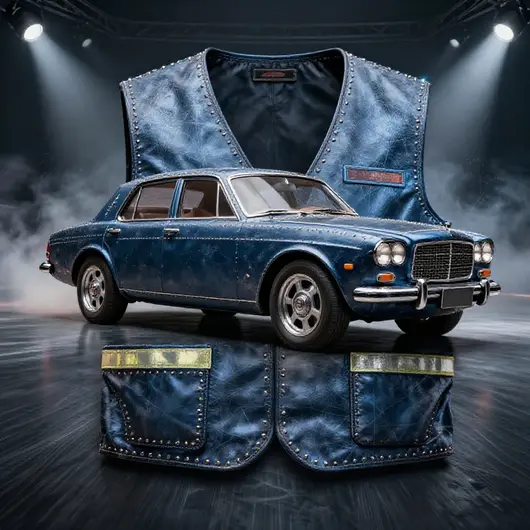
高級訂製嘅質感,從來都離唔開對材質嘅偏執同嚴苛揀選。當你打開全新一代智己 L6 嘅車門,高級訂製藍絲感珠光皮革喺光影中流轉唔同嘅情緒表達;腳下係澳洲羊毛定制腳墊,觸感溫潤如高級訂製禮服嘅內襯。從面料到輔料,全部沿用時尚高級訂製配飾嘅嚴苛揀材邏輯,拒絕廉價仿感材質。
而細節,更加係拉开高級訂製同普通豪華之間鴻溝嘅終極標尺。座艙之內,空調出風口按鍵、中控台飾板,處處延續水晶雕琢工藝;儀表台、座椅頭枕位則採用咗精緻嘅刺繡工藝,烙印住 Prof. Jimmy Choo 嘅專屬標識;連車機交互界面,都定制咗高級訂製藍水晶夢幻主題——從視覺到觸覺,從物理空間到數字世界,高級訂製美學滲透到人車交互嘅每一個瞬間。六十年嚟打磨一雙高級訂製鞋履嘅嚴謹同匠心,喺全新一代智己 L6 高級訂製限量版座艙入面被無限放大。
全球首款全系標配線控底盤跑車,驚艷之下係滿配實力
但這部車遠唔止驚艷,仲將呢個時代最前端嘅科技統統越級配齊——佢識都市精緻男女嘅審美品位,更加識佢哋嘅生活態度。

全新一代智己 L6 全系標配線控底盤,這亦係全球首款全系標配全線控底盤嘅跑車,方向盤半圈就可以打滿,靈活優雅;結合同級唯一雙向 18 度四輪轉向、4.39 米最小轉彎半徑同大範圍可變轉向比——窄路掉頭一把過、地下車庫盤旋唔尷尬、側泊唔再反復騰挪。無論係穿梭於 CBD 嘅寫字樓群,定係駛入老舊區嘅窄巷弄堂,都讓你從容如行雲流水。

同時新車仲配備咗全域 800V 高壓平台,雙馬達峰值功率 500 千瓦、峰值扭矩 800 牛·米,四驅高配車型零百加速 2 秒級,93 度嘅“寧王”黃金高效大電池,令到佢純電綜合續航最高達到咗 850 公里,城市通勤游刃有餘,週末出逃講走就走。
佢唔只係一件可以日常駕駛嘅流動高級訂製藝術品,更係一台真正識都市精英出行哲學嘅智能座駕。
其實,好多豪華品牌車型為咗迎合更廣泛嘅消費群體,不斷向大眾化、同質化妥協,追求“人人都接受”嘅審美。但真正嘅高級訂製,本來就唔係為所有人而⽣。
全新一代智己 L6 高級訂製限量版,跳出“討好大眾”嘅產品邏輯,唔做全民通吃嘅流量產品。佢將高級訂製嘅時尚設計思維融入車身、外觀、內裝嘅方方面面,用戶揀佢,從來都唔係喺買一款營銷聯名企車,而係擁有埋一件可以日常駕駛、獨屬於自己嘅流動高級訂製藝術品。
唔係畀所有人嘅。係畀識貨嘅人嘅。
In the Malaysian SUV market, many buyers compare the Proton X90 and Volkswagen Tiguan when choosing a car. These two cars are quite close in price and positioning, so today we will make a detailed comparison from multiple aspects to help you save time on research.
The Proton X90 OTR price in Malaysia is RM 106,800 - 122,800, with a total of 4 versions, including 2026 1.5T Prime X (RM 122,800), 2026 1.5T Prime (RM 116,800), 2026 1.5T Lite (RM 106,800), etc.
The Volkswagen Tiguan OTR price in Malaysia is RM 206,540 - 260,024, with a total of 2 versions, including 2025 Allspace 2.0T R-Line (RM 260,024), 2025 Allspace 1.4T Elegance (RM 206,540), etc.
From a price perspective, the Proton X90 starting price is indeed RM 99,740 cheaper than the Volkswagen Tiguan. If you have a limited budget, the Proton entry-level version can already meet daily needs. However, note that the cheaper few thousand dollars might involve trade-offs in features, depending on your needs.
The Proton X90 comes with a 1.5L Turbo, producing 140 hp. Official fuel consumption is 7.0 L/100km.
The Volkswagen Tiguan comes with a 2.0L 4-cyl, producing 170 hp. Official fuel consumption is 8.0 L/100km.
In terms of power, the Volkswagen Tiguan's 2.0L 4-cyl has 30 more horsepower than the Proton X90's 1.5L Turbo. However, for daily city driving, both cars have enough power and won't feel underpowered.
The Proton X90 safety rating is 5★ (ASEAN NCAP), active safety systems include ADAS (ACC, AEB, LKA, LDA, BSM, RCTA).
The Volkswagen Tiguan safety rating is 5★ (Euro NCAP), active safety systems include IQ.Drive.
In terms of safety features, both cars have received good ratings. However, the Proton X90's ADAS (ACC, AEB, LKA, LDA, BSM, RCTA) and the Volkswagen Tiguan's IQ.Drive have some differences in functionality. If you value active safety, you can carefully compare the feature lists of both.
Proton X90 warranty 5 years/150,000km, service interval every 10,000km or 6 months.
Volkswagen Tiguan warranty 3 years/100,000km, service interval every 10,000km or 6 months.

Both the Proton X90 and Volkswagen Tiguan are mainstream choices in the Malaysian market, suitable for family use and daily commuting. If you value brand reputation and resale value more, you can prioritize the one with better reputation; if you care more about value for money and features, then choose the one with more features. Ultimately, it is recommended to test drive both, as hands-on experience is the most important.

Overall, the Proton X90 and Volkswagen Tiguan are both very good models in the Malaysian market. Which one to choose depends mainly on your personal needs and budget. We recommend doing your homework, comparing quotes from several dealerships, and then test driving to make a final decision. Buying a car is a big matter, and taking some time to research will definitely not be a mistake.

Interview Guests:
Xu Yin Deputy General Manager of IM Motors
Jiao Qiao Senior Director of IM Motors Brand and User
Q1: Seeing the physical car presentation and overall layout, the quality is indeed premium, with great style, giving an immediate stunning impression. We'd like to ask Mr. Xu to share how this collaboration with Jimmy Choo started. Was it a love at first sight for both parties?
Xu Yin: I only returned to the country in June this year. As everyone knows, the listing cycle of a car cannot be just one or two months, so when I intervened in this project, the work had already progressed to the middle-to-late stage. Specific details can be introduced more by Jiao Qiao. However, in the later stages of the final product shaping, exterior detail optimization adjustments, etc., I also participated deeply.
Combining my experience, I would like to summarize this cross-industry collaboration with three words.
First is style. Everyone can intuitively feel the unique quality and style from the product presentation of the all-new IM L6 today and the on-site layout of this event. Whether it is the exquisite crystal decoration of the body, or the exclusive Jimmy Choo classic blue color scheme, all design details are intended to endow this car with unique fashion style.
Second is breaking the circle. The current automotive market has serious homogenization, and the audience circles of most models are relatively fixed. Brands and products are easily confined to existing circles. We have always been thinking about how to break the inherent boundaries of the industry and reach more diverse user groups. This collaboration with international high-fashion master Prof. Jimmy Choo is indeed an important attempt for us to break the circle.
Third is resonance and mutual effort. This collaboration is not a one-sided link, but the result of high alignment in concepts between both parties. The IM L6 possesses generational hardcore technology and original high-end design, and the product foundation is excellent. Mr. Prof. Jimmy Choo highly recognized the overall vehicle shape, interior quality, and body lines upon first contact with this car. And it is precisely because of the aesthetic alignment and concept communication between the two, both parties reached a consensus quickly and pushed the development of this car together.
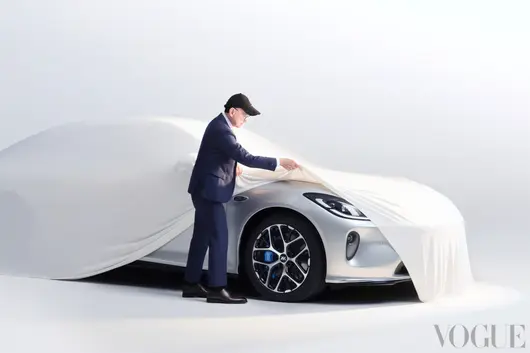
From the current effect, the all-new IM L6 has indeed achieved the expectation of breaking the circle. During this time, we collaborated with top fashion media such as Vogue to spread content. Relevant content accurately reached fashion bloggers and fashion circle users, successfully allowing the IM L6 to jump out of the automotive circle and enter the public fashion vision, achieving our initial planning.
Next, please ask Jiao Qiao, who participated in the project deeply throughout, to supplement more collaboration details for everyone.

Jiao Qiao: I will supplement some early collaboration details. When we first proposed the cross-industry collaboration idea with Prof. Jimmy Choo, many people actually thought it was quite bold and even imaginative. It is rare for a car company in the industry to deeply link with an international high-fashion master. Even fewer brands will land high-fashion design on mass production models. Most stay at the shallow level of promotional co-branding and limited edition cooperation. To be honest, at the beginning, we were also unsure.
The all-new IM L6 itself has completed a comprehensive hardcore technology upgrade, and the product hard power is very capable. On this basis, we hope to enable the product quality and brand tone to reach a higher level with top-level fashion design. For this, our team repeatedly deliberated the plan and polished the design details. As Mr. Xu and Mr. Prof. Jimmy Choo shared at the launch event, traveling back and forth from London to Shanghai many times, just to make the details more perfect. Slowly, we found that this car really became different. On the basis of the already beautiful IM L6, it became more stunning. At this time, we had sufficient confidence.
Now the new generation of consumer groups often say a word called "Aesthetic Online". Starting from IM L7, IM LS7 and other products, everyone has always evaluated that the aesthetic of IM Motors is unique and always online. We hope to continue to carry forward this characteristic on this car. Today, more than 200 sedans have been launched densely in the domestic market. We hope to launch a new model that can truly stun everyone, letting users feel that this brand understands my aesthetic. Finally, we successfully landed this bold idea.
From today's launch event and the early warm-up effect, everyone's feedback is very positive, which also fully explains that our decision at the beginning was right, very gratifying. Thank you!
Q2: I am a senior media owner of IM, and currently I am still driving an IM LS7. After watching the whole launch event today, I made a comment in my moments of social circles. The all-new IM L6 not only comes standard with wire-controlled chassis, but also joins hands with Jimmy Choo to create high-fashion design. It can be said that on hardcore technology and user emotional value, it has brought a unique experience to users. I want to ask Mr. Xu a more direct question: Since the launch of the first-generation L6, this car has been superior to many competitors in terms of technical strength in the same level. Now the all-new IM L6 has completed a comprehensive upgrade. What is the brand's sales expectation for this car? At the same time, from which core dimensions will the new model further impress the target consumer group?
Xu Yin: Thank you very much for your question. Actually, this L6 was launched the day before yesterday, and this is a big facelift. There have been obvious upgrades in three-electric systems, chassis, and comfort configuration. We really have sincerity this time:
First, a new three-electric system has been adopted; second, wire-controlled chassis is standard across the entire series. This configuration is usually mounted on million-level luxury cars. There should not be similar configurations in sedans currently on sale; third, AI Agent intelligent driving experience has been upgraded across the entire series. In addition, there are a series of comfort configuration upgrades, such as Danish B&O sound system, interior quality improvement, plus the design support brought by the Prof. Jimmy Choo co-branding. All of this explains one thing — this L6 has no weaknesses, only strengths, and the strengths are very prominent. We use this to re-enter the sedan market.
You mentioned comparison with competitors just now. I admit that the head aggregation effect in this细分市场 market is very obvious, and this must be faced squarely. I spent a lot of time paying attention to users' real feelings, including everyone's feedback when seeing this car. The pre-sale price we released this time, whether it is the Prof. Jimmy Choo high-end limited edition or three standard versions, fully embodies sincerity. Compared with the previous generation L6, we added more new configurations as standard, and did many upgrades, just hoping consumers can get more substantial things. Including exterior design, as well as many new elements integrated into the high-end limited edition, I hope everyone can feel our sincerity.
As for sales expectations, I am now more concerned about: whether consumers are satisfied with every detail we present, whether the service capability of dealers is improving, and whether every user who receives the car truly recognizes it. If all of these can be done, with our great sincerity, so many configurations, and such a competitive price, sales will naturally be a done deal.
Q3: Girls indeed have no resistance to Bling Bling things. Just now Mr. Jiao mentioned that in the automotive industry, the collaboration between high-fashion designers has mostly stayed at the advertising level or peripheral products in the past. There are quite a few peripherals, but landing directly on mass production models is indeed unprecedented.
I have three questions: First, would such a distinct style instead limit the user group? Second, who exactly does this generation of L6 want to sell to? Third, behind this collaboration, what social trends have we observed?
Jiao Qiao: Let's answer your first question. Today everyone saw the on-site layout, and also saw the all-new IM L6 created by the high-fashion footwear design master. At the beginning of the launch event, we made a statement: we do not want to make it a car that superficially "comes for everyone". Why think so? Because this is based on real user needs, especially those young users who love L6 sedans. They really want to show off their taste, style, and uniqueness.
We mentioned a sentence called "Not For Everyone" in many places. This is not because we don't want to sell cars, but this car indeed represents unique personality. We believe that a car cannot express everyone's personality at the same time, but one by one.
Let's talk about the Prof. Jimmy Choo limited edition first. I believe girls will definitely like it very much, but actually, there are also many boys who think it's good. Some boys want to buy it to give to their girlfriends or wives. In terms of looks, it eats men and women, just the aesthetic is closer to female preferences, but the user group is absolutely not limited to women. Mr. Xu also left an Easter egg at the end: At the Chengdu Auto Show, we will join hands with Sean Lee to launch an IM L6 with a completely different style. It will emphasize handling performance and driving texture more. I believe boys will be very interested.
In the future, we are also continuously planning more possibilities. Mr. Xu has always told us not to just talk about parameters all the time, such as 2.74 seconds, 800 volts, 850 kilometers, but to think more about what emotional value can be provided to users. Why do some cars fall in heat after selling for two or three months? Because the product is still the product, but consumers' aesthetics and taste are changing. If you can't keep up, you will be neglected.
The all-new IM L6, in a sense, this model is like a "canvas". It is not just a simple upgrade model. Today there is the high-fashion texture brought by Prof. Jimmy Choo. Tomorrow we can play on the mountain road with Sean Lee and drift. The day after tomorrow, there may be more surprises waiting for everyone. All this can be achieved, relying on the original design and strong technical foundation of IM L6.
Back to the original question, L6 is not just for girls, but for the new generation of consumers to express confidence and personality. It is a "Not For Everyone" car.
Next, we will also continue to co-create with users according to different stages, listening to what kind of L6 everyone wants. The configuration has already been given enough for us. Fridge, TV, large sofa, sunshading sky screen, wire-controlled chassis are all standard. And in terms of emotional value, we will definitely give it to the position. Please look forward to the new moves of the all-new L6 following one after another. Thank you!

Q4: I want to ask a question about wire-controlled steering. On my own flagship model LS9, only the high configuration version is equipped with wire-controlled steering. I didn't expect that this all-new IM L6 is standard across the entire series. I'd like to know why IM is so obsessed with this technology?
Xu Yin: IM backs up the SAIC Motor Group, and the technical reserves are very deep. In the previous IM LS9 Hyper launch event, we proposed the concept of "New Three Major Components". In the past, when everyone bought cars, they watched TV, fridge, large sofa. Now we believe consumers should pay attention to the new three major components: First is wire-controlled chassis, second is 800V ultra-high voltage fast charging, third is high-level intelligence, just like our IM AD intelligent driving system and the exclusive driver & assistant IM Ultra Agent who handles everything for you.
Our biggest sincerity this time is to put this set of configurations that were previously only available in million-level luxury cars, down to the 200,000 RMB household sedan market, allowing ordinary consumers to experience top-level technology beyond the class. A month ago, the new national standard for wire-controlled steering was officially implemented. As the physical cornerstone of L3 and L4 intelligent driving, I believe wire-controlled chassis will become the standard configuration for the next generation intelligent driving system.
We are the first to mount it on the car now. First, it is for safety considerations. Aviation-level triple safety redundancy, users can intuitively feel the safety and stability brought by wire-controlled control in daily driving. The reason for using Airbus A320 as a comparison is to emphasize safety — aviation-level high safety standards. We put such a level of safety configuration on a 200,000 RMB sedan. It is great sincerity and also hoping consumers can experience the handling and safety improvements brought by SAIC Motor Group's technical reserves earlier.
How to let consumers truly perceive the value of these technologies, we still need to do more work. Everyone may feel we just released a technology, but in actual driving, including anti-skidding, four-wheel steering, Liyu Digital Chassis 3.0, etc., this is a set of technology systems, bringing the overall product strength of the vehicle to a high dimension.
SAIC Motor Group gave great support to the release of new technologies and their application in IM models, allowing consumers to feel the current most advanced chassis technology at the first time. To exaggerate, we are currently very leading in wire-controlled technology.

Q5: This time I saw the all-new IM L6 adopted the new generation electric drive architecture NEO in terms of three-electric systems. The launch event mentioned that the electricity consumption per 100 kilometers is only 11.6 degrees. Now everyone in the industry is using CATL batteries. It is difficult to make big differences, and models with electricity consumption below 11 degrees have also appeared. I'd like to ask Mr. Xu, where is the main differentiation in our generation of three-electric architecture?
Xu Yin: This time the three-electric system has made a very big improvement in performance. First is the ultra-low 100-kilometer electricity consumption of 11.6 kWh. It can maximize the battery range capability, allowing users to effectively improve the driving range in daily commuting and long-distance travel, completely alleviating mileage anxiety.
Second, 800V ultra-fast charging solves the recharging anxiety. Most high-rate fast-charging models in the industry have extremely high requirements for charging pile specifications. Many public piles and highway piles cannot charge at full power. But our 800V high-voltage super charging system is not picky about piles, widely compatible. 90% of highway networks and urban charging piles can basically reach full power. Just now we also gave a very good example at the launch event: In the time of buying a cup of coffee, 15 minutes can replenish 580 kilometers. The charging speed is very fast.
Third is still safety. This is what I emphasized repeatedly today. All technologies ultimately cannot get around safety. Three-electric safety, battery safety. If there is abnormal smoking in the high-voltage system, we will directly cut off power for protection. Regarding battery selection, we cooperate with CATL and used a 93 kWh golden efficient battery. This capacity has been fully balanced, comprehensively considering body weight, energy consumption performance and charging efficiency, finally finding the balance point that maximizes consumer benefits.
In addition, the comprehensive efficiency of the new electric drive has increased by 2.8%, and the weight has also decreased by 8%. These two numbers don't sound very big, but actually our own motor efficiency is already very high. On such a high base, an increase of 2.8% is already a big breakthrough. Overall, this new NEO three-electric system will bring a comprehensively upgraded three-electric experience to users.

Q6: I experienced the B&O sound system on LS9 before, and also did tests. The data performance was excellent. Today I was pleasantly surprised to see that L6 is also equipped with B&O. I'd like to know how IM solved the cost control? Is there any behind-the-scenes story to share? Also I have another question, in product definition, why did IM insist on using B&O on this L6 car? Behind the higher pursuit of sound quality and physical sensation for users, what overall image and temperament does this car hope to convey to the outside world?
Jiao Qiao: Regarding the B&O cost issue, when we were discussing configurations at that time, we were always struggling over whether B&O was optional or standard. This discussion lasted until the pre-sale was approaching stage. After multiple rounds of cost accounting, we knew deeply that standardizing B&O across the entire series would bear a huge cost pressure, but finally we decided to standardize B&O across the entire series despite the pressure.
From the user crowd perspective, we found that not only owners of flagship models like LS9 and LS6 like good music and Hi-Fi sound systems, young sedan users are equally picky about life quality. Sound quality is also very important to them. In same-class products, each manufacturer is also making efforts on sound systems. Some emphasize power, some emphasize tuning, various ways are available. But we insist on differentiated experience, focusing on users' real driving scenes. Almost all users will play music when driving and traveling. Exclusive driving BGM is the key to creating travel atmosphere and filling up emotional texture. The B&O sound system installed in L6 this time not only has sufficient hardware power, but is also customized and tuned by B&O professional tuning engineers for L6 exclusive cockpit space and acoustic environment. The sound effect adaptability and fineness far exceed ordinary sound systems in the same class.
So no matter how big the pressure is, how high the cost is, we still insisted on equipping a whole set of B&O sound systems for everyone, hoping to let our users enjoy high-quality auditory enjoyment for every journey. From LS9 to LS8, then to L6, now 200,000 RMB level products are also equipped. In the future, all new products will continue to continue the high-end sound system configuration standards, giving everyone a very high-end sound experience. This point cannot be missing.
Additionally, regarding product personality and style, we started from five senses: vision, hearing, touch... polishing product experience comprehensively. We hope that every time they sit in the car, their five senses are pleasant — places touched by hands are warmness brought by master-class leather; places seen by eyes are light and shadow aesthetics brought by Prof. Jimmy Choo high-fashion design; places heard by ears are top-level, pure, moving sound. In all dimensions, we give users a very high-quality and tasteful life style.
Q7: Mr. Xu previously mentioned that IM will make efforts in the second half of the year. Can you share the product rhythm and planning ahead? Also, when the large screen demonstration just now, there was one place on the car machine interface that was coded. Is there a new AI function to be released?
Xu Yin: You observe quite carefully. The coded content in the video frame is indeed our upcoming all-new AI Ultra Agent function. But it is not convenient to reveal too much today. Specific information will be shared with everyone later.
Overall market competition this year is fierce, brand annual sales are under pressure, so in the second half of the year we will closely promote product iterations, go all out on the market, bring multiple upgraded new products, and comprehensively strengthen product competitiveness. Today the all-new IM L6 is the first one. Next in September, the new generation LS6 will be released, which will have big upgrades in three-electric systems, chassis, AI Agent, comfort configurations, etc. We hope everyone continues to pay attention. In October, LS8 will launch a pure electric version. Overall, the second half of the year will continue to make efforts in the pure electric market. The original design mentioned by Jiao Qiao, and the hardcore technology I just mentioned, will be reflected in new products.
Q8: Mr. Xu, you just transferred back from Thailand to the country. How do you view the current market phenomenon that the new car sales hot period is getting shorter? Also, the all-new IM L6 had already determined the collaboration with Jimmy Choo before you came. After you came, did you consider how to attract male users? I'd like to hear some thoughts and actions after you took office.
Xu Yin: Let's respond to the first question first. The Thai market itself is also very competitive, but returning to the country I found the domestic market is even more competitive, and the rhythm is faster. But objectively speaking, the Thai market has also changed a lot in the past five or six years. All Chinese brands that you can imagine are basically in Thailand, enough to see the intensity of competition there.
Back to the domestic two months, I deeply felt the intense degree of the Chinese market. Two weeks ago, I held a meeting with national core dealer partners to communicate the second half of the year plan. There are several data that shocked me: First, there were actually 527 new car launches in the first half of the year; Second, the entire market dropped by 20% from January to July. At the same time, I also saw some growth signals — the pure electric market is growing, and the decline is mainly in the extended range and fuel market. This fits the launch rhythm of three new generation pure electric cars we started today. Our idea is to actively respond to market changes and put our best pure electric products into competition.
The second question, about how to attract male users. Although I returned to the country to participate in this car in the later stage of the project, including interior adjustments, crystal logos, final shaping of high-fashion blue, etc. I participated in details. For this I want to say a few points:
First, insist on originality. SAIC and IM attach great importance to original design. This is the bottom line we have always insisted on.
Second, besides originality, there must be hardcore technology. Having a good-looking exterior is far from enough. The new technology we launched, including three-electric systems, wire-controlled chassis, high-level intelligent driving, etc., as well as the new content to be released at the Chengdu Auto Show, are all embodiments of hard power. Just now a media friend asked why we standardize B&O sound system across the series. We hope to let everyone feel SAIC and IM's hardcore technology from configurations. Original design plus hardcore technology can give terminal consumers real sincerity.
As for attracting male users, Mr. Jiao just mentioned the Chengdu Auto Show Easter Egg. We will cooperate with Sean Lee to launch a version that emphasizes handling and performance more. I believe it will attract a lot of male user attention. We hope to cover a wider group with hardcore driving experience while maintaining the high-class aesthetics and style of this car, achieving men and women eating together.
Second half of the year work ideas, although the overall market is falling, our direction is very clear: First is product. The pure electric market is still rising. We go with the flow and launch three new pure electric products. Second is terminal service capability. I hope every user is satisfied when mentioning our car. Users are satisfied, and sales will be a done deal. This is the direction I will focus on in the second half of the year.


Robotaxi revenue grew 691%, passenger fares rose 849%, over 4,000 units locked for deployment overseas…
On August 18, Pony.ai released an "impressive report card". Data shows, its total revenue for Q2 2026 was 246 million yuan, a year-on-year increase of 68.8%; cumulative total revenue for the first half of the year was 478 million yuan, a year-on-year increase of 98.9%, approaching a doubling.
Among them, Robotaxi business revenue was 81.92 million yuan, a year-on-year increase of 691.2%, still the main growth source. Passenger fare revenue surged 849.3% year-on-year, setting a record high single-quarter increase. CEO Peng Jun emphasized: "These rapid growth rates indicate that Robotaxi continues to serve as our growth engine."
In the subsequent earnings call, Pony.ai management not only broke down the financial data but also detailed the expansion logic of the co-building model and how technology supports acceleration in the second half of the year.
01
Three Business Lines, Three Growth Rates
First, look at revenue.
In the first half of 2026, Pony.ai's total revenue was 478 million yuan (approximately $70.5 million), a year-on-year increase of 98.9%. Among them, Q2 single-quarter revenue was $36.2 million, a year-on-year increase of 68.8%, with acceleration compared to Q1. Regarding capital reserves, as of June 30, the company held cash equivalents and financial investment investments totaling 9.435 billion yuan (approximately $1.39 billion), although down from $1.44 billion at the end of Q1, it remains in the first echelon of the autonomous driving industry, well-stocked with ammunition.

Pony.ai Three Major Business Revenues
Looking closely at the revenue of the three business lines, their rhythms are completely different.
Robotaxi: $12.1 million, a year-on-year increase of 691.2%. Among them, passenger-paid revenue increased 8.5 times. This number is different from vehicles sold to partners; it represents real users willing to pay for the ride. The rapid growth of fares indicates that Robotaxi's commercial closed loop is moving from "technology validation" to "user payment".
Robotruck: $13.3 million, up by 40% compared to last year. This part is mainly driven by freight services in cooperation with Sinotrans. The fourth-generation autonomous driving heavy truck has been mass-produced as scheduled and commercial deployment with China Merchants Port has started at Shenzhen Mawan Port.
Intelligent Solutions: $10.8 million, a year-on-year increase of 3.9%. This segment was the double-digit growth engine in the same period last year but slowed significantly this quarter. The company attributes this to fluctuations in the delivery rhythm of the autonomous driving domain controller (ADC).
The three lines show a significant growth scissors difference, meaning Pony.ai's growth drivers are further concentrating on Robotaxi.
Then look at the cost side.
Operating expenses in the second quarter increased by 11.4% compared to the same period last year, far below the revenue growth of 68.8%; R&D expenses increased by 14.7% year-on-year, also significantly lower than revenue growth. CTO Lou Tiancheng attributed this change to the upgrade of the technology architecture: "PonyWorld 2.0 allows the company to deploy fleets in multiple countries and cities simultaneously with fewer R&D resources, without the need to increase engineering resource investments proportionally."

Pony.ai Major Financial Data
The loss numbers are also moving in a good direction.
Calculated according to US Generally Accepted Accounting Principles (GAAP), Pony.ai's net loss for Q2 2026 was $45.4 million, narrowing by nearly 15% compared to the same period last year. The operating loss rate narrowed from 285.6% a year ago to 181.5%, and the net loss rate narrowed from 248.3% to 125.2%, each improving by over 100 percentage points in one year.
Regarding cash flow, operating cash flow net outflow for this quarter was $44 million, an expansion compared to $25.4 million in the same period last year. The company explained this was mainly due to normal working capital fluctuations, including quarterly settlements of accounts payable and inventory investments brought by early stocking for fleet expansion in the second half of the year.
CFO Wang Haojun stated in the earnings call: "We will continue to maintain a prudent cash management rhythm, and the financial situation remains robust".
02
Co-Building Model Accelerates Robotaxi Expansion
Specifically, where does Robotaxi's 691% growth come from?
The answer lies in the synchronized expansion in two markets: penetration into high-value scenarios domestically, and the deployment of thousand-level units leveraging the co-building model overseas.
Domestically, operations are shifting from "territory testing" to "high-value scenario penetration".

Pony.ai 7th Generation Robotaxi Turns Single-Unit Profit Positive in Shenzhen
To date, Pony.ai's Robotaxi service in Guangzhou has expanded from Nansha District to four districts: Haizhu, Tianhe, Huangpu, and Panyu. The operating area in the city center has increased by over 300 square kilometers since the beginning of the year, covering a population of over 7 million. In Shenzhen, the service network extends to three major transportation hubs: Shenzhen Bao'an International Airport, Shenzhen Bay Port, and Shekou Cruise Port, covering high-value travel scenarios such as daily commuting, cross-border travel, and airport shuttle.
In terms of user scale, as of August, Pony.ai App registered users in China have broken 1.5 million, a significant increase from 1 million in March.
Peng Jun emphasized that scale expansion in first-tier cities has formed a positive loop."Expanding fleet size shortens user waiting time and improves user retention, directly translating into growth in daily revenue per vehicle. At the same time, costs are amortized at scale, and unit economics continue to improve."
But the domestic market is just one part of the story. The bigger breakthrough is in the overseas market.
On August 14, Pony.ai announced an expansion of its strategic cooperation with Uber, planning to deploy over 2,000 Robotaxi vehicles in five European cities. This is one of the largest Robotaxi deployment plans in Europe to date.
Why would Uber further choose Pony.ai?
Peng Jun answered: "Uber has been looking for autonomous driving partners with mature and reliable technology capable of large-scale application, while also requiring a cost structure that brings attractive economics. These are precisely the two things we can provide."

Pony.ai CEO Peng Jun (right) and Uber CEO Dara Khosrowshahi
He further explained that Pony.ai has achieved large-scale Robotaxi commercial operations in all first-tier cities in China, and the unit economics model in Guangzhou and Shenzhen has turned positive; at the same time, the autonomous driving kit BOM cost of the 7th generation model has decreased by 70% compared to the previous generation, and the total vehicle cost is far lower than Waymo.
"For Uber, cooperating with multiple autonomous driving enterprises is part of its strategy to become a 'global leading autonomous driving commercialization platform'", and in Peng Jun's view, Pony.ai, with mass-producible whole vehicles, a validated unit economics model, and operational experience honed in the European market, has become the most attractive technology provider in this ecosystem.
The core supporting the above overseas layout is the "co-built fleet" model.This model breaks down Robotaxi scaled operations into three roles: the technology provider (Pony.ai provides Level 4 "virtual drivers" and operational experience), the platform provider (Uber/Bolt provides user reach and mixed capacity networks), and the operations provider (local partners are responsible for fleet daily management and maintenance).
Wang Haojun explained the financial logic behind it: "We first deliver the vehicles to partners and confirm a vehicle sales revenue; once the cars are on the road, we can continue to receive a share from every order. The former is current income, the latter is the core source of future high-profit, recurring revenue."

Pony.ai Accesses ComfortDelGro Zig App
This model allows Pony.ai to expand its fleet without spending a large amount of money to buy cars. Among the newly added vehicles, nearly half have been landed through the co-building model. As of June 30, the global Robotaxi fleet has reached 1,975 vehicles, and locked overseas deployment commitments have exceeded 4,000 vehicles, with partners including Uber, Bolt, and Singapore's ComfortDelGro, among others.
03
Underlying Logic Supporting Business Acceleration
After understanding "financial data" and "business model", the last question is: why can Pony.ai expand rapidly in both domestic and international markets simultaneously?
Lou Tiancheng's answer is: technical efficiency. PonyWorld 2.0 has greatly reduced the marginal cost of cross-city expansion. This is the most fundamental difference from competitors.
He explained this barrier using "probability distribution": "Traffic participants' behavior patterns differ across different cities, and even different intersections. The probability of pedestrians suddenly crossing the road varies by city. The accuracy of world models lies in matching the probability distribution of the real world; 99% is not enough, 1% is not enough, it must be precise to the probability itself."

The core capability of PonyWorld 2.0 is self-evolution. AI automatically diagnoses hidden problems, generates targeted solutions, and verifies deployment feasibility. Lou Tiancheng used the example of entering a new city: "In the past, it required thousands of engineers to manually review, analyze, upgrade, retrain, and deploy validation. Now the system automatically completes these tasks, and only a few people are needed to run it."
This means entering multiple new markets simultaneously without increasing R&D resources.
In terms of operational efficiency, Lou Tiancheng also disclosed a figure: it takes only 3 employees to maintain daily operations for every 100 Robotaxi vehicles.
"The operating model of traditional taxis has always been 1:1; 100 vehicles require 100 drivers to handle all matters from charging to daily maintenance. Our vehicles can charge and park autonomously after returning to the depot, without human intervention." In Lou Tiancheng's view, this efficiency advantage directly reduces the management costs of local operations providers in the co-building model and is also the commercial foundation for partners willing to join the co-building network.
Based on the accumulation of technical efficiency and operational efficiency above, Pony.ai has given its own outlook for the three major businesses in the second half of the year:
Regarding Robotaxi, the annual goal is to achieve more than 3.5 times growth compared to 2025. Starting from Q3, the European deployment with Uber will gradually land, and vehicle delivery revenue under the co-building model will be gradually recognized.
Regarding Robotruck, the fourth-generation unmanned heavy truck has entered the mass production stage, and mixed convoy commercial operations (unmanned trucks and human-driven trucks cooperating) are being carried out with China Merchants Port at Mawan Port. The company plans to land nearly 1,000 unmanned heavy trucks in the next 2-3 years. In addition, the L4 unmanned light truck released in April this year has entered the testing phase, with the goal of landing 100,000 vehicles before 2030.

Pony.ai Released Unmanned Light Truck in April This Year
Regarding Intelligent Solutions, revenue for the first half of the year was approximately $26.3 million, with a slight year-on-year increase. The company stated that delivery fluctuations were short-term factors, and recovery is expected in the second half of the year.
Pony.ai's Q2 financial report and earnings call content point to a clear judgment: the autonomous driving industry has entered a stage where "whose business model runs faster" matters more than "whose technology is more dazzling".
In terms of technology, PonyWorld 2.0 reduces the marginal cost of cross-city expansion; in terms of business model, the co-built fleet model leverages asset-light to trigger thousand-level scale; in terms of finance, operating leverage is beginning to appear, and the loss rate is continuing to narrow.
Because, in Peng Jun's view, "Pony.ai has operational momentum, global opportunities, and financial resources to execute its four-year goal and support sustainable growth".



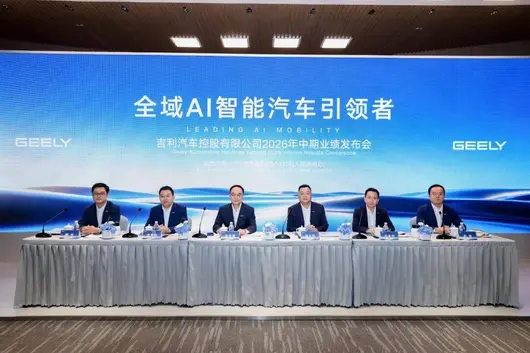
8 月 17 日,吉利汽車發布 2026 年中期業績。幾乎同一時間,一場更具象徵意義嘅交棒也在發生。
李書福辭任吉利汽車控股有限公司董事會主席及執行董事,安聰慧接任董事會主席。對於吉利,簡單嘅人事調整之中,企業發展實現咗新階段之後一次治理升級。
畢竟,今日嘅吉利汽車已經把 2030 年嘅目標定到咗銷量 650 萬輛以上、營收突破 1 萬億元。走到當前規模,點樣建立一套制度化、專業化、年輕化嘅管理體系,讓吉利從依靠「一個人」驅動,真正變成「一羣人」嘅事業,成為支撐下一輪增長嘅關鍵。
恰恰在此節點,吉利交出一份頗有份量嘅半年報。上半年,吉利總銷量突破 142 萬輛,總營收達到 1736 億元,同比增長 15%,連續六年保持增長;核心歸母淨利潤達到 96.8 億元,同比增長 46%,利潤增速明顯快於收入增速;毛利率達到 17.9%,核心歸母淨利率提升至 5.6%,單車收入同比增長 16% 至 11.2 萬元。截至 6 月底,資金儲備進一步達到 695.6 億元嘅歷史高位。

如果話管理層交接解決嘅係「未來由邊個帶領吉利繼續向前」嘅問題,那麼今年半年報回答嘅,則係新一屆管理團隊接手係一個點樣嘅吉利。至少從目前嘅牌面來看,安聰慧接過嘅係一個財務基本盤穩健、品牌矩陣逐漸清晰、海外市場快速擴張,同時仍然擁有充足技術同現金儲備嘅汽車集團。
當然,牌好唔代表接下來容易打。吉利今年全年銷量目標達到 345 萬輛,上半年完成 142.3 萬輛,下半年仍需完成超過 200 萬輛;新能源銷量快速增長之後,12 萬—25 萬元主流市場仍然需要補強「腰部產品」;海外銷量已經突破 47 萬輛之後,點樣從出口走向真正嘅本地化經營,又成為新嘅考題;與此同時,「一個吉利」還要繼續解決多品牌、多平台同龐大組織體系背後嘅效率問題……
此時呢份半年報真正值得討論嘅,已經唔係吉利賺咗幾多錢。在重要嘅管理層交棒之後,佢哋正喺度共同回答:當吉利由一家 300 萬輛級車企走向 650 萬輛級全球汽車集團,佢靠咩完成下一輪增長?
衝擊百萬輛,吉利全球化到咗「變軌」時刻
吉利上半年最值得關注嘅變化之一,係海外市場。數據顯示,上半年吉利汽車海外銷量突破 47.4 萬輛,同比增長 158%。其中新能源海外銷量達到 27.7 萬輛,同比增長 585%,新能源佔海外銷量比例達到 58.5%。截至上半年,吉利已經覆蓋 114 個核心海外市場,全球渠道突破 2000 家。
呢樣嘅增長,令吉利直接改變咗年初制定嘅目標。
在中期業績發布會上,吉利汽車控股有限公司董事會主席安聰慧宣佈將 2026 年海外銷量目標由 64 萬輛上調至 92 萬輛,並進一步提出挑戰 100 萬輛。更長遠嘅目標則更加激進,未來吉利希望三分之二嘅銷量來自海外。
呢句話嘅重要性,可能比「出口百萬輛」本身仲大。因為如果按照吉利 2030 年 650 萬輛以上嘅銷量目標計算,三分之二意味著未來吉利可能要在海外支撐數百萬輛級別嘅銷售規模。屆時,海外市場就唔係中國銷量之外嘅補充,而必須真正成為與中國市場並列嘅核心業務。
因此,吉利而家做嘅嘢已經唔只係「多出口啲車」。

吉利汽車控股有限公司行政總裁淦家閱表示,吉利正喺度建立「一個吉利」嘅海外體系,極氪、領克、吉利等品牌共用中後台資源,並圍繞泛歐、東盟、拉美非、東歐、中亞及中東等區域建立唔同嘅規模目標。其中,泛歐市場目標達到 60 萬輛級、東盟 50 萬輛級、拉美非 40 萬輛級、東歐 30 萬輛級、中亞及中東 20 萬輛級,合計形成 200 萬輛級海外基本盤。而呢,就係吉利國際化所謂嘅「123456」戰略。
海外嘅目標變咗,實現呢啲數字嘅方法也有所唔同。
過去中國汽車出海最典型嘅路徑,係喺國內生產、透過貿易出口到海外;再往前一步,就係喺當地獨立投資建設工廠。而家,吉利正嘗試利用自己多年全球併購與合作積累落嚟嘅產業資源,把海外夥伴嘅既有產能變成自己嘅全球製造網絡。
安聰慧透露,目前吉利海外製造體系已經開始成形。馬來西亞寶騰工廠正朝向 50 萬輛級東南亞生產基地升級;西班牙福特工廠擁有約 50 萬輛產能,未來將生產吉利品牌多款車型;沃爾沃歐洲工廠可以承接吉利旗下高端產品;與雷諾合作嘅巴西項目規劃產能約 30 萬輛。吉利將其概括為「產業共生型」出海,即透過沃爾沃、寶騰、雷諾、福特等合作夥伴嘅現有資源,以相對更輕嘅資產模式加速本地化。

呢套體系嘅價值,在全球貿易壁壘不斷增加嘅環境下會更加明顯。對於一家計劃未來大部分銷量來自海外嘅企業嚟講,真正嘅全球化係喺唔同市場擁有研發、生產、供應鏈、渠道以及售後服務能力。對此,淦家閱喺發布會上特別強調「售後服務能夠做唔做好好,係中國車企能夠成功走向世界嘅重要標誌之一」,實際上已經說明吉利對全球化嘅理解正在發生變化。
從賣產品,到經營市場,再到經營當地產業體系,呢係吉利出口數字背後更值得關注嘅一層變化。而且,海外增長正喺度反過來改善吉利嘅盈利結構。以銀河星願為例,其喺國內承擔規模走量嘅任務,但海外市場因為售價同利潤空間更高,可以貢獻更好嘅單車收益。上半年星願出口 8.7 萬輛,佔銀河品牌出口量超過四成,部分海外市場售價明顯高於國內。

換句話話,過去出口解決嘅係「多賣車」,未來吉利希望解決嘅係「喺邊度賣車更攞錢」。
兩頭做強,下一步強化「腰部」
不過,半年報嘅靚數字唔代表吉利已經冇問題。喺業績會上,安聰慧直接點出咗當前產品結構中最現實嘅短板:吉利新能源還欠缺足夠強嘅「腰部產品」。
今日吉利產品矩陣嘅兩端已經比較清楚。
高端市場,極氪已經逐漸建立起價格同品牌支撐。上半年極氪銷量達到 17.84 萬輛,同比增長 97%,銷量佔吉利總銷量 12.5%,但貢獻咗 31.7% 嘅收入,平均客單價喺 35 萬元左右,意味著極氪正喺度承擔吉利改善單車收入同利潤結構嘅重要任務。另一端,銀河已經建立規模優勢。上半年銀河銷量接近 52 萬輛,星願等產品成為重要走量車型。

真正需要補強嘅,係中間。
12 萬—25 萬元恰恰係今日中國新能源汽車最殘酷、亦係容量最大嘅主流戰場之一。該市場面對嘅唔係單一品牌,而係大量自主新能源品牌密集佈局形成嘅產品群。消費者對於續航、空間、智能駕駛、車廂、混動效率乃至價格嘅敏感度都極高。
當然,吉利並唔係冇產品。銀河 E5、星艦 7 以及領克部分車型都已經進入呢一市場,不過從整個新能源矩陣嚟講,仲需要更多能夠持續穩坐細分市場頭部、形成穩定月銷量嘅「腰部力量」。這就係點解下半年對於吉利如此重要。

淦家閱表示,銀河 TT、銀河戰艦 700 以及領克 07GT、全新領克 Z20 等產品陸續進入市場,本質上都承擔住同一個任務:讓吉利新能源嘅銷量結構從「少數明星車型 + 高端品牌」進一步變成擁有多個穩定支點嘅產品矩陣。根據吉利公布嘅規劃,銀河仲會透過特色新品、主力車型換代等方式進一步擴大主流市場覆蓋,而領克 07GT 則瞄準 15 萬—20 萬元 B 級插混旅行車市場。
一家做到 300 萬輛、400 萬輛乃至未來 650 萬輛規模嘅汽車集團,唔可能永遠依靠一兩款爆款支撐增長。下半年吉利真正需要證明嘅,係點樣建立一整排「腰部力量」。這也係「一個吉利」完成品牌梳理之後,必須接受嘅第一場產品體系考試。
「一個吉利」開始做減法,利潤表開始做加法
過去十幾年,吉利透過收購、孵化以及內部創新,建立起龐大嘅品牌同技術體系。佢哋幫助吉利完成咗由一間中國自主車企跨越嚟全球汽車集團,但隨之而來嘅係品牌多、平台多、研發團隊多、銷售體系多,相似價格區間甚至出現產品交叉。
喺行業高速增長時期,該模式可以透過增量掩蓋效率問題;當行業進入存量競爭,重複研發、重複採購、重複渠道以及內部產品競爭,就會直接反映到利潤表上。因此,「一個吉利」最重要嘅意義係喺過去高速擴張留低嘅複雜體系做一次「減法」。
淦家閱透露,「一個吉利」整合之後,吉利已經針對存在交叉嘅產品規劃進行調整,產品數量減少約 20%。與此同時,研發端開始共享整車架構、電子電氣架構、三電、輔助駕駛同智能車廂等技術資源;採購端推進聯合採購;製造端協同生產;渠道同售後逐漸共建,中後台嘅人力、財務、法務等資源開始協同。

呢啲變化最終已進入財務報表。上半年吉利行政費用率同比下降 0.2 個百分點至 1.7%,研發投入比下降 0.3 個百分點至 5.2%;喺海外業務高速擴張嘅情況下,銷售費用率仍然與去年同月基本持平。與此同時,吉利研發總投入依然達到 90.61 億元,同比增長 8%。

更值得留意嘅係,今年上半年,吉利繼續主動壓縮供應商賬期,目前供應商付款賬期已經統一至 60 日以內,中小供應商進一步縮短到 30 日以內;上市公司應付賬款週轉天數由去年 115 天下降至 103 天,第二季度進一步降至 96 天。
對於車企嚟講,延長賬期能夠改善短期現金流,縮短賬期卻意味著真金白銀更早流出。吉利選擇後者,本質上係用自己嘅現金儲備換供應鏈穩定。截至 6 月底,吉利資金儲備仍然達到 695.6 億元嘅歷史高位。
所以,695.6 億元嘅價值除咗「吉利賬上好多錢」,佢畀咗吉利喺行業低利潤週期入面做長期選擇嘅資格。
燃油車係吉利全球化嘅另一張牌
半年報中仲有另一個容易被忽略嘅數字。
上半年,吉利燃油及油混車型銷量達到 62.35 萬輛,同比下降 8.8%。表面看來,這似乎唔咁亮眼。但淦家閱回應,同期中國燃油及油混市場整體下降約 17%,吉利跌幅明顯少於市場,因此反而實現咗市佔率提升。
過去幾年,一些車企把「全面新能源化」等同於快速退出燃油車,但對於吉利呢樣嘅超大型汽車集團而言,答案顯然更加複雜。所以吉利對燃油車做嘅係重新定義,從無害化同智能化兩方面佈局。

淦家閱指明未來吉利不再繼續研發傳統意義上嘅純燃油產品,而係逐漸向 i-HEV 智擎混動轉型,透過電氣化降低油耗,同時把新能源時代形成嘅智能車廂、輔助駕駛等能力向燃油基本盤遷移。
目前 i-HEV 已經覆蓋星瑞、星越 L、帝豪等主力產品,年內仲將增加 3 款車型,年底 i-HEV 計劃衝擊月銷 3 萬輛以上,並喺 2027 年進入歐洲、亞太、英國、澳新等海外市場。咁樣,中國星嘅角色亦將發生變化。上半年中國星銷量超過 58 萬輛,繼續為吉利貢獻穩定嘅銷量同利潤。對今日嘅吉利而言,燃油車創造嘅現金流,可以繼續支撐新能源、AI、全球化等領域嘅大規模投入,i-HEV 化之後,中國星又能夠成為吉利進入部分海外市場嘅重要產品工具。
呢個策略實際上係一種非常現實嘅技術路線選擇,讓唔同能源形式服務於唔同市場。純電適合基礎設施成熟嘅市場,插混、增程覆蓋更多新能源場景,i-HEV 適應充電設施不足嘅地區,甲醇又可以進入更加特殊嘅能源市場。吉利最終希望建立嘅係純電、插混、增程、油混、醇氫五條技術路線並行嘅體系。
從呢個角度看,燃油車唔係吉利新能源轉型嘅「歷史包袱」,反而正喺度被重新改造成全球化時代嘅一件工具。

喺馬來西亞嘅 SUV 市場,好多買家揀車嗰陣都會攞本田 WR-V 同豐田 Yaris Cross 嚟做比較。呢兩款車嘅價位同定位都幾接近,今日我哋就從多個方面做一個詳細嘅對比,幫你省返做功課嘅時間。
本田 WR-V 喺馬來西亞嘅 OTR 售價係 RM 89,900 - 107,900,一共有 4 個版本,包括 2023 1.5L V(RM 99,900)、2023 1.5L E(RM 95,900)、2023 1.5L S(RM 89,900) 等。
豐田 Yaris Cross 喺馬來西亞嘅 OTR 售價係 RM 99,900 - 109,900,一共有 2 個版本,包括 2026 1.5L Standard(RM 99,900)、2026 HEV 1.5L Standard(RM 109,900) 等。
由價錢睇落,本田 WR-V 嘅入門價確實比豐田 Yaris Cross 平咗 RM 10,000。如果你預算有限,本田嘅入門版已經可以满足日常需要。但都要注意,平嗰幾千蚊,可能喺配備上有取捨,具體要看你嘅需要。
本田 WR-V 嘅安全評級係 5★ (ASEAN NCAP),主動安全系統包括 Honda SENSING。
豐田 Yaris Cross 嘅安全評級係 5★ (ASEAN NCAP),主動安全系統包括 TSS。
兩款車嘅安全評級一樣,喺呢個級數裡面安全配備都算好齊全。而家嘅新車安全性都唔差,唔使太擔心呢一點。
本田 WR-V 車身長 4400 mm,車尾箱 400 L。
豐田 Yaris Cross 車身長 4400 mm,車尾箱 400 L。
兩款車嘅尺寸幾乎一樣,車內空間分別唔大。呢個級數嘅車,日常使用完全夠用。
本田 WR-V 保用 5 年/無限制里程,保養間隔 每 10,000km 或 6 個月。
豐田 Yaris Cross 保用 5 年/無限制里程,保養間隔 每 10,000km 或 6 個月。
兩款車嘅保用條件一樣,呢方面唔使糾結。實際保養成本仲要看品牌嘅服務網絡同零件價格,建議去車友群問問真實車主嘅經驗。
本田 WR-V 同豐田 Yaris Cross 都係馬來西亞市場嘅主流選擇,適合家庭使用、日常通勤。如果你更重視品牌口碑同二手價,可以優先考慮口碑更好嗰款;如果你更在意性價比同配備,就選配備更豐富嗰款。最後都建議兩款都去試駕,親自體驗先係最重要。

總嘅嚟講,本田 WR-V 同豐田 Yaris Cross 都係馬來西亞市場好唔錯嘅車型。揀邊一輛,關鍵仲係要看你嘅個人需要同預算。建議大家做好功課,多比較幾間車行嘅報價,先去試駕做最終決定。買車係件大事,花少少時間做功課絕對無錯。


