


首頁香港

搜尋歷史
熱門搜尋
經銷商登入 / 註冊

Chinese buses going global are undergoing a profound stratification.
In the first half of the industry cycle, the core of competition was "accessibility"; getting the cars sold was victory. Entering the second half, the rules changed, it is about who can cross the threshold of high-end markets like Europe. Extreme environments, stringent regulations, combined with operators' precise calculation of total cost of ownership, every barrier is a hard constraint. Only after crossing them do they qualify to discuss brand elevation.

Zhongtong Bus's recent moves gave its answer. On October 20, 2026, at the Stockholm Persontrafik exhibition in Sweden, Zhongtong Bus unveiled the 12-meter pure electric tour bus H12EPlus, 15-meter pure electric urban bus N15E, and 7-meter pure electric micro-loop bus V7, facing the harsh operating conditions in Northern Europe with a full-scenario zero-carbon product matrix.
On October 30, at the Macau Motor Show, Zhongtong Bus exhibited the N12D double-deck pure electric urban bus and L8E pure electric tour bus, promoting low-carbon and smart mobility in the Greater Bay Area.
On November 3, at the Birmingham Euro Bus Expo in the UK, the N11D double-deck electric urban bus and H12Plus high-end tour bus appeared together, with a "one electric, one fuel" combination precisely targeting the diverse operational needs of the Western European market.
On November 4, at the 2026 Singapore Urban Mobility Week (SUMW), Zhongtong Bus unveiled three premium models: the N12D high-capacity double-deck pure electric bus, N8 intelligent driving bus, and L8 extended-range tour bus, demonstrating the technical strength of China's intelligent manufacturing across all dimensions through electrification, intelligence, and connectivity.

Within half a month, three countries and one region, four tough battles. This is not simply an exhibition schedule, but a strategic statement: Zhongtong Bus intends to transform from a "newcomer" to a "deep planner" in the high-end market. The posture has been shown, where does the confidence come from?
Tackle the hardest challenges, build the thickest foundation
Europe has always been the high ground of the global bus industry. Sweden and the UK are both markets with the most stringent global entry standards, featuring both physical environmental limits and regulatory density limits. Singapore, with its compact urban space, stringent regulations, and controlled real-road testing, has become the "touchstone" to test the quality of electrification, intelligence, and connectivity.
The N15E world premiere at the Persontrafik exhibition is a precise answer sheet targeting Northern European pain points. 622.75kWh battery pack, SORT cycle range 650 km, max capacity 100 passengers; integrated liquid cooling and electric heating global temperature control system matched with remote pre-heating, stable operation in minus 20°C environments. The H12EPlus exhibited on the same stage focuses on high-end tours, V7 enters urban micro-circulation, the three vehicles cover three scenarios. Zhongtong did not use "universal high-spec vehicles" to cope with Northern Europe, but embedded extreme cold adaptation capabilities into the underlying development logic. Every design corresponds to real costs on operators' ledgers.
A deeper signal comes from delivery. At the Persontrafik exhibition site, the H12EPlus was formally delivered to Danish customers. The exhibition stand became a delivery site; this itself is a statement. A year ago, in September 2025, the first batch of new energy buses customized by Zhongtong for Bornholm Island, Denmark, entered service, receiving full recognition from local operators. The reputation generated a year ago turned into orders a year later; in Europe, Zhongtong Bus is building a complete trust loop.
If Northern Europe fights a climate war, the UK fights a regulatory war. In March 2026, the UK Department for Transport announced the "Zero-Emission Bus Order Plan for the Next 10 Years"; at least 17,000 electric buses will be put into use in the next decade, of which double-deck zero-emission buses are expected to reach a total order volume of 12,673 units, accounting for the majority of demand.
The signal is clear: Whoever can produce compliant, reliable double-deck pure electric buses with controllable life-cycle costs will grasp the most certain market opportunity in the UK's bus electrification transition.

Zhongtong's response to the N11D was to break down UK regulations into engineering parameters item by item. The model has a SORT range of 650 km, max capacity 80 passengers; ultra-low one-step entry combined with lower-level electric wheelchair ramp and wheelchair fixation positions, directly implementing PSVAR rigid requirements; all-aluminum body combined with chassis enhanced sealing and anti-corrosion coating to cope with year-round rain and corrosion; remote battery health monitoring and energy consumption management developed according to EU GDPR specifications.
The layout of H12Plus reflects Zhongtong's deep judgment on the UK market: zero-emission transition does not mean fuel vehicles exit immediately. In the UK inter-city passenger transport and tour charter market, mature fuel vehicles still have irreplaceable operational economy. The vehicle is built on Zhongtong's mature H-series platform, meeting EU safety standards; braking and suspension configurations adapt to complex road conditions; large luggage compartments and comfortable cabins fit cross-border tourism passenger transport needs.
In the high-end markets of Singapore and Macau, Zhongtong Bus fights a scenario war. The N12D high-capacity double-deck pure electric bus is tailored for Singapore and Hong Kong/Macau regions, and is an upgraded version after local operation verification. The L8 extended-range and L8E tour bus diversified technology routes adapt to the group travel needs of Singapore and Hong Kong/Macau regions, including commuting, suburban study tours, scenic spot pickup/dropoff, and corporate shuttle services. The N8 intelligent driving bus caters to Singapore's current policy needs to use intelligent driving as a public transport supplement form.
Looking at Zhongtong Bus's layout in Sweden, the UK, Singapore, and Hong Kong/Macau regions together, the strategy is clear: to tackle the hardest bones, stockpiling a set of "ace cards" capable of fighting hard battles. From Northern Europe to Western Europe, then to Asia-Pacific, what Zhongtong Bus competes for is not exhibition exposure, but the "qualification certificate" to enter the next growth cycle.
Defend current growth, plan for a long-term game
Zhongtong Bus dares to continuously increase investment in high-end markets such as Europe, Singapore, and Hong Kong/Macau regions; confidence comes from the steady growth of overseas business. In the first half of 2026, Zhongtong Bus exported 4,390 vehicles, a year-on-year increase of 23.4%. The steady rise of overseas business has opened new growth space for it, forming a synergistic and complementary development pattern with the domestic market.
Behind the eye-catching data is Zhongtong Bus's clear strategic evolution path: from trade-oriented export to brand-oriented global expansion, from single-market breakthrough to global systematic layout.
Overseas business is no longer the superposition of scattered orders, but a systematic rollout of brand, channels, and service networks. The proportion of new energy buses in total exports continues to rise, meaning Zhongtong Bus exports not only products overseas, but also electrification technology accumulation and scenario-based customization capabilities.

For Zhongtong Bus, the weight of the European market cannot be seen just by current numbers. It obtained the EU WVTA Whole Vehicle Type Approval in 2015, and after new regulations landed in 2023, completed the new version certification again, with certification work for multiple models continuing. These time costs cannot be bypassed and cannot be bypassed. European market order thresholds are high, certification cycles are long, but crossing this hurdle, Zhongtong is no longer just a plain "Chinese supplier", but a reliable choice endorsed with European local qualifications. This identity transition is far more valuable than short-term orders.
The value of Singapore and Hong Kong/Macau regions lies in the Asia-Pacific demonstration window and regional radiation. It allows Zhongtong Bus to undergo inspection in high-density city operations in the Asia-Pacific, forming experience and endorsements that can be reused for regional markets.
So Zhongtong Bus's layout in Europe and Singapore targets the discourse power on the high-end track. When purchases related to European zero-emission buses and Singapore intelligent driving buses are released in a concentrated manner, Zhongtong Bus must ensure it ranks on the core candidate list, holding verifiable operational data as support.
This is a balanced strategy: fight for the volume in front of you, and fight for the long-term position.
Plant deep roots, accumulate upward momentum
Observing the four exhibitions within Zhongtong's global long-term layout, one can see the method of its global layout.
From Portugal to Singapore, from Chile to Mexico, from UAE to Vietnam... Zhongtong's product footprint has spread to over 100 countries and regions, with over 100,000 new energy buses running across the world.
This is not the superposition of scattered orders, but operational accumulation repeatedly run out in high temperature, extreme cold, coastal, mountainous and other diverse operating conditions in over 100 countries and regions worldwide. The meaning of these accumulations lies in that every extreme environment has become a test bed for technology iteration.
The high temperature in the Middle East tested battery thermal management, the humid heat of Southeast Asia honed anti-corrosion processes, Europe's stringent standards tempered vehicle comfort calibration... The data and experience settled from real operations are fed back into the R&D system, forming a set of reusable scenario-based technology cards. Behind this is the "one place, one policy, one vehicle, one research" development logic: recalibrating according to local operating conditions from the underlying development stage.

Technical accumulation is only half of the roots. Customers buy not just cars, but a solution package including maintenance response, parts supply, digital fleet management, and total cost of ownership control.
Zhongtong Bus has built a "local service station + regional parts warehouse + domestic technical support" integrated service network, set up localized maintenance teams, and provided 7x24-hour remote technical support. This system supports not just vehicle availability rates, but also the brand's trust radius in the high-end market. Products decide whether customers try, systems decide whether customers stay.
If roots are planted deep enough, the upward momentum has a source. Whether Chinese buses can stand firm in the global high-end market, there is no standard answer to this question. Market trust cannot be achieved overnight, but can only be slowly accumulated through repeated operational tests by vehicle operation data, total cost of ownership bills, and customer repurchase.
Wheels cross mountains and seas; the true expedition has never been to reach a certain market, but to win continuous trust in the high ground of rules. When more and more Chinese bus enterprises no longer avoid the hardest competition fields, replacing short-term gaming with long-termism, the story of Chinese buses going global can turn a new page of value competition.
(This article is provided by the enterprise)


喺馬來西亞嘅 SUV 市場,好多買家喺揀車嘅時候都會拿 馬自達 CX-5 同 奇瑞瑞虎 Cross 嚟做比較。呢兩款車喺價位同定位上都幾接近,今日我哋就從多個方面做一個詳細嘅比較,幫你省下做功課嘅時間。
馬自達 CX-5 喺馬來西亞嘅 OTR 售價係 RM 135,469 至 166,760,一共有 3 個版本,包括 2025 2.0L AT 35 周年紀念(RM 316,154)、2025 2.0L AT(RM 296,154)、2025 2.0L MT(RM 294,154) 等。
奇瑞瑞虎 Cross 喺馬來西亞嘅 OTR 售價係 RM 88,750 至 99,750,一共有 2 個版本,包括 2025 HEV 1.5L CSH(RM 99,750)、2025 1.5T Standard(RM 88,750) 等。
從價錢嚟睇,奇瑞瑞虎 Cross 嘅起步價比 馬自達 CX-5 平咗 RM 46,719。老實講,喺呢個價位段,幾千蚊嘅差距其實唔算大,關鍵都係睇整體嘅性價比同長期使用成本。

馬自達 CX-5 嘅安全評級係 5★ (ASEAN NCAP),主動安全系統包括 。
奇瑞瑞虎 Cross 嘅安全評級係 TBD,主動安全系統包括 Basic。

馬自達 CX-5 車身長 4500 mm,後備箱 450 L。
奇瑞瑞虎 Cross 車身長 4400 mm,後備箱 400 L。
空間方面,馬自達 CX-5 嘅車身比 奇瑞瑞虎 Cross 長咗 100 mm,車內乘坐空間會稍微寬裕少少,尤其係後座腿部空間。如果你經常載家人或者需要放嬰兒車,大啲嘅車身確實更實用。

馬自達 CX-5 採用 FWD 驅動方式。
奇瑞瑞虎 Cross 採用 FWD 驅動方式。
兩款車嘅驅動方式一樣,都係 FWD,日常駕駛感受唔會有太大分別。

總體嚟講,馬自達 CX-5 同 奇瑞瑞虎 Cross 都係馬來西亞市場幾唔錯嘅車型。揀邊一輛,關鍵都係睇你嘅個人需求同預算。建議大家做好功課,多比較幾間車行嘅報價,再去試駕做最終決定。買車係件大事,花點時間做功課絕對唔會錯。


喺馬來西亞嘅 SUV 市場,好唔少買家喺揀車嘅時候都會拿 Mazda CX-30 同 Subaru Crosstrek 嚟做比較。呢兩款車喺價錢同定位上都幾接近,今日我哋就從多個方面做一個詳細嘅對比,幫你省咗做功課嘅時間。
Mazda CX-30 喺馬來西亞嘅 OTR 售價係 RM 122,409 - 146,409,一共有 4 個版本,包括 2025 2.0L High+ Premium(RM 146,409)、2025 2.0L High+(RM 138,409)、2025 2.0L High(RM 130,409) 等。
Subaru Crosstrek 喺馬來西亞嘅 OTR 售價係 RM 145,000 - 160,000,一共有 1 個版本,包括 2.0L e-Boxer(RM 150,000) 等。
從價錢來看,Mazda CX-30 嘅起步價確實比 Subaru Crosstrek 便宜咗 RM 22,591。如果你預算有限,Mazda 嘅入門版已經可以滿足日常需求。但都要記住,便宜嗰幾千蚊,可能喺配備上會有取舍,具體睇你嘅需求。

Mazda CX-30 搭載 1.5L Turbo,馬力 140 hp。官方油耗 7.0 L/100km。
Subaru Crosstrek 搭載 1.5L Turbo,馬力 140 hp。官方油耗 7.0 L/100km。
兩款車用緊同一套動力系統,日常開起上嘅感受基本冇差別。油耗方面都差唔多,唔使太糾結這一點。

Mazda CX-30 車身長 4500 mm,車尾箱 450 L。
Subaru Crosstrek 車身長 4400 mm,車尾箱 400 L。
空間方面,Mazda CX-30 嘅車身比 Subaru Crosstrek 長咗 100 mm,車內乘坐空間會稍微寬裕啲,尤其係後座腳位空間。如果你經常載家人或者需要放手推車,大一點嘅車身確實更實用。

Mazda CX-30 保養期 5 年/150,000km,保養間隔 每 10,000km 或 6 個月。
Subaru Crosstrek 保養期 3 年/100,000km,保養間隔 每 10,000km 或 6 個月。

總體嚟講,Mazda CX-30 同 Subaru Crosstrek 都係馬來西亞市場好唔錯嘅車款。揀邊一部,關鍵都要睇你嘅個人需求同預算。建議大家做足功課,多比較幾間車行嘅報價,再去試駕先做最終決定。買車係件大事,花少少時間做功課絕對唔會錯。


喺馬來西亞嘅 SUV 市場,好多買家喺揀車嘅時候都會拿 Mazda CX-30 同 Subaru Crosstrek 拿去比較。呢兩款車喺價位同定位上都幾接近,今日我哋就由多個方面做一個詳細嘅比較,幫你省做做功課嘅時間。
Mazda CX-30 喺馬來西亞嘅 OTR 售價係 RM 122,409 - 146,409,總共有 4 個版本,包括 2025 2.0L High+ Premium(RM 146,409)、2025 2.0L High+(RM 138,409)、2025 2.0L High(RM 130,409) 等。
Subaru Crosstrek 喺馬來西亞嘅 OTR 售價係 RM 145,000 - 160,000,總共有 1 個版本,包括 2.0L e-Boxer(RM 150,000) 等。
由價錢睇,Mazda CX-30 嘅起步價的確比 Subaru Crosstrek 平咗 RM 22,591。如果你預算有限,Mazda 嘅入門版已經可以滿足日常需要。不過都要留意,平嗰幾千幾百,可能喺配備上會有取捨,具體要看你嘅需求。
Mazda CX-30 嘅安全評級係 5★ (ASEAN NCAP),主動安全系統包括 i-Activsense。
Subaru Crosstrek 嘅安全評級係 5★ (Euro NCAP),主動安全系統包括 EyeSight。
安全配備方面,兩款車都拿到唔錯嘅評級。不過 Mazda CX-30 嘅 i-Activsense 同 Subaru Crosstrek 嘅 EyeSight 喺功能上有少少分別,如果你比較睇重主動安全嘅話,可以仔細比一下兩者嘅功能列表。
Mazda CX-30 保修 5 年/150,000km,保養間隔 每 10,000km 或 6 個月。
Subaru Crosstrek 保修 3 年/100,000km,保養間隔 每 10,000km 或 6 個月。
Mazda CX-30 同 Subaru Crosstrek 都係馬來西亞市場嘅主流選擇,適合家庭用、日常通勤。如果你更睇重品牌口碑同二手價,可以優先考慮口碑更好嗰一款;如果你更在乎性價比同配備,那就揀配備更豐富嗰款。最終都係建議兩款都去試駕,親身試吓先係最緊要嘅。
總括嚟講,Mazda CX-30 同 Subaru Crosstrek 都係馬來西亞市場幾唔錯嘅車型。揀邊一輛,關鍵都要看你嘅個人需要同預算。建議大家做功課,多比幾間車行嘅報價,再去試駕做最終決定。買車係件大事,花少少時間做功課絕對唔會錯。

喺馬來西亞嘅 SUV 市場,好多買家喺揀車嘅時候都會拿 Mazda CX-30 同 Subaru Forester 做比較。呢兩款車喺價位同定位上都好接近,今日我哋就從多個方面做一個詳細嘅對比,幫你省下做功課嘅時間。
Mazda CX-30 喺馬來西亞嘅 OTR 售價係 RM 122,409 - 146,409,總共有 4 個版本,包括 2025 2.0L High+ Premium(RM 146,409)、2025 2.0L High+(RM 138,409)、2025 2.0L High(RM 130,409) 等。
Subaru Forester 喺馬來西亞嘅 OTR 售價係 RM 174,000 - 197,000,總共有 3 個版本,包括 2024 2.0L S EyeSight GT Edition(RM 189,538)、2024 2.0L S EyeSight(RM 177,538)、2024 2.0L L EyeSight(RM 167,538) 等。
由價錢睇,Mazda CX-30 嘅起步價確實比 Subaru Forester 平咗 RM 51,591。如果你預算有限,Mazda 嘅入門版已經可以滿足日常需求。但都要注意,平嗰幾千塊,可能喺配備上有取捨,具體睇你嘅需求。
Mazda CX-30 裝 1.5L Turbo,馬力 140 hp。官方油耗 7.0 L/100km。
Subaru Forester 裝 2.0L 4-cyl,馬力 170 hp。官方油耗 8.0 L/100km。
動力方面,Subaru Forester 嘅 2.0L 4-cyl 比 Mazda CX-30 嘅 1.5L Turbo 多咗 30 匹馬力。不過日常喺市區開,兩款車嘅動力都夠用,唔會覺得唔夠力。
Mazda CX-30 嘅安全評級係 5★ (ASEAN NCAP),主動安全系統包括 i-Activsense。
Subaru Forester 嘅安全評級係 5★ (Euro NCAP),主動安全系統包括 EyeSight。
安全配備方面,兩款車都拿咗唔錯嘅評級。不過 Mazda CX-30 嘅 i-Activsense 同 Subaru Forester 嘅 EyeSight 喺功能上有啲差異,如果你比較看重主動安全嘅話,可以仔細對比吓兩者嘅功能列表。
Mazda CX-30 採用 FWD 驅動方式。
Subaru Forester 採用 FWD 驅動方式。
兩款車嘅驅動方式一樣,都係 FWD,日常駕駛感受唔會有太大區別。

Mazda CX-30 同 Subaru Forester 都係馬來西亞市場嘅主流選擇,適合家庭使用、日常通勤。如果你更看重品牌口碑同二手價,可以優先考慮口碑更好嗰一款;如果你更在意性價比同配備,就揀配備更豐富嗰款。最終都建議兩款都去試駕,親身體驗先係最重要嘅。

總體嚟講,Mazda CX-30 同 Subaru Forester 都係馬來西亞市場好唔錯嘅車型。揀邊一輛,關鍵都要睇你嘅個人需求同預算。建议大家做好功課,多比較間車行嘅報價,再去試駕做最終決定。買車係件大事,花少少時間做功課絕對唔會錯。

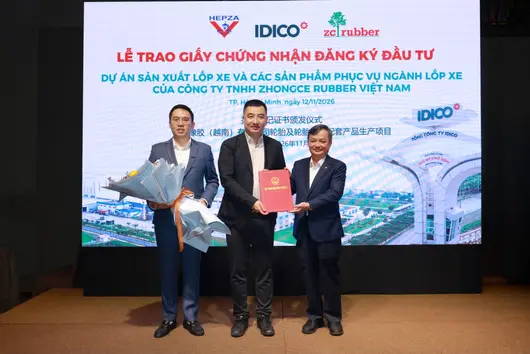
On the morning of November 12, 2026, the ceremony for the issuance of the investment registration certificate and the signing of the land sublease contract for Cestbon Rubber (Vietnam) Co., Ltd. was grandly held in Ho Chi Minh City, Vietnam. Shen Haoyu, Senior Deputy General Manager of Cestbon Rubber Group, attended the ceremony and delivered a speech on behalf of the group, marking the official landing of this domestic tire leader's Vietnam production base in IDICO Phu My II Expanded Industrial Zone, and the project has entered the substantive construction phase.

7 Months to Complete Full Process, Accelerating Key for Going Global
From the timeline perspective, the project's advancement pace is significantly faster than previous overseas bases: April announcement disclosure, June filing completion, July ground-breaking, November registration completion and land finalization, completing the full process in just 7 months. At the ceremony, Pei Mingzhi, Director of the Ho Chi Minh City Industrial Zone Management Committee, presented the investment registration certificate to Shen Haoyu, officially granting the company the legal qualification to invest and operate in Vietnam; subsequently, Deng Zhengzhong, General Manager of IDICO Headquarters, and Shen Haoyu signed the Phu My II Expanded Industrial Zone land sublease contract on behalf of their respective parties.

Phase 1 Investment 1.04 Billion Yuan, Return Rate 17.51%
According to disclosure, the total investment in the first phase of the Vietnam factory project is 1.04 billion yuan, with a construction cycle of 12 months. After reaching production capacity, it will form an annual production capacity of 5 million semi-steel radial tires, with expected annual operating income of 849 million yuan, an investment return rate reaching 17.51%, and the first tire expected to roll off the line in the third quarter of 2027.
The choice of location in Phu My II Expanded Industrial Zone involved considerable consideration: The park can directly connect to the Cai Mep - Thi Vai deep-water port group which has direct shipping routes to Europe and America for containers, highlighting significant logistics advantages.

Three Strategic Values, Targeting the European and American Markets
This move to Vietnam is an important strategic pivot for Cestbon Rubber to advance its global capacity layout: Firstly, tariff advantages are significant, with the US anti-dumping and countervailing duties rate on Chinese tires exceeding 100%, while Vietnam's semi-steel tire countervailing duty rate is only 6.23%—6.46%, with export gross margins generally 5-15 percentage points higher than domestic levels; Secondly, resource dividends are abundant, Vietnam ranks among the world's top producers of natural rubber, with lower labor and land costs; Thirdly, regional radiation power is strong, capable of forming a global market coverage capability radiating to Europe and America, deepening in Vietnam, and expanding Southeast Asia.

Overseas Matrix Formed, Performance Elasticity Expected
The Vietnam project is the fourth stop in Cestbon Rubber's overseas layout. The Thailand base, after four-phase expansion, now has an annual production capacity of 28 million tires, with H1 2025 revenue of 3.785 billion yuan and net profit of approximately 500 million yuan, becoming a profit benchmark for the group and entering the supply system of top automakers such as BYD and Great Wall; the Indonesia base has exceeded 3.5 million tires for all-steel tires; Egypt and Mexico projects are underway.
In the first three quarters of 2025, Cestbon Rubber achieved revenue of 36.079 billion yuan, a year-on-year increase of 7.11%. With the landing of the Vietnam factory, combined with Thailand Phase 4, Indonesia ramp-up, and Egypt startup, accelerating the release of overseas capacity will become the most certain source of performance elasticity for Cestbon in the next two years, and will also further enhance the international competitiveness of Chinese tire brands.

In Malaysia's SUV market, many buyers compare Mazda CX-30 and Kia Sportage when choosing a car. These two cars are quite close in price and positioning. Today we will do a detailed comparison from multiple aspects to help you save time on research.
Mazda CX-30 OTR price in Malaysia is RM 122,409 - 146,409, there are 4 versions in total, including 2025 2.0L High+ Premium (RM 146,409), 2025 2.0L High+ (RM 138,409), 2025 2.0L High (RM 130,409) etc.
Kia Sportage OTR price in Malaysia is RM 129,639 - 179,320, there are 4 versions in total, including 2025 1.6T DCT 4WD High (RM 179,320), 2025 1.6T DCT 2WD High (RM 159,320), 2025 2.0L AT 2WD High (RM 139,639) etc.
From a price perspective, Mazda CX-30's starting price is indeed RM 7,230 cheaper than Kia Sportage. If your budget is limited, Mazda's entry-level version can already meet daily needs. However, be aware, that price difference might involve trade-offs in equipment, depending on your specific needs.
Mazda CX-30 is equipped with 1.5L Turbo, 140 hp. Official fuel consumption 7.0 L/100km.
Kia Sportage is equipped with 1.5L Turbo, 140 hp. Official fuel consumption 7.0 L/100km.
Both cars use the same powertrain system, the driving feel in daily use is basically no difference. Fuel consumption is also similar, no need to worry too much about this.
Mazda CX-30 safety rating is 5★ (ASEAN NCAP), active safety system includes i-Activsense.
Kia Sportage safety rating is 5★ (ASEAN NCAP), active safety system includes Drive Wise.
Both cars have the same safety rating, safety equipment in this class is quite comprehensive. Current new car safety standards are not bad, no need to worry too much about this.
Mazda CX-30 warranty 5 years/150,000km, maintenance interval every 10,000km or 6 months.
Kia Sportage warranty 5 years/300,000km, maintenance interval every 10,000km or 6 months.

Overall, Mazda CX-30 and Kia Sportage are both very good models in the Malaysia market. Which one to choose, it key depends on your personal needs and budget. We suggest doing thorough research, comparing quotes from several dealerships, and then going for a test drive to make the final decision. Buying a car is a big matter, spending time on research will definitely not be wrong.
In Malaysia's SUV market, many buyers compare the Mazda CX-30 and Hyundai Santa Fe when choosing a car.
The Mazda CX-30 OTR price in Malaysia is RM 122,409 - 146,409, with a total of 4 versions, including 2025 2.0L High+ Premium (RM 146,409), 2025 2.0L High+ (RM 138,409), 2025 2.0L High (RM 130,409), etc.
The Hyundai Santa Fe OTR price in Malaysia is RM 225,000 - 270,000, with a total of 3 versions, including 2025 2.5T DCT 4WD Calligraphy 6 Seats (RM 270,000), 2025 HEV 1.6T AT 2WD Prestige 7 Seats (RM 245,000), 2025 HEV 1.6T AT 2WD Prime 7 Seats (RM 225,000), etc.
In terms of price, the Mazda CX-30 starting price is indeed RM 102,591 cheaper than the Hyundai Santa Fe. If your budget is limited, Mazda's entry-level version can already meet daily needs. However, note that the few thousand ringgit savings might involve trade-offs on features, depending on your specific needs.
The Mazda CX-30 comes with a 1.5L Turbo, 140 hp. Official fuel consumption 7.0 L/100km.
The Hyundai Santa Fe comes with a 2.0L 4-cyl, 170 hp. Official fuel consumption 8.0 L/100km.
In terms of power, the Hyundai Santa Fe's 2.0L 4-cyl has 30 more horsepower than the Mazda CX-30's 1.5L Turbo. However, for daily city driving, both cars have sufficient power and you won't feel underpowered.
The Mazda CX-30 body length is 4500 mm, trunk 450 L.
The Hyundai Santa Fe body length is 4400 mm, trunk 400 L.
In terms of space, the Mazda CX-30 body is 100 mm longer than the Hyundai Santa Fe, offering slightly more interior seating room, especially rear legroom. If you frequently carry family or need to fit a stroller, the larger body is indeed more practical.
The Mazda CX-30 warranty is 5 years/150,000km, maintenance interval every 10,000km or 6 months.
The Hyundai Santa Fe warranty is 5 years/300,000km, maintenance interval every 10,000km or 6 months.

Overall, both the Mazda CX-30 and Hyundai Santa Fe are excellent models in the Malaysian market. Choosing which one depends mainly on your personal needs and budget. We recommend doing your homework, comparing quotes from several car dealerships, and then test driving to make the final decision. Buying a car is a major decision, spending time researching will never be wrong.
In the Malaysian SUV market, many buyers compare Mazda CX-30 and Mitsubishi Xforce when choosing a car. These two cars are quite close in price and positioning. Today we will conduct a detailed comparison from multiple aspects to help you save time on research.
The OTR price of Mazda CX-30 in Malaysia is RM 122,409 - 146,409, totaling 4 variants, including 2025 2.0L High+ Premium (RM 146,409), 2025 2.0L High+ (RM 138,409), 2025 2.0L High (RM 130,409), etc.
The OTR price of Mitsubishi Xforce in Malaysia is RM 109,930 - 119,930, totaling 2 variants, including 2026 1.5L Ultimate (RM 119,930), 2026 1.5L Urban (RM 109,930), etc.
In terms of price, Mitsubishi Xforce is RM 12,479 cheaper at the starting price compared to Mazda CX-30. To be honest, in this price range, a gap of a few thousand is not actually significant, the key is still looking at the overall value for money and long-term running costs.
The safety rating of Mazda CX-30 is 5★ (ASEAN NCAP), active safety systems include i-Activsense.
The safety rating of Mitsubishi Xforce is 5★ (ASEAN NCAP), active safety systems include MI-PILOT.
Both cars have the same safety rating, safety features in this class are considered quite comprehensive. New cars nowadays have good safety, no need to worry too much about this.
Mazda CX-30 body length 4500 mm, trunk 450 L.
Mitsubishi Xforce body length 4400 mm, trunk 400 L.
Regarding space, Mazda CX-30 body is 100 mm longer than Mitsubishi Xforce, interior seating space will be slightly more spacious, especially rear legroom. If you often carry family or need to fit a stroller, a larger body is indeed more practical.
Mazda CX-30 warranty 5 years/150,000km, service interval every 10,000km or 6 months.
Mitsubishi Xforce warranty 3 years/100,000km, service interval every 10,000km or 6 months.

Overall, Mazda CX-30 and Mitsubishi Xforce are both excellent models in the Malaysian market. Which one to choose depends on your personal needs and budget. We recommend doing your research, comparing quotes from several dealerships, and then test driving to make a final decision. Buying a car is a big deal, taking time to do your research is never wrong.

In the Malaysian SUV market, many buyers compare the Mazda CX-30 and Mitsubishi Xforce when choosing a car. These two cars are quite close in price and positioning. Today, we will do a detailed comparison from multiple aspects to help you save time on research.
The OTR price of the Mazda CX-30 in Malaysia is RM 122,409 - 146,409, with a total of 4 versions, including 2025 2.0L High+ Premium (RM 146,409), 2025 2.0L High+ (RM 138,409), 2025 2.0L High (RM 130,409), etc.
The OTR price of the Mitsubishi Xforce in Malaysia is RM 109,930 - 119,930, with a total of 2 versions, including 2026 1.5L Ultimate (RM 119,930), 2026 1.5L Urban (RM 109,930), etc.
From a price perspective, the starting price of the Mitsubishi Xforce is RM 12,479 cheaper than the Mazda CX-30. Honestly, in this price range, a difference of a few thousand is actually not significant; the key is to look at the overall cost-performance ratio and long-term usage costs.
The safety rating of the Mazda CX-30 is 5★ (ASEAN NCAP), and the active safety system includes i-Activsense.
The safety rating of the Mitsubishi Xforce is 5★ (ASEAN NCAP), and the active safety system includes MI-PILOT.
Both cars have the same safety rating. In this class, safety features are quite comprehensive. New cars nowadays do not lack in safety, so there is no need to worry too much about this.
The Mazda CX-30 comes with a 5-year/150,000km warranty, maintenance interval every 10,000km or 6 months.
The Mitsubishi Xforce comes with a 3-year/100,000km warranty, maintenance interval every 10,000km or 6 months.
Both the Mazda CX-30 and Mitsubishi Xforce are mainstream choices in the Malaysian market, suitable for family use and daily commuting. If you value brand reputation and resale value more, you can prioritize the one with better reputation; if you care more about cost-performance and features, choose the one with richer configurations. Ultimately, it is recommended to test drive both, as personal experience is the most important.
Overall, both the Mazda CX-30 and Mitsubishi Xforce are very good models in the Malaysian market. Which one to choose depends on your personal needs and budget. It is recommended that you do your homework, compare quotes from several car dealerships, and then go for a test drive to make a final decision. Buying a car is a big matter; spending some time doing research will never be wrong.
In Malaysia's SUV market, many buyers compare the Mazda CX-30 and Mitsubishi Xforce when choosing a car. These two cars are quite similar in price and positioning. Today, we will make a detailed comparison from multiple aspects to help you save time on research.
The OTR price of Mazda CX-30 in Malaysia is RM 122,409 - 146,409, with a total of 4 versions, including 2025 2.0L High+ Premium (RM 146,409), 2025 2.0L High+ (RM 138,409), 2025 2.0L High (RM 130,409), etc.
The OTR price of Mitsubishi Xforce in Malaysia is RM 109,930 - 119,930, with a total of 2 versions, including 2026 1.5L Ultimate (RM 119,930), 2026 1.5L Urban (RM 109,930), etc.
From a price perspective, the starting price of Mitsubishi Xforce is RM 12,479 cheaper than Mazda CX-30. Honestly, in this price range, a difference of a few thousand is not really significant; the key is to look at overall value for money and long-term usage costs.
The safety rating of Mazda CX-30 is 5★ (ASEAN NCAP), and active safety systems include i-Activsense.
The safety rating of Mitsubishi Xforce is 5★ (ASEAN NCAP), and active safety systems include MI-PILOT.
The safety ratings of both cars are the same; safety features in this class are quite comprehensive. New cars today have good safety standards, so there is no need to worry too much about this.
The Mazda CX-30 has a body length of 4500 mm and a trunk capacity of 450 L.
The Mitsubishi Xforce has a body length of 4400 mm and a trunk capacity of 400 L.
In terms of space, the Mazda CX-30 body is 100 mm longer than the Mitsubishi Xforce, offering slightly more interior passenger space, especially legroom in the rear seats. If you often carry family members or need to fit a stroller, a larger body is indeed more practical.
Both the Mazda CX-30 and Mitsubishi Xforce are mainstream choices in the Malaysia market, suitable for family use and daily commuting. If you value brand reputation and resale value more, prioritize the one with better reputation; if you care more about value for money and features, choose the one with richer configurations. In the end, it is recommended to test drive both; personal experience is the most important.
Overall, both the Mazda CX-30 and Mitsubishi Xforce are quite good car models in the Malaysia market. Which one to choose mainly depends on your personal needs and budget. It is recommended to do your homework, compare quotes from several dealerships, and then test drive to make the final decision. Buying a car is a big matter; spending some time doing homework will never go wrong.

喺馬來西亞嘅 SUV 市場,好多買家喺揀車嘅時候都會揀 Mazda CX-30 同 Hyundai Santa Fe 黎做比較。呢兩部車喺價位同定位上都好接近,今日我哋就從多個方面做一個詳細嘅對比,幫你節省做功課嘅時間。
Mazda CX-30 喺馬來西亞嘅 OTR 售價係 RM 122,409 - 146,409,一共有 4 個版本,包括 2025 2.0L High+ Premium(RM 146,409)、2025 2.0L High+(RM 138,409)、2025 2.0L High(RM 130,409) 等。
Hyundai Santa Fe 喺馬來西亞嘅 OTR 售價係 RM 225,000 - 270,000,一共有 3 個版本,包括 2025 2.5T DCT 4WD Calligraphy 6 Seats(RM 270,000)、2025 HEV 1.6T AT 2WD Prestige 7 Seats(RM 245,000)、2025 HEV 1.6T AT 2WD Prime 7 Seats(RM 225,000) 等。
由價錢睇嚟,Mazda CX-30 嘅起步價確實比 Hyundai Santa Fe 平咗 RM 102,591。如果你預算有限,Mazda 嘅入門版已經可以滿足日常需求。但都要注意,平嗰幾千蚊,可能喺配備上面會有取捨,具體要睇你嘅需求。
Mazda CX-30 嘅安全評級係 5★ (ASEAN NCAP),主動安全系統包括 i-Activsense。
Hyundai Santa Fe 嘅安全評級係 TBD,主動安全系統包括 Basic。
安全配備方面,兩款車都拿到唔錯嘅評級。不過 Mazda CX-30 嘅 i-Activsense 同 Hyundai Santa Fe 嘅 Basic 喺功能上有少少差異,如果你比較重視主動安全嘅話,可以仔細對比下兩者嘅功能列表。
Mazda CX-30 車身長 4500 mm,行李箱 450 L。
Hyundai Santa Fe 車身長 4400 mm,行李箱 400 L。
空間方面,Mazda CX-30 嘅車身比 Hyundai Santa Fe 長咗 100 mm,車內乘坐空間會少少寬裕啲,尤其係後座腿部空間。如果你經常載家人或者需要放嬰兒車,大少少嘅車身確實更實用。
Mazda CX-30 採用 FWD 驅動方式。
Hyundai Santa Fe 採用 FWD 驅動方式。
兩款車嘅驅動方式一樣,都係 FWD,日常駕駛感受唔會有太大區別。
總嚟講,Mazda CX-30 同 Hyundai Santa Fe 都係馬來西亞市場好唔錯嘅車型。揀邊一部,關鍵都要睇你嘅個人需求同預算。建議大家做足功課,多比較幾間車行嘅報價,再去試駕做最終決定。買車係件大事,花少少時間做功課絕對唔會錯。

喺馬來西亞嘅 SUV 市場,好多買家喺揀車嗰陣都會拿 馬自達 CX-30 同 Hyundai Tucson 嚟做比較。這兩部車喺價位同定位上都好相近,今日我哋就從多個方面做一個詳細嘅比較,幫你省咗做功課嘅時間。
馬自達 CX-30 喺馬來西亞嘅 OTR 售價係 RM 122,409 - 146,409,一共有 4 個版本,包括 2025 2.0L High+ Premium(RM 146,409)、2025 2.0L High+(RM 138,409)、2025 2.0L High(RM 130,409) 等。
現代 Tucson 喺馬來西亞嘅 OTR 售價係 RM 143,888 - 197,888,一共有 5 個版本,包括 2025 HEV 1.6T AT 2WD Prestige(RM 197,888)、2025 1.6T DCT 4WD Prestige(RM 186,888)、2025 1.6T DCT 2WD Prime(RM 164,888) 等。
從價錢來看,馬自達 CX-30 嘅起步價確實比現代 Tucson 平咗 RM 21,479。如果你預算有限,馬自達嘅入門版已經可以滿足日常需要。但都需要注意,平嗰幾千塊,可能喺配備上會有取舍,具體睇返你嘅需要。
馬自達 CX-30 配備 1.5L Turbo,馬力 140 hp。官方油耗 7.0 L/100km。
現代 Tucson 配備 1.5L Turbo,馬力 140 hp。官方油耗 7.0 L/100km。
兩部車用嘅係同一套動力系統,日常開落嘅感受基本冇分別。油耗方面都差不多,唔使太糾結呢一點。
馬自達 CX-30 保修 5 年/150,000km,保養間隔 每 10,000km 或 6 個月。
現代 Tucson 保修 5 年/300,000km,保養間隔 每 10,000km 或 6 個月。
馬自達 CX-30 同 Hyundai Tucson 都係馬來西亞市場嘅主流選擇,適合家庭使用、日常通勤。如果你更睇重品牌口碑同二手價,可以優先考慮口碑更好嗰一款;如果你更在意性價比同配備,那就揀配置更豐富嗰款。最終都係建議兩部都去試駕,親自體驗先至最重要。

總體嚟講,馬自達 CX-30 同 Hyundai Tucson 都係馬來西亞市場幾好嘅車型。揀邊一輛,關鍵都係要看你嘅個人需要同預算。建议大家做足功課,多比較幾間車行嘅報價,再去試駕做最終決定。買車係件大事,花少少時間做功課絕對唔會錯。

喺馬來西亞嘅 SUV 市場,好多買家喺揀車嗰陣都會拿馬自達 CX-30 同現代 Tucson 嚟做比較。呢兩款車喺價位同定位上都幾相近,今日我哋就從多個方面做個詳細比較,幫你省下做功課嘅時間。
馬自達 CX-30 喺馬來西亞嘅 OTR 售價係 RM 122,409 - 146,409,一共有 4 個版本,包括 2025 2.0L High+ Premium(RM 146,409)、2025 2.0L High+(RM 138,409)、2025 2.0L High(RM 130,409) 等。
現代 Tucson 喺馬來西亞嘅 OTR 售價係 RM 143,888 - 197,888,一共有 5 個版本,包括 2025 HEV 1.6T AT 2WD Prestige(RM 197,888)、2025 1.6T DCT 4WD Prestige(RM 186,888)、2025 1.6T DCT 2WD Prime(RM 164,888) 等。
由價錢睇,馬自達 CX-30 嘅起價確實比現代 Tucson 平咗 RM 21,479。如果你預算有限,馬自達嘅入門版已經可以滿足日常需求。但要留意,平嘅那幾千蚊,可能喺配備上會有取舍,具體要看你嘅需求。
馬自達 CX-30 採用 FWD 驅動方式。
現代 Tucson 採用 FWD 驅動方式。
兩款車嘅驅動方式一樣,都係 FWD,日常駕駛感受唔會有太大區別。
馬自達 CX-30 保養保修 5 年/150,000km,保養間隔 每 10,000km 或 6 個月。
現代 Tucson 保養保修 5 年/300,000km,保養間隔 每 10,000km 或 6 個月。
馬自達 CX-30 同現代 Tucson 都係馬來西亞市場嘅主流選擇,適合家庭使用、日常通勤。如果你更睇重品牌口碑同二手價,可以優先考慮口碑更好嗰一款;如果你更在意性價比同配備,就揀配備更豐富嗰款。最尾都係建議兩款都去試駕,親身體驗先係最重要嘅。
總括嚟講,馬自達 CX-30 同現代 Tucson 都係馬來西亞市場幾唔錯嘅車型。揀邊一輛,關鍵都係要看你嘅個人需求同預算。建议大家做好功課,多比較幾間車行嘅報價,再去試駕做最終決定。揸車係件大事,花少少時間做功課絕對無錯。
喺馬來西亞嘅 SUV 市場,好多買家喺揀車嘅時候都會拿 Mazda CX-30 同 Mitsubishi Xforce 去做比較。
Mazda CX-30 喺馬來西亞嘅 OTR 售價係 RM 122,409 - 146,409,總共有 4 個版本,包括 2025 2.0L High+ Premium(RM 146,409)、2025 2.0L High+(RM 138,409)、2025 2.0L High(RM 130,409) 等。
Mitsubishi Xforce 喺馬來西亞嘅 OTR 售價係 RM 109,930 - 119,930,總共有 2 個版本,包括 2026 1.5L Ultimate(RM 119,930)、2026 1.5L Urban(RM 109,930) 等。
由車價睇,Mitsubishi Xforce 嘅入門價比 Mazda CX-30 平咗 RM 12,479。坦白講,喺呢個價位段,幾千蚊嘅差距其實唔算大,關鍵還係睇整體嘅性價比同長期使用成本。
Mazda CX-30 搭載 1.5L Turbo,馬力 140 hp。官方油耗 7.0 L/100km。
Mitsubishi Xforce 搭載 1.5L Turbo,馬力 140 hp。官方油耗 7.0 L/100km。
兩部車使用嘅係同一套動力系統,日常駕駛嘅感覺基本冇分別。油耗方面也差唔多,唔使太糾結這一點。
Mazda CX-30 車身長 4500 mm,後尾箱 450 L。
Mitsubishi Xforce 車身長 4400 mm,後尾箱 400 L。
空間方面,Mazda CX-30 嘅車身比 Mitsubishi Xforce 長咗 100 mm,車內乘坐空間會稍為寬敞少少,尤其係後座腿部空間。如果你經常載家人或者需要放嬰兒車,大少少嘅車身確實更實用。
Mazda CX-30 採用 FWD 驅動方式。
Mitsubishi Xforce 採用 FWD 驅動方式。
兩部車嘅驅動方式一樣,都係 FWD,日常駕駛感覺唔會有太大分別。
Mazda CX-30 同 Mitsubishi Xforce 都係馬來西亞市場嘅主流選擇,適合家庭使用、日常通勤。如果你更重視品牌口碑同二手價,可以優先考慮口碑更好嗰款;如果你更在意性價比同配備,嗰就揀配備更豐富嗰款。最終都係建議兩款都去試駕,親身體驗先係最重要嘅。
總體嚟講,Mazda CX-30 同 Mitsubishi Xforce 都係馬來西亞市場幾唔錯嘅車型。揀邊一部,關鍵都要睇你嘅個人需求同預算。建議大家做好功課,多比較幾間車行嘅報價,再去試駕做最終決定。買車係件大事,花少少時間做功課絕對唔會錯。

喺馬來西亞嘅 SUV 市場,好多買家揀車嗰陣都會拿馬自達 CX-30 同 三菱 Xforce 嚟比較。呢兩部車喺價錢同 定位上都好接近,今日我哋就由多個方面做一个詳細嘅對比,幫你省返做功課嘅時間。
馬自達 CX-30 喺馬來西亞嘅 OTR 售價係 RM 122,409 - 146,409,一共有 4 個版本,包括 2025 2.0L High+ Premium(RM 146,409)、2025 2.0L High+(RM 138,409)、2025 2.0L High(RM 130,409) 等。
三菱 Xforce 喺馬來西亞嘅 OTR 售價係 RM 109,930 - 119,930,一共有 2 個版本,包括 2026 1.5L Ultimate(RM 119,930)、2026 1.5L Urban(RM 109,930) 等。
從價錢嚟睇,三菱 Xforce 嘅起步價比 馬自達 CX-30 平咗 RM 12,479。講真話,喺呢個價位段,幾千蚊嘅差距其實唔算大,關鍵都係睇整體嘅性價比同 長期使用成本。
馬自達 CX-30 搭載 1.5L Turbo,馬力 140 hp。官方油耗 7.0 L/100km。
三菱 Xforce 搭載 1.5L Turbo,馬力 140 hp。官方油耗 7.0 L/100km。
兩部車用嘅係同一套動力系統,日常行嘅感受基本無分別。油耗方面都差唔多,唔使太糾結呢一點。
馬自達 CX-30 嘅安全評級係 5★ (ASEAN NCAP),主動安全系統包括 i-Activsense。
三菱 Xforce 嘅安全評級係 5★ (ASEAN NCAP),主動安全系統包括 MI-PILOT。
兩部車嘅安全評級一樣,喺呢個級別入面安全配備都算好齊全。依家嘅新車安全性都唔差,唔使太擔心呢一點。
馬自達 CX-30 保養 5 年/150,000km,保養間隔 每 10,000km 或 6 個月。
三菱 Xforce 保養 3 年/100,000km,保養間隔 每 10,000km 或 6 個月。
馬自達 CX-30 同 三菱 Xforce 都係馬來西亞市場嘅主流選擇,適合家庭使用、日常通勤。如果你更重視品牌口碑同 二手價,可以優先考慮口碑更好嗰一款;如果你更介意性價比同 配備,就揀配置更豐富嗰款。最終始終建議兩部都去試駕,親身體驗先至係最重要嘅。
總體嚟講,馬自達 CX-30 同 三菱 Xforce 都係馬來西亞市場幾不錯嘅車型。揀邊一部,關鍵都係睇你嘅個人需求同 預算。建議大家做好功課,多比較幾間車行嘅報價,再去試駕做最終決定。買車係件大事,花少少時間做功課絕對唔會錯。

喺馬來西亞嘅 SUV 市場,好多揀車嘅買家喺選嗰陣,都會拿 Mazda CX-30 同 Mitsubishi Xforce 嚟做比較。這兩款車喺價位同定位上都蠻接近嘅,今日我哋就從多個方面做一個詳細嘅比較,幫你省返做功課嘅時間。
Mazda CX-30 喺馬來西亞嘅 OTR 售價係 RM 122,409 - 146,409,一共有 4 個版本,包括 2025 2.0L High+ Premium(RM 146,409)、2025 2.0L High+(RM 138,409)、2025 2.0L High(RM 130,409) 等。
Mitsubishi Xforce 喺馬來西亞嘅 OTR 售價係 RM 109,930 - 119,930,一共有 2 個版本,包括 2026 1.5L Ultimate(RM 119,930)、2026 1.5L Urban(RM 109,930) 等。
睇返價錢,Mitsubishi Xforce 嘅起步價比 Mazda CX-30 平咗 RM 12,479。講真啲,喺呢個價位段,幾千蚊嘅差距其實唔算大,關鍵仲要睇整體嘅性價比同長期使用成本。
Mazda CX-30 配備 1.5L Turbo,馬力 140 hp。官方油耗 7.0 L/100km。
Mitsubishi Xforce 配備 1.5L Turbo,馬力 140 hp。官方油耗 7.0 L/100km。
兩款車用緊同一套動力系統,日常駕駛嘅感覺基本無乜分別。油耗方面都差唔多,唔使太糾結呢一點。
Mazda CX-30 嘅安全評級係 5★ (ASEAN NCAP),主動安全系統包括 i-Activsense。
Mitsubishi Xforce 嘅安全評級係 5★ (ASEAN NCAP),主動安全系統包括 MI-PILOT。
兩款車嘅安全評級一樣,喺呢個級別入面,安全配備都算好齊全。依家嘅新車安全性都唔差,唔使太擔心呢一點。
Mazda CX-30 車身長 4500 mm,後廂 450 L。
Mitsubishi Xforce 車身長 4400 mm,後廂 400 L。
空間方面,Mazda CX-30 嘅車身比 Mitsubishi Xforce 長咗 100 mm,車內乘坐空間會稍為寬裕啲,尤其係後座腿部空間。如果你經常載家人或者需要放嬰兒車,大啲嘅車身確實更實用。
Mazda CX-30 採用 FWD 驅動方式。
Mitsubishi Xforce 採用 FWD 驅動方式。
兩款車嘅驅動方式一樣,都係 FWD,日常駕駛嘅感覺唔會有太大分別。
總體嚟講,Mazda CX-30 同 Mitsubishi Xforce 都係馬來西亞市場好唔錯嘅車款。揀邊一輛,關鍵仲要睇你嘅個人需求同預算。建議大家做好功課,多比較幾間車行嘅報價,再去做試駕做最終決定。買車係件大事,花啲時間做功課絕對唔會錯。
In the Malaysian SUV market, many buyers compare Mazda CX-30 and GWM Haval H6 when choosing a car. These two models are quite close in price and positioning. Today, we will make a detailed comparison from multiple aspects to help you save time on research.
The OTR price for Mazda CX-30 in Malaysia is RM 122,409 - 146,409, with a total of 4 versions, including 2025 2.0L High+ Premium (RM 146,409), 2025 2.0L High+ (RM 138,409), 2025 2.0L High (RM 130,409), etc.
The OTR price for GWM Haval H6 in Malaysia is RM 139,750 - 139,750, with a total of 2 versions, including 1.5L Turbo Standard (RM 140,000), 1.5L Turbo Premium (RM 155,000), etc.
From a price perspective, the starting price of Mazda CX-30 is indeed RM 17,341 cheaper than GWM Haval H6. If your budget is limited, Mazda's entry-level version can already meet daily needs. However, note that the few thousand cheaper might involve trade-offs in features, depending on your specific needs.
The safety rating of Mazda CX-30 is 5★ (ASEAN NCAP), and active safety systems include i-Activsense.
The safety rating of GWM Haval H6 is TBD, and active safety systems include Basic.
In terms of safety features, both cars have received decent ratings. However, there are some differences in functionality between the Mazda CX-30's i-Activsense and the GWM Haval H6's Basic. If you value active safety, you can compare the feature lists of both carefully.
Mazda CX-30 warranty is 5 years/150,000km, service interval is every 10,000km or 6 months.
GWM Haval H6 warranty is 7 years/150,000km, service interval is every 10,000km or 6 months.
Both Mazda CX-30 and GWM Haval H6 are mainstream choices in the Malaysian market, suitable for family use and daily commuting. If you value brand reputation and resale value more, consider the one with better reputation; if you care more about price-performance ratio and features, choose the one with richer configuration. Ultimately, it is recommended to test drive both, as experiencing it personally is the most important.
Overall, both Mazda CX-30 and GWM Haval H6 are very good models in the Malaysian market. Which one to choose mainly depends on your personal needs and budget. It is recommended to do your research, compare quotes from several dealerships, and then test drive to make the final decision. Buying a car is a big matter, spending time on research will never be wrong.
In Malaysia's SUV market, many buyers compare the Mazda CX-30 and MG MG HS when choosing a car. These two models are quite close in price and positioning. Today, we will make a detailed comparison from multiple aspects to save you time on research.
The OTR price for Mazda CX-30 in Malaysia is RM 122,409 - 146,409, with 4 versions in total, including 2025 2.0L High+ Premium (RM 146,409), 2025 2.0L High+ (RM 138,409), 2025 2.0L High (RM 130,409), etc.
The OTR price for MG MG HS in Malaysia is RM 130,450 - 146,450, with 2 versions in total, including 1.5L Standard (RM 105,000), 1.5L Executive (RM 115,000), etc.
From a price perspective, the starting price of Mazda CX-30 is indeed RM 8,041 cheaper than MG MG HS. If your budget is limited, Mazda's entry-level version can already meet daily needs. However, also note that the few thousand cheaper might involve trade-offs in features, depending on your specific needs.
Mazda CX-30 comes with a 1.5L Turbo, 140 hp. Official fuel consumption 7.0 L/100km.
MG MG HS comes with a 1.5L Turbo, 140 hp. Official fuel consumption 7.0 L/100km.
Both cars use the same powertrain, and the driving feel is basically the same for daily use. Fuel consumption is also similar, so no need to worry too much about this.
Mazda CX-30 safety rating is 5★ (ASEAN NCAP), active safety system includes i-Activsense.
MG MG HS safety rating is TBD, active safety system includes Basic.
Regarding safety features, both cars have received good ratings. However, Mazda CX-30's i-Activsense and MG MG HS's Basic have some functional differences. If you value active safety, you can compare their feature lists carefully.
Mazda CX-30 warranty 5 years/150,000km, maintenance interval every 10,000km or 6 months.
MG MG HS warranty 7 years/150,000km, maintenance interval every 10,000km or 6 months.
Mazda CX-30 and MG MG HS are both mainstream choices in the Malaysian market, suitable for family use and daily commuting. If you value brand reputation and resale value more, you can prioritize the one with better reputation; if you care more about cost-performance and features, then choose the one with richer configuration. Ultimately, it is recommended to test drive both, as personal experience is the most important.
Overall, Mazda CX-30 and MG MG HS are both very good models in the Malaysian market. Which one to choose depends on your personal needs and budget. It is recommended to do your research, compare quotes from multiple dealers, and then test drive to make the final decision. Buying a car is a major matter, taking time to research is never wrong.
In Malaysia's SUV market, many buyers compare the Mazda CX-30 and Chery Tiggo 9 when choosing a car. Both cars are quite close in price and positioning. Today we will make a detailed comparison from multiple aspects to help you save time on research.
Mazda CX-30's OTR price in Malaysia is RM 122,409 - 146,409, with a total of 4 versions, including 2025 2.0L High+ Premium (RM 146,409), 2025 2.0L High+ (RM 138,409), 2025 2.0L High (RM 130,409), etc.
Chery Tiggo 9's OTR price in Malaysia is RM 166,800 - 179,800, with a total of 1 version, including 2026 2.0T Standard (RM 179,750), etc.
In terms of price, the starting price of the Mazda CX-30 is indeed RM 44,391 cheaper than the Chery Tiggo 9. If your budget is limited, Mazda's entry-level version is already sufficient for daily needs. However, keep in mind that the few thousand ringgit cheaper might involve compromises on features, depending on your specific needs.
Mazda CX-30 is equipped with a 1.5L Turbo, 140 hp. Official fuel consumption 7.0 L/100km.
Chery Tiggo 9 is equipped with a 2.0L 4-cyl, 170 hp. Official fuel consumption 8.0 L/100km.
Regarding power, the 2.0L 4-cyl in the Chery Tiggo 9 has 30 more horsepower than the 1.5L Turbo in the Mazda CX-30. However, for daily city driving, both cars have sufficient power and won't feel underpowered.
The safety rating of the Mazda CX-30 is 5★ (ASEAN NCAP), active safety systems include i-Activsense.
The safety rating of the Chery Tiggo 9 is TBD, active safety systems include Basic.
In terms of safety features, both cars have achieved good ratings. However, there are some differences in functionality between Mazda CX-30's i-Activsense and Chery Tiggo 9's Basic. If you value active safety, you can compare their feature lists in detail.
Mazda CX-30 body length 4500 mm, trunk 450 L.
Chery Tiggo 9 body length 4400 mm, trunk 400 L.
In terms of space, the Mazda CX-30 body is 100 mm longer than the Chery Tiggo 9, so the interior passenger space is slightly more spacious, especially the rear legroom. If you often carry family or need to fit a stroller, a larger body is indeed more practical.

Mazda CX-30 warranty 5 years/150,000km, maintenance interval every 10,000km or 6 months.
Chery Tiggo 9 warranty 3 years/100,000km, maintenance interval every 10,000km or 6 months.
In general, both Mazda CX-30 and Chery Tiggo 9 are quite good models in the Malaysian market. Which one to choose depends mainly on your personal needs and budget. We recommend doing your research, comparing quotes from multiple dealers, and then test driving to make a final decision. Buying a car is a big matter, spending time doing research is never wrong.


