


首頁都市

搜尋歷史
熱門搜尋
經銷商登入 / 註冊

In the Malaysian SUV market, many buyers compare Toyota Corolla Cross and Chery Tiggo 7 Pro when choosing a car. These two cars are quite close in price and positioning, so today we will do a detailed comparison from multiple aspects to help you save time on research.
The OTR price for Toyota Corolla Cross in Malaysia is RM 133,800 - 148,800, with a total of 3 versions, including 2026 HEV 1.8L GR Sport (RM 148,800), 2026 HEV 1.8L Standard (RM 140,800), 2026 1.8L Standard (RM 133,800), etc.
The OTR price for Chery Tiggo 7 Pro in Malaysia is RM 123,750 - 123,750, with a total of 2 versions, including 1.6L Turbo Standard (RM 125,000), 1.6L Turbo Premium (RM 140,000), etc.
In terms of price, the starting price of Chery Tiggo 7 Pro is RM 10,050 cheaper than Toyota Corolla Cross. Honestly, in this price range, a difference of a few thousand is not significant; the key is to look at overall value for money and long-term usage costs.

Toyota Corolla Cross has a safety rating of 5★ (ASEAN NCAP), with active safety systems including TSS (PCS, LDA, ACC, LTA).
Chery Tiggo 7 Pro has a safety rating of TBD, with active safety systems including Basic.
Regarding safety features, both cars have received good ratings. However, there are some functional differences between Toyota Corolla Cross's TSS (PCS, LDA, ACC, LTA) and Chery Tiggo 7 Pro's Basic. If you value active safety more, you can carefully compare the function lists of both.

Toyota Corolla Cross warranty is 5 years/unlimited mileage, service interval every 10,000km or 6 months.
Chery Tiggo 7 Pro warranty is 3 years/100,000km, service interval every 10,000km or 6 months.

Both Toyota Corolla Cross and Chery Tiggo 7 Pro are mainstream choices in the Malaysian market, suitable for family use and daily commuting. If you value brand reputation and resale value more, prioritize the one with better reputation; if you care more about value for money and features, choose the one with a richer configuration. Ultimately, it is recommended to test drive both; personal experience is the most important.
In summary, both Toyota Corolla Cross and Chery Tiggo 7 Pro are excellent models in the Malaysian market. Which one to choose ultimately depends on your personal needs and budget. We suggest doing your research, comparing quotes from several dealerships, and then test driving to make a final decision. Buying a car is a major decision, and taking time to do your research will never be wrong.


喺馬來西亞嘅 SUV 市場,好多買家喺揀車嘅時候都會拿 Toyota Yaris Cross 同 Subaru Forester 做比較。呢兩款車喺價位同定位上都幾接近,今日我哋就從多個方面做一個詳細嘅比較,幫你省返做功課嘅時間。
Toyota Yaris Cross 喺馬來西亞嘅 OTR 售價係 RM 99,900 - 109,900,一共有 2 個版本,包括 2026 1.5L Standard(RM 99,900)、2026 HEV 1.5L Standard(RM 109,900) 等。
Subaru Forester 喺馬來西亞嘅 OTR 售價係 RM 174,000 - 197,000,一共有 3 個版本,包括 2024 2.0L S EyeSight GT Edition(RM 189,538)、2024 2.0L S EyeSight(RM 177,538)、2024 2.0L L EyeSight(RM 167,538) 等。
從價錢嚟睇,Toyota Yaris Cross 嘅起步價確實比 Subaru Forester 便宜咗 RM 74,100。如果你預算有限,Toyota 嘅入門版已經可以滿足日常需要。但都要留意,便宜嗰幾千蚊,可能喺配備上會有取舍,具體要看你嘅需要。

Toyota Yaris Cross 搭載 1.5L 4-cyl,馬力 105 hp。官方油耗 6.0 L/100km。
Subaru Forester 搭載 2.0L 4-cyl,馬力 170 hp。官方油耗 8.0 L/100km。
動力方面,Subaru Forester 嘅 2.0L 4-cyl 比 Toyota Yaris Cross 嘅 1.5L 4-cyl 多咗 65 匹馬力。不過日常喺市區開,兩款車嘅動力都夠用,唔會覺得唔夠力。

Toyota Yaris Cross 嘅安全評級係 5★ (ASEAN NCAP),主動安全系統包括 TSS。
Subaru Forester 嘅安全評級係 5★ (Euro NCAP),主動安全系統包括 EyeSight。
安全配備方面,兩款車都拿到唔錯嘅評級。不過 Toyota Yaris Cross 嘅 TSS 同 Subaru Forester 嘅 EyeSight 喺功能上有些差異,如果你比較睇重主動安全嘅話,可以仔細比較一下兩者嘅功能列表。

Toyota Yaris Cross 採用 FWD 驅動方式。
Subaru Forester 採用 FWD 驅動方式。
兩款車嘅驅動方式一樣,都係 FWD,日常駕駛感受唔會有太大分別。

Toyota Yaris Cross 同 Subaru Forester 都係馬來西亞市場嘅主流選擇,適合家庭使用、日常通勤。如果你更睇重品牌口碑同二手價,可以優先考慮口碑更好嗰一款;如果你更在意性價比同配備,那就揀配置更豐富嗰款。最終都係建議兩款都去試駕,親身體驗先係最重要。

總體嚟講,Toyota Yaris Cross 同 Subaru Forester 都係馬來西亞市場好唔錯嘅車型。揀邊一輛,關鍵都要睇你嘅個人需要同預算。建議大家做好功課,多比較幾間車行嘅報價,先去試駕做最終決定。買車係件大事,花少少時間做功課絕對唔會錯。


喺馬來西亞嘅 SUV 市場,好多買家在揀車嘅時候都會拿 Honda CR-V 同 Volvo XC60 嚟做比較。兩款車喺價錢同定位上都幾接近,今日我哋就從多個方面做一個詳細嘅比較,幫你慳咗做功課嘅時間。
Honda CR-V 喺馬來西亞嘅 OTR 售價係 RM 178,200 - 195,900,一共有 4 個版本,包括 2026 e:HEV 2.0L 2WD RS(RM 195,900)、2026 1.5T 4WD V(RM 181,900)、2026 e:HEV 2.0L 2WD E(RM 178,200)等。
Volvo XC60 喺馬來西亞嘅 OTR 售價係 RM 328,888 - 328,888,一共有 1 個版本,包括 2025 2.0T Core(RM 328,888)等。
從價錢嚟睇,Honda CR-V 嘅起步價確實比 Volvo XC60 平咗 RM 150,688。如果你預算有限,Honda 嘅入門版已經可以滿足日常需要。但要留神,平嗰幾千塊,可能喺配備上會有取舍,具體要看你嘅需要。

Honda CR-V 搭載 2.0L 4-cyl,馬力 170 hp。官方油耗 8.0 L/100km。
Volvo XC60 搭載 2.0L Turbo,馬力 220 hp。官方油耗 9.5 L/100km。
動力方面,Volvo XC60 嘅 2.0L Turbo 比 Honda CR-V 嘅 2.0L 4-cyl 多咗 50 匹馬力。不過日常喺市區開,兩款車嘅動力都夠用,唔會覺得唔夠力。
Honda CR-V 車身長 4500 mm,後行李廂 450 L。
Volvo XC60 車身長 4400 mm,後行李廂 400 L。
空間方面,Honda CR-V 嘅車身比 Volvo XC60 長咗 100 mm,車內乘坐空間會稍微寬敞啲,尤其係後座腿部空間。如果你經常載家人或者需要放嬰兒車,大啲嘅車身確實更實用。

Honda CR-V 同 Volvo XC60 都係馬來西亞市場嘅主流選擇,適合家庭使用、日常通勤。如果你更重視品牌口碑同二手價,可以優先考慮口碑更靚嗰款;如果你更在乎性價比同配備,那就揀配置更豐富嗰款。最尾都係建議兩款都去試駕,親身體驗先係最重要。

總括嚟講,Honda CR-V 同 Volvo XC60 都係馬來西亞市場幾好嘅車型。揀邊架,關鍵仲係要看你嘅個人需要同預算。建議大家做足功課,多比較幾間車行嘅報價,先去試駕先做最終決定。買車係件大事,花點時間做功課絕對唔會錯。


喺馬來西亞嘅 SUV 市場,好多買家喺揀車嘅時候都會拿 Proton X90 同 Mazda CX-8 黎做比較。呢兩款車喺價位同定位上都好接近嘅,今日我哋就由多個方面做一個詳細嘅對比,幫你省返做功課嘅時間。
Proton X90 喺馬來西亞嘅 OTR 售價係 RM 106,800 - 122,800,一共有 4 個版本,包括 2026 1.5T Prime X(RM 122,800)、2026 1.5T Prime(RM 116,800)、2026 1.5T Lite(RM 106,800)等等。
Mazda CX-8 喺馬來西亞嘅 OTR 售價係 RM 165,360 - 201,360,一共有 5 個版本,包括 2025 2.5T 4WD High Plus Petrol(RM 201,360)、2025 2.2L 2WD High Plus Diesel(RM 193,123)、2025 2.5L 2WD High Plus Petrol(RM 186,360)等等。
睇價錢方面,Proton X90 嘅起步價的確係比 Mazda CX-8 平咗 RM 58,560。如果你預算有限,Proton 嘅入門版已經可以满足日常需要。但都要留神,平嗰幾千蚊,可能喺配備上會有取捨,具體要睇你嘅需求。

Proton X90 車身長 4400 mm,車尾箱 400 L。
Mazda CX-8 車身長 4500 mm,車尾箱 450 L。
空間方面,Mazda CX-8 嘅車身比 Proton X90 長咗 100 mm,乘坐空間更有優勢。不過 Proton X90 喺市區泊車會靈活啲,各有取捨。
Proton X90 保修 5 年/150,000km,保養間隔 每 10,000km 或 6 個月。
Mazda CX-8 保修 5 年/150,000km,保養間隔 每 10,000km 或 6 個月。
兩款車嘅保修條件一樣,呢方面唔使糾結。實際保養成本仲要睇品牌嘅服務網絡同零件價錢,建議去車友群問問真實車主嘅經驗。
Proton X90 同 Mazda CX-8 都係馬來西亞市場嘅主流選擇,適合家庭使用、日常通勤。如果你更睇重品牌口碑同二手價,可以優先考慮口碑更好嗰一款;如果你更在意性價比同配備,那就揀配置更豐富嗰款。始終都係建議兩款都去試駕,親身體驗先至最重要。

總體嚟講,Proton X90 同 Mazda CX-8 都係馬來西亞市場幾唔錯嘅車型。揀邊一部,關鍵仲要睇你嘅個人需求同預算。建議大家做好功課,多比較幾間車行嘅報價,再去做試駕做最終決定。買車係件大事,花少少時間做功課絕對唔會錯。


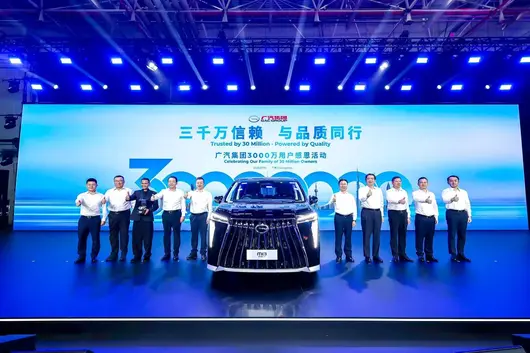
July 16, the GAC Group 30 million user gratitude event was held at the GAC Trumpchi factory. Relevant leaders from Guangdong Province, Guangzhou City, and Panyu District, Fu Bingfeng, Executive Vice President and Secretary-General of the China Association of Automobile Manufacturers, Feng Xingya, Chairman of GAC Group; He Xianqing, General Manager; and other leadership team members, industry partners, suppliers, dealer representatives, as well as representatives from overseas and domestic car owners, employees, and media, attended together, jointly witnessing the milestone moment of GAC welcoming its 30 millionth user.
At the event venue, GAC connected multiple global production bases simultaneously. GAC Honda P7, GAC Toyota bZ7, GAC Qijing GT7, GAC Aion N60, and GAC Hyper S600 rolled off the line sequentially as GAC's 29,999,995th to 29,999,999th vehicles respectively. Finally, the right-hand drive GAC Trumpchi M8 PHEV made a brilliant appearance on the stage at the venue as the 30 millionth complete vehicle. The collective appearance of the matrix of new energy vehicles on the production line became the direct proof of GAC fully accelerating its electrification and intelligence transformation.
Subsequently, Feng Xingya handed the key to the 30 millionth vehicle into the hands of Thai owner Mr. Tony Jaa. This moment captures not just a number, but also a warm witness of the mutual commitment between GAC and global users.
This trust spanning mountains and seas is exactly the confidence of GAC breaking through amid industry changes. In the first half of this year, GAC Group sales volume was 773,100 units, a year-on-year increase of 2.35%. Among them, new energy vehicle sales grew 68.8% year-on-year; overseas exports exceeded 120,000 units, a significant year-on-year increase of 132%, maintaining a steady pace during the period of deep industry reshaping.
Quality is the bottom line that GAC will never compromise on. Feng Xingya stated in his concluding speech. In GAC's development, scale growth has always kept quality as the foundation. From the R&D end to the manufacturing end, GAC has established a rigorous full-chain quality control system: Each new car must undergo extreme environment tests before launch, including high cold, high heat, high plateau, high humidity, high corrosion, mountainous areas, and sand dust, etc., known as "Five Highs, One Mountain, One Dust", completing "Two Winters, One Summer" on-site road tests; Utilizing test tracks and laboratories covering 12 major items and over 1,500 validation sub-items of the whole vehicle to achieve systematic quality verification; GAC Aion Intelligent Ecosystem Factory, as the "world's first new energy vehicle lighthouse factory", guarantees stable mass production quality through a digital intelligent manufacturing system.
At the level of core safety technology, the Star Spirit Safety Guardian System constructs four protection dimensions. Eight key systems adopt dual redundancy design, having protected nearly 2 million users and avoided 6.28 million potential travel risks; Cassette Batteries have been installed in 1.5 million vehicles cumulatively, with safe driving mileage exceeding 160 billion kilometers; The service side synchronously strengthens guarantees. GAC pioneered the autonomous brand "Three Responsibilities" policy in the industry, proactively covering issues regarding batteries and intelligent driving assistance that users care about, eliminating user concerns about using the vehicle. It is exactly these lines of safety defense and service commitments that support the brand confidence behind GAC's 30 million sales volume.
"What users care about, we keep in our hearts; what users expect, we go all out for." Feng Xingya stated. This user-centric philosophy has long been deeply integrated into the development genes of GAC Group. For many years, GAC Group has always adhered to the corporate philosophy "People Oriented, Trust as Way, Innovation First". Among them, the core essence of "People Oriented" is precisely putting users first.
On one hand, to face problems directly and listen to users' voices, GAC routinely holds "User Open Mic" activities, inviting users to "home" for face-to-face communication. At the same time, establishing a dedicated user insight department and promoting a full-process transformation from problem discovery to resolution, ensuring from the organizational mechanism that every user request receives a response and every matter finds a solution.
On the other hand, service networks synchronously accelerate penetration. At the channel level, promoting the sinking of service networks into counties, with plans to add 1,000 county-level authorized stores this year; at the response level, launching "Super Butler" service, achieving 5-second response and 2-hour request resolution, guaranteeing direct and fast handling of user requests. At the energy replenishment level, building a "9 Verticals 10 Horizontals" energy network, already covering 31 provinces and 213 cities across the country. Core urban areas achieve "there must be a station within 1 kilometer". Own-brand charging piles number exceeds 27,000, among them ultra-fast charging piles exceed 20,000, providing convenient energy replenishment services for new energy car owners.
The core theme of this gratitude event is to express sincere thanks and feedback for the long-term support of 30 million users. At the event site, Feng Xingya announced that effective immediately, GAC officially launches "GAC Group 30 Million Vehicles Roll-out · Renewal Gratitude Season". GAC Honda, GAC Toyota, GAC Trumpchi, GAC Aion, GAC Hyper, and GAC Qijing six passenger car brands will introduce special policies for new purchase, trade-in, and additional purchase, etc., to return every bit of companionship and support.

喺馬來西亞嘅 SUV 市場,好多買家在揀車嗰陣都會拿 Mazda CX-60 同 BMW X1 嚟做比較。呢兩款車喺價位同定位上都幾接近,今日我哋就從多個方面做個詳細嘅比較,幫你節省做功課嘅時間。
Mazda CX-60 喺馬來西亞嘅 OTR 售價係 RM 200,510 - 252,873,總共 2 個版本,包括 2026 3.3T 4WD High Plus(RM 252,873)、2025 2.5L 2WD High(RM 200,510)等。
BMW X1 喺馬來西亞嘅 OTR 售價係 RM 252,800 - 252,800,總共 2 個版本,包括 sDrive18i(RM 220,000)、sDrive20i(RM 250,000)等。
從價錢睇,Mazda CX-60 嘅起跳價真係比 BMW X1 平咗 RM 52,290。如果你預算有限,Mazda 嘅入門版已經可以滿足日常需要。但都要留意,平嗰幾千蚊,可能喺配備上面會有取捨,具體要睇你嘅需求。

Mazda CX-60 配備 2.0L 4-cyl,馬力 170 hp。官方油耗 8.0 L/100km。
BMW X1 配備 2.0L Turbo,馬力 220 hp。官方油耗 9.5 L/100km。
動力方面,BMW X1 嘅 2.0L Turbo 比 Mazda CX-60 嘅 2.0L 4-cyl 多咗 50 匹馬力。不過日常喺市區開,兩款車嘅動力都夠用,唔會覺得唔夠力。

Mazda CX-60 車身長 4500 mm,行李箱 450 L。
BMW X1 車身長 4400 mm,行李箱 400 L。
空間方面,Mazda CX-60 嘅車身比 BMW X1 長咗 100 mm,車內乘坐空間會寬鬆啲,尤其係後座腳位空間。如果你經常載家人或者需要放手推車,車身大啲真係更實用。

Mazda CX-60 保用 5 年/150,000km,保養間隔 每 10,000km 或 6 個月。
BMW X1 保用 5 年/無限里程,保養間隔 每 10,000km 或 6 個月。

總括嚟講,Mazda CX-60 同 BMW X1 都係馬來西亞市場幾唔錯嘅車型。揀邊一部,關鍵都要睇你個人需要同預算。建議大家做好功課,多比較幾間車行嘅報價,先去試駕先做最終決定。買車係件大嚟嘅事,花少少時間做功課絕對無錯。


喺馬來西亞嘅汽車市場,好多買家喺揀車嘅時候都會拎 Proton X50 同 Mazda CX-5 嚟做比較。今日我哋由多個方面做一次詳細嘅比較,幫你慳返做功課嘅時間。


Proton X50 喺馬來西亞嘅 OTR 售價係 RM 89,800 - 113,300,一共有 4 個版本,包括 1.5T Executive(RM 89,800)、1.5T Premium(RM 101,800)、1.5T Flagship(RM 113,300) 等。
Mazda CX-5 喺馬來西亞嘅 OTR 售價係 RM 135,469 - 166,760,一共有 3 個版本,包括 2025 2.0L AT 35th Anniversary(RM 316,154)、2025 2.0L AT(RM 296,154)、2025 2.0L MT(RM 294,154) 等。
從價錢睇落,Proton X50 嘅起步價確實比 Mazda CX-5 平咗 RM 45,669。如果你預算有限,Proton 嘅入門版已經可以滿足日常需求。但都要注意,平嗰幾千蚊,可能喺配備上要有取舍,具體要睇你嘅需求。

Proton X50 嘅安全評級係 5★ (ASEAN NCAP),主動安全系統包括 ADAS (ACC, AEB, LKA, LDA, BSM, RCTA)。
Mazda CX-5 嘅安全評級係 5★ (ASEAN NCAP),主動安全系統包括。
兩部車嘅安全評級一樣,喺呢個級距入面安全配備都算畀得好齊全啦。而家嘅新車安全性都不錯,唔使太擔心呢一點。

Proton X50 車身長 4400 mm,後備箱 400 L。
Mazda CX-5 車身長 4500 mm,後備箱 450 L。
空間方面,Mazda CX-5 嘅車身比 Proton X50 長咗 100 mm,乘坐空間會更有優勢。不過 Proton X50 喺城市入面停車會靈活啲,各有取舍。

Proton X50 保養 5 年/150,000km,保養間隔 每 10,000km 或 6 個月。
Mazda CX-5 保養 5 年/150,000km,保養間隔 每 10,000km 或 6 個月。
兩部車嘅保養條件一樣,呢方面唔使糾結。實際保養成本仲要睇品牌嘅服務網絡同零件價格,建議去車友群問下真實車主嘅經驗。

總體嚟講,Proton X50 同 Mazda CX-5 都係馬來西亞市場幾唔錯嘅車型。揀邊一部,關鍵仲係睇你嘅個人需求同預算。建議大家做好功課,多比較幾間車行嘅報價,先至去試駕做最終決定。買車係件大事,花少少時間做功課絕對唔會錯。


喺馬來西亞嘅汽車市場,好多買家喺揀車嗰陣都會拿豐田 Harrier 同現代 Palisade 嚟做比較。今日我哋由多個方面嚟做一個詳細比較,幫你省返做功課嘅時間。


豐田 Harrier 喺馬來西亞嘅 OTR 售價係 RM 289,000 - 289,000,總共有一 1 個車版,包括 2026 HEV 2.5L Standard(RM 289,000)等。
現代 Palisade 喺馬來西亞嘅 OTR 售價係 RM 368,838 - 399,838,總共有 4 個車版,包括 2023 3.8L 2WD Luxe 7 Seats Petrol(RM 399,838)、2023 2.2T 4WD Executive 7 Seats Diesel(RM 389,838)、2023 3.8L 2WD Luxe 8 Seats Petrol(RM 378,838)等。
由價錢嚟睇,豐田 Harrier 嘅起步價確實比現代 Palisade 平咗 RM 79,838。如果你預算有限,豐田嘅入門版已經可以滿足日常需要。但都要注意,平嗰幾千塊,可能喺配備上會有取捨,具體要看你嘅需要。

豐田 Harrier 嘅安全評級係 5★ (ASEAN NCAP),主動安全系統包括 Brand ADAS。
現代 Palisade 嘅安全評級係 TBD,主動安全系統包括 Basic。
安全配備方面,兩款車都拿到唔錯嘅評級。不過豐田 Harrier 嘅 Brand ADAS 同現代 Palisade 嘅 Basic 喺功能上有啲差異,如果你比較睇重主動安全嘅話,可以仔細對比下兩者嘅功能列表。

豐田 Harrier 保養期 5 年/無限制里程,保養間隔 每 10,000km 或 6 個月。
現代 Palisade 保養期 5 年/300,000km,保養間隔 每 10,000km 或 6 個月。

豐田 Harrier 同現代 Palisade 都係馬來西亞市場嘅主流選擇,適合家庭使用、日常通勤。如果你更睇重品牌口碑同二手價,可以優先考慮口碑更好嗰一款;如果你更在意性價比同配備,那就揀配置更豐富嗰款。最後都建議兩款都去試駕,親身體驗先至最重要。

總體嚟講,豐田 Harrier 同現代 Palisade 都係馬來西亞市場好唔錯嘅車款。揀邊部,關鍵都係要睇你嘅個人需要同預算。建議大家做好功課,多比較幾間車行嘅報價,再去做最終決定。買車係件大事,花啲時間做功課絕對唔會錯。


年中收官,上汽商用车五大品牌多线突破,新能源转型领跑,出口再创纪录。继1-5月取得“轻客双冠王”、增速大幅领先商用车行业后,6月,上汽商用车热销31,033辆,同比大增42%;1-6月全系热销147,592辆,同比增长24%。其中,海外6月热销14,071辆再创纪录,同比激增70%;1-6月累计出海65,183辆,同比增长33%。新能源转型纵深突破,6月及上半年新能源销量增速分别达到80%和69%,国内新能源渗透率分别高达60%和47%,引领商用车绿色转型。旗下大通、跃进、依维柯、红岩、申沃五大品牌全线发力,轻客断层领跑、皮卡出口夺冠、轻卡逆势突围、重卡客车绿色进阶,全品类、全赛道协同向上,持续夯实中国商用车领军者地位。


【上汽商用车2026年6月热销】
轻客断层领跑、再创新高,夯实“中国轻客第一品牌”地位。轻客板块在商用车企业中持续霸榜,月销和年累销连续多月蝉联国内上险、出口、总批售量三大第一。其中大通轻客以绝对优势坐稳行业头把交椅:5月拿下单月+累计“双冠王”,6月销量再创新高、热销13,902辆,同比大增62%,稳居“中国轻客第一品牌”。明星车型大拿系列上演现象级爆发:6月热销7,207辆,同比大涨218%,持续刷新销量纪录。年初上市的大拿V1(宁德天行电池50度)实现续航、补能、质保全方位升级,加量不加价的诚意进一步巩固“创富神车”口碑。大拿超级增程作为行业首款超级增程大轻客上市后,完美破解城配用户续航焦虑与运营成本痛点,快速抢占跨城物流细分市场。

【大拿V1(宁德天行电池50度)】
依维柯同步多点突破,6月推出行业首个半固态电池宜商宜家大轻客——全新聚星EV,电池安全性能超越行业标准20%,重新定义新能源轻客安全天花板;年初上市的得意8AT车型“升级不加价”,集强劲动力、超低油耗、智能操控与高性价比于一身;行业唯一三把锁真四驱越野轻客——欧霸·山海系列,在苏州GT Show和上汽商用车“越野越行”越野体验营中展现硬核实力。依维柯在城市商用车与越野改装两大赛道同步发力,以多元产品满足不同用户出行需求。此外,依维柯还陆续斩获医疗公益、城市警用、金融安保等行业大单,专用车市场认可度持续攀升。

【聚星EV】
皮卡、轻卡双线走强,全品类增长格局稳固。延续“中国高端皮卡出口第一”“5月皮卡整体出口第一”领先势能,大通皮卡6月销售7,871辆,同比大涨83%,高基数下依然保持高速增长。上半年,全新星际L、26款星际EV、26款T60三车齐发,全面覆盖商用创富、专业作业、越野出行多元需求,同步迎来第40万辆皮卡荣耀下线的里程碑时刻;行业首创的“7天免费试用”政策与“星际计划”助农行动同步推进,产品价值与品牌口碑双向提升。

【全新星际L】
跃进轻卡黑马突围,6月热销5,258辆,同比增长54%;1-6月销售23,864辆、同比增长48%,在行业存量竞争中逆势冲高,其中新能源车热销12,971辆,同比增长65%,电动化转型提速增效。大拿T3斩获行业年度小卡销量TOP奖,市场实绩与行业口碑双向加冕。福星S90荣耀版、大拿T2换电版-81°、大拿T3-71°长续航纯电小卡三款新品集中上市,全面覆盖多元补能模式与运营场景。

【大拿T3】
重卡与客车赛道绿色进阶,新动力保持双位数增长。上汽红岩转型后再起航,依托“可电可氢可混动”岩链技术架构,第三代新能源重卡上市即斩获2,700辆订单,新能源渣土车批量交付基建一线,以零碳运力护航产业升级。早已完成全面绿色转型的申沃客车,纯电城市客车批量服务核心城市公交网络,海外布局同步提速。零部件板块新动力科技1-6月发动机累计销量破11万台,连续6个月保持二位数增长,全球市场配套竞争力稳步提升。

【申沃绿色公交】


【上汽商用车6月销量全线突破】
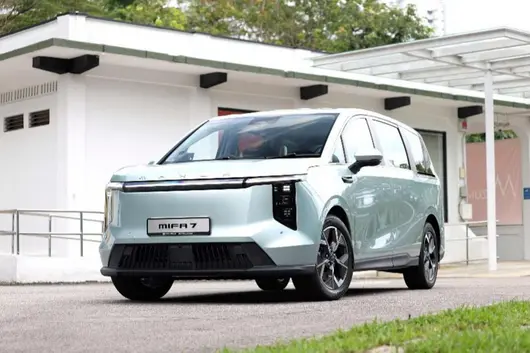
海外销量大幅增长,核心市场领跑,标杆订单加速落地。6月海外热销14,071辆再创纪录,同比激增70%;1-6月累计销售65,183辆,同比增长33%,增长质量持续提升。成熟市场龙头地位持续巩固,新加坡市场6月继续保持轻型商用车市占率第一,已连续三个月蝉联榜首;中国香港市场MIFA 7(国内大家7)稳居中型MPV市场市占率第一,乘用与商用双线领跑。新兴市场增长势能强劲,菲律宾市场G50 PHEV于4月首发,上市仅两个月累计订单已超1,000台;泰国市场MIFA 7上半年累计销量近400台,同比增长近300%;还携手越南企业开拓东南亚电动轻卡赛道。

【MIFA 7在香港市场】
大客户标杆订单频频斩获:6月吉隆坡国际车展上,上汽大通斩获马来西亚300台eDeliver 5(国内大拿V1)新能源轻客订单,创下当地史上最大新能源轻客单笔订单纪录;DHL集团累计批量采购2500台纯电轻客,大通成为首个进驻DHL德国邮政投递车队的中国汽车品牌,全球头部客户认可度持续攀升。皮卡板块再获批量订单,委内瑞拉市场6月收获100台T60批量订单,智利市场140台T60矿区客户订单将于6月底交付,高端皮卡出口优势持续夯实。目前上汽商用车产品畅销全球100多个国家和地区,轻客、高端皮卡出口量稳居中国品牌前列,形成多个万辆级核心市场,“中国智造”的全球影响力持续提升。

【T60在海外】
从单月稳步增长到上半年圆满收官,从新能源深度转型到全球化纵深拓展,上汽商用车以新能源转型和全球化布局为抓手,五大品牌全线发力,持续巩固商用车行业领军地位。下半年,上汽商用车将继续锚定全球商用车领先品牌愿景,深化技术迭代、完善全球布局、升级生态服务,以更强的产品力与品牌力,推动中国商用车产业向全球价值链高端攀升。
版权声明:此文源自厂家供稿 ,如需转载请尊重版权并保留出处。内容若存有质量疑问请立即与本网联系,《商用车之家/汽车立体声》将尽快处理并予以回应。
喺馬來西亞嘅汽車市場,好多買家喺揀車嘅時候都會拿 Volvo XC90 PHEV 同 Land Rover Defender 嚟做比較。今日我哋由多個方面做一個詳細嘅對比,幫你省下做功課嘅時間。


Volvo XC90 PHEV 喺馬來西亞嘅 OTR 售價係 RM 434,888 - 434,888,一共有 2 個版本,包括 2025 2.0T 77km Ultra(RM 434,888)、Volvo XC90 PHEV 具備咩安全配備(RM 362,888)等。
Land Rover Defender 喺馬來西亞嘅 OTR 售價係 RM 688,000 - 688,000,一共有 1 個版本,包括 Standard(RM 688,000)等。
由價錢嚟睇,Volvo XC90 PHEV 嘅起步價確實比 Land Rover Defender 平咗 RM 253,112。如果你預算有限,Volvo 嘅入門版已經可以滿足日常需求。但都要留意,平嗰幾千蚊,可能喺配備上會有取捨,具體要睇你嘅需求。

Volvo XC90 PHEV 裝 Hybrid,馬力 170 hp。官方油耗 4.5 L/100km。
Land Rover Defender 裝 3.0L Turbo,馬力 350 hp。官方油耗 12.0 L/100km。
動力方面,Land Rover Defender 嘅 3.0L Turbo 比 Volvo XC90 PHEV 嘅 Hybrid 多咗 180 匹馬力。不過日常喺市區開嘅話,兩部車嘅動力都夠用,唔會覺得唔夠力。

Volvo XC90 PHEV 嘅安全评分係 5★ (Euro NCAP),主動安全系統包括 Premium ADAS。
Land Rover Defender 嘅安全评分係 TBD,主動安全系統包括 Basic。
安全配備方面,兩部車都拿到唔錯嘅評分。不過 Volvo XC90 PHEV 嘅 Premium ADAS 同 Land Rover Defender 嘅 Basic 喺功能上有些分別,如果你比較睇重主動安全嘅話,可以仔細比較下兩者嘅功能列表。

Volvo XC90 PHEV 採用 FWD 驅動方式。
Land Rover Defender 採用 4WD 驅動方式。
Volvo XC90 PHEV 嘅 FWD 同 Land Rover Defender 嘅 4WD 喺操控上會有唔同感受,建議試駕比較。

總體嚟講,Volvo XC90 PHEV 同 Land Rover Defender 都係馬來西亞市場唔錯嘅車型。揀邊一部,關鍵始終係睇你嘅個人需求同預算。我建議大家做好功課,多比較幾間車行嘅報價,先至去試駕做最終決定。買車係件大事,花少少時間做功課絕對唔會錯。


車型概覽

名爵M9 EV 值唔值得睇,第一步唔係望牌子或者外形,而係睇佢能唔能夠配合你嘅香港日常。 呢篇會集中講同級車比較,幫你用買家角度篩走唔適合嘅選擇。
HK$ 298,000 / HK$ 328,000 / HK$ 358,000 令預算位置更清楚,買家可以先估算月供、保險、泊車同日常開支。
購車價格指南
名爵M9 EV 嘅購車預算可以先由 HK$ 298,000 / HK$ 328,000 / HK$ 358,000 開始計。香港買車唔只係睇車價,月供、保險、牌費、泊車同能源成本都會影響每月壓力。
如果有幾個版本可揀,可以先將 2025 580km Advan(HK$ 298,000)、2025 580km Luxury(HK$ 328,000)、2025 565km Premium(HK$ 358,000) 放喺同一張清單。日常通勤重視舒適同易用,家庭買家就要優先睇後排、尾箱同安全配置。
核心規格重點
睇 名爵M9 EV 嘅規格,重點唔係背數字,而係理解佢喺香港用車場景會帶嚟咩分別。
90 kWh 嘅電池容量,真正意義係可以幫你估算一星期通勤同周末出車要唔要中途補電。 180 kW、350 N·m 嘅輸出,令高速併線同短距離超車更有信心。 車長 5270 mm、車闊 2000 mm、車高 1840 mm、軸距 3200 mm 可以幫你預判商場停車場、屋苑車位同後排腿部空間。 固定齒比、前置前駆 會影響起步順滑度、濕地穩定感同長途巡航性格。
優缺點分析
名爵M9 EV 嘅優點唔需要講到天花龍鳳,真正有價值係佢能唔能夠令日常用車更省心:預算位置清楚,方便同同級車直接比較、電池同續航資訊有助安排通勤同補電、動力輸出對高速同上斜更有底氣。
要留意嘅係,要先確認屋苑、公司或常去商場嘅充電條件、香港停車場同窄路使用要留意車身闊度。呢啲唔一定係缺點,但係落訂前應該先諗清楚。
買家常見問題
買 名爵M9 EV 之前,真正要問嘅唔係單一規格,而係佢可唔可以融入你每日嘅生活節奏。
常見疑問係「名爵 M9 EV 嘅車廂空間實用性表現係點樣?」簡單講,名爵 M9 EV 為中型 SUV,車廆空間寬敞實用,後排與尾箱空間適合家庭使用。 放到實際用車,就係要睇佢對通勤、泊車、家庭乘坐同長期成本有幾大幫助。
同級對比內容
將 名爵M9 EV 放入同級車清單時,唔建議只用外形或者品牌光環決定。比較順序可以係:先用 HK$ 298,000 / HK$ 328,000 / HK$ 358,000 鎖定預算圈、再睇動力係咪足夠應付高速併線同滿載、再比較能源成本同補能便利、最後睇車身大小、座位同尾箱是否適合家人。
咁樣篩選會貼近香港買家真實生活:平日塞車、商場泊車、周末去新界、甚至一家人出入,先係一部車每日要面對嘅考驗。
用車全周期指南

擁有 名爵M9 EV 最重要係先諗清楚充電節奏。屋苑、公司或者常去商場只要有穩定充電選項,電動化用車就會容易相處好多。
如果你主要喺市區行,視野、低速順滑度同泊車輔助會好影響心情;如果經常行高速或跨區,座椅舒適度、隔音同動力從容感會更重要。


車型概覽

保時捷Taycan 值唔值得睇,第一步唔係望牌子或者外形,而係睇佢能唔能夠配合你嘅香港日常。 呢篇會集中講花出去嘅錢係咪換到每日都用得着嘅便利,幫你用買家角度篩走唔適合嘅選擇。
零售價 HK$ 737,069 - 1,771,552、完稅價 HK$ 1,478,000 - 3,878,000 令預算位置更清楚,買家可以先估算月供、保險、泊車同日常開支。
購車價格指南
保時捷Taycan 嘅購車預算可以先由 零售價 HK$ 737,069 - 1,771,552、完稅價 HK$ 1,478,000 - 3,878,000 開始計。香港買車唔只係睇車價,月供、保險、牌費、泊車同能源成本都會影響每月壓力。
如果有幾個版本可揀,可以先將 2026 Taycan(HK$ 1,478,000)、2026 Taycan Long Range(HK$ 1,605,136)、2026 Taycan 4(HK$ 1,548,000)、2026 Taycan 4 Cross Turismo(HK$ 1,638,000) 放喺同一張清單。日常通勤重視舒適同易用,家庭買家就要優先睇後排、尾箱同安全配置。
核心規格重點
睇 保時捷Taycan 嘅規格,重點唔係背數字,而係理解佢喺香港用車場景會帶嚟咩分別。
89/105 kWh 嘅電池容量,真正意義係可以幫你估算一星期通勤同周末出車要唔要中途補電。 300/320/400/440 kW、410/420/585/610 N·m 嘅輸出,令高速併線同短距離超車更有信心。 車長 4963/4974 mm、車闊 1966/1998 mm、車高 1379/1409 mm、軸距 2900/2904 mm 可以幫你預判商場停車場、屋苑車位同後排腿部空間。 自動(AT) / 固定齒比、後置後駆 / 雙電機四駆 會影響起步順滑度、濕地穩定感同長途巡航性格。
優缺點分析
保時捷Taycan 嘅優點唔需要講到天花龍鳳,真正有價值係佢能唔能夠令日常用車更省心:預算位置清楚,方便同同級車直接比較、電池同續航資訊有助安排通勤同補電、動力輸出對高速同上斜更有底氣。
要留意嘅係,要先確認屋苑、公司或常去商場嘅充電條件、香港停車場同窄路使用要留意車身闊度。呢啲唔一定係缺點,但係落訂前應該先諗清楚。
買家常見問題
買 保時捷Taycan 之前,真正要問嘅唔係單一規格,而係佢可唔可以融入你每日嘅生活節奏。
常見疑問係「Porsche Taycan 喺香港嘅主要對手係邊啲?」簡單講,Porsche Taycan喺香港市場嘅主要競爭對手包括同樣主打高性能嘅電動車,例如Tesla Model S Plaid、Audi RS e-tron GT,以及Lucid Air。佢哋都係集豪華、高性能同長續航於一身嘅純電動四門房車。 放到實際用車,就係要睇佢對通勤、泊車、家庭乘坐同長期成本有幾大幫助。
同級對比內容
將 保時捷Taycan 放入同級車清單時,唔建議只用外形或者品牌光環決定。比較順序可以係:先用 零售價 HK$ 737,069 - 1,771,552、完稅價 HK$ 1,478,000 - 3,878,000 鎖定預算圈、再睇動力係咪足夠應付高速併線同滿載、再比較能源成本同補能便利、最後睇車身大小、座位同尾箱是否適合家人。
咁樣篩選會貼近香港買家真實生活:平日塞車、商場泊車、周末去新界、甚至一家人出入,先係一部車每日要面對嘅考驗。
用車全周期指南

擁有 保時捷Taycan 最重要係先諗清楚充電節奏。屋苑、公司或者常去商場只要有穩定充電選項,電動化用車就會容易相處好多。
如果你主要喺市區行,視野、低速順滑度同泊車輔助會好影響心情;如果經常行高速或跨區,座椅舒適度、隔音同動力從容感會更重要。


