首頁羽毛球

搜尋歷史
熱門搜尋
經銷商登入 / 註冊

In the Malaysian SUV market, many buyers compare the Toyota Corolla Cross and Mazda CX-60 when choosing a car. The prices and positioning of these two cars are quite close. Today we will make a detailed comparison from multiple aspects to help you save time on research.
The Toyota Corolla Cross OTR price in Malaysia is RM 133,800 - 148,800, there are 3 versions in total, including 2026 HEV 1.8L GR Sport (RM 148,800), 2026 HEV 1.8L Standard (RM 140,800), 2026 1.8L Standard (RM 133,800) and so on.
The Mazda CX-60 OTR price in Malaysia is RM 200,510 - 252,873, there are 2 versions in total, including 2026 3.3T 4WD High Plus (RM 252,873), 2025 2.5L 2WD High (RM 200,510) and so on.
In terms of price, the Toyota Corolla Cross is indeed RM 66,710 cheaper at the starting price than the Mazda CX-60. If your budget is limited, Toyota's entry-level version can already meet daily needs. But note also, the cheaper few thousand might have trade-offs in features, it depends on your specific needs.

The Toyota Corolla Cross safety rating is 5★ (ASEAN NCAP), active safety systems include TSS (PCS, LDA, ACC, LTA).
The Mazda CX-60 safety rating is 5★ (Euro NCAP), active safety systems include i-Activsense Pro.
Regarding safety features, both cars received good ratings. However, the TSS (PCS, LDA, ACC, LTA) of Toyota Corolla Cross and the i-Activsense Pro of Mazda CX-60 have some differences in functions. If you value active safety more, you can compare their function lists carefully.

Toyota Corolla Cross warranty 5 years / unlimited mileage, maintenance interval every 10,000km or 6 months.
Mazda CX-60 warranty 5 years / 150,000km, maintenance interval every 10,000km or 6 months.

Toyota Corolla Cross and Mazda CX-60 are both mainstream choices in the Malaysian market, suitable for family use, daily commuting. If you value brand reputation and resale price more, you can prioritize the one with better reputation; if you value cost-performance and features more, then choose the one with richer configuration. Finally, it is recommended to test drive both, experiencing it personally is the most important.

Overall, Toyota Corolla Cross and Mazda CX-60 are both very good models in the Malaysian market. Which one to choose depends mainly on your personal needs and budget. We recommend doing your homework, comparing quotes from several car dealerships, then test driving to make the final decision. Buying a car is a big deal, spending time doing homework is never wrong.


8 月 26 日,暑假將近尾聲,各大中小學開學在即,一些汽車企業亦公佈上半年成績單,睇邊家公司上半場考得好,進而捲起袖子加油幹、加電幹,幹好下半場。
在國內汽車行業競爭白熱化、新能源賽道內捲加劇、多數汽車企業面臨增收不增利嘅行業困境下,東風股份交出一份銷量穩增、營業額上升、利潤大漲、轉型提速嘅高質量年中答卷。
(一)再唔可以咁樣活
與一啲新勢力同老實力以規模換市場,甚至係犧牲收益同利潤都要令友商冇路行嘅畸形競爭路徑唔同,東風股份立足輕型商用車主業,深耕場景化新能源、智能化同海外市場,闖出一条穩健盈利、務實轉型、技術落地嘅國資車企轉型新路線,為傳統車企新能源升級提供全新範本。

從核心經營數據嚟睇,東風股份 2026 年上半年經營韌性凸顯,增長質量遠超行業平均水平,喺行業需求結構調整、市場競爭持續加劇嘅複雜環境中,通過全面轉型變革、創新賦能同精细化運營,實現穩健高質量增長。
報告期內,公司實現營業收入 55.16 億元,同比增長 9.64%;
利潤總額 1.69 億元,同比大幅增長 83.56%;
歸屬於上市公司股東嘅淨利潤 1.24 億元,同比增長 27.83%,盈利增速大幅跑贏營收增速,全鏈條降本增效、產品結構優化成效落地見效。
整車銷量 6.9 萬輛,同比微增 0.44%,逆勢跑贏整體平淡嘅商用車大市。
核心增長板塊表現尤為亮眼,新能源整車銷量達 1.8 萬輛,同比增長 99.2%,翻倍式增速大幅領先行業 40.2% 嘅新能源商用車整體增速;
海外整車出口 1.3 萬輛,同比增長 81.4%,顯著高於行業 32.5% 嘅商用車出口增速,成為公司兩大核心增長極。
同時,核心零部件板塊穩健賦能,東風康明斯發動機上半年銷量 13.4 萬台,同比增長 18.39%,發電機組配套業務同步大幅增長,夯實整車產品嘅動力性能同成本優勢,構建起整車同零部件協同增收嘅良性格局。
(二)跳出東風看東風
我哋換個視角,將東風股份置於整個新能源汽車行業橫向對比,其與零跑、小鵬、賽力斯、廣汽等新老勢力嘅發展邏輯、增長結構、經營理念形成鮮明差異化,亦演繹咗當下车企嘅兩大生存賽道。

銷量維度,行業呈現「新勢力衝規模,國資車企重質量」嘅鮮明分化。
2026 年上半年,零跑汽車以 35.65 萬輛嘅累計交付量登頂新勢力銷量榜首,同比增長 60.8%,憑藉極致性價比策略、大單品同海外放量實現規模斷層領先。
小鵬汽車聚焦智能駕駛迭代,上半年銷量穩步修復。
賽力斯依托華為深度賦能,深耕 30 萬級高端乘用車市場,主打高端智能化溢價。
廣汽集團依靠埃安品牌支撐,新能源整體銷量穩居傳統車企第一梯隊,增速穩健。
反觀東風股份,並唔追求乘用車式嘅海量規模,6.9 萬輛嘅整體銷量體量遠唔及主流乘用車企,但增量含金行業領先。

其新能源增長聚焦城配、冷鏈、城鄉配送等垂直商用場景,新能源輕卡銷量同比暴漲 573.4%,福瑞通 VAN 車交付同比提升 153.9%,細分賽道實現爆發式增長,避開乘用車紅海內捲,走出專屬商用車新能源嘅增長曲線。
盈利維度,東風股份嘅優勢更為突出,破解咗新能源行業「規模越大、虧損越高」嘅普遍難題。
多數新勢力依舊處於規模擴張期,依靠銷量沖高搶佔市場份額,前期研發、渠道、營銷投入巨大,長期面臨盈利壓力,屬於「以規模換未來」嘅發展模式。
而東風股份依托成熟嘅商用車產業鏈、穩定嘅大客戶體系同極致嘅全鏈條降本策略,實現銷量穩、營收增、利潤增嘅良性循環,83.56% 嘅利潤同比增速,喺新老新能源車企中極為稀缺,展現出傳統國資車企扎實嘅經營底盤同極強嘅抗風險能力。
經營策略同轉型理念嘅差異,係東風股份與新勢力、主流車企最核心嘅區別。
零跑、小鵬嘅核心邏輯係全域自研、規模突圍、全球化放量,以智能化、性價比搶佔大眾乘用車市場,通過海量攤薄研發同生產成本;賽力斯主打科技賦能、高端溢價、生態協同,依托華為技術打造高端智能汽車品牌;廣汽堅持多品牌、全品類、全賽道佈局,覆蓋高低端乘用車、新能源全市場。
東風股份走嘅係垂直深耕、場景落地、技術務實、穩步迭代嘅國資穩健路線,唔盲目跟風乘用車賽道內捲,聚焦自身輕型商用車主業優勢。
(三)就係咁樣轉型
轉型路上,東風股份堅持研發賦能、技術落地、智造升級三位一體推進,築牢長期發展壁壘。
公司持續加大科創投入,上半年研發費用達 2.13 億元,同比大幅增長 74.48%,研發力度跨越式提升。

依托自有獨立研發中心,公司聚焦純電平台車型、氫燃料卡車、滑板底盤、高階智能駕駛等前沿賽道深耕研產,構建自主可控嘅核心技術體系。產品端持續完善新能源矩陣,同時重磅推出 OpenVAN 無人物流運力品牌,落地多款 L4 級高階智能物流產品,實現自動駕駛物流車、智能環衛車常態化示範運營,斬獲超 4000 戰略訂單,令智能化從技術概念轉化為商業化增量,完成產品向綠色化、智能化嘅深度迭代。
製造端更係补齐硬核實力,公司以「綠色環保、數字貫通、柔性製造、平台共享」為核心目標,搭建新一代整車綜合製造平台,打造LCV數智化標杆工廠,通過嚴苛嘅品控體系、優化嘅終端售後服務,持續提升產品品質、運營效率同市場口碑,為轉型提質、銷量增長提供堅實智造支撐。
海外業務同核心零部件業務嘅雙增長,進一步夯實咗東風股份嘅發展底氣。

上半年整車出口 1.3 萬輛,同比增長 81.4%,喺馬來西亞、古巴、拉美、東南亞等市場持續突破,海外品牌影響力快速提升;
發動機業務銷量同比增長 26%,發電機組配套業務大幅增長,動力總成核心技術積澱,為整車品質同盈利空間提供咗雙重保障。
區別於多數車企單一依賴整車銷售嘅模式,東風股份形成「整車 + 核心零部件 + 海外出口 + 智能新業務」嘅多元盈利結構,抗週期能力遠超行業平均水平。
(四)「增量亦增利」
縱觀 2026 年車企半年考,行業內捲加劇、價格戰持續,乘用車賽道紅海競爭愈演愈烈,多數車企陷入「增量唔增利」嘅困境。
零跑、小鵬等新勢力贏喺規模速度,東風股份贏喺經營質量;廣汽、賽力斯勝喺品牌勢能,東風股份勝喺穩健務實。
作為傳統國資車企,東風股份冇固守燃油車舒適區,亦冇盲目跨界跟風,而是立足自身稟賦,精準把握商用車新能源、智能化、國際化機遇,以結構優化、技術創新、降本增效、生態拓展實現高質量轉型。

從行業長遠發展嚟睇,汽車下半場嘅競爭早已告別單純嘅銷量比拼,盈利能力、轉型質量、技術落地、抗風險韌性成為核心競爭力。
東風股份呢份半年報,印證咗傳統商用車車企嘅轉型潛力,更為主流車企提供新思路:
唔盲目追規模、唔跟風捲價格,深耕細分賽道、做實技術落地、夯實盈利底盤,方喺激烈嘅行業洗牌中站穩腳跟、持續領先。面
東風股份表示,將持續聚焦新質商品、營銷能力、高質量運營、生態融合、價值創享五大核心發展方向,持續加速新能源同智能化轉型,持續優化產品結構、強化產業生態佈局,搶抓行業轉型新機遇,穩步推進高質量發展。
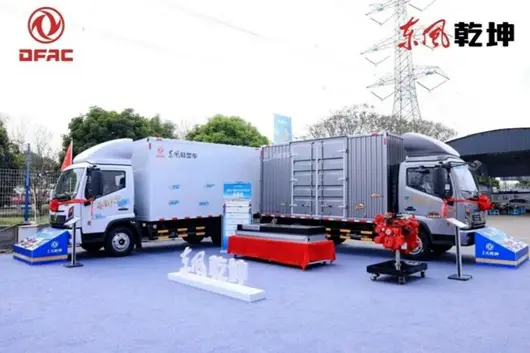

喺馬來西亞嘅 SUV 市場,好多買家喺揀車嘅時候都會拿 Proton X90 同 GWM Haval H6 嚟做比較。呢兩款車喺價錢同定位上都幾接近,今日我哋就喺多個方面做一個詳細嘅對比,幫你節省做功課嘅時間。
Proton X90 喺馬來西亞嘅 OTR 售價係 RM 106,800 - 122,800,一共有 4 個型號,包括 2026 1.5T Prime X(RM 122,800)、2026 1.5T Prime(RM 116,800)、2026 1.5T Lite(RM 106,800) 等。
GWM Haval H6 喺馬來西亞嘅 OTR 售價係 RM 139,750 - 139,750,一共有 2 個型號,包括 1.5L Turbo Standard(RM 140,000)、1.5L Turbo Premium(RM 155,000) 等。
從價錢睇,Proton X90 嘅起步價確實比 GWM Haval H6 平咗 RM 32,950。如果你預算有限,Proton 嘅入門版已經可以满足日常需要。但都要注意,平嗰幾千蚊,可能喺配備上會有取捨,具體要睇你嘅需要。

Proton X90 嘅安全評級係 5★ (ASEAN NCAP),主動安全系統包括 ADAS (ACC, AEB, LKA, LDA, BSM, RCTA)。
GWM Haval H6 嘅安全評級係 TBD,主動安全系統包括 Basic。
安全配備方面,兩款車都拿到唔錯嘅評級。不過 Proton X90 嘅 ADAS (ACC, AEB, LKA, LDA, BSM, RCTA) 同 GWM Haval H6 嘅 Basic 喺功能上有少少分別,如果你比較看重主動安全嘅話,可以仔細對比下兩者嘅功能列表。

Proton X90 保養 5 年/150,000km,保養間隔 每 10,000km 或 6 個月。
GWM Haval H6 保養 7 年/150,000km,保養間隔 每 10,000km 或 6 個月。
Proton X90 同 GWM Haval H6 都係馬來西亞市場嘅主流選擇,適合家庭使用、日常通勤。如果你更看重品牌口碑同二手價,可以優先考慮口碑更好嗰一款;如果你更介意性價比同配備,那就揀配置更豐富嗰款。最後都係建議兩款都去試駕,親身體驗先係最重要嘅。
總體嚟講,Proton X90 同 GWM Haval H6 都係馬來西亞市場幾唔錯嘅車型。揀邊一輛,關鍵仲要睇你嘅個人需要同預算。建議大家做好功課,多比較間車行嘅報價,再去試駕做最終決定。買車係件大事,花點時間做功課絕對唔會錯。



8 月 12 日,奇瑞風雲 T7 正式啟動預售,推出 3 款車型,預售指導價 10.99 萬元至 12.99 萬元。該車定位純電緊湊型 SUV,主打“全球品質”概念,全系標配 CLTC 工況 600 公里續航,並同步公布 7 重購車權益。

依托奇瑞 23 年全球化技術積累,風雲 T7 在研發階段即對標海外市場標準。據官方資料,該車按 2026 版 E-NCAP 五星安全設計,功能安全達到 ASILD 最高等級,整車累計測試里程超過 600 萬公里,覆蓋東南亞雨季、中東高溫、印尼高濕等極端氣候場景。車身採用 80% 高強度鋼與 18.84% 熱成型鋼,全系標配 9 安全氣囊,動力電池包 IP68 防水等級為國標的 96 倍。

續航與補能方面,風雲 T7 全系搭載 65.05kWh“犀牛電池”,CLTC 續航 600 公里,實測續航 667 公里以上,30% 至 80% 快充耗時 20 分鐘。熱管理系統可在 -30°C 至 55°C 溫域內穩定運行,適配北方冬季用車需求。

智能化配置上,新車搭載艙駕一體 8775 芯片,4nm 製程、72TOPS 算力,配備 15.6 英寸 2.5K 中控屏,兼容 CarPlay、HUAWEI HiCar 及 CarLink 無線連接。駕駛輔助系統集成 22 顆傳感器,支持 300 餘種泊車場景,包括斷頭路泊車與跨樓層泊車。

車身尺寸為 4570×1852×1694mm,軸距 2700mm,車內得房率 84%,後排座椅放倒後可形成 1955mm 純平空間。底盤由國際化團隊調校,軸荷比 50.8:49.2。

預售政策方面,奇瑞推出動力電池熱失控損毀同款新車賠償、輔助駕駛事故最高 500 萬元賠償兩項兜底保障,同時提供整車終身質保(含三電,易損件除外)及 666 元購價值 3999 元終身基礎保養套餐。

風雲 T7 以全球標準為賣點,直面國內純電 SUV 市場競爭,其實際產品力與市場表現尚待交付後檢驗。



喺馬來西亞嘅 SUV 市場,好多名買車嘅人都會拿 Proton X70 同 Kia Sportage 做比較。呢兩款車喺價位同定位上都幾接近,今日我哋就從多個方面做一個詳細嘅對比,幫你省返做功課嘅時間。
Proton X70 喺馬來西亞嘅 OTR 售價係 RM 106,800 - 122,300,一共有 3 個版本,包括 1.5L Standard 2WD(RM 106,800)、1.5L Executive 2WD(RM 115,800)、1.5L Premium 2WD(RM 122,300) 等。
Kia Sportage 喺馬來西亞嘅 OTR 售價係 RM 129,639 - 179,320,一共有 4 個版本,包括 2025 1.6T DCT 4WD High(RM 179,320)、2025 1.6T DCT 2WD High(RM 159,320)、2025 2.0L AT 2WD High(RM 139,639) 等。
從價錢睇,Proton X70 嘅起步價確實比 Kia Sportage 平咗 RM 22,839。如果你預算有限,Proton 嘅入門版已經可以滿足日常需求。但要留神,平嘅嗰幾千蚊,可能喺配備上有取舍,具體要睇你嘅需求。

Proton X70 車身長 4400 mm,尾箱 400 L。
Kia Sportage 車身長 4400 mm,尾箱 400 L。
兩款車嘅尺寸幾近一樣,車內空間差別唔大。呢個級別嘅車,日常使用完全夠用。
Proton X70 保用 5 年/150,000km,保養間隔 每 10,000km 或 6 個月。
Kia Sportage 保用 5 年/300,000km,保養間隔 每 10,000km 或 6 個月。
Proton X70 同 Kia Sportage 都係馬來西亞市場嘅主流選擇,適合家庭使用、日常通勤。如果你更睇重品牌口碑同二手價,可以優先考慮口碑更好嗰一款;如果你更在意性價比同配備,那就揀配置更豐富嗰款。最終都係建議兩款都去試駕,親身體驗先係最重要嘅。
總體嚟講,Proton X70 同 Kia Sportage 都係馬來西亞市場好唔錯嘅車型。揀邊一輛,關鍵都要睇你嘅個人需求同預算。建議大家做足功課,多比較幾間車行嘅報價,再去試駕做最終決定。買車係件大事,花少少時間做功課絕對唔會錯。


According to recent joint data released by the Philippine Automobile Manufacturers Association (CAMPI) and the Truck Manufacturers Association (TMA), in June 2026, Tesla became the best-selling pure electric vehicle brand in the Philippines.

Industry-leading sales data reflects the genuine recognition of Filipino owners towards the product. Blogger @Muskonomy once shared the first-month driving experience of a Filipino Model 3 owner: Charging costs were only 1/6 of the previous gasoline car, stating outright "I never want to switch back to a gasoline car again".
In many countries and regions of the Southeast Asian market, Tesla has seen sales growth. Tesla shared on its official overseas platforms that Tesla achieved a new monthly sales high in the Singapore market in June, with Model Y surpassing gasoline vehicles to become the best-selling SUV model across all categories locally.
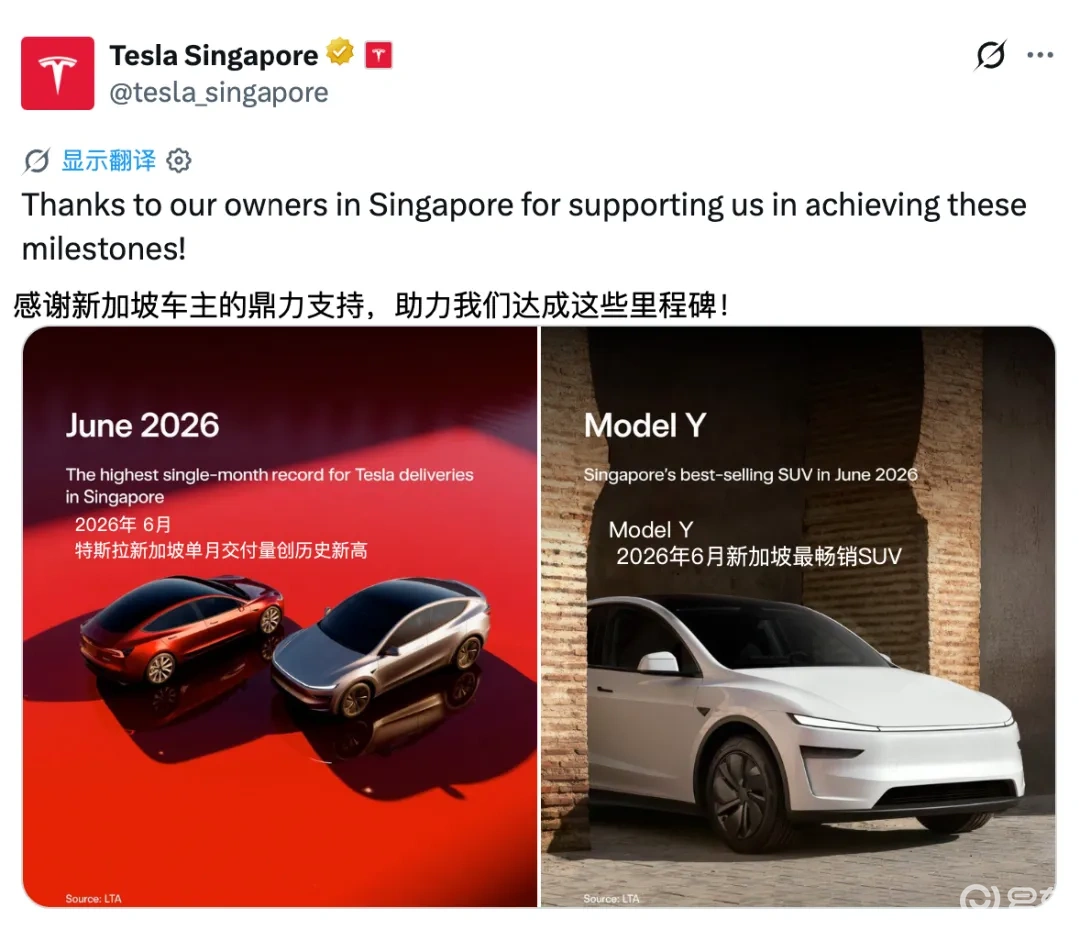
Car owner @Coco Silly Fish from Singapore traded their family's gasoline car for a Tesla. He stated that after driving a Tesla, the fatigue from driving in rush hour traffic during morning and evening peaks was less, and there was no anxiety about fuel consumption like when driving a gasoline car. "It is more cost-effective than public transport!"



In the Malaysian SUV market, many buyers compare Proton X70 and Toyota Yaris Cross when choosing a car. These two cars are quite close in terms of price and positioning. Today we will make a detailed comparison from multiple aspects to help you save time doing homework.
Proton X70's OTR price in Malaysia is RM 106,800 - 122,300, with a total of 3 versions, including 1.5L Standard 2WD (RM 106,800), 1.5L Executive 2WD (RM 115,800), 1.5L Premium 2WD (RM 122,300), etc.
Toyota Yaris Cross's OTR price in Malaysia is RM 99,900 - 109,900, with a total of 2 versions, including 2026 1.5L Standard (RM 99,900), 2026 HEV 1.5L Standard (RM 109,900), etc.
From the price perspective, Toyota Yaris Cross's starting price is RM 6,900 cheaper than Proton X70. Honestly, in this price range, the difference of a few thousand is not really that big. The key is to look at overall value for money and long-term usage costs.

Proton X70 is equipped with 1.5L Turbo, horsepower 140 hp. Official fuel consumption 7.0 L/100km.
Toyota Yaris Cross is equipped with 1.5L 4-cyl, horsepower 105 hp. Official fuel consumption 6.0 L/100km.
In terms of power, Proton X70's 1.5L Turbo has 35 more horsepower than Toyota Yaris Cross's 1.5L 4-cyl, with more confidence in mid-range acceleration, especially when overtaking on highways. However, Toyota Yaris Cross's fuel consumption might be more friendly, daily city commuting difference will not be too large.

Proton X70 body length 4400 mm, trunk 400 L.
Toyota Yaris Cross body length 4400 mm, trunk 400 L.
The size of both cars is almost the same, interior space difference is not big. Cars of this class are more than enough for daily use.
Proton X70 warranty 5 years/150,000km, maintenance interval every 10,000km or 6 months.
Toyota Yaris Cross warranty 5 years/unlimited mileage, maintenance interval every 10,000km or 6 months.
Overall, Proton X70 and Toyota Yaris Cross are both very good car models in the Malaysian market. Which one to choose mainly depends on your personal needs and budget. It is recommended to do your homework, compare quotes from several car dealerships, and then test drive to make a final decision. Buying a car is a big matter, spending time doing research will never be wrong.


In Malaysia's SUV market, many buyers compare Proton X50 and Hyundai Tucson when choosing a car. These two cars are quite close in price and positioning. Today we will make a detailed comparison from multiple aspects to help you save time on research.
Proton X50 OTR price in Malaysia is RM 89,800 - 113,300, totaling 4 versions, including 1.5T Executive (RM 89,800), 1.5T Premium (RM 101,800), 1.5T Flagship (RM 113,300) etc.
Hyundai Tucson OTR price in Malaysia is RM 143,888 - 197,888, totaling 5 versions, including 2025 HEV 1.6T AT 2WD Prestige (RM 197,888), 2025 1.6T DCT 4WD Prestige (RM 186,888), 2025 1.6T DCT 2WD Prime (RM 164,888) etc.
From a price perspective, Proton X50's starting price is indeed RM 54,088 cheaper than Hyundai Tucson. If your budget is limited, Proton's entry-level version can already meet daily needs. But note, the cheaper price of a few thousand might involve compromises in features, depending on your needs.

Proton X50 is equipped with 1.5L 4-cyl, 105 hp. Official fuel consumption 6.0 L/100km.
Hyundai Tucson is equipped with 1.5L Turbo, 140 hp. Official fuel consumption 7.0 L/100km.
In terms of power, Hyundai Tucson's 1.5L Turbo has 35 more horsepower than Proton X50's 1.5L 4-cyl. However, for daily city driving, both cars have enough power, you won't feel it lacks power.

Proton X50 safety rating is 5★ (ASEAN NCAP), active safety systems include ADAS (ACC, AEB, LKA, LDA, BSM, RCTA).
Hyundai Tucson safety rating is 5★ (ASEAN NCAP), active safety systems include SmartSense.
Both cars have the same safety rating. Safety features are quite comprehensive in this class. New cars nowadays have good safety, no need to worry too much about this.

Proton X50 warranty 5 years/150,000km, maintenance interval every 10,000km or 6 months.
Hyundai Tucson warranty 5 years/300,000km, maintenance interval every 10,000km or 6 months.

Proton X50 and Hyundai Tucson are both mainstream choices in the Malaysian market, suitable for family use, daily commuting. If you value brand reputation and resale value more, you can prioritize the one with better reputation; if you care more about value for money and features, choose the one with richer configuration. Ultimately, it is recommended to test drive both, personal experience is the most important.

Overall, Proton X50 and Hyundai Tucson are both very good models in the Malaysian market. Which one to choose depends mainly on your personal needs and budget. We suggest doing thorough research, comparing quotes from multiple car dealers, and then test drive to make the final decision. Buying a car is a big deal, spending some time doing research will definitely not be wrong.


喺馬來西亞嘅 SUV 市場,好多買家喺揀車嗰陣都會拎 Perodua Aruz 同 Chery Tiggo Cross 嚟做比較。這兩款車喺價位同定位上都幾接近,今就從多個角度做一個詳細對比,幫你攞咗做功課嘅時間。
Perodua Aruz 喺馬來西亞嘅 OTR 售價係 RM 72,900 - 77,900,一共有 2 個版本,包括 1.5L X(RM 72,900)、1.5L AV(RM 77,900) 等。
Chery Tiggo Cross 喺馬來西亞嘅 OTR 售價係 RM 88,750 - 99,750,一共有 2 個版本,包括 2025 HEV 1.5L CSH(RM 99,750)、2025 1.5T Standard(RM 88,750) 等。
從價錢嚟睇,Perodua Aruz 嘅起步價確實比 Chery Tiggo Cross 平咗 RM 15,850。如果你預算有限,Perodua 嘅入門版已經可以滿足日常需要。但要注意,便宜嗰幾千塊,可能在配備上會有取捨,具體要看你嘅需要。

Perodua Aruz 嘅安全評級係 5★ (ASEAN NCAP),主動安全系統包括。
Chery Tiggo Cross 嘅安全評級係 TBD,主動安全系統包括 Basic。
Perodua Aruz 車身長 4400 mm,行李廂 400 L。
Chery Tiggo Cross 車身長 4400 mm,行李廂 400 L。
兩款車嘅尺寸幾乎一樣,車內空間分別唔大。呢個級別嘅車,日常使用完全夠用。
Perodua Aruz 採用 FWD 驅動方式。
Chery Tiggo Cross 採用 FWD 驅動方式。
兩款車嘅驅動方式一樣,都係 FWD,日常駕駛感受唔會有太大分別。

總嘅嚟講,Perodua Aruz 同 Chery Tiggo Cross 都係馬來西亞市場幾唔錯嘅車款。揀邊一部,關鍵係睇你嘅個人需要同預算。建議大家做好功課,多比較幾間車行嘅報價,再去試駕先做最終決定。買車係件大事,花啲時間做功課絕對無誤。


車型概覽

比亞迪Atto 2 值唔值得睇,第一步唔係望牌子或者外形,而係睇佢能唔能夠配合你嘅香港日常。 呢篇會集中講版本取捨,幫你用買家角度篩走唔適合嘅選擇。 近期市場討論到「BYD ATTO 2登陸香港!15.5萬起有交易,刀片電池夠晒安全」,代表呢類車型仍然有一定關注度。
零售價 HK$ 155,000、完稅價 HK$ 228,300 令預算位置更清楚,買家可以先估算月供、保險、泊車同日常開支。
購車價格指南
比亞迪Atto 2 嘅購車預算可以先由 零售價 HK$ 155,000、完稅價 HK$ 228,300 開始計。香港買車唔只係睇車價,月供、保險、牌費、泊車同能源成本都會影響每月壓力。
如果有幾個版本可揀,可以先將 2025 410km 高級版(HK$ 228,300) 放喺同一張清單。日常通勤重視舒適同易用,家庭買家就要優先睇後排、尾箱同安全配置。
核心規格重點
睇 比亞迪Atto 2 嘅規格,重點唔係背數字,而係理解佢喺香港用車場景會帶嚟咩分別。
51.13 kWh 嘅電池容量,真正意義係可以幫你估算一星期通勤同周末出車要唔要中途補電。 130 kW、290 N·m 嘅輸出,令高速併線同短距離超車更有信心。 車長 4310 mm、車闊 1830 mm、車高 1675 mm、軸距 2620 mm 可以幫你預判商場停車場、屋苑車位同後排腿部空間。 固定齒比、前置前駆 會影響起步順滑度、濕地穩定感同長途巡航性格。
優缺點分析
比亞迪Atto 2 嘅優點唔需要講到天花龍鳳,真正有價值係佢能唔能夠令日常用車更省心:預算位置清楚,方便同同級車直接比較、電池同續航資訊有助安排通勤同補電、動力輸出對高速同上斜更有底氣。
要留意嘅係,要先確認屋苑、公司或常去商場嘅充電條件、香港停車場同窄路使用要留意車身闊度。呢啲唔一定係缺點,但係落訂前應該先諗清楚。
買家常見問題
買 比亞迪Atto 2 之前,真正要問嘅唔係單一規格,而係佢可唔可以融入你每日嘅生活節奏。
常見疑問係「比亞迪 Atto 2 香港落地價大約係幾多?」簡單講,比亞迪 Atto 2 香港落地價約200,000–260,000 港元,視版本而定。 放到實際用車,就係要睇佢對通勤、泊車、家庭乘坐同長期成本有幾大幫助。
同級對比內容
將 比亞迪Atto 2 放入同級車清單時,唔建議只用外形或者品牌光環決定。比較順序可以係:先用 零售價 HK$ 155,000、完稅價 HK$ 228,300 鎖定預算圈、再睇動力係咪足夠應付高速併線同滿載、再比較能源成本同補能便利、最後睇車身大小、座位同尾箱是否適合家人。
咁樣篩選會貼近香港買家真實生活:平日塞車、商場泊車、周末去新界、甚至一家人出入,先係一部車每日要面對嘅考驗。
用車全周期指南

擁有 比亞迪Atto 2 最重要係先諗清楚充電節奏。屋苑、公司或者常去商場只要有穩定充電選項,電動化用車就會容易相處好多。
如果你主要喺市區行,視野、低速順滑度同泊車輔助會好影響心情;如果經常行高速或跨區,座椅舒適度、隔音同動力從容感會更重要。


兄弟姐妹們,今日講一個出海嘅大新聞——唔係賣車,係賣「司機」。6 月 2 號,文遠知行同 Uber 聯合宣佈咗一件事:計劃喺西班牙馬德里推出該國首個商業化 Robotaxi 試點服務。意思就係:西班牙人好快就可以用 Uber 叫到一台冇司機嘅出租車。呢次係文遠知行同 Uber 第一次一齊進入歐洲市場。馬德里亦成為文遠知行 Robotaxi 駛入嘅全球第十二個城市。
官方消息話,喺馬德里自治區政府嘅支持下,呢項服務今年內就會正式啟動。到嗰陣,馬德里嘅朋友哋打開 Uber App,就有一鍵呼叫文遠知行嘅 Robotaxi。同叫普通網約車一樣,分別係嚟嘅車冇駕駛員——至少喺初期,仲係有分別嘅。運營初期,車入面會配備經過專業培訓嘅安全員,終究係剛上線,穩妥第一。
文遠知行呢間公司,你可能聽過,也可能冇聽過。簡單介紹下:2017 年成立,一直埋頭搞 Robotaxi 技術研發同商業化。而家佢嘅 Robotaxi 已經覆蓋咗廣州、北京、新加坡、阿布達比、迪拜、利雅得、蘇黎世……加埋而家嘅馬德里,一共 12 個城市。西班牙亦係文遠知行進入嘅第五個歐洲市場——之前已經入咗瑞士、法國、比利時、斯洛伐克。按照文遠知行同 Uber 喺 2025 年 5 月達成嘅規劃,佢哋要喺五年內新增 15 個國際城市部署 Robotaxi 服務,全球部署數萬輛 Robotaxi。隨著馬德里落地,目前已經完成咗 4 個城市嘅佈局,仲有 11 個會喺 2030 年前陸續覆蓋。
講真嘅,中國自動駕駛公司出海唔係頭一回,但中國技術 + 全球出行平台 + 歐洲市場呢個組合,定係好有意思。馬德里係歐洲最具商業潛力嘅 Robotaxi 市場之一,人口多、出行需求大,當地政策都好友善。喺呢個市場站穩腳根,對文遠知行嚟講係個唔小嘅里程碑。對 Uber 嚟講,引進 Robotaxi 都係為咗降低成本——終究司機唔使發人工。對馬德里市民嚟講,以後打車可能更平。