首頁羊卓雍措

搜尋歷史
熱門搜尋
經銷商登入 / 註冊

面對競爭日漸激烈嘅新能源市場,長安啟源 7 月依然保持穩健節奏:7 月交付 39841 輛,AQ 系列同比上升 103%,持續穩居央企新能源汽車品牌銷量榜首。同吉利銀河、零跑等品牌一齊,構成中國新能源市場主流陣營嘅中堅力量。

長安啟源 7 月嘅持續增長,係產品實力與用戶口碑共同作用嘅結果。由長安啟源 AQ 系列主力車型嘅持續熱銷,到長安啟源 Q06 嘅全球首發亮相,再到長安啟源全新 Q05 加速走向海外市場,「央企新能源」嘅標籤,正由品牌背書,轉變为用户心中实实在在嘅品質認知。
全球大單品長安啟源全新 Q05 領跑,冠軍矩陣協同發力
作為長安啟源首款全球大單品,長安啟源全新 Q05 憑藉「全寧德、大車格、超舒適」等越級優勢,累計銷量突破 10 萬輛,持續領跑緊湊型 SUV 細分市場。喺海外市場,繼泰國、烏茲別克斯坦上市後,長安啟源全新 Q05 進一步登陸埃塞俄比亞,東南亞、中亞、非洲市場聯動嘅出海格局加速成型。
喺長安啟源全新 Q05 全球發力嘅同時,AQ 系列 7 月同比上升 103%,形成協同增長嘅「冠軍矩陣」。其中,長安啟源 A06 定位「新能源家轎滿配王」,以 145°電動零壓後排、800V 6C 閃充等越級配置,穩居 20 萬內中大型新能源轎車銷量冠軍;長安啟源 Q07 以「空間王」嘅實力滿足家庭用戶出行需求,上市以來累計銷量已突破 10 萬輛,喺中型插混 SUV 市場保持領先。
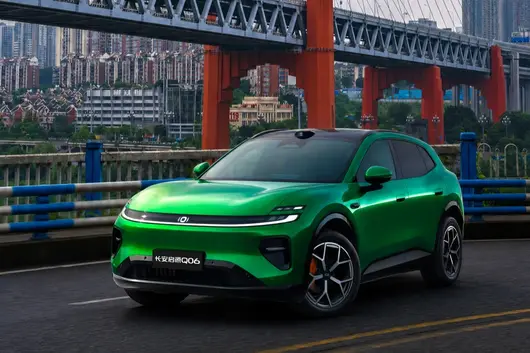
長安啟源 Q06 全球首秀,以「流光美學」定義中型 SUV 新標準
7 月 15 日,全新中型 SUV 長安啟源 Q06 喺上海完成全球首發亮相。款由世界級設計大師克勞斯團隊領銜打造嘅車型,以獨創「流光美學」設計打破傳統中型 SUV 沈悶印象。座艙內,「流光入艙」理念打造出高質感嘅沉浸式空間,令科技與舒適融為一體。

喺智能駕駛領域,長安啟源 Q06 搭載天樞領航 Ultra 智駕系統,具備端到端城市領航能力,令車輛操控更貼近老司機嘅駕駛質感。底盤採用全鋁前雙叉臂 + 後五連桿嘅豪車級底盤懸掛及同級唯一雙電機後驅佈局,兼顧舒適與駕趣。
結尾
穩健嘅銷量與完善嘅產品矩陣構成了增長嘅核心根基。未來,長安啟源將繼續依托長安汽車央企體系實力,以更具競爭力嘅產品矩陣同全球化佈局,持續滿足用戶對高品質新能源出行嘅期待。

喺馬來西亞嘅 SUV 市場,好多買家喺揀車嗰陣都會拿 Proton X50 同 Chery Tiggo 7 PHEV 嚟比較。呢兩部車喺價位同定位上都幾接近,而家我哋就從多個角度做詳細比較,幫你節省做功課嘅時間。
Proton X50 喺馬來西亞嘅 OTR 售價係 RM 89,800 - 113,300,合共有 4 個版本,包括 1.5T Executive(RM 89,800)、1.5T Premium(RM 101,800)、1.5T Flagship(RM 113,300) 等。
Chery Tiggo 7 PHEV 喺馬來西亞嘅 OTR 售價係 RM 129,750 - 129,750,合共有 2 個版本,包括 2025 1.5T 90km CSH(RM 129,750)、Tiggo 7 PHEV 支援邊種充電方法?可以喺家用電源插座充電咩?(RM 117,478) 等。
由價錢睇,Proton X50 嘅起步價確實比 Chery Tiggo 7 PHEV 平咗 RM 39,950。如果你預算有限,Proton 嘅入門版已經可以滿足日常需要。但都要留意,平嗰幾千蚊,可能喺配備上會做取舍,具體要睇你嘅需要。

Proton X50 嘅安全評級係 5★ (ASEAN NCAP),主動安全系統包括 ADAS (ACC, AEB, LKA, LDA, BSM, RCTA)。
Chery Tiggo 7 PHEV 嘅安全評級係 TBD,主動安全系統包括 Basic。
安全配備方面,兩部車都拿到唔錯嘅評級。不過 Proton X50 嘅 ADAS (ACC, AEB, LKA, LDA, BSM, RCTA) 同 Chery Tiggo 7 PHEV 嘅 Basic 喺功能上有些少分別,如果你比較看重主動安全嘅話,可以仔細比較下兩者嘅功能列表。

Proton X50 採用 4WD 驅動方式。
Chery Tiggo 7 PHEV 採用 FWD 驅動方式。
Proton 嘅 4WD 同 Chery 嘅 FWD 喺操控感會有唔同,建議試駕對比。

Proton X50 同 Chery Tiggo 7 PHEV 都係馬來西亞市場嘅主流選擇,適合家庭使用、日常通勤。如果你更看重品牌口碑同二手價,可以優先考慮口碑好嗰款;如果你更在意性價比同配備,就揀配置更豐富嗰款。最終都建議兩部都去試駕,親身體驗先最重要。

總括嚟講,Proton X50 同 Chery Tiggo 7 PHEV 都係馬來西亞市場幾唔錯嘅車型。揀邊一部,關鍵仲係睇你嘅個人需要同預算。建議大家做好功課,多比較幾間車行嘅報價,再去試駕做最終決定。買車係件大事,花少少時間做功課絕對無得錯。


In the Malaysian SUV market, many buyers compare Proton X50 and Mazda CX-5 when choosing a car. These two models are quite close in price and positioning. Today, we will make a detailed comparison from multiple aspects to help you save time on research.
The OTR price of Proton X50 in Malaysia is RM 89,800 - 113,300. There are 4 versions in total, including 1.5T Executive (RM 89,800), 1.5T Premium (RM 101,800), 1.5T Flagship (RM 113,300), etc.
The OTR price of Mazda CX-5 in Malaysia is RM 135,469 - 166,760. There are 3 versions in total, including 2025 2.0L AT 35th Anniversary (RM 316,154), 2025 2.0L AT (RM 296,154), 2025 2.0L MT (RM 294,154), etc.
From a price perspective, the starting price of Proton X50 is indeed RM 45,669 cheaper than Mazda CX-5. If your budget is limited, Proton's entry-level version can already meet daily needs. However, be aware that the few thousand difference might involve trade-offs in features, depending on your needs.
Proton X50 is equipped with a 1.5L 4-cyl, 105 hp. Official fuel consumption 6.0 L/100km.
Mazda CX-5 is equipped with a 1.5L Turbo, 140 hp. Official fuel consumption 7.0 L/100km.
In terms of power, the 1.5L Turbo on Mazda CX-5 has 35 hp more than the 1.5L 4-cyl on Proton X50. However, for daily city driving, the power of both cars is sufficient, and you won't feel like it's lacking power.
Proton X50's safety rating is 5★ (ASEAN NCAP), active safety systems include ADAS (ACC, AEB, LKA, LDA, BSM, RCTA).
Mazda CX-5's safety rating is 5★ (ASEAN NCAP), active safety systems include .
Both cars have the same safety rating, and safety features are quite comprehensive in this class. New car safety is generally not poor nowadays, so no need to worry too much about this point.
Proton X50 body length 4400 mm, trunk 400 L.
Mazda CX-5 body length 4500 mm, trunk 450 L.
In terms of space, Mazda CX-5's body is 100 mm longer than Proton X50, offering better passenger space. However, Proton X50 is a bit more flexible for parking in the city, each has its trade-offs.

Proton X50 and Mazda CX-5 are both mainstream choices in the Malaysian market, suitable for family use and daily commuting. If you value brand reputation and resale value more, you can prioritize the one with a better reputation; if you care more about value for money and features, choose the one with richer configuration. Ultimately, it is recommended to test drive both, and the personal experience is the most important.

Overall, Proton X50 and Mazda CX-5 are both very good models in the Malaysian market. Which one to choose depends mainly on your personal needs and budget. It is recommended to do your research, compare quotes from several car dealers, and then test drive to make the final decision. Buying a car is a big matter, spending time on research will never be wrong.


头图来源 | 零跑官方
作者 | 文露
编辑 | 苏鹏
没有预售、没有预热期,零跑D99在6月的最后一周直接宣布上市。
这种"不等人"的节奏,倒是符合零跑一贯的效率哲学,但也透露出一个信号:旗舰MPV这个赛道,零跑不想再观望了。
D99是零跑D系列的第二款车型,也是品牌首款MPV。定价方面也依然是零跑式的定价哲学,24.98万-31.98万。并辅以极致的"堆料"路线:29㎡全粒面半苯胺真皮、车规级森野氧舱、双高通8797芯片、VLA大模型智驾、全系标配四驱与双腔空气悬架。
从纸面看,这些配置放在30万级确实超出预期。
智能化是D99的另一张牌。搭载VLA大模型、28个感知硬件、覆盖全场景领航,官方声称能实现"地库到车位全程无人介入"。
随着D99的发布,零跑也补上MPV缺口,完成A、B、C、D四大系列从6万到30万的全产品序列的覆盖。
零跑式“MPV哲学”MPV设计的初衷是让更多人舒适,满足多人家庭乘车需求,空间设计上,零跑D99拥有91.3%得房率,车内可用长度3663毫米,确保每一排乘客实现“坐得开、伸得开、动得开”。
考虑到上下车进出的便利性,零跑D99在多处细节进行优化。二排迎宾系统电动侧滑门开门宽度720毫米、高度892毫米,配合迎宾脚步照明灯,提升上车仪式感与便捷性。二排超长上车拉手(成人拉上段、儿童拉下段,带电动开关门按键)、372毫米迎宾台阶、1385毫米车内高度、283毫米通道宽度,保障上下车优雅省力,儿童可轻松站立行动。
车内180毫米超宽中央通道,满员时成年人也可轻松进出;第三排配备可开启MAX巨幕天窗,解决传统MPV第三排压抑感,同时确保结构、防水、密封、防夹等安全细节。
座舱体验方面,零跑D99前排中控台基本延续零跑D19的设计风格,大尺寸中控屏、液晶仪表和HUD头显。
零跑D99内饰提供云雾灰、丹雅棕、霁雨灰、曜境黑四款低饱和度配色,采用29㎡全粒面半苯胺头层真皮,舱内座椅支持5种成床模式(临时休息、儿童空间、露营大床、商务休息等)。二排配备零重力旋转航空座椅,支持124度调节,配备环抱式加热、通风、按摩、腰托、腿托、脚托。三排座椅舒适体验不减分,配备加热、侧窗遮阳帘等,同时还解决了三排视野压抑、采光差的痛点,放倒后容量扩展至2890L,可做隐藏式下沉折叠。
空间灵活性上,二三排座椅通过不同角度调节,随时切换户外休闲、商务办公等场景。三排座椅翻转后可直接坐于车尾,兼顾遮阳挡雨,适配钓鱼等户外场景;二排座椅90度旋转,打开车内与车外边界,适合露营、看海等休闲场景;二排座椅180度旋转后,配合34.3英寸中央桌板(可隐藏收纳),使车内空间进入移动会客厅模式,实现面对面交流,支持儿童写作业、商务办公等场景。此外,二三排联动可展成近2.5米大床,适配露营过夜、午休补觉、亲子休憩等。
零跑D99全球首发车规级森野氧舱,支持8L/min制氧流量,弥散式+鼻吸式双模式,缓解长途驾驶疲劳与高原反应,同时配备43处储物空间、11.4L全电动车规级冷暖冰箱、智能香氛系统、23扬2304W杜比全景声音响系统、1600万色环舱氛围灯、衣帽间等,从听觉、嗅觉、体感打造全方位舒适座舱体验。
座舱采用双层环绕式设计,搭配行业首创3.9米“团圆”环形氛围灯、360°旋转阅读灯、11块5mm厚夹层隔音玻璃、130+项声学材料与米其林静音轮胎,整体氛围雅致而静谧。
 来源:零跑官方
外观方面,零跑D99车身提供辰境蓝、光电白、液态银、天幕灰、金属黑五款配色,前脸采用“寰宇之境”设计,侧面采用纯平侧窗设计,有效降低风噪与风阻、提升视野,同时配备19英寸米其林轮毂、百万像素DLP投影大灯、尾部智慧交互灯,保证科技感和仪式感的同时,又不失实用性。
驾控操作方面,零跑D99全系标配四驱,底盘全系标配前双叉臂、后五连杆独立悬架,搭配双腔闭式空气悬架与可变阻尼减振器,悬架调节行程达95mm,兼顾多场景复杂路况通过性。
LMC2.0底盘控制系统可实现主动预瞄、实时扫描前方路面、提前调节悬架阻尼、过滤坑洼与减速带冲击、高速预稳定、湿滑路面防打滑等功能,高速双轮爆胎、斜坡驻车等极限场景下也能快速修正车身姿态,抑制转向不足、打滑,保障应急安全,同时智能防晕车功能通过多域融合控制,降低乘员晕车风险。
制动与操控方面,零跑D99搭载MKC2线控制动系统与前四活塞固定卡钳,配合米其林浩悦5E轮胎,100-0km/h制动距离仅37.5米,实现6.1米转弯半径,庞大车身也能灵活掉头。
智能化方面,零跑D99首发搭载双高通8797芯片,4nm制程工艺,总算力达1280TOPS。座舱内搭载端侧全模态AI大模型,五屏三维空间交互构建全场景数字视界:10.25英寸液晶仪表、17.3英寸中控屏、50英寸AR-HUD、6英寸后排控制屏、21.4英寸3K后排娱乐屏支持90°-110°电动调节。
LeapmotorOS交互系统支持六音区独立语音、13种方言混说、主驾免唤醒控车,车内不同位置乘客可同时下达指令互不干扰。此外还具备语音点咖啡、停车缴费、语音无感支付等多元功能。
辅助驾驶层面,零跑D99全系标配辅助驾驶提示小蓝灯,采用VLA大模型,配备激光雷达等28个高精感知硬件,覆盖44项主动行车功能,覆盖停车场巡航、闸机通行、城市道路、高速领航、目的地泊车等全场景领航辅助功能,可提前识别旁车异常减速、盲区汇入、夜间窄路、施工障碍等,复杂路况下主动调整车速并精准保持车距。
此外,零跑D99还支持120米循迹倒车、全姿态自动泊车、手机遥控泊车、跨层记忆泊车等功能,大幅降低驾驶负担。
辅助驾驶,VLA世界模型,自主从地库驶出到终点车位泊车,全程几乎无需人为介入,它不仅能精准保持车距、平稳加减速,无论是借道避让同侧停靠车辆,还是无车道线乡村道路的稳定轨迹,都处理得游刃有余。
在安全性方面,系统会自主判断各种风险,比如非机动车道混行路段自动减速,以突发加塞时的从容应对,相关车辆逼近时智能避让,都体现出对于出行安全的周全考量。
续航方面,零跑D99提供增程、纯电种动力,增程版搭载80.3kWh磷酸铁锂电池,CLTC纯电续航高达480km,CTC电池底盘一体化技术配合800V高压快充平台,30%-80%充电仅需约15分钟。纯电版搭载全球首发宁德时代分子级融合超混电芯,电池容量115kWh,CLTC纯电续航700km,采用全栈1000V高压架构,峰值快充功率超460kW,充电15分钟补能超350km。
作为一辆旗舰MPV,安全是必不可少的纬度。
被动安全方面,零跑D99车身采用钢铝合金环笼式车身设计,占比达81%,车身扭转刚度达 46682N・m/deg,配备11个安全气囊,从A柱到D柱拥有2.9米的贯穿式侧气帘,前排拥有中置气囊,看齐九系旗舰,全车12处防夹设计应对超20种场景。
主动安全方面,零跑D99标配主动AEB紧急制动系统,适配城市拥堵与高速场景,AI自适应驾驶模式可基于路况在500毫秒内切换动力模式。电池拥有十层防护体系,最高耐温超1300℃,热失控后72小时不起火不爆炸,AIBMS自适应电池管理系统可提前30天预判电池风险。
从6万到30万,零跑的棋盘落满棋子今年4月,旗舰SUV车型 D19正式上市。彼时零跑已经凭借C系列、B系列在10-20万元主流市场站稳了脚跟,月销稳定在8万数据。
A系列负责10万元以内的基盘,B系列和C系列深耕10-20万元走量区间,这是零跑的销量支柱,也是利润来源。但在D系列出现之前,零跑缺少一款能往上探的序列,让品牌价格带从“6万起”一路延伸到“30万级”的产品矩阵。
D19打开了SUV的天花板,D99则补上了MPV的缺口。至此,零跑完成了从轿车、SUV到MPV的全品类覆盖,A、B、C、D四大系列价格带横跨6万至30万元,构建起一个从入门到高端的完整矩阵。
今年5月的一季度业绩电话会上,零跑透露正在规划第二品牌,定位30万元以上高端新能源市场,最快年底或明年亮相。
零跑的产品节奏也相当密集:3月A10上市,4月D19登场,6月中旬C系列中期改款,下半年到明年第二品牌接棒——老车型的年款、中改、换代也会穿插其中,维持现款车型的竞争力。
“旗舰SUV和MPV具备高端属性,D19和D99为后续更高端的第二品牌铺平认知道路。”有业内人士告诉未来汽车Daily。
铺平认知道路的前提是走量。在零跑D99发布之前,高端新能源MPV市场存在稳定而高频的需求。 来源:零跑官方
数据是最好的佐证:2025年国内MPV销量前三——腾势D9卖出92988辆,广汽丰田赛那92214辆,岚图梦想家80248辆。三款车均在30-50万元价格带的热销产品中,有两款都是新能源MPV。
MPV的消费场景决定了它天然具备高溢价潜力。家庭多孩出行的空间刚需,商务接待的体面要求,让用户对舒适性、智能化配置、座舱豪华感的支付意愿远高于轿车和SUV。
更重要的是,这个细分市场的智能化和电动化转型远未完成。当轿车和SUV领域已进入配置内卷的“血海”,MPV仍存在向下惠普的市场空间。
这正是零跑擅长的战场。
零跑能在新势力销量榜上登顶,靠的是全域自研带来的成本控制能力。
数据是最直观的:除制造人员外,零跑研发人员占比仍达80%,核心零部件自研率超60%,三电系统自制率超80%。和依赖外部采购的对手相比,零跑在底盘整合、智能座舱、动力系统等环节拥有“同等配置、成本更低”的优势。
D99搭载的双高通8797舱驾一体芯片、端侧AI大模型、底盘系统等核心配置,都和D19同平台共享。基于D平台的底层复用,两款旗舰车型的研发成本被大幅摊薄,让D99得以在30万级价格带上实现百万级配置。
低成本反哺技术迭代,技术迭代进一步压低成本——这是零跑从T03时代就开始验证的良性循环。
比走量更重要的,是挣得好对一家月销稳定在8万辆以上的车企来说,比“卖得多”更迫切的,是“挣得好”。
一季度财报里的数字很诚实。营收108.2亿元,同比增长8%,但毛利率从14.9%滑落至9.4%。销量在涨,营收在涨,钱却没多赚——原因并不复杂:售价更低的B系列车型在结构中的占比升高,拉低了整体均价。
5月的最新数据印证了这一点。零跑单月交付超8万台,C系列贡献超过四成,依旧是绝对主力。C系列能走量,但品牌往上走,需要新的支点。
零跑副总裁李腾飞在一季度电话会上给出了预期:二季度毛利率有望回升至12%到13%。随着产能爬坡加速,规模效应的齿轮开始转动,成本正在被摊薄。
C10、C11、C16的改款版本已经就位,D19和D99两款高端车型也将加入战局——二季度的盈利账本,或许会比市场预期的好看一些。
 来源:零跑官方
中国汽车工业协会和乘联会的数据勾勒出另一幅图景:2025年国内SUV累计零售1187.8万辆,轿车1080.9万辆,而MPV仅有105.8万辆。从体量上看,MPV确实算不上主流市场。
但体量不等于价值。
家庭结构的变化正在重塑用车需求,MPV的边界也从纯粹的商务接待向家用、定制化综合场景延展。年轻化、智能化的新需求涌入,车企们嗅到了机会。2025年,岚图梦想家、理想MEGA、小鹏X9、魏牌高山等新品扎堆入局,价格带从15万延伸到80万元。
华创证券6月发布的研报点指出:25万-60万元高端MPV兼顾家用与商务需求,利润贡献能力显著;40万-60万元区间则具备一定豪华属性,容量虽小,单车利润可观。
岚图梦想家是一个值得对标的案例。避开SUV的惨烈厮杀,这款车精准卡位商务接待与家庭出行的交叉地带。2025年销量超8万辆,占总销量一半以上,单车均价突破40万元,助力岚图实现年收入348.6亿元,毛利率升至20.9%。
当然,这条路并不平坦。
今年一季度,MPV市场零售21.2万辆,同比下滑8.6%。市场在波动,新车发布的节奏却没有慢下来。仅华为鸿蒙智行合作的车型,今年就有智界V9、尊界MPV、享界MPV三款在售或即将上市。
新能源车市的下半场是智能化的较量,MPV赛道的变数只会更多。下半年会不会有黑马精准切入、迅速占领用户心智,谁也无法预判。对零跑D99来说,此时入场,仍有足够的空间腾挪。
更大的棋盘在海外。
零跑高管在6月的采访中透露,站在150万台销量的里程碑上,下一个十年的方向是全球化——产品和管理的全面输出。6月18日,超跑Lafa5在香港上市,加上刚刚发布的D99,零跑正在以更完整的品类矩阵走向世界。
D99的全球化想象力或许比国内更大。目前零跑海外用户已超15万,覆盖全球40个国家和地区,渠道网点超2000家,其中海外近1000家——欧洲占近90%,亚太超60家,南美超40家。一台定价合理、配置丰富的新能源MPV,在这些市场面对的竞争压力,远小于国内。
朱江明在3月曾表示:“2026年,我们(零跑)会全面爆发。”
D99是这场爆发的序章。这款车没有开启预售,直接选择上市——零跑显然不想再等了。
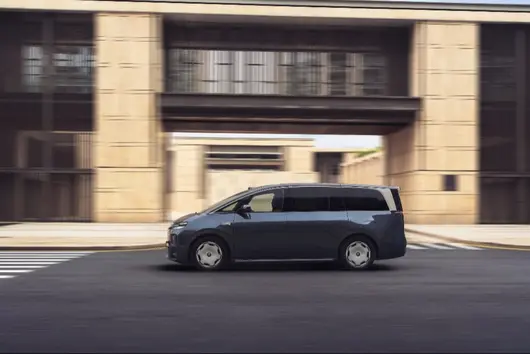

喺馬來西亞嘅 SUV 市場,好多買家喺揀車嘅時候都會用 寶騰 X50 同 奇瑞 Tiggo 8 PHEV 來做比較。這兩部車喺價位同定位上都幾接近,今日我哋就由多個方面做一個詳細嘅比較,幫你節省咗做功課嘅時間。
寶騰 X50 喺馬來西亞嘅 OTR 售價係 RM 89,800 - 113,300,總共有 4 個版本,包括 1.5T Executive(RM 89,800)、1.5T Premium(RM 101,800)、1.5T Flagship(RM 113,300) 等。
奇瑞 Tiggo 8 PHEV 喺馬來西亞嘅 OTR 售價係 RM 159,750 - 159,750,總共有 2 個版本,包括 1.6L Turbo Standard(RM 130,000)、1.6L Turbo Premium(RM 145,000) 等。
由價錢嚟睇,寶騰 X50 嘅起步價確實比 奇瑞 Tiggo 8 PHEV 平咗 RM 69,950。如果你預算有限,寶騰嘅入門版已經可以滿足日常需求。但亦要留意,平嘅嗰幾千蚊,可能喺配備上有取舍,具體睇你嘅需求。
寶騰 X50 配備 1.5L 4-cyl,馬力 105 hp。官方油耗 6.0 L/100km。
奇瑞 Tiggo 8 PHEV 配備 Hybrid,馬力 170 hp。官方油耗 4.5 L/100km。
動力方面,奇瑞 Tiggo 8 PHEV 嘅 Hybrid 比 寶騰 X50 嘅 1.5L 4-cyl 多咗 65 匹馬力。不過日常喺市區開,兩部車嘅動力都夠用,唔會覺得唔夠力。
寶騰 X50 車身長 4400 mm,行李箱 400 L。
奇瑞 Tiggo 8 PHEV 車身長 4400 mm,行李箱 400 L。
兩部車嘅尺寸幾近一樣,車內空間差別唔大。呢個級別嘅車,日常使用完全夠用。
寶騰 X50 保修 5 年/150,000km,保養間隔 每 10,000km 或 6 個月。
奇瑞 Tiggo 8 PHEV 保修 3 年/100,000km,保養間隔 每 10,000km 或 6 個月。
總括嚟講,寶騰 X50 同 奇瑞 Tiggo 8 PHEV 都係馬來西亞市場幾不錯嘅車型。揀邊一部,關鍵仲係要睇你嘅個人需求同預算。建議大家做足功課,多比較幾間車行嘅報價,先至去試駕做最後決定。買車係件大事,花少少時間做功課絕對無錯。
Folks, today let's talk about big news on going global—not selling cars, but selling "drivers". On June 2, WeRide and Uber jointly announced a plan: to launch the country's first commercial Robotaxi pilot service in Madrid, Spain. In other words: Spanish residents will soon be able to hail a driverless taxi via Uber. This is the first time WeRide and Uber are partnering to enter the European market. Madrid also becomes the 12th city globally where WeRide's Robotaxi arrives.
According to official news, with the support of the Madrid regional government, this service will officially launch within this year. At that time, friends in Madrid can open the Uber App and call WeRide's Robotaxi with one click. It's just like calling an ordinary ride-hailing service, the difference is the arriving car has no driver—at least initially, there is still a difference. In the initial operation phase, a professionally trained safety monitor will be on board, as it's just launched, safety comes first.
This company, WeRide, you might have heard of it, or you might not. A brief introduction: Established in 2017, it has been dedicated to Robotaxi technology R&D and commercialization. Currently, its Robotaxis cover Guangzhou, Beijing, Singapore, Abu Dhabi, Dubai, Riyadh, Zurich... plus Madrid now, totaling 12 cities. Spain is also the 5th European market WeRide has entered—previously entered Switzerland, France, Belgium, Slovakia. According to the plan agreed by WeRide and Uber in May 2025, they plan to deploy Robotaxi services in 15 new international cities within five years, deploying tens of thousands of Robotaxis globally. With the Madrid launch, the deployment in 4 cities has been completed, and 11 more will be covered successively before 2030.
To be honest, it's not the first time Chinese autonomous driving companies are going global, but the combination of Chinese technology + global mobility platform + European market is quite interesting. Madrid is one of the European Robotaxi markets with the most commercial potential, with a large population, high travel demand, and friendly local policies. Being able to take root in this market is a significant milestone for WeRide. For Uber, introducing Robotaxis is also a way to reduce costs—after all, drivers don't need salaries. For Madrid residents, hailing a taxi might be cheaper in the future.


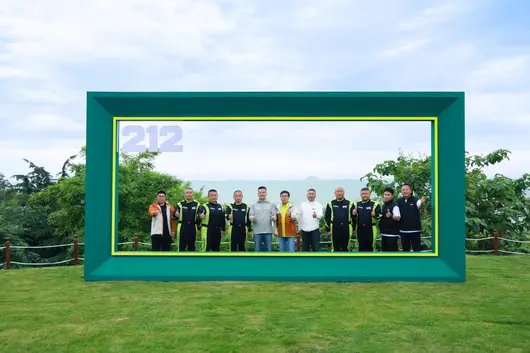
June 6, the 212 off-road vehicle Altay Rally finale ceremony landed in Qingdao. Han Qiaosheng, well-known driver Han Wei, manufacturers and amateur drivers, and event logistics teams gathered on-site to recap the just-concluded 2026 Altay International Rally. This year's event covered an extreme journey of 7,500 km. The 212 team relied on near-stock T01 mass-produced models, facing a host of 3.0T large-displacement competitors with 2.0T power, securing two wins and one runner-up in stages SS10 to SS13, winning the runner-up position in the T2.1 production factory team, and was the only participating manufacturer to achieve 100% course completion in this category. From the extreme battles on the Gobi sand fields to the glory summary at the offline ceremony, the old off-road IP proved with a practical fight: classic off-road is not just about preserving nostalgia; stock mass-produced cars can also stand on the podium of domestic top-tier rally events. The ordinary person's Altay off-road dream is taking root and sprouting.
The Altay Rally is known as the 'Eastern Dakar'. The 2026 session is considered the peak of difficulty in history by the industry. It spans across the northern and southern sides of the Tianshan Mountains, interwoven with desert, Gobi, Yardang, and shell crater road conditions. Over 60% of stages are shifting desert terrain, with partial stage surface temperatures breaking 60°C. Ultra-long distance high temperatures, continuous marches in no-man's-land caused many old teams to fail consecutively. The single ultra-long SS3 stage alone saw more than 30 vehicles suffer tire blowouts and more than 10 race cars helplessly withdraw, a tragic scene. The T2.1 category, as the core arena for factory mass-produced head-on showdown, rules clearly require that participating vehicles' power, chassis, gearbox, and other core hardware remain consistent with the mass-market production version. Only safety accessories like roll cages can be added, making it a 'strict open-air testing laboratory' for measuring a off-road vehicle's factory reliability. Against this background, 3.0T large-displacement models have long occupied category advantages. For small-displacement 2.0T models to break through was viewed by most off-road practitioners as an almost impossible task before the race.
No one expected that the old domestic off-road 212 would become the biggest dark horse of this event. The T01 battle cars that participated throughout had no heavy event modifications. The factory standard 2.0T turbocharged engine paired with ZF 8AT gearbox, assisted by BorgWarner large transfer case, 4L mode torque can be amplified 2.64 times. Under extreme operating conditions such as Gobi steep slope climbing and full-load towing, low-torque output is enough to rival large-displacement models. Long-distance crossing power remained smooth throughout, and failure rate was controlled at an extremely low level. At the body level, body-on-frame + front and rear solid axle classic hard-core architecture, combined with specialized optimized chassis tuning, faced continuous bumps and deep pit impacts, with body torsion resistance and deformation control performance standing out; full vehicle galvanized steel body calmly resisted Gobi gravel continuous scraping corrosion. Regarding safety configurations, the load-bearing capacity of the reinforced occupant cabin top increased by 16%. The cage body structure, paired with 540° panoramic imaging and emergency rescue call system, balanced extreme off-road performance with daily driving safety. This set of factory hardware configuration stood up to the solid real-world all-scenario verification in more than 7,000 km of bad road conditions.
At the finale ceremony scene, a group of Altay witnesses took turns sharing stage stories. From steady positioning earlier to preserve vehicle condition, to the latter half's devil desert stages suddenly powering up to sweep stage championships and runner-ups, drivers admitted that before the race no one was certain a 2.0T factory car could break out from a group of large-displacement opponents. The vehicle's stable and durable foundation was the key for the team to achieve full completion. Famous event host Han Qiaosheng commented on-site: "212 is a symbol of off-road nostalgia for generations of Chinese. In the past, people only remembered its classic history. Now it refreshes cognition with Altay results. Domestic hard-core off-road is breaking stereotypes with practical factory quality." Champion driver Han Wei also stated on-site: "T01 factory mechanical quality exceeded industry expectations. Relying on event data to polish products is a reliable path for domestic off-road brands to move steadily upwards."
Stage results landing in the consumer market was the heavy signal released by this ceremony. 212 officials officially announced at the event that the Altay same off-road modification kit will soon land on the brand's official mall. The kit includes chassis armor, beadlock wheels, professional off-road tires, and a full set of recovery and rescue equipment. All modification accessories have been tested on 212's 7,500 km extreme road conditions. Ordinary 212 owners do not need to modify the vehicle body significantly and can quickly upgrade off-road hardware to easily realize a cross-over switch from city commuting to wilderness crossing. 212 Off-Road Vehicle Marketing General Manager He Zhaopeng stated in the ceremony interview: "212's original intention was never to only be a race champion car, but to popularize off-road culture, giving every ordinary owner a chance for the off-road seeds in their hearts to take root and sprout. Verifying products at the Altay venue and benefiting users with modification kits is a key step for the brand to connect the race track and consumer market."
Focusing on future event layout, 212 has finalized the global off-road event map: the Altay Rally, Malaysia Sabah International Rainforest Race, Alxa T3 Challenge, and 2027 Altay Rally are all included in the participation plan, continuously practicing the 'race promoting research' product development philosophy. In addition, the brand's two heavy user support plans were launched simultaneously: the 2027 Altay amateur driver national recruitment has officially started, ordinary owners have the chance to fight in the top Altay venue as drivers; partnering with champion driver Han Wei to build the Champion Off-Road Training Academy, providing systematic off-road teaching, pre-race training, and full-chain empowerment for race participation to national owners. From professional factory teams fighting international events to cultivating amateur off-road enthusiasts, 212 is building a complete national off-road ecosystem from products, events to user training.
Looking at the domestic hard-core off-road market, many brands fall into the quagmire of 'heavy track modifications for results, mass-market vehicles disconnected from race cars', while 212 chooses to go against the grain, insisting on factory mass-produced car participation, using Altay extreme road conditions to reverse-optimize mass-produced models, and then releasing off-road technology precipitated from the track to ordinary consumers. With more than 60 years of brand accumulation, 212 has long stepped out of the single-nostalgia marketing old road. The Altay 7,500 km yellow sand trial is a self-renewal of classic domestic off-road. When modification kits enter the mall and amateur drivers can go directly to the Altay venue, 'Every 212 has an Altay dream' is no longer a slogan, but a reality that can be touched upon landing.
In the future, accompanied by multiple domestic and international top events landing successively and the off-road training academy operating on a normalized basis, 212 will also continue to convert track technology into consumer product strength, letting domestic hard-core off-road not only gallop across the Gobi and Altay but also accompany thousands of owners to rush to the distant mountains and fields.