首頁纳木错

搜尋歷史
熱門搜尋
經銷商登入 / 註冊

In Malaysia's SUV market, many buyers compare the Proton X90 and Hyundai Tucson when choosing a car. These two models are quite close in terms of price and positioning. Today, we will conduct a detailed comparison from multiple aspects to help you save time doing research.
The Proton X90 OTR price in Malaysia is RM 106,800 - 122,800, with 4 variants in total, including 2026 1.5T Prime X (RM 122,800), 2026 1.5T Prime (RM 116,800), 2026 1.5T Lite (RM 106,800), etc.
The Hyundai Tucson OTR price in Malaysia is RM 143,888 - 197,888, with 5 variants in total, including 2025 HEV 1.6T AT 2WD Prestige (RM 197,888), 2025 1.6T DCT 4WD Prestige (RM 186,888), 2025 1.6T DCT 2WD Prime (RM 164,888), etc.
In terms of price, the Proton X90 starting price is indeed RM 37,088 cheaper than the Hyundai Tucson. If your budget is limited, the Proton entry-level version can already meet daily needs. However, be aware that the cheaper few thousand might involve compromises in features, depending on your specific needs.

The Proton X90 safety rating is 5★ (ASEAN NCAP), and active safety systems include ADAS (ACC, AEB, LKA, LDA, BSM, RCTA).
The Hyundai Tucson safety rating is 5★ (ASEAN NCAP), and active safety systems include SmartSense.
Both cars have the same safety rating; safety features in this segment are quite comprehensive. New cars nowadays generally have good safety, so there is no need to worry too much about this.

The Proton X90 body length is 4400 mm, trunk 400 L.
The Hyundai Tucson body length is 4400 mm, trunk 400 L.
The dimensions of both cars are almost identical, and interior space differences are minimal. Cars in this segment are sufficient for daily use.

Proton X90 warranty 5 years/150,000km, maintenance interval every 10,000km or 6 months.
Hyundai Tucson warranty 5 years/300,000km, maintenance interval every 10,000km or 6 months.

Overall, both the Proton X90 and Hyundai Tucson are excellent models in the Malaysian market. Which one to choose depends mainly on your personal needs and budget. It is recommended to do research, compare quotes from several dealers, and then test drive to make the final decision. Buying a car is a major decision; spending time on research will never be wrong.



撰文 | 杜詠芳
編輯 | 黃大路
設計 | 甄尤美
題圖 | AI 小軒
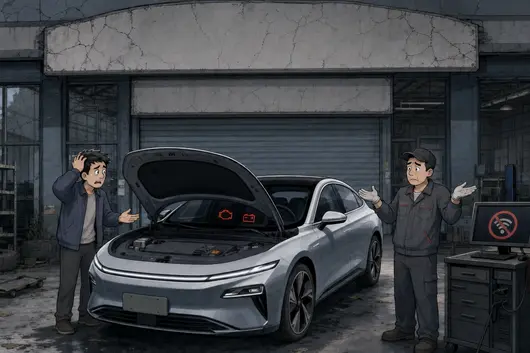
車仲喺路上跑緊,造佢嘅公司卻先倒咗。
喺哪吒車主群裡,流傳住一句無奈嘅自嘲:而家開車上路,既怕俾人碰,亦怕撞到人——俾人撞咗,可能等唔到配件;撞到人,明年或者連保險都難買。
呢種困境並非個例。近年來,威馬、愛馳、高合、極越、哪吒等品牌相繼陷入破產重整、經營停擺或售後體系收縮。企業退場之後,仍有大量車輛繼續行駛,配件供應、維修授權、車聯網服務同「三包」責任卻可能同時懸空。
問題仲喺迅速變大。
截至 2025 年底,中國新能源汽車保有量已達 4397 萬輛,而 2014 年底只有 12 萬輛。
十餘年間,新能源汽車完成咗教科書級嘅規模擴張,與之配套嘅維修服務體系卻冇同步成熟:配件等唔來,診斷權限拿唔到,具備「三電」深度維修能力嘅技師不足,保險機構亦對高賠付風險心存顧慮。
賣出去嘅每一輛車,都係售後體系嘅一張遠期帳單。而家,第一批大規模交付嘅新能源汽車正陸續接近質保期限,張帳單開始集中到期。
2026 年 6 月 23 日,商務部等九部門公布《關於培育壯大汽車後市場消費若干措施嘅通知》,圍繞六大領域提出 17 項措施。
其中,「優化汽車維修同保險服務」被單獨列出來:整車企業唔得以消費者自行選擇維修企業為由拒絕承擔法定「三包」責任;政策同時提出,引導新能源整車同動力電池企業開放維修技術授權,鼓勵「以修代換」,並探索「車電分離」保險模式。
這並不是國家層面第一次為新能源汽車維修開出藥方。
2021 年公布嘅新版《家用汽車產品修理更換退貨責任規定》,將動力蓄電池、驅動電機等新能源汽車專用部件納入「三包」範圍,並明確經營者唔得以消費者未喺指定維修者處保養為由拒絕承擔責任。
2023 年,商務部等九部門發布汽車後市場指導意見,再次提出加快維修技術標準體系建設。
2026 年 4 月起施行嘅動力電池回收利用管理辦法,亦進一步打通咗維修、拆解環節查詢電池相關技術資訊嘅路徑。
規則不斷完善,現實中嘅車點解仍然難修?更加重要嘅係,當一家車廠退出市場,邊個來接手佢畀出嚟嘅責任?
喺狂飆嘅銷量背後,存量車輛嘅托底能力正經歷考驗。傳統車廠此前反覆強調嘅一個簡單道理,正重新顯現佢嘅分量:造出一台車並唔難,難係喺未來幾十年裡持續提供配件、維修同服務。
對新能源汽車行業而言,真正嘅長期主義,唔只體現在產品更新同銷量增長上,亦體現在企業有無對已經售出嘅每一輛車負責到盡。

修車權之困:
被硬件軟件閉環鎖住嘅售後市場

圖源:consumerreports
燃油車時代,一間獨立維修廠依靠維修手冊、通用診斷設備同成熟嘅配件供應鏈,就能覆蓋多個品牌。新能源汽車改變咗套邏輯。
而家,一輛新能源車既係機械產品,亦係由動力電池、電子控制系統、傳感器、車機軟件同雲端服務組成嘅數碼終端。零部件更換之後,往往仲要經過軟件匹配、故障碼清除同在線授權。
中國汽車流通協會副秘書長郎學紅話:「你只要換咗某啲零件,就算係輪胎,如果冇車廠專用診斷設備同相應軟件,就可能會冇辦法解除故障或者完成匹配。」
所以,「允許消費者自己選擇邊度修」只係第一步。獨立維修企業有無獲得持續更新嘅技術資料、診斷工具、軟件權限同合規配件,先至真正決定車主有無選擇。
同燃油車時代比較,新能源車廠控制嘅唔止零部件供應,仲包括軟件 OTA、底層通訊協議、故障診斷權限同雲端帳戶體系。硬體、軟件同數據被封裝喺同一個技術閉環中,車廠實際上掌握咗車輛有無被識別、匹配同修復嘅入口。
業界所講嘅「數據霸權」,指嘅就係呢種能力上嘅不對等:車主名義上擁有車輛,獨立維修企業亦擁有經營資質,但只要拿唔到必要嘅數據同授權,雙方就無法完整行使「修車權」。
呢種封閉模式保護咗車廠嘅技術安全同服務質素,但也可能將獨立維修門店擋喺體系之外,使消費者缺少議價空間,並喺原廠退場後承擔更高嘅維修成本。
數據開放當然唔等於毫無邊界。車輛安全、個人隱私同網絡安全都需要保護。真正需要建立嘅,係一套分級、合規、可追蹤嘅授權機制:邊啲數據屬於完成維修所需,邊啲人有資格獲取,使用過程點樣留痕,車廠又應該喺多長時間內提供。只有把呢啲問題變成可執行嘅規則,「維修選擇權」先至唔會停留喺紙面上。
而家,全國具備新能源汽車維修服務能力嘅企業約有 2 萬至 3 萬家,遠少於傳統燃油車維修企業;其中能夠開展「三電」系統深度檢測同維修嘅門店,佔比更低。
人才缺口同樣明顯,唔少社會維修站只能處理輪胎、板油同常規保養,一旦涉及電池包、電子控制系統或智能駕駛部件,就只能轉返授權體系。

圖源:pixabay
新能源汽車迭代速度又遠快過燃油車。同一款車型嘅不同批次,電芯、模組、傳感器同軟件版本都可能有所改變。獨立維修企業不但好難靠囤積配件打提前量,仲要持續投入高壓安全設備、診斷系統同人員培訓。對中小門店嚟講,呢係一筆難以獨自承擔嘅成本。
喺原廠體系仍正常運作時,呢啲問題仲可以透過 4S 店解決。一旦車廠倒咗,原本封閉喺企業內部嘅維修能力都可能隨之消失。
爛尾車主首先面對嘅係配件斷供。影響行車安全嘅關鍵部件缺貨,由落單到裝車动辄等上幾個月;無奈之下,一啲車主只能搵拆車件或仿製件。原本承諾長期質保嘅動力電池同電驅動系統,都可能因責任主體失去履約能力,最終由車主自掏數萬元維修。
比硬體更棘手嘅係軟件。第三方服務商收唔到費用,車聯網服務可能中斷;手機鑰匙、遠程開關冷氣、車輛定位等功能隨之失效。有啲車主唔得唔自行向服務商買流量,維持車輛嘅基本聯網功能。
保險亦會迅速感知呢啲風險。配件稀缺、維修價格唔透明、車輛殘值下降,都會推高賠付嘅不確定性。
2025 年,我國保險行業承保新能源汽車 4358 萬輛,保費收入 1900 億,承保端仍虧損 56 億。面對已經失去原廠售後支持嘅品牌,保險機構自然更加謹慎。
2025 年 1 月,金融監督總局等四部門出台新能源車險指導意見,「車險好投保」平台隨後上線,為喺常規渠道投保困難嘅新能源汽車提供承保渠道。平台要求相關保險公司對符合條件嘅車輛唔得拒保,緩解咗部分車主「無險可買」嘅困境。
但俾車輛獲得一張保單,並唔能夠解決配件從邊度嚟、事故之後邊個修嘅問題。保險困難係表象,售後能力斷裂先至係病竈。

破產後嘅真空:
車廠退出,責任不能清零
爛尾車嘅售後,而家主要依靠一套自發形成嘅體系勉力維持。
一啲原廠經銷商同技術人員喺車廠停擺後並冇完全消失,而是轉為社會化維修站,繼續承接原品牌車輛。佢哋熟悉車型,亦掌握一啲配件渠道同維修經驗,某種程度上填補咗原廠退場留下嘅空白。
車主亦喺搭建自己嘅「民間維修網絡」。佢哋喺聊天群裡互通配件資訊,搵仍然願意接單嘅原廠技師,甚至保存廠家停更嘅維修手冊,再由車主指導當地修理廠逐步拆解。
但呢套自救體系能否運作,很大程度上取決於品牌保有量。保有量越大,拆車件越容易流通,亦越有可能養活一啲專門維修該品牌嘅技術人員。
哪吒累計銷量較高,市場上尚能搵到部分配件同維修資源。極越停擺後,股東吉利同百度聯合提出後續安排,吉利亦開放部分售後網點承接維保。

2023 年,哪吒汽車泰國工廠舉行 NETA V-II 下線儀式
圖源:autodang
處境更困難嘅,就係嗰啲保有量較細、又冇股東或供應鏈主體願意承接售後嘅品牌。車輛分散喺全國各地,拆車件難以形成穩定市場,原廠技術人員數量有限,社會維修企業亦缺少投入培訓同設備嘅商業動力。呢啲車主最易被整個服務體系遺忘。
按照現時汽車銷售管理規定,供應商應保證停產或者停止銷售車型一定期限內嘅配件供應。但當企業現金流枯竭甚至進入破產程序,紙面義務點樣繼續履行,仍係現實難題。
配件只係其中一項。智能汽車仲帶嚟燃油車時代無嘅新問題:車輛帳戶同雲端數據由邊個遷移?手機應用由邊個維護?診斷權限由邊個開放?已經出售畀消費者嘅功能,有無可以因為伺服器停運而消失?
威馬汽車破產重整案,為呢片制度真空補上一塊關鍵嘅司法拼圖。
喺該案中,為維持車聯網服務同必要嘅售後營運,相關企業同投資人墊付咗服務費用。重整計劃將呢啲費用認定為共益債,喺破產程序中優先清償。此後,重整團隊仲推進咗車主數據遷移、關鍵配件補給同軟件更新。

2018 年,威馬汽車喺深圳國際車展時嘅展台
圖源:網絡
呢個案例嘅重要意義,並唔係普通車主申報嘅所有維修或者「三包」債權都能優先受償,而係最高人民法院以入庫參考案例嘅形式明確:維持車聯網同售後營運,唔止係企業破產後嘅附屬事務,亦關係廣大車主嘅基本使用權益、車輛安全、企業品牌價值同重整可能性。為此產生嘅必要支出,可以喺符合條件時納入共益債,喺破產程序中獲得優先清償。
呢改咗售後服務喺破產程序中嘅位置。過去,佢好易被當做企業停止經營後可以壓縮嘅普通成本;喺威馬案中,佢被視為保存企業營運價值、保護全體相關主體利益嘅必要支出。
對仍在路上行駛嘅「爛尾車」而言,呢係一條現實嘅續命路徑;對未來可能出現嘅車廠重整案件而言,佢亦係管理人、投資人同法院安排售後保障時可以參考嘅制度樣本。
但司法個案不能取代一套普遍適用嘅退出制度。並唔係每一間陷入困境嘅車廠都能搵到投資人,亦並非每一次破產重整都能為售後系統保留足夠資金。
現時嘅制度更多規定企業正常經營時應承擔邊啲責任,卻較少回答企業失去履約能力之後,責任同數據應點樣轉移。如果維修資料、軟件權限同配件圖紙直到破產時仍然封閉喺企業內部,管理人即使願意維持售後,都可能無從下手。
新能源汽車需要嘅唔只係一套生產准入制度,仲要一套可執行嘅退出善後制度。

天價電池點樣投保:
金融工具嘅能力同邊界
新政策提出探索「車電分離」保險模式,係因為動力電池已經成為新能源車險賠付中最大嘅變量之一。
動力電池價值高,檢測同維修專業性強。一旦發生事故,保險機構唔止需要判斷電池是否受損,仲要知道電池有無可以維修、維修要花幾多錢。缺少統一檢測標準同真實維修數據時,更換整包電池往往變成最簡單、亦最昂貴嘅選擇。
「車電分離」可以有兩層含義。一種係產權分離,即車身屬於車主,電池屬於電池資產公司;另一種係喺產權唔分離嘅情況下,喺保單中對車輛同電池分別確定保額同費率。
蔚來嘅 BaaS 模式係前一種模式較典型嘅樣本。用戶購買唔含電池嘅車輛,電池由資產公司持有,並透過換電體系完成使用、檢測同維修。呢種安排有利於集中管理電池風險,亦讓保險責任更容易拆分。

圖源:蔚來汽車
但對絕大多數整車同電池整體銷售嘅車型而言,短期內更現實嘅仍係「定價分離」。保險機構要對電池單獨定價,前提係能夠獲得可信嘅電池健康度、事故數據同維修成本。
呢又返咗去同一個原點:車廠同電池企業有無願意開放數據,獨立維修體系有無具備檢測同維修能力。
部分車廠亦在嘗試透過保險業務打通車輛數據、配件供應同維修服務。車廠掌握嘅駕駛行為、零部件價格同維修數據更加完整,理論上可以提高定價效率、降低銷售同理賠成本。
但呢種模式同樣難以普遍複製。保險牌照門檻高,車廠自身仲要承擔資本占用同經營週期風險。更加重要嘅係,如果一間車廠本身已經陷入經營危機,把保險、維修同軟件服務全部封閉喺企業內部,反而可能令車主喺企業退場時遭受更徹底嘅服務中斷。
無論係「把電池拆出來」,定係將保險納入車廠服務體系,都只能解決風險點樣識別同定價嘅問題。保險可以賠付損失,但唔可以憑空生產已經停供嘅配件,亦唔可以取代失去授權同數據嘅維修體系。

後市場補位:
一場同車輛脫保速度嘅賽跑

位於中國肇慶嘅小鵬汽車高度自動化嘅工廠
圖源:THE NEW YORK TIMES
新能源汽車後市場已經開始補位。
頭部連鎖維修企業正同整車廠同動力電池企業建立授權合作,以獲得配件、技術資料同保內維修資格;動力電池廠商則憑藉技術同供應鏈優勢向售後延伸,建設電池檢測同維修網絡。一啲由原廠技師轉型而來嘅專業門店,亦開始集中深耕少數品牌。
呢啲探索會逐步提高社會維修體系嘅能力,但市場只能進入有商業價值嘅地方。保有量大嘅品牌、需求密集嘅城市更易獲得服務;保有量少、車輛分散嘅爛尾品牌,仍可能無人願意接手。
真正嘅托底機制,應喺企業正常經營時就做好最壞嘅準備。
例如,喺車型上市同持續銷售期間,建立覆蓋配件、維修技術、軟件權限同車聯網服務嘅退出預案;對於關係車輛安全同基本使用嘅技術資料,可以探索由獨立機構託管,喺車廠停止營運或失去履約能力時依法啟用;停產配件嘅供應期限、庫存安排同替代生產責任,亦需要有更明確嘅執行同問責機制。
進入破產程序後,則應盡早識別售後系統嘅公共價值。維持必要車聯網、開放維修數據、遷移車主帳戶、保障關鍵配件供應所需嘅資金,不應等到企業資產處置接近尾声先至被看見。
對有重整價值嘅企業,呢啲投入能夠維持品牌同車輛殘值;對最終清算嘅企業,佢哋亦關係數以萬計車輛有無繼續安全行駛。
車廠、電池企業、保險機構同社會維修體系之間,同樣需要建立責任交接。車廠退場,唔應意味著已經出售車輛嘅維修資料同軟件權限永久消失;供應商停止合作,亦唔應讓安全關鍵部件徹底失去來源。
過去十年,中國新能源汽車解決咗「有無」同「賣得快唔快」嘅問題。接下來,佢必須證明自己都能夠解決「用得久唔久」同「企業唔在咗點算」嘅問題。
4397 萬輛新能源汽車仲好年輕。而家新能源乘用車平均車齡唔高,深度維修需求尚未完全釋放,這為補齊售後體系留下一段窗口期。但呢段窗口期唔會持續太耐。隨著早期車輛陸續脫保,維修、配件同保險需求都將快速增長。
「補課」嘅速度,必須快過存量車輛脫保嘅速度,都要快過下一間車廠倒下嘅速度。畢竟,公司可以退出市場,車仲要每日上路。

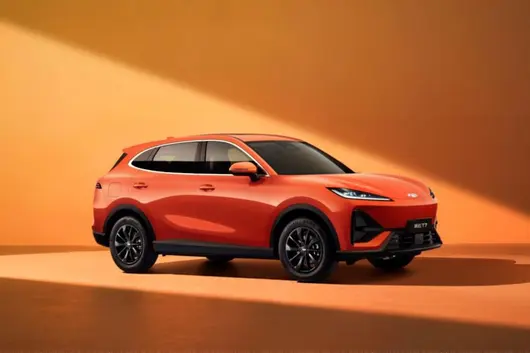
8 月 12 日,奇瑞風雲 T7 正式展開預售。三款車款,10.99 萬到 12.99 萬。呢個價格擺喺 10 萬級純電 SUV 市場唔算驚爆,但結合配置單嚟睇,就非常有睇點嘅。
全系 600km 續航、65.05kWh 大電池、4nm 艙駕一體 8775 芯片、靈犀智艙 2.0、80% 高強度鋼車身、9 安全氣囊、瑪莎拉蒂前底盤專家調校等等。

更值得注意嘅係呢台車嘅「來頭」。
風雲 T7 係先賣去海外、再返到國內嘅,同源車型 Lepas L6 已經喺南非、泰國上市,獲得海外用戶認可。用奇瑞嘅話說係「生而全球,淬鍊而歸」。
"慢"出嚟嘅底氣而家市場,開發要快、上市要快、迭代要快。
有些品牌由立项到上市壓縮到一年半以內,恨不得半年就推一款新車。
風雲 T7 就係對标 2026 版 E-NCAP 五星安全標準設計、功能安全 ASILD 最高等級。2 年策劃,3 年研發,共投入 81 台專屬耐久車同步路試,整車累計測試里程超 600 萬公里,耐久專項實測 145 萬公里。
同時,仲針對東南亞雨季、中東高溫暴曬、印尼高濕等多個全球不同地域進行極限實車試煉。
三年,600 萬公里。這就是「慢功造好車」最直接嘅註腳。
2026 年嘅汽車市場,新車發布節奏越來越快,有些品牌恨不得半年就推一款新車。風雲 T7 花咗三年,呢個投入力度,值得讚賞。

「全球車」唔係貼個標籤就算,佢代表研發週期更長、驗證標準更嚴、成本投入更高。
為咗更好嘅安全,風雲 T7 車身採用 80% 高強度鋼、18.84% 熱成型鋼打造九橫五縱籠式車身,採用 shotgun 結構、雙框副車架+Pack 防撞樑,鋼筋鐵骨保障乘員艙安全,前面 9 條 + 側面 6 條碰撞傳力路徑最大化分散碰撞能量,留存乘員生存空間。
除此之外,仲搭載咗 9 個安全氣囊,包含 48L 雙腔遠端氣囊同後排側氣囊,360°全方位保護乘員安全。風雲 T7 全系搭載犀牛電池,超强 6D 防護構築電池安全堡壘全方位抵禦擠壓、穿刺、衝擊,為動力電池構建多層立體安全屏障。
面對夏季暴雨頻繁,犀牛電池 IP68 防水為國標 96 倍,無懼雨季內澇、路面積水、戶外涉水,有效防止電池進水短路隱患。
一台車全給齊咗奇瑞把風雲 T7 嘅產品力總結成咗六個詞,分別係顏值、安全、續航、智能、舒享、安心。
顏值依托奇瑞 10 大全球設計中心,5000 餘名海内外用戶全程共創。同源車型 Lepas L6 亮相米蘭設計週收獲國際認可。
續航全系標配 65.05kWh 犀牛電池,CLTC 續航 600km,實測 667km+,「反向虛標」。
30% 充到 80% 只需 20 分鐘。全域一體化熱管理雙源寬熱泵空調 + 高壓 PTC,-30°C 到 55°C 超寬溫域穩定運轉,北方冬季亦能放心開。AGS 智能進氣格柵全系標配,14 項低風阻優化,高低速能耗更穩定。
智能化層面,風雲 T7 搭載艙駕一體 8775 芯片,該芯片 4nm 製程,72TOPS 高算力,響應仅需 80ms,開機提速 33%。

座艙搭載 15.6 吋 2.5K 高清大屏,仲有 CarPlay、HUAWEI HiCar、CarLink 無線連接,覆蓋市面 99% 以上手機投屏。而靈犀智艙 2.0 內置小憩、露營、寵物、醒神等六大場景模式。
獵鷹 500 駕駛輔助系統配備 22 顆高精度傳感器,300+ 全場景自動泊車,斷頭路泊車、一鍵循跡倒車、跨樓層泊車等都能實現。
舒適層面,風雲 T7 尺寸為 4570×1852×1694mm 車身,2700mm 軸距,84% 得房率,後排 911mm 腿部空間。後排放倒拓展 1955mm 純平大床。
9 層雲感座椅,三檔加熱 + 吸風式通風,-20℃環境下 5 分鐘速加熱至 30℃。底盤採由由瑪莎拉蒂前底盤調校專家領帥嘅國際化底盤團隊傾力打磨,50.8:49.2 黃金軸荷比能够有效抑制轉向推頭、甩尾現象,提升過彎穩定性與直線行駛循跡性。
安心剛需就係 2 終身 +2 兜底。

兩大兜底:
①動力電池安全兜底:因動力電池自身原因導致整車發生熱失控損毀,奇瑞將賠付同款新車或唔低於原車配置新車;
②輔助駕駛兜底:自購車之日起一年內,喺「泊車場景」、「智能領航場景」判定為「智能駕駛輔助系統原因」導致事故,造成車上人員傷害與第三者損失賠償嘅,最高賠償 500 萬。
兩大終身權益:
①整車終身質保:價值 10000 元整車終身質保(含三電),易損件、特殊件除外;
②終身保養套餐:666 元購價值 3999 元終身基礎保養套餐(1 次/年)。
結語:風雲 T7 呢套配置組合擺喺 10 萬級市場,確實好有誠意。更加重要嘅係,一台「反向虛標」嘅全球車,經過全球市場淬鍊,回到中國。呢個路徑本身,就係對品質最好嘅背書。

喺馬來西亞嘅 SUV 市場,好多買家喺揀車嗰陣都會拿 Proton X50 同 Subaru Forester 做比較。呢兩款車喺價位同定位上都幾接近,而家我哋就從多個方面做一個詳細嘅對比,幫你省下做功課嘅時間。
Proton X50 喺馬來西亞嘅 OTR 售價係 RM 89,800 - 113,300,一共有 4 個版本,包括 1.5T Executive(RM 89,800)、1.5T Premium(RM 101,800)、1.5T Flagship(RM 113,300) 等。
Subaru Forester 喺馬來西亞嘅 OTR 售價係 RM 174,000 - 197,000,一共有 3 個版本,包括 2024 2.0L S EyeSight GT Edition(RM 189,538)、2024 2.0L S EyeSight(RM 177,538)、2024 2.0L L EyeSight(RM 167,538) 等。
由價格嚟睇,Proton X50 嘅起步價確實比 Subaru Forester 平咗 RM 84,200。如果你預算有限,Proton 嘅入門版已經可以滿足日常需要。但都係要注意,平嗰幾千蚊,可能喺配備上會有取舍,具體要看你嘅需要。

Proton X50 車身長 4400 mm,車尾箱 400 L。
Subaru Forester 車身長 4400 mm,車尾箱 400 L。
兩款車嘅尺寸幾乎一樣,車內空間差別唔大。呢個級別嘅車,日常使用完全夠用。

Proton X50 採用 4WD 驅動方式。
Subaru Forester 採用 FWD 驅動方式。
Proton 嘅 4WD 同 Subaru 嘅 FWD 喺操控上會有唔同感受,建議試駕對比。

Proton X50 同 Subaru Forester 都係馬來西亞市場嘅主流選擇,適合家庭使用、日常通勤。如果你更重視品牌口碑同二手價,可以優先考慮口碑更好嗰款;如果你更在意性價比同配備,就揀配備更豐富嗰款。最尾都係建議兩款都去試駕,親身體驗先係最重要。

總體嚟講,Proton X50 同 Subaru Forester 都係馬來西亞市場好唔錯嘅車款。揀邊一部,關鍵仲係要看你嘅個人需要同預算。建議大家做好功課,多比較幾間車行之嘅報價,再去試駕做最終決定。買車係件大事,花少少時間做功課絕對唔會錯。


In the Malaysian SUV market, many buyers compare the Proton X50 and Toyota Yaris Cross when choosing a car. These two cars are quite close in price and positioning. Today, we will make a detailed comparison from multiple aspects to help you save time on research.
The Proton X50's OTR price in Malaysia is RM 89,800 - 113,300, with a total of 4 versions, including 1.5T Executive (RM 89,800), 1.5T Premium (RM 101,800), 1.5T Flagship (RM 113,300), etc.
The Toyota Yaris Cross's OTR price in Malaysia is RM 99,900 - 109,900, with a total of 2 versions, including 2026 1.5L Standard (RM 99,900), 2026 HEV 1.5L Standard (RM 109,900), etc.
From a price perspective, the Proton X50's starting price is indeed RM 10,100 cheaper than the Toyota Yaris Cross. If your budget is limited, the Proton entry-level version is already sufficient for daily needs. But note that the few thousand cheaper might involve trade-offs in features, depending on your needs.
The Proton X50 is equipped with a 1.5L 4-cyl, 105 hp. Official fuel consumption 6.0 L/100km.
The Toyota Yaris Cross is equipped with a 1.5L 4-cyl, 105 hp. Official fuel consumption 6.0 L/100km.
Both cars use the same powertrain, and the driving experience is basically the same. Fuel consumption is also similar, so no need to worry too much about this.
The Proton X50 safety rating is 5★ (ASEAN NCAP), active safety systems include ADAS (ACC, AEB, LKA, LDA, BSM, RCTA).
The Toyota Yaris Cross safety rating is 5★ (ASEAN NCAP), active safety systems include TSS.
Both cars have the same safety rating, and safety features in this class are quite comprehensive. New cars nowadays don't lack in safety, no need to worry too much about this.
The Proton X50 adopts 4WD drive mode.
The Toyota Yaris Cross adopts FWD drive mode.
The Proton 4WD and Toyota FWD will have different driving dynamics, test drive comparison is recommended.

Overall, the Proton X50 and Toyota Yaris Cross are both very good models in the Malaysian market. Choosing which one depends mainly on your personal needs and budget. It is recommended to do your research, compare quotes from several dealerships, and then test drive to make the final decision. Buying a car is a big matter, spending time on research will never be wrong.

喺馬來西亞嘅汽車市場,好多買家喺揀車嘅時候都會拿 Hyundai Tucson 同 Ford Everest 嚟做比較。今日我哋從多個方面做一個詳細嘅比較,幫你節省做功課嘅時間。

Hyundai Tucson 喺馬來西亞嘅 OTR 售價係 RM 143,888 - 197,888,一共有 5 個版本,包括 2025 HEV 1.6T AT 2WD Prestige(RM 197,888)、2025 1.6T DCT 4WD Prestige(RM 186,888)、2025 1.6T DCT 2WD Prime(RM 164,888)等。
Ford Everest 喺馬來西亞嘅 OTR 售價係 RM 266,338 - 430,838,一共有 6 個版本,包括 2026 3.0T 4WD Platinum(RM 430,838)、2026 2.0T 4WD Platinum(RM 348,838)、2026 2.0T 4WD Sport(RM 316,838)等。
從價錢嚟睇,Hyundai Tucson 嘅起步價確實比 Ford Everest 便宜咗 RM 122,450。如果你預算有限,Hyundai 嘅入門版已經可以满足日常需求。但都要留意,便宜嗰幾千塊,可能喺配備上會有取舍,具體要看你嘅需求。

Hyundai Tucson 搭載 1.5L Turbo,馬力 140 hp。官方油耗 7.0 L/100km。
Ford Everest 搭載 2.5L Diesel,馬力 187 hp。官方油耗 8.5 L/100km。
動力方面,Ford Everest 嘅 2.5L Diesel 比 Hyundai Tucson 嘅 1.5L Turbo 多咗 47 匹馬力。不過日常喺市區開嘅話,兩款車嘅動力都夠用,唔會覺得唔夠力。

Hyundai Tucson 嘅安全評級係 5★ (ASEAN NCAP),主動安全系統包括 SmartSense。
Ford Everest 嘅安全評級係 5★ (ASEAN NCAP),主動安全系統包括 Co-Pilot360。
兩款車嘅安全評級一樣,喺呢個級別裡面安全配備都算俾得好齊全。而家嘅新車安全性都不錯,唔使太擔心這一點。

Hyundai Tucson 採用 FWD 驅動方式。
Ford Everest 採用 FWD 驅動方式。
兩款車嘅驅動方式一樣,都係 FWD,日常駕駛感受唔會有太大區別。

總嘅嚟講,Hyundai Tucson 同 Ford Everest 都係馬來西亞市場好唔錯嘅車型。揀邊一輛,關鍵都係要睇你嘅個人需求同預算。建議大家做好功課,多比較幾間車行嘅報價,再去試駕做最終決定。買車係件大事,花點時間做功課絕對唔會錯。


車型概覽

Ferrari Monza SP2 值唔值得睇,第一步唔係望牌子或者外形,而係睇佢能唔能夠配合你嘅香港日常。 呢篇會集中講保險、輪胎、保養同能源開支,幫你用買家角度篩走唔適合嘅選擇。
售價仍待確認,買家可以先把佢放入候選名單,等價格落實後再同同級車逐項比較。
購車價格指南
Ferrari Monza SP2 目前售價仍未清晰,較理性嘅做法係先睇版本、車身大小同動力形式,等價格落實後再決定值唔值得落訂。
如果有幾個版本可揀,可以先將 2025 6.5L Standard(價格待確認) 放喺同一張清單。日常通勤重視舒適同易用,家庭買家就要優先睇後排、尾箱同安全配置。
核心規格重點
睇 Ferrari Monza SP2 嘅規格,重點唔係背數字,而係理解佢喺香港用車場景會帶嚟咩分別。
自然進氣、12 個 汽缸 嘅動力底子,重點係市區跟車夠唔夠順、高速巡航會唔會吃力。 596 kW、719 N·m 嘅輸出,對滿載、上斜同超車都比單睇馬力數字更有意思。 車長 4657 mm、車闊 1996 mm、車高 1155 mm、軸距 2720 mm 可以幫你預判商場停車場、屋苑車位同後排腿部空間。 濕式雙離合(DCT)、前置後駆 會影響起步順滑度、濕地穩定感同長途巡航性格。
優缺點分析
Ferrari Monza SP2 嘅優點唔需要講到天花龍鳳,真正有價值係佢能唔能夠令日常用車更省心:動力輸出對高速同上斜更有底氣、空間同車身尺寸方便家庭買家預判實用性。
要留意嘅係,香港停車場同窄路使用要留意車身闊度、售價未清晰前唔應該太早用性價比落結論。呢啲唔一定係缺點,但係落訂前應該先諗清楚。
買家常見問題
買 Ferrari Monza SP2 之前,真正要問嘅唔係單一規格,而係佢可唔可以融入你每日嘅生活節奏。
常見疑問係「Ferrari Monza SP2 全球限量生產幾多部?」簡單講,Ferrari Monza SP1 同 SP2 合共全球限量生產 499 部。由於兩款車嘅產量係共同計算,而且只會邀請品牌最核心嘅 VIP 客戶購買,令佢喺二手市場嘅升值潛力極高。 放到實際用車,就係要睇佢對通勤、泊車、家庭乘坐同長期成本有幾大幫助。
同級對比內容
將 Ferrari Monza SP2 放入同級車清單時,唔建議只用外形或者品牌光環決定。比較順序可以係:先等售價落實,再決定佢應該同邊個級距比較、再睇動力係咪足夠應付高速併線同滿載、最後睇車身大小、座位同尾箱是否適合家人。
咁樣篩選會貼近香港買家真實生活:平日塞車、商場泊車、周末去新界、甚至一家人出入,先係一部車每日要面對嘅考驗。
用車全周期指南
擁有 Ferrari Monza SP2 唔係買車一刻就完結,之後仲有保險、輪胎、保養、泊車同日常能源成本要處理。
如果你主要喺市區行,視野、低速順滑度同泊車輔助會好影響心情;如果經常行高速或跨區,座椅舒適度、隔音同動力從容感會更重要。


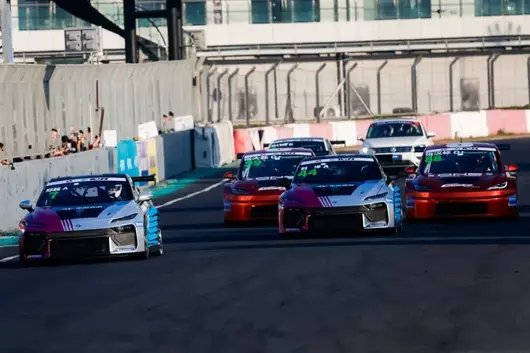
2026 年,CTCC 電動賽車盃&XRACING ETCR CUP 將繼續展開賽季的爭奪,旨在推動中國電動賽車運動規範化、專業化正向發展。目前,賽事的初步賽歷正式揭曉,將橫跨國內多地專業賽道,聯動國際知名賽場,以多元賽道陣容開啟全新電動競速征程。


9 月 19 日至 20 日,賽事將在上海天馬賽車場,打響年度揭幕戰。作為長三角經典場地賽道,緊湊多彎的天馬賽車場將全面考驗 ETCR 賽車的操控與調校實力。

隨後,賽事將在 10 月 10 日至 11 日移師寧波國際賽道。這條依山而建、彎道組合複雜多變的賽道,將再度迎來 ETCR 的極限比拼。

10 月 24 日至 25 日,賽事將轉戰湖南國際賽車場,與 CTCC、TCR World Tour 國際汽聯汽車世界巡迴賽同場聯動,聯袂獻上高規格競速盛宴。


11 月 21 日至 22 日,ETCR 賽車將以靜態展示形式在澳門格蘭披治大賽車賽事期間亮相,向車迷集中展現國內電動賽車運動的發展成果。

12 月 12 日至 13 日,賽季收官戰將在馬來西亞雪邦國際賽車場打響。作為東南亞唯一的 FIA 一級認證賽道,雪邦賽車場寬闊的佈局與高速路段,將為年度總冠軍的誕生埋下懸念,為賽季畫上圓滿句號。

電驅馳騁、逐風競速,2026 賽季 CTCC 電動賽車盃&XRACING ETCR CUP 大幕即將拉開。敬請期待!

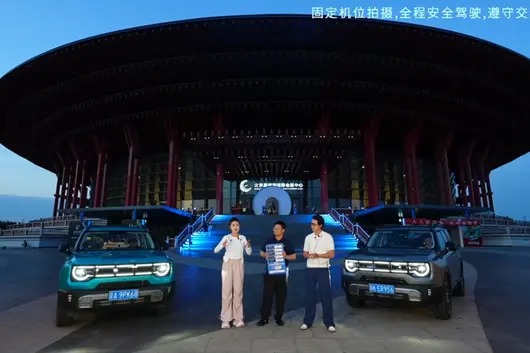
June 5, Beijing Off-road completed the domestic live streaming test of the BJ30 Traveler 'Five Countries · Breaking 5' Fuel Saving Challenge by Yanqi Lake.
This three-plus-hour real-world evaluation, switching between test scenarios such as urban congestion, highway cruising, and village road gravel, ultimately delivered a fuel consumption report of less than 5L per 100km.
It is worth noting that this domestic live stream was not an isolated marketing event. Prior to this, Beijing Off-road had completed cross-border long-distance road tests in collaboration with local automotive bloggers from five countries: South Africa, Poland, Indonesia, the UAE, and Mexico.
From tropical grasslands to Middle Eastern deserts, from European intercities to Southeast Asian rainy seasons, the field test data under different climate zones and road conditions formed the technical foundation of this fuel-saving challenge. As a boxy HEV hybrid SUV priced at the 70,000 yuan level, the BJ30 Traveler attempts to find a differentiated development direction in the domestic compact SUV market using three product labels: 'Super Economical', 'Super Spacious', and 'Super Off-road'.

How Cross-Border Field Tests Validate a Vehicle's Authenticity
Cross-border field testing is the most distinguishing segment of this fuel-saving challenge. The five-country road test was not simply 'checking in overseas', but targeted coverage of five typical driving environments: South Africa tested chassis durability with unpaved roads and high temperatures; Poland's intercity highways and slippery roads tested winter operating conditions; Indonesia's high temperature and humidity environment verified the thermal management of the hybrid system; UAE desert road conditions challenged vehicle passability; Mexico combined urban and mountain roads, simulating alternating scenarios of daily commuting and weekend outings.
The logic behind this test design is that fuel quality, temperature ranges, and road conditions vary greatly in different regions, revealing potential issues in vehicle use more comprehensively. For example, summer temperatures in the Middle East often exceed 45°C, forming a severe test for battery heat dissipation and engine cooling systems; the high humidity environment of Southeast Asia imposes higher requirements on the sealing of electronic components. The data accumulation from the five-country field test provided indirect reliability endorsement for the domestic market.

The domestic live streaming segment continued this approach. The test route departed from the BAIC Blue Valley base, passed through the Capital Airport Expressway section, and finally entered the village roads and gravel surfaces around Yanqi Lake, covering five typical scenarios: urban congestion, highway cruising, rural national roads, unpaved mountain roads, and light off-roading. The live stream also set up 'Sealed Box Refueling' and 'Truth Moment' segments to present fuel consumption data in an open and transparent manner.

From the perspective of testing methods, this dual-loop system of 'overseas reliability verification and domestic fuel consumption field test' is more persuasive than single laboratory condition testing. Beijing Off-road stated that both the five overseas countries and the domestic live stream followed the GLTC Global Life Test Cycle and OLTC Off-road Life Test Cycle dual standards, attempting to strike a balance between standardization and real-world scenarios.
Tri-Motor HEV: The Fuel-Efficiency Equation with Motor-Priority Drive
The BJ30 Traveler's hybrid system adopts the 'Tri-Motor Six-Mode + Electric 4WD' architecture, making it the first boxy-shaped HEV hybrid model domestically. Unlike PHEV plug-in hybrids, HEVs do not require external charging, eliminating reliance on charging piles, resulting in a smaller battery pack volume and lighter weight, with no risk of battery damage due to chassis impact in off-road scenarios.
'Tri-Motor' refers to the combination of the engine and front and rear dual motors. In daily driving, the system prioritizes motor drive for the vehicle, with the engine intervening when high power output or highway cruising is needed. The core advantage of this strategy lies in avoiding the two most fuel-intensive conditions of fuel vehicles: low-speed crawling and idling. Under urban congestion, the motor can drive the vehicle independently, and the engine starts only when necessary; when waiting for red lights or short-term parking, the engine completely shuts off, with the battery powering the vehicle electronics.

Official data shows that the BJ30 Traveler's 2WD version has a combined fuel consumption of 5.85L/100km, and the 4WD version is 6.45L/100km. In this domestic field test, under a multi-road condition combination of urban congestion + highway cruising + village road gravel, the fuel consumption per 100km broke the 5L barrier. Considering the boxy shape itself has a higher drag coefficient, this data has a significant advantage among fuel SUVs in the same class.
Compared to competitors, the positioning of the BJ30 Traveler also presents a differentiated strategy. Compared to fuel boxy vehicles at the same price point, the hybrid system brings lower fuel consumption and stronger low-speed torque; compared to PHEV plug-in models, the HEV structure is simpler, saving the charging link, the overall vehicle weight is lighter, and off-road performance is not compromised in a low battery state. For users without a fixed charging pile who hope to reduce vehicle usage costs, the 'charge-free hybrid' solution is actually more fitting for real-world usage conditions.
Regarding off-road performance, the BJ30 Traveler is equipped with 215mm ground clearance, ATS multi-mode all-terrain control system, and electric 4WD system. Millisecond-level 4WD response speed can distribute power to four wheels in real-time under gravel road and light uphill scenarios. From the performance of this field test, passing on narrow village roads and bumpy unpaved roads was relatively calm, fitting the product positioning of 'light off-roading', not hardcore climbing, but coping with scenarios like weekend camping and rural crossing.
The Market Moat Behind the 72% Retained Value Rate
The ultimate standard for product power is judged at the market end. Data provided by Beijing Off-road shows that the BJ30 Traveler has ranked first in sales in the light hybrid boxy subsegment for two consecutive years, won the sales championship for independent light hybrid SUVs for 23 consecutive months, the three-year retained value rate reached 72%, ranking first on the same price list.
Continuous sales leadership is more referenceable than single-month sales. It means that after the initial market tasting phase, the product can still maintain stable user recognition, and the word-of-mouth effect begins to appear. The retained value rate data explains from another angle that BJ30 Traveler's quality stability, brand after-sales service, and parts supply capabilities are all far ahead in the subsegment.

From the user profile perspective, the typical usage scenario of the BJ30 Traveler is 'Weekday Urban Commuting + Weekend Suburban Self-driving'. Multiple car owners shared their driving experience at the live streaming site: daily commuting fuel consumption basically matches the official specification; the rear seat space and trunk loading capacity brought by the 2820mm wheelbase are the two points most satisfied by family users. The 1.92-meter 'large bed' space formed after folding down the rear seats is a practical bonus for camping enthusiasts.
The pricing strategy at the 70,000 yuan level is the key factor for the BJ30 Traveler to open up the market. In this price band, it is not common to have options providing hybrid system, boxy shape, 4WD capability, and large space simultaneously. Beijing Off-road obviously hopes to tear a hole in the fiercely competitive compact SUV market with the idea of 'feature leap'.
On June 12, the BJ30 Traveler Highlight Edition will officially launch. According to Beijing Off-road, the new version has upgrades in configuration, power, and interior, and will launch exclusive color schemes. The market performance of the current product has already paved the way for the Highlight Edition launch. Against the backdrop of increasingly diverse hybrid technology routes and continuous segmentation of user needs, the BJ30 Traveler used a combination punch of 'Global Field Test + Domestic Live Stream' to demonstrate the product height that a 70,000 yuan level SUV can reach.
Of course, fuel consumption data is just one of the reference dimensions for car selection. For consumers, the coverage density of the after-sales service network, the reliability performance in long-term use, and whether the Highlight Edition can continue the price sincerity of the current model are all topics worth following up.