


首頁牛肉丸彈牙

搜尋歷史
熱門搜尋
經銷商登入 / 註冊

【懂車之道 產業】我哋嚟盤點一下二零二六年十一月六日,汽車圈都發生咗啲咩大事件。
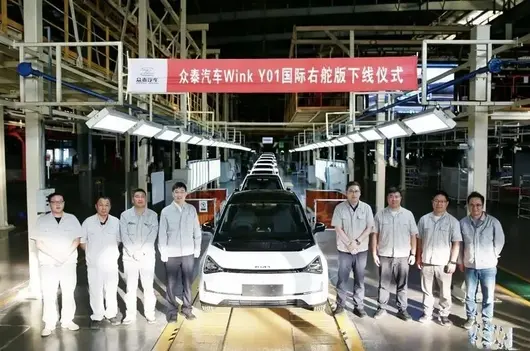
汽車事件一:眾泰 Wink Y01 國際版下線
日前,眾泰汽車專門為海外市場定制開發嘅小型純電車型 Wink Y01 國際右軚車型正式下線。新車車長 3.9 米以上,計劃二零二七年頭實現量產交付。

眾泰汽車前期同印度合夥人簽訂咗年產 3 萬嘅 KD 工廠合作協議,同印尼 BPKN 簽署咗戰略合作協議,此次下線按前期計劃穩步推進,未來將加速推進全球化佈局,以南亞、東南亞為核心,重點開拓印度、印尼等市場,遠期規劃覆蓋全球 55 個國家。按照業務目標,力爭喺二零二六年年底完成 25 個國家代理商合作簽約。
汽車事件二:奧迪創新技術中心開業
11 月 5 日——喺 AUDI 品牌迎來成立兩週年之際,奧迪携手上汽集團,喺上海為 AUDI 品牌全新研發實體——奧迪創新技術中心(AUDI Innovation and Technology Center,簡稱:AITC)舉行開幕典禮。作為 AUDI 品牌喺中國嘅核心研發創新樞紐,AITC 將全面主導統籌 AUDI 品牌車型從整車概念定義到量產交付嘅端到端開發。此舉唔單止係奧迪深化喺華雙品牌戰略嘅核心支柱,更標誌住中德汽車合作範式正式從“為中國適配”邁向“喺中國定義”嘅全新階段。

奧迪股份公司管理董事會主席高德諾(Gernot Döllner)表示:“中國就係奧迪的一個關鍵市場,亦係全球汽車行業最具活力嘅創新高地之一。要喺中國市場取得成功,我哋嘅研發必須更加貼近客戶需求,並迅速將新技術轉化為極具吸引力嘅產品。我哋同合夥人上汽集團携手打造嘅奧迪創新技術中心,正係為咗全面強化呢個核心能力,亦係我哋為持續提升喺華長期競爭力所做出嘅戰略投資。”
汽車事件三:上汽與 Momenta 等共同設立合資公司
11 月 5 日,上汽集團董事會審議通過議案,擬同 Momenta 等共同設立合資公司,註冊資本 3 億元,進一步加強高級智駕技術研發,提升整車產品喺全球市場嘅競爭力。

根據公告,Momenta 擬出資 1.53 億元,持股 51%;上汽集團擬出資 7500 萬元,持股 25%;延電科技擬出資 7200 萬元,持股 24%。上汽集團及延電科技合計持股 49%。
此次共同出資,為上汽同 Momenta 深化智駕合作建立咗更長期嘅組織與資本紐帶。對上汽而言,合資公司將服務於高級智駕研發能力建设,推動智能化技術同整車產品需求進一步結合;對 Momenta 而言,同汽車集團深化合作,有助於拓展技術研發同量產應用嘅協同空間。
從產業層面睇,中國汽車迎來"AI 合夥人”時刻。車廠同 AI 企業共同出資、共建能力,將智駕技術同整車資源深度結合,共拓全球市場同智能汽車增長空間。
《每日車聞》,度有最新嘅今日汽車新聞,請繼續關注《懂車之道》。

In the Malaysian SUV market, many buyers compare the Mazda CX-3 and Chery Tiggo 9 when choosing a car. These two models are quite close in price and positioning. Today, we will make a detailed comparison from multiple aspects to help you save time on research.
The Mazda CX-3 on-the-road price in Malaysia is RM 126,159 - 139,159, with a total of 2 versions, including 2023 2.0L High (RM 139,159), 2023 2.0L Plus (RM 126,159), etc.
The Chery Tiggo 9 on-the-road price in Malaysia is RM 166,800 - 179,800, with a total of 1 version, including 2026 2.0T Standard (RM 179,750), etc.
Looking at the price, the starting price of the Mazda CX-3 is indeed RM 40,641 cheaper than the Chery Tiggo 9. If your budget is limited, the Mazda entry-level version can already meet daily needs. But be aware, saving that few thousand might involve trade-offs in features, depending on your needs.

The Mazda CX-3 comes with a 1.5L Turbo, 140 hp. Official fuel consumption 7.0 L/100km.
The Chery Tiggo 9 comes with a 2.0L 4-cyl, 170 hp. Official fuel consumption 8.0 L/100km.
In terms of power, the Chery Tiggo 9's 2.0L 4-cyl has 30 more horsepower than the Mazda CX-3's 1.5L Turbo. However, for daily city driving, the power of both cars is sufficient, you won't feel underpowered.

The Mazda CX-3 safety rating is 5★ (ASEAN NCAP), active safety systems include i-Activsense.
The Chery Tiggo 9 safety rating is TBD, active safety systems include Basic.
Regarding safety features, both cars have received good ratings. However, there are some differences in functionality between Mazda CX-3's i-Activsense and Chery Tiggo 9's Basic. If you value active safety, you can compare the feature lists of both in detail.

Mazda CX-3 body length 4500 mm, trunk 450 L.
Chery Tiggo 9 body length 4400 mm, trunk 400 L.
In terms of space, the Mazda CX-3's body is 100 mm longer than the Chery Tiggo 9, making the interior seating space slightly more spacious, especially the rear legroom. If you often carry family members or need to put in a stroller, a larger body is indeed more practical.

Mazda CX-3 warranty 5 years/150,000km, service interval every 10,000km or 6 months.
Chery Tiggo 9 warranty 3 years/100,000km, service interval every 10,000km or 6 months.

Overall, the Mazda CX-3 and Chery Tiggo 9 are both excellent models in the Malaysian market. Which one to choose depends on your personal needs and budget. It is recommended to do your research, compare quotes from several dealerships, and test drive to make a final decision. Buying a car is a significant matter, taking time to research will definitely not be a mistake.


In the Malaysian SUV market, many buyers compare Toyota Harrier and Porsche Macan when choosing a car. These two cars are quite close in price and positioning. Today we will make a detailed comparison from multiple aspects to help you save time on research.
The OTR price of Toyota Harrier in Malaysia is RM 289,000 - 289,000, with a total of 1 version, including 2026 HEV 2.5L Standard (RM 289,000) etc.
The OTR price of Porsche Macan in Malaysia is RM 469,000 - 469,000, with a total of 4 versions, including 2025 55 quattro S line (RM 467,285), 2025 50 quattro Advanced (RM 361,135), PMT 1874, Lorong IKS BukitTengah 14000 Bukit Mertajam (RM 296,610) etc.
In terms of price, Toyota Harrier's starting price is indeed RM 180,000 cheaper than Porsche Macan. If your budget is limited, Toyota's entry-level version can already meet daily needs. However, be aware that the few thousand difference might involve trade-offs in features, depending on your specific needs.

Toyota Harrier vehicle length 4,400 mm, trunk 400 L.
Porsche Macan vehicle length 4,400 mm, trunk 400 L.
The dimensions of both cars are almost the same, and the interior space difference is not significant. For this class of car, it is more than enough for daily use.

Toyota Harrier warranty 5 years/unlimited mileage, service interval every 10,000 km or 6 months.
Porsche Macan warranty 3 years/100,000 km, service interval every 10,000 km or 6 months.

Both Toyota Harrier and Porsche Macan are mainstream choices in the Malaysian market, suitable for family use and daily commuting. If you value brand reputation and resale value more, prioritize the one with better reputation; if you care more about cost-performance and features, choose the one with richer configuration. Ultimately, it is recommended to test drive both, as personal experience is the most important.

Overall, both Toyota Harrier and Porsche Macan are very good models in the Malaysian market. Which one to choose mainly depends on your personal needs and budget. It is recommended to do your homework, compare quotes from several dealerships, and then go for a test drive to make a final decision. Buying a car is a big matter; spending some time on research will never be wrong.


喺馬來西亞嘅 SUV 市場,好多買家喺揀車嗰陣都會拿 Toyota Harrier 同 Porsche Macan 做比較。呢兩款車喺價位同定位上都幾接近,今日我哋就從多個方面做一個詳細比較,幫你省做功課嘅時間。
Toyota Harrier 喺馬來西亞嘅 OTR 售價係 RM 289,000 - 289,000,一共有 1 個版本,包括 2026 HEV 2.5L Standard(RM 289,000) 等。
Porsche Macan 喺馬來西亞嘅 OTR 售價係 RM 469,000 - 469,000,一共有 4 個版本,包括 2025 55 quattro S line(RM 467,285)、2025 50 quattro Advanced(RM 361,135)、PMT 1874, Lorong IKS BukitTengah 14000 Bukit Mertajam(RM 296,610) 等。
從價錢睇,Toyota Harrier 嘅起步價確實比 Porsche Macan 便宜咗 RM 180,000。如果你預算有限,Toyota 嘅入門版已經可以滿足日常需求。但要留意,便宜嗰幾千蚊,可能喺配備上會有取捨,具體要睇你嘅需求。
Toyota Harrier 搭載 2.0L Turbo,馬力 220 hp。官方油耗 9.5 L/100km。
Porsche Macan 搭載 3.0L Turbo,馬力 350 hp。官方油耗 12.0 L/100km。
動力方面,Porsche Macan 嘅 3.0L Turbo 比 Toyota Harrier 嘅 2.0L Turbo 多咗 130 匹馬力。不過日常喺市區開,兩款車嘅動力都夠用,唔會覺得唔夠力。
Toyota Harrier 車身長 4400 mm,後尾箱 400 L。
Porsche Macan 車身長 4400 mm,後尾箱 400 L。
兩款車嘅尺寸幾乎一樣,車內空間差別唔大。呢個級別嘅車,日常使用完全夠用。
Toyota Harrier 保修 5 年/無限制里程,保養間隔 每 10,000km 或 6 個月。
Porsche Macan 保修 3 年/100,000km,保養間隔 每 10,000km 或 6 個月。
總括嚟講,Toyota Harrier 同 Porsche Macan 都係馬來西亞市場好唔錯嘅車型。揀邊輛,關鍵仲要睇你嘅個人需求同預算。建議大家做好功課,多比較幾間車行嘅報價,再去試駕做最終決定。買車係件大事,花少少時間做功課絕對唔會錯。


撰文 | 杜詠芳
編輯 | 黃大路
設計 | 甄尤美
題圖 | XY-AI
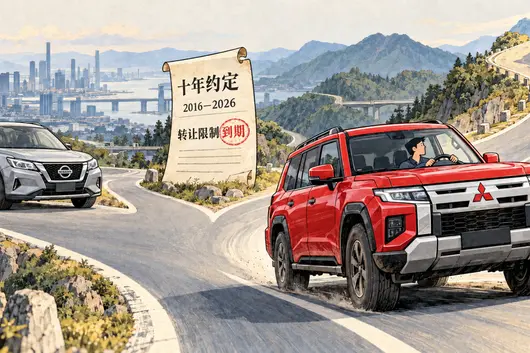
2016 年,喺時任董事會主席卡洛斯·戈恩(Carlos Ghosn)主導下,日產汽車以約 2374 億日元認購三菱汽車新發行嘅股份,拿下 34% 股權,成為最大股東。
當時三菱剛承認油耗數據造假,股價暴跌,呢筆錢令佢喘口氣。日產則打算透過共享技術、零部件同工廠,令兩家一齐變強。

2016 年 10 月,時任日產汽車董事會主席兼總裁卡洛斯·戈恩(左)之時任三菱汽車董事會主席兼總裁益子修(右)喺東京出席新聞發布會後。
交易附帶一項條款:自 2016 年 10 月 20 日起十年內,日產轉讓三菱股份,須事先取得三菱同意。今年 10 月 20 日,呢項轉讓限制屆滿。
而當初嘅「救援者」自己都陷入咗重組。2025 財政年度,日產淨虧損約 5330 億日元,連續第二年虧損。
三菱雖然保住咗盈利,日子也不寬裕。同一財政年度,營業利潤約 755 億日元,同比下降 45.6%;淨利潤約 100 億日元,下降 75.6%。
更值得注意嘅係銷量:全球銷量從 2018 財政年度嘅 124.4 萬輛降到 79.7 萬輛,七年少咗成個三分之一以上。東南亞市場嘅中國品牌競爭、美國關稅同中東衝突,都在加重壓力。
兩家處境同時變差,資本關係自然要重新審視。
喺轉讓限制屆滿前,日產曾表示將維持現有資本關係。據共同社 9 月 25 日報道,日產傾向於繼續持有三菱 26.67% 嘅股份。
唔賣嘅理由好實際:輕型車共同開發仍係日產重建所需;工廠重組按計劃推進,冇急住變現嘅壓力;三菱股價低於入股時嘅水平,而家賣出可能虧損。
持股比例之所以係 26.67% 而非 34%,同 2024 年 11 月嘅一次減持有關。當時日產業績大幅下滑,宣布裁員 9000 人,同時將約 1.49 億股三菱股票賣返畀三菱汽車,相當於三菱當時已發行股份(唔含庫存股)嘅 10.02%。賣出價為每股 460.6 日元,比八年前嘅入股價 468.52 日元仲低。
由於三菱回購亦改變咗計算持股比例嘅股份基數,日產持股比例降至 26.67%。也就是說,喺轉讓限制屆滿前,雙方嘅資本聯繫已經先鬆動咗一次。
產品關係亦喺變。三菱正喺畀出自己嘅答案:新一代歐藍德準備轉向自主平台,帕杰羅以更高價格回歸,同時同本田、鴻海系企業建立產品合作。
日產仍係重要股東,但三菱正把更多產品開發嘅決定權拿回自己手頭,同時重新揀選合作伙伴。

十年聯盟,共享都有代價
聯盟確實留下咗睇得到嘅成果。歐藍德同日產奇駿共享平台;日產 Sakura 同三菱 eK X 呢兩款輕型純電動車,由雙方共同開發。

位於岡山縣嘅水島工廠過去生產 Lancer Evolution,而家約八成產量係輕型車,其中包括日產品牌嘅車型。日產提供部分核心開發能力,三菱承擔製造,雙方由此分攤投入,利用現有產能。
但喺輕型車之外,共享開發嘅成本優勢並唔總係能夠兌現。
一位三菱高管認為,日產嘅部分零部件規格高於三菱目標市場嘅需求,反而削弱咗共用帶嚟嘅成本優勢。
三菱嘅主要市場係東南亞等新興經濟體。日產按北美、歐洲需求開發嘅規格,放到價格敏感嘅東南亞,未必能令消費者多畀錢,卻可能推高三菱嘅成本。
同平台同零件共用嘅前提,係雙方嘅產品需求足夠接近。兩家面對唔同嘅顧客同價格區間,共享之後仲要重新適應同驗證,原本想搵返嘅開發費,可能被呢啲額外成本抵銷。輕型車上行得通嘅分工,好難原樣複製到整條產品線。
歐藍德嘅下一步,體現咗三菱對開發方式嘅調整。預計 2028 年前後推出嘅新一代歐藍德,將改用三菱自主研發嘅平台,公司判斷咁樣能帶嚟更高嘅盈利能力。
自主開發意味著承擔更多開發支出同銷量風險。2025 財政年度,三菱研發費用為 1168 億日元。為咗令有限嘅預算承擔更多任務,公司計劃把平台從五個整合為三個,把開發週期從 45 個月縮短到 36 個月。
三菱希望靠內部重用同更快速度,消化減少聯盟共享之後可能增加嘅投入。自主平台最終是否抵用,仲要看佢能支撐幾多車款、賣出幾多架車。

用特色產品提升品牌
三菱把新一輪增長嘅希望,放喺自己擅長嘅四驅、越野同耐用性上,希望消費者為呢啲能力畀錢。
呢背後有一段教訓。三菱曾經靠衝銷量擴大規模,但大幅減價損害咗品牌價值;疫情等衝擊到來後,又不得不關廠、收縮業務。新一輪產品計劃,需要搵到更能支撐售價嘅理由。
帕杰羅承擔嘅就係呢個任務。10 月 19 日,新一代帕杰羅喺泰國上市,由三菱泰國林查班工廠生產;日本同澳大利亞計劃 12 月中開賣,下一財年起再推向中東、中南美等市場。

三菱汽車將新款帕杰羅 SUV 定位為日本市場旗艦車款,以此展現其打造特色車型嘅新策略。
日本市場嘅定價最能說明三菱嘅意圖。新帕杰羅喺日本預計起售價 619 萬日元,上一代起售價為 453 萬日元。
雖然兩代車嘅規格同成本環境唔同,不能簡單對比,但新車明顯喺爭取更高嘅價格區間。日本預訂單已到 4000 輛,顯示出帕杰羅仍有品牌吸引力。
三菱仲準備推出中型同緊湊型帕杰羅。中型版本預計 2028 年至 2029 年前後喺日本上市,同歐藍德共用部分零件;緊湊型版本瞄準 2030 年前後。大車建立品牌形象,中小車擴大覆蓋人群,共用零件幫助分攤投入。
日本市場畀呢套打法提供咗現實基礎。Delica D:5 呢款 MPV 同輕型車 Delica Mini 帶動咗三菱喺日本嘅銷量增長。兩款車嘅表現說明,三菱嘅特色產品喺本土仍有需求,公司希望把呢套經驗複製到帕杰羅家族。
日本市場亦係三菱減少對東南亞依賴嘅出口方向之一。東南亞約佔三菱全球銷量嘅三成,但該地區嘅營業利潤已從 2019 財政年度嘅 636 億日元,降到 2025 財政年度嘅 229 億日元。中國品牌嘅競爭,加上泰國同印尼需求疲軟,正喺削弱三菱原來嘅利潤來源。
不過,產品升級唔等於可以無限加價。一些經銷商已經擔心,加價太快,部分鄉郊客戶負擔唔到。旗艦車款可以吸引新顧客,亦可能把熟悉三菱嘅老顧客擋喺門外。帕杰羅首批訂單之後,更重要嘅係需求能否持續。
三菱把二手車業務都納入咗增長計劃。過去,換車主要由各經銷商自行收購、轉售,部分經拍賣流通,價格偏低。今後總部計劃加強集中管理,透過自有渠道銷售優質二手車。
對舊車主來說,換車價越高,換新車要補嘅差價就越少;對預算有限嘅顧客來說,二手車亦係進入呢個品牌嘅入口。呢項安排能否支持新車銷售,要看三菱能否改善車輛殘值同流通效率。
到 2029 財政年度,三菱希望把全球銷量從 79.7 萬輛提高到 90 萬輛,營業利潤從約 755 億日元提高到 1600 億日元,營業利潤率達到 4.5%。
銷量只增長約 13%,利潤卻要翻番以上。
按 4.5% 嘅營業利潤率倒推,1600 億日元營業利潤對應約 3.6 萬億日元營收。三菱需要喺增加銷量嘅同時,改善車款結構同單車收入,支撐更大嘅營收規模。降低開發同製造成本,則有助於把增加嘅收入變成利潤。
帕杰羅能否維持售價,家族車款能否分攤投入,二手車業務能否支持新車換車,都會影響呢個目標能走幾遠。

核心自己造,短板靠夥伴借
爭取更多自主,唔等於同日產分手。兩家嘅產品合作反而出現咗更明確嘅雙向分工。
三菱為日產生產 Rogue 插電混合車型,以及基於三菱 Triton 開發嘅日產中型皮卡 Navara;反過來,三菱準備借助日產重返北美皮卡市場。

美國業務最需要呢種互補。三菱喺美國冇整車工廠,靠日本出口,又面臨關稅壓力。
三菱計劃喺 2029 年前後引入一款皮卡,基於日產位於密西西比州嘅坎頓工廠產品,並持續推出新車,把北美車型陣容從 2024 年嘅 4 款擴充到 2030 年前後嘅 8 款。借夥伴補足產品,可以先穩住經銷商網絡,為自主車款換代爭取時間。
本田亦進入咗呢張分工網絡。2024 年底,本田同日產啟動經營整合談判,三菱一度考慮加入;2025 年初談判破裂,但具體業務合作仍在推進。
而家,本田同三菱正喺籌劃面向東南亞嘅供車合作,時間指向 2028 年前後。三菱嘅皮卡產品同製造經驗可以幫助本田拓展業務,三菱則有機會增加供貨量,分攤生產成本。
純電產品體現咗三菱嘅另一種取舍:自主研發集中喺混合動力、插電混合同車輛行駛性能上,部分純電車型向外採購。
面向北美嘅 Eclipse Sportback 純電版由日產供應;8 月公布嘅 ASX VR-e 由鴻華先進提供,這係鴻海精密同裕隆集團合資嘅電動車公司。ASX VR-e 計劃 2026 年內喺澳大利亞同新西蘭上市,三菱為佢做咗當地道路測試同專屬懸架調校。
咁樣可以省去由零開發嘅部分投入,更快補齊產品陣容。但掛上三菱嘅標誌之後,消費者對駕駛感受、質量同售後嘅期待,仍要由三菱兌現。
對年銷量唔足 80 萬輛嘅三菱來說,方向已經清楚:核心車款同關鍵技術自己掌握,缺少嘅產品、產能同開發資源靠合作補充。
呢條路邊行得通,要看經營結果。2026 年 4 月至 6 月,三菱營業利潤同比增加 80%,全球銷量卻下降咗 8%,利潤改善有一部份來自匯率同售價。帕杰羅家族能否擴大銷量,自主平台能否壓低成本,合作車款能否帶嚟持續收益,將決定利潤翻番嘅目標能否兌現。
十年前,三菱首先需要嘅係日產嘅錢。十年後,佢需要令自己嘅四驅、插電混合同製造能力,成為夥伴願意長期採購、共同投資嘅理由。
轉讓限制屆滿,打開咗資本上嘅選擇。決定三菱下一階段嘅,終究係佢自己手頭能畀啲咩。

In the Malaysian SUV market, many buyers compare Toyota Fortuner and Hyundai Santa Fe when choosing a car. These two cars are quite close in price and positioning. Today, we will make a detailed comparison from multiple aspects to help you save time doing homework.
The OTR price of Toyota Fortuner in Malaysia is RM 195,880 - 241,880, with a total of 3 versions, including 2024 2.8T VRZ Diesel (RM 241,880), 2024 2.7L SRZ Petrol (RM 202,880), 2024 2.4L Standard Diesel (RM 195,880), etc.
The OTR price of Hyundai Santa Fe in Malaysia is RM 225,000 - 270,000, with a total of 3 versions, including 2025 2.5T DCT 4WD Calligraphy 6 Seats (RM 270,000), 2025 HEV 1.6T AT 2WD Prestige 7 Seats (RM 245,000), 2025 HEV 1.6T AT 2WD Prime 7 Seats (RM 225,000), etc.
From a price perspective, Toyota Fortuner's starting price is indeed RM 29,120 cheaper than Hyundai Santa Fe. If your budget is limited, Toyota's entry-level version can already meet daily needs. But also note, the few thousand dollars cheaper might have trade-offs in equipment, specifically depends on your needs.

Toyota Fortuner's safety rating is 5★ (ASEAN NCAP), active safety systems include.
Hyundai Santa Fe's safety rating is TBD, active safety systems include Basic.

Toyota Fortuner body length 4400 mm, trunk 400 L.
Hyundai Santa Fe body length 4400 mm, trunk 400 L.
The dimensions of both cars are almost the same, interior space difference is not big. For this class of cars, daily use is completely sufficient.

Both Toyota Fortuner and Hyundai Santa Fe are mainstream choices in the Malaysian market, suitable for family use, daily commuting. If you value brand reputation and resale price more, you can prioritize the one with better reputation; if you care more about cost-performance and equipment, then choose the one with richer configuration. Finally, it is recommended to test drive both, experiencing it personally is the most important.

Overall, Toyota Fortuner and Hyundai Santa Fe are both very good models in the Malaysian market. Which one to choose depends mainly on your personal needs and budget. It is recommended that everyone do their homework, compare quotes from several car dealerships, and then test drive to make the final decision. Buying a car is a big matter, spending some time doing homework will never go wrong.


On October 10, Linglong Tire issued a TBR product price adjustment notice letter: starting from November 1, price increases of around 3% will be applied to some product series of all TBR brands in the domestic retail market.
This is the first letter in this round of price hikes that clearly schedules the implementation date for November. Price increase letters are still being released densely, and the schedule has already been pushed to next month.
01
Six Letters Clustered, October Schedule Fully Booked
For more than a week after the holiday, newly issued price increase notices appeared in a cluster.
Shandong Huasheng Rubber issued a letter on October 4, stating most frankly in the letter: Recently, the prices of major raw materials such as natural rubber, synthetic rubber, and carbon black have continued to rise, causing tire manufacturing costs to soar dramatically, resulting in significant losses; the company has decided to increase tire product prices by 3%—5% for all brand series starting October 5, and will adjust subsequently based on raw material price changes.

Yuelong Rubber announced a 3% price increase adjustment effective October 10, and clearly stated that prepayment is not accepted for this price hike; Huadong Rubber will increase prices by 5% for all series of all TBR brands in the domestic replacement market effective October 11, and the letter also hints that future price increases cannot be excluded due to continued raw material price hikes.


Xiongye Rubber Technology (Qingdao) increased prices for all TBR brand products in the domestic replacement market by 3%—5% effective October 12, based on the delivery date, not the order date.

Xiamen Cheng Shin Rubber plans to increase TBR product prices by 3% starting October 25, with subsequent adjustments depending on cost increases.

Among the six letters, TBR is the absolute protagonist. The implementation dates are scheduled from October 5 all the way to November 1, basically covering all of October plus early November.
02
Cost Index Increased by 30% Year-on-Year
The foundation of price hikes is still cost. On October 10, Longzhong Information's radial tire raw material cost index reported 16,552.14, Month-on-month +0.37%, Year-on-year +29.98%; all-steel tire raw material cost index reported 15,705.37, Month-on-month +0.08%, Year-on-year +30.17%.

On October 9, synthetic rubber prices continued to rise, which was the direct driver for these two curves to maintain the upward trend. In the raw material comparison table, natural rubber (Thailand 20#Mixed Standard Rubber, Shandong) reported 19,680 Yuan/ton on October 10, up 2.07% compared to October 8; SBR (Qilu 1502E, North China) reported 17,000 Yuan/ton, up 2.41%; BR (Qilu BR9000, North China) reported 16,700 Yuan/ton, up 1.83%; Carbon Black (N660, Shandong) reported 9,600 Yuan/ton, flat. Three of the four main materials rose, only carbon black stood firm.

Spot and futures markets moved in the same direction. On the futures market, rubber futures intraday price on October 12 was 19,800 Yuan/ton, rising 2.30% in a single day.

03
Inventory Continues to Drop, Channels Follow Suit
Price hikes did not lead to inventory build-up, but rather inventory reduction. In this period (October 2–October 8), Shandong tire sample enterprises saw a Month-on-month decline in finished product inventory.
As of October 8, radial tire sample enterprises averaged an inventory turnover of 36.95 days, decreasing 1.72 days Month-on-month and 7.71 days Year-on-year; all-steel tire sample enterprises averaged an inventory turnover of 26.16 days, decreasing 0.96 days Month-on-month and 13.71 days Year-on-year.

The two-digit year-on-year decline indicates two things: first, price hike letters are stimulating channels to place orders and stock up in advance; second, the factory shipment pace is better than before. Goods flowed from factories to dealer warehouses, not staying in the factory district.
04
Full Price Hike Period, Hikes Reached Terminals
This round is not quite like the previous ones. Previously, factories mostly shouted price hikes unilaterally, channels stood still, and terminal prices remained unchanged.
Channel follow-up actually started at the end of last month: On September 29, channel merchants in Jilin, Shandong, and Guangzhou issued letters successively, raising prices by 1%—5% from October 1, marking the first time channel merchants joined the price hike ranks.


This round of price hikes further spread to the terminal market, retail terminals began adjustments, manufacturer and dealer inventory decreased synchronously, and the market entered a full price hike period. For the first time, the manufacturer's cost pressure was shared by every link in the chain.
05
Three Variables to Watch for the Future Market:
First is the implementation rate for October and November schedules; having the letter written does not mean terminal transaction prices will follow suit;
Second is whether the cost index will continue to rise; once synthetic rubber loosens, the entire rhythm will change;
Third is the supply side of natural rubber; currently no signs of loosening are seen, and the 30% year-on-year raw material price increase is still being transmitted downstream.

Late October to early November is the observation window for whether this round of price hikes can truly land. For dealers, stocking pace and capital occupation must be calculated together—the most likely scenarios during the dense period of price hike letters are grabbing goods and pressuring inventory, followed by unable to meet demand.
Next, with raw material prices maintaining high levels and the November window approaching, tire price adjustments will continue, and prices and inventories at various links in the chain are also being re-evaluated synchronously.

In the Malaysian SUV market, many buyers compare Toyota Yaris Cross and Hyundai Tucson when choosing a car. These two cars are quite close in price and positioning, so today we will do a detailed comparison from multiple aspects to help you save time on research.
The OTR price of Toyota Yaris Cross in Malaysia is RM 99,900 - 109,900, with a total of 2 versions, including 2026 1.5L Standard (RM 99,900), 2026 HEV 1.5L Standard (RM 109,900), etc.
The OTR price of Hyundai Tucson in Malaysia is RM 143,888 - 197,888, with a total of 5 versions, including 2025 HEV 1.6T AT 2WD Prestige (RM 197,888), 2025 1.6T DCT 4WD Prestige (RM 186,888), 2025 1.6T DCT 2WD Prime (RM 164,888), etc.
In terms of price, the starting price of Toyota Yaris Cross is indeed RM 43,988 cheaper than Hyundai Tucson. If your budget is limited, Toyota's entry-level version is already sufficient for daily needs. However, keep in mind that the savings of a few thousand might involve trade-offs in features, depending on your specific requirements.

Toyota Yaris Cross is equipped with a 1.5L 4-cyl, 105 hp. Official fuel consumption is 6.0 L/100km.
Hyundai Tucson is equipped with a 1.5L Turbo, 140 hp. Official fuel consumption is 7.0 L/100km.
In terms of power, Hyundai Tucson's 1.5L Turbo has 35 hp more than Toyota Yaris Cross's 1.5L 4-cyl. However, for daily city driving, the power of both cars is sufficient, you won't feel it is lacking.

Toyota Yaris Cross's safety rating is 5★ (ASEAN NCAP), active safety systems include TSS.
Hyundai Tucson's safety rating is 5★ (ASEAN NCAP), active safety systems include SmartSense.
Both cars have the same safety rating, and safety features in this class are quite comprehensive. New cars these days do not have poor safety, so there is no need to worry too much about this.

Toyota Yaris Cross body length 4400 mm, trunk 400 L.
Hyundai Tucson body length 4400 mm, trunk 400 L.
The dimensions of both cars are almost the same, interior space difference is not significant. For cars in this class, daily use is completely sufficient.

Toyota Yaris Cross adopts FWD drive type.
Hyundai Tucson adopts FWD drive type.
Both cars have the same drive type, both are FWD, daily driving experience won't differ much.

In general, Toyota Yaris Cross and Hyundai Tucson are both very good models in the Malaysian market. Choosing which one depends on your personal needs and budget. We suggest you do your homework, compare quotes from a few dealers, and then go for a test drive to make the final decision. Buying a car is a big deal, spending time doing research will definitely not be wrong.


