首頁家居

搜尋歷史
熱門搜尋
經銷商登入 / 註冊

喺馬來西亞嘅 SUV 市場,好多買家喺揀車嘅時候都會將 Toyota Yaris Cross 同 Mitsubishi Xforce 做比較。呢兩款車喺價位同定位上都好接近,今日我哋就從多個方面做一個詳細嘅比較,幫你節省做功課嘅時間。
Toyota Yaris Cross 喺馬來西亞嘅 OTR 售價係 RM 99,900 - 109,900,總共有 2 個版本,包括 2026 1.5L Standard(RM 99,900)、2026 HEV 1.5L Standard(RM 109,900)等等。
Mitsubishi Xforce 喺馬來西亞嘅 OTR 售價係 RM 109,930 - 119,930,總共有 2 個版本,包括 2026 1.5L Ultimate(RM 119,930)、2026 1.5L Urban(RM 109,930)等等。
由價錢睇落嚟,Toyota Yaris Cross 嘅起步價確實比 Mitsubishi Xforce 平咗 RM 10,030。如果你預算有限,Toyota 嘅入門版已經可以滿足日常需要。但都要注意,便宜嗰幾千蚊,喺配備上面可能會有所取舍,具體就要睇你嘅需求。

Toyota Yaris Cross 裝載 1.5L 4-cyl,馬力 105 hp。官方油耗 6.0 L/100km。
Mitsubishi Xforce 裝載 1.5L Turbo,馬力 140 hp。官方油耗 7.0 L/100km。
動力方面,Mitsubishi Xforce 嘅 1.5L Turbo 比 Toyota Yaris Cross 嘅 1.5L 4-cyl 多咗 35 匹馬力。不過日常喺市區開,兩款車嘅動力都夠用,唔會覺得唔夠力。

Toyota Yaris Cross 嘅安全評級係 5★ (ASEAN NCAP),主動安全系統包括 TSS。
Mitsubishi Xforce 嘅安全評級係 5★ (ASEAN NCAP),主動安全系統包括 MI-PILOT。
兩款車嘅安全評級一樣,喺呢個級別入面安全配備都算俾得好齊全。而家嘅新車安全性都唔差,唔使太擔心呢一點。

Toyota Yaris Cross 車身長 4400 mm,後備箱 400 L。
Mitsubishi Xforce 車身長 4400 mm,後備箱 400 L。
兩款車嘅尺寸幾乎一樣,車內空間差別唔大。呢個級別嘅車,日常使用完全夠用。

Toyota Yaris Cross 同 Mitsubishi Xforce 都係馬來西亞市場嘅主流選擇,適合家庭使用、日常通勤。如果你更睇重品牌口碑同埋二手價,可以優先考慮口碑更好嗰款;如果你更在意性價比同埋配備,就揀配置更豐富嗰款。最終都係建議兩款都去試駕,親身體驗先至係最重要。

總體嚟講,Toyota Yaris Cross 同 Mitsubishi Xforce 都係馬來西亞市場好唔錯嘅車型。揀邊一部,關鍵仲係睇你嘅個人需要同埋預算。建議大家做好功課,多比較幾間車行嘅報價,再去試駕先做最終決定。買車係件大事,花少少時間做功課絕對唔會錯。


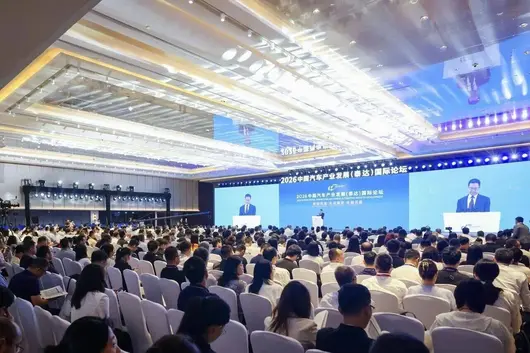
From September 17 to 20, 2026, the 2026 22nd China Automotive Industry Development (TEDA) International Forum was held in Binhai New Area, Tianjin.
Since 2005 to present, the TEDA Auto Forum has successfully held 22 consecutive sessions. Known for its perfect organization, high authority, strong professionalism, precise topics, rich content, and strong guidance, it has become the most authoritative, highest specification, largest scale, and most widely influential high-end automotive forum in China's automotive industry. It is known as the "China Auto Davos".
This TEDA Auto Forum is co-organized by China Automotive Technology and Research Center, China Society of Automotive Engineers, China Association of Automobile Manufacturers, and China Automotive News. Centering on the concept of "Content Empowers Intelligence, Brand Empowers Effectiveness", it launched "17+N" events, including 3 core high-end dialogues, 6 ecological special sessions, 8 thematic forums, and featured activities.

This forum, themed "Smart Green Foundation · Ecological Momentum · Co-creation and Win-Win", gathered representatives from national ministries, industry associations, car companies, research institutions, and overseas industry leaders. Focusing on topics such as the opening transformation of the automotive industry's "15th Five-Year Plan", technical breakthroughs, market upgrades, ecological co-construction, and global competition and cooperation, it released several major signals, clarifying the core pathways and implementation measures for the high-quality development of China's automotive industry in the coming years.
Final Verdict on Important Auto Policy TrendsThis year marks the beginning of China's national "15th Five-Year" development plan. Prior to the forum opening, the "15th Five-Year Plan for the Development of Intelligent Connected New Energy Vehicle Industry", compiled by the Ministry of Industry and Information Technology and other nine departments, was officially released, becoming a guiding document for the development of the automotive industry in the next five years. Focusing on high-quality and standardized development, abandoning extensive scale expansion, and focusing on strengthening basic research, common technology research and development, and industrial order optimization, it provides systematic guidance for industrial technology routes, layout planning, and market regulation.
 Chief Engineer of the Ministry of Industry and Information Technology Wang Weiming
Chief Engineer of the Ministry of Industry and Information Technology Wang Weiming stated at the opening ceremony that in the next five years, efforts will be focused on four aspects: technological innovation, market consumption, industry governance, and open cooperation. Focusing on industrialization in four major fields: automotive chips, all-solid-state batteries, operating systems, and autonomous driving large models.
The Ministry of Industry and Information Technology will officially implement a special action to improve automotive standards, synchronously optimize the industry management system, and fill gaps in industrial supervision. At the same time, lead industrial upgrade with standards, promote the construction of a self-controllable and adaptable automotive intelligent manufacturing standard system, and help the industry move from scale leadership to quality leadership.
Lock Core Shortcomings Focus on Frontier Technology ImplementationThis forum revealed that existing technical achievements in China's automotive industry have firmly secured a spot in the global first echelon. Lithium-ion battery energy density reaches 300 Wh/kg, megawatt flash charging technology has achieved mass production application, and intelligent technologies such as human-machine interaction, end-to-end control, and in-vehicle large models are at the forefront globally. China's automotive production and sales have ranked first globally for 17 consecutive years, with new energy vehicle production and sales ranking first for 11 consecutive years. It has led the formulation of 18 global regulatory coordination documents and 30 international standards.
 Deputy Secretary of the Party Committee of China Automotive Technology and Research Center, General Manager Gong Jinfeng
Addressing existing shortcomings in the automotive industry, the state has clarified key research directions: concentrate on breakthroughs in "chokepoint" technologies such as high-end automotive chips, in-vehicle operating systems, all-solid-state batteries, and autonomous driving large models, accelerating the industrial implementation of frontier technologies. At the same time, focus on the pain points of autonomous driving scenario implementation, overcoming industry challenges such as vehicle-road collaboration, all-weather perception, and data silos.
 Standing Member of the Party Committee of China National Machine Building Industry Federation, Vice President Luo Junjie
Attendees proposed that the development of smart vehicles needs to solidify the safety bottom line, focus on preventing multiple risks in vehicle operation, data transmission, and network security, and put an end to "bloating innovation" and "fast-track products", adhering to the quality and safety bottom line.
Multiple Measures Activate Domestic Demand Broaden Diverse Application ScenariosAiming at the current industry dilemma of insufficient domestic automotive consumer demand and low manufacturing profit margins, relevant ministries and commissions announced multiple measures to expand domestic demand and broaden the market at the forum. Continuously implement policies for automobile trade-ins and new energy vehicles going to the countryside, carry out pilot programs for short-board filling of county-level charging and swapping facilities and comprehensive hydrogen energy application, and improve the supporting system for new energy vehicle use at the grassroots level.
These measures also include key promotion of scaled commercial operation of new energy heavy trucks, issuance of automobile modification management measures, and enrichment of automotive consumption and application scenarios. At the same time, improve the automotive export guarantee system, open up channels for connection between domestic and export markets, and counter the pressure of domestic market growth rate.
 Director of the Industrial Economy Research Department of the Development Research Center of the State Council Tian Jietang
Multiple guests at the forum predicted that China's domestic automotive industry has entered a stage of stock competition and elimination. The market focus has shifted from scale expansion to profitability improvement and order standardization. Channel models have shifted from single car sales to full lifecycle service operation for users.
Curb Irrational Competition Promote Orderly Industry DevelopmentAiming at prominent issues such as involution in the current automotive industry, malicious low-price competition, data falsification, blind hardware stacking, and pseudo-innovation. Attendees proposed regularly carrying out rectification of chaos, guiding the industry to bid farewell to extensive incremental competition, and shifting to value competition, quality competition, safety competition, and user value competition.
Industry experts explicitly proposed the development idea of "counter-involution, stabilize order" at the forum, suggested establishing an industry value evaluation system, abandoning the extensive development model of parameter comparison, building a regular joint research mechanism for whole vehicles, technology companies, and upstream and downstream supporting industries, reducing low-level repetitive exploration. At the same time, strengthen the recall supervision mechanism, force product quality upgrade with proactive recalls, clarify "safety is the core color of automotive industry development", and put an end to valueless false innovation.

This forum innovatively reconstructed the topic architecture, broke the traditional automotive industry chain segmentation model, set four theme days: scenario, technology, policy, and industry, promoted deep cross-boundary collaboration between automobiles and fields such as artificial intelligence, energy, transportation, aviation, and consumption, and reconstructed the boundaries of automotive industry development. Focusing on the integration of "Vehicle-Energy-Road-Cloud", building a three-dimensional intelligent transportation industry ecosystem.
The forum clearly pointed out the core direction for future ecosystem development: promote car companies and equipment companies to shift from simple supply and demand cooperation to joint innovation and symbiotic win-win. Promote standardization of in-vehicle domain interfaces and hardware platforms, reduce industry invalid involution and customization losses, and build a scaled shared technology platform. Establish a national-level collaborative innovation platform and data sharing rules, regulate the safe circulation of smart vehicle data security, and achieve closed-loop upgrades of the industrial chain, technology chain, and data chain.
 2026 TEDA Auto Forum Think Tank Matrix
Since the beginning of this year, Chinese automobile exports have become an important driving force for Chinese automotive development. Facing the external environment where protectionism is intensifying, the forum sent a firm signal of opening up to the outside world. Firmly oppose trade protectionism, continuously promote mutual recognition of international automotive standards and regulations, welcome overseas enterprises to increase investment in China and participate in joint technological research. At the same time, support Chinese car companies and industry chain enterprises to deepen global cultivation, shifting from single product overseas to brand, technology, standard, supply chain, and service system all-round overseas expansion.
Emerging markets centered on Southeast Asia have become a key area for Chinese automotive industry overseas expansion. Attending Thai representatives clearly welcomed Chinese car companies' localization layout and co-building of regional new energy vehicle industry ecosystems, promoting localization production and industry chain supporting upgrades. (Article / Final Verdict Zhang Yi)

On August 21, the 2026 Chengdu International Auto Show officially opened. Chery Group showcased 38 models from its five major brands: Chery, Exeed, Jetour, iCAR, and Vantech. Among them, the Chery brand brought 12 models. Fengyun A9 and Fengyun T7, the "Visual Twin Stars", appeared on stage together; the QQ3 Modern Edition started its early tasting experience; the new benchmark for global quality family sedan, Arrizo 7, welcomed its global debut.
In 2026, Chery arrived at a new historical coordinate in the global automotive industry landscape. In the first half of 2026, Chery's global sales share jumped to 9th position globally. Among the top ten, Chinese brands occupied three spots. By the end of July, Chery's global cumulative car users broke 20.16 million, among which overseas cumulative users exceeded 6.99 million. It has ranked first in Chinese car brand exports for 23 consecutive years. From January to July this year, Chery's cumulative vehicle exports reached 1.146 million, with a year-on-year growth of 71.2%. In July, with an achievement of 202,533 vehicles, it became China's first automaker to break 200,000 vehicles in monthly exports.

Behind the sales numbers is Chery's re-anchoring of the definition of "Global Car". Li Xueyong, Executive Vice President of Chery Automobile Co., Ltd., stated that Chery firmly believes that real global cars are not developed domestically then modified for export, but are anchored to the global market from the start of R&D. Chery insists on creating true native global cars facing the global market from the initial product definition. At this Chengdu Auto Show, Chery presented a global model matrix of the new energy era with global same-spec models meeting diverse global needs, re-validating the new pattern of "Global cars have entered China Time".
As Chery's first native global model in the Smart Electrification Era, the global quality pure electric SUV Fengyun T7 is the absolute focus of this auto show. The new car adopts "Wind-riding Aesthetics" exterior design, integrating Eastern heritage with global mainstream aesthetics. In terms of power, it is equipped with a 65.05kWh Rhinoceros Battery, combined with a wide-temperature range heat pump air conditioning and high-voltage PTC system, achieving CLTC 600km pure electric range. In terms of safety, it relies on the Fortress Body, 9 airbags, and master-level tuned chassis to build a solid overall vehicle safety base; in terms of intelligence, it is equipped with an Integrated Cockpit and Driving 8775 Chip, Lingxi Smart Cockpit 2.0, and Falcon 500 Driver Assistance System.

In terms of market, Fengyun T7's pre-sale price is 109,900 yuan to 129,900 yuan. Within 9 days of pre-sale, orders broke 16,787 units. According to plans, the new car will officially launch on August 26. In addition, Fengyun T7 has already entered South Africa and Thailand markets. It will enter China and Indonesia markets in August, launch in the EU market in September, and enter the UK, Malaysia, Australia, and other places in October.
The True Global Class C Flagship — Fengyun A9L ULTRA 4WD Version appeared together. The car features Yunzheng Exterior, Fengchen Interior, three-color light-up grille, and electric speed-control spoiler, combined with Snow Leopard 4WD and Front double wishbone + Rear five-link suspension, meeting the dual pursuit of performance and looks by young users; meanwhile, it is equipped with Falcon 700 Driver Assistance, Lingxi Smart Cockpit 2.0, the overall vehicle high-strength steel and aluminum ratio reaches 88%, equipped with 9 airbags and Rhinoceros Battery.
Particularly worth noting is that the new benchmark for global quality family sedan Arrizo 7 welcomed its first public debut at this Chengdu Auto Show. This classic compact sedan that was silent for years officially completed its generation update and returned. Arrizo 7 draws inspiration from the dynamic changes of water, integrating the calmness of still water and the power of moving water into the overall vehicle design, forming a unique "Power of Moving Water" design language — when stationary, the body is relaxed and steady; when moving, the model surface flows dynamically. Besides global aesthetic design, the new car also provides C-DM Super Electric Hybrid and ICE Kunpeng Fuel Version two power choices, meeting differentiated needs of users in different global regions for performance and energy consumption.

In addition, the new QQ3's No. 001 official modification version — QQ3 Modern Edition also started early order taking at the auto show. The car incorporates Neo Retro design concept, paying tribute to classics with Retro-Futurism, integrating classic elements from 100 years of automotive industry with Smart Electrification era technology.
This year is Chery's "Electrification Transformation" product year, and also its technical year embracing Smart Electrification Era and continuously deepening new energy strategy. At this auto show, Chery brought frontier technology achievements in multiple fields such as Rhinoceros Battery, Kunpeng Power, AI Intelligence. As a major highlight of the booth, Chery created "Tech Ecology Island" themed booth, through forms of physical dismantling, immersive experiments, interactive participation, etc., transforming technical parameters into vivid experiences that audiences can see, touch, and perceive. A Rhinoceros Battery Safety Experience Line was set up on site. Visitors can observe solid-state battery exhibits up close, and watch extreme safety demonstrations of battery puncture, cell squeeze and water immersion.
At this Chengdu Auto Show, Chery presented a global model matrix of the new energy era with global same-spec models meeting diverse global needs, re-validating the new pattern of "Global cars have entered China Time".
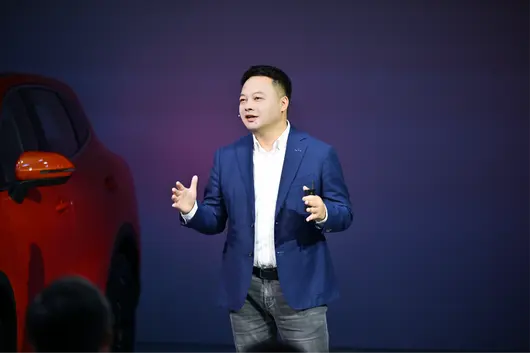

Recently, Geely's series of moves were quite aggressive. Besides the adjustments in executive management, the layout and specific operations of the overseas market also have clearer plans. First, regarding sales targets, Geely's 2026 exports were raised from 640,000 vehicles to 920,000 vehicles, challenging an annual sales volume of one million.

In the first half of the year, Geely's overseas sales were approximately 480,000 vehicles, a year-on-year increase of 158%. With the traditional peak season of the second half of the year, Geely's standard for raising the sales target is very pragmatic, and there is a high probability of successfully challenging an annual sales volume of one million vehicles.

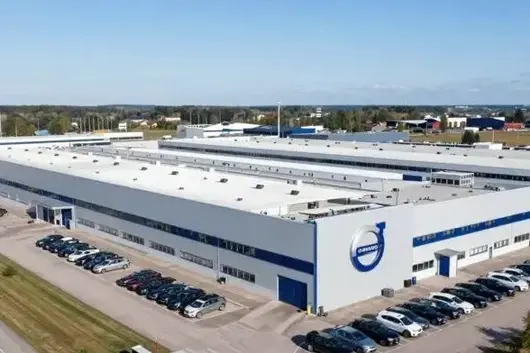
Meanwhile, Geely Holding Group CEO An Conghui stated: Volvo's factories in Europe will become an important base for Geely's European strategy, undertaking the production of high-end luxury cars within the Geely Automobile Group, expected to start production in 2028. Looking at the data, Volvo's year-on-year decline in the European market in 2025 was 10%, dropping to approximately 332,700 vehicles.

Entering the first quarter of 2026, Volvo's sales in Europe and other regions worldwide were 95,335 vehicles, a further year-on-year decline of 2%. Global sales from March to May were 179,000 vehicles, a year-on-year drop of 5.5%. The surge in Geely's sales in the overseas market can just utilize Volvo factories' idle capacity, which is quite reasonable.
Meanwhile, regarding layout in other overseas markets, Geely previously acquired Proton's factory in Malaysia. After upgrading, it has an annual production capacity of 500,000 vehicles to meet the needs of the Southeast Asian market. In South America, it relies on Renault Brazil's industrial collaboration, sharing manufacturing resources and market channels between the two parties, significantly reducing the investment cost of building its own factories.

Additionally, in July this year, Geely and Ford also reached an agreement. Both parties will establish a joint venture company in Valencia, Spain. Through capacity sharing, they will create various new energy vehicle models for the Ford and Geely brands for the European market. From this perspective, Geely's layout in the overseas market is mainly to revitalize the group's various brand resources, or establish joint venture companies with other brands, trying to avoid the high investment of building factories alone, and also serving a role in risk avoidance.

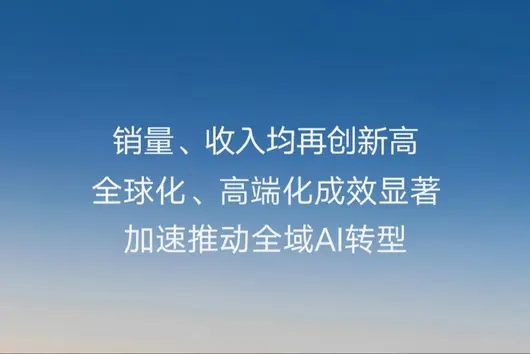
2026年8月17日,吉利汽车(0175.HK)发布2026年中期业绩。
总销量突破142万辆创同期新高,总乘用车市占率提升至11.15%;新能源车销量近80万辆,渗透率达56%;海外销量同比暴增158%,突破47万辆超去年销量总和。
总营收1736亿元,同比增长15%,创历史新高,连续六年保持稳健增长;核心归母净利润96.8亿元,同比增长46%;毛利率提升至17.9%,单车收入同比提升16%至11.2万元,单车核心归母净利润同比增长45%至6806元;截至6月末,资金储备提升至695.6亿元,维持在历史高位。同期,吉利是A+H股中唯一股价正增长的中国乘用车整车股。
将这份财报放入2026年上半年的汽车行业宏观背景中,才能真正理解它的分量。

据乘联分会数据显示,1-5月中国汽车行业利润率仅为3.4%,远低于下游工业6.1%的平均水平,整车制造利润率更是跌至1.5%。在已披露业绩预告的上市车企中,广汽集团预亏40.6亿至45.7亿元,北汽蓝谷预亏17.7亿至19.7亿元,江淮汽车预亏约7.4亿元;长安汽车、长城汽车也发布公告称,净利润将出现下滑。
用近期行业内广泛引用的一句话来总结2026年上半年的中国车市:整车厂正被“钉在十字架上,左边交智能税,右边交电池税”——却又是在这样一个全行业普遍“失血”的上半年,吉利反而在加速造血,于营收、利润、毛利率、单车收入等多个维度上实现全线提升。
之所以吉利会出现这种“逆周期”的企业表现,核心原因可以归纳为两个层面。
显性层面,是极氪的高端化、银河的规模化、中国星的基盘化和海外的爆发式增长。隐性层面,则是一个贯穿吉利所有业务线的底层变量正在被资本市场低估:全域AI。
首先,在理解吉利为什么能赚钱之前,先要理解行业为什么在亏钱。
过去几年,中国新能源汽车行业切实地经历了一轮“硬件军备竞赛”:电池越装越大、屏幕越放越多、激光雷达越堆越密。结果是BOM成本持续攀升,而价格战又把终端售价不断压低。毛利率因此被“上游原材料涨价和下游消费者压价”两头挤压。
这是“堆配置”式内卷的必然结局。每款车都是一个独立的硬件堆叠体,研发不可复用,成本不可递延,规模效应仅体现在单件采购成本上,系统性降本的空间极为有限。当行业价格战打到最惨烈的程度,几乎没有车企能从这个模式中获利。

吉利的破局思路是用AI重构成本结构。
要知道在传统汽车研发中,一款新车的平台开发、底盘调校、动力匹配、安全验证,每个环节都需要大量的物理测试和重复验证。研发费用是刚性支出——车型越多,平台越多,研发总投入就越高,单车分摊的研发成本也越难下降。
吉利的GEA Evo、浩瀚-S、SPA Evo、CMA Evo四大AI架构,将底盘、动力、电子电气、安全等整车底层能力全部模块化、数字化。在这个架构之上,不同品牌、不同车型的研发不再是“从零开始”,而是在统一的“整车大脑”基础上进行差异化配置。
简言之,极氪验证过的技术,银河可以直接调用;领克开发的功能,中国星可以共享迭代。
上半年数据验证了这一逻辑。研发费用率同比下降0.3个百分点至5.2%,研发总投入却同比增长8%至90.61亿元——投入更多了,但效率更高了,单车摊销更低了。行政费用率同比下降0.2个百分点至1.7%。尤其值得注意的是,在海外销量暴增158%的情况下,销售费用率与去年同期持平。
这就是AI驱动的“规模经济”与传统规模经济的本质区别。传统规模经济靠的是产量越大、单件固定成本越低;AI驱动的规模经济靠的是数据越多、算法越强、研发复用率越高、边际成本趋近于零。
因此,当竞争对手在“每卖一辆亏一辆”的泥潭里挣扎时,吉利用AI把成本结构从“硬件堆叠”变成了“软件复用”。毛利率17.9%,核心归母净利率5.6%,而行业均值只有1.5%。这个差距远不是靠采购谈判或生产精益能讲通的。
其次,在行业价格战最惨烈的2026年,业内关于车企“多品牌战略”的质疑普遍在被放大。但是如果将吉利的四大品牌放在AI框架下观察,会发现逻辑与“产能扩张”完全不同,而是一个统一的AI体系在不同价格带和细分市场的终端延伸。

极氪上半年交付178370辆,同比增长97%,品牌均价接近35万元,9X系列平均成交价超53万元——50万以上豪车市场每卖出3辆就有1辆是极氪9X。
以不到八分之一的销量贡献了约三分之一的收入,这是极氪对财务贡献的显性维度。但更深层的价值,在于极氪承担了全域AI技术的“旗舰验证”功能:WAM世界行为模型、千里浩瀚H9(两颗Thor芯片、1400TOPS算力)、AI数字底盘——这些最前沿的技术,必须有一个足够高端的品牌来率先跑通、跑稳,形成标杆效应。否则,技术只是实验室里的参数,而非市场上的认知。

极氪完成验证后,接力棒交给银河。银河上半年销量突破51万辆,跻身全球新能源前三。对银河而言,考验的不只是技术本身,更是成本控制能力。
星愿是最好的例证,累计销量破80万辆,行业最快;出口8.7万辆,占品牌出口超四成;海外毛利率显著高于国内,仅巴西市场售价就达16至18万元。AI赋能的成本优势在这里转化为了定价权和利润空间——国内走量摊薄成本,海外高定价贡献利润。

中国星上半年销量突破58万辆,连续9年蝉联中国品牌燃油乘用车销冠。这个成绩在燃油大盘持续萎缩的背景下尤为突出,也厘清了燃油车与AI在当前的新关系。
中国星全面落地的i-HEV智擎混动技术,正是AI算法对内燃机与电机协同效率的优化,实测油耗低至2.22L/100km证明了用新能源取代燃油并非唯一的技术通路,AI同样可以让燃油车在效率上逼近新能源。于是在燃油车仍能贡献稳定现金流和利润的当下,吉利i-HEV战略又成功用AI在燃油大盘萎缩的背景下守住了基盘。
领克上半年销量14.4万辆,海外销量同比增长216%,覆盖海外53个国家和地区。在行业内卷的背景下,领克选择了一条不参与价格战和配置堆砌的路,将“潮流、运动、个性”的细分市场做深做宽。
支撑这一选择的仍是AI。领克10 EM-P的超拟人智能体Eva通过声纹识别自动匹配个性化设置;领克07GT将Eva延伸为实体机器人,让AI从软件变成“看得见的陪伴”;领克Z20整合星睿AI大模型与DeepSeek大模型,实现口语化自然交互。
一系列的做法是领克用AI证明了,真正的“个性化”不需要靠高成本的硬件选配,而是可以凭借相对低成本的软件去定义。
极氪验证、银河放量、中国星守位、领克破局,四个品牌各自承担不同使命,却共享着同一个AI大脑。得益于这套统一的AI体系,让四个品牌的研发成本被分摊、技术能力被复用、市场定位被区隔,支撑起了吉利当前的盈利水平。
由此得见,“一个吉利”从组织口号变成财务现实,AI才是那个看不见的粘合剂。

再将视线再回到吉利的全球化上。上半年海外销量47.4万辆,同比增长158%,已超2025年全年出口总量;6-7月单月销量均破10万辆,创历史新高;年初64万的出口目标已被上调至保92万、冲100万。
这些数字的含金量,需要在“逆全球化”的背景下理解。2026年,中国汽车出海面临的环境远比前几年复杂:欧盟对中国插混车加征额外反补贴关税,东南亚多国收紧外资建厂政策,全球贸易壁垒在加高而非降低。绝大多数中国车企的出海策略因此受到直接冲击,要么利润被关税侵蚀,要么建厂进度被政策拖缓。
吉利海外销量的爆发,是“产业共生型”出海模式在起关键作用。

当前,吉利与沃尔沃、宝腾、雷诺、福特等共享产能,利用对方既有工厂进行本地化生产。既可以联动福特合资工厂和沃尔沃工厂规避欧盟加税,也可以借助宝腾模式预防马来西亚政策变动。这种低投入、高产出、低风险的轻资产模式,既规避了关税壁垒和投资壁垒,又不用承担重资产建厂的沉没成本风险。
而决定轻资产模式能够顺利推进的一方面因素,也包括了全域AI。毕竟本地化生产意味着车企要对不同的法规、不同的充电标准、不同的网络环境进行本地化适配。吉利依托于一个高度灵活的AI底层架构,同样能够以远低于传统工程开发的成本和时间完成这些适配。
甚至,这些数字背后又有着一个容易被忽视的问题:为什么吉利的智能化能力到了海外依然能打?这其实同样与全域AI有关。
要知道,国内大多数车企的智驾系统是在中国路况下训练出来的,熟悉中国的车道线、交通标识、驾驶习惯。一旦到了欧洲、东南亚、中东,面对完全不同的道路环境,系统表现往往断崖式下滑。这是纯数据驱动型AI的天然局限:数据在哪里,能力就在哪里。
吉利的WAM世界行为模型则采用了不同的技术路线。它学习的不是“中国特定场景的应对策略”,而是 “物理世界的一般规律”,譬如物体的运动轨迹、道路的几何逻辑、交通参与者的行为模式,这些规律在不同国家和地区具有通用性。
再配合上吉利星座64颗在轨卫星提供的全球环境感知数据,也就让吉利的AI系统在海外市场的适配速度相比纯数据驱动型车企有着先天优势。

如你所见,极氪登顶中国香港豪华品牌榜首、银河星舰7在克罗地亚上市首月夺魁、星愿在墨西哥和印尼同时登顶新能源销冠,这些海外战果的本质依旧要归因于吉利全域AI能力的全球化输出,而非单纯的渠道铺设或性价比优势。
接下来,千里浩瀚智驾系统将正式出海,成为首个在海外规模化应用的中国高阶辅助驾驶方案;i-HEV智擎混动技术将于2027年进入欧洲、亚太、英国、澳新等市场,在全球燃油车占比仍超六成的背景下,用AI算法实现对传统燃油车的效率碾压。
由此再来看这一份中期业绩,其实更像是资本市场抹平对吉利“认知差”的一个拐点。
虽然今年上半年,吉利已经获包括贝莱德、美国世纪投资管理等国际长线基金在内的46家机构增仓或建仓,以及得到花旗、汇丰研究、中金、瑞银、里昂、申万宏源、招银国际等数十家国内外投行给予 “增持”“买入”“跑赢大市”等评级,但这也只能看作是资本市场按照对车企的传统定价公式,遵循“销量×单车利润×行业平均PE”的框架,基于极氪的高端化、银河的规模化、海外的高增长这些可见的终端表现,给出了理应有的认可。
因为吉利的真实资产结构早就超出了这个公式的覆盖范围。

全域AI的四大基础设施:星睿智算中心2.0(23.5 EFLOPS算力,中国车企第一,可支撑700万辆车并发计算)、自研7nm芯片“龍鹰一号”(累计装车超百万片,行业唯一实现该规模的7nm车规级座舱芯片)、超850万辆L2级以上车辆积累的百亿公里行驶数据、64颗在轨卫星,在当前会计准则下,这些投入全部计入当期费用,而非资产。
这是一个根本性的错配。这些基础设施的会计属性是“费用”,商业属性却是“资产”。算力中心建成后,边际算力成本极低;芯片流片成功后,边际生产成本趋近于零;数据积累完成后,新增数据的训练价值边际递增;卫星组网完成后,全球覆盖成本不再增加。每一笔都在持续产生价值,但它们在资产负债表上几乎不留痕迹。
错配的后果同样具体。极氪在50万以上市场的技术壁垒,银河在主流价格带的成本优势,海外市场快速适配的能力……这些竞争力全部建立在AI基础设施之上,但基础设施的投入已在利润表中全额扣除,它们产出的竞争力却被市场总结为“经营能力”或“品牌溢价”。
市场为结果鼓掌,却不追问结果从何而来。

参照特斯拉,这家企业在2018年也经历过相同的阶段。Dojo超算中心被视为“烧钱”,FSD芯片的自研被视为“过度投资”。市场习惯用汽车股的逻辑定价,直到FSD开始产生实际效益,市场才意识到这些“费用”的真实属性是基础设施资产,估值框架才从汽车股切换为科技股,并出现了数量级的变化。
所以,当与吉利资本市场估值有关的答案指向AI基础设施,当超级Eva向“全时主动智能”进化,当千里浩瀚城市漫游功能推出,当AI正从“功能”变为“体验”,当消费者因智能化体验选择吉利成为一个显性趋势时,估值模型就不再依赖单一的销量利润公式。
届时,吉利全域AI从高端旗舰走向规模化普及,将迫使市场重新审视一个被低估的事实:这不是“给汽车加点配置”,而是“整个公司的底层竞争力被AI重写”。
所以,吉利2026年中期业绩的真正价值,不只在于证明了吉利“会赚钱”,更在于用一份完整的财务数据,证明了全域AI不是战略口号,而是已经产生实际效能的商业引擎。
2026年8月17日,吉利汽车(0175.HK)发布2026年中期业绩。当日吉利汽车股价盘中一度上涨6.23%,截至发稿时涨幅4.77%,领涨港股汽车股。
你看,当财务数据与战略叙事逐步交汇,资本市场对吉利“认知差”的修正就不再是一个逻辑推演,而是一个正在发生的现实。