首頁乒乓球

搜尋歷史
熱門搜尋
經銷商登入 / 註冊
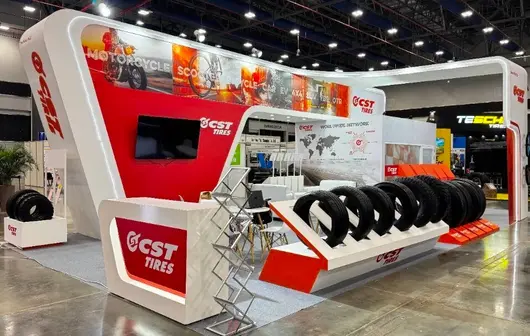
8月12日,2026拉丁美洲(巴拿马)国际汽车配件 & 轮胎展览会(Latin Auto Parts Expo & Latin American Caribbean Tyre)在巴拿马城盛大举行。
作为拉丁美洲与加勒比地区最具影响力的轮胎及汽配行业盛会,本次展会汇聚全球近600余家制造商和供应商参展,并吸引来自近百个国家的超5000名访客参会。


巴拿马素有“加勒比海的香港”之称,凭借其优越的地理位置和科隆自由贸易区的便利政策,贸易范围高效辐射周边20余个国家、超1.2亿人口的庞大市场。
在全球贸易不断推进的背景下,正新轮胎着眼于国际市场用户的需求,持续深耕市场、创新研发高品质轮胎,充分满足消费者的不同需求,现场展示的高品质产品吸引了来自多个国家和地区的海外采购商的关注和青睐,纷纷驻足交流并洽谈合作。


拉美地区地形复杂、气候多变,高温、复杂路况等特殊使用场景,对轮胎的耐磨性、稳定性、抗湿滑性等核心性能提出严苛要求。
立足本地化市场需求,正新轮胎推出适应多样化路况的全系列产品,以智能化、环保化解决方案赢得了海外的客户青睐与认可。

正新黑钻E▪X1
● 钻石切割高分子胶料混炼技术,有效提升10%湿地制动性能,操控性能更优异;滚动阻力降低5%,续航里程再升级;轮胎寿命提升3%;
● 钻石羽鳞空气动力胎边设计,轮胎表面空气流动速率提高5%,减少空气阻力、降低能耗;
● 钻石雕刻3D花纹设计,最适化接触面积,提升行驶的舒适及稳定性;进一步强化湿地排水性能;封闭式胎肩设计,高效降噪;
● 新一代钻石结构强化胎体,提高轮胎结构刚性15-20%,可有效抑制轮胎偏磨;
● 钻石蜂巢结构吸音棉技术,有效降低5dB 车内噪音。

SAHARA AT318
● 胎面独特卡锁型花纹块及粗犷排水沟设计,提高全地形适应性及牵引驱动性;
● 导入高效越野炭黑配方,大幅提升轮胎耐久耐磨性;
● 采用绝对防御型胎肩结合龙爪型咬合设计,提升防刺穿和抗撕裂性能;
● 采用双层耐隆高束缚性缠绕及高韧性三角胶设计,无惧挑战复杂严苛路况。

DRAGON CLAW CL24X
● 胎边连续性“龙爪造型”凸块花纹,使整胎具备全方位(70%)高牵引性能,搭配高强度胎体和创新胎面配方,低气压下也能保持强劲驱动力和胎侧支撑性;
● 胎面剃刀式阶梯花纹块,接地面积增加10%,提升轮胎攀爬抓地力,花纹边缘立体刀锋型设计,纵使陷入坑洼也能迅速脱困;
● 胎面直沟斜线分割设计搭配横沟弧线排布设计,强化排水、排泥、排雪性能,沟底刀刃型凸台设计,防止乱石、泥沙切割。

绿色通道专用胎 CR285
● 专为中长距离、高速行驶于高速公路、一、二级公路车辆设计,适合卡货车全轮位使用;
● 胎面中心特殊花纹设计,提供优异的防夹石性;
● 特殊胎体结构设计,操控稳定性及舒适性能佳;
● 新型胎面结构设计,可抵抗异常磨耗,延长使用寿命;
● 胎边低滚阻设计,更省油。

MIGRA CM-S3N
● 一款适用于街跑车及仿赛车款的钢丝运动胎新品;
● 运动胎体结构设计,高速行驶稳定性佳;
● 胎面“利刃”花纹设计,直线运动性能优异,操控性能强大;
● 采用双配方设计,保证直行稳定性及操控性。

C6559
● 一款公路&越野两用型摩托车胎;
● 胎肩部纵向沟宽窄设计,提供优异过弯稳定性,确保骑行安全;
● 采胎面中心花纹块交错设计,搭配主沟均匀沟宽设计,提供优异耐磨性及排水/排砂石能力;
● 导入不同配方技术,兼顾耐磨性与抓地性。
本次参展,正新轮胎以全球化营销视野展出的代表性明星产品,深受客户好评,印证了正新轮胎的雄厚实力和市场开拓的信心。
中南美洲为CST正新轮胎重点关注的市场。未来,正新轮胎将不断深化国际市场布局,持续开发适用当地市场的产品、提供更好的服务。

喺馬來西亞嘅 SUV 市場,好多買家喺揀車嘅時候都會拿 Proton X90 同 GWM Haval H6 嚟做比較。呢兩款車喺價錢同定位上都幾接近,今日我哋就喺多個方面做一個詳細嘅對比,幫你節省做功課嘅時間。
Proton X90 喺馬來西亞嘅 OTR 售價係 RM 106,800 - 122,800,一共有 4 個型號,包括 2026 1.5T Prime X(RM 122,800)、2026 1.5T Prime(RM 116,800)、2026 1.5T Lite(RM 106,800) 等。
GWM Haval H6 喺馬來西亞嘅 OTR 售價係 RM 139,750 - 139,750,一共有 2 個型號,包括 1.5L Turbo Standard(RM 140,000)、1.5L Turbo Premium(RM 155,000) 等。
從價錢睇,Proton X90 嘅起步價確實比 GWM Haval H6 平咗 RM 32,950。如果你預算有限,Proton 嘅入門版已經可以满足日常需要。但都要注意,平嗰幾千蚊,可能喺配備上會有取捨,具體要睇你嘅需要。

Proton X90 嘅安全評級係 5★ (ASEAN NCAP),主動安全系統包括 ADAS (ACC, AEB, LKA, LDA, BSM, RCTA)。
GWM Haval H6 嘅安全評級係 TBD,主動安全系統包括 Basic。
安全配備方面,兩款車都拿到唔錯嘅評級。不過 Proton X90 嘅 ADAS (ACC, AEB, LKA, LDA, BSM, RCTA) 同 GWM Haval H6 嘅 Basic 喺功能上有少少分別,如果你比較看重主動安全嘅話,可以仔細對比下兩者嘅功能列表。

Proton X90 保養 5 年/150,000km,保養間隔 每 10,000km 或 6 個月。
GWM Haval H6 保養 7 年/150,000km,保養間隔 每 10,000km 或 6 個月。

Proton X90 同 GWM Haval H6 都係馬來西亞市場嘅主流選擇,適合家庭使用、日常通勤。如果你更看重品牌口碑同二手價,可以優先考慮口碑更好嗰一款;如果你更介意性價比同配備,那就揀配置更豐富嗰款。最後都係建議兩款都去試駕,親身體驗先係最重要嘅。
總體嚟講,Proton X90 同 GWM Haval H6 都係馬來西亞市場幾唔錯嘅車型。揀邊一輛,關鍵仲要睇你嘅個人需要同預算。建議大家做好功課,多比較間車行嘅報價,再去試駕做最終決定。買車係件大事,花點時間做功課絕對唔會錯。



8 月 12 日,奇瑞風雲 T7 正式啟動預售,推出 3 款車型,預售指導價 10.99 萬元至 12.99 萬元。該車定位純電緊湊型 SUV,主打“全球品質”概念,全系標配 CLTC 工況 600 公里續航,並同步公布 7 重購車權益。

依托奇瑞 23 年全球化技術積累,風雲 T7 在研發階段即對標海外市場標準。據官方資料,該車按 2026 版 E-NCAP 五星安全設計,功能安全達到 ASILD 最高等級,整車累計測試里程超過 600 萬公里,覆蓋東南亞雨季、中東高溫、印尼高濕等極端氣候場景。車身採用 80% 高強度鋼與 18.84% 熱成型鋼,全系標配 9 安全氣囊,動力電池包 IP68 防水等級為國標的 96 倍。

續航與補能方面,風雲 T7 全系搭載 65.05kWh“犀牛電池”,CLTC 續航 600 公里,實測續航 667 公里以上,30% 至 80% 快充耗時 20 分鐘。熱管理系統可在 -30°C 至 55°C 溫域內穩定運行,適配北方冬季用車需求。

智能化配置上,新車搭載艙駕一體 8775 芯片,4nm 製程、72TOPS 算力,配備 15.6 英寸 2.5K 中控屏,兼容 CarPlay、HUAWEI HiCar 及 CarLink 無線連接。駕駛輔助系統集成 22 顆傳感器,支持 300 餘種泊車場景,包括斷頭路泊車與跨樓層泊車。

車身尺寸為 4570×1852×1694mm,軸距 2700mm,車內得房率 84%,後排座椅放倒後可形成 1955mm 純平空間。底盤由國際化團隊調校,軸荷比 50.8:49.2。

預售政策方面,奇瑞推出動力電池熱失控損毀同款新車賠償、輔助駕駛事故最高 500 萬元賠償兩項兜底保障,同時提供整車終身質保(含三電,易損件除外)及 666 元購價值 3999 元終身基礎保養套餐。

風雲 T7 以全球標準為賣點,直面國內純電 SUV 市場競爭,其實際產品力與市場表現尚待交付後檢驗。

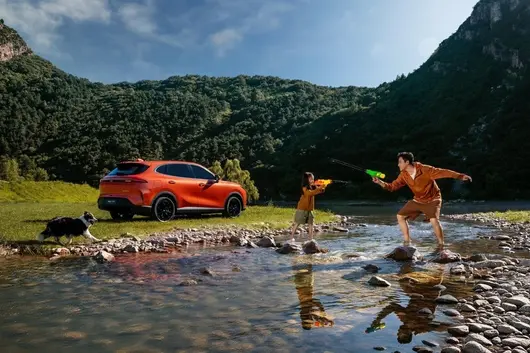

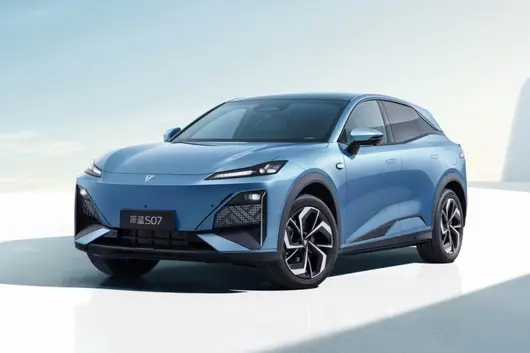
In the July new energy vehicle market, Deep Blue delivered a report card worth attention: global sales of 29,213 units, a year-on-year increase of 7.52%. Cumulative sales from January to July reached 193,369 units, a year-on-year increase of 13.48%. More critically, the brand's global cumulative sales have already surpassed 910,000 units, just one step away from the million milestone. S07 has cumulatively exceeded 300,000 units, S05 has cumulatively exceeded 250,000 units, breaking 30,000 units in a single month for 4 consecutive months. It is indeed rare for a new energy vehicle brand incubated within a central state-owned enterprise system to achieve such speed among Chinese brands. What did Deep Blue do right?

What does the state-owned enterprise system give Deep Blue?
To understand Deep Blue's growth path, one must look back to Changan's strategic layout. Deep Blue's predecessor can be traced back to Changan's "Shangri-La Plan" early exploration. In July 2022, the first model SL03 was launched, and Deep Blue thus became one of the first brands to land in Changan's new energy racing lane. In July 2025, Changan Automobile was officially elevated to Changan Automobile Group, becoming a new central state-owned enterprise. As one of the group's three major digital intelligence new energy brands, Deep Blue's positioning and resource allocation have gained new imaginative space.
The greatest advantage the state-owned enterprise system brings to Deep Blue is the room for error. The new energy vehicle industry is a long-distance race that requires continuous burning of capital. Private enterprises often have to pursue short-term returns in the face of patience in the capital market, while Deep Blue can make long-cycle investments in core technologies. The Origine Super Integrated Electric Drive has cumulatively produced over one million units, with working condition efficiency reaching 94.13%. This number is currently first in the world. The Golden Bell Cover battery won the Second Prize of the National Science and Technology Progress Award twice — this kind of technological breakthrough requiring long-term accumulation is hard to obtain such strong resource tilting in the decision-making logic of private enterprises.

It also did not miss the tactics of the new forces
With the confidence of the system, Deep Blue did not take the old path of traditional state-owned enterprises in products and marketing. The most obvious move was the cooperation with Huawei. Deep Blue S07 is equipped with Huawei Qiankun ADS SE intelligent driving system, becoming the only SUV in the 150,000 yuan-level segment equipped with Huawei intelligent driving. This positioning is very precise — the demand for intelligent driving among consumers in the 150,000 yuan-level segment is already very high, but there are almost none that can provide a Huawei intelligent driving solution at the same price level. Deep Blue made a layout here in advance, forming a differentiated advantage.
The all-new S05 was launched on August 6, with a starting price of 115,900 yuan. It comes standard with a LiDAR across the entire series. Equipping LiDAR starting from the entry-level version is rare in the same class. Deep Blue's thinking is very clear: not using configuration to create differences between high and low trims, but spreading intelligent driving capabilities as basic capabilities. In terms of technical reserves, in the second half of the year, pure electric models will be equipped with 800V high-voltage platforms and 6C supercharging technology.

Overseas layout is also accelerating. The Rayong factory in Thailand has officially started production. S05 ranked first in pure electric SUV registrations in Spain. The global map is advancing from Southeast Asia to Europe. There is also a detail easily overlooked: Deep Blue has announced achieving "phased profitability", being the first among state-owned new energy brands to do so. While most new energy vehicle companies are still struggling in the abyss of losses, Deep Blue has already run through the profitability model, indicating that its cost control and pricing strategy have found a balance point.
After one million, where is the ceiling?
910,000 units to one million units is just one step away, but after one million units, it is an even harder exam. Deep Blue's current main products are concentrated in the 100,000 to 200,000 yuan price range. This is the golden area for volume, but also the battlefield with the thinnest profits. The upward brand pull has not been truly established yet. In the high-end market above 300,000 yuan, Deep Blue has no cards to play. More subtly, within the Changan system, there is Avatr with a higher positioning, and cooperation with Huawei is deeper. How to maintain the brand distinction between Deep Blue and Avatr is a question that Changan Group needs to answer.

Final Thoughts
Looking back at Deep Blue's growth trajectory, its success is not accidental — the state-owned enterprise system's room for error gave the confidence for technical accumulation, the new force's product tactics ensured competitiveness on the market side, and the endorsement of Huawei intelligent driving supplemented the key short board of intelligence. With the superposition of the three, the achievement of today's 910,000 units was born. Deep Blue's sample value as a state-owned new force lies in proving one thing: the system is not a burden, the key lies in how to use it. After 910,000 units, one million units are within sight. What Deep Blue needs to do next is to build a deeper brand moat on top of the scale. On the road of state-owned new energy vehicles, Deep Blue has already walked out a sample worthy of reference.

喺馬來西亞嘅 SUV 市場,好多名買車嘅人都會拿 Proton X70 同 Kia Sportage 做比較。呢兩款車喺價位同定位上都幾接近,今日我哋就從多個方面做一個詳細嘅對比,幫你省返做功課嘅時間。
Proton X70 喺馬來西亞嘅 OTR 售價係 RM 106,800 - 122,300,一共有 3 個版本,包括 1.5L Standard 2WD(RM 106,800)、1.5L Executive 2WD(RM 115,800)、1.5L Premium 2WD(RM 122,300) 等。
Kia Sportage 喺馬來西亞嘅 OTR 售價係 RM 129,639 - 179,320,一共有 4 個版本,包括 2025 1.6T DCT 4WD High(RM 179,320)、2025 1.6T DCT 2WD High(RM 159,320)、2025 2.0L AT 2WD High(RM 139,639) 等。
從價錢睇,Proton X70 嘅起步價確實比 Kia Sportage 平咗 RM 22,839。如果你預算有限,Proton 嘅入門版已經可以滿足日常需求。但要留神,平嘅嗰幾千蚊,可能喺配備上有取舍,具體要睇你嘅需求。

Proton X70 車身長 4400 mm,尾箱 400 L。
Kia Sportage 車身長 4400 mm,尾箱 400 L。
兩款車嘅尺寸幾近一樣,車內空間差別唔大。呢個級別嘅車,日常使用完全夠用。
Proton X70 保用 5 年/150,000km,保養間隔 每 10,000km 或 6 個月。
Kia Sportage 保用 5 年/300,000km,保養間隔 每 10,000km 或 6 個月。

Proton X70 同 Kia Sportage 都係馬來西亞市場嘅主流選擇,適合家庭使用、日常通勤。如果你更睇重品牌口碑同二手價,可以優先考慮口碑更好嗰一款;如果你更在意性價比同配備,那就揀配置更豐富嗰款。最終都係建議兩款都去試駕,親身體驗先係最重要嘅。
總體嚟講,Proton X70 同 Kia Sportage 都係馬來西亞市場好唔錯嘅車型。揀邊一輛,關鍵都要睇你嘅個人需求同預算。建議大家做足功課,多比較幾間車行嘅報價,再去試駕做最終決定。買車係件大事,花少少時間做功課絕對唔會錯。


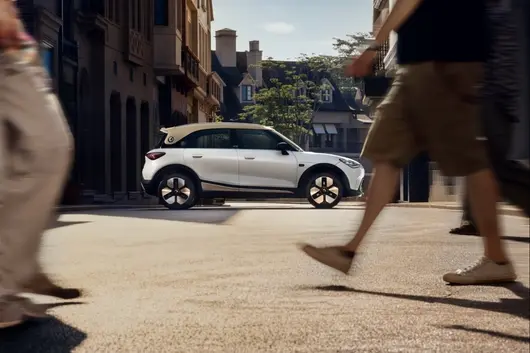
(2026年8月6日,杭州)8月6日,smart品牌在杭州以一场别开生面的城市Live Show,正式迎来全新一代smart精灵1号的上市发布,限时权益价14.99万元起,5大权益至高价值超2.5万元。

新车推出535 Max与535 Ultra两个版型,作为smart全面电动化转型的里程碑之作,新车以”新奢品质、技术智能、灵动驾控"三大引领,携超200项整车体验升级、63项同级领先及20项同级唯一配置,重新定义豪华智能小车标杆。
问世四年来,初代smart精灵1号已登陆全球41国市场,陪伴超10万用户行驶十几亿公里,揽获德国iF、红点两项国际设计大奖及中欧双五星安全认证。面对已从蓝海变为红海的小车市场,全新一代smart精灵1号围绕"三电两智"全面进化,将四年间的引领势能、市场洞察与用户反馈,转化为一次脱胎换骨的升级,持续引领小车市场价值标准。

全新一代smart精灵1号上市,限时权益价14.99万元起,5大权益至高价值超2.5万元

超200项产品体验焕新升级,更新迭代总价值超过3万元

继初代精灵1号上市四年后,全新一代smart精灵1号全面进化,再树标杆
三电升级两智焕新,精灵1号全面刷新豪华智能小车技术上限
全新一代smart精灵1号,不仅搭载全球首个量子级AI电子电气架构EEA 4.0,更全系标配800V碳化硅高压平台。凭借同级领先的6C超快充技术,电量从10%充至80%仅需12分钟。配合雷霆16合一高效智能电驱,城市通勤一周一充,即便长途出行也不必担忧,高效的补能效率,10分钟便可补能300km以上,远途出行也无需担忧。其搭载的神盾金砖电池,以“军工级”安全标准满足电池新国标要求,为每一程提供可靠保障。

全系标配800V高压平台实现“三电”焕新,6C超快充仅需12分钟即可将电量从10%充至80%
智能驾驶辅助能力,越来越成为用户购车关注的关键点:全新一代smart精灵1号,搭载满血版千里浩瀚H5辅助驾驶系统,采用英伟达Orin Y高算力芯片,基于采用内置千亿参数WAM世界行为模型赋能的G-ASD 4.0解决方案。车辆依托包含激光雷达在内的31个感知硬件,智能辅助驾驶领航能力覆盖城市、高速等多元场景,有导航的地方都能辅助驾驶,全国都能开。在环岛通行,无保护左转,窄巷通行等20多个难点场景下,其决策更类人、更自然,后续还将通过OTA实现车位到车位功能。
同时,新车“天花板级”的智能泊车能力,将彻底打破“泊车难”:无论是窄小的机械车位还是无标线的空地,全新一代smart精灵1号都能轻松泊入。更有离车泊入、指尖泊车等功能,轻松搞定复杂、极端泊车场景,新手秒变“泊学家”。

“两智”全面升级,满血版千里浩瀚H5辅助驾驶系统上车,AI智舱贴心随行
智能座舱方面,新车大幅降低用户的学习与体验成本,实现“上车即上手”。同级唯一4nm制程龙鹰6P芯片提供高算力保障,实现功能操作毫秒级的响应,15.4英寸2.5K中控屏融合新一代smart OS,率先搭载深度定制最新版本Flyme Auto系统,屏幕更加清晰,色彩更加细腻,交互更加便捷,操作凭直觉,学习零成本。面对包含多地址、多顺序的复杂语音指令,“超级精灵”AI助手可以自主完成路线规划。AI空调可自主感知车内外环境,根据车内外的环境温度、湿度、空气良好度自动调节座舱温湿度、风力,舒适氛围随你所愿。算力高、响应快、听得懂、用得上,无论是日常休闲还是关键时刻,都是你的贴心随行好伙伴。
源自smart独特D.N.A. ,全新一代精灵1号新奢大不同
除了三电两智的焕新,全新一代smart精灵1号的全面升级,依然坚守smart无可替代的品牌D.N.A.——奔驰设计、安全至上、悦享驾乘,让新车“大不一样”。
Designed with Love——奔驰设计,每一款smart都由梅赛德斯-奔驰全球设计团队打造,精灵1号也不例外:经典四轮四角风格,让小车也有“大气场”。铂金版专属的日冕金车顶经典回归,与车身搭配出蓝金、白金两款全新配色组合,一眼难忘。同级唯一的D柱璀璨星辰发光Logo与Styled by Mercedes-Benz专属设计徽标,进一步强化了车侧辨识度。搭配19英寸旋翼动感轮毂与高定运动后扰流板,每一面都自带极强的视觉张力。
“紧凑于外,宽适于内”的空间理念,将更多空间留给座舱,2750mm轴距与同级领先的84%超大得房率,让小车身“藏”得下超大空间,配合全车28处分区储物格,从容舒展,气场十足。

日冕金车顶带来全新配色组合,奔驰原创设计让新奢“大有不同”
不只是空间,座舱内的舒适体验同样越级:新奢SPA舒享座椅采用12层舒适叠层结构,主副驾配备24种按摩组合,配合加热通风功能,长途出行也能随时舒缓身体。同级最多的车内软质包覆面积超5㎡,触之所及皆是柔软。门板扶手及杯托盖板等区域采用同级领先的环抱式3D Mesh工艺,承托恰到好处。森海塞尔典范音响系统与256色流光溢彩智能氛围灯,从听觉、触觉到视觉营造沉浸式座舱氛围,让每一次出行都成为感官的放松之旅。

新奢SPA舒享座椅,采用12层舒适叠层结构,配合丰富功能舒缓随行
No Compromise on Safety——安全至上,是smart始终坚持的造车标准:新车依旧按照中欧双五星标准打造,84%钢铝混合笼式车身筑起安全堡垒。新增19项主动安全辅助功能,包含自动紧急制动(AEB)、后方交叉紧急报警与制动(RCTA & RCTB)、爆胎稳定性控制、驾驶员失能辅助等多重能力,为每位乘员构建全域安全体系。

smart与奔驰联合完成新车底盘调教,让城市出行悦享驾乘
Amazing drives——悦享驾乘,是smart始终想要带给密友的出行体验:smart与奔驰联合对新车底盘进行调校,过弯时悬架支撑扎实有力,滤震干净利落,德系底盘兼具厚重感与韧性。穿行城市灵活自如,无论是狭窄掉头还是拥挤街道并线,都游刃有余。154mm离地间隙在保证城市穿梭灵活性的同时,也为周末郊野出行解锁了更多场景可能性,非铺装路面、轻越野路况都能从容应对。同时,新车搭载了CST智能舒适制动系统,能够有效抑制刹车点头,配合智能动态能量回收,兼顾能耗与平顺,起步、过弯、减速皆从容。
不玩套路,smart用灵感打造全新发布会风格
“天生爱不同”的smart,将全新一代smart精灵1号的新车发布,做成一场城市Live Show:全程都市街区里完成新车实测,让超200项升级体验,融入上班通勤、快充补能、周末短途的真实场景,用户看到即得到。

smart品牌全球公司CEO佟湘北
smart将发布会打造成一场都市Live Show,用“天生爱不同”的视角玩转城市出行
本场Live Show,由smart品牌全球公司CEO佟湘北、CMO康毅、明星密友侯佩岑联袂推进,将smart的独特性格与新车特质自然呈现。彩蛋环节,上海、墨尔本、布宜诺斯艾利斯、巴黎、香港、柏林六座城市依次“抢线”催更全新smart精灵2号,传递全球期待呼声。目前,全新smart精灵2号街头艺术涂鸦计划已在全球范围揭开神秘面纱,量产车计划于10月巴黎车展完成全球首秀。
四年前,精灵1号迈出smart全面电动化转型的第一步。正如smart品牌全球公司CEO佟湘北所言:“smart精灵1号始终是豪华小车的品类标杆,过去是,现在是,未来也是。”如今,全新一代smart精灵1号,以“三电两智”全面越级,让每种城市生活都拥有更聪明、更从容的答案。
而随着这次全新一代smart精灵1号的迭代,精准贴合当下纯电市场用户的需求,随着新车正式上市,smart品牌将进一步夯实高端城市纯电品牌定位,持续拓宽全球化、年轻化、轻奢化的品牌发展路径,为新能源汽车市场注入全新活力。

According to recent joint data released by the Philippine Automobile Manufacturers Association (CAMPI) and the Truck Manufacturers Association (TMA), in June 2026, Tesla became the best-selling pure electric vehicle brand in the Philippines.

Industry-leading sales data reflects the genuine recognition of Filipino owners towards the product. Blogger @Muskonomy once shared the first-month driving experience of a Filipino Model 3 owner: Charging costs were only 1/6 of the previous gasoline car, stating outright "I never want to switch back to a gasoline car again".
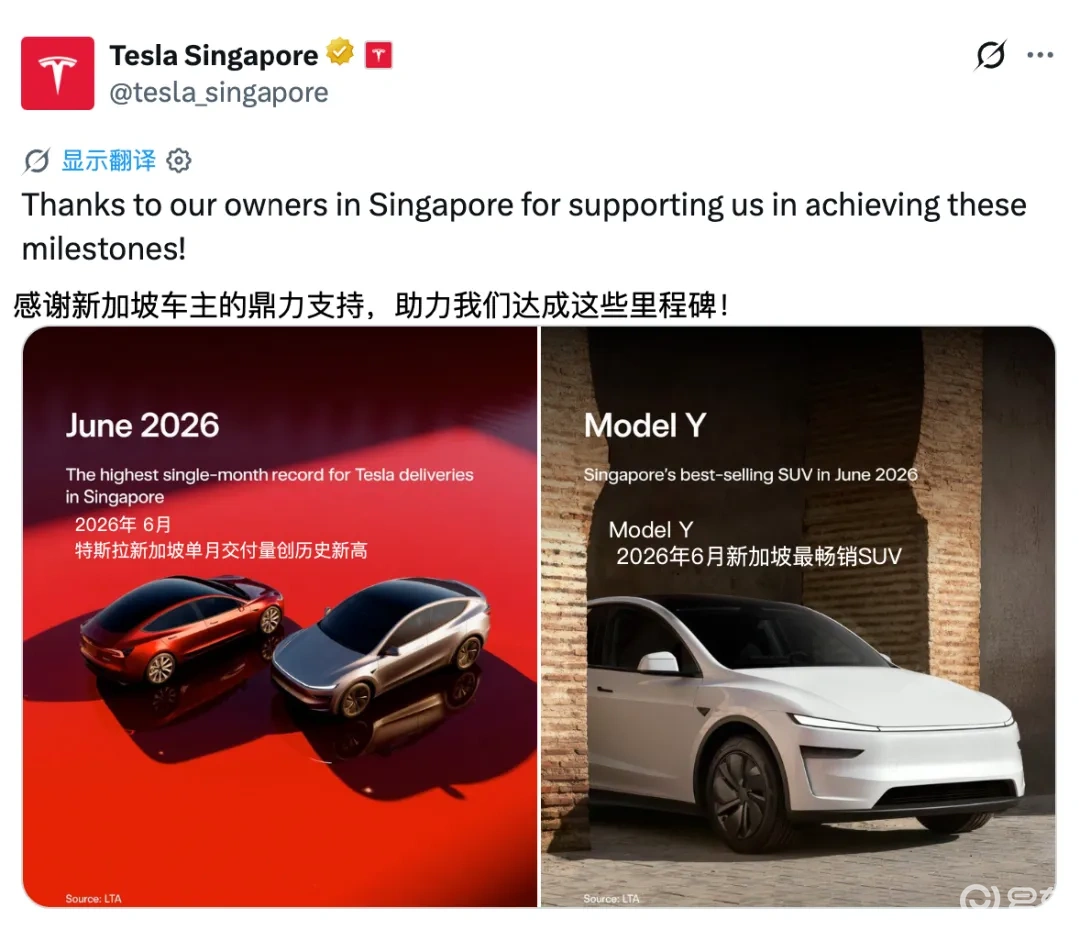
In many countries and regions of the Southeast Asian market, Tesla has seen sales growth. Tesla shared on its official overseas platforms that Tesla achieved a new monthly sales high in the Singapore market in June, with Model Y surpassing gasoline vehicles to become the best-selling SUV model across all categories locally.
Car owner @Coco Silly Fish from Singapore traded their family's gasoline car for a Tesla. He stated that after driving a Tesla, the fatigue from driving in rush hour traffic during morning and evening peaks was less, and there was no anxiety about fuel consumption like when driving a gasoline car. "It is more cost-effective than public transport!"



In Malaysia's SUV market, many buyers compare Proton X70 and Toyota Fortuner when choosing a car. These two cars are quite close in price and positioning, today we will make a detailed comparison from multiple aspects to help you save time on research.
The OTR price of Proton X70 in Malaysia is RM 106,800 - 122,300, with a total of 3 versions, including 1.5L Standard 2WD (RM 106,800), 1.5L Executive 2WD (RM 115,800), 1.5L Premium 2WD (RM 122,300) etc.
The OTR price of Toyota Fortuner in Malaysia is RM 195,880 - 241,880, with a total of 3 versions, including 2024 2.8T VRZ Diesel (RM 241,880), 2024 2.7L SRZ Petrol (RM 202,880), 2024 2.4L Standard Diesel (RM 195,880) etc.
From a price perspective, the entry price of Proton X70 is indeed RM 89,080 cheaper than Toyota Fortuner. If your budget is limited, Proton's entry version can already meet daily needs. But note, the few thousand Ringgit saved might involve trade-offs in equipment, which depends on your specific needs.

Proton X70 is equipped with 1.5L Turbo, horsepower 140 hp. Official fuel consumption 7.0 L/100km.
Toyota Fortuner is equipped with 2.5L Diesel, horsepower 187 hp. Official fuel consumption 8.5 L/100km.
In terms of power, Toyota Fortuner's 2.5L Diesel has 47 more horsepower than Proton X70's 1.5L Turbo. However, for daily city driving, the power of both cars is sufficient, you won't feel underpowered.

Proton X70 body length 4400 mm, trunk 400 L.
Toyota Fortuner body length 4400 mm, trunk 400 L.
The dimensions of both cars are almost identical, with little difference in interior space. Cars of this level are more than enough for daily use.

Proton X70 adopts FWD drive mode.
Toyota Fortuner adopts FWD drive mode.
The drive modes of both cars are the same, both FWD, there won't be much difference in daily driving experience.
Proton X70 and Toyota Fortuner are both mainstream choices in the Malaysian market, suitable for family use and daily commuting. If you value brand reputation and resale value more, prioritize the one with better reputation; if you care more about cost-performance and equipment, then choose the one with richer configuration. Ultimately, it is recommended to test drive both, personal experience is the most important.
Overall, Proton X70 and Toyota Fortuner are both very good models in the Malaysian market. Choosing which one depends mainly on your personal needs and budget. It is recommended to do research, compare quotes from several car dealerships, then go for a test drive to make the final decision. Buying a car is a big matter, spending time on research will absolutely not be wrong.


In the Malaysian SUV market, many buyers compare Proton X70 and Toyota Yaris Cross when choosing a car. These two cars are quite close in terms of price and positioning. Today we will make a detailed comparison from multiple aspects to help you save time doing homework.
Proton X70's OTR price in Malaysia is RM 106,800 - 122,300, with a total of 3 versions, including 1.5L Standard 2WD (RM 106,800), 1.5L Executive 2WD (RM 115,800), 1.5L Premium 2WD (RM 122,300), etc.
Toyota Yaris Cross's OTR price in Malaysia is RM 99,900 - 109,900, with a total of 2 versions, including 2026 1.5L Standard (RM 99,900), 2026 HEV 1.5L Standard (RM 109,900), etc.
From the price perspective, Toyota Yaris Cross's starting price is RM 6,900 cheaper than Proton X70. Honestly, in this price range, the difference of a few thousand is not really that big. The key is to look at overall value for money and long-term usage costs.

Proton X70 is equipped with 1.5L Turbo, horsepower 140 hp. Official fuel consumption 7.0 L/100km.
Toyota Yaris Cross is equipped with 1.5L 4-cyl, horsepower 105 hp. Official fuel consumption 6.0 L/100km.
In terms of power, Proton X70's 1.5L Turbo has 35 more horsepower than Toyota Yaris Cross's 1.5L 4-cyl, with more confidence in mid-range acceleration, especially when overtaking on highways. However, Toyota Yaris Cross's fuel consumption might be more friendly, daily city commuting difference will not be too large.

Proton X70 body length 4400 mm, trunk 400 L.
Toyota Yaris Cross body length 4400 mm, trunk 400 L.
The size of both cars is almost the same, interior space difference is not big. Cars of this class are more than enough for daily use.
Proton X70 warranty 5 years/150,000km, maintenance interval every 10,000km or 6 months.
Toyota Yaris Cross warranty 5 years/unlimited mileage, maintenance interval every 10,000km or 6 months.
Overall, Proton X70 and Toyota Yaris Cross are both very good car models in the Malaysian market. Which one to choose mainly depends on your personal needs and budget. It is recommended to do your homework, compare quotes from several car dealerships, and then test drive to make a final decision. Buying a car is a big matter, spending time doing research will never be wrong.


In Malaysia's SUV market, many buyers compare Proton X50 and Hyundai Tucson when choosing a car. These two cars are quite close in price and positioning. Today we will make a detailed comparison from multiple aspects to help you save time on research.
Proton X50 OTR price in Malaysia is RM 89,800 - 113,300, totaling 4 versions, including 1.5T Executive (RM 89,800), 1.5T Premium (RM 101,800), 1.5T Flagship (RM 113,300) etc.
Hyundai Tucson OTR price in Malaysia is RM 143,888 - 197,888, totaling 5 versions, including 2025 HEV 1.6T AT 2WD Prestige (RM 197,888), 2025 1.6T DCT 4WD Prestige (RM 186,888), 2025 1.6T DCT 2WD Prime (RM 164,888) etc.
From a price perspective, Proton X50's starting price is indeed RM 54,088 cheaper than Hyundai Tucson. If your budget is limited, Proton's entry-level version can already meet daily needs. But note, the cheaper price of a few thousand might involve compromises in features, depending on your needs.

Proton X50 is equipped with 1.5L 4-cyl, 105 hp. Official fuel consumption 6.0 L/100km.
Hyundai Tucson is equipped with 1.5L Turbo, 140 hp. Official fuel consumption 7.0 L/100km.
In terms of power, Hyundai Tucson's 1.5L Turbo has 35 more horsepower than Proton X50's 1.5L 4-cyl. However, for daily city driving, both cars have enough power, you won't feel it lacks power.

Proton X50 safety rating is 5★ (ASEAN NCAP), active safety systems include ADAS (ACC, AEB, LKA, LDA, BSM, RCTA).
Hyundai Tucson safety rating is 5★ (ASEAN NCAP), active safety systems include SmartSense.
Both cars have the same safety rating. Safety features are quite comprehensive in this class. New cars nowadays have good safety, no need to worry too much about this.

Proton X50 warranty 5 years/150,000km, maintenance interval every 10,000km or 6 months.
Hyundai Tucson warranty 5 years/300,000km, maintenance interval every 10,000km or 6 months.

Proton X50 and Hyundai Tucson are both mainstream choices in the Malaysian market, suitable for family use, daily commuting. If you value brand reputation and resale value more, you can prioritize the one with better reputation; if you care more about value for money and features, choose the one with richer configuration. Ultimately, it is recommended to test drive both, personal experience is the most important.

Overall, Proton X50 and Hyundai Tucson are both very good models in the Malaysian market. Which one to choose depends mainly on your personal needs and budget. We suggest doing thorough research, comparing quotes from multiple car dealers, and then test drive to make the final decision. Buying a car is a big deal, spending some time doing research will definitely not be wrong.


喺馬來西亞嘅 SUV 市場,好多買家喺揀車嗰陣都會拿 寶騰 X50 同 長城 哈弗 H6 嚟做比較。呢兩部車喺價位同定位上都好接近,今日我哋就從多個方面做個詳細嘅對比,幫你節省咗做下功課嘅時間。
寶騰 X50 喺馬來西亞嘅 OTR 售價係 RM 89,800 - 113,300,共 4 個版本,包括 1.5T Executive(RM 89,800)、1.5T Premium(RM 101,800)、1.5T Flagship(RM 113,300) 等。
長城 哈弗 H6 喺馬來西亞嘅 OTR 售價係 RM 139,750 - 139,750,共 2 個版本,包括 1.5L Turbo Standard(RM 140,000)、1.5L Turbo Premium(RM 155,000) 等。
睇返價錢,寶騰 X50 嘅起步價確實比 長城 哈弗 H6 平咗 RM 49,950。如果你預算唔夠,寶騰嘅入門版已經可以應付日常需要。但亦都要注意,平嘅嗰幾千蚊,可能喺配備上面會有取捨,具體睇你嘅需要。
寶騰 X50 嘅安全評級係 5★ (ASEAN NCAP),主動安全系統包括 ADAS (ACC, AEB, LKA, LDA, BSM, RCTA)。
長城 哈弗 H6 嘅安全評級係 TBD,主動安全系統包括 Basic。
安全配備方面,兩部車都拿到唔錯嘅評級。不過 寶騰 X50 嘅 ADAS (ACC, AEB, LKA, LDA, BSM, RCTA) 同 長城 哈弗 H6 嘅 Basic 喺功能上面有少少差異,如果你比較重視主動安全嘅話,可以仔細對比下兩者嘅功能列表。
寶騰 X50 車身長 4400 mm,後備廂 400 L。
長城 哈弗 H6 車身長 4400 mm,後備廂 400 L。
兩部車嘅尺寸差唔多,車內空間差別唔大。呢個級別嘅車,日常使用完全夠用。
寶騰 X50 採用 4WD 驅動方式。
長城 哈弗 H6 採用 FWD 驅動方式。
寶騰嘅 4WD 同 長城嘅 FWD 喺操控上面會有唔同嘅感覺,建議試駕對比下。
總嘅嚟講,寶騰 X50 同 長城 哈弗 H6 都係馬來西亞市場好唔錯嘅車型。揀邊一部,關鍵始終係睇你嘅個人需要同預算。建議大家做好功課,多比較幾間車行嘅報價,再去試駕做最後決定。買車係件大事,花少少時間做功課絕對無錯。

喺馬來西亞嘅 SUV 市場,好多買家喺揀車嗰陣都會拎 Perodua Aruz 同 Chery Tiggo Cross 嚟做比較。這兩款車喺價位同定位上都幾接近,今就從多個角度做一個詳細對比,幫你攞咗做功課嘅時間。
Perodua Aruz 喺馬來西亞嘅 OTR 售價係 RM 72,900 - 77,900,一共有 2 個版本,包括 1.5L X(RM 72,900)、1.5L AV(RM 77,900) 等。
Chery Tiggo Cross 喺馬來西亞嘅 OTR 售價係 RM 88,750 - 99,750,一共有 2 個版本,包括 2025 HEV 1.5L CSH(RM 99,750)、2025 1.5T Standard(RM 88,750) 等。
從價錢嚟睇,Perodua Aruz 嘅起步價確實比 Chery Tiggo Cross 平咗 RM 15,850。如果你預算有限,Perodua 嘅入門版已經可以滿足日常需要。但要注意,便宜嗰幾千塊,可能在配備上會有取捨,具體要看你嘅需要。

Perodua Aruz 嘅安全評級係 5★ (ASEAN NCAP),主動安全系統包括。
Chery Tiggo Cross 嘅安全評級係 TBD,主動安全系統包括 Basic。
Perodua Aruz 車身長 4400 mm,行李廂 400 L。
Chery Tiggo Cross 車身長 4400 mm,行李廂 400 L。
兩款車嘅尺寸幾乎一樣,車內空間分別唔大。呢個級別嘅車,日常使用完全夠用。
Perodua Aruz 採用 FWD 驅動方式。
Chery Tiggo Cross 採用 FWD 驅動方式。
兩款車嘅驅動方式一樣,都係 FWD,日常駕駛感受唔會有太大分別。

總嘅嚟講,Perodua Aruz 同 Chery Tiggo Cross 都係馬來西亞市場幾唔錯嘅車款。揀邊一部,關鍵係睇你嘅個人需要同預算。建議大家做好功課,多比較幾間車行嘅報價,再去試駕先做最終決定。買車係件大事,花啲時間做功課絕對無誤。


In the Malaysian SUV market, many buyers compare Perodua Aruz and Toyota Corolla Cross when choosing a car. These two cars are quite close in price and positioning. Today, we will make a detailed comparison from multiple aspects to help you save time on research.
Perodua Aruz's OTR price in Malaysia is RM 72,900 - 77,900, with a total of 2 versions, including 1.5L X (RM 72,900), 1.5L AV (RM 77,900), etc.
Toyota Corolla Cross's OTR price in Malaysia is RM 133,800 - 148,800, with a total of 3 versions, including 2026 HEV 1.8L GR Sport (RM 148,800), 2026 HEV 1.8L Standard (RM 140,800), 2026 1.8L Standard (RM 133,800), etc.
In terms of price, the starting price of Perodua Aruz is indeed RM 60,900 cheaper than Toyota Corolla Cross. If your budget is limited, Perodua's entry-level version can already meet daily needs. But keep in mind, that few thousand difference in price might involve trade-offs in features, depending on your specific needs.
Perodua Aruz is equipped with 1.5L 4-cyl, horsepower 105 hp. Official fuel consumption 6.0 L/100km.
Toyota Corolla Cross is equipped with 1.5L Turbo, horsepower 140 hp. Official fuel consumption 7.0 L/100km.
In terms of power, Toyota Corolla Cross's 1.5L Turbo has 35 more horsepower than Perodua Aruz's 1.5L 4-cyl. However, for daily city driving, the power of both cars is sufficient, and you won't feel underpowered.
Perodua Aruz's safety rating is 5★ (ASEAN NCAP), active safety systems include.
Toyota Corolla Cross's safety rating is 5★ (ASEAN NCAP), active safety systems include TSS (PCS, LDA, ACC, LTA).
Both cars have the same safety rating, and safety features are quite comprehensive for this class. New cars nowadays have good safety, so there's no need to worry too much about this.
Perodua Aruz adopts FWD drive mode.
Toyota Corolla Cross adopts FWD drive mode.
Both cars have the same drive mode, both are FWD, so there won't be much difference in daily driving experience.

Overall, both Perodua Aruz and Toyota Corolla Cross are excellent models in the Malaysian market. Choosing which one depends on your personal needs and budget. We recommend doing your research, comparing quotes from several dealerships, and going for a test drive before making a final decision. Buying a car is a big deal, spending time on research will definitely not go wrong.
喺馬來西亞嘅 SUV 市場,好多買家喺揀車嗰陣都會拿 Mazda CX-9 同 Audi Q7 嚟做比較。這兩款車喺價位同定位上都幾接近,今日我哋就從多個方面做一個詳細比較,幫你省返做功課嘅時間。
Mazda CX-9 喺馬來西亞嘅 OTR 售價係 RM 328,810 - 345,810,一共有 2 個版本,包括 2023 2.5T 4WD(RM 345,810)、2023 2.5T 2WD(RM 328,810)等。
Audi Q7 喺馬來西亞嘅 OTR 售價係 RM 462,222 - 462,222,一共有 1 個版本,包括 Standard(RM 462,222)等。
從價錢睇,Mazda CX-9 嘅起步價確實比 Audi Q7 平咗 RM 133,412。如果你預算有限,Mazda 嘅入門版已經可以滿足日常需求。但亦都要注意,平嗰幾千塊,可能喺配備上會有取舍,具體要看你嘅需求。

Mazda CX-9 配備 2.0L Turbo,馬力 220 hp。官方油耗 9.5 L/100km。
Audi Q7 配備 3.0L Turbo,馬力 350 hp。官方油耗 12.0 L/100km。
動力方面,Audi Q7 嘅 3.0L Turbo 比 Mazda CX-9 嘅 2.0L Turbo 多咗 130 匹馬力。不過日常喺市區開,兩款車嘅動力都夠用,唔會覺得唔夠力。

Mazda CX-9 保養 5 年/150,000km,保養間隔 每 10,000km 或 6 個月。
Audi Q7 保養 5 年/150,000km,保養間隔 每 10,000km 或 6 個月。
兩款車嘅保養條件一樣,呢方面唔使計較。實際保養成本仲要看品牌嘅服務網絡同零件價格,建議去車友群組問問真實車主嘅經驗。

Mazda CX-9 同 Audi Q7 都係馬來西亞市場嘅主流選擇,適合家庭使用、日常通勤。如果你更睇重品牌同二手價,可以優先考慮口碑好嗰款;如果你更在意性價比同配備,就揀配備更豐富嗰款。最後都建議兩款都去試駕,親自體驗先係最重要嘅。

總體嚟講,Mazda CX-9 同 Audi Q7 都係馬來西亞市場幾唔錯嘅車型。揀邊輛,關鍵仲係睇你嘅個人需求同預算。建議大家做好功課,多比較間車行嘅報價,先去試駕做最終決定。買車係件大事,花點時間做功課絕對唔會錯。


喺馬來西亞嘅 SUV 市場,好多買家喺揀車嘅時候都會拿 Hyundai Palisade 同 Porsche Macan 嚟做比較。這兩款車喺價位同定位上都幾接近,而家我就從多個方面做一個詳細嘅比較,幫晒你省下做功課嘅時間。
Hyundai Palisade 喺馬來西亞嘅 OTR 售價係 RM 368,838 - 399,838,一共有 4 個版本,包括 2023 3.8L 2WD Luxe 7 Seats Petrol(RM 399,838)、2023 2.2T 4WD Executive 7 Seats Diesel(RM 389,838)、2023 3.8L 2WD Luxe 8 Seats Petrol(RM 378,838) 等。
Porsche Macan 喺馬來西亞嘅 OTR 售價係 RM 469,000 - 469,000,一共有 4 個版本,包括 2025 55 quattro S line(RM 467,285)、2025 50 quattro Advanced(RM 361,135)、PMT 1874, Lorong IKS BukitTengah 14000 Bukit Mertajam(RM 296,610) 等。
從價錢嚟睇,Hyundai Palisade 嘅起步價確實比 Porsche Macan 平咗 RM 100,162。如果你預算有限,Hyundai 嘅入門版已經可以滿足日常需求。但都要留意,便宜嗰幾千蚊,可能喺配備上會有所取捨,具體就要睇你嘅需求。

Hyundai Palisade 搭載 2.0L Turbo,馬力 220 hp。官方油耗 9.5 L/100km。
Porsche Macan 搭載 3.0L Turbo,馬力 350 hp。官方油耗 12.0 L/100km。
動力方面,Porsche Macan 嘅 3.0L Turbo 比 Hyundai Palisade 嘅 2.0L Turbo 多咗 130 匹馬力。不過日常喺市區開,兩款車嘅動力都夠用,唔會覺得唔夠力。

Hyundai Palisade 嘅安全評級係 TBD,主動安全系統包括 Basic。
Porsche Macan 嘅安全評級係 5★ (Euro NCAP),主動安全系統包括 InnoDrive。
安全配備方面,兩款車都拿到唔錯嘅評級。不過 Hyundai Palisade 嘅 Basic 同 Porsche Macan 嘅 InnoDrive 喺功能上啲分別,如果你比較重視主動安全嘅話,可以仔細比較下兩者嘅功能列表。

Hyundai Palisade 採用 FWD 驅動方式。
Porsche Macan 採用 FWD 驅動方式。
兩款車嘅驅動方式一樣,都係 FWD,日常駕駛感受唔會有太大分別。

Hyundai Palisade 同 Porsche Macan 都係馬來西亞市場嘅主流選擇,適合家庭使用、日常通勤。如果你更重視品牌口碑同二手價,可以優先考慮口碑更好嗰一款;如果你更在意性價比同配備,那就揀配置更豐富嗰款。最終都係建議兩款都去試駕,親身體驗先係最重要嘅。

總括嚟講,Hyundai Palisade 同 Porsche Macan 都係馬來西亞市場幾唔錯嘅車型。揀邊一輛,關鍵都要睇你嘅個人需求同預算。建議大家做好功課,多比較幾間車行嘅報價,再去試駕做最終決定。買車係件大事,花少少時間做功課絕對唔會錯。


喺馬來西亞嘅 SUV 市場,好多買家喺揀車嘅時候都會拿 BMW X5 PHEV 同 Land Rover Defender 來比較。呢兩款車喺價位同定位上都好接近,今日我哋就從多個方面做一個詳細嘅比較,幫你省返做功課嘅時間。
BMW X5 PHEV 喺馬來西亞嘅 OTR 售價係 RM 486,800 - 494,800,一齊共有 2 個版本,包括 xDrive20i(RM 420,000)、xDrive30e(RM 480,000) 等。
Land Rover Defender 喺馬來西亞嘅 OTR 售價係 RM 688,000 - 688,000,一齊共有 1 個版本,包括 Standard(RM 688,000) 等。
由價錢睇,BMW X5 PHEV 嘅起步價確係比 Land Rover Defender 平咗 RM 201,200。如果你預算有限,BMW 嘅入門版已經可以滿足日常需要。但都要注意,平啲嘅幾千蚊,可能喺配備上有取舍,具體要睇你嘅需要。

BMW X5 PHEV 裝嵌 Hybrid,馬力 170 hp。官方耗油 4.5 L/100km。
Land Rover Defender 裝嵌 3.0L Turbo,馬力 350 hp。官方耗油 12.0 L/100km。
動力方面,Land Rover Defender 嘅 3.0L Turbo 比 BMW X5 PHEV 嘅 Hybrid 多咗 180 匹馬力。不過日常喺市區行,兩款車嘅動力都夠用,唔會覺得唔夠力。

BMW X5 PHEV 嘅安全評級係 5★ (Euro NCAP),主動安全系統包括 Premium ADAS。
Land Rover Defender 嘅安全評級係 TBD,主動安全系統包括 Basic。
安全配備方面,兩款車都拿到唔錯嘅評級。不過 BMW X5 PHEV 嘅 Premium ADAS 同 Land Rover Defender 嘅 Basic 喺功能上有啲分別,如果你比較睇重主動安全嘅話,可以仔細對比一下兩者嘅功能列表。

BMW X5 PHEV 保固 5 年/無限里程,保養間隔 每 10,000km 或 6 個月。
Land Rover Defender 保固 3 年/100,000km,保養間隔 每 10,000km 或 6 個月。

總嚟講,BMW X5 PHEV 同 Land Rover Defender 都係馬來西亞市場好唔錯嘅車款。揀邊一部,關鍵仲要睇你嘅個人需要同預算。建議大家做足功課,多比較幾間車行嘅報價,再去試駕先做最終決定。買車係件大事,花少少時間做功課絕對唔會錯。


喺馬來西亞嘅汽車市場,好多買家喺揀車嗰陣都會拎 Perodua Aruz 同 Mazda CX-3 嚟做比較。今日我哋由多個方面做一個詳細嘅比較,幫你省返做功課嘅時間。

Perodua Aruz 喺馬來西亞嘅 OTR 售價係 RM 72,900 - 77,900,總共有 2 個版本,包括 1.5L X(RM 72,900)、1.5L AV(RM 77,900) 等。
Mazda CX-3 喺馬來西亞嘅 OTR 售價係 RM 126,159 - 139,159,總共有 2 個版本,包括 2023 2.0L High(RM 139,159)、2023 2.0L Plus(RM 126,159) 等。
從價錢睇落去,Perodua Aruz 嘅入場價確實比 Mazda CX-3 平咗 RM 53,259。如果你預算唔多,Perodua 嘅入門版已經可以滿足日常需要。但都要注意,平嗰幾千蚊,可能在配備上有取捨,具體要睇你嘅需要。
Perodua Aruz 配備 1.5L 4-cyl,馬力 105 hp。官方油耗 6.0 L/100km。
Mazda CX-3 配備 1.5L Turbo,馬力 140 hp。官方油耗 7.0 L/100km。
動力方面,Mazda CX-3 嘅 1.5L Turbo 比 Perodua Aruz 嘅 1.5L 4-cyl 多咗 35 匹馬力。不過日常喺市區開嘅話,兩款車嘅動力都夠用,唔會覺得唔夠力。
Perodua Aruz 嘅安全評級係 5★ (ASEAN NCAP),主動安全系統包括 。
Mazda CX-3 嘅安全評級係 5★ (ASEAN NCAP),主動安全系統包括 i-Activsense。
兩款車嘅安全評級一樣,喺呢個級距入面安全配備都算好齊全。而家嘅新車安全性都唔差,唔使太擔心呢一點。
Perodua Aruz 採用 FWD 驅動方式。
Mazda CX-3 採用 FWD 驅動方式。
兩款車嘅驅動方式一樣,都係 FWD,日常駕駛感受唔會有太大分別。
總嚟講,Perodua Aruz 同 Mazda CX-3 都係馬來西亞市場幾唔錯嘅車型。揀邊一輛,關鍵都要睇你嘅個人需要同預算。建議大家做好功課,多比較幾間車行嘅報價,先去做試駕做最終決定。買車係件大事,花少少時間做功課絕對唔會錯。

喺馬來西亞嘅汽車市場,好多買家喺揀車嘅時候都愛用富豪 XC60 PHEV 同寶馬 X3 做比較。今日我哋由多個方面做一个詳細嘅比較,幫你省返做功課嘅時間。


富豪 XC60 PHEV 喺馬來西亞嘅 OTR 售價係 RM 362,888 - 362,888,總共一共有 2 個版本,包括 2025 2.0T 89km Ultra(RM 362,888)、具備咩安全配備?(RM 296,610) 等。
寶馬 X3 喺馬來西亞嘅 OTR 售價係 RM 325,800 - 358,800,總共一共有 2 個版本,包括 xDrive20i(RM 320,000)、xDrive30e(RM 360,000) 等。
由價錢睇落,寶馬 X3 嘅起步價比富豪 XC60 PHEV 平咗 RM 37,088。老實講,喺呢個價位段,幾千蚊嘅差距其實唔算大,關鍵仲係睇整體嘅性價比同埋長期使用成本。

富豪 XC60 PHEV 搭載 Hybrid,馬力 170 hp。官方油耗 4.5 L/100km。
寶馬 X3 搭載 2.0L Turbo,馬力 220 hp。官方油耗 9.5 L/100km。
動力方面,寶馬 X3 嘅 2.0L Turbo 比富豪 XC60 PHEV 嘅 Hybrid 多咗 50 匹馬力。不過日常喺市區開嘅話,兩款車嘅動力都夠用,唔會覺得唔夠力。

富豪 XC60 PHEV 車身長 4400 mm,行李箱 400 L。
寶馬 X3 車身長 4400 mm,行李箱 400 L。
兩款車嘅尺寸幾近一樣,車內空間差別唔大。呢個級別嘅車,日常使用完全夠用。
富豪 XC60 PHEV 保修 5 年/無限里程,保養間隔 每 10,000km 或 6 個月。
寶馬 X3 保修 5 年/無限里程,保養間隔 每 10,000km 或 6 個月。
兩款車嘅保修條件一樣,呢方面唔使糾結。實際保養成本仲要睇品牌嘅服務網絡同零件價格,建議去車友群問下真實車主嘅經驗。
總括嚟講,富豪 XC60 PHEV 同寶馬 X3 都係馬來西亞市場好唔錯嘅車款。揀邊一輛,關鍵仲係要睇你嘅個人需求同預算。建議大家做足功課,多比較幾間車行嘅報價,再去做試車做最終決定。買車係件大事,花啲時間做功課絕對唔會錯。


車型概覽

比亞迪Atto 2 值唔值得睇,第一步唔係望牌子或者外形,而係睇佢能唔能夠配合你嘅香港日常。 呢篇會集中講版本取捨,幫你用買家角度篩走唔適合嘅選擇。 近期市場討論到「BYD ATTO 2登陸香港!15.5萬起有交易,刀片電池夠晒安全」,代表呢類車型仍然有一定關注度。
零售價 HK$ 155,000、完稅價 HK$ 228,300 令預算位置更清楚,買家可以先估算月供、保險、泊車同日常開支。
購車價格指南
比亞迪Atto 2 嘅購車預算可以先由 零售價 HK$ 155,000、完稅價 HK$ 228,300 開始計。香港買車唔只係睇車價,月供、保險、牌費、泊車同能源成本都會影響每月壓力。
如果有幾個版本可揀,可以先將 2025 410km 高級版(HK$ 228,300) 放喺同一張清單。日常通勤重視舒適同易用,家庭買家就要優先睇後排、尾箱同安全配置。
核心規格重點
睇 比亞迪Atto 2 嘅規格,重點唔係背數字,而係理解佢喺香港用車場景會帶嚟咩分別。
51.13 kWh 嘅電池容量,真正意義係可以幫你估算一星期通勤同周末出車要唔要中途補電。 130 kW、290 N·m 嘅輸出,令高速併線同短距離超車更有信心。 車長 4310 mm、車闊 1830 mm、車高 1675 mm、軸距 2620 mm 可以幫你預判商場停車場、屋苑車位同後排腿部空間。 固定齒比、前置前駆 會影響起步順滑度、濕地穩定感同長途巡航性格。
優缺點分析
比亞迪Atto 2 嘅優點唔需要講到天花龍鳳,真正有價值係佢能唔能夠令日常用車更省心:預算位置清楚,方便同同級車直接比較、電池同續航資訊有助安排通勤同補電、動力輸出對高速同上斜更有底氣。
要留意嘅係,要先確認屋苑、公司或常去商場嘅充電條件、香港停車場同窄路使用要留意車身闊度。呢啲唔一定係缺點,但係落訂前應該先諗清楚。
買家常見問題
買 比亞迪Atto 2 之前,真正要問嘅唔係單一規格,而係佢可唔可以融入你每日嘅生活節奏。
常見疑問係「比亞迪 Atto 2 香港落地價大約係幾多?」簡單講,比亞迪 Atto 2 香港落地價約200,000–260,000 港元,視版本而定。 放到實際用車,就係要睇佢對通勤、泊車、家庭乘坐同長期成本有幾大幫助。
同級對比內容
將 比亞迪Atto 2 放入同級車清單時,唔建議只用外形或者品牌光環決定。比較順序可以係:先用 零售價 HK$ 155,000、完稅價 HK$ 228,300 鎖定預算圈、再睇動力係咪足夠應付高速併線同滿載、再比較能源成本同補能便利、最後睇車身大小、座位同尾箱是否適合家人。
咁樣篩選會貼近香港買家真實生活:平日塞車、商場泊車、周末去新界、甚至一家人出入,先係一部車每日要面對嘅考驗。
用車全周期指南

擁有 比亞迪Atto 2 最重要係先諗清楚充電節奏。屋苑、公司或者常去商場只要有穩定充電選項,電動化用車就會容易相處好多。
如果你主要喺市區行,視野、低速順滑度同泊車輔助會好影響心情;如果經常行高速或跨區,座椅舒適度、隔音同動力從容感會更重要。


BYD officially released the May 2026 production and sales flash report, with new energy vehicles from all brands reaching a monthly sales volume of 383,453 vehicles, a slight increase of 0.26% year-on-year, achieving year-on-year positive growth in monthly sales after ten months; among them, passenger car deliveries reached 376,990 units, surging 19.4% month-on-month, wiping out the pain of previous model iterations, presenting a new pattern where the domestic base is stable, overseas sales are soaring, and high-end brands are scaling up across the board. Amidst the market environment of intensified competition in the domestic new energy sector, Tesla FSD entering China, and an intense launch of independent new products, it has forged a unique structural growth path.

The Dynasty and Ocean main brands combined sold 330,215 vehicles in May, accounting for over 80% of the group's total sales, remaining the stabilizer for BYD's sales volume. The full series had 8 models exceeding 20,000 units in monthly sales, covering products from 50,000 entry-level commuter to 200,000 home SUV.

Inside the Dynasty Network, the Yuan family sold 56,691 units, and the Song family 51,370 units. Both crossed the 50,000 threshold, becoming two major sales pillars for the brand, catering to home commuter and urban-rural travel needs; the Qin family followed closely with a stable performance of 28,360 units. The Han and Tang series maintained a volume in the six-thousand range, deeply cultivating the mid-to-large home sedan and SUV niche markets; the brand new model Xia is in the market cultivation phase, delivering 1,810 units monthly, with potential for steady volume growth as channels expand.
The Ocean Network's growth momentum is even more rapid, with 5 models entering the 20,000 club across the series: Sealion 42,615 units, Seal 34,117 units, Seagull 39,919 units, Dolphin 22,260 units, and Song PLUS 27,755 units. Among them, Seagull remains the best-selling entry-level commuter model thanks to its affordable pricing of 60,000-80,000. Sealion, as a new volume model, stands firm at the 40,000 level upon launch, filling the mid-size SUV product gap in the Ocean Network and perfecting the Ocean product tier layout. From commuter small cars to compact SUVs, the two main brands rely on DM-i hybrid and pure electric dual-line technologies to牢牢锁住 the mainstream home market share within 150,000 domestically.
Fang Cheng Bao Year-on-Year Surges 139.7%, Brand Upward Positioning Takes EffectThe high-end matrix of Denza, Fang Cheng Bao, and Yangwang sold a combined 46,489 vehicles in May, officially breaking away from the niche positioning to become a new pivot for BYD's brand premium and profit growth, breaking the industry curse of difficulty in high-end breakthrough for domestic brands.

The off-road brand Fang Cheng Bao sold 30,186 units monthly, surging 139.7% year-on-year, creating a new high in monthly sales since the brand launched. Its Titanium 7 model sold 18,280 units monthly, while Leopard 5 and Leopard 8 output remained stable, continuously squeezing the survival space for joint venture and imported models in the 250,000-400,000 hardcore off-road niche market.

Denza delivered 16,303 units in May, with the MPV benchmark D9 selling 6,721 units, and the Z9 series close to 6,000 units. MPV and mid-to-large sedan dual-line efforts helped them stand firm in the luxury new energy track; the million-level ultra-luxury brand Yangwang continued its steady climb, delivering 286 units that month, a year-on-year increase of 105.8%, completing market verification of the domestic brand ceiling product and forming a full price range product layout from 100,000+ home, 300,000-400,000 off-road, 500,000 luxury MPV to million-level flagship.

In May, BYD's overseas sales of passenger cars and pickup trucks reached 160,177 units, surging 80.7% year-on-year. Exports accounted for over 42% of the full series total sales, setting a new historical high for brand export and becoming the core driving force to stabilize May overall sales and achieve year-on-year positive growth.
Southeast Asia, Europe, and Latin America became the main incremental markets. Seagull, Song PLUS, and Yuan series continued to top new energy best-seller lists in multiple countries; the SHARK pickup truck exceeded 4,000 units in monthly exports for two consecutive months. Relying on the completion of localization production in Thailand, Brazil, Hungary, and Uzbekistan with four overseas vehicle factories, localized production continues to land, avoiding tariffs while rapidly penetrating terminal channels. Against the background of stock market competition in the domestic auto industry and normalized price wars, the rapidly expanding overseas market effectively counteracts sales volatility brought by domestic model iterations, officially upgrading from a supplementary market to BYD's core growth engine. As of now, BYD's global cumulative new energy vehicle sales have exceeded 16.5 million units, with the globalization map continuously broadening.
Intelligent Driving Empowers Product Iteration, H2 New Products Prepare to Surge VolumeMay marked a key node in BYD's intelligent driving landing, with the God's Eye intelligent driving system becoming a core bonus point for models: the number of vehicles with advanced intelligent driving across all brands exceeded 3.15 million, with daily road test data exceeding 200 million kilometers; that month, BYD implemented City Pilot and Smart Parking dual safety backup services, becoming the world's first auto manufacturer to achieve dual intelligent driving backups. Three days after policy implementation, the activation rate of models equipped with the God's Eye system in cities surged 50%. Intelligent driving experience upgrades directly drove in-store order conversion, solidifying product competitiveness for subsequent models to continue volume sales, and facing the intelligent driving market shock brought by FSD entering China.
From data details, BYD's cumulative sales from January to May 2026 were 1,405,039 units, down 20.32% year-on-year. The core reason is that the full series of main models were concentratedly iterated, and the capacity ramp-up of the 2nd Gen Fast Charge Blade Battery was restricted. The new Flash Charge Battery upgraded fast charging and low-temperature performance. Full series iteration models prioritized installing new batteries, but production line retrofitting dragged down capacity release. Order backlogs on popular models and delayed deliveries compressed the May delivery volume to a certain extent.
As the end of the second quarter approaches and the 2nd Gen Blade Battery capacity continues to release, coupled with new models such as Denza N8L, Fang Cheng Bao Titanium 7 Pure Electric Version, Sealion 05, and Xia L landing the market, the industry generally predicts that BYD's full brand sales in June are expected to exceed 400,000 vehicles. Relying on the four-dimension development logic of low-end volume locking share, high-end raising profit, overseas pushing volume, and intelligence improving product power, amidst the intensified new energy elimination round in the domestic market, BYD's full category layout advantage continues to amplify, securing its status as the domestic new energy leader, accelerating steadily towards global top auto manufacturers.