

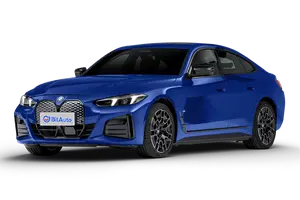
BMW i4
HK$ 649,900
Last updated: 21 Nov 2026 · Hong Kong SAR China Market
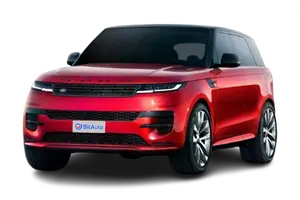
One is a plug-in hybrid, the other a pure electric — both need charging to make sense, but only the hybrid can fall back on petrol. The i4 is the cheaper way in at HK$ 649,900, undercutting the Range Rover Sport Electric by HK$ 1,448,102 on-the-road. The Range Rover Sport Electric earns its premium on boot space, size and power.
The i4 is pure electric; the Range Rover Sport Electric adds a petrol engine for longer runs. That engine is a 3-litre turbocharged engine. Battery capacity is 31.8 kWh versus 67 kWh.
The Range Rover Sport Electric is the longer car — 163 mm up at 4946 mm versus 4783 mm. The Range Rover Sport Electric has the much larger boot, 835 L against 470 L. The Range Rover Sport Electric also leads on wheelbase, 2997 mm versus 2856 mm.
Monthly new car sales in Hong Kong SAR China, with data for the past 6 or 12 months, or the full sales history since launch.
Loading sales data…
Data from Hong Kong Transport Department, updated monthly on the 10th. Check Hong Kong car sales, brand ranking, model sales & EV sales.
The i4 is the cheaper of the two at HK$ 649,900, but the Range Rover Sport Electric answers back with more equipment for the money.
The i4 starts at HK$ 649,900, the Range Rover Sport Electric at HK$ 2,098,002 — about HK$ 1,448,102 in favour of the i4.
The Range Rover Sport Electric is more powerful — 460 hp against 282 hp.
The Range Rover Sport Electric hits 100 km/h in 5.6 s versus 6.0 s.
The Range Rover Sport Electric has the larger boot at 835 L against 470 L.
The Range Rover Sport Electric is longer, at 4946 mm against 4783 mm.

© 2024 Bitauto.com. All Rights Reserved.
Bitauto (www.yiche.com and www.bitauto.com) is one of the most visited automotive websites in China. We provide detailed info on Chinese car brands available in your area. Please note that the information provided on this website is based on publicly available data and is for reference only. It may not be fully updated or accurate at all times.

Help us improve our website
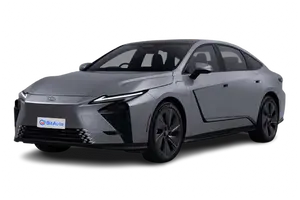 Lexus ES BEV
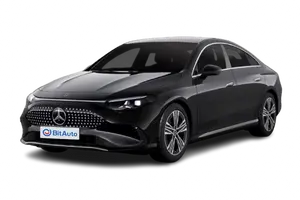 Mercedes-Benz CLA BEV
 Volvo ES90
 Mercedes-Benz G-Class BEV

