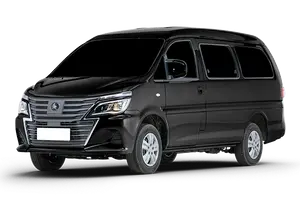
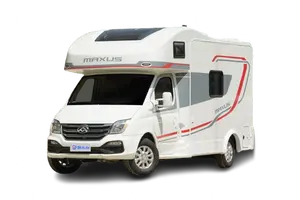
Power:Lingzhi Electric 102 hp; RV80 Motor Home 139 hp
Length:Lingzhi Electric 5135 mm; RV80 Motor Home 4950 mm
Pros & Cons
Forthing Lingzhi Electric REEV 90km RWD (2025)
Pros
Competitive on price for what it offers
Cons
Less power
Maxus RV80 Motor Home 2.0T AMT (2022)
Pros
Stronger 139 hp
Find the Right Car
Choose the Lingzhi Electric if you want...
a 1.5-litre engine
seating for 7
Choose the RV80 Motor Home if you want...
a compact body that's easy to thread through Hong Kong traffic and car parks
stronger 139 hp performance
a 2-litre engine
Which car suits your lifestyle best?
Family buyers: Lingzhi Electric — 7 seats suits family duty better
Cross-border drivers: Lingzhi Electric — refuels anywhere without hunting for a charger
Performance seekers: RV80 Motor Home — 139 hp beats the Lingzhi Electric's 102 hp
Price & Ownership Costs
ParameterForthing Lingzhi ElectricMaxus RV80 Motor Home
PriceTBCTBC
Body Type / Seats4 door MPV · 7 seats5 door RV · 5 seats
Engine, Fuel Economy & Refuelling
ParameterForthing Lingzhi ElectricMaxus RV80 Motor Home
Engine Capacity1,498 cc1,996 cc ✓
Fuel Grade920
Rated Economy1.97 L/100km · WLTC-
Fuel Tank45 L80 L ✓
Both run conventional petrol engines. The Lingzhi Electric uses a 1.5-litre naturally-aspirated engine; the RV80 Motor Home a 2-litre turbocharged engine.
Power & Performance
ParameterForthing Lingzhi ElectricMaxus RV80 Motor Home
MotorRear-
Max Power102 Ps139 Ps ✓
Max Torque-330 N·m
DrivetrainRWDFWD
TransmissionFixed Gear RatioAMT
Dimensions
ParameterForthing Lingzhi ElectricMaxus RV80 Motor Home
Length5,135 mm ✓4,950 mm
Width1,720 mm1,998 mm ✓
Height1,990 mm2,424 mm ✓
Wheelbase3,000 mm3,100 mm ✓
The Lingzhi Electric is the longer car — 185 mm up at 5135 mm versus 4950 mm. The RV80 Motor Home counters on wheelbase, 3100 mm versus 3000 mm. The Lingzhi Electric seats 7.
Sales Comparison
Monthly new car sales in Hong Kong SAR China, with data for the past 6 or 12 months, or the full sales history since launch.
Monthly Sales Trend (Hong Kong SAR China)
Loading sales data…
Monthly Registrations
Monthly Registrations
Data from Hong Kong Transport Department, updated monthly on the 10th. Check Hong Kong car sales, brand ranking, model sales & EV sales.
Key Specs Compared
ParameterForthing Lingzhi ElectricMaxus RV80 Motor Home
Overview
Body Type4 door MPV5 door RV
Seats7 seats ✓5 seats
Performance
MotorRear-
Max Power102 Ps139 Ps ✓
Max Power75 kW102 kW ✓
Max Torque-330 N·m
Top Speed100 km/h-
DrivetrainRWDFWD
TransmissionFixed Gear RatioAMT
Battery & Charging
Battery TypeLFP battery-
Battery Capacity19 kWh-
Electric Range90 km · CLTC-
Dimensions
Length5,135 mm ✓4,950 mm
Width1,720 mm1,998 mm ✓
Height1,990 mm2,424 mm ✓
Wheelbase3,000 mm3,100 mm ✓
Kerb Weight1,855 kg-
FAQs
Which one is more powerful?
The RV80 Motor Home is more powerful — 139 hp against 102 hp.
Which is bigger?
The Lingzhi Electric is longer, at 5135 mm against 4950 mm.