One is a pure electric, the other a non-plug-in hybrid — only one needs charging at all, which matters in a city where home charging is rare. The CX-90 is the cheaper way in at HK$ 649,990, undercutting the ES BEV by HK$ 79,135 on-the-road. With no clear hardware advantage to justify the difference, the ES BEV is harder to recommend.
Family buyers: CX-90 — 7 seats suits family duty better
Daily commuters: CX-90 — the lower list price makes it a frugal city car
Cross-border drivers: CX-90 — refuels anywhere without hunting for a charger
Performance seekers: CX-90 — 345 hp beats the ES BEV's 224 hp
Price & Ownership Costs
ParameterMazda CX-90Lexus ES BEV
PriceHK$ 649,990 ✓HK$ 729,125
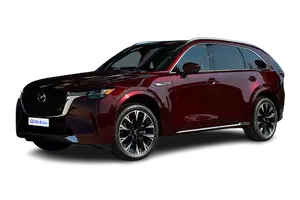
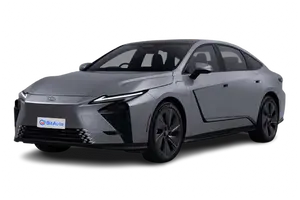
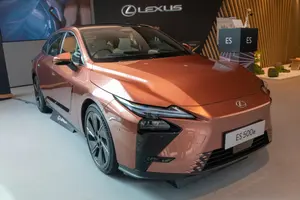
Body Type / Seats5 door SUV · 7 seats4 door Sedan · 5 seats
Over five years the CX-90's HK$ 79,135 head start is likely to be erased by running costs — the ES BEV works out cheaper to own at around 12,000 km a year. The deciding factor is whether you can charge at home or at work — most Hong Kong owners cannot rely on home charging.
Energy & Consumption
ParameterMazda CX-90Lexus ES BEV
Fuel Type48V Mild Hybrid System(Petrol)BEV
Consumption8.4 L/100km-
Max Range (Full Tank/Charge)-510 km · WLTC
The ES BEV runs on electricity alone; the CX-90 pairs a petrol engine with a battery that recovers braking energy, so it never needs plugging in. The CX-90 is rated at 8.4 L/100km, which is the main thing an EV cannot match on a long run. A full tank gives the CX-90 about 881 km against 510 km per charge for the ES BEV.
Power & Performance
ParameterMazda CX-90Lexus ES BEV
MotorFrontFront
Max Power345 Ps-
Max Torque500 N·m-
Drivetrain4WDFWD
TransmissionATFixed Gear Ratio
Dimensions
ParameterMazda CX-90Lexus ES BEV
Length5,100 mm5,145 mm ✓
Width1,994 mm ✓1,920 mm
Height1,745 mm ✓1,560 mm
Wheelbase3,120 mm ✓2,950 mm
Boot Capacity558-2035 L-
The ES BEV is the longer car — 45 mm up at 5145 mm versus 5100 mm. The CX-90 counters on wheelbase, 3120 mm versus 2950 mm. The CX-90 seats 7.
Comfort & Technology
CX-90
12.3" central touchscreen + 12.3" digital cluster
Dual-zone automatic climate control
Ventilated front seats
Panoramic sunroof
Wireless phone charging
ES BEV
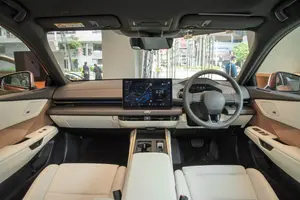
14" central touchscreen + 12.3" digital cluster
Dual-zone automatic climate control
Ventilated front seats
Sunroof
Wireless phone charging
Sales Comparison
Monthly new car sales in Hong Kong SAR China, with data for the past 6 or 12 months, or the full sales history since launch.
Monthly Sales Trend (Hong Kong SAR China)
Loading sales data…
Monthly Registrations
Monthly Registrations
Data from Hong Kong Transport Department, updated monthly on the 10th. Check Hong Kong car sales, brand ranking, model sales & EV sales.




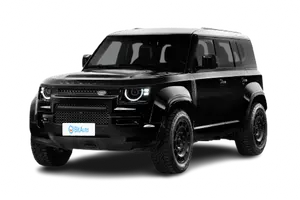 Land Rover Defender
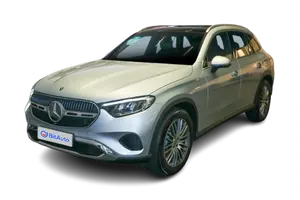 Mercedes-Benz GLC
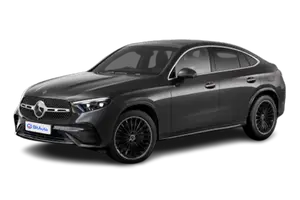 Mercedes-Benz GLC Coupé
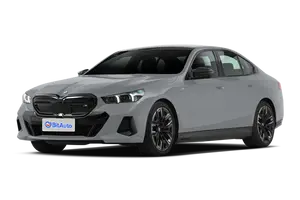 BMW i5
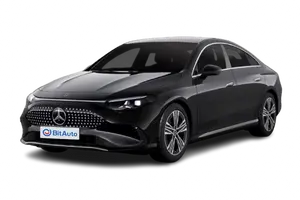 Mercedes-Benz CLA BEV
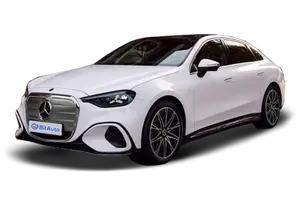 Mercedes-Benz C-Class BEV

