One is a pure electric, the other a non-plug-in hybrid — only one needs charging at all, which matters in a city where home charging is rare. The Carnival is the cheaper way in at HK$ 399,800, undercutting the IS by HK$ 150,015 on-the-road. With no clear hardware advantage to justify the difference, the IS is harder to recommend.
Key Differences
Price (on-the-road, incl. first-registration tax):Carnival HK$ 399,800; IS HK$ 549,815
a compact body that's easy to thread through Hong Kong traffic and car parks
6.9 L/100km fuel economy
roughly 957 km km on one tank
Which car suits your lifestyle best?
Family buyers: Carnival — a larger 627 L boot and 7 seats suit family duty better
Daily commuters: Carnival — the lower list price makes it a cheap city runabout
Cross-border drivers: Carnival — refuels anywhere without hunting for a charger
Performance seekers: Carnival — 272 hp beats the IS's 181 hp
Price & Ownership Costs
ParameterKia CarnivalLexus IS
PriceHK$ 399,800 ✓HK$ 549,815
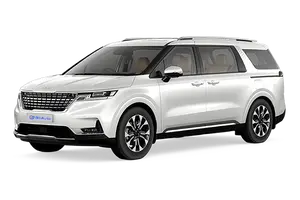
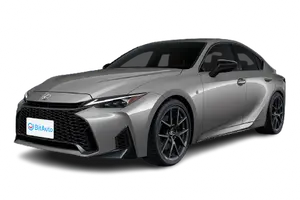
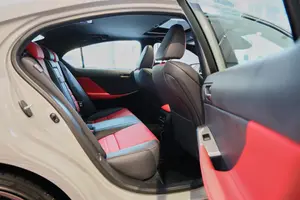
Body Type / Seats5 door MPV · 7 seats4 door Sedan · 5 seats
Over five years the Carnival's HK$ 150,015 head start is unlikely to be erased by running costs — five-year ownership still lands about HK$ 73,070 in the Carnival's favour. The deciding factor is how much space and equipment you actually need.
Engine, Fuel Economy & Refuelling
ParameterKia CarnivalLexus IS
Engine Capacity3,470 cc ✓2,494 cc
Rated Economy10.6 L/100km6.9 L/100km
Fuel Tank72 L ✓66 L
Only the IS is a hybrid; the Carnival runs a conventional petrol engine. The Carnival uses a 3.5-litre naturally-aspirated engine; the IS a 2.5-litre naturally-aspirated engine. The IS is more frugal at 6.9 L/100km versus 10.6 L/100km. On a full tank the IS covers roughly 957 km versus 679 km for the Carnival.
Power & Performance
ParameterKia CarnivalLexus IS
Motor-Front
Max Power272 Ps ✓181 Ps
Max Torque332 N·m ✓221 N·m
DrivetrainFWDRWD
TransmissionATE-CVT
Dimensions
ParameterKia CarnivalLexus IS
Length5,155 mm ✓4,720 mm
Width1,995 mm ✓1,840 mm
Height1,775 mm ✓1,435 mm
Wheelbase3,090 mm ✓2,800 mm
Boot Capacity627-2785 L ✓450 L
The Carnival is the longer car — 435 mm up at 5155 mm versus 4720 mm. The Carnival has the noticeably larger boot, 627 L against 450 L. The Carnival also leads on wheelbase, 3090 mm versus 2800 mm. The Carnival seats 7.
Comfort & Technology
Carnival
12.3" touchscreen with Apple CarPlay
Dual-zone automatic climate control
Ventilated front seats
Power tailgate
Power-folding door mirrors
IS
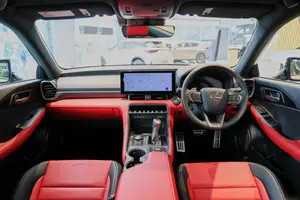
12.3" central touchscreen + 12.3" digital cluster
Dual-zone automatic climate control
17-speaker Mark Levinson system
Heated and power-folding door mirrors
Sales Comparison
Monthly new car sales in Hong Kong SAR China, with data for the past 6 or 12 months, or the full sales history since launch.
Monthly Sales Trend (Hong Kong SAR China)
Loading sales data…
Monthly Registrations
Monthly Registrations
Data from Hong Kong Transport Department, updated monthly on the 10th. Check Hong Kong car sales, brand ranking, model sales & EV sales.




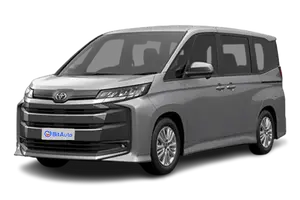 Toyota Noah
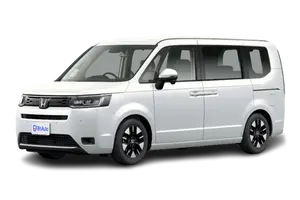 Honda Step WGN
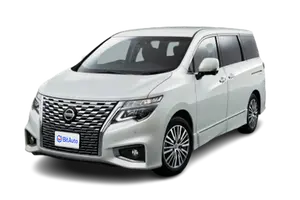 Nissan Elgrand
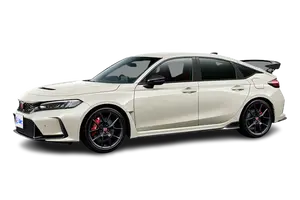 Honda Civic
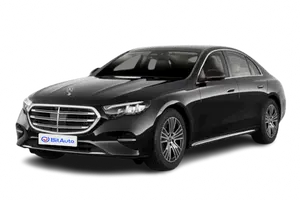 Mercedes-Benz E-Class
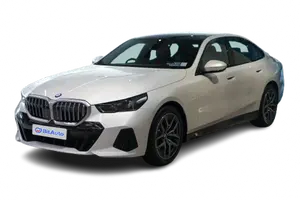 BMW 5 Series

