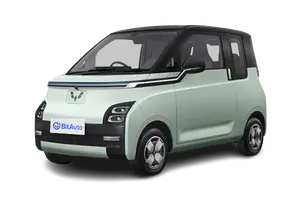
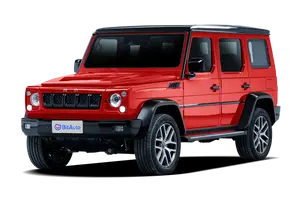
Key Differences
- Powertrain & range: Air EV 26.7 kWh; BJ80 2.3L
- Power: Air EV 40 hp; BJ80 231 hp
- Length: Air EV 2974 mm; BJ80 4765 mm
Pros & Cons
Wuling Air EV 300km Standard (2025)
Pros
- Competitive on price for what it offers
Cons
BAIC BJ80 2.3T AT (2023)
Pros
Find the Right Car
Choose the Air EV if you want...
- a compact body that's easy to thread through Hong Kong traffic and car parks
- low running cost where you can charge
- 704 L of boot space
Choose the BJ80 if you want...
- stronger 231 hp performance
- refuels anywhere in minutes
- a 2.3-litre engine
Which car suits your lifestyle best?
- Family buyers: BJ80 — 5 seats suits family duty better
- Cross-border drivers: BJ80 — refuels anywhere without hunting for a charger
- Performance seekers: BJ80 — 231 hp beats the Air EV's 40 hp
Price & Ownership Costs
ParameterWuling Air EVBAIC BJ80
Price HK$ 89,800TBC
Body Type / Seats 3 door Hatchback · 4 seats5 door SUV · 5 seats
Energy & Consumption
ParameterWuling Air EVBAIC BJ80
Fuel Type BEVPetrol · 95
Consumption -11.2 L/100km · NEDC
Max Range (Full Tank/Charge) 300 km · CLTC-
The Air EV runs on electricity alone; the BJ80 burns petrol.
Power & Performance
ParameterWuling Air EVBAIC BJ80
Motor Rear-
Max Power -231 Ps
Max Torque -345 N·m
Drivetrain RWD4WD
Transmission Fixed Gear RatioAT
Dimensions
ParameterWuling Air EVBAIC BJ80
Length 2,974 mm4,765 mm ✓
Width 1,505 mm1,955 mm ✓
Height 1,631 mm1,985 mm ✓
Wheelbase 2,010 mm2,800 mm ✓
Boot Capacity 704 L-
The BJ80 is the longer car — 1791 mm up at 4765 mm versus 2974 mm. The BJ80 also leads on wheelbase, 2800 mm versus 2010 mm. The BJ80 seats 5.
Comfort & Technology
Air EV
- 10.25" central touchscreen + 10.25" digital cluster
Sales Comparison
Monthly new car sales in Hong Kong SAR China, with data for the past 6 or 12 months, or the full sales history since launch.
Loading sales data…
Data from Hong Kong Transport Department, updated monthly on the 10th. Check Hong Kong car sales, brand ranking, model sales & EV sales.
Key Specs Compared
ParameterWuling Air EVBAIC BJ80
Overview
Price HK$ 89,800TBC
Body Type 3 door Hatchback5 door SUV
Seats 4 seats5 seats ✓
Performance
Motor Rear-
Max Power -231 Ps
Max Power -170 kW
Max Torque -345 N·m
Top Speed -160 km/h
Drivetrain RWD4WD
Transmission Fixed Gear RatioAT
Battery & Charging
Battery Type LFP battery-
Battery Capacity 26.7 kWh-
Electric Range 300 km · CLTC-
Dimensions
Length 2,974 mm4,765 mm ✓
Width 1,505 mm1,955 mm ✓
Height 1,631 mm1,985 mm ✓
Wheelbase 2,010 mm2,800 mm ✓
Kerb Weight -2,315 kg
Boot Capacity 704 L-
FAQs
Which one is more powerful?
The BJ80 is more powerful — 231 hp against 40 hp.
Which is bigger?
The BJ80 is longer, at 4765 mm against 2974 mm.