

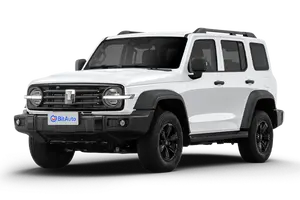
Tank 300
TBC
Last updated: 21 Nov 2026 · Hong Kong SAR China Market
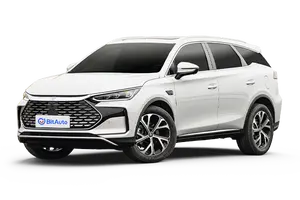
Both run conventional petrol engines. The 300 uses a 2-litre turbocharged engine; the Tang a 1.5-litre turbocharged engine.
The Tang is the longer car — 120 mm up at 4870 mm versus 4750 mm. The Tang also leads on wheelbase, 2820 mm versus 2750 mm. The Tang seats 7.
Monthly new car sales in Hong Kong SAR China, with data for the past 6 or 12 months, or the full sales history since launch.
Loading sales data…
Data from Hong Kong Transport Department, updated monthly on the 10th. Check Hong Kong car sales, brand ranking, model sales & EV sales.
The 300 is more powerful — 227 hp against 156 hp.
The Tang hits 100 km/h in 7.5 s versus 9.7 s.
The Tang is longer, at 4870 mm against 4750 mm.

© 2024 Bitauto.com. All Rights Reserved.
Bitauto (www.yiche.com and www.bitauto.com) is one of the most visited automotive websites in China. We provide detailed info on Chinese car brands available in your area. Please note that the information provided on this website is based on publicly available data and is for reference only. It may not be fully updated or accurate at all times.

Help us improve our website

