首頁yangtze

搜尋歷史
熱門搜尋
經銷商登入 / 註冊

【CNMO 科技消息】8 月 10 日,市場調研機構 SNE Research 數據顯示,今年上半年,除中國市場以外嘅全球電動車及插電式混合動力車交貨量達 459.8 萬輛,同比增長 30.3%。比亞迪、吉利、奇瑞等中國車企喺海外市場錄得較高增速,市場份額進一步擴大。

比亞迪汽車
從企業表現嚟睇,大眾集團以 63.5 萬輛嘅交貨量保持首位,同比增長 7.6%,但增速明顯低於非中國市場平均水平,市場份額從 16.7% 下滑至 13.8%,下降 2.9 個百分點。特斯拉以 59.9 萬輛位列第二,同比增長 31%,市場份額維持喺 13%。
比亞迪以 49.7 萬輛嘅交貨量排名第三,同比大幅增长 81.4%,市場份額從 7.8% 提升至 10.8%。佢喺歐洲、東南亞、拉美等地區嘅銷售網絡快速擴展,加上本地化生產同產品陣容擴充,成為增長嘅主要驅動力。現代汽車集團交貨 37 萬輛,同比增長 25.9%,但增速低於市場均值,市場份額從 8.3% 微降至 8%。
吉利交貨 29.6 萬輛,同比增長 47%;奇瑞交貨 20.1 萬輛,同比增幅達 350.7%。豐田交貨 18.4 萬輛,同比增長 44%,進入前十名。寶馬交貨 26.8 萬輛,僅增長 3.8%;Stellantis 交貨 24.6 萬輛,同比下滑 5.7%。雷諾 - 日產 - 三菱聯盟交貨 20.5 萬輛,同比增長 20.6%,同樣低於市場平均水平。

從區域表現嚟睇,歐洲以 252.8 萬輛嘅交貨量成為非中國市場最大需求來源,同比增長 29%,市場份額從 55.5% 微降至 55%,但絕對銷量顯著增長,排放法規趨嚴、新車投放同激勵措施撐住需求。非中國亞洲市場交貨 93.3 萬輛,同比大增 75.8%,市場份額從 15% 升至 20.3%,印度同泰國嘅電動乘用車銷量喺上半年明顯提升,新車發布、推廣政策同本地生產擴張共同發揮作用。
北美市場交貨 68.1 萬輛,同比下滑 20.5%,市場份額從 24.3% 降至 14.8%,下降 9.5 個百分點。其他地區交貨 45.6 萬輛,同比激增 150.6%,市場份額從 5.2% 擴大至 9.9%,為非中國市場嘅增長提供額外動力。

In the Malaysia SUV market, many buyers compare Proton X70 and Chery Tiggo Cross when choosing a car.
The OTR price of Proton X70 in Malaysia is RM 106,800 - 122,300, with a total of 3 versions, including 1.5L Standard 2WD (RM 106,800), 1.5L Executive 2WD (RM 115,800), 1.5L Premium 2WD (RM 122,300), etc.
The OTR price of Chery Tiggo Cross in Malaysia is RM 88,750 - 99,750, with a total of 2 versions, including 2025 HEV 1.5L CSH (RM 99,750), 2025 1.5T Standard (RM 88,750), etc.
Looking at the price, the starting price of Chery Tiggo Cross is RM 18,050 cheaper than Proton X70. Honestly, in this price range, a difference of a few thousand is actually not significant, the key is still to look at overall value for money and long-term running costs.

Proton X70 adopts FWD drive method.
Chery Tiggo Cross adopts FWD drive method.
Both cars have the same drive method, both are FWD, there won't be much difference in daily driving experience.

Proton X70 warranty 5 years/150,000km, maintenance interval every 10,000km or 6 months.
Chery Tiggo Cross warranty 3 years/100,000km, maintenance interval every 10,000km or 6 months.

Both Proton X70 and Chery Tiggo Cross are mainstream choices in the Malaysia market, suitable for family use, daily commuting. If you value brand reputation and resale value more, you can prioritize the one with better reputation; if you care more about value for money and features, choose the one with richer configuration. Ultimately, it is recommended to test drive both, experiencing it personally is the most important.
Overall, both Proton X70 and Chery Tiggo Cross are very good car models in the Malaysia market. Which one to choose depends on your personal needs and budget. It is recommended to do your homework, compare quotes from multiple car dealers, and then test drive to make the final decision. Buying a car is a big matter, spending some time on research will never be wrong.


喺馬來西亞嘅 SUV 市場,好多買家揀車嗰陣都係會拿 Proton X70 同 Mazda CX-3 嚟比較。兩款車喺價位同定位上都幾接近,今日我哋就從多個方面做一次詳細比較,幫你節省做功課嘅時間。
Proton X70 喺馬來西亞嘅 OTR 售價係 RM 106,800 - 122,300,一共有 3 個版本,包括 1.5L Standard 2WD(RM 106,800)、1.5L Executive 2WD(RM 115,800)、1.5L Premium 2WD(RM 122,300) 等。
Mazda CX-3 喺馬來西亞嘅 OTR 售價係 RM 126,159 - 139,159,一共有 2 個版本,包括 2023 2.0L High(RM 139,159)、2023 2.0L Plus(RM 126,159) 等。
從價錢嚟睇,Proton X70 嘅起步價確實比 Mazda CX-3 平咗 RM 19,359。如果你預算有限,Proton 嘅入門版已經可以滿足日常需求。但都需要注意,平啲嘅幾千蚊,喺配備上可能有取捨,具體要看你嘅需求。

Proton X70 嘅安全評級係 5★ (ASEAN NCAP),主動安全系統包括 ADAS (ACC, AEB, LKA, LDA, BSM, RCTA)。
Mazda CX-3 嘅安全評級係 5★ (ASEAN NCAP),主動安全系統包括 i-Activsense。
兩款車嘅安全評級一樣,喺呢個級別裡面安全配備都算好齊全。而家嘅新車安全性都唔差,唔使太擔心呢一點。

Proton X70 車身長 4400 mm,尾箱 400 L。
Mazda CX-3 車身長 4500 mm,尾箱 450 L。
空間方面,Mazda CX-3 嘅車身比 Proton X70 長咗 100 mm,乘坐空間更有優勢。不過 Proton X70 喺城市入面停車會靈活啲,各有取捨。

Proton X70 保固 5 年/150,000km,保養間隔 每 10,000km 或 6 個月。
Mazda CX-3 保固 5 年/150,000km,保養間隔 每 10,000km 或 6 個月。
兩款車嘅保固條件一樣,呢方面唔使糾結。實際保養成本仲要看品牌嘅服務網絡同零件價格,建議去車友群問下真實車主嘅經驗。
總體嚟講,Proton X70 同 Mazda CX-3 都係馬來西亞市場幾唔錯嘅車型。揀邊一部,關鍵始終係睇你嘅個人需求同預算。建議大家做功課,多比較幾間車行嘅報價,再一試駕做最終決定。買車係件大事,花啲時間做功課絕對唔會錯。


In Malaysia's SUV market, many buyers compare Proton X70 and Toyota Corolla Cross when choosing a car. The price and positioning of these two cars are quite close. Today, we will do a detailed comparison from multiple aspects to help you save time on research.
The OTR price of Proton X70 in Malaysia is RM 106,800 - 122,300, with a total of 3 versions, including 1.5L Standard 2WD (RM 106,800), 1.5L Executive 2WD (RM 115,800), 1.5L Premium 2WD (RM 122,300), etc.
The OTR price of Toyota Corolla Cross in Malaysia is RM 133,800 - 148,800, with a total of 3 versions, including 2026 HEV 1.8L GR Sport (RM 148,800), 2026 HEV 1.8L Standard (RM 140,800), 2026 1.8L Standard (RM 133,800), etc.
From a price perspective, the starting price of Proton X70 is indeed RM 27,000 cheaper than Toyota Corolla Cross. If your budget is limited, Proton's entry-level version can already meet daily needs. However, also note that the lower price difference of a few thousand might involve trade-offs in features, depending on your specific needs.

Proton X70 is equipped with a 1.5L Turbo, 140 hp. Official fuel consumption is 7.0 L/100km.
Toyota Corolla Cross is equipped with a 1.5L Turbo, 140 hp. Official fuel consumption is 7.0 L/100km.
Both cars use the same powertrain system, and the driving experience feels basically the same on a daily basis. Fuel consumption is also similar, no need to worry too much about this.
The safety rating of Proton X70 is 5★ (ASEAN NCAP), and active safety systems include ADAS (ACC, AEB, LKA, LDA, BSM, RCTA).
The safety rating of Toyota Corolla Cross is 5★ (ASEAN NCAP), and active safety systems include TSS (PCS, LDA, ACC, LTA).
Both cars have the same safety rating, and safety features are quite comprehensive within this class. Safety in new cars nowadays is generally good, no need to worry too much about this.
Proton X70 body length is 4400 mm, trunk 400 L.
Toyota Corolla Cross body length is 4400 mm, trunk 400 L.
The dimensions of both cars are almost the same, and the interior space difference is not significant. Cars in this class are completely sufficient for daily use.
Proton X70 warranty is 5 years / 150,000km, maintenance interval every 10,000km or 6 months.
Toyota Corolla Cross warranty is 5 years / unlimited mileage, maintenance interval every 10,000km or 6 months.
Overall, Proton X70 and Toyota Corolla Cross are both quite good models in the Malaysia market. Choosing which one depends mainly on your personal needs and budget. We suggest doing your research well, comparing quotes from several dealerships, and going for a test drive to make the final decision. Buying a car is a big matter, spending time on research will definitely not go wrong.


In Malaysia's SUV market, many buyers compare the Proton X70 and Toyota Corolla Cross when choosing a car. These two cars are quite close in price and positioning. Today we will make a detailed comparison from multiple aspects to help you save time on research.
The OTR selling price of Proton X70 in Malaysia is RM 106,800 - 122,300, with a total of 3 versions, including 1.5L Standard 2WD (RM 106,800), 1.5L Executive 2WD (RM 115,800), 1.5L Premium 2WD (RM 122,300), etc.
The OTR selling price of Toyota Corolla Cross in Malaysia is RM 133,800 - 148,800, with a total of 3 versions, including 2026 HEV 1.8L GR Sport (RM 148,800), 2026 HEV 1.8L Standard (RM 140,800), 2026 1.8L Standard (RM 133,800), etc.
From a price perspective, the starting price of Proton X70 is indeed RM 27,000 cheaper than Toyota Corolla Cross. If your budget is limited, Proton's entry-level version can already meet daily needs. But note that the few thousand ringgit difference might involve trade-offs in features, depending on your needs.
Proton X70 is equipped with a 1.5L Turbo, 140 hp. Official fuel consumption is 7.0 L/100km.
Toyota Corolla Cross is equipped with a 1.5L Turbo, 140 hp. Official fuel consumption is 7.0 L/100km.
Both cars use the same powertrain, and the driving feel in daily use is basically the same. Fuel consumption is also similar, so there is no need to worry too much about this.
Proton X70 body length is 4400 mm, trunk is 400 L.
Toyota Corolla Cross body length is 4400 mm, trunk is 400 L.
The dimensions of both cars are almost the same, and the interior space is not much different. For cars in this class, daily use is completely adequate.
Proton X70 and Toyota Corolla Cross are both mainstream choices in the Malaysian market, suitable for family use and daily commuting. If you value brand reputation and second-hand price more, you can prioritize the one with better reputation; if you care more about value for money and features, then choose the model with more rich configuration. Ultimately, it is recommended to test drive both, personal experience is the most important.
Overall, Proton X70 and Toyota Corolla Cross are both very good car models in the Malaysian market. Which one to choose depends mainly on your personal needs and budget. It is recommended to do your research, compare quotes from several dealerships, and then test drive to make the final decision. Buying a car is a big matter, spending some time doing research will never be wrong.

In the Malaysian SUV market, many buyers compare Proton X50 and Chery Tiggo 8 PHEV when choosing a car. These two cars are quite close in price and positioning. Today, we will make a detailed comparison from multiple aspects to help you save time on research.
Proton X50 OTR price in Malaysia is RM 89,800 - 113,300, there are 4 variants in total, including 1.5T Executive (RM 89,800), 1.5T Premium (RM 101,800), 1.5T Flagship (RM 113,300) etc.
Chery Tiggo 8 PHEV OTR price in Malaysia is RM 159,750 - 159,750, there are 2 variants in total, including 1.6L Turbo Standard (RM 130,000), 1.6L Turbo Premium (RM 145,000) etc.
From a price perspective, the Proton X50 starting price is indeed RM 69,950 cheaper than the Chery Tiggo 8 PHEV. If your budget is limited, Proton's entry-level version already meets daily needs. But also note, that difference of a few thousand, there might be trade-offs in features, it depends on your specific needs.

Proton X50 is equipped with 1.5L 4-cyl, 105 hp. Official fuel consumption 6.0 L/100km.
Chery Tiggo 8 PHEV is equipped with Hybrid, 170 hp. Official fuel consumption 4.5 L/100km.
Regarding power, the Chery Tiggo 8 PHEV Hybrid has 65 more horsepower than the Proton X50 1.5L 4-cyl. However, for daily city driving, both cars have sufficient power, you won't feel it lacks power.
Proton X50 safety rating is 5★ (ASEAN NCAP), active safety systems include ADAS (ACC, AEB, LKA, LDA, BSM, RCTA).
Chery Tiggo 8 PHEV safety rating is TBD, active safety systems include Basic.
In terms of safety features, both cars received good ratings. However, Proton X50's ADAS (ACC, AEB, LKA, LDA, BSM, RCTA) and Chery Tiggo 8 PHEV's Basic have some differences in functionality. If you value active safety more, you can compare the feature lists of both carefully.
Proton X50 body length 4400 mm, trunk 400 L.
Chery Tiggo 8 PHEV body length 4400 mm, trunk 400 L.
Both cars have almost the same dimensions, interior space difference is not significant. For cars in this class, daily use is perfectly adequate.
Proton X50 and Chery Tiggo 8 PHEV are both mainstream choices in the Malaysian market, suitable for family use and daily commuting. If you value brand reputation and resale value more, you can prioritize the one with better reputation; if you care more about cost-performance and features, choose the one with richer configuration. Ultimately it is recommended to test drive both, personal experience is the most important.
Overall, Proton X50 and Chery Tiggo 8 PHEV are both very good car models in the Malaysian market. Choosing which one depends mainly on your personal needs and budget. We suggest doing your research, compare quotes from multiple dealerships, then test drive to make the final decision. Buying a car is a big matter, spending some time researching will definitely not be wrong.


In Malaysia's SUV market, many buyers compare Perodua Aruz and Mitsubishi Xforce when selecting a car. These two models are quite close in price and positioning. Today, we will make a detailed comparison from multiple aspects to help you save time on research.
Perodua Aruz OTR price in Malaysia is RM 72,900 - 77,900, with a total of 2 versions, including 1.5L X (RM 72,900), 1.5L AV (RM 77,900), etc.
Mitsubishi Xforce OTR price in Malaysia is RM 109,930 - 119,930, with a total of 2 versions, including 2026 1.5L Ultimate (RM 119,930), 2026 1.5L Urban (RM 109,930), etc.
From a price perspective, Perodua Aruz's starting price is indeed RM 37,030 cheaper than Mitsubishi Xforce. If your budget is limited, Perodua's entry-level version can already meet daily needs. However, note that the few thousand difference may involve trade-offs in features, depending on your needs.

Perodua Aruz is equipped with 1.5L 4-cyl, power 105 hp. Official fuel consumption 6.0 L/100km.
Mitsubishi Xforce is equipped with 1.5L Turbo, power 140 hp. Official fuel consumption 7.0 L/100km.
In terms of power, Mitsubishi Xforce's 1.5L Turbo has 35 more horsepower than Perodua Aruz's 1.5L 4-cyl. However, for daily city driving, both cars have sufficient power and won't feel underpowered.
Perodua Aruz safety rating is 5★ (ASEAN NCAP), active safety systems include .
Mitsubishi Xforce safety rating is 5★ (ASEAN NCAP), active safety systems include MI-PILOT.
Both cars have the same safety rating, and safety features are quite comprehensive for this class. New cars nowadays have good safety, so no need to worry too much about this.

Perodua Aruz body length 4400 mm, trunk 400 L.
Mitsubishi Xforce body length 4400 mm, trunk 400 L.
Both cars have almost identical dimensions, with little difference in interior space. For this class of vehicles, daily use is more than sufficient.

Perodua Aruz warranty 5 years/150,000km, maintenance interval every 10,000km or 6 months.
Mitsubishi Xforce warranty 3 years/100,000km, maintenance interval every 10,000km or 6 months.

Overall, Perodua Aruz and Mitsubishi Xforce are both excellent models in the Malaysian market. Which one to choose ultimately depends on your personal needs and budget. It is recommended to do your homework, compare quotes from multiple dealerships, and then test drive to make a final decision. Buying a car is a major decision, spending time researching will never be wrong.


喺馬來西亞嘅 SUV 市場,好多買家喺揀車嘅時候都會拿 Perodua Aruz 同 Toyota Corolla Cross 做比較。呢兩款車喺價位同定位上都相當接近,而家我哋就從多個方面做一個詳細嘅比較,幫你省返做足功課嘅時間。
Perodua Aruz 喺馬來西亞嘅 OTR 售價係 RM 72,900 - 77,900,合共 2 個版本,包括 1.5L X(RM 72,900)、1.5L AV(RM 77,900) 等。
Toyota Corolla Cross 喺馬來西亞嘅 OTR 售價係 RM 133,800 - 148,800,合共 3 個版本,包括 2026 HEV 1.8L GR Sport(RM 148,800)、2026 HEV 1.8L Standard(RM 140,800)、2026 1.8L Standard(RM 133,800) 等。
睇返價錢,Perodua Aruz 嘅起步價確實比 Toyota Corolla Cross 平咗 RM 60,900。如果你預算有限,Perodua 嘅入門版已經可以滿足日常需求。但都要留意,平嗰幾千蚊,可能喺配備上會有所取捨,具體就要睇你嘅需求。
Perodua Aruz 嘅安全評級係 5★ (ASEAN NCAP),主動安全系統包括 。
Toyota Corolla Cross 嘅安全評級係 5★ (ASEAN NCAP),主動安全系統包括 TSS (PCS, LDA, ACC, LTA)。
兩款車嘅安全評級一樣,喺呢個級數入面安全配備都算給好齊全。而家嘅新車安全性都唔差,唔使太擔心呢一點。
Perodua Aruz 車身長 4400 mm,行李廂 400 L。
Toyota Corolla Cross 車身長 4400 mm,行李廂 400 L。
兩款車嘅尺寸幾乎一樣,車內空間差別唔大。呢個級數嘅車,日常使用完全夠用。
Perodua Aruz 採用 FWD 驅動方式。
Toyota Corolla Cross 採用 FWD 驅動方式。
兩款車嘅驅動方式一樣,都係 FWD,日常駕駛感受唔會太大分別。
總括嚟講,Perodua Aruz 同 Toyota Corolla Cross 都係馬來西亞市場幾唔錯嘅車型。揀邊一輛,關鍵都要睇你個人嘅需求同預算。建議大家做足功課,多比較幾間車行嘅報價,先至去試駕做最終決定。揀車係件大事,花少少時間做功課絕對唔會錯。

喺馬來西亞嘅 SUV 市場,好多買家喺揀車嘅時候都會拿 Proton X90 同 Mazda CX-30 嚟做比較。呢兩款車喺價位同定位上都好接近,今日我哋就由多個方面做一個詳細嘅比較,幫你省咗做功課嘅時間。
Proton X90 喺馬來西亞嘅 OTR 售價係 RM 106,800 - 122,800,合共 4 個版本,包括 2026 1.5T Prime X(RM 122,800)、2026 1.5T Prime(RM 116,800)、2026 1.5T Lite(RM 106,800)等。
Mazda CX-30 喺馬來西亞嘅 OTR 售價係 RM 122,409 - 146,409,合共 4 個版本,包括 2025 2.0L High+ Premium(RM 146,409)、2025 2.0L High+(RM 138,409)、2025 2.0L High(RM 130,409)等。
由價錢嚟睇,Proton X90 嘅起步價真係比 Mazda CX-30 平咗 RM 15,609。如果你預算有限,Proton 嘅入門版已經可以滿足日常需要。但都要留意,平嗰幾千蚊,可能喺配備上會有取捨,具體要睇你嘅需要。

Proton X90 搭載 1.5L Turbo,馬力 140 hp。官方油耗 7.0 L/100km。
Mazda CX-30 搭載 1.5L Turbo,馬力 140 hp。官方油耗 7.0 L/100km。
兩款車用緊同一套動力系統,日常行起嚟嘅感受基本冇咩分別。油耗方面都唔錯,唔使太糾結呢一點。
Proton X90 嘅安全評級係 5★ (ASEAN NCAP),主動安全系統包括 ADAS (ACC, AEB, LKA, LDA, BSM, RCTA)。
Mazda CX-30 嘅安全評級係 5★ (ASEAN NCAP),主動安全系統包括 i-Activsense。
兩款車嘅安全評級一樣,喺呢個級別入面安全配備都算配得好齊。依家嘅新車安全性都唔差,唔使太擔心呢一點。
Proton X90 車身長 4400 mm,尾箱 400 L。
Mazda CX-30 車身長 4500 mm,尾箱 450 L。
空間方面,Mazda CX-30 嘅車身比 Proton X90 長咗 100 mm,乘客人坐空間更有優勢。不過 Proton X90 喺市區泊車會靈活啲,各有取捨。

Proton X90 採用 FWD 驅動方式。
Mazda CX-30 採用 FWD 驅動方式。
兩款車嘅驅動方式一樣,都係 FWD,日常駕駛感受唔會有太大分別。
總括嚟講,Proton X90 同 Mazda CX-30 都係馬來西亞市場好唔錯嘅車型。揀邊輛,關鍵始終都要睇你嘅個人需要同預算。建議大家做好功課,多比較幾間車行嘅報價,先至去試駕做最終決定。買車係一件大事,花少少時間做功課絕對唔會錯。


喺馬來西亞嘅汽車市場,好多買家喺揀車嘅時候都會拿梅賽德斯 - 賓士 GLB 同保時捷 Macan 做比較。今日我哋由多個方面做一個詳細嘅比較,幫你省下做功課嘅時間。


梅賽德斯 - 賓士 GLB 喺馬來西亞嘅 OTR 售價係 RM 299,888 - 352,888,一共有 1 個版本,包括 Standard(RM 299,888) 等。
保時捷 Macan 喺馬來西亞嘅 OTR 售價係 RM 469,000 - 469,000,一共有 4 個版本,包括 2025 55 quattro S line(RM 467,285)、2025 50 quattro Advanced(RM 361,135)、PMT 1874, Lorong IKS BukitTengah 14000 Bukit Mertajam(RM 296,610) 等。
從價錢嚟睇,梅賽德斯 - 賓士 GLB 嘅起步價確實比保時捷 Macan 平咗 RM 169,112。如果你預算有限,梅賽德斯 - 賓士嘅入門版已經可以满足日常需求。但都要注意,平嗰幾千蚊,可能喺配備上會有取舍,具體要睇你嘅需求。

梅賽德斯 - 賓士 GLB 嘅安全評級係 5★ (Euro NCAP),主動安全系統包括 Premium ADAS。
保時捷 Macan 嘅安全評級係 5★ (Euro NCAP),主動安全系統包括 InnoDrive。
兩款車嘅安全評級一樣,喺呢個級數入面安全配備都算好齊全。而家嘅新車安全性都幾唔錯,唔使太擔心呢一點。

梅賽德斯 - 賓士 GLB 採用 FWD 驅動方式。
保時捷 Macan 採用 FWD 驅動方式。
兩款車嘅驅動方式一樣,都係 FWD,日常駕駛感受唔會有太大分別。

梅賽德斯 - 賓士 GLB 同保時捷 Macan 都係馬來西亞市場嘅主流選擇,適合家庭使用、日常通勤。如果你更睇重品牌口碑同二手價,可以優先考慮口碑更好嗰一款;如果你更在意性價比同配備,就揀配備更豐富嗰款。最終都係建議兩款都去試駕,親自體驗先至最重要。

總括嚟講,梅賽德斯 - 賓士 GLB 同保時捷 Macan 都係馬來西亞市場幾好嘅車款。邊部選擇,關鍵仲係要睇你嘅個人需求同預算。建議大家做好功課,多比較幾間車行嘅報價,再去試駕做最終決定。買車係件大事,花少少時間做功課絕對唔會錯。


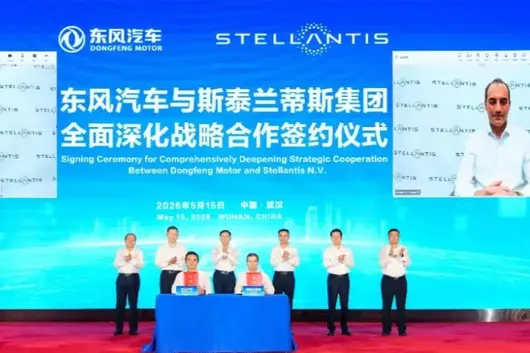
May 20, Stellantis and Dongfeng signed a non-binding memorandum of understanding, planning to establish a joint venture in Europe. Among them, Stellantis holds 51% equity, while Dongfeng holds 49%.
This joint venture will do four things: sell VOYAH brand new energy vehicles, localize production at Stellantis' Rennes factory in France, joint procurement, joint R&D.

After establishing the "Leapmotor International" joint venture with Leapmotor in Europe, Stellantis extended an olive branch to its old partner Dongfeng again this time, adding a layer of consideration for "localization production".
Does this mean Chinese automakers have completely changed their strategy for going global?
First, Clarify the Global Expansion Models
Before analyzing this, let's first clarify the several strategies Chinese automakers use for going global.
The first is whole vehicle export. Cars are built domestically, shipped on boats, and sold by dealers locally. This model is the simplest with the lowest investment, but it lacks market control; once tariffs rise, the price advantage disappears. Chery's early export to Russia followed this path; once tariffs were added, the rhythm was completely disrupted.
The second is KD assembly. Parts are shipped locally and assembled in local factories. This model is a step up from whole vehicle export, able to evade some tariffs and carry a "Locally Made" label. But honestly, many KD factories are just large screw-nailing plants; core parts are still shipped from China, with limited localization. Many Geely and Chery factories in Southeast Asia and the Middle East use this model. It solves some problems but not the root ones.
The third is building factories alone. Bringing money overseas to buy land, build factories, hire people, and build channels. This is the most "hardcore" way and the path taken by top independent automakers. Great Wall Motors and BYD have adopted this model. BYD's Thailand factory is already in production, the Brazil factory is under construction, and the Hungary factory is in planning. The benefit is becoming a true "local brand", evading import tariffs, and securing local government industrial subsidies. But the investment is high, the cycle is long, and management complexity increases by an order of magnitude.
The fourth is acquiring local brands. Geely acquired Volvo, later invested in Daimler, and acquired Lotus. This is the path Geely walked earliest and most systematically. Partial equity or binding with a local giant equals directly inheriting the other party's brand assets, channel networks, and local compliance capabilities. But integration difficulty is huge, with high risks of cultural conflict and management chaos.
And this cooperation between Stellantis and Dongfeng does not fit well into any of the above.
Strictly speaking, it is a combination of the third and fourth types.
Using Stellantis' existing French factories for production is borrowing the other party's manufacturing assets, not building independently; selling VOYAH using Stellantis' existing European sales channels is borrowing the other party's commercial assets. Moreover, the capital structure is shared equity, not Party A hiring Party B to help, but a true interest binding.
This model, I will temporarily call it "Grafting Global Expansion" — not planting a tree yourself, but grafting branches onto an existing big tree.

Why is this path worth attention? Because it solves several core pain points of going global.
Where Does Localized Production Really Matter?
Many people talking about localized production first think "evading tariffs". That's right, EU anti-subsidy taxes plus tariffs mean a Chinese EV pays dozens of percentage points more tax entering Europe, basically wiping out the price advantage. But tariffs are just one dimension.
More critical is the carbon footprint. The EU Carbon Border Adjustment Mechanism (CBAM) has started trial operation, and future import vehicle carbon emissions will also need to be considered. If cars are produced in Europe using European green electricity, the carbon footprint will be much better. In the next 5 years, the cost pressure in this area will increase.
Another point to consider is the supply chain.
Dongfeng is producing in European factories, but what about the supply chain? The memorandum wrote "joint procurement", which means some parts are still sourced from China, leveraging Dongfeng's procurement capabilities in China's new energy ecosystem to reduce costs. But the local supply chain must keep up gradually, otherwise, if geopolitical risks arise, production lines will stop.
Next, the brand. European consumers have high loyalty to car brands; Germans buy Volkswagen, French buy Peugeot. This is a habit of decades. Chinese new brands want to break this habit; product strength alone is not enough, there must be "trust endorsement". Stellantis' participation is this endorsement.
Of course, the cost is that the joint venture is led by Stellantis, and the voice in the European market is mainly in Stellantis' hands. This is a price that has to be paid.
Who Will Be Mainstream in the Next Three to Five Years?
My judgment is that in Europe, "binding with local giants" will become the mainstream.
The reason is simple, the European market is too hard to fight. Tariff barriers are highest, regulations most complex, consumers most picky, competition most intense. The whole vehicle export model will become increasingly difficult in the European market, forcing Chinese automakers to find a way out of localized production.
On the other hand, Stellantis needs to make up for the electrification shortcoming. Other Western automakers, such as Ford, General Motors, Renault and other traditional automakers, are struggling in transformation dilemmas. They have channels, factories, and brands, but lack new energy capabilities. This is exactly what Chinese automakers can provide.
Both sides have needs, so cooperation will increase.
The method may not necessarily be a joint venture form like Stellantis and Dongfeng, it could also be more flexible forms such as technology licensing, channel sharing, joint development, but the core logic is the same: not fighting alone, leveraging momentum to land. While in markets like Southeast Asia, Middle East, South America, building factories alone and KD assembly remain mainstream because barriers are relatively low and price advantages still work.
However, "binding with giants" is not without risk. Being tied up with a giant means destiny is partly in others' hands. What if Stellantis cooperates with Dongfeng today but finds a better partner tomorrow? What if joint venture performance fails to meet expectations? What if there are disagreements on product positioning and pricing strategies? Dongfeng Peugeot Citroën's history has already proved that the relationship between joint venture partners is not always smooth.
From Dongfeng Peugeot Citroën to European joint venture, over thirty years, the relationship between Dongfeng and Stellantis has completed a "two-way rush". Behind the role reversal is the accumulation and transformation of the Chinese automotive industry over decades. Chinese automakers are no longer satisfied with "selling cars"; they want "rooting". The prerequisite for rooting is learning to cooperate with locals.
Whether this time can succeed, we will wait and see.

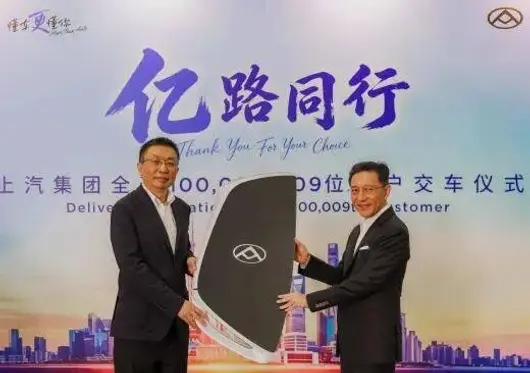
The first in China, SAIC Group's cumulative production and sales exceed 100 million vehicles! On May 28, at the Shanghai North Bund World Living Room, SAIC Group took this place as the origin to launch a global-reaching "First 100 Millionth User" vehicle delivery ceremony, becoming the first automotive group in Chinese automotive history to break 100 million cumulative production and sales. As a global leader in new energy commercial vehicles, SAIC Commercial Vehicles, with Maxus, Keya, IVECO, Hongyan, and Sunwin five brands, completed the global delivery relay from the 100,000,009th to the 100,000,013th vehicle, jointly creating a milestone in the Chinese automotive industry and engraving a historical coordinate for the Chinese commercial vehicle industry.
Behind the 100 million vehicles lies the long-term accumulation and explosive growth of SAIC's 70-plus years of deep cultivation, and it is also a vivid miniature of Chinese commercial vehicles moving from scale leadership to value leadership. Relying on the group's global resource empowerment, SAIC Commercial Vehicles has built the industry's most complete commercial vehicle matrix covering heavy trucks, buses, light trucks, light vans, pickups, MPVs, and RVs, continuously leading the Chinese commercial vehicle industry with a 35% new energy penetration rate and seizing opportunities in the global carbon neutrality wave. With reliable quality, cutting-edge technology, and a complete ecosystem, products are sold in over 100 countries and regions, winning deep trust from top global partners such as DHL, becoming the core force for Chinese commercial vehicles going global, moving in, and moving up.
Continuously leading Chinese brands to go global, Maxus drives global green logistics upgrade with benchmark strength. In Singapore, Maxus delivered eDeliver 5 (domestic Dana V1) to international logistics giant DHL, welcoming the group's 100,000,009th user. This is another milestone moment since both parties joined hands in 2017. Years of deep cultivation, Maxus not only won the largest procurement order of Chinese brands in DHL's European region, but also firmly stayed in its list of preferred partners for green transformation, with cooperation footprints covering Europe, America, Asia, and Oceania. Nowadays, relying on leading product strength and global strategy, Maxus light vans and high-end pickup export volumes firmly rank first in China, building five 10,000-unit level core markets; won C-NCAP, Euro NCAP, ANCAP global three major five-star safety certifications, continuously leading exports in high-end markets such as Singapore, Europe, Australia, and successfully joined the preferred cooperation camp of global top enterprises such as FedEx, DPD, JD.com, SF Express, Cainiao Logistics, with global strength to strongly expand the 100 million user map.


Based on the domestic market, the four brands deeply cultivate two major tracks of livelihood and infrastructure with green capacity. Keya delivered Dana T1 to Dizhantie in Yangzhou, Jiangsu, relying on high load-bearing, long range, and intelligent connectivity advantages to cover green urban distribution scenarios. In 2025, Keya delivered nearly 10,000 units cumulatively to Dizhantie, unblocking urban-rural logistics "capillaries". Sunwin delivered 10-series low-floor pure electric buses in Shanghai, empowering urban public transport smart upgrade with zero-carbon travel. Hongyan delivered i Jieshi dump trucks in Taiyuan, Shanxi, calmly mastering complex mountain operating conditions with military foundation and powerful performance, deeply protecting the construction of a strong country in infrastructure. IVECO delivered Juxing EV in Luoyang, Henan, 100-degree large capacity battery solved the mountain operation range problem, setting a new benchmark for green passenger transport. The four brands relay delivery, welcomed the group's 100,000,010 to 100,000,013th users, jointly casting a 100-million level milestone with hardcore strength.


From domestic core cities to key overseas markets, from logistics delivery and infrastructure engineering to public travel and tourist passenger transport, every delivery of the five brands is a vivid practice of SAIC Commercial Vehicles "Hand in Hand with Chinese Power, Driving the World's Pulse". 100 million users are not the end point, but a new starting point of trust. Facing the future, SAIC Commercial Vehicles will continue to take technological innovation as the core, user value as the guide, lead green transformation, deepen global layout, and write the brilliant chapter of the Chinese commercial vehicle industry on the new journey.

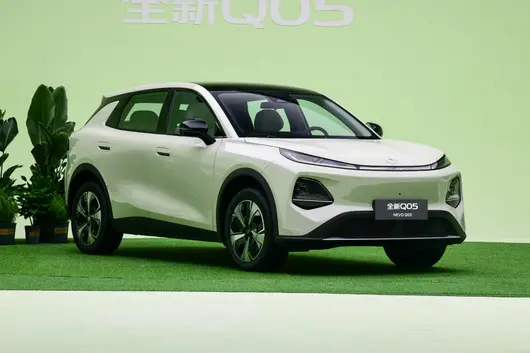
唔知有幾多朋友最近期關注 10 萬內純電 SUV 市場?近段時間睇嚟,呢個細分市場好熱鬧。就講長安啟源全新 Q05 同零跑 A10,上個月銷量分別達 15814 輛同 14372 輛,全部挺進 2026 年 4 月銷量排行全品類前 10,長安啟源全新 Q05 甚至奪得緊緊湊型純電 SUV 市場嘅銷冠。

(長安啟源全新 Q05)
值得留意係,兩款大熱門產品亮點亦唔少,9 萬級可以得到 500km+嘅續航,零跑 A10 甚至配備激光雷達,有高級智駕輔助需求嘅朋友嚟講,呢架車吸引力的確唔低。但係喺價格上,同為高配嘅長安啟源全新 Q05 506Max+ 同零跑 A10 505 激光雷達版,終端價格分別係 9.59 萬同 8.68 萬,手握 9 萬左右預算嘅朋友都可以考慮。明顯係,又去到決賽圈二揀一環節。
 (零跑 A10)
如果對預算比較敏感,咁喺長安啟源全新 Q05 同零跑 A10 之間,後者可能更受歡迎,畢竟終端價格實打實平咗幾千元。而且,高配 A10 配有激光雷達,市區/高速情況均能啟動領航輔助駕駛,呢個就係佢嘅優勢所在。當然,如果預算允許,揀長安啟源全新 Q05 高配,都有帶激光雷達嘅高級輔助駕駛。
 (長安啟源全新 Q05)
但既然係買車前嘅橫評,唔少全方位對比。首先從尺寸睇,作為緊湊型 SUV,長安啟源全新 Q05 長寬高分別係 4435*1855*1595mm,軸距為 2735mm。而零跑 A10 車型級別就係小型 SUV,長寬高分別係 4270*1810*1635mm,軸距為 2605mm。
 (零跑 A10)
如果只係考慮代步、通勤,零跑 A10 嘅細個嘅略有優勢,方便行街串巷。但實際上,好多人買車都要兼顧家用,10 萬內預算也多以剛需用車群體為主。既然係剛需,且有家用需求,嗰空間自然唔好掉鏈子。
 (長安啟源全新 Q05)
 (零跑 A10)
講返日常家庭出行嚟講,兩車之間 130mm 軸距差異,直接反映喺後排體驗。坐入長安啟源全新 Q05 後排,腿部空間平整兼寬敞,一齊坐 3 位成年人都唔會太擠;但係坐入零跑 A10 後排,無論坐寬定係腿部空間都會細少少。媽咪喺後排照顧孩子,長安啟源全新 Q05 後排更加寬敞嘅空間會更加方便佢操作,孩子都能有更大嘅活動空間。
 (長安啟源全新 Q05)
 (零跑 A10)
除咗空間,通勤黨同家庭用戶對舒適配置都比較關注。睇嚟對比,兩車都有配電動尾門、無匙進入、自適應遠近光等外部配置。但係從車廂內睇,零跑 A10 副駕無法電動調節,後排靠背都唔支援角度調節,同埋缺少後排空調出風口、車內 PM2.5 過濾裝置等。
 (長安啟源全新 Q05)
 (零跑 A10)
反觀長安啟源全新 Q05,除咗副駕支持電動調節,前排仲集成咗加熱/通風/按摩/副駕腿托功能,對比零跑 A10 只提供前排座椅加熱,佢嘅品質無疑更上一層樓。包括後排乘員都有少少照顧,例如靠背角度可調、配有後排空調出風口、後排中央扶手/杯架等,更加適合家人同行呢類場景。
 (長安啟源全新 Q05)
 (零跑 A10)
除咗舒享體驗,行駛系統嘅對比我哋都唔好忽略。首先從大家關注嘅續航睇,長安啟源全新 Q05 同零跑 A10 分別搭載 51.9kWh、53kWh 電池,CLTC 純電續航做到 506km、505km,差異大可忽略。但從電芯供應鏈睇,前者出自寧德時代,後者就係國軒高科/江蘇正力,若論品牌含金量,“寧王”順位自然靠前,更值得信賴。另外,兩車都有全球品質,按照全球嚴苛嘅標準打造,零跑 A10 符合國內、歐盟雙標準,長安啟源全新 Q05 已經喺泰國上市,未來仲會相繼落地多個國家地區,最終開拓歐洲區域,此外仲有央企背書,質量品質都好可靠。
因為本文討論嘅係 A10 嘅 505 版本,採用電池液冷技術,溫控較好,而如果係 403 版本,採用成本低嘅風冷技術,散熱效果較差。呢點上,全新 Q05 做得更好,入門就採用電池直冷技術,高配用嘅係液冷技術,能更好地實現熱管理,保證電池安全。
 (長安啟源全新 Q05)
 (零跑 A10)
動力方面,長安啟源全新 Q05 同零跑 A10 都係前置單電機佈局,電機最大動力輸出分別係 120kW/190N·m、90kW/150N·m,0-100km/h 加速時間分別做到 8.9 秒同 10.6 秒。坦率嚟講,兩款車喺純電陣營加速性能都中規中矩;但係相對嚟講,長安啟源全新 Q05 嘅 8 秒級零百加速,喺山路行駛、高速超車等情況下會比零跑 A10 更加分。
 (長安啟源全新 Q05)

(零跑 A10)
總結嚟講,零跑 A10 505 激光雷達版優勢突出:價格更低、智駕輔助覆蓋範圍更廣,適合預算優先 + 科技嘗鮮嘅消費者。而長安啟源全新 Q05 更強調“全面”二字:加少少預算同樣可以獲得高級輔助駕駛,而且尺寸更大、舒適配置更高、採用頭部電芯供應鏈,動力亦更強,綜合表現更全能。總括嚟講,預算 9 萬級追求面面俱到嘅家用體驗,長安啟源全新 Q05 506Max+ 更加值得考慮。