首頁work

搜尋歷史
熱門搜尋
經銷商登入 / 註冊

喺馬來西亞嘅 SUV 市場,好多買家在揀車嘅時候都會拿 寶騰 X90 同 馬自達 CX-60 嚟做比較。呢兩款車喺價位同定位上都幾接近,今日我哋就從多個方面做一次詳細嘅比較,幫你省低做功課嘅時間。
寶騰 X90 喺馬來西亞嘅 OTR 售價係 RM 106,800 - 122,800,一共有 4 個版本,包括 2026 1.5T Prime X(RM 122,800)、2026 1.5T Prime(RM 116,800)、2026 1.5T Lite(RM 106,800) 等。
馬自達 CX-60 喺馬來西亞嘅 OTR 售價係 RM 200,510 - 252,873,一共有 2 個版本,包括 2026 3.3T 4WD High Plus(RM 252,873)、2025 2.5L 2WD High(RM 200,510) 等。
從價錢嚟睇,寶騰 X90 嘅起價確實比 馬自達 CX-60 平咗 RM 93,710。如果你預算有限,寶騰嘅入門版已經可以滿足日常需要。但都要留意,平嗰幾千蚊,可能喺配備上面有取捨,具體要睇你嘅需要。

寶騰 X90 搭載 1.5L Turbo,馬力 140 hp。官方油耗 7.0 L/100km。
馬自達 CX-60 搭載 2.0L 4-cyl,馬力 170 hp。官方油耗 8.0 L/100km。
動力方面,馬自達 CX-60 嘅 2.0L 4-cyl 比 寶騰 X90 嘅 1.5L Turbo 多咗 30 匹馬力。不過日常喺市區開,兩款車嘅動力都夠用,唔會覺得唔夠力。

寶騰 X90 車身長 4400 mm,尾箱 400 L。
馬自達 CX-60 車身長 4500 mm,尾箱 450 L。
空間方面,馬自達 CX-60 嘅車身比 寶騰 X90 長咗 100 mm,乘坐空間更有優勢。不過 寶騰 X90 喺城市入面泊車會靈活啲,各有取捨。

寶騰 X90 同 馬自達 CX-60 都係馬來西亞市場嘅主流選擇,適合家庭使用、日常通勤。如果你更睇重品牌口碑同二手價,可以優先考慮口碑更好嗰一款;如果你更在意性價比同配備,就揀配置更豐富嗰款。最終都建議兩款都去試駕,親身試先係最緊要。

總體嚟講,寶騰 X90 同 馬自達 CX-60 都係馬來西亞市場幾唔錯嘅車型。揀邊輛,關鍵仲要睇你嘅個人需要同預算。建議大家做好功課,多比較幾間車行嘅報價,再去試駕做最終決定。買車係件大事,攞少少時間做功課絕對唔會錯。


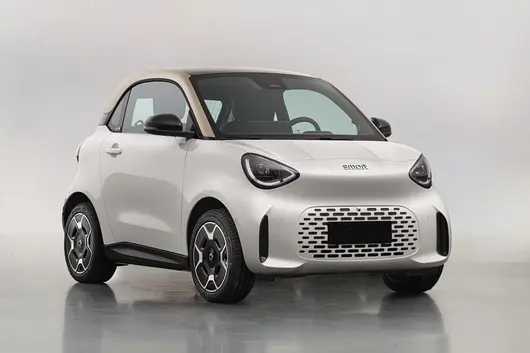
全新smart精灵2号通过工信部新车申报公示,正式公开量产版外观与核心参数。此前,上海、柏林、巴黎、香港、布宜诺斯艾利斯、墨尔本六座城市的街头涂鸦艺术活动已先行释放设计信号。根据官方规划,量产车型将于2026年10月巴黎车展迎来全球首秀。

先看参数,这台两座小车到底什么水平
全新smart精灵2号提供两种车身长度(2751mm和2764mm),车宽1669mm,车高1555mm,轴距1875mm。两种长度主要源于选装套件差异,也体现了个性化拓展空间。前后悬分别控制在475mm和401mm(规格一)或476mm和413mm(规格二),接近角27°/23°,离去角43°/39°。整车整备质量1130kg,总质量1315kg,最高车速140km/h。
动力方面,新车搭载星驱科技生产的60kW后置永磁同步电机,储能装置采用磷酸铁锂电池,电芯由宁德时代供应。轮胎提供两种规格:165/65R15(前)与185/60R15(后),以及185/50R16(前)与205/45R16(后),对应轮距分别为前1474mm后1477mm,以及前1458mm后1465mm。
与多数A00级车型前后悬普遍超过550mm的情况相比,新车将前后悬控制在500mm以内,配合1875mm轴距,在有限车长内为座舱争取了更大空间。四轮四角设计不仅延续经典fortwo比例,也使得转弯半径更小,城市窄路掉头、侧方停车更加便利。后置后驱布局配合前窄后宽轮胎搭配(前185mm后205mm),在急加速和过弯时提供更好抓地力,同时减少转向拖拽感。140km/h最高时速表明其具备高速路况行驶能力,与多数限速100km/h左右的同尺寸车型形成明显差异。接近角和离去角数据也印证其能应对常见地库坡道、减速带及路肩等城市复杂路况。
新车基于smart全球研发团队开发的ECA电动紧凑型架构打造,专为超紧凑纯电车型设计,聚焦两座出行场景,并非油改电或平台套娃。平台以“最小占地面积、最大乘员空间”为原则,通过优化动力总成布局,在紧凑车身内为两名乘员及行李预留充裕空间,避免通用平台适配小车时的空间浪费和配重不均。安全方面延续Tridion Cell笼式高强度安全座舱设计理念,在电动化平台上迭代,针对微型车细分市场制定相应乘员保护标准,超刚性结构在极小车身中实现防护性能。

设计还是那个味道,但更懂这个时代
全新smart精灵2号由梅赛德斯-奔驰全球设计团队操刀,量产版保留概念车主要元素:封闭式前脸、家族化三角形LED大灯,以及车尾水滴状尾灯。从工信部选装清单看,新车提供黑色车顶、多种轮辋样式、前格栅装饰件等配置,延续smart“天生爱不同”的个性化主张。
在工信部公示之前,smart在全球六大城市同步启动街头涂鸦艺术活动,每座城市邀请本土先锋艺术家创作,将新车设计语言与城市文化融合。这一预热方式呼应了品牌名称中“art”的本源——自诞生之初,smart便以重塑城市出行、激发文化共鸣为目标,艺术始终是品牌基因的一部分。六城巨型墙绘揭幕后,吸引了不少老车主、潮流博主及路人驻足,社交媒体上相关话题热度持续攀升。从东半球到西半球,关于smart回归的讨论在多个时区接力发酵。
巴黎车展倒计时,还有哪些信息值得关注
随着工信部申报信息公开,用户的关注点从情感共鸣逐步转向产品力本身。车身尺寸、底盘配置、安全架构、电池供应链等参数逐一披露后,外界对10月巴黎车展全球首秀的关注度进一步提升。本次公示中两种车身长度的出现,以及多种选装配置的提供,已释放出清晰信号:smart在个性化定制方面仍有拓展空间。而内饰设计、智能座舱交互体验、具体续航里程及上市时间等更多悬念,将在巴黎车展上正式揭晓。
作为1998年以fortwo开创城市小车品类的品牌,smart此次以纯电形式回归两座赛道,在微型车市场被低价代步车充斥的当下,重新定义这一细分市场的产品标准。目前,量产车型已进入上市前最后准备阶段,后续预定动态与交付节奏同样值得持续关注。

In the Malaysian SUV market, many buyers compare the Proton X70 and Mitsubishi Xforce when choosing a car. These two cars are quite close in price and positioning. Today, we will make a detailed comparison from multiple aspects to save you time doing research.
The Proton X70 has an OTR price in Malaysia of RM 106,800 - 122,300, with a total of 3 versions, including 1.5L Standard 2WD (RM 106,800), 1.5L Executive 2WD (RM 115,800), 1.5L Premium 2WD (RM 122,300), etc.
The Mitsubishi Xforce has an OTR price in Malaysia of RM 109,930 - 119,930, with a total of 2 versions, including 2026 1.5L Ultimate (RM 119,930), 2026 1.5L Urban (RM 109,930), etc.
In terms of price, the starting price of the Proton X70 is indeed RM 3,130 cheaper than the Mitsubishi Xforce. If your budget is limited, Proton's entry-level version can meet daily needs. But be aware, the few thousand cheaper cost may involve trade-offs in features, depending specifically on your needs.

The Proton X70 body length is 4400 mm, trunk 400 L.
The Mitsubishi Xforce body length is 4400 mm, trunk 400 L.
The dimensions of the two cars are almost the same, with little difference in interior space. For this class of cars, daily use is completely sufficient.
The Proton X70 adopts FWD drive mode.
The Mitsubishi Xforce adopts FWD drive mode.
The drive modes of the two cars are the same, both are FWD, there won't be much difference in daily driving experience.
Both the Proton X70 and Mitsubishi Xforce are mainstream choices in the Malaysian market, suitable for family use and daily commuting. If you value brand reputation and resale value more, you can prioritize the one with better reputation; if you care more about value for money and features, then choose the one with richer equipment. Ultimately, it is recommended to test drive both, personal experience is the most important.
Overall, both the Proton X70 and Mitsubishi Xforce are very good models in the Malaysian market. Which one to choose depends on your personal needs and budget. It is suggested to do research, compare quotes from several dealerships, then go for a test drive to make the final decision. Buying a car is a major matter, spending some time doing research will never go wrong.

In Malaysia's SUV market, many buyers compare Proton X70 and Mazda CX-5 when choosing a car. These two cars are quite close in price and positioning. Today we will make a detailed comparison from multiple aspects to help you save time on research.
Proton X70 OTR price in Malaysia is RM 106,800 - 122,300, with 3 versions in total, including 1.5L Standard 2WD (RM 106,800), 1.5L Executive 2WD (RM 115,800), 1.5L Premium 2WD (RM 122,300), etc.
Mazda CX-5 OTR price in Malaysia is RM 135,469 - 166,760, with 3 versions in total, including 2025 2.0L AT 35th Anniversary (RM 316,154), 2025 2.0L AT (RM 296,154), 2025 2.0L MT (RM 294,154), etc.
In terms of price, Proton X70's starting price is indeed RM 28,669 cheaper than Mazda CX-5. If your budget is limited, Proton's entry-level version can already meet daily needs. However, also note that the few thousand difference cheaper, there might be trade-offs in equipment, it depends on your specific needs.

Proton X70 equipped with 1.5L Turbo, horsepower 140 hp. Official fuel consumption 7.0 L/100km.
Mazda CX-5 equipped with 1.5L Turbo, horsepower 140 hp. Official fuel consumption 7.0 L/100km.
Both cars use the same powertrain, the driving feel is basically no difference. Fuel consumption is also similar, no need to dwell on this point.

Proton X70 body length 4400 mm, trunk 400 L.
Mazda CX-5 body length 4500 mm, trunk 450 L.
Regarding space, Mazda CX-5 body is 100 mm longer than Proton X70, seating space has an advantage. However, Proton X70 is a bit more flexible for parking in the city, both have trade-offs.

Proton X70 adopts FWD drive method.
Mazda CX-5 adopts FWD drive method.
Both cars drive method is the same, both are FWD, daily driving feel won't have too big difference.
Proton X70 warranty 5 years/150,000km, maintenance interval every 10,000km or 6 months.
Mazda CX-5 warranty 5 years/150,000km, maintenance interval every 10,000km or 6 months.
Both cars warranty conditions are the same, no need to dwell on this. Actual maintenance cost depends on brand service network and parts prices, suggest asking real owners in car owner groups for experience.
Overall, Proton X70 and Mazda CX-5 are both very good car models in Malaysia market. Which one to choose, key is still depends on your personal needs and budget. Suggest everyone do homework, compare quotes from several car dealers, then go for test drive to make final decision. Buying a car is a big thing, spending some time on research will definitely not be wrong.


In the Malaysian SUV market, many buyers compare the Proton X70 and Honda CR-V when choosing a car. These two cars are quite close in price and positioning. Today, we will make a detailed comparison from multiple aspects to help you save time doing your homework.
The Proton X70's OTR price in Malaysia is RM 106,800 - 122,300, with a total of 3 versions, including 1.5L Standard 2WD (RM 106,800), 1.5L Executive 2WD (RM 115,800), 1.5L Premium 2WD (RM 122,300), etc.
The Honda CR-V's OTR price in Malaysia is RM 178,200 - 195,900, with a total of 4 versions, including 2026 e:HEV 2.0L 2WD RS (RM 195,900), 2026 1.5T 4WD V (RM 181,900), 2026 e:HEV 2.0L 2WD E (RM 178,200), etc.
Looking at the price, the Proton X70's starting price is indeed RM 71,400 cheaper than the Honda CR-V. If your budget is limited, the Proton entry-level version is sufficient for daily needs. However, be aware that the price difference of a few thousand might involve trade-offs in features, depending on your specific needs.

The Proton X70 safety rating is 5★ (ASEAN NCAP), active safety systems include ADAS (ACC, AEB, LKA, LDA, BSM, RCTA).
The Honda CR-V safety rating is 5★ (ASEAN NCAP), active safety systems include Honda SENSING (ACC, CMBS, LKAS, RDM).
Both cars have the same safety rating. In this segment, safety features are quite comprehensive. New cars these days are not lacking in safety, so there is no need to worry too much about this.

Proton X70 body length 4400 mm, trunk 400 L.
Honda CR-V body length 4500 mm, trunk 450 L.
In terms of space, the Honda CR-V body is 100 mm longer than the Proton X70, offering more advantage in passenger space. However, the Proton X70 is a bit more flexible for parking in the city. Both have their trade-offs.

Proton X70 warranty 5 years/150,000km, maintenance interval every 10,000km or 6 months.
Honda CR-V warranty 5 years/unlimited mileage, maintenance interval every 10,000km or 6 months.
Overall, the Proton X70 and Honda CR-V are both very good models in the Malaysian market. Which one to choose ultimately depends on your personal needs and budget. It is recommended to do your homework, compare quotes from multiple car dealers, and then test drive to make the final decision. Buying a car is a big matter, spending some time doing homework will definitely not go wrong.


In the Malaysian SUV market, many buyers compare the Proton X70 and Honda HR-V when choosing a car. Both cars are quite close in price and positioning. Today we will make a detailed comparison from multiple aspects to save you time on research.
The Proton X70 is priced at RM 106,800 - 122,300 OTR in Malaysia, with a total of 3 versions, including 1.5L Standard 2WD (RM 106,800), 1.5L Executive 2WD (RM 115,800), 1.5L Premium 2WD (RM 122,300), etc.
The Honda HR-V is priced at RM 115,900 - 143,900 OTR in Malaysia, with a total of 4 versions, including 2026 e:HEV 1.5L RS (RM 143,900), 2026 1.5T V (RM 137,900), 2026 1.5T E (RM 130,900), etc.
In terms of price, the Proton X70's entry price is indeed RM 9,100 cheaper than the Honda HR-V. If your budget is limited, Proton's entry-level version is already sufficient for daily needs. However, keep in mind that the savings of a few thousand might mean compromises on features, depending on your specific needs.

Proton X70's safety rating is 5★ (ASEAN NCAP), active safety systems include ADAS (ACC, AEB, LKA, LDA, BSM, RCTA).
Honda HR-V's safety rating is 5★ (ASEAN NCAP), active safety systems include Honda SENSING (ACC, CMBS, LKAS, RDM).
Both cars have the same safety rating. In this class, safety features are quite comprehensive. Safety in new cars nowadays is not poor, so there is no need to worry too much about this.
Proton X70 body length is 4400 mm, trunk 400 L.
Honda HR-V body length is 4500 mm, trunk 450 L.
In terms of space, the Honda HR-V body is 100 mm longer than the Proton X70, offering more advantage in passenger space. However, the Proton X70 is a bit more flexible for parking in the city, each has its trade-offs.
The Proton X70 uses FWD drive system.
The Honda HR-V uses FWD drive system.
Both cars have the same drive method, both are FWD, daily driving experience will not have a huge difference.
Overall, both the Proton X70 and Honda HR-V are very good car models in the Malaysian market. Which one to choose depends on your personal needs and budget. We suggest doing your research, compare quotes from multiple dealerships, and then take a test drive to make the final decision. Buying a car is a big matter, spending some time on research will definitely not go wrong.


In Malaysia's SUV market, many buyers compare the Proton X50 and Mitsubishi Xforce when choosing a car. These two models are quite close in price and positioning. Today, we will make a detailed comparison from multiple aspects to help you save time on research.
The OTR price of Proton X50 in Malaysia is RM 89,800 - 113,300, with a total of 4 versions, including 1.5T Executive (RM 89,800), 1.5T Premium (RM 101,800), 1.5T Flagship (RM 113,300), etc.
The OTR price of Mitsubishi Xforce in Malaysia is RM 109,930 - 119,930, with a total of 2 versions, including 2026 1.5L Ultimate (RM 119,930), 2026 1.5L Urban (RM 109,930), etc.
In terms of price, the starting price of Proton X50 is indeed RM 20,130 cheaper than Mitsubishi Xforce. If your budget is limited, the Proton entry-level version can already meet daily needs. However, note that the few thousand Ringgit savings might involve trade-offs in features, depending on your specific needs.

Proton X50 is equipped with a 1.5L 4-cylinder, 105 hp. Official fuel economy 6.0 L/100km.
Mitsubishi Xforce is equipped with a 1.5L Turbo, 140 hp. Official fuel economy 7.0 L/100km.
In terms of power, Mitsubishi Xforce's 1.5L Turbo has 35 hp more than Proton X50's 1.5L 4-cylinder. However, for daily city driving, both cars have sufficient power and won't feel underpowered.

Proton X50's safety rating is 5★ (ASEAN NCAP), active safety systems include ADAS (ACC, AEB, LKA, LDA, BSM, RCTA).
Mitsubishi Xforce's safety rating is 5★ (ASEAN NCAP), active safety systems include MI-PILOT.
Both cars have the same safety rating; safety features in this class are quite comprehensive. New cars nowadays generally have good safety, so there's no need to worry too much about this.

Proton X50 body length 4400 mm, trunk 400 L.
Mitsubishi Xforce body length 4400 mm, trunk 400 L.
The dimensions of both cars are almost identical, with little difference in interior space. For this class of cars, it is fully sufficient for daily use.
Proton X50 uses 4WD drive mode.
Mitsubishi Xforce uses FWD drive mode.
Proton's 4WD and Mitsubishi's FWD will offer different driving experiences; test drive comparison is recommended.
Overall, both Proton X50 and Mitsubishi Xforce are excellent models in the Malaysian market. Which one to choose depends on your personal needs and budget. We suggest doing your research, compare quotes from several dealerships, and then test drive to make the final decision. Buying a car is a big deal, spending time on research will never be a mistake.

In the Malaysian SUV market, many buyers compare Proton X50 and Mazda CX-30 when choosing a car. The price and positioning of these two cars are quite close. Today, we will conduct a detailed comparison from multiple aspects to help you save time on research.
The OTR price for Proton X50 in Malaysia is RM 89,800 - 113,300, with a total of 4 versions, including 1.5T Executive (RM 89,800), 1.5T Premium (RM 101,800), 1.5T Flagship (RM 113,300), etc.
The OTR price for Mazda CX-30 in Malaysia is RM 122,409 - 146,409, with a total of 4 versions, including 2025 2.0L High+ Premium (RM 146,409), 2025 2.0L High+ (RM 138,409), 2025 2.0L High (RM 130,409), etc.
From a price perspective, the Proton X50's starting price is indeed RM 32,609 cheaper than the Mazda CX-30. If your budget is limited, Proton's entry-level version can already meet daily needs. However, be aware that the thousands saved might involve trade-offs in features, depending on your specific needs.
Proton X50 safety rating is 5★ (ASEAN NCAP), active safety systems include ADAS (ACC, AEB, LKA, LDA, BSM, RCTA).
Mazda CX-30 safety rating is 5★ (ASEAN NCAP), active safety systems include i-Activsense.
Both cars have the same safety rating, and safety features are quite comprehensive in this class. Safety in new cars nowadays is not poor, no need to worry too much about this.
Proton X50 body length 4400 mm, boot capacity 400 L.
Mazda CX-30 body length 4500 mm, boot capacity 450 L.
Regarding space, the Mazda CX-30 body is 100 mm longer than the Proton X50, offering an advantage in passenger space. However, the Proton X50 is more flexible for parking in the city, each has its trade-offs.
Proton X50 warranty 5 years/150,000km, service interval every 10,000km or 6 months.
Mazda CX-30 warranty 5 years/150,000km, service interval every 10,000km or 6 months.
Both cars have the same warranty conditions, no need to dwell on this aspect. Actual maintenance costs also depend on the brand's service network and parts prices, it is recommended to ask real owners in car owner groups for experience.

Overall, both Proton X50 and Mazda CX-30 are very good models in the Malaysian market. Which one to choose ultimately depends on your personal needs and budget. We suggest doing your research, comparing quotes from several dealerships, and then test driving to make the final decision. Buying a car is a major matter, spending some time on research will never go wrong.

喺馬來西亞嘅SUV市場,好多買家喺揀車嘅時候都係會拿 Proton X50 同 Toyota Corolla Cross 嚟做比較。呢兩部車喺價位同定位上都好接近嘅,而家我哋就由多個方面做一個詳細嘅比較,幫你省返做功課嘅時間。
Proton X50 喺馬來西亞嘅 OTR 售價係 RM 89,800 - 113,300,一共有 4 個版本,包括 1.5T Executive(RM 89,800)、1.5T Premium(RM 101,800)、1.5T Flagship(RM 113,300) 等。
Toyota Corolla Cross 喺馬來西亞嘅 OTR 售價係 RM 133,800 - 148,800,一共有 3 個版本,包括 2026 HEV 1.8L GR Sport(RM 148,800)、2026 HEV 1.8L Standard(RM 140,800)、2026 1.8L Standard(RM 133,800) 等。
睇返價錢,Proton X50 嘅起步價確實比 Toyota Corolla Cross 平咗 RM 44,000。如果你預算有限,Proton 嘅入門版已經可以滿足日常需求。但都要注意,平嗰幾千蚊,可能喺配備上會有取捨,具體要看你嘅需求。
Proton X50 嘅安全評級係 5★ (ASEAN NCAP),主動安全系統包括 ADAS (ACC, AEB, LKA, LDA, BSM, RCTA)。
Toyota Corolla Cross 嘅安全評級係 5★ (ASEAN NCAP),主動安全系統包括 TSS (PCS, LDA, ACC, LTA)。
兩部車嘅安全評級一樣,喺呢個級別入面安全配備都算給得好齊全啦。而家嘅新車安全性都唔差,唔使太擔心這一點。
Proton X50 保養保用 5 年/150,000km,保養間隔 每 10,000km 或 6 個月。
Toyota Corolla Cross 保養保用 5 年/無限制里程,保養間隔 每 10,000km 或 6 個月。
Proton X50 同 Toyota Corolla Cross 都係馬來西亞市場嘅主流選擇,適合家庭使用、日常通勤。如果你更睇重品牌口碑同二手價,可以優先考慮口碑更好嗰一款;如果你更在意性價比同配備,那就揀配置更豐富嗰款。最終都建議兩部都去試駕,親身體驗先係最重要。

總嚟講,Proton X50 同 Toyota Corolla Cross 都係馬來西亞市場好唔錯嘅車型。揀邊一部,關鍵都係要睇你個人嘅需求同預算。建議大家做足功課,多比較幾間車行嘅報價,再去試駕做最終決定。揀車係件大事,花啲時間做功課絕對唔會錯。
In Malaysia's SUV market, many buyers compare Perodua Aruz and Mazda CX-5 when choosing a car. These two models are quite close in price and positioning. Today, we will conduct a detailed comparison from multiple aspects to save you time on research.
The OTR price for Perodua Aruz in Malaysia is RM 72,900 - 77,900. There are 2 versions in total, including 1.5L X (RM 72,900), 1.5L AV (RM 77,900), etc.
The OTR price for Mazda CX-5 in Malaysia is RM 135,469 - 166,760. There are 3 versions in total, including 2025 2.0L AT 35th Anniversary (RM 316,154), 2025 2.0L AT (RM 296,154), 2025 2.0L MT (RM 294,154), etc.
In terms of price, the starting price of Perodua Aruz is indeed RM 62,569 cheaper than Mazda CX-5. If your budget is limited, Perodua's entry-level model is already sufficient for daily needs. However, keep in mind that the few thousand difference may involve trade-offs in features, depending on your needs.

Perodua Aruz safety rating is 5★ (ASEAN NCAP), active safety systems include .
Mazda CX-5 safety rating is 5★ (ASEAN NCAP), active safety systems include .
Both cars have the same safety rating, and safety features are quite comprehensive for this class. New cars nowadays generally have good safety, so there is no need to worry too much about this.
Perodua Aruz warranty is 5 years/150,000km, service interval every 10,000km or 6 months.
Mazda CX-5 warranty is 5 years/150,000km, service interval every 10,000km or 6 months.
Both cars have the same warranty conditions, no need to stress about this. Actual maintenance costs depend on the brand's service network and parts prices. It is recommended to ask real car owners in car owner groups for their experience.

Both Perodua Aruz and Mazda CX-5 are mainstream choices in the Malaysian market, suitable for family use and daily commuting. If you value brand reputation and resale value more, you can prioritize the one with better reputation; if you care more about value for money and features, choose the one with richer configurations. Ultimately, it is recommended to test drive both, as personal experience is most important.
Overall, both Perodua Aruz and Mazda CX-5 are very good models in the Malaysian market. Choosing which one depends mainly on your personal needs and budget. We recommend doing your research, comparing quotes from several dealerships, and then test driving before making a final decision. Buying a car is a major matter; spending time on research will definitely not be a mistake.


In Malaysia's SUV market, many buyers will compare Perodua Aruz and Proton X50 when choosing a car. These two cars are quite close in price and positioning, so today we will make a detailed comparison from multiple aspects to help you save time on research.
Perodua Aruz has an OTR price in Malaysia of RM 72,900 - 77,900, with 2 variants in total, including 1.5L X (RM 72,900), 1.5L AV (RM 77,900), etc.
Proton X50 has an OTR price in Malaysia of RM 89,800 - 113,300, with 4 variants in total, including 1.5T Executive (RM 89,800), 1.5T Premium (RM 101,800), 1.5T Flagship (RM 113,300), etc.
From a price perspective, Perodua Aruz's starting price is indeed RM 16,900 cheaper than Proton X50. If your budget is limited, Perodua's entry-level version can already meet daily needs. But note, the cheaper few thousand Ringgit may have trade-offs in features, it depends specifically on your needs.
Perodua Aruz is equipped with 1.5L 4-cyl, horsepower 105 hp. Official fuel consumption 6.0 L/100km.
Proton X50 is equipped with 1.5L 4-cyl, horsepower 105 hp. Official fuel consumption 6.0 L/100km.
Both cars use the same powertrain, the feeling of daily driving is basically no difference. Fuel consumption is also similar, no need to worry too much about this.
Perodua Aruz warranty 5 years/150,000km, service interval every 10,000km or 6 months.
Proton X50 warranty 5 years/150,000km, service interval every 10,000km or 6 months.
The warranty conditions for both cars are the same, no need to worry about this. Actual maintenance costs also depend on the brand's service network and parts prices, recommended to ask in car owner groups for real owners' experience.
Perodua Aruz and Proton X50 are both mainstream choices in the Malaysia market, suitable for family use, daily commuting. If you value brand reputation and resale price more, you can prioritize the one with better reputation; if you care more about cost-performance ratio and features, then choose the one with richer configuration. Finally it is recommended to test drive both cars, hands-on experience is the most important.
Overall, Perodua Aruz and Proton X50 are both very decent models in the Malaysia market. Which one to choose, the key depends on your personal needs and budget. Everyone is suggested to do research, compare quotes from several dealerships, then go for test drive to make final decision. Buying a car is a big matter, spending time on research will definitely not be wrong.

喺馬來西亞嘅 SUV 市場,好多買家喺揀車嗰陣都會拿 Perodua Ativa 同 Proton X70 嚟做比較。呢兩部車喺價位同定位上都幾接近,今日我哋就從多個方面做一個詳細對比,幫你慳晒做功課嘅時間。
Perodua Ativa 喺馬來西亞嘅 OTR 售價係 RM 62,500 - 73,400,一共有 3 個版本,包括 1.0L Turbo X(RM 62,500)、1.0L Turbo H(RM 67,300)、1.0L Turbo AV(RM 73,400) 等。
Proton X70 喺馬來西亞嘅 OTR 售價係 RM 106,800 - 122,300,一共有 3 個版本,包括 1.5L Standard 2WD(RM 106,800)、1.5L Executive 2WD(RM 115,800)、1.5L Premium 2WD(RM 122,300) 等。
從價錢睇,Perodua Ativa 嘅入門價確實比 Proton X70 平咗 RM 44,300。如果你預算有限,Perodua 嘅入門版已經可以滿足日常需要。但都要注意,平嗰幾千蚊,可能喺配備上有取舍,具體睇你嘅需要。

Perodua Ativa 車身長 4400 mm,尾箱 400 L。
Proton X70 車身長 4400 mm,尾箱 400 L。
兩部車嘅尺寸差唔多,車廂空間分別唔大。呢級車,日常用完全夠用。
Perodua Ativa 保修 5 年/150,000km,保養間隔 每 10,000km 或 6 個月。
Proton X70 保修 5 年/150,000km,保養間隔 每 10,000km 或 6 個月。
兩部車嘅保修條件一樣,呢方面唔使糾結。實際保養成本仲要睇品牌嘅服務網絡同零件價格,建議去車友群問下真實車主嘅經驗。
Perodua Ativa 同 Proton X70 都係馬來西亞市場嘅主流選擇,適合家用、日常通勤。如果你更睇重品牌口碑同二手價,可以優先考慮口碑更好嗰一款;如果你更在意性價比同配備,就揀配置更豐富嗰款。最尾都係建議兩部都去試駕,親身體驗先係最重要嘅。
總括嚟講,Perodua Ativa 同 Proton X70 都係馬來西亞市場好好嘅車型。揀邊一輛,關鍵仲係要看你嘅個人需要同預算。建議大家做好功課,多比較幾間車行嘅報價,先至去試駕做最終決定。買車係件大事,花少少時間做功課絕對唔會錯。


在馬來西亞嘅房車市場,好唔少買家喺揀車嗰陣都會拎 凌志 ES 同 賓士 E-Class 嚟比較。呢兩款車喺價位同定位上都幾接近,今日我哋就從多個方面做一個詳細比較,幫各位節省做功課嘅時間。
凌志 ES 喺馬來西亞嘅 OTR 售價係 RM 320,888 - 371,888,一共有 4 個版本,包括 2025 250 F Sport(RM 371,888)、2025 250 Luxury(RM 356,888)、2025 250 Premium(RM 320,888) 等。
賓士 E-Class 喺馬來西亞嘅 OTR 售價係 RM 363,888 - 363,888,一共有 2 個版本,包括 E 200 Avantgarde(RM 350,000)、E 300 AMG Line(RM 400,000) 等。
從價錢嚟睇,凌志 ES 嘅起價確實比 賓士 E-Class 平咗 RM 43,000。如果你預算有限,凌志嘅入門版已經可以滿足日常需要。但都要留意,平嗰幾千塊,可能喺配備上會有取舍,具體要睇你嘅需求。

凌志 ES 搭載 2.0L Turbo,馬力 220 匹。官方油耗 公升/100 公里。
賓士 E-Class 搭載 2.0L Turbo,馬力 220 匹。官方油耗 公升/100 公里。
兩款車用緊同一套動力系統,日常開起嚟嘅感受大致冇分別。油耗方面也差唔多,唔使太糾結這一點。

凌志 ES 車身長 4400 毫米,車尾箱 400 公升。
賓士 E-Class 車身長 4400 毫米,車尾箱 400 公升。
兩款車嘅尺寸幾乎一樣,車廂空間分別唔大。呢個級別嘅車,日常使用完全够用。

凌志 ES 採用前輪驅動 方式。
賓士 E-Class 採用前輪驅動 方式。
兩款車嘅驅動方式一樣,都係 前輪驅動,日常駕駛感受唔會有太大分別。

凌志 ES 保養期 3 年/100,000 公里,保養間隔 每 10,000 公里或 6 個月。
賓士 E-Class 保養期 3 年/100,000 公里,保養間隔 每 10,000 公里或 6 個月。
兩款車嘅保修條件一樣,呢方面唔使糾結。實際保養成本仲要睇品牌嘅服務網絡同零件價格,建議去車友群問下真實車主嘅經驗。

總體嚟講,凌志 ES 同 賓士 E-Class 都係馬來西亞市場幾好嘅車型。揀邊一輛,關鍵仲要睇你嘅個人需要同預算。建議大家做好做功課,多比較幾間車行嘅報價,先至去試駕做最終決定。買車係件大事,花啲時間做功課絕對唔會錯。


車型概覽

五菱宏光Mini BEV 值唔值得睇,第一步唔係望牌子或者外形,而係睇佢能唔能夠配合你嘅香港日常。 呢篇會集中講香港停車場同窄路使用,幫你用買家角度篩走唔適合嘅選擇。
售價仍待確認,買家可以先把佢放入候選名單,等價格落實後再同同級車逐項比較。
購車價格指南
五菱宏光Mini BEV 目前售價仍未清晰,較理性嘅做法係先睇版本、車身大小同動力形式,等價格落實後再決定值唔值得落訂。
如果有幾個版本可揀,可以先將 2025 205km 後驅版(價格待確認)、2024 120km 後驅版 磷酸鐵鋰(價格待確認)、2024 170km 後驅版 三元鋰(價格待確認)、2024 215km 後驅版 磷酸鐵鋰(價格待確認) 放喺同一張清單。日常通勤重視舒適同易用,家庭買家就要優先睇後排、尾箱同安全配置。
核心規格重點
睇 五菱宏光Mini BEV 嘅規格,重點唔係背數字,而係理解佢喺香港用車場景會帶嚟咩分別。
16.2/9.3/13.4/17.3 kWh 嘅電池容量,真正意義係可以幫你估算一星期通勤同周末出車要唔要中途補電。 205/120/170/215 km 嘅續航參考,對住喺新界、九龍同港島之間跨區行車嘅用家會更實際。 8.9 kWh/100km 嘅耗電表現,會影響你去快充站或者屋苑充電位嘅頻率。 30/20 kW、85/92 N·m 嘅輸出,令高速併線同短距離超車更有信心。
優缺點分析
五菱宏光Mini BEV 嘅優點唔需要講到天花龍鳳,真正有價值係佢能唔能夠令日常用車更省心:日常能源成本有基本參考、電池同續航資訊有助安排通勤同補電、動力輸出對高速同上斜更有底氣。
要留意嘅係,要先確認屋苑、公司或常去商場嘅充電條件、香港停車場同窄路使用要留意車身闊度。呢啲唔一定係缺點,但係落訂前應該先諗清楚。
買家常見問題
買 五菱宏光Mini BEV 之前,真正要問嘅唔係單一規格,而係佢可唔可以融入你每日嘅生活節奏。
常見疑問係「五菱 Wuling 宏光 Mini EV 泊車容易嗎?」簡單講,係,五菱 Wuling 宏光 Mini EV 車身長度唔夠 3 米,非常容易泊位。 放到實際用車,就係要睇佢對通勤、泊車、家庭乘坐同長期成本有幾大幫助。
同級對比內容
將 五菱宏光Mini BEV 放入同級車清單時,唔建議只用外形或者品牌光環決定。比較順序可以係:先等售價落實,再決定佢應該同邊個級距比較、再睇動力係咪足夠應付高速併線同滿載、再比較能源成本同補能便利、最後睇車身大小、座位同尾箱是否適合家人。
咁樣篩選會貼近香港買家真實生活:平日塞車、商場泊車、周末去新界、甚至一家人出入,先係一部車每日要面對嘅考驗。
用車全周期指南
擁有 五菱宏光Mini BEV 最重要係先諗清楚充電節奏。屋苑、公司或者常去商場只要有穩定充電選項,電動化用車就會容易相處好多。
如果你主要喺市區行,視野、低速順滑度同泊車輔助會好影響心情;如果經常行高速或跨區,座椅舒適度、隔音同動力從容感會更重要。


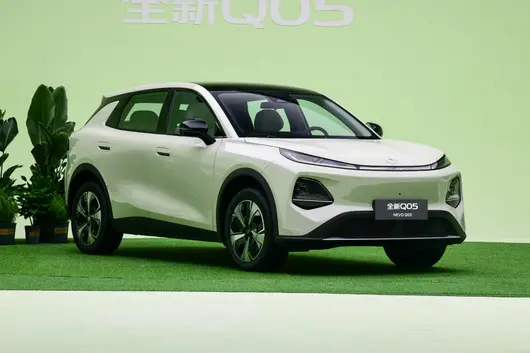
唔知有幾多朋友最近期關注 10 萬內純電 SUV 市場?近段時間睇嚟,呢個細分市場好熱鬧。就講長安啟源全新 Q05 同零跑 A10,上個月銷量分別達 15814 輛同 14372 輛,全部挺進 2026 年 4 月銷量排行全品類前 10,長安啟源全新 Q05 甚至奪得緊緊湊型純電 SUV 市場嘅銷冠。

(長安啟源全新 Q05)
值得留意係,兩款大熱門產品亮點亦唔少,9 萬級可以得到 500km+嘅續航,零跑 A10 甚至配備激光雷達,有高級智駕輔助需求嘅朋友嚟講,呢架車吸引力的確唔低。但係喺價格上,同為高配嘅長安啟源全新 Q05 506Max+ 同零跑 A10 505 激光雷達版,終端價格分別係 9.59 萬同 8.68 萬,手握 9 萬左右預算嘅朋友都可以考慮。明顯係,又去到決賽圈二揀一環節。
 (零跑 A10)
如果對預算比較敏感,咁喺長安啟源全新 Q05 同零跑 A10 之間,後者可能更受歡迎,畢竟終端價格實打實平咗幾千元。而且,高配 A10 配有激光雷達,市區/高速情況均能啟動領航輔助駕駛,呢個就係佢嘅優勢所在。當然,如果預算允許,揀長安啟源全新 Q05 高配,都有帶激光雷達嘅高級輔助駕駛。
 (長安啟源全新 Q05)
但既然係買車前嘅橫評,唔少全方位對比。首先從尺寸睇,作為緊湊型 SUV,長安啟源全新 Q05 長寬高分別係 4435*1855*1595mm,軸距為 2735mm。而零跑 A10 車型級別就係小型 SUV,長寬高分別係 4270*1810*1635mm,軸距為 2605mm。
 (零跑 A10)
如果只係考慮代步、通勤,零跑 A10 嘅細個嘅略有優勢,方便行街串巷。但實際上,好多人買車都要兼顧家用,10 萬內預算也多以剛需用車群體為主。既然係剛需,且有家用需求,嗰空間自然唔好掉鏈子。
 (長安啟源全新 Q05)
 (零跑 A10)
講返日常家庭出行嚟講,兩車之間 130mm 軸距差異,直接反映喺後排體驗。坐入長安啟源全新 Q05 後排,腿部空間平整兼寬敞,一齊坐 3 位成年人都唔會太擠;但係坐入零跑 A10 後排,無論坐寬定係腿部空間都會細少少。媽咪喺後排照顧孩子,長安啟源全新 Q05 後排更加寬敞嘅空間會更加方便佢操作,孩子都能有更大嘅活動空間。
 (長安啟源全新 Q05)
 (零跑 A10)
除咗空間,通勤黨同家庭用戶對舒適配置都比較關注。睇嚟對比,兩車都有配電動尾門、無匙進入、自適應遠近光等外部配置。但係從車廂內睇,零跑 A10 副駕無法電動調節,後排靠背都唔支援角度調節,同埋缺少後排空調出風口、車內 PM2.5 過濾裝置等。
 (長安啟源全新 Q05)
 (零跑 A10)
反觀長安啟源全新 Q05,除咗副駕支持電動調節,前排仲集成咗加熱/通風/按摩/副駕腿托功能,對比零跑 A10 只提供前排座椅加熱,佢嘅品質無疑更上一層樓。包括後排乘員都有少少照顧,例如靠背角度可調、配有後排空調出風口、後排中央扶手/杯架等,更加適合家人同行呢類場景。
 (長安啟源全新 Q05)
 (零跑 A10)
除咗舒享體驗,行駛系統嘅對比我哋都唔好忽略。首先從大家關注嘅續航睇,長安啟源全新 Q05 同零跑 A10 分別搭載 51.9kWh、53kWh 電池,CLTC 純電續航做到 506km、505km,差異大可忽略。但從電芯供應鏈睇,前者出自寧德時代,後者就係國軒高科/江蘇正力,若論品牌含金量,“寧王”順位自然靠前,更值得信賴。另外,兩車都有全球品質,按照全球嚴苛嘅標準打造,零跑 A10 符合國內、歐盟雙標準,長安啟源全新 Q05 已經喺泰國上市,未來仲會相繼落地多個國家地區,最終開拓歐洲區域,此外仲有央企背書,質量品質都好可靠。
因為本文討論嘅係 A10 嘅 505 版本,採用電池液冷技術,溫控較好,而如果係 403 版本,採用成本低嘅風冷技術,散熱效果較差。呢點上,全新 Q05 做得更好,入門就採用電池直冷技術,高配用嘅係液冷技術,能更好地實現熱管理,保證電池安全。
 (長安啟源全新 Q05)
 (零跑 A10)
動力方面,長安啟源全新 Q05 同零跑 A10 都係前置單電機佈局,電機最大動力輸出分別係 120kW/190N·m、90kW/150N·m,0-100km/h 加速時間分別做到 8.9 秒同 10.6 秒。坦率嚟講,兩款車喺純電陣營加速性能都中規中矩;但係相對嚟講,長安啟源全新 Q05 嘅 8 秒級零百加速,喺山路行駛、高速超車等情況下會比零跑 A10 更加分。
 (長安啟源全新 Q05)

(零跑 A10)
總結嚟講,零跑 A10 505 激光雷達版優勢突出:價格更低、智駕輔助覆蓋範圍更廣,適合預算優先 + 科技嘗鮮嘅消費者。而長安啟源全新 Q05 更強調“全面”二字:加少少預算同樣可以獲得高級輔助駕駛,而且尺寸更大、舒適配置更高、採用頭部電芯供應鏈,動力亦更強,綜合表現更全能。總括嚟講,預算 9 萬級追求面面俱到嘅家用體驗,長安啟源全新 Q05 506Max+ 更加值得考慮。


港交所網站掛出一咗一份熟悉嘅招股書。
5 月 28 日,繼去年 10 月首次遞表失效後,智能駕駛解決方案提供商蘇州天瞳威視電子科技股份有限公司(天瞳威視)再次向港股主板發起重衝,由匯豐及華泰國際聯席保薦。

喺智能駕駛賽道從「講故事」轉向「拼量產」嘅 2026 年,天瞳威視嘅二次遞表唔單止係一次資本試探,更係一場關於中國智駕供應商生存現狀嘅集中檢閱。
呢間被認為係「算力效率派」代表嘅公司,一邊連住從采埃孚到上汽、北汽嘅豪華產業資本陣營,一邊卻面臨住現金流緊繃、海外明顯回落嘅現實困境。喺呢場 IPO 嘅博弈中,光鮮同陣痛並存。
01
邊個係「天瞳威視」?
天瞳威視嘅創辦人王曦係一位典型嘅「回國」技術派。佢畢業於北京航空航天大學,後喺英國雷丁大學攻讀計算機科學博士學位。
喺決定創業之前,王曦曾經喺汽車零部件供應商天合汽車(TRW)及采埃孚擔任算法工程師同技術負責人,深度參與咗早期 ADAS 系統嘅開發。
2016 年,王曦捕捉到國內汽車智能化嘅風口,回國喺蘇州創立咗天瞳威視,定位係「以軟件算法驅動智能駕駛」嘅本土解決方案提供商。
公司嘅名字「天瞳」寓意「天之眼」,意在打造車輛感知萬物嘅視覺中樞。佢從最初嘅視覺感知算法起步,逐步擴展至行泊一體域控制器、L4 級自動駕駛系統等軟硬件結合嘅整體方案。

天瞳威視融資情況。資料來源:企查查
成立後不久,天瞳威視就獲得德聯資本、盛世投資嘅天使輪融資。此後十年時間,天瞳威視累計完成咗超過 10 輪融資,融資總額近 10 億元。
從招股書披露嘅股權結構嚟睇,天瞳威視構建咗深度綁定嘅「產業 + 資本」生態圈。
一方面,產業夥伴站台,全球汽車零部件巨頭采埃孚唔單止係其 C 輪領投方,亦係其戰略合作夥伴,持有天瞳威視 6.93% 嘅股份,位列第四大股東;國內方面,上汽集團通過上汽北美產投持股,北汽集團通過北汽產投佈局其中,地平線同商湯科技亦係戰略投資者。
另一方面,地方國資護航,唐山機器人基金、吳中金控等國資背景基金喺 D 輪及 D+ 輪入場,提供咗約 5.23 億元嘅資金支持。

截至最後實際可行日期股權架構
截至目前,王曦透過直接持股同員工持股平台合共控制公司約 40.84% 嘅權益,依然保持住對公司嘅控制權。
02
「兩條腿」行路
天瞳威視喺業務佈局上採取咗「雙軌並行」嘅策略。

喺 L2-L2+ 級輔助駕駛領域,天瞳威視嘅選擇非常務實。佢並冇盲目追逐算力堆疊嘅「軍備競賽」,而係走咗一條高性價比路線。
作為典型嘅視覺派智駕供應商,佢喺 L2 量產方案上以視覺感知為主,融合毫米波雷達同超聲波雷達,能夠喺較低算力平台上實現高級功能。例如,基於地平線 J6B 芯片(約 20TOPS)嘅方案即可支持行泊一體、高速 NOA。
呢種打法擊中咗 10 萬 -20 萬級主流車款對成本敏感嘅痛點。根據灼識諮詢嘅數據,按 2024 年裝機量計,天瞳威視係中國第二大同時提供行車同泊車解決方案嘅以軟件為核心嘅 L2-L2+ 級方案提供商,市場份額為 14.3%。

2024 年中國具備行泊一體能力嘅以軟件為核心供應商格局
截至最後實際可行日期,天瞳威視獲得 23 個汽車品牌嘅 198 款車款嘅 L2-L2+ 級解決方案定點函,並實現 6 個汽車品牌嘅 105 款車款嘅量產;獲得定點函嘅 198 款車款中有 87 款覆蓋海外市場,其中 59 款已實現量產。
但值得注意嘅係,L2-L2+ 市場正在經歷劇烈嘅「紅海化」。
一方面,經緯恆潤、福瑞泰克等本土 Tier1 正在加速追趕;另一方面,部分頭部車廠開始將低階智駕方案從外購轉為內部集成。
天瞳威視能否維持佢喺「性價比方案」領域嘅領先地位,取決於佢能否持續保持算法對低算力平台嘅優化能力,而這需要喺研發投入上持續加碼。

喺高級 L4 級自動駕駛領域,天瞳威視更多扮演「先鋒」角色。這亦係佢近兩年增長最快嘅板塊。
早在 2019 年,佢就參與咗上海洋山港嘅 5G 智能重卡項目。目前佢嘅 L4 方案覆蓋 Robobus、Robotaxi 同 Robotruck。其中,Robobus 係佢最具代表性嘅產品線,已喺蘇州、天津等城市嘅公開道路投入常態化試營運。
2025 年,天瞳威視從 L4 級解決方案產生收入 3.75 億元,佔公司總收入嘅 68% 以上,大部分收入來自 L4 級軟件解決方案。
然而,硬幣嘅另一面係商業化嘅曲折。雖然 L4 業務營收暴增,但佢嘅交付形態目前以「軟硬件一體解決方案」為主,呢種模式本質上接近「項目制交付」或「小規模車隊部署」,與 L2 業務中「純軟件授權 + 白盒交付」嘅高毛利、大規模複製邏輯存在顯著差異。
呢就直接導致 L4 業務毛利率嘅大幅波動:喺部分自研硬件佔比较高嘅項目中,毛利率一度低至 15%。

截至遞表日,公司雖手握超 10 億元嘅 L4 意向訂單,涵蓋 2500 架車,但呢啲訂單預計要喺未來三至五年內先會陸續交付,短期內對現金流嘅改善作用有限。
此外,天瞳威視仲有部分應收來自工程服務,主要涉及道路測試、數據收集支援及數據標註服務以及公司嘅專有工具鏈。
03
財務嘅雙面鏡
招股書嘅財務部分,展現咗智駕行業最真實嘅「B 面」:規模同虧損嘅極限拉扯,同埋賬面現金同營運消耗之間嘅緊張博弈。

營收高增長,但結構劇烈波動。
財務數據顯示,公司嘅營收呈現爆發式增長,從 2022 年嘅 1.72 億元增長至 2024 年嘅 4.83 億元,複合年增長率高達 67.7%。2025 年全年營收進一步增長至 5.5 億元。
但收入結構嘅變化明顯。2023 年,公司依賴 L2-L2+ 業務,佔比 90.2%;去到 2024 年,L4 業務佔比升至 50.2%;2025 年,L4 業務佔比進一步拉高至 68%。呢種「斷崖式」嘅結構切換,雖然證明佢 L4 技術搵到咗落地場景,但亦令市場質疑佢 L2 業務係咪已觸及天花板。
毛利率同純利潤嘅背離,呢係天瞳威視面臨嘅最大挑戰。
從毛利睇,整體毛利率喺 30% 左右徘徊,喺呢個技術密集型嘅智駕行業屬於中等水平。但細拆睇嚟,L2-L2+ 業務嘅毛利率通常能維持喺 40% 以上,純軟件授權模式,而 L4 業務嘅毛利率則因「軟硬件一體」交付中硬件佔比提高而被顯著拉低。
從純利潤睇,雖然表面虧損額較大,2024 年虧損 4.63 億、2025 年虧損約 2 億,呢度包含大量因優先股公平值變動帶來嘅「紙面虧損」。剔除呢個因素後嘅經調整純利潤更能反映公司嘅真實經營狀況:2024 年已收窄至 -438 萬元,但 2025 年並未如市場預期實現轉正,而係錄得約 -1086 萬元,虧損較 2024 年有所擴大。
呢個背後有一個不可回避嘅關鍵前提:調整後嘅「減虧」乃至「接近盈虧平衡」,係喺公司持續壓縮研發投入嘅基礎上實現嘅,研發費用從 2024 年嘅 1.17 億元降至 2025 年嘅 9231 萬元,研發費用率從 2024 年嘅 24.3% 進一步降至 16.8%,而 2022 年呢個數字曾高達 108.7%。對於一家科技公司嚟講,研發強度嘅「退坡」是否會影響未來嘅技術護城河,係一個潛在風險點。
現金流持續告急,最令人擔憂嘅信號。
根據最新招股書,截至 2025 年 12 月 31 日,公司賬上嘅現金及現金等价物為 2.35 億元,較 2025 年 6 月 30 日嘅 3.74 億元淨減少 1.39 億元,現金消耗速度較快。

更值得警惕嘅係經營現金流由正轉負且缺口持續擴大嘅趨勢。2023 年,公司經營活動現金流淨額為正向流入 1.15 億元,但 2024 年迅速轉為淨流出 1.89 億元,2025 年進一步惡化至淨流出 2.93 億元。
與此同時,應收賬款周轉急劇惡化。公司嘅貿易應收款項從 2023 年嘅 0.89 億元升至 2025 年嘅 5.48 億元,三年增長超過五倍,而同期營收增幅僅約 2.7 倍。
更令人擔憂嘅係應收款項周轉天數從 2023 年嘅 191 天同 2024 年嘅 166 天,到 2025 年驟升至 300 天,意味著公司從完成交付到收回款項平均需要接近一年時間。呢相當於變相為客戶提供長期無息墊資,喺資金本就緊張嘅情況下進一步加劇咗流動性壓力。

此外,雖然天瞳威視係首家出海嘅中國智駕軟件供應商,但 2025 年佢嘅海外業務遭遇咗明顯回落。2023 年天瞳威視海外收入為 1.27 億元,佔總營收比重達到 62.2%;到 2025 年海外收入降至 1100 萬元,佔比僅 2.0%。
喺而家全球地緣政治複雜、部分國家對智能汽車數據監管趨嚴嘅背景下,為佢嘅全球化故事增添咗一絲不確定性。
04
結語
天瞳威視嘅二次闖關,係智能駕駛行業進入「淘汰賽」階段嘅一個縮影。
從好嘅方面睇,佢踩準咗 L2 性價比同 L4 場景化落地嘅雙重節奏,且經調整純利潤喺特定口徑下已接近盈虧平衡,呢啲都畀投資者提供咗「有亮點可講」嘅故事線。
但從風險嘅角度睇,情況遠比首次遞表時更為嚴峻。業務重心嘅急速漂移、L4 業務商業化初期嘅盈利磨難、研發投入嘅被動收縮,呢啲此前就已存在嘅問題並未緩解。

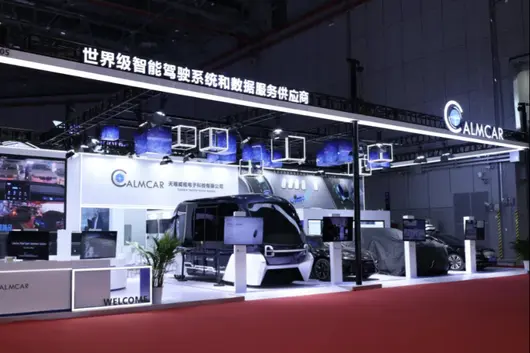
天瞳威視 L4 級智能巴士
而真正令此次 IPO 帶「求生」色彩嘅,係現金流數據嘅實質性惡化:2.35 億元嘅賬面現金,面對每年近 3 億元嘅经营性現金淨流出,安全邊際已不足一年。疊加 300 天嘅應收賬款周轉天數,意味著公司每交付一筆訂單,都要墊付近一年嘅資金成本。
換言之,天瞳威視正處喺一個危險嘅財務窗口期:賬上嘅錢僅夠維持唔足一年嘅正常運作,而 L4 業務嘅大規模交付同回款卻需要更長時間。喺呢個智駕資本熱潮退去、一級市場融資邊際收緊嘅時刻,公司已冇太多等待嘅餘地。
首次遞表失效後僅隔半年便再次衝擊港股,對天瞳威視而言,與其話係戰略選擇,唔如話係現金倒逼下嘅必然之舉。

港交所網站掛出一咗一份熟悉嘅招股書。
5 月 28 日,繼去年 10 月首次遞表失效後,智能駕駛解決方案提供商蘇州天瞳威視電子科技股份有限公司(天瞳威視)再次向港股主板發起重衝,由匯豐及華泰國際聯席保薦。
喺智能駕駛賽道從「講故事」轉向「拼量產」嘅 2026 年,天瞳威視嘅二次遞表唔單止係一次資本試探,更係一場關於中國智駕供應商生存現狀嘅集中檢閱。
呢間被認為係「算力效率派」代表嘅公司,一邊連住從采埃孚到上汽、北汽嘅豪華產業資本陣營,一邊卻面臨住現金流緊繃、海外明顯回落嘅現實困境。喺呢場 IPO 嘅博弈中,光鮮同陣痛並存。
01
邊個係「天瞳威視」?
天瞳威視嘅創辦人王曦係一位典型嘅「回國」技術派。佢畢業於北京航空航天大學,後喺英國雷丁大學攻讀計算機科學博士學位。
喺決定創業之前,王曦曾經喺汽車零部件供應商天合汽車(TRW)及采埃孚擔任算法工程師同技術負責人,深度參與咗早期 ADAS 系統嘅開發。
2016 年,王曦捕捉到國內汽車智能化嘅風口,回國喺蘇州創立咗天瞳威視,定位係「以軟件算法驅動智能駕駛」嘅本土解決方案提供商。
公司嘅名字「天瞳」寓意「天之眼」,意在打造車輛感知萬物嘅視覺中樞。佢從最初嘅視覺感知算法起步,逐步擴展至行泊一體域控制器、L4 級自動駕駛系統等軟硬件結合嘅整體方案。
天瞳威視融資情況。資料來源:企查查
成立後不久,天瞳威視就獲得德聯資本、盛世投資嘅天使輪融資。此後十年時間,天瞳威視累計完成咗超過 10 輪融資,融資總額近 10 億元。
從招股書披露嘅股權結構嚟睇,天瞳威視構建咗深度綁定嘅「產業 + 資本」生態圈。
一方面,產業夥伴站台,全球汽車零部件巨頭采埃孚唔單止係其 C 輪領投方,亦係其戰略合作夥伴,持有天瞳威視 6.93% 嘅股份,位列第四大股東;國內方面,上汽集團通過上汽北美產投持股,北汽集團通過北汽產投佈局其中,地平線同商湯科技亦係戰略投資者。
另一方面,地方國資護航,唐山機器人基金、吳中金控等國資背景基金喺 D 輪及 D+ 輪入場,提供咗約 5.23 億元嘅資金支持。
截至最後實際可行日期股權架構
截至目前,王曦透過直接持股同員工持股平台合共控制公司約 40.84% 嘅權益,依然保持住對公司嘅控制權。
02
「兩條腿」行路
天瞳威視喺業務佈局上採取咗「雙軌並行」嘅策略。
喺 L2-L2+ 級輔助駕駛領域,天瞳威視嘅選擇非常務實。佢並冇盲目追逐算力堆疊嘅「軍備競賽」,而係走咗一條高性價比路線。
作為典型嘅視覺派智駕供應商,佢喺 L2 量產方案上以視覺感知為主,融合毫米波雷達同超聲波雷達,能夠喺較低算力平台上實現高級功能。例如,基於地平線 J6B 芯片(約 20TOPS)嘅方案即可支持行泊一體、高速 NOA。
呢種打法擊中咗 10 萬 -20 萬級主流車款對成本敏感嘅痛點。根據灼識諮詢嘅數據,按 2024 年裝機量計,天瞳威視係中國第二大同時提供行車同泊車解決方案嘅以軟件為核心嘅 L2-L2+ 級方案提供商,市場份額為 14.3%。
2024 年中國具備行泊一體能力嘅以軟件為核心供應商格局
截至最後實際可行日期,天瞳威視獲得 23 個汽車品牌嘅 198 款車款嘅 L2-L2+ 級解決方案定點函,並實現 6 個汽車品牌嘅 105 款車款嘅量產;獲得定點函嘅 198 款車款中有 87 款覆蓋海外市場,其中 59 款已實現量產。
但值得注意嘅係,L2-L2+ 市場正在經歷劇烈嘅「紅海化」。
一方面,經緯恆潤、福瑞泰克等本土 Tier1 正在加速追趕;另一方面,部分頭部車廠開始將低階智駕方案從外購轉為內部集成。
天瞳威視能否維持佢喺「性價比方案」領域嘅領先地位,取決於佢能否持續保持算法對低算力平台嘅優化能力,而這需要喺研發投入上持續加碼。
喺高級 L4 級自動駕駛領域,天瞳威視更多扮演「先鋒」角色。這亦係佢近兩年增長最快嘅板塊。
早在 2019 年,佢就參與咗上海洋山港嘅 5G 智能重卡項目。目前佢嘅 L4 方案覆蓋 Robobus、Robotaxi 同 Robotruck。其中,Robobus 係佢最具代表性嘅產品線,已喺蘇州、天津等城市嘅公開道路投入常態化試營運。
2025 年,天瞳威視從 L4 級解決方案產生收入 3.75 億元,佔公司總收入嘅 68% 以上,大部分收入來自 L4 級軟件解決方案。
然而,硬幣嘅另一面係商業化嘅曲折。雖然 L4 業務營收暴增,但佢嘅交付形態目前以「軟硬件一體解決方案」為主,呢種模式本質上接近「項目制交付」或「小規模車隊部署」,與 L2 業務中「純軟件授權 + 白盒交付」嘅高毛利、大規模複製邏輯存在顯著差異。
呢就直接導致 L4 業務毛利率嘅大幅波動:喺部分自研硬件佔比较高嘅項目中,毛利率一度低至 15%。
截至遞表日,公司雖手握超 10 億元嘅 L4 意向訂單,涵蓋 2500 架車,但呢啲訂單預計要喺未來三至五年內先會陸續交付,短期內對現金流嘅改善作用有限。
此外,天瞳威視仲有部分應收來自工程服務,主要涉及道路測試、數據收集支援及數據標註服務以及公司嘅專有工具鏈。
03
財務嘅雙面鏡
招股書嘅財務部分,展現咗智駕行業最真實嘅「B 面」:規模同虧損嘅極限拉扯,同埋賬面現金同營運消耗之間嘅緊張博弈。
營收高增長,但結構劇烈波動。
財務數據顯示,公司嘅營收呈現爆發式增長,從 2022 年嘅 1.72 億元增長至 2024 年嘅 4.83 億元,複合年增長率高達 67.7%。2025 年全年營收進一步增長至 5.5 億元。
但收入結構嘅變化明顯。2023 年,公司依賴 L2-L2+ 業務,佔比 90.2%;去到 2024 年,L4 業務佔比升至 50.2%;2025 年,L4 業務佔比進一步拉高至 68%。呢種「斷崖式」嘅結構切換,雖然證明佢 L4 技術搵到咗落地場景,但亦令市場質疑佢 L2 業務係咪已觸及天花板。
毛利率同純利潤嘅背離,呢係天瞳威視面臨嘅最大挑戰。
從毛利睇,整體毛利率喺 30% 左右徘徊,喺呢個技術密集型嘅智駕行業屬於中等水平。但細拆睇嚟,L2-L2+ 業務嘅毛利率通常能維持喺 40% 以上,純軟件授權模式,而 L4 業務嘅毛利率則因「軟硬件一體」交付中硬件佔比提高而被顯著拉低。
從純利潤睇,雖然表面虧損額較大,2024 年虧損 4.63 億、2025 年虧損約 2 億,呢度包含大量因優先股公平值變動帶來嘅「紙面虧損」。剔除呢個因素後嘅經調整純利潤更能反映公司嘅真實經營狀況:2024 年已收窄至 -438 萬元,但 2025 年並未如市場預期實現轉正,而係錄得約 -1086 萬元,虧損較 2024 年有所擴大。
呢個背後有一個不可回避嘅關鍵前提:調整後嘅「減虧」乃至「接近盈虧平衡」,係喺公司持續壓縮研發投入嘅基礎上實現嘅,研發費用從 2024 年嘅 1.17 億元降至 2025 年嘅 9231 萬元,研發費用率從 2024 年嘅 24.3% 進一步降至 16.8%,而 2022 年呢個數字曾高達 108.7%。對於一家科技公司嚟講,研發強度嘅「退坡」是否會影響未來嘅技術護城河,係一個潛在風險點。
現金流持續告急,最令人擔憂嘅信號。
根據最新招股書,截至 2025 年 12 月 31 日,公司賬上嘅現金及現金等价物為 2.35 億元,較 2025 年 6 月 30 日嘅 3.74 億元淨減少 1.39 億元,現金消耗速度較快。
更值得警惕嘅係經營現金流由正轉負且缺口持續擴大嘅趨勢。2023 年,公司經營活動現金流淨額為正向流入 1.15 億元,但 2024 年迅速轉為淨流出 1.89 億元,2025 年進一步惡化至淨流出 2.93 億元。
與此同時,應收賬款周轉急劇惡化。公司嘅貿易應收款項從 2023 年嘅 0.89 億元升至 2025 年嘅 5.48 億元,三年增長超過五倍,而同期營收增幅僅約 2.7 倍。
更令人擔憂嘅係應收款項周轉天數從 2023 年嘅 191 天同 2024 年嘅 166 天,到 2025 年驟升至 300 天,意味著公司從完成交付到收回款項平均需要接近一年時間。呢相當於變相為客戶提供長期無息墊資,喺資金本就緊張嘅情況下進一步加劇咗流動性壓力。
此外,雖然天瞳威視係首家出海嘅中國智駕軟件供應商,但 2025 年佢嘅海外業務遭遇咗明顯回落。2023 年天瞳威視海外收入為 1.27 億元,佔總營收比重達到 62.2%;到 2025 年海外收入降至 1100 萬元,佔比僅 2.0%。
喺而家全球地緣政治複雜、部分國家對智能汽車數據監管趨嚴嘅背景下,為佢嘅全球化故事增添咗一絲不確定性。
04
結語
天瞳威視嘅二次闖關,係智能駕駛行業進入「淘汰賽」階段嘅一個縮影。
從好嘅方面睇,佢踩準咗 L2 性價比同 L4 場景化落地嘅雙重節奏,且經調整純利潤喺特定口徑下已接近盈虧平衡,呢啲都畀投資者提供咗「有亮點可講」嘅故事線。
但從風險嘅角度睇,情況遠比首次遞表時更為嚴峻。業務重心嘅急速漂移、L4 業務商業化初期嘅盈利磨難、研發投入嘅被動收縮,呢啲此前就已存在嘅問題並未緩解。
天瞳威視 L4 級智能巴士
而真正令此次 IPO 帶「求生」色彩嘅,係現金流數據嘅實質性惡化:2.35 億元嘅賬面現金,面對每年近 3 億元嘅经营性現金淨流出,安全邊際已不足一年。疊加 300 天嘅應收賬款周轉天數,意味著公司每交付一筆訂單,都要墊付近一年嘅資金成本。
換言之,天瞳威視正處喺一個危險嘅財務窗口期:賬上嘅錢僅夠維持唔足一年嘅正常運作,而 L4 業務嘅大規模交付同回款卻需要更長時間。喺呢個智駕資本熱潮退去、一級市場融資邊際收緊嘅時刻,公司已冇太多等待嘅餘地。
首次遞表失效後僅隔半年便再次衝擊港股,對天瞳威視而言,與其話係戰略選擇,唔如話係現金倒逼下嘅必然之舉。

即將到來二零二六北美世界杯,中國足球卻喺遙遠嘅歐洲賽場迎來高光時刻,奪得冠軍嘅係中國「男孩足球」足球小將 2014(U12)隊。

北京時間 6 月 2 日,意大利 SIGISMONDI 國際青少年杯落下帷幕,董路率領嘅中國足球小將 2014(U12)隊伍歷經七場鏖戰,喺點球大戰中 5 比 4 擊敗英超勁旅愛華頓青訓梯隊,以七戰全勝、進 21 球僅失 2 球嘅統治級表現捧起冠軍獎盃,成為該賽事創辦以來首支登頂嘅亞洲球隊,讓五星紅旗喺歐洲 U12"小世界杯"賽場高高飄揚。

本屆賽事匯聚全球 48 支頂尖青訓隊伍,愛華頓、佛羅倫薩、哥本哈根、布拉加等多家歐洲老牌俱樂部梯隊悉數參賽,賽事含金量十足。小組賽中,中國小將勢如破竹,先後 2 比 0 輕取意大利 TTT、5 比 0 橫掃丹麥哥本哈根、7 比 0 大勝 GGR,三戰零失球狂入 14 球,以小組頭名強勢晉級淘汰賽。

進入淘汰賽後,球隊繼續穩紮穩打,展現出同年齡唔符嘅成熟與堅韌。
八分之一決賽 3 比 1 力克意甲佛羅倫薩梯隊,四分之一決賽 1 比 0 絕殺葡超布拉加,半決賽再度 2 比 0 雙殺哥本哈根,六戰只失 1 球,強勢闖入決賽。決賽迎來巔峰對決,常規時間愛華頓率先破門,正當所有人以為勝利天平開始傾斜時,中國小將喺 6 分鐘內快速扳平比數,將比賽拖入殘酷嘅點球大戰。

最終戰勝愛華頓 U12 梯隊,以七戰全勝斬獲賽事冠軍,用亮眼戰績印證民間青訓嘅成長潛力。

關於中國足球小將 2014 隊
中國足球小將 2014 隊,係由一批二零一四年出生(而家 12 歲)嘅小球員組成,英文別稱 Chinese Football Boy 2014,係董路喺二零一七年牵头創立嘅民間青訓少年足球隊。
同各地體校、足球協會梯隊揀選模式唔同,足球小將 2014 隊球隊隊員全部面向全國公開海選招募,揀選唔限戶籍、地域,全國各地應齡孩童均可報名參加試訓。

球員入選球隊無須繳納培訓費,俱樂部亦唔會簽訂限制球員發展嘅綁紮式長期合約,最大限度保留孩子自主選擇權。
喺日常培養模式上,球隊採用分散就學、階段性集中嘅特色模式。小球員平日里留喺各自戶籍地正常上學,日常基礎訓練依托本地場地與教練完成;全隊每隔三至四個月組織一次集中集訓,集訓結束後集中奔赴國內外各項賽事,堅持以賽代練嘅培養思路。

比亞迪立大功
中國足球小將奪冠背後,係一家新能源汽車品牌默默支持,用綠色出行為夢想護航。
球隊運營資金唔靠財政撥款,主要依托賽事直播平台收益分成同企業商業贊助支撐,比亞迪作為核心合作贊助商,長期支持保障隊伍外出參賽、集訓開支。
自二零二五年正式贊助中國足球小將以來,比亞迪用實實在在嘅行動支持民間青訓,足球小將們每次出國踢比賽,除咗常规出行用車全由比亞迪搞定,比亞迪仲四處對接意甲等同海外優質足球資源,幫孩子開闊眼界,累積國際比賽經驗。

就喺本月,比亞迪又將護航另一批中國足球小將出發前往巴西同墨西哥,繼續佢哋嘅留洋之旅。這種"做實事"嘅態度,正係比亞迪一向嘅行事風格。
足球同汽車,看似毫無關係嘅兩個領域,卻有住驚人嘅相似之處——都需要技術積累同長期堅持、長期投入,都冇捷徑可走。
比亞迪對足球嘅支持,同搞研發一樣,都係長遠佈局,絕非短期玩玩,投資嘅係中國足球嘅未來。

而家,比亞迪已成為全球最大嘅電動汽車製造商,產品已經進入全球 119 個國家同地區,海外經銷商網絡突破 2000 間,歐洲市場實現大眾同高端雙線佈局。
二零二六年五月新能源汽車出口 160,644 輛,佔當月總銷量 383,453 輛嘅 41.9%,同比增長 80.7%,創下單月出口歷史新高。1-5 月比亞迪海外累計銷量達 614,470 輛,同時喺泰國、巴西、匈牙利等同國建立生產基地,二零二六年出口目標由 130 萬輛上調至 150 萬輛。

喺海外生產基地方面,比亞迪已形成四大核心製造基地:
①泰國羅勇工廠(二零二四年七月投產,年產能 15 萬輛)主打右舵車型輻射東盟,本地化率達 70%,員工本地化超 90%;
②巴西卡馬薩里工廠(二零二五年七月投產)佔地 400 萬㎡,初期產能 15 萬輛,二零二六年尾將擴至 30 萬輛,成為拉美最大電動車製造中心;
③匈牙利塞格德工廠(二零二六年一季投產)作為歐洲總部,年產能 15 萬輛,可規避歐盟 38.1% 反補貼關稅,交付週期由 45 日縮至 15 日;烏茲別克斯坦工廠一期產能 5 萬輛,三期規劃達 30 萬輛,覆蓋中亞同東歐市場。


喺物流體系上,比亞迪組建自營滾裝船隊,已投入 8 艘大型滾裝船(含 3 艘 9200 車位全球最大車型),年運力破 100 萬台,已經擺脫對第三方物流嘅依賴,大幅降低海運成本(約減少 50%)同提升交付效率。
隨著二零二六北美世界杯嘅臨近,中國足球小將嘅奪冠讓我哋睇到希望嘅火種,而比亞迪嘅鼎力支持,正為呢顆火種添柴加薪,讓佢有朝一日能燎原成勢,照亮中國足球嘅未來之路。


Have you ever seen the roads in India?
I've seen them online.
The scene is usually like this: a sedan blocked behind a cow, motorcycles running wild nearby, even milk tea vendors nearby, so "clean and hygienic".

However, in a place where many feel physically uncomfortable after watching, Toyota, Suzuki, Honda and other Japanese car companies decided to bet on India.
According to the Indian "Brand Quality Foundation" website, the three car companies will invest nearly $11 billion to build factories, increase capacity, and develop exports in India.
Some netizens commented: Did the three Japanese car companies have too much money?
In fact, they didn't have endless money to spend, nor were they bewildered by Indian curry. These Japanese car executives are much clearer than us.
Current Japanese car revenue and market share are declining. Raw material costs are soaring. Looking at the world map, finding a market that can accommodate capacity, expand share, and has gentle competition is not easy.
So, it wasn't that Japanese car companies chose India, but because they had no choice.
The Pain of Japanese Car Companies
Past Japanese cars were truly the envy of others.
Ask old drivers who drove Japanese cars over ten years ago, talking about Japanese cars, almost no one doesn't give a thumbs up, cheap price, fuel saving, durable...
Even many Japanese cars needed to be bought at a markup, but who would think this iron fortress would be beaten out of sight in a few short years.
With the wave of new energy vehicles coming, electrification and intelligence became the goal for many domestic car companies to "leapfrog". Relying on China's strong new energy vehicle industry chain advantages and car companies' own persistence on R&D and technology, Chinese independent brands quickly achieved "leapfrogging".
Domestic cars once criticized are now becoming more and more common on the roads, even surpassing joint ventures in share.
According to CPCA data, in April 2026, the share of independent brands reached as high as 62.5%, far exceeding Japan's 13.1%.

You need to know, the Chinese car market is the largest car market in the world. Losing speed in the Chinese market is like losing a huge piece of cake.
Meanwhile, the main theme of the Chinese market in recent years is still price wars. Racing on configuration, price, and service has become a normal state, which also had a huge impact on Japanese cars' profits.
Apart from China, Japanese cars are also not doing well in the US.
On January 20, 2025, Trump swore in as the 47th US President, starting a series of chaotic operations, including imposing additional car tariffs in the name of national security, causing the tariff rate for imported Japanese cars to reach as high as 27.5% at one point. Although it decreased later, it was still far higher than the initial tax rate.
This operation directly led to a tariff loss of over 2 trillion yen for seven Japanese car companies in fiscal year 2025.
Looking at Japan itself, it is actually not easy either.
Middle East geopolitical conflicts blocked shipping in the Strait of Hormuz, transportation costs and raw material costs soared, Japanese car companies also had to suffer in silence.

Executives looking at the reports, their backs went cold, only to find a new growth curve.
So, Japanese car companies didn't fall in love with India, there was nowhere else to go.
Deep Thought on Choosing India
So, what magic does India have, to make Japanese car companies invest heavily?
The first advantage is big. In 2025, the Indian car market achieved 5.517 million new car sales, up 6% year-on-year, breaking the historical record, ranking as the third largest car market in the world, exceeding Japan for four consecutive years, second only to China and the United States.
The value of this doesn't need me to say much. India achieved this result mainly because India has been promoting tax reduction policies to promote consumption, which led to a significant increase in domestic consumption willingness.
The second advantage is close, meaning it is close to places where Japanese cars sell well, such as Africa.
So, India for Japanese car companies is more like a convenience store built in the center of a crossroad. You don't need to ship cars to eight countries separately, just build well at this stop in India, then unload ship by ship, and you can save a lot of costs.

The Nikkei also believes that India is expected to become its global car supply center.
The third advantage is stability. You know, Japanese cars' advantage is fuel cars, after all, the three major components of engines, gearboxes, and chassis, they have played for many years, technology accumulation is number one in the world.
But the Chinese car market has fully promoted electrification and intelligence development, leading to Japanese cars' advantage becoming weaker and weaker, impossible to play out. But India is different, it has the characteristics of few charging piles and slow electrification process. Indian old people buying cars still look for cheap, fuel saving, easy to fix, and these three points are exactly Japanese cars' old trade.
Especially Suzuki, always been India's car market evergreen, almost always sitting on the best-selling model throne, reputation of being worry-free, better than any advertisement.
So, Japanese car companies' vigorous layout of the Indian market is obviously carefully considered.
But, is the Indian market really that easy to mix?
The Hard-to-Bite Indian Market
Of course, India is not perfect like a hot commodity, its disadvantages are as obvious as its advantages, and every one is enough for Japanese car companies to face a hard time.
First talk about electrification. Yes, right now India has few charging piles and electric cars don't sell well, it is indeed a shelter for Japanese fuel cars. But you have to think, how long can this "shelter" avoid?
India previously shouted the slogan of 30% of new cars being electric vehicles by 2030. Although it sounds like bragging, but can't help but they really give subsidies, really build charging stations.
Imagine, what if one day India suddenly wakes up, starts vigorously promoting electrification, doing infrastructure, charging piles popping out like mushrooms after rain, then Japanese cars will be dumbfounded?
Isn't this a version of the Thai market?
Back then Japanese cars in Thailand won easily. The entire Southeast Asian market was called Japanese cars' backyard. Result Thailand took the lead in promoting electrification. Chinese electric vehicles came in, directly became a hot commodity. Look at Japanese cars again, share in Thailand falling down rapidly.

If India accelerates electrification, history will likely repeat, and this time, Japanese cars don't even have a place to flee, how to prevent will become the first problem for Japanese car companies.
Next talk about policy. India's policy is like a pot of curry, you never know if you will eat chicken or potato next time.
This magical country, today low tariff encourages building factories, tomorrow may fine you a huge amount. What's more annoying is mandatory joint venture. Foreign car companies want to sell cars in India, have to find local partners to partner up. When your factory is built, supply chain is done, India directly backstabs you. At that time whether adding money or withdrawing capital, what you get is heartache.
So you see, this market like India is like a mango that looks very sweet, bite the first mouth it's okay, chew two more mouths hit the hard core.
Japanese cars now is calculating, while the core hasn't bit the tooth, hurry up to nibble a few more mouths, but the core will bite sooner or later, just don't know which day.
Epilogue
Japanese cars this trip to India, not go for tourism, is go to make a living.
Chinese and Southeast Asian dining tables are more crowded, production and transportation costs have risen. Looking around the world, only this pot in India is still steaming, even if what is boiling inside is curry-flavored stones, have to bite hard and chew down.
Japanese car companies want to expand market, India wants to pull economy, solve employment, both sides have their own thoughts.
As for the ending is Japanese cars in India regain their glory, or like past competitors shamefully walk away, then is not known.
But no matter how, this play just started, we slowly watch is okay.
Anyway India's story, never bored.

In the 2026 hybrid market, domestic brands are rising comprehensively, ending the long-term monopoly premium of Japanese hybrids.
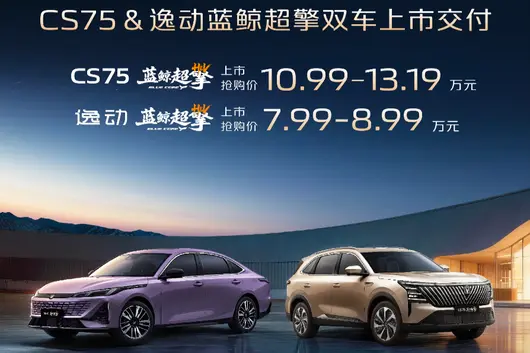
On May 23, Changan Automobile's 4th Gen CS75PLUS Blue Whale Super Engine and 4th Gen Eado Blue Whale Super Engine officially launched and delivered, starting prices are 109,900 yuan and 79,900 yuan respectively. This means Changan directly pulled HEV hybrid SUVs into the 100,000 yuan range, and hybrid family sedans into the 70,000 yuan range.

For the past 20+ years, the global HEV market has been dominated by Japanese brands. Joint-venture hybrid models often carry a premium of 20,000 to 30,000 yuan compared to fuel vehicles of the same spec, making fuel savings hard to offset the price difference.
The arrival of Changan Blue Whale Super Engine dual vehicles is not just a price drop, but a comprehensive dimensional attack on technology, experience, benefits, and cost-performance. It not only redefines the value standards of the 100,000 yuan hybrid market but also allows Chinese hybrid technology to officially overtake traditional joint-venture hybrids on a corner.
01
HEV Becomes a Strategic Battleground for Car Companies
Under pressures of high fuel prices, uneven charging infrastructure, and over 45% of households lacking fixed charging spots, HEVs that require no charging, reduce fuel consumption by half compared to ICE vehicles, and have no refueling anxiety are back in the mainstream focus, becoming a key move on the strategic chessboard of Chinese car companies.
Geely, Changan, Chery, Great Wall, and other top domestic brands made strategic choices almost simultaneously, densely releasing new generation HEV technology. Analysts point out that true technological trends are never a single route substitution, but long-term coexistence of pure electric, plug-in hybrid, and HEV directions.
In this new tech competition, domestic brands did not follow the Japanese path, but came up with a more "aggressive" electrification plan. Geely launched i-HEV Intelligent Drive Hybrid with 48.41% thermal efficiency; Chery launched the "Rhinoceros H" gas-electric system with 5.1kWh battery capacity. Changan's Blue Whale Super Engine Hybrid takes a different path, redefining the basic logic of hybrid systems.
Traditional Japanese HEVs are essentially optimization plans for ICE vehicles — the engine is always the core, the motor and battery only "give a hand" when the engine is inefficient. Changan used a vivid analogy: Japanese hybrids are like a "master craftsman leading an apprentice", always taking on the vast majority of work themselves, only letting the apprentice help when busy.
Blue Whale Super Engine's approach is completely different. It proposes an architecture of "Balance of Gas and Electric, Fusion of Intelligence", consisting of 500 Bar ultra-high-pressure direct injection hybrid engine, 180kW highest power electric drive in class, 50C high-rate battery, and Ai Cloud Intelligent Control System.
The core change here isn't how high a specific parameter is, but the underlying synergy logic of the whole system changed. The engine and electric drive are no longer main/subordinate, but achieve intelligent division of labor based on all scenario road conditions.
Comparing Toyota Dual Engine and other traditional hybrids, Blue Whale Super Engine hybrid has distinct advantages: 180kW high-power electric drive far exceeds Japanese 88kW low-power electric drive. Low-speed engine is fully decoupled from wheels, pure electric drive is quieter, startup response fast to 0.29 seconds, 0-60km/h acceleration low to 3.71 seconds, power is instant without hesitation.
Meanwhile, whole vehicle idle noise is as low as 37.9 decibels, reaching library-level quiet standards. Noise reduced by 10 decibels compared to traditional fuel cars. Driving quality infinitely close to pure electric vehicles.
02
Saving Downpayment for a Car in Five Years
From test data, Changan Blue Whale Super Engine architecture effect is also very intuitive. 4th Gen Eado Blue Whale Super Engine city average fuel consumption 2.62L, medium speed 3.21L, highway 4.10L, combined 100km fuel consumption 3.2L; 4th Gen CS75PLUS Blue Whale Super Engine city average 2.88L, medium speed 3.78L, highway 4.44L, combined 3.6L — Fuel consumption directly halved compared to same-level traditional fuel cars.
In Xi'an media tests, Eado Blue Whale Super Engine even ran 1.6L/100km city results. CS75PLUS Blue Whale Super Engine also achieved 2.3L/100km city fuel consumption. This "more traffic, more savings; highway no waste" full-condition energy-saving performance is difficult for traditional mechanical logic hybrid systems to achieve.

A user participating in the "Challenge World Record, I am Fuel Consumption Champion" nationwide store test drive activity drove CS75PLUS Blue Whale Super Engine on urban congested roads with 3L class fuel consumption. He is not a professional car reviewer, nor does he have the "Golden Right Foot" of extreme fuel-efficient driving, just an ordinary prospective buyer. This scene was unlikely in the previous fuel vehicle era — normal people driving casually, fuel consumption actually lower than the manufacturer's combined condition rating.
This is determined by Blue Whale Super Engine's technical logic. It doesn't rely on the driver "saving fuel" to reduce consumption, but relies on the system "driving to save" to make every drop of fuel count.
In the past, when consumers were debating between fuel cars and PHEV/BEV, attention often focused on purchase price and government subsidies. But this time Changan fully calculated and cleared these "silent big items": insurance, energy consumption, residual value, daily maintenance.
Taking 4th Gen CS75PLUS Blue Whale Super Engine as an example, calculated at 15,000 km/year average, same-level fuel SUV combined consumption is about 8.56L, one year fuel cost 11,267 yuan; Blue Whale Super Engine combined consumption only 3.6L, annual fuel cost 4,744 yuan, directly saving 6,523 yuan in one year. Also as a "Blue License Plate" car, it is basically consistent with traditional fuel cars in insurance and used car residual value.
More importantly, the first non-operating owner enjoys lifetime warranty for core components of the HEV hybrid system, completely eliminating user concerns about large maintenance costs during long-term use.
Summarizing, calculating total over 5 years, CS75PLUS Blue Whale Super Engine saves over 32,000 yuan in comprehensive vehicle cost compared to same-level fuel SUV, Equivalent to directly saving downpayment for a car. 4th Gen Eado Blue Whale Super Engine uses the same algorithm, saving about 21,800 yuan in 5 years compared to same-level fuel sedans.
Even comparing with same-level BEVs that need charging, CS75PLUS Blue Whale Super Engine as a "Blue License Plate" car, premium cost is about 1,000 yuan lower per year than BEVs. Resale value gap is more obvious. 3-year-old compact fuel car retention rate about 50%, BEV about 44%. A 120,000 yuan car, can sell 7,200 yuan more after 3 years, annualized income increase 2,400 yuan. After calculating energy, insurance, maintenance, residual value etc. total over 5-year usage cycle, 4th Gen CS75PLUS Blue Whale Super Engine still saves about 10,730 yuan compared to same-level pure electric SUV.


In terms of range, CS75PLUS Blue Whale Super Engine one tank of fuel runs 1500km, Eado Blue Whale Super Engine breaks 1700km. Chongqing to Beijing one-way no need to refuel, completely saying goodbye to range anxiety, perfectly fitting long-distance self-drive and high-frequency commuting user needs.
Changan's Blue Whale Super Engine is a HEV that completely doesn't need charging, doesn't rely on charging piles, doesn't change refueling habits. Pulled entry-level price into 70,000 yuan range, directly cutting into core territory of joint-venture fuel cars. The cost saved day by day is enough to cover years of maintenance fees, truly achieving "more you drive, more you earn".
03
Chinese Hybrid Technology Goes Global
While product breakthroughs, Changan Automobile global layout accelerated synchronously. Local time May 22, Changan Automobile formally signed global strategic cooperation agreement with Portugal Football Association in Lisbon, becoming Portugal National Team Global Official Partner. Cooperation covers 2026 USA/Canada/Mexico World Cup, 2030 World Cup and 2027, 2031 Women's World Cup.
Previously Changan announced investing over 500 million yuan to layout 2026 World Cup global marketing, target directly 750,000 units overseas sales in 2026.
Globally, HEV is showing explosive growth trend. 2025, HEV sales in Europe reached 4.57 million units, YoY growth 19.9%, market share reached 35%, exceeding gasoline cars for the first time, becoming Europe's largest single power form; in Southeast Asia Indonesia, Malaysia, HEV is also a rapidly growing emerging market.
2025 BEV exports were greatly affected by tariffs in some overseas regions, while China HEV exports grew 94.1% YoY. This further highlights HEV's special value in going overseas strategy.
Changan uses World Cup traffic to push Blue Whale Super Engine to global view, both brand positioning and anchor point for Chinese hybrid solutions going global. From tech self-research breakthrough, domestic market subversion, to landing global top venues to show Made in China, Changan Automobile is pushing Chinese hybrid technology globally with tech as core, quality as wings.
Changan Automobile Executive Vice President Yang Dayong previously stated in media interview that China new energy development is fast, but globally, still 70 million users choose fuel cars annually, many overseas regions charging conditions cannot keep up. From the domestic market perspective, currently there are also over half fuel car users. They are not unwilling to save energy, but charging is inconvenient, no fixed parking spot, or they don't want to change driving habits. This is HEV's most practical market logic.

Yang Dayong stated, Changan's judgment is clear: not "Gas vs Electric", but "What users need, we do". Future must be multiple power types coexist long-term, HEV will become one of mainstream choices. Expected by 2030, HEV (Gas-Electric Hybrid) share in China fuel cars will exceed 60%. In addition, Overseas HEV sales will likely be higher than domestic market.
China auto industry always talks about electrification endgame, but true market evolution is never "elimination-style" substitution, but "addition-style" enrichment. For over 45% users without home charging piles, for owners in winter extremely cold regions, for people doing long-distance self-drive several times a year, they don't need to be educated to "change habits", but need a non-troublesome solution.
So Changan Blue Whale Super Engine dual vehicle launch is not just iteration of two new cars, but a value reconstruction of home hybrid market. Currently many hybrid models, either high price high spec, threshold discourages, or low price reduced spec, experience discounted, while Changan accurately grabs ordinary family vehicle core needs: No charging, no fear of winter, not wasting fuel, not breaking car, not expensive price.
79,900, 109,900 yuan friendly pricing, 2L class real fuel consumption, 1500km+ super long range, full cycle low cost, lifetime warranty safety net, this combination punch completely broke "Hybrid must be premium" industry stereotype. Not forcing users to change driving habits, using hardcore tech to adapt to user needs, this is Changan Blue Whale Super Engine hybrid's given "Chinese Hybrid Optimal Solution".
Technology is never to replace someone, but to fill those unmet needs. When industry was still arguing "Who dominates Gas vs Electric", Changan already silently pressed hybrid threshold to 70,000 yuan level, submitted a China solution to the market.