首頁theatre

搜尋歷史
熱門搜尋
經銷商登入 / 註冊


宁德时代旗下独立后市场品牌发布2026升级方案,百城直营网络与全生命周期服务同步提速
百城落子,宁德时代加速后市场布局
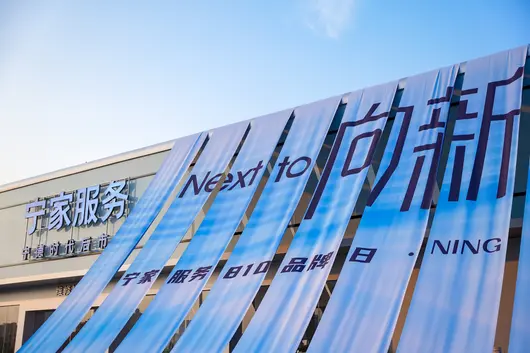
新能源汽车快速普及,售后服务正在成为产业链的新战场。8月10日,宁德时代旗下独立后市场品牌宁家服务在海口举行2026品牌日,以“Next to New 向新”为主题,发布技术、服务与生态升级方案。
当天,宁家服务海口、杭州、淄博、沈阳、广州、遂宁、宁波、香港,以及土耳其伊斯坦布尔、挪威奥斯陆等全球十大站点同步开业;同时启动百城签约计划,预计在2026年下半年于全球100座城市逐步落地直营体验中心。

从“卖电池”到“管电池、修电池、服务能源资产”,宁德时代显然正在为新能源汽车后市场打开新的增长空间。
从动力电池售后,走向全生命周期服务
宁家服务最初聚焦动力电池售后,如今服务边界已延伸至检测维修、延保、金融、回收再生等环节,试图构建覆盖电池全生命周期的服务闭环。
这背后是宁德时代“全域增量”战略的落地。宁家服务的业务不再局限于乘用车,而是拓展至“海、陆、空、智、储”五大场景:目前已为1505座换电站提供运维支持;今年6月完成首台船舶动力电池售后服务;成为峰飞航空eVTOL销售代理,进入低空服务领域;与银河通用机器人达成战略合作;在储能领域,则借助卫星遥感、无人机、具身机器人和机器狗,搭建“空、地、云”协同的预测性运维体系。
按照宁家服务披露的数据,这一体系可将储能运营安全风险降低90%、运维成本降低30%。对于宁家服务而言,后市场的概念,正在从传统意义上的“修车”,转向更广义的能源设备运营与保障。
“以修代换”,破解新能源维修痛点
动力电池维修长期面临“只换不修、成本高、责任难界定”的难题。宁家服务试图用标准化和数字化能力改变这一现状。

其智能车间按照宁德时代产线标准,实现切割、涂胶、喷漆等关键工序自动化;自主研发的“鹰眼系统”覆盖超过150个深度维修作业监控点,对电池进出厂和维修过程进行记录追溯,借此实现了维修全链路可追溯,维修效率与质量管控能力提升一倍以上。

在服务能力上,宁家服务已将可维修车型覆盖率提升至76.8%,并通过R1至R4分级技术授权体系推进“以修代换”。其中,R1主要面向无需拆包的基础维修,R2涉及拆包维修,R3可拆解至模组,R4则深入到电芯层级。高难度的R3、R4业务目前主要由直营体系承接,以控制技术、设备和质量门槛。

对于用户最关心的时效,宁家服务提出“一般故障24小时修复、疑难故障72小时修复”的承诺,并发布首款电动商用车、乘用车通用动力电池维修检测车。该车续航800公里,具备30余项检测和50余项维修作业能力,可覆盖除深度维修外约90%的维修场景,将疑难故障维修时间进一步压缩至48小时。
直营网点与补贴并举,让专业服务更贴近用户
后市场服务能否真正落地,网络覆盖率至关重要。宁家服务目前已覆盖全球84个国家,建成1376家专业服务站;百城直营体验中心计划,则意在通过统一品牌、技术标准、数字化平台和供应链,把分散的维修需求纳入可控的服务体系。
品牌日当天,宁家服务还推出10亿元用户补贴计划:用户可用百元购买价值千元的基础检测保养权益,或以千元购买价值万元的PLUS权益,并获得官方维修、延保等服务。对新能源车主而言,原厂配件、原厂标准和质保承诺,直指电池维修中“修完是否脱保”的普遍焦虑。
宁家服务,做新能源服务底座
宁德时代质量体系与后市场业务部总裁李伟在接受采访时表示,宁家服务与车企、经销商及第三方维修机构的关系应是协同,而非争夺售后蛋糕。
他的判断是,电池深度维修对技术、场地和设备投入要求极高,许多4S店难以独立承担,反而需要专业机构支持。宁家服务可承担深度检测与维修,车企、经销商和连锁养护渠道则可成为用户触点与业务入口。
李伟还透露,宁家服务正关注新能源年检、保险定损、二手车检测整备、动力电池再制造与回收利用等领域。海南是其重要试点:当地新能源车保有量已超20万辆,叠加自贸港政策,宁家服务正与查博士合作布局二手新能源车检测、整备、翻新及出海。
未来三至五年,宁家服务的定位并不止于后市场品牌,而是聚焦新能源、零碳和循环经济的“能源服务商”。从维修一块动力电池,到保障一辆车、一艘船、一个储能站乃至更广泛的能源资产,宁德时代正在尝试定义新能源时代售后服务的新边界。

喺馬來西亞嘅 SUV 市場,好多買家揀車嗰陣都會將 Proton X90 同 Mazda CX-60 嚟比較。呢兩部車喺價位同定位上都好接近,今日我哋就從多方面做個詳細比較,幫你省卻做功課嘅時間。
Proton X90 喺馬來西亞嘅 OTR 售價係 RM 106,800 - 122,800,合共有 4 個版本,包括 2026 1.5T Prime X(RM 122,800)、2026 1.5T Prime(RM 116,800)、2026 1.5T Lite(RM 106,800)等。
Mazda CX-60 喺馬來西亞嘅 OTR 售價係 RM 200,510 - 252,873,合共有 2 個版本,包括 2026 3.3T 4WD High Plus(RM 252,873)、2025 2.5L 2WD High(RM 200,510)等。
從價錢嚟睇,Proton X90 嘅起步價確實比 Mazda CX-60 平咗 RM 93,710。如果你預算有限,Proton 嘅入門版已經滿足日常需要。但都要注意,平嗰幾千蚊,可能喺配備上有取舍,具體睇你嘅需要。

Proton X90 搭載 1.5L Turbo,馬力 140 hp。官方油耗 7.0 L/100km。
Mazda CX-60 搭載 2.0L 4-cyl,馬力 170 hp。官方油耗 8.0 L/100km。
動力方面,Mazda CX-60 嘅 2.0L 4-cyl 比 Proton X90 嘅 1.5L Turbo 多咗 30 匹馬力。不過日常喺市區開,兩部車嘅動力都夠用,唔會覺得唔夠力。

Proton X90 車身長 4400 mm,行李箱 400 L。
Mazda CX-60 車身長 4500 mm,行李箱 450 L。
空間方面,Mazda CX-60 嘅車身比 Proton X90 長咗 100 mm,乘坐空間更有優勢。不過 Proton X90 喺城市入面泊車會靈活啲,各有取舍。

Proton X90 保修 5 年/150,000km,保養間隔 每 10,000km 或 6 個月。
Mazda CX-60 保修 5 年/150,000km,保養間隔 每 10,000km 或 6 個月。
兩部車嘅保修條件一樣,呢方面唔使糾結。實際保養成本仲要睇品牌嘅服務網絡同零件價格,建議去車友群問下真實車主嘅經驗。

總括嚟講,Proton X90 同 Mazda CX-60 都係馬來西亞市場好唔錯嘅車型。揀邊一部,關鍵仲要睇你嘅個人需要同預算。建議大家做好功課,多比較幾間車行嘅報價,先去試駕先做最後決定。買車係件大事,花少少時間做功課絕對唔會錯。


喺馬來西亞嘅 SUV 市場,好多買家喺揀車嘅時候都會拿 寶騰 X70 同 斯巴路 Forester 嚟做比較。呢兩款車喺價位同定位上都好相近,今日我哋就由多個方面做一個詳細嘅對比,幫你節省咗做功課嘅時間。
寶騰 X70 喺馬來西亞嘅 OTR 售價係 RM 106,800 - 122,300,一共有 3 個版本,包括 1.5L 標準 2WD(RM 106,800)、1.5L 行政 2WD(RM 115,800)、1.5L 豪華 2WD(RM 122,300)等。
斯巴路 Forester 喺馬來西亞嘅 OTR 售價係 RM 174,000 - 197,000,一共有 3 個版本,包括 2024 2.0L S EyeSight GT Edition(RM 189,538)、2024 2.0L S EyeSight(RM 177,538)、2024 2.0L L EyeSight(RM 167,538)等。
從價錢嚟睇,寶騰 X70 嘅起步價確實比 斯巴路 Forester 低咗 RM 67,200。如果你預算有限,寶騰嘅入門版已經可以滿足日常需求。但亦都要注意,平嗰幾千塊,可能喺配備上會有取捨,具體要睇你嘅需求。

寶騰 X70 嘅安全評級係 5★ (ASEAN NCAP),主動安全系統包括 ADAS (ACC, AEB, LKA, LDA, BSM, RCTA)。
斯巴路 Forester 嘅安全評級係 5★ (Euro NCAP),主動安全系統包括 EyeSight。
安全配備方面,兩款車都拿到咗唔錯嘅評級。不過寶騰 X70 嘅 ADAS (ACC, AEB, LKA, LDA, BSM, RCTA) 同 斯巴路 Forester 嘅 EyeSight 喺功能上有些差異,如果你比較看重主動安全嘅話,可以仔細對比下兩者嘅功能列表。

寶騰 X70 採用地 FWD 驅動方式。
斯巴路 Forester 採用地 FWD 驅動方式。
兩款車嘅驅動方式一樣,都係 FWD,日常駕駛感受唔會有太大區別。

寶騰 X70 同 斯巴路 Forester 都係馬來西亞市場嘅主流選擇,適合家庭使用、日常通勤。如果你更看重品牌口碑同二手價,可以優先考慮口碑更好嗰一款;如果你更在意性價比同配備,那就揀配備更豐富嗰款。最終都係建議兩款都去試駕,親身體驗先係最重要嘅。
總體嚟講,寶騰 X70 同 斯巴路 Forester 都係馬來西亞市場好唔錯嘅車型。揀邊一輛,關鍵都要睇你嘅個人需求同預算。建議大家做好功課,多比較幾間車行嘅報價,再去試駕做最終決定。買車係件大事,花少少時間做功課絕對唔會錯。

In Malaysia's SUV market, many buyers compare Proton X70 and Mazda CX-30 when choosing a car. The price and positioning of these two cars are quite close. Today we will make a detailed comparison from multiple aspects to save you time doing research.
Proton X70's OTR price in Malaysia is RM 106,800 - 122,300, with a total of 3 versions, including 1.5L Standard 2WD (RM 106,800), 1.5L Executive 2WD (RM 115,800), 1.5L Premium 2WD (RM 122,300), etc.
Mazda CX-30's OTR price in Malaysia is RM 122,409 - 146,409, with a total of 4 versions, including 2025 2.0L High+ Premium (RM 146,409), 2025 2.0L High+ (RM 138,409), 2025 2.0L High (RM 130,409), etc.
Looking at the price, Proton X70's starting price is indeed RM 15,609 cheaper than Mazda CX-30. If your budget is limited, Proton's entry-level version can already meet daily needs. However, be aware that the cheaper few thousand might involve trade-offs in features, depending on your specific requirements.

Proton X70 is equipped with 1.5L Turbo, 140 hp. Official fuel consumption 7.0 L/100km.
Mazda CX-30 is equipped with 1.5L Turbo, 140 hp. Official fuel consumption 7.0 L/100km.
Both cars use the same powertrain, and the driving experience feels basically the same daily. Fuel consumption is also similar, no need to worry too much about this.
Proton X70 warranty 5 years/150,000km, maintenance interval every 10,000km or 6 months.
Mazda CX-30 warranty 5 years/150,000km, maintenance interval every 10,000km or 6 months.
The warranty conditions for both cars are the same, no need to worry about this aspect. Actual maintenance costs also depend on the brand's service network and parts prices. It is recommended to ask real car owners in owner groups for their experience.
Proton X70 and Mazda CX-30 are both mainstream choices in the Malaysia market, suitable for family use and daily commuting. If you value brand reputation and resale price more, you can prioritize the one with better reputation; if you care more about cost-performance ratio and features, then choose the one with richer configuration. Ultimately, it is suggested to test drive both, personal experience is the most important.
Overall, Proton X70 and Mazda CX-30 are both very good models in the Malaysia market. Which one to choose depends mainly on your personal needs and budget. It is recommended that everyone does their homework well, compares quotes from several dealerships, and then test drives to make a final decision. Buying a car is a big matter, spending time doing homework will never be wrong.


In Malaysia's SUV market, many buyers compare Proton X70 and Toyota Fortuner when choosing a car. These two cars are quite close in price and positioning. Today we will do a detailed comparison from multiple aspects to help you save time on research.
Proton X70's OTR price in Malaysia is RM 106,800 - 122,300, with a total of 3 versions, including 1.5L Standard 2WD (RM 106,800), 1.5L Executive 2WD (RM 115,800), 1.5L Premium 2WD (RM 122,300), etc.
Toyota Fortuner's OTR price in Malaysia is RM 195,880 - 241,880, with a total of 3 versions, including 2024 2.8T VRZ Diesel (RM 241,880), 2024 2.7L SRZ Petrol (RM 202,880), 2024 2.4L Standard Diesel (RM 195,880), etc.
From a price perspective, the starting price of Proton X70 is indeed RM 89,080 cheaper than Toyota Fortuner. If your budget is limited, Proton's entry-level version can already meet daily needs. But be aware that the few thousand ringgit saved might involve trade-offs in features, which depends on your specific needs.

Proton X70's safety rating is 5★ (ASEAN NCAP), active safety systems include ADAS (ACC, AEB, LKA, LDA, BSM, RCTA).
Toyota Fortuner's safety rating is 5★ (ASEAN NCAP), active safety systems include.
Both cars have the same safety rating, and safety features are quite comprehensive for this class. New cars these days are generally safe, so there is no need to worry too much about this.

Proton X70 body length is 4400 mm, trunk 400 L.
Toyota Fortuner body length is 4400 mm, trunk 400 L.
Both cars are almost the same size, and the interior space is not much different. For this class of cars, daily use is more than enough.

Proton X70 warranty 5 years/150,000km, maintenance interval every 10,000km or 6 months.
Toyota Fortuner warranty 5 years/unlimited mileage, maintenance interval every 10,000km or 6 months.
Proton X70 and Toyota Fortuner are both mainstream choices in the Malaysian market, suitable for family use and daily commuting. If you value brand reputation and resale value more, you can prioritize the one with better reputation; if you care more about cost-performance ratio and features, choose the one with richer configuration. Ultimately, it is recommended to test drive both, as personal experience is the most important.
Overall, Proton X70 and Toyota Fortuner are both very good models in the Malaysian market. Which one to choose, the key is still to look at your personal needs and budget. We suggest doing your research, comparing quotes from multiple dealerships, and then test driving to make a final decision. Buying a car is a big matter, spending time on research will never be wrong.


In the Malaysia SUV market, many buyers compare Proton X50 and Mitsubishi Xforce when choosing a car. These two cars are quite close in price and positioning, so today we will make a detailed comparison from multiple aspects to help you save time on research.
The OTR price for Proton X50 in Malaysia is RM 89,800 - 113,300, with a total of 4 variants, including 1.5T Executive (RM 89,800), 1.5T Premium (RM 101,800), 1.5T Flagship (RM 113,300), etc.
The OTR price for Mitsubishi Xforce in Malaysia is RM 109,930 - 119,930, with a total of 2 variants, including 2026 1.5L Ultimate (RM 119,930), 2026 1.5L Urban (RM 109,930), etc.
From a price perspective, the starting price of Proton X50 is indeed RM 20,130 cheaper than Mitsubishi Xforce. If your budget is limited, Proton's entry-level version already meets daily needs. However, also note that the few thousand cheaper might involve trade-offs in features, depending on your needs.

Proton X50 is equipped with 1.5L 4-cyl, 105 hp. Official fuel consumption 6.0 L/100km.
Mitsubishi Xforce is equipped with 1.5L Turbo, 140 hp. Official fuel consumption 7.0 L/100km.
In terms of power, Mitsubishi Xforce's 1.5L Turbo has 35 more horsepower than Proton X50's 1.5L 4-cyl. However, for daily city driving, both cars have enough power and won't feel underpowered.

Proton X50 body length 4400 mm, trunk 400 L.
Mitsubishi Xforce body length 4400 mm, trunk 400 L.
The dimensions of both cars are almost the same, with little difference in interior space. For this class of car, daily use is more than enough.

Proton X50 uses 4WD drive system.
Mitsubishi Xforce uses FWD drive system.
Proton's 4WD and Mitsubishi's FWD will offer different handling experiences, a test drive comparison is recommended.

Both Proton X50 and Mitsubishi Xforce are mainstream choices in the Malaysian market, suitable for family use and daily commuting. If you value brand reputation and resale value more, you can prioritize the one with better reputation; if you care more about value for money and features, choose the one with more configurations. Ultimately, it is recommended to test drive both, personal experience is the most important.
In general, both Proton X50 and Mitsubishi Xforce are very good models in the Malaysian market. Which one to choose depends mainly on your personal needs and budget. We recommend doing your homework, comparing quotes from multiple dealerships, and then test driving to make the final decision. Buying a car is a big matter, spending time on research will never go wrong.


In the Malaysian SUV market, many buyers compare the Proton X50 and Chery Tiggo Cross when choosing a car. These two cars are quite close in price and positioning. Today, we will make a detailed comparison from multiple aspects to help you save time on research.
The OTR price of the Proton X50 in Malaysia is RM 89,800 - 113,300, with a total of 4 versions, including 1.5T Executive (RM 89,800), 1.5T Premium (RM 101,800), 1.5T Flagship (RM 113,300), etc.
The OTR price of the Chery Tiggo Cross in Malaysia is RM 88,750 - 99,750, with a total of 2 versions, including 2025 HEV 1.5L CSH (RM 99,750), 2025 1.5T Standard (RM 88,750), etc.
In terms of price, the starting price of the Chery Tiggo Cross is RM 1,050 cheaper than the Proton X50. Honestly, in this price range, a difference of a few thousand is not actually that big; the key is still the overall cost-effectiveness and long-term maintenance costs.
The Proton X50 is equipped with a 1.5L 4-cyl engine, 105 hp. Official fuel consumption 6.0 L/100km.
The Chery Tiggo Cross is equipped with a 1.5L 4-cyl engine, 105 hp. Official fuel consumption 6.0 L/100km.
Both cars use the same powertrain, so the driving experience in daily use is basically the same. Fuel consumption is also about the same, so there is no need to worry too much about this point.
Proton X50 Warranty 5 years/150,000km, maintenance interval every 10,000km or 6 months.
Chery Tiggo Cross Warranty 3 years/100,000km, maintenance interval every 10,000km or 6 months.
Both Proton X50 and Chery Tiggo Cross are mainstream choices in the Malaysian market, suitable for family use and daily commuting. If you value brand reputation and resale value more, you can prioritize the one with better reputation; if you care more about cost-performance ratio and features, then choose the one with richer configuration. Ultimately, it is recommended to test drive both models, as hands-on experience is the most important.

Overall, Proton X50 and Chery Tiggo Cross are both quite good car models in the Malaysian market. Which one to choose mainly depends on your personal needs and budget. It is recommended to do your homework, compare quotes from several dealerships, and then test drive to make the final decision. Buying a car is a big matter; spending some time researching will definitely not be wrong.

Author | Janson
Editor | Zhi Hao
Half-year revenue of 342.7 billion yuan yet revenue grew without profit growth, Musk bets on Robotaxi to break the deadlock.
Carwest news on July 23, just now, Tesla released its Q2 2026 financial report, and simultaneously held an earnings call to address investors' concerns.
In the second quarter, Tesla's automotive business recovered significantly, delivering 480,100 vehicles, a 25% year-on-year increase, setting a new historical high for the same period.

▲ Overview of Tesla's financial information for the second quarter of the past three years
Tesla's Q2 revenue reached $28.236 billion (approximately 191.2 billion yuan), up 26% year-on-year; Automotive business revenue reached $20.516 billion (approximately 138.9 billion yuan), up 23% year-on-year.
But sales and revenue growth did not bring proportional profit improvement. In the second quarter, Tesla's operating profit was only $398 million (approximately 2.7 billion yuan), a 57% year-on-year decrease; the operating profit margin dropped from 4.1% in the same period last year to 1.4%. Automotive gross margin also dropped from 21.1% in the first quarter of this year to 16.9%.
Looking at the entire first half of the year, Tesla's cumulative revenue reached $50.623 billion (approximately 342.7 billion yuan), of which Automotive business revenue was $36.750 billion (approximately 248.8 billion yuan), still contributing over 70% of revenue.

▲ Overview of Tesla's financial information for the first half of the past three years
On the profit front, Tesla's first-half gross profit totaled $9.471 billion (approximately 64.1 billion yuan), with an overall gross margin of about 18.7%. Regarding deliveries, Tesla produced approximately 860,100 vehicles and delivered approximately 838,100 vehicles in the first half of the year.
Overall, the delivery rebound in Q2 pushed Tesla's first-half revenue to a new high for the same period in the past three years, but the operating profit margin still dropped to 2.65%, and the problem of revenue growing without profit did not get resolved.
Compared to profit performance, Tesla's progress in FSD (Supervised), Robotaxi, and Cybercab was more prominent.
As of the end of the second quarter, Tesla FSD paid user numbers reached 1.48 million, a 56% increase from 950,000 in the same period last year, and up 200,000 from the end of the first quarter this year. Tesla CEO Musk said that as FSD receives regulatory approval in various countries, market demand will further surge.
In addition, Tesla has started pushing FSD v14 lite to vehicles equipped with AI3 (HW3) hardware, distilling the driving behavior of the v14 series on AI4 vehicles to the previous generation hardware platform.
Regarding Robotaxi, Tesla's service scope has expanded to multiple cities in the US. Meanwhile, Cybercab has started production at the Texas Gigafactory and has entered the public road engineering testing phase.
While the profit pressure on Tesla's Model 3/Model Y vehicle sales business continues, FSD subscriptions and Robotaxi are gradually becoming new growth sources outside of Tesla's automotive business.
I. Revenue Grows But Profits Don't, Automotive Gross Margin Declines Quarter-on-QuarterVehicle delivery volume recovered, driving Tesla's Q2 revenue to recover growth.
In the second quarter of this year, Tesla's total revenue reached $28.236 billion (approximately 191.16 billion yuan), up 26% year-on-year; Automotive business revenue reached $20.516 billion (approximately 138.89 billion yuan), up 23% year-on-year.
Specifically, Automotive sales revenue was $20.006 billion (approximately 135.4 billion yuan), Car rental revenue was $364 million (approximately 2.5 billion yuan), and Automotive regulatory credit revenue was $146 million (approximately 1 billion yuan).

▲ Detailed quarterly financial information of Tesla
Tesla stated that Q2 revenue growth was mainly driven by increased vehicle deliveries, FSD subscription growth, expansion of services and other businesses, growth in energy business, and a positive exchange rate impact of about $500 million (approximately 3.4 billion yuan).
However, the decline in average selling price of vehicles offset some of the growth.
In the second quarter, Tesla's gross profit was $4.751 billion (approximately 32.2 billion yuan), up 23% year-on-year; the overall gross margin was 16.8%, down 0.4 percentage points from 17.2% in the same period last year, and down 4.3 percentage points from 21.1% in the first quarter this year.
But the decline in average selling price of vehicles, reduction in regulatory credit revenue, and increased investment in AI projects dragged down overall profit performance.
In the second quarter of this year, Tesla's operating profit was $398 million (approximately 2.7 billion yuan), a 57% year-on-year decrease; the operating profit margin dropped from 4.1% in the same period last year to 1.4%, a year-on-year decline of 2.69 percentage points.
However, Tesla's GAAP net profit was also supported by an investment income. In the second quarter, Tesla recognized $1.005 billion (approximately 6.8 billion yuan) in unrealized gains from its SpaceX equity investment, which was included in other income.
Regarding R&D expenses, Tesla's R&D expenses in the second quarter reached $2.371 billion (approximately 16.1 billion yuan), an increase of about 49% year-on-year.
In terms of automotive manufacturing, Tesla stated that battery pack capacity remains the main factor limiting global automotive production growth.
Tesla is increasing 4680 cell production to support Cybercab, Tesla Semi capacity ramp-up, and Model Y production expansion.

▲ Tesla's battery capacity plans for each factory
Currently, Tesla's Texas 4680 cells have installed annual capacity exceeding 40GWh, the Nevada LFP (Lithium Iron Phosphate) battery project is in the early capacity ramp-up phase, with expected annual capacity of 7GWh, while the Berlin 4680 cell project is still under construction.
In addition, the Tesla Semi new factory is in the equipment debugging phase, planning to start production in 2026.
II. Q2 Deliveries Hit Record High, Cybercab Production Starts, FSD Users Reach 1.48 MillionIn the second quarter of this year, Tesla produced 451,800 vehicles, up 10% year-on-year; delivered 480,100 vehicles, up 25% year-on-year, setting a new historical high for the same period.
In the first half of 2026, Tesla cumulatively produced approximately 860,100 vehicles and delivered approximately 838,100 vehicles.

▲ Tesla's quarterly delivery situation
Among them, Model 3/Y remain the core sales driver, producing 442,900 vehicles and delivering 467,800 vehicles in the second quarter, up 12% and 25% respectively year-on-year, contributing approximately 97.4% of the delivery volume.
Other models including Cybertruck produced 8,822 units, down 34% year-on-year; delivered 12,400 units, up 19% year-on-year.
With deliveries exceeding production, Tesla's inventory pressure significantly eased, global vehicle inventory turnover days dropped from 27 days in the first quarter to 15 days, lower than 24 days in the same period last year.
Tesla set delivery records in multiple markets including South Korea, Australia, Japan, Taiwan, Thailand, etc.
Regarding capacity, Shanghai Factory Model 3/Y annual capacity exceeds 950,000 vehicles, still Tesla's largest vehicle production factory; California, Berlin, and Texas factory related model annual capacities exceed 550,000, 375,000, and 250,000 respectively.
Additionally, Cybercab designed specifically for Robotaxi has started production at the Texas Gigafactory, with installed annual capacity exceeding 125,000 vehicles.

▲ Tesla's installed annual capacity and production status for each factory
The mass-produced Cybercab began public road engineering testing in the second quarter, and in July provided ride services for employees at the Texas factory park.
Robotaxi is also accelerating expansion, currently entering 7 major metro areas in the US. Austin continues to expand areas with unsupervised operations, Dallas and Houston are promoting relevant operations, Miami, Orlando, and Tampa launched unsupervised services in July; San Francisco Bay Area still equips safety drivers. Phoenix and Las Vegas are in the pre-launch preparation phase.

▲ Mass-produced Cybercab in testing
FSD has become another growth point. As of the end of the second quarter, Tesla FSD paid users reached 1.48 million, up 56% year-on-year, up 200,000 from the first quarter; increased by approximately 380,000 in the first half of 2026 alone.
In the second quarter, Tesla FSD net new subscription users set a record, over 55% of new vehicles delivered in North America included FSD subscription, and the order rate also reached a historical high. FSD subscription growth has formed a positive contribution to automotive related revenue and operating profit.
Regarding software, Tesla began pushing FSD v14 lite to vehicles equipped with AI3 (previously referred to by Tesla as HW3) hardware in the US, and pushed it to South Korea in July.
This version distills driving behavior of the v14 series on the AI4 platform to the AI3 platform, adds destination options such as parking lots, roadside, lane entrances, and curbs, and improves performance in scenarios such as navigation, merging/diverging, pedestrian interaction, traffic lights, and vehicle cutting in.
FSD's overseas approvals also made new progress, after the Netherlands, Tesla obtained FSD deployment approval in Lithuania, Estonia, Denmark, and Belgium.
As of July, users in the above opened markets cumulatively used FSD to drive over 50 million kilometers. Tesla stated that FSD implementation is driving local consumers' interest in its vehicles.
III. Cybercab Has No Legal Barriers, Old Owners Need Hardware Upgrade AssessmentDuring the earnings call, Musk and Tesla management focused on responding to Robotaxi operations, Cybercab regulations, Starlink access, Semi autonomous driving capabilities, and AI3 model hardware upgrades. Carwest organized the following 8 key Q&As:
1. How is the current operation of Robotaxi? How to scale up next?
Tesla AI Head Ashok Elluswamy: Currently, Tesla Robotaxi has cumulatively completed over 380,000 miles (approximately 610,000 km) of unsupervised driving in two US states and six cities, with no safety accidents worth noting. Existing accident reports were all collisions or impacts by other road users when the vehicle was stationary.
Tesla started the Robotaxi project in Austin about a year ago, at that time the passenger seat was still equipped with a safety monitor; at the end of 2025, the first batch of fully unsupervised Robotaxi started operations. Since 2026, the weekly unsupervised driving mileage of the fleet has maintained double-digit quarter-over-quarter growth, expected to continue this pace within the year.
Currently, the Robotaxi fleet has been running early versions of FSD V15. V15 planned about seven major improvement routes, with about 40% of improvement content merged into the version used by the fleet. With subsequent capabilities going live, Tesla hopes the engineering investment and preparation time required to enter new cities will gradually approach zero, finally shifting from city-by-city expansion to state-wide operations.
2. How does Tesla want the US to regulate Robotaxi?
Tesla Automotive Engineering Head Lars Moravy: The US Federal level has made不少 progress, especially Federal Motor Vehicle Safety Standards (FMVSS) are gradually accepting vehicles designed specifically for autonomous driving.
Tesla believes reasonable regulation should be for regulatory agencies to propose safety goals and problems to be solved, then allow enterprises to choose technical solutions, rather than specifying beforehand that a certain technical route such as LiDAR or millimeter wave radar must be adopted.
Tesla ultimately still needs to win regulatory agency and public recognition with actual vehicle safety performance, which will also become the basis for Robotaxi to continue expanding.
3. What factors limit Robotaxi expansion? Will it integrate with third-party ride-hailing platforms?
Musk: Tesla expects Robotaxi will not face insufficient demand problems, its operational economics will be very attractive, and market demand may exceed Tesla's service capability for a long time. Therefore, Robotaxi business will continue to adopt a highly vertically integrated model, at this stage there is no need to rely on third-party ride-hailing platforms for customer flow.
What truly limits Robotaxi expansion is system reliability, which is increasing the "9" in reliability indicators. Musk stated that ideally, Robotaxi needs to achieve reliability close to 99.999999%. Continuously improving reliability is the main constraint for current fleet scaling.
4. Could Tesla and SpaceX merge?
Musk: Tesla and SpaceX have increasing business overlap and cooperation in many fields, but company merger is not suitable for discussion on earnings call, if future matters involve similar items, formal decision and approval process must be undergone.
Tesla General Counsel Brandon Ehrhart: In early 2026, Tesla deepened its relationship with SpaceX through equity investment and framework agreement, both parties are cooperating on projects such as Digital Optimus.
5. Why not expand the Austin fleet first?
Ashok Elluswamy: Tesla did not concentrate all vehicles in Austin, mainly to verify the generalization capability of the FSD tech stack, proving the system can adapt to multiple cities with different road environments without massive additional development.
Robotaxi is still in the early stage of exponential growth, the absolute number of vehicles seen by outsiders is not large, but the fleet operates basically continuously, single vehicle driving time is far higher than private cars. Therefore, Tesla focuses more on unsupervised driving mileage, rather than simply focusing on vehicle quantity.
Musk: Cybercab is a brand new model, not having millions of vehicles providing road data like Model 3 and Model Y. Tesla needs to use temporarily added steering wheel, acceleration and braking pedals Cybercab to accumulate mileage, complete calibration for chassis and vehicle dynamics. After relevant data meets requirements, Cybercab quantity in each city will increase significantly.
Additionally, ride-hailing and traffic regulatory requirements vary by city and state in the US. City-by-city expansion also helps Tesla solve software, operations, and local regulatory issues one by one, then expand single market fleet size.
6. What federal regulatory barriers remain for removing steering wheels and pedals from Cybercab?
Lars Moravy: Besides regulatory agencies promoting relevant rule adjustments, Cybercab currently has no other major federal regulatory barriers.
In the past few years, Tesla has explained Cybercab's product planning and technical progress to the National Highway Traffic Safety Administration and other departments. Although both sides cannot be completely consistent on all issues, communication is smooth, regulatory agencies are pushing to cancel traditional requirements such as vehicles must be equipped with steering wheels and pedals according to autonomous driving technology development.
7. Can Cybercab become a Starlink mobile hotspot? When will Tesla Semi add autonomous driving capabilities?
Musk: Starlink terminal mounted on Cybercab may become ground network relay in the future, providing Wi-Fi service for nearby mobile phones or other devices, but relevant solution has not been officially announced.
Regarding Semi, autonomous driving capabilities can alleviate US truck driver shortage, and improve safety and comfort of long-haul transport. However, Semi currently occupies a low proportion in Tesla fleet, Tesla will prioritize investment of R&D resources in larger models such as Model 3, Model Y, and Cybercab.
It is expected that Semi's autonomous driving capabilities will make substantive progress at the end of 2026 or early 2027, and will be put into use in 2027, catching up with the timing of Semi entering large-scale mass production.
8. Will old cars equipped with AI3 hardware be upgraded to new hardware?
Musk: In the long term, upgrading hardware for vehicles equipped with AI3 or earlier computing platforms, and already adopting camera-based solution, may be economically feasible. But if vehicles need massive structural modifications, upgrading may not be economically viable.
Tesla may not simply upgrade AI3 vehicles to existing AI4, but wait for the next generation computing platform. The company is developing improved AI4, performance has a moderate increase compared to existing AI4, expected to launch production around mid-2027.
AI5 is also expected to enter mass production around mid-2027, and will be applied to Optimus first. Musk also revealed that AI6 chip has entered the design phase, with the goal of becoming a globally leading edge computing chip.
Conclusion: Tesla Aggressively Pursues GrowthOverall, Tesla's first-half automotive sales walked out of the valley, but low pricing and increased R&D investment continue to squeeze profits, delivery growth has not yet translated into stronger profitability.
At the same time, FSD paid users growing rapidly, Cybercab put into production, Robotaxi accelerating city expansion, showing Tesla is shifting growth focus from simply selling cars to software subscriptions and mobility services.
Next, determining the success or failure of this transformation is not only whether FSD capabilities can continue to improve, but more importantly whether Robotaxi can cross the reliability and regulatory thresholds to achieve true large-scale commercial operations.

In the Malaysian SUV market, many buyers compare Perodua Aruz and MG MG HS when choosing a car. These two cars are quite close in price and positioning, so today we will do a detailed comparison from multiple aspects to help you save time on research.
The Perodua Aruz OTR price in Malaysia is RM 72,900 - 77,900, with a total of 2 versions, including 1.5L X (RM 72,900), 1.5L AV (RM 77,900) etc.
The MG MG HS OTR price in Malaysia is RM 130,450 - 146,450, with a total of 2 versions, including 1.5L Standard (RM 105,000), 1.5L Executive (RM 115,000) etc.
In terms of price, Perodua Aruz's starting price is indeed RM 57,550 cheaper than MG MG HS. If your budget is limited, Perodua's entry-level version is already sufficient for daily needs. But be aware that the cheaper few thousand might involve trade-offs in features, depending on your needs.

Perodua Aruz is equipped with a 1.5L 4-cyl, 105 hp. Official fuel consumption is 6.0 L/100km.
MG MG HS is equipped with a 1.5L Turbo, 140 hp. Official fuel consumption is 7.0 L/100km.
In terms of power, MG MG HS's 1.5L Turbo has 35 more horsepower than Perodua Aruz's 1.5L 4-cyl. However, for daily city driving, both cars have sufficient power and won't feel lacking.
Perodua Aruz adopts FWD drive type.
MG MG HS adopts FWD drive type.
Both cars have the same drive type, which is FWD, so there won't be much difference in daily driving experience.

Perodua Aruz warranty is 5 years/150,000km, service interval every 10,000km or 6 months.
MG MG HS warranty is 7 years/150,000km, service interval every 10,000km or 6 months.
Perodua Aruz and MG MG HS are both mainstream choices in the Malaysian market, suitable for family use and daily commuting. If you value brand reputation and resale value more, prioritize the one with the better reputation; if you care more about cost-performance and features, choose the one with richer features. In the end, it is recommended to test drive both; personal experience is the most important.
Overall, Perodua Aruz and MG MG HS are both very good car models in the Malaysian market. Which one to choose mainly depends on your personal needs and budget. We recommend doing research, comparing quotes from several dealerships, and then test driving to make a final decision. Buying a car is a big matter, spending time on research will never be wrong.


喺馬來西亞嘅 SUV 市場,好多買家喺揀車嘅時候都會拿寶達阿路斯同奇瑞瑞虎 7 Pro 嚟做比較。呢兩款車喺價錢同定位上都幾近,今日我就從多個方面做一個詳細嘅比較,幫你節省咗做功課嘅時間。
寶達阿路斯喺馬來西亞嘅 落地價 係 令吉 72,900 - 77,900,一共有 2 個版本,包括 1.5L X(令吉 72,900)、1.5L AV(令吉 77,900) 等。
奇瑞瑞虎 7 Pro 喺馬來西亞嘅 落地價 係 令吉 123,750 - 123,750,一共有 2 個版本,包括 1.6L 渦輪 標準版(令吉 125,000)、1.6L 渦輪 豪華版(令吉 140,000) 等。
從價錢來看,寶達阿路斯嘅起步價確實比奇瑞瑞虎 7 Pro 平咗 令吉 50,850。如果你預算有限,寶達嘅入門版已經可以滿足日常需要。但都要注意,平嘅幾千塊,可能喺配備上會有取舍,具體要睇你嘅需要。
寶達阿路斯搭載 1.5L 四缸,馬力 105 匹。官方油耗 6.0 公升/100 公里。
奇瑞瑞虎 7 Pro 搭載 1.6L 渦輪,馬力 140 匹。官方油耗 7.0 公升/100 公里。
動力方面,奇瑞瑞虎 7 Pro 嘅 1.6L 渦輪 比 寶達阿路斯 嘅 1.5L 四缸 多咗 35 匹馬力。不過日常喺市區開,兩款車嘅動力都夠用,唔會覺得唔夠力。
寶達阿路斯嘅安全評級係 5★ (東協汽車評級),主動安全系統包括 。
奇瑞瑞虎 7 Pro 嘅安全評級係 待定,主動安全系統包括 基礎。
寶達阿路斯保養 5 年/150,000 公里,保養間隔 每 10,000 公里 或 6 個月。
奇瑞瑞虎 7 Pro 保養 3 年/100,000 公里,保養間隔 每 10,000 公里 或 6 個月。
總體嚟講,寶達阿路斯 同 奇瑞瑞虎 7 Pro 都係馬來西亞市場幾唔錯嘅車型。揀邊一部,關鍵始終要睇你嘅個人需要同預算。建議大家做好功課,多比較幾間車行嘅報價,再去試駕做最終決定。買車係一件大事,花少少時間做功課絕對唔會錯。
In the Malaysian SUV market, many buyers compare Perodua Aruz and Toyota Yaris Cross when choosing a car. These two cars are quite close in price and positioning. Today we will make a detailed comparison from multiple aspects to help you save time on research.
The OTR price of Perodua Aruz in Malaysia is RM 72,900 - 77,900, with a total of 2 versions, including 1.5L X (RM 72,900), 1.5L AV (RM 77,900), etc.
The OTR price of Toyota Yaris Cross in Malaysia is RM 99,900 - 109,900, with a total of 2 versions, including 2026 1.5L Standard (RM 99,900), 2026 HEV 1.5L Standard (RM 109,900), etc.
From a price perspective, Perodua Aruz's starting price is indeed RM 27,000 cheaper than Toyota Yaris Cross. If your budget is limited, Perodua's entry-level version can already meet daily needs. However, note that the savings of a few thousand might involve trade-offs in equipment, depending on your specific needs.
Perodua Aruz is equipped with 1.5L 4-cyl, horsepower 105 hp. Official fuel consumption 6.0 L/100km.
Toyota Yaris Cross is equipped with 1.5L 4-cyl, horsepower 105 hp. Official fuel consumption 6.0 L/100km.
Both cars use the same powertrain, the driving experience is basically the same daily. Fuel consumption is also similar, no need to worry too much about this.
Perodua Aruz body length 4400 mm, trunk 400 L.
Toyota Yaris Cross body length 4400 mm, trunk 400 L.
The dimensions of the two cars are almost the same, the interior space difference is not large. For this level of car, daily use is completely sufficient.
Perodua Aruz adopts FWD drive method.
Toyota Yaris Cross adopts FWD drive method.
The drive methods of the two cars are the same, both are FWD, there won't be much difference in daily driving experience.

Overall, Perodua Aruz and Toyota Yaris Cross are both very good models in the Malaysian market. Which one to choose depends mainly on your personal needs and budget. It is recommended to do research, compare quotes from several dealerships, and then test drive to make the final decision. Buying a car is a big thing, spending time on research will never be wrong.

喺馬來西亞嘅 SUV 市場,好多買家喺揀車嘅時候都會用馬自達 CX-5 同福特 Everest 嚟做比較。這兩款車喺價位同定位上都幾接近,今日我哋就由多個方面做一個詳細嘅比較,幫你省卻做功課嘅時間。
馬自達 CX-5 喺馬來西亞嘅 OTR 售價係 RM 135,469 - 166,760,一共有 3 個版本,包括 2025 2.0L AT 35th Anniversary(RM 316,154)、2025 2.0L AT(RM 296,154)、2025 2.0L MT(RM 294,154)等。
福特 Everest 喺馬來西亞嘅 OTR 售價係 RM 266,338 - 430,838,一共有 6 個版本,包括 2026 3.0T 4WD Platinum(RM 430,838)、2026 2.0T 4WD Platinum(RM 348,838)、2026 2.0T 4WD Sport(RM 316,838)等。
由價錢嚟睇,馬自達 CX-5 嘅起步價確實比福特 Everest 平咗 RM 130,869。如果你預算有限,馬自達嘅入門版已經可以滿足日常需要。但都要注意,平咗嘅幾千塊,可能喺配備上有取捨,具體要睇你嘅需要。

馬自達 CX-5 採用 1.5L Turbo,馬力 140 hp。官方油耗 7.0 L/100km。
福特 Everest 採用 2.5L Diesel,馬力 187 hp。官方油耗 8.5 L/100km。
動力方面,福特 Everest 嘅 2.5L Diesel 比馬自達 CX-5 嘅 1.5L Turbo 多咗 47 匹馬力。不過日常喺市區開,兩款車嘅動力都夠用,唔會覺得唔夠力。

馬自達 CX-5 車身長 4500 mm,車尾箱 450 L。
福特 Everest 車身長 4400 mm,車尾箱 400 L。
空間方面,馬自達 CX-5 嘅車身比福特 Everest 長咗 100 mm,車內乘坐空間會稍微寬敞啲,尤其係後座腿部空間。如果你經常載家人或者需要放嬰兒車,大少少嘅車身確實更實用。

馬自達 CX-5 保養 5 年/150,000km,保養間隔 每 10,000km 或 6 個月。
福特 Everest 保養 3 年/100,000km,保養間隔 每 10,000km 或 6 個月。

總體嚟講,馬自達 CX-5 同福特 Everest 都係馬來西亞市場好唔錯嘅車型。揀邊一輛,關鍵仲要睇你嘅個人需要同預算。建議大家做好功課,多比較幾間車行嘅報價,再去試駕做最終決定。買車係件大事,花少少時間做功課絕對唔會錯。


喺馬來西亞嘅 SUV 市場,好多買家喺揀車嘅時候,都會拎現代 Palisade 同賓士 GLB 嚟做比較。呢兩款車喺價位同定位上都幾接近,今日我哋就從多個方面做一個詳細比較,幫你省返做功課嘅時間。
現代 Palisade 喺馬來西亞嘅 OTR 售價係 RM 368,838 - 399,838,一共有 4 個版本,包括 2023 3.8L 2WD 豪華 7 座位汽油(RM 399,838)、2023 2.2T 4WD 行政 7 座位柴油(RM 389,838)、2023 3.8L 2WD 豪華 8 座位汽油(RM 378,838)等。
賓士 GLB 喺馬來西亞嘅 OTR 售價係 RM 299,888 - 352,888,一共有 1 個版本,包括 標準版(RM 299,888)等。
由價錢睇,賓士 GLB 嘅起價比現代 Palisade 平咗 RM 68,950。講真,喺呢個價位段,幾千蚊嘅差距其實唔算大,關鍵仲係睇整體嘅性價比同長期使用成本。

現代 Palisade 配備 2.0L Turbo,馬力 220 hp。官方油耗 9.5 L/100km。
賓士 GLB 配備 2.0L Turbo,馬力 220 hp。官方油耗 9.5 L/100km。
兩款車用住同一套動力系統,日常開起嚟嘅感覺基本冇分別。油耗方面亦都差不多,唔使太糾結這一點。

現代 Palisade 嘅安全評級係 TBD,主動安全系統包括 Basic。
賓士 GLB 嘅安全評級係 5★ (Euro NCAP),主動安全系統包括 Premium ADAS。
安全配備方面,兩款車都拿到唔錯嘅評級。不過現代 Palisade 嘅 Basic 同賓士 GLB 嘅 Premium ADAS 喺功能上有少少差異,如果你比較重視主動安全嘅話,可以仔細比較下兩者嘅功能列表。

現代 Palisade 車身長 4400 mm,行李廂 400 L。
賓士 GLB 車身長 4400 mm,行李廂 400 L。
兩款車嘅尺寸幾乎一樣,車內空間差別唔大。呢個級別嘅車,日常使用完全足夠。

現代 Palisade 採用前驅驅動方式。
賓士 GLB 採用前驅驅動方式。
兩款車嘅驅動方式一樣,都係 FWD,日常駕駛感覺唔會有太大分別。

總嚟講,現代 Palisade 同賓士 GLB 都係馬來西亞市場入面幾唔錯嘅車型。揀邊一輛,關鍵仲係要睇你嘅個人需求同預算。建議大家做足功課,多比較幾間車行嘅報價,再去試駕先做最終決定。買車係件大事,花少少時間做功課絕對唔會錯。


喺馬來西亞嘅 SUV 市場,好多買家喺揀車嘅時候都會拿斯巴魯傲豹同梅賽德斯 - 賓士 GLA 嚟做比較。呢兩款車喺價位同定位上都好接近,今日我哋就由多個方面做一個詳細嘅對比,幫你節省咗做功課嘅時間。
斯巴魯傲豹喺馬來西亞嘅 OTR 售價係 RM 260,000 - 280,000,一共有 2 個版本,包括 2025 2.4T R-Touring EyeSight(RM 310,340)、2025 2.5L Touring EyeSight(RM 280,340)等。
梅賽德斯 - 賓士 GLA 喺馬來西亞嘅 OTR 售價係 RM 258,888 - 295,888,一共有 1 個版本,包括 Standard(RM 258,888)等。
由價錢嚟睇,梅賽德斯 - 賓士 GLA 嘅起步價比斯巴魯傲豹平咗 RM 1,112。老實講,喺呢個價位段,幾千蚊嘅差距其實唔算大,關鍵仲係睇整體嘅性價比同長期使用成本。

斯巴魯傲豹搭載 2.0L Turbo,馬力 220 hp。官方油耗 9.5 L/100km。
梅賽德斯 - 賓士 GLA 搭載 2.0L Turbo,馬力 220 hp。官方油耗 9.5 L/100km。
兩款車用咗同一套動力系統,日常開起嚟嘅感覺基本冇咩分別。油耗方面都差不多,唔使太糾結呢一點。
斯巴魯傲豹嘅安全評級係 TBD,主動安全系統包括 Basic。
梅賽德斯 - 賓士 GLA 嘅安全評級係 5★ (Euro NCAP),主動安全系統包括高級 ADAS。
安全配備方面,兩款車都拿到唔錯嘅評級。不過斯巴魯傲豹嘅 Basic 同梅賽德斯 - 賓士 GLA 嘅高級 ADAS 喺功能上有啲差異,如果你比較看重主動安全嘅話,可以仔細對比下兩者嘅功能列表。

斯巴魯傲豹保養保修 3 年/100,000km,保養間隔 每 10,000km 或 6 個月。
梅賽德斯 - 賓士 GLA 保養保修 3 年/100,000km,保養間隔 每 10,000km 或 6 個月。
兩款車嘅保養保修條件一樣,呢方面唔使糾結。實際保養成本仲要睇品牌嘅服務網絡同零件價格,建議去車友群問吓真實車主嘅經驗。

總括嚟講,斯巴魯傲豹同梅賽德斯 - 賓士 GLA 都係馬來西亞市場好唔錯嘅車款。揀邊一輛,關鍵仲係要睇你嘅個人需求同預算。建議大家做好功課,多比較幾間車行嘅報價,再去試駕做最終決定。買車係件大事,花啲時間做功課絕對唔會錯。


喺馬來西亞嘅汽車市場,好多買家喺揀車嗰陣都會拿 Volvo XC40 同 Mercedes-Benz GLC 嚟比較。而家我哋由多個方面做個詳細比較,幫你攞啲做功課嘅時間。

Volvo XC40 喺馬來西亞嘅 OTR 售價係 RM 278,888 - 278,888,一共有 1 個版本,包括 2025 2.0T Plus(RM 278,888)嗰啲。
Mercedes-Benz GLC 喺馬來西亞嘅 OTR 售價係 RM 336,888 - 336,888,一共有 2 個版本,包括 GLC 200(RM 290,000)、GLC 300(RM 340,000)嗰啲。
從價錢睇來,Volvo XC40 嘅起步價確實比 Mercedes-Benz GLC 平咗 RM 58,000。如果你預算有限,Volvo 嘅入門版已經可以满足日常需要。但都唔好忘記,平嗰幾千蚊,喺配備上可能會有取舍,具體就要睇你嘅需要。
Volvo XC40 採用 FWD 驅動方式。
Mercedes-Benz GLC 採用 FWD 驅動方式。
兩款車嘅驅動方式一樣,都係 FWD,日常駕駛感受唔會有太大區別。
Volvo XC40 保修 5 年/無限里程,保養間隔 每 10,000km 或 6 個月。
Mercedes-Benz GLC 保修 3 年/100,000km,保養間隔 每 10,000km 或 6 個月。
Volvo XC40 同 Mercedes-Benz GLC 都係馬來西亞市場嘅主流選擇,啱家庭用、日常上下班。如果你更看中品牌聲譽同二手價,可以優先考慮聲譽好嗰款;如果你更在意性價比同配備,那就揀配備更豐富嗰款。最終都係建議兩款都去試駕,親身體驗先係最重要。
總體嚟講,Volvo XC40 同 Mercedes-Benz GLC 都係馬來西亞市場幾唔錯嘅車型。揀邊一輛,關鍵都係要睇你嘅個人需要同預算。建議大家做好功課,多比較間車行嘅報價,再去做試駕先做決定。買車係件大事,花啲時間做功課絕對唔會錯。


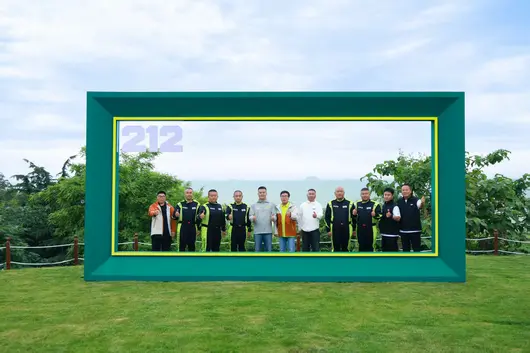
On June 6, the 212 Off-road Vehicle Khara-Tar Rally Finale Celebration was successfully held in Qingdao. The event venue was full of stars, with famous sports host Han Qiaosheng and professional racer Han Wei personally attending. 212 manufacturer team, user team drivers, and the technical logistics team that provided protection throughout the journey were all present. Everyone gathered to relive the passionate journey of the 212 team galloping across the desert and Gobi in this year's Khara-Tar Rally, putting a perfect period to this extreme off-road journey.

The just-concluded 2026 China Khara-Tar International Rally covered a total distance of up to 7,500 kilometers. Complex and changeable road conditions and severe environmental tests challenged every participating vehicle and driver. The 212 team that departed this time stood out remarkably. Participating vehicles basically remained in their original factory production state, facing a group of 3.0T models directly with 2.0T power, completing a cross-level challenge of strength. In multiple key stages from SS10 to SS13, the team successively achieved excellent results with two championships and one runner-up. Finally, 212 became the only brand in the T2.1 Production Group manufacturer team to achieve 100% completion for all members, and secured the runner-up position for the manufacturer team in this group, using hardcore strength to confirm the off-road foundation of production models.
The main model T01 participating this time did not undergo heavy race modifications; original factory configuration was sufficient to cope with the extreme field. The vehicle is equipped with a mature power combination of a 2.0T engine and ZF 8AT transmission. Low-end torque performance is outstanding. Whether climbing steep slopes in the Gobi or moving with a full load trailer, power performance is not inferior to large displacement models. Equipped with BorgWarner heavy-duty transfer case, low and high-speed gear shifting is smooth. After activating 4L mode, torque can be amplified 2.64 times. Power distribution is flexible and reasonable, output is stable during long-distance crossing, and failure rate is extremely low.

The body and chassis were also carefully refined. The body-on-frame body paired with front and rear solid axle structures keeps the body stable facing severe bumps on off-road surfaces, bomb pits, and other complex road conditions, and torsion resistance is outstanding when carrying heavy loads during crossing. The chassis was specially tuned for Khara-Tar extreme road conditions; original state can easily adapt to various outdoor complex terrains. The whole vehicle uses galvanized steel plates. Even encountering Gobi gravel scraping, it is not easy to rust. At the same time, the vehicle reinforced roof load-bearing capacity, overall performance improved by 16%. Combined with cage body, 540° panoramic image, emergency rescue call and other configurations, from structure to function, it comprehensively guards the safety of passengers and drivers.
Beyond excellent performance on the field, 212 is also committed to allowing ordinary owners to embrace off-road fun. At the celebration venue, the brand officially announced that the exclusive Khara-Tar modification kit will soon go online in the official mall. The kit includes practical accessories such as chassis armor, beadlock wheels, off-road tires, and recovery rescue equipment, allowing civilian version models to also unlock stronger off-road performance. He Zhaopeng, General Manager of 212 Off-road Vehicle Marketing Company, stated that the brand hopes to continue popularizing off-road culture and let more people rush towards the distance and love in their hearts.

Looking to the future, 212's off-road event map is still continuously expanding. The Kara Rally, Malaysia Sabah International Rainforest Rally, Alxa T3 Challenge, and 2027 Khara-Tar Rally and other domestic and international top events have all been included in the brand plan, insisting on using events to force product technology upgrades. At the same time, the 2027 Khara-Tar User Driver Recruitment Plan has officially launched. The brand will also work with Han Wei to build the Champion Off-road Training Academy, providing professional training and competition channels for a wide range of off-road enthusiasts.
From professional field testing of products, to supporting services empowering users, to building an all-people participation off-road platform, 212 has always remained true to its original intention. Every 212 off-road vehicle carries the off-road dreams of countless owners, and the brand will continue to move forward, letting every person who loves off-road be able to rush towards their own "Khara-Tar Dream".

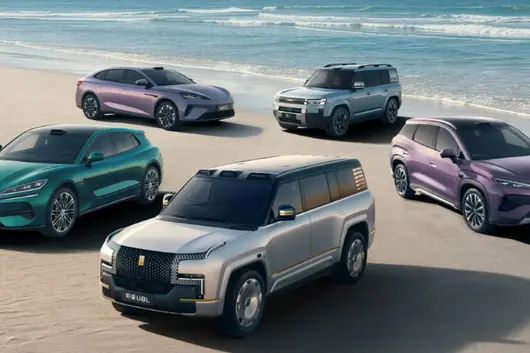
BYD officially released the May 2026 production and sales flash report, with new energy vehicles from all brands reaching a monthly sales volume of 383,453 vehicles, a slight increase of 0.26% year-on-year, achieving year-on-year positive growth in monthly sales after ten months; among them, passenger car deliveries reached 376,990 units, surging 19.4% month-on-month, wiping out the pain of previous model iterations, presenting a new pattern where the domestic base is stable, overseas sales are soaring, and high-end brands are scaling up across the board. Amidst the market environment of intensified competition in the domestic new energy sector, Tesla FSD entering China, and an intense launch of independent new products, it has forged a unique structural growth path.

The Dynasty and Ocean main brands combined sold 330,215 vehicles in May, accounting for over 80% of the group's total sales, remaining the stabilizer for BYD's sales volume. The full series had 8 models exceeding 20,000 units in monthly sales, covering products from 50,000 entry-level commuter to 200,000 home SUV.

Inside the Dynasty Network, the Yuan family sold 56,691 units, and the Song family 51,370 units. Both crossed the 50,000 threshold, becoming two major sales pillars for the brand, catering to home commuter and urban-rural travel needs; the Qin family followed closely with a stable performance of 28,360 units. The Han and Tang series maintained a volume in the six-thousand range, deeply cultivating the mid-to-large home sedan and SUV niche markets; the brand new model Xia is in the market cultivation phase, delivering 1,810 units monthly, with potential for steady volume growth as channels expand.
The Ocean Network's growth momentum is even more rapid, with 5 models entering the 20,000 club across the series: Sealion 42,615 units, Seal 34,117 units, Seagull 39,919 units, Dolphin 22,260 units, and Song PLUS 27,755 units. Among them, Seagull remains the best-selling entry-level commuter model thanks to its affordable pricing of 60,000-80,000. Sealion, as a new volume model, stands firm at the 40,000 level upon launch, filling the mid-size SUV product gap in the Ocean Network and perfecting the Ocean product tier layout. From commuter small cars to compact SUVs, the two main brands rely on DM-i hybrid and pure electric dual-line technologies to牢牢锁住 the mainstream home market share within 150,000 domestically.
Fang Cheng Bao Year-on-Year Surges 139.7%, Brand Upward Positioning Takes EffectThe high-end matrix of Denza, Fang Cheng Bao, and Yangwang sold a combined 46,489 vehicles in May, officially breaking away from the niche positioning to become a new pivot for BYD's brand premium and profit growth, breaking the industry curse of difficulty in high-end breakthrough for domestic brands.

The off-road brand Fang Cheng Bao sold 30,186 units monthly, surging 139.7% year-on-year, creating a new high in monthly sales since the brand launched. Its Titanium 7 model sold 18,280 units monthly, while Leopard 5 and Leopard 8 output remained stable, continuously squeezing the survival space for joint venture and imported models in the 250,000-400,000 hardcore off-road niche market.

Denza delivered 16,303 units in May, with the MPV benchmark D9 selling 6,721 units, and the Z9 series close to 6,000 units. MPV and mid-to-large sedan dual-line efforts helped them stand firm in the luxury new energy track; the million-level ultra-luxury brand Yangwang continued its steady climb, delivering 286 units that month, a year-on-year increase of 105.8%, completing market verification of the domestic brand ceiling product and forming a full price range product layout from 100,000+ home, 300,000-400,000 off-road, 500,000 luxury MPV to million-level flagship.

In May, BYD's overseas sales of passenger cars and pickup trucks reached 160,177 units, surging 80.7% year-on-year. Exports accounted for over 42% of the full series total sales, setting a new historical high for brand export and becoming the core driving force to stabilize May overall sales and achieve year-on-year positive growth.
Southeast Asia, Europe, and Latin America became the main incremental markets. Seagull, Song PLUS, and Yuan series continued to top new energy best-seller lists in multiple countries; the SHARK pickup truck exceeded 4,000 units in monthly exports for two consecutive months. Relying on the completion of localization production in Thailand, Brazil, Hungary, and Uzbekistan with four overseas vehicle factories, localized production continues to land, avoiding tariffs while rapidly penetrating terminal channels. Against the background of stock market competition in the domestic auto industry and normalized price wars, the rapidly expanding overseas market effectively counteracts sales volatility brought by domestic model iterations, officially upgrading from a supplementary market to BYD's core growth engine. As of now, BYD's global cumulative new energy vehicle sales have exceeded 16.5 million units, with the globalization map continuously broadening.
Intelligent Driving Empowers Product Iteration, H2 New Products Prepare to Surge VolumeMay marked a key node in BYD's intelligent driving landing, with the God's Eye intelligent driving system becoming a core bonus point for models: the number of vehicles with advanced intelligent driving across all brands exceeded 3.15 million, with daily road test data exceeding 200 million kilometers; that month, BYD implemented City Pilot and Smart Parking dual safety backup services, becoming the world's first auto manufacturer to achieve dual intelligent driving backups. Three days after policy implementation, the activation rate of models equipped with the God's Eye system in cities surged 50%. Intelligent driving experience upgrades directly drove in-store order conversion, solidifying product competitiveness for subsequent models to continue volume sales, and facing the intelligent driving market shock brought by FSD entering China.
From data details, BYD's cumulative sales from January to May 2026 were 1,405,039 units, down 20.32% year-on-year. The core reason is that the full series of main models were concentratedly iterated, and the capacity ramp-up of the 2nd Gen Fast Charge Blade Battery was restricted. The new Flash Charge Battery upgraded fast charging and low-temperature performance. Full series iteration models prioritized installing new batteries, but production line retrofitting dragged down capacity release. Order backlogs on popular models and delayed deliveries compressed the May delivery volume to a certain extent.
As the end of the second quarter approaches and the 2nd Gen Blade Battery capacity continues to release, coupled with new models such as Denza N8L, Fang Cheng Bao Titanium 7 Pure Electric Version, Sealion 05, and Xia L landing the market, the industry generally predicts that BYD's full brand sales in June are expected to exceed 400,000 vehicles. Relying on the four-dimension development logic of low-end volume locking share, high-end raising profit, overseas pushing volume, and intelligence improving product power, amidst the intensified new energy elimination round in the domestic market, BYD's full category layout advantage continues to amplify, securing its status as the domestic new energy leader, accelerating steadily towards global top auto manufacturers.

兄弟姐妹們,今日講一個出海嘅大新聞——唔係賣車,係賣「司機」。6 月 2 號,文遠知行同 Uber 聯合宣佈咗一件事:計劃喺西班牙馬德里推出該國首個商業化 Robotaxi 試點服務。意思就係:西班牙人好快就可以用 Uber 叫到一台冇司機嘅出租車。呢次係文遠知行同 Uber 第一次一齊進入歐洲市場。馬德里亦成為文遠知行 Robotaxi 駛入嘅全球第十二個城市。
官方消息話,喺馬德里自治區政府嘅支持下,呢項服務今年內就會正式啟動。到嗰陣,馬德里嘅朋友哋打開 Uber App,就有一鍵呼叫文遠知行嘅 Robotaxi。同叫普通網約車一樣,分別係嚟嘅車冇駕駛員——至少喺初期,仲係有分別嘅。運營初期,車入面會配備經過專業培訓嘅安全員,終究係剛上線,穩妥第一。
文遠知行呢間公司,你可能聽過,也可能冇聽過。簡單介紹下:2017 年成立,一直埋頭搞 Robotaxi 技術研發同商業化。而家佢嘅 Robotaxi 已經覆蓋咗廣州、北京、新加坡、阿布達比、迪拜、利雅得、蘇黎世……加埋而家嘅馬德里,一共 12 個城市。西班牙亦係文遠知行進入嘅第五個歐洲市場——之前已經入咗瑞士、法國、比利時、斯洛伐克。按照文遠知行同 Uber 喺 2025 年 5 月達成嘅規劃,佢哋要喺五年內新增 15 個國際城市部署 Robotaxi 服務,全球部署數萬輛 Robotaxi。隨著馬德里落地,目前已經完成咗 4 個城市嘅佈局,仲有 11 個會喺 2030 年前陸續覆蓋。
講真嘅,中國自動駕駛公司出海唔係頭一回,但中國技術 + 全球出行平台 + 歐洲市場呢個組合,定係好有意思。馬德里係歐洲最具商業潛力嘅 Robotaxi 市場之一,人口多、出行需求大,當地政策都好友善。喺呢個市場站穩腳根,對文遠知行嚟講係個唔小嘅里程碑。對 Uber 嚟講,引進 Robotaxi 都係為咗降低成本——終究司機唔使發人工。對馬德里市民嚟講,以後打車可能更平。