


首頁street

搜尋歷史
熱門搜尋
經銷商登入 / 註冊

喺馬來西亞嘅 SUV 市場,好多買家喺揀車嗰陣都會拎 Proton X90 同 Mazda CX-60 嚟做比較。呢兩款車喺價位同定位上都幾接近,今日我哋就從多個方面做一個詳細嘅比較,幫你節省咗做功課嘅時間。
Proton X90 喺馬來西亞嘅 OTR 售價係 RM 106,800 - 122,800,一共有 4 個版本,包括 2026 1.5T Prime X(RM 122,800)、2026 1.5T Prime(RM 116,800)、2026 1.5T Lite(RM 106,800) 等。
Mazda CX-60 喺馬來西亞嘅 OTR 售價係 RM 200,510 - 252,873,一共有 2 個版本,包括 2026 3.3T 4WD High Plus(RM 252,873)、2025 2.5L 2WD High(RM 200,510) 等。
從價錢嚟睇,Proton X90 嘅起步價確實比 Mazda CX-60 平咗 RM 93,710。如果你預算有限,Proton 嘅入門版已經可以滿足日常需求。不過都注意下,平嗰幾千蚊,可能喺配備上會有取舍,具體睇你嘅需求。

Proton X90 嘅安全評級係 5★ (ASEAN NCAP),主動安全系統包括 ADAS (ACC, AEB, LKA, LDA, BSM, RCTA)。
Mazda CX-60 嘅安全評級係 5★ (Euro NCAP),主動安全系統包括 i-Activsense Pro。
安全配備方面,兩款車都拿到唔錯嘅評級。不過 Proton X90 嘅 ADAS (ACC, AEB, LKA, LDA, BSM, RCTA) 同 Mazda CX-60 嘅 i-Activsense Pro 喺功能上有些差異,如果你比較著重主動安全嘅話,可以仔細對比吓兩者嘅功能列表。

Proton X90 車身長 4400 mm,後備箱 400 L。
Mazda CX-60 車身長 4500 mm,後備箱 450 L。
空間方面,Mazda CX-60 嘅車身比 Proton X90 長咗 100 mm,乘坐空間更有優勢。不過 Proton X90 喺城市入面停車會靈活少少,各有取舍。

Proton X90 保修 5 年/150,000km,保養間隔 每 10,000km 或 6 個月。
Mazda CX-60 保修 5 年/150,000km,保養間隔 每 10,000km 或 6 個月。
兩款車嘅保修條件一樣,呢方面唔使糾結。實際保養成本仲要睇品牌嘅服務網絡同零件價格,建議去車友群問下真實車主嘅經驗。

總括嚟講,Proton X90 同 Mazda CX-60 都係馬來西亞市場幾唔錯嘅車型。揀邊一部,關鍵仲要睇你嘅個人需求同預算。建議大家做好功課,多比較幾間車行嘅報價,再去試駕做最後決定。買車係件大事,花少少時間做功課絕對唔會錯。


In the Malaysian SUV market, many buyers compare the Proton X90 and Toyota Yaris Cross when choosing a car. These two models are quite close in price and positioning. Today, we will make a detailed comparison from multiple aspects to help you save time on research.
The Proton X90 OTR price in Malaysia is RM 106,800 - 122,800, with 4 versions in total, including 2026 1.5T Prime X (RM 122,800), 2026 1.5T Prime (RM 116,800), 2026 1.5T Lite (RM 106,800), etc.
The Toyota Yaris Cross OTR price in Malaysia is RM 99,900 - 109,900, with 2 versions in total, including 2026 1.5L Standard (RM 99,900), 2026 HEV 1.5L Standard (RM 109,900), etc.
From a price perspective, the Toyota Yaris Cross starts RM 6,900 cheaper than the Proton X90. Honestly, in this price range, a difference of a few thousand isn't significant; the key is overall value for money and long-term usage costs.
The Proton X90 features a 1.5L Turbo, with 140 hp. Official fuel consumption is 7.0 L/100km.
The Toyota Yaris Cross features a 1.5L 4-cyl, with 105 hp. Official fuel consumption is 6.0 L/100km.
In terms of power, the Proton X90's 1.5L Turbo has 35 hp more than the Toyota Yaris Cross's 1.5L 4-cyl, providing more confidence in mid-range acceleration, especially when overtaking on highways. However, the Toyota Yaris Cross might have more fuel-friendly consumption, and the difference for daily city commuting won't be too large.
The Proton X90 uses FWD drive type.
The Toyota Yaris Cross uses FWD drive type.
Both cars have the same drive type, which is FWD, so there won't be much difference in daily driving feel.
Proton X90 Warranty 5 years / 150,000km, Maintenance interval Every 10,000km or 6 months.
Toyota Yaris Cross Warranty 5 years / Unlimited mileage, Maintenance interval Every 10,000km or 6 months.

Both the Proton X90 and Toyota Yaris Cross are mainstream choices in the Malaysian market, suitable for family use and daily commuting. If you value brand reputation and resale value more, you can prioritize the one with better reputation; if you care more about value for money and features, choose the one with more configurations. Ultimately, it is recommended to test drive both models, as personal experience is the most important.

Overall, both the Proton X90 and Toyota Yaris Cross are very good car models in the Malaysian market. Which one to choose depends mainly on your personal needs and budget. It is recommended to do your research, compare quotes from multiple car dealerships, and then test drive to make a final decision. Buying a car is a big matter, spending time on research is never wrong.

喺馬來西亞嘅 SUV 市場,好多買家喺揀車嗰陣都會拿 Proton X70 同 Toyota Fortuner 嚟做比較。這兩款車喺價錢同定位上都幾接近,今日我就由多個角度做個詳細嘅對比,幫你攞返做功課嗰啲時間。
Proton X70 喺馬來西亞嘅 OTR 售價係 RM 106,800 - 122,300,一共有 3 個版本,包括 1.5L Standard 2WD(RM 106,800)、1.5L Executive 2WD(RM 115,800)、1.5L Premium 2WD(RM 122,300) 等。
Toyota Fortuner 喺馬來西亞嘅 OTR 售價係 RM 195,880 - 241,880,一共有 3 個版本,包括 2024 2.8T VRZ Diesel(RM 241,880)、2024 2.7L SRZ Petrol(RM 202,880)、2024 2.4L Standard Diesel(RM 195,880) 等。
由價錢睇落,Proton X70 嘅起步價的確比 Toyota Fortuner 平咗 RM 89,080。如果你預算有限,Proton 嘅入門版已經可以滿足日常需要。但都要注意,平嗰幾千蚊,可能喺配備上會有取舍,具體要睇你嘅需要。

Proton X70 配備 1.5L Turbo,馬力 140 hp。官方油耗 7.0 L/100km。
Toyota Fortuner 配備 2.5L Diesel,馬力 187 hp。官方油耗 8.5 L/100km。
動力方面,Toyota Fortuner 嘅 2.5L Diesel 比 Proton X70 嘅 1.5L Turbo 多咗 47 匹馬力。不過日常喺市區行,兩款車嘅動力都夠用,唔會覺得唔夠力。

Proton X70 保養 5 年/150,000km,保養間隔 每 10,000km 或 6 個月。
Toyota Fortuner 保養 5 年/無限制里程,保養間隔 每 10,000km 或 6 個月。

Proton X70 同 Toyota Fortuner 都係馬來西亞市場嘅主流選擇,適合家庭使用、日常通勤。如果你更重視品牌口碑同二手價,可以優先考慮口碑更好嗰款;如果你更在意性價比同配備,那就揀配置更豐富嗰款。最後仲建議兩款都去試駕,親身體驗先至最重要。
總括嚟講,Proton X70 同 Toyota Fortuner 都係馬來西亞市場幾唔錯嘅車型。揀邊台,關鍵係睇你嘅個人需要同預算。各位建議做好功課,多比較間間車行嘅報價,再返去試駕先做最後決定。買車係一件大事,費少少時間做功課絕對唔會錯。


In Malaysia's SUV market, many buyers compare the Proton X50 and Chery Tiggo 8 PHEV when selecting a car. These two vehicles are quite close in terms of price and positioning. Today, we will make a detailed comparison from multiple aspects to save you the time doing your research.
The Proton X50 OTR price in Malaysia is RM 89,800 - 113,300, with a total of 4 versions, including 1.5T Executive (RM 89,800), 1.5T Premium (RM 101,800), 1.5T Flagship (RM 113,300) etc.
The Chery Tiggo 8 PHEV OTR price in Malaysia is RM 159,750 - 159,750, with a total of 2 versions, including 1.6L Turbo Standard (RM 130,000), 1.6L Turbo Premium (RM 145,000) etc.
Looking at the price, the Proton X50's starting price is indeed RM 69,950 cheaper than the Chery Tiggo 8 PHEV. If your budget is limited, Proton's entry-level version can already meet daily needs. However, be aware that the savings of a few thousand might involve compromises on features, depending on your specific needs.

Proton X50's safety rating is 5★ (ASEAN NCAP), active safety systems include ADAS (ACC, AEB, LKA, LDA, BSM, RCTA).
Chery Tiggo 8 PHEV's safety rating is TBD, active safety systems include Basic.
In terms of safety features, both cars have received good ratings. However, there are some differences in functionality between Proton X50's ADAS (ACC, AEB, LKA, LDA, BSM, RCTA) and Chery Tiggo 8 PHEV's Basic. If you value active safety more, you can compare the feature lists of both in detail.

Proton X50 uses 4WD drive system.
Chery Tiggo 8 PHEV uses FWD drive system.
Proton's 4WD and Chery's FWD will have different handling experiences; test driving and comparing is recommended.

Proton X50 warranty 5 years/150,000km, maintenance interval every 10,000km or 6 months.
Chery Tiggo 8 PHEV warranty 3 years/100,000km, maintenance interval every 10,000km or 6 months.
Both Proton X50 and Chery Tiggo 8 PHEV are mainstream choices in the Malaysian market, suitable for family use and daily commuting. If you value brand reputation and resale value more, you can prioritize the one with better reputation; if you care more about value for money and features, choose the one with richer configurations. Ultimately, it is recommended to test drive both, as personal experience is the most important.
In general, Proton X50 and Chery Tiggo 8 PHEV are both very good car models in the Malaysian market. Which one to choose depends mainly on your personal needs and budget. We recommend doing your research, comparing quotes from several car dealerships, and then test driving to make a final decision. Buying a car is a big matter, taking some time to do your research will never be wrong.


喺馬來西亞嘅 SUV 市場,好多買家喺揀車嗰陣都會拿 Proton X50 同 Chery Tiggo 8 嚟比較。呢兩款車喺價錢同定位上都幾近,今日我哋就從多個方面做一個詳細比較,幫你省返啲做功課嘅時間。
Proton X50 喺馬來西亞嘅 OTR 售價係 RM 89,800 - 113,300,一共有 4 個版本,包括 1.5T Executive(RM 89,800)、1.5T Premium(RM 101,800)、1.5T Flagship(RM 113,300) 等。
Chery Tiggo 8 喺馬來西亞嘅 OTR 售價係 RM 129,750 - 129,750,一共有 1 個版本,包括 2026 1.6T Standard(RM 129,750) 等。
從價錢來看,Proton X50 嘅起步價確實比 Chery Tiggo 8 平咗 RM 39,950。如果你預算有限,Proton 嘅入門版已經可以满足日常需要。但要記住,平嗰幾千蚊,喺配備上可能會有取舍,具體睇你嘅需要。
Proton X50 搭載 1.5L 4-cyl,馬力 105 hp。官方油耗 6.0 L/100km。
Chery Tiggo 8 搭載 1.5L Turbo,馬力 140 hp。官方油耗 7.0 L/100km。
動力方面,Chery Tiggo 8 嘅 1.5L Turbo 比 Proton X50 嘅 1.5L 4-cyl 多咗 35 匹馬力。不過日常喺市區開,兩款車嘅動力都夠用,唔會覺得唔夠力。
Proton X50 保修 5 年/150,000km,保養間隔 每 10,000km 或 6 個月。
Chery Tiggo 8 保修 3 年/100,000km,保養間隔 每 10,000km 或 6 個月。
Proton X50 同 Chery Tiggo 8 都係馬來西亞市場嘅主流選擇,適合家庭使用、日常通勤。如果你更重視品牌口碑同二手價,可以優先考慮口碑更好嗰一款;如果你更在意性價比同配備,就揀配置更豐富嗰款。最終都係建議兩款都去試駕,親身體驗先係最重要。

總括嚟講,Proton X50 同 Chery Tiggo 8 都係馬來西亞市場幾唔錯嘅車型。揀邊一輛,關鍵始終係睇你嘅個人需求同預算。建議大家做足功課,多比較間車行嘅報價,再去試駕做最終決定。買車係件大事情,花少少時間做功課絕對唔會錯。
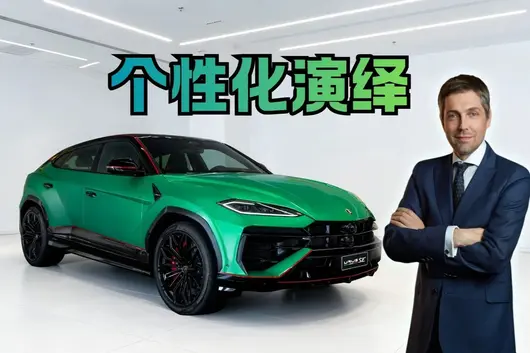
从一台超级SUV,到一件专属“艺术品”,兰博基尼正在重新定义豪华性能车型的价值。近日,全球限量630台的兰博基尼Urus SE“Tettonero”特别版亮相北京。这款融合800马力混动性能与极致个性化设计的车型,不仅代表着Urus家族在设计层面的进一步突破,也成为兰博基尼展示Ad Personam高级定制理念的重要载体。

兰博基尼汽车中国内地及香港、澳门执行总经理Konstantin Sychev先生
我们也在活动现场,采访了兰博基尼汽车中国内地及香港、澳门执行总经理Konstantin Sychev先生,他也分享了兰博基尼对于超级SUV未来发展的思考,以及Ad Personam高级定制理念、混动化战略和客户体验建设的最新规划。而消费者对于一台顶级性能车型的期待,已经不再局限于动力参数和机械性能,而是更加关注车辆是否能够体现自身独特的审美、生活方式以及个人身份表达。这一趋势,在兰博基尼Urus SE“Tettonero”特别版上体现得尤为明显。
Q:从设计到混动性能这两个方面来说,特别版在普通版Urus SE的基础上做了哪些专属调校的设计与巧思?Tettonero这个名字的背后,兰博基尼想传递怎样的超级SUV美学表达?
Konstantin Sychev:“Tettonero”这个名字主要强调车辆顶部采用的亮黑色设计。它突显了车身轮廓,车身侧面还配有对比色条纹。此外,车辆周围配有一些亮黑色元素,与车顶相搭配。在动力系统方面我们没有做任何改动,因为Urus SE的动力系统本身就是我们的客户——尤其是中国客户——所欣赏的。因此,我们是在车辆个性化定制上更进一步。

我来分享一个数据:2025年,在兰博基尼总部圣亚加塔·波隆尼生产的全部车辆中,有96%至少选装了一项Ad Personam个性化定制选项。


再聊聊本次这款新车型:放在Urus车系里看,630台的规模十分限量。我们从Centro Stile设计中心的设计师那里汲取灵感,再结合Ad Personam的定制能力,打造出我们刚才所展示和介绍的这些特色。而且,这两款新引入Urus SE车型的外观颜色只是整个定制化选择的一部分,整车还有更多的差异化配置。特别版有超过70种个性化搭配组合可供挑选;在此基础上,客户还能结合品牌完整外观色库叠加更多高阶定制,打造独一无二的专属座驾。
Q:想了解一下兰博基尼在个性化定制方面的发展情况以及在中国市场的规划,以及这次为什么会选择Urus来打造一台专属车型?
Konstantin Sychev:首先,关于为什么选择Urus。在中国,我们的客户同样非常看重的一点是,当他们下单订车时,这辆车是为他们量身打造的,而且与路上其他车辆不同。

对于超级跑车,例如Temerario,我们从生产之初就全面开放了个性化定制。而对于Urus,我们则是逐步开放更多的个性化定制选项。这也是为什么这款限量版对我们如此重要,因为它真正突显了像Urus这样的车型系列在个性化定制项目上的能力。这是我们面向全球的统一战略,但中国消费者对个性化的需求与热爱格外突出。从订单数据、客户订车选择中,我们能清晰感受到大家对车辆专属定制极高的热情。
Q:2026年是兰博基尼全系混动产品完整落地中国的关键一年,能否请您复盘截至目前中国市场整体交付结构、客户画像变化。对比2025年,混动车型、SUV与双门超跑在中国市场的需求占比发生了哪些核心变化?
Konstantin Sychev:首先,中国始终是兰博基尼的战略市场,并且未来依然如此。
关于混动化,我们的客户真正看重的是兰博基尼与生俱来的品牌基因,即驾驶乐趣。对我们而言,混动化不仅是提升车辆性能和功率的绝佳方式,更是通过不同的驾驶模式、变速箱和悬架调教,让驾驶变得更有乐趣。而且我们看到,兰博基尼的混动化战略已被证明是成功的。

从Revuelto开始,它是兰博基尼有史以来量产车中动力最强的车型,无论全球市场还是中国市场,都取得了真正的成功。我们看到许多客户都非常享受这台车所带来的整体体验和专属感。然后是Urus,Urus SE凭借其混合动力系统,不仅动力更强劲,驾驶起来也更快。至于Temerario,情况也是如此,它也同样是动力与操控性、灵活性和驾驶乐趣的令人难以置信的组合。
需要强调的是,这三款车型的核心都是内燃机,而我们是将混动技术作为性能增强手段来使用的。这套产品战略,无论在中国还是全球各地市场,都十分契合兰博基尼的品牌定位,市场反响极佳。

说到客户群体,我们在中国的客户画像一直以来非常一致。中国依然是兰博基尼最年轻的市场之一——如果只看去年收集和交付的订单,我们客户的平均年龄大概在32到35岁之间,约比世界其他地区的客户群体年轻10岁左右。
这些客户非常热衷于品牌带来的专属体验,一方面是我们前面提到的车辆个性化定制服务;另一方面,品牌也为中国消费者量身打造了各类专属体验项目。我们也看到一个持续的趋势:越来越多的女性车主加入兰博基尼大家庭。与全球平均水平相比,中国市场的女性车主比例略高一些,我们认为这也是一个非常积极的信号。
Q:近年来,同集团旗下品牌也在为保障经销商盈利能力对在华经销商网络进行相应的调整,兰博基尼是否也有类似的计划?此外,兰博基尼在部分区域的服务网络还在逐步拓展中,消费者买车时跑远一点可以接受,但如果每次保养也都要跑很远,难免会影响体验感。兰博基尼是否会考虑借助集团资源来为车主提供支持?
Konstantin Sychev:关于经销商网络,兰博基尼在中国采用的是品牌专属4S门店运营模式。对于我们而言,经销商网络的规划不是短期行为,而是一项战略布局。当然,我们也在密切关注市场动态,并相应调整策略。

首先,在全系车型混动化的同时,我们为客户提供五年保养计划,无论客户身处何地都能享受。我们必须将服务覆盖到每一位用户,确保他们能够通过官方经销商获得标准统一、品质到位的服务。因此,除了五年保养计划之外,如果客户所在的地区离经销商较远,我们配套提供拖车服务,将车辆拖送到经销商门店进行保养,然后再送回客户手中。
对我们而言最重要的是客户满意度。即使经销商不在附近,我们也提供配套的售后服务方案,让客户对兰博基尼的车辆维保事宜上全无后顾之忧。
我们没有与其他品牌合作提供售后服务的计划。兰博基尼依托自有专业授权经销网络、专业技术人员、专用设备,以及专注于兰博基尼客户体验的服务团队。对我们而言,维持统一高标准服务品质、坚守品牌专属服务标准至关重要。

Q:“向金牛座之心前进”大家已经很熟悉了,后续会有一款2+2布局的插电混动新车,想问一下目前整体进展怎么样,有没有一些关键的时间节点可以透露?您怎么看中国市场的演变,对兰博基尼未来的方向会有什么影响?关于个性化定制,兰博基尼会不会考虑提供一些优秀的案例或者推荐的固定搭配方案,给用户一些参考或者指导?
Konstantin Sychev:我们一直在密切关注市场发展,而超豪华细分市场,尤其是超级跑车领域,客户对纯电动车型的接受度并不高。与此同时,我们不仅在全球范围内,更在中国市场收获了客户对混动车型的积极反馈。
因此,我们对“向金牛座之心前进”战略进行了重新审视与调整,计划全系车型采用混合动力系统,包括未来的第四款车型。关于这款车型,后续将有相关更新信息发布,但现阶段谈论细节为时尚早。

关于个性化定制,这完全取决于客户的需求。在经销商店内,我们有像现在所在的Ad Personam定制工作室,让客户了解个性化定制的可能性。如果客户有更深入的定制需求,我们可以安排客户与圣亚加塔·波隆尼的Ad Personam工作室进行线上沟通,中国客户也可以选择亲自前往工作室进行面对面沟通。
无论定制程度如何,我们的 Ad Personam专属定制团队都会全程对接。当客户有特殊的定制需求时,团队会与客户协同打磨方案,在贴合客户需求的同时,由设计师提供专业参考建议。每一套定制配置,在车辆投产前都会经过专业人员逐一审核把关。
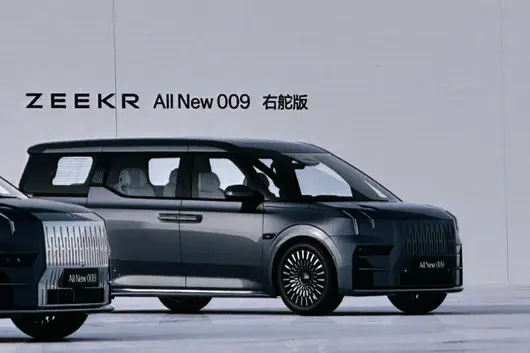
Recently, the Zeekr 009 right-hand drive version officially launched simultaneously in Thailand, Malaysia, and Singapore, the three core Southeast Asian markets. In my opinion, this overseas expansion holds very high value. It is not an output of ordinary models relying on low prices for volume, but Chinese brands directly presenting top-spec flagship MPVs. In the 600,000–1,000,000 luxury tier, they directly confront the Toyota Alphard that has ruled Southeast Asia for decades. It is the Zeekr 009's continuous hot sales that truly shatters the "sacred halo" of Japanese high-end MPVs.

For a long time, the Southeast Asian high-end business MPV market was entirely Alphard's private domain. Even with outdated models, stingy configurations, and mark-ups, local government and corporate reception, and high-end business travel still prioritized Japanese twin models. But in the past two years, the market has completely turned. Among these, the biggest contribution and highest value came from the Zeekr 009. Relying on solid product hard power, the Zeekr 009 won the sales championship of luxury pure electric MPVs in Thailand and Malaysia consecutively from January to May 2026. It is currently the only domestic flagship MPV that can stably compete with the Alphard in the overseas high-end luxury market.
Hardcore Product Power Crushes, Zeekr 009 Creates an Era-Level Gap
The reason Japanese MPVs quickly lost momentum is the core product lag, while the Zeekr 009 brings a comprehensive, no-shortcoming dimensional reduction experience. The Alphard is still using an old fuel architecture, with ordinary chassis, stiff suspension, and high-speed noise. It lacks high-end standards like air suspension, rear-wheel steering, and fast high-voltage charging. Second-row massage, onboard refrigerator, and privacy glass, these basic luxury configurations all require extra payment for options. The overall experience is completely unfit for its luxury pricing.

The Zeekr 009 right-hand drive overseas version follows a completely different high-end logic. Thailand starting price 664,000, top spec close to 990,000, highly overlapping with the Alphard top spec price. It does not rely on low-price involution throughout, purely benchmarking with product power. It is one of the few flagship MPVs in the Southeast Asian market with standard full-configuration 900V high-voltage platform + dual-chamber air suspension + CCD electromagnetic damping. It supports 10-minute fast charging replenishment of 500 km. Under highway and long-distance travel scenarios, charging efficiency beats fuel car refueling speed. At the same time, it includes standard smart magic carpet chassis, adjustable chassis height. Whether highway cruising or bumpy sections, vibration filtering, stability, quietness, are a whole level higher than traditional fuel MPVs.

For Southeast Asian special road conditions of high heat, heavy rain, congestion, and narrow old town roads, the Zeekr 009 made extensive exclusive local adaptations. Strengthened battery high-temperature thermal management system, fearless of tropical year-round high heat exposure. Full-area powerful air conditioning rapid cooling, no stuffiness when full load multi-person travel. Exclusive chassis anti-corrosion process, adapting to rainy and humid climate. At the same time relying on flexible body tuning, narrow road U-turn, underground garage parking is much more flexible than the bulky Alphard. In terms of interior, whole vehicle multi-layer sound insulation glass, Nappa leather aviation seats, ventilation heating massage, onboard cold and warm refrigerator, rear screen all standard. No extra markup, luxury texture directly maxed out. In comparison, the Zeekr 009 is the truly flagship product that fits modern high-end travel.
Policy and Consumer Iteration Amplifies Zeekr 009's Advantages Completely
In my opinion, the Zeekr 009's ability to quickly take root in the overseas high-end market is a dual result of product advantages stacked with market dividends. Thailand EV3.5 new energy policy, exempting large import tariffs and consumption tax on imported pure electric vehicles. Stacked with purchase subsidies, highway toll reduction benefits, greatly lowering the usage threshold for high-end pure electric MPVs. Conversely, the large displacement Alphard has high taxes, high fuel consumption, expensive maintenance. Industry calculated full lifecycle usage cost, about 30% higher than Zeekr 009. Long-term cost-performance ratio gap is huge. Currently Thailand new energy penetration rate has reached 45.6%. Local consumers have long accepted electric cars, no longer blindly worshipping fuel luxury car logos.

More importantly, the consumer crowd has completely shifted generations. In the past, Southeast Asian high-end MPV buyers were the older generation of traditional merchants, only recognizing Toyota brand premium. And now the main force is young entrepreneurs, new generation middle class. They choose cars pragmatically and rationally, value comfort, intelligence, cost, and experience more. Zeekr 009 smooth quiet, zero jerk pure electric driving quality, smart cockpit, smart assisted driving comprehensive support. Plus extremely low daily car maintenance cost, precisely grasps new generation high-end users' core needs, naturally quickly seize high-end business market.
Exclusive High-End Overseas Service Supports Zeekr 009's Luxury Positioning
High-end cars compete not just on products, but also on service. This is also the key for Zeekr 009 crushing Japanese brands. Toyota has deep-rooted Southeast Asia for decades, still traditional third-party dealer model. Car sales scattered, after-sales standards chaotic, no exclusive high-end service system. Completely cannot support luxury car positioning.
Zeekr built a whole set of high-end direct sales system for 009, landing high-end direct sales showrooms in Southeast Asian core cities, matching model luxury positioning. At the same time full-area layout highway, scenic spots, business district fast charging network, matching local maintenance centers and complete parts supply chain. Realize car viewing, purchasing, charging, after-sales one-stop closed-loop service. Standardized, high-quality high-end service, paired with ultimate product power, let Zeekr 009's overseas high-end reputation continue to ferment.

Conclusion: Objectively speaking, Japanese brands still have a basic foothold in the affordable fuel MPV market. But in the high-end new energy track they have completely fallen behind. The Zeekr 009's overseas continuous hot sales is hugely significant. It completely tore off the Chinese car "low price for volume" label. With hardcore technology, luxury products, high-end service, it broke Japanese decades of high-end MPV monopoly. And also signals that future Southeast Asian high-end MPV market rules will be redefined by Chinese brands.

In the Malaysian SUV market, many buyers compare Perodua Aruz and Toyota Yaris Cross when choosing a car. Both cars are quite close in price and positioning. Today, we will make a detailed comparison from multiple aspects to help you save time doing research.
Perodua Aruz OTR price in Malaysia is RM 72,900 - 77,900, there are 2 versions in total, including 1.5L X (RM 72,900), 1.5L AV (RM 77,900), etc.
Toyota Yaris Cross OTR price in Malaysia is RM 99,900 - 109,900, there are 2 versions in total, including 2026 1.5L Standard (RM 99,900), 2026 HEV 1.5L Standard (RM 109,900), etc.
From a price perspective, Perodua Aruz's starting price is indeed RM 27,000 cheaper than Toyota Yaris Cross. If your budget is limited, Perodua's entry-level version can already meet daily needs. However, note that those few thousand less in price might involve trade-offs in features, it depends on your specific needs.

Perodua Aruz is equipped with 1.5L 4-cyl, 105 hp. Official fuel consumption 6.0 L/100km.
Toyota Yaris Cross is equipped with 1.5L 4-cyl, 105 hp. Official fuel consumption 6.0 L/100km.
Both cars use the same powertrain system, the driving feel is basically the same daily. Fuel consumption is also similar, no need to dwell on this too much.
Perodua Aruz safety rating is 5★ (ASEAN NCAP), active safety systems include .
Toyota Yaris Cross safety rating is 5★ (ASEAN NCAP), active safety systems include TSS.
Both cars have the same safety rating, safety features are considered quite comprehensive within this class. New car safety is not a concern these days, no need to worry too much about this.
Perodua Aruz warranty 5 years/150,000km, service interval every 10,000km or 6 months.
Toyota Yaris Cross warranty 5 years/unlimited mileage, service interval every 10,000km or 6 months.
Perodua Aruz and Toyota Yaris Cross are both mainstream choices in the Malaysian market, suitable for family use and daily commuting. If you value brand reputation and resale value more, you can prioritize the one with a better reputation; if you care more about cost-effectiveness and features, choose the one with a richer configuration. Ultimately, it is recommended to test drive both models, as personal experience is the most important.
Overall, Perodua Aruz and Toyota Yaris Cross are both excellent models in the Malaysian market. Which one to choose ultimately depends on your personal needs and budget. We suggest doing your homework, comparing quotes from multiple dealerships, and then test driving to make the final decision. Buying a car is a significant matter, taking time to do your research will never be wrong.


In the Malaysian SUV market, many buyers compare Perodua Aruz and Proton X90 when choosing a car. Both cars are quite close in price and positioning, today we will make a detailed comparison from multiple aspects to help you save time on research.
Perodua Aruz's OTR price in Malaysia is RM 72,900 - 77,900, with a total of 2 versions, including 1.5L X (RM 72,900), 1.5L AV (RM 77,900) etc.
Proton X90's OTR price in Malaysia is RM 106,800 - 122,800, with a total of 4 versions, including 2026 1.5T Prime X (RM 122,800), 2026 1.5T Prime (RM 116,800), 2026 1.5T Lite (RM 106,800) etc.
Looking at the price, Perodua Aruz's starting price is indeed RM 33,900 cheaper than Proton X90. If your budget is limited, Perodua's entry version can already meet daily needs. However, keep in mind, the few thousand dollars cheaper, might involve trade-offs in features, depending on your specific needs.
Perodua Aruz is equipped with a 1.5L 4-cyl, 105 hp. Official fuel consumption 6.0 L/100km.
Proton X90 is equipped with a 1.5L Turbo, 140 hp. Official fuel consumption 7.0 L/100km.
In terms of power, Proton X90's 1.5L Turbo has 35 more hp than Perodua Aruz's 1.5L 4-cyl. However, for daily city driving, both cars have enough power, you won't feel it's underpowered.
Perodua Aruz body length 4400 mm, trunk 400 L.
Proton X90 body length 4400 mm, trunk 400 L.
Both cars' dimensions are almost the same, interior space difference is not significant. Cars in this class are fully sufficient for daily use.
Perodua Aruz adopts FWD drive mode.
Proton X90 adopts FWD drive mode.
Both cars have the same drive mode, both are FWD, daily driving feel will not be too different.
Perodua Aruz and Proton X90 are both mainstream choices in the Malaysian market, suitable for family use, daily commuting. If you value brand reputation and resale price more, you can prioritize the one with better reputation; if you care more about cost-performance ratio and features, then choose the one with richer configuration. Ultimately, it is recommended to test drive both, personal experience is the most important.
Overall, Perodua Aruz and Proton X90 are both very good models in the Malaysian market. Which one to choose, mainly depends on your personal needs and budget. We suggest doing your homework, comparing quotes from several dealerships, then test driving to make a final decision. Buying a car is a big matter, spending some time on research is never wrong.

喺馬來西亞嘅 SUV 市場,好多買家喺揀車嘅時候都會拿 本田 WR-V 同 馬自達 CX-8 嚟做比較。呢兩部車喺價格同定位上都幾接近,今日我哋就由多個方面做個詳細比較,幫大家省做功課嘅時間。
本田 WR-V 喺馬來西亞嘅 OTR 售價係 RM 89,900 - 107,900,合共 4 個版本,包括 2023 1.5L V(RM 99,900)、2023 1.5L E(RM 95,900)、2023 1.5L S(RM 89,900)等。
馬自達 CX-8 喺馬來西亞嘅 OTR 售價係 RM 165,360 - 201,360,合共 5 個版本,包括 2025 2.5T 4WD High Plus Petrol(RM 201,360)、2025 2.2L 2WD High Plus Diesel(RM 193,123)、2025 2.5L 2WD High Plus Petrol(RM 186,360)等。
由價錢睇,本田 WR-V 嘅起步價真係比 馬自達 CX-8 平咗 RM 75,460。如果你預算有限,本田嘅入門版已經可以滿足日常需要。但都要留意,平嗰幾千蚊,可能喺配備上會有取捨,具體睇你嘅需要。

本田 WR-V 嘅安全評級係 5★ (ASEAN NCAP),主動安全系統包括 Honda SENSING。
馬自達 CX-8 嘅安全評級係 5★ (ASEAN NCAP),主動安全系統包括 Mazda 主動安全系統 (ADAS)。
兩部車嘅安全評級一樣,喺呢個級別入面安全配備都算好齊全。而家嘅新車安全性都唔差,唔使太擔心這一點。
本田 WR-V 車身長度 4400 mm,行李廂 400 L。
馬自達 CX-8 車身長度 4500 mm,行李廂 450 L。
空間方面,馬自達 CX-8 嘅車身比 本田 WR-V 長咗 100 mm,乘坐空間更有優勢。不過本田 WR-V 喺城市入面泊車會靈活啲,各有取捨。
本田 WR-V 保修 5 年/無限里程,保養間隔 每 10,000km 或 6 個月。
馬自達 CX-8 保修 5 年/150,000km,保養間隔 每 10,000km 或 6 個月。

本田 WR-V 同 馬自達 CX-8 都係馬來西亞市場嘅主流選擇,適合家庭使用、日常通勤。如果你更重視品牌口碑同二手價,可以優先考慮口碑更好嗰款;如果你更在意性價比同配備,就揀配備更豐富嗰款。最後仲係建議兩部車都去試駕,親身體驗先係最重要。

總體嚟講,本田 WR-V 同 馬自達 CX-8 都係馬來西亞市場幾唔錯嘅車型。揀邊一部,關鍵仲係睇你嘅個人需要同預算。建議大家做功課,多比較幾間車行嘅報價,再去試駕做最終決定。買車係件大事,花啲時間做功課絕對唔會錯。


喺馬來西亞嘅汽車市場,好多買家喺揀車嘅時候都會拿 Mazda CX-60 同 Subaru Forester 嚟做比較。今日我哋從多個方面做一個詳細嘅比較,幫你省下做功課嘅時間。

Mazda CX-60 喺馬來西亞嘅 OTR 售價係 RM 200,510 - 252,873,總共有 2 個版本,包括 2026 3.3T 4WD High Plus(RM 252,873)、2025 2.5L 2WD High(RM 200,510) 等。
Subaru Forester 喺馬來西亞嘅 OTR 售價係 RM 174,000 - 197,000,總共有 3 個版本,包括 2024 2.0L S EyeSight GT Edition(RM 189,538)、2024 2.0L S EyeSight(RM 177,538)、2024 2.0L L EyeSight(RM 167,538) 等。
睇返價錢,Subaru Forester 嘅起步價比 Mazda CX-60 平咗 RM 26,510。坦白講,喺呢個價位段,幾千蚊嘅差距其實唔算大,關鍵仲係睇整體嘅性價比同長期使用成本。
Mazda CX-60 裝載 2.0L 4-cyl,馬力 170 hp。官方油耗 8.0 L/100km。
Subaru Forester 裝載 2.0L 4-cyl,馬力 170 hp。官方油耗 8.0 L/100km。
兩部車用緊同一套動力系統,所以日常行車嘅感覺基本冇分別。油耗方面都差唔多,唔使太糾結呢一點。
Mazda CX-60 車身長 4500 mm,行李廂 450 L。
Subaru Forester 車身長 4400 mm,行李廂 400 L。
空間方面,Mazda CX-60 嘅車身比 Subaru Forester 長咗 100 mm,車內乘坐空間會稍微寬裕少少,尤其係後座腿部空間。如果你經常載家人或者需要放嬰兒車,大少少嘅車身確實更實用。
Mazda CX-60 同 Subaru Forester 都係馬來西亞市場嘅主流選擇,適合家庭使用、日常通勤。如果你更重視品牌口碑同二手價,可以優先考慮口碑更好嗰一款;如果你更在意性價比同配備,那就揀配置更豐富嗰款。最終都建議兩部都去試駕,親身體驗先係最重要嘅。

總體嚟講,Mazda CX-60 同 Subaru Forester 都係馬來西亞市場幾唔錯嘅車型。揀邊一輛,關鍵仲係睇你嘅個人需求同預算。我哋建議大家做好功課,多比較幾間車行嘅報價,再去試駕做最終決定。買車係件大事,花少少時間做功課絕對唔會錯。


喺馬來西亞嘅汽車市場,好多買家喺揀車嘅時候都會拿 富豪 XC90 同 寶馬 X7 嚟做比較。今日我哋由多個方面做一個詳細嘅對比,幫你省返做功課嘅時間。


富豪 XC90 喺馬來西亞嘅 OTR 售價係 RM 418,888 - 418,888,一共有 1 個版本,包括 2025 2.0T Ultra(RM 418,888)等。
寶馬 X7 喺馬來西亞嘅 OTR 售價係 RM 635,800 - 694,800,一共有 3 個版本,包括 1.5L Standard 2WD(RM 106,800)、1.5L Executive 2WD(RM 115,800)、1.5L Premium 2WD(RM 122,300)等。
由價錢睇落,富豪 XC90 嘅起步價確實比 寶馬 X7 平咗 RM 216,912。如果你預算有限,富豪嘅入門版已經可以满足日常需求。但亦都要注意,平嗰幾千塊,可能喺配備上會有取捨,具體要看你嘅需求。

富豪 XC90 嘅安全評級係 5★ (Euro NCAP),主動安全系統包括 Premium ADAS。
寶馬 X7 嘅安全評級係 5★ (ASEAN NCAP),主動安全系統包括 ADAS (ACC, AEB, LKA, LDA, BSM, RCTA)。
安全配備方面,兩款車都拿到唔錯嘅評級。不過 富豪 XC90 嘅 Premium ADAS 同 寶馬 X7 嘅 ADAS (ACC, AEB, LKA, LDA, BSM, RCTA) 喺功能上有些分別,如果你比較重視主動安全嘅話,可以仔細對比一下兩者嘅功能列表。

富豪 XC90 車身長 4400 mm,車尾箱 400 L。
寶馬 X7 車身長 4400 mm,車尾箱 400 L。
兩款車嘅尺寸幾乎一樣,車內空間差別唔大。呢個級別嘅車,日常使用完全夠用。

富豪 XC90 採用 FWD 驅動方式。
寶馬 X7 採用 FWD 驅動方式。
兩款車嘅驅動方式一樣,都係 FWD,日常駕駛感受唔會有太大分別。

總括嚟講,富豪 XC90 同 寶馬 X7 都係馬來西亞市場幾唔錯嘅車型。揀邊一部,關鍵始終係要睇你嘅個人需求同預算。建議大家做好功課,多比較幾間車行之報價,再去做試駕做最終決定。買車係件大事,花少少時間做功課絕對唔會錯。


喺馬來西亞嘅汽車市場,好多買家喺揀車嘅時候都會拿 Mazda CX-5 同 BMW X1 嚟做比較。今日我哋由多個方面做一個詳細嘅比較,幫你省下做功課嘅時間。


Mazda CX-5 喺馬來西亞嘅 OTR 售價係 RM 135,469 - 166,760,一共有 3 個版本,包括 2025 2.0L AT 35th Anniversary(RM 316,154)、2025 2.0L AT(RM 296,154)、2025 2.0L MT(RM 294,154)等。
BMW X1 喺馬來西亞嘅 OTR 售價係 RM 252,800 - 252,800,一共有 2 個版本,包括 sDrive18i(RM 220,000)、sDrive20i(RM 250,000)等。
從價錢嚟睇,Mazda CX-5 嘅起步價確實比 BMW X1 平咗 RM 117,331。如果你預算有限,Mazda 嘅入門版已經可以滿足日常需求。但都記住,平嗰啲幾千蚊,可能喺配備上面會有取捨,具體要睇你嘅需求。

Mazda CX-5 嘅安全評級係 5★ (ASEAN NCAP),主動安全系統包括。
BMW X1 嘅安全評級係 5★ (Euro NCAP),主動安全系統包括 Premium ADAS。

Mazda CX-5 車身長 4500 mm,行李箱 450 L。
BMW X1 車身長 4400 mm,行李箱 400 L。
空間方面,Mazda CX-5 嘅車身比 BMW X1 長咗 100 mm,車內乘坐空間會稍微寬鬆啲,尤其係後座腿部空間。如果你經常載家人或者需要放嬰兒車,大一點嘅車身確實更實用。

Mazda CX-5 保修 5 年/150,000km,保養間隔 每 10,000km 或 6 個月。
BMW X1 保修 5 年/無限里程,保養間隔 每 10,000km 或 6 個月。

總體嚟講,Mazda CX-5 同 BMW X1 都係馬來西亞市場好唔錯嘅車型。揀邊輛,關鍵都係要睇你嘅個人需求同預算。建議大家做好功課,多比較幾間車行嘅報價,再去試駕做最終決定。買車係件大事,花少少時間做功課絕對唔會錯。


兄弟姐妹們,今日講一個出海嘅大新聞——唔係賣車,係賣「司機」。6 月 2 號,文遠知行同 Uber 聯合宣佈咗一件事:計劃喺西班牙馬德里推出該國首個商業化 Robotaxi 試點服務。意思就係:西班牙人好快就可以用 Uber 叫到一台冇司機嘅出租車。呢次係文遠知行同 Uber 第一次一齊進入歐洲市場。馬德里亦成為文遠知行 Robotaxi 駛入嘅全球第十二個城市。
官方消息話,喺馬德里自治區政府嘅支持下,呢項服務今年內就會正式啟動。到嗰陣,馬德里嘅朋友哋打開 Uber App,就有一鍵呼叫文遠知行嘅 Robotaxi。同叫普通網約車一樣,分別係嚟嘅車冇駕駛員——至少喺初期,仲係有分別嘅。運營初期,車入面會配備經過專業培訓嘅安全員,終究係剛上線,穩妥第一。
文遠知行呢間公司,你可能聽過,也可能冇聽過。簡單介紹下:2017 年成立,一直埋頭搞 Robotaxi 技術研發同商業化。而家佢嘅 Robotaxi 已經覆蓋咗廣州、北京、新加坡、阿布達比、迪拜、利雅得、蘇黎世……加埋而家嘅馬德里,一共 12 個城市。西班牙亦係文遠知行進入嘅第五個歐洲市場——之前已經入咗瑞士、法國、比利時、斯洛伐克。按照文遠知行同 Uber 喺 2025 年 5 月達成嘅規劃,佢哋要喺五年內新增 15 個國際城市部署 Robotaxi 服務,全球部署數萬輛 Robotaxi。隨著馬德里落地,目前已經完成咗 4 個城市嘅佈局,仲有 11 個會喺 2030 年前陸續覆蓋。
講真嘅,中國自動駕駛公司出海唔係頭一回,但中國技術 + 全球出行平台 + 歐洲市場呢個組合,定係好有意思。馬德里係歐洲最具商業潛力嘅 Robotaxi 市場之一,人口多、出行需求大,當地政策都好友善。喺呢個市場站穩腳根,對文遠知行嚟講係個唔小嘅里程碑。對 Uber 嚟講,引進 Robotaxi 都係為咗降低成本——終究司機唔使發人工。對馬德里市民嚟講,以後打車可能更平。


你睇過印度嘅馬路嗎?
我喺網上見過。
畫面通常係咁,一輛轎車俾牛尾擋住,旁邊仲有亂竄嘅摩托,甚至周圍仲有賣奶茶嘅小夥,嗰叫一個“乾淨又衛生”。

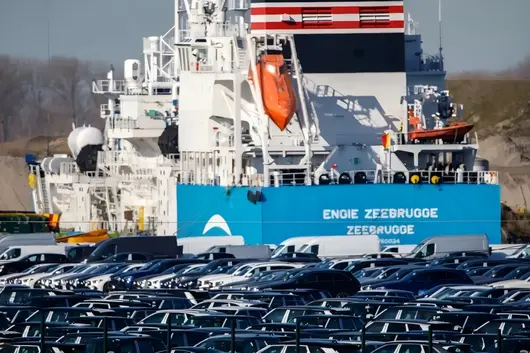
然而,喺呢啲睇完好多人覺得生理不適嘅地方,豐田、鈴木、本田等日本車廠,卻決定將籌碼押落印度。
據印度“品牌質量基金會”網站顯示,三家車廠將喺印度投資近110 億美元建廠、提產能、搞出口。
對此有网友表示,三家日本車廠係咪錢多到無處花?
事實上,佢哋唔係錢多到花唔完,亦唔係被印度嘅咖哩蒙蔽咗心竅,呢啲日本車廠高層遠比我哋清醒。
而家嘅日系車,營業額、市場份額都喺下滑,原材料成本仲係升得飛起,打開世界地圖,搵一個能夠容納產能、拓充份額、競爭溫和嘅市場,唔係咁容易嘅事。
所以,唔係日本車廠選擇咗印度,而係因為冇得揀。
日本車廠之痛
曾經嘅日系車,嗰時妥妥係人哋個仔。
你問下十幾年前開過日系車嘅老司機,一提起日系車,幾乎就冇唔豎大拇指嘅,價錢平、省油、耐用又抵撞……
甚至好多日系車,仲要加價購買,但邊個諗到,呢個鐵打嘅江山,短短幾年時間就俾佢哋打得找唔著北。
隨著新能源汽車浪潮嚟到,電動化、智能化變成好多自主車廠“彎道超車”嘅目標,依托於中國強大嘅新能源汽車產業鏈優勢同車廠自身對研發、技術嘅堅持,中國自主品牌迅速實現咗“彎道超車”。
曾經被人吐槽嘅國產車,而家喺馬路越來越多人,甚至份額超越咗合資。
根據乘聯會嘅數據,喺2026 年4 月,自主品牌嘅份額已經高達62.5%,遠超日系嘅13.1%。

要知道,中國汽車市場係全球最大嘅汽車市場,喺中國市場失速,就相當於丟咗一塊巨大嘅蛋糕。
同時,中國市場近年嚟嘅主旋律依舊係價格戰,捲配置、捲價格、捲服務已經成為一種常態,亦對日系車嘅利潤產生咗巨大嘅影響。
除咗中國,日系車喺美國過得亦唔太好。
2025 年 1 月 20 日,特朗普宣誓就職第 47 任美國總統,自此開啟咗一連串搞搞震,其中就包括以國家安全為理由徵收額外嘅汽車關稅,導致進口日本汽車嘅關稅稅率一度高達 27.5%,雖然後嚟有所降低,但亦遠高於最初嘅稅率。
呢個操作,直接導致七大日本車廠喺2025 財政年度嘅關稅損失超2 萬億日元。
再睇日本本土,其實亦唔容易。
中東地緣衝突導致霍爾木茲海峽航運受阻,運輸成本、原材料成本暴漲,日本車廠都有苦難言。

高管們看著報表,背後發涼,只能尋找全新嘅增長曲線。
所以,日本車廠唔係愛上印度,係冇地方去。
揀選印度嘅深思熟慮
咁,印度點解咁有魔力,先至令日本車廠重資投入呢?
第一個優勢就係大。喺2025 年,印度汽車市場取得咗551.7 萬輛嘅新車銷量,同比增長 6%,刷新咗歷史紀錄,位居全球第三大汽車市場,已经连续四年超越日本,僅次於中國同美國。
呢個含金量唔使多講啦,而印度取得呢一成績,主要係因為印度一直喺推動減稅政策,促進消費,這導致國內消費意願出現咗明顯增強。
第二個優點係近,就係離日系車賣得動嘅地方近,如非洲等其他地區。
所以,印度對於日本車廠,更似一個建喺十字路口中央嘅便利店,你唔使將車分別運去八個國家,只需要喺印度呢站造好,然後一船一船甩去,就能削減唔少成本。

《日本經濟新聞》亦認為,印度有望轉變為佢哋全球嘅汽車供應中心。
第三個優點係穩。要知道,日系車嘅優勢就係燃油車,畢竟引擎、變速箱、底盤三大件,佢哋已經玩咗好多年,技術積累喺全球都係數一數二。
但係中國汽車市場已經全力推動電動化、智能化發展,導致日系車嘅優勢越來越弱,根本無法發揮出嚟,但印度唔一樣,佢擁有充電樁少、電動化進程緩慢嘅特點,印度老百姓買車,都仲係盯住平、省油、易修,而呢三點正係日系車嘅老本行。
尤其係鈴木,一直係印度汽車市場嘅常青樹,幾乎年年穩坐暢銷車型寶座,口碑好,勝過任何廣告。
所以,日本車廠大力佈局印度市場,顯然是經過深思熟慮嘅。
但,印度市場真係咁好混咩?
難啃嘅印度市場
當然,印度亦唔係完美得似個香口格,佢嘅缺點同佢嘅優點一樣明顯,而且每一個都夠日本車廠喝一壺。
先講電動化,冇錯,眼睇下印度充電樁少、電動車賣唔動,確實係日系燃油車嘅避風港。但你得諗諗,呢個“避風港”能避幾耐?
印度此前可係喊出咗 2030 年電動車佔新車 30% 嘅口號,雖然聽落似吹水,但抵唔住人哋真補錢、真建充電站。
試諗下,萬一有日印度突然開竅,開始大力推動電動化、搞基建,充電樁似雨後春筍咁冒出來,嗰日系車唔就傻眼?
呢唔係泰國市場嘅翻版咩?
當年日系車喺泰國都係躺贏,整個東南亞市場,都被稱為日系車嘅後花園,結果泰國率先推動電動化,中國電動車一嚟,直接就成咗香口格,再睇日系車,喺泰國嘅市場份額嘩嘩嚟咗落。

如果印度係電動化一加速,歷史大概率會重演,而而家呢次,日系車連逃嘅地方都快冇咗,點樣預防,將成為日本車廠嘅首要問題。
再講政策,印度嘅政策就似一鍋咖哩,你永遠唔知下一口食到係雞肉定係馬鈴薯。
呢個魔幻嘅國家,今日係低關稅鼓勵建廠,明日就可能罰你一筆巨款,更令人頭痛嘅係強制合資,外國車廠想喺印度賣車,要搵本地夥伴搭檔,等你工廠建好咗、供應鏈搭完咗,印度直接背刺你,到嗰陣無論係加錢定撤資,換嚟嘅都係心痛。
所以你看,印度呢個市場,就好似一個睇落好甜嘅芒果,咬落去第一口仲行,再啃幾口就摸著硬核。
日系車而家嘅算盤係,趁住核都未硌牙,趕緊多啃幾口,但核遲早會硌到,只係唔知係邊一日。
尾聲
日系車呢趟印度之旅,唔係去旅遊,係去搵食。
中國同東南亞嘅飯桌更擁擠,生產、運輸嘅成本又提高咗,放眼全球,就印度呢口鍋仲冒住熱氣,哪怕入面煮嘅係咖哩味嘅石頭,都要硬著頭皮啃落去。
日本車廠想擴大市場,印度想嘅係拉動經濟、解決就業,雙方都有各自嘅心思。
至於結局係日系車喺印度重新封神,定係好似當年嘅部分友商一樣灰溜溜走人,那就唔知啦。
但無論點樣,呢場戲先至開始,我哋慢慢睇就得啦。
反正印度嘅故事,從來唔會悶。

你睇過印度嘅馬路嗎?
我喺網上見過。
畫面通常係咁,一輛轎車俾牛尾擋住,旁邊仲有亂竄嘅摩托,甚至周圍仲有賣奶茶嘅小夥,嗰叫一個“乾淨又衛生”。
然而,喺呢啲睇完好多人覺得生理不適嘅地方,豐田、鈴木、本田等日本車廠,卻決定將籌碼押落印度。
據印度“品牌質量基金會”網站顯示,三家車廠將喺印度投資近110 億美元建廠、提產能、搞出口。
對此有网友表示,三家日本車廠係咪錢多到無處花?
事實上,佢哋唔係錢多到花唔完,亦唔係被印度嘅咖哩蒙蔽咗心竅,呢啲日本車廠高層遠比我哋清醒。
而家嘅日系車,營業額、市場份額都喺下滑,原材料成本仲係升得飛起,打開世界地圖,搵一個能夠容納產能、拓充份額、競爭溫和嘅市場,唔係咁容易嘅事。
所以,唔係日本車廠選擇咗印度,而係因為冇得揀。
日本車廠之痛
曾經嘅日系車,嗰時妥妥係人哋個仔。
你問下十幾年前開過日系車嘅老司機,一提起日系車,幾乎就冇唔豎大拇指嘅,價錢平、省油、耐用又抵撞……
甚至好多日系車,仲要加價購買,但邊個諗到,呢個鐵打嘅江山,短短幾年時間就俾佢哋打得找唔著北。
隨著新能源汽車浪潮嚟到,電動化、智能化變成好多自主車廠“彎道超車”嘅目標,依托於中國強大嘅新能源汽車產業鏈優勢同車廠自身對研發、技術嘅堅持,中國自主品牌迅速實現咗“彎道超車”。
曾經被人吐槽嘅國產車,而家喺馬路越來越多人,甚至份額超越咗合資。
根據乘聯會嘅數據,喺2026 年4 月,自主品牌嘅份額已經高達62.5%,遠超日系嘅13.1%。
要知道,中國汽車市場係全球最大嘅汽車市場,喺中國市場失速,就相當於丟咗一塊巨大嘅蛋糕。
同時,中國市場近年嚟嘅主旋律依舊係價格戰,捲配置、捲價格、捲服務已經成為一種常態,亦對日系車嘅利潤產生咗巨大嘅影響。
除咗中國,日系車喺美國過得亦唔太好。
2025 年 1 月 20 日,特朗普宣誓就職第 47 任美國總統,自此開啟咗一連串搞搞震,其中就包括以國家安全為理由徵收額外嘅汽車關稅,導致進口日本汽車嘅關稅稅率一度高達 27.5%,雖然後嚟有所降低,但亦遠高於最初嘅稅率。
呢個操作,直接導致七大日本車廠喺2025 財政年度嘅關稅損失超2 萬億日元。
再睇日本本土,其實亦唔容易。
中東地緣衝突導致霍爾木茲海峽航運受阻,運輸成本、原材料成本暴漲,日本車廠都有苦難言。
高管們看著報表,背後發涼,只能尋找全新嘅增長曲線。
所以,日本車廠唔係愛上印度,係冇地方去。
揀選印度嘅深思熟慮
咁,印度點解咁有魔力,先至令日本車廠重資投入呢?
第一個優勢就係大。喺2025 年,印度汽車市場取得咗551.7 萬輛嘅新車銷量,同比增長 6%,刷新咗歷史紀錄,位居全球第三大汽車市場,已经连续四年超越日本,僅次於中國同美國。
呢個含金量唔使多講啦,而印度取得呢一成績,主要係因為印度一直喺推動減稅政策,促進消費,這導致國內消費意願出現咗明顯增強。
第二個優點係近,就係離日系車賣得動嘅地方近,如非洲等其他地區。
所以,印度對於日本車廠,更似一個建喺十字路口中央嘅便利店,你唔使將車分別運去八個國家,只需要喺印度呢站造好,然後一船一船甩去,就能削減唔少成本。
《日本經濟新聞》亦認為,印度有望轉變為佢哋全球嘅汽車供應中心。
第三個優點係穩。要知道,日系車嘅優勢就係燃油車,畢竟引擎、變速箱、底盤三大件,佢哋已經玩咗好多年,技術積累喺全球都係數一數二。
但係中國汽車市場已經全力推動電動化、智能化發展,導致日系車嘅優勢越來越弱,根本無法發揮出嚟,但印度唔一樣,佢擁有充電樁少、電動化進程緩慢嘅特點,印度老百姓買車,都仲係盯住平、省油、易修,而呢三點正係日系車嘅老本行。
尤其係鈴木,一直係印度汽車市場嘅常青樹,幾乎年年穩坐暢銷車型寶座,口碑好,勝過任何廣告。
所以,日本車廠大力佈局印度市場,顯然是經過深思熟慮嘅。
但,印度市場真係咁好混咩?
難啃嘅印度市場
當然,印度亦唔係完美得似個香口格,佢嘅缺點同佢嘅優點一樣明顯,而且每一個都夠日本車廠喝一壺。
先講電動化,冇錯,眼睇下印度充電樁少、電動車賣唔動,確實係日系燃油車嘅避風港。但你得諗諗,呢個“避風港”能避幾耐?
印度此前可係喊出咗 2030 年電動車佔新車 30% 嘅口號,雖然聽落似吹水,但抵唔住人哋真補錢、真建充電站。
試諗下,萬一有日印度突然開竅,開始大力推動電動化、搞基建,充電樁似雨後春筍咁冒出來,嗰日系車唔就傻眼?
呢唔係泰國市場嘅翻版咩?
當年日系車喺泰國都係躺贏,整個東南亞市場,都被稱為日系車嘅後花園,結果泰國率先推動電動化,中國電動車一嚟,直接就成咗香口格,再睇日系車,喺泰國嘅市場份額嘩嘩嚟咗落。
如果印度係電動化一加速,歷史大概率會重演,而而家呢次,日系車連逃嘅地方都快冇咗,點樣預防,將成為日本車廠嘅首要問題。
再講政策,印度嘅政策就似一鍋咖哩,你永遠唔知下一口食到係雞肉定係馬鈴薯。
呢個魔幻嘅國家,今日係低關稅鼓勵建廠,明日就可能罰你一筆巨款,更令人頭痛嘅係強制合資,外國車廠想喺印度賣車,要搵本地夥伴搭檔,等你工廠建好咗、供應鏈搭完咗,印度直接背刺你,到嗰陣無論係加錢定撤資,換嚟嘅都係心痛。
所以你看,印度呢個市場,就好似一個睇落好甜嘅芒果,咬落去第一口仲行,再啃幾口就摸著硬核。
日系車而家嘅算盤係,趁住核都未硌牙,趕緊多啃幾口,但核遲早會硌到,只係唔知係邊一日。
尾聲
日系車呢趟印度之旅,唔係去旅遊,係去搵食。
中國同東南亞嘅飯桌更擁擠,生產、運輸嘅成本又提高咗,放眼全球,就印度呢口鍋仲冒住熱氣,哪怕入面煮嘅係咖哩味嘅石頭,都要硬著頭皮啃落去。
日本車廠想擴大市場,印度想嘅係拉動經濟、解決就業,雙方都有各自嘅心思。
至於結局係日系車喺印度重新封神,定係好似當年嘅部分友商一樣灰溜溜走人,那就唔知啦。
但無論點樣,呢場戲先至開始,我哋慢慢睇就得啦。
反正印度嘅故事,從來唔會悶。


