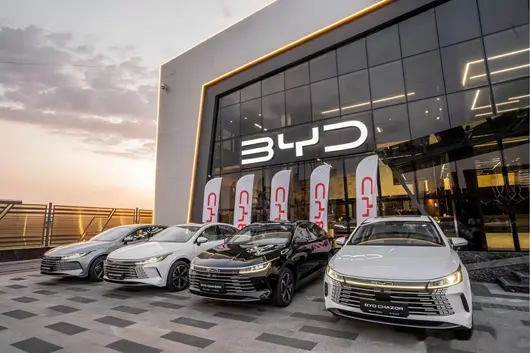
首頁shark

搜尋歷史
熱門搜尋
經銷商登入 / 註冊

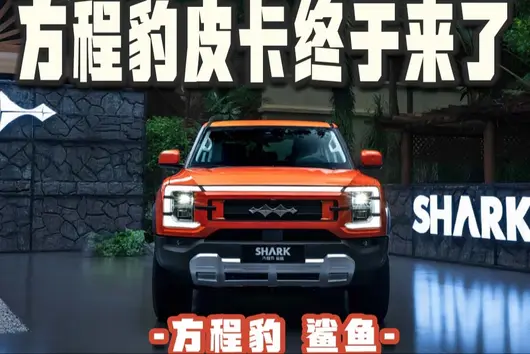
When the "Shark" swims back to China, it no longer faces the Toyota Hilux and Ford Ranger, but the pickup fortress defended by the Great Wall Cannon for years. Of course, the domestic pickup market hasn't yet reached the stage of being a must-fight battleground, but after competing in the overseas market, with Chinese preferences and needs, the BYD Shark might really have an advantage.

BYD is good at being the "Overseas King", Fangchengbao Shark also returns with a record of victories
Before talking about the product, there is a background worth bringing out first. This car's overseas version is called BYD SHARK, globally launched in May 2024 in Mexico, followed by expansion in markets like Australia, Brazil, Thailand, etc. It surged into the top three of the pickup market in Mexico and took the sales champion of plug-in hybrid pickups in Australia. The starting price in the Australian market is about 268,000 RMB, which is more expensive than the Toyota Hilux and Ford Ranger in the same class, but don't forget, DMO hybrid platform, dual-motor four-wheel drive, 0-100 acceleration in the 5-second range, after overseas versions were mocked by Ford executives for poor towing capability, they directly upgraded to 2.0T hybrid engines, in the high-demand Australian pickup market, such a fast and comfortable, high-spec and not afraid of rough work new-generation pickup, naturally has no worry about sales.

Of course, sales also indicate user preference. You can see many modified Sharks on YouTube, fighting together with Hilux and Ranger in the rainforest; in terms of product strength, it is not inferior to those old brands. So, this shows its product logic has already been validated in the mature pickup market. Now it switches to the Fangchengbao logo, produced by the Zhengzhou base, expected to officially launch in Q4 2026.

Dimensions: A "Big Guy" Slightly Larger Than the Great Wall Cannon
First look at dimensions. The domestic version Shark pickup length/width/height is 5457/1971/1925mm, wheelbase 3260mm. Comparison: Great Wall Cannon length 5362mm, wheelbase 3230mm; Nissan Frontier Pro length 5280mm, wheelbase 3150mm. Shark is clearly superior in length and wheelbase, the direct benefit is substantive improvement in cargo box volume and rear passenger space. Cargo box internal dimensions 1520/1530/515mm, rated load mass 460kg, approved towing mass 2500kg. For users who need to haul goods and take family, this dimension means no need to choose between rear seat comfort and cargo box practicality.

Power: Delete the word "Sluggish" from the Pickup Dictionary
This is where the Shark pickup is most unreasonable. Equipped with DMO super hybrid off-road platform, 1.5T engine plus front and rear dual motors, system combined power 320kW, peak torque 650N·m, 0-100 acceleration 5.7 seconds. A pickup weighing 2.7 tons running 5.7 seconds, this cannot be called just enough.
More importantly, it's energy consumption. 29.58kWh Blade battery provides NEDC pure electric range 100km, daily commute can be driven completely as an EV; full fuel and full charge combined range 840km, depleted electricity fuel consumption 7.5L/100km. Therefore, the Shark pickup tears off the most criticized "Oil Tiger" label of pickups using hybrid logic.
Regarding energy replenishment, it supports 40kW fast charging, 30% to 80% takes only 20 minutes. The key is standard 6kW V2L external discharge, capable of powering construction sites, camping setups, or even charging other electric vehicles. This is also a feature found on many foreign new energy pickups
Chassis and Off-Road: Body-on-frame, but drives unlike a pickup
Shark pickup adopts body-on-frame with beam, front and rear double wishbone independent suspension, standard smart virtual differential lock, comes with "three locks" from factory. Max load ground clearance 210mm, approach angle 31°, departure angle 20°, equipped with multiple off-road driving modes. The foundation of this hardware is solid enough.
But what truly widens the gap is highway performance. The advantage of the DMO platform lies in the linear output and low center of gravity layout brought by motor direct drive, making this beam chassis car much more composed in daily driving than traditional diesel pickups. Front and rear double wishbone independent suspension vibration filtering and support on paved roads cannot be compared by solid axles. Simply put, it aims to be a pickup where "commuting on workdays isn't uncomfortable, venturing into mountains on weekends isn't nerve-wracking".

Interior: "De-tooling" of the Pickup Cockpit
Entering the vehicle, the most intuitive feeling is: this doesn't look like a traditional pickup. 12.8-inch rotatable central control screen paired with 10.25-inch full LCD instrument cluster, powered by 8295 chip, infotainment smoothness matches BYD passenger car product line. Seats equipped with ventilation and heating, L2-level intelligent driving assistance, 540° panoramic image, W-HUD head-up display are all arranged. The center console retains physical buttons and off-road control modules, this point is worth single praise — on bumpy roads blind operation, physical buttons are much more reliable than touchscreens.

The interior overall adopts a black main tone with red stitching sporty style, inheriting the design language of Fangchengbao Bao 5. It does not deliberately imitate the ruggedness of American pickups, nor does it completely lean towards the refinement of city SUVs, but finds a balance point leaning towards "Rugged Technology" between the two.
Pricing: The Most Critical Suspense
Currently the industry generally predicts domestic version pricing between 180,000 to 250,000 RMB, focusing on 200,000 RMB class market. Overseas version sells in Australia for about 268,000 RMB. Domestically if it can push the starting price below 200,000, competitiveness will be very obvious.

Horizontal Comparison: Great Wall Shanhai Pao Hi4-T price 279,800 to 301,800 RMB, fuel version Great Wall Cannon main range 150,000 to 190,000 RMB. If Shark pickup falls into 200,000 to 250,000, it means it provides stronger power, lower fuel consumption, and longer pure electric range at a price tens of thousands lower than Shanhai Pao Hi4-T. But pricing cannot be too low — Fangchengbao Bao 5 starting price is 259,800 RMB. If Shark pickup pricing is too low, it will form internal brand fighting. 200,000 to 220,000 starting price, likely is the most reasonable landing point.
Summary:
BYD Shark pickup is the new variable worth the most attention in the 2026 Chinese pickup market. Its product strength has no obvious weaknesses: large enough dimensions, excessive power, adequate energy consumption control, solid off-road hardware, passenger car-like cockpit experience. Overseas market sales have already proven the feasibility of this logic. After domestic launch, the biggest uncertainty is one, can pricing hit the sweet spot just above 200,000, two, can BYD's channels and service capabilities in the pickup category keep up. If these two things are done well, can it cause a substantive change in the pickup market game rules?

每當月初車企銷量放榜嘅日子,都充滿話題性。而比亞迪甩出嘅 5 月成績單,令唔少人倒抽一口涼氣。

38.3 萬輛嘅單月銷量,連續 60 個月成為新能源市場嘅頭名,呢個數字喺整個中國汽車工業史上,都係過去難以想象嘅畫面。但係比起銷量數字更值得關注嘅,係呢份成績單背後嘅啲微妙變化。
38 萬輛背後嘅戰場,唔止喺展廳入面
比亞迪 5 月嘅銷量數據入面,王朝同海洋網依然係絕對主力,合計超過 33 萬輛嘅數據撐起咗一半意義上嘅銷量。不過方程豹同騰勢呢兩個高端品牌嘅走勢變化,係一個更加積極嘅信號。

方程豹單月賣出咗 3 萬多輛,同比增長接近 140%。背後嘅原因其實唔難理解,閃充版車型嘅陸續到位,令啲本嚟對硬派越野有興趣但係喺補能效率上猶豫嘅用戶,終係搵到下定決心掏錢嘅理由。以前唔少人可能覺得呢種帶大樑嘅車充電太慢,出嚟玩一趟心裡無底,而家充電速度同加油基本同速,點解唔買個更安靜更省錢嘅?

騰勢這邊 16303 輛嘅銷量數字上冇方程豹咁炸裂,但係亦喺持續保持增長。要知騰勢嘅客戶群體其實更「挑剔」,而喺 N9 閃充版上市之後,唔少原本喺睇理想 L9 同問界 M9 嘅潛客,正喺慢慢轉向騰勢。

至於月銷 286 輛嘅仰望,同比增長直接翻倍。中國品牌喺百萬以上嘅價格區間,已經唔係一個「有冇人買」嘅問題,而係「值唔值買」嘅問題。仰望嘅客戶群體大多屋企唔止一台豪車,佢哋選擇仰望,無非都係對比亞迪喺電動化同智能化技術嘅信任。

將呢啲數據放埋一齊睇,我哋唔難發現,主流嘅王朝海洋依舊喺負責跑量,而方程豹同騰勢負責滿足 25 萬到 50 萬區間嘅升級需求,仰望則站在塔尖度做品牌技術嘅旗幟。呢種金字塔結構嘅好處喺於,無論市場點樣波動,比亞迪都能喺唔同價格帶入面搵到自己嘅增長點,五月份嘅成績單證明咗呢個產品陣列嘅韌性。
「敢兜底」唔只係一句口號,而係一次用戶信任嘅重建
仲有冇記得五月下旬嘅「敢為」發布會度,比亞迪拋出「敢兜底,先至係真安全」呢句話。而喺城市領航同智能泊車「雙兜底」推出後嘅三日內,搭載天神之眼 A、B 系統嘅車型,城市領航嘅每日活躍用戶量直接升咗 50%。呢個增幅說明咗一個事實:用戶唔係唔想用地智駕,而係之前唔敢用。之前嘅智駕系統喺好多場景下,遇到突發狀況會直接將控制權甩畀司機,令唔少人用過一兩次就再都唔想開。

再睇智能泊車嘅數據,那就更誇張啦。安全兜底推出後,功能使用率由 21% 飆升到 90% 以上。呢個反差好大到有啲離譜,但都真實反映咗普通用戶對自動泊車嘅真實態度:唔係唔需要,而係唔敢信。尤其係喺一啲複雜車位,例如立體車庫、窄街巷、有低矮障礙物嘅地方,之前嘅系統經常識別唔準或者半路罷工,用戶用兩次被嚇親之後就唔再碰。而而家比亞迪話「出事我兜底」,用戶嘅心態就完全變咗。

「敢兜底,先至係真安全」,呢句話嘅重點唔喺於「安全」,而喺於「敢」。因為喺而家嘅行業環境下,真正敢為自家嘅智駕系統承擔責任嘅品牌,一手數得親。大多數車企都喺用各種免責聲明將自己裹得緊緊實實,嘴上話自己係 L2+、L2++,但真係出事,責任就全部係司機嘅。比亞迪今次將「兜底」兩個字擺上台面,本質上係喺挑戰行業嘅一個潛規則,都係喺試圖重建用戶對智駕嘅信任。

從商業邏輯睇落去,呢都係一種聰明嘅策略。比亞迪而家搭載輔助駕駛嘅車輛保有量已經超過 315 萬輛,天神之眼每日生成嘅數據超過 2 億公里。呢麼大嘅數據規模,代表住佢嘅系統迭代速度會遠超嗰啲保有量少嘅品牌。有咗足夠嘅真實路測數據,先至有敢兜底嘅底氣。呢個邏輯係冇問題嘅。
海外月銷 16 萬嘅意義,唔止喺數字
五月份比亞迪嘅海外銷量首次突破咗 16 萬輛,同比增長 80.7%。海鷗、宋 PLUS、元系列喺海外市場嘅持續熱銷,說明中國品牌嘅小型電動車同緊湊型 SUV,喺性價比同產品力上已經具備咗同日系、德系直接掰手腕嘅能力。尤其係喺東南亞、南美、中東呢啲市場,消費者對電動車嘅接受度喺快速提升,而當地本土品牌嘅產品力又跟唔上,咁就畀咗比亞迪一個好好嘅窗口期。

更值得關注嘅係 SHARK 皮卡嘅表現,連續兩個月突破 4000 輛嘅批發量,放喺全球皮卡市場入面雖然唔算特別大,但係對於一款中國品牌嘅皮卡嚟講,呢已經係一個里程碑。皮卡喺東南亞、澳洲、中東呢啲市場係剛需車型,而且利潤空間遠比轎車同 SUV 要高。SHARK 如果喺呢個類別站穩腳跟,對比亞迪海外利潤結構嘅改善會大有幫助。

當然,海外市場都唔係一片坦途,歐洲市場嘅關稅壁壘、美國市場嘅政策封鎖,以及各地唔同嘅充電標準同法規要求,都係比亞迪需要一步步去解決嘅問題。但五月份嘅數據至少說明比亞迪嘅全球化係喺實打實推進嘅。從泰國工廠到巴西基地,從烏茲別克斯坦到匈牙利,比亞迪嘅製造版圖正喺全球铺开。
結論
隨著六月份大唐同後續幾款閃充版車型嘅上市,會進一步檢驗比亚迪嘅產品節奏同市場反應能力。而海外市場能否繼續保持 16 萬輛以上嘅水準,都係接下來幾個月嘅重要觀察點。無論點樣,五月份嘅呢份答卷已經足夠有分量,佢唔單止係一個數字上嘅新高,更加係一個信號,表明比亞迪正喺由「賣車嗰啲」轉向「負責嗰啲」。喺呢個充滿唔確定性嘅市場入面,呢種轉變或許比銷量本身更有意義。