首頁religion

搜尋歷史
熱門搜尋
經銷商登入 / 註冊

In the Malaysian SUV market, many buyers compare Proton X70 and Kia Sportage when choosing a car. These two cars are quite close in price and positioning. Today we will make a detailed comparison from multiple aspects to help you save time on research.
Proton X70 has an OTR price in Malaysia of RM 106,800 - 122,300, with a total of 3 versions, including 1.5L Standard 2WD (RM 106,800), 1.5L Executive 2WD (RM 115,800), 1.5L Premium 2WD (RM 122,300), etc.
Kia Sportage has an OTR price in Malaysia of RM 129,639 - 179,320, with a total of 4 versions, including 2025 1.6T DCT 4WD High (RM 179,320), 2025 1.6T DCT 2WD High (RM 159,320), 2025 2.0L AT 2WD High (RM 139,639), etc.
Looking at the price, the starting price of Proton X70 is indeed RM 22,839 cheaper than Kia Sportage. If your budget is limited, Proton's entry-level version can already meet daily needs. But also note that the few thousand difference might involve trade-offs in features, depending on your needs.

Proton X70's safety rating is 5★ (ASEAN NCAP), active safety systems include ADAS (ACC, AEB, LKA, LDA, BSM, RCTA).
Kia Sportage's safety rating is 5★ (ASEAN NCAP), active safety systems include Drive Wise.
Both cars have the same safety rating. In this class, safety features are considered quite complete. New cars nowadays generally have good safety, no need to worry too much about this.

Proton X70 body length is 4400 mm, trunk 400 L.
Kia Sportage body length is 4400 mm, trunk 400 L.
The dimensions of both cars are almost the same, with little difference in interior space. Cars in this class are fully sufficient for daily use.

Proton X70 adopts FWD drive mode.
Kia Sportage adopts FWD drive mode.
Both cars have the same drive mode, both are FWD, daily driving experience will not have much difference.
Overall, both Proton X70 and Kia Sportage are very good models in the Malaysian market. Which one to choose depends mainly on your personal needs and budget. We suggest doing your research, compare quotes from several dealerships, and then test drive to make a final decision. Buying a car is a big deal, spending some time researching is never wrong.


August 4, CPCA released the global automaker sales ranking for the first half of 2026, a historic moment was born here.
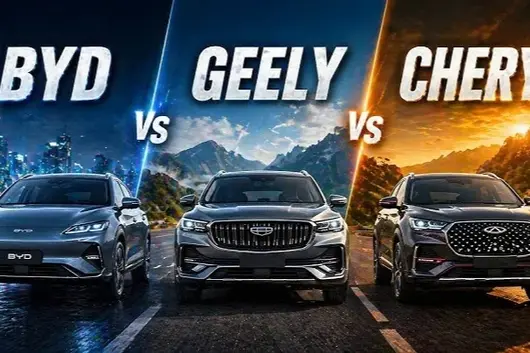
The list shows Toyota still ranks first with 11% of the global market share, Volkswagen and Hyundai Kia in second and third. Chinese automakers see a collective breakthrough: BYD ranks 6th globally with 4.8% share, Geely 7th with 4.6%, Chery ties with Ford for 9th with 4.1% share. For the first time, three Chinese automakers appear simultaneously on the global top 10 sales list.
This not only means Chinese cars take root in the top global tier for the first time, but also means the global automotive industry's competitive landscape begins to truly change.

For the past few decades, the global auto industry was long dominated by European, American, Japanese, and Korean brands, with Chinese automakers mostly catching up in the local market. Now, with BYD, Geely, and Chery entering the global top 10 simultaneously, it shows Chinese cars are no longer just participants in the new energy vehicle sector, but an important competitive force in the global automotive industry.
But if we observe these three companies closely, we will find their paths to the global top 10 are not the same.
BYD achieved a rapid rise relying on new energy. Relying on Three-Electric technology and scale advantages, BYD not only firmly holds first place in domestic new energy vehicles, but the overseas market has also become a new growth pole. In the first half of this year, BYD's global sales were about 1.8 million units, of which overseas sales reached 789,000 units, accounting for over 43%, a year-on-year increase of 145%. The overseas market is no longer just a supplementary market, but an important support for enterprise growth.
Geely relies on global layout. Brands such as Volvo, Zeekr, Lynk & Co form a brand matrix covering different markets and price points, giving Geely stronger global competitiveness.
Chery represents another path. Although domestic attention is less than BYD, relying on years of persistent exports, Chery has entered over 130 countries and regions, accumulating stable channels and brand foundations overseas, which is also an important reason for its first entry into the global top 10.

However, sales entering the global top 10 does not mean Chinese cars have truly won the global market.
In fact, Chinese cars going global have begun to enter a new stage.
In the first half of this year, China's automotive exports reached 5.096 million units, up 65.3% year-on-year; single-month exports in June broke through 1 million units for the first time, with annual exports potentially aiming for 10 million units. Numbers remain bright, but more and more companies realize that relying solely on selling cars out is no longer enough to support development in the next stage.
The China Association of Automobile Manufacturers divides Chinese automotive going global into three stages: The first stage is "Going Out" of complete vehicle exports, the second stage is "Going In" of capacity exports, and the third stage is brands truly "Going Up". Currently, Chinese automakers are at a critical period transitioning from the first stage to the second stage.
On one hand, trade barriers in various countries are rising. The EU imposed additional anti-subsidy tariffs up to 37.6% on Chinese EVs, Brazil raised complete vehicle tariffs to 35%, Mexico increased to 50%. The cost advantage relying solely on complete vehicle exports is rapidly shrinking.
On the other hand, more and more countries begin to require local production, local R&D, local procurement. If Chinese automakers want to stay in overseas markets long-term, they must truly integrate into local industrial chains.

Therefore, we see more and more enterprises beginning to change tactics.
Geely cooperates with Ford, jointly operating the Valencia plant in Spain, leveraging existing capacity to quickly achieve European local manufacturing.
BYD's Rayong plant in Thailand has achieved localization production of five models, local employee share about 93%, local parts procurement ratio reached 50%, and is building an overseas capacity network covering Europe, Southeast Asia, Latin America.
XPeng completed Turing AI intelligent driving localization testing in Germany, established data centers and R&D capabilities in Europe, rather than simply moving Chinese software overseas.
These changes show that the focus of Chinese automotive going global is shifting from "selling cars" to "building ecosystems". However, precisely at this stage, automakers need to remain clear-headed even more.

At this year's China Auto Forum, multiple industry figures mentioned a warning-worthy issue -- "Involution Spillover".
Geely Automobile Holdings Chief Product Strategy Officer Tang Liming pointed out that the industry currently faces multiple challenges such as tariffs, financing, and technical barriers, and the "Involution Spillover" of domestic price wars spreading overseas is also overdrawing the overall brand image of Chinese cars. He proposed that enterprises should strengthen price self-discipline, channel self-discipline, compliance self-discipline, and brand self-discipline, to achieve benign competition.
Wang Xia, Chairman of the Automotive Industry Committee of China Council for the Promotion of International Trade, also emphasized that the overseas market should become a new height for brand value addition, not a new battlefield for price wars. Enterprises should quickly realize the strategic shift from "selling out" to "integrating in", achieving joint project construction, value sharing, and risk sharing with localities, rather than copying domestic low-price competition overseas.
This reminder is precisely worth serious thought for all Chinese automakers.

Editor's Commentary
The entry of three Chinese automakers into the global top 10 is indeed a memorable step, but this is more like getting a ticket to enter the global top arena, rather than the competition having ended.
What truly determines future rankings is not just sales growth speed, but who can establish overseas R&D systems, local manufacturing capabilities, complete supply chain networks, and gain long-term trust from local consumers.
Global top 10 is a new height for Chinese cars. But true global brands still need time to build.
Only when Chinese automakers can not only sell cars overseas but also truly take root overseas and integrate overseas, can Chinese cars truly move from "Top 10 Global Sales" to "Global Automotive Powerhouse".

喺馬來西亞嘅 SUV 市場,好多買家喺揀車嗰陣都會拎 Proton X70 同 Mazda CX-60 嚟做比較。這兩款車喺價位同定位上都幾接近,今日我哋就從多個方面做個詳細比較,幫你省做功課嘅時間。
Proton X70 喺馬來西亞嘅 OTR 售價係 RM 106,800 - 122,300,合共有 3 個版本,包括 1.5L Standard 2WD(RM 106,800)、1.5L Executive 2WD(RM 115,800)、1.5L Premium 2WD(RM 122,300) 等。
Mazda CX-60 喺馬來西亞嘅 OTR 售價係 RM 200,510 - 252,873,合共有 2 個版本,包括 2026 3.3T 4WD High Plus(RM 252,873)、2025 2.5L 2WD High(RM 200,510) 等。
睇落價錢,Proton X70 嘅起步價真係比 Mazda CX-60 平咗 RM 93,710。如果你預算有限,Proton 嘅入門版已經可以滿足日常需求。但都要注意,平嗰幾千塊,可能喺配備上會有取捨,具體睇你嘅需求。

Proton X70 嘅安全評級係 5★ (ASEAN NCAP),主動安全系統包括 ADAS (ACC, AEB, LKA, LDA, BSM, RCTA)。
Mazda CX-60 嘅安全評級係 5★ (Euro NCAP),主動安全系統包括 i-Activsense Pro。
安全配備方面,兩款車都拿咗唔錯嘅評級。不過 Proton X70 嘅 ADAS (ACC, AEB, LKA, LDA, BSM, RCTA) 同 Mazda CX-60 嘅 i-Activsense Pro 喺功能上有啲差異,如果你比較睇重主動安全嘅話,可以詳細比較吓兩者嘅功能列表。

Proton X70 車身長 4400 mm,行李箱 400 L。
Mazda CX-60 車身長 4500 mm,行李箱 450 L。
空間方面,Mazda CX-60 嘅車身比 Proton X70 長咗 100 mm,乘坐空間更有優勢。不過 Proton X70 喺城市入面停車會靈活少少,各有取捨。

Proton X70 同 Mazda CX-60 都係馬來西亞市場嘅主流選擇,適合家庭使用、日常通勤。如果你更睇重品牌口碑同二手價,可以優先考慮口碑更好嗰款;如果你更在意性價比同配備,就揀配置更豐富嗰款。最後都建議兩款都去試駕,親身體驗先至係最重要。
總嚟講,Proton X70 同 Mazda CX-60 都係馬來西亞市場幾唔錯嘅車型。揀邊部車,關鍵都要睇返你嘅個人需求同預算。建議大家做好功課,多比較幾間車行嘅報價,再去試駕做最終決定。買車係件大事,花啲時間做功課絕對唔會錯。


In Malaysia's SUV market, many buyers compare Proton X70 and Toyota Yaris Cross when choosing a car. These two cars are quite close in price and positioning. Today, we will make a detailed comparison from multiple aspects to help you save research time.
Proton X70's OTR price in Malaysia is RM 106,800 - 122,300, with a total of 3 versions, including 1.5L Standard 2WD (RM 106,800), 1.5L Executive 2WD (RM 115,800), 1.5L Premium 2WD (RM 122,300), etc.
Toyota Yaris Cross's OTR price in Malaysia is RM 99,900 - 109,900, with a total of 2 versions, including 2026 1.5L Standard (RM 99,900), 2026 HEV 1.5L Standard (RM 109,900), etc.
Looking at the price, Toyota Yaris Cross's starting price is RM 6,900 cheaper than Proton X70. Honestly, in this price range, a gap of a few thousand is not really big, the key is still to look at overall value for money and long-term usage costs.

Proton X70 comes with a 1.5L Turbo, 140 hp. Official fuel consumption 7.0 L/100km.
Toyota Yaris Cross comes with a 1.5L 4-cyl, 105 hp. Official fuel consumption 6.0 L/100km.
In terms of power, Proton X70's 1.5L Turbo has 35 more horsepower than Toyota Yaris Cross's 1.5L 4-cyl, with more confidence in mid-range acceleration, especially when overtaking on highways. However, Toyota Yaris Cross's fuel consumption might be more friendly, and the difference for daily city commuting won't be too big.

Proton X70's safety rating is 5★ (ASEAN NCAP), active safety systems include ADAS (ACC, AEB, LKA, LDA, BSM, RCTA).
Toyota Yaris Cross's safety rating is 5★ (ASEAN NCAP), active safety systems include TSS.
Both cars have the same safety rating, safety features are quite comprehensive in this class. New cars these days are not lacking in safety, no need to worry too much about this point.

Proton X70 body length is 4400 mm, trunk 400 L.
Toyota Yaris Cross body length is 4400 mm, trunk 400 L.
The dimensions of both cars are almost the same, interior space difference is not significant. For this class of cars, it is fully sufficient for daily use.
Proton X70 warranty 5 years/150,000km, service interval every 10,000km or 6 months.
Toyota Yaris Cross warranty 5 years/unlimited mileage, service interval every 10,000km or 6 months.
Overall, Proton X70 and Toyota Yaris Cross are both very good models in the Malaysia market. Which one to choose depends on your personal needs and budget. It is recommended to do your research, compare quotes from several dealerships, and go for a test drive before making the final decision. Buying a car is a big matter, spending some time researching will never be wrong.


In the SUV market in Malaysia, many buyers compare Proton X70 and Toyota Yaris Cross when choosing a car. These two cars are quite close in price and positioning. Today, we will do a detailed comparison from multiple aspects to help you save time on research.
Proton X70 OTR price in Malaysia is RM 106,800 - 122,300, with a total of 3 versions, including 1.5L Standard 2WD (RM 106,800), 1.5L Executive 2WD (RM 115,800), 1.5L Premium 2WD (RM 122,300), etc.
Toyota Yaris Cross OTR price in Malaysia is RM 99,900 - 109,900, with a total of 2 versions, including 2026 1.5L Standard (RM 99,900), 2026 HEV 1.5L Standard (RM 109,900), etc.
In terms of price, the starting price of Toyota Yaris Cross is RM 6,900 cheaper than Proton X70. Honestly, in this price range, a difference of a few thousand is actually not big, the key is still to look at the overall value for money and long-term usage cost.
The Proton X70 body length is 4400 mm, trunk 400 L.
The Toyota Yaris Cross body length is 4400 mm, trunk 400 L.
The dimensions of both cars are almost identical, with little difference in interior space. For cars in this class, they are fully sufficient for daily use.
The Proton X70 uses FWD drive mode.
The Toyota Yaris Cross uses FWD drive mode.
Both cars share the same drive mode, FWD, so the daily driving experience should not differ much.
Proton X70 and Toyota Yaris Cross are both mainstream choices in the Malaysian market, suitable for family use and daily commuting. If you value brand reputation and resale value more, you can prioritize the one with a better reputation; if you care more about cost-effectiveness and features, choose the one with richer configurations. Ultimately, it is recommended to test drive both models, as firsthand experience is the most important.
Overall, Proton X70 and Toyota Yaris Cross are both very good models in the Malaysian market. Which one to choose ultimately depends on your personal needs and budget. It is recommended to do your research, compare quotes from multiple dealers, and then test drive to make a final decision. Buying a car is a big matter, spending time doing research will never go wrong.

喺馬來西亞嘅 SUV 市場,好多買家喺揀車嘅時候都會拿 寶騰 X50 同 現代 Tucson 來做比較。這兩款車喺價位同定位上都好接近,今日我就由多個方面做一個詳細比較,幫你省返做功課嘅時間。
寶騰 X50 喺馬來西亞嘅 OTR 售價係 RM 89,800 - 113,300,一共有 4 個版本,包括 1.5T Executive(RM 89,800)、1.5T Premium(RM 101,800)、1.5T Flagship(RM 113,300) 等。
現代 Tucson 喺馬來西亞嘅 OTR 售價係 RM 143,888 - 197,888,一共有 5 個版本,包括 2025 HEV 1.6T AT 2WD Prestige(RM 197,888)、2025 1.6T DCT 4WD Prestige(RM 186,888)、2025 1.6T DCT 2WD Prime(RM 164,888) 等。
從價錢來看,寶騰 X50 嘅起步價確實比 現代 Tucson 平咗 RM 54,088。如果你預算有限,寶騰嘅入門版已經可以滿足日常需求。但都要注意,平嗰幾千蚊,可能喺配備上會有取舍,具體睇你嘅需求。

寶騰 X50 採用 4WD 驅動方式。
現代 Tucson 採用 FWD 驅動方式。
寶騰嘅 4WD 同 現代嘅 FWD 喺操控上會有唔同感受,建議試駕比較。

寶騰 X50 保用 5 年/150,000km,保養間隔 每 10,000km 或 6 個月。
現代 Tucson 保用 5 年/300,000km,保養間隔 每 10,000km 或 6 個月。

寶騰 X50 同 現代 Tucson 都係馬來西亞市場嘅主流選擇,適合家庭使用、日常通勤。如果你更看重品牌口碑同二手價,可以優先考慮口碑更好嗰一款;如果你更在意性價比同配備,那就揀配備更豐富嗰款。最終都係建議兩款都去試駕,親身體驗先係最重要。

總體嚟講,寶騰 X50 同 現代 Tucson 都係馬來西亞市場幾唔錯嘅車款。揀邊一輛,關鍵都係要睇你嘅個人需求同預算。建議大家做好功課,多比較幾間車行嘅報價,先去試駕做最終決定。買車係件大事,花少少時間做功課絕對唔會錯。


喺馬來西亞嘅 SUV 市場,好多買家喺揀車嗰陣都會拿 寶騰 X50 同 奇瑞 Tiggo 8 插電混合動力 嚟做比較。呢兩部車喺價位同定位上都幾近,今日我哋就由多個方面做一個詳細嘅比較,幫你節省做功課嘅時間。
寶騰 X50 喺馬來西亞嘅 OTR 售價係 RM 89,800 - 113,300,合共 4 個版本,包括 1.5T Executive(RM 89,800)、1.5T Premium(RM 101,800)、1.5T Flagship(RM 113,300) 等。
奇瑞 Tiggo 8 插電混合動力 喺馬來西亞嘅 OTR 售價係 RM 159,750 - 159,750,合共 2 個版本,包括 1.6L Turbo Standard(RM 130,000)、1.6L Turbo Premium(RM 145,000) 等。
睇過價錢嚟講,寶騰 X50 嘅起步價確實比 奇瑞 Tiggo 8 插電混合動力 平咗 RM 69,950。如果你預算有限,寶騰嘅入門版已經可以滿足日常需要。但都要小心,平嗰幾千蚊,喺配備上可能有取捨,具體睇你嘅需要。
寶騰 X50 嘅安全評級係 5★ (ASEAN NCAP),主動安全系統包括 ADAS (ACC, AEB, LKA, LDA, BSM, RCTA)。
奇瑞 Tiggo 8 插電混合動力 嘅安全評級係 TBD,主動安全系統包括 Basic。
安全配備方面,兩部車都拿到唔錯嘅評級。不過 寶騰 X50 嘅 ADAS (ACC, AEB, LKA, LDA, BSM, RCTA) 同 奇瑞 Tiggo 8 插電混合動力 嘅 Basic 喺功能上有啲分別,如果你比較重視主動安全嘅話,可以仔細比較下兩者嘅功能列表。
寶騰 X50 車身長 4400 mm,尾箱 400 L。
奇瑞 Tiggo 8 插電混合動力 車身長 4400 mm,尾箱 400 L。
兩部車嘅尺寸幾近一樣,車內空間分別唔大。呢個級別嘅車,日常使用完全夠用。
寶騰 X50 採用 4WD 驅動方式。
奇瑞 Tiggo 8 插電混合動力 採用 FWD 驅動方式。
寶騰嘅 4WD 同 奇瑞嘅 FWD 喺操控感覺會有唔同,建議試駕比較。
總體嚟講,寶騰 X50 同 奇瑞 Tiggo 8 插電混合動力 都係馬來西亞市場幾唔錯嘅車型。揀邊一部,關鍵仲係睇你個人需要同預算。建議大家做好功課,多比較幾間車行嘅報價,再去做試駕先做最終決定。買車係件大事,花少少時間做功課絕對無錯。

喺馬來西亞嘅 SUV 市場,好多買家喺揀車嘅時候都會拿寶騰 X50 同馬自達 CX-30 嚟做比較。这两款車喺價位同定位上都蠻接近,而家我哋就從多個方面做一个詳細嘅比較,幫你省做功課嘅時間。
寶騰 X50 喺馬來西亞嘅 OTR 售價係 RM 89,800 - 113,300,合共 4 個版本,包括 1.5T Executive(RM 89,800)、1.5T Premium(RM 101,800)、1.5T Flagship(RM 113,300) 等。
馬自達 CX-30 喺馬來西亞嘅 OTR 售價係 RM 122,409 - 146,409,合共 4 個版本,包括 2025 2.0L High+ Premium(RM 146,409)、2025 2.0L High+(RM 138,409)、2025 2.0L High(RM 130,409) 等。
從價錢睇落嚟,寶騰 X50 嘅起步價確實比馬自達 CX-30 平咗 RM 32,609。如果你預算有限,寶騰嘅入門版已經可以滿足日常需求。但都要記住,平嗰幾千蚊,喺配備上可能有取舍,具體就要睇你嘅需求。
寶騰 X50 嘅安全評級係 5★ (ASEAN NCAP),主動安全系統包括 ADAS (ACC, AEB, LKA, LDA, BSM, RCTA)。
馬自達 CX-30 嘅安全評級係 5★ (ASEAN NCAP),主動安全系統包括 i-Activsense。
兩款車嘅安全評級一樣,喺呢個級別入面安全配備都算好齊全。而家嘅新车安全性都唔差,唔使太擔心呢一點。
寶騰 X50 採用 4WD 驅動方式。
馬自達 CX-30 採用 FWD 驅動方式。
寶騰嘅 4WD 同馬自達嘅 FWD 喺操控上有唔同感受,建議試駕比較。
寶騰 X50 保用 5 年/150,000km,保養間隔 每 10,000km 或 6 個月。
馬自達 CX-30 保用 5 年/150,000km,保養間隔 每 10,000km 或 6 個月。
兩款車嘅保用條件一樣,呢方面唔使糾結。實際保養成本仲要睇品牌嘅服務網絡同零件價格,建議去車友群問下真實車主嘅經驗。

總體嚟講,寶騰 X50 同馬自達 CX-30 都係馬來西亞市場幾唔錯嘅車款。揀邊架,關鍵仲係要睇你個人嘅需求同預算。建議大家做好功課,多比較幾間車行嘅報價,再去做試駕做最終決定。買車係件大事,花少少時間做功課絕對唔會錯。

在馬來西亞嘅 SUV 市場,好多買家喺揀車嗰陣都會拿 Proton X50 同 Honda HR-V 嚟做比較。這兩款車喺價位同定位上都幾接近,今日我哋就從多個方面做個詳細嘅比較,幫你省返做足功課嘅時間。
Proton X50 喺馬來西亞嘅 OTR 售價係 RM 89,800 - 113,300,總共有 4 個版本,包括 1.5T Executive(RM 89,800)、1.5T Premium(RM 101,800)、1.5T Flagship(RM 113,300)等。
Honda HR-V 喺馬來西亞嘅 OTR 售價係 RM 115,900 - 143,900,總共有 4 個版本,包括 2026 e:HEV 1.5L RS(RM 143,900)、2026 1.5T V(RM 137,900)、2026 1.5T E(RM 130,900)等。
由價錢睇,Proton X50 嘅起步價確實比 Honda HR-V 平咗 RM 26,100。如果你預算有限,Proton 嘅入門版已經可以滿足日常需要。不過都要小心,平嗰幾千蚊,可能喺配備上要有取舍,具體睇你嘅需要。
Proton X50 搭載 1.5L 4-cyl,馬力 105 hp。官方油耗 6.0 L/100km。
Honda HR-V 搭載 1.5L Turbo,馬力 140 hp。官方油耗 7.0 L/100km。
動力方面,Honda HR-V 嘅 1.5L Turbo 比 Proton X50 嘅 1.5L 4-cyl 多咗 35 匹馬力。不過日常喺市區開,兩款車嘅動力都夠用,唔會覺得唔夠力。
Proton X50 嘅安全評級係 5★ (ASEAN NCAP),主動安全系統包括 ADAS (ACC, AEB, LKA, LDA, BSM, RCTA)。
Honda HR-V 嘅安全評級係 5★ (ASEAN NCAP),主動安全系統包括 Honda SENSING (ACC, CMBS, LKAS, RDM)。
兩款車嘅安全評級一樣,喺呢個級別入面安全配備都算配得好齊全。而家嘅新車安全性都唔差,唔使太擔心呢一點。
Proton X50 保修 5 年/150,000km,保養間隔 每 10,000km 或 6 個月。
Honda HR-V 保修 5 年/無限里程,保養間隔 每 10,000km 或 6 個月。

Proton X50 同 Honda HR-V 都係馬來西亞市場嘅主流選擇,適合家庭用、日常通勤。如果你更睇重品牌口碑同二手價,可以優先考慮口碑更好嗰一款;如果你更在意性價比同配備,就揀配備更豐富嗰款。最後都建議兩款都去試駕,親身試過先係最重要嘅。
總體嚟講,Proton X50 同 Honda HR-V 都係馬來西亞市場幾不錯嘅車型。揀邊一輛,關鍵都係要睇你嘅個人需要同預算。建議大家做足功課,多比較幾間車行嘅報價,再去試駕做最終決定。買車係件大事,花少少時間做功課絕對唔會錯。

【CNMO科技消息】7 月 16 日,@數說新能源 發佈東南亞汽車市場觀察數據:中國品牌在東盟六國(印尼、馬來西亞、泰國、越南、菲律賓、新加坡)新能源市佔率超 60%。其中,印尼高達 91%。

中國新能源汽車
據統計,東盟六國上半年乘用車及皮卡累計銷量為 192.46 萬輛,同比提升 7.2%。具體到 6 月數據,乘用車及皮卡零售 33.27 萬輛,同比上升 9.7%。印尼(乘用車,本段後同)銷量為 74507 輛,同比上升 10.5%;馬來西亞銷量為 72943 輛,同比上升 23.1%;泰國銷量為 68912 輛,同比上升 11.2%;越南和菲律賓分別售出 51366 輛和 38124 輛,同比上升 6.4% 和 4.1%;新加坡是唯一一個銷量同比下降的國家,售出 6948 輛,下降 1.8%。

數據顯示,6 月各國新能源滲透率差異懸殊,新加坡以 66.4% 的滲透率排名第一,同比增長 19.2%;越南和泰國分別以 41%、30.3% 的滲透分列第二、第三,同比增長 94.7% 和 31%。印尼和馬來西亞滲透率雖不足 20%,但同比暴增 78% 和 122%。菲律賓因充電設施匱乏嚴重滯後,滲透率只有 2.1%。這些市場增量主要由中國新能源品牌貢獻。
在新能源領域中,中國品牌市佔率超 60%。其中,馬來西亞達 62%,泰國達 78%,印尼高達 91%。但在整體市場中,日系仍以 68% 領先。不過,中國品牌整體市佔率同比增加 6.2 百分點(達到 13.7%),在泰國已達 17.3%,超越日韓系成為第一大派系。

In Malaysia's SUV market, many buyers compare Perodua Aruz and Chery Tiggo 7 Pro when choosing a car. These two cars are quite close in price and positioning. Today we will make a detailed comparison from multiple aspects to help you save time on research.
Perodua Aruz has an OTR price in Malaysia of RM 72,900 - 77,900, with a total of 2 versions, including 1.5L X (RM 72,900), 1.5L AV (RM 77,900), etc.
Chery Tiggo 7 Pro has an OTR price in Malaysia of RM 123,750 - 123,750, with a total of 2 versions, including 1.6L Turbo Standard (RM 125,000), 1.6L Turbo Premium (RM 140,000), etc.
From a price perspective, Perodua Aruz's starting price is indeed RM 50,850 cheaper than Chery Tiggo 7 Pro. If your budget is limited, Perodua's entry-level version is already sufficient for daily needs. But note that the cheaper few thousand might involve trade-offs in features, depending on your needs.

Perodua Aruz safety rating is 5★ (ASEAN NCAP), active safety systems include.
Chery Tiggo 7 Pro safety rating is TBD, active safety systems include Basic.
Perodua Aruz body length is 4400 mm, trunk 400 L.
Chery Tiggo 7 Pro body length is 4400 mm, trunk 400 L.
The dimensions of both cars are almost the same, and the interior space difference is not significant. For cars in this class, daily use is completely sufficient.
Perodua Aruz and Chery Tiggo 7 Pro are both mainstream choices in the Malaysian market, suitable for family use and daily commuting. If you value brand reputation and second-hand value more, prioritize the one with better reputation; if you care more about cost-performance and features, choose the one with richer configuration. Ultimately, it is recommended to test drive both cars, personal experience is the most important.
All in all, Perodua Aruz and Chery Tiggo 7 Pro are both very good models in the Malaysian market. Which one to choose depends mainly on your personal needs and budget. We suggest doing research, comparing quotes from multiple dealerships, and test driving before making the final decision. Buying a car is a big matter, taking time to do research will definitely not be wrong.




文字|陈飞翔
设计|张博君
监制|陈梓萱
车轮碾过时间的刻度,从第一辆国产雅阁在广汽本田下线,到第3000万辆整车披着晨光缓缓驶出总装车间,广汽集团走过了近三十载春秋。
这并非一段平坦的直路,有过合资时代的艰难摸索,有过自主创新的破茧阵痛,更有近两年“番禺行动”改革中刀刃向内的取舍与重构。

然而,当数字最终定格在“30000000”,当每一座城市的街头巷尾都亮起属于广汽集团的车灯,那些坎坷便不再只是坎坷,而成了河流中激荡的浪花。三千个“万”字,是用户以陪伴写就的长诗,更是广汽集团以品质向时光许下的诺言。
7月16日,广汽集团将把这份答卷摊开在阳光下,与全球用户共赴一场感恩之约,因为每一辆驶向远方的车,都载着一份沉甸甸的信任,而信任,从来都是双向奔赴的旅程。
刀刃向内 一场不喧哗的自我重塑
改革从来不易,尤其是在行业剧变的洪流里。2024年11月,广汽集团将总部从广州繁华的珠江新城迁至数十公里外的番禺汽车城,启动了为期三年的“番禺行动”。
彼时,汽车行业正身处“产业深度转型、技术快速迭代、管理流程重构、竞争格局调整”四期叠加的历史关口。
面对这场任何一家汽车企业都无法回避的“生存大考”,广汽集团选择将自主品牌的管理模式由战略管控转向经营管控,把组织架构打散、揉碎、再捏合成更敏捷的形态,外界的质疑、内部的阵痛,曾如潮水般涌来。

但广汽集团选择在深水区继续泅渡,冯兴亚将这场改革比作“三年建造一座房子”。2025年重在“夯基垒台、立柱架梁”,完成总部迁址番禺、业务单元重组和全流程再造,构建起研产供销服一体化的流程型组织;打破部门墙,让有为者有位、实干者实惠。
同时,传祺BU、埃安昊铂BU、动力总成BU三大事业部先后组建并独立运营,建立起研发、制造、销售一体化协同的全新机制流程。“我们把办公室搬到离炮火最近的地方,让听到炮声的人呼唤炮火。”
这场“回归一线”的机制性变革,让一线团队拥有更多自主权,极大地缩短了决策链条。
与此同时,广汽集团全面导入DSTE(战略到执行)、IPD(集成产品开发)及IPMS(集成产品营销和销售)等体系重构业务流程。其中,IPD流程将用户需求深度融入产品定义、研发到上市的全生命周期。造车的起点不再是工程师画图纸,而是深入理解并快速响应用户真实需求。

这些看不见的变革,最终幻化为市场端实实在在的暖意。2026年上半年,广汽集团自主品牌以超过35%的增速扛起增长大旗,出口量达12.15万辆,较去年同期翻了一倍有余。
数字或许冰冷,但数字背后,是补能网络覆盖全国213座城市、核心城区实现“一公里必有站”的安心,是千余项测试验证、1300万公里等效里程沉淀下来的品质底气。
所谓改革,无非是把用户的难题变成自己的课题,把用户的抱怨变成前进的路标。
从灯塔工厂到千家万户
服务的触角,在品质的土壤之上悄然生长。
从一线城市到县域乡镇,600家授权门店如蒲公英般落子,看车、保养不再需要长途跋涉;线上“超级管家”以秒级响应织起一张看不见的守护网,让每一个求助都有回音。
安全更是沉默的基石,弹匣电池经历了千亿公里行驶的考验,星灵系统在后台默默拦截了六百万次潜在风险,这些不被看见的努力,恰如桥墩深埋水下,却撑起了每一段稳稳的旅程。

而品质的源头,藏在每一座工厂与每一道工序之中。那座被称作“灯塔”的埃安智能生态工厂,同时获评国家级“零碳工厂”,53秒下线一台车的节奏里,藏着AI视觉检测的鹰眼,藏着对十万种个性化需求的包容,也藏着零碳制造的敬畏。
每一款新车上市前,500名工程师、上千个日夜、1300万公里的等效测试,如打磨艺术品般,把误差缩到最小,把安全放到最大。
这份匠心从合资时代传承至今,在自主创新的土壤里长出了新的年轮,它不喧哗,却最有力,因为品质从来不是一句口号,而是每一次点火、每一次转弯、每一次刹车时,用户手中真实可感的安全感。

如果说这种安全感在国内滋养了3000万份信赖的根基,那么在全球的版图上,这份信赖正在以更快的速度生根发芽。2026年上半年,海外市场已成为广汽集团增长最为强劲的板块。
美洲、亚太、中东、非洲、欧洲五大区域同步实现高速增长,广汽国际化业务已覆盖110个国家和地区,建成746家销售服务网点、6座海外生产工厂与9个海外零部件仓库,从产品贸易迈向体系化出海的深度本地化运营。
在亚太的湿热、中东的酷暑、欧洲的极寒中,中国品质正以“体系化出海”的姿态站稳脚跟,针对不同市场的路况与气候进行本土化调校,让每一辆驶出海外的车都经得起当地用户的检验,让“广汽品质”成为全球统一的标准语言。

巴西市场单月销量暴涨十倍,香港街头每十辆电动车就有一辆挂着广汽集团的标,这些来自远方的认可,与国内用户的口碑汇流成海,共同托举起3000万这个沉甸甸的数字。
每一份市场增长的背后,都是当地用户的认可与选择,共同汇聚成全球3000万用户的信赖版图。
尾声
回望来时路,广汽集团走过的并非坦途。从合资时代的摸索与积淀,到自主创新的破茧与突围;从“番禺行动”刀刃向内的阵痛与重构,到海外拓疆时异国市场的陌生与险阻,每一步都踩在荆棘与砾石之上,每一次转身都伴随着质疑与代价。
那些灯火通明的会议室、迁址番禺后缩短了30%的管理链路、IPD流程中反复推翻又重来的产品定义、千余项测试中无数次失败的实验数据,都是这场漫长跋涉中沉默而真实的注脚。
7月16日的感恩活动,不是终点的庆典,而是出发的号令。广汽集团将3000万份信赖收入行囊,把一路跋涉的艰辛与成长都折叠进后视镜里,然后重新点火、挂挡、松开手刹。
前方是下一个千万里程的旷野,道路或许依然崎岖,但这一次,多了3000万束目光的注视与陪伴。重新开始,不是把过去归零,而是带着所有积淀,向更高的山头,再出发。

喺馬來西亞嘅 SUV 市場,好多買家喺揀車嘅時候都會拿 Perodua Aruz 同 Honda HR-V 嚟做比較。這兩款車喺價位同定位上都幾接近,今日我哋就從多個方面做一個詳細比較,幫你省下做功課嘅時間。
Perodua Aruz 喺馬來西亞嘅 OTR 售價係 RM 72,900 - 77,900,一共有 2 個版本,包括 1.5L X(RM 72,900)、1.5L AV(RM 77,900)等。
Honda HR-V 喺馬來西亞嘅 OTR 售價係 RM 115,900 - 143,900,一共有 4 個版本,包括 2026 e:HEV 1.5L RS(RM 143,900)、2026 1.5T V(RM 137,900)、2026 1.5T E(RM 130,900)等。
從價錢睇,Perodua Aruz 嘅起價確實係比 Honda HR-V 平咗 RM 43,000。如果你預算有限,Perodua 嘅入門版已經可以滿足日常需求。不過亦都要注意,平嗰幾千蚊,喺配備上可能要有取舍,具體就要睇你嘅需求。
Perodua Aruz 搭載 1.5L 4-cyl,馬力 105 hp。官方油耗 6.0 L/100km。
Honda HR-V 搭載 1.5L Turbo,馬力 140 hp。官方油耗 7.0 L/100km。
動力方面,Honda HR-V 嘅 1.5L Turbo 比 Perodua Aruz 嘅 1.5L 4-cyl 多咗 35 匹馬力。不過日常喺市區行,兩款車嘅動力都夠用,唔會覺得唔夠力。
Perodua Aruz 採用 FWD 驅動方式。
Honda HR-V 採用 FWD 驅動方式。
兩款車嘅驅動方式一樣,都係 FWD,日常駕駛感受唔會有太大分別。
Perodua Aruz 保修 5 年/150,000km,保養間隔 每 10,000km 或 6 個月。
Honda HR-V 保修 5 年/無限制里程,保養間隔 每 10,000km 或 6 個月。
Perodua Aruz 同 Honda HR-V 都係馬來西亞市場嘅主流選擇,適合家庭使用、日常通勤。如果你更睇重品牌口碑同二手價,可以優先考慮口碑好嗰一款;如果你更在意性價比同配備,那就揀配備更豐富嗰款。最後都建議兩款都去試駕,親身體驗先至最重要。
總括嚟講,Perodua Aruz 同 Honda HR-V 都係馬來西亞市場幾唔錯嘅車型。揀邊架,關鍵始終要睇你嘅個人需求同預算。建議大家做好功課,多比較幾間車行嘅報價,先至去試駕做最終決定。買車係件大事,花少少時間做功課絕對唔會錯。

喺馬來西亞嘅 SUV 市場,好多買家喺揀車嘅時候都會拿 馬自達 CX-60 同 福特 Everest 嚟做比較。這兩款車喺價位同定位上都幾接近,而家我哋就從多個方面做一個詳細嘅比較,幫你省咗做功課嘅時間。
馬自達 CX-60 喺馬來西亞嘅 OTR 售價係 RM 200,510 - 252,873,一共有 2 個版本,包括 2026 3.3T 4WD High Plus(RM 252,873)、2025 2.5L 2WD High(RM 200,510) 等等。
福特 Everest 喺馬來西亞嘅 OTR 售價係 RM 266,338 - 430,838,一共有 6 個版本,包括 2026 3.0T 4WD Platinum(RM 430,838)、2026 2.0T 4WD Platinum(RM 348,838)、2026 2.0T 4WD Sport(RM 316,838) 等等。
由價錢嚟睇,馬自達 CX-60 嘅起步價確實比福特 Everest 平咗 RM 65,828。如果你預算有限,馬自達嘅入門版已經可以滿足日常需求。但都要注意,平嘅嗰啲錢,可能喺配備上會有取舍,具體要看你嘅需求。
馬自達 CX-60 採用 FWD 驅動方式。
福特 Everest 採用 FWD 驅動方式。
兩款車嘅驅動方式一樣,都係 FWD,日常駕駛感受唔會有太大區別。
馬自達 CX-60 保修 5 年/150,000km,保養間隔 每 10,000km 或 6 個月。
福特 Everest 保修 3 年/100,000km,保養間隔 每 10,000km 或 6 個月。
馬自達 CX-60 同福特 Everest 都係馬來西亞市場嘅主流選擇,適合家庭使用、日常通勤。如果你更重視品牌口碑同二手價,可以優先考慮口碑更好嗰一款;如果你更介意性價比同配備,就揀配備更豐富嗰款。最終都係建議兩款都去試駕,親身體驗先係最重要。

總體嚟講,馬自達 CX-60 同福特 Everest 都係馬來西亞市場幾唔錯嘅車型。揀邊一輛,關鍵都要睇你嘅個人需求同預算。建議大家做好功課,多比較幾間車行嘅報價,先去試駕先做最終決定。買車係件大事,花啲時間做功課絕唔會錯。

喺馬來西亞嘅汽車市場,好多買家揀車嗰陣都會拿 MG MG HS 同 Hyundai Santa Fe 嚟做比較。今日我哋由多個角度做一個詳細比較,幫你省咗做功課嘅時間。

MG MG HS 喺馬來西亞嘅 OTR 售價係 RM 130,450 - 146,450,一共有 2 個版本,包括 1.5L Standard(RM 105,000)、1.5L Executive(RM 115,000) 等。
Hyundai Santa Fe 喺馬來西亞嘅 OTR 售價係 RM 225,000 - 270,000,一共有 3 個版本,包括 2025 2.5T DCT 4WD Calligraphy 6 Seats(RM 270,000)、2025 HEV 1.6T AT 2WD Prestige 7 Seats(RM 245,000)、2025 HEV 1.6T AT 2WD Prime 7 Seats(RM 225,000) 等。
由價錢睇落嚟,MG MG HS 嘅起步價確實比 Hyundai Santa Fe 平咗 RM 94,550。如果你預算有限,MG 嘅入門版已經可以滿足日常需要。但都要留意,平嗰幾千蚊,喺配備上可能會有所取捨,具體就要睇你嘅需要。

MG MG HS 搭載 1.5L Turbo,馬力 140 hp。官方油耗 7.0 L/100km。
Hyundai Santa Fe 搭載 2.0L 4-cyl,馬力 170 hp。官方油耗 8.0 L/100km。
動力方面,Hyundai Santa Fe 嘅 2.0L 4-cyl 比 MG MG HS 嘅 1.5L Turbo 多咗 30 匹馬力。不過日常喺市區開嘅話,兩部車嘅動力都夠用,唔會覺得唔夠力。

MG MG HS 保修 7 年/150,000km,保養間隔 每 10,000km 或 6 個月。
Hyundai Santa Fe 保修 5 年/300,000km,保養間隔 每 10,000km 或 6 個月。
MG MG HS 同 Hyundai Santa Fe 都係馬來西亞市場嘅主流選擇,適合家庭使用、日常通勤。如果你更加看重品牌口碑同二手價,可以優先考慮口碑更好嗰款;如果你更加在意性價比同配備,那就揀配置更豐富嗰款。最後都建議兩部車都去試駕,親身體驗先至係最重要嘅。
總嚟講,MG MG HS 同 Hyundai Santa Fe 都係馬來西亞市場幾唔錯嘅車型。揀邊一部,關鍵仲係要睇你個人需要同預算。建議大家做好功課,多比較幾間車行嘅報價,再去試駕先至做最後決定。買車係件大事,花啲時間做功課絕對唔會錯。


車型概覽

奇瑞瑞虎8 值唔值得睇,第一步唔係望牌子或者外形,而係睇佢能唔能夠配合你嘅香港日常。 呢篇會集中講家庭乘坐、行李同舒適度,幫你用買家角度篩走唔適合嘅選擇。
售價仍待確認,買家可以先把佢放入候選名單,等價格落實後再同同級車逐項比較。
購車價格指南
奇瑞瑞虎8 目前售價仍未清晰,較理性嘅做法係先睇版本、車身大小同動力形式,等價格落實後再決定值唔值得落訂。
如果有幾個版本可揀,可以先將 2025 1.5T 手動版(價格待確認)、2025 1.5T 雙離合版(價格待確認) 放喺同一張清單。日常通勤重視舒適同易用,家庭買家就要優先睇後排、尾箱同安全配置。
核心規格重點
睇 奇瑞瑞虎8 嘅規格,重點唔係背數字,而係理解佢喺香港用車場景會帶嚟咩分別。
渦輪增壓、4 個 汽缸、1498 mL 排量 嘅動力底子,重點係市區跟車夠唔夠順、高速巡航會唔會吃力。 156 Ps / 115 kW、230 N·m 嘅輸出,對滿載、上斜同超車都比單睇馬力數字更有意思。 車長 4722 mm、車闊 1860 mm、車高 1745 mm、軸距 2710 mm 可以幫你預判商場停車場、屋苑車位同後排腿部空間。 手動(MT) / 濕式雙離合(DCT)、前置前駆 會影響起步順滑度、濕地穩定感同長途巡航性格。
優缺點分析
奇瑞瑞虎8 嘅優點唔需要講到天花龍鳳,真正有價值係佢能唔能夠令日常用車更省心:動力輸出對高速同上斜更有底氣、空間同車身尺寸方便家庭買家預判實用性。
要留意嘅係,香港停車場同窄路使用要留意車身闊度、售價未清晰前唔應該太早用性價比落結論。呢啲唔一定係缺點,但係落訂前應該先諗清楚。
買家常見問題
買 奇瑞瑞虎8 之前,真正要問嘅唔係單一規格,而係佢可唔可以融入你每日嘅生活節奏。
常見疑問係「奇瑞瑞虎 8 的座椅布局同空間表現係點樣?」簡單講,奇瑞瑞虎 8 為 7 座中型 SUV,三排空間實用,載人載物都舒適。 放到實際用車,就係要睇佢對通勤、泊車、家庭乘坐同長期成本有幾大幫助。
同級對比內容
將 奇瑞瑞虎8 放入同級車清單時,唔建議只用外形或者品牌光環決定。比較順序可以係:先等售價落實,再決定佢應該同邊個級距比較、再睇動力係咪足夠應付高速併線同滿載、最後睇車身大小、座位同尾箱是否適合家人。
咁樣篩選會貼近香港買家真實生活:平日塞車、商場泊車、周末去新界、甚至一家人出入,先係一部車每日要面對嘅考驗。
用車全周期指南
擁有 奇瑞瑞虎8 唔係買車一刻就完結,之後仲有保險、輪胎、保養、泊車同日常能源成本要處理。
如果你主要喺市區行,視野、低速順滑度同泊車輔助會好影響心情;如果經常行高速或跨區,座椅舒適度、隔音同動力從容感會更重要。


車型概覽

奧迪 RS 6 值唔值幾錢買,關鍵唔係佢睇落幾吸引,而係佢啱唔啱解決你嘅真實用車需要。呢篇文章會把重點放喺佢同同級車相比嘅生活適用度。
版本方面,奧迪 RS 6 目前可圍繞二零二五 Avant quattro 嚟比較。
購車價格指南
評估奧迪 RS 6 嘅購車預算時,建議先由版本定位同後續擁車成本下手。價格唔係唯一重點,真正決定係唔係抵嘅係每日會唔會用到嗰些配備。
如果你在幾個版本之間猶豫,可以把二零二五 Avant quattro 放喺同一張清單入面比較。日常通勤買家優先睇舒適同安全,經常跑高速嘅買家則更應重視動力、輔助駕駛同車廂便利。
核心參數總匯
睇奧迪 RS 6 嘅核心規格,最重要係把數字翻譯成生活入面嘅感受。
奧迪 RS 6 嘅核心價值應回到日常場景判斷:你要佢負責通勤、家庭出行、長途,定係作為更有個性嘅選擇。
優缺點分析
奧迪 RS 6 嘅優點唔使誇張,真正有價值嘅係佢啱唔啱令日常使用更省心:車型定位清晰,適合先作為同級比較對象。
需要留意嘅係,最終取舍會落喺版本配備、保險同長期保養成本。呢啲唔係扣分項,而係落訂之前應該先諗清楚嘅生活細節。
購車常見問題解答
購買奧迪 RS 6 前,買家最常問嘅唔係單一規格,而係佢啱唔啱融入你嘅生活。
呢輛車適合邊個?適合把佢同同級車相比嘅生活適用度放喺首位嘅買家。 家庭用戶要看咩?優先睇後排乘坐、兒童座椅、行李同日常上落車係唔係順手。 每日開會不會麻煩?如果能源成本、泊車便利同版本配備都啱你嘅生活節奏,佢會比較容易相處。
競爭對手對比內容
把奧迪 RS 6 放進同級車名單時,唔建議只看品牌或外形。真正有用嘅比較順序係:先由版本定位、品牌售後同日常用途開始比較。
這樣篩選出嚟嘅結果更貼近日常生活。你會更清楚佢係適合城市通勤、家庭代步、長途巡航,定係更適合作為一輛講求個性嘅選擇。
用車全週期指南
擁有奧迪 RS 6 嘅重點,係確認保險、路稅、保養同輪胎成本都喺可接受範圍內。買車唔係一次過付款結束,而係每日都要相處。
如果你常跑南北大道,動力同車廂舒適度會比純粹平嘅價更重要;如果主要喺市區,泊車靈活性、視野同低速順滑度會更影響心情。


車型概覽

奧迪A3 值唔值得睇,第一步唔係望牌子或者外形,而係睇佢能唔能夠配合你嘅香港日常。 呢篇會集中講長途乘坐舒適度,幫你用買家角度篩走唔適合嘅選擇。
完稅價 HK$ 349,900 - 379,900 令預算位置更清楚,買家可以先估算月供、保險、泊車同日常開支。
購車價格指南
奧迪A3 嘅購車預算可以先由 完稅價 HK$ 349,900 - 379,900 開始計。香港買車唔只係睇車價,月供、保險、牌費、泊車同能源成本都會影響每月壓力。
如果有幾個版本可揀,可以先將 2024 Sportback 35 TFSI S line(HK$ 349,900)、2024 Sedan 35 TFSI Sport Plus Ed.(HK$ 379,900) 放喺同一張清單。日常通勤重視舒適同易用,家庭買家就要優先睇後排、尾箱同安全配置。
核心規格重點
睇 奧迪A3 嘅規格,重點唔係背數字,而係理解佢喺香港用車場景會帶嚟咩分別。
奧迪A3 現階段最值得留意係車型定位同版本方向,詳細取捨應該等價格同規格更清楚再作決定。
優缺點分析
奧迪A3 嘅優點唔需要講到天花龍鳳,真正有價值係佢能唔能夠令日常用車更省心:預算位置清楚,方便同同級車直接比較。
要留意嘅係,最終取捨會落喺版本配置、保險同長期保養成本。呢啲唔一定係缺點,但係落訂前應該先諗清楚。
買家常見問題
買 奧迪A3 之前,真正要問嘅唔係單一規格,而係佢可唔可以融入你每日嘅生活節奏。
常見疑問係「奧迪 Audi A3 Sedan 喺香港賣幾多錢?」簡單講,2026 款 奧迪 Audi A3 Sedan 喺香港嘅零售價大約由港幣 $310,000 起。 放到實際用車,就係要睇佢對通勤、泊車、家庭乘坐同長期成本有幾大幫助。
同級對比內容
將 奧迪A3 放入同級車清單時,唔建議只用外形或者品牌光環決定。比較順序可以係:先用 完稅價 HK$ 349,900 - 379,900 鎖定預算圈。
咁樣篩選會貼近香港買家真實生活:平日塞車、商場泊車、周末去新界、甚至一家人出入,先係一部車每日要面對嘅考驗。
用車全周期指南
擁有 奧迪A3 唔係買車一刻就完結,之後仲有保險、輪胎、保養、泊車同日常能源成本要處理。
如果你主要喺市區行,視野、低速順滑度同泊車輔助會好影響心情;如果經常行高速或跨區,座椅舒適度、隔音同動力從容感會更重要。



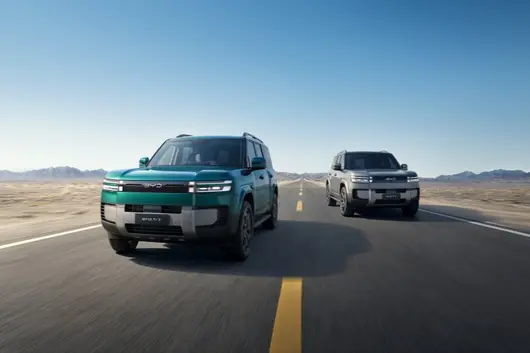
BYD has confirmed it will soon export its "Fang Cheng Bao Titanium 7" luxury 7-seater SUV from the domestic market to international markets, but it will be launched in international markets under the name BYD Ti7, and it has been confirmed that a right-hand drive version will be available.
Fang Cheng Bao is a sub-brand of BYD Group positioned as luxury high-end in the domestic market. The Denza B8 released in Malaysia recently is actually a rebadged version of the "Fang Cheng Bao Leopard 8", and this time the BYD Ti7 is based on the "Fang Cheng Bao Titanium 7". Both are box-shaped 7-seater SUVs, but there are some differences in details and product positioning.


In terms of appearance, the silhouettes of the two look similar, but a closer look reveals the BYD Ti7's headlight group features an upgraded two-stage L-shaped LED daytime running light, while the Denza B8 has a complete C-shape design. Additionally, details such as the front bumper, side C-pillar, door handles, and taillight design are also different, but both adopt a rear-mounted spare tire.


There are also differences in body dimensions. The specific dimensions of the BYD Ti7 are 5016×1995×1865mm (Length x Width x Height), with a wheelbase of 2920mm. While the Denza B8 is 5195×1994×1905mm, the wheelbase is the same at 2920mm, so apart from the wheelbase, there is a discrepancy in body length and height.
Another difference lies in the chassis and body structure. The Denza B8 (Leopard 8) adopts a body-on-frame chassis design, which generally handles off-road requirements better; while the Ti7 (Titanium 7) adopts a unibody structure, with the benefit of better comfort and suitability for general road driving, but in off-road aspects, it is inferior to body-on-frame chassis due to inherent conditions.
In terms of power, Ti7 is equipped with BYD Group's DMO plug-in hybrid (PHEV) system, consisting of a 1.5L four-cylinder turbocharged petrol engine paired with two motors to form an AWD four-wheel drive system. Comprehensive horsepower reaches 489PS, comprehensive torque 630Nm. The manufacturer announced its 0-100km/h acceleration time is 4.8 seconds, with a top speed of 190km/h.

Regarding the battery part, BYD Ti7 offers two battery capacity options: 26.6 and 35.6kWh. The former can achieve 80km (WLTP Standard) pure electric range, while the latter can achieve 127km pure electric range. Moreover, the manufacturer claims both battery capacities support DC fast charging and can charge from 30% to 80% within 17.5 minutes.
Regarding equipment, BYD Ti7 will come standard with a 15.6-inch central control screen head unit, 10.25-inch fully digital instrument cluster, 26-inch color Head-Up Display (HUD), electric seats with heating and air conditioning ventilation, active sound system composed of 16 speakers, small refrigerator integrated in the front center armrest box, etc. These features have almost become standard equipment in the current domestic high-end new energy vehicle market.


It should be noted that the domestic original model "Fang Cheng Bao Titanium 7" of BYD Ti7, besides the PHEV hybrid version, also launched a pure electric version. It has single motor and dual motor configurations, paired with 92 or 105.7kWh batteries, with ranges reaching 675 and 755 kilometers respectively. However, currently only the PHEV hybrid version Ti7 is confirmed to be exported to international markets, and there is no official information regarding the export of the pure electric version for now.

BYD officially released the May 2026 production and sales flash report, with new energy vehicles from all brands reaching a monthly sales volume of 383,453 vehicles, a slight increase of 0.26% year-on-year, achieving year-on-year positive growth in monthly sales after ten months; among them, passenger car deliveries reached 376,990 units, surging 19.4% month-on-month, wiping out the pain of previous model iterations, presenting a new pattern where the domestic base is stable, overseas sales are soaring, and high-end brands are scaling up across the board. Amidst the market environment of intensified competition in the domestic new energy sector, Tesla FSD entering China, and an intense launch of independent new products, it has forged a unique structural growth path.

The Dynasty and Ocean main brands combined sold 330,215 vehicles in May, accounting for over 80% of the group's total sales, remaining the stabilizer for BYD's sales volume. The full series had 8 models exceeding 20,000 units in monthly sales, covering products from 50,000 entry-level commuter to 200,000 home SUV.

Inside the Dynasty Network, the Yuan family sold 56,691 units, and the Song family 51,370 units. Both crossed the 50,000 threshold, becoming two major sales pillars for the brand, catering to home commuter and urban-rural travel needs; the Qin family followed closely with a stable performance of 28,360 units. The Han and Tang series maintained a volume in the six-thousand range, deeply cultivating the mid-to-large home sedan and SUV niche markets; the brand new model Xia is in the market cultivation phase, delivering 1,810 units monthly, with potential for steady volume growth as channels expand.
The Ocean Network's growth momentum is even more rapid, with 5 models entering the 20,000 club across the series: Sealion 42,615 units, Seal 34,117 units, Seagull 39,919 units, Dolphin 22,260 units, and Song PLUS 27,755 units. Among them, Seagull remains the best-selling entry-level commuter model thanks to its affordable pricing of 60,000-80,000. Sealion, as a new volume model, stands firm at the 40,000 level upon launch, filling the mid-size SUV product gap in the Ocean Network and perfecting the Ocean product tier layout. From commuter small cars to compact SUVs, the two main brands rely on DM-i hybrid and pure electric dual-line technologies to牢牢锁住 the mainstream home market share within 150,000 domestically.
Fang Cheng Bao Year-on-Year Surges 139.7%, Brand Upward Positioning Takes EffectThe high-end matrix of Denza, Fang Cheng Bao, and Yangwang sold a combined 46,489 vehicles in May, officially breaking away from the niche positioning to become a new pivot for BYD's brand premium and profit growth, breaking the industry curse of difficulty in high-end breakthrough for domestic brands.

The off-road brand Fang Cheng Bao sold 30,186 units monthly, surging 139.7% year-on-year, creating a new high in monthly sales since the brand launched. Its Titanium 7 model sold 18,280 units monthly, while Leopard 5 and Leopard 8 output remained stable, continuously squeezing the survival space for joint venture and imported models in the 250,000-400,000 hardcore off-road niche market.

Denza delivered 16,303 units in May, with the MPV benchmark D9 selling 6,721 units, and the Z9 series close to 6,000 units. MPV and mid-to-large sedan dual-line efforts helped them stand firm in the luxury new energy track; the million-level ultra-luxury brand Yangwang continued its steady climb, delivering 286 units that month, a year-on-year increase of 105.8%, completing market verification of the domestic brand ceiling product and forming a full price range product layout from 100,000+ home, 300,000-400,000 off-road, 500,000 luxury MPV to million-level flagship.

In May, BYD's overseas sales of passenger cars and pickup trucks reached 160,177 units, surging 80.7% year-on-year. Exports accounted for over 42% of the full series total sales, setting a new historical high for brand export and becoming the core driving force to stabilize May overall sales and achieve year-on-year positive growth.
Southeast Asia, Europe, and Latin America became the main incremental markets. Seagull, Song PLUS, and Yuan series continued to top new energy best-seller lists in multiple countries; the SHARK pickup truck exceeded 4,000 units in monthly exports for two consecutive months. Relying on the completion of localization production in Thailand, Brazil, Hungary, and Uzbekistan with four overseas vehicle factories, localized production continues to land, avoiding tariffs while rapidly penetrating terminal channels. Against the background of stock market competition in the domestic auto industry and normalized price wars, the rapidly expanding overseas market effectively counteracts sales volatility brought by domestic model iterations, officially upgrading from a supplementary market to BYD's core growth engine. As of now, BYD's global cumulative new energy vehicle sales have exceeded 16.5 million units, with the globalization map continuously broadening.
Intelligent Driving Empowers Product Iteration, H2 New Products Prepare to Surge VolumeMay marked a key node in BYD's intelligent driving landing, with the God's Eye intelligent driving system becoming a core bonus point for models: the number of vehicles with advanced intelligent driving across all brands exceeded 3.15 million, with daily road test data exceeding 200 million kilometers; that month, BYD implemented City Pilot and Smart Parking dual safety backup services, becoming the world's first auto manufacturer to achieve dual intelligent driving backups. Three days after policy implementation, the activation rate of models equipped with the God's Eye system in cities surged 50%. Intelligent driving experience upgrades directly drove in-store order conversion, solidifying product competitiveness for subsequent models to continue volume sales, and facing the intelligent driving market shock brought by FSD entering China.
From data details, BYD's cumulative sales from January to May 2026 were 1,405,039 units, down 20.32% year-on-year. The core reason is that the full series of main models were concentratedly iterated, and the capacity ramp-up of the 2nd Gen Fast Charge Blade Battery was restricted. The new Flash Charge Battery upgraded fast charging and low-temperature performance. Full series iteration models prioritized installing new batteries, but production line retrofitting dragged down capacity release. Order backlogs on popular models and delayed deliveries compressed the May delivery volume to a certain extent.
As the end of the second quarter approaches and the 2nd Gen Blade Battery capacity continues to release, coupled with new models such as Denza N8L, Fang Cheng Bao Titanium 7 Pure Electric Version, Sealion 05, and Xia L landing the market, the industry generally predicts that BYD's full brand sales in June are expected to exceed 400,000 vehicles. Relying on the four-dimension development logic of low-end volume locking share, high-end raising profit, overseas pushing volume, and intelligence improving product power, amidst the intensified new energy elimination round in the domestic market, BYD's full category layout advantage continues to amplify, securing its status as the domestic new energy leader, accelerating steadily towards global top auto manufacturers.