首頁poyang

搜尋歷史
熱門搜尋
經銷商登入 / 註冊

In Malaysia's SUV market, many buyers compare Proton X70 and Subaru Forester when choosing a car. These two cars are quite close in price and positioning. Today, we will make a detailed comparison from multiple aspects to help you save time doing research.
Proton X70 OTR price in Malaysia is RM 106,800 - 122,300, with a total of 3 versions, including 1.5L Standard 2WD (RM 106,800), 1.5L Executive 2WD (RM 115,800), 1.5L Premium 2WD (RM 122,300), etc.
Subaru Forester OTR price in Malaysia is RM 174,000 - 197,000, with a total of 3 versions, including 2024 2.0L S EyeSight GT Edition (RM 189,538), 2024 2.0L S EyeSight (RM 177,538), 2024 2.0L L EyeSight (RM 167,538), etc.
From a price perspective, Proton X70's starting price is indeed RM 67,200 cheaper than Subaru Forester. If your budget is limited, Proton's entry-level version can already meet daily needs. However, note that the few thousand cheaper might involve compromises in features, depending on your specific needs.

Proton X70 safety rating is 5★ (ASEAN NCAP), active safety systems include ADAS (ACC, AEB, LKA, LDA, BSM, RCTA).
Subaru Forester safety rating is 5★ (Euro NCAP), active safety systems include EyeSight.
Regarding safety features, both cars received good ratings. However, there are some differences in functionality between Proton X70's ADAS (ACC, AEB, LKA, LDA, BSM, RCTA) and Subaru Forester's EyeSight. If you value active safety, you can compare their feature lists carefully.

Proton X70 adopts FWD drive mode.
Subaru Forester adopts FWD drive mode.
Both cars have the same drive mode, both are FWD, daily driving feel will not differ too much.

Proton X70 warranty 5 years/150,000km, maintenance interval every 10,000km or 6 months.
Subaru Forester warranty 3 years/100,000km, maintenance interval every 10,000km or 6 months.
Overall, Proton X70 and Subaru Forester are both quite good car models in the Malaysian market. Which one to choose depends mainly on your personal needs and budget. We suggest doing your research, compare quotes from a few dealerships, and then test drive to make the final decision. Buying a car is a big matter, spending some time doing research will definitely not be a mistake.


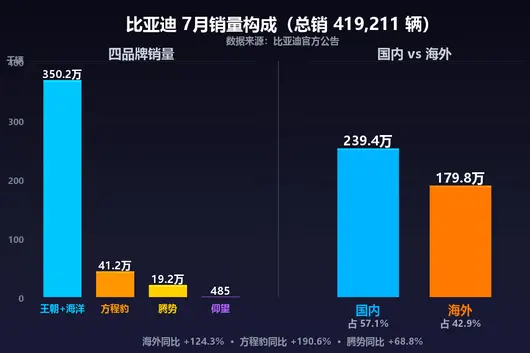
【車市百曉生】比亞迪 7 月銷售 419,211 輛,同比增長 21.76%。1-7 月累計 2,227,722 輛。
總量再創新高。結構上的變化比總量更值得關注:海外正在成為最大增長引擎,國內從高速擴張轉向精耕細作。

王朝 + 海洋:350,178 輛。絕對主力,佔比超 80%。秦、宋、海豚、海鷗在 10-20 萬區間已佔據穩固份額。基數龐大,增速自然放緩——這是任何大單品成熟後都會經歷的階段。更重要的是,基本盤沒有鬆動,競爭壁壘依然牢固。
方程豹:41,213 輛,同比增長 190.6%,環比增長 15.7%。比亞迪內部增速最快。豹 5 和豹 8 閃充版在 30-50 萬區間站穩,說明高端化不是靠堆配置拼價格,是靠產品力說話。月銷 4 萬 + 在 30 萬以上市場是什麼概念?蔚來主品牌月銷約 1 萬,理想約 3 萬——方程豹一個品牌做到了兩者之和的量級。
騰勢:19,196 輛,同比增長 68.8%。D9 穩坐 MPV 銷冠,Z9GT 在轎跑市場有穩定貢獻。Z9S 今天開啟預售,轎車線補上後產品矩陣更完整。
仰望:485 輛。百萬級月銷近 500 台,跟奔馳 S 級、寶馬 7 系同一量級。仰望不為走量,是技術旗艦,為品牌向上背書。
海外:18 萬輛,增速 124%7 月海外銷售 179,841 輛,同比增長 124.3%。1-7 月海外累計 969,208 輛,全年大概率突破 150 萬輛。
不只是數字在漲,模式也在升級。泰國工廠年產 15 萬輛已投產,巴西工廠在建,烏茲別克斯坦工廠投入運營——從出口整車到本地製造,這一步決定海外增速能不能持續。比亞迪在海外不只是賣車,是建工廠、建渠道、建品牌認知。
7 月全球汽車銷量約 700 萬輛,比亞迪佔 6% 左右。海外提升空間巨大——不是一年兩年的事,是十年二十年的增長賽道。

7 月國內銷量約 24 萬輛。這個數字背後是國內新能源市場的新常態——滲透率已破 60%,高速增長紅利期正在過渡到存量競爭期。
對比亞迪來說,這不是挑戰,是行業規律。10-20 萬區間市場份額已經很高,邊際擴張空間自然收窄。國內策略也在調整:不是追求繼續大幅提升份額,而是通過新產品(秦 MAX、海豹 08)和新技術(第二代刀片電池、閃充)守住基本盤,同時更多資源投向海外和高端化。
簡單說:國內從搶地盤轉向守陣地,海外從試水轉向猛攻。

三個階段越來越清晰。
第一階段"國內卷王"(2021-2023):刀片電池和 DM-i 橫掃 10-20 萬市場。第二階段"品牌向上"(2024-2025):騰勢、方程豹、仰望衝高端,已基本完成。第三階段"全球擴張"(2026-至今):海外佔比快速提升,從"中國比亞迪"走向"世界比亞迪"。
方程豹月銷破 4 萬、海外月銷逼近 18 萬——這兩個數字一年前都不敢想。第二階段收官,第三階段正在加速。
下一個看點:海外月銷何時超過國內?以當前增速差,今年四季度可能會看到。

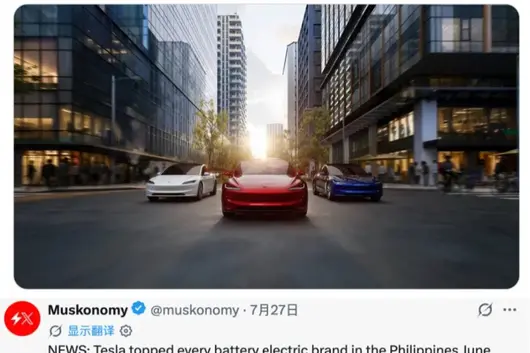
根據菲律賓汽車製造商協會 (CAMPI) 同卡車製造商協會 (TMA) 近日聯合發布嘅數據顯示,2026 年 6 月,特斯拉成咗菲律賓最暢銷嘅純電動汽車品牌。

領先業界嘅銷量數據,反映出菲律賓車主對產品嘅真實認可。博主@Muskonomy 曾經分享過一位菲律賓 Model 3 車主嘅首個月用車體驗:補能開支只有以前燃油車嘅 1/6,直言“再都唔想換返去開燃油車”。
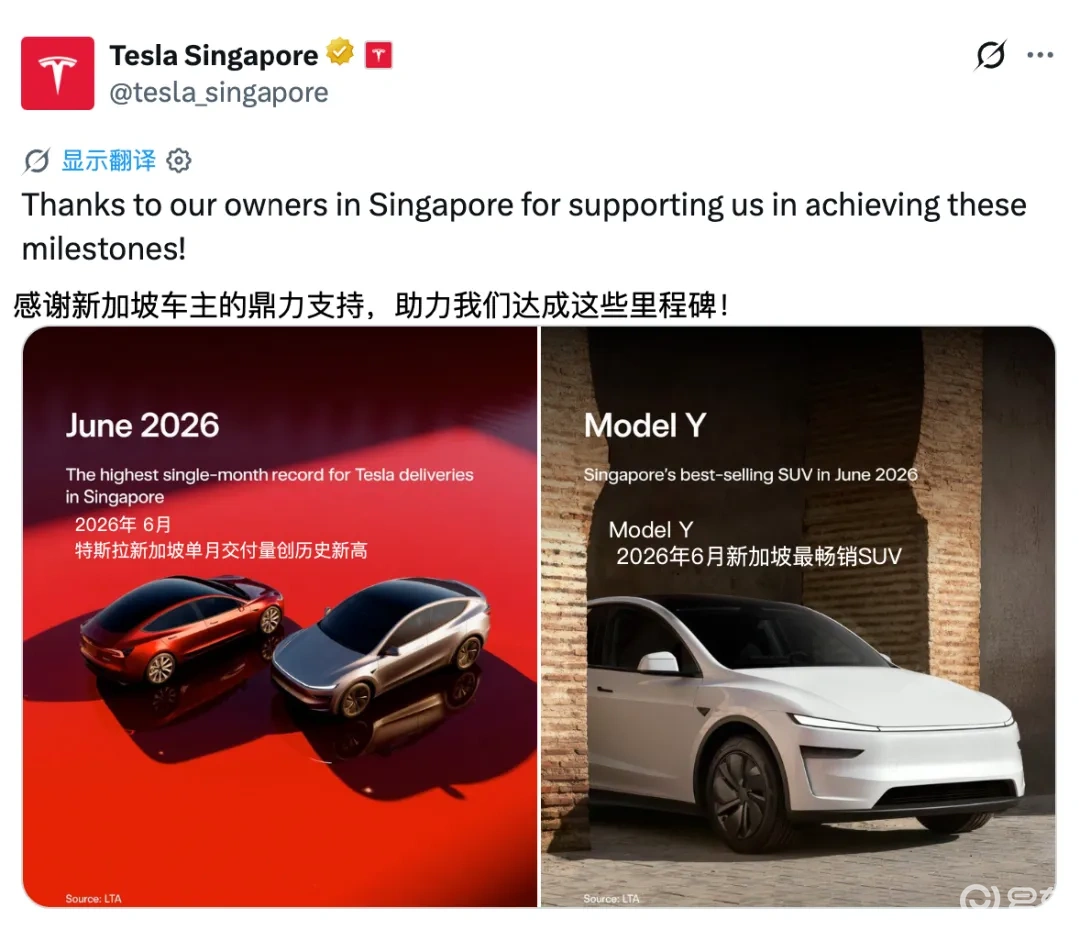
喺東南亞市場嘅多個國家地區,特斯拉均迎來銷量增長。特斯拉喺海外官方平台分享,特斯拉 6 月喺新加坡市場創咗單月銷量新高,Model Y 超越燃油車成為當地全品類最暢銷 SUV 車型。
嚟自新加坡嘅車主@Coco 傻 Fish 就將家中嘅燃油車換置為特斯拉,佢表示開咗特斯拉後,早晚繁忙時段塞車駕駛感覺冇咁累,亦都冇開燃油車時嘅油耗焦慮,“比公共交通更抵!”


2026 年 7 月 25 日,奇瑞集團全球累計銷量正式突破 2000 萬輛。同日迎來上市嘅風雲 A9,作為奇瑞集團第 2000 萬輛車,正式交付畀用戶。
奇瑞集團第 2000 萬輛車落在風雲 A9 上,係一次跨越時光嘅呼應:風雲係奇瑞打造嘅第一款車,亦係奇瑞第一款走向海外嘅全球車,如今已全系煥新為新能源智能車。風雲 A9 定位為「長續航智美純電轎跑」,唔係一款普通新車,而係奇瑞整個產品體系、質量體系全面升級嘅代表作,代表住奇瑞「向美好出發」嘅樣貌,亦代表住奇瑞「喺中國,為全球」嘅誠意。

從零開始,到第 2000 萬輛,奇瑞用 29 年創業歷程,親歷並見證咗中國汽車創新發展嘅向上之路,亦探索出一條「喺中國,為全球」嘅中國汽車全球化之路。
29 年與 2000 萬輛:中國汽車向上之路
今年 7 月恰逢新中國第一輛汽車下線 70 週年。喺新中國 70 年嘅工業汽車史上,奇瑞汽車 29 年嘅創業歷程,具有別樣嘅樣本意義。
20 世紀 90 年代,行業盛行兩個論斷:「唔與跨國公司合資冇前途」「不到百萬規模唔能自行研發」。奇瑞打破論斷,堅持行自主品牌、自行研發、自主發展之路,成為中國品牌第一家掌握「三大件」核心技術嘅車企。
2007 年,奇瑞成為第一家累計銷量突破 100 萬輛嘅中國品牌車企,其後更加率先跨過 200 萬、300 萬、500 萬輛階梯,直至今日突破 2000 萬輛。

圖為奇瑞犀牛電池

圖為奇瑞墨甲機器人
如今嘅奇瑞,全球化產業覆蓋整車製造、核心零部件、汽車金融、具身智能機器人、現代服務、智能科技等多元領域。技術奇瑞「超級技術貨架」已儲備超過 400 項先進技術,包括犀牛電池、獵鷹智駕大模型、靈犀智艙 2.0、方舟兩棲系統、鯤鵬天擎 48.57% 熱效率引擎等,覆蓋「海陸空」技術圖譜。
喺最新公佈嘅 2026《財富》中國 500 強中,奇瑞汽車首次以上市公司身份上榜,排名第 87 位,淨資產收益率(ROE)位列汽車行業第一。
超 1/3 車主喺海外:「全球化含量」最高嘅中國車企
今年 5 月,來自羅馬尼亞嘅德拉戈斯·斯坦(Dragos Stan),開住一部奇瑞車,花咗 25 日,行駛 1.2 萬公里,橫穿亞歐大陸 8 個國家,全程零故障抵達奇瑞蕪湖總部。「相信中國製造。」呢句係德拉戈斯喺路上反覆講嘅一句說話。

圖為 Dragos Stan 橫穿亞歐大陸途中
類似嘅信任,而喺全球匯聚成規模。今年上半年,奇瑞集團累計出口汽車 94.38 萬輛,同比增長 71.5%;連續四個月刷新中國汽車單月出口紀錄,平均每隔 17 秒就有一輛「奇瑞造」駛向海外。如今,奇瑞產品暢銷全球 130 多個國家同地區,海外用戶接近 700 萬,約佔全球 2000 萬用戶嘅 35%——每 3 位奇瑞車主,就有 1 位喺海外。
來自高法規市場嘅認可,驗證咗用戶選擇嘅含金量。1-6 月,奇瑞喺歐洲累計銷售 17.4 萬輛,同比增長超 212%;喺英國連續四個月躋身全市場全品牌新車銷量榜前二,JAECOO 7 更拿下单月全市場全品牌銷冠。

圖為奇瑞出海車輛即將登船
「種樹人」嘅邏輯:喺邊度,為邊度
今年 7 月 3 日,南非行政首都比勒陀利亞。奇瑞宣佈,將改造升級從外企手中收購嘅羅斯林工廠,使其恢復生產,承諾保留原有嘅全部 692 名員工,並帶動上下游近 3000 個就業崗位。消息宣佈時,現場爆發出歡呼聲。

圖為奇瑞南非羅斯林工廠啟動
奇瑞行到全球任何一個地方,都代表住中國品牌嘅形象,唔可做逐利而居嘅「風滾草」,而要做扎根當地嘅「種樹人」——喺邊度,為邊度,成為當地一份子。
喺國內,奇瑞 2000 萬輛車背後係一條條產業鏈,關聯住全國各基地嘅產業發展、就業崗位、納稅同民生事業。僅喺蕪湖,奇瑞就帶動上下游超 3000 家配套企業集聚,吸引咗 30 多家世界 500 強企業落戶,更助力安徽成為穩居汽車產量、新能源汽車產量、汽車出口「三項全國第一」嘅汽車大省。

圖為奇瑞喺蕪製造基地
喺海外,奇瑞亦由「產品出海」升級為「生態出海」。2024 年,奇瑞同西班牙 EV MOTORS 合作,復甦咗西班牙國民品牌 EBRO,仲創造咗 1000 多個就業崗位,被兩國政府、公眾譽為「中西合作典範」。而家,奇瑞集團喺全球有 15 萬員工,其中海外員工超 2 萬人,更帶動住上下游成百上千萬個就業崗位。
產業扎根之外,「種樹人」嘅公益綠蔭亦喺全球延展。奇瑞踐行 ESG 可持續發展理念,在售車款碳足跡覆蓋率达 100%;同世界自然保護聯盟(IUCN)展開長期合作,投入地中海海草床修復、馬來西亞紅樹林保護、西班牙、南非重點自然保護區域等項目;作為聯合國兒童基金會全球合作伙伴,2023 年以來累計承諾捐贈 1200 萬美元,用於支持全球教育項目。

圖為奇瑞攜手 IUCN 展開地中海海草床修復環保活動
2000 萬輛之後:從「造車」到「造美好生活方式」
2000 萬輛之後,奇瑞往邊度走?奇瑞给出嘅回答係:奇瑞嘅使命係助力中國品牌由大變強,助力中國汽車改變世界汽車;奇瑞唔只係一家車企,仲係一家透過技術創新,不斷突破能源制約、出行邊界、產業瓶頸,不斷為全球用戶創造美好生活方式嘅科技生態公司——奇瑞要面對嘅,係人類可持續發展嘅終極課題。
答案已顯出雛形:獵鷹駕輔、靈犀智艙已喺主力車款登場,L3/L4 級自動駕駛加速量產;eVTOL 飛行汽車成功試飛,墨甲機器人已銷往 60 個國家同地區,不斷拓展出行嘅邊界;犀牛固態電池能量密度達 400Wh/KG 並向 600Wh/KG 衝刺;可控核聚變「人造太陽」研究亦開啟戰略佈局。聚焦電芯同高算力芯片(2C 技術)、Robotaxi 同墨甲機器人(2R 技術)、綠色材料、綠色能源、綠色算力(3G 技術)嘅前沿佈局,以及備件精品生態、數字內容訂閱生態(2E 生態),構成咗奇瑞面向未來嘅技術底座。

圖為奇瑞代表性技術生態佈局
70 年前,新中國工業汽車從零起步;29 年前,奇瑞汽車從荒灘出發。2000 萬輛,係呢條創業路上嘅里程碑,亦係奇瑞下一段路嘅新起點。
面對 2027 年即將到來嘅「三十而立」,奇瑞要由「造車」走向「造可持續嘅美好生活方式」——呢係奇瑞「三十而立」嘅課題,亦係今年 29 歲嘅奇瑞,同「百年奇瑞」嘅約定!
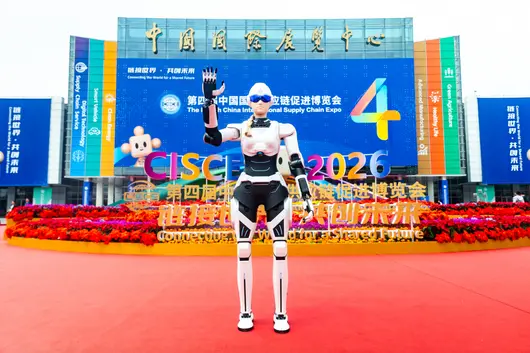

In the Malaysian SUV market, many buyers compare the Proton X50 and Chery Tiggo 7 Pro when choosing a car. The pricing and positioning of these two models are quite close. Today, we will conduct a detailed comparison from multiple aspects to help you save time doing research.
The Proton X50 OTR price in Malaysia is RM 89,800 - 113,300, with a total of 4 versions, including 1.5T Executive (RM 89,800), 1.5T Premium (RM 101,800), 1.5T Flagship (RM 113,300), etc.
The Chery Tiggo 7 Pro OTR price in Malaysia is RM 123,750 - 123,750, with a total of 2 versions, including 1.6L Turbo Standard (RM 125,000), 1.6L Turbo Premium (RM 140,000), etc.
From a price perspective, the Proton X50 starting price is indeed RM 33,950 cheaper than the Chery Tiggo 7 Pro. If your budget is limited, the Proton entry-level version can already meet daily needs. However, keep in mind that the few thousand cheaper might involve trade-offs in features, depending on your specific requirements.

The Proton X50 is equipped with a 1.5L 4-cylinder, with 105 hp. Official fuel consumption is 6.0 L/100km.
The Chery Tiggo 7 Pro is equipped with a 1.5L Turbo, with 140 hp. Official fuel consumption is 7.0 L/100km.
In terms of power, the Chery Tiggo 7 Pro's 1.5L Turbo has 35 more horsepower than the Proton X50's 1.5L 4-cylinder. However, for daily city driving, the power of both cars is sufficient, and you won't feel it lacks power.

The Proton X50 safety rating is 5★ (ASEAN NCAP), active safety systems include ADAS (ACC, AEB, LKA, LDA, BSM, RCTA).
The Chery Tiggo 7 Pro safety rating is TBD, active safety systems include Basic.
Regarding safety features, both cars have received good ratings. However, the ADAS (ACC, AEB, LKA, LDA, BSM, RCTA) on the Proton X50 and the Basic system on the Chery Tiggo 7 Pro have some differences in functionality. If you value active safety, you can compare the feature lists of both carefully.

Proton X50 warranty is 5 years/150,000km, service interval every 10,000km or 6 months.
Chery Tiggo 7 Pro warranty is 3 years/100,000km, service interval every 10,000km or 6 months.
Overall, both the Proton X50 and Chery Tiggo 7 Pro are very good models in the Malaysian market. Which one to choose mainly depends on your personal needs and budget. We recommend doing your homework, comparing quotes from several dealerships, and test driving before making a final decision. Buying a car is a big deal, and taking time to do research will never be wrong.


In Malaysia's SUV market, many buyers compare Proton X50 and Toyota Corolla Cross when choosing a car. These two cars are quite close in terms of price and positioning, so today we will make a detailed comparison from multiple aspects to help you save time on research.
The OTR price of Proton X50 in Malaysia is RM 89,800 - 113,300, with a total of 4 versions, including 1.5T Executive (RM 89,800), 1.5T Premium (RM 101,800), 1.5T Flagship (RM 113,300), etc.
The OTR price of Toyota Corolla Cross in Malaysia is RM 133,800 - 148,800, with a total of 3 versions, including 2026 HEV 1.8L GR Sport (RM 148,800), 2026 HEV 1.8L Standard (RM 140,800), 2026 1.8L Standard (RM 133,800), etc.
From a price perspective, the starting price of Proton X50 is indeed RM 44,000 cheaper than Toyota Corolla Cross. If you have a limited budget, Proton's entry-level version can already meet daily needs. However, also note that the saving of a few thousand might involve trade-offs in features, specifically depending on your needs.
Proton X50's safety rating is 5★ (ASEAN NCAP), active safety systems include ADAS (ACC, AEB, LKA, LDA, BSM, RCTA).
Toyota Corolla Cross's safety rating is 5★ (ASEAN NCAP), active safety systems include TSS (PCS, LDA, ACC, LTA).
Both cars have the same safety rating, and safety features are quite comprehensive in this segment. New cars nowadays generally do not have poor safety, so there is no need to worry too much about this point.
Proton X50 warranty 5 years/150,000km, maintenance interval every 10,000km or 6 months.
Toyota Corolla Cross warranty 5 years/unlimited mileage, maintenance interval every 10,000km or 6 months.
Proton X50 and Toyota Corolla Cross are both mainstream choices in the Malaysian market, suitable for family use and daily commuting. If you value brand reputation and resale value more, you can prioritize the one with better reputation; if you care more about value for money and features, then choose the one with richer configuration. Ultimately it is recommended to test drive both, personal experience is the most important.

Overall, Proton X50 and Toyota Corolla Cross are both very good models in the Malaysian market. Which one to choose, it depends primarily on your personal needs and budget. It is recommended that everyone does their research, compares quotes from several dealerships, then goes for a test drive to make a final decision. Buying a car is a big matter, spending some time on research will never be wrong.

全球汽車行業正迎來電動化、智能化、全球化深度變革,行業競爭不再侷限於產品比拼,而是延伸至技術研發、品牌建設、產業鏈佈局與海外市場的全方位較量。作為國內骨幹汽車央企,東風汽車穩步推進「東方風起 2030」戰略,在 2026 年「十五五」規劃開局之年,依託前沿技術、多元新能源產品與全球化佈局,上半年市場表現亮眼,實現銷量「五個跑贏」,在激烈行業競爭中凸顯發展韌性,走出一條向新、向上、向全球的高質量發展路徑。

2026 年上半年,東風汽車累計整車銷量 102.1 萬輛,五大核心指標全面跑贏行業大盤。整體銷量增速優於行業 1.1 個百分點;國內市場累計售出 83.1 萬輛,增速高出行業 9.6 個百分點,牢牢穩住本土基本盤;新能源車型銷量 49.3 萬輛,同比增長 27.5%,增速領先行業 21.2 個百分點,綠色轉型成效顯著;自主品牌銷量 72.5 萬輛,同比上漲 13.6%,增速超行業 13.2 個百分點,自主向上戰略落地見效;海外出口同比大漲 97%,全球化佈局進入快速兌現階段。亮眼的數據並非短期市場紅利,而是東風長期深耕智能自研、綠色賽道、全球渠道三大領域,持續深耕攻堅的成果。
2026 年定為東風汽車「技術兌現年」,企業以「天元智能」計劃為抓手,持續突破智能化核心技術,搭建自主可控的智能汽車底層體系。座艙領域,東風推出完整天元智艙產品矩陣,覆蓋高端到主流全部細分市場。其中天元智艙 Plus 是國內首款國產艙駕一體平台,融合 3D 沉浸式車控交互、智駕 SR 渲染技術,搭載自研 AI 大模型,打造出直觀易懂、操作便捷的新一代智能座艙,將批量搭載於全國產芯片標桿車型。人工智能領域,自研「以太大模型」通過國家网信辦生成式 AI 備案,與天元整車架構、車載操作系統深度協同,在落地 AI 上車的同時築牢智能安全防線。同時,東風發布 OpenWorld 多模態真實道路數據集開放計劃,向行業開放海量實測路況數據,為自動駕駛世界模型、車載具身智能研發提供重要支撐,助力國內智能駕駛產業協同發展。

車規芯片是智能化的核心硬件底座,東風持續攻關芯片國產化,多款自研產品填補國內空白。全國產高性能車規 MCU 芯片 DF30 完成驗證,適配引擎 ECU,已搭載奕派 007、猛士 M817 等車型推進量產;車規高邊驅動芯片 INH025X 性能對標國際一線產品,入選央企科創成果目錄,累計裝車超 35 萬台,大幅降低核心零部件對外依賴。智能化升級同步落地製造端,今年 1 月,全球最大 16000T 一體化壓鑄產線投產,用於電池箱體生產,東風也成為行業唯一實現整車前中後全段一體化壓鑄佈局的車企。產線搭載大量工業機器人和自研智能系統,既能降本增效,又提升電池碰撞防護能力,率先應用於奕派 M8。同期投產的全球單體最大中重型商用車智慧工廠配備 288 台協作機器人,焊接、塗裝自動化率 100%,依託數字孿生、AI 質檢技術,生產效率較傳統工廠提升 30%,智能制造實力穩居行業前列。
綠色低碳是汽車產業轉型核心方向,東風落地「天淨零碳」計劃,堅持「純電築基、氫能領航、多元佈局」路線,打造覆蓋全動力類型的新能源產品矩陣,適配各類出行場景。上半年多款新品集中上市,全面覆蓋各細分市場。高端新能源板塊,嵐圖泰山 Ultra、泰山 X8 完成交付,鞏固高端品牌定位;猛士 M817 打破豪華越野舒適、智能、性能難以兼顧的行業瓶頸;全新品牌奕境推出旗艦六座 SUV 奕境 X9,從安全、舒享、駕控三大維度樹立新一代車型標準。家用市場中,奕派 M8 六座 SUV 直擊多孩家庭出行痛點,預售首日訂單破萬;2026 款風神 L7 EV 夯實 10 萬級純電 SUV 市場;納米 06 智趣版下放智能配置,降低購車門檻;風行星海 T5、星海 V6 主打親民通勤市場,豐富大眾綠色出行選擇。

氫能業務依託二十餘年技術積澱形成差異化優勢,東風搭建 20kW 至 400kW 全覆蓋氫動力平台,手握千餘項氫能發明專利,技術持續轉化為商業化訂單。自研 400kW 燃料電池電堆 5 月通過國標萬小時耐久測試,成為國內首個獲評「耐久之星」的金屬雙極板電堆。商業化落地提速,3 月簽下 1500 台氫能重卡大單,6 月批量投入三峽水運工程,推動氫能重卡走進幹線物流、港口、環衛、基建等場景。目前東風氫燃料整車累計銷量超 9000 台,示範運營覆蓋全國 40 餘城,運營規模行業第一。研發體系同步升級,2026 年東風成立基礎與先行技術研究院,全球設計中心投用,「三國六地」研發網絡成型;牽頭組建湖北固態電池創新聯合體,聯合 18 家產學研單位攻關下一代電池技術,落地省內首個新能源汽車院士工作站,依託頂尖團隊攻關汽車新材料,夯實長期綠色技術競爭力。
圍繞「天際揚帆」全球化戰略,東風創新海外合作模式,完善研產銷一體化海外佈局。今年 5 月,東風與 Stellantis 集團簽署深化戰略協作協議,為進軍歐洲新能源市場鋪路。國內層面,六方合計注資超 80 億元賦能神龍汽車,推動品牌智能化、綠色化轉型;海外規劃雙方共建歐洲合資公司,統籌新能源車型當地研發、生產、分銷與採購,搭建穩定出海平台。物流保障方面,東風與中遠海運續簽戰略合作,強化跨境整車與零部件物流,提升全球供應鏈抗風險能力。

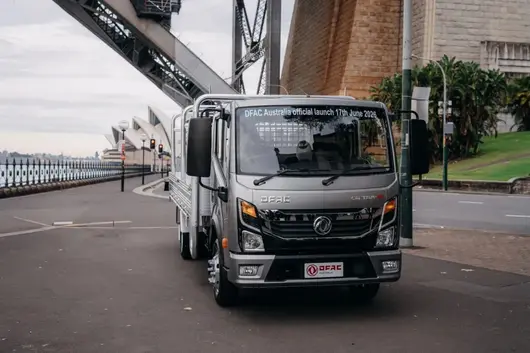
乘用車出海實施高低端雙線佈局,平價車型與高端品牌同步發力。DONGFENG BOX、007、MAGE 等車型憑藉高性價比,熱銷歐洲、拉美、非洲市場;嵐圖、猛士進軍沙特、阿聯酋、埃及等中東國家,針對當地高溫沙塵環境完成專屬調校,嵐圖以新中式豪華俘獲高端用戶,猛士越野性能收穫海外愛好者青睞。商用車堅持一地一策、場景定製:為沙特长途物流定製 V5 牽引車;針對秘魯鮮果運輸推出兩款差異化配送車型;東南亞投放全系列輕重卡,馬來西亞單批交付 830 台、簽約 500 台;適配澳洲右舵法規推出輕型物流車 CAPTAIN.45。渠道網絡持續擴張,東風海外授權營銷網點達 1600 家,覆蓋全球 150 多個國家,30 多個海外市場銷量實現翻倍,海外渠道深耕成效凸顯。
站在「十五五」開局新起點,東風汽車以「天元智能」、「天淨零碳」、「天際揚帆」三大計劃為核心抓手,穩步推進四大產業生態建設。下一步,企業將持續深耕產品迭代、核心技術自主研發、全球市場拓展,不斷豐富新能源產品矩陣,突破智能汽車軟硬件關鍵技術,完善全球產銷渠道,全力塑造科技化、國際化、年輕化品牌形象,在全球汽車產業變革浪潮中搶抓發展機遇,以央企責任助力國內汽車產業高質量轉型升級。

喺馬來西亞嘅轎車市場,好多買家喺揀車嘅時候都會拿本田思域同日產 Almera 嚟做比較。呢兩款車喺價位同定位上都好接近嘅,今日我哋就從多個方面做一個詳細嘅比較,幫你攞返做功課嘅時間。
本田思域喺馬來西亞嘅 OTR 售價係 RM 84,900 - 112,900,一共 4 個版本,包括 2023 1.5L RS(RM 99,900)、2023 1.5L V(RM 94,900)、2023 1.5L E(RM 89,900)等。
日產 Almera 喺馬來西亞嘅 OTR 售價係 RM 83,888 - 95,888,一共 3 個版本,包括 2025 1.0T VLT(RM 95,888)、2025 1.0T VLP(RM 89,888)、2025 1.0T VL(RM 83,888)等。
由價錢嚟睇,日產 Almera 嘅起步價比本田思域平咗 RM 1,012。老實講,喺呢個價位段,幾千蚊嘅差距其實唔算大,關鍵係睇整體嘅性價比同長期使用成本。

本田思域裝載 1.5L 4-cyl,馬力 105 hp。官方油耗 6.0 L/100km。
日產 Almera 裝載 1.5L 4-cyl,馬力 105 hp。官方油耗 6.0 L/100km。
兩款車用咗同一套動力系統,日常開起嚟嘅感覺基本無分別。油耗方面都差唔多,唔使太糾結呢一點。

本田思域車身長 4450 mm,車尾箱 470 L。
日產 Almera 車身長 4400 mm,車尾箱 400 L。
空間方面,本田思域嘅車身比日產 Almera 長咗 50 mm,車內乘坐空間會稍微闊綽啲,尤其係後座腿部空間。如果你經常載家人或者要放嬰兒車,大少少嘅車身的確更實用。

本田思域同日產 Almera 都係馬來西亞市場嘅主流選擇,適合家庭使用、日常上落班。如果你更睇重品牌口碑同二手價,可以優先考慮口碑更好嗰一款;如果你更在意性價比同配備,就揀配備更豐富嗰款。最後都建議兩款都去試駕,親身體驗先至係最重要。

總嘅嚟講,本田思域同日產 Almera 都係馬來西亞市場幾唔錯嘅車型。揀邊一輛,關鍵係要睇你嘅個人需求同預算。建議大家做好功課,多比較幾間車行嘅報價,再去試駕做最終決定。買車係件大事,花啲時間做功課絕對唔會錯。


在馬來西亞嘅汽車市場,好多買家喺揀車嘅時候都會拿 Proton X70 同 Subaru Forester 嚟比較。今日我哋從多個方面嚟做一個詳細嘅對比,幫你省返做功課嘅時間。
Proton X70 喺馬來西亞嘅 OTR 售價係 RM 106,800 - 122,300,總共有 3 個版本,包括 1.5L Standard 2WD(RM 106,800)、1.5L Executive 2WD(RM 115,800)、1.5L Premium 2WD(RM 122,300) 等。
Subaru Forester 喺馬來西亞嘅 OTR 售價係 RM 174,000 - 197,000,總共有 3 個版本,包括 2024 2.0L S EyeSight GT Edition(RM 189,538)、2024 2.0L S EyeSight(RM 177,538)、2024 2.0L L EyeSight(RM 167,538) 等。
由價錢嚟睇,Proton X70 嘅起價確實比 Subaru Forester 平咗 RM 67,200。如果你預算有限,Proton 嘅入門版已經可以滿足日常需求。但都要留意,平嗰幾千蚊,可能喺配備上要有取捨,具體要睇你嘅需求。
Proton X70 嘅安全評級係 5★ (ASEAN NCAP),主動安全系統包括 ADAS (ACC, AEB, LKA, LDA, BSM, RCTA)。
Subaru Forester 嘅安全評級係 5★ (Euro NCAP),主動安全系統包括 EyeSight。
安全配備方面,兩部車都有唔錯嘅評級。不過 Proton X70 嘅 ADAS (ACC, AEB, LKA, LDA, BSM, RCTA) 同 Subaru Forester 嘅 EyeSight 喺功能上有少少分別,如果你比較重視主動安全嘅話,可以仔細睇下佢哋嘅功能列表。
Proton X70 車身長 4400 mm,尾箱 400 L。
Subaru Forester 車身長 4400 mm,尾箱 400 L。
兩部車嘅尺寸差唔多一樣,車廂內部空間分別唔大。呢個級別嘅車,日常使用完全夠用。
Proton X70 同 Subaru Forester 都係馬來西亞市場嘅主流選擇,適合家庭使用、日常通勤。如果你更重視品牌口碑同二手價,可以優先考慮口碑好嗰款;如果你更在意性價比同配備,就揀配置更豐富嗰款。最後仲建議兩部車都去試駕,親自體驗先至最重要。
總體嚟講,Proton X70 同 Subaru Forester 都係馬來西亞市場好唔錯嘅車款。揀邊一部,關鍵都要睇你嘅個人需求同預算。建議大家做好功課,多比較幾間車行嘅報價,再嚟試駕做最後決定。買車係件大事,費啲時間做功課絕對唔會錯。

Under the spotlights of the 2026 Chongqing Auto Show, Deepal Auto played an ace card that is enough to rewrite the rules of the 150,000-level SUV market. The all-new Deepal S07 Huawei Qiankun LiDAR Edition Extended Range model officially launched, with a limited-time price of 154,900-171,900 Yuan, coupled with the Huawei Qiankun ADS 4 Pro Enhanced Version Laser Smart Driving standard across all trims, pulling high-end intelligent driving once firmly fixed at the 300,000-level price range into the car buying budget of ordinary families.


This is not a simple new car launch, nor is it a continuation of a new round of price wars. When the entire industry is shouting "Intelligence Equality", when the 150,000-level market has already sporadically seen LiDAR vehicle models, Deepal S07 used the combination of "Extended Range + Standard Laser Smart Driving Across All Trims" to truly burst through the last layer of paper windows between high-end technology and the mainstream market. Its arrival marks that the competition in China's new energy vehicles has formally stepped into a new stage of "Value Inclusion" from "Price Involution".


Smart Driving Equality Final Circle: 150,000-Level Shifts from "Optional" to "Standard"
Just a year ago, LiDAR + City High-End Smart Driving was still firmly an exclusive tag for vehicles over 250,000. A 150,000-level home SUV providing basic L2 assistance was already considered a "conscientious configuration". Consumers wanting complete city scenario navigation, LiDAR redundant perception, either had to grit their teeth to add budget for high-end cars, or could only accept a "amputated version" smart driving. "Intelligence Equality" seemed more like a marketing slogan floating in the air.

The market trend in 2026 has completely shifted. From Huawei announcing the ADS system descending to the 150,000-level, to BYD, XPeng, etc., all releasing high-end smart driving to entry-level models, a wave of industry-wide smart driving inclusion is accelerating. Brands like Leapmotor, Qiyuan, Trumpchi, etc., have successively arranged LiDAR vehicle models in the 150,000-level, but most are limited to high-spec versions, or only pure electric models equipped. The extended range version has always been out of reach for full-function laser smart driving.

The breakthrough of Deepal S07 lies here: It is the first 150,000-level medium SUV to achieve "Pure Electric + Extended Range" dual power all versions standard laser smart driving. A fusion perception system composed of 27 sensors covers fully commuting scenarios such as complex roundabout navigation, unprotected left turns, narrow lane encounters, without a "low spec version", without an "option package", entering the trim level means full configuration. This means, 150,000-level home car users do not have to choose between "fuel-saving mileage" and "high-end intelligence" for the first time — Extended Range's no anxiety + Laser Smart Driving's full scenarios, one step complete.

From "High-spec Optional" to "Standard Across All Trims", it seems to be just a difference in configuration strategy, but in fact it is a fundamental shift in industry logic: When intelligent driving changes from a "premium selling point" to a "entry-level standard", the intelligent pass line of the 150,000-level market is pulled up completely. Next, vehicle models without full-function smart driving will gradually lose competitiveness in the mainstream consumer market.

Involution Enters Deep Water Zone: Comparing Experience After Parameters
If there was only smart driving release, Deepal S07 might only be a "biased best-seller". But the real lethality of this car lies in that it has rolled the competition of 150,000-level home SUVs from paper parameters into the deep water zone of real experience.
For a long time, the involution of home SUVs stopped at the "pile configuration" stage: comparing screen sizes, comparing mileage numbers, comparing seat functions, consumers were dazzled, but the actual driving texture was almost the same. When refrigerators, televisions, and big sofas became industry standards, product homogenization became more and more serious, and users' decision focus also began to shift: Compared to flashy gimmicks, they care more about whether fuel consumption is low enough, whether the chassis is stable enough, and whether long-distance is worry-free enough.

Deepal S07 precisely hit this demand change. Equipped with the Hyper Extended Range 2.0 system, the fuel consumption with low battery at 100km is as low as 3.8L, CLTC pure electric range 300km, comprehensive range up to 1,385km, daily commute pure electric coverage, long-distance travel no range anxiety; even rarer is, the new car all trims standard FSD+HRS variable adaptive suspension, this in the past was a configuration only for vehicles over 200,000, directly putting the steady texture of "braking not nodding, cornering not leaning" into the 150,000-level.
This is exactly the next competitive direction of the home SUV market: shifting from "parameter involution" to "experience inclusion". Users do not want longer range numbers, but fuel saving and peace of mind in real scenarios; not harder chassis parameters, but comfort and stability on all road conditions. Deepal packs the chassis texture of high-end models, extended range technology into the 150,000-level price range, essentially redefining the value standard of home SUVs — the destination of cost-performance ratio is always quality-price ratio.

From Domestic to Global: The Second Half Narrative of Chinese Auto Companies
At the Chongqing Auto Show, the Portuguese National Team theme booth earned full attention. Binding the 2026 World Cup top sports IP is just a footnote to Deepal's global layout. Many people didn't realize that when the domestic market fell into stock competition, Deepal had long expanded the battlefield to the global.
Its brand's Deepal S05 has entered more than 70 countries and regions globally, cumulative sales broke through 220,000 units, won German iF Design Award, Thailand Automotive Award, and other international honors. This May, it topped the pure electric compact SUV sales list, winning three consecutive championships. From 100,000-level entry pure electric to 300,000-level flagship six-seater, 6 models cover all scenario travel, Deepal's global product matrix is formed.
More worth noting is, Deepal's overseas expansion has long left the "low price high volume" primary stage. Independently developed Hyper Power Super Integrated Electric Drive, 45 months to achieve million units off the line, system operating efficiency 94.13% firmly stays at the global first place; Golden Bell Battery won the State Science and Technology Progress Second Prize, 600,000 km attenuation no perception. These independently developed core technologies are the confidence for Deepal to fight in the global market. As the vanguard of Changan's "Inclusive of Ten Thousand Rivers" Plan, Deepal's path is exactly the new paradigm of Chinese new energy vehicle companies' globalization: from product output to technology output, from cost-performance competition to brand power competition.

Conclusion: The Essence of Equality is the Victory of Technology Scalability
Some say Deepal S07 is a "Price Butcher", but rather than saying it is fighting a price war, it is better to say it is realizing the value of technology inclusion. High-end technology release has never relied on car companies making a loss to give benefits, but relied on technology maturity and scale effects to reduce costs. The million units mass production of Hyper Power Electric Drive, the scale application of Huawei Qiankun solutions, Changan system's supply chain integration capability, together support the possibility of 150,000-level standard laser smart driving.

The first half of China's new energy vehicles, competed on speed, scale, and range; the second half, competes on intelligence inclusion, technology accumulation, and global landscape. The launch of Deepal S07 is exactly the landmark event marking the opening of the second half: true industry leaders have never made technology expensive, but have made technology universal; not appreciating oneself alone in the high-end market, but letting mainstream users all enjoy technology dividends.
When laser smart driving becomes the 150,000-level standard, when Chinese car companies stand firm in the global market relying on technology, what we see is not just the explosion of a new car, but the confidence of China's automotive industry moving upward. And this industry reconstruction triggered by "equality", the ultimate beneficiary is always every ordinary consumer.


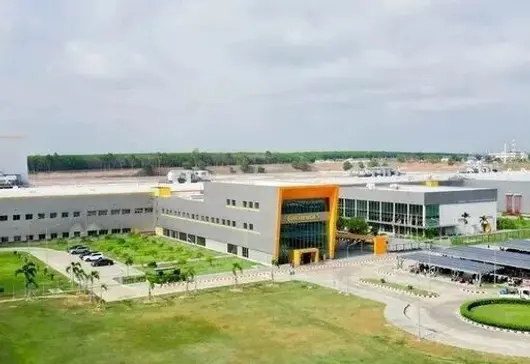
5 月 22 日,德國大陸集團(馬牌輪胎)喺泰國羅勇府嘅輪胎工廠第二期擴建計劃正式竣工投產。該項目總投資超過 3 億歐元(約 130 億泰銖),不僅實現咗產能嘅大幅跨越,更加首次將子午線摩托車胎喺泰國實現本土化生產,進一步鞏固咗大陸集團喺亞太高端輪胎市場嘅核心地位。

產能躍升同產品線拓展
據悉,該項目於 2024 年動工,二期投產後,工廠新增 300 萬條/年嘅乘用車及輕卡車胎產能,總產能實現跨越式增長,達到 800 萬條/年。喺產品佈局上,今次擴建嘅一大亮點係首次喺泰國實現子午線摩托車胎嘅本土化生產,呢項舉動大幅完善咗大陸集團高端摩托胎嘅全球供應鏈版圖。

“智造”升級同就業拉動
喺生產製造方面,羅勇工廠第二期引入咗德國先進設備同高度自動化系統,實現咗由煉膠到成品嘅全流程智能化覆蓋,產品品質全面達到 IATF 國際質量認證標準。同時,該項目嘅落實亦為當地創造咗約 600 個新增就業崗位,並為大陸集團 2029 年嘅後續擴能計劃奠定咗堅實基礎。

深耕亞太,高效響應區域需求
大陸集團行政總裁克里斯蒂安·科茨喺竣工儀式上表示,羅勇工廠係大陸集團全球生產網絡嘅核心支柱,第二期項目嘅竣工係加強亞太戰略嘅重要里程碑。
依靠泰國作為全球第二大輪胎生產國嘅產業優勢,羅勇工廠嘅產品主要供應泰國本土同東盟、澳洲、日韓等亞太市場。憑藉顯著嘅區位優勢,工廠有效降低咗物流成本,能夠高效、敏捷地響應區內對高端輪胎嘅旺盛需求。

賦能高端化同綠色化轉型
業內分析指出,隨著亞太地區汽車產業嘅快速演進,今次羅勇工廠嘅擴建,將顯著提升大陸集團喺新能源、高性能同特種輪胎領域嘅交付能力。呢個唔單止有助於大陸集團搶佔亞太高端市場先機,更將助力整個亞太輪胎市場向高端化、智能化、綠色化方向加速升級。