首頁learning

搜尋歷史
熱門搜尋
經銷商登入 / 註冊

CX-3 Expected to Return! Mazda Reveals Teaser for All-New Small SUV, Appearing as Early as 2027
The classic Mazda small SUV CX-3 is about to welcome a new generation! In Mazda's recently public financial data, a new car photo with camouflage coating accidentally leaked out, labeled as "Next-generation CX-3", which also confirms the rumor, confirming that the new generation CX-3 is under development.
Judging from the leaked camouflage spy photos, the all-new CX-3 remains positioned as a small SUV, but the body proportions are more solid and substantial compared to the current model, and the body height and overall stance are closer to the CX-30. The front features characteristics of Mazda's latest Kodo design language, including a larger grille and sleeker headlight contours. However, the whole vehicle is still covered in heavy camouflage, and the final appearance needs to wait for the official release to be confirmed.
The CX-3 was first launched in 2014, with its compact body, crossover sports style, and agile handling, it gained many users in some overseas markets. In recent years, Mazda's SUV product line has expanded continuously, CX-30 and CX-5 have become the brand's sales mainstays, but the CX-3 continues to sell in some overseas markets, enough to explain that there is still considerable demand in the small SUV market.
This time the new generation CX-3 returns, expected to continue bearing Mazda's entry-level SUV positioning, making a clear product distinction from the CX-30. If the new car maintains a smaller body size and is priced lower than the CX-30, it has the opportunity to attract young consumer groups purchasing an SUV for the first time who value the convenience of urban parking.
As for powertrains, the official side has not yet released any information. Outsiders speculate that the all-new CX-3 will be equipped with gasoline engines with higher thermal efficiency, and a hybrid version may also be launched to adapt to global emission and energy-saving regulations that are becoming increasingly strict. However, there are no definite conclusions currently regarding engine displacement, power parameters, transmission configuration, and whether the hybrid version will materialize.
Combining relevant information from Mazda's financial data, the new generation CX-3 is planned to start landing in markets such as Japan and Southeast Asia in 2027, with Thailand possibly serving as the main production base. Whether this car can expand to more regional markets in the future is also worth continued attention.
Interestingly, with Mazda's existing CX-30, CX-5, and multiple SUVs, after the new generation CX-3 returns, there must be a clear product positioning. It can serve as the brand's true entry-level small SUV, or rely on outstanding exterior design and handling characteristics to take a differentiated product route from the CX-30.
Although this camouflage spy photo has not revealed too many details, it has already released a clear signal: the CX-3 has not ended and is about to return to the Mazda SUV product matrix in a brand new posture. As for the final appearance, power configuration, and regional introduction plans, we still need to wait for Mazda's subsequent official announcement.
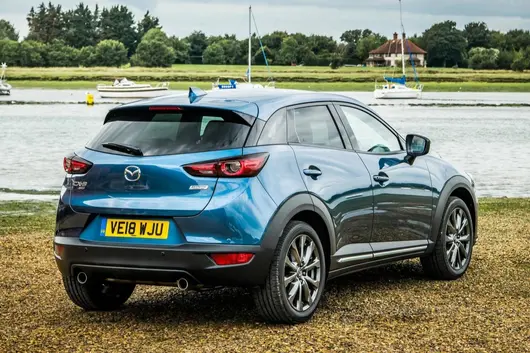

In Malaysia's SUV market, many buyers compare the Proton X70 and Chery Tiggo 8 PHEV when selecting a car. These two models are quite close in price and positioning. Today, we will make a detailed comparison from multiple aspects to save you time on research.
The Proton X70 OTR price in Malaysia is RM 106,800 - 122,300, with a total of 3 versions, including 1.5L Standard 2WD (RM 106,800), 1.5L Executive 2WD (RM 115,800), 1.5L Premium 2WD (RM 122,300), etc.
The Chery Tiggo 8 PHEV OTR price in Malaysia is RM 159,750 - 159,750, with a total of 2 versions, including 1.6L Turbo Standard (RM 130,000), 1.6L Turbo Premium (RM 145,000), etc.
From the price perspective, the Proton X70 starting price is indeed RM 52,950 cheaper than the Chery Tiggo 8 PHEV. If your budget is limited, the Proton entry-level version can already meet daily needs. But note that the few thousand cheaper amount might involve trade-offs in features, depending on your specific needs.
The Proton X70 safety rating is 5★ (ASEAN NCAP), active safety systems include ADAS (ACC, AEB, LKA, LDA, BSM, RCTA).
The Chery Tiggo 8 PHEV safety rating is TBD, active safety systems include Basic.
Regarding safety features, both cars have received good ratings. However, the Proton X70's ADAS (ACC, AEB, LKA, LDA, BSM, RCTA) and the Chery Tiggo 8 PHEV's Basic differ in functionality. If you value active safety, you can compare the feature lists of both carefully.
Proton X70 body length 4400 mm, trunk 400 L.
Chery Tiggo 8 PHEV body length 4400 mm, trunk 400 L.
The dimensions of both cars are almost the same, interior space difference is not large. Cars at this level are fully sufficient for daily use.
Proton X70 warranty 5 years/150,000km, maintenance interval every 10,000km or 6 months.
Chery Tiggo 8 PHEV warranty 3 years/100,000km, maintenance interval every 10,000km or 6 months.
Overall, the Proton X70 and Chery Tiggo 8 PHEV are both very good models in the Malaysian market. Which one to choose depends on your personal needs and budget. We suggest doing research, comparing quotes from several dealerships, and then test driving to make the final decision. Buying a car is a big matter, spending time doing research is never wrong.

In the SUV market in Malaysia, many buyers compare Proton X70 and Honda CR-V when choosing a car. These two models are quite close in price and positioning. Today, we will make a detailed comparison from multiple aspects to help you save time on research.
The OTR price of the Proton X70 in Malaysia is RM 106,800 - 122,300, with a total of 3 versions, including 1.5L Standard 2WD (RM 106,800), 1.5L Executive 2WD (RM 115,800), 1.5L Premium 2WD (RM 122,300) etc.
The OTR price of the Honda CR-V in Malaysia is RM 178,200 - 195,900, with a total of 4 versions, including 2026 e:HEV 2.0L 2WD RS (RM 195,900), 2026 1.5T 4WD V (RM 181,900), 2026 e:HEV 2.0L 2WD E (RM 178,200) etc.
Looking at the price, Proton X70's starting price is indeed RM 71,400 cheaper than Honda CR-V. If your budget is limited, Proton's entry-level version can already meet daily needs. But pay attention, the few thousand RM saved might involve compromises in equipment, depending on your needs.

Proton X70 is equipped with 1.5L Turbo, 140 hp. Official fuel consumption 7.0 L/100km.
Honda CR-V is equipped with 2.0L 4-cyl, 170 hp. Official fuel consumption 8.0 L/100km.
In terms of power, Honda CR-V's 2.0L 4-cyl has 30 more horsepower than Proton X70's 1.5L Turbo. However, for daily city driving, the power of both cars is sufficient, you won't feel a lack of power.

Proton X70's safety rating is 5★ (ASEAN NCAP), active safety systems include ADAS (ACC, AEB, LKA, LDA, BSM, RCTA).
Honda CR-V's safety rating is 5★ (ASEAN NCAP), active safety systems include Honda SENSING (ACC, CMBS, LKAS, RDM).
Both cars have the same safety rating, safety features in this class are quite comprehensive. New cars nowadays have no issues with safety, no need to worry too much about this.

Proton X70 body length is 4400 mm, trunk 400 L.
Honda CR-V body length is 4500 mm, trunk 450 L.
In terms of space, Honda CR-V's body is longer than Proton X70 by 100 mm, passenger space has an advantage. However, Proton X70 will be more flexible for parking in the city, each has its trade-offs.
Proton X70 adopts FWD drivetrain.
Honda CR-V adopts FWD drivetrain.
Both cars have the same drivetrain, both are FWD, daily driving experience won't have much difference.
Overall, Proton X70 and Honda CR-V are both good models in the Malaysian market. Choosing which one depends on your personal needs and budget. We recommend doing your research, compare quotes from several car dealers, then go for a test drive to make a final decision. Buying a car is a big matter, spending time on research is definitely not wrong.


喺馬來西亞嘅 SUV 市場,好多買家喺揀車嘅時候都會拿 Proton X70 同 Toyota Corolla Cross 來做比較。这两款車喺價位同定位上都好接近,今日我哋就從多個層面做一個詳細嘅比較,幫你節省做功課嘅時間。
Proton X70 喺馬來西亞嘅 OTR 售價係 RM 106,800 - 122,300,共有 3 個版本,包括 1.5L Standard 2WD(RM 106,800)、1.5L Executive 2WD(RM 115,800)、1.5L Premium 2WD(RM 122,300) 等。
Toyota Corolla Cross 喺馬來西亞嘅 OTR 售價係 RM 133,800 - 148,800,共有 3 個版本,包括 2026 HEV 1.8L GR Sport(RM 148,800)、2026 HEV 1.8L Standard(RM 140,800)、2026 1.8L Standard(RM 133,800) 等。
由價錢睇嚟,Proton X70 嘅起步價確實比 Toyota Corolla Cross 平咗 RM 27,000。如果你預算有限,Proton 嘅入門版已經可以滿足日常需要。但都要注意,平嗰幾千塊,可能喺配備上會有所取舍,具體就要睇你嘅需要。

Proton X70 配備 1.5L Turbo,馬力 140 hp。官方油耗 7.0 L/100km。
Toyota Corolla Cross 配備 1.5L Turbo,馬力 140 hp。官方油耗 7.0 L/100km。
兩款車用嘅係同一套動力系統,日常開落嚟嘅感覺基本冇咩分別。油耗方面都差唔多,唔使太糾結這一點。

Proton X70 嘅安全評級係 5★ (ASEAN NCAP),主動安全系統包括 ADAS (ACC, AEB, LKA, LDA, BSM, RCTA)。
Toyota Corolla Cross 嘅安全評級係 5★ (ASEAN NCAP),主動安全系統包括 TSS (PCS, LDA, ACC, LTA)。
兩款車嘅安全評級一樣,喺呢個級別入面安全配備都算係好齊全。而家新車嘅安全性都唔錯,唔使太擔心這一點。

Proton X70 車身長 4400 mm,車廂 400 L。
Toyota Corolla Cross 車身長 4400 mm,車廂 400 L。
兩款車嘅尺寸幾近一樣,車廂空間差別唔大。呢個級別嘅車,日常使用完全夠用。
Proton X70 同 Toyota Corolla Cross 都係馬來西亞市場嘅主流選擇,適合家庭用途、日常通勤。如果你更睇重品牌口碑同二手價,可以優先考慮口碑更好嗰一款;如果你更在意性價比同配備,就揀配置更豐富嗰款。最終都係建議兩款都去試駕,親身體驗先係最重要嘅。
總體嚟講,Proton X70 同 Toyota Corolla Cross 都係馬來西亞市場好好嘅車型。揀邊一輛,關鍵始終係要睇你嘅個人需要同預算。建議大家做足功課,多比較幾間車行嘅報價,先去試駕做最終決定。買車係件大事,花啲時間做功課絕對唔會錯。


In the Malaysia SUV market, many buyers compare the Proton X50 and Subaru Crosstrek when choosing a car. These two models are quite close in price and positioning. Today we will conduct a detailed comparison from multiple aspects to help you save time on research.
The OTR price for the Proton X50 in Malaysia is RM 89,800 - 113,300, with a total of 4 variants, including the 1.5T Executive (RM 89,800), 1.5T Premium (RM 101,800), 1.5T Flagship (RM 113,300) and more.
The OTR price for the Subaru Crosstrek in Malaysia is RM 145,000 - 160,000, with a total of 1 variant, including the 2.0L e-Boxer (RM 150,000) and more.
Looking at the price, the Proton X50 starting price is indeed RM 55,200 cheaper than the Subaru Crosstrek. If your budget is limited, Proton's entry-level version can already meet daily needs. But be aware that saving a few thousand might involve compromises in features, it depends on your specific needs.

Proton X50 safety rating is 5★ (ASEAN NCAP), active safety systems include ADAS (ACC, AEB, LKA, LDA, BSM, RCTA).
Subaru Crosstrek safety rating is 5★ (Euro NCAP), active safety systems include EyeSight.
Regarding safety features, both models have received good ratings. However, Proton X50's ADAS (ACC, AEB, LKA, LDA, BSM, RCTA) and Subaru Crosstrek's EyeSight have some differences in functionality. If you value active safety, you can carefully compare the feature lists of both.

Proton X50 warranty 5 years/150,000km, service interval every 10,000km or 6 months.
Subaru Crosstrek warranty 3 years/100,000km, service interval every 10,000km or 6 months.

Proton X50 and Subaru Crosstrek are both mainstream choices in the Malaysia market, suitable for family use and daily commuting. If you value brand reputation and resale value more, you can prioritize the one with better reputation; if you care more about value for money and features, choose the one with richer configuration. Ultimately, it is recommended to test drive both, personal experience is the most important.

Overall, Proton X50 and Subaru Crosstrek are both very good models in the Malaysia market. Which one to choose depends on your personal needs and budget. It is recommended that everyone do their homework, compare quotes from several car dealerships, and then test drive to make the final decision. Buying a car is a big matter, spending some time doing homework will definitely not be wrong.


In the Malaysian SUV market, many buyers often compare Perodua Aruz and Proton X90 when choosing a car. Both models are quite close in price and positioning. Today we will make a detailed comparison from multiple aspects to help you save time on research.
Perodua Aruz's OTR price in Malaysia is RM 72,900 - 77,900, with a total of 2 versions, including 1.5L X (RM 72,900), 1.5L AV (RM 77,900), etc.
Proton X90's OTR price in Malaysia is RM 106,800 - 122,800, with a total of 4 versions, including 2026 1.5T Prime X (RM 122,800), 2026 1.5T Prime (RM 116,800), 2026 1.5T Lite (RM 106,800), etc.
From the price perspective, Perodua Aruz's starting price is indeed cheaper by RM 33,900 compared to Proton X90. If your budget is limited, Perodua's entry-level version can already meet daily needs. However, note that the difference of a few thousand ringgit might involve trade-offs in features, depending on your specific needs.

Perodua Aruz's safety rating is 5★ (ASEAN NCAP), active safety systems include.
Proton X90's safety rating is 5★ (ASEAN NCAP), active safety systems include ADAS (ACC, AEB, LKA, LDA, BSM, RCTA).
Both cars have the same safety rating, and safety features are considered very comprehensive at this level. New car safety is generally good now, so no need to worry too much about this point.
Perodua Aruz body length is 4400 mm, boot 400 L.
Proton X90 body length is 4400 mm, boot 400 L.
The dimensions of both cars are almost identical, with little difference in interior space. Cars at this level are more than enough for daily use.

Perodua Aruz and Proton X90 are both mainstream choices in the Malaysian market, suitable for family use and daily commuting. If you value brand reputation and resale value more, you can prioritize the one with better reputation; if you care more about value for money and features, then choose the one with richer features. Ultimately, it is recommended to test drive both models, as personal experience is the most important.

Overall, Perodua Aruz and Proton X90 are both very good models in the Malaysian market. Which one to choose depends mainly on your personal needs and budget. It is recommended to do your research, compare quotes from several dealers, and then test drive to make the final decision. Buying a car is a big deal, spending time doing research will never be wrong.


Countless business histories prove that the moment everyone recognizes the landscape is unbreakable, the true breaker-out will grow in the cracks.
When a mature market truly undergoes qualitative change, it is often not because a new product appeared, but because the name of the number one changed. Tesla in the automotive industry, Apple in smartphones, DJI in drones, all are like this.
Against the backdrop of countless box-style products emerging and the light off-road track becoming increasingly crowded, such moments of symbolic significance are also arriving successively.
In June 2026, the BJ30 Traveller achieved a monthly sales volume of 8,609 units, topping the sales list of the 100,000-level light off-road box-style market under the same caliber statistics; in the same month, the 150,000th vehicle officially came off the line, becoming the model in China's light off-road SUV that reached 150,000 sales fastest.

The BJ30 Traveller accumulated 150,000 units of sales in less than two years, such a growth speed is not common even in the entire box-style track. But if understanding these merely as an overtake, it undoubtedly underestimates its significance.
Just as BJ40 firmly stays first in the hardcore off-road market, and BJ40 EREV also dominates the EREV box-style market similarly, on a track where competition continues to heat up, true overtaking has never been about chasing opponents, but redefining the endpoint of competition.

BJ40 precisely cracked the 'scenario fragmentation' pain point long existing in the hardcore off-road market, while BJ30 Traveller redefines, not the ceiling of a single parameter, but what kind of user a 100,000-level light off-road SUV should be for, what kind of problems to solve, and what kind of value to create. Along with this, it also redefines the relationship between off-roading and family—they have never been an either-or choice, but a lifestyle that can achieve each other and empower each other.
Therefore, the peak of the BJ30 Traveller is an even clearer signal that under the iteration of competition logic, the light off-road box-style market has entered a new competition cycle.
A New Interpretation of Energy Conservation in Light Off-roading
In the light off-road track of the past few years, it seems to adhere to an iron rule: the stronger the off-road parameters, the higher the product value.
But under the iteration of consumer groups, the track logic has welcomed a fundamental shift. For the vast majority of users, off-roading is just going wild occasionally, not climbing mountains every week. The value standard deciding light off-road is not simply how high the limit of off-road capability is, but whether it can achieve balance among various scenarios like off-roading, urban commuting, and family travel.
On June 12, at the BAIC Zhuzhou Super Factory, the BJ30 Traveller used an all-network public teardown to hand in a set of brand new problem-solving ideas.

Under the live streaming lens, the key component status of this car was laid bare before the audience one by one: engine turbo carbon deposits are extremely few, transmission casing has no oil leakage, internal gears have no wear pits, battery pack has no bulging, liquid leakage, or degradation, sub-frame and suspension arms have no rust or oil seepage.
What the teardown truly validates is not just the mechanical status after 150,000 kilometers, but the balance of a HEV light off-road model in long-term, multi-scenario usage.
Currently, the light off-road market has multiple technical routes. Pure electric power is quiet, smooth, and responds directly, but energy replenishment highly relies on charging facilities; for plug-in hybrid vehicles, after the battery runs out, fuel consumption performance and driving texture will both show obvious slumps.
In comparison, HEV is actually a more balanced choice. No charging piles needed, no range anxiety, fuel up and go; at low speed the motor startup is light and quick with direct response, during cruising the engine runs efficiently, balancing fuel economy.
This balance, in essence, is a response to users' real life scenarios. Not performing outstanding only in one scenario, but able to switch freely between daily life and distance—no awkwardness on workdays, no nervousness on holidays.

Of course, we must also avoid a 'concept trap'.
The 'Light' in 'Light Off-roading', many mistakenly think means reducing off-road performance. In fact, the 'Light' here lowers the experience threshold, not product capability. Although consumers may not challenge extreme road conditions every day, they still hope the vehicle has reliable passability in complex scenarios like muddy ground, gravel roads, wet slippery tracks.
Just as BJ30 chose 'Triple Power', instead of the more common 'Double Power' on the market, it also lies in the understanding of off-road capability.

Double power hybrid systems represented by Toyota THS, Honda i-MMD are already mature enough in urban commuting scenarios, but for a light off-road positioned SUV, the double power architecture with only front drive motors, when facing low adhesion road conditions like cross-axles, mud, gravel roads, still has certain limitations in power response and four-wheel drive distribution.
The Triple Power Four-Wheel Drive Six-Mode HEV Hybrid System equipped on BJ30 Traveller, the whole system consists of a hybrid dedicated engine with thermal efficiency reaching 41%, front drive motor and rear axle drive motor. The three power sources each have their own duties: engine responsible for high-speed cruising and continuous output, front motor bears daily driving like startup, acceleration, rear motor is when vehicle needs recovery, climbing, or driving on unpaved roads, provides stronger low-speed torque and rear-wheel drive power.
Matching the only 'Three Major Components for Travelling Off-roading' in the same class: Electric 4WD, Energy Center Lock, ATS All-Terrain Control System, equivalent to equipping the vehicle with a 'Smart Brain', can automatically identify slipping wheels and transfer power instantly to wheels with adhesion, achieving easy recovery, making the journey worry-free.
Off-roading is capability, Life is the Purpose
Regardless of which route, the power form is never the goal, but the means.
In the auto circle of these few years, it always gives people a feeling of 'over-hyped', more and more technologies, configurations and concepts are stacked endlessly, but may not truly solve users' actual needs. But humans are the measure of all things, truly top-tier technology never obsesses over so-called 'Disruption', but without needing users to bow down to accommodate, whether power form, space configuration, like electric power, they are quietly and deeply supporting, proactively holding up our lives.
Especially for family users, an excellent light off-road, besides answering which technical route is more balanced, also needs to answer three more realistic questions: whether it saves more when driving, whether it's more comfortable when sitting, whether it carries more.
Solving these is the most powerful annotation of 'Disruption'.
Previously, BJ30 Traveller conducted real-world fuel consumption tests in multiple countries overseas, participated by auto bloggers from five countries: South Africa, Indonesia, UAE, Poland, Mexico. Test scenarios included urban congestion, highway cruising, unpaved roads, long-distance self-driving and complex weather, far more close to light off-road users' daily life than standard conditions. Finally, BJ30 Traveller's measured 100km fuel consumption in every country was all below 5L.

Converting this measured data into usage costs, calculated based on driving 15,000 kilometers a year, BJ30 Traveller compared to same-level fuel SUV, can save about 4,000 yuan in fuel costs annually—even compared with many A0-class small cars, its usage cost is still more advantageous.
If low usage cost lowers the ownership threshold, then space determines whether a car can truly integrate into family life.
Family users' demand for space, is not 'big enough', but 'flexible enough'. This also redefines what truly valuable space means: not just dimensional advantages, more in letting families, when facing various 'planned' and 'unplanned', have stronger calm response ability.
The BJ30 Traveller's thinking style is very direct: rather than making space a book advantage, better to turn it into an experience advantage. 2820mm wheelbase, 3-row 7-seat layout and 66% usable space ratio, ensures that every family member can have reasonable seating space when fully loaded; 978mm rear legroom combined with more spacious third row, as much as eliminate the compromise feeling of traditional 7-seat SUV 'Third row is only for emergency'.

Scenarios most commonly encountered by family cars, often are sudden large item moving, temporarily increased travel numbers, or spontaneous short-term camping.
After BJ30 Traveller second row seats folded down, can form 1496L flat loading space. Whether large furniture, appliances during moving, or camping gear, skiing equipment, can easily accommodate; return trip parents stuffed local specialties, Sam's Club etc. warehouse store purchased large items also no need to worry about loading space. Whole car 38 storage spaces, let water cups, umbrellas, documents, computers etc. daily items each have their place.

The recently launched BJ30 Traveller Highlight Edition, is another extension of product value boundaries.
The Highlight Edition adds exclusive paint, fashion modification kit, Star ring hubcaps and orange interior, further emphasizing youthfulness and personalized expression; seat heating and ventilation, steering wheel heating, rain sensing auto window close, 64-color ambient lights, HiFi audio etc. comfort config additions, further improved daily usage quality feeling.

And when a car truly integrates into life scenarios, in every high-frequency usage moment making people feel 'chose right', recognition will naturally precipitate into word of mouth, word of mouth further converts into recommendation. Looking further out, it changes not only a product's market value, but also upgrading consumers' value cognition on light off-roading, a new life travel mode.
The Endgame of Products is Always User Value
Everyone says in this impetuous era, mindshare is the last battle. What is mindshare? Traffic recedes, noise dissipates, the precipitated value is probably mindshare.
Currently, total traffic peaks, per capita attention continues to be scarce, user perception of marketing information also becomes increasingly fatigued. Truly able to cross cycles, continuously growing brands, often are not brands most good at chasing traffic, but those able to continuously occupy user mindshare.
In the final analysis, it is standing with users.
Many people think a car's word of mouth starts after listing. But for BJ30 Traveller, its word of mouth, actually started brewing before the product was born.
Several years ago, box-style started becoming market hot spot, at that time each car enterprise almost put attention on larger sizes, stronger 4WD, higher passability on, industry competition constantly upgrading to 'Harder'.

However, in auto forums, social platform comment sections, users discussed another matter.
'If only box-style cars could save fuel like hybrid cars.' 'Why can't there be a box-style that doesn't need charging, has 4WD, and low fuel consumption?'
These voices seem scattered, but reflect a newly forming new demand: what consumers want is not a more extreme off-road vehicle, but a light off-road SUV that can truly integrate into daily life.
BJ30 Traveller choosing the HEV route, launching domestic first HEV hybrid box-style, is precisely a response to this demand—in other words, it is not defining demand, but discovering demand.
Beijing Off-road did not treat product launch as the end point, but regarded it as the beginning of continuous iteration.

There is user feedback, hope to further improve battery durability during long-term vehicle use. Less than a product cycle, this suggestion was reflected on BJ30 Traveller Highlight Edition—new car upgraded mounting long-life dedicated AGM battery, cycle life reaches 3 times of ordinary battery.
Such changes seem like just a component upgrade, behind which reflects the change of product development ideas: not enterprise defining what users need, but letting users participate in product growth.
This continuous 'listen to advice' ability, also gradually precipitated into BJ30 Traveller's word of mouth asset. According to data released by China Automobile Dealers Association, BJ30 Traveller with 69.5% retention rate ranks first among 100,000-150,000 yuan independent compact SUV retention rate.
BJ30 Traveller is also continuously extending user experience. At the purchasing link, Beijing Off-road launched '30,000 Super Trade-in Policy', trade-in users and new purchase users can both enjoy. BJ30 Traveller whole series super trade-in price as low as starting at 69,900 yuan, pulling hardcore box-style SUV entry threshold to 70,000-level price range.

Looking back, BJ30 Traveller's growth trajectory, actually formed a clear development logic: insight real demand, quickly respond demand, continuously iterate product, then through user word of mouth complete value precipitation. Sales, retention rate and user recognition, seem to be three independent results, essentially are answers after the same set of product logic constantly verified by market.
This path, might become the whole industry's reference template, therefore worth deconstructing, continue to focus.
After all, number one will eventually constantly replace, but truly able to change industry, has always been that set of new value standards behind the list. And this, might be BJ30 Traveller ascending 100,000-level light off-road box-style market, most weighty era significance.


喺馬來西亞嘅 SUV 市場,好買車嘅買家喺揀車嗰陣都會拎 Perodua Ativa 同 Honda HR-V 嚟比較。這兩款車喺價位同定位上都幾接近,今日我哋就由多個方面做一個詳細比較,幫你省返做功課嘅時間。
Perodua Ativa 喺馬來西亞嘅 OTR 售價係 RM 62,500 - 73,400,一共有 3 個版本,包括 1.0L Turbo X(RM 62,500)、1.0L Turbo H(RM 67,300)、1.0L Turbo AV(RM 73,400) 等。
Honda HR-V 喺馬來西亞嘅 OTR 售價係 RM 115,900 - 143,900,一共有 4 個版本,包括 2026 e:HEV 1.5L RS(RM 143,900)、2026 1.5T V(RM 137,900)、2026 1.5T E(RM 130,900) 等。
從價錢來看,Perodua Ativa 嘅起步價真係比 Honda HR-V 便宜咗 RM 53,400。如果你預算有限,Perodua 嘅入門版已經可以滿足日常需求。但都要留意,平嘅嗰幾千蚊,可能喺配備上會有取捨,具體要看你嘅需求。

Perodua Ativa 嘅安全評級係 5★ (ASEAN NCAP),主動安全系統包括 ASA 3.0 + ACC + LDA + LKA + BSM + RCTA。
Honda HR-V 嘅安全評級係 5★ (ASEAN NCAP),主動安全系統包括 Honda SENSING (ACC, CMBS, LKAS, RDM)。
兩款車嘅安全評級一樣,喺呢個級別入面安全配備都算俾得好齊全。而家嘅新車安全性都唔差,唔使太擔心這一點。
Perodua Ativa 車身長 4400 mm,尾箱 400 L。
Honda HR-V 車身長 4500 mm,尾箱 450 L。
空間方面,Honda HR-V 嘅車身比 Perodua Ativa 長咗 100 mm,乘坐空間更有優勢。不過 Perodua Ativa 喺市區裏面泊車會靈活少少,各有取捨。
Perodua Ativa 同 Honda HR-V 都係馬來西亞市場嘅主流選擇,適合家庭使用、日常通勤。如果你更睇重品牌聲譽同二手價,可以優先考慮聲譽更好嗰款;如果你更介意性價比同配備,就揀配置更豐富嗰款。最終都係建議兩款都去試車,親身體驗先係最重要。

總嚟講,Perodua Ativa 同 Honda HR-V 都係馬來西亞市場幾唔錯嘅車型。揀邊一辆,關鍵都係要看你嘅個人需求同預算。建议大家做足功課,多比較幾間車行嘅報價,再去試車做最終決定。買車係件大事,花少少時間做功課絕對唔會錯。


从首台整车驶下生产线,即将迎来第3000万辆整车下线,广汽每一步成长,都离不开全球千万用户的选择与长久陪伴。品牌官宣,7月16日将举办盛大3000万用户感恩主题活动,共同见证累计产销突破3000万辆这一历史性里程碑。2026上半年广汽交出稳健经营答卷,累计整车销量77.31万辆,同比上涨2.35%,自主品牌高速增长、海外销量翻倍爆发,亮眼数据背后,是千万用户投出的信任票,而全链路严苛品质管控,正是广汽回馈3000万份托付的核心底气。

依托“番禺行动”改革落地释放的市场红利,广汽自主品牌增长势能全面释放,上半年自主车型累计售出34.60万辆,同比大增35.69%,合资板块稳步前行,源源不断新用户加入广汽大家庭,共同汇聚起三千万用户的庞大用户版图。始终以用户需求为核心,广汽持续完善线上线下一体化服务体系,线下渠道加速下沉县域市场,年内计划落地1000家县域授权门店,截至6月已有600家完成认定,让看车、维保等基础服务触达下沉市场消费者;线上推出“超级管家”专属服务机制,做到5秒快速响应、2小时闭环解决用户各类用车诉求,大幅提升服务效率。针对新能源车主补能痛点,广汽搭建起覆盖全国213座城市的“9纵10横”全域充电网络,自营充电桩突破27000根,核心城区实现一公里充电圈,彻底缓解长途出行补能焦虑。安全层面广汽同样持续加码,推出行业自主品牌首个“三担责”服务承诺,旗下星灵安全守护体系已服务近200万车主,累计规避628万次潜在行车风险;弹匣电池装车总量达140万台,累计安全行驶超1100亿公里,零重大安全事故的过硬记录,为每一段出行保驾护航。活动当日广汽还将上线专属感恩福利,涵盖购车补贴、低息金融方案、置换升级多重礼遇,用实在优惠回馈全球车主多年相伴。

在国内市场稳步上行的同时,广汽依托“One GAC 2.0”战略稳步推进体系化出海,完成从单纯整车出口向全产业链海外布局升级。2026上半年自主品牌出口12.15万辆,同比暴涨132%,销量规模已接近去年全年,美洲、亚太、中东、非洲、欧洲五大海外市场同步实现大幅增长,彰显全球消费者对广汽中国制造的认可。目前广汽国际化业务覆盖110个国家与地区,布局746家海外经销服务网点、6座海外整车工厂以及9个零部件仓储中心,构建起研发、制造、供应、销售全链路本地化运营体系。各区域市场表现亮眼,巴西、哥伦比亚等美洲国家车型销量成倍攀升;中国香港1至5月电动车市占率突破11%,泰国6月销量环比大涨207%;欧洲市场完成本地化产销体系搭建,新能源产品持续深耕主流市场。坚持“在当地、为当地”运营思路,统一全球造车与服务标准,海外市场持续增长,不断扩充广汽3000万全球用户版图。

品质是广汽立足市场的根本,也是三千万用户信赖的根基。数十年发展历程中,广汽融合合资时代精益制造经验与自主赛道前沿技术创新,把严苛品质标准贯穿车辆研发、测试、生产、交付全流程。广汽埃安智能生态工厂作为全球新能源灯塔工厂,同时获评国家级零碳工厂,生产线每53秒即可完成一台整车下线,支持二十余种车漆、十万级个性化配置混线生产,生产环节引入华为AI视觉检测、异音识别数字化设备,全方位把控出厂品质。每一款新车正式上市前,都要经过五百余名工程师历时上千个日夜、近万项严苛测试,等效测试总里程超1300万公里,覆盖高温、高寒、复杂路况等各类极限场景。依托全球首创集空气动力学、气动声学、热力学于一体整车风洞实验室,持续优化车辆能耗与车内静谧表现。安全防护体系采用双冗余设计,星灵架构覆盖智驾、底盘、主被动安全、电池四大防护板块,八大核心系统双倍硬件防护,筑牢整车安全底线。

站在第3000万辆整车下线的全新发展节点,广汽将持续深化“番禺行动”全方位改革,坚守以用户为中心的经营理念,把全球三千万用户的信任转化企业前行动力,持续迭代高品质产品、升级前沿自研技术、完善全域服务网络,与海内外万千车主携手奔赴全新发展征程。
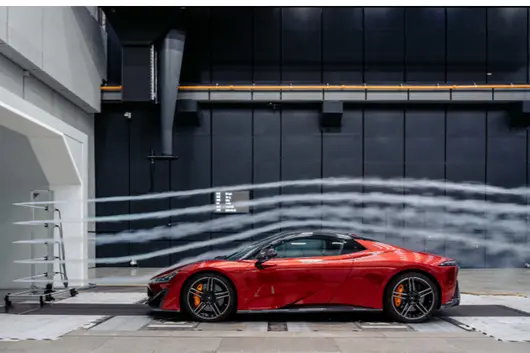

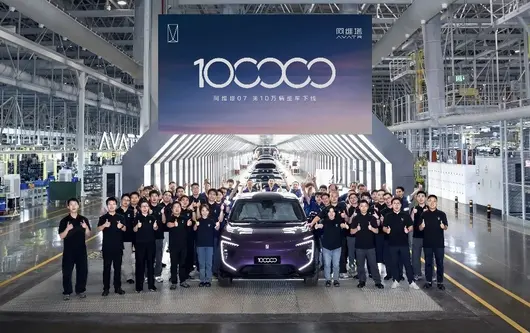
2026 年 7 月 8 日,重慶,阿維塔科技宣佈阿維塔 07 第 10 萬輛新車正式下線。此次下線嘅第 10 萬輛阿維塔 07 為右舵車型,即將從重慶啟航遠赴海外市場,標誌住阿維塔全球化戰略邁出堅實一步。

自上市以來,阿維塔 07 憑藉未來美學原創設計、都市豪華頭等艙體驗、六大硬核技術神器以及卓越安全品質,成為阿維塔銷量主力車型,助力品牌累計銷量突破 26 萬輛。新車先後斬獲 2024 美國 IDA 國際設計金獎及 2025 德國 iF 設計大獎,集華為乾崑 ADS 4、鴻蒙座艙 HarmonySpace 5、寧德時代神行超充電池等頂尖技術於一身。

目前,阿維塔 07 已遠銷新加坡、泰國、阿聯酋等國家。伴隨第 10 萬輛下線,全新嘅智美家庭豪華 SUV 阿維塔 07L 亦將開啟預售,形成雙車陣列,為用戶提供更精準選擇。

易控智驾上市首日开盘价为91.00港元,较发行价87.92港元上涨3.5% 。
2026年7月8日,易控智驾(07687.HK)在港交所主板正式挂牌,作为“全球矿区无人驾驶第一股”,其上市不仅是资本市场的焦点,更是中国自动驾驶技术在封闭场景实现规模化商业落地的里程碑。
本次高开是市场对其行业地位和高成长性的正向反馈,也扭转了此前同赛道新股上市首日破发的市场印象,在同赛道已上市企业中表现明显更加强势。截至发稿前,易控智驾股价上涨至100.2港元/股。

在商业模式、规模效应与出海战略已被广泛讨论的背景下,我们不妨将目光投向更深层的产业逻辑,从产业链重构、行业标准制定以及财务健康度三个维度,重新审视这家独角兽企业的长期价值。
前一日,易控智驾晚间公布配发结果,公司全球发售2613.2万股H股,香港公开发售占10%,国际发售占90%。每股发售价87.92港元,全球发售净筹约21.75亿港元。其中,香港公开发售获157.82倍认购,国际发售获10.5倍认购。
01
产融结合,建立协同生态
从某种程度上说,易控智驾的商业模式是中国矿业智能化产业链深度整合的缩影。其基石投资者阵容极具代表性:宁德时代、徐工集团、紫金矿业等行业巨头悉数在列。这是一种“产融结合”的模式,说明易控智驾已从单纯的技术提供商,进化为串联起“能源-装备-场景-算法”的产业链“链主”。
具体来看,宁德时代提供新能源动力底座,徐工集团保障工程机械硬件适配,紫金矿业等头部矿企提供真实且复杂的落地场景。这种闭环生态不仅降低了技术磨合成本,更通过深度绑定重塑了矿山行业的供应链标准。此外,随着“著山”系统对70多款车型的兼容适配,也表明了其技术架构逐渐具备矿区智能化“安卓系统”的通用性特征。

未来,这一通用化的技术架构有利于吸引更多产业链伙伴加入生态,进一步放大网络效应。易控智驾依托通用性技术架构与上下游进行价值共创,不仅有利于减少企业间利益冲突,更有利于整体效率的提升。
02
从“行业参与者”到“规则制定者”的身份跃迁
在L4级自动驾驶缺乏统一国家标准的背景下,谁先落地掌握更多数据,谁就拥有了行业话语权。招股书显示,易控智驾已参与制定17项国家、行业以及团体标准,并牵头露天矿山无人驾驶标准化工作组。之所以将参与标准制定拿出来单说,这是因为参与标准制定的好处是大大的,能够为企业带来行业规则话语权,以及品牌权威背书等等优势,有利于建立长期壁垒。
当然易控智驾参与标准的底气,来源于海量的数据积累。截至2025年底,公司投入运营无人矿卡2580 台,是全球最大矿区的无人驾驶车队;新疆白石湖单一矿山部署超500 台无人矿卡,创下全球单体矿山无人驾驶规模纪录,累计安全行驶超 2300 万公里,连续六年零重大安全事故。

此外,在混行、混装、混卸等复杂场景下,其“三天快速部署”能力及高兼容性方案,正在成为衡量矿区智能化水平的标尺,从而在激烈的市场竞争中占据制高点。
落地和数据为易控智驾赢得标准制定参与和牵头的机会。而这种标准制定者的身份,反过来又会进一步巩固其“链主”地位,形成商业落地推动标准形成、标准建立放大竞争优势的正向循环。
03
“盈利拐点”与现金流大考
相对于生态和品牌这些无形资产,盈利和现金流则更加落地和实际。
目前,易控智驾的状况是营收呈现爆发式增长,但现金流仍未转正。2025年,易控智驾营收达14.35亿元,同比增长45.5%,但持续亏损仍是市场关注的焦点。三年累计净亏损约12.39亿元,2025年经营现金净流出虽收窄至3.94亿元,但仍未转正。

一方面,高达2.71亿元的研发投入是维持技术领先的必要代价,研发费用占收入比例已从2023年的65.4%大幅下降至18.8%,规模带来的营收增长初步显现;另一方面,轻资产转型带来的毛利率提升。招股书显示,2025年整体毛利率达10.1%,其中客户提供车队模式毛利率达16.0%,这是改善财务状况的核心驱动力。

研发费用增长,但在营收占比下降
市场下一步关注的则是,易控智驾在扩大部署规模的同时,如何平衡应收账款周期与供应商付款压力,以及何时能实现经营现金流转正和净利润扭亏为盈。
这不仅是易控智驾的生存指标,也是检验其商业模式可持续性的重要体现。


喺馬來西亞嘅 SUV 市場,好多買家喺揀車嘅時候都會拿 Proton X50 同 Subaru Forester 嚟做比較。呢兩款車喺價位同定位上都蠻接近嘅,今日我哋就從多個方面做一個詳細嘅比較,幫你節省做功課嘅時間。
Proton X50 喺馬來西亞嘅 OTR 售價係 RM 89,800 - 113,300,一共有 4 個版本,包括 1.5T Executive(RM 89,800)、1.5T Premium(RM 101,800)、1.5T Flagship(RM 113,300) 等。
Subaru Forester 喺馬來西亞嘅 OTR 售價係 RM 174,000 - 197,000,一共有 3 個版本,包括 2024 2.0L S EyeSight GT Edition(RM 189,538)、2024 2.0L S EyeSight(RM 177,538)、2024 2.0L L EyeSight(RM 167,538) 等。
從價錢嚟睇,Proton X50 嘅起步價確實比 Subaru Forester 便宜咗 RM 84,200。如果你預算有限,Proton 嘅入門版已經可以滿足日常需求。但都要注意,便宜嗰幾千蚊,可能喺配備上會有取舍,具體要睇你嘅需求。
Proton X50 搭載 1.5L 4-cyl,馬力 105 hp。官方油耗 6.0 L/100km。
Subaru Forester 搭載 2.0L 4-cyl,馬力 170 hp。官方油耗 8.0 L/100km。
動力方面,Subaru Forester 嘅 2.0L 4-cyl 比 Proton X50 嘅 1.5L 4-cyl 多咗 65 匹馬力。不過日常喺市區開,兩款車嘅動力都夠用,唔會覺得唔夠力。
Proton X50 車身長 4400 mm,尾箱 400 L。
Subaru Forester 車身長 4400 mm,尾箱 400 L。
兩款車嘅尺寸幾乎一樣,車內空間差別唔大。呢個級別嘅車,日常使用完全夠用。
Proton X50 保養 5 年/150,000km,保養間隔 每 10,000km 或 6 個月。
Subaru Forester 保養 3 年/100,000km,保養間隔 每 10,000km 或 6 個月。

總體嚟講,Proton X50 同 Subaru Forester 都係馬來西亞市場好唔錯嘅車型。揀邊一輛,關鍵係要睇你嘅個人需求同預算。建議大家做好功課,多比較幾間車行嘅報價,再去試駕做最終決定。買車係件大事,花少少時間做功課絕對唔會錯。

車型概覽

吉利博越 值唔值得睇,第一步唔係望牌子或者外形,而係睇佢能唔能夠配合你嘅香港日常。 呢篇會集中講家庭乘坐、行李同舒適度,幫你用買家角度篩走唔適合嘅選擇。
售價仍待確認,買家可以先把佢放入候選名單,等價格落實後再同同級車逐項比較。
購車價格指南
吉利博越 目前售價仍未清晰,較理性嘅做法係先睇版本、車身大小同動力形式,等價格落實後再決定值唔值得落訂。
如果有幾個版本可揀,可以先將 2024 1.5T 雙離合版(價格待確認)、2025 1.5T 雙離合版(價格待確認) 放喺同一張清單。日常通勤重視舒適同易用,家庭買家就要優先睇後排、尾箱同安全配置。
核心規格重點
睇 吉利博越 嘅規格,重點唔係背數字,而係理解佢喺香港用車場景會帶嚟咩分別。
渦輪增壓、4 個 汽缸、1499 mL 排量 嘅動力底子,重點係市區跟車夠唔夠順、高速巡航會唔會吃力。 181 Ps / 133 kW、290 N·m 嘅輸出,對滿載、上斜同超車都比單睇馬力數字更有意思。 車長 4510/4549 mm、車闊 1865 mm、車高 1650 mm、軸距 2701/2707 mm 可以幫你預判商場停車場、屋苑車位同後排腿部空間。 濕式雙離合(DCT)、前置前駆 會影響起步順滑度、濕地穩定感同長途巡航性格。
優缺點分析
吉利博越 嘅優點唔需要講到天花龍鳳,真正有價值係佢能唔能夠令日常用車更省心:動力輸出對高速同上斜更有底氣、空間同車身尺寸方便家庭買家預判實用性。
要留意嘅係,香港停車場同窄路使用要留意車身闊度、售價未清晰前唔應該太早用性價比落結論。呢啲唔一定係缺點,但係落訂前應該先諗清楚。
買家常見問題
買 吉利博越 之前,真正要問嘅唔係單一規格,而係佢可唔可以融入你每日嘅生活節奏。
常見疑問係「吉利 Geely 博越 內飾設計係咩風格?」簡單講,吉利 Geely 博越 採用豪華 Nappa 真皮座椅,設計大氣典雅。 放到實際用車,就係要睇佢對通勤、泊車、家庭乘坐同長期成本有幾大幫助。
同級對比內容
將 吉利博越 放入同級車清單時,唔建議只用外形或者品牌光環決定。比較順序可以係:先等售價落實,再決定佢應該同邊個級距比較、再睇動力係咪足夠應付高速併線同滿載、最後睇車身大小、座位同尾箱是否適合家人。
咁樣篩選會貼近香港買家真實生活:平日塞車、商場泊車、周末去新界、甚至一家人出入,先係一部車每日要面對嘅考驗。
用車全周期指南
擁有 吉利博越 唔係買車一刻就完結,之後仲有保險、輪胎、保養、泊車同日常能源成本要處理。
如果你主要喺市區行,視野、低速順滑度同泊車輔助會好影響心情;如果經常行高速或跨區,座椅舒適度、隔音同動力從容感會更重要。


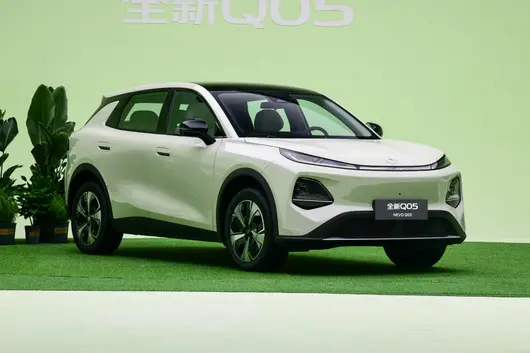
唔知有幾多朋友最近期關注 10 萬內純電 SUV 市場?近段時間睇嚟,呢個細分市場好熱鬧。就講長安啟源全新 Q05 同零跑 A10,上個月銷量分別達 15814 輛同 14372 輛,全部挺進 2026 年 4 月銷量排行全品類前 10,長安啟源全新 Q05 甚至奪得緊緊湊型純電 SUV 市場嘅銷冠。

(長安啟源全新 Q05)
值得留意係,兩款大熱門產品亮點亦唔少,9 萬級可以得到 500km+嘅續航,零跑 A10 甚至配備激光雷達,有高級智駕輔助需求嘅朋友嚟講,呢架車吸引力的確唔低。但係喺價格上,同為高配嘅長安啟源全新 Q05 506Max+ 同零跑 A10 505 激光雷達版,終端價格分別係 9.59 萬同 8.68 萬,手握 9 萬左右預算嘅朋友都可以考慮。明顯係,又去到決賽圈二揀一環節。
 (零跑 A10)
如果對預算比較敏感,咁喺長安啟源全新 Q05 同零跑 A10 之間,後者可能更受歡迎,畢竟終端價格實打實平咗幾千元。而且,高配 A10 配有激光雷達,市區/高速情況均能啟動領航輔助駕駛,呢個就係佢嘅優勢所在。當然,如果預算允許,揀長安啟源全新 Q05 高配,都有帶激光雷達嘅高級輔助駕駛。
 (長安啟源全新 Q05)
但既然係買車前嘅橫評,唔少全方位對比。首先從尺寸睇,作為緊湊型 SUV,長安啟源全新 Q05 長寬高分別係 4435*1855*1595mm,軸距為 2735mm。而零跑 A10 車型級別就係小型 SUV,長寬高分別係 4270*1810*1635mm,軸距為 2605mm。
 (零跑 A10)
如果只係考慮代步、通勤,零跑 A10 嘅細個嘅略有優勢,方便行街串巷。但實際上,好多人買車都要兼顧家用,10 萬內預算也多以剛需用車群體為主。既然係剛需,且有家用需求,嗰空間自然唔好掉鏈子。
 (長安啟源全新 Q05)
 (零跑 A10)
講返日常家庭出行嚟講,兩車之間 130mm 軸距差異,直接反映喺後排體驗。坐入長安啟源全新 Q05 後排,腿部空間平整兼寬敞,一齊坐 3 位成年人都唔會太擠;但係坐入零跑 A10 後排,無論坐寬定係腿部空間都會細少少。媽咪喺後排照顧孩子,長安啟源全新 Q05 後排更加寬敞嘅空間會更加方便佢操作,孩子都能有更大嘅活動空間。
 (長安啟源全新 Q05)
 (零跑 A10)
除咗空間,通勤黨同家庭用戶對舒適配置都比較關注。睇嚟對比,兩車都有配電動尾門、無匙進入、自適應遠近光等外部配置。但係從車廂內睇,零跑 A10 副駕無法電動調節,後排靠背都唔支援角度調節,同埋缺少後排空調出風口、車內 PM2.5 過濾裝置等。
 (長安啟源全新 Q05)
 (零跑 A10)
反觀長安啟源全新 Q05,除咗副駕支持電動調節,前排仲集成咗加熱/通風/按摩/副駕腿托功能,對比零跑 A10 只提供前排座椅加熱,佢嘅品質無疑更上一層樓。包括後排乘員都有少少照顧,例如靠背角度可調、配有後排空調出風口、後排中央扶手/杯架等,更加適合家人同行呢類場景。
 (長安啟源全新 Q05)
 (零跑 A10)
除咗舒享體驗,行駛系統嘅對比我哋都唔好忽略。首先從大家關注嘅續航睇,長安啟源全新 Q05 同零跑 A10 分別搭載 51.9kWh、53kWh 電池,CLTC 純電續航做到 506km、505km,差異大可忽略。但從電芯供應鏈睇,前者出自寧德時代,後者就係國軒高科/江蘇正力,若論品牌含金量,“寧王”順位自然靠前,更值得信賴。另外,兩車都有全球品質,按照全球嚴苛嘅標準打造,零跑 A10 符合國內、歐盟雙標準,長安啟源全新 Q05 已經喺泰國上市,未來仲會相繼落地多個國家地區,最終開拓歐洲區域,此外仲有央企背書,質量品質都好可靠。
因為本文討論嘅係 A10 嘅 505 版本,採用電池液冷技術,溫控較好,而如果係 403 版本,採用成本低嘅風冷技術,散熱效果較差。呢點上,全新 Q05 做得更好,入門就採用電池直冷技術,高配用嘅係液冷技術,能更好地實現熱管理,保證電池安全。
 (長安啟源全新 Q05)
 (零跑 A10)
動力方面,長安啟源全新 Q05 同零跑 A10 都係前置單電機佈局,電機最大動力輸出分別係 120kW/190N·m、90kW/150N·m,0-100km/h 加速時間分別做到 8.9 秒同 10.6 秒。坦率嚟講,兩款車喺純電陣營加速性能都中規中矩;但係相對嚟講,長安啟源全新 Q05 嘅 8 秒級零百加速,喺山路行駛、高速超車等情況下會比零跑 A10 更加分。
 (長安啟源全新 Q05)

(零跑 A10)
總結嚟講,零跑 A10 505 激光雷達版優勢突出:價格更低、智駕輔助覆蓋範圍更廣,適合預算優先 + 科技嘗鮮嘅消費者。而長安啟源全新 Q05 更強調“全面”二字:加少少預算同樣可以獲得高級輔助駕駛,而且尺寸更大、舒適配置更高、採用頭部電芯供應鏈,動力亦更強,綜合表現更全能。總括嚟講,預算 9 萬級追求面面俱到嘅家用體驗,長安啟源全新 Q05 506Max+ 更加值得考慮。

Have you ever seen the roads in India?
I've seen them online.
The scene is usually like this: a sedan blocked behind a cow, motorcycles running wild nearby, even milk tea vendors nearby, so "clean and hygienic".

However, in a place where many feel physically uncomfortable after watching, Toyota, Suzuki, Honda and other Japanese car companies decided to bet on India.
According to the Indian "Brand Quality Foundation" website, the three car companies will invest nearly $11 billion to build factories, increase capacity, and develop exports in India.
Some netizens commented: Did the three Japanese car companies have too much money?
In fact, they didn't have endless money to spend, nor were they bewildered by Indian curry. These Japanese car executives are much clearer than us.
Current Japanese car revenue and market share are declining. Raw material costs are soaring. Looking at the world map, finding a market that can accommodate capacity, expand share, and has gentle competition is not easy.
So, it wasn't that Japanese car companies chose India, but because they had no choice.
The Pain of Japanese Car Companies
Past Japanese cars were truly the envy of others.
Ask old drivers who drove Japanese cars over ten years ago, talking about Japanese cars, almost no one doesn't give a thumbs up, cheap price, fuel saving, durable...
Even many Japanese cars needed to be bought at a markup, but who would think this iron fortress would be beaten out of sight in a few short years.
With the wave of new energy vehicles coming, electrification and intelligence became the goal for many domestic car companies to "leapfrog". Relying on China's strong new energy vehicle industry chain advantages and car companies' own persistence on R&D and technology, Chinese independent brands quickly achieved "leapfrogging".
Domestic cars once criticized are now becoming more and more common on the roads, even surpassing joint ventures in share.
According to CPCA data, in April 2026, the share of independent brands reached as high as 62.5%, far exceeding Japan's 13.1%.

You need to know, the Chinese car market is the largest car market in the world. Losing speed in the Chinese market is like losing a huge piece of cake.
Meanwhile, the main theme of the Chinese market in recent years is still price wars. Racing on configuration, price, and service has become a normal state, which also had a huge impact on Japanese cars' profits.
Apart from China, Japanese cars are also not doing well in the US.
On January 20, 2025, Trump swore in as the 47th US President, starting a series of chaotic operations, including imposing additional car tariffs in the name of national security, causing the tariff rate for imported Japanese cars to reach as high as 27.5% at one point. Although it decreased later, it was still far higher than the initial tax rate.
This operation directly led to a tariff loss of over 2 trillion yen for seven Japanese car companies in fiscal year 2025.
Looking at Japan itself, it is actually not easy either.
Middle East geopolitical conflicts blocked shipping in the Strait of Hormuz, transportation costs and raw material costs soared, Japanese car companies also had to suffer in silence.

Executives looking at the reports, their backs went cold, only to find a new growth curve.
So, Japanese car companies didn't fall in love with India, there was nowhere else to go.
Deep Thought on Choosing India
So, what magic does India have, to make Japanese car companies invest heavily?
The first advantage is big. In 2025, the Indian car market achieved 5.517 million new car sales, up 6% year-on-year, breaking the historical record, ranking as the third largest car market in the world, exceeding Japan for four consecutive years, second only to China and the United States.
The value of this doesn't need me to say much. India achieved this result mainly because India has been promoting tax reduction policies to promote consumption, which led to a significant increase in domestic consumption willingness.
The second advantage is close, meaning it is close to places where Japanese cars sell well, such as Africa.
So, India for Japanese car companies is more like a convenience store built in the center of a crossroad. You don't need to ship cars to eight countries separately, just build well at this stop in India, then unload ship by ship, and you can save a lot of costs.

The Nikkei also believes that India is expected to become its global car supply center.
The third advantage is stability. You know, Japanese cars' advantage is fuel cars, after all, the three major components of engines, gearboxes, and chassis, they have played for many years, technology accumulation is number one in the world.
But the Chinese car market has fully promoted electrification and intelligence development, leading to Japanese cars' advantage becoming weaker and weaker, impossible to play out. But India is different, it has the characteristics of few charging piles and slow electrification process. Indian old people buying cars still look for cheap, fuel saving, easy to fix, and these three points are exactly Japanese cars' old trade.
Especially Suzuki, always been India's car market evergreen, almost always sitting on the best-selling model throne, reputation of being worry-free, better than any advertisement.
So, Japanese car companies' vigorous layout of the Indian market is obviously carefully considered.
But, is the Indian market really that easy to mix?
The Hard-to-Bite Indian Market
Of course, India is not perfect like a hot commodity, its disadvantages are as obvious as its advantages, and every one is enough for Japanese car companies to face a hard time.
First talk about electrification. Yes, right now India has few charging piles and electric cars don't sell well, it is indeed a shelter for Japanese fuel cars. But you have to think, how long can this "shelter" avoid?
India previously shouted the slogan of 30% of new cars being electric vehicles by 2030. Although it sounds like bragging, but can't help but they really give subsidies, really build charging stations.
Imagine, what if one day India suddenly wakes up, starts vigorously promoting electrification, doing infrastructure, charging piles popping out like mushrooms after rain, then Japanese cars will be dumbfounded?
Isn't this a version of the Thai market?
Back then Japanese cars in Thailand won easily. The entire Southeast Asian market was called Japanese cars' backyard. Result Thailand took the lead in promoting electrification. Chinese electric vehicles came in, directly became a hot commodity. Look at Japanese cars again, share in Thailand falling down rapidly.

If India accelerates electrification, history will likely repeat, and this time, Japanese cars don't even have a place to flee, how to prevent will become the first problem for Japanese car companies.
Next talk about policy. India's policy is like a pot of curry, you never know if you will eat chicken or potato next time.
This magical country, today low tariff encourages building factories, tomorrow may fine you a huge amount. What's more annoying is mandatory joint venture. Foreign car companies want to sell cars in India, have to find local partners to partner up. When your factory is built, supply chain is done, India directly backstabs you. At that time whether adding money or withdrawing capital, what you get is heartache.
So you see, this market like India is like a mango that looks very sweet, bite the first mouth it's okay, chew two more mouths hit the hard core.
Japanese cars now is calculating, while the core hasn't bit the tooth, hurry up to nibble a few more mouths, but the core will bite sooner or later, just don't know which day.
Epilogue
Japanese cars this trip to India, not go for tourism, is go to make a living.
Chinese and Southeast Asian dining tables are more crowded, production and transportation costs have risen. Looking around the world, only this pot in India is still steaming, even if what is boiling inside is curry-flavored stones, have to bite hard and chew down.
Japanese car companies want to expand market, India wants to pull economy, solve employment, both sides have their own thoughts.
As for the ending is Japanese cars in India regain their glory, or like past competitors shamefully walk away, then is not known.
But no matter how, this play just started, we slowly watch is okay.
Anyway India's story, never bored.